

Overview
Spermatogenic at a Glance
Spermatogenic herbs are used to support sperm production and semen quality, including sperm count, motility, morphology, and semen volume.
Some appear to work through the reproductive hormones that regulate the testes.
Ashwagandha, for example, has increased testosterone alongside improvements in sperm count, suggesting at least part of its effect comes through endocrine support.
Others improve semen parameters without changing reproductive hormones.
Maca has increased sperm count, motility, or semen volume in small human studies while testosterone, LH, FSH, prolactin, and estradiol remained unchanged. This points to a non-hormonal effect rather than increased androgen drive.
Oxidative protection is another important route.
Sperm are particularly vulnerable to oxidative damage, and herbs such as nigella and ashwagandha may help preserve motility and morphology by reducing oxidative stress in the seminal environment.
Because spermatogenesis takes roughly two to three months, meaningful changes in sperm production are not expected quickly.
Spermatogenic herbs are used mainly in male subfertility, reduced sperm count or motility, and impaired semen quality, although improvement in a semen analysis does not necessarily translate into improved pregnancy rates.
Herbal traditions have treated male infertility for as long as they have existed.
Ayurveda groups herbs of this kind as vajikarana, the rejuvenative class for reproductive vitality, and both ashwagandha and shatavari belong to it.
Cordyceps has never been tested in a man. Its evidence is a study in subfertile boars, and its traditional reputation for sexual vitality is much older than any of the modern work.
Caution
Herbs will not fix the cause — varicocele, infection, obstruction, endocrine disorders, medications and genetic causes need a proper fertility assessment, not semen-supportive herbs alone.
Testicular pain needs assessment — azoospermia, testicular pain, swelling or a lump, and any sudden change need medical assessment rather than a herb.
Sports blends may be adulterated — these herbs are sold largely through sports-supplement channels, where undeclared hormones and drugs are common.
Mechanisms
How It Works
01
Oxidative Protection of the Seminal Environment
Sperm are unusually vulnerable to oxidative damage, and reducing it improves motility and morphology without changing how many are made.
Nigella’s effect is attributed to thymoquinone’s antioxidant activity, and ashwagandha’s to a fall in seminal-plasma oxidative stress. Neither has been measured in the testis itself; both are inferred from the compound’s general behaviour and from the parameters that moved.
Conventional male-fertility practice uses the same idea in the antioxidant protocols given for idiopathic infertility, where the evidence is similarly built on semen parameters rather than births.
Herbs: AshwagandhaNigella
Key compounds: Thymoquinone
02
Endocrine Support
Raising testosterone, LH or FSH increases the hormonal drive on the testis, and sperm production follows it.
Ashwagandha raised testosterone alongside sperm count in its trial, so its effect is not purely local.
Cordyceps enhances steroidogenesis and protects the blood–testis barrier in animal models.
Tribulus is marketed on this route, and the testosterone premise behind it is repeatedly unsupported in men.
Spermatogenesis takes about 74 days, so nothing on this route acts quickly. Every trial here runs for two to three months for that reason.
Herbs: AshwagandhaCordycepsTribulus
03
Non-Hormonal Routes
Some herbs improve semen parameters with the reproductive hormones measurably unchanged.
Maca shows it most directly. Four months of it raised seminal volume, sperm count and motility with no change in LH, FSH, prolactin, testosterone or estradiol, and sperm concentration is the parameter that replicates most cleanly across its small human trials.
An effect with no identified route is a different kind of uncertainty from a route with no measured effect, and maca is the first while tribulus is close to the second.
Herbs: Maca
Materia Medica
Spermatogenic Herbs by Potency
The spermatogenic herbs, ordered by the relative strength of the effect rather than by how well studied it is. Each herb is described by the mechanism behind its effect and the evidence for it.
None of this is a substitute for professional care.
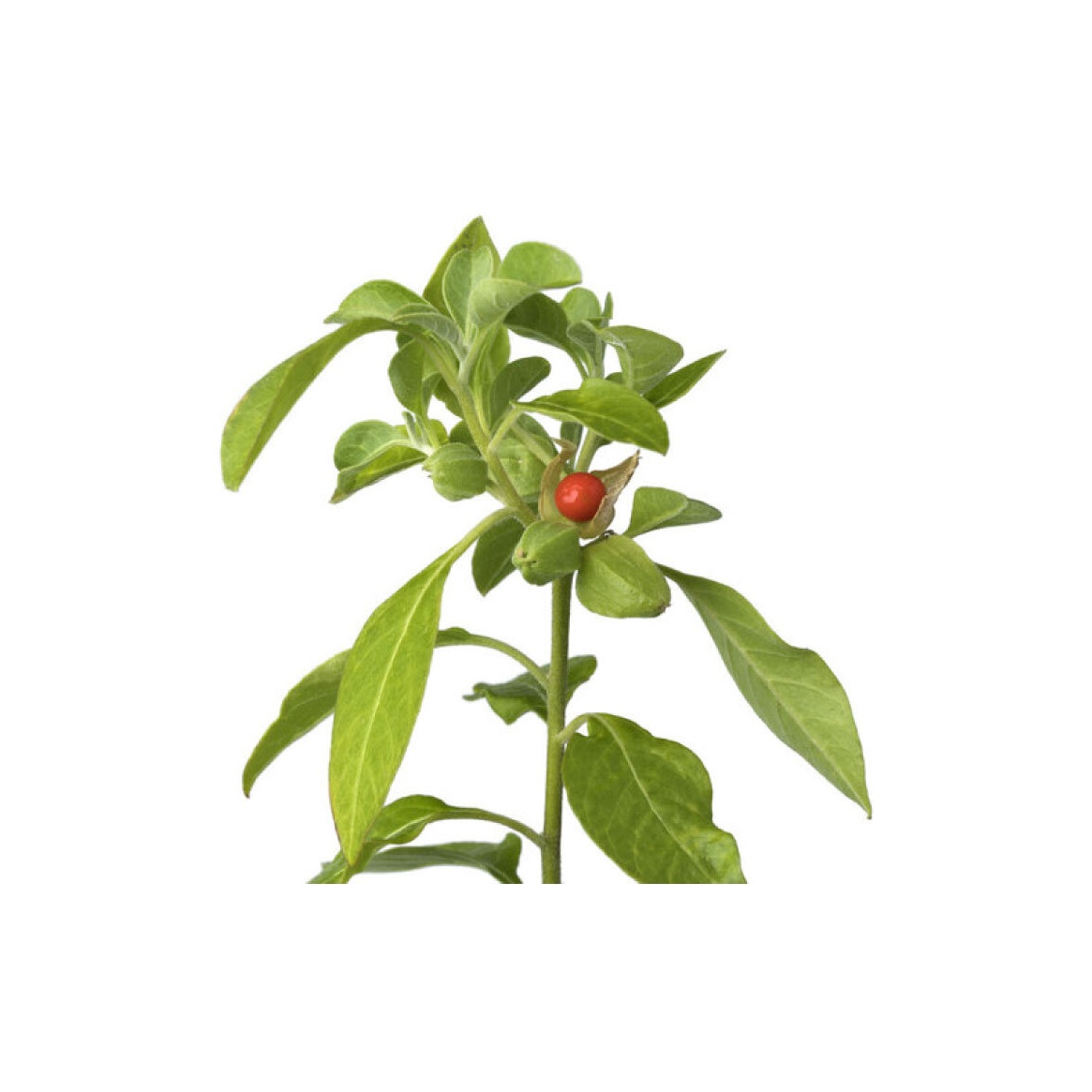 StrongStrongAshwagandhaWithania somniferaA 90-day randomised trial in oligospermic men reported a 167% rise in sperm count, with semen volume and motility up alongside it.Mechanismoxidative-stress reduction in seminal plasma and HPG-axis support; constituent unresolvedRead the evidenceShow lessMonograph →
A 90-day randomised trial of full-spectrum root extract at 675 mg a day in oligospermic men reported a 167% increase in sperm count, a 53% rise in semen volume and a 57% rise in motility from baseline, against minimal change on placebo 1Reference 1RCTClinical evaluation of the spermatogenic activity of ashwagandha root extract in oligospermic males — a pilot randomised studyView study →. Testosterone rose alongside, so the effect is not purely local.
That is the largest effect size on this action, and the trial is a small pilot.
The participants were already oligospermic, so a low baseline inflates percentage change, and nothing in the trial shows an effect in men with normal counts. The endpoint is a semen parameter rather than a pregnancy.
The active constituent has not been identified, so no withanolide content or extract ratio can be preferred over another.
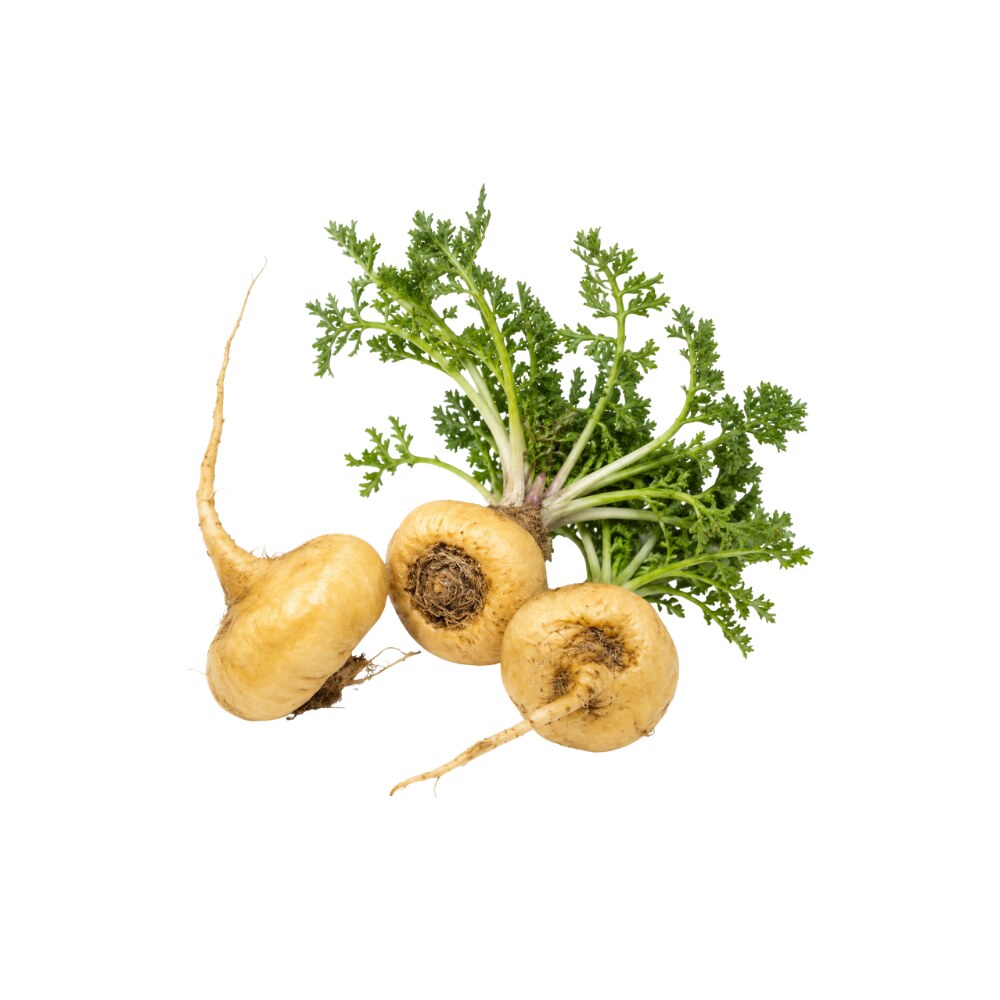 StrongStrongMacaLepidium meyeniiRaises seminal volume, sperm count and motility with LH, FSH, prolactin, testosterone and estradiol all unchanged — an explicitly non-hormonal effect.Mechanismnon-hormonal — sperm parameters improve with no change in LH, FSH, prolactin, testosterone or estradiolRead the evidenceShow lessMonograph →
An early open study in nine men found 1,500–3,000 mg a day for four months raised seminal volume, sperm count and motility with no change in LH, FSH, prolactin, testosterone or estradiol 3Reference 3Lepidium meyenii (Maca) improved semen parameters in adult menView study →. A double-blind trial later supported it.
Across roughly a dozen small human trials, sperm concentration is the parameter that replicates cleanly. Whatever maca does, it is not working through the endocrine axis the rest of the male-fertility market is sold on.
The trials are small and short, and several are industry-funded.
The effect is variety-specific. Black maca carries it, and generic yellow-maca powder — most of what is sold — may not deliver it at all, which makes the cultivar part of the claim.
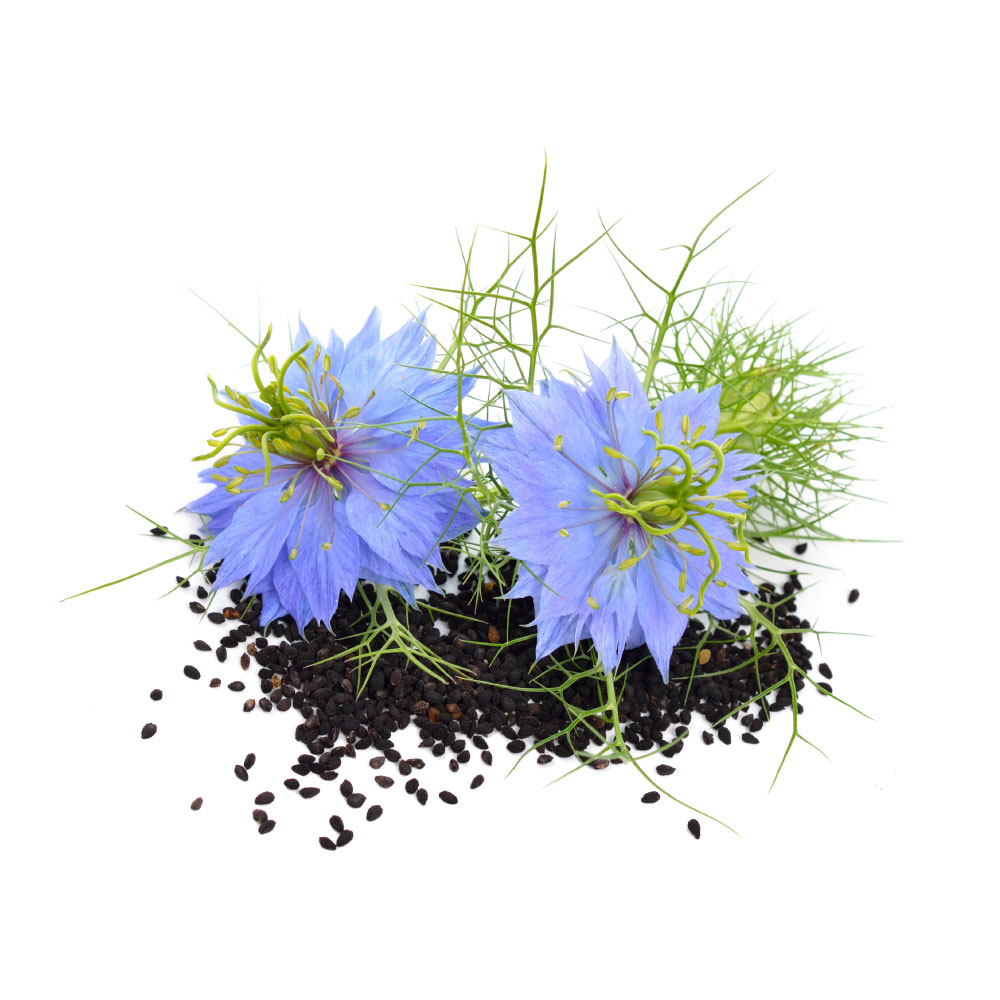 ModerateModerateNigellaNigella sativaSeed oil improved sperm count, motility and morphology against a paraffin placebo in a double-blind trial in infertile men.Mechanismantioxidant protection of the seminal environment (thymoquinone)Read the evidenceShow lessMonograph →
A double-blind, placebo-controlled trial in infertile men with abnormal semen found N. sativa oil at 2.5 mL twice daily for two months improved sperm count, motility and morphology against a liquid-paraffin placebo 4Reference 4RCTEffects of Nigella sativa L. seed oil on abnormal semen quality in infertile men — a randomized, double-blind, placebo-controlled clinical trialView study →. It is properly blinded, properly controlled and in the right population.
No replication exists.
The mechanism is inferred from thymoquinone’s general antioxidant activity rather than measured in the testis.
The endpoint is semen quality rather than conception, which is the limit on the whole action and not on this trial in particular.
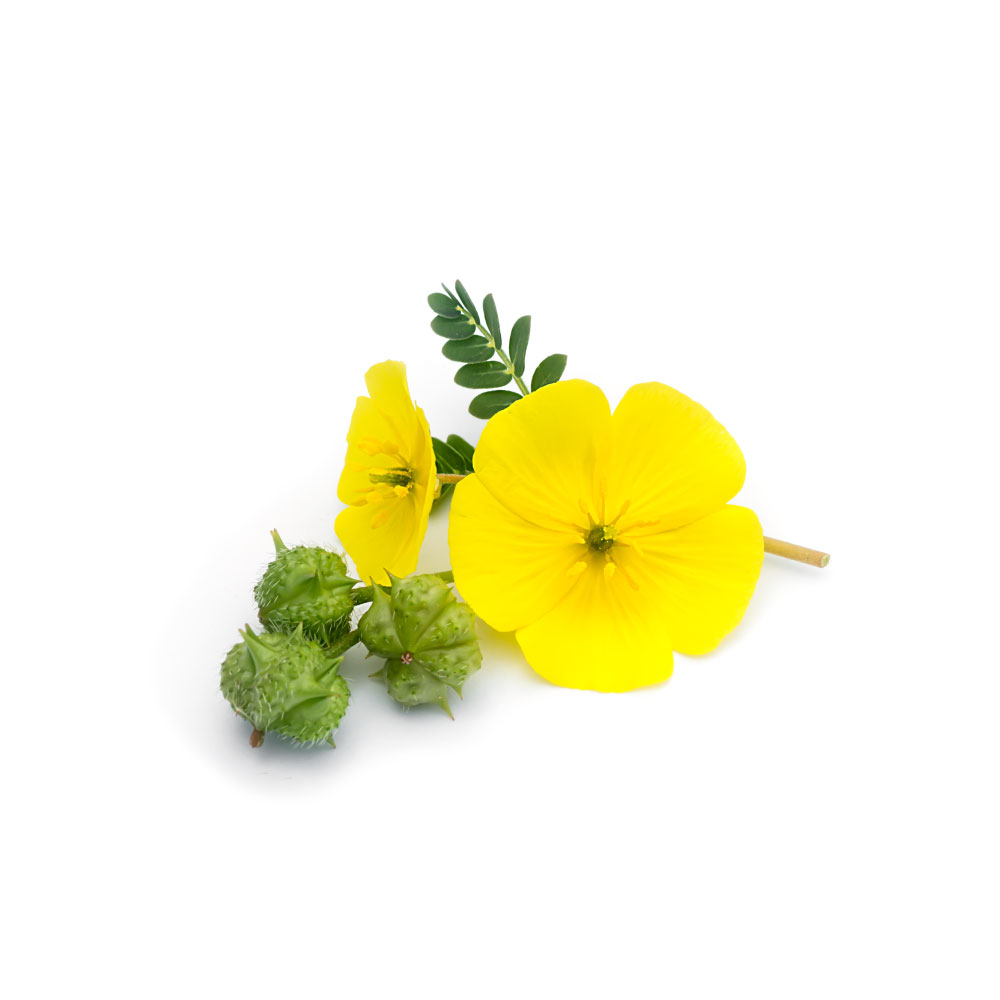 ModerateModerateTribulusTribulus terrestrisA systematic review of seven small trials found improved sperm count, motility and morphology in men with idiopathic infertility in most of them.Mechanismproposed steroidal-saponin effect on androgen signaling — the testosterone premise is largely unsupportedRead the evidenceShow lessMonograph →
Most of the seven small trials pooled in a systematic review reported improved count, motility and morphology in men with idiopathic infertility 5Reference 5Systematic reviewEffect of Tribulus terrestris on sperm parameters in men with idiopathic infertility — a systematic review — [systematic review]View study →, and a prospective randomised trial ran alongside them 6Reference 6RCTProspective analysis of Tribulus terrestris on serum testosterone and semen parameters in males with unexplained infertility — randomised trial — [randomised trial]View study →.
Tribulus is sold as a testosterone booster, and the testosterone claim is repeatedly unsupported in humans. Whatever is improving the semen parameters, the androgenic story attached to it is not established.
The trial base is small, heterogeneous and mostly low quality, and one uncontrolled study found no effect at all.
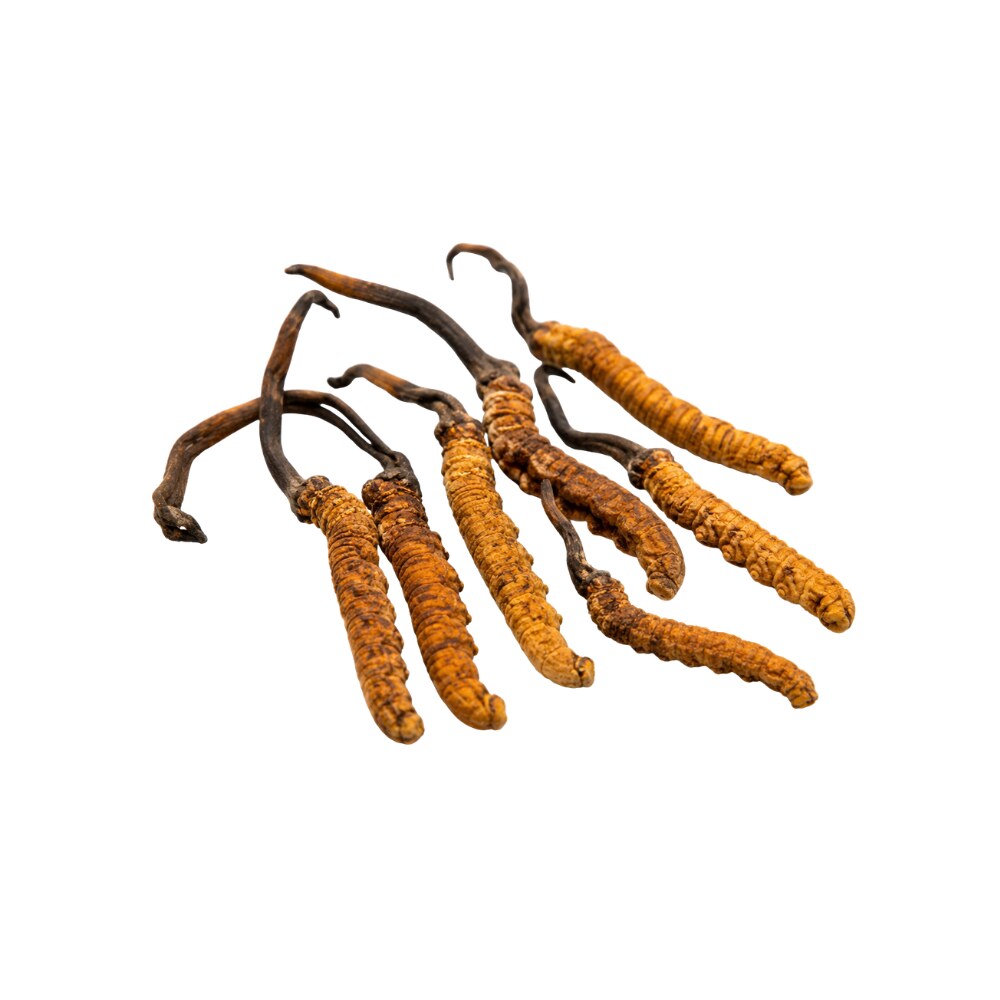 MildMildCordycepsCordyceps sinensisImproved sperm quantity and quality in subfertile boars; preparations enhance steroidogenesis and protect the blood–testis barrier in animals.Mechanismsteroidogenesis enhancement and blood-testis-barrier protection — animal onlyRead the evidenceShow lessMonograph →
C. militaris mycelium improved sperm quantity and quality in subfertile boars 2Reference 2AnimalImprovement of sperm production in subfertile boars by Cordyceps militaris supplement — in vivo (animal)View study →, and cordyceps preparations enhance steroidogenesis and protect the blood–testis barrier in other animal models.
No human study of cordyceps and semen parameters exists. The traditional reputation for sexual vitality is old and the mechanism is coherent, and neither has been measured in a person.
The species and substrate problem runs through all cordyceps evidence. C. militaris mycelium, C. sinensis and fermented commercial strains are not interchangeable products.
No herbs match these filters.
Safety
- Get a fertility workup before or alongside any of these herbs, since varicocele, infection, obstruction, and hormonal and genetic causes are all treatable and none is addressed here.
- An improving semen analysis can be falsely reassuring while a diagnosable cause goes unexamined.
- Azoospermia, testicular pain, swelling or a lump, and any sudden change need medical assessment rather than a herb.
- Check the rest of the stack for herbs that suppress sperm production, since a men’s health blend can contain both directions at once.
- These herbs are sold largely through sports-supplement channels, where adulteration with undeclared hormones and drugs is common.
- Spermatogenesis takes about 74 days, so allow a full cycle before judging an effect, and do not continue indefinitely on none.
References
- Ambiye VR, et al. (2013). Clinical evaluation of the spermatogenic activity of ashwagandha root extract in oligospermic males — a pilot randomised study. Evidence-Based Complementary and Alternative Medicine. https://pubmed.ncbi.nlm.nih.gov/24371462/
- Lin WH, Tsai MT, Chen YS, et al. (2007). Improvement of sperm production in subfertile boars by Cordyceps militaris supplement — in vivo (animal). Am J Chin Med 35(4):631-41. https://pubmed.ncbi.nlm.nih.gov/17708629/
- Gonzales, G. F., et al. (2001). Lepidium meyenii (Maca) improved semen parameters in adult men. Asian J Androl. https://pubmed.ncbi.nlm.nih.gov/11753476/
- Kolahdooz M, Nasri S, et al. (2014). Effects of Nigella sativa L. seed oil on abnormal semen quality in infertile men — a randomized, double-blind, placebo-controlled clinical trial. Phytomedicine. https://pubmed.ncbi.nlm.nih.gov/24680621/
- Sanagoo S (2019). Effect of Tribulus terrestris on sperm parameters in men with idiopathic infertility — a systematic review — [systematic review]. Complement Ther Med. https://pubmed.ncbi.nlm.nih.gov/30670288/
- Roaiah MF (2017). Prospective analysis of Tribulus terrestris on serum testosterone and semen parameters in males with unexplained infertility — randomised trial — [randomised trial]. J Diet Suppl. https://pubmed.ncbi.nlm.nih.gov/27337519/
Keep Exploring