

Overview
Hormone Modulator at a Glance
Hormone modulators are herbs that alter endocrine signalling, either at a hormone receptor, through hormone synthesis, or through the pituitary signals that control hormone release.
Some increase a hormonal signal.
Red clover, hops, fenugreek, and fennel contain compounds that interact with estrogen receptors, producing weak estrogen-like effects in certain tissues.
Others reduce hormonal signalling.
Saw palmetto, nettle root, reishi, and spearmint can influence androgen pathways, while other herbs act on enzymes involved in hormone synthesis or metabolism.
The direction of effect is not always simple.
A weak receptor agonist can add signal where endogenous hormone levels are low, but may compete with a stronger natural hormone where levels are already high.
Tissue selectivity also matters, since the same hormone receptor is not distributed equally throughout the body.
This makes hormone modulation different from the vague idea of “balancing hormones.”
These herbs act on specific endocrine pathways, and whether that effect is useful depends on which hormone, which tissue, and which direction needs changing.
Hormone modulators are used mainly for menopausal symptoms, menstrual and reproductive complaints, androgen-related conditions, and other problems with a clear endocrine component.
The idea of a hormone is barely a century old, and no traditional herbalist chose a plant for one.
Practice worked from the complaint instead, and Culpeper’s entry for chaste tree describes what would now be called an endocrine effect.
The leaves are hot and dry in the third degree; expel wind, consume the seed, cause chastity being only borne about one; it dissolves swellings of the testicles, being applied to them.
Nicholas Culpeper, The Complete Herbal, 1653, on chaste tree
Damiana, pau d’arco, jasmine and hibiscus all carry a hormonal reputation from traditional use, without controlled endocrine data in people behind any of it.
Caution
Not with hormone-sensitive cancers — herbs that supply estrogenic signal are contraindicated in estrogen-receptor-positive breast cancer, uterine and ovarian cancer, and endometriosis.
Avoid in pregnancy and lactation — assume the whole group is inappropriate unless a specific herb is known to be safe.
Can unsettle hormone therapy — hormonally active herbs can move a titrated dose of hormone therapy, an oral contraceptive or levothyroxine out of range.
Mechanisms
How It Works
01
Estrogen-Receptor Binding
Phytoestrogens are plant compounds shaped closely enough like estradiol to occupy the estrogen receptor.
There are two receptors, and which one a compound prefers decides where it acts. ERα dominates in breast and uterus, ERβ in bone, brain and vasculature, so a compound preferring ERβ can act on bone and vessels while largely sparing the tissues where estrogenic stimulation is least welcome.
Red clover’s isoflavones are ERβ-preferring, and hops carries 8-prenylnaringenin, among the most potent phytoestrogens known.
That selectivity is the same logic behind the SERM drugs, but it is far less complete in a plant extract, which delivers a mixture of compounds at doses that vary by cultivar and season.
Occupancy is weak in every case. In a low-estrogen state that adds signal; in a high-estrogen state it competes with the stronger endogenous hormone and lowers the response.
Herbs: Red Clover
Key compounds: 8-PrenylnaringeninFormononetin
02
Non-Classical Estrogen Signalling
Some herbs relieve estrogen-withdrawal symptoms without binding the estrogen receptor in the classical way.
Black cohosh is the example. Controlled work finds no phytoestrogen activity and no stimulation of breast or endometrial tissue, leaving tissue-selective ERα behaviour and CB2R and AMPK signalling as the candidate routes.
The practical difference from a phytoestrogen is what the herb does to hormone-sensitive tissue, which appears to be nothing.
That is a negative finding rather than a demonstrated safety margin, and no route has been settled.
Herbs: Black Cohosh
03
Hormone Synthesis
Aromatase (CYP19) converts androgens into estrogens, so inhibiting it lowers estrogen and raises testosterone.
This is the mechanism of the anastrozole class of breast-cancer drugs, and several herbs inhibit the enzyme in cell assays.
The herbs are examined on the aromatase inhibitor page.
A herb reported as both aromatase-inhibiting and estrogenic in the same screen is producing two opposing findings, not a balancing one. Red clover produces both.
Herbs: Red Clover
More Specific Actions
Sub-Actions
Hormone modulator is a parent action, and most herbs carrying it are really doing one of the narrower actions below.
Each of these describes a specific hormone, enzyme or feedback loop, and is more useful than the broad category.
5α-Reductase Inhibitor
2 herbs · Reishi, Saw PalmettoBlocks the enzyme that converts testosterone into dihydrotestosterone, the more potent androgen driving prostate growth and pattern hair loss. The herbs work through fatty acids and sterols rather than the steroidal chemistry of finasteride.
Antiandrogenic
6 herbsLowers androgen activity, either by blocking the receptor, reducing synthesis, or shifting how much testosterone circulates free. Used for hirsutism, acne, polycystic ovary syndrome and prostate symptoms.
Antifertility
3 herbsReduces fertility in women, the basis of a long traditional contraceptive use. The reported mechanisms are anti-implantation and anti-ovulatory rather than hormonal in the narrow sense.
Antiprostatic
4 herbsEases the urinary symptoms of benign prostatic enlargement. The effect may come from androgen handling, from anti-inflammatory activity in the gland, or from smooth-muscle tone in the bladder neck.
Antispermatogenic
6 herbsSuppresses sperm production, motility or viability. Almost all of the evidence is rodent work on herbs used traditionally as male contraceptives, and the effect is generally reversible on withdrawal.
Aromatase Inhibitor
4 herbsSlows the enzyme that converts testosterone into estrogen, lowering estrogen and raising androgen. The herbal evidence is almost entirely cell-based, and no herb has matched the enzyme suppression of the drugs in this class.
Estrogenic
4 herbsSupplies estrogenic signal, usually through phytoestrogens that occupy the receptor weakly. Used for menopausal symptoms, and contraindicated wherever estrogenic stimulation is unwanted.
HPG Axis Modulator
1 herb · ShatavariActs on the hypothalamic–pituitary–gonadal feedback loop rather than on any single hormone. That means changes in LH, FSH or GnRH signalling, which move the gonadal hormones downstream of them.
Prolactin Inhibitor
2 herbs · Chaste Tree, JasmineLowers prolactin, the pituitary hormone whose excess disrupts the menstrual cycle and suppresses ovulation. The route is dopaminergic: dopamine restrains prolactin release, so a dopamine agonist lowers it.
SHBG Inhibitor
1 herb · Stinging NettleLowers sex-hormone-binding globulin, the carrier protein that holds testosterone in an inactive bound form. Freeing more of it raises free testosterone without changing how much the testes produce.
Spermatogenic
4 herbsImproves sperm count, motility or morphology. Most of the herbs here are antioxidants acting on oxidative damage in the testis rather than on any hormone.
Testosteromimetic
2 herbs · Enoki, FenugreekRaises testosterone or reproduces some of its effects. This is the most oversold action in the group, and the controlled human evidence is thin.
Thyroid Modulator
1 herb · AshwagandhaChanges thyroid hormone output or conversion, in either direction. Some herbs raise T4 and T3, others block iodine uptake or peripheral conversion, and the two are opposite interventions.
Phytochemistry
Key Constituents
The compound classes most often behind a hormone-modulating action.
What It's For
Indications
- Hormonal imbalance through the cycle
- PMS and cyclical mood change
- Menopausal and perimenopausal symptoms
- Hormonal acne and skin change
Materia Medica
Hormone-Modulating Herbs by Potency
The hormone modulator herbs, ordered by the relative strength of the effect rather than by how well studied it is. Each herb is described by the mechanism behind its effect and the evidence for it.
None of this is a substitute for professional care.
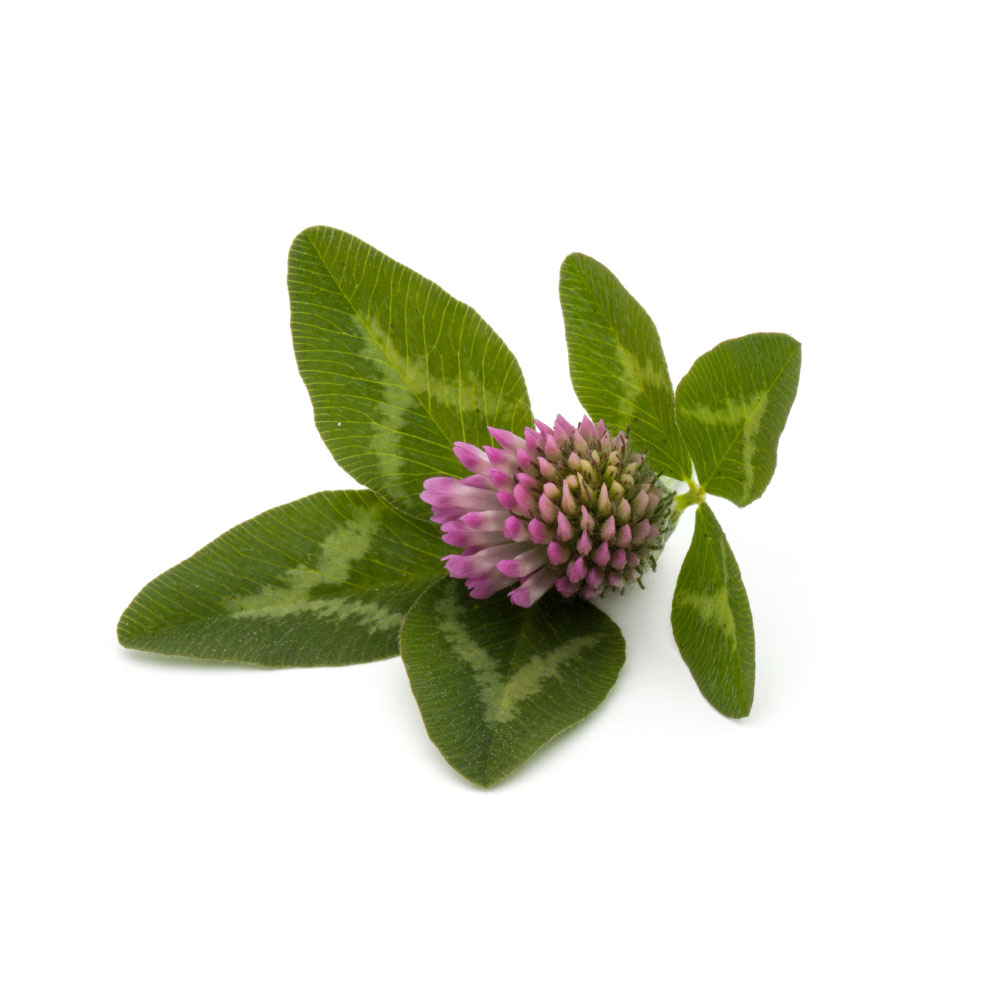 StrongStrongRed CloverTrifolium pratenseThe reference Western phytoestrogen: its isoflavones occupy the estrogen receptor with a preference for ERβ, and standardised extracts reduce hot-flush frequency in controlled trials.MechanismERβ-preferring estrogen-receptor binding; demethylation of formononetin & biochanin A to daidzein & genisteinRead the evidenceShow lessMonograph →
The flower is dominated by the methylated isoflavones biochanin A and formononetin, roughly 0.1–0.9% each of the dried herb, which the body demethylates to the better-known daidzein and genistein; those two are present natively only in traces 9Reference 9Red clover (Trifolium pratense L.) isoflavones: concentrations of formononetin, biochanin A, daidzein and genistein across plant parts and cultivars. Receptor occupancy is weak and prefers ERβ.
The hot-flush evidence is human-controlled. A 2026 GRADE-assessed meta-analysis of nine randomised trials found a small-to-moderate drop in flush frequency (SMD −0.446; 95% CI −0.807 to −0.084) 10Reference 10Meta-analysisThe effectiveness of red clover on hot-flash in menopausal women: a GRADE-assessed systematic review and meta-analysisView study →, and a 2021 meta-analysis found −1.73 flushes a day, strongest at 80 mg/day or more and with biochanin-A-rich formulations 11Reference 11Meta-analysisEvaluation of clinical meaningfulness of red clover (Trifolium pratense L.) extract to relieve hot flushes and menopausal symptoms — systematic review and meta-analysis of randomised controlled trialsView study →.
Other endpoints have been measured in the same standardised extracts. A 2020 meta-analysis of ten trials lowered total cholesterol by about 0.29 mmol/L with favourable LDL and HDL shifts 12Reference 12Meta-analysisEffects of red clover (Trifolium pratense) isoflavones on the lipid profile of perimenopausal and postmenopausal women — systematic review and meta-analysisView study →, and formononetin-enriched Rimostil dropped LDL 12% over two years 13Reference 13RCTRed clover isoflavones enriched with formononetin lower serum LDL cholesterol — a randomised, double-blind, placebo-controlled studyView study →.
A one-year trial in 205 women slowed lumbar-spine bone loss and raised bone-formation markers, with no effect at the hip 14Reference 14RCTThe effects of phytoestrogen isoflavones on bone density in women: a double-blind, randomised, placebo-controlled trialView study →. Single trials report improved arterial compliance, about 23% at 80 mg/day in 17–18 women 15Reference 15RCTIsoflavones from red clover improve systemic arterial compliance but not plasma lipids in menopausal women — randomised clinical trialView study →, and lower anxiety and depression scores 16Reference 16RCTImprovement of postmenopausal depressive and anxiety symptoms after treatment with isoflavones derived from red clover extracts — randomised crossover trialView study →.
The literature is split rather than merely noisy. An earlier meta-analysis reached only borderline significance 17Reference 17Meta-analysisTrifolium pratense isoflavones in the treatment of menopausal hot flushes: a systematic review and meta-analysisView study →, the 2013 Cochrane review found no conclusive effect and logged a placebo response ranging from 1% to 59% across trials 18Reference 18Systematic reviewPhytoestrogens for menopausal vasomotor symptoms — Cochrane systematic reviewView study →, and individual trials are positive 19,
The two-year Rimostil trial found no bone benefit at any site 13Reference 13RCTRed clover isoflavones enriched with formononetin lower serum LDL cholesterol — a randomised, double-blind, placebo-controlled studyView study →, and sensitive ⁴¹Ca crossover methodology showed red clover, unlike soy, did not reduce bone resorption 23Reference 23RCTAntiresorptive effects of phytoestrogen supplements compared with estradiol or risedronate in postmenopausal women using ⁴¹Ca methodology — randomised crossover trialView study →.
Almost all of that work uses standardised, isoflavone-quantified extracts — Promensil, Rimostil, MF11RCE — at 40–160 mg isoflavones a day. A tea or whole-flower tincture is a different product, and isoflavone content varies several-fold by cultivar and season 24,
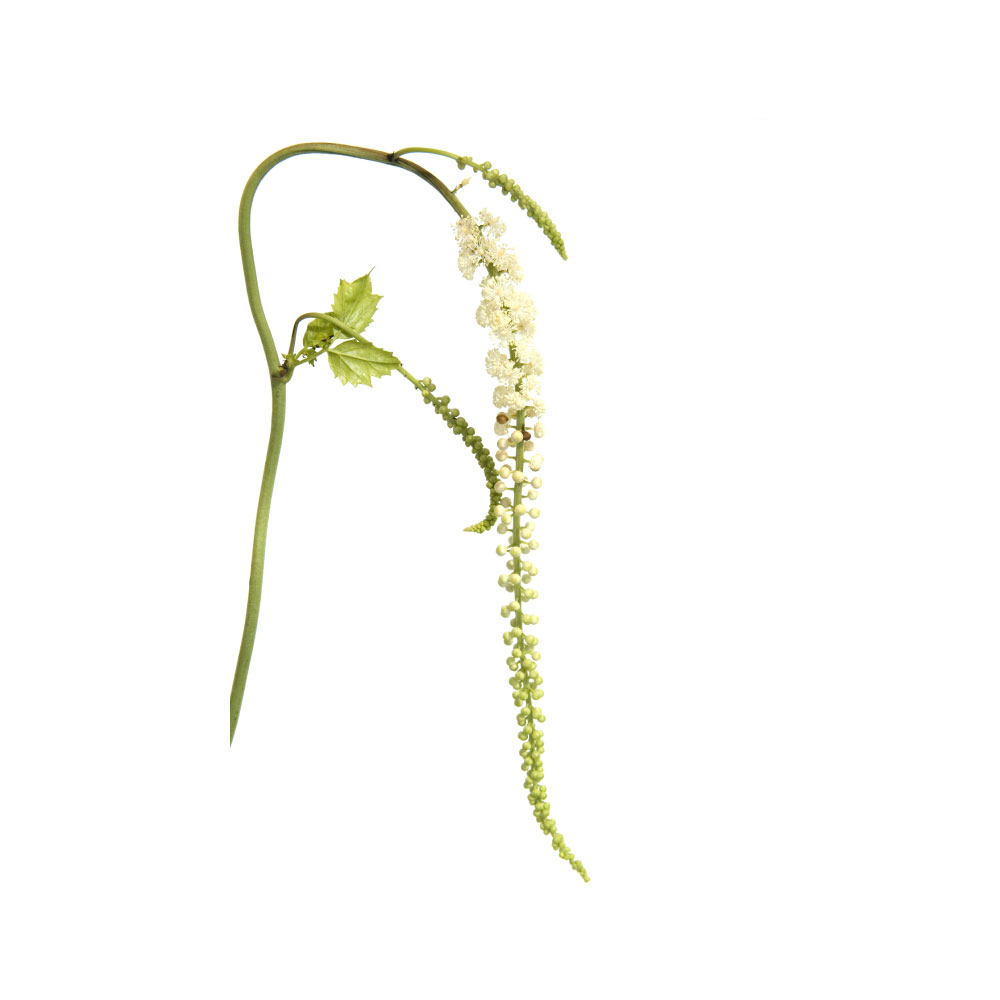 ModerateModerateBlack CohoshCimicifuga racemosaRelieves menopausal symptoms through tissue-selective signalling rather than estrogen-receptor agonism, and does not stimulate breast or endometrial tissue.Mechanismnon-classical ERα/SERM-like tissue-selective signaling; CB2R signaling; AMPK activation — no classical estrogen-receptor agonismRead the evidenceShow lessMonograph →
The strongest hormone claim on this herb is a negative one. Controlled work finds no classical phytoestrogen activity and no stimulation of breast or endometrial tissue, leaving SERM-like tissue-selective ERα behaviour plus CB2R and AMPK-dependent metabolic signalling as the live candidates 1,
Human endocrine data are thin and adjunctive. Adding Cimicifuga racemosa to clomiphene cycles in polycystic ovary syndrome improved endometrial thickness, hormone profiles and clinical pregnancy rates (34.8% versus 17.2%, n=194) 5Reference 5RCTAdding Cimicifuga racemosa to clomiphene induction cycles in PCOS improves cycle outcomes and pregnancy rates — randomised trialView study →, and a 2021 systematic review found three concordant trials with serious risk-of-bias concerns 6Reference 6Systematic reviewSystematic review of black cohosh for management of PCOS-related infertilityView study →.
A separate trial in 100 women found no difference in follicle number or endometrial thickness 7Reference 7Clinical trialCimicifuga racemosa with clomiphene for ovulation induction in PCOS: a clinical trialView study →.
Preclinical bone work is likewise split. The isopropanolic extract raised osteoprotegerin three- to five-fold in human osteoblasts, an effect abolished by an estrogen-receptor antagonist 2Reference 2In vitroIsopropanolic extract of black cohosh stimulates osteoprotegerin production by human osteoblasts — in vitroView study →, and ovariectomised rats showed attenuated bone loss through CB2R and ERα 3Reference 3In vitroCimicifuga foetida and C. racemosa prevent postmenopausal osteoporosis by inhibiting osteoclast autophagy via CB2R and ERα — in vitro and ovariectomised-rat modelView study →.
A well-controlled FDA ovariectomised-rat study found no bone-density effect at all 8Reference 8AnimalBlack cohosh extract and risedronate coadministration on bone health in an ovariectomised rat modelView study →.
The signal is real, the route unsettled, and there is no standalone human endocrine endpoint.
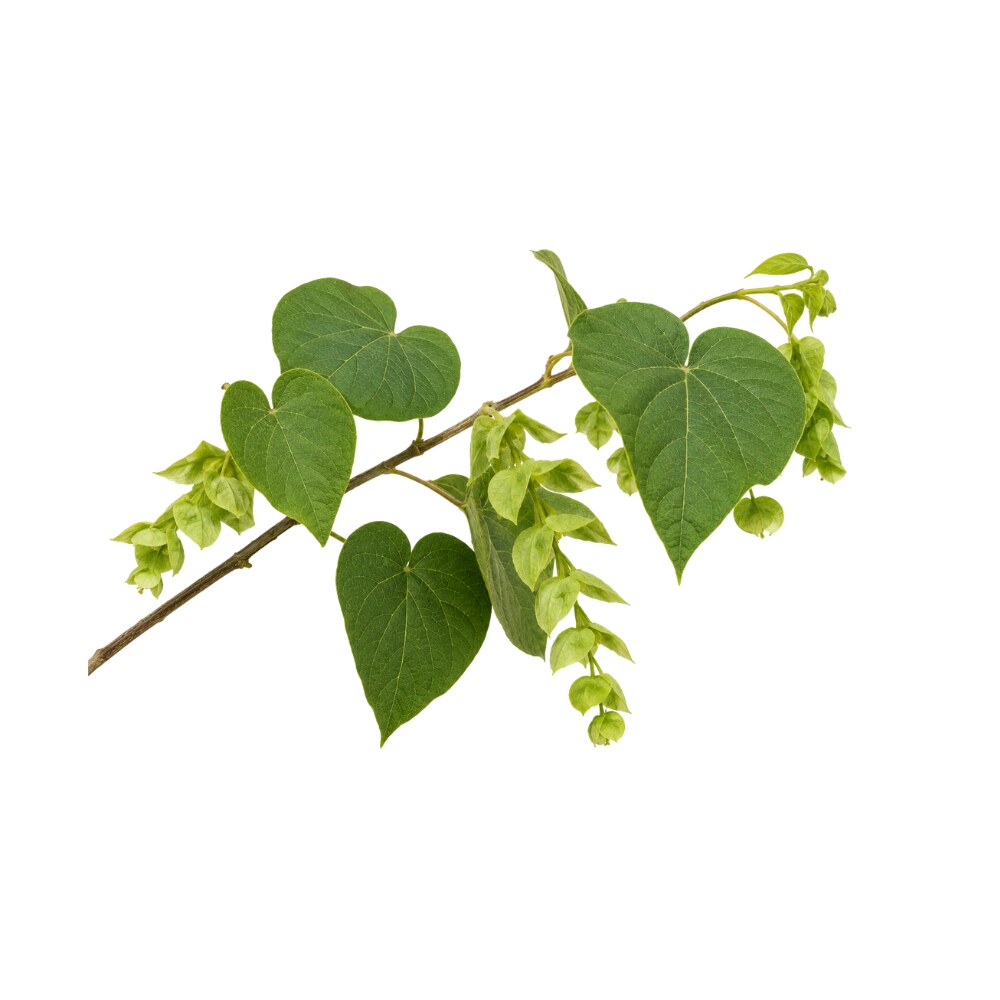 MildMildAbutaCissampelos pareiraLeaf extract prolonged the estrous cycle in mice and shifted LH, FSH, prolactin and estradiol — an endocrine effect that cuts against the herb's midwives reputation.Mechanismestrous cycle prolonged (extended diestrus); LH, FSH, prolactin and estradiol altered; ER\u03b1 estrogen-response signatures down-regulated in vitroRead the evidenceShow lessMonograph →
A methanolic leaf extract given orally to female mice prolonged the estrous cycle through an extended diestrus, altered LH, FSH, prolactin and estradiol, and significantly reduced litter numbers 26Reference 26AnimalAntifertility activity of the methanolic leaf extract of Cissampelos pareira in female albino mice — animal model (mice)View study →. In vitro, extract constituents down-regulate estrogen-response signatures through ERα, which is a coherent mechanism for it 27Reference 27In vitroTranscriptome analysis and connectivity mapping of Cissampelos pareira L. provides molecular links of ESR1 modulation to viral inhibition — in vitro and in silicoView study →.
This is the pharmacological correlate of abuta’s reputation as a midwives’ herb, and it points the opposite way to the pregnancy-support framing the plant is usually sold under.
It rests on one rodent study, and that contradiction is unresolved. It is the reason abuta is not treated as a self-prescribed pregnancy herb.
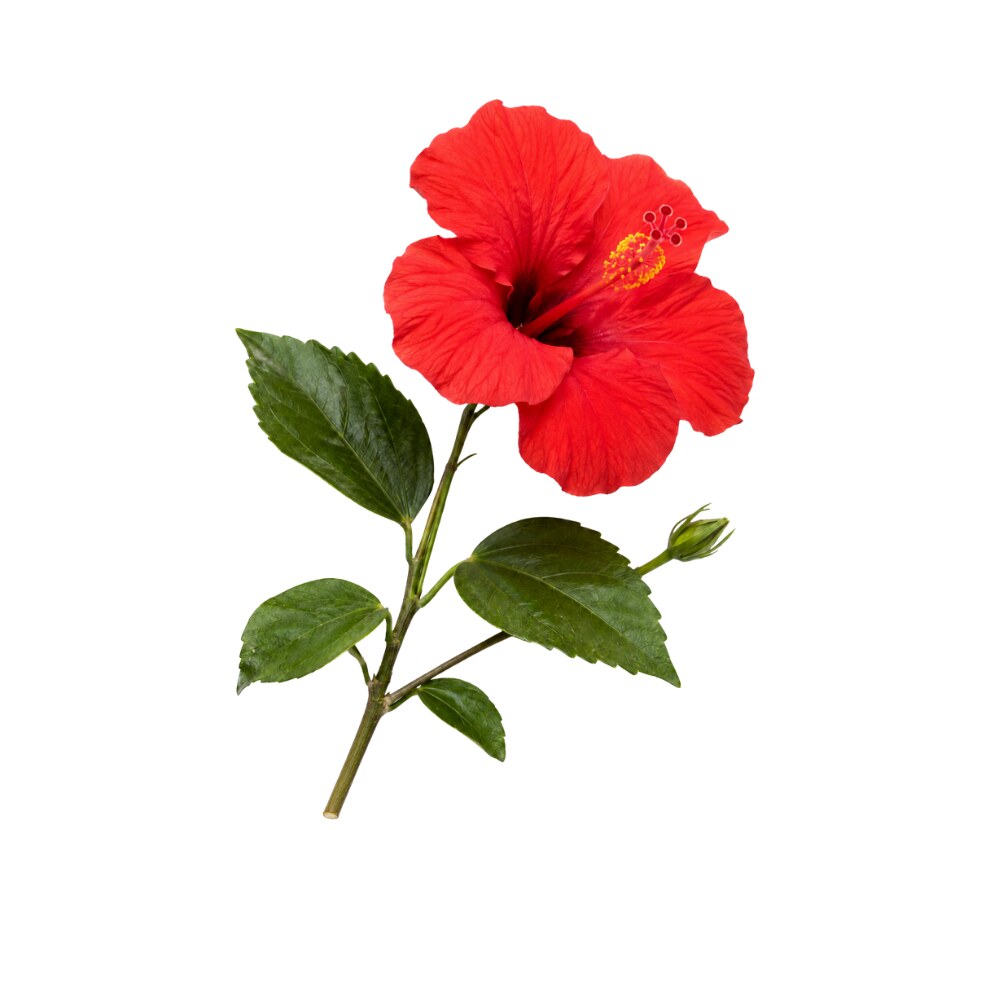 MildMildHibiscusHibiscus rosa-sinensisThe flower's antifertility and anti-implantation effect in rodents is its most consistent experimental finding, and the reason its pregnancy caution is not a formality.Mechanismantifertility and anti-implantation activity in rodents; receptor mechanism not establishedRead the evidenceShow lessMonograph →
The flower’s most consistent traditional use is also its most consistent experimental one: a robust antifertility and anti-implantation effect in rodents.
That finding is what anchors the herb’s pregnancy warning, and it is why hibiscus is kept away from anyone trying to conceive rather than simply cautioned about.
The literature for rosa-sinensis is broad and almost entirely preclinical. The work uses solvent-standardised extracts rather than the flower tea of traditional use, and no receptor mechanism has been established for the effect.
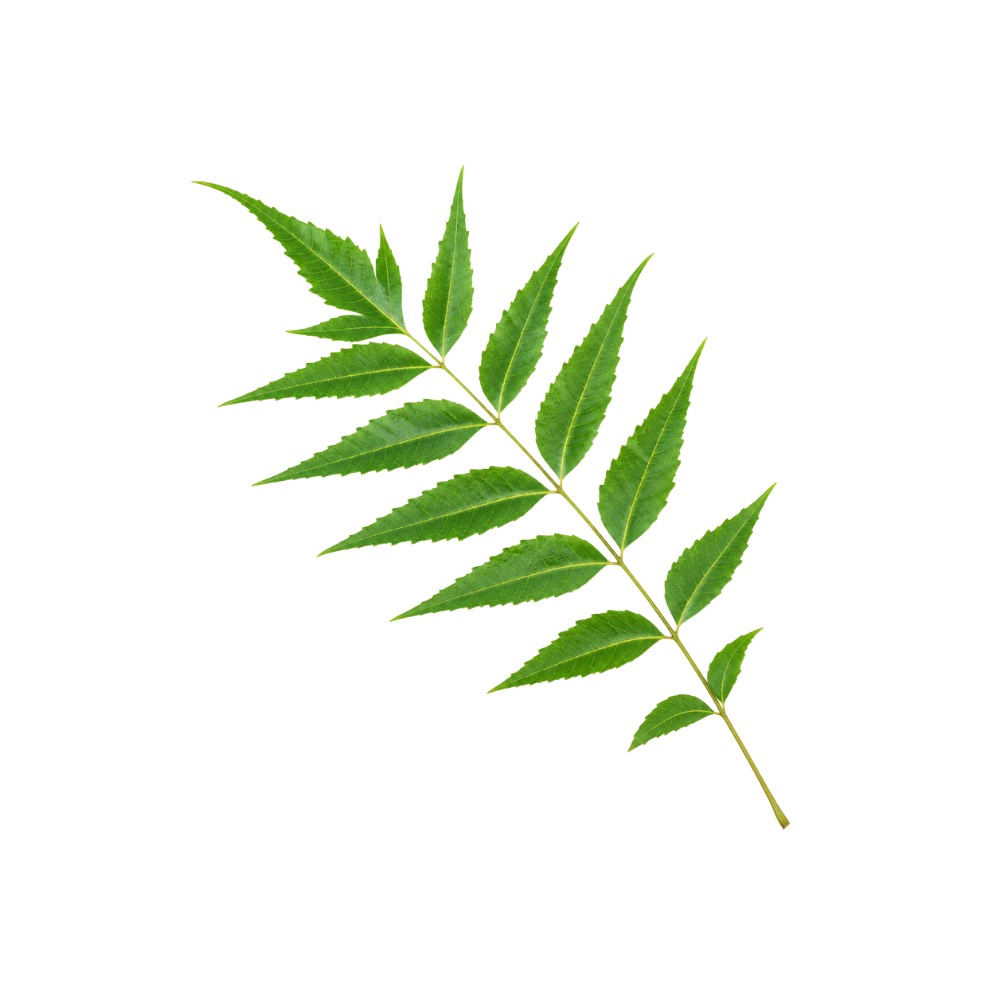 MildMildNeemAzadirachta indicaAnimal anti-implantation and spermicidal activity, alongside a traditional abortifacient use that doubles as the safety signal.Mechanismanti-implantation and spermicidal activity in animals; no endocrine axis measuredRead the evidenceShow lessMonograph →
Neem carries animal anti-implantation and spermicidal activity, and a traditional abortifacient use that sits alongside it.
Those two things are the same signal read twice: the traditional application and the experimental finding point the same way, which is unusual and is why the pregnancy contraindication on this herb is firm rather than precautionary.
The activity is reproductive rather than endocrine. Nothing measures oestrogen, testosterone, LH or FSH, so this is not hormone modulation in the sense the other herbs on this action describe.
No herbs match these filters.
Safety
- Herbs supplying estrogenic signal are contraindicated in estrogen-receptor-positive breast cancer, uterine and ovarian cancer, and endometriosis.
- Assume the whole group is inappropriate in pregnancy and lactation unless a specific herb is known to be safe.
- Hormonally active herbs can move a titrated dose of hormone therapy, an oral contraceptive or levothyroxine out of range.
- A dopaminergic prolactin inhibitor directly opposes dopamine antagonists, including antipsychotics and metoclopramide.
- The anti-androgenic herbs and the testosteromimetics push in opposite directions, and neither substitutes for the other.
- Testosterone-boosting products sold under these herb names have been found adulterated with anabolic steroids.
References
- Drewe, J., Boonen, G., & Culmsee, C. (2022). Treat more than heat — new therapeutic implications of Cimicifuga racemosa through AMPK-dependent metabolic effects — review. Phytomedicine. https://pubmed.ncbi.nlm.nih.gov/35338990/
- Viereck, V., et al. (2005). Isopropanolic extract of black cohosh stimulates osteoprotegerin production by human osteoblasts — in vitro. J Bone Miner Res. https://pubmed.ncbi.nlm.nih.gov/16234977/
- Hu, S. J., et al. (2025). Cimicifuga foetida and C. racemosa prevent postmenopausal osteoporosis by inhibiting osteoclast autophagy via CB2R and ERα — in vitro and ovariectomised-rat model. Phytomedicine. https://pubmed.ncbi.nlm.nih.gov/40680333/
- Overk, C. R., et al. (2008). High-content screening and mechanism-based evaluation of estrogenic botanical extracts (SERM-like activity of black cohosh) — in vitro. Comb Chem High Throughput Screen. https://pubmed.ncbi.nlm.nih.gov/18473738/
- Shahin, A. Y., & Mohammed, S. A. (2014). Adding Cimicifuga racemosa to clomiphene induction cycles in PCOS improves cycle outcomes and pregnancy rates — randomised trial. Gynecol Endocrinol. https://pubmed.ncbi.nlm.nih.gov/24592984/
- Fan, C. W., Cieri-Hutcherson, N. E., & Hutcherson, T. C. (2021). Systematic review of black cohosh for management of PCOS-related infertility. J Pharm Pract. https://pubmed.ncbi.nlm.nih.gov/33926292/
- Pourhoseini, S. A., et al. (2022). Cimicifuga racemosa with clomiphene for ovulation induction in PCOS: a clinical trial. Avicenna J Phytomed. https://pubmed.ncbi.nlm.nih.gov/35145891/
- Inselman, A. L., et al. (2024). Black cohosh extract and risedronate coadministration on bone health in an ovariectomised rat model. Front Pharmacol. https://pubmed.ncbi.nlm.nih.gov/38689663/
- Saviranta, N. M. M., et al. (2008). Red clover (Trifolium pratense L.) isoflavones: concentrations of formononetin, biochanin A, daidzein and genistein across plant parts and cultivars. Journal of Agricultural and Food Chemistry / Journal of the Science of Food and Agriculture (phytochemical analysis).
- Jiang, W., Wu, K., et al. (2026). The effectiveness of red clover on hot-flash in menopausal women: a GRADE-assessed systematic review and meta-analysis. European Journal of Obstetrics & Gynecology and Reproductive Biology. https://pubmed.ncbi.nlm.nih.gov/42269521/
- Kanadys, W., et al. (2021). Evaluation of clinical meaningfulness of red clover (Trifolium pratense L.) extract to relieve hot flushes and menopausal symptoms — systematic review and meta-analysis of randomised controlled trials. Nutrients. https://pubmed.ncbi.nlm.nih.gov/33920485/
- Kanadys, W., et al. (2020). Effects of red clover (Trifolium pratense) isoflavones on the lipid profile of perimenopausal and postmenopausal women — systematic review and meta-analysis. Maturitas. https://pubmed.ncbi.nlm.nih.gov/31883666/
- Clifton-Bligh, P. B., et al. (2015). Red clover isoflavones enriched with formononetin lower serum LDL cholesterol — a randomised, double-blind, placebo-controlled study. European Journal of Clinical Nutrition. https://pubmed.ncbi.nlm.nih.gov/25369831/
- Atkinson, C., et al. (2004). The effects of phytoestrogen isoflavones on bone density in women: a double-blind, randomised, placebo-controlled trial. American Journal of Clinical Nutrition. https://pubmed.ncbi.nlm.nih.gov/14749241/
- Nestel, P. J., et al. (1999). Isoflavones from red clover improve systemic arterial compliance but not plasma lipids in menopausal women — randomised clinical trial. Journal of Clinical Endocrinology & Metabolism. https://pubmed.ncbi.nlm.nih.gov/10084567/
- Lipovac, M., et al. (2010). Improvement of postmenopausal depressive and anxiety symptoms after treatment with isoflavones derived from red clover extracts — randomised crossover trial. Maturitas. https://pubmed.ncbi.nlm.nih.gov/19948385/
- Coon, J. T., et al. (2007). Trifolium pratense isoflavones in the treatment of menopausal hot flushes: a systematic review and meta-analysis. Phytomedicine. https://pubmed.ncbi.nlm.nih.gov/17239573/
- Lethaby, A., et al. (2013). Phytoestrogens for menopausal vasomotor symptoms — Cochrane systematic review. Cochrane Database of Systematic Reviews. https://pubmed.ncbi.nlm.nih.gov/24323914/
- Yigit E, Unsal S (2024). Isoflavones obtained from red clover improve both dyslipidemia and menopausal symptoms in menopausal women: a prospective randomised placebo-controlled trial. Climacteric. https://pubmed.ncbi.nlm.nih.gov/39254422/
- Shakeri, F., Taavoni, S., Goushegir, A., et al. (2015). Effectiveness of red clover in alleviating menopausal symptoms: a 12-week randomised controlled trial. Climacteric. https://pubmed.ncbi.nlm.nih.gov/25581426/
- Del Giorno, C., et al. (2010). Effects of Trifolium pratense on the climacteric and sexual symptoms in postmenopause women — randomised controlled trial. Revista da Associação Médica Brasileira. https://pubmed.ncbi.nlm.nih.gov/21152828/
- Geller, S. E., et al. (2009). Safety and efficacy of black cohosh and red clover for the management of vasomotor symptoms: a randomised controlled trial. Menopause. https://pubmed.ncbi.nlm.nih.gov/19609225/
- Weaver, C. M., Martin, B. R., Jackson, G. S., et al. (2009). Antiresorptive effects of phytoestrogen supplements compared with estradiol or risedronate in postmenopausal women using ⁴¹Ca methodology — randomised crossover trial. Journal of Clinical Endocrinology & Metabolism. https://pubmed.ncbi.nlm.nih.gov/19584189/
- Gościniak A, Bogusławska K, Szymańska M, et al. (2026). Red clover isoflavones as effective longevity agents for anti-aging and regenerative skin applications — cultivar comparison, in vitro. Plants (Basel). https://pubmed.ncbi.nlm.nih.gov/41754260/
- Booth, N. L., Overk, C. R., Yao, P., et al. (2006). Seasonal variation of red clover (Trifolium pratense L., Fabaceae) isoflavones and estrogenic activity. Journal of Agricultural and Food Chemistry. https://pubmed.ncbi.nlm.nih.gov/16478248/
- Ganguly, M., et al. (2007). Antifertility activity of the methanolic leaf extract of Cissampelos pareira in female albino mice — animal model (mice). Journal of Ethnopharmacology. https://pubmed.ncbi.nlm.nih.gov/17324540/
- Haider, M., Dholakia, D., Panwar, A., et al. (2021). Transcriptome analysis and connectivity mapping of Cissampelos pareira L. provides molecular links of ESR1 modulation to viral inhibition — in vitro and in silico. Scientific Reports. https://pubmed.ncbi.nlm.nih.gov/34635729/
Keep Exploring