

Overview
Styptic at a Glance
Styptics are herbs used to stop or slow bleeding.
The main distinction is whether they work locally, where they are applied, or systemically after being taken internally.
Most herbal styptics work by contact.
Tannin-rich herbs such as rhubarb and horsetail can tighten and coagulate proteins at a bleeding surface, while materials such as tinder conk work more physically by absorbing blood and helping hold pressure against the wound.
This overlaps with the astringent action, but the goal is different. An astringent tightens tissue; a styptic is being used specifically to control bleeding.
Systemic styptics are a much stronger claim.
Shepherd’s purse has a long tradition of internal use for heavy menstrual bleeding, while notoginseng contains compounds that can influence platelet function and clot formation.
The evidence here is much thinner than for simple contact haemostasis.
Styptics are among the oldest wound remedies in herbal medicine.
Culpeper and other early herbalists regularly described herbs for “fluxes of blood,” fresh wounds, nosebleeds, heavy menstrual bleeding, and blood in the urine or stool.
It helps all fluxes of blood, either caused by inward or outward wounds; as also flux of the belly, and bloody flux, spitting blood, and bloody urine.
Nicholas Culpeper, The Complete Herbal, 1653, on shepherd’s purse
Despite this long history, many traditional styptics have never been formally tested.
Horsetail, stinging nettle, tinder conk, and several others carry strong traditional reputations without much direct research on bleeding time or coagulation.
Caution
Unexplained bleeding needs a diagnosis — bleeding that is unexplained, recurrent, heavy, or coming from the gut, airway or urinary tract needs assessment before a herb.
Works against blood thinners — styptic herbs may interact with anticoagulant or antiplatelet drugs.
Not for uncontrolled bleeding — no herbal styptic is appropriate for severe or uncontrolled bleeding, and bleeding that does not stop with sustained pressure is an emergency.
Mechanisms
How It Works
01
Contact Haemostasis
Something applied to a bleeding surface stops the bleeding there.
Tannin astringency is a real mechanism for this. Precipitating protein at the wound surface is chemically the same process as tanning leather, and it requires no absorption, no distribution and no receptor.
Rhubarb powder sprayed onto a bleeding gastric lesion under gastroscope is the measured example, and it is the only styptic herb tested against a drug comparator.
This is not how pharmaceutical haemostatics work. No clotting factor is supplied and no platelet is recruited, so the effect reaches exactly as far as the preparation does and no further.
02
Physical Haemostasis
Some styptics stop bleeding because of what they are rather than what they contain.
Amadou, the felted inner flesh of tinder conk, is absorbent and conformable, and it holds pressure against a wound. That is the same principle behind every gauze pack and modern haemostatic dressing in a trauma kit.
A great many folk styptics were poultices, and a poultice applies pressure.
Where a plant material is credited with stopping bleeding, the first question is whether anything beyond the dressing was ever needed. For these herbs nobody has checked.
Herbs: Tinder Conk
03
Platelet Activation and Thrombopoiesis
One herb has a specified systemic mechanism.
Notoginseng’s dencichine enhances the haemostatic function of activated platelets through AMPA-type glutamate receptors, and drives thrombopoiesis by promoting megakaryocyte adhesion, migration and proplatelet formation.
The same root simultaneously inhibits platelets through its ginsenosides, so the net direction is preparation- and dose-dependent rather than fixed.
Classical practice describes san qi as stopping bleeding without stagnating blood, and modern pharmacology reproduces that paradox rather than resolving it.
Herbs: Notoginseng
Key compounds: Dencichine
04
Systemic Haemostasis Without a Mechanism
Taking something by mouth to reduce bleeding elsewhere is the harder claim, and for most of these herbs the mechanism is blank.
Shepherd’s purse is the flagship case in Western practice for heavy menstrual bleeding, and it has the only human trial here. Uterine smooth-muscle contraction through cholinergic and biogenic amines has been proposed and nothing is established.
The nettle traditions for menorrhagia and nosebleeds sit in the same position with no trial at all.
An unmeasured mechanism behind a measured effect is a different kind of uncertainty from an unmeasured effect, and most traditional styptics fall into the second group.
Materia Medica
Styptic Herbs by Potency
The styptic herbs, ordered by the relative strength of the effect rather than by how well studied it is. Each herb is described by the mechanism behind its effect and the evidence for it.
None of this is a substitute for professional care.
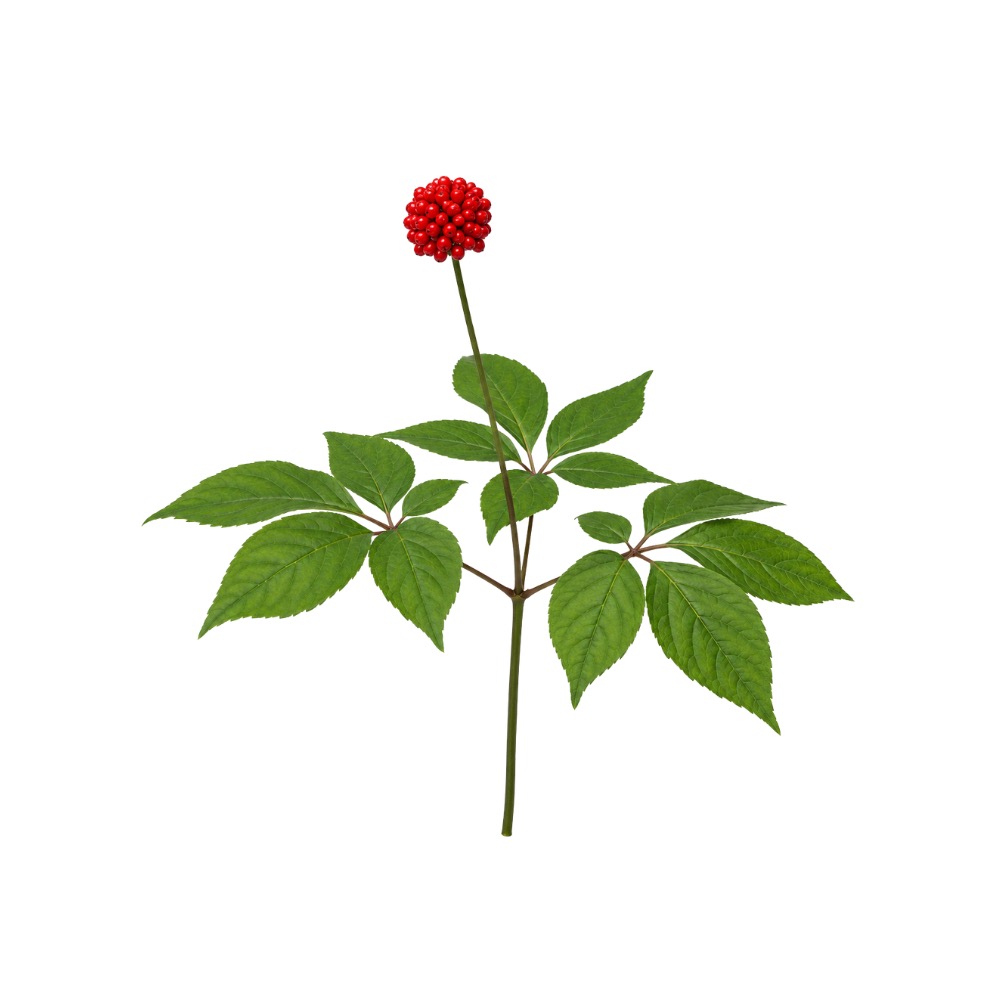 StrongStrongNotoginsengPanax notoginsengDencichine enhances the haemostatic function of activated platelets and drives thrombopoiesis; it is a separate drug inside a root whose saponins pull the other way.Mechanismdencichine → AMPA-receptor-mediated platelet activation; thrombopoiesis ↑ (megakaryocyte adhesion/migration/proplatelet formation)Read the evidenceShow lessMonograph →
The haemostatic activity traces not to the saponins but to dencichine (β-N-oxalyl-L-α,β-diaminopropionic acid), a non-protein amino acid that enhances the haemostatic function of activated platelets through AMPA-type glutamate receptors in vitro 1Reference 1In vitroDencichine enhances hemostasis of activated platelets via AMPA receptors — in vitroView study → and drives thrombopoiesis in vivo by promoting megakaryocyte adhesion, migration and proplatelet formation 2Reference 2AnimalD-dencichine regulates thrombopoiesis by promoting megakaryocyte adhesion, migration and proplatelet formation — animal model in vivoView study →.
The clinical support is indirect. A meta-analysis of 20 RCTs (1,891 patients) reported that notoginseng saponin injection improved recovery outcomes in intracerebral haemorrhage 3Reference 3Meta-analysisEfficacy and Safety of Panax notoginseng Saponin Therapy for Acute Intracerebral Hemorrhage — a meta-analysisView study →, and a meta-analysis of 20 RCTs (n=1,831) found the saponins reduced a hypercoagulable state in COPD 4Reference 4Meta-analysisClinical efficacy and safety of Panax notoginseng saponins in chronic obstructive pulmonary disease with blood hypercoagulability — a meta-analysisView study →, which points the opposite way.
The whole root simultaneously inhibits platelets through its saponins, reproducibly enough to carry its own meta-analyses 10,
There is no direct human haemostasis RCT of the crude root. The rating rests on effect magnitude and the weight of traditional use rather than on trial quality.
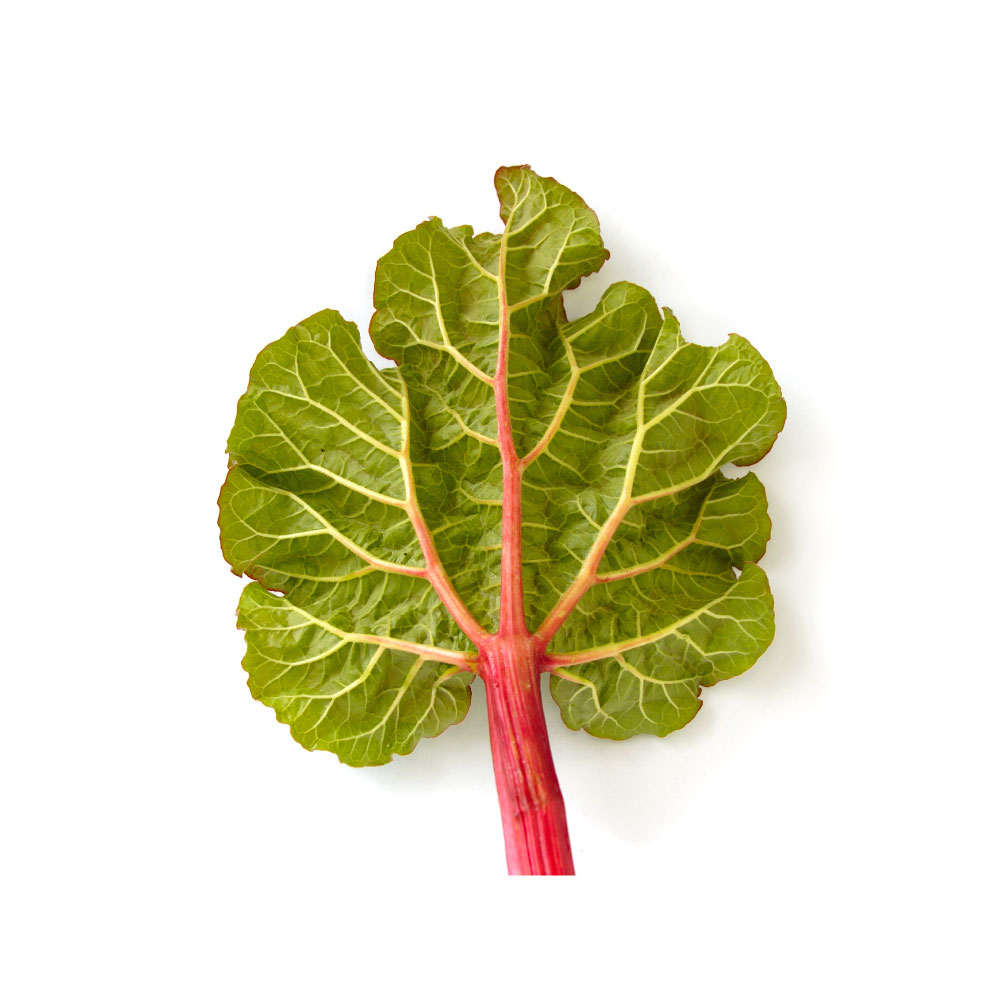 StrongStrongRhubarbRheum palmatumPowder sprayed onto a bleeding gastric lesion under gastroscope beat norepinephrine solution across 14 randomised trials; the only styptic herb measured against a drug.Mechanismtannin protein-binding; local hemostasisRead the evidenceShow lessMonograph →
A systematic review and meta-analysis of 14 RCTs (1,493 patients) found rhubarb powder solution sprayed onto the bleeding site under gastroscope improved haemostasis in acute non-variceal upper gastrointestinal bleeding compared with norepinephrine solution 5Reference 5Meta-analysisSpraying rhubarb powder solution under gastroscope in the treatment of acute non-variceal upper gastrointestinal bleeding: A systematic review and meta-analysis of randomised controlled trials — systematic review, meta-analysis, RCTView study →, with a large propensity-matched retrospective study agreeing.
A herbal styptic outperforming a vasoconstrictor in a controlled comparison is the strongest evidence for this action anywhere.
The route is direct topical application to the lesion, not oral dosing. The tannin fraction behind it is examined among the astringent herbs.
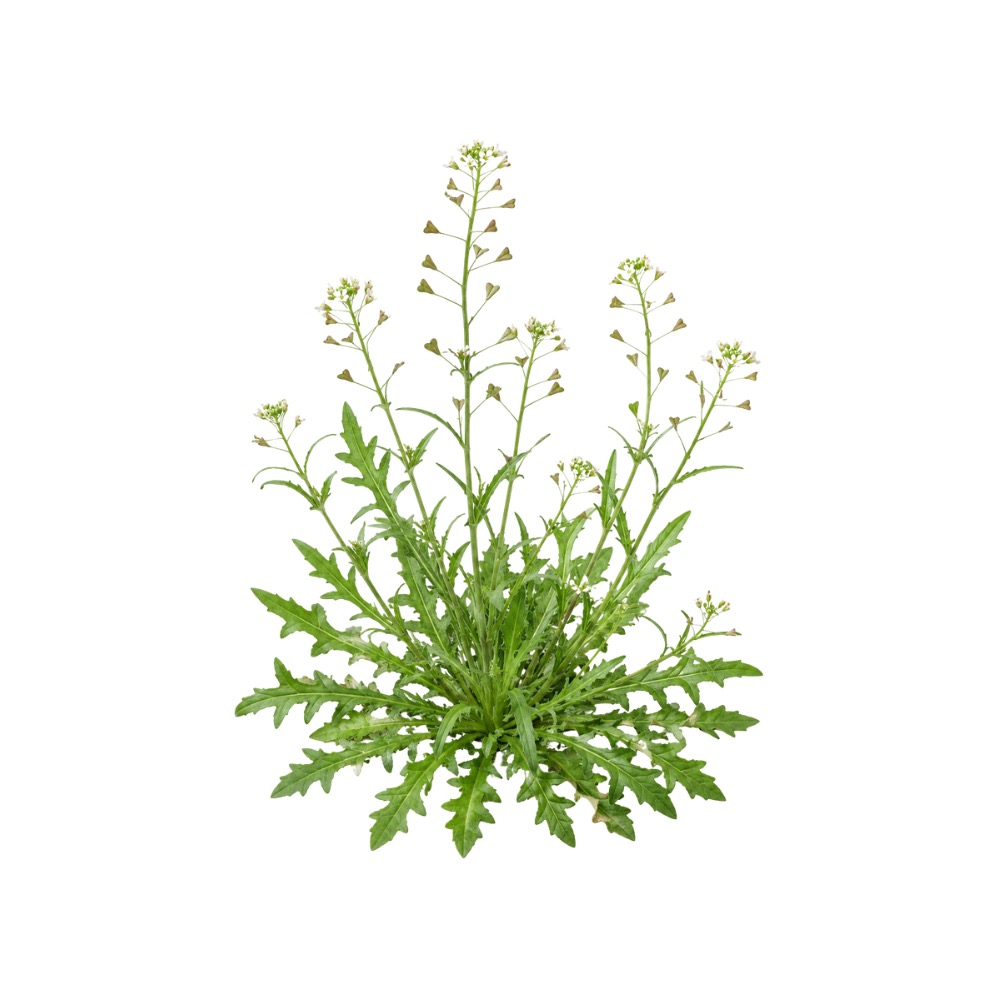 StrongStrongShepherd’s PurseCapsella bursa-pastorisThe herb Western practice reaches for first in heavy menstrual bleeding, and the one styptic with a human trial; the mechanism is blank.Mechanismnot established — proposed uterine smooth-muscle contraction via cholinergic/biogenic aminesRead the evidenceShow lessMonograph →
A 2018 triple-blind randomised placebo-controlled trial (n=84) in heavy menstrual bleeding gave mefenamic acid plus either a hydroalcoholic Capsella extract capsule or placebo over two cycles. Pictorial blood-loss scores fell significantly further in the Capsella arm (p<0.001) 6Reference 6RCTEffect of hydroalcoholic extracts of Capsella bursa-pastoris on heavy menstrual bleeding — a triple-blind, randomised, placebo-controlled clinical trialView study →.
The herb was added on top of an effective drug, so its independent contribution is not established, and the authors call for further study 6Reference 6RCTEffect of hydroalcoholic extracts of Capsella bursa-pastoris on heavy menstrual bleeding — a triple-blind, randomised, placebo-controlled clinical trialView study →. EMA/HMPC and Commission E recognise it only as traditional use for heavy menstrual bleeding with an otherwise normal cycle; well-established use was not accepted 7Reference 7ReviewAssessment report on Capsella bursa-pastoris (L.) Medikus, herba — regulatory monograph (traditional use)View study →.
The preclinical backing is confounded in both directions. The rat liver-laceration model that showed faster haemostasis used a mixture of shepherd’s purse and Inula viscosa 8Reference 8AnimalHemostatic effects of a traditional Inula viscosa and Capsella bursa-pastoris plant mixture extract on a rat liver parenchymal bleeding model — rat modelView study →, and an old isolated-uterus survey ranked shepherd’s purse among the weaker uterotonic herbs tested 9Reference 9Uterotonic action of extracts from a group of medicinal plants — isolated-uterus animal studyView study →.
No preparation, dose or mechanism is pinned down, and the one trial cannot isolate the herb.
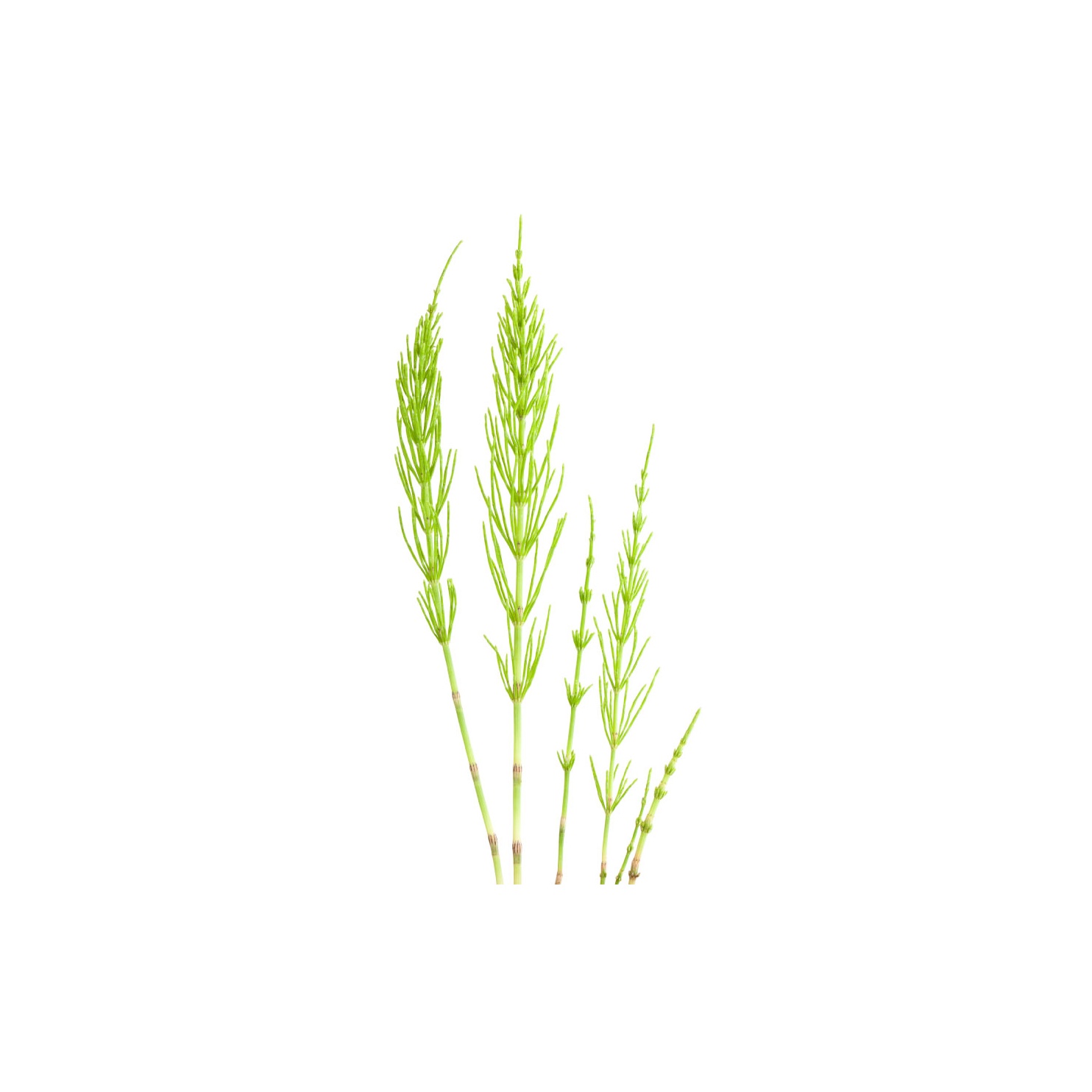 MildMildHorsetailEquisetum arvenseListed in the British Herbal Pharmacopoeia as an antihaemorrhagic and topical styptic, indicated for cystitis with haematuria; the herb carries no tannins, so the usual rationale is unavailable.Read the evidenceShow lessMonograph →
The British Herbal Pharmacopoeia classes horsetail as a genitourinary astringent and antihaemorrhagic, and topically as a vulnerary and styptic, indicated for enuresis, prostatic disease and cystitis with haematuria.
No haemostatic study exists. Horsetail’s phytochemistry lists no tannins at all, so the usual astringent protein-binding rationale for a styptic is unavailable, and the silica is a structural constituent rather than a haemostatic one.
The overlapping wound-healing use does have a human trial behind it, and it is examined among the vulnerary herbs.
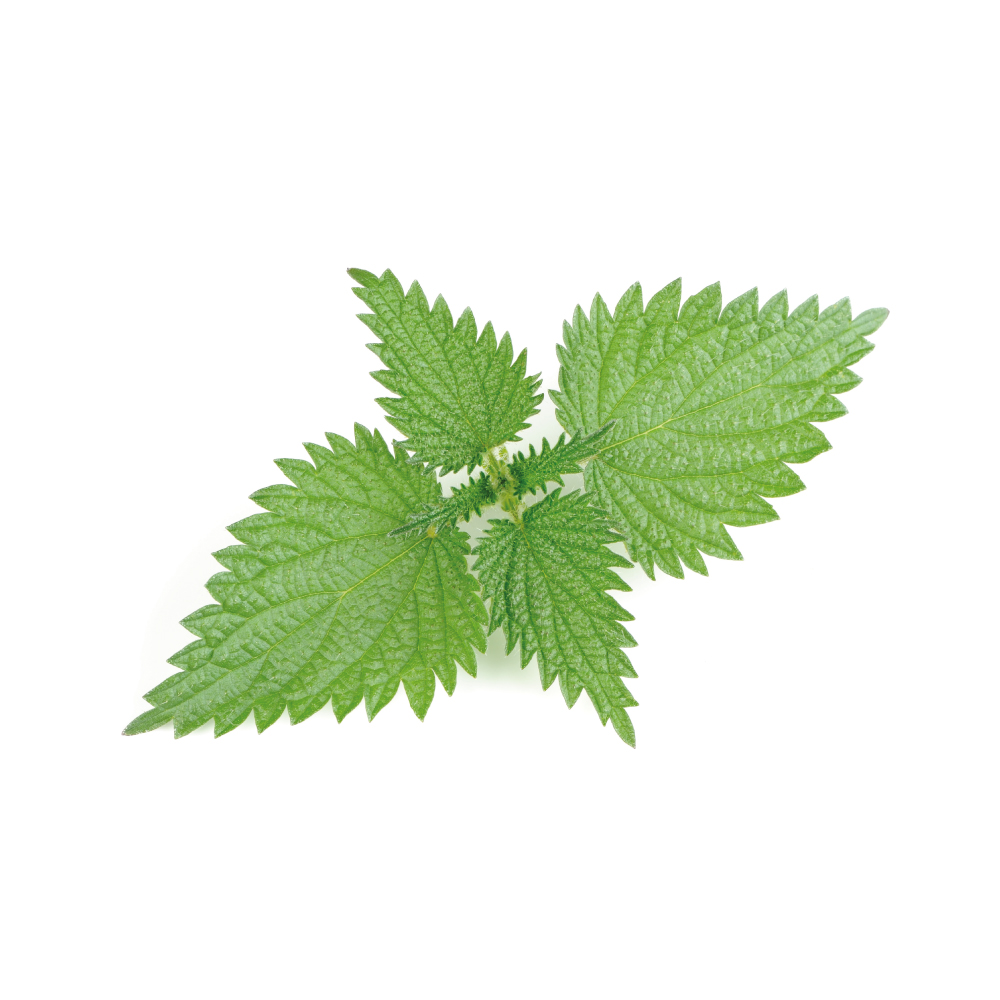 MildMildStinging NettleUrtica dioicaA specific tradition rather than a general one: Brazilian use for excessive menstrual bleeding and Peruvian use for nosebleeds.Read the evidenceShow lessMonograph →
The record is specific: Brazilian use for excessive menstrual bleeding, Peruvian use for nosebleeds 14Reference 14The healing power of rainforest herbs: A guide to understanding and using herbal medicinals.
The one modern study with haemostatic in its title measured wound closure in rats and reports no bleeding-time or clotting result 13Reference 13AnimalExploring the Urtica dioica leaves hemostatic and wound-healing potential — animal modelView study →, so the tradition stands unmeasured.
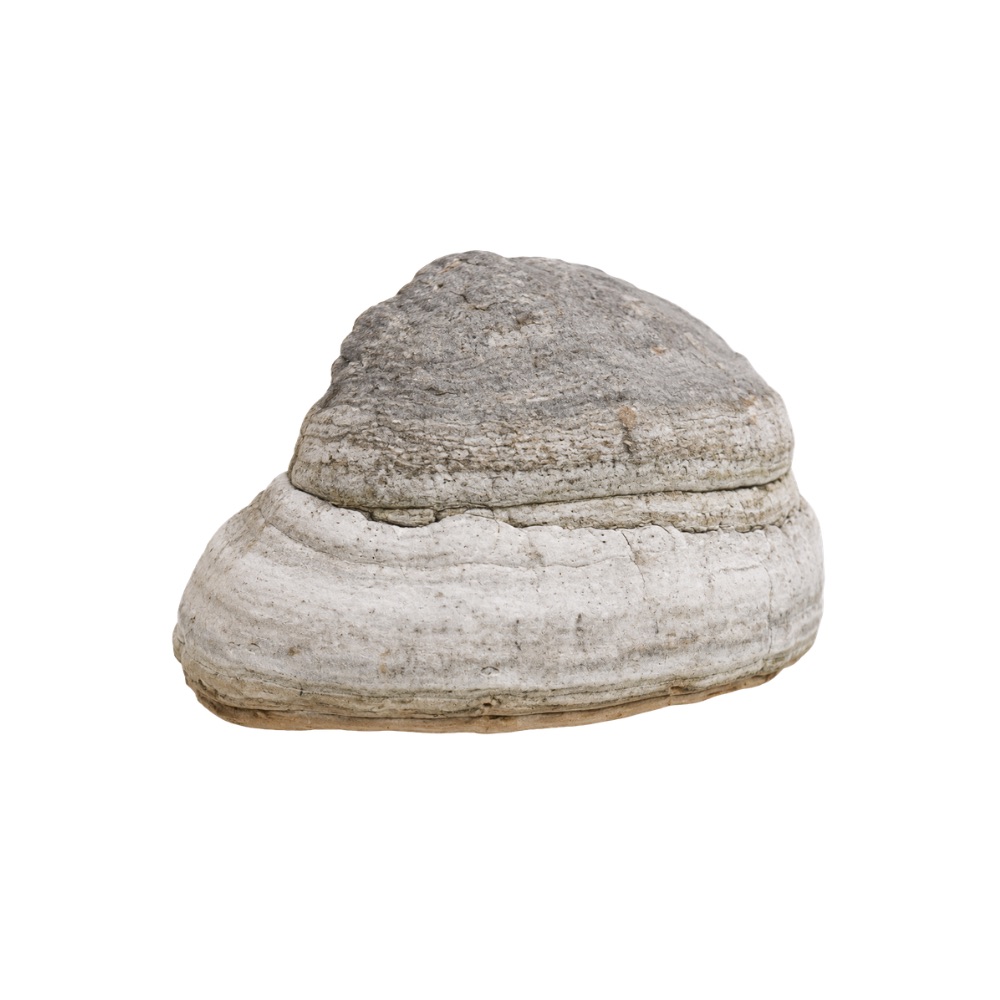 MildMildTinder ConkFomes fomentariusAmadou, the felted inner flesh, is a physical haemostat: applied dry it absorbs blood and holds the wound edges, working by what it is rather than what it contains.Read the evidenceShow lessMonograph →
Amadou, the felted inner flesh of Fomes fomentarius, was packed onto wounds to absorb blood 12Reference 12History of the therapeutic uses of the tinder polypore, Fomes fomentarius — historical articleView study →, and European practice classified the fungus first as a styptic. The traditional record is deep and specific.
Absorbent felt pressed onto a bleed stops bleeding the way gauze does. No haemostatic mechanism has been proposed and no coagulation study exists.
No herbs match these filters.
Safety
- Bleeding that is unexplained, recurrent, heavy, or coming from the gut, airway or urinary tract needs a diagnosis before it needs a herb.
- A styptic works against anticoagulant and antiplatelet therapy, so it is a consideration for anyone taking one.
- A styptic tag does not mean a herb is blood-safe, since one of these roots is reproducibly antiplatelet as well.
- Heavy menstrual bleeding deserves a workup, since fibroids, adenomyosis, polyps, thyroid disease, clotting disorders and iron deficiency all present this way.
- Deep, dirty, gaping or arterial wounds need irrigation and closure, and sealing a contaminated wound surface is not a good outcome.
- Direct pressure remains the correct first response, and bleeding that does not stop with sustained pressure is an emergency.
References
- Huang, L. F., et al. (2014). Dencichine enhances hemostasis of activated platelets via AMPA receptors — in vitro. Thrombosis Research. https://pubmed.ncbi.nlm.nih.gov/24630643/
- Ding, S., et al. (2018). D-dencichine regulates thrombopoiesis by promoting megakaryocyte adhesion, migration and proplatelet formation — animal model in vivo. Frontiers in Pharmacology. https://pubmed.ncbi.nlm.nih.gov/29666579/
- Xu, D., et al. (2014). Efficacy and Safety of Panax notoginseng Saponin Therapy for Acute Intracerebral Hemorrhage — a meta-analysis. Frontiers in Neurology. https://pubmed.ncbi.nlm.nih.gov/25620952/
- Zhou, R., et al. (2024). Clinical efficacy and safety of Panax notoginseng saponins in chronic obstructive pulmonary disease with blood hypercoagulability — a meta-analysis. Phytomedicine. https://pubmed.ncbi.nlm.nih.gov/38216446/
- Liu, J. T., et al. (2020). Spraying rhubarb powder solution under gastroscope in the treatment of acute non-variceal upper gastrointestinal bleeding: A systematic review and meta-analysis of randomised controlled trials — systematic review, meta-analysis, RCT. Complementary Therapies in Medicine. https://pubmed.ncbi.nlm.nih.gov/32951726/
- Naafe M, Kariman N, Keshavarz Z, et al. (2018). Effect of hydroalcoholic extracts of Capsella bursa-pastoris on heavy menstrual bleeding — a triple-blind, randomised, placebo-controlled clinical trial. J Altern Complement Med. 24(7):694–700. https://pubmed.ncbi.nlm.nih.gov/29641247/
- European Medicines Agency, Committee on Herbal Medicinal Products (HMPC). Assessment report on Capsella bursa-pastoris (L.) Medikus, herba — regulatory monograph (traditional use). EMA/HMPC/262767/2010, adopted 12 July 2011. https://www.ema.europa.eu/en/documents/herbal-report/final-assessment-report-capsella-bursa-pastoris-l-medikus-herba-first-version_en.pdf
- Öztürk OU, et al. (2022). Hemostatic effects of a traditional Inula viscosa and Capsella bursa-pastoris plant mixture extract on a rat liver parenchymal bleeding model — rat model. Ulus Travma Acil Cerrahi Derg. 28(8):1059–1065. https://pubmed.ncbi.nlm.nih.gov/35920433/
- Shipochliev T. (1981). Uterotonic action of extracts from a group of medicinal plants — isolated-uterus animal study. Vet Med Nauki. 18(4):94–8. https://pubmed.ncbi.nlm.nih.gov/7314446/
- Li, Y., et al. (2017). Effect of Panax notoginseng preparations on platelet function — a meta-analysis of 36 randomised controlled trials. China Journal of Chinese Materia Medica. https://pubmed.ncbi.nlm.nih.gov/29271165/
- Dai, L., et al. (2022). Panax notoginseng preparation plus aspirin versus aspirin alone on platelet aggregation and coagulation in coronary heart disease or ischemic stroke — a meta-analysis. Frontiers in Pharmacology. https://pubmed.ncbi.nlm.nih.gov/36569332/
- Roussel, B., et al. (2002). History of the therapeutic uses of the tinder polypore, Fomes fomentarius — historical article. Revue d’Histoire de la Pharmacie. https://pubmed.ncbi.nlm.nih.gov/12712985/
- Zouari Bouassida K, Bardaa S, Khimiri M, et al. (2017). Exploring the Urtica dioica leaves hemostatic and wound-healing potential — animal model. Biomed Res Int. https://pubmed.ncbi.nlm.nih.gov/29201895/
- Taylor, L. (2005). The healing power of rainforest herbs: A guide to understanding and using herbal medicinals. Garden City Park, NY: Square One Publishers.
Keep Exploring