
Subclass of Carbohydrates
Mucilage
Gel-forming polysaccharides that soothe and protect mucous membranes — the basis of demulcent herbs.
Overview
About Mucilage
Mucilages are branched, highly hydrophilic polysaccharides that swell in water into a viscous gel. They are chemically part of the polysaccharide family but earn a separate heading because they are used for a physical property rather than a biochemical one.
This is the demulcent principle — the entire mechanism behind marshmallow, slippery elm, psyllium and the whole soothing branch of the materia medica. Nothing is absorbed and nothing needs to be.
Where Mucilage Occurs
Roots, seed coats, inner barks and some leaves, usually where the plant needs to retain water:
Marshmallow root and leaf
the classic demulcent
Slippery elm inner bark
Psyllium husk (Plantago ovata)
Flaxseed and chia seed coats
Aloe vera gel, mullein leaf, comfrey root, Irish moss
Because mucilage is water-soluble and heat-labile in texture, a cold infusion or overnight maceration extracts it far better than a boiling decoction — the standard preparation note for these herbs.
How Demulcents Work
The direct account is straightforward: a viscous gel coats inflamed mucous membranes, forming a physical barrier that reduces contact with irritants and gives tissue a chance to settle. That plainly applies in the mouth, throat, oesophagus and gut, wherever the herb actually touches.
It cannot be the whole story, since a swallowed demulcent also eases a dry cough — and the gel never reaches the bronchi. The accepted explanation is reflex: mucilage stimulates sensory nerve endings in the pharynx and oesophagus, and shared vagal innervation increases airway secretion and dampens the cough reflex. This is why demulcents must be tasted and sipped slowly rather than swallowed in a capsule.
Pharmacological Importance
Psyllium has the strongest evidence of any member and is genuinely dual-acting: it normalizes stool form in both constipation and diarrhoea, has meta-analysis support for modest LDL-cholesterol reduction, and improves glycaemic response by slowing gastric emptying.
Marshmallow and slippery elm are mainstays for dry irritable cough, sore throat, gastritis and reflux, and are among the safest interventions available for those complaints. Marshmallow root also has trial support in the pharyngeal-irritation setting.
Toxicity & Safety
Mucilages are exceptionally safe. The genuine cautions are mechanical rather than toxicological. Bulking agents must be taken with adequate water — psyllium taken dry has caused oesophageal and intestinal obstruction — and they are contraindicated in existing bowel obstruction or oesophageal stricture.
The other practical point is timing: a viscous gel in the gut slows the absorption of anything else in it. Medicines and mineral supplements should be separated from demulcents by an hour or two on either side. Inhaled psyllium powder is also a recognized occupational allergen.
Constituents
All Mucilage
0 totalNo compounds are listed for this family yet.
Source Plants
Herbs Containing Mucilage
16 herbsPlants in the materia medica documented to carry mucilage, with the compounds each one is listed for. The bar counts how many DISTINCT mucilage are on record for a plant, relative to the best-documented — it measures breadth of record, not potency, so a plant with one well-studied compound can outrank a richer source that has simply been analysed less. No concentration figures are on record for this class yet, so nothing here distinguishes a major source from a trace.
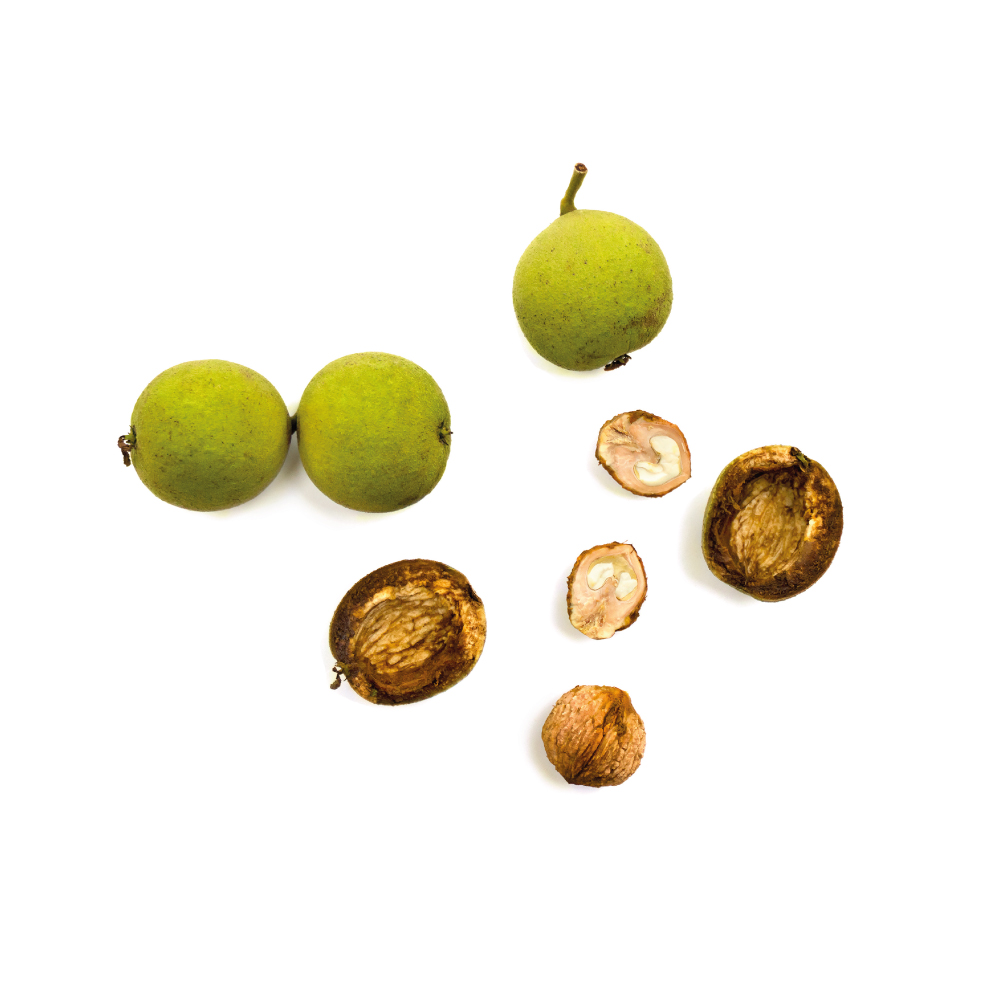 Black Walnut Juglans nigra Documented for mucilage.
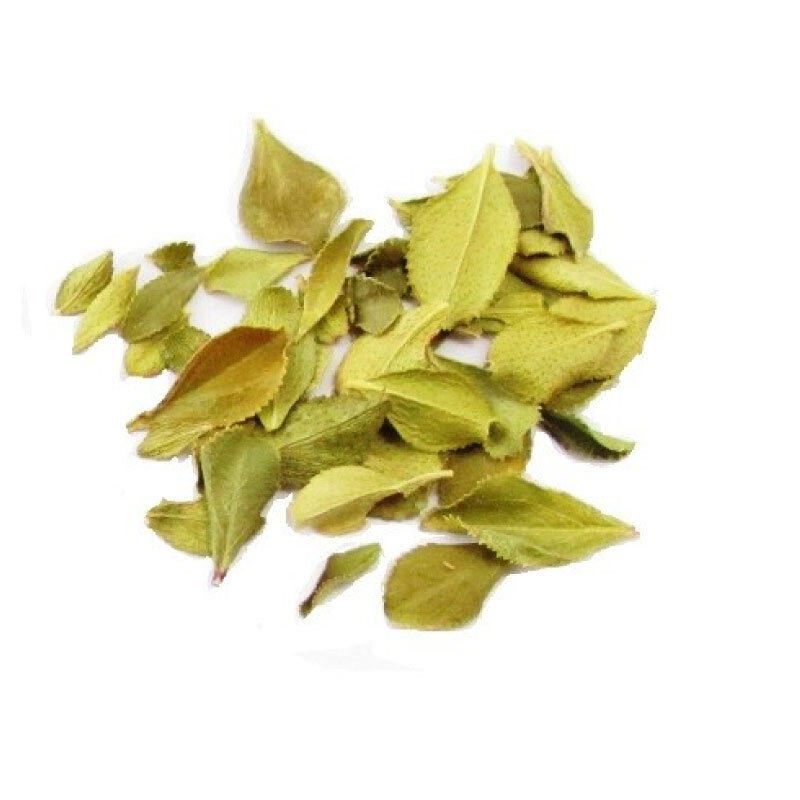 Buchu Agathosma betulina Documented for mucilage.
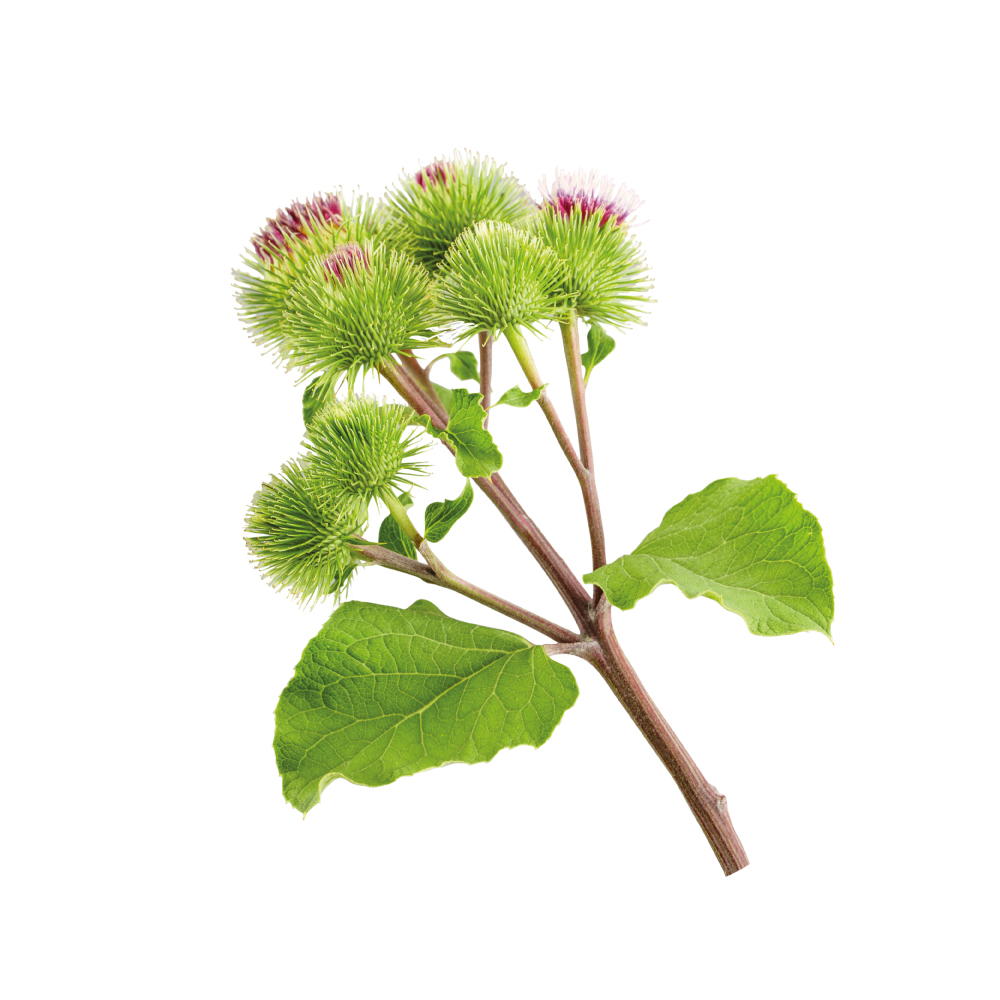 Burdock Arctium lappa Documented for mucilage.
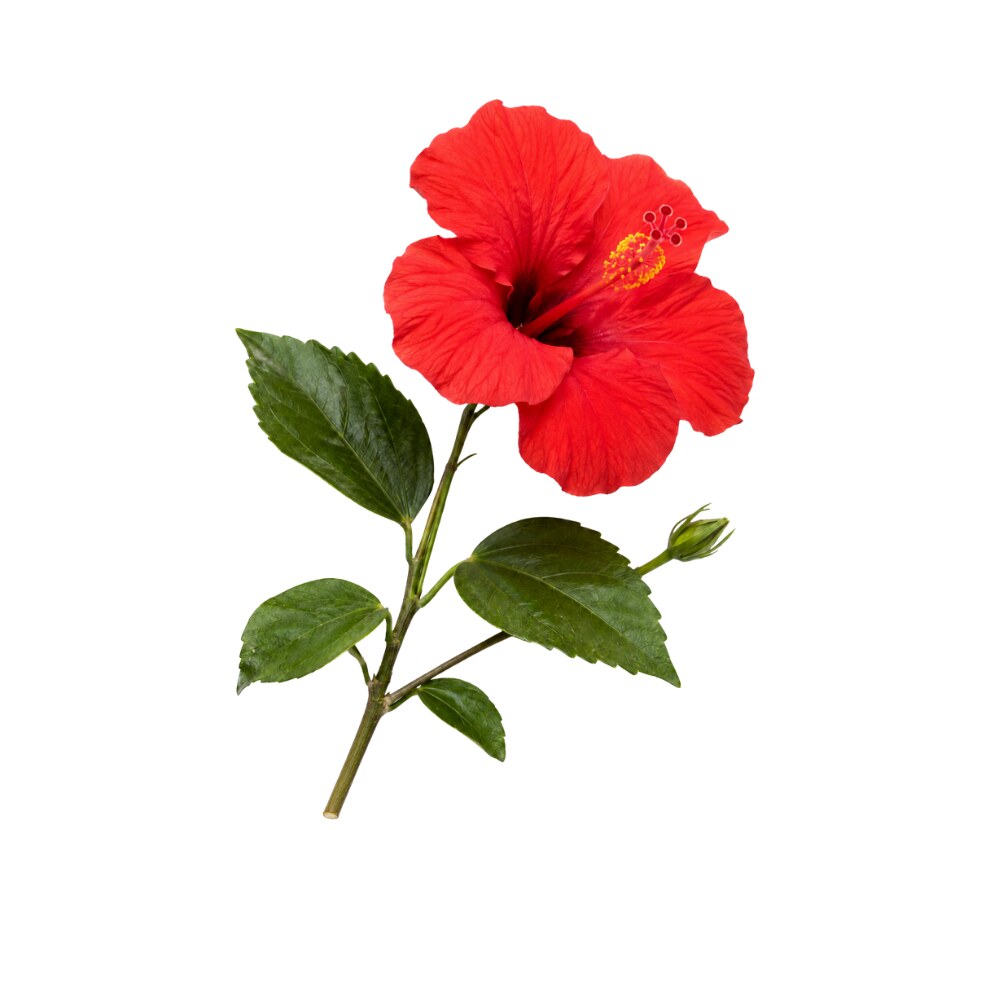 Chinese Hibiscus Hibiscus rosa-sinensis Documented for mucilage.
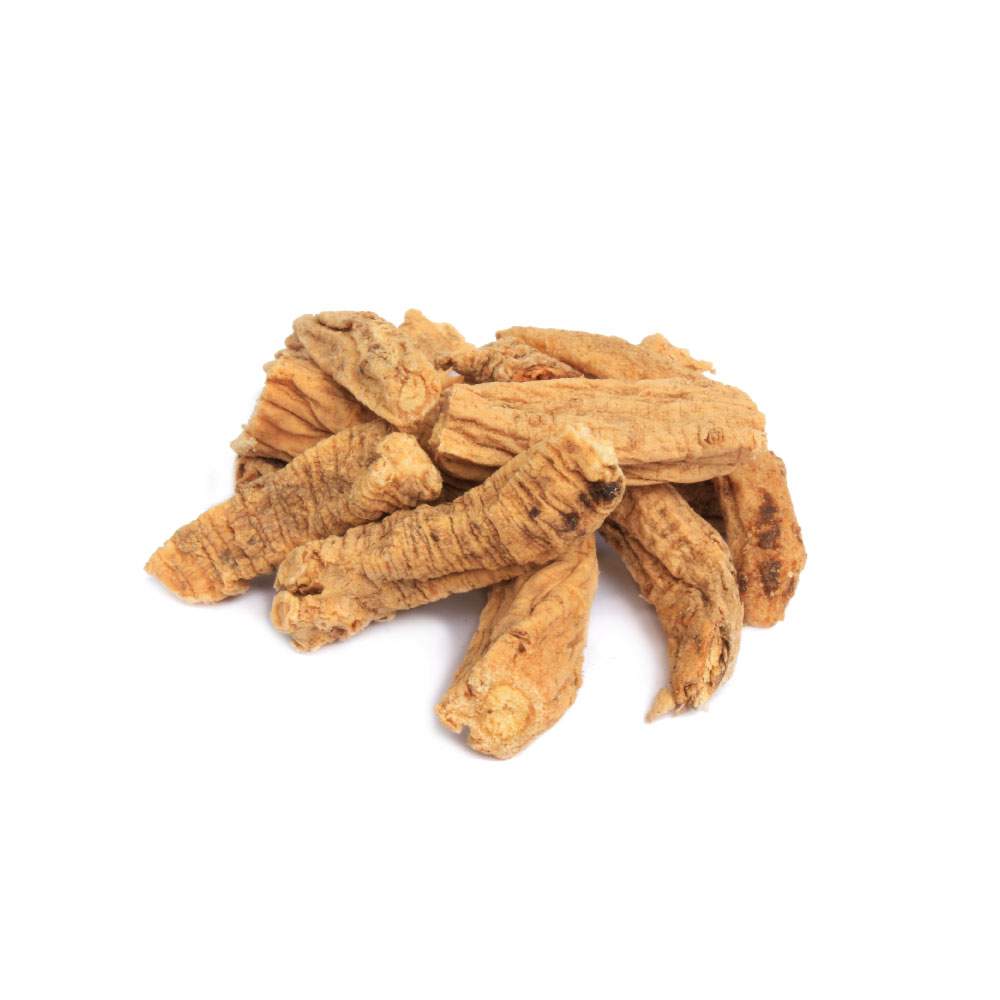 Codonopsis Codonopsis pilosula Documented for mucilage.
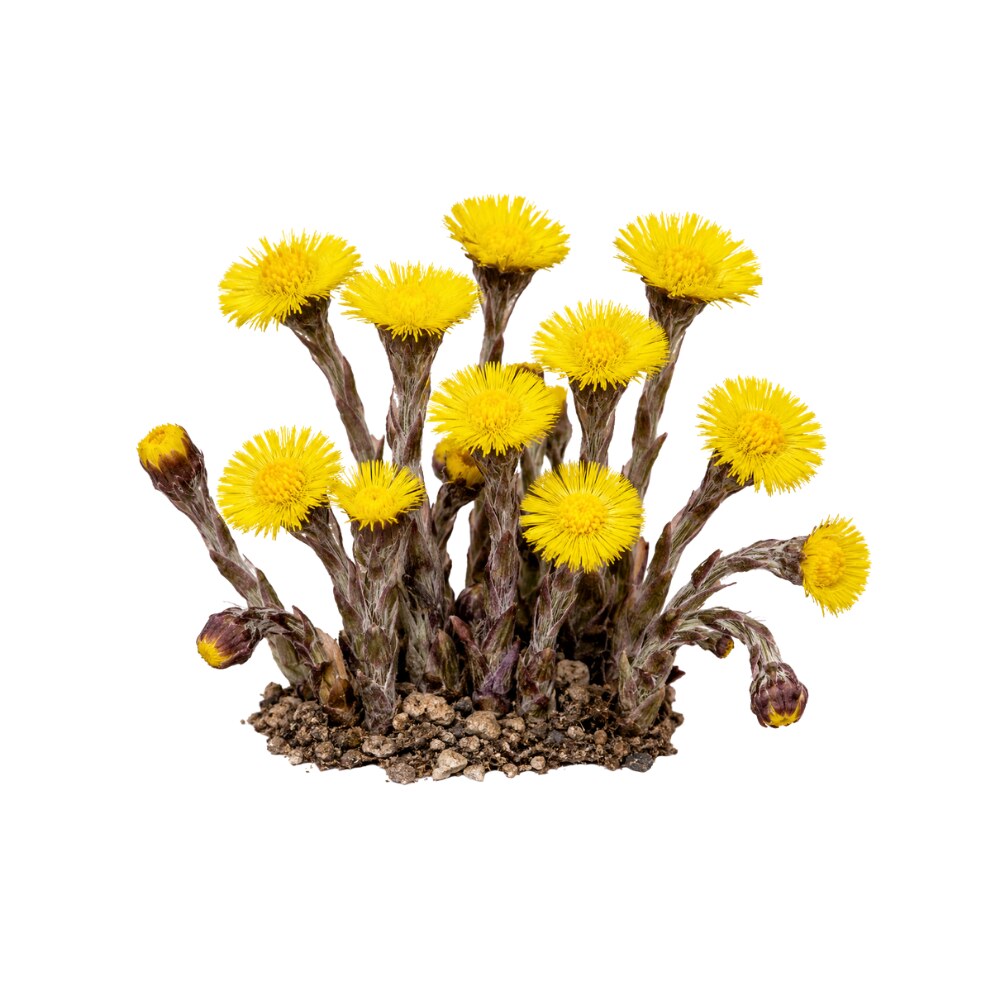 Coltsfoot Tussilago farfara Toxic Documented for mucilage.
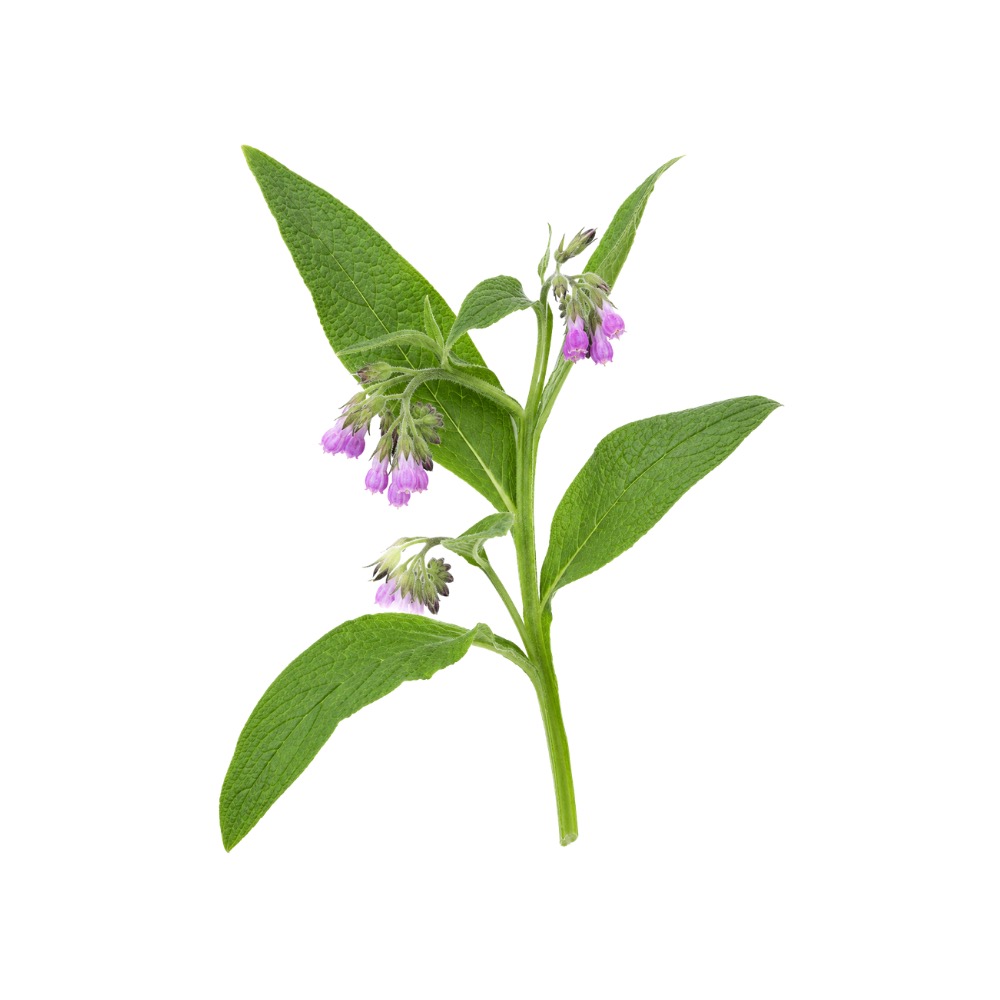 Comfrey Symphytum officinale Toxic Documented for mucilage.
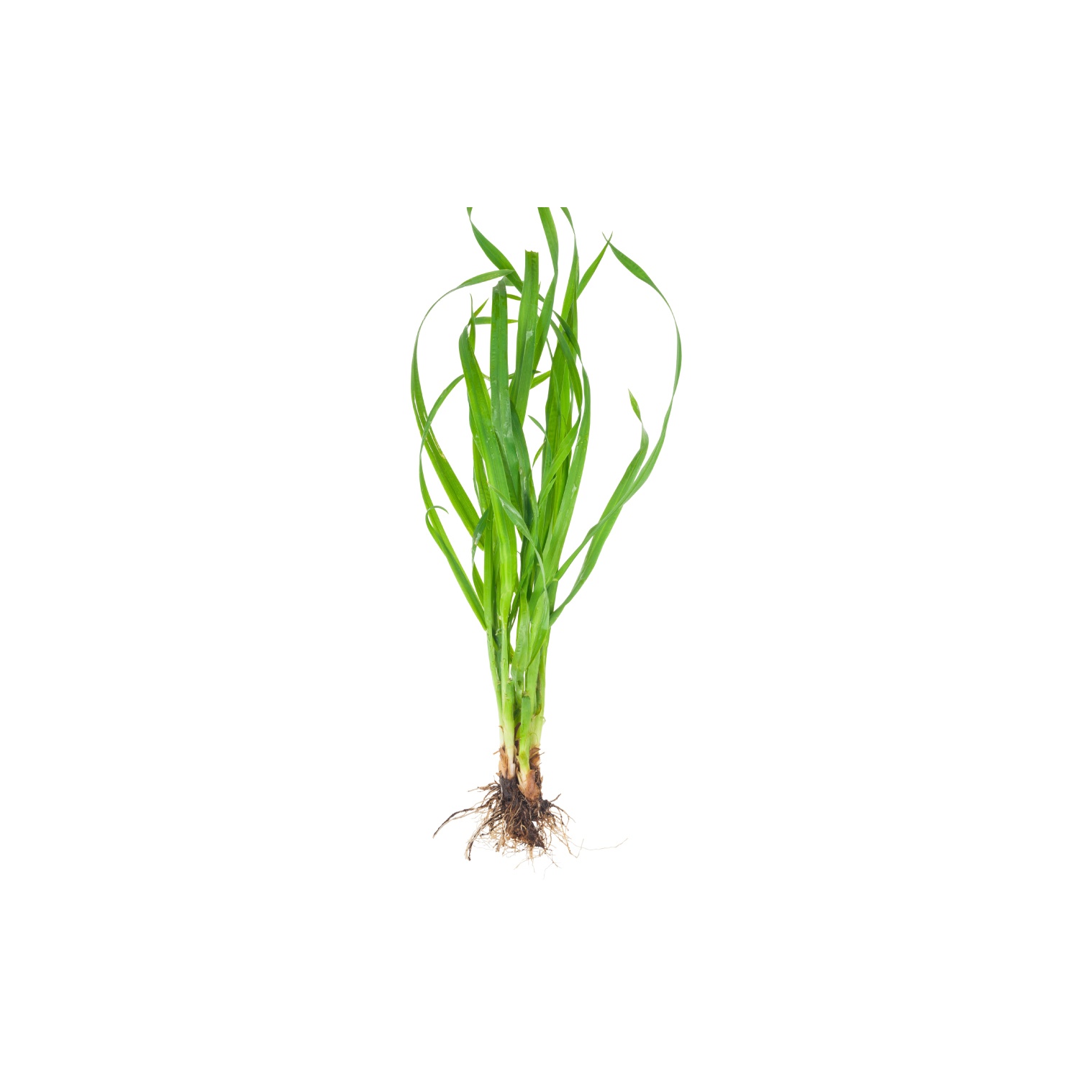 Couchgrass Elymus repens Documented for mucilage.
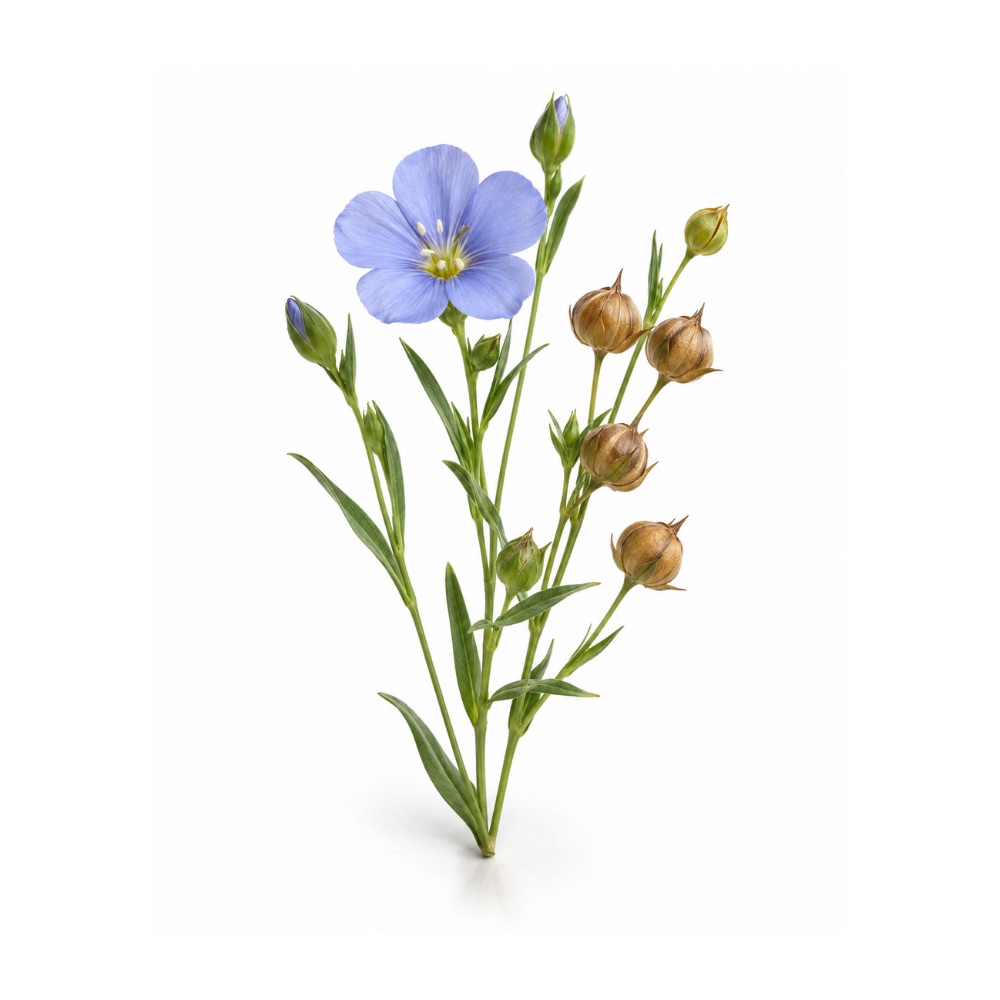 Flaxseed Linum usitatissimum Documented for mucilage.
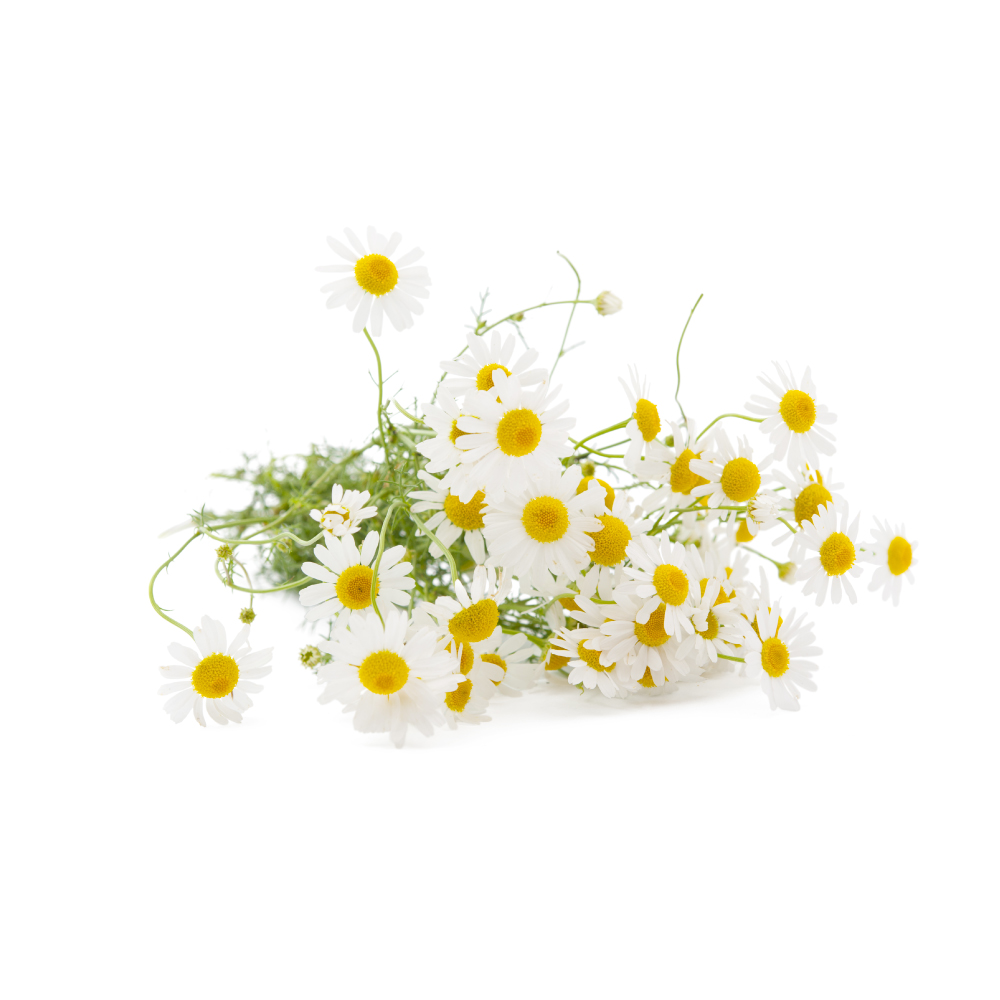 German Chamomile Matricaria chamomilla Documented for mucilage.
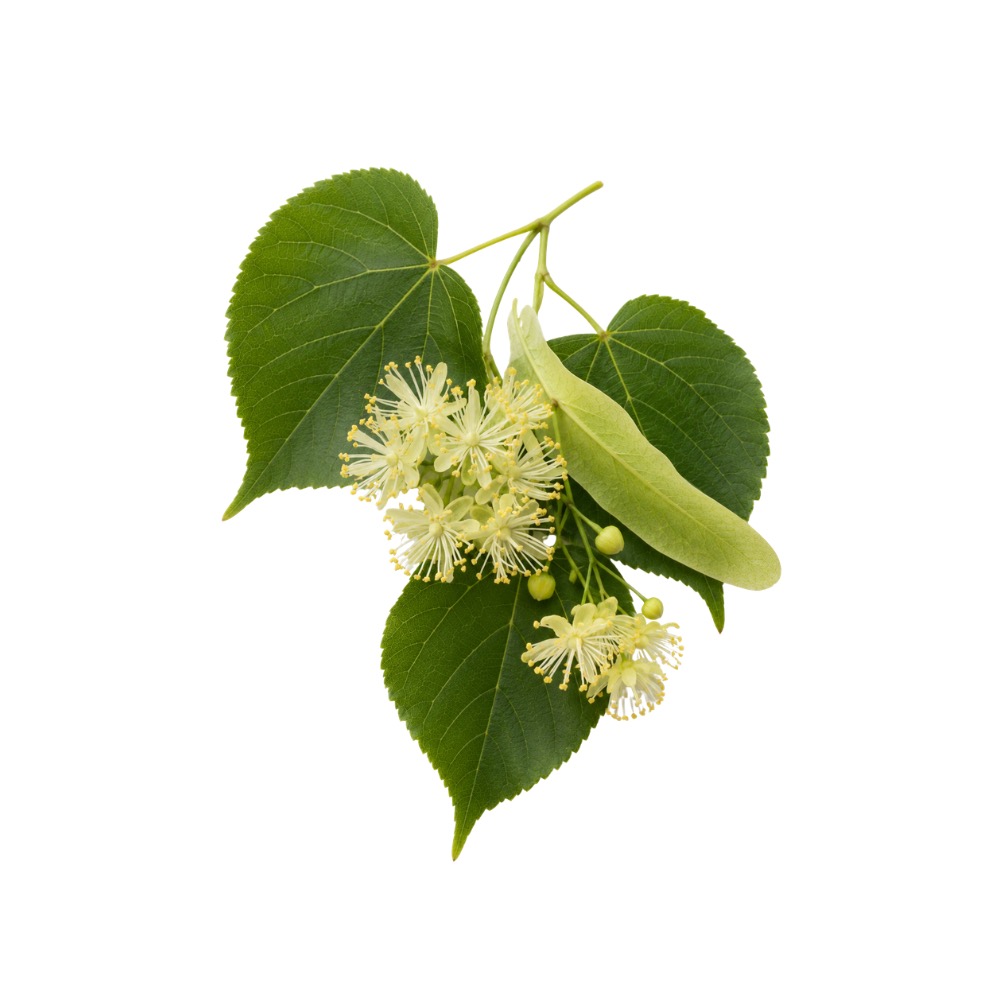 Linden Flower Tilia spp. Documented for mucilage.
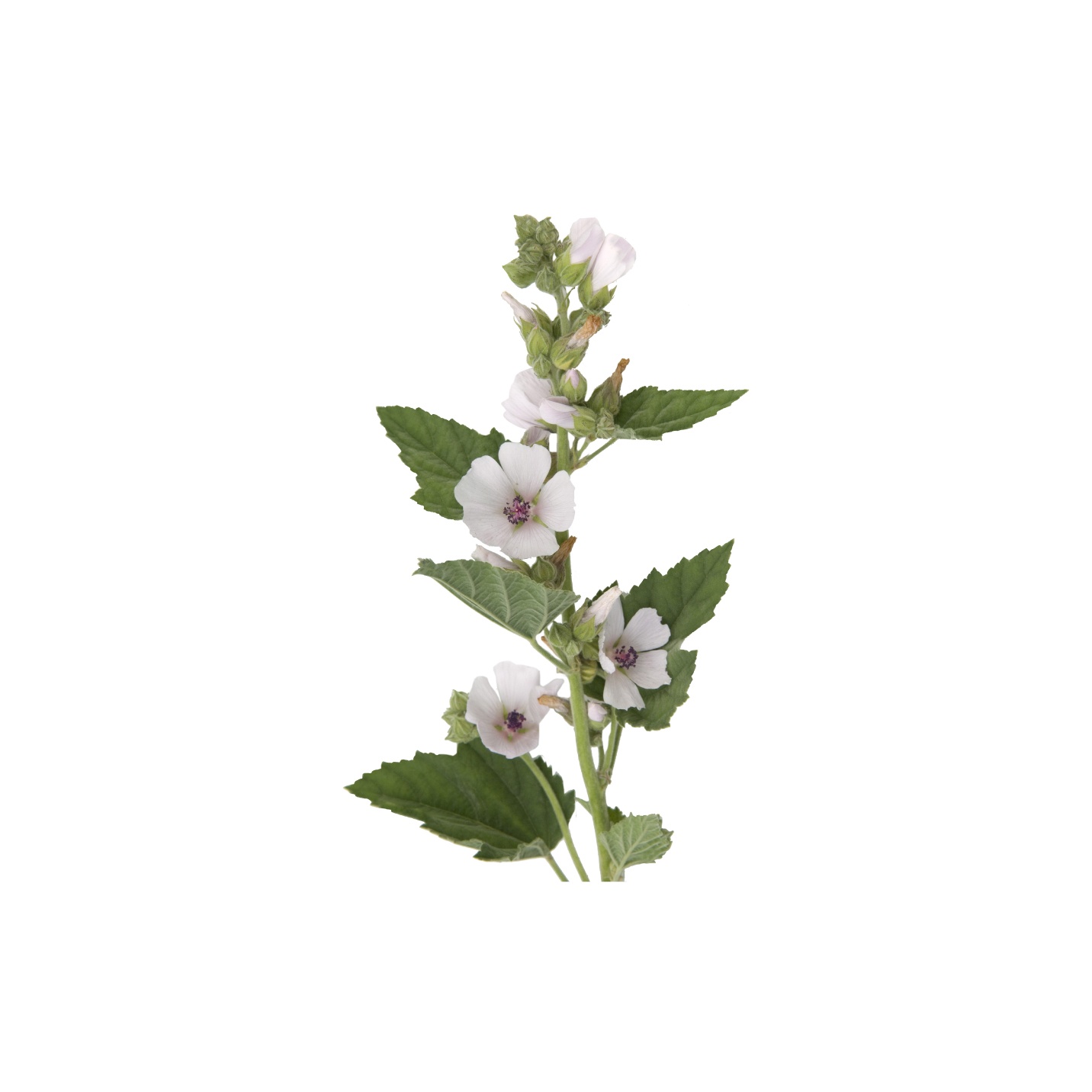 Marshmallow Althaea officinalis Documented for mucilage.
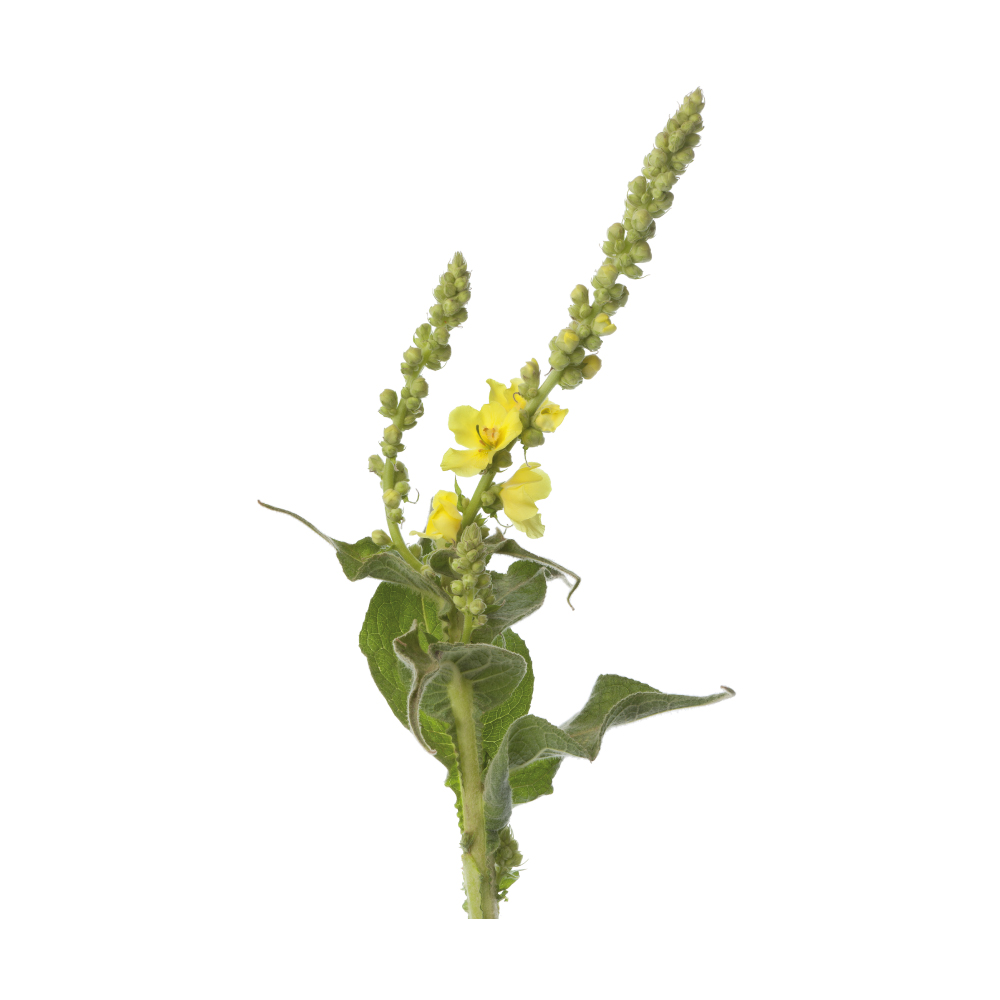 Mullein Verbascum thapsus Documented for mucilage.
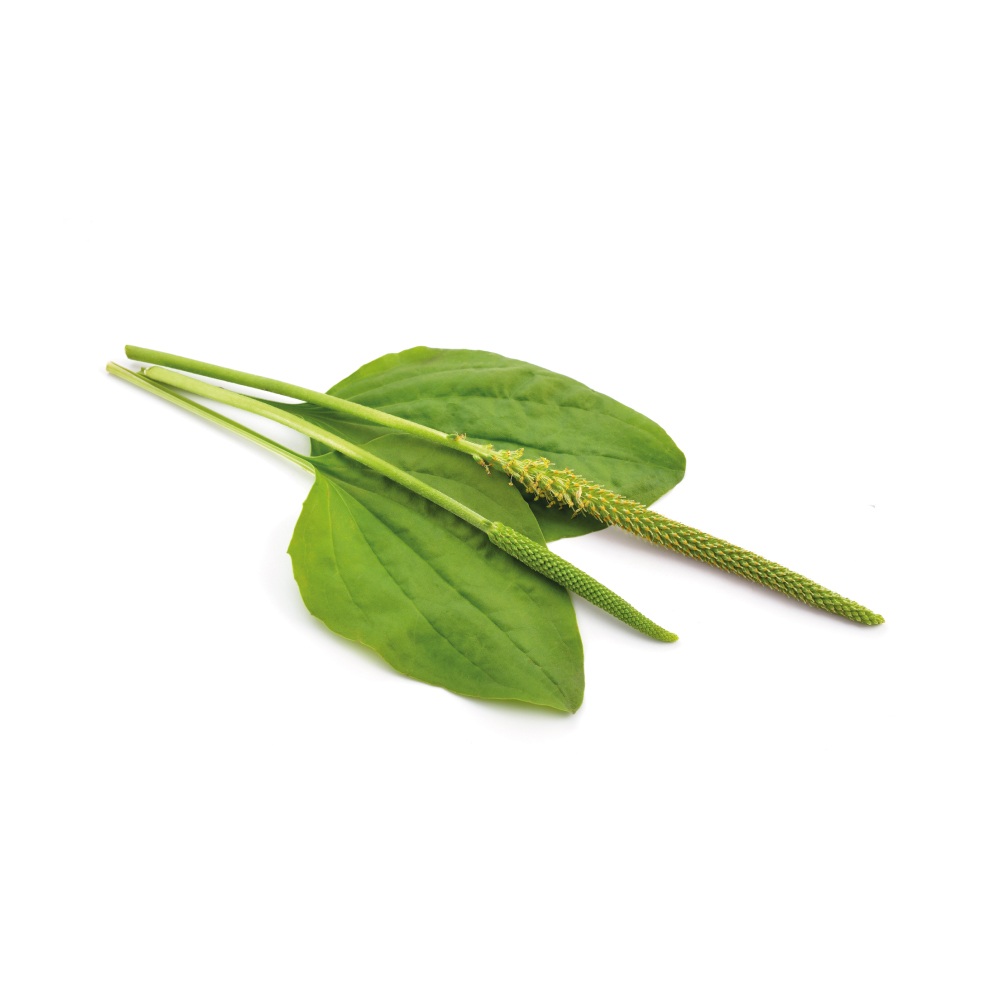 Plantain Plantago major Documented for mucilage.
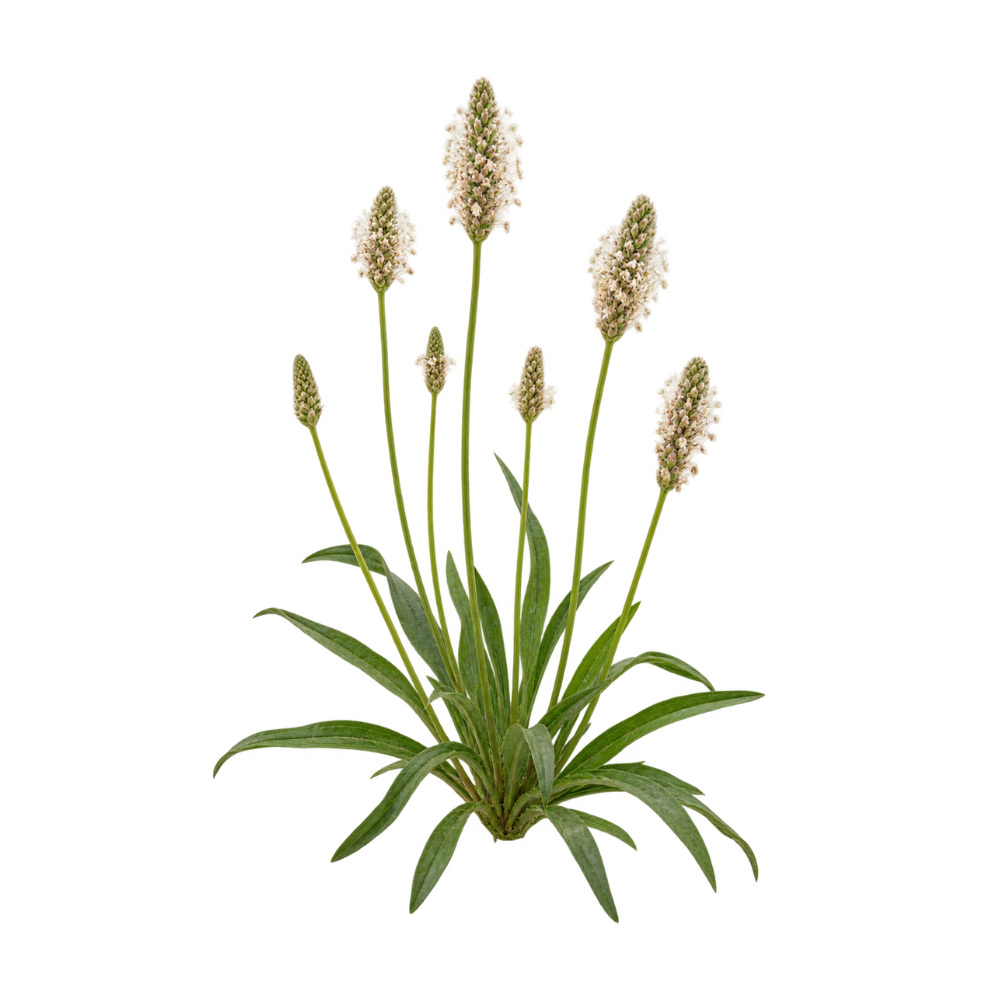 Psyllium Plantago ovata Documented for mucilage.
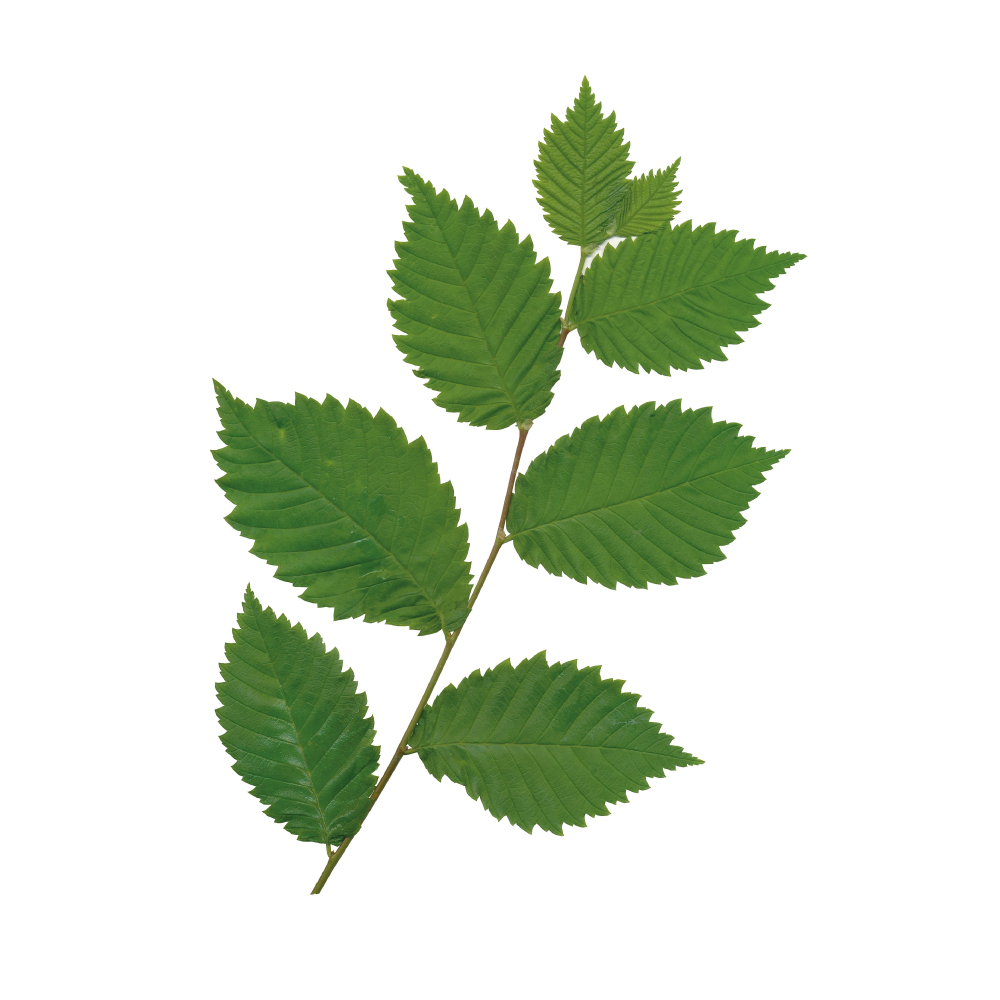 Slippery Elm Ulmus rubra Documented for mucilage.
Keep Exploring
Other Compound Classes
Keep Reading
 GuidesThe Best Kava: A Buyer's GuideHow to buy good kava: noble vs two-day cultivars, which part of the root, chemotype codes, origin, form, and the batch tests a seller should show you.
Read more
 GuidesThe Amazon's Endangered Medicinal PlantsThe Amazon gives us some of our most important medicines — but which healing plants are actually endangered?
Read more
 NutritionThe Best Yerba Maté Brands [Reviewed]A drinker's guide to buying yerba maté — what actually changes the taste, and ten brands worth your money.
Read more
 GuidesHow to Prepare Yerba Maté — The Five Best MethodsHow to brew yerba maté properly — the traditional gourd method, plus tereré, french press and cold brew.
Read more