

Overview
Vasoprotective at a Glance
Vasoprotective herbs help protect the structure and function of blood-vessel walls.
In veins and capillaries, that usually means reducing leakage and helping the vessel resist excessive stretching.
Horse chestnut is the clearest example. Its aescin can reduce capillary permeability and support venous tone, which is why it is used for chronic venous insufficiency, swelling, and heaviness in the legs.
Arterial protection is different.
Here the focus is more on the endothelium — the thin inner lining that controls vascular tone, nitric-oxide production, inflammation, and the early stages of atherosclerosis.
Amla and arjuna have shown improvements in endothelial function and arterial stiffness, while other herbs may act through antioxidant or anti-inflammatory effects on the vessel wall.
This makes vasoprotective different from vascular tonic.
A vascular tonic acts mainly on vessel tone, especially in veins. A vasoprotective is concerned more broadly with keeping the vessel wall intact, responsive, and resistant to damage.
These herbs are used mainly where venous insufficiency, capillary fragility, endothelial dysfunction, or early vascular disease are part of the picture.
Caution
Adds to blood thinners — these herbs can add to antiplatelet, anticoagulant, blood-pressure and glucose-lowering medication, which matters before surgery.
One-sided leg swelling needs a check — sudden or one-sided leg swelling, or swelling with pain, redness or breathlessness, needs same-day assessment for deep-vein thrombosis.
Only the standardised extract is tested — raw plant material is a different substance, and only the standardised extract has evidence or an established safety record.
Mechanisms
How It Works
01
Capillary Sealing and Venous Tone
Sealing the capillary wall stops fluid and protein escaping into the tissue, which is what produces the swelling and heaviness of venous insufficiency.
Horse chestnut’s aescin does this measurably: a single dose cut the capillary filtration coefficient by 22% in a placebo-controlled crossover, and the same molecule raises venous tone.
This is not a diuretic effect. A diuretic removes fluid the body has already retained, while aescin stops it leaving the vessel in the first place.
The effect is the same aescin cascade that appears as vascular tonic and antiedematous, and the three have never been dissociated experimentally.
Herbs: Horse Chestnut
Key compounds: Aescin
02
Endothelial Function
The artery lining makes nitric oxide, and restoring that production is what an arterial protective claim means.
Amla improved endothelial function measured by reflection index and by salbutamol challenge across two randomised trials, and blunted the arterial-stiffness response to a cold pressor.
Arjuna restored flow-mediated dilation in chronic smokers, and the trial’s nitroglycerine arm showed the effect was on the endothelium rather than on the smooth muscle beneath it.
The endpoints are surrogate markers. Flow-mediated dilation and arterial stiffness are the currency of early cardiovascular research because they move quickly and cheaply, and interventions that move them have repeatedly failed to prevent events.
Neither effect is separable from the antioxidant activity that is both herbs’ headline property.
Key compounds: Emblicanin AArjunolic Acid
03
Endothelial Adhesion Molecules
Circulating monocytes stick to inflamed endothelium before they enter the wall and become plaque, and suppressing the adhesion molecules interrupts that step.
Saskatoon berry powder reduced monocyte adhesion to the vessel wall in diabetic mice and protected endothelial cells against endoplasmic-reticulum stress from glycated LDL.
This is a different route from restoring nitric oxide, and it is entirely cell and animal work.
Herbs: Saskatoon Berry
Key compounds: Cyanidin
More Specific Actions
Sub-Actions
Vasoprotective has one narrower action beneath it, describing the swelling that a sealed capillary prevents.
Antiedematous
1 herb · Horse ChestnutReduces tissue swelling by sealing leaky capillaries so less fluid escapes into the tissue. It is distinct from a diuretic, which removes fluid the body has already retained rather than stopping it leaving the vessel.
The Molecules
Pharmacology
What actually produces a vasoprotective effect at the molecular level. The herbs below carry these molecules in different combinations and amounts, which is most of why their potency differs. Roles describe how central a molecule is to the action across plants generally, not how strong any one herb is.
Chiefly Saponins1
Carries the action largely on its own — the effect is attributed to the molecule, not just the extract it came from.
Adds to a plant's effect and is often present in quantity, but rarely accounts for it alone.
Real but narrow — one pathway, one tissue, or evidence too thin to lean on.
Aescin Saponins Contributor Targets venous smooth-muscle tone; endothelial sealing
Aescin is why horse chestnut is a venotonic, and one of the few plant molecules where the vasoprotective claim rests on a human endpoint rather than a cell assay.
It raises venous wall tone and reduces the permeability of the capillary bed.
Found in Horse Chestnut
Full Aescin profile →A placebo-controlled crossover trial found a single dose cut the capillary filtration coefficient by about 22% in people with chronic venous insufficiency 10Reference 10RCTEffects of horse-chestnut seed extract on transcapillary filtration in chronic venous insufficiency — randomised placebo-controlled crossover trialView study →, and standardised extract dosed to around 100 mg aescin a day reduced lower-leg volume about as much as class-II compression stockings over 12 weeks in a 240-patient randomised trial 8Reference 8RCTComparison of leg compression stocking and oral horse-chestnut seed extract therapy in patients with chronic venous insufficiency — randomised controlled trialView study →.
The trials are of the standardised extract. Aescin is the fraction the dose is calculated on rather than an isolate that was tested by itself.
Materia Medica
Vasoprotective Herbs by Potency
The vasoprotective herbs, ordered by the relative strength of the effect rather than by how well studied it is. Each herb is described by the mechanism behind its effect and the evidence for it.
None of this is a substitute for professional care.
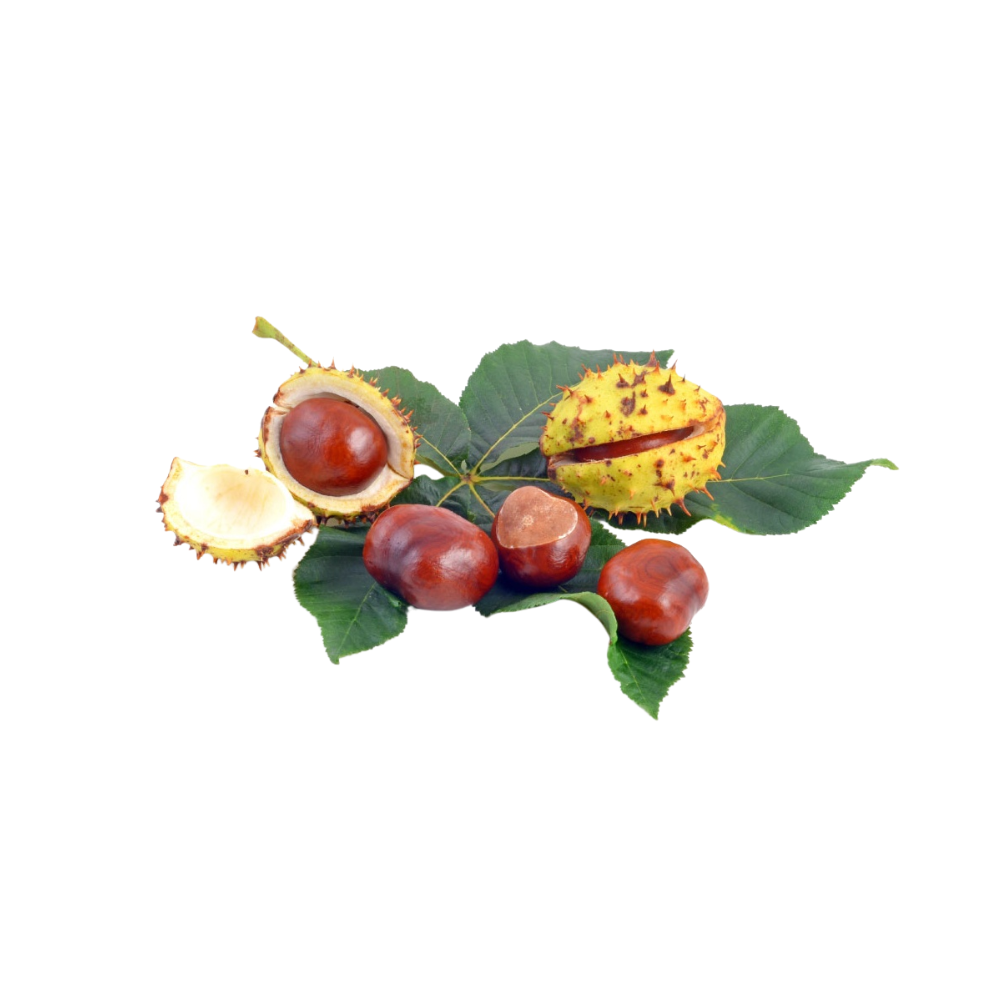 PotentPotentHorse ChestnutAesculus hippocastanumAescin seals the leaking capillary: a single dose cut the capillary filtration coefficient by 22%, and pooled trials show less leg pain, oedema and heaviness in venous insufficiency.Mechanismvenous tone ↑ (aescin); capillary permeability ↓; capillary filtration coefficient ↓Read the evidenceShow lessMonograph →
The 2012 Cochrane review pooled seventeen randomised trials in chronic venous insufficiency and found standardised seed extract improved signs and symptoms against placebo. Leg pain fell in six of seven placebo-controlled trials, and leg volume dropped by a weighted mean of 32 mL across six trials in 502 patients 7Reference 7Meta-analysisHorse chestnut seed extract for chronic venous insufficiency — systematic review and meta-analysisView study →.
A 240-patient trial found 50 mg aescin twice daily reduced lower-leg volume about as much as class-II compression stockings over 12 weeks 8Reference 8RCTComparison of leg compression stocking and oral horse-chestnut seed extract therapy in patients with chronic venous insufficiency — randomised controlled trialView study →, and a meta-analysis of 13 randomised trials plus three observational cohorts covering 10,725 patients agreed on the direction of effect 9Reference 9Meta-analysisEfficacy, routine effectiveness, and safety of horsechestnut seed extract in chronic venous insufficiency — meta-analysis of randomised controlled trials and observational studiesView study →.
The mechanism was measured rather than assumed. A placebo-controlled crossover showed a single dose cut the capillary filtration coefficient by 22% 10Reference 10RCTEffects of horse-chestnut seed extract on transcapillary filtration in chronic venous insufficiency — randomised placebo-controlled crossover trialView study →, so aescin seals the trans-capillary leak rather than acting as a diuretic 11,
Raw seed aescin runs about 0.8 to 4.2% of dry weight depending on harvest time and provenance 13Reference 13Industrial Crops and Products. (Total seed aescin reported in the range ~0.82–4.16% depending on harvest time.), which is why clinical material is standardised to 16 to 20% 11,
The trials are short, weeks rather than months, and heterogeneous in extract and dose. The Cochrane authors call for larger definitive trials 7Reference 7Meta-analysisHorse chestnut seed extract for chronic venous insufficiency — systematic review and meta-analysisView study →.
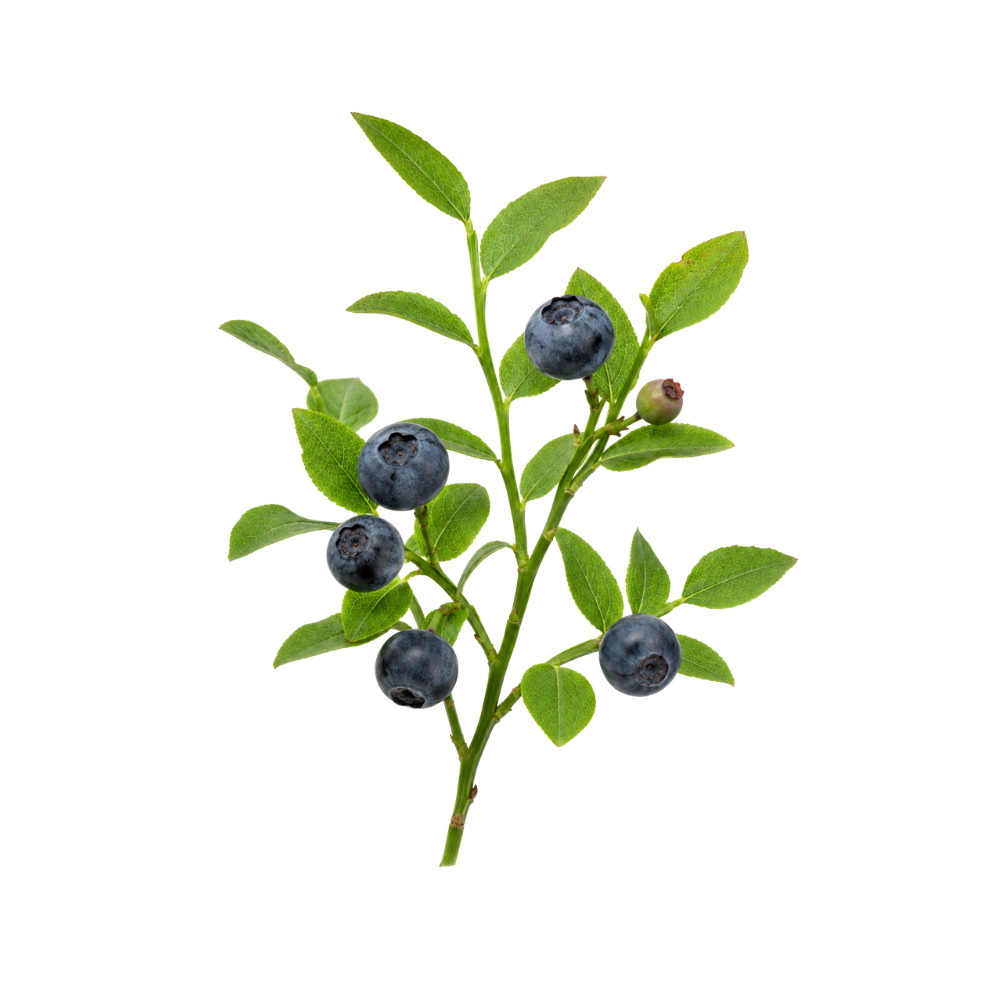 StrongStrongBilberryVaccinium myrtillusThe anthocyanin pharmacology of capillary integrity — the modest vascular story that survives once the night-vision legend is set aside.Mechanismcapillary permeability ↓; microcirculatory support; free-radical and peroxynitrite scavenging (anthocyanins)Read the evidenceShow lessMonograph →
Bilberry is unusually rich in anthocyanins, the flavonoid pigments that give the fruit its dark red-purple flesh, and nearly all of its claimed activity is attributed to them.
Its fame rests on a wartime legend — that RAF pilots ate bilberry jam to sharpen their night vision — which has never been well supported; the four most rigorous placebo-controlled trials in healthy people were uniformly negative.
What survives is more modest and more interesting. The strongest and most consistent thread is the old anthocyanoside pharmacology of capillary integrity and microcirculation, with a measurable reduction in capillary permeability, and it is why the herb appears in discussions of retinal and venous conditions.
The European Medicines Agency accepts fresh-fruit preparations for minor venous circulatory disturbance and capillary fragility, on long-standing traditional use rather than on trials. The human data are old and mostly come from combination venotonics rather than bilberry alone.
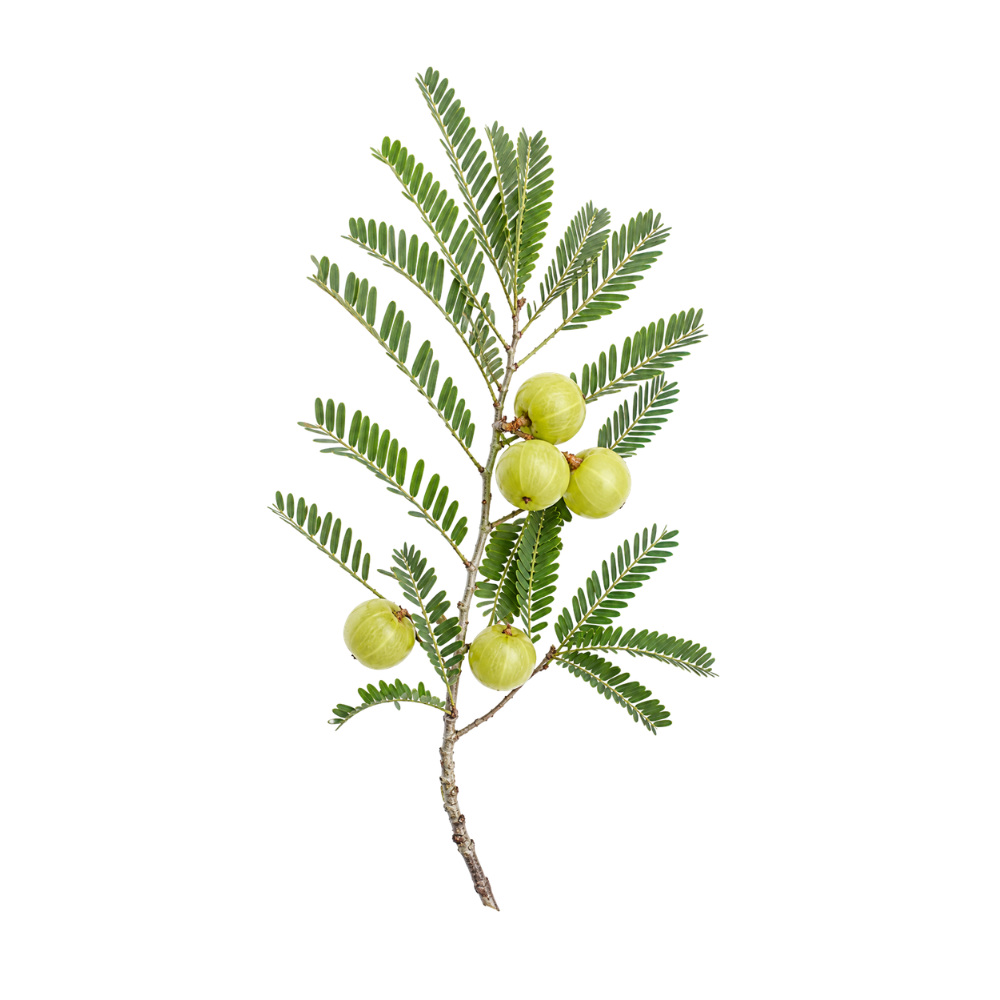 ModerateModerateAmlaPhyllanthus emblicaStandardised extract improved endothelial function by two different measures across two randomised trials, and blunted the arterial-stiffness response to a cold pressor.Mechanismendothelial function ↑ (reflection index, salbutamol challenge); arterial-stiffness response blunted; antioxidant/anti-inflammatory endothelial actionRead the evidenceShow lessMonograph →
In metabolic-syndrome subjects, standardised extract at 250 and 500 mg twice daily improved endothelial function measured as reflection index by digital plethysmography, alongside oxidative and inflammatory markers 1Reference 1RCTEvaluation of the effects of a standardized aqueous extract of Phyllanthus emblica fruits on endothelial dysfunction, oxidative stress, systemic inflammation and lipid profile in subjects with metabolic syndrome: a randomised, double-blind, placebo-controlled clinical studyView study →. In type 2 diabetes, an HPLC-standardised aqueous extract at the same doses for 12 weeks improved salbutamol-challenge endothelial function and oxidative-stress biomarkers, compared against atorvastatin 2Reference 2RCTEffects of Phyllanthus emblica extract on endothelial dysfunction and biomarkers of oxidative stress in patients with type 2 diabetes mellitus: a randomised, double-blind, controlled studyView study →.
A crossover trial found the extract blunted cold-pressor-induced rises in arterial stiffness and aortic wave reflection in healthy subjects 3Reference 3Clinical trialEvaluation of Phyllanthus emblica extract on cold-pressor-induced cardiovascular changes in healthy human subjectsView study →. Rat and in-vitro work shows the extract inhibits procoagulant and pro-inflammatory factors in vascular endothelial cells 4Reference 4Amla (Emblica officinalis Gaertn.) extract inhibits lipopolysaccharide-induced procoagulant and pro-inflammatory factors in cultured vascular endothelial cellsView study →, and a systematic review catalogues the cardiovascular pharmacology 5Reference 5Systematic reviewA systematic review on the cardiovascular pharmacology of Emblica officinalisView study →.
Every endpoint is a surrogate vascular marker in a small sample, with no clinical vascular event measured, and the effect is not separable from amla’s antioxidant activity.
Show 2 more herbs with a mild vasoprotective action
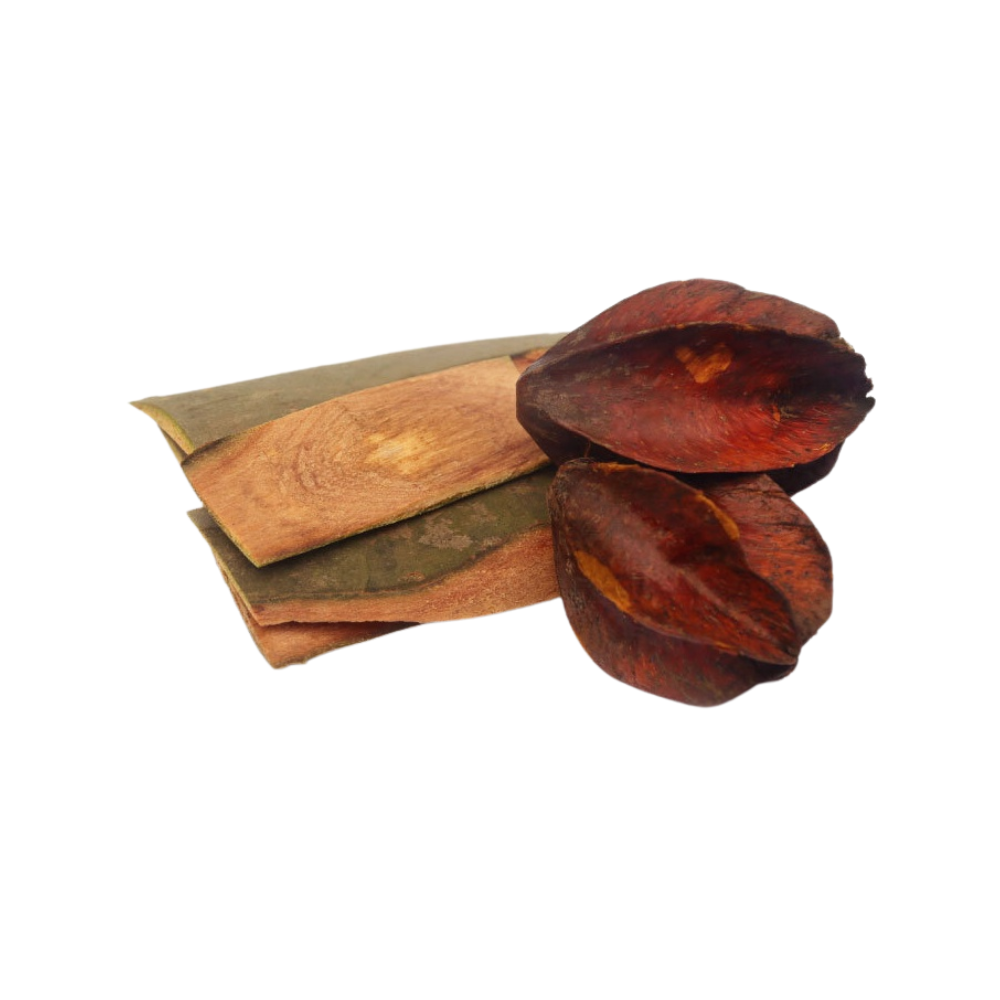 ModerateModerateArjunaTerminalia arjunaRestored flow-mediated dilation in chronic smokers, and the trial's control arm placed the effect on the endothelium itself rather than on the muscle beneath it.Mechanismendothelium-dependent flow-mediated dilation ↑ (NO-mediated); endothelium-independent dilation unaffectedRead the evidenceShow lessMonograph →
In a double-blind placebo-controlled crossover, 18 chronic male smokers with markedly impaired flow-mediated dilation, 4.71% against 11.75% in non-smokers, took bark extract 500 mg every eight hours, and dilation improved 6Reference 6RCTTerminalia arjuna reverses impaired endothelial function in chronic smokers — randomised double-blind crossover trialView study →.
Endothelium-independent dilation, tested with nitroglycerine, did not change. That places the effect on the endothelium’s own nitric-oxide production rather than on smooth-muscle relaxation, which is what a vasoprotective claim should mean and is usually assumed rather than shown.
The mechanism follows from the herb’s antioxidant activity: less vascular reactive oxygen, less nitric oxide scavenged, more nitric-oxide-mediated dilation.
It is one small, short, unreplicated study in young healthy smokers using crude extract, never extended to patients with established vascular disease.
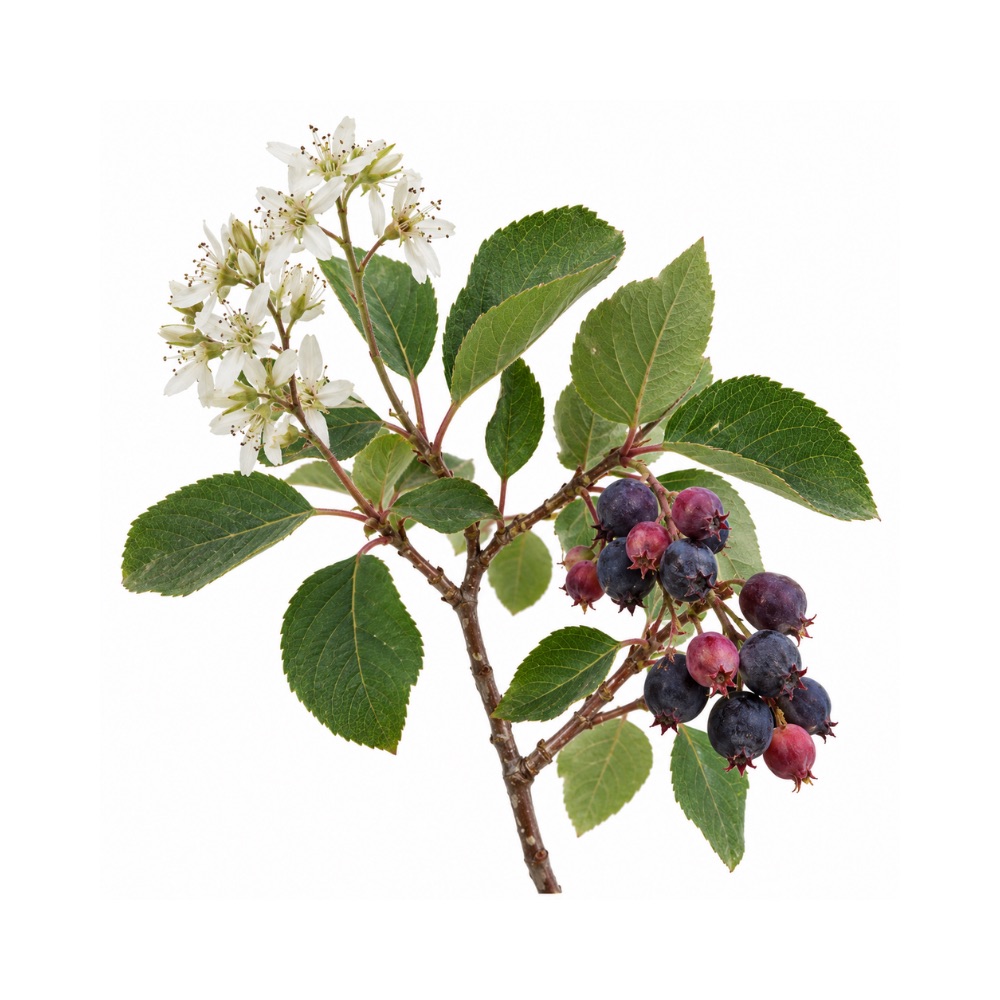 MildMildSaskatoon BerryAmelanchier alnifoliaBerry powder reduced monocyte adhesion to the vessel wall in diabetic mice, a route into plaque formation distinct from nitric-oxide signalling.Mechanismendothelial adhesion-molecule suppressionRead the evidenceShow less
Saskatoon berry powder reduced monocyte adhesion to the vascular wall in leptin-receptor-deficient diabetic mice 16Reference 16AnimalEffects of Saskatoon berry powder on monocyte adhesion to vascular wall of leptin receptor-deficient diabetic mice — in vivo (mouse). https://pubmed.ncbi.nlm.nih.gov/24925752/View study →, and the powder and its cyanidin glycans protected endothelial cells against endoplasmic-reticulum stress induced by glycated LDL 17Reference 17In vitroEndoplasmic reticulum stress in diabetic mouse or glycated-LDL-treated endothelial cells: protective effect of Saskatoon berry powder and cyanidin glycans — in vivo (mouse) and in vitro. https://pubmed.ncbi.nlm.nih.gov/26260864/View study →.
Adhesion-molecule suppression is a distinct endothelial mechanism rather than a restatement of the herb’s antioxidant activity.
All of it is cell and animal work, and there is no human vascular measurement.
No herbs match these filters.
Safety
- Aescin affects coagulation and renal handling, so vasoprotective herbs need care alongside anticoagulants and antiplatelets and in kidney or liver disease 15Reference 15ReviewWang, Y., Han, X., Wan, X., et al. (2023). β-Escin: an updated review of its analysis, pharmacology, pharmacokinetics, and toxicity — review. The American Journal of Chinese Medicine. https://pubmed.ncbi.nlm.nih.gov/37865870/View study →.
- Standardised extract and raw plant material are different substances, and only the standardised extract has evidence or an established safety record 7Reference 7Meta-analysisHorse chestnut seed extract for chronic venous insufficiency — systematic review and meta-analysisView study →.
- Herbs with antiplatelet or glucose-lowering activity add to matching medication, which matters before surgery.
- Surrogate markers are not outcomes: moving flow-mediated dilation or arterial stiffness has prevented no cardiovascular event in any trial here.
- No vasoprotective herb substitutes for blood-pressure control, lipid management or stopping smoking.
- Graduated compression stockings have better evidence than any herb for chronic venous insufficiency.
- One-sided or sudden leg swelling, or swelling with pain, redness or breathlessness, needs same-day assessment.
References
- Usharani, P., et al. (2019). Evaluation of the effects of a standardized aqueous extract of Phyllanthus emblica fruits on endothelial dysfunction, oxidative stress, systemic inflammation and lipid profile in subjects with metabolic syndrome: a randomised, double-blind, placebo-controlled clinical study. BMC Complementary and Alternative Medicine. https://pubmed.ncbi.nlm.nih.gov/31060549/
- Usharani, P., et al. (2013). Effects of Phyllanthus emblica extract on endothelial dysfunction and biomarkers of oxidative stress in patients with type 2 diabetes mellitus: a randomised, double-blind, controlled study. Diabetes, Metabolic Syndrome and Obesity. https://pubmed.ncbi.nlm.nih.gov/23935377/
- Fatima, N., et al. (2014). Evaluation of Phyllanthus emblica extract on cold-pressor-induced cardiovascular changes in healthy human subjects. Pharmacognosy Research. https://pubmed.ncbi.nlm.nih.gov/24497739/
- Rao, T. P., et al. (2013). Amla (Emblica officinalis Gaertn.) extract inhibits lipopolysaccharide-induced procoagulant and pro-inflammatory factors in cultured vascular endothelial cells. British Journal of Nutrition. https://pubmed.ncbi.nlm.nih.gov/23742702/
- Hashem-Dabaghian, F., et al. (2018). A systematic review on the cardiovascular pharmacology of Emblica officinalis. Journal of Cardiovascular and Thoracic Research. https://pubmed.ncbi.nlm.nih.gov/30386531/
- Bharani, A., Ahirwar, L. K., & Jain, N. (2004). Terminalia arjuna reverses impaired endothelial function in chronic smokers — randomised double-blind crossover trial. Indian Heart Journal, 56(2), 123–128. https://pubmed.ncbi.nlm.nih.gov/15377133/
- Pittler, M. H., & Ernst, E. (2012). Horse chestnut seed extract for chronic venous insufficiency — systematic review and meta-analysis. Cochrane Database of Systematic Reviews. https://pubmed.ncbi.nlm.nih.gov/23152216/
- Diehm, C., Trampisch, H. J., Lange, S., et al. (1996). Comparison of leg compression stocking and oral horse-chestnut seed extract therapy in patients with chronic venous insufficiency — randomised controlled trial. Lancet. https://pubmed.ncbi.nlm.nih.gov/8569363/
- Siebert, U., Brach, M., Sroczynski, G., et al. (2002). Efficacy, routine effectiveness, and safety of horsechestnut seed extract in chronic venous insufficiency — meta-analysis of randomised controlled trials and observational studies. International Angiology. https://pubmed.ncbi.nlm.nih.gov/12518108/
- Bisler, H., Pfeifer, R., Klüken, N., et al. (1986). Effects of horse-chestnut seed extract on transcapillary filtration in chronic venous insufficiency — randomised placebo-controlled crossover trial. Deutsche Medizinische Wochenschrift. https://pubmed.ncbi.nlm.nih.gov/3527643/
- Sirtori, C. R. (2001). Aescin: pharmacology, pharmacokinetics and therapeutic profile — review. Pharmacological Research. https://pubmed.ncbi.nlm.nih.gov/11529685/
- Domanski, D., Zegrocka-Stendel, O., Perzanowska, A., et al. (2016). Molecular mechanism for cellular response to β-escin and its therapeutic implications. PLoS ONE. https://pubmed.ncbi.nlm.nih.gov/27727329/
- Impact of harvest time of Aesculus hippocastanum seeds on the composition, antioxidant capacity and total phenolic content (2016). Industrial Crops and Products. (Total seed aescin reported in the range ~0.82–4.16% depending on harvest time.)
- Dudek-Makuch, M., & Studzińska-Sroka, E. (2015). Horse chestnut – efficacy and safety in chronic venous insufficiency: an overview — review. Revista Brasileira de Farmacognosia, 25(5), 533–541.
- Wang, Y., Han, X., Wan, X., et al. (2023). β-Escin: an updated review of its analysis, pharmacology, pharmacokinetics, and toxicity — review. The American Journal of Chinese Medicine. https://pubmed.ncbi.nlm.nih.gov/37865870/
- Zhao, R., et al. (2014). Effects of Saskatoon berry powder on monocyte adhesion to vascular wall of leptin receptor-deficient diabetic mice — in vivo (mouse). https://pubmed.ncbi.nlm.nih.gov/24925752/
- Zhao, R., et al. (2015). Endoplasmic reticulum stress in diabetic mouse or glycated-LDL-treated endothelial cells: protective effect of Saskatoon berry powder and cyanidin glycans — in vivo (mouse) and in vitro. https://pubmed.ncbi.nlm.nih.gov/26260864/
Keep Exploring