

Overview
Chemoprotective at a Glance
Chemoprotective herbs help reduce damage from toxic exposures or cancer treatment, rather than acting directly against a tumour.
The term is sometimes used for two different ideas.
In cancer treatment, chemoprotection means protecting healthy tissue from chemotherapy or radiotherapy. Reishi is an example, with its immune effects studied as support against some of the immunosuppression associated with treatment.
Chemoprevention happens earlier.
Here the aim is to interfere with carcinogenic damage before a tumour develops. Suma and tea have been studied in this context through effects on preneoplastic changes, oxidative damage, and cell proliferation.
Neither action should be confused with anticancer activity. A substance that protects healthy cells or reduces carcinogenic damage does not necessarily kill cancer cells or shrink an established tumour.
The distinction is particularly important during treatment, because an effect that protects healthy tissue could potentially also interfere with a therapy designed to damage cells through oxidative or other mechanisms.
The action itself has no tradition, because chemotherapy is barely seventy years old. The herbs do.
Reishi is lingzhi, recorded in Chinese materia medica for two thousand years as a longevity fungus, and that standing is most of why it became the mushroom taken into oncology trials.
Suma carries the Brazilian folk name para toda — “for all things” — and was taken as a general tonic rather than for any defined complaint.
The measured evidence is thin on both sides. Suma’s oncology work is rodent-only and single-lab, and Cochrane rates the human tea evidence too low-quality to establish a cancer-prevention benefit.
Caution
Tell the oncology team — anything taken during chemotherapy or radiotherapy can alter drug metabolism, immune activity or treatment effects, so the treating team should know about it.
Antioxidants can blunt treatment — antioxidants taken during radiotherapy or some chemotherapies may blunt treatments that work through oxidative damage.
Not with immunosuppressive therapy — immune activation is contraindicated alongside immunosuppressive therapy, and some cancer protocols depend on immunosuppression.
Mechanisms
How It Works
01
Immune Support During Treatment
Raising immune activity during treatment targets the treatment’s immunosuppression rather than the tumour.
Reishi’s β-glucans engage Dectin-1 and TLR receptors, raising NK-cell and cytokine activity.
That is the same pathway behind its immunomodulator standing, so it is one mechanism read for a different purpose rather than a second line of evidence.
The mechanism is also the contraindication. Immune activation is inappropriate alongside immunosuppressive therapy, and some cancer protocols depend on immunosuppression.
Herbs: Reishi
Key compounds: Ganoderic Acid A
02
Blocking Carcinogenesis at Initiation
Interfering with a carcinogen before a tumour exists prevents the initiating damage rather than treating its result.
Suma reduces preneoplastic lesion formation in carcinogen-treated animals, and tea’s catechins are antiproliferative and antioxidant.
The model sets the limit. Reducing lesion counts in a rodent given a known carcinogen is a chemoprevention result, and it says nothing about an established cancer in a person.
Key compounds: Catechins
Materia Medica
Chemoprotective Herbs by Potency
The chemoprotective herbs, ordered by the relative strength of the effect rather than by how well studied it is. Each herb is described by the mechanism behind its effect and the evidence for it.
None of this is a substitute for professional care.
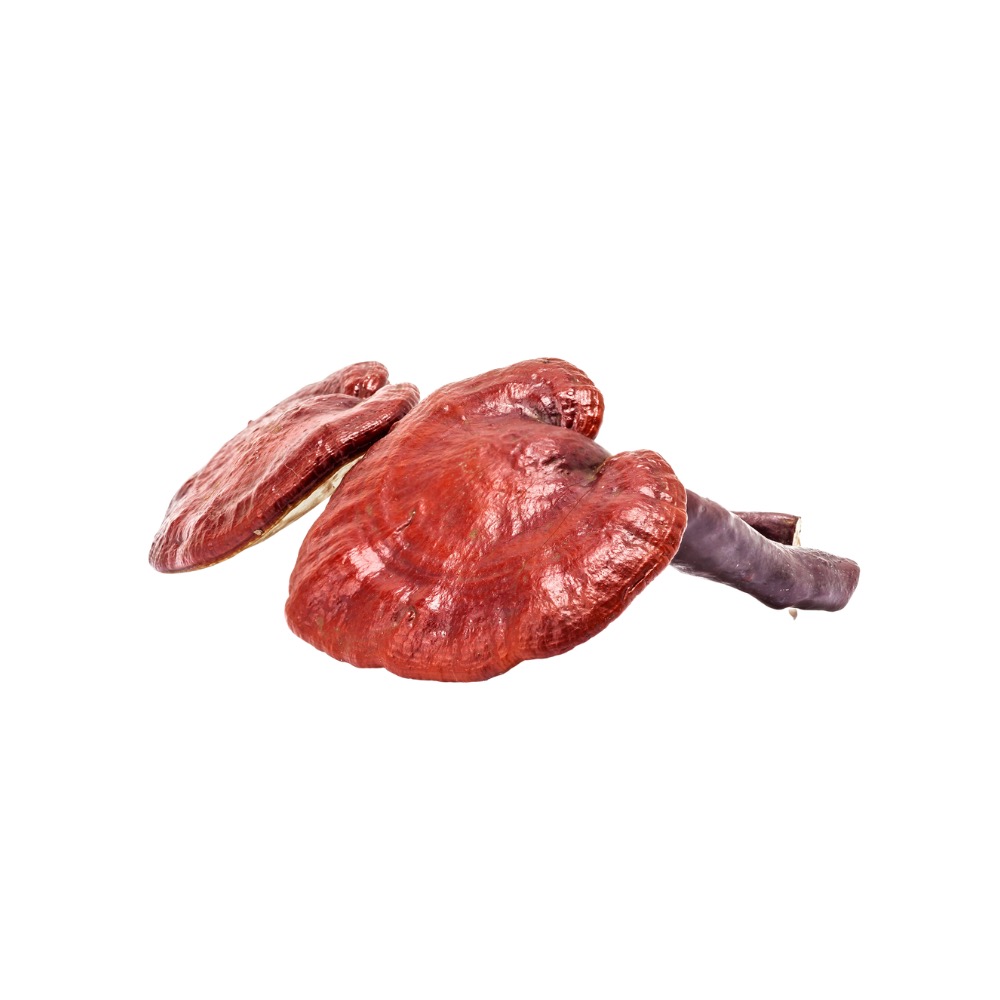 ModerateModerateReishiGanoderma lucidumCochrane found better treatment response and quality of life alongside chemotherapy or radiotherapy, on trials it rated poor.Mechanismβ-glucan → Dectin-1/TLR (NK/cytokine ↑); ganoderic acid A chemo-sensitization (T-cell cytotoxicity ↑)Read the evidenceShow lessMonograph →
The 2016 Cochrane review pooled five randomised trials and 373 patients given G. lucidum alongside conventional chemotherapy or radiotherapy. Patients receiving reishi were more likely to respond to treatment, showed enhanced immune function and reported better quality of life.
The authors rated the methodological quality poor and concluded it should not be used as a first-line or sole treatment 1Reference 1Meta-analysisGanoderma lucidum (Reishi mushroom) for cancer treatment — systematic review, meta-analysisView study →. A 2023 systematic review of medicinal-mushroom supplements in cancer landed in the same place: possible supportive benefit, weak evidence 2Reference 2Systematic reviewMedicinal mushroom supplements in cancer: a systematic review of clinical studies — systematic reviewView study →.
The plausible mechanism is immune-mediated rather than directly cytotoxic — β-glucans engaging Dectin-1 and TLR to raise NK activity 3,
Preclinical chemo-sensitisation is a second thread. Ganoderic acid A enhanced oxaliplatin’s tumour suppression by inducing T-cell cytotoxicity in a colon-cancer mouse model 5Reference 5AnimalGanoderic acid A enhances tumour-suppression function of oxaliplatin via inducing the cytotoxicity of T cells — mouse modelView study →, and triterpene fractions trigger apoptosis in cancer cell lines 6Reference 6ReviewAnticancer effects of Ganoderma lucidum: a review of scientific evidence — reviewView study →.
The best-evidenced patient-facing benefit is symptomatic: spore powder improved cancer-related fatigue and quality of life in a 48-patient pilot RCT 7Reference 7Clinical trialSpore powder of Ganoderma lucidum improves cancer-related fatigue in breast cancer patients undergoing endocrine therapy: a pilot clinical trialView study →.
Every positive human result is as an adjunct in a small, low-quality trial. Preparation matters too — the human immune and quality-of-life data use water-soluble polysaccharide fractions and spore powder, not triterpene-rich ethanol extracts.
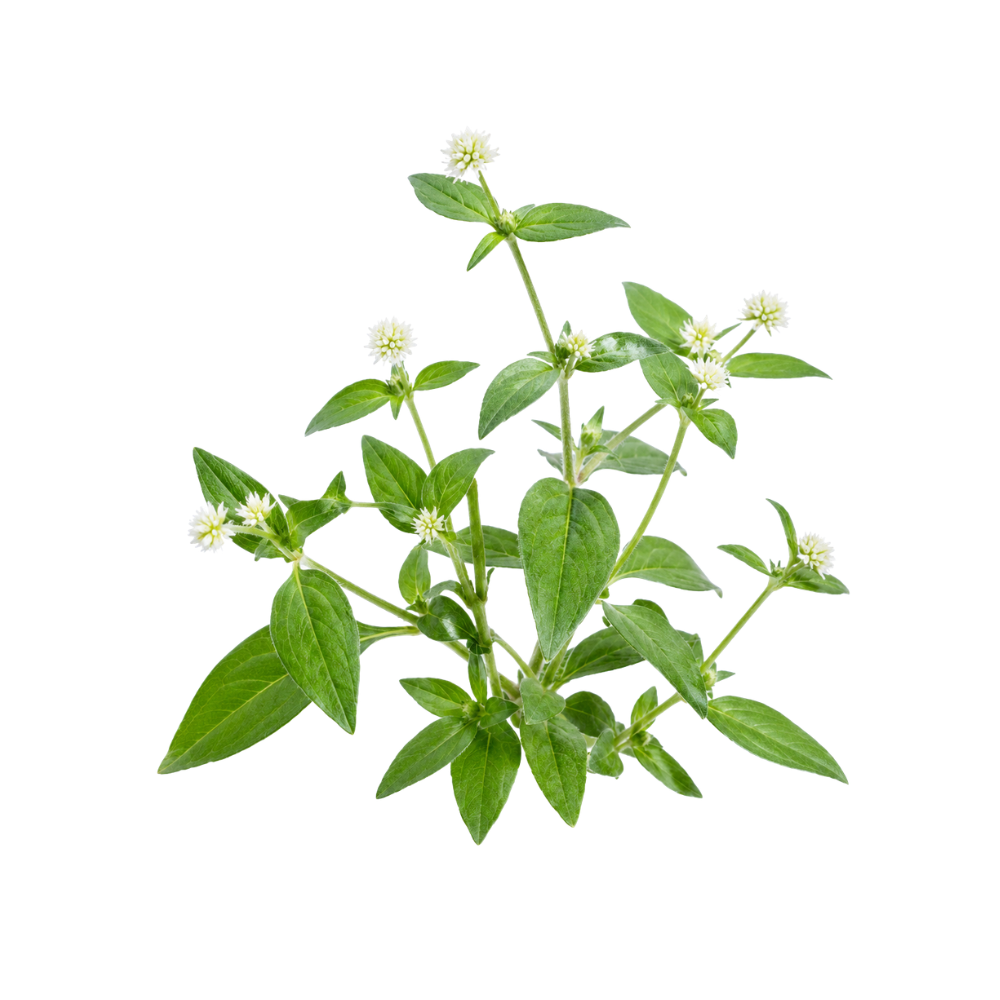 ModerateModerateSumaPfaffia paniculataDietary root cut the number and size of preneoplastic liver lesions in a two-stage mouse hepatocarcinogenesis model.Mechanismreduced preneoplastic-lesion formation; anti-proliferative; pro-apoptoticRead the evidenceShow lessMonograph →
In that model, dietary root at 0.5–10% reduced preneoplastic liver lesions before they progressed 8Reference 8AnimalInhibitory effects of Pfaffia paniculata on preneoplastic and neoplastic lesions in a mouse hepatocarcinogenesis model — animal studyView study →, and follow-up work showed it lowers proliferation and raises apoptosis in the same initiated liver 9Reference 9AnimalPfaffia paniculata roots decrease proliferation and increase apoptosis but do not affect cell communication in murine hepatocarcinogenesis — animal studyView study →. The saponin fraction drives it.
That is prevention of lesion progression rather than treatment of an established tumour.
Like all of suma’s oncology work it is rodent-only and single-lab, and it uses the same studies and the same saponin mechanism as the herb’s anticancer evidence.
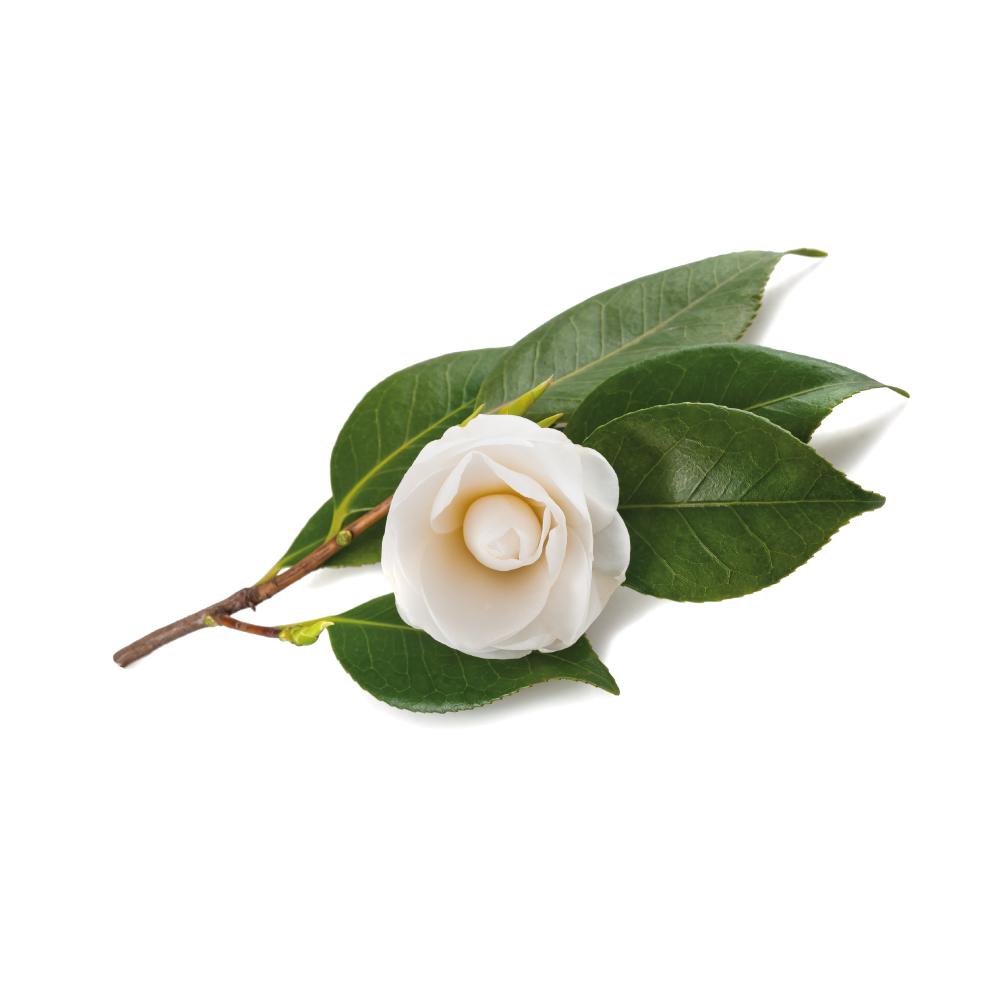 MildMildTeaCamellia sinensisCatechin-driven chemoprevention that is mechanistically plausible and epidemiologically hinted at rather than demonstrated.Mechanismcatechin antiproliferative; antioxidantRead the evidenceShow lessMonograph →
Catechins are antiproliferative and antioxidant, which makes the prevention hypothesis reasonable, and cohort data point weakly in the same direction.
Cochrane rates the human evidence low-quality and insufficient to establish a cancer-prevention benefit 10,
The evidence base is nearly the same one behind tea’s anticancer entry.
No herbs match these filters.
Safety
- Nothing in this group should be taken during cancer treatment without the treating team knowing about it.
- Antioxidants taken during radiotherapy or some chemotherapies may blunt treatments that work through oxidative damage.
- CYP-active herbs change cytotoxic drug levels, and cytotoxic drugs have narrow therapeutic windows.
- Immune activation is contraindicated alongside immunosuppressive therapy, and some cancer protocols depend on immunosuppression.
- Reducing preneoplastic lesions in a carcinogen-dosed animal does not mean affecting an existing cancer in a person.
- A herb with a genotoxicity signal of its own is a poor choice in this setting whatever else it does.
References
- Jin X, Ruiz Beguerie J, Sze DM, et al. (2016). Ganoderma lucidum (Reishi mushroom) for cancer treatment — systematic review, meta-analysis. Cochrane Database Syst Rev. https://pubmed.ncbi.nlm.nih.gov/27045603/
- Narayanan, S., de Mores, A. R., Cohen, L., et al. (2023). Medicinal mushroom supplements in cancer: a systematic review of clinical studies — systematic review. Curr Oncol Rep. https://pubmed.ncbi.nlm.nih.gov/36995535/
- Gao Y, Zhou S, Jiang W, et al. (2003). Effects of Ganopoly (a Ganoderma lucidum polysaccharide extract) on the immune functions in advanced-stage cancer patients — clinical trial. Immunol Invest. https://pubmed.ncbi.nlm.nih.gov/12916709/
- Gao Y, Tang W, Dai X, et al. (2005). Effects of water-soluble Ganoderma lucidum polysaccharides on the immune functions of patients with advanced lung cancer — clinical trial. J Med Food. https://pubmed.ncbi.nlm.nih.gov/16117607/
- Song Z, Wang C, Ding F, et al. (2023). Ganoderic acid A enhances tumour-suppression function of oxaliplatin via inducing the cytotoxicity of T cells — mouse model. Anticancer Agents Med Chem. https://pubmed.ncbi.nlm.nih.gov/36330648/
- Yuen JW, Gohel MD (2005). Anticancer effects of Ganoderma lucidum: a review of scientific evidence — review. Nutr Cancer. https://pubmed.ncbi.nlm.nih.gov/16351502/
- Zhao H, Zhang Q, Zhao L, et al. (2012). Spore powder of Ganoderma lucidum improves cancer-related fatigue in breast cancer patients undergoing endocrine therapy: a pilot clinical trial. Evid Based Complement Alternat Med. https://pubmed.ncbi.nlm.nih.gov/22203880/
- da Silva, T. C., et al. (2005). Inhibitory effects of Pfaffia paniculata on preneoplastic and neoplastic lesions in a mouse hepatocarcinogenesis model — animal study. Cancer Letters. https://pubmed.ncbi.nlm.nih.gov/16039950/
- da Silva, T. C., et al. (2010). Pfaffia paniculata roots decrease proliferation and increase apoptosis but do not affect cell communication in murine hepatocarcinogenesis — animal study. Experimental and Toxicologic Pathology. https://pubmed.ncbi.nlm.nih.gov/19427770/
- Filippini, T., Malavolti, M., Borrelli, F., et al. (2020). Green tea (Camellia sinensis) for the prevention of cancer — systematic review (Cochrane). Cochrane Database Syst Rev, 3(3), CD005004. https://pubmed.ncbi.nlm.nih.gov/32118296/
- Zhao, L. G., Li, Z. Y., Feng, G. S., et al. (2021). Tea drinking and risk of cancer incidence: a meta-analysis of prospective cohort studies and evidence evaluation. Adv Nutr, 12(4), 1200-1210. https://pubmed.ncbi.nlm.nih.gov/33002099/
Keep Exploring