

Overview
Female-Tonic at a Glance
Female tonics are herbs used to support reproductive health across menstruation, fertility, and menopause.
The term describes a pattern of use rather than one specific pharmacological action.
Some herbs act on reproductive hormones.
Shatavari has shown effects on gonadotropins such as FSH and LH, while chaste tree lowers prolactin through dopamine signalling at the pituitary.
Others work without directly changing estrogen levels.
Black cohosh, for example, appears to act mainly through serotonergic signalling, which helps explain its use for menopausal symptoms without behaving like a straightforward phytoestrogen.
Motherwort and schisandra belong more to the traditional side of the category, with long-standing use for menstrual, reproductive, or menopausal complaints but no clearly established hormonal mechanism.
Female tonics are therefore not interchangeable. Their usefulness depends on the particular complaint and on which reproductive pathway, if any, the herb actually influences.
They are used for problems ranging from PMS and menstrual irregularity to fertility support, menopausal symptoms, and broader reproductive convalescence.
The category is old, and the older names usually say what the herb was for. Culpeper filed motherwort under Venus and explained the name directly, alongside its use in labour and for the risings of the mother.
Besides, it makes women joyful mothers of children, and settles their wombs as they should be, therefore we call it Motherwort.
Nicholas Culpeper, The Complete Herbal, 1653, on motherwort
Motherwort and schisandra carry the category on traditional use. Motherwort’s indications have no endpoint behind them, and schisandra’s one positive trial has no proposed route.
Caution
Care with hormone therapy — some female tonics interact with hormone therapy, oral contraceptives and fertility treatment, and a prolactin-lowering herb can interfere with an assisted-reproduction protocol.
Unusual bleeding needs investigating — abnormal or post-menopausal bleeding, sudden cycle changes or a new pelvic mass are investigations, not tonic indications.
Uterine stimulants avoided in pregnancy — several herbs in this group stimulate the uterus and are avoided in pregnancy.
Mechanisms
How It Works
01
Dopaminergic — Prolactin Lowering
Dopamine holds prolactin release under tonic inhibition, so a dopamine agonist lowers prolactin.
Chaste tree is the best-specified herb in women’s health and works this way, through D2 agonism at the pituitary.
Lowering prolactin normalises the luteal phase, which is why the premenstrual cluster is where its evidence sits.
It is the exact opposite of the galactagogue route, which raises prolactin to support milk supply.
The same specificity sets the interaction profile: hormonally active drugs and assisted-reproduction protocols.
Herbs: Chaste Tree
02
Oestrogen-Receptor Binding
Steroidal saponins and other plant compounds that bind oestrogen receptors directly.
Shatavari is the herb this describes. Its extract trials move gonadotropins rather than symptom scores alone, which is the signature of a real hormonal effect.
Chaste tree shows weak ERβ binding in vitro, well below the level that carries its clinical work.
This is the mechanism most people assume is behind every herb in the group, and it belongs to fewer of them than expected.
It is also the mechanism that generates the cautions, on the same reasoning that governs the hormone modulator page.
Herbs: Chaste TreeShatavari
03
Serotonergic Signalling
Binding at serotonin receptors, and inhibiting serotonin re-uptake, without touching oestrogen status.
Black cohosh was assumed for decades to be a phytoestrogen and is not. Its measured activity is 5-HT7 receptor binding and serotonin re-uptake inhibition, with only non-classical signalling at ERα.
That reframes it as acting on the thermoregulatory and mood symptoms of menopause rather than on oestrogen itself, and a non-oestrogenic mechanism is the argument for using it where oestrogen is contraindicated.
Herbs: Black Cohosh
Key compounds: Nω-methylserotonin
04
Traditional Use Without a Route
Some herbs in this group have a long record of use and no identified mechanism at all.
Motherwort’s indications are specific — amenorrhoea, menstrual tension, pelvic discomfort, postpartum anxiety, menopausal irritability — and none has been measured in any species.
Schisandra has the opposite problem: a clean positive menopause trial with nothing proposed to explain it.
An unexplained measurement and an unmeasured tradition are different kinds of uncertainty, and this group holds one of each.
Herbs: MotherwortSchisandra
Materia Medica
Female-Tonic Herbs by Potency
The female tonic herbs, ordered by the relative strength of the effect rather than by how well studied it is. Each herb is described by the mechanism behind its effect and the evidence for it.
None of this is a substitute for professional care.
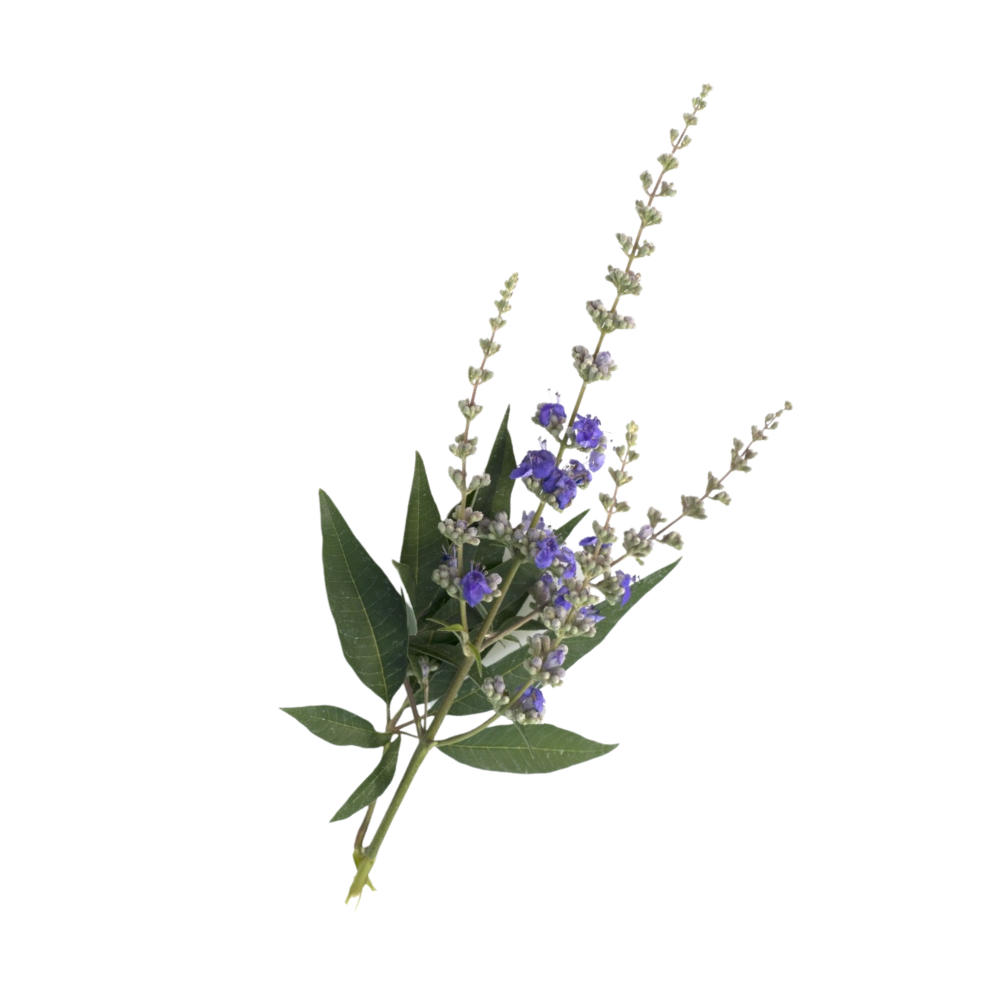 PotentPotentChaste TreeVitex agnus-castusThe best clinically substantiated herb in women's health: a dopamine agonist that lowers prolactin, with the premenstrual cluster as its clearest indication.Mechanismdopamine D2 agonism → prolactin ↓; weak ERβ binding (in vitro); opioidergic/dopaminergic CNS modulationRead the evidenceShow lessMonograph →
Lowering prolactin normalises the luteal phase, and the premenstrual cluster is where that shows. The landmark Ze 440 trial (n=170, one tablet daily over three cycles) gave a 52% responder rate against 24% on placebo for irritability, mood change, anger, headache and breast fullness 12Reference 12RCTSchellenberg R. Treatment for the premenstrual syndrome with agnus castus fruit extract (Ze 440): prospective, randomised, placebo controlled study. BMJ. 2001;322(7279):134–137. https://pubmed.ncbi.nlm.nih.gov/11159568/View study →.
It was replicated with BNO 1095 in a multi-centre Chinese RCT (n=217) 13Reference 13RCTTreatment for premenstrual syndrome with Vitex agnus castus (BNO 1095): a prospective, randomized, multi-center placebo-controlled study in ChinaView study → and in a further placebo-controlled trial (n=128) 14Reference 14Clinical trialTherapeutic effect of Vitex agnus castus in patients with premenstrual syndromeView study →, and an older controlled trial found it comparable to pyridoxine 15Reference 15RCTTreatment of premenstrual tension syndrome with Vitex agnus castus: controlled, double-blind study versus pyridoxineView study →.
Two meta-analyses pool a large signal: Hedges’ g −1.21 across 14 trials, and a 2.57-fold likelihood of response over placebo when restricted to properly characterised extracts 16,
In PMDD the extract reached rough parity with fluoxetine, favouring the physical symptoms while the SSRI favoured the psychological ones 19Reference 19Fluoxetine versus Vitex agnus castus extract in the treatment of premenstrual dysphoric disorderView study →.
Both meta-analyses report high heterogeneity, unclear-to-high risk of bias and probable publication bias, and a third systematic review reached the same cautious verdict 16,
The oestrogenic and opioidergic mechanisms are in vitro and inferential. The dopaminergic route is the one carrying the clinical weight.
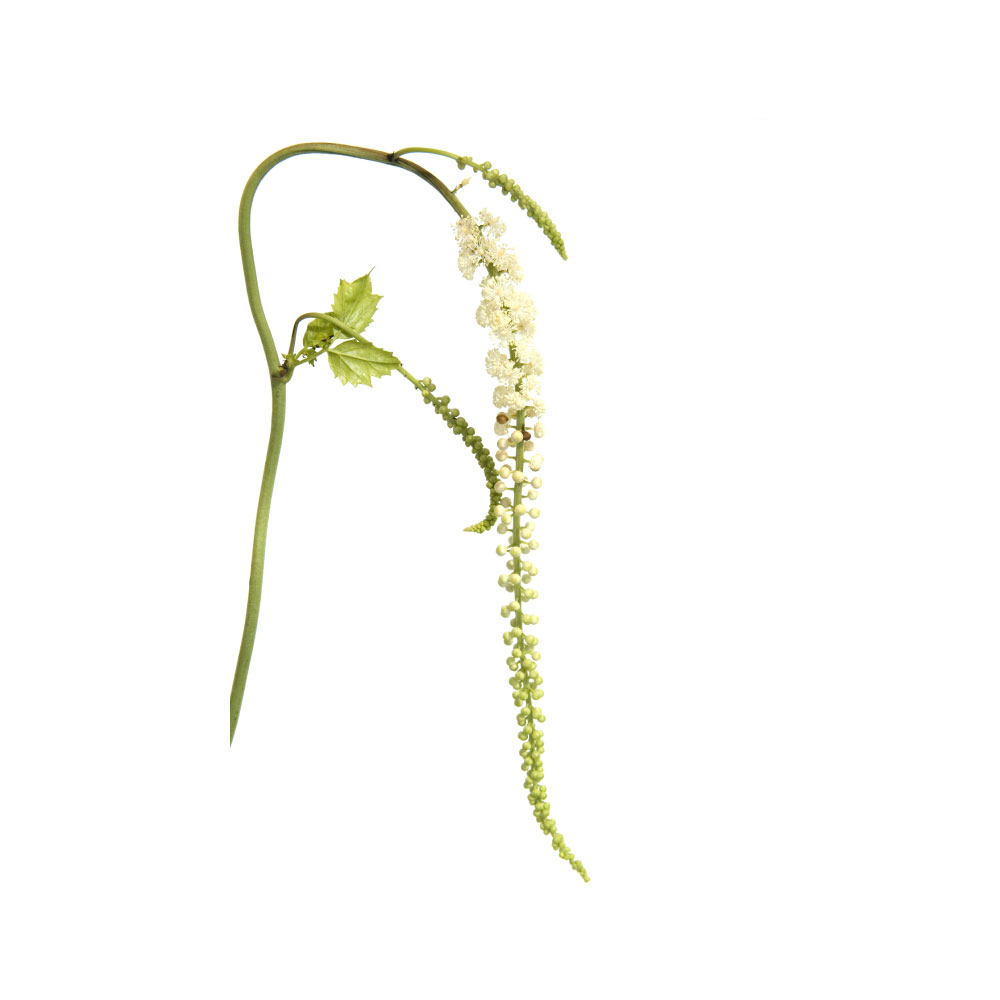 StrongStrongBlack CohoshCimicifuga racemosaThe most-studied herb in menopause, and a serotonergic one — assumed to be a phytoestrogen for decades, and it is not.Mechanism5-HT7 receptor binding; serotonin re-uptake inhibition; non-classical ERα/SERM-like signalingRead the evidenceShow lessMonograph →
The candidate route is serotonergic, through Nω-methylserotonin as a 5-HT7 ligand and serotonin re-uptake inhibitor 1Reference 1In vitroIn vitro serotonergic activity of black cohosh and identification of Nω-methylserotonin as a potential active constituentView study →, with only non-classical, tissue-selective SERM-like activity at ERα 2,
Effect size is modest. A 2023 updated pairwise meta-analysis of 22 RCTs (n=2,310) found significant improvement in overall menopausal symptoms and hot flushes at Hedges’ g ≈ 0.32 4Reference 4Meta-analysisBlack cohosh extracts in women with menopausal symptoms: an updated pairwise meta-analysisView study →; an earlier meta-analysis reported about 26% vasomotor improvement with heavy between-trial heterogeneity 5Reference 5Meta-analysisEfficacy of black cohosh-containing preparations on menopausal symptoms: a meta-analysis of randomised placebo-controlled trialsView study →; and a NICE network meta-analysis placed it above placebo but below transdermal hormone therapy 6Reference 6Meta-analysisVasomotor symptoms from natural menopause: a systematic review and network meta-analysis (NICE guideline)View study →.
The 2012 Cochrane review of 16 RCTs (n=2,027, median 40 mg a day) found no difference from placebo 7Reference 7Systematic reviewBlack cohosh (Cimicifuga spp.) for menopausal symptoms — Cochrane systematic review of randomised controlled trialsView study →, and the two most rigorous North American trials — the NCCTG Phase III crossover (n=132) and a breast-cancer-survivor trial (n=85) — were negative 8,
Rare idiosyncratic liver injury, including subacute liver failure requiring transplantation, is the standing caution on the herb and is the reason several regulators mandate a hepatotoxicity warning. It is not dose-predictable.
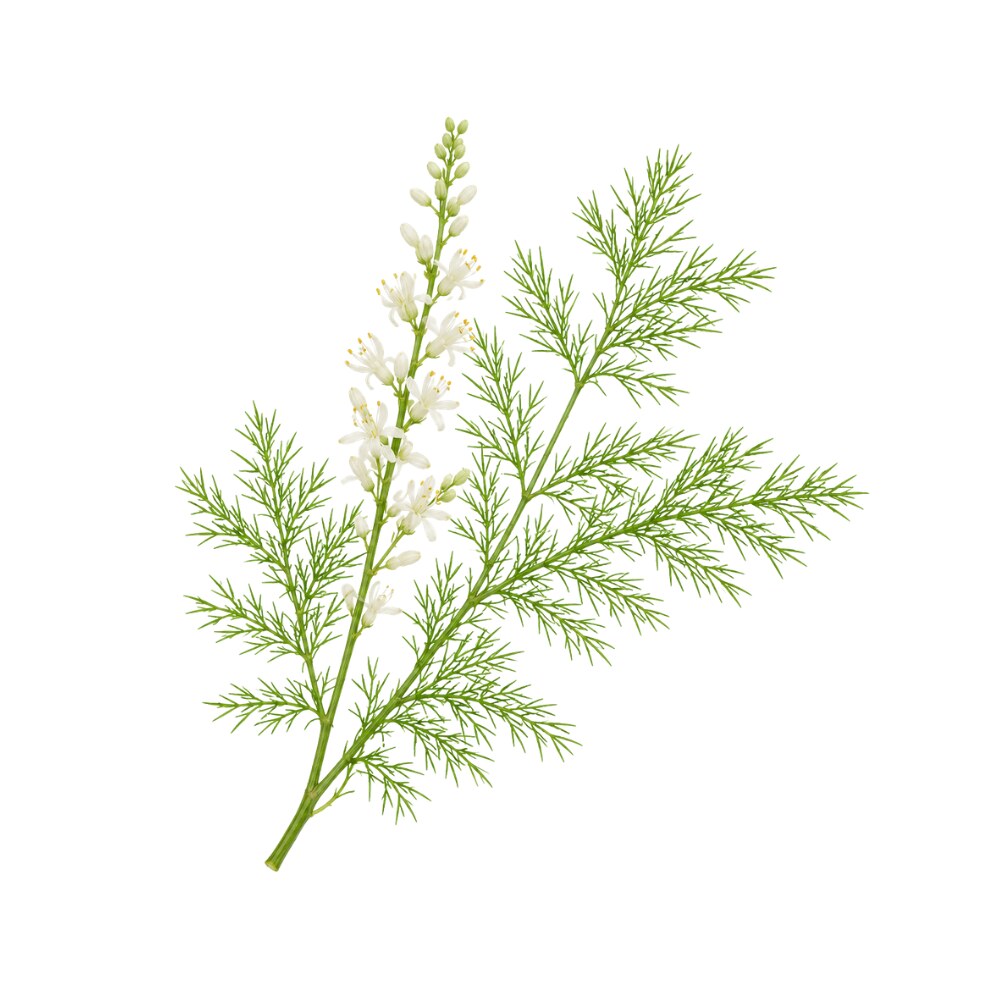 StrongStrongShatavariAsparagus racemosusThe classical women's tonic of Ayurveda, and the one herb here whose trials move hormones rather than symptom scores alone.Mechanismsteroidal-saponin estrogen-receptor binding (phytoestrogen); FSH ↓ / LH ↓; AMH ↑Read the evidenceShow lessMonograph →
A 120-day double-blind RCT of standardised extract CL22205 at 200 mg a day in 50 perimenopausal women cut total Menopause Rating Scale and hot-flush weekly weighted scores, improved dysmenorrhoea, and moved serum FSH −56.3% and LH −34.3% with a rise in anti-Müllerian hormone 22Reference 22RCTA standardized Asparagus racemosus root extract improves hormonal balance and menstrual health and reduces vasomotor symptoms — randomised placebo-controlled trialView study →. A separate multicentre RCT (n=70) reported significant reductions in hot flushes, night sweats, insomnia, anxiety and vaginal dryness against placebo 23Reference 23RCTEfficacy and safety of Shatavari root extract for the management of menopausal symptoms — double-blind, multicenter, randomised controlled trialView study →.
Gonadotropin suppression of that size is a real hormonal effect rather than a symptom shift. The receptor mechanism behind it is asserted rather than demonstrated: the claim that the saponins bind the estradiol receptor traces to the discussion section of a muscle trial 24Reference 24RCTShatavari supplementation in postmenopausal women improves handgrip strength and increases myosin regulatory light chain phosphorylation — randomised controlled trialView study →, where it is called a plausible mechanism, and no dedicated receptor-binding or ER-transactivation assay exists.
The ovarian arm is weaker. A 12-week PCOS RCT (n=70) lowered follicular count, raised endometrial thickness and dropped perceived stress, but the primary ovarian-volume endpoint was null (p=0.254) and serum hormones and metabolic labs were unchanged 25Reference 25RCTEfficacy and safety of Shatavari root extract in women with polycystic ovarian syndrome — randomised, double-blind, placebo-controlled trialView study →.
All of the trials are small, sponsor-run and on proprietary standardised extracts.
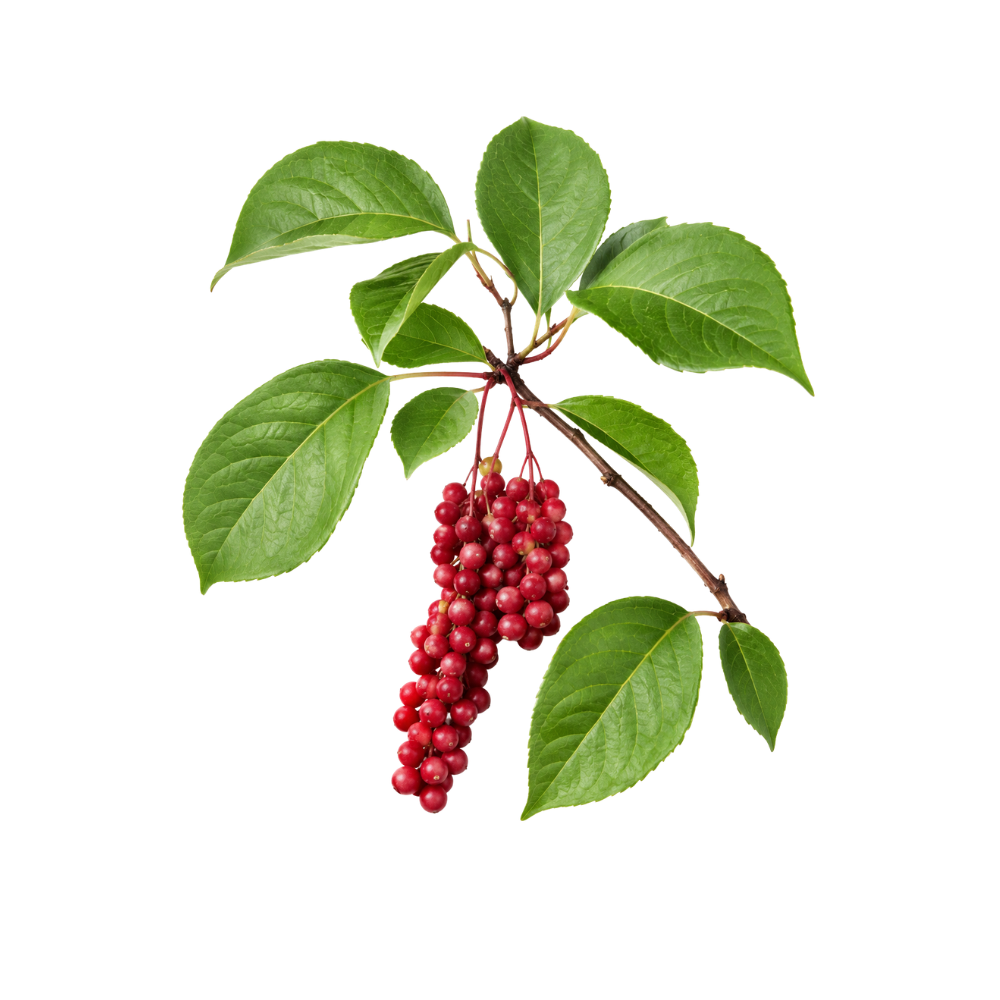 ModerateModerateSchisandraSchisandra chinensisA menopausal symptom herb in Korean and Chinese practice, with one cleanly designed positive trial behind it.Mechanismunclear (symptomatic menopausal relief)Read the evidenceShow lessMonograph →
A randomised, double-blind, placebo-controlled study of extract BMO-30 in women aged 40–70 found total Kupperman Index scores fell significantly more than on placebo (p = 0.042). The clearest benefit was for hot flushes, sweating and palpitations, with no safety concerns among the 36 completers 21Reference 21RCTA randomized, double-blind, placebo-controlled trial of Schisandra chinensis for menopausal symptoms — randomised controlled trialView study →.
The trial is small, single and unreplicated, and no mechanism has been proposed for the effect.
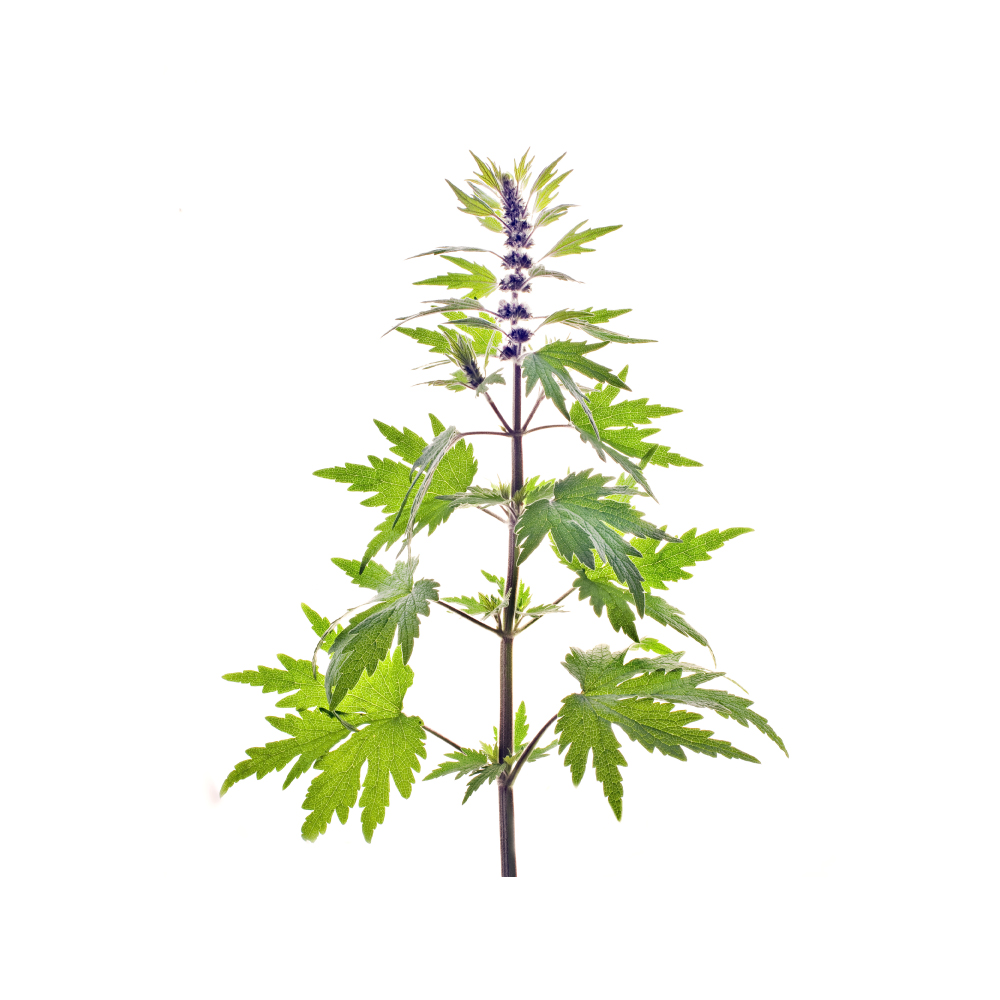 MildMildMotherwortLeonurus cardiacaThe herb whose name carries its use — Culpeper's remedy for settling the womb, taken through menstrual, postpartum and menopausal complaints.Read the evidenceShow lessMonograph →
The traditional record is specific rather than vague: amenorrhoea, menstrual tension, pelvic discomfort, postpartum anxiety, and the menopausal irritability where it overlaps with motherwort’s nervine and cardiac work.
None of it has been measured in any species. Motherwort is also a uterine stimulant and is avoided in pregnancy, which sets when the herb is used rather than what it is used for.
No herbs match these filters.
Safety
- These herbs act on hormones that are often already being managed, so they need care alongside hormone therapy and oral contraceptives.
- A prolactin-lowering herb can interfere with the hormonal control an assisted-reproduction protocol depends on.
- Phytoestrogenic herbs warrant caution in hormone-sensitive conditions.
- Several herbs in this group are uterine stimulants and are avoided in pregnancy.
- Results shown for one standardised proprietary extract do not transfer to a tea or a tincture of the same plant.
- Abnormal bleeding, post-menopausal bleeding, a new pelvic mass and sudden cycle changes are investigations, not tonic indications.
References
- Powell, S. L., et al. (2008). In vitro serotonergic activity of black cohosh and identification of Nω-methylserotonin as a potential active constituent. J Agric Food Chem. https://pubmed.ncbi.nlm.nih.gov/19049296/
- Viereck, V., et al. (2005). Isopropanolic extract of black cohosh stimulates osteoprotegerin production by human osteoblasts — in vitro. J Bone Miner Res. https://pubmed.ncbi.nlm.nih.gov/16234977/
- Overk, C. R., et al. (2008). High-content screening and mechanism-based evaluation of estrogenic botanical extracts (SERM-like activity of black cohosh) — in vitro. Comb Chem High Throughput Screen. https://pubmed.ncbi.nlm.nih.gov/18473738/
- Sadahiro, R., et al. (2023). Black cohosh extracts in women with menopausal symptoms: an updated pairwise meta-analysis. Menopause. https://pubmed.ncbi.nlm.nih.gov/37192826/
- Shams, T., et al. (2010). Efficacy of black cohosh-containing preparations on menopausal symptoms: a meta-analysis of randomised placebo-controlled trials. Altern Ther Health Med. https://pubmed.ncbi.nlm.nih.gov/20085176/
- Sarri, G., et al. (2017). Vasomotor symptoms from natural menopause: a systematic review and network meta-analysis (NICE guideline). BJOG. https://pubmed.ncbi.nlm.nih.gov/28276200/
- Leach, M. J., & Moore, V. (2012). Black cohosh (Cimicifuga spp.) for menopausal symptoms — Cochrane systematic review of randomised controlled trials. Cochrane Database Syst Rev. https://pubmed.ncbi.nlm.nih.gov/22972105/
- Pockaj, B. A., et al. (2006). Phase III double-blind, randomised, placebo-controlled crossover trial of black cohosh for hot flashes (NCCTG N01CC1). J Clin Oncol. https://pubmed.ncbi.nlm.nih.gov/16782922/
- Jacobson, J. S., et al. (2001). Randomised trial of black cohosh for hot flashes among women with a history of breast cancer. J Clin Oncol. https://pubmed.ncbi.nlm.nih.gov/11352967/
- Castelo-Branco, C., et al. (2021). Review & meta-analysis: isopropanolic black cohosh extract iCR for menopausal symptoms — an update. Climacteric. https://pubmed.ncbi.nlm.nih.gov/33021111/
- Henneicke-von Zepelin, H. H. (2017). 60 years of Cimicifuga racemosa medicinal products: clinical research milestones — review. Wien Med Wochenschr. https://pubmed.ncbi.nlm.nih.gov/28155126/
- Schellenberg R. Treatment for the premenstrual syndrome with agnus castus fruit extract (Ze 440): prospective, randomised, placebo controlled study. BMJ. 2001;322(7279):134–137. https://pubmed.ncbi.nlm.nih.gov/11159568/
- He Z, et al. Treatment for premenstrual syndrome with Vitex agnus castus (BNO 1095): a prospective, randomized, multi-center placebo-controlled study in China. Maturitas. 2009. https://pubmed.ncbi.nlm.nih.gov/19269753/
- Zamani M, et al. Therapeutic effect of Vitex agnus castus in patients with premenstrual syndrome. Acta Medica Iranica. 2012;50(2):101–106. https://pubmed.ncbi.nlm.nih.gov/22359078/
- Lauritzen C, et al. Treatment of premenstrual tension syndrome with Vitex agnus castus: controlled, double-blind study versus pyridoxine. Phytomedicine. 1997. https://pubmed.ncbi.nlm.nih.gov/23195474/
- Csupor D, et al. Vitex agnus-castus in premenstrual syndrome: a meta-analysis of double-blind randomised controlled trials. Complementary Therapies in Medicine. 2019. https://pubmed.ncbi.nlm.nih.gov/31780016/
- Verkaik S, et al. The treatment of premenstrual syndrome with preparations of Vitex agnus castus: a systematic review and meta-analysis. American Journal of Obstetrics and Gynecology. 2017. https://pubmed.ncbi.nlm.nih.gov/28237870/
- Ooi SL, et al. Vitex agnus-castus for the treatment of cyclic mastalgia: a systematic review and meta-analysis. Journal of Women’s Health. 2020;29(2):262–278. https://pubmed.ncbi.nlm.nih.gov/31464546/
- Atmaca M, et al. Fluoxetine versus Vitex agnus castus extract in the treatment of premenstrual dysphoric disorder. Human Psychopharmacology. 2003;18(3):191–195. https://pubmed.ncbi.nlm.nih.gov/12672170/
- Cerqueira RO, et al. Vitex agnus castus for premenstrual syndrome and premenstrual dysphoric disorder: a systematic review. Archives of Women’s Mental Health. 2017. https://pubmed.ncbi.nlm.nih.gov/29063202/
- Park, J.-Y., & Kim, K.-H. (2016). A randomized, double-blind, placebo-controlled trial of Schisandra chinensis for menopausal symptoms — randomised controlled trial. Climacteric, 19(6), 574–580. https://pubmed.ncbi.nlm.nih.gov/27763802/
- Yadav P, Yadav S, Vedururu SS, et al. (2025). A standardized Asparagus racemosus root extract improves hormonal balance and menstrual health and reduces vasomotor symptoms — randomised placebo-controlled trial. Journal of the American Nutrition Association. https://pubmed.ncbi.nlm.nih.gov/40434025/
- Gudise VS, Dasari MP, Kuricheti SSK (2024). Efficacy and safety of Shatavari root extract for the management of menopausal symptoms — double-blind, multicenter, randomised controlled trial. Cureus. https://pubmed.ncbi.nlm.nih.gov/38725785/
- O’Leary, M.F., et al. (2021). Shatavari supplementation in postmenopausal women improves handgrip strength and increases myosin regulatory light chain phosphorylation — randomised controlled trial. Nutrients. https://pubmed.ncbi.nlm.nih.gov/34959836/
- Mhatre Y, Jadhav P, Malik A, et al. (2026). Efficacy and safety of Shatavari root extract in women with polycystic ovarian syndrome — randomised, double-blind, placebo-controlled trial. Frontiers in Endocrinology. https://pubmed.ncbi.nlm.nih.gov/41816216/
Keep Exploring