

Overview
Galactagogue at a Glance
Galactagogues are herbs used to increase breast-milk production.
Milk supply depends heavily on prolactin and on how frequently and effectively the breast is emptied.
One possible herbal route is therefore through prolactin signalling.
Fennel is the clearest example with a proposed mechanism. Its anethole derivatives may interfere with dopamine signalling, removing some of the inhibition normally placed on prolactin release.
Other galactagogues have shown increases in milk production without a clearly identified hormonal route.
Shatavari and milk thistle have both increased measured milk output in small clinical studies, while fenugreek remains one of the most widely used traditional galactagogues despite inconsistent evidence and no clear rise in prolactin.
Goat’s rue and stinging nettle also have long-standing reputations for supporting lactation, although the clinical evidence is much thinner.
Galactagogues are used mainly where milk supply is genuinely low despite adequate feeding frequency and breast emptying.
Almost every tradition keeps a milk herb, and the European one is fennel. Culpeper gives it in barley water for nursing mothers, and the seed appears in the same role through Ayurvedic, Iranian and Chinese practice.
The leaves or seed, boiled in barley water and drank are good for nurses, to increase their milk, and make it more wholesome for the child.
Nicholas Culpeper, The Complete Herbal, 1653, on fennel
Stinging nettle is one of the most widely used galactagogues in European practice and has no controlled lactation trial in any population, and goat’s rue has never been assessed on its own.
Caution
Check the cause of low supply — low supply can come from poor latch, infrequent feeding, thyroid dysfunction, retained placental tissue or medication, which herbs will not correct.
The infant is exposed too — both mother and infant are exposed, so galactagogues go alongside lactation support rather than as a first response to low supply.
No essential oils while nursing — essential oils are the preparation to avoid in lactation; culinary amounts and teas are the traditional and tested forms.
Mechanisms
How It Works
01
Prolactin Disinhibition
Dopamine holds prolactin release down, so blocking dopamine receptors lets prolactin rise.
This is the route of the pharmaceutical galactagogues, and domperidone is used off-label on exactly this basis.
Fennel’s dianethole and photoanethole are structurally dopamine-like and are proposed to compete at the same receptors.
It is proposed rather than demonstrated: no trial has measured prolactin after fennel.
The mechanism is specific enough to be testable, which is more than the rest of this group offers.
Herbs: Fennel
02
Measured Milk Output, Unresolved Route
Some herbs raise measured milk volume in trials without any identified lactogenic pathway.
Shatavari has the strongest of these: a placebo-controlled trial found shorter time to breast fullness and greater expressed volume in the first 72 hours postpartum.
Milk thistle raised daily milk production against placebo in mothers of preterm newborns, and goat’s rue appears only inside a fixed silymarin combination that has the same evidence.
Fenugreek is the exception that sharpens the point. It is the most widely used galactagogue in the world, prolactin was measured, and it did not change.
None of these trials measured a lactogenic marker, so the effects are outcomes without routes.
Herbs: FenugreekGoat’s RueMilk ThistleShatavari
Key compounds: SilymarinShatavarin IV
03
Traditional Use Without a Route
A long record of use for milk supply, with no trial and no proposed mechanism.
Stinging nettle is the case here: one of the most widely used galactagogues in European practice, on a leaf that is eaten as a food. The gap is a missing trial rather than a safety signal.
Lactation is a population where trials are ethically difficult to run and commercially unattractive, and that shapes the whole galactagogue evidence base.
Herbs: Stinging Nettle
Materia Medica
Galactagogue Herbs by Potency
The galactagogue herbs, ordered by the relative strength of the effect rather than by how well studied it is. Each herb is described by the mechanism behind its effect and the evidence for it.
None of this is a substitute for professional care.
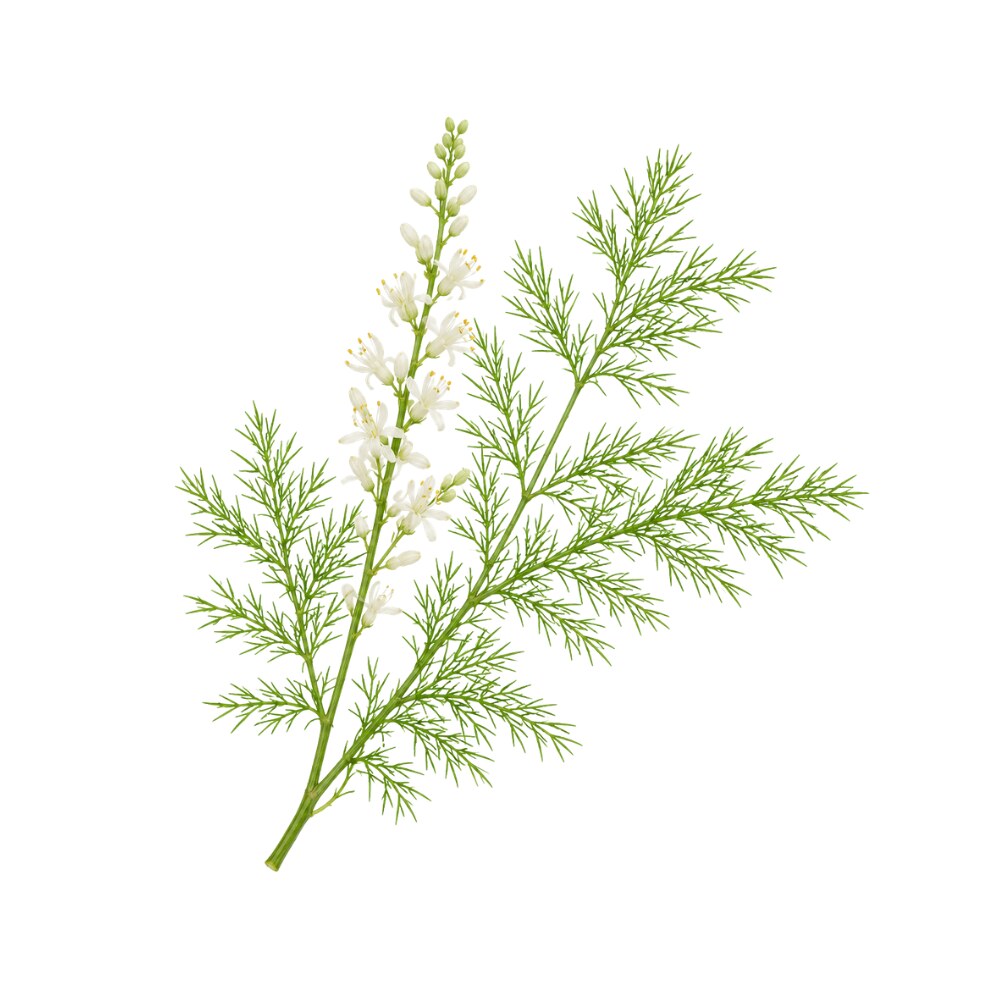 StrongStrongShatavariAsparagus racemosusThe archetypal Ayurvedic galactagogue, and one of very few in the field with direct randomised support behind it.Mechanismnot established — steroidal-saponin estrogen-receptor binding proposed (prolactin never measured)Read the evidenceShow lessMonograph →
A 2025 double-blind placebo-controlled trial (per-protocol n=113) gave 300 mg of standardised root extract twice daily for 72 hours postpartum. Time to breast fullness was significantly shorter, expressed milk volume at 72 hours significantly greater, and maternal satisfaction higher 16Reference 16RCTShatavari (Asparagus racemosus Willd) root extract for postpartum lactation — randomised, double-blind, placebo-controlled trialView study →.
An earlier RCT evaluated the root as a lactogogue in lactational inadequacy 17Reference 17RCTRandomized controlled trial of Asparagus racemosus (Shatavari) as a lactogogue in lactational inadequacy — RCTView study →.
The human outcomes are hours-to-days endpoints — early milk volume and time to fullness, not sustained supply or infant weight gain — and no prolactin, oxytocin or other lactogenic marker was measured in either trial.
Lactation is usually routed through phytoestrogenic steroidal-saponin binding at the estradiol receptor (shatavarin IV, sarsasapogenin), which is an inference from the menopausal and muscle work rather than a lactation measurement.
All of the human data are on standardised root extract. The churna, the decoction and the 1:2 liquid extract are untested at these endpoints.
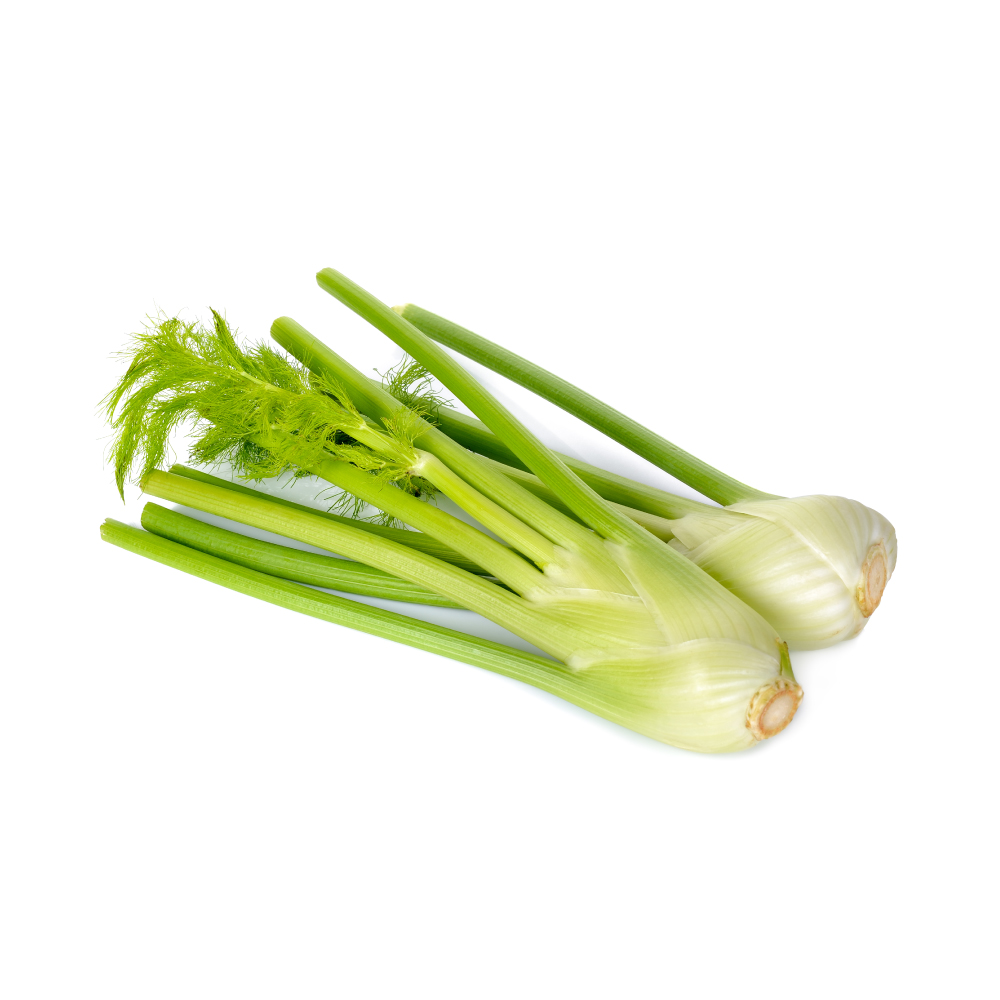 ModerateModerateFennelFoeniculum vulgareThe most widely used traditional galactagogue on earth, and the one with a mechanism specific enough to be testable.Mechanismdopamine-receptor antagonism → prolactin disinhibition (dianethole, photoanethole)Read the evidenceShow lessMonograph →
The anethole dimers dianethole and photoanethole are structurally dopamine-like and are proposed to competitively block dopamine’s tonic inhibition of prolactin, raising milk output 1Reference 1ReviewFennel and anise as estrogenic agents — reviewView study →. That is the same route as the pharmaceutical galactagogues.
Fennel infusion is used near-universally across Western, Chinese, Ayurvedic and Iranian practice, and registered trials exist 2,
High-quality human evidence for fennel alone raising measured milk volume is thin. Most of the data are traditional, mechanistic, or drawn from mixed herbal teas, so the herb’s specific contribution is not isolated 1Reference 1ReviewFennel and anise as estrogenic agents — reviewView study →.
The same oestrogenic anethole polymers that plausibly drive the effect reach the infant through milk, and the balance of benefit against exposure is unsettled. Estragole sits on top of that: genotoxic and carcinogenic in isolated high-dose studies 4Reference 4In vitroCytotoxic, genotoxic and apoptosis-inducing effects of estragole isolated from fennel — in vitroView study →, substantially inactivated within the whole-plant decoction matrix 5Reference 5ReviewCan estragole in fennel seed decoctions really be considered a danger for human health? — safety reviewView study → but not absent, with explicit caution against prolonged high-dose use in children 2Reference 2ReviewFoeniculum vulgare Mill: a review of its botany, phytochemistry, pharmacology and toxicology — reviewView study → and a Commission E limit of several weeks 6Reference 6Principles and Practice of Phytotherapy (2nd ed.).
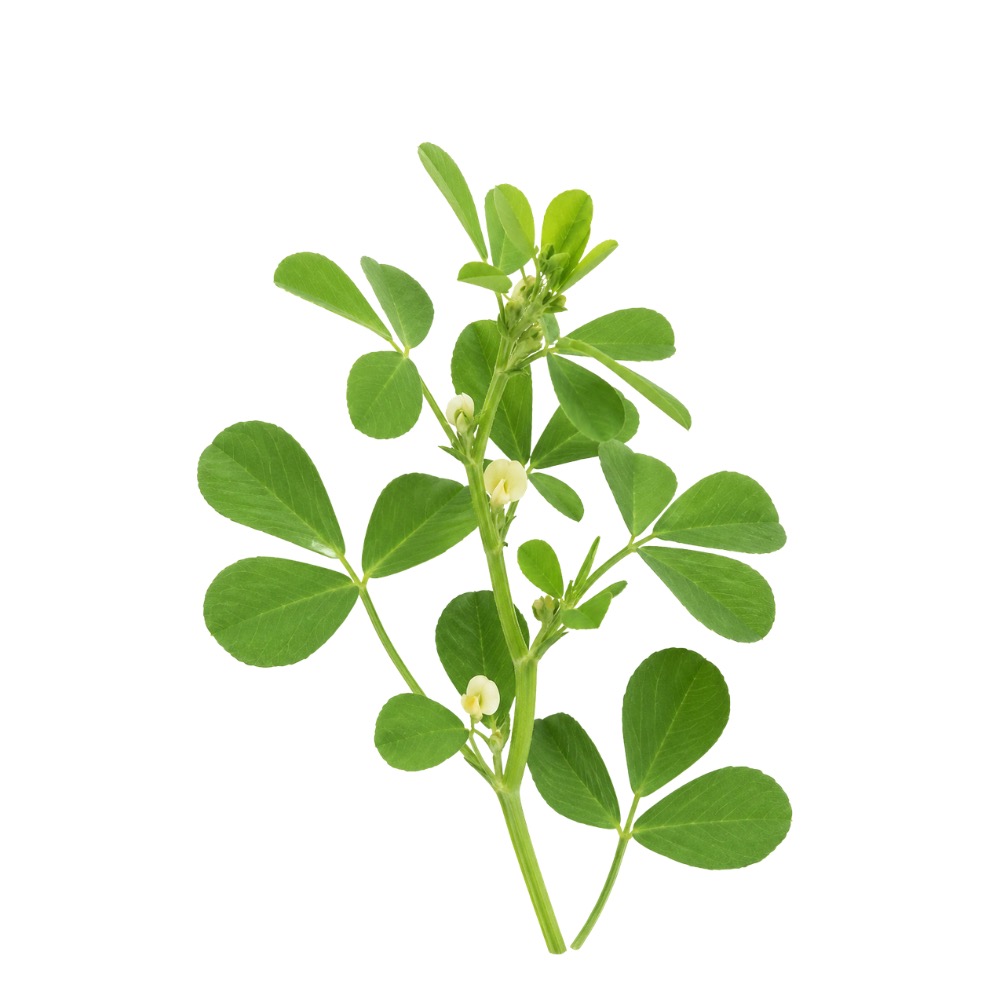 ModerateModerateFenugreekTrigonella foenum-graecumThe most popular traditional galactagogue in the world, and the one where prolactin was actually measured and did not change.Mechanismnot established (no prolactin effect demonstrated)Read the evidenceShow lessMonograph →
No lactogenic pathway is established, and the one trial that measured prolactin found no significant change 7Reference 7RCTInvestigating the Effectiveness of Fenugreek on the Quantity of Breast Milk and the Level of Prolactin in Mothers of Preterm Newborns: A Randomized Controlled Clinical TrialView study →.
A network meta-analysis found fenugreek significantly increased milk volume against placebo, but ranked it substantially below comparators such as Coleus amboinicus and palm date 8Reference 8Meta-analysisEffectiveness of fenugreek as a galactagogue: A network meta-analysisView study →, and Cochrane rated the certainty of oral-galactagogue evidence low and drew no firm conclusion 9Reference 9Systematic reviewOral galactagogues (natural therapies or drugs) for increasing breast milk production — systematic reviewView study →. Individual trials diverge: a fenugreek-containing herbal tea raised measured volume and infant weight regain 10Reference 10RCTThe effect of galactagogue herbal tea on breast milk production and short-term catch-up of birth weight — randomized trialView study →, while a 2025 preterm-mothers RCT found more milk on day 7 and nothing by trial end 7Reference 7RCTInvestigating the Effectiveness of Fenugreek on the Quantity of Breast Milk and the Level of Prolactin in Mothers of Preterm Newborns: A Randomized Controlled Clinical TrialView study →.
Blinding is effectively impossible. Fenugreek’s sotolone gives the mother and her milk an unmistakable maple-syrup odour, so mothers know which arm they are in, and lactation outcomes are heavily expectancy-sensitive.
Several of the positive trials also use multi-herb teas or blends, so fenugreek’s own contribution is not isolated in those either.
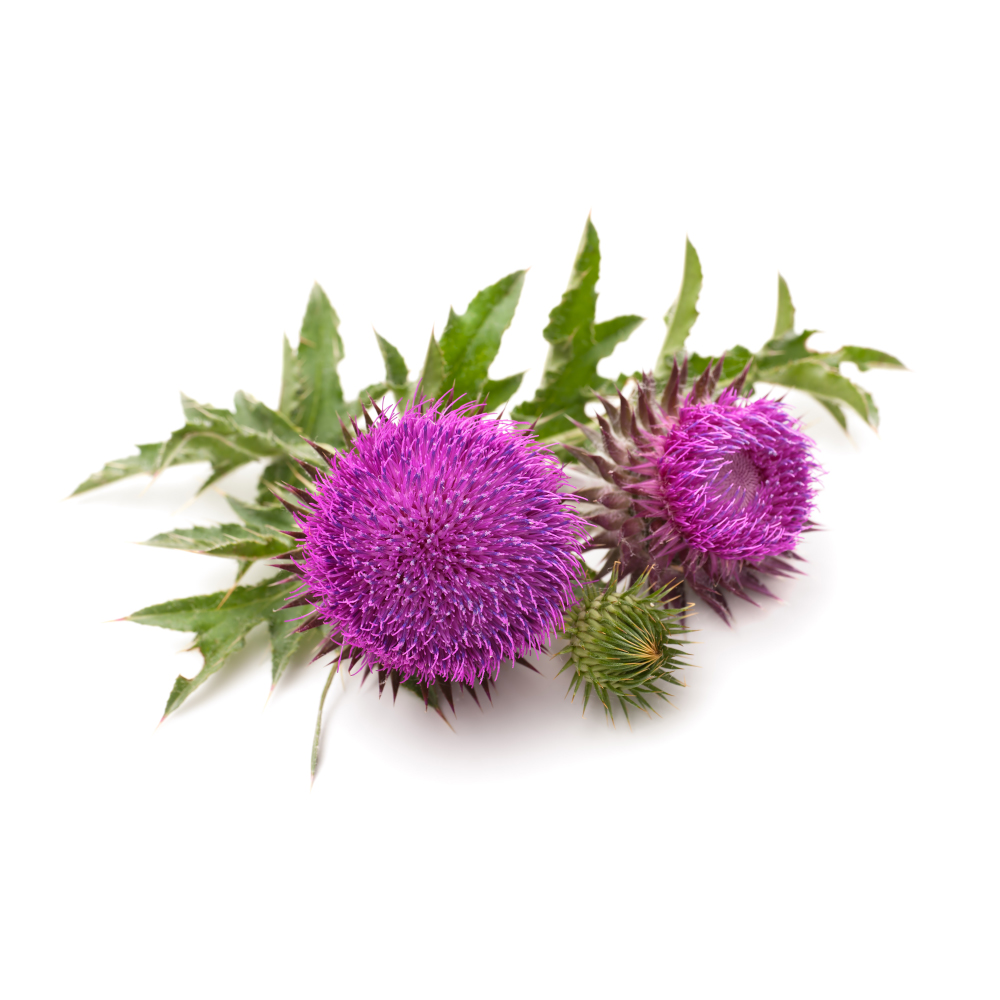 ModerateModerateMilk ThistleSilybum marianumThe action behind the common name, and unusually for a traditional lactation claim it has randomised trial support.Mechanismunclear — prolactin/lactogenic (not established)Read the evidenceShow lessMonograph →
A small RCT in mothers of preterm newborns found a silymarin preparation increased daily milk production against placebo 15Reference 15RCTEvaluation of the galactogogue effect of silymarin on mothers of preterm newborns (<32 weeks) — randomised controlled trialView study →, and further randomised trials of a silymarin–phosphatidylserine–galega combination reported increased and more sustained volume 12Reference 12RCTThe long-term efficacy of a galactagogue containing silymarin-phosphatidylserine and galega on milk production of mothers of preterm infants — RCT follow-upView study →.
No lactogenic pathway is established, and several of the studies use multi-ingredient products, so milk thistle’s own contribution is hard to isolate.
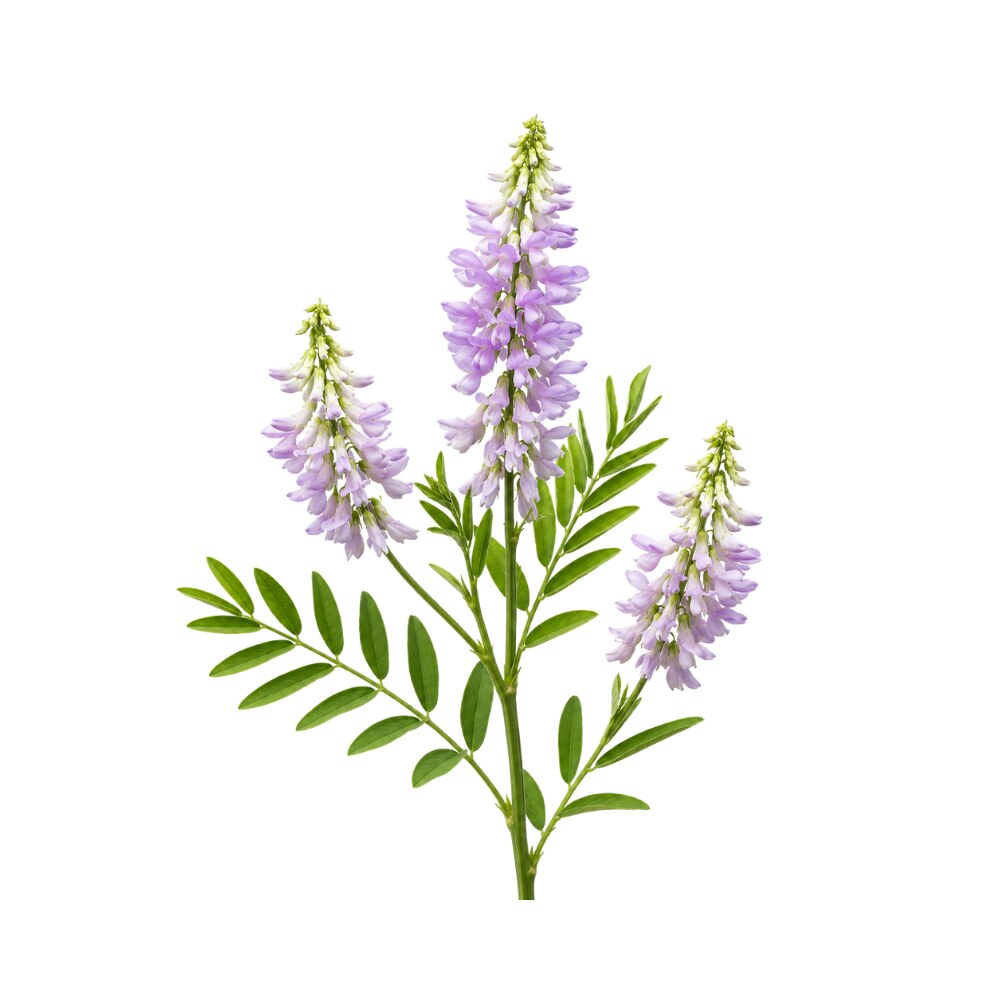 MildMildGoat’s RueGalega officinalisThe action behind the name — Galega means milk-promoter — and long-standing European folk use is the basis for it.Mechanismnot establishedRead the evidenceShow lessMonograph →
A double-blind RCT in mothers of preterm infants (n=50 per group) found a fixed silymarin–phosphatidylserine and galega combination increased milk production at days 7 and 30 11Reference 11RCTEfficacy of a galactogogue containing silymarin-phosphatidylserine and galega in mothers of preterm infants: a randomised controlled trial — RCTView study →, with production maintained at three to six months in follow-up 12Reference 12RCTThe long-term efficacy of a galactagogue containing silymarin-phosphatidylserine and galega on milk production of mothers of preterm infants — RCT follow-upView study → and an earlier observational study pointing the same way 13Reference 13ObservationalSilymarin/galega administration in term and preterm mothers to sustain breast feeding: an observational study — observationalView study →.
Galega is never isolated in those products, and silymarin has galactagogue trial evidence of its own, which makes the co-formulant the more likely active. A 2026 systematic review of herbal galactagogues in preterm mothers concluded that efficacy and safety remain unclear 14Reference 14Systematic reviewHerbal galactagogues to improve breastmilk production and lactation in mothers of preterm babies: a systematic review of clinical trials — systematic reviewView study →.
No lactogenic pathway of any kind has been proposed for the herb.
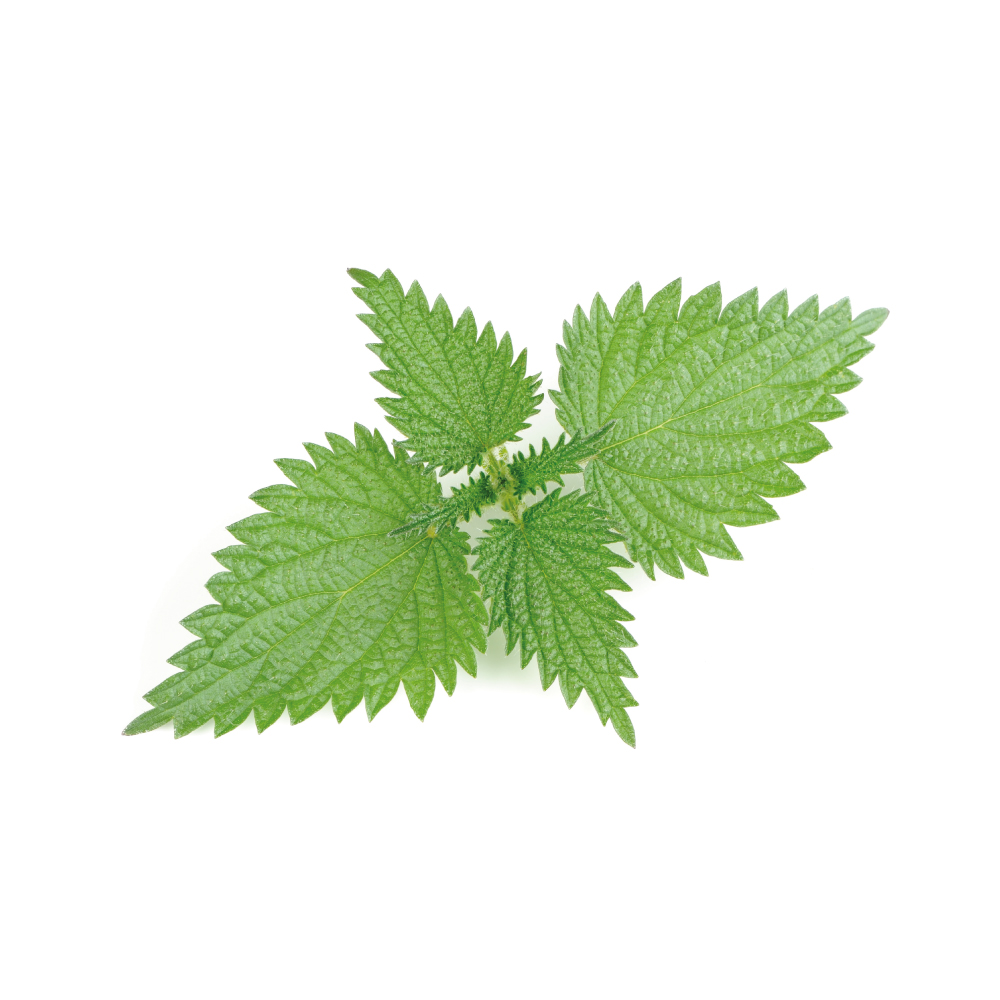 MildMildStinging NettleUrtica dioicaOne of the most widely used galactagogues in European practice, on a leaf eaten as a food — cooked as a spring green across the continent.Read the evidenceShow lessMonograph →
The food context is where the traditional use sits: the cooked leaf is an ordinary spring vegetable across Europe, and the galactagogue use grew out of that rather than out of a medicinal preparation.
No controlled lactation trial exists and no mechanism has been proposed. The gap is a missing trial rather than a safety signal.
Food and tea strengths are generally regarded as compatible with breastfeeding. Concentrated extracts and root preparations are the part that remains unassessed.
No herbs match these filters.
Safety
- There are two people involved, and anything the mother takes reaches the infant in some amount.
- Infants are not small adults, so the safety bar here is higher than the evidence base behind most of these herbs.
- Essential oils are the preparation to avoid in lactation; culinary amounts and teas are the traditional forms and the tested ones.
- A herb with trial evidence only inside a fixed multi-ingredient product has no evidence of its own.
- Phytoestrogenic herbs in this group are the ones to raise with a clinician where hormones are already being managed.
- Low milk supply has commoner causes than anything a herb addresses — latch, feeding frequency, thyroid function, retained placenta and medication — and a lactation consultant will do more than any of this will.
References
- Albert-Puleo, M. (1980). Fennel and anise as estrogenic agents — review. Journal of Ethnopharmacology. https://pubmed.ncbi.nlm.nih.gov/6999244/
- Badgujar, S. B., et al. (2014). Foeniculum vulgare Mill: a review of its botany, phytochemistry, pharmacology and toxicology — review. BioMed Research International. https://pubmed.ncbi.nlm.nih.gov/25162032/
- Rahimi, R., & Ardekani, M. R. S. (2013). Medicinal properties of Foeniculum vulgare Mill. in traditional Iranian medicine and modern phytotherapy. Chinese Journal of Integrative Medicine, 19(1), 73–79.
- Villarini, M., et al. (2014). Cytotoxic, genotoxic and apoptosis-inducing effects of estragole isolated from fennel — in vitro. Journal of Natural Products. https://pubmed.ncbi.nlm.nih.gov/24617303/
- Gori, L., et al. (2012). Can estragole in fennel seed decoctions really be considered a danger for human health? — safety review. Evidence-Based Complementary and Alternative Medicine. https://pubmed.ncbi.nlm.nih.gov/22899959/
- Bone, K., & Mills, S. (2013). Principles and Practice of Phytotherapy (2nd ed.). Elsevier Health.
- Rouhi, M., et al. (2025). Investigating the Effectiveness of Fenugreek on the Quantity of Breast Milk and the Level of Prolactin in Mothers of Preterm Newborns: A Randomized Controlled Clinical Trial. Curr Drug Res Rev. https://pubmed.ncbi.nlm.nih.gov/41239794/
- Khan, T. M., et al. (2018). Effectiveness of fenugreek as a galactagogue: A network meta-analysis. Phytother Res. https://pubmed.ncbi.nlm.nih.gov/29193352/
- Foong, S. C., et al. (2020). Oral galactagogues (natural therapies or drugs) for increasing breast milk production — systematic review. Cochrane Database Syst Rev. https://pubmed.ncbi.nlm.nih.gov/32421208/
- Turkyılmaz, C., et al. (2011). The effect of galactagogue herbal tea on breast milk production and short-term catch-up of birth weight — randomized trial. J Altern Complement Med. https://pubmed.ncbi.nlm.nih.gov/21261516/
- Zecca, E., Zuppa, A. A., D’Antuono, A., et al. (2016). Efficacy of a galactogogue containing silymarin-phosphatidylserine and galega in mothers of preterm infants: a randomised controlled trial — RCT. European Journal of Clinical Nutrition. https://pubmed.ncbi.nlm.nih.gov/27245206/
- Serrao, F., Corsello, M., Romagnoli, C., et al. (2018). The long-term efficacy of a galactagogue containing silymarin-phosphatidylserine and galega on milk production of mothers of preterm infants — RCT follow-up. Breastfeeding Medicine. https://pubmed.ncbi.nlm.nih.gov/29148822/
- Castoldi, F., et al. (2014). Silymarin/galega administration in term and preterm mothers to sustain breast feeding: an observational study — observational. Minerva Pediatrica. https://pubmed.ncbi.nlm.nih.gov/25253186/
- Cragg, A., et al. (2026). Herbal galactagogues to improve breastmilk production and lactation in mothers of preterm babies: a systematic review of clinical trials — systematic review. European Journal of Clinical Nutrition. https://pubmed.ncbi.nlm.nih.gov/41350450/
- Peila C, Coscia A, Bertino E, et al. (2015). Evaluation of the galactogogue effect of silymarin on mothers of preterm newborns (<32 weeks) — randomised controlled trial. Pediatr Med Chir. https://pubmed.ncbi.nlm.nih.gov/26714778/
- Ajgaonkar, A., Debnath, T., Bhatnagar, S., Debnath, K., & Langade, J. (2025). Shatavari (Asparagus racemosus Willd) root extract for postpartum lactation — randomised, double-blind, placebo-controlled trial. Journal of Obstetrics and Gynaecology. https://pubmed.ncbi.nlm.nih.gov/41055223/
- Sharma, S., Ramji, S., Kumari, S., et al. (1996). Randomized controlled trial of Asparagus racemosus (Shatavari) as a lactogogue in lactational inadequacy — RCT. Indian Pediatrics. https://pubmed.ncbi.nlm.nih.gov/8979551/
Keep Exploring