
Condition
Stress
The body's physiological and psychological response to demands or threats, which becomes harmful when prolonged.

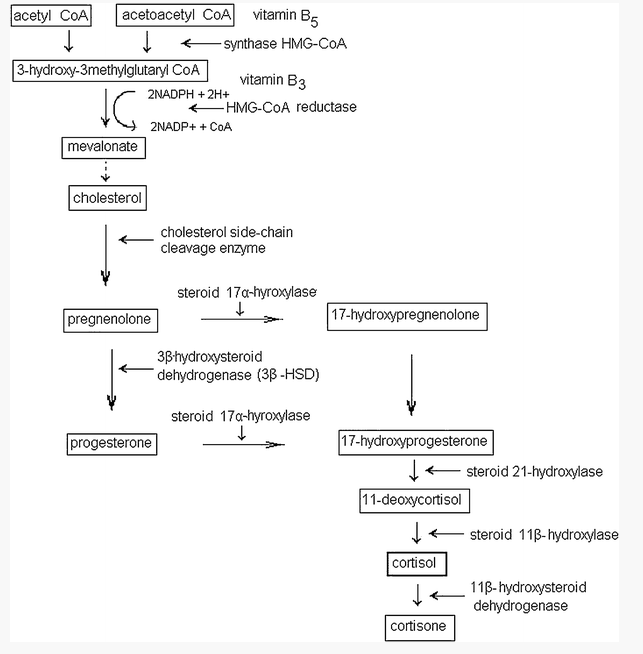
Stress is the body’s response to demands or threats — a coordinated physiological and psychological reaction that is useful in short bursts but damaging when it becomes chronic. The short-term stress response mobilizes energy and sharpens focus; sustained activation, by contrast, keeps cortisol elevated and gradually wears on the immune, metabolic, cardiovascular and nervous systems. Herbal support leans heavily on adaptogens and nervines, which aim to modulate the stress response, buffer cortisol, and support resilience, sleep and mood.
Presentation
Types & Variants
Stress is usefully split by duration:
- Acute stress — a short-lived response to an immediate demand, such as a temperature change, a fright, or an injury. It is normal and generally harmless, though very severe acute stress can tip into shock, a medical emergency.
- Chronic stress — ongoing activation over long periods. This is where the harm lies: it accumulates gradually into abdominal weight gain, fatigue and lethargy, weakened immunity, headaches, reproductive and libido changes, chronic inflammation, and a raised cardiovascular risk.
Overview
General Pathology
The stress response runs through the hypothalamic–pituitary–adrenal (HPA) axis. A perceived demand prompts the pituitary to release ACTH, which drives the adrenal glands to secrete cortisol. Cortisol is metabolized and cleared mainly by the liver and kidneys, and adipose tissue can add to the load by converting inactive cortisone back to active cortisol through the enzyme 11β-HSD1 — one reason abdominal fat and chronic stress reinforce each other.
Several everyday factors modulate this system. Magnesium, acting on NMDA receptors, can dampen ACTH release and so reduce cortisol output; the green-tea catechin EGCG inhibits 11β-HSD1, limiting the regeneration of active cortisol; caffeine, conversely, raises cortisol and blunts its normal evening decline.
Chronically elevated stress rarely stays contained. It manifests physically (headaches, muscle tension, fatigue, disturbed sleep, digestive upset, a racing heart), emotionally and cognitively (anxiety, irritability, low mood, restlessness, poor concentration), and behaviorally (changed appetite, reliance on stimulants or other substances). It also overlaps closely with a cluster of related conditions — generalized adaptation syndrome, chronic fatigue syndrome, inflammatory bowel disease and fibromyalgia among them — where sustained stress is both a trigger and an aggravator.
Materia Medica
Materia Medica
None of the herbs used for stress is a substitute for professional care.
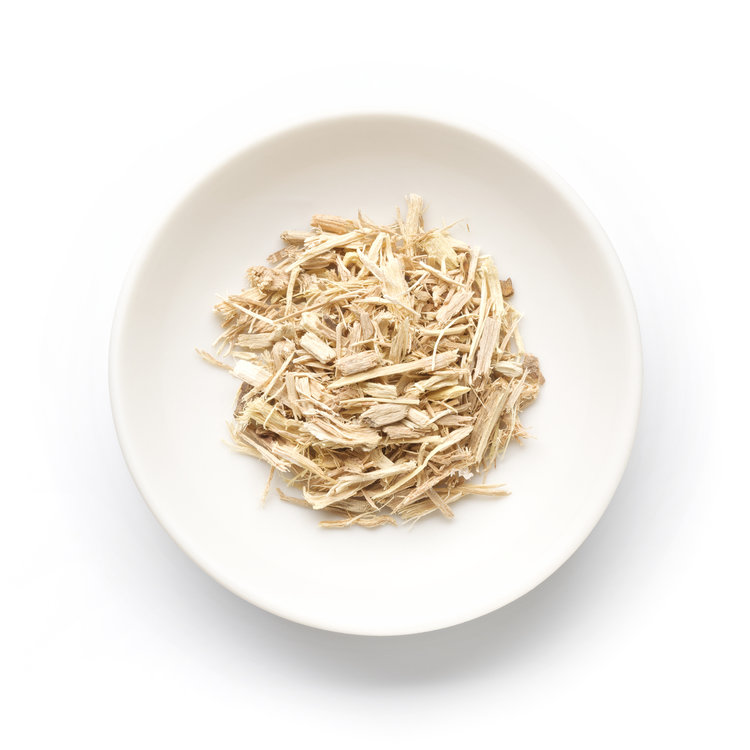 Eleuthero RootEleutherococcus senticosusModerate
Eleuthero’s adaptogenic effect is real but modest and preparation-dependent, mechanistically tied to HPA-axis regulation and heat-shock-protein (Hsp70) signalling 1Reference 1ReviewEvidence-based efficacy of adaptogens in fatigue, and molecular mechanisms related to their stress-protective activity — reviewView study →; a review rated the human evidence for mild fatigue and weakness as “good” and the EMA accepts the root as a traditional herbal medicine for asthenia 1,
Adding 120 mg/day to stress-management training gave negligible extra benefit 4Reference 4RCTNo benefit adding Eleutherococcus senticosus to stress management training in stress-related fatigue — randomised controlled studyView study →, effects are clearest only in already-fatigued or elderly people, and no trial shows a durable benefit in healthy adults.
Full monograph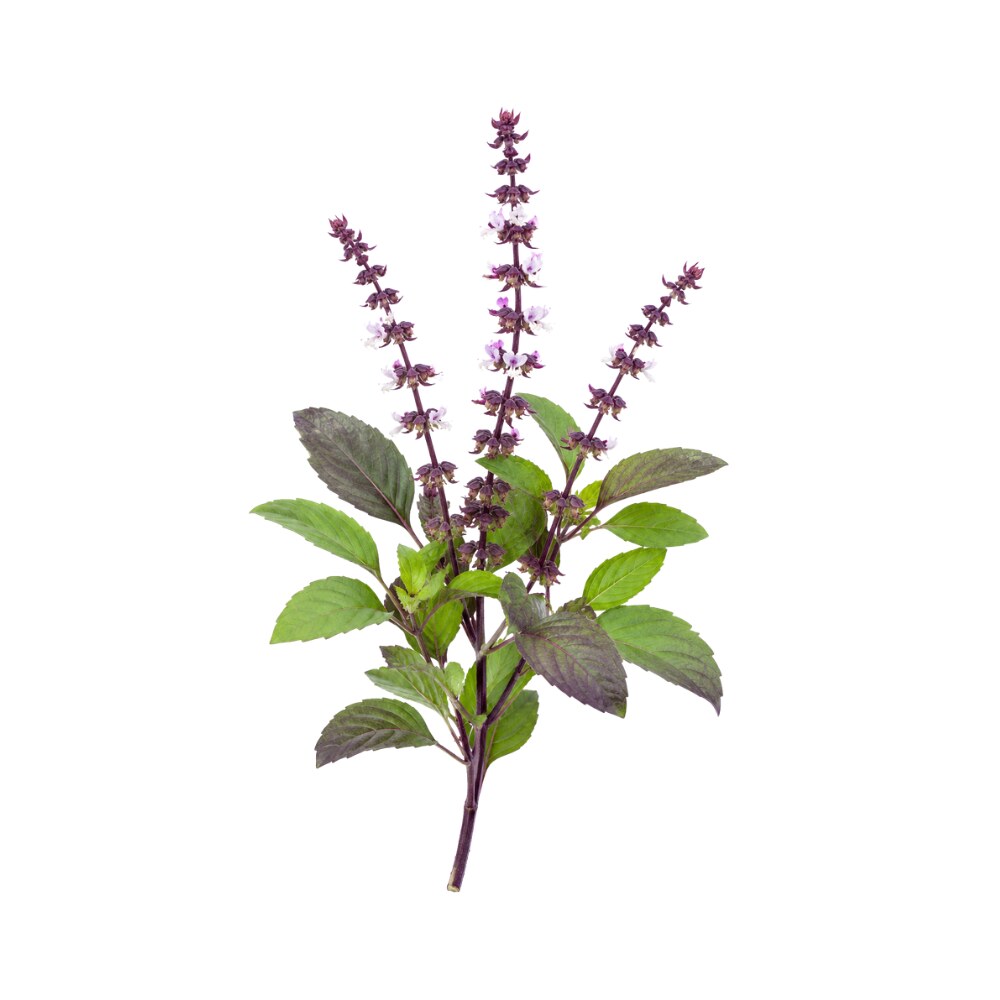 Holy BasilOcimum tenuiflorumModerate
Tulsi’s best human evidence: a six-week randomised, double-blind, placebo-controlled trial of the standardised extract OciBest (1200 mg actives/day, n=150) significantly reduced self-rated stress symptoms — forgetfulness, exhaustion, sleep and sexual problems — versus placebo 5Reference 5RCTEfficacy of an extract of Ocimum tenuiflorum (OciBest) in the management of general stress — randomised placebo-controlled trialView study →, with a 2022 8-week RCT of a standardised Ocimum extract (125 mg/day, n=100) also improving stress and sleep measures 6Reference 6RCTA randomised, double-blind, placebo-controlled trial investigating the effects of a standardised Ocimum tenuiflorum extract — randomised controlled trialView study →. Here classical rasayana use and modern trials converge.
The trials are small, use different preparations and doses, and rest on subjective symptom scales rather than physiological stress markers.
Full monograph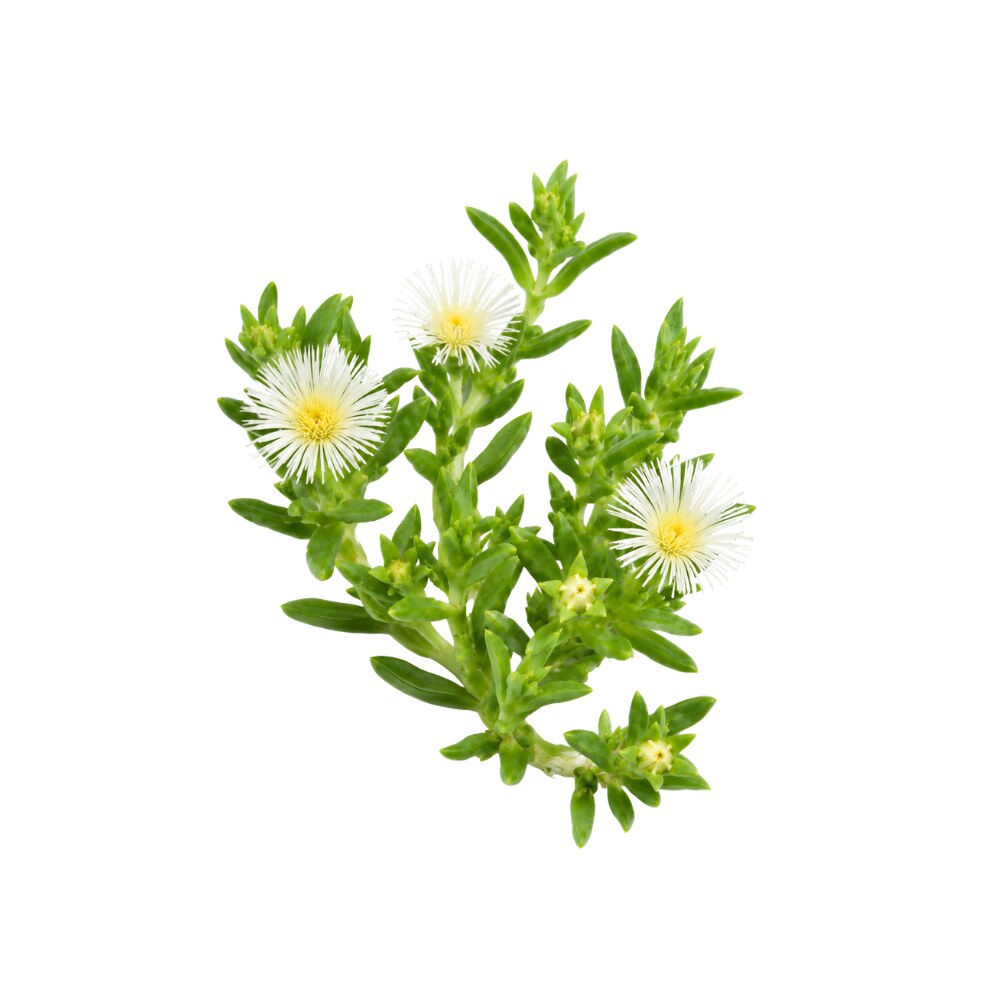 KannaSceletium tortuosumModerate
In an fMRI study, a single 25 mg dose of Zembrin, a proprietary kanna extract, dampened amygdala threat-reactivity and reduced its coupling to the hypothalamus, pointing to a down-regulated acute stress response 7Reference 7Acute effects of Sceletium tortuosum (Zembrin), a dual 5-HT reuptake and PDE4 inhibitor, in the human amygdala and its connection to the hypothalamus. The study measured a neuroimaging surrogate after one dose, with no perceived-stress or cortisol endpoint.
Full monograph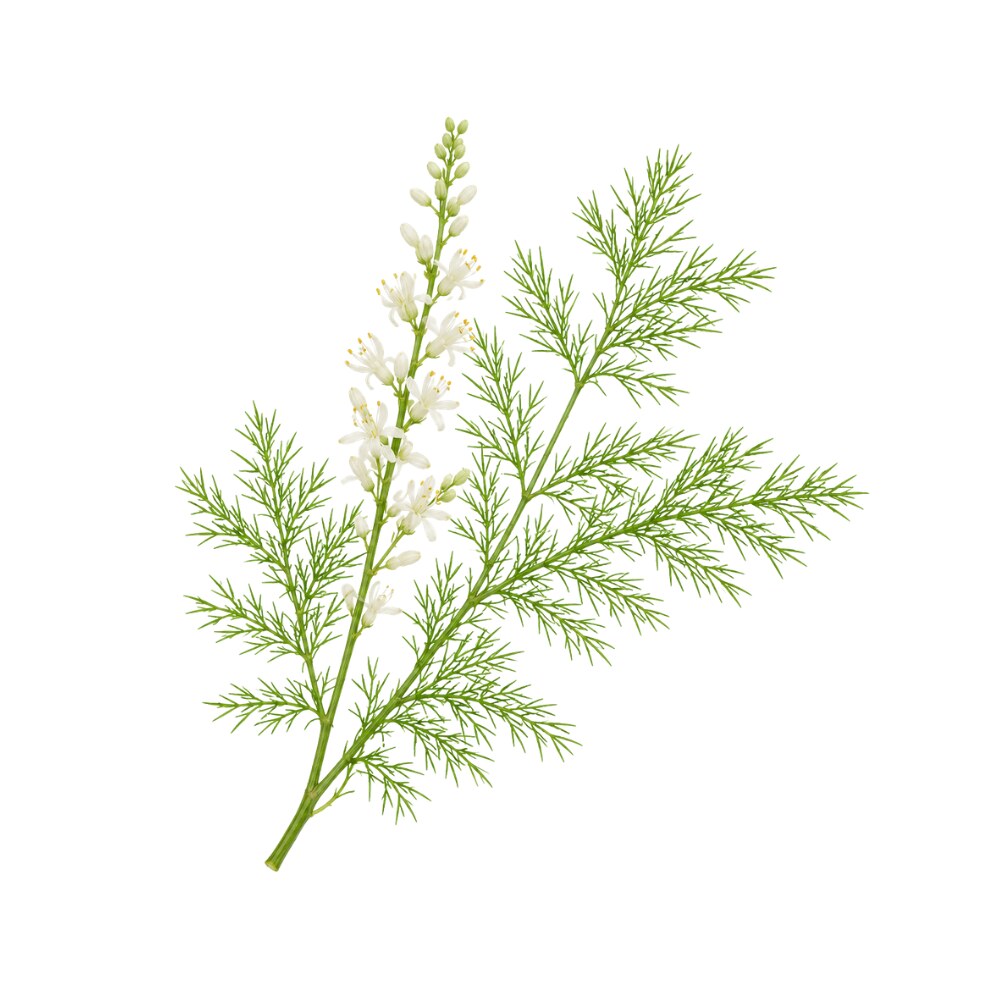 ShatavariAsparagus racemosusModerate
Shatavari is a classical adaptogen/nervine tonic, but the only human stress signal is secondary: the 12-week PCOS RCT recorded a large, significant fall in Perceived-Stress-Scale scores (PSS −6.64; p<0.0001) independent of any hormonal change 11Reference 11RCTEfficacy and safety of Shatavari root extract in women with polycystic ovarian syndrome — randomised, double-blind, placebo-controlled trialView study →. Beyond that, the anti-stress use rests on reviews and preclinical monoaminergic/GABAergic mechanism 12,
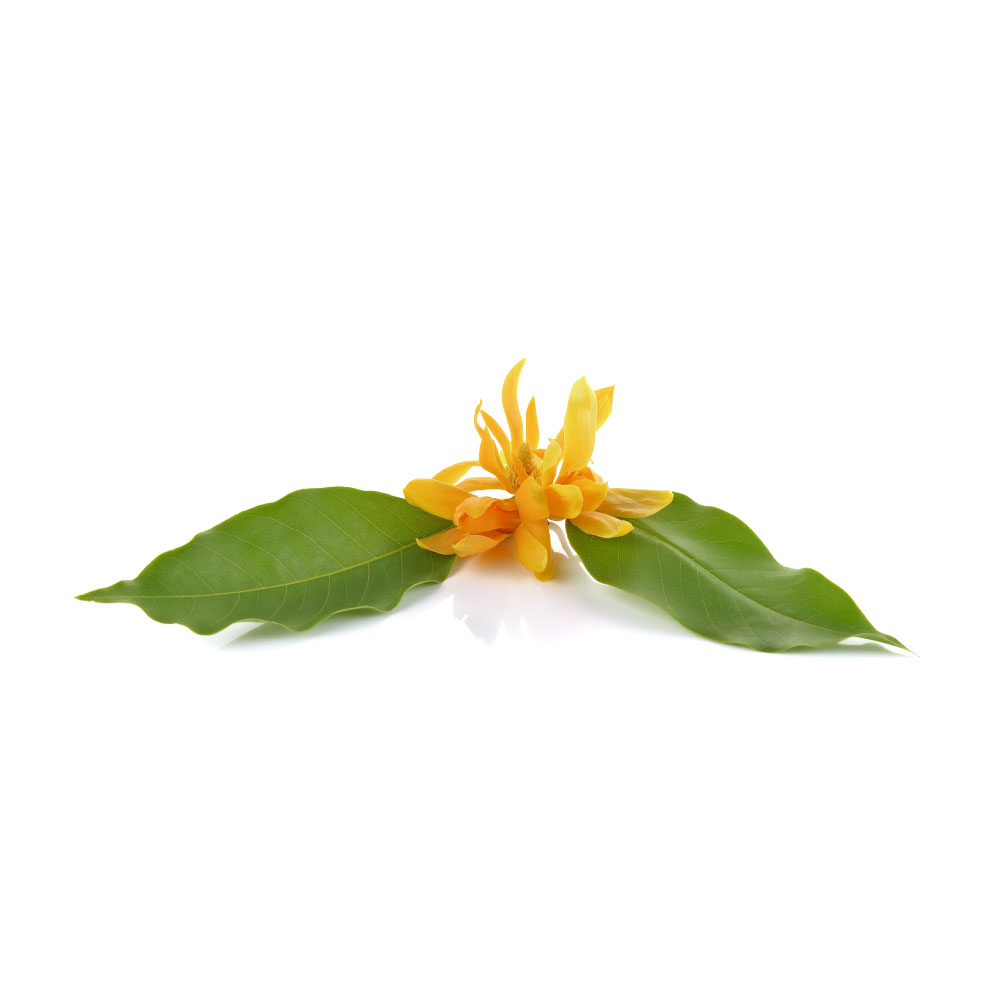 Ylang YlangCananga odorataModerate
Transdermal ylang-ylang oil raised self-rated calmness alongside a fall in blood pressure and pulse 14Reference 14Clinical trialRelaxing effect of ylang ylang oil on humans after transdermal absorption — clinical trialView study →, and the blended Korean aromatherapy nursing trials reported reduced serum cortisol, catecholamines and improved heart-rate-variability (autonomic) measures in stressed/hypertensive populations 15,
The signal is a general “harmonising” autonomic calming rather than a dedicated stress endpoint, and the cortisol/catecholamine data come from oil blends, not ylang-ylang alone.
Full monograph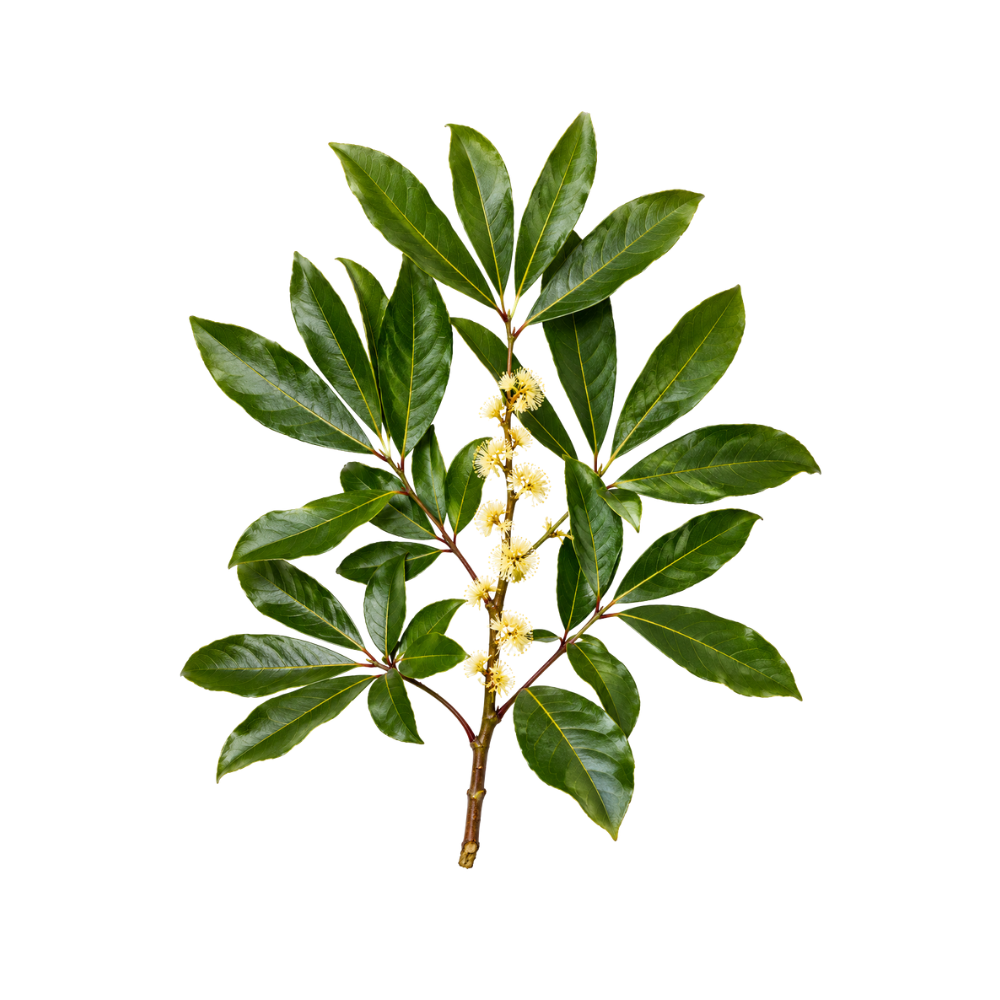 Muira PuamaPtychopetalum olacoidesPreclinical
POEE produced broad anti-stress effects in mice — better hypoxia endurance, prevention of stress-induced hyperglycaemia, HPA-axis dampening — which the authors read as adaptogen-like 8,
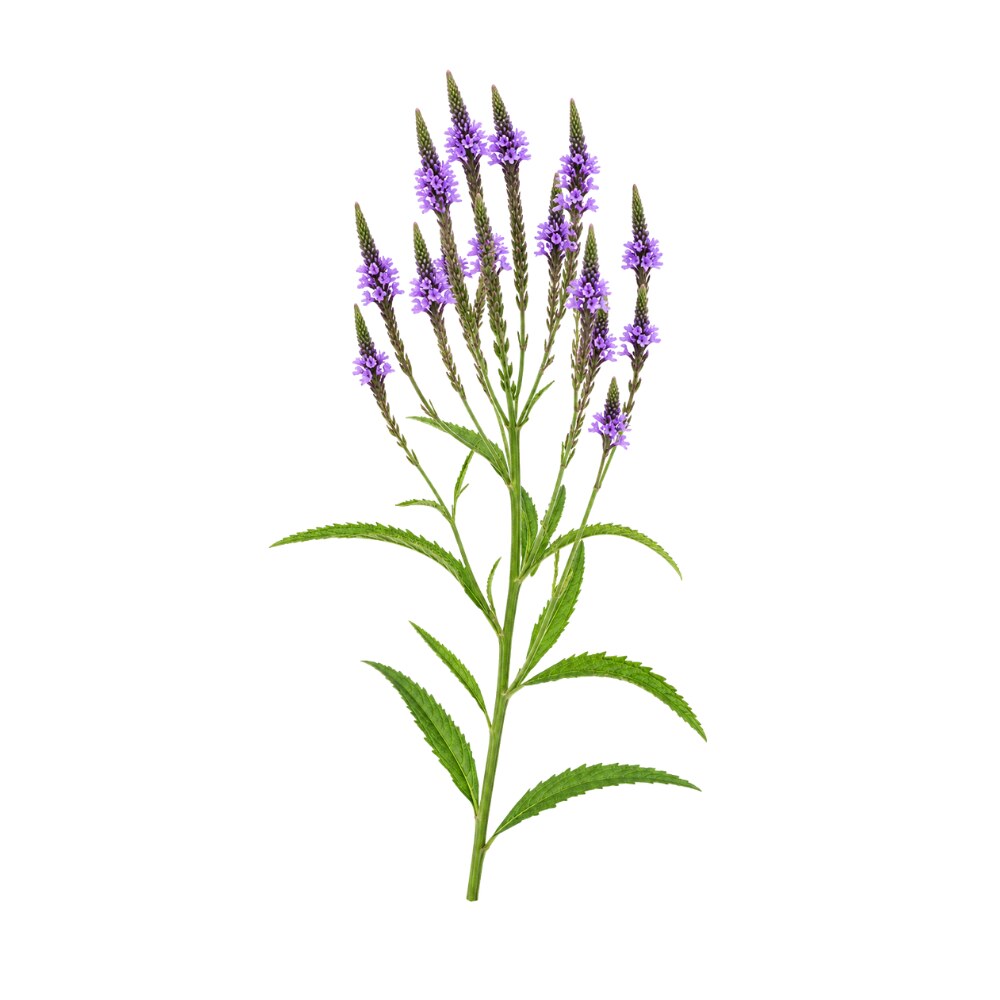 Blue VervainVerbena hastataTraditional only
A traditional Western relaxing nervine, taken as a tea or tincture to ease stress and nervous tension. Its sedative research is animal work on anxiety and sleep; no study has measured a stress endpoint.
Full monograph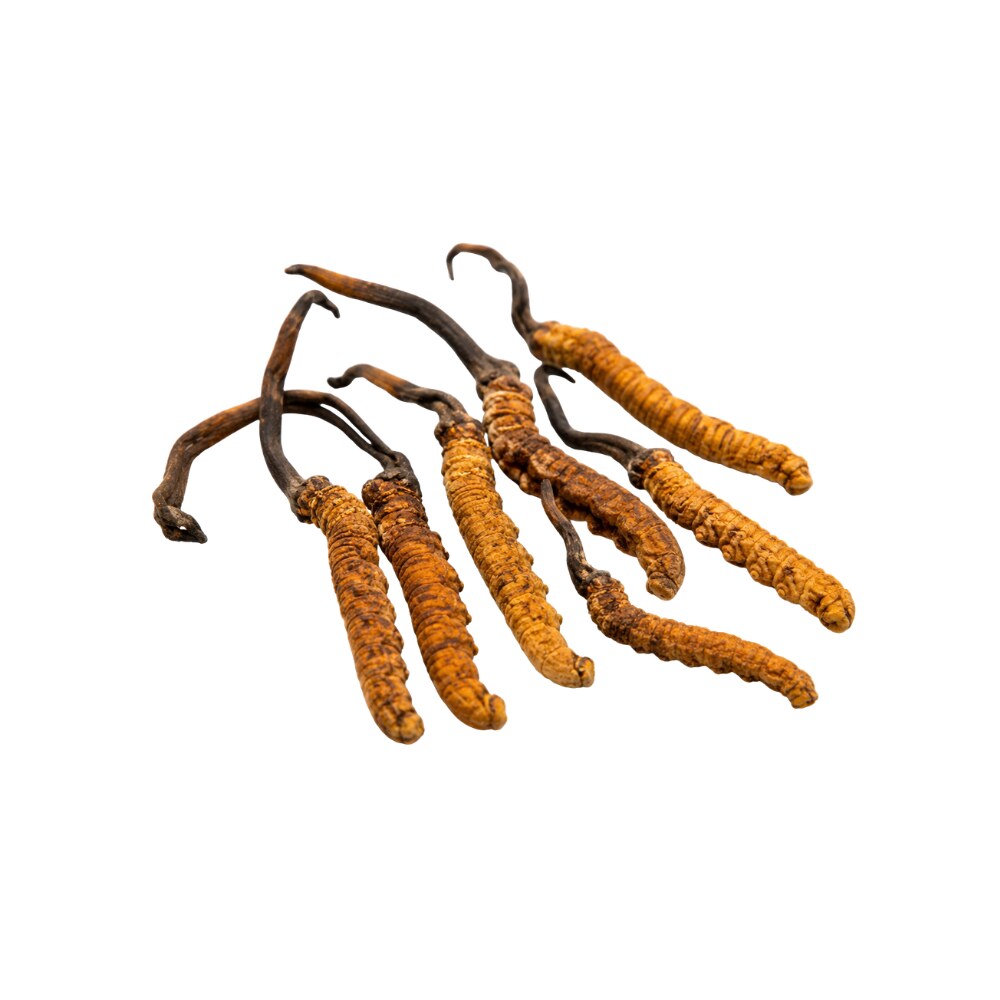 CordycepsCordyceps sinensisTraditional only
Cordyceps is taken as an adaptogenic tonic for stress resilience in traditional and Western herbalism. No study has measured its effect on the HPA axis or cortisol.
Full monograph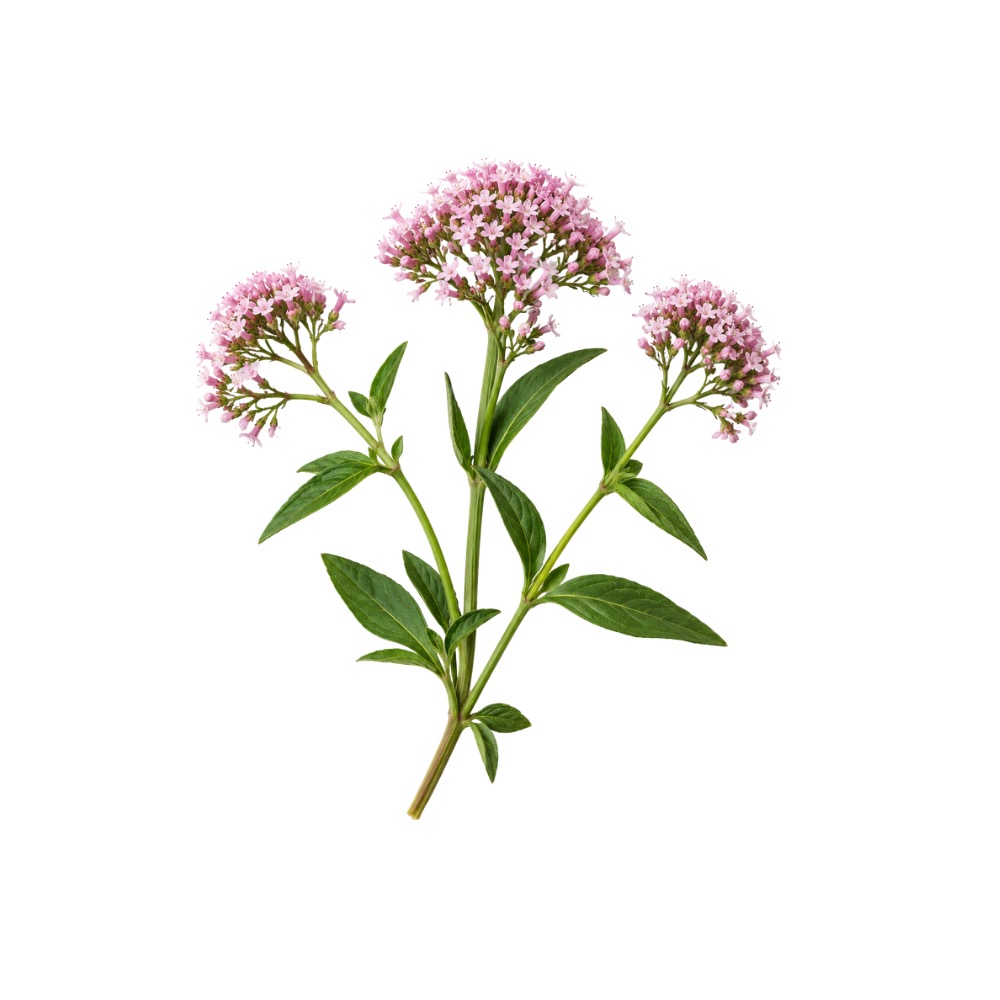 ValerianValeriana officinalisTraditional only
Best known for sleep, valerian also carries a preclinical anti-stress signal — valerenic acid lowered stress corticosterone and calmed limbic monoamine turnover in mice. There is no human trial with a stress endpoint.
Full monographSupplementation
Supplementation
Supplements, nutrients and compounds used for stress.
References
- Panossian A, Wikman G. (2009). Evidence-based efficacy of adaptogens in fatigue, and molecular mechanisms related to their stress-protective activity — review. Current Clinical Pharmacology. https://pubmed.ncbi.nlm.nih.gov/19500070/
- Patyra A, Kołtun-Jasion M, Kiss AK, et al. (2025). Eleutherococcus root: a comprehensive review of its phytochemistry and pharmacological potential in the context of its adaptogenic effect — review. Frontiers in Pharmacology. https://pubmed.ncbi.nlm.nih.gov/41235111/
- European Medicines Agency, Committee on Herbal Medicinal Products (HMPC). (2006/2014). Community herbal monograph on Eleutherococcus senticosus (Rupr. et Maxim.) Maxim., radix — Doc. EMEA/HMPC/244569/2006 (traditional use for asthenia). https://www.ema.europa.eu/en/medicines/herbal/eleutherococci-radix
- Schaffler K, Wolf OT, Burkart M. (2013). No benefit adding Eleutherococcus senticosus to stress management training in stress-related fatigue — randomised controlled study. Pharmacopsychiatry. https://pubmed.ncbi.nlm.nih.gov/23740477/
- Saxena, R. C., et al. (2012). Efficacy of an extract of Ocimum tenuiflorum (OciBest) in the management of general stress — randomised placebo-controlled trial. Evid Based Complement Alternat Med, 2012, 894509. https://pubmed.ncbi.nlm.nih.gov/21977056/
- Lopresti, A. L., et al. (2022). A randomised, double-blind, placebo-controlled trial investigating the effects of a standardised Ocimum tenuiflorum extract — randomised controlled trial. Front Nutr, 9, 965130. https://pubmed.ncbi.nlm.nih.gov/36185698/
- Terburg, D., Syal, S., Rosenberger, L. A., Heany, S., Phillips, N., Gericke, N., … & van Honk, J. (2013). Acute effects of Sceletium tortuosum (Zembrin), a dual 5-HT reuptake and PDE4 inhibitor, in the human amygdala and its connection to the hypothalamus. Neuropsychopharmacology, 38(13), 2708–2716.
- Piato, A. L., Detanico, B. C., Jesus, J. F., et al. (2008). Effects of Marapuama in the chronic mild stress model: further indication of antidepressant properties — animal study. Journal of Ethnopharmacology. https://pubmed.ncbi.nlm.nih.gov/18513902/
- Piato, A. L., Detanico, B. C., Linck, V. M., et al. (2010). Anti-stress effects of the “tonic” Ptychopetalum olacoides (Marapuama) in mice — animal study. Phytomedicine. https://pubmed.ncbi.nlm.nih.gov/19682881/
- da Silva, A. L., Bardini, S., Nunes, D. S., & Elisabetsky, E. (2002). Anxiogenic properties of Ptychopetalum olacoides Benth. (Marapuama) — animal study. Phytotherapy Research. https://pubmed.ncbi.nlm.nih.gov/12164265/
- Mhatre Y, Jadhav P, Malik A, et al. (2026). Efficacy and safety of Shatavari root extract in women with polycystic ovarian syndrome — randomised, double-blind, placebo-controlled trial. Frontiers in Endocrinology. https://pubmed.ncbi.nlm.nih.gov/41816216/
- Singh N, Garg M, Prajapati P, et al. (2023). Adaptogenic property of Asparagus racemosus — review. Heliyon. https://pubmed.ncbi.nlm.nih.gov/37095959/
- Majumdar S, Gupta S, Prajapati SK, et al. (2021). Neuro-nutraceutical potential of Asparagus racemosus — review. Neurochemistry International. https://pubmed.ncbi.nlm.nih.gov/33689806/
- Hongratanaworakit, T., & Buchbauer, G. (2006). Relaxing effect of ylang ylang oil on humans after transdermal absorption — clinical trial. Phytother Res, 20(9), 758–763. https://pubmed.ncbi.nlm.nih.gov/16807875/
- Hwang, J. H. (2006). Effects of the inhalation method using essential oils on blood pressure and stress responses in essential hypertension — randomized controlled trial (oil blend). Taehan Kanho Hakhoe Chi, 36(7), 1123–1134. https://pubmed.ncbi.nlm.nih.gov/17211115/
- Cha, J. H., et al. (2010). Effects of aromatherapy on autonomic nervous system, aortic pulse wave velocity and augmentation index in essential hypertension — controlled clinical trial (oil blend). J Korean Acad Nurs, 40(5), 705–713. https://pubmed.ncbi.nlm.nih.gov/21157172/
- Song, E. J., & Lee, M. Y. (2018). Effects of aromatherapy on stress responses, autonomic activity and blood pressure in patients undergoing coronary angiography — non-randomized controlled trial (oil blend). J Korean Acad Nurs, 48(1), 1–11. https://pubmed.ncbi.nlm.nih.gov/29535280/