
Condition
Headaches
Headaches are pain or discomfort in the head or face region, ranging from common tension and migraine types to symptoms of underlying disease.

A headache is pain or discomfort in the head or face, ranging from the very common tension and migraine types through to a warning sign of underlying disease. Most headaches are primary — the headache is the condition itself — while a minority are secondary to another problem. Herbal support focuses on the common primary headaches, easing pain and muscular tension, addressing triggers such as stress and poor sleep, and, for migraine, drawing on herbs with a preventive reputation.
Presentation
Types & Variants
Headaches are first divided into primary (no underlying disease) and secondary (caused by another condition):
- Tension-type headache — the most common primary headache: a bilateral, pressing or tightening pain of mild to moderate intensity.
- Migraine — a throbbing, often one-sided headache that may come with nausea, vomiting and sensitivity to light and sound, sometimes preceded by an aura.
- Cluster headache — severe pain around one eye with tearing and nasal congestion, occurring in bouts.
- Secondary headaches — caused by another problem, such as infection, raised blood pressure, sinus disease, medication overuse, or, less commonly, serious intracranial pathology.
Overview
General Pathology
Headaches arise from the activation of pain-sensitive structures in the head — blood vessels, muscles and nerves. In the primary headaches this activation occurs without underlying disease: tension-type headache is linked to muscular and stress-related mechanisms, while migraine involves a more complex neurovascular process. Secondary headaches, by contrast, are a symptom of something else and are managed by treating that cause.
The presentation varies by type, from the dull, pressing band of a tension headache to the throbbing, light-averse pain of migraine and the intense, one-sided pain of cluster headache. Most headaches are diagnosed clinically from the history and examination; neuroimaging is reserved for red-flag features such as sudden severe (“thunderclap”) onset, neurological deficits, progressively worsening pain, or new onset after middle age.
Materia Medica
Materia Medica
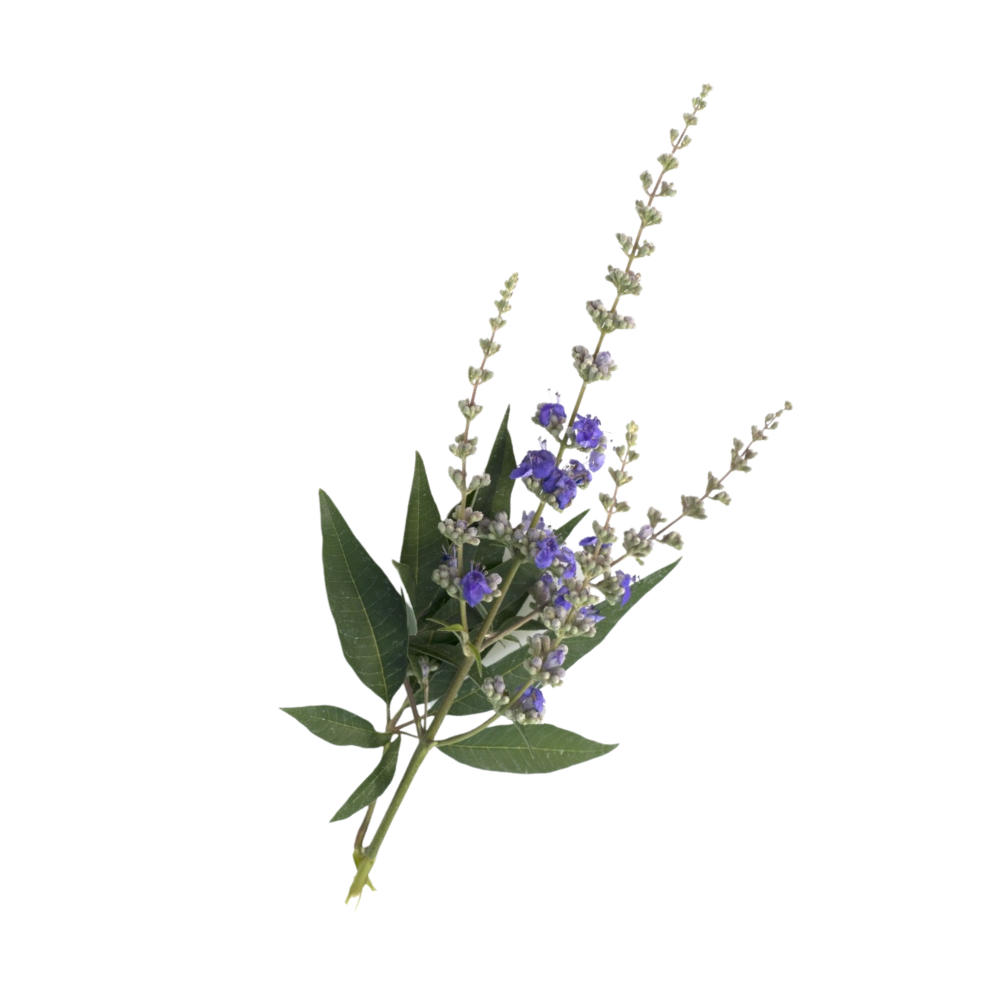 Chaste TreeVitex agnus-castusModerate
In the landmark Ze 440 RCT (n=170), headache was one of the premenstrual symptoms in the responder definition, and the responder rate (≥50% reduction in symptoms including headache) was 52% on the extract vs 24% on placebo over three cycles 1Reference 1RCTSchellenberg R. Treatment for the premenstrual syndrome with agnus castus fruit extract (Ze 440): prospective, randomised, placebo controlled study. BMJ. 2001;322(7279):134–137. https://pubmed.ncbi.nlm.nih.gov/11159568/View study →.
Headache was a component of the PMS symptom cluster rather than a standalone endpoint, and the data are for a proprietary standardized extract, so the result applies to cyclical, premenstrual headache rather than headache generally.
Full monograph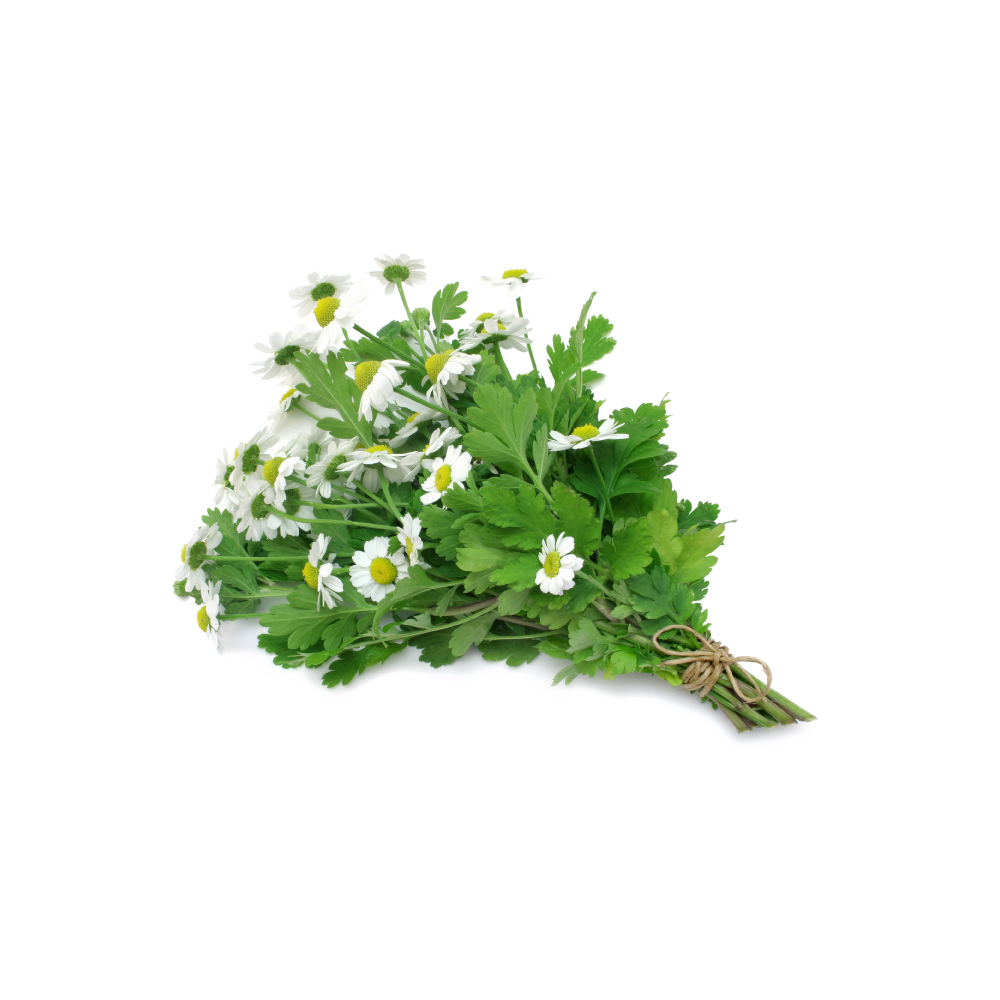 FeverfewTanacetum partheniumModerate
Migraine is feverfew’s one indication with a real body of human evidence, and that evidence is mixed. Six placebo-controlled RCTs (561 patients), of which the pivotal one — a stable supercritical-CO₂ extract (MIG-99, parthenolide-standardised, 6.25 mg t.i.d., n=170) — cut migraine frequency by ~0.6 attacks/month versus placebo, with no benefit on intensity or duration 3,
The effect is small, extract-specific, and does not transfer to teas, whole-leaf powder or other extracts. The mechanism runs through serotonin/granule release and vascular smooth-muscle contractility 7,
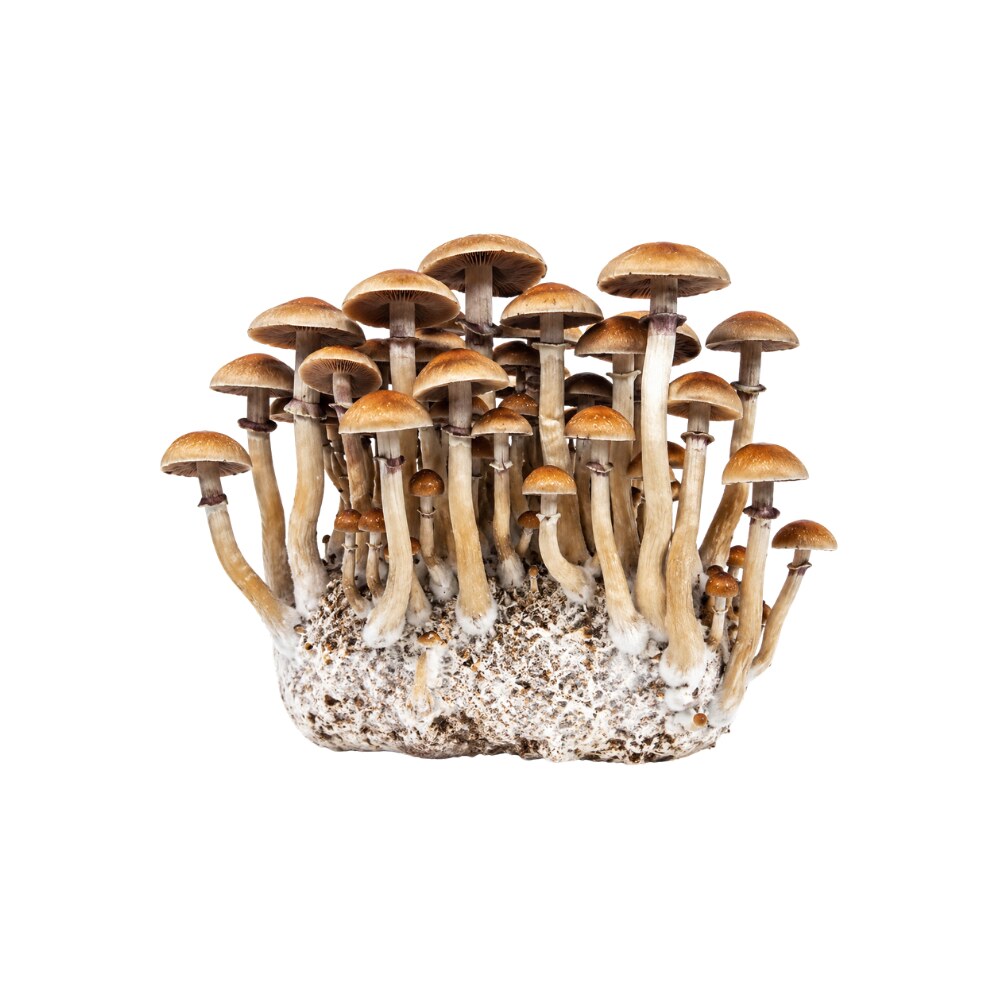 Magic MushroomsPsilocybe cubensisModerate
A Clusterbusters medication-use survey reported that indoleamine hallucinogens including psilocybin aborted or prevented cluster-headache attacks, sometimes at sub-hallucinogenic doses 9Reference 9Indoleamine hallucinogens in cluster headache: results of the Clusterbusters medication use survey. The source is a single retrospective self-report survey, not a controlled trial.
Full monograph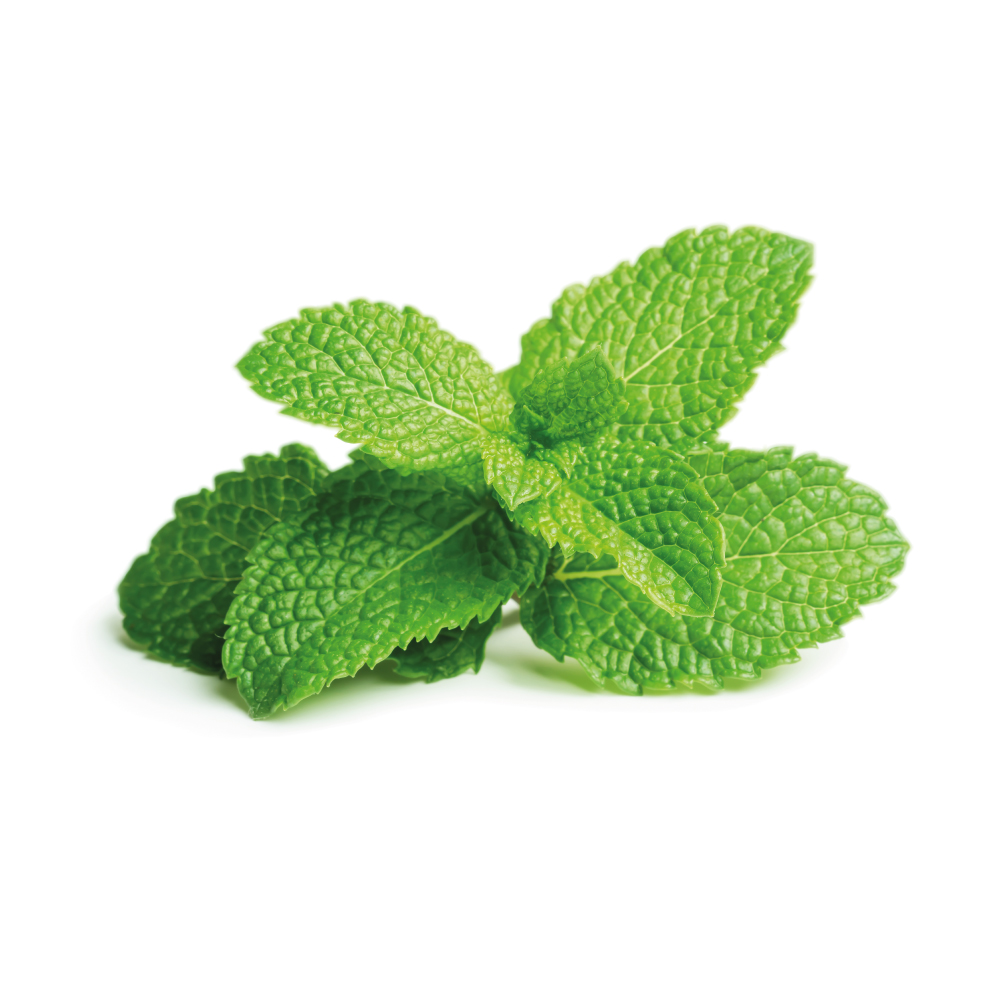 PeppermintMentha × piperitaModerate
A 10% peppermint-oil-in-ethanol solution dabbed on the forehead and temples eased tension-type headache in small double-blind trials from the Göbel group, with relief reported comparable to paracetamol at 15–30 minutes 10,
The evidence is a handful of older trials from essentially one research group, no large independent replication, and the effect is for topical oil — not oral use or tea.
Full monograph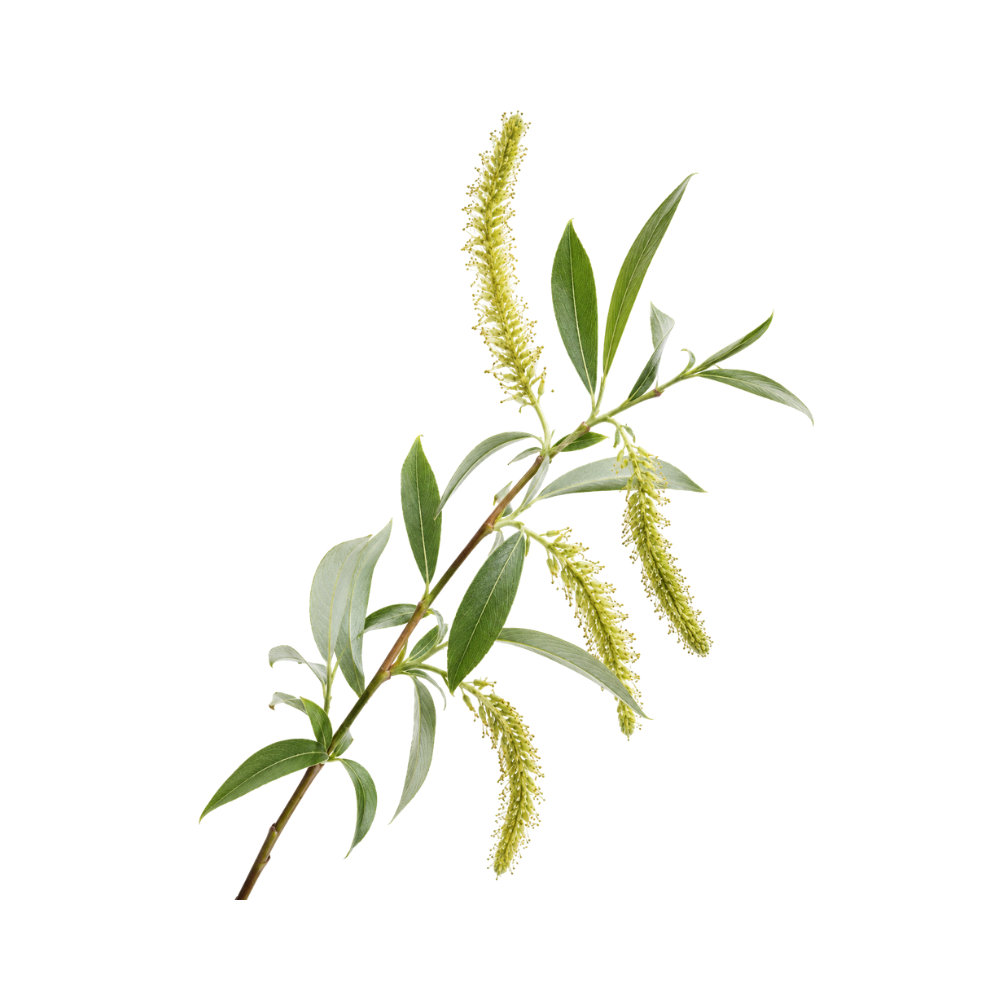 WillowSalix albaModerate
Willow’s salicin is metabolised to salicylic acid — aspirin’s active principle — and the standardized extract suppresses COX-2 and inflammatory cytokines about as strongly as aspirin on a weight basis 12,
No trial has tested willow for headache specifically. Its use for fever and headache is traditional, and rests on the same salicylate analgesia, which acts more slowly and weakly than aspirin.
Full monograph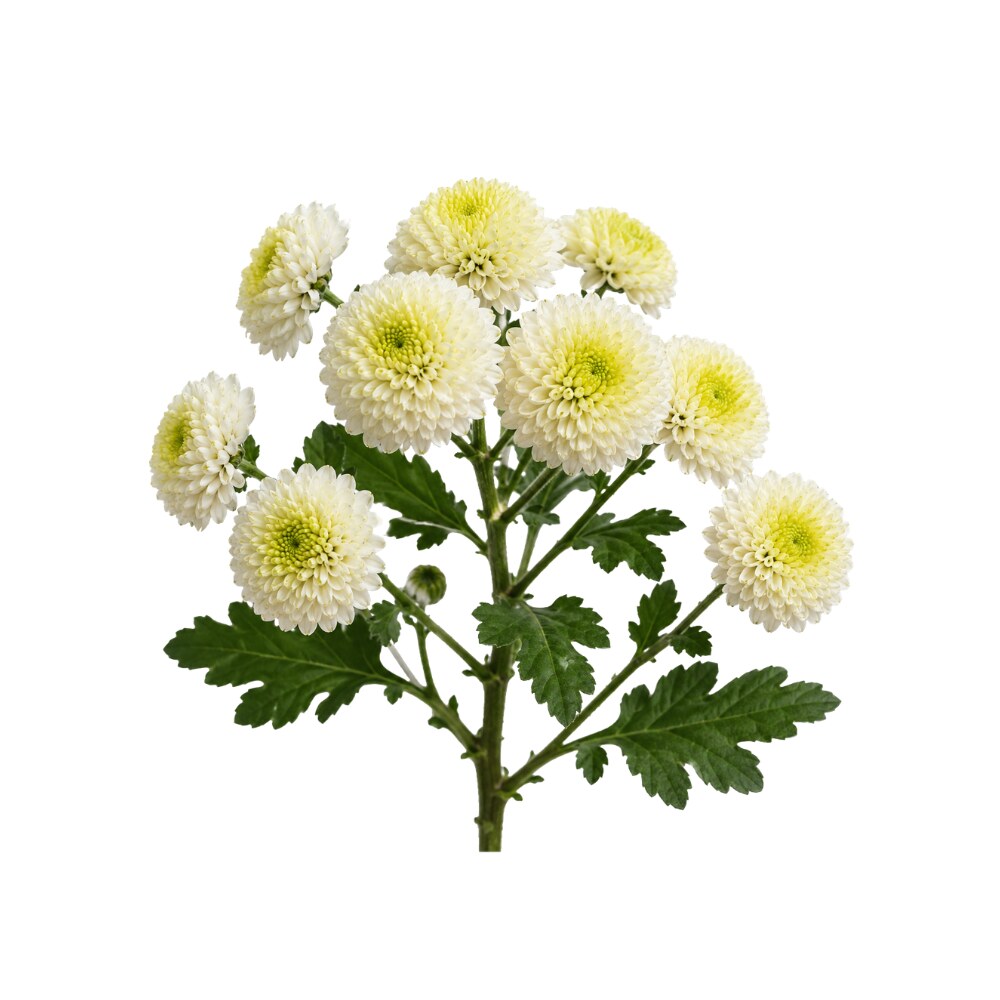 ChrysanthemumChrysanthemum morifoliumPreclinical
The essential oil of Chrysanthemi Flos eased nitroglycerin-induced migraine in mice by regulating CGRP and substance P 2Reference 2AnimalEssential oil of Chrysanthemi Flos alleviates nitroglycerin-induced migraine via CGRP and substance P (mouse model)View study →. It is the herb’s one direct headache signal, and it aligns with the traditional use of ju hua to “ease headaches.” The finding is in animals only and specific to the essential oil, not the water-extract tea; there are no human data, and it concerns migraine rather than tension or other headache types.
Full monograph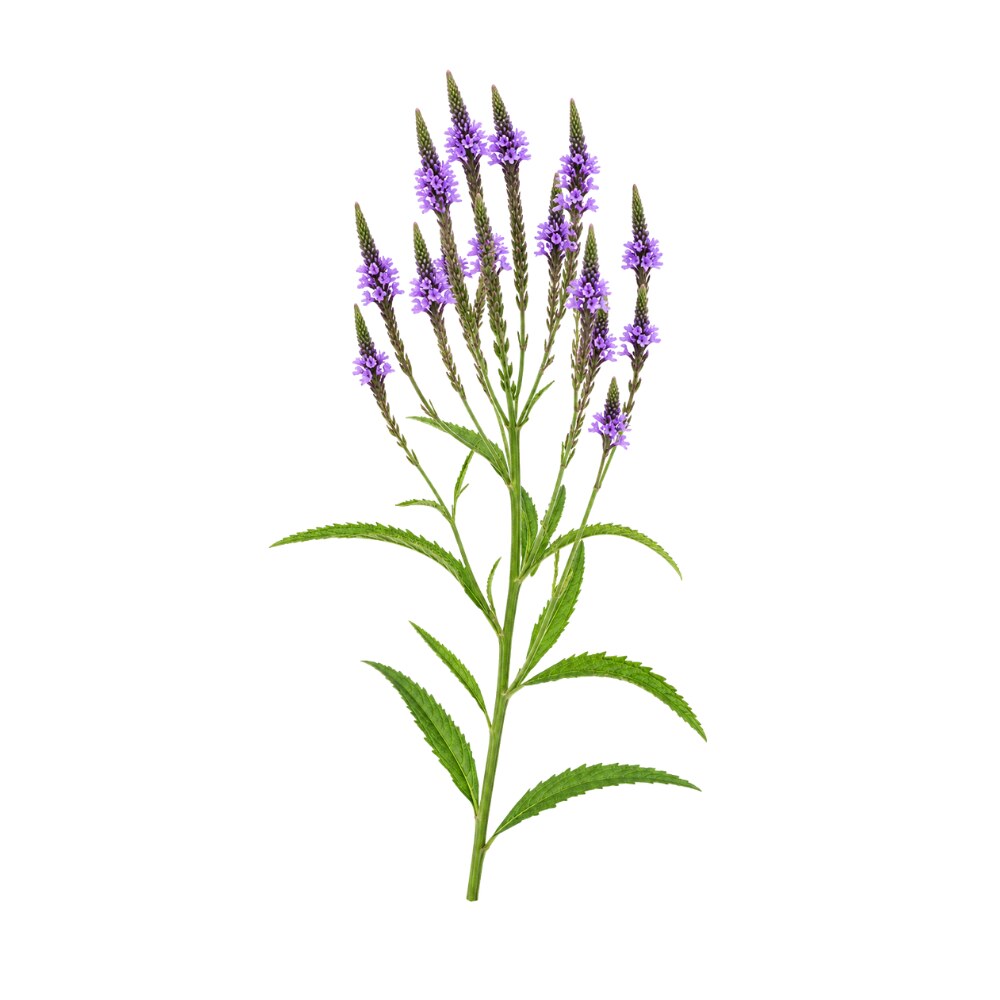 Blue VervainVerbena hastataTraditional only
A traditional North American relaxing bitter nervine for nervous-tension headaches; the research is preclinical sedative/nervine only, with no headache data.
Full monograph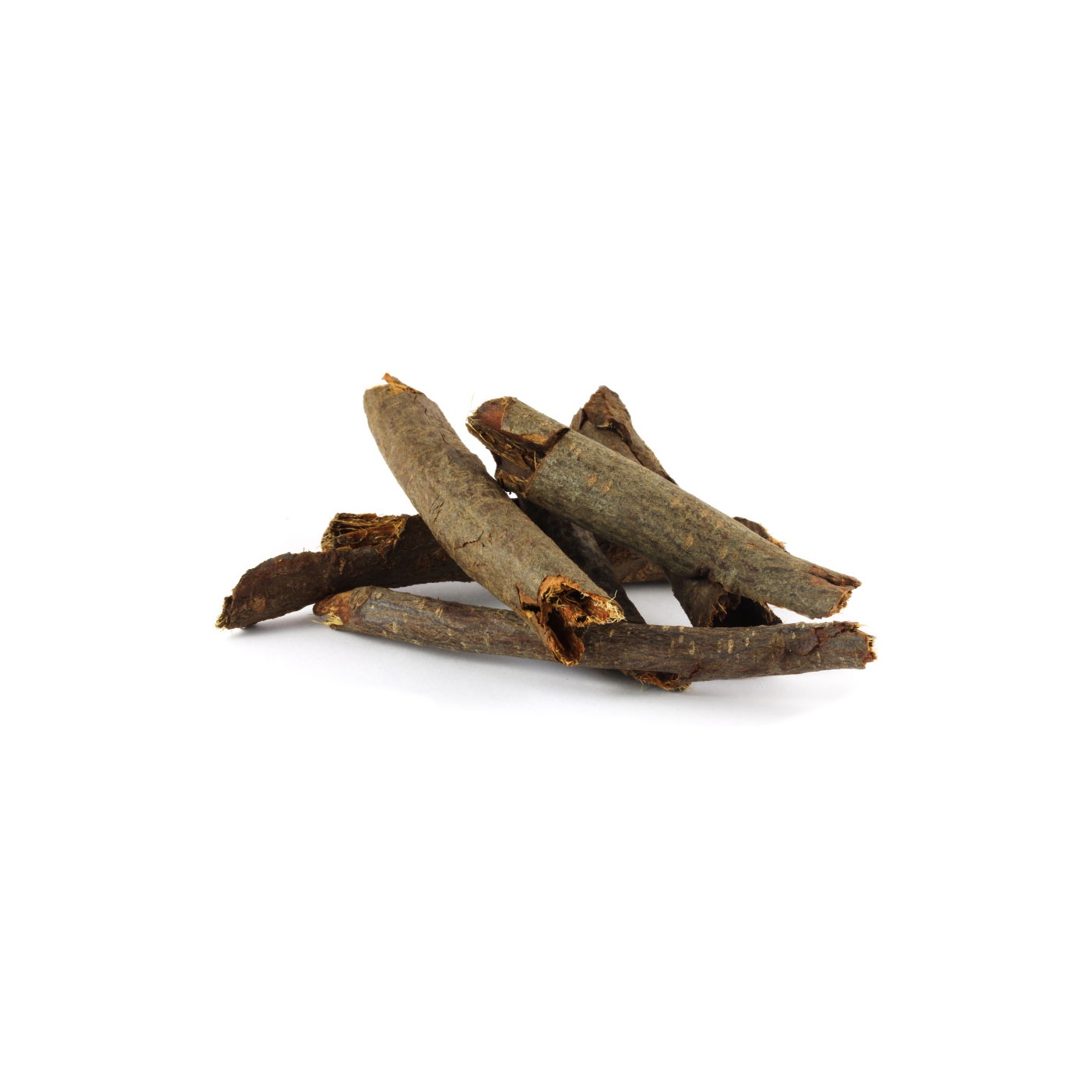 Cascara sagradaFrangula purshianaTraditional only
Traditionally used for digestion-related (bilious/constipation) headache as a laxative bitter; no research supports a headache indication.
Full monograph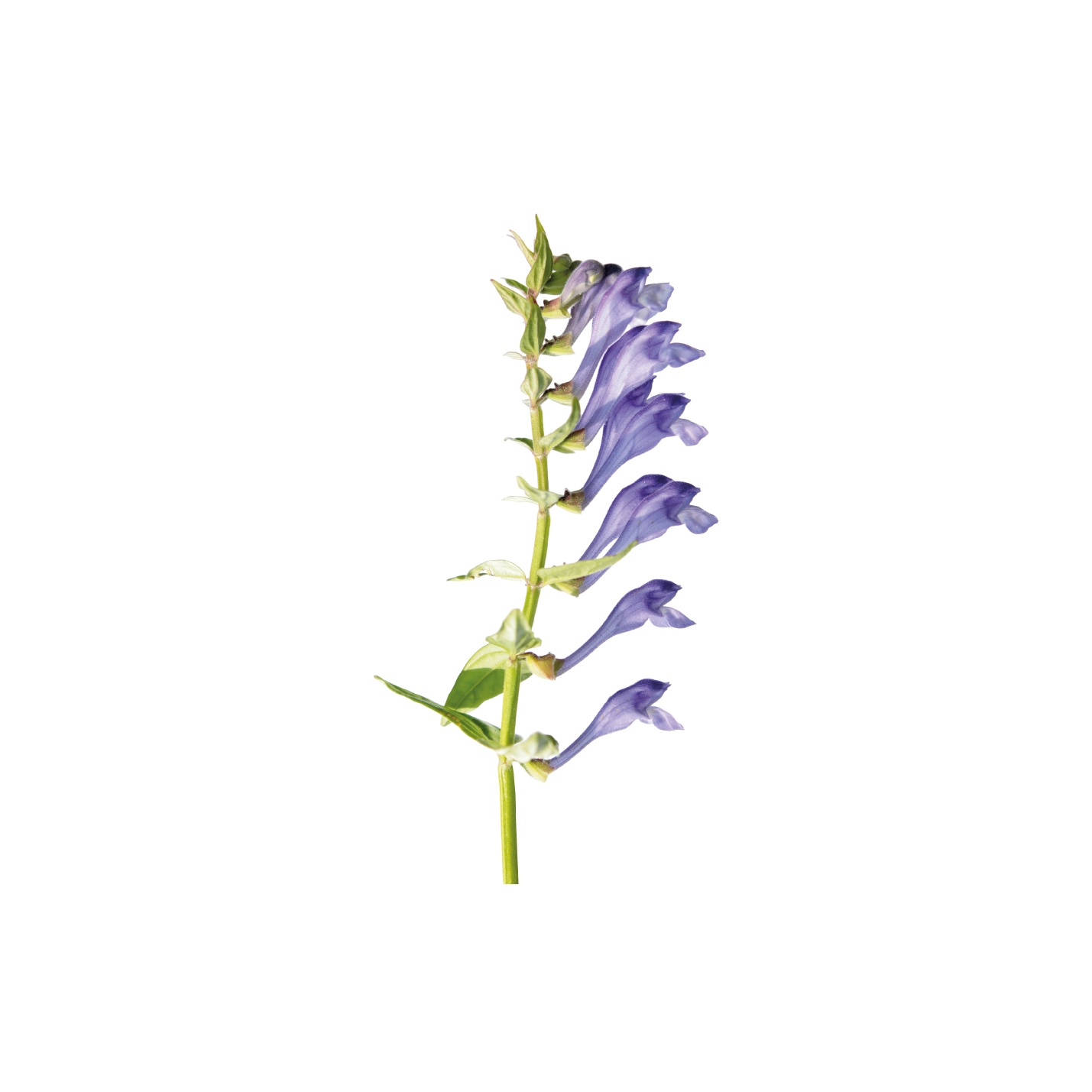 Chinese SkullcapScutellaria baicalensisTraditional only
Modern/traditional use for migraine rests on the herb’s anti-inflammatory / anti-allergic (sinus) reputation; no headache-specific research exists.
Full monograph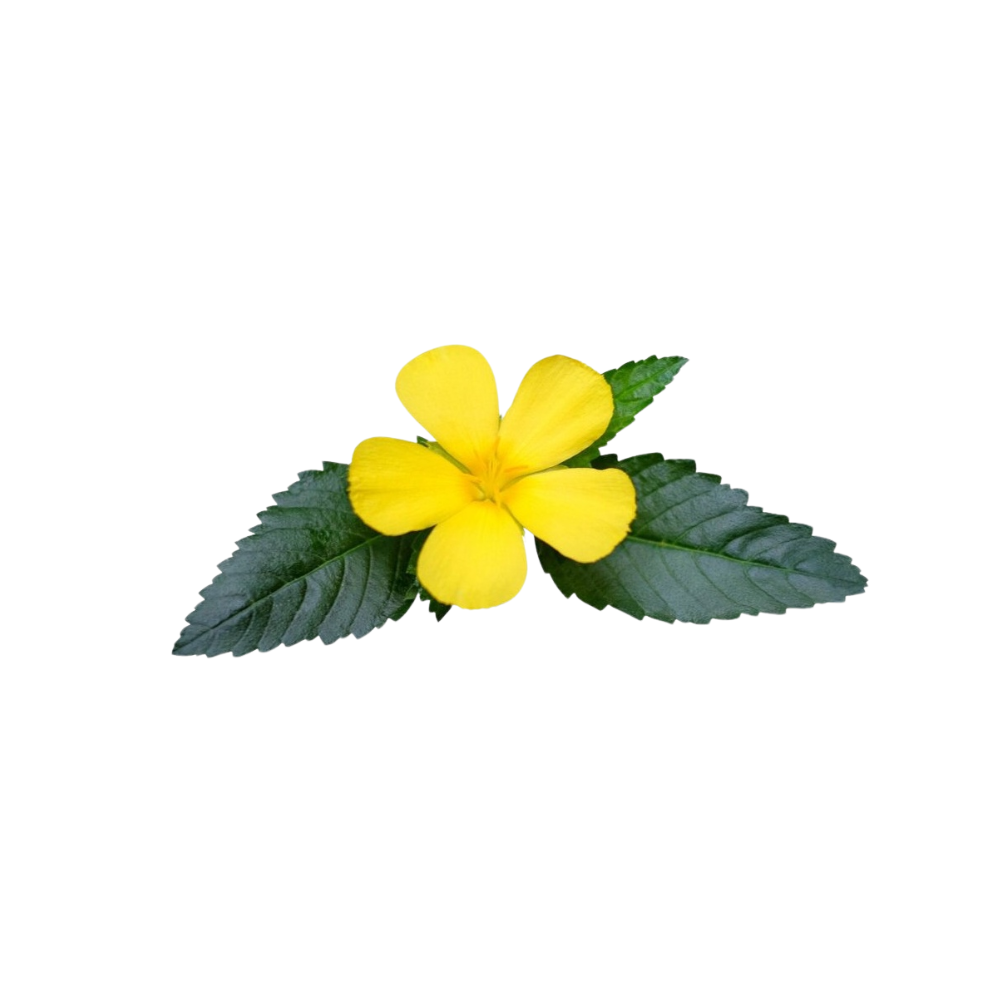 DamianaTurnera diffusaTraditional only
A traditional Western folk nervine for headaches; the research is preclinical anxiolytic/analgesic only, with no headache data.
Full monograph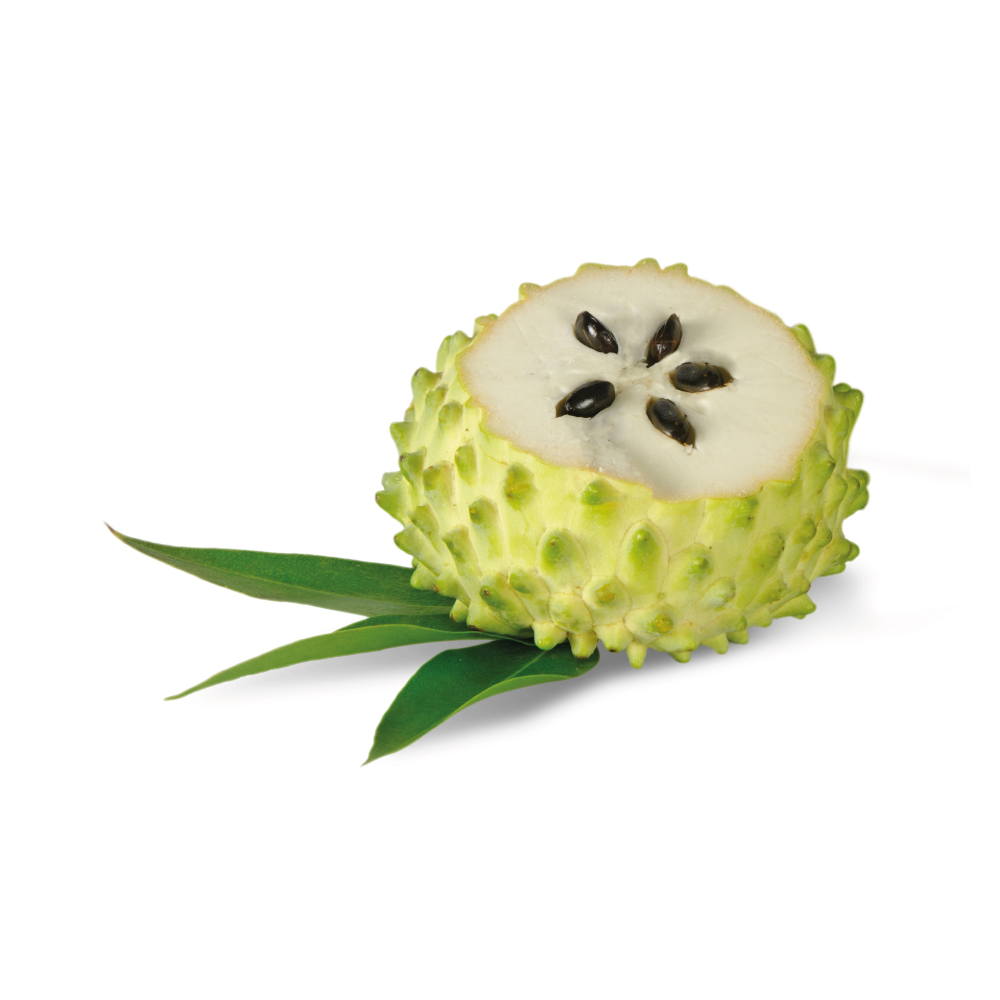 GraviolaAnnona muricataTraditional only
The sedative/antispasmodic ‘dark leaves’ are traditionally used for tension headaches and muscle aches; evidence is thin preclinical sedative, and chronic use is limited by annonacin neurotoxicity.
Full monograph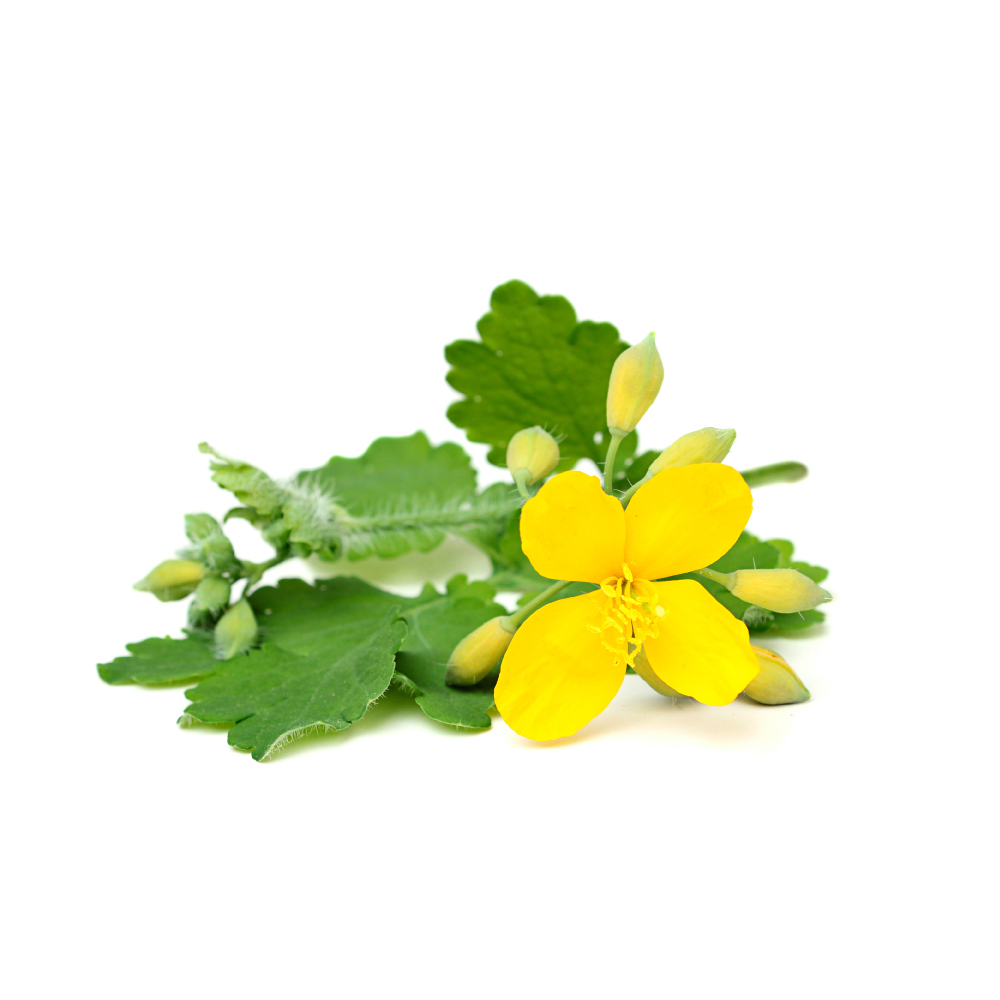 Greater CelandineChelidonium majusTraditional only
A traditional hepatic bitter for ‘bilious migraine’ / liver-associated headache; no research support, and internal use is weighed against a documented idiosyncratic hepatotoxicity risk.
Full monograph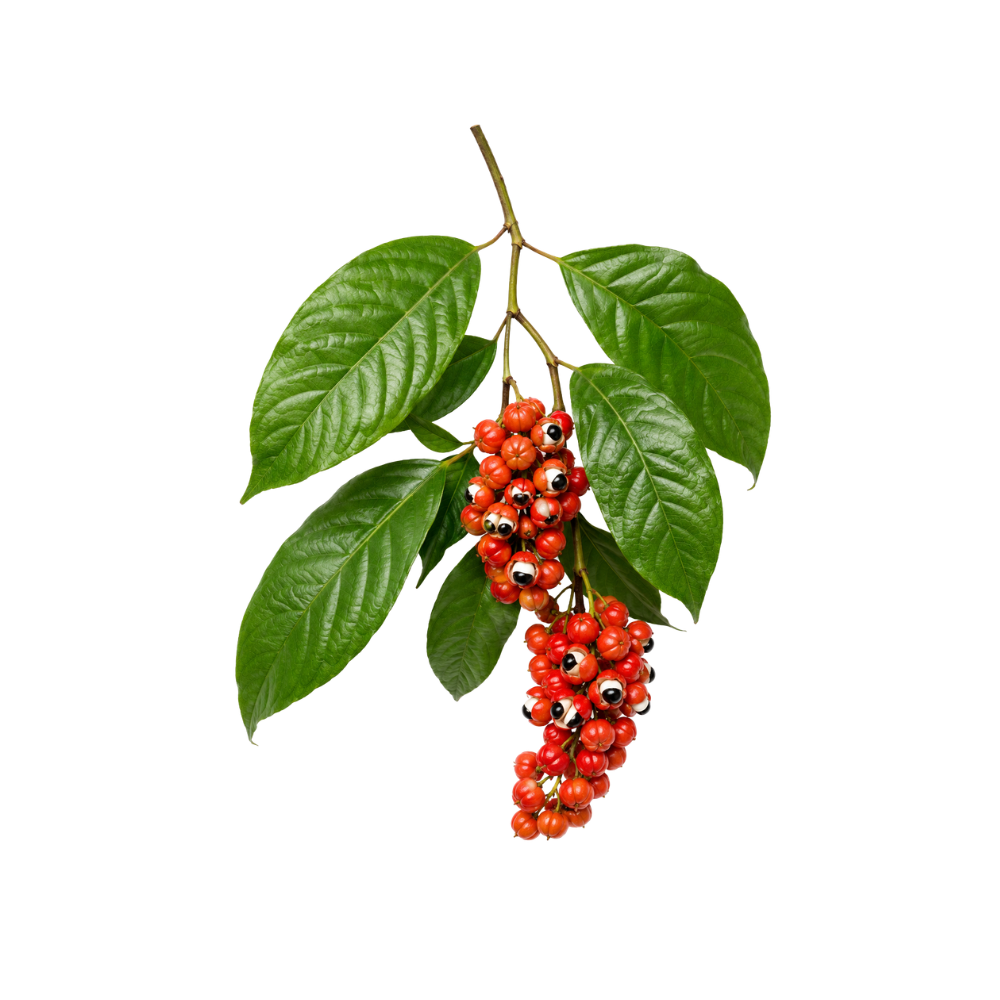 GuaranaPaullinia cupanaTraditional only
Traditional Amazonian use for migraine; two-edged, as guarana is the richest natural caffeine source and caffeine both relieves and (via overuse/withdrawal) triggers headaches — no headache-specific research.
Full monograph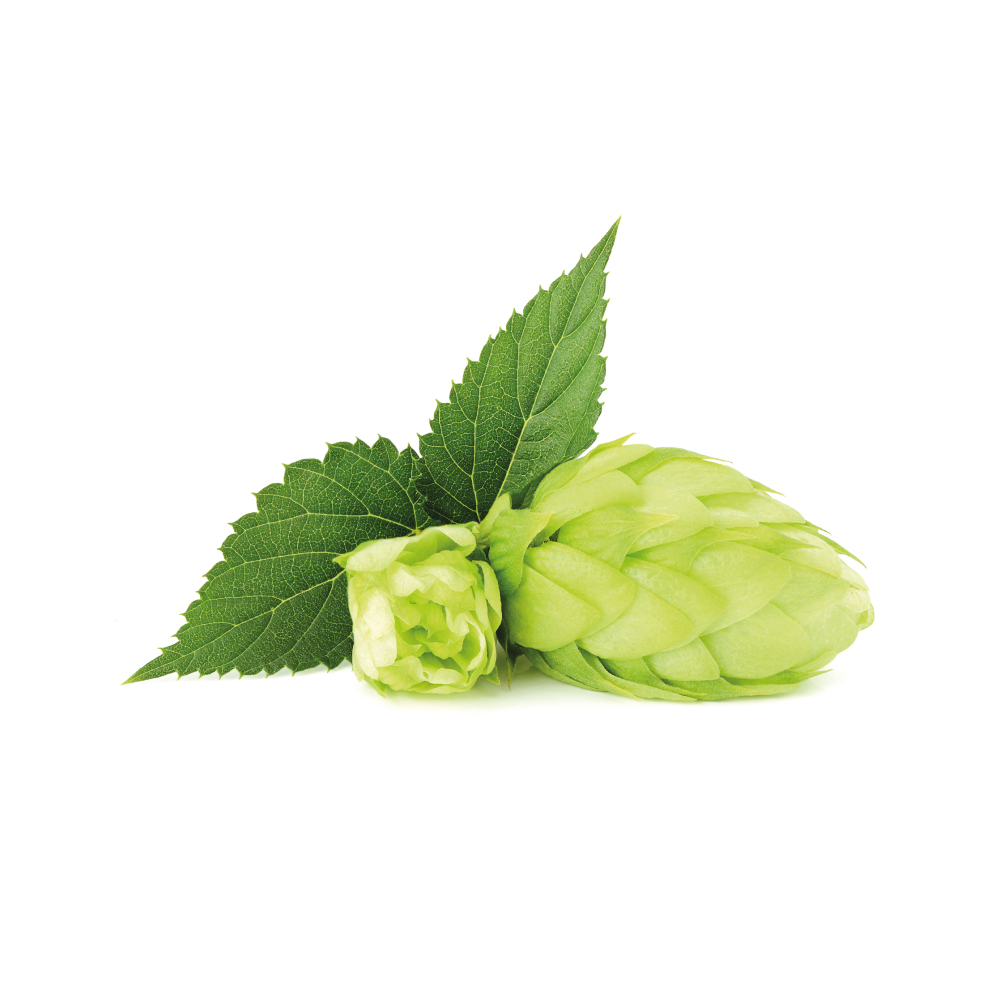 HopsHumulus lupulusTraditional only
A traditional sedative nervine for headaches and neuralgia; the research is sedative/estrogenic with no headache data.
Full monograph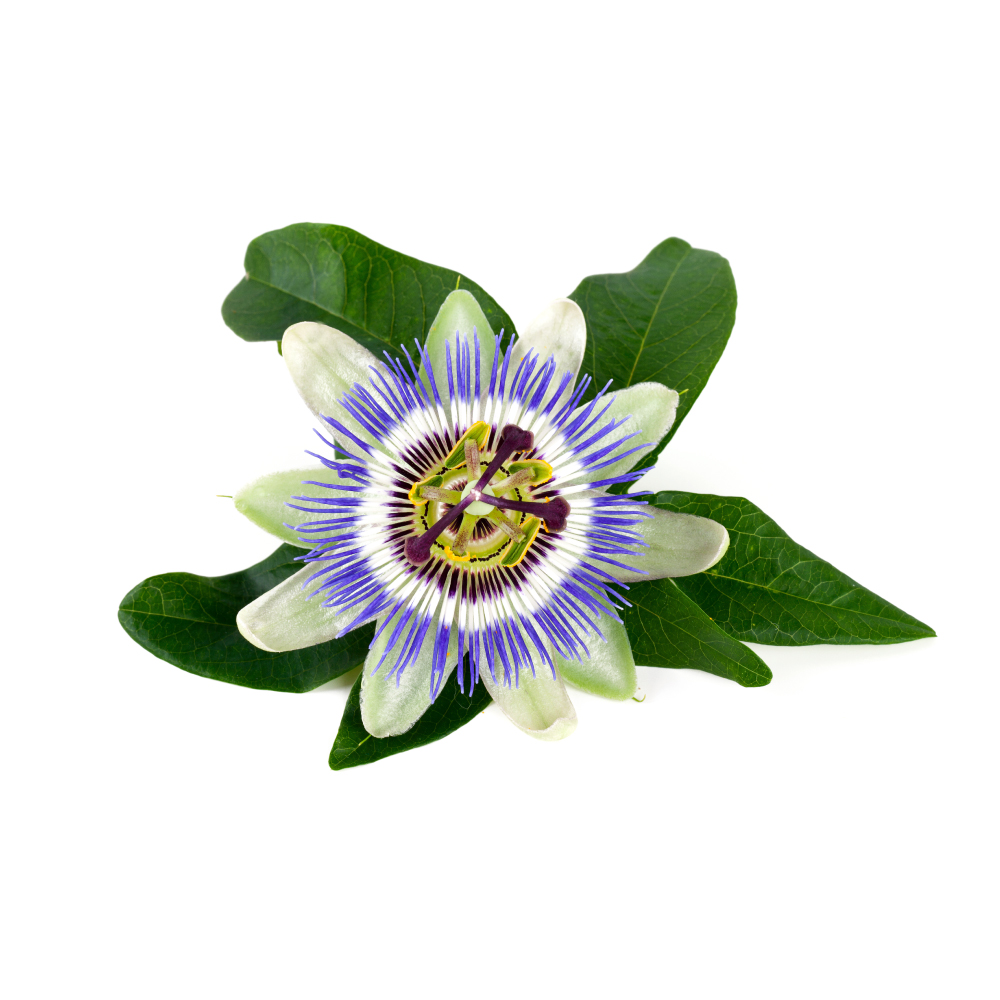 PassionflowerPassiflora incarnataTraditional only
A documented 19th-century North American sedative for headaches, neuralgia and pain; the human research supports situational anxiety and sleep, not headache.
Full monograph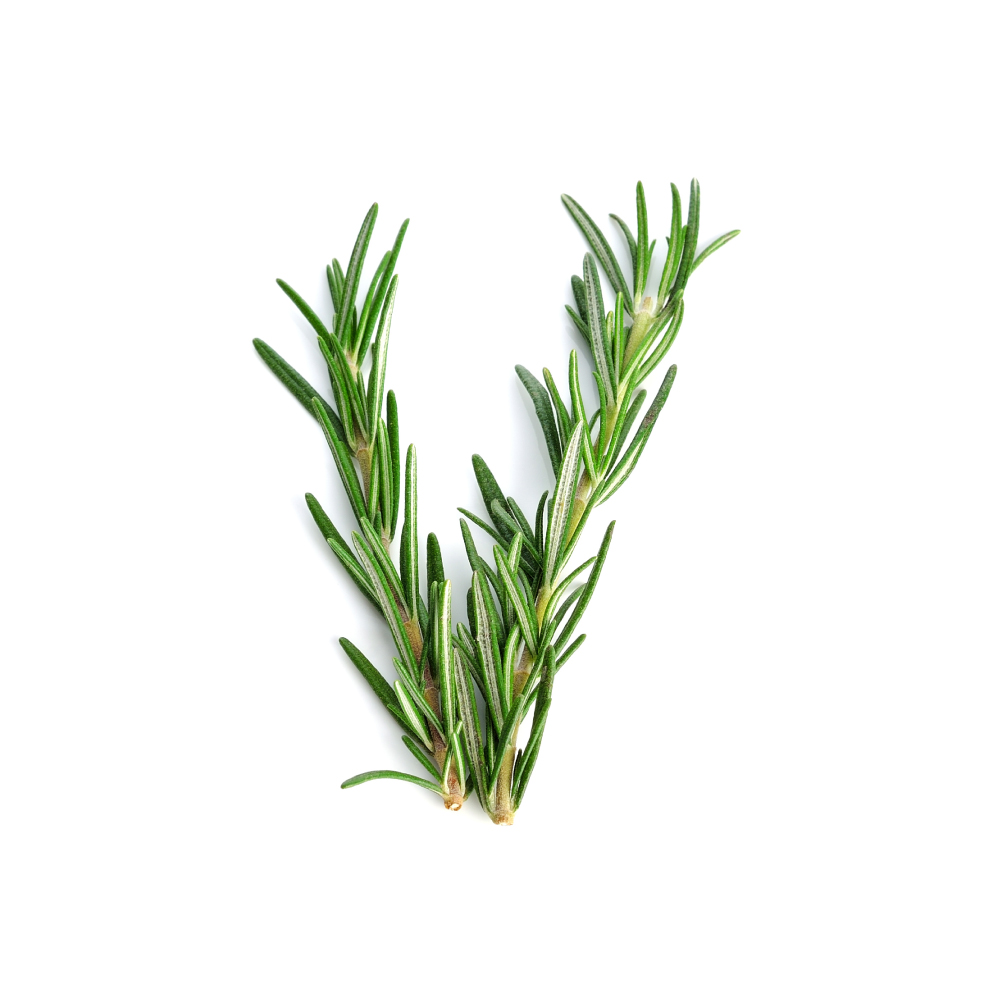 RosemaryRosmarinus officinalisTraditional only
A traditional circulatory nervine ‘for headaches and faintness’; no headache trial exists, and the aroma raised tension-anxiety in one study, so it is not uniformly calming.
Full monograph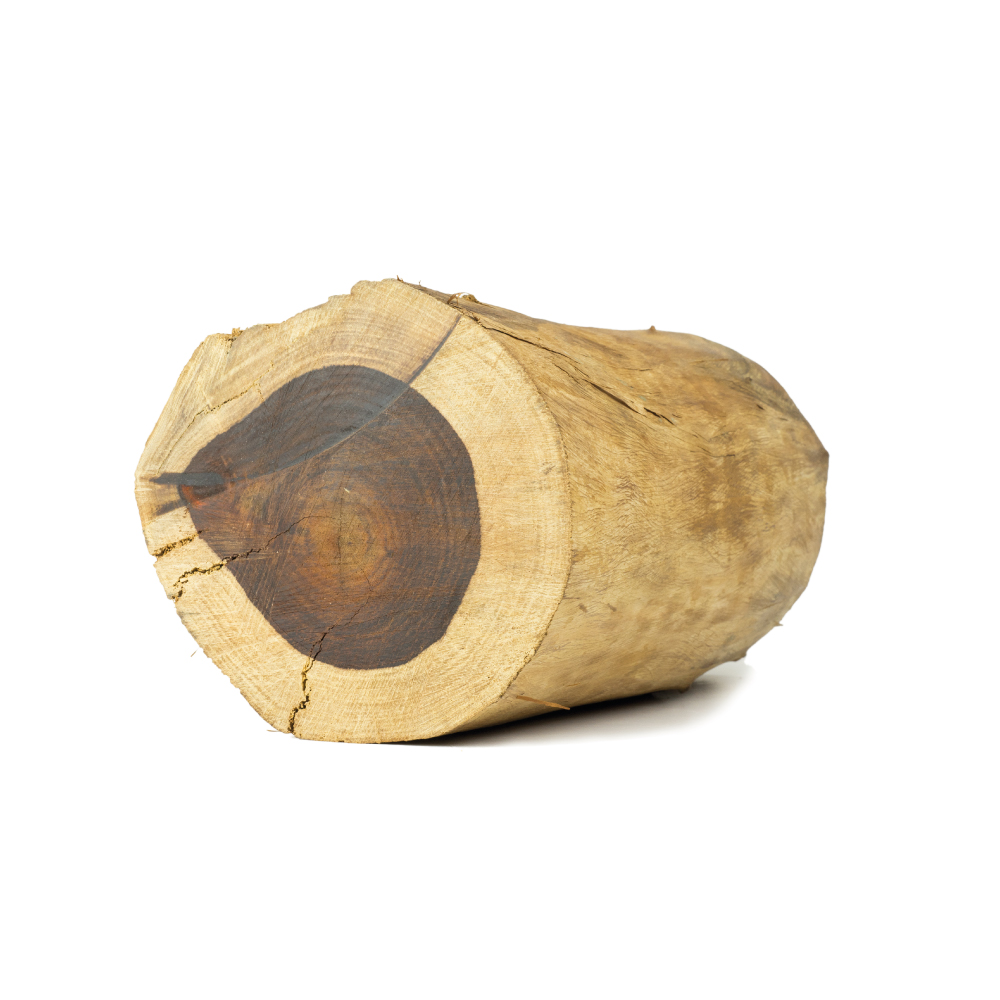 RosewoodAniba rosaeodoraTraditional only
A folk/aromatherapy remedy (topical and inhaled) for headaches; the evidence is preclinical (essentially concentrated linalool) and external.
Full monograph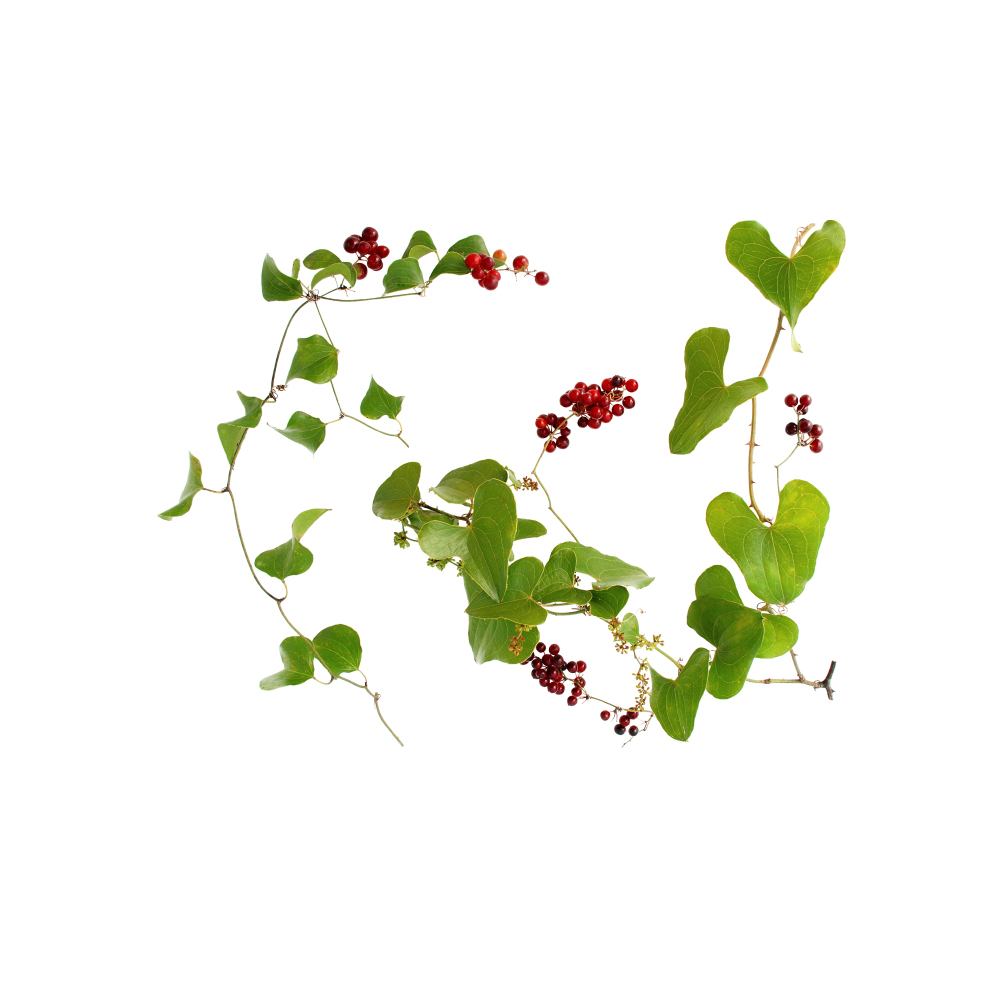 SarsaparillaSmilax spp.Traditional only
A traditional Peruvian/Amazonian use of the root for headaches; the modern research (anti-hyperuricemic, anti-inflammatory, all preclinical) has no headache data.
Full monograph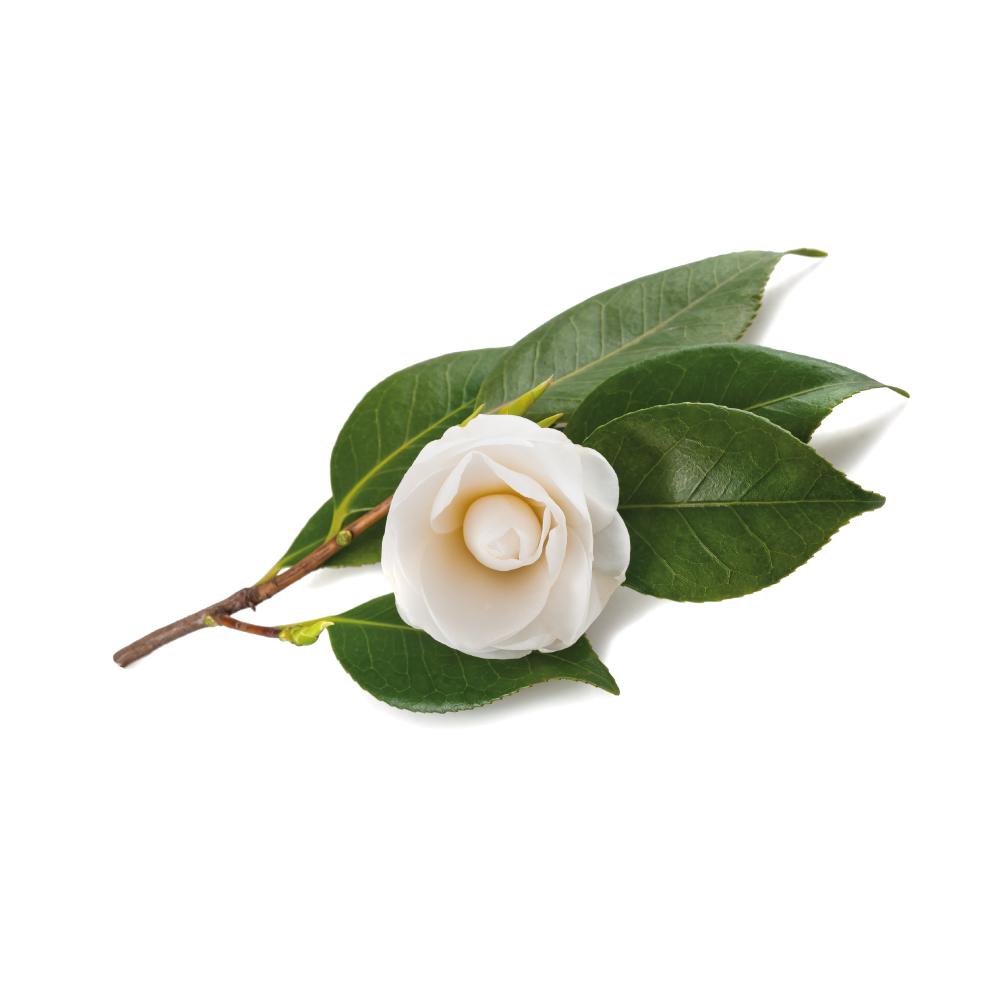 TeaCamellia sinensisTraditional only
A traditional TCM remedy for headache; two-edged, as tea is caffeine-bearing and caffeine both relieves and (via overuse/withdrawal) triggers headaches — no headache-specific research.
Full monograph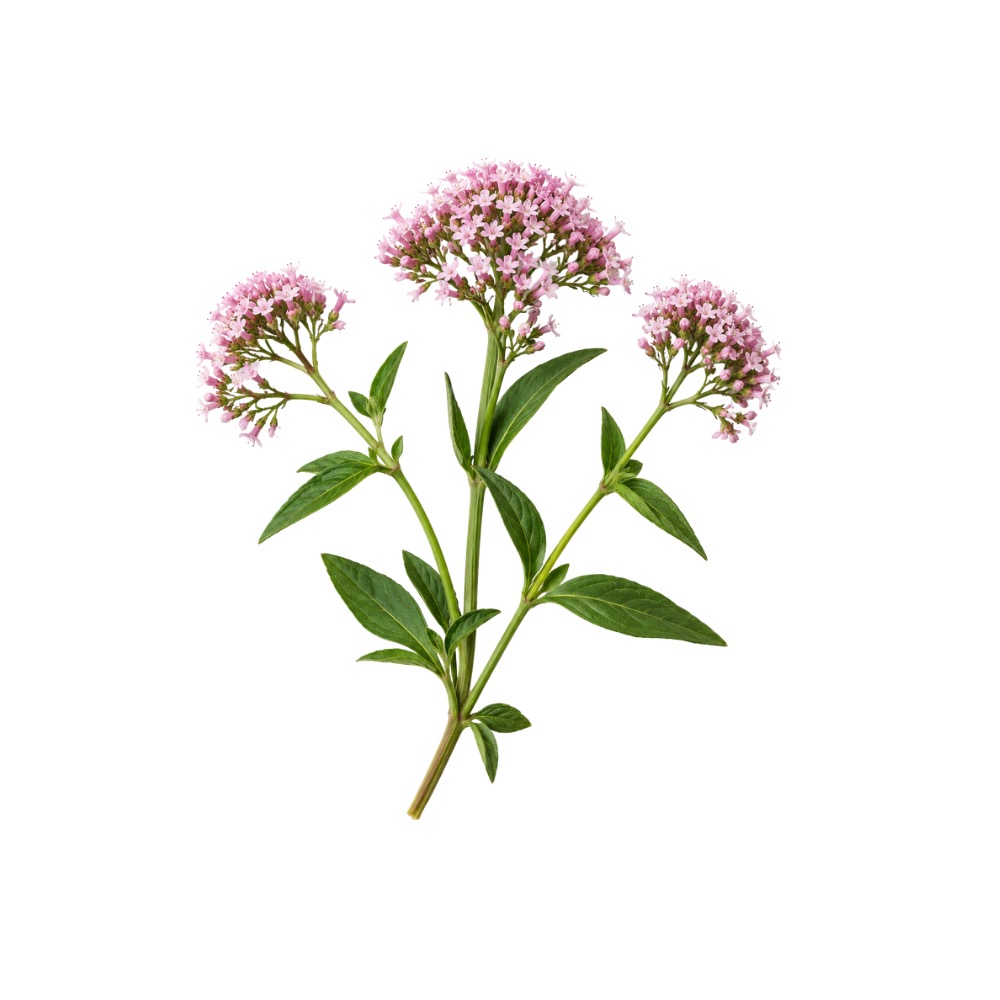 ValerianValeriana officinalisTraditional only
A well-established traditional sedative/antispasmodic nervine for tension and stress-associated headaches; no headache-specific trial (and mild headache is itself a listed adverse effect).
Full monograph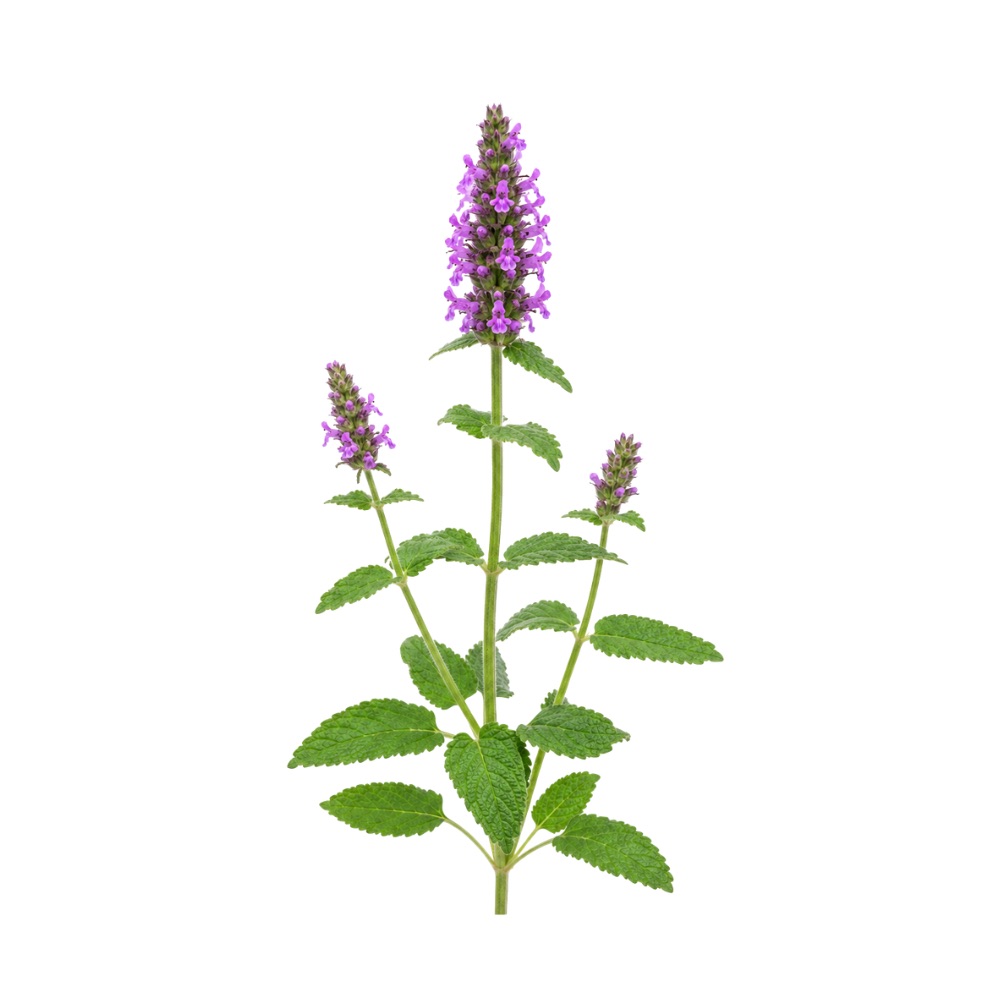 Wood BetonyStachys officinalisTraditional only
The classic European ‘herb for the head’ — a traditional relaxing nervine for tension/anxiety headaches with essentially no direct modern pharmacological validation.
Full monograph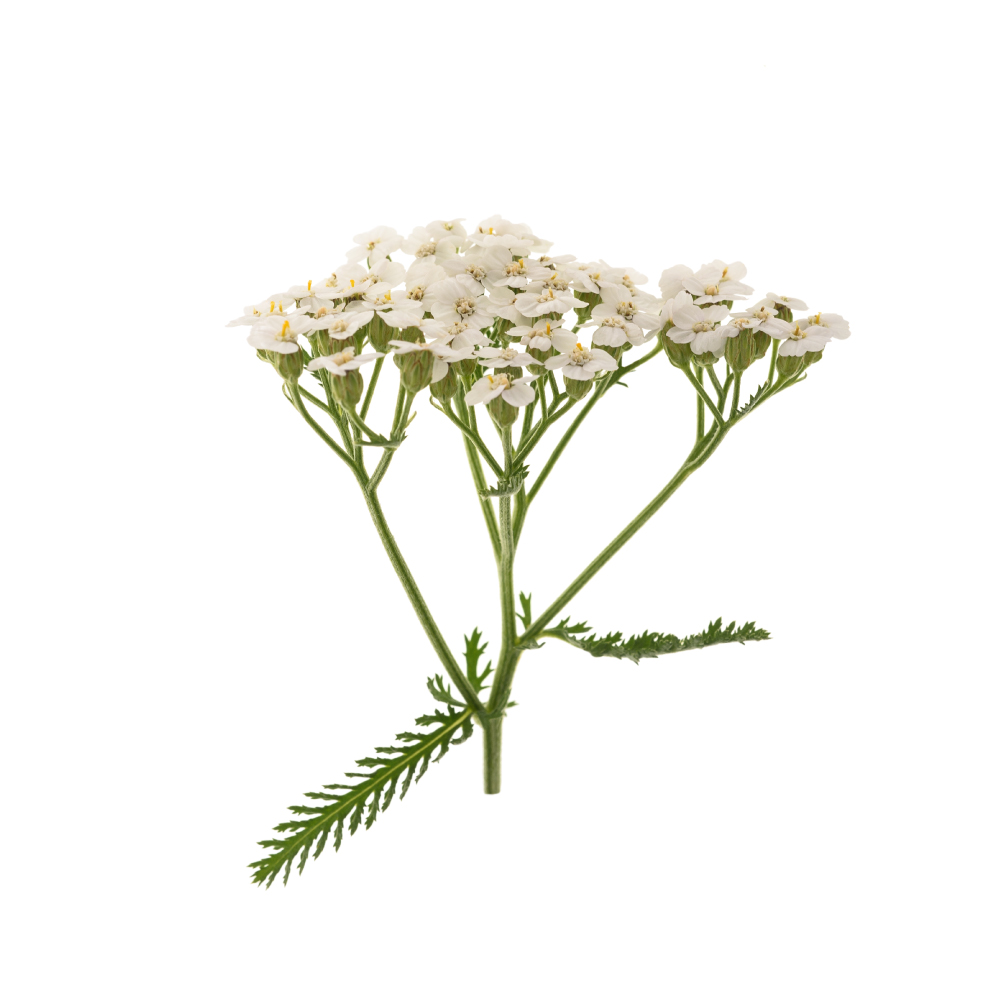 YarrowAchillea millefoliumTraditional only
A traditional Western remedy (Gerard) for headaches; the research covers antispasmodic and anti-inflammatory actions but includes no headache-specific data.
Full monographSupplementation
Supplementation
Supplements, nutrients and compounds used for headaches.
References
- Schellenberg R. Treatment for the premenstrual syndrome with agnus castus fruit extract (Ze 440): prospective, randomised, placebo controlled study. BMJ. 2001;322(7279):134–137. https://pubmed.ncbi.nlm.nih.gov/11159568/
- Meng et al. (2025). Essential oil of Chrysanthemi Flos alleviates nitroglycerin-induced migraine via CGRP and substance P (mouse model). Journal of Ethnopharmacology. https://pubmed.ncbi.nlm.nih.gov/41207345/
- Diener, H. C., Pfaffenrath, V., Schnitker, J., Friede, M., & Henneicke-von Zepelin, H. H. (2005). Efficacy and safety of 6.25 mg t.i.d. feverfew CO2-extract (MIG-99) in migraine prevention — randomized, double-blind, placebo-controlled study. Cephalalgia. https://pubmed.ncbi.nlm.nih.gov/16232154/
- Pfaffenrath, V., Diener, H. C., Fischer, M., Friede, M., & Henneicke-von Zepelin, H. H. (2002). The efficacy and safety of Tanacetum parthenium (feverfew) in migraine prophylaxis — a double-blind, multicentre, randomized placebo-controlled dose-response study. Cephalalgia. https://pubmed.ncbi.nlm.nih.gov/12230594/
- Wider, B., Pittler, M. H., & Ernst, E. (2015). Feverfew for preventing migraine — systematic review. Cochrane Database of Systematic Reviews. https://pubmed.ncbi.nlm.nih.gov/25892430/
- Systematic review and meta-analysis of Tanacetum parthenium: evaluating its efficacy in migraine relief. (2025) — meta-analysis. Natural Product Research. https://pubmed.ncbi.nlm.nih.gov/41422534/
- Heptinstall, S., White, A., Williamson, L., & Mitchell, J. R. (1985). Extracts of feverfew inhibit granule secretion in blood platelets and polymorphonuclear leucocytes — in vitro. Lancet. https://pubmed.ncbi.nlm.nih.gov/2860288/
- Barsby, R. W., Salan, U., Knight, D. W., & Hoult, J. R. (1992). Feverfew extracts and parthenolide irreversibly inhibit vascular responses of the rabbit aorta — in vitro. Journal of Pharmacy and Pharmacology. https://pubmed.ncbi.nlm.nih.gov/1360525/
- Schindler, E. A., Gottschalk, C. H., Weil, M. J., Shapiro, R. E., Wright, D. A., & Sewell, R. A. (2015). Indoleamine hallucinogens in cluster headache: results of the Clusterbusters medication use survey. Journal of Psychoactive Drugs, 47(5), 372–381.
- Göbel, H., Fresenius, J., Heinze, A., et al. (1996). Effectiveness of Oleum menthae piperitae and paracetamol in therapy of headache of the tension type — randomised controlled trial. Der Nervenarzt. https://pubmed.ncbi.nlm.nih.gov/8805113/
- Göbel, H., Heinze, A., Heinze-Kuhn, K., et al. (2016). Peppermint oil in the acute treatment of tension-type headache — review. Schmerz. https://pubmed.ncbi.nlm.nih.gov/27106030/
- European Medicines Agency, Committee on Herbal Medicinal Products (HMPC). (2017). Assessment report on Salix [various species including S. purpurea L., S. daphnoides Vill., S. fragilis L.], cortex — regulatory monograph. EMA/HMPC/80628/2016. https://www.ema.europa.eu/en/medicines/herbal/salicis-cortex
- Khayyal, M. T., et al. (2005). Mechanisms involved in the anti-inflammatory effect of a standardized willow bark extract — animal model (rat). Arzneimittel-Forschung. https://pubmed.ncbi.nlm.nih.gov/16366042/
- Chrubasik, S., et al. (2000). Treatment of low back pain exacerbations with willow bark extract: a randomized double-blind study — RCT. The American Journal of Medicine. https://pubmed.ncbi.nlm.nih.gov/10936472/
- Oltean, H., et al. (2014). Herbal medicine for low-back pain — Cochrane systematic review. Cochrane Database of Systematic Reviews. https://pubmed.ncbi.nlm.nih.gov/25536022/