

Overview
Anti-Abortive at a Glance
Anti-abortive herbs were given to steady a pregnancy thought likely to be lost.
The word is old and it belongs to its era. It names what the herb was meant to achieve, not anything the plant has been shown to do.
The distinction that sorts these herbs is whether the plant was meant to quiet the womb or to strengthen it.
Quieting is the antispasmodic route. A uterus contracting too early is the visible sign of a pregnancy in trouble, so a herb that relaxes uterine muscle was given to settle it.
Strengthening is the tonic route. Here the herb was given over weeks or months to condition the uterus, on the reasoning that a well-toned womb holds a pregnancy better than a lax one.
Most of these herbs are tonics. False unicorn, partridgeberry and abuta were all given as reproductive tonics rather than for a symptom.
The exception is cramp bark, which is a genuine uterine antispasmodic and has isolated constituents behind that effect.
The category is a nineteenth-century one in Western practice.
Helonias — false unicorn — was an Eclectic staple for threatened miscarriage, usually alongside black or blue cohosh, and partridgeberry came into the same practice from Cherokee, Iroquois and Penobscot use.
It is older elsewhere. Chinese medicine has a whole category of an tai or “fetus-calming” herbs, of which Chinese skullcap is one, and Amazonian midwives carried abuta for the same purpose.
Culpeper records the idea plainly, in the register of his century.
The decoction of the root in wine being drank, hinders abortion or miscarriage in child-bearing.
Nicholas Culpeper, The Complete Herbal, 1653, on bistort
Not one herb here has been tested against miscarriage in a person. There is no trial, no cohort and no animal model of pregnancy loss behind any of them, and for partridgeberry there is no assay of uterine tissue at all.
The gap that matters most is safety rather than efficacy. These are herbs taken during pregnancy, and not one of them has had its safety in pregnancy formally assessed.
Caution
Bleeding needs same-day care — bleeding or pain in pregnancy is assessed urgently rather than treated with a herb, because a threatened miscarriage can be an ectopic one.
No pregnancy safety data — no herb in this group has had its safety in pregnancy formally assessed.
Uterine-active herbs avoided — a herb with a measurable action on uterine muscle and no pregnancy data is the wrong thing to take while pregnant.
Mechanisms
How It Works
01
Uterine Smooth-Muscle Relaxation
A uterus contracting before term is the one part of this picture that can be measured, and relaxing it is the one route here with identified chemistry.
Cramp bark carries two constituents isolated for exactly this. The coumarin scopoletin behaves as a calcium-channel antagonist and inhibits intracellular calcium mobilisation, and the bitter principle viopudial relaxes isolated uterine and intestinal tissue directly.
Black haw, its close relative, owes a comparable effect to iridoid glucosides.
This is real spasmolytic pharmacology, and it is also why modern practice puts cramp bark on the avoid list in pregnancy.
A herb with a measurable action on uterine muscle and no safety data in pregnancy is not a safe thing to take while pregnant, whichever direction the tradition expected it to push.
None of this work was done on pregnancy. The tissue studies are isolated-organ preparations, and no trial has asked whether relaxing the uterus changes the course of a threatened miscarriage.
Herbs: Cramp Bark
Key compounds: ScopoletinViopudial
02
The Reproductive Tonic Route
The larger group was not given for a symptom at all. These herbs were taken over weeks to condition the uterus, on the reasoning that tone is what holds a pregnancy.
Partridgeberry is a partus praeparator, given on a schedule through the final weeks rather than in response to anything.
False unicorn was used the same way, as a general strengthener before and during pregnancy.
Nothing supports the reasoning. There is no measurement of uterine tone for either herb, no endpoint of any kind, and in partridgeberry’s case nothing has ever tested whether the herb affects the uterus at all.
False unicorn’s stated mechanism turns out to be wrong. The root is routinely described as rich in diosgenin, a steroid-hormone precursor, and that is the usual explanation for its reproductive use.
The definitive structural chemistry shows the characteristic steroids are something else, and the diosgenin is not there.
Herbs: False UnicornPartridgeberry
03
Fetus-Calming in Chinese Practice
An tai is a functional category in Chinese medicine rather than a mechanism — herbs given to settle a restless pregnancy — and Huangqin is one of its classical members.
Chinese skullcap’s modern literature is large and lopsided. Almost all of it concerns isolated root flavonoids, chiefly baicalin and baicalein, rather than the crude root a herbalist dispenses, and a review of that work in pregnancy-related conditions collects mechanistic and animal findings only.
There is no controlled human data in pregnancy, and the root inhibits CYP3A4, which matters for anyone taking anything else.
Herbs: Chinese Skullcap
04
Alkaloid Activity, and a Tradition That Runs Both Ways
Abuta is the Amazonian midwives’ herb, carried for pre- and post-natal cramping, to steady a threatened miscarriage, and to check bleeding after childbirth.
Its chemistry is bisbenzylisoquinoline alkaloids of the curare group — tetrandrine, curine and cissampeline among them.
That class is pharmacologically serious, with neuromuscular activity behind its reputation, and it is the reason the herb is a short-term one.
An opposite tradition runs against the first. In parts of India the leaf is used as a folk contraceptive, and the plant carries an antifertility action here on that basis.
The same plant is credited with holding a pregnancy in one place and preventing one in another, and nothing has been measured that would settle which effect the herb actually has.
Herbs: Abuta
Key compounds: TetrandrineCurine
Materia Medica
Anti-Abortive Herbs by Potency
The anti-abortive herbs, ordered by the relative strength of the effect rather than by how well studied it is. Every one of them carries this action from tradition, and none should be taken in pregnancy outside professional care.
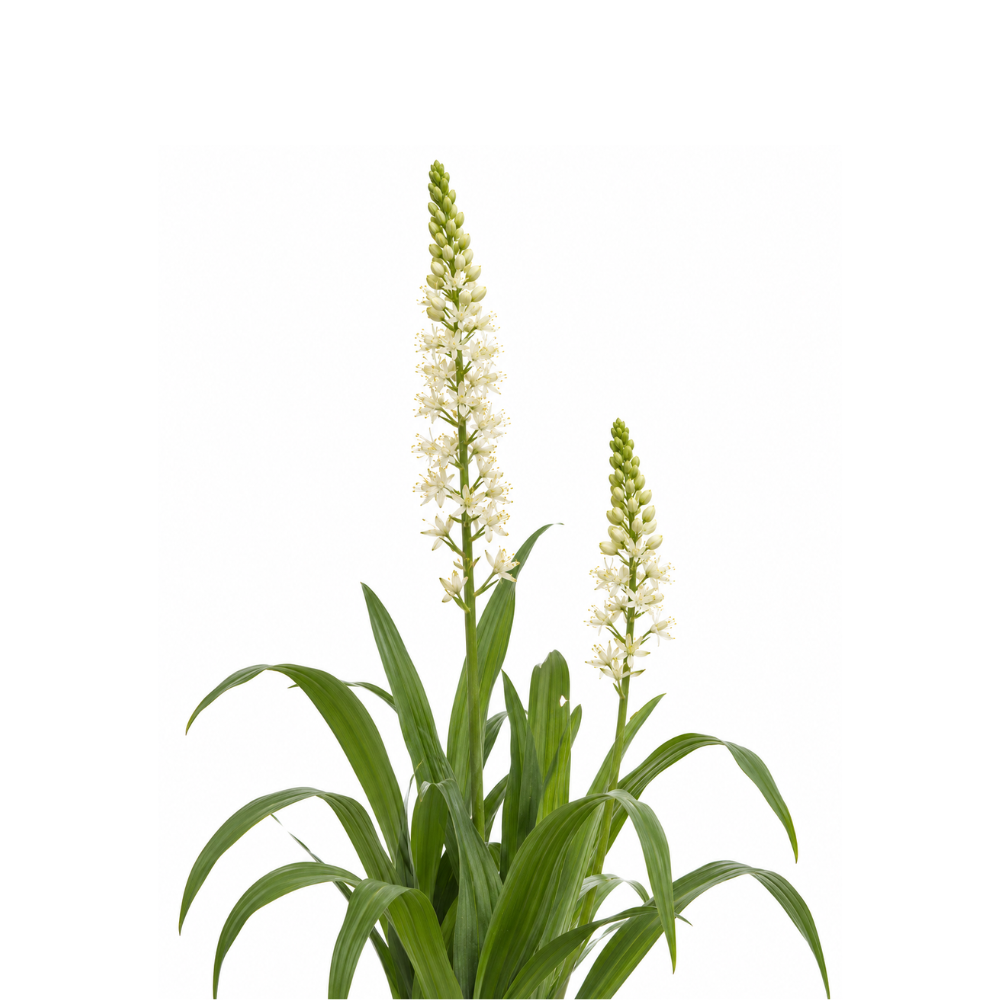 MildMildFalse UnicornChamaelirium luteumThe Eclectic remedy for threatened miscarriage, and the herb whose famous hormonal rationale turns out not to be in the root.Mechanismnot established — the diosgenin the reputation rests on is absentRead the evidenceShow less
Helonias was a staple of the Eclectic materia medica, prescribed for amenorrhoea, dysmenorrhoea, leucorrhoea, threatened miscarriage and ovarian complaints, often combined with black or blue cohosh. It remains one of the better-known women’s roots in Western practice.
The rationale usually given for it is wrong. False unicorn is routinely described as rich in diosgenin, a steroid-hormone precursor, and the definitive structural chemistry shows the root’s characteristic steroids are chiograsterols and helosides instead.
The hormonal story has no chemistry under it.
There are no safety data at all for use in pregnancy, which is the herb’s defining traditional context. The plant is also at-risk in the wild and heavily adulterated in trade, so what is sold is frequently not what is named.
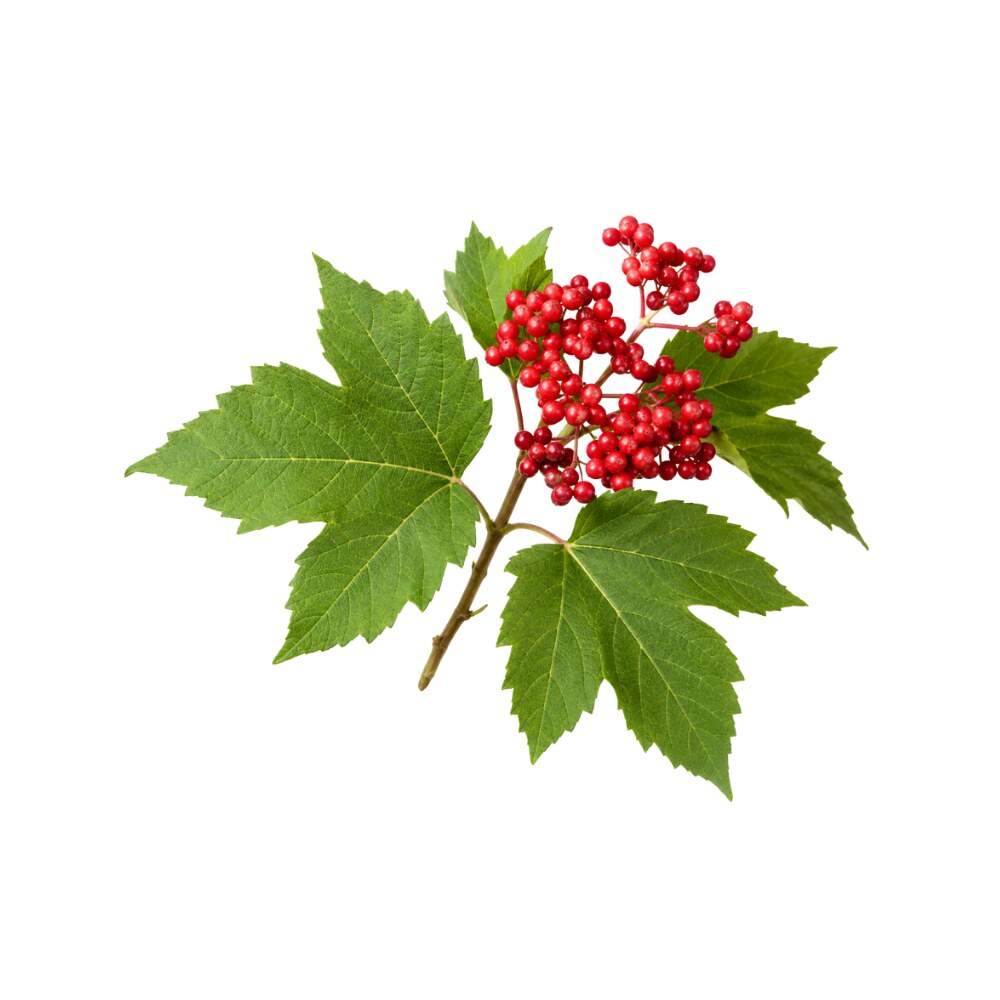 MildMildCramp BarkViburnum opulusA genuine uterine antispasmodic with isolated constituents behind it — which is why modern practice treats it as contraindicated in pregnancy.MechanismCa²⁺-channel antagonism and intracellular Ca²⁺ mobilisation ↓ (scopoletin); direct spasmolysis of isolated uterine tissue (viopudial)Read the evidenceShow lessMonograph →
Cramp bark is read as a relaxant of both smooth and skeletal muscle, and its defining use is the cramping pain of menstruation. Older formulas extended that to threatened miscarriage and to preparing the womb before childbirth.
The antispasmodic action rests on two constituents isolated in the 1960s and 70s and characterised in isolated tissue: the coumarin scopoletin, which inhibits intracellular calcium mobilisation, and the bitter principle viopudial, which relaxes uterine and intestinal preparations directly.
That measurable action on uterine muscle is precisely why the herb is contraindicated in pregnancy today. The traditional indication and the modern contraindication rest on the same pharmacology.
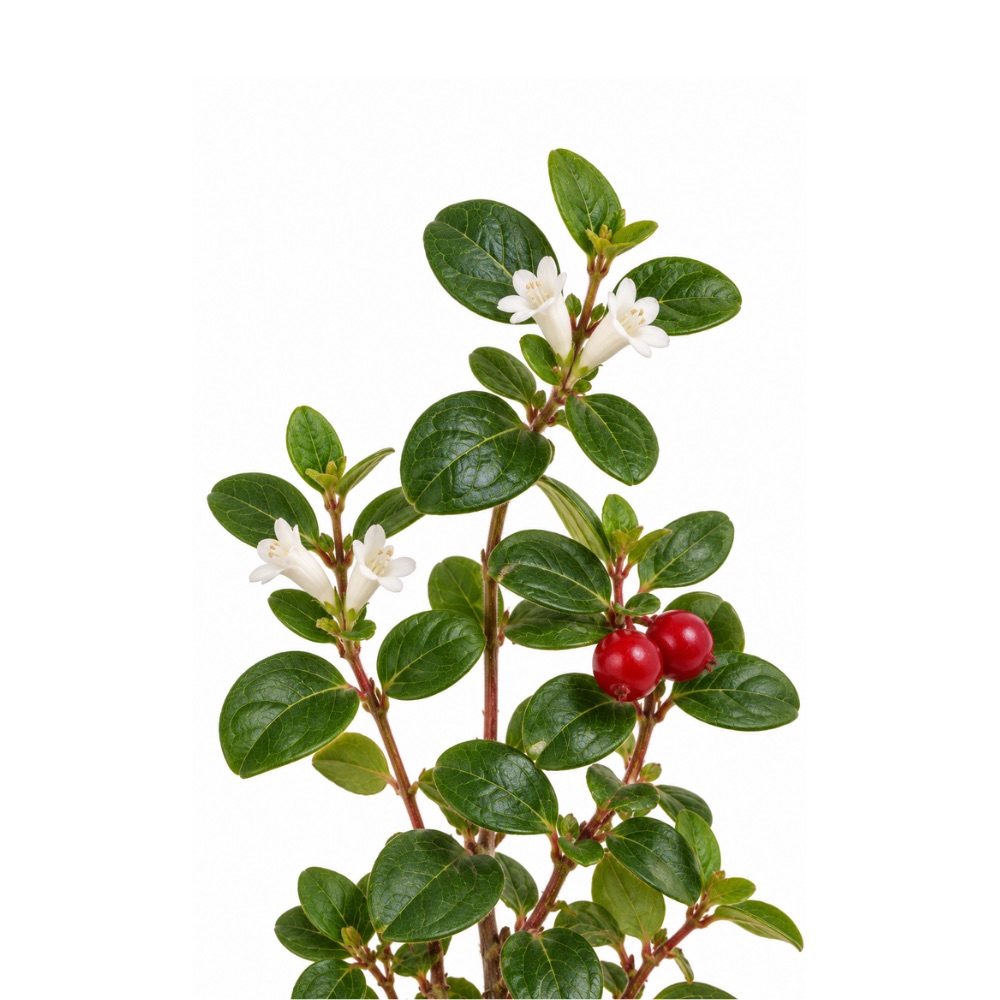 MildMildPartridgeberryMitchella repensA partus praeparator taken through the final weeks of pregnancy, used by Cherokee, Iroquois and Penobscot women to ease childbirth and reduce the risk of miscarriage.Mechanismnot established — nothing has tested whether the herb affects the uterus at allRead the evidenceShow less
Partridgeberry’s defining role is as a partus praeparator — a herb taken in the last weeks of pregnancy to condition the uterus for labour, on a schedule rather than for a symptom. It was used by Native American women to prepare for and ease childbirth and to reduce the risk of miscarriage, and nineteenth-century Eclectic and Thomsonian physicians adopted it in the same role.
The berries and vine were eaten as food, so the plant was familiar in a way that supports a long observational record behind the use.
Research has not reached it. There is no trial, no animal model and no assay of uterine tissue, and safety in pregnancy — the herb’s main traditional context — has never been formally assessed.
 MildMildChinese SkullcapScutellaria baicalensisHuangqin is a classical an tai or fetus-calming herb, with a large flavonoid literature that stops well short of pregnancy in people.Mechanismnot established in pregnancy — preclinical flavonoid work onlyRead the evidenceShow lessMonograph →
Scutellaria baicalensis root is a classical Chinese fetus-calming herb, historically given to help hold a pregnancy, and a modern review catalogues preclinical work on its flavonoids in pregnancy-related conditions.
That review reports mechanistic and animal data rather than controlled human results. It is the shape of this herb’s evidence generally: several thousand papers, almost all on isolated baicalin, baicalein, wogonin and oroxylin A rather than on the crude root herbalists dispense.
The root inhibits CYP3A4, and rare idiosyncratic liver injury has been reported, reversible on stopping. Neither is a reason to reach for it in pregnancy without supervision.
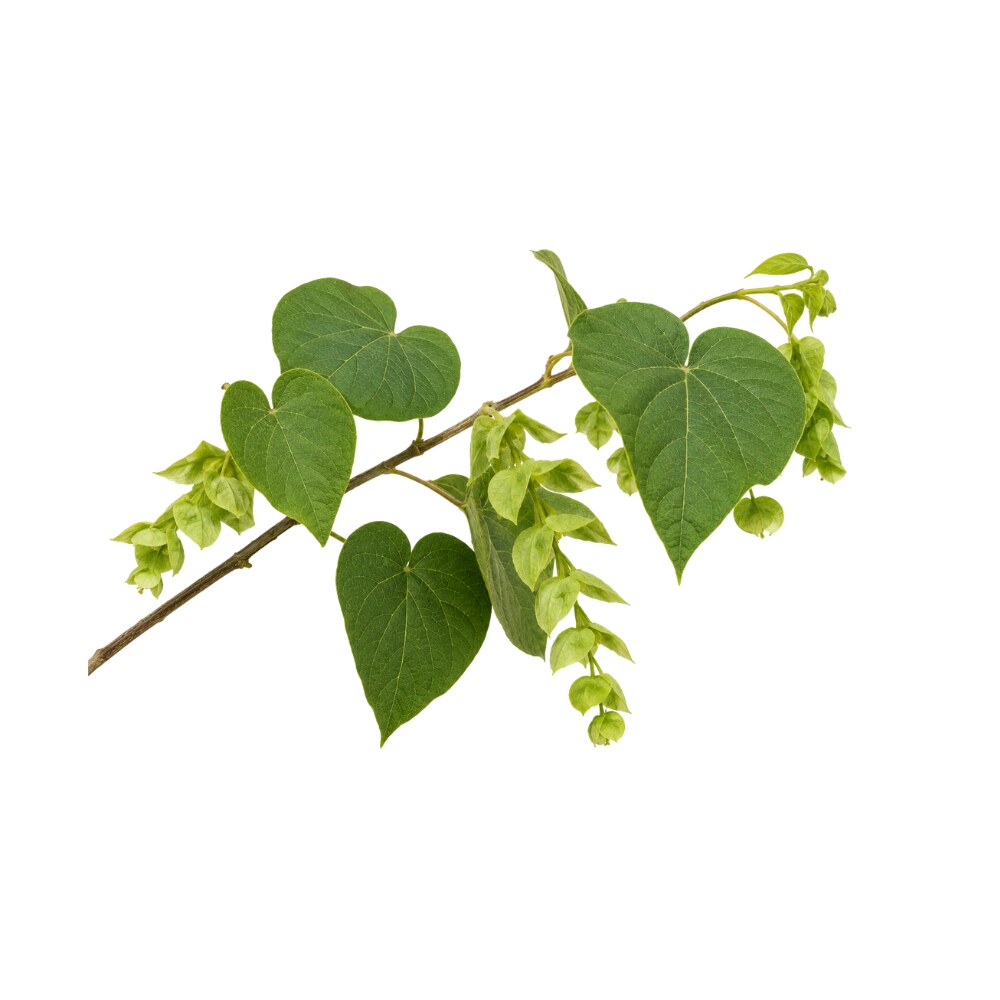 MildMildAbutaCissampelos pareiraThe Amazonian midwives' herb, carried to steady a threatened miscarriage — and used as a folk contraceptive elsewhere.Mechanismnot established — curare-group bisbenzylisoquinoline alkaloidsRead the evidenceShow lessMonograph →
Abuta is best known as the Amazonian midwives’ herb, traditionally a uterine tonic taken for pre- and post-natal cramping, to steady a threatened miscarriage, and to check bleeding after childbirth. Midwives in the Amazon still carry it.
An opposite tradition runs against that one. In parts of India the leaf is used as a folk contraceptive, and the plant carries an antifertility action here on that basis.
Nothing has been measured that would settle which effect the plant actually has in a pregnancy.
Its alkaloids are of the curare group, including tetrandrine, curine and cissampeline. That chemistry has real neuromuscular activity behind it, no long-term safety data, and is the reason the herb is used short-term.
No herbs match these filters.
Safety
- Bleeding or abdominal pain in pregnancy is assessed the same day, not treated at home. An ectopic pregnancy presents this way and is life-threatening.
- No herb in this group has had its safety in pregnancy formally assessed, in a category defined entirely by use during pregnancy.
- A herb with a measurable action on uterine muscle and no pregnancy data is the wrong thing to take while pregnant, whichever way the tradition expected it to push.
- The tonics here are taken over weeks or months during pregnancy, which is the longest exposure any of these plants gets and the least studied.
- Several of these herbs carry herb-level cautions that matter more than usual in pregnancy — enzyme inhibition, neuromuscular-active alkaloids, and adulteration in the trade. Each is on its own page.
- Traditions disagree about some of these plants, and one of them is used elsewhere to prevent a pregnancy rather than hold one.
Keep Exploring