

Overview
Emmenagogue at a Glance
Emmenagogues are herbs used to bring on or encourage menstruation, especially where a period is delayed, scanty, or absent.
Some act directly on the uterus.
Blue cohosh, myrrh, saffron, and calendula have shown uterotonic activity, increasing the tone or contractility of uterine smooth muscle.
Others belong more to the traditional emmenagogue category.
Mugwort, dong quai, yarrow, and similar warming or aromatic herbs have long been used to “bring down the courses,” although direct effects on uterine contraction or menstrual flow have not been clearly demonstrated.
This makes emmenagogue a broader category than uterotonic.
A uterotonic has a measurable effect on uterine muscle, while an emmenagogue is defined more by the intended outcome: promoting menstrual flow.
The action has a long history across Western, Ayurvedic, and Chinese herbal medicine, where delayed or obstructed menstruation was commonly treated with warming, moving, or uterine-active herbs.
Emmenagogue is also the parent of three narrower actions on the same tissue: oxytocic herbs act on the uterus strongly enough to drive labour, anti-abortive herbs were given to hold a pregnancy rather than move it, and galactagogues belong to the period after birth.
The action is one of the oldest in the Western herbals. Culpeper describes herbs boiled for women to draw down their courses, and comparable categories run through Ayurveda and Chinese medicine, where dang gui is the central menstrual herb.
Mugwort is with good success put among other herbs that are boiled for women to apply the hot decoction to draw down their courses, to help the delivery of the birth, and expel the after-birth.
Nicholas Culpeper, The Complete Herbal, 1653, on mugwort
Feverfew, schisandra and mugwort are all well established in practice as emmenagogues, and no study has measured menstrual flow, hormones or uterine tone for any of them.
Caution
Not in pregnancy — assume every emmenagogue is contraindicated in pregnancy, including the herbs whose basis is purely traditional.
Not with heavy bleeding — a herb that promotes flow is inappropriate where bleeding is already heavy, particularly alongside anticoagulant or antiplatelet drugs.
Find the cause first — a delayed or absent period needs its cause identified before it is treated, starting with pregnancy or an endocrine cause.
Mechanisms
How It Works
01
Uterine Smooth-Muscle Stimulation
The direct route: raising tone or contractility in uterine smooth muscle.
Most of the measurement is in isolated tissue. Calendula flower infusion raised uterine tone in an organ-bath preparation, and saffron produced direct uterine and estrus-cycle effects in animals.
Isolated tissue shows the effect exists without showing that an oral dose reaches it.
Myrrh is the exception, with a placebo-controlled human trial behind it, and no identified receptor, prostaglandin or smooth-muscle target to explain it.
A demonstrated uterotonic is contraindicated in pregnancy without qualification, and that is the practical use most of this evidence has.
02
Nicotinic Receptor Agonism
Blue cohosh reaches smooth muscle through nicotinic acetylcholine receptors rather than through a uterine-specific target.
Its quinolizidine alkaloids agonise those receptors, driving smooth-muscle and autonomic effects throughout the body. The uterine step is inferred from that general action rather than measured.
The same receptor pharmacology produced a full nicotinic toxidrome in a person who took the tincture as an abortifacient, and case reports link maternal near-term use to serious neonatal cardiac injury.
Herbs: Blue Cohosh
Key compounds: N-methylcytisineAnagyrine
More Specific Actions
Sub-Actions
Two narrower actions sit beneath emmenagogue, and both concern the same tissue at a different moment in a woman’s life.
Galactagogue
5 herbsPromotes the production of breast milk. The route is usually prolactin, the hormone established lactation runs on, which is held under tonic inhibition by dopamine.
Oxytocic
1 herb · SchisandraStimulates the uterine contractions of labour. It is the same smooth-muscle action as an emmenagogue at a strength that matters at term, which is why every oxytocic herb is avoided through pregnancy.
Phytochemistry
Key Constituents
The compound classes most often behind an emmenagogue action.
- Volatile oils (thujone, apiol)
- Sesquiterpene lactones
- Alkaloids
What It's For
Indications
- Absent, late or scanty periods
- Irregular menstrual cycles
- Congested, painful periods
Materia Medica
Emmenagogue Herbs by Potency
The emmenagogue herbs, ordered by the relative strength of the effect rather than by how well studied it is. Each herb is described by the mechanism behind its effect and the evidence for it.
None of this is a substitute for professional care.
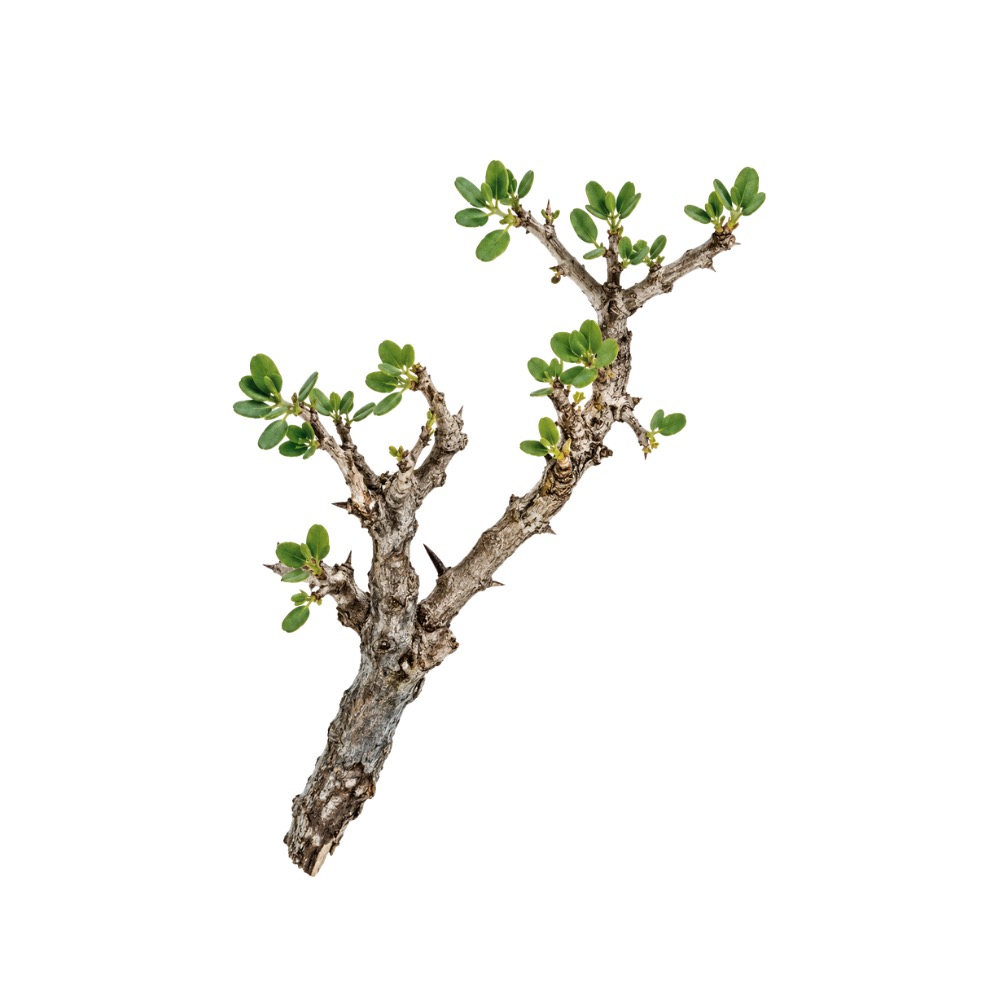 StrongStrongMyrrhCommiphora myrrhaOral resin raised complete-abortion rates in a placebo-controlled trial — the one confirmed human effect on the uterus in this group.Mechanismnot established — uterine stimulation confirmed clinically, molecular route unmappedRead the evidenceShow lessMonograph →
A randomised, double-blind, placebo-controlled trial gave 500 mg of oral resin three times daily to women with incomplete abortion. Complete-abortion rates reached 82.9% against 54.3% on placebo 8Reference 8RCTEfficacy and safety of myrrh in patients with incomplete abortion — randomised, double-blind, placebo-controlled clinical studyView study →.
The trial measured expulsion of retained products of conception, not induction of a delayed period. It is the largest human uterine effect recorded for any herb here, and it is why myrrh is avoided in pregnancy without qualification.
No receptor, prostaglandin or smooth-muscle target has been identified, so the route is unmapped. There is no menstrual dose with efficacy data behind it.
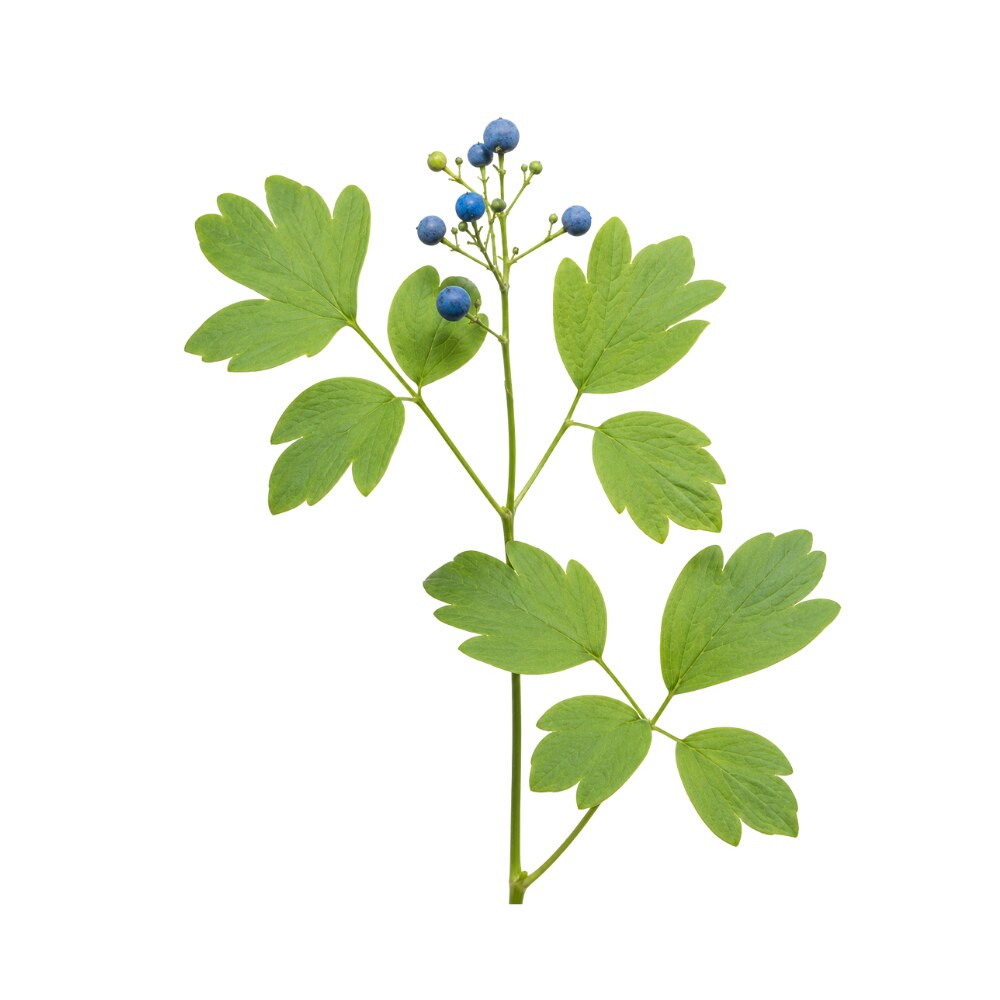 StrongStrongBlue CohoshCaulophyllum thalictroidesThe uterine herb of Eastern North American practice, taken to bring on a delayed period and, later, to induce labour; its alkaloids agonise nicotinic acetylcholine receptors.Mechanismnicotinic acetylcholine receptor agonism → desensitisation; saponin-mediated uterine smooth-muscle stimulation (attributed, not demonstrated)Read the evidenceShow lessMonograph →
The mapped pharmacology belongs to the alkaloids. N-methylcytisine and anagyrine are agonists at nicotinic acetylcholine receptors, driving smooth-muscle and autonomic effects 4,
The triterpene saponins (caulosaponin / cauloside) are routinely credited with the oxytocic effect. The analytical papers behind that claim measure content rather than function 1,
The uterine step is inference.
Alkaloid and saponin content varies more than a hundredfold between commercial products 2,
Show 7 more herbs with a mild emmenagogue action
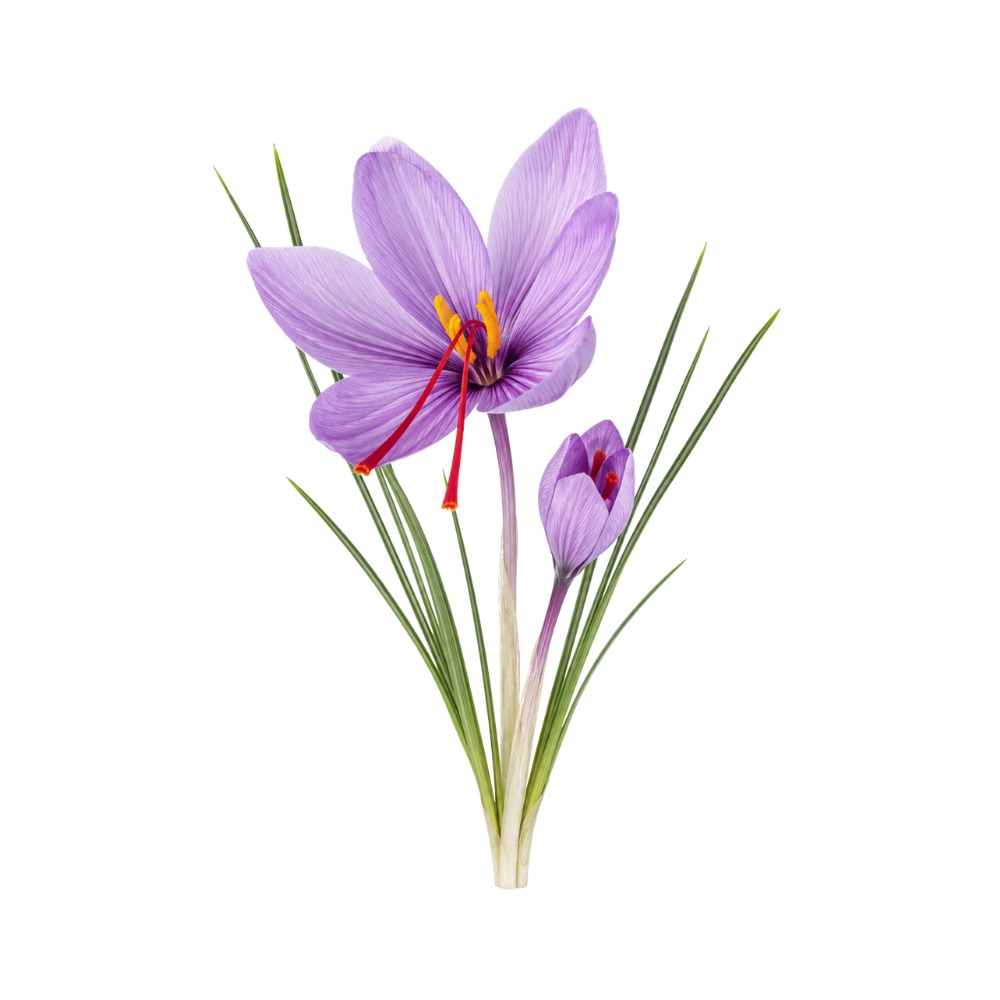 MildMildSaffronCrocus sativusDirect effects on the uterus and the estrus cycle are documented in animals, at doses far above the 15–30 mg taken therapeutically.Mechanismdirect uterine smooth-muscle stimulation (animal)Read the evidenceShow lessMonograph →
A 1964 pharmacology study documented direct effects on the uterus and the estrus cycle in animals 9Reference 9Studies on the pharmacological action of Crocus sativus L.: effects on the uterus and estrus cycle — animal study. https://pubmed.ncbi.nlm.nih.gov/14141441/View study →, and crocin and safranal produced adverse effects in pregnant mice at the top of the range tested 10Reference 10AnimalEvaluation of teratogenic effects of crocin and safranal, active ingredients of saffron, in mice — animal modelView study →. The historical use to end a pregnancy involved gram-scale doses, and an integrative review covers that cultural practice 11Reference 11ReviewSaffron and pregnancy: cultural practices, beliefs, and safety evidence — an integrative review. https://pubmed.ncbi.nlm.nih.gov/42186868/View study →.
At the 15–30 mg a day saffron is normally taken at, nothing menstrual has been demonstrated. The uterine effect appears at roughly a hundred times that dose, which is where the pregnancy caution comes from.
 MildMildCalendulaCalendula officinalisFlower infusion raised uterine tone in isolated animal tissue, which is the basis of the caution on concentrated internal preparations in pregnancy.Mechanismuterine smooth-muscle tone ↑ (isolated tissue)Read the evidenceShow lessMonograph →
The finding comes from an organ-bath screen of medicinal plants, in which calendula flower infusion increased tone in an isolated animal uterus 7Reference 7In vitroUterotonic action of extracts from a group of medicinal plants — [in vitro (isolated tissue)]View study →.
No human, dose or outcome data of any kind exist for menstrual use, and internal infusion and tincture are the routes calendula has been studied in least. Its evidenced work is topical and vulnerary.
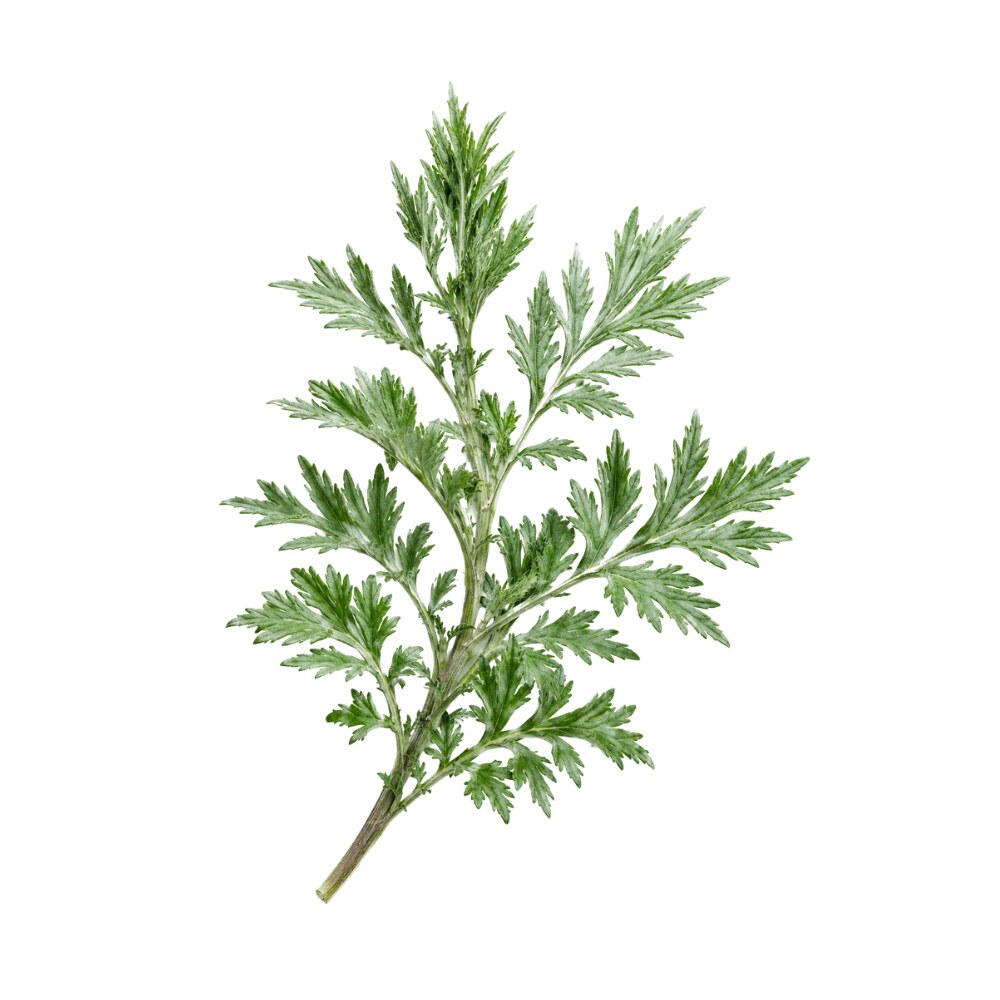 MildMildMugwortArtemisia vulgarisThe emmenagogue of the Western tradition and mugwort's headline use: a hot decoction to bring down a delayed period.Read the evidenceShow lessMonograph →
Culpeper records the herb boiled and the hot decoction applied to draw down the courses, and the use runs steadily through European practice from there.
The historical indication is specifically bringing on a late period, not treating menstrual disorders generally. No research endpoint exists, and the thujone content governs any sustained use.
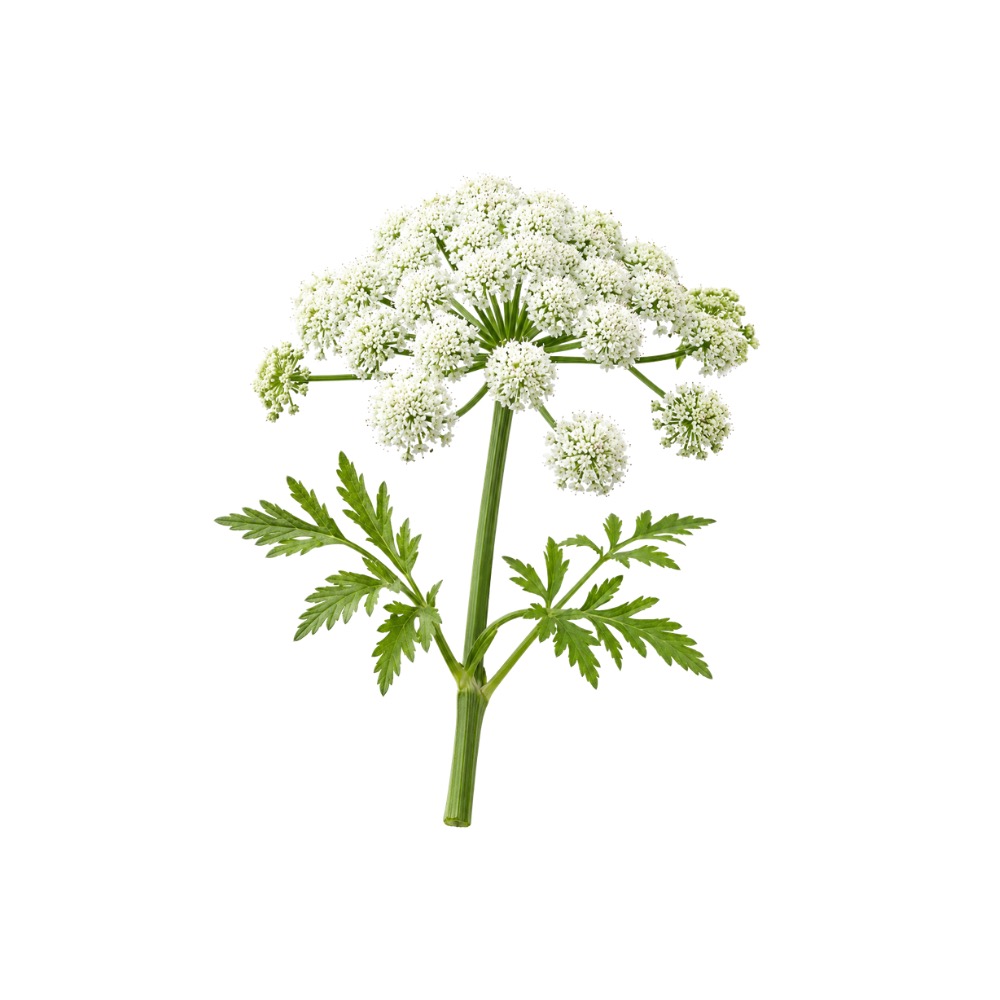 MildMildDong QuaiAngelica sinensisDang gui is the central menstrual herb of Chinese practice, used for a delayed, scanty or painful period.Read the evidenceShow lessMonograph →
It sits in the classical blood-tonifying formulas for menstrual complaints and is normally combined rather than given alone.
No menstrual-flow, hormonal or myometrial-stimulant measurement has been made. The tradition is about as deep as this action gets and the endpoint is unmeasured.
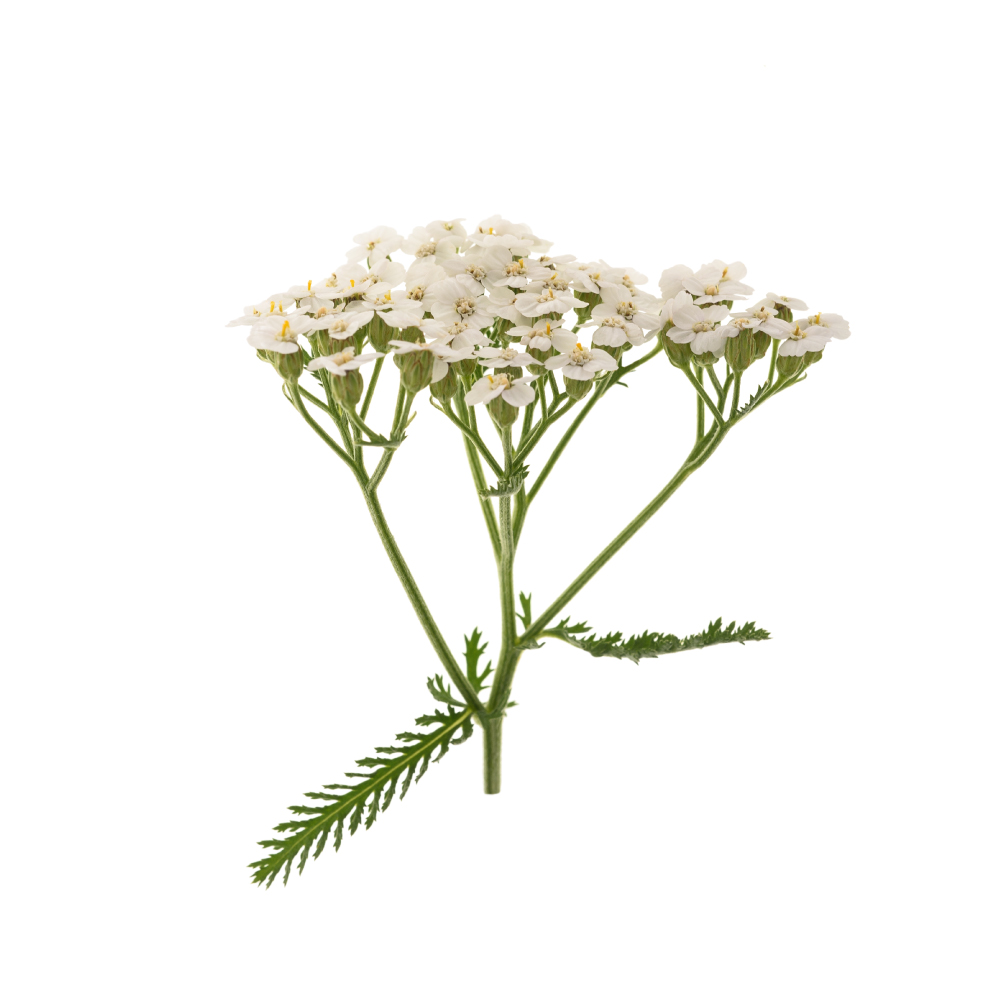 MildMildYarrowAchillea millefoliumA consistent traditional emmenagogue across European practice, and the source of the herb's own pregnancy caution.Read the evidenceShow lessMonograph →
European herbals record yarrow for bringing on and regulating the courses, and the use is stable across sources.
No menstrual-flow, hormonal or myometrial endpoint has ever been reported for it.
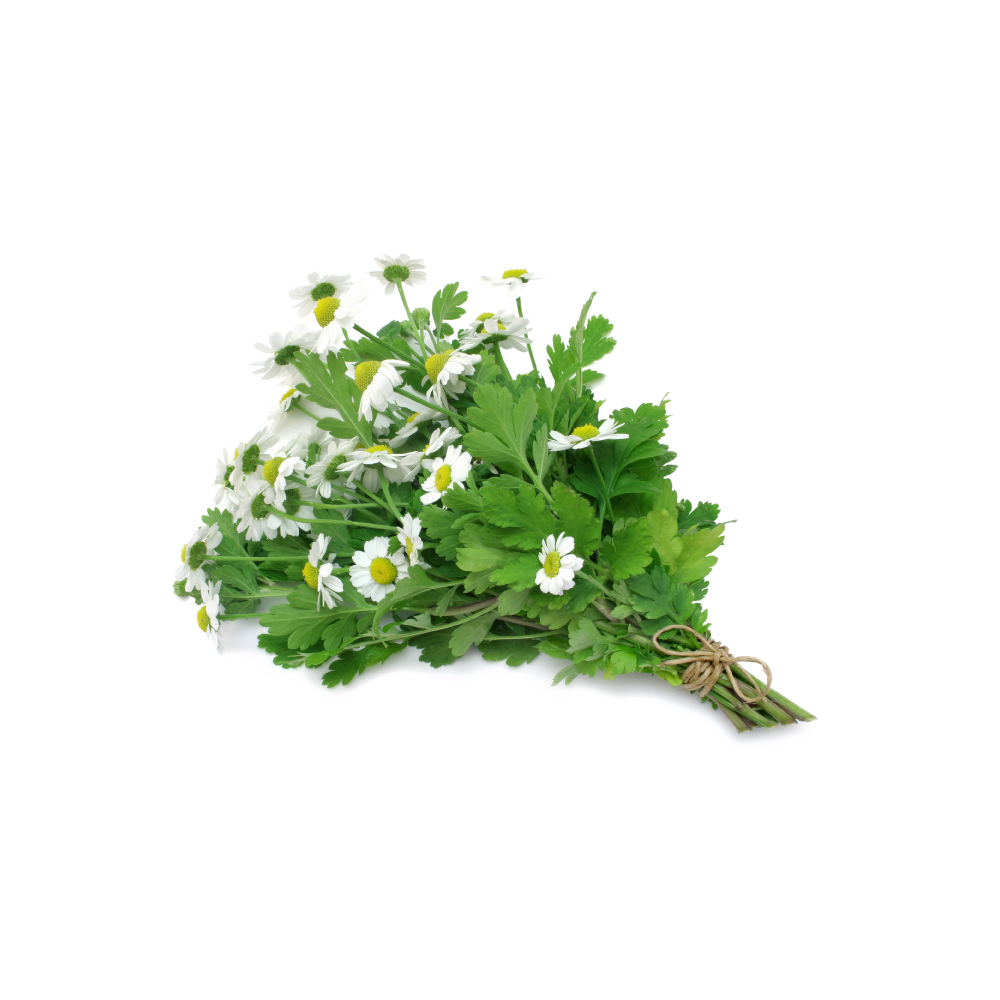 MildMildFeverfewTanacetum partheniumA warm infusion to stimulate menstruation is recorded in the Western herbals.Read the evidenceShow lessMonograph →
The traditional indication is documented 12Reference 12Principles and Practice of Phytotherapy, and nothing in the modern research addresses it.
Feverfew’s evidenced identity is migraine prophylaxis.
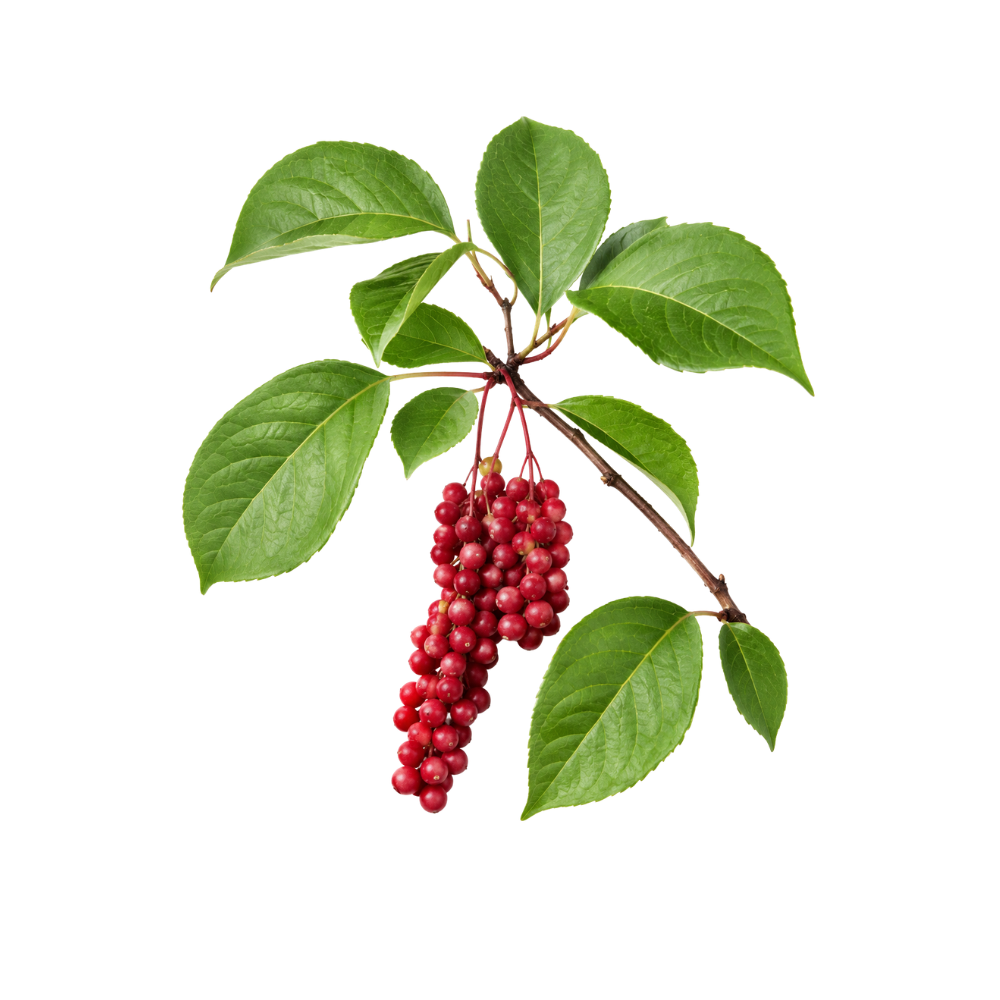 MildMildSchisandraSchisandra chinensisClassified as an oxytocic in Chinese practice, with a recorded use in labour.Read the evidenceShow lessMonograph →
The oxytocic classification is what underpins schisandra’s pregnancy caution, and the traditional record places the uterine use at delivery rather than in the menstrual cycle.
No uterine measurement exists in any species.
No herbs match these filters.
Safety
- Assume every emmenagogue is contraindicated in pregnancy, including the herbs whose basis is purely traditional.
- An emmenagogue reputation is what a historical abortifacient reputation looks like once it has been softened for a modern audience.
- Uterine stimulation shown in isolated tissue does not establish that an oral dose reaches the uterus.
- A delayed or absent period needs its cause identified before it is treated, starting with pregnancy.
- Where menstrual bleeding is already heavy, a herb that promotes flow is inappropriate, particularly alongside anticoagulant or antiplatelet drugs.
- These herbs are short-course herbs for a specific occasion, not daily tonics.
References
- Rader, J. I., & Pawar, R. S. (2013). Primary constituents of blue cohosh: quantification in dietary supplements and potential for toxicity — review. Analytical and Bioanalytical Chemistry. https://pubmed.ncbi.nlm.nih.gov/23420136/
- Ganzera, M., Dharmaratne, H. R., Nanayakkara, N. P., & Khan, I. A. (2003). Determination of saponins and alkaloids in Caulophyllum thalictroides (blue cohosh) by HPLC and evaporative light scattering detection. Phytochemical Analysis. https://pubmed.ncbi.nlm.nih.gov/12597249/
- Avula, B., Wang, Y. H., Rumalla, C. S., Ali, Z., Smillie, T. J., & Khan, I. A. (2011). Analytical methods for determination of magnoflorine and saponins from roots of Caulophyllum thalictroides using UPLC, HPLC and HPTLC. Journal of Pharmaceutical and Biomedical Analysis. https://pubmed.ncbi.nlm.nih.gov/21872415/
- Green, B. T., Lee, S. T., Panter, K. E., Welch, K. D., Cook, D., Pfister, J. A., & Kem, W. R. (2010). Actions of piperidine alkaloid teratogens at fetal nicotinic acetylcholine receptors — in vitro. Neurotoxicology and Teratology. https://pubmed.ncbi.nlm.nih.gov/20116429/
- Schep, L. J., Slaughter, R. J., & Beasley, D. M. (2009). Nicotinic plant poisoning — review. Clinical Toxicology. https://pubmed.ncbi.nlm.nih.gov/19778187/
- Rao, R. B., & Hoffman, R. S. (2002). Nicotinic toxicity from tincture of blue cohosh (Caulophyllum thalictroides) used as an abortifacient — case report. Veterinary and Human Toxicology. https://pubmed.ncbi.nlm.nih.gov/12136970/
- Shipochliev T, et al. (1981). Uterotonic action of extracts from a group of medicinal plants — [in vitro (isolated tissue)]. Vet Med Nauki. https://pubmed.ncbi.nlm.nih.gov/7314446/
- Vafaei H, Ajdari S, Hessami K, et al. (2020). Efficacy and safety of myrrh in patients with incomplete abortion — randomised, double-blind, placebo-controlled clinical study. BMC Complementary Medicine and Therapies. https://pubmed.ncbi.nlm.nih.gov/32397980/
- CHANG PY, WANG CK, LIANG JD, et al. (1964). Studies on the pharmacological action of Crocus sativus L.: effects on the uterus and estrus cycle — animal study. https://pubmed.ncbi.nlm.nih.gov/14141441/
- Moallem SA, Afshar M, Etemad L, et al. (2016). Evaluation of teratogenic effects of crocin and safranal, active ingredients of saffron, in mice — animal model. Toxicology and Industrial Health. https://pubmed.ncbi.nlm.nih.gov/24097366/
- Alshdefat A, Ayed A, Aqtam I, et al. (2026). Saffron and pregnancy: cultural practices, beliefs, and safety evidence — an integrative review. https://pubmed.ncbi.nlm.nih.gov/42186868/
- Bone K, Mills S. (2013). Principles and Practice of Phytotherapy. Elsevier Health. (Pg. 566-575)
- Jones, T. K., & Lawson, B. M. (1998). Profound neonatal congestive heart failure caused by maternal consumption of blue cohosh herbal medication — case report. The Journal of Pediatrics. https://pubmed.ncbi.nlm.nih.gov/9544922/
Keep Exploring