

Overview
Anticonvulsant at a Glance
Anticonvulsant herbs help reduce the abnormal electrical activity that produces seizures.
They can do this by making neurons harder to fire or by strengthening the inhibitory systems that keep excessive firing under control.
Kava and angelica act mainly through ion-channel effects, including blockade of voltage-gated sodium channels.
Bacopa and passionflower work more through GABAergic signalling, increasing inhibitory tone in the nervous system.
Cannabis reaches seizure activity through a different route.
Cannabidiol affects several targets involved in neuronal excitability, including calcium channels and GPR55.
Purified cannabidiol is now used as a pharmaceutical treatment for specific severe epilepsy syndromes, although this should not be confused with ordinary cannabis preparations.
Other herbs may be more neuroprotective than anticonvulsant in the strict sense. Gotu kola, for example, has shown protection against neuronal damage after seizures without clearly preventing the seizures themselves.
Outside purified cannabidiol, most herbal evidence comes from animal seizure models rather than controlled human trials.
Epilepsy has a long place in traditional practice. Ayurveda treats it as apasmara and gives brahmi — the herb now called bacopa — for it, and Pacific and Amazonian traditions used kava and mulungu for convulsive illness.
Almost none of that has been tested. Outside cannabidiol every herb here rests on rodent seizure models, and the one registered passionflower trial in partial epilepsy was withdrawn before it finished.
Caution
Never replace prescribed medication — epilepsy needs medical management, so these herbs are not used to replace or reduce an antiepileptic without supervision.
Some herbs lower drug levels — bacopa can lower plasma phenytoin, so self-medicating can produce more seizures rather than fewer.
Breakthrough seizures are urgent — breakthrough or prolonged seizures need urgent medical care.
Mechanisms
How It Works
01
Ion Channels
Blocking voltage-gated channels makes a neuron harder to depolarise, which is the most direct way to stop runaway firing.
Voltage-gated sodium-channel blockade is the mechanism behind phenytoin and carbamazepine, and it is what kava’s kavalactones and angelica’s coumarins do.
Cannabis reaches excitability from two other angles — T-type calcium channels and GPR55 antagonism — which is why cannabidiol became an approved antiepileptic while the plant’s other constituents did not.
The mechanism is CB1-independent, so THC contributes nothing to it and high-THC material is not the anticonvulsant.
Cannabidiol the drug and cannabis the herb are different things here. The approval covers a purified isolate at 10–20 mg/kg/day in two rare childhood syndromes, and it does not transfer to retail oils or to smoked flower.
Key compounds: CannabidiolKavainImperatorin
02
GABAergic Inhibition
Raising inhibitory tone is the other half of the drug formulary: if neurons cannot be made to fire less, the system that quietens them can be made to push harder.
Bacopa up-regulates hippocampal GABA-A receptors, and passionflower’s activity is GABAergic with opioid-system involvement.
The benzodiazepines act here too, which is why these herbs are additive CNS depression on top of a prescribed one rather than a gentler alternative to it.
Herbs: BacopaPassionflower
Key compounds: Bacoside A
03
Nicotinic Modulation
Blocking nicotinic acetylcholine receptors lowers excitatory cholinergic drive in the cortex and hippocampus.
Mulungu’s erythrinian alkaloids do this, and the same alkaloids that produce its sedative effect are anticonvulsant in rodent seizure models.
It is a better-defined receptor mechanism than most of the preclinical entries here.
There is no human data of any kind.
Herbs: Mulungu
04
Neuroprotection in Seizure Models
Protecting neurons from the damage a seizure does is a different endpoint from stopping the seizure.
Gotu kola’s asiatic acid appears in epilepsy models measuring neuronal survival rather than seizure suppression. Repeated seizures damage tissue, so that is a worthwhile endpoint in its own right.
The distinction disappears in summary. A herb described as protective in an epilepsy model reads as a treatment for epilepsy, and this is not one.
Herbs: Gotu Kola
Key compounds: Asiatic Acid
The Molecules
Pharmacology
What produces an anticonvulsant effect at the molecular level. The herbs carry these molecules in different combinations and amounts, which is most of why their potency differs. Roles describe how central a molecule is to the action across plants generally, not how strong any one herb is.
Chiefly Other Alkaloids1
Carries the action largely on its own — the effect is attributed to the molecule, not just the extract it came from.
Adds to a plant's effect and is often present in quantity, but rarely accounts for it alone.
Real but narrow — one pathway, one tissue, or evidence too thin to lean on.
Mesembrenol Other Alkaloids Minor role Targets AMPA-type glutamate receptors
In rat hippocampal slices, mesembrenol attenuates AMPA-receptor-mediated synaptic transmission and the population-spike amplitude under single-shock and theta-burst stimulation.
It shares that effect with mesembranol, and mesembrine and mesembrenone do not produce it — the difference tracking cleanly to a hydroxyl rather than a carbonyl at C6 1Reference 1AnimalEffect of Zembrin® and four of its alkaloid constituents on electric excitability of the rat hippocampusView study →.
Because AMPA attenuation underpins an established adjunctive antiepileptic mechanism, the authors proposed mesembrenol as a chemical lead for epilepsy drug development 1Reference 1AnimalEffect of Zembrin® and four of its alkaloid constituents on electric excitability of the rat hippocampusView study →.
The ceiling is severe: one laboratory, one slice preparation, and no seizure model in any animal.
No plasma or brain concentration has ever been measured for this alkaloid, so there is no way to know whether any kanna preparation delivers bath-equivalent exposure 2Reference 2In vitroIn vitro permeation of mesembrine alkaloids from Sceletium tortuosum across porcine buccal, sublingual, and intestinal mucosaView study →.
Kanna is the plant source.
Materia Medica
Anticonvulsant Herbs by Potency
The anticonvulsant herbs, ordered by the relative strength of the effect rather than by how well studied it is. Each herb is described by the mechanism behind its effect and the evidence for it.
None of this is a substitute for professional care.
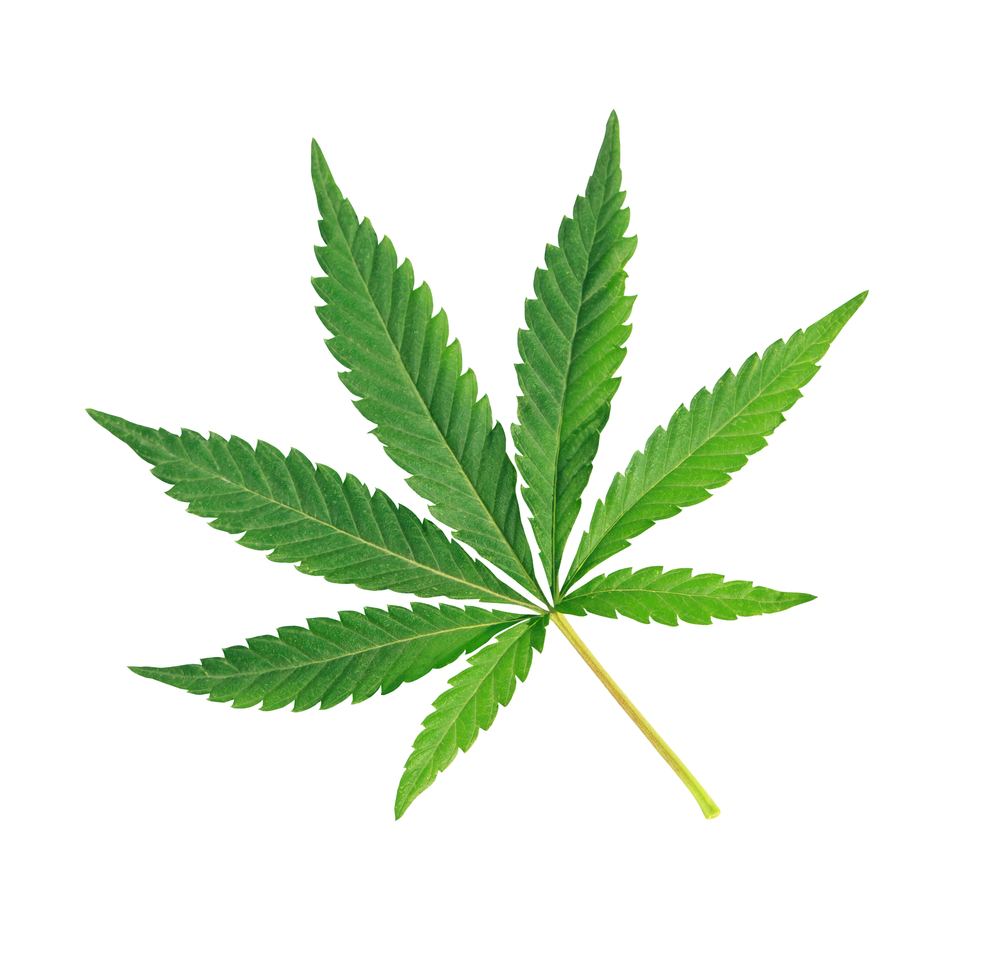 PotentPotentCannabisCannabis sativaPurified cannabidiol is a licensed antiepileptic for two rare childhood syndromes, working through calcium channels and GPR55 rather than CB1.MechanismGPR55 antagonism; T-type and voltage-gated Ca²⁺ channel modulationRead the evidenceShow lessMonograph →
Cannabidiol cut convulsive seizures in Dravet syndrome by about 39% against 13% on placebo 9Reference 9RCTTrial of Cannabidiol for Drug-Resistant Seizures in the Dravet Syndrome — randomised controlled trialView study →, and drop-seizures in Lennox-Gastaut by 42–44% against 17–22% at 10–20 mg/kg/day 10,
The mechanism is CB1-independent — GPR55 antagonism plus voltage-gated and T-type calcium-channel modulation — so THC contributes nothing and high-THC material is not the anticonvulsant.
The effect is proven only for prescription-grade cannabidiol at 10–20 mg/kg/day in two rare paediatric syndromes. It does not generalise to epilepsy broadly, to retail CBD oils, or to smoked flower.
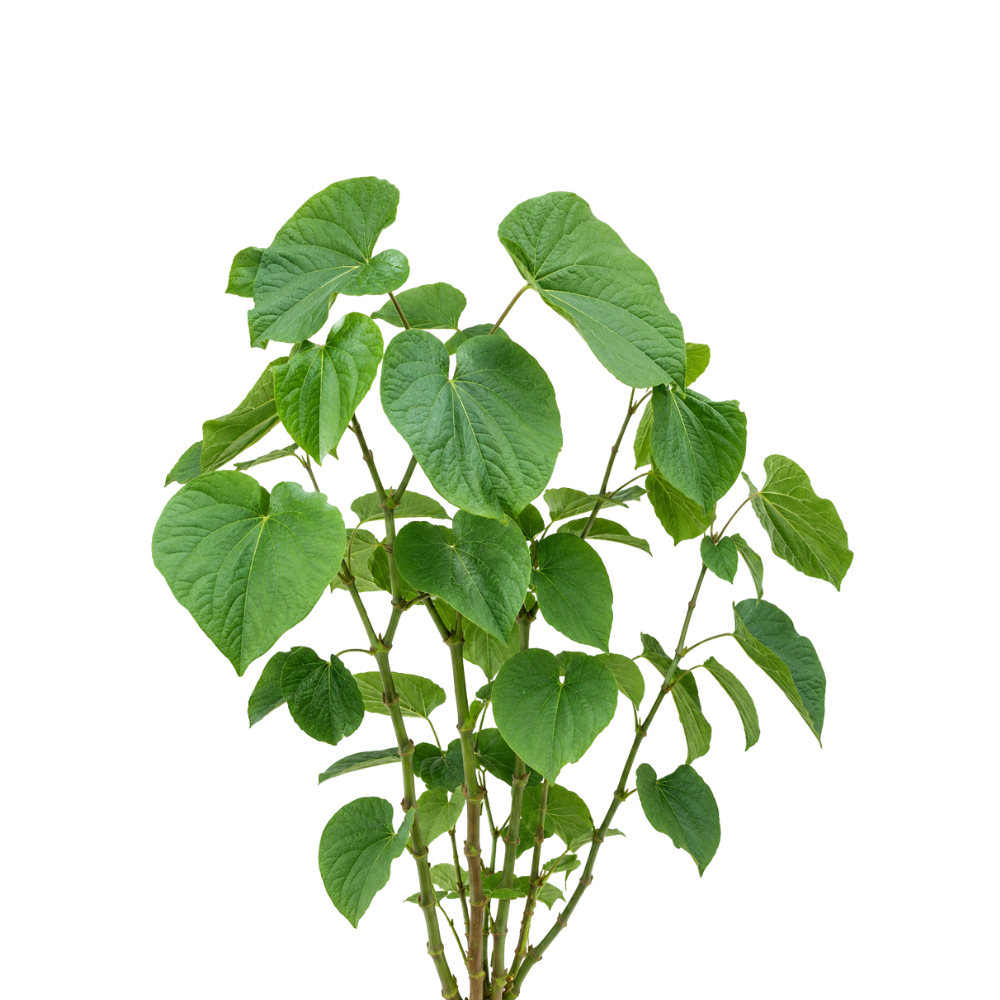 ModerateModerateKavaPiper methysticumKavalactones block sodium channels the way classical anticonvulsants do, reproducibly across decades of animal work.Mechanismvoltage-gated Na⁺ channel blockade; depolarisation-evoked Ca²⁺ influx ↓Read the evidenceShow lessMonograph →
Dihydromethysticin and dihydrokavain suppressed electroshock seizures, and the underlying mechanism is the same use-dependent sodium-channel blockade the classical anticonvulsants exploit, demonstrated for kavain and methysticin in rat hippocampal neurons and synaptosomes 14,
Mechanistically this is the strongest anticonvulsant story among the herbs, and it carries the entry despite there being no human data.
The case is entirely preclinical and decades old, kava is not used clinically as an anticonvulsant, and its idiosyncratic hepatotoxicity makes it a poor candidate for the chronic dosing seizure control would require.
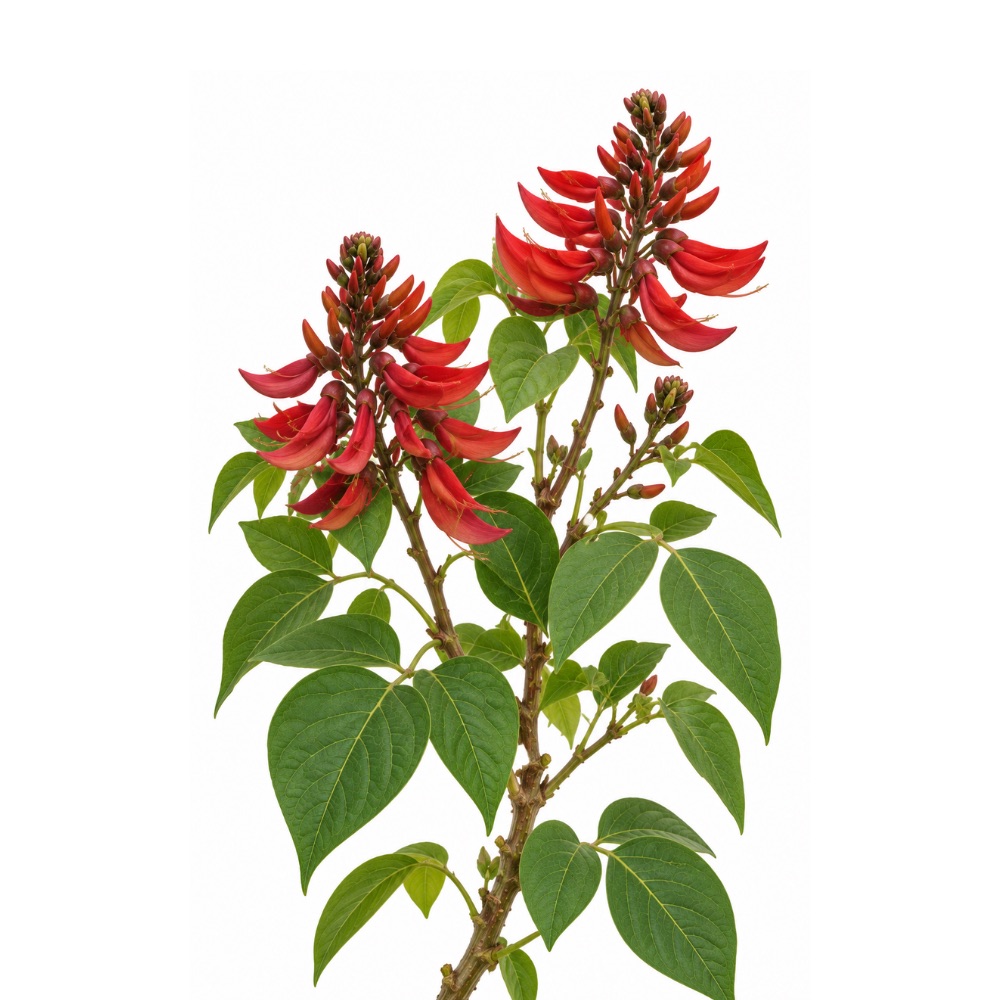 ModerateModerateMulunguErythrina mulunguErythrinian alkaloids that are anticonvulsant in rodents, through the same nicotinic blockade behind the herb's sedative effect.Mechanismsame erythrinian alkaloids; nicotinic modulationRead the evidenceShow less
The flower alkaloids show anticonvulsant activity in rodent seizure models 16Reference 16AnimalAnticonvulsant profile of the alkaloids (+)-erythravine and (+)-11-α-hydroxy-erythravine isolated from the flowers of Erythrina mulungu — [in vivo animal model]View study →, coherent with the nicotinic blockade the plant is known for.
That makes it better characterised than most preclinical entries: the receptor is defined rather than inferred. No human data exists.
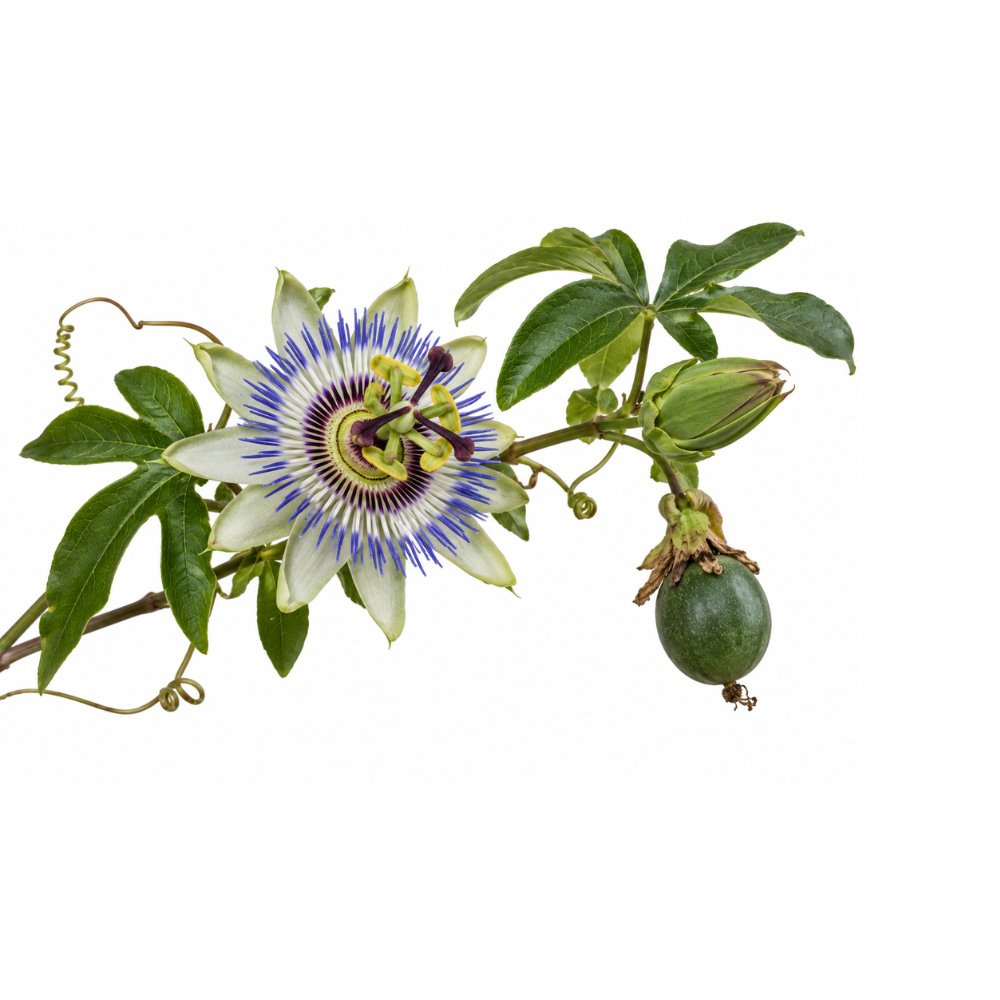
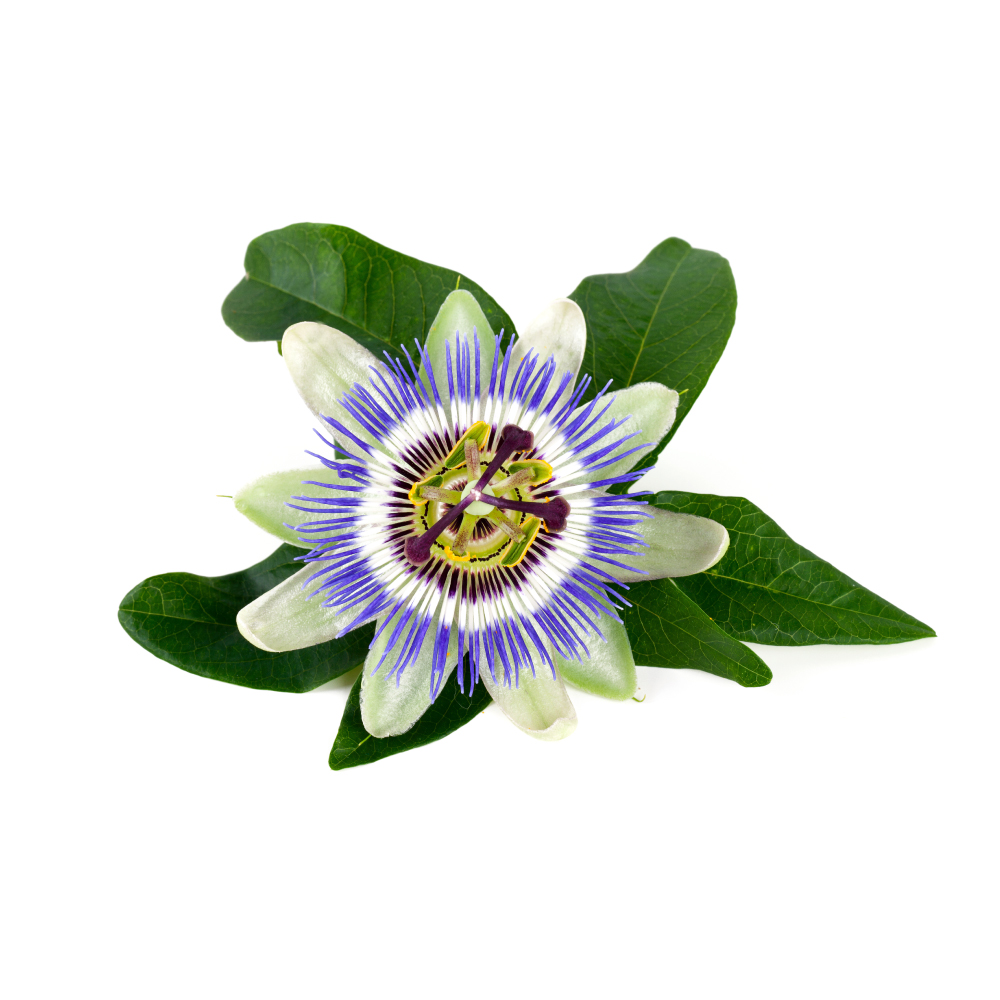 ModerateModeratePassionflowerPassiflora incarnataHydroalcoholic extract delayed seizure onset, shortened duration and reduced mortality in mice, through GABAergic and opioid routes together.MechanismGABAergic + opioid-system involvementRead the evidenceShow lessMonograph →
The mouse work linked the effect to both the GABAergic and the opioid systems 17Reference 17AnimalAnticonvulsant effects of aerial parts of Passiflora incarnata extract in mice: involvement of benzodiazepine and opioid receptors — animal modelView study →, and whole-plant extracts elicit GABA currents in hippocampal neurons in vitro.
Anticonvulsant effect varies with extraction method 18Reference 18In vitroPassiflora incarnata L. (Passionflower) extracts elicit GABA currents in hippocampal neurons in vitro, and show anxiogenic and anticonvulsant effects in vivo — in vitro / animal modelView study →, which is a useful preparation-dependence finding for a herb sold in several forms.
The evidence is animal-only. A registered trial in partial epilepsy was withdrawn before completion.
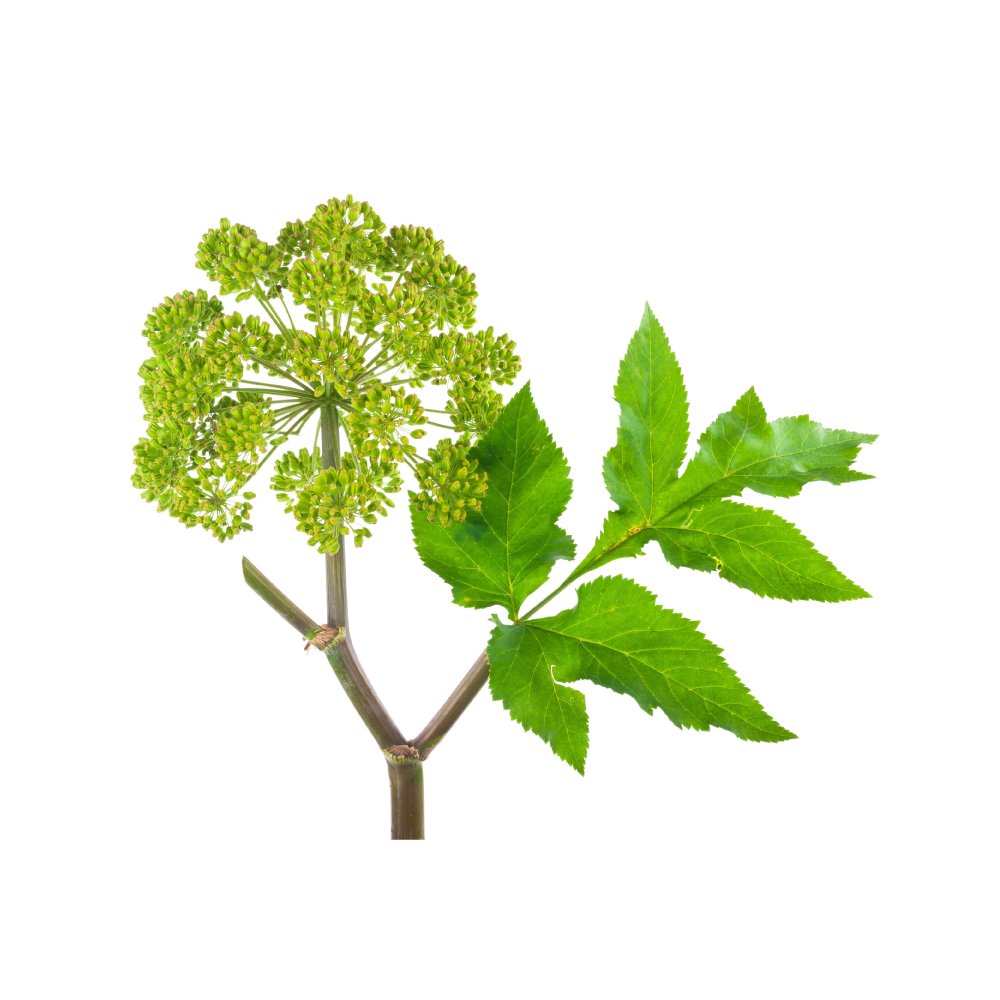 MildMildAngelicaAngelica archangelicaImperatorin raises the electroshock seizure threshold in mice; the whole-herb extract tested later did not.Mechanismvoltage-gated Na⁺-channel suppression; neuronal excitability ↓Read the evidenceShow lessMonograph →
Root essential oil delayed seizure onset in mice 3Reference 3AnimalEvaluation of Antiseizure Activity of Essential Oil from Roots of Angelica archangelica Linn. in Mice — animal model (mouse)View study →, and isolated imperatorin raised the maximal-electroshock seizure threshold in a dose- and time-dependent way 4Reference 4AnimalTime-course and dose-response relationships of imperatorin in the mouse maximal electroshock seizure threshold model — animal model (mouse)View study →, holding up against osthole and valproate in a comparative study 5Reference 5AnimalAnticonvulsant and acute neurotoxic effects of imperatorin, osthole and valproate in the maximal electroshock seizure and chimney tests in mice: a comparative study — animal model (mouse), comparative studyView study →. The likely route is suppression of voltage-gated sodium channels and neuronal excitability 6Reference 6In vitroSuppression of voltage-gated Na(+) channels and neuronal excitability by imperatorin — in vitroView study →.
The whole herb then failed the same test. A 2025 in vivo study found the ethanolic extract produced only moderate, non-significant anticonvulsant activity in an electroshock model 7Reference 7AnimalInvestigation of anticonvulsant potential of Morus alba, Angelica archangelica, Valeriana officinalis, and Passiflora incarnata extracts: in vivo and in silico studies — animal model (in vivo) and in silicoView study →.
So the mechanism is real and specific, the constituent is active at controlled doses, and the preparation people would actually take has not shown the effect.
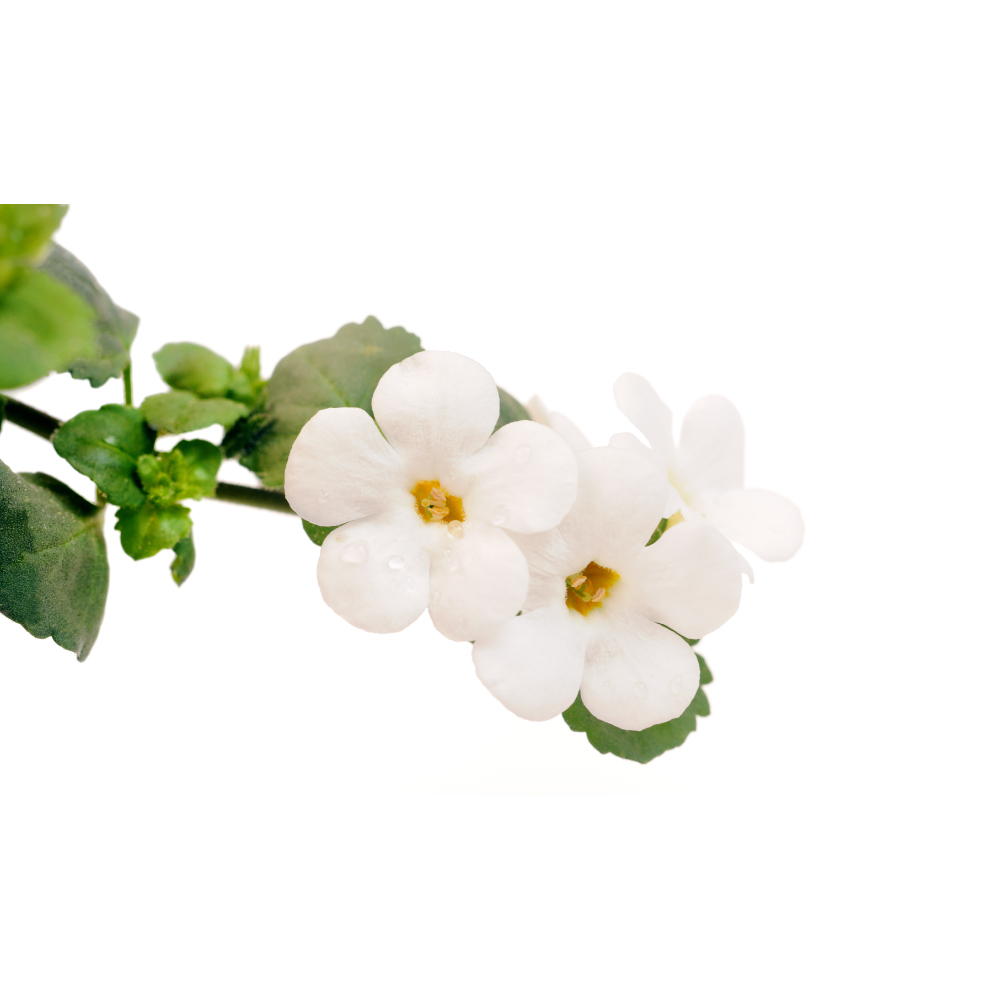 MildMildBacopaBacopa monnieriClassical Ayurvedic use for apasmara, one supporting rodent model, and a drug interaction that pulls the other way.MechanismGABA(A) receptor up-regulation (hippocampal)Read the evidenceShow lessMonograph →
The mechanism rests on a single rodent model. In pilocarpine-induced temporal-lobe epileptic rats, B. monnieri and isolated bacoside A reversed the epilepsy-associated down-regulation of hippocampal GABA and GABA(A) receptors and corrected radial-arm and Y-maze deficits 8Reference 8AnimalBehavioral deficit and decreased GABA receptor functional regulation in the hippocampus of epileptic rats: effect of Bacopa monnieri — animal modelView study →.
Against that sits a pharmacokinetic interaction. Bacopa can lower plasma phenytoin levels, so in a treated epileptic the net effect of self-medicating may be more seizures rather than fewer.
There is no controlled human trial in either direction.
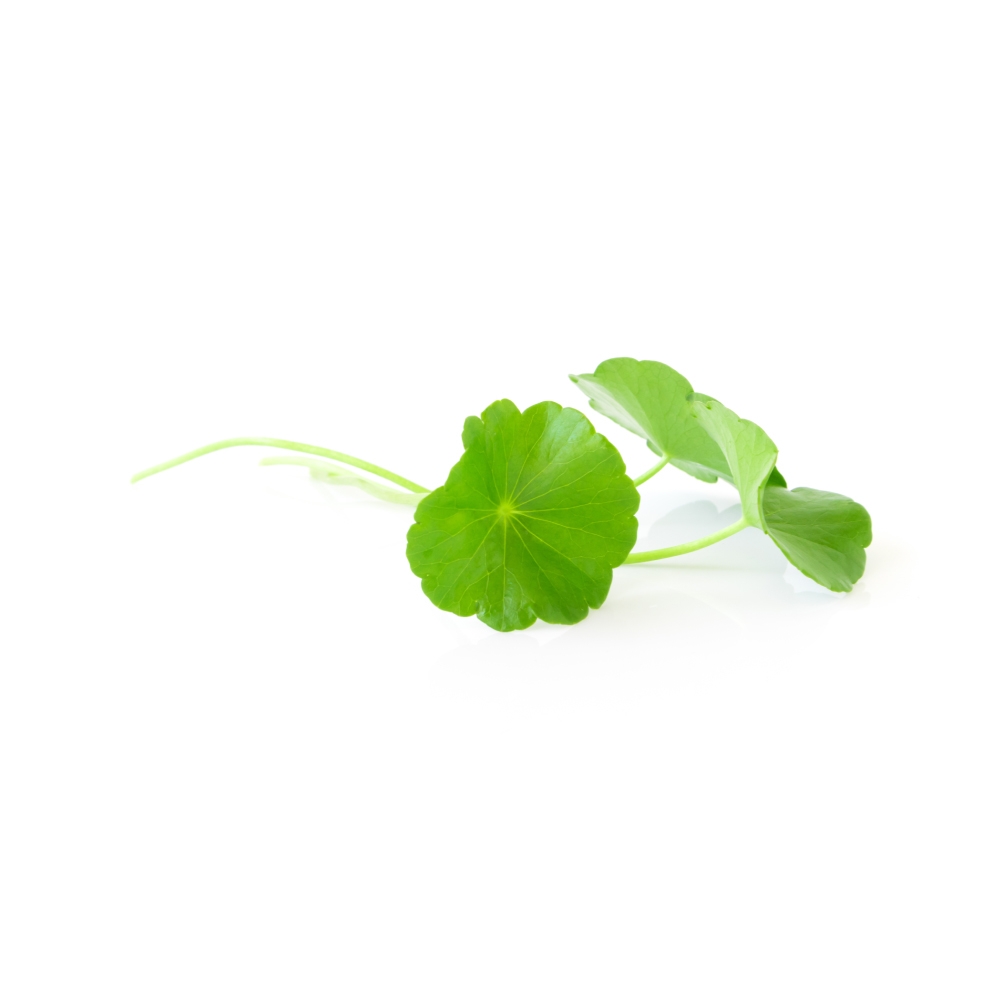 MildMildGotu KolaCentella asiaticaAsiatic acid protects neurons in epilepsy models through anti-inflammatory and antioxidant signalling, without suppressing seizures.Mechanismasiatic-acid neuroprotection (epilepsy models)Read the evidenceShow lessMonograph →
The support is a single thread: asiatic acid shows neuroprotective activity in models of epilepsy alongside ischaemia and neurodegeneration 13Reference 13ReviewNeuroprotective mechanisms of asiatic acid — reviewView study →.
It is a passing preclinical mention within a broader neuroprotection review, with no dedicated seizure-model characterisation and no human data.
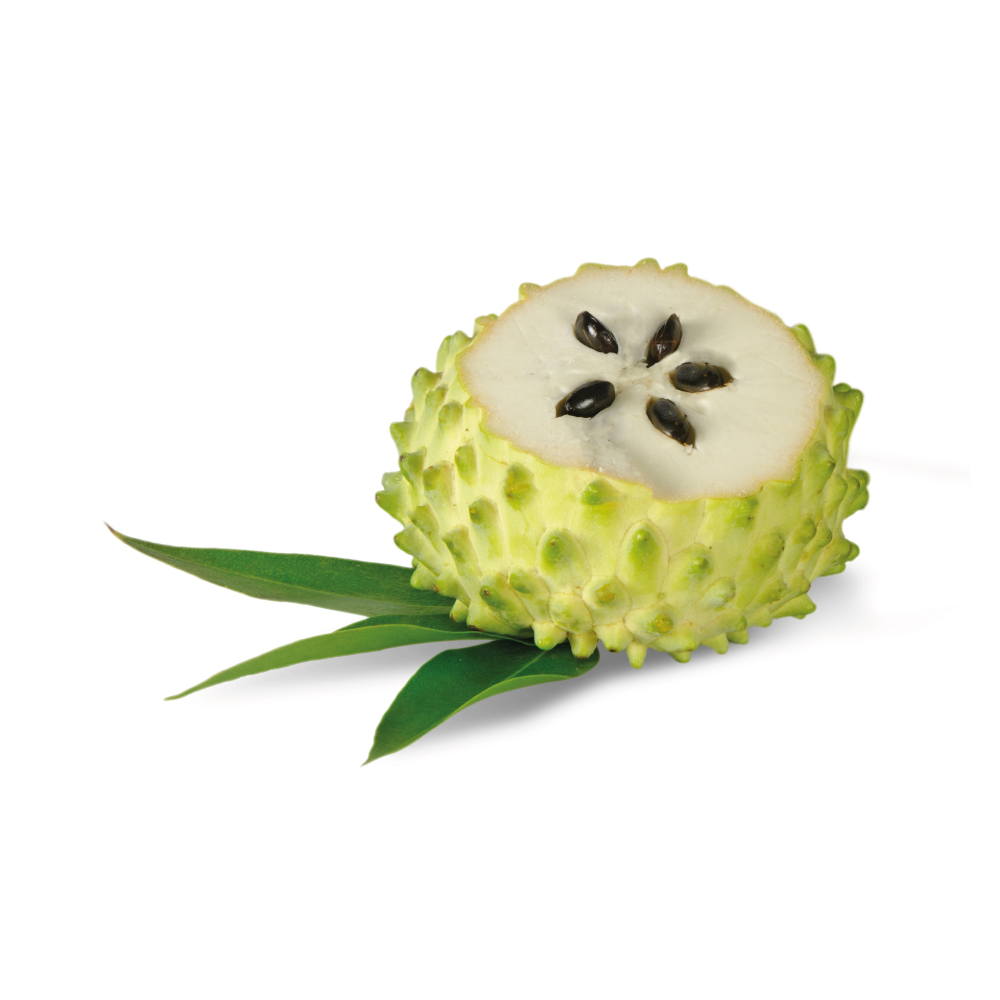 MildMildGraviolaAnnona muricataA hydroalcoholic leaf extract was sedative and anticonvulsant in mice, echoing a 1979 report and the traditional use of dark leaves for sleep.Mechanismcentral activity suggested by phytochemical characterisation; *Annona* alkaloids interact with 5-HT1A bindingRead the evidenceShow lessMonograph →
The traditional use of dark graviola leaves is for insomnia, and the modern support for it is thin. A 2018 study found sedative and anticonvulsant effects of a hydroalcoholic leaf extract in mice, with phytochemical characterisation suggesting central activity, echoing a 1979 preliminary report of sedative effects.
Older receptor work found Annona alkaloids interact with 5-HT1A binding, which offers a candidate mechanism.
The evidence is sparse, largely dated and entirely preclinical.
No herbs match these filters.
Safety
- Epilepsy is not a self-treatment condition, and reducing or stopping an antiepileptic drug in order to try a herb is what causes the harm.
- Antiepileptic drugs have some of the narrowest therapeutic windows in medicine, so any herb that changes their blood level changes seizure control.
- Some anticonvulsant herbs lower the plasma level of an antiepileptic rather than adding to it, so self-medicating can produce more seizures rather than fewer.
- A herb that raises inhibitory tone is additive CNS depression alongside a benzodiazepine or a sedating antiepileptic, not a gentler substitute for one.
- Furanocoumarin- and cannabinoid-bearing herbs inhibit the CYP pathways most antiepileptics are cleared by, so monitoring is required rather than optional.
- Chronic dosing is what seizure control needs, which rules out any herb carrying a hepatotoxicity signal.
References
- Dimpfel W, Franklin R, Gericke N, Schombert L (2018). Effect of Zembrin® and four of its alkaloid constituents on electric excitability of the rat hippocampus. Journal of Ethnopharmacology. https://pubmed.ncbi.nlm.nih.gov/29758341/
- Shikanga EA, Hamman JH, Chen W, Combrinck S, Gericke N, Viljoen AM (2012). In vitro permeation of mesembrine alkaloids from Sceletium tortuosum across porcine buccal, sublingual, and intestinal mucosa. Planta Medica. https://pubmed.ncbi.nlm.nih.gov/22105579/
- Pathak S, Wanjari MM, Jain SK, Tripathi M (2010). Evaluation of Antiseizure Activity of Essential Oil from Roots of Angelica archangelica Linn. in Mice — animal model (mouse). Indian J Pharm Sci. https://pubmed.ncbi.nlm.nih.gov/21188050/
- Luszczki JJ, Glowniak K, Czuczwar SJ (2007). Time-course and dose-response relationships of imperatorin in the mouse maximal electroshock seizure threshold model — animal model (mouse). Neurosci Res. https://pubmed.ncbi.nlm.nih.gov/17602770/
- Luszczki JJ, Wojda E, Andres-Mach M, Cisowski W, et al. (2009). Anticonvulsant and acute neurotoxic effects of imperatorin, osthole and valproate in the maximal electroshock seizure and chimney tests in mice: a comparative study — animal model (mouse), comparative study. Epilepsy Res. https://pubmed.ncbi.nlm.nih.gov/19406619/
- Wu KC, Chen YH, Cheng KS, Kuo YH, et al. (2013). Suppression of voltage-gated Na(+) channels and neuronal excitability by imperatorin — in vitro. Eur J Pharmacol. https://pubmed.ncbi.nlm.nih.gov/24113522/
- Suciu F, Mihai DP, Ungurianu A, Andrei C, et al. (2025). Investigation of anticonvulsant potential of Morus alba, Angelica archangelica, Valeriana officinalis, and Passiflora incarnata extracts: in vivo and in silico studies — animal model (in vivo) and in silico. Int J Mol Sci. https://pubmed.ncbi.nlm.nih.gov/40650201/
- Mathew, J., Gangadharan, G., Kuruvilla, K. P., & Paulose, C. S. (2011). Behavioral deficit and decreased GABA receptor functional regulation in the hippocampus of epileptic rats: effect of Bacopa monnieri — animal model. Neurochemical Research, 36(1), 7–16. https://pubmed.ncbi.nlm.nih.gov/20821261/
- Devinsky, O., Cross, J. H., Laux, L., et al. (2017). Trial of Cannabidiol for Drug-Resistant Seizures in the Dravet Syndrome — randomised controlled trial. New England Journal of Medicine. https://pubmed.ncbi.nlm.nih.gov/28538134/
- Devinsky, O., Patel, A. D., Cross, J. H., et al. (2018). Effect of Cannabidiol on Drop Seizures in the Lennox-Gastaut Syndrome — randomised controlled trial. New England Journal of Medicine. https://pubmed.ncbi.nlm.nih.gov/29768152/
- Thiele, E. A., Marsh, E. D., French, J. A., et al. (2018). Cannabidiol in patients with seizures associated with Lennox-Gastaut syndrome (GWPCARE4) — randomised controlled trial. The Lancet. https://pubmed.ncbi.nlm.nih.gov/29395273/
- Martimbianco ALC, Silva RB, Cruz Latorraca CO, et al. (2025). Cannabis derivatives and their synthetic analogs for treatment-resistant epilepsy — systematic review and meta-analysis. Epilepsy Research. https://pubmed.ncbi.nlm.nih.gov/40267856/
- Ding, L., et al. (2023). Neuroprotective mechanisms of asiatic acid — review. Heliyon. https://pubmed.ncbi.nlm.nih.gov/37180926/
- Gleitz, J., Beile, A., & Peters, T. (1995). (±)-Kavain inhibits veratridine-activated voltage-dependent Na⁺ channels in synaptosomes [in vitro]. Neuropharmacology. https://pubmed.ncbi.nlm.nih.gov/8532183/
- Magura, E. I., Kopanitsa, M. V., Gleitz, J., et al. (1997). Kava extract ingredients (+)-methysticin and (±)-kavain inhibit voltage-operated Na⁺-channels in rat CA1 hippocampal neurons [animal]. Neuroscience. https://pubmed.ncbi.nlm.nih.gov/9300426/
- Faggion, S. A., Cunha, A. O. S., Fachim, H. A., Gavin, A. S., dos Santos, W. F., Pereira, A. M. S., & Beleboni, R. O. (2011). Anticonvulsant profile of the alkaloids (+)-erythravine and (+)-11-α-hydroxy-erythravine isolated from the flowers of Erythrina mulungu — [in vivo animal model]. Epilepsy & Behavior, 20(3), 441–446. https://pubmed.ncbi.nlm.nih.gov/21277832/
- Nassiri-Asl, M., Shariati-Rad, S., Zamansoltani, F. (2007). Anticonvulsant effects of aerial parts of Passiflora incarnata extract in mice: involvement of benzodiazepine and opioid receptors — animal model. BMC Complement Altern Med. https://pubmed.ncbi.nlm.nih.gov/17686156/
- Elsas, S. M., Rossi, D. J., Raber, J., et al. (2010). Passiflora incarnata L. (Passionflower) extracts elicit GABA currents in hippocampal neurons in vitro, and show anxiogenic and anticonvulsant effects in vivo — in vitro / animal model. Phytomedicine. https://pubmed.ncbi.nlm.nih.gov/20382514/
Keep Exploring