

Overview
Antispermatogenic at a Glance
Antispermatogenic herbs suppress the production of sperm.
There are two ways a plant can reduce a man’s fertility, and the most important distinction is whether it stops sperm being made or kills sperm already made.
Antispermatogenic effects are systemic and gradual. They act on the roughly 74-day production cycle, so they take months to appear and, in principle, months to wear off.
A spermicidal effect is topical and immediate. It destroys sperm on contact and says nothing about how many the testis is producing.
All six herbs here are the first kind. Neem is the one that carries both, reported together in the same animal literature and never separated.
The female counterpart is a separate action. Antifertility covers anti-implantation and abortifacient activity, and several of these plants carry that too, from different studies with different implications.
Almost nobody takes these herbs for this. Holy basil is a daily adaptogen taken for stress and blood sugar, hibiscus is drunk as a tea, and bael is taken for gut and metabolic complaints.
Neem carries a long traditional Indian use as a contraceptive and abortifacient, and that tradition is what sent researchers looking in the first place.
Bael’s rodent work ran in the journal Contraception.
None of it has been tested in a person. Every study behind these six herbs is in rodents, most from single research groups, and several have never been independently replicated.
Caution
Not a contraceptive — no herb here has been shown to prevent pregnancy in a person, and there is no established dose, onset interval or failure rate.
Not in pregnancy — the anti-implantation, abortifacient and embryotoxic findings across this group are stronger than the antispermatogenic one.
Check the stack when conceiving — these herbs are usually taken for something else entirely, so anyone trying to conceive should review everything they take.
Mechanisms
How It Works
01
Suppressed Spermatogenesis
Sperm production falls, gradually, over the length of the production cycle rather than at once.
Bael’s ethanolic leaf extract suppressed fertility in male rats with a demonstrated dose-response, and the same group showed the changes reversed on withdrawal.
Holy basil’s leaf extracts reduce sperm count, motility and testicular androgen activity in rats, also reversibly.
Hibiscus, cryptolepis and albizzia each produced the effect in single or small groups of rodent studies.
Conventional male contraception has no equivalent on the market, which is why this work was done at all and why none of it has been carried into people.
Reversibility in a rat is not a timeline in a person, and no human study has measured either the onset or the recovery.
02
Androgen Suppression
Lowering androgen activity reduces the hormonal drive on the testis, and sperm production falls with it.
Albizzia shows it most directly. A bark extract produced antispermatogenic and antiandrogenic effects together in male albino rats, and the bark saponins were separately shown to act on the male reproductive system.
Holy basil’s rodent work reports lower testicular androgen activity alongside the sperm changes.
No study on any of these separates androgen-receptor antagonism from suppressed androgen synthesis, and no hormone assay has been reported for most of them.
Herbs: AlbizziaHoly Basil
03
Direct Spermicidal Action
Killing sperm on contact is a different intervention from reducing how many are produced.
Neem is the only herb here with animal evidence for it, and the same literature reports both effects. One is systemic and reversible in principle; the other is topical and immediate.
The review the finding reaches us through does not separate them, which is the main limit on what can be said about neem’s male-fertility effect.
Herbs: Neem
Materia Medica
Antispermatogenic Herbs by Potency
The antispermatogenic herbs, ordered by the relative strength of the effect rather than by how well studied it is. Each herb is described by the mechanism behind its effect and the evidence for it.
None of this is a substitute for professional care.
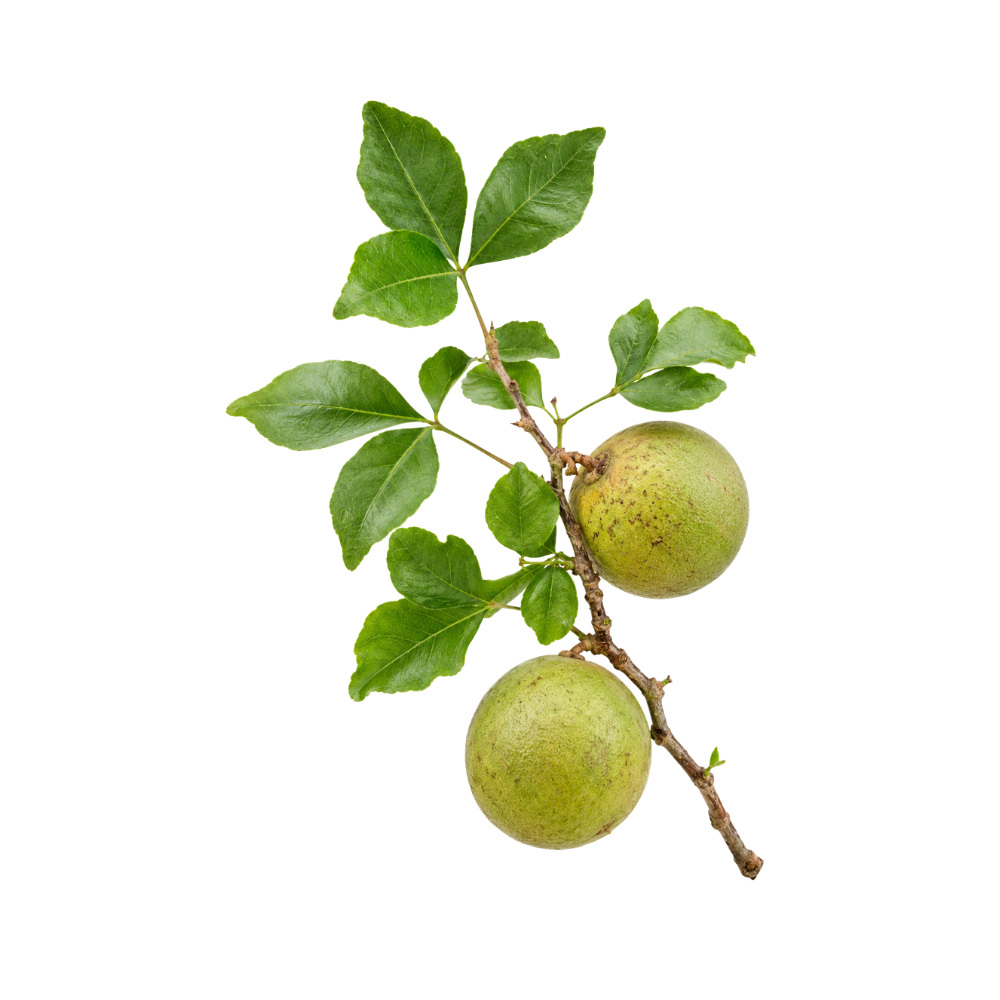 StrongStrongBaelAegle marmelosA dedicated rodent series established dose-dependent suppression of spermatogenesis, then tested reversibility and contraceptive efficacy as separate questions.Mechanismdose-dependent suppression of spermatogenesis by leaf extract — demonstrated reversible on withdrawalRead the evidenceShow lessMonograph →
A series in male albino rats established the effect in three steps. A 50% ethanolic extract suppressed fertility 4Reference 4AnimalSuppression of fertility in male albino rats following the administration of 50% ethanolic extract of Aegle marmelos — [animal]View study →, the induced changes were then shown to reverse on withdrawal 5Reference 5AnimalReversible changes in the antifertility induced by Aegle marmelos in male albino rats — [animal]View study →, and the aqueous leaf extract was assessed directly for contraceptive efficacy 6Reference 6AnimalAssessment of the contraceptive efficacy of the aqueous extract of Aegle marmelos Corr. leaves in male albino rats — [animal]View study →.
That is a research programme aimed at a male contraceptive rather than an incidental finding, and the 2007 paper ran in Contraception.
It is entirely rodent. No human data of any kind exist, so nothing establishes efficacy or safety as contraception in a person.
The dose-response and the reversibility arm make it unusually thorough for a botanical antifertility claim, and still a long way from a human result.
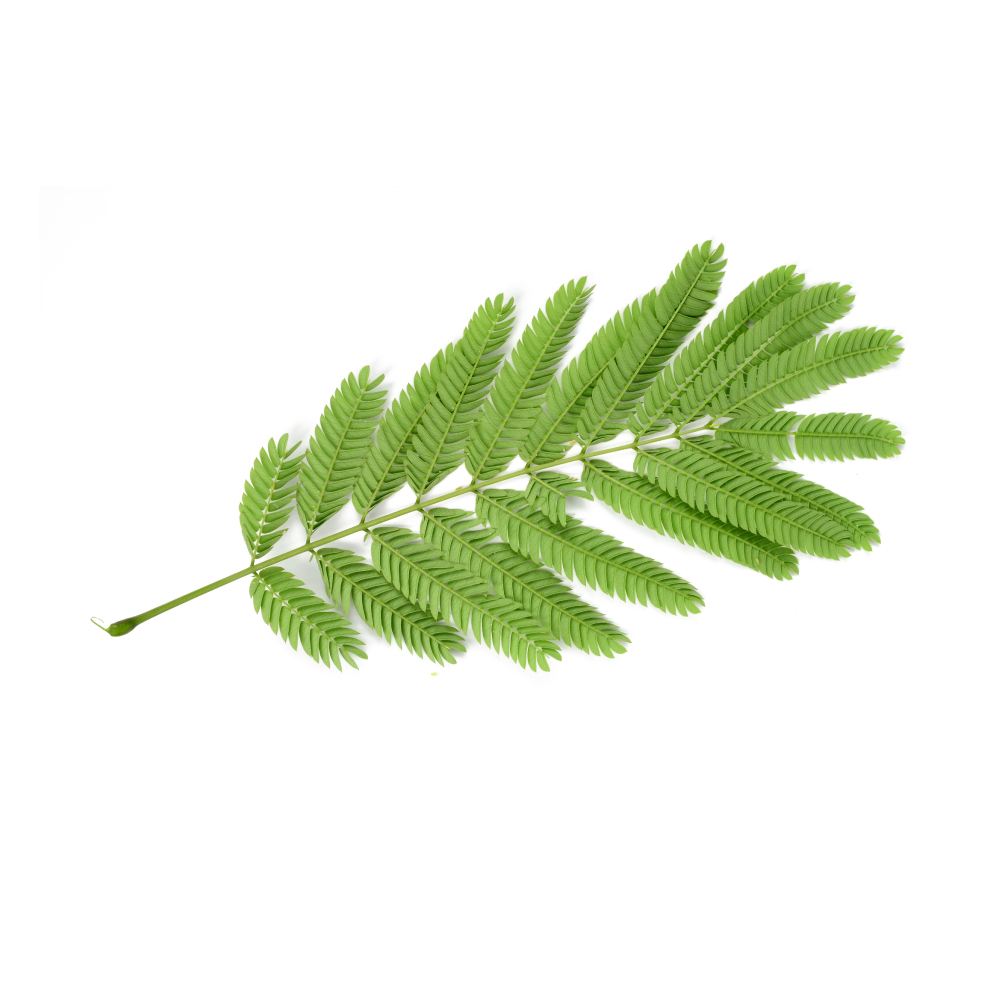 ModerateModerateAlbizziaAlbizzia lebbeckThree rat studies — pod, bark and the isolated bark saponins — report reduced fertility and spermatogenic arrest in males.Mechanismspermatogenic arrest; saponin-mediated action on male reproductive tissue — molecular target not establishedRead the evidenceShow lessMonograph →
A methanolic pod extract reduced fertility in male rats 1Reference 1AnimalAntifertility effects of methanolic pod extract of Albizzia lebbeck (L.) Benth in male rats — animal modelView study →, a bark extract — the medicinal part — produced antispermatogenic and antiandrogenic effects 2Reference 2AnimalAntispermatogenic, antiandrogenic activities of Albizia lebbeck (L.) Benth bark extract in male albino rats — animal modelView study →, and the bark saponins specifically were shown to act on the male reproductive system 3Reference 3AnimalEffect of saponins of Albizia lebbeck (L.) Benth bark on the reproductive system of male albino rats — animal modelView study →.
The finding therefore covers the preparation people actually use, not only the pod.
It is entirely rodent, from one research group, with no human fertility data and no dose-response in a preparation anyone takes.
The same result is examined as albizzia’s antiandrogenic action, and no study separates the two.
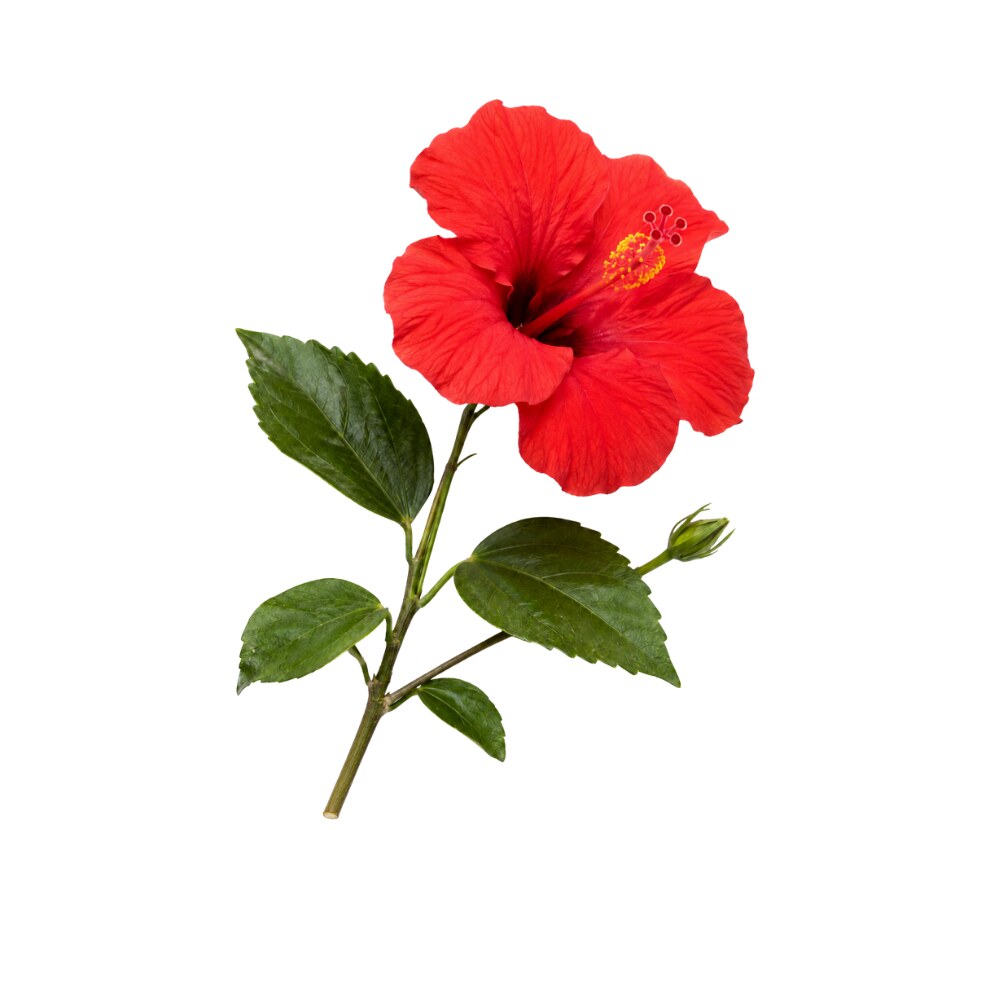 ModerateModerateHibiscusHibiscus rosa-sinensisA 1977 rat study reported suppressed spermatogenesis and effects on the accessory male reproductive organs.Mechanismsuppressed spermatogenesis with effects on accessory male reproductive organsRead the evidenceShow lessMonograph →
A dedicated study reported effects on spermatogenesis and the accessory reproductive organs in rats 8Reference 8AnimalEffect of Hibiscus rosa-sinensis on spermatogenesis and accessory reproductive organs in rats — in vivoView study →, sitting alongside the same programme’s anti-implantation work in the flowers 9,
The male-side evidence is a single study within one research programme, with no independent replication and no human data.
The female half of hibiscus’s antifertility literature is considerably larger, and it is examined under antifertility.
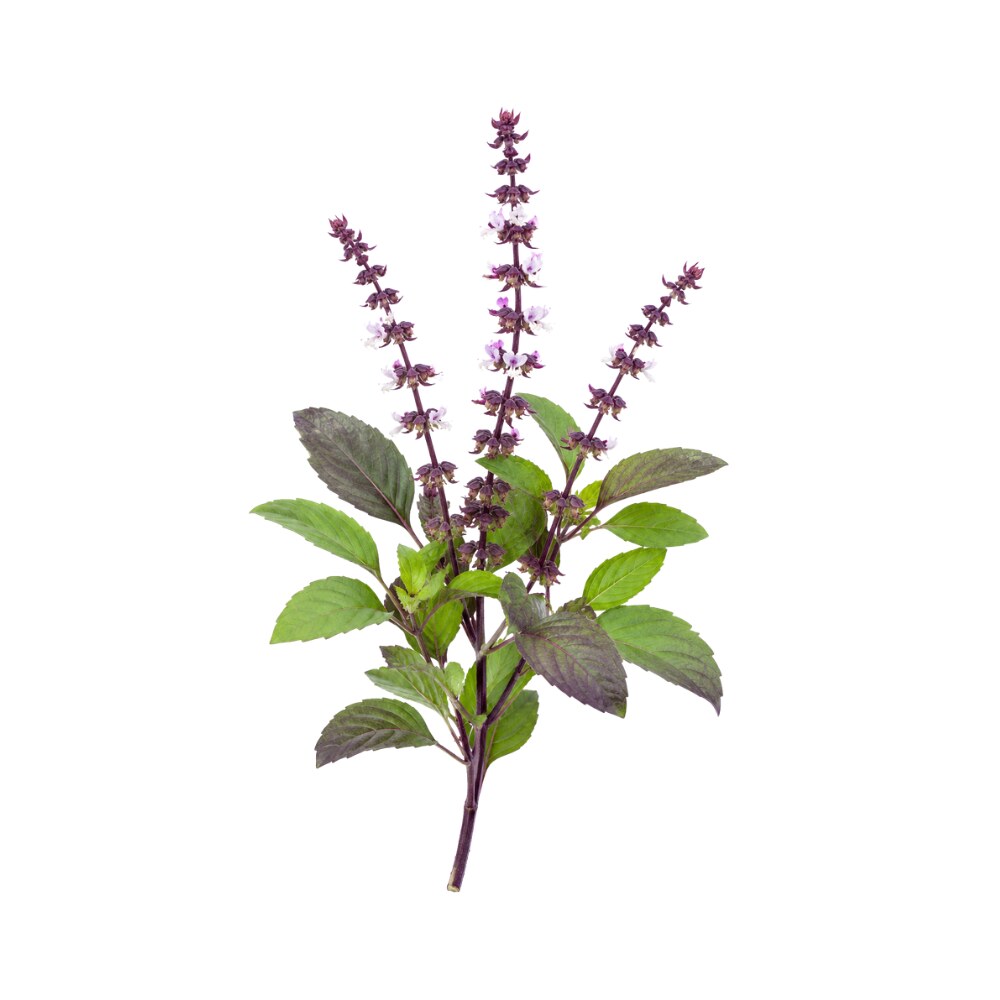 ModerateModerateHoly BasilOcimum tenuiflorumLeaf extracts reduce sperm count, motility and testicular androgen activity in male rats, and the effect normalises after withdrawal.Mechanismreversible suppression of male fertility by leaf extract — animal onlyRead the evidenceShow lessMonograph →
Benzene and other leaf extracts produce a reversible antifertility effect in male rats, with reduced sperm count, motility and testicular androgen activity that normalises after withdrawal 12Reference 12AnimalReversible antifertility effect of benzene extract of Ocimum sanctum leaves on sperm parameters and fructose content in rats — animal in vivo studyView study →. Anti-implantation activity is reported alongside it.
Holy basil is a daily adaptogen with roughly 24 human trials behind it and no serious adverse events up to eight weeks. It is taken for stress, mood and blood sugar.
Those trials measured cortisol, mood and glucose. None measured a semen parameter, so the human literature could not have detected this effect whether or not it occurs in people.
The evidence is animal and the effect is reversible, and the herb’s human safety record is good on every endpoint that has been measured.
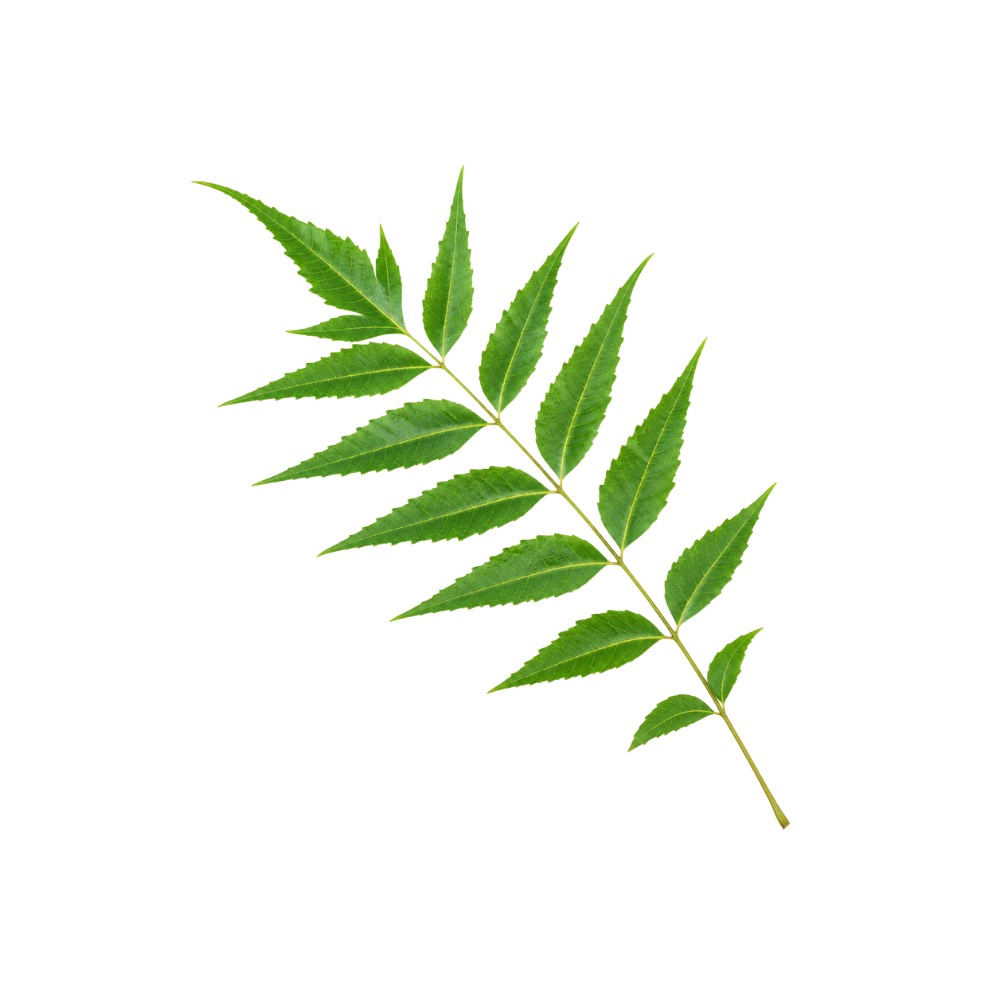 ModerateModerateNeemAzadirachta indicaAnimal studies document both suppressed sperm production and direct spermicidal action, reported together in the same literature.Mechanismsuppressed spermatogenesis plus direct spermicidal action — the two are not separated in the sourceRead the evidenceShow lessMonograph →
Animal studies document both antispermatogenic and spermicidal effects for neem 13Reference 13ReviewAntifertility activity of medicinal plants — reviewView study →.
Those are different mechanisms with different implications. Suppressed production is systemic and reversible in principle; a spermicidal effect is topical and immediate.
The review the finding reaches us through does not separate them, so neither the route nor the exposure that would produce either effect is defined.
Neem has decades of interest behind it as a botanical contraceptive, and none of that work has reached a human trial.
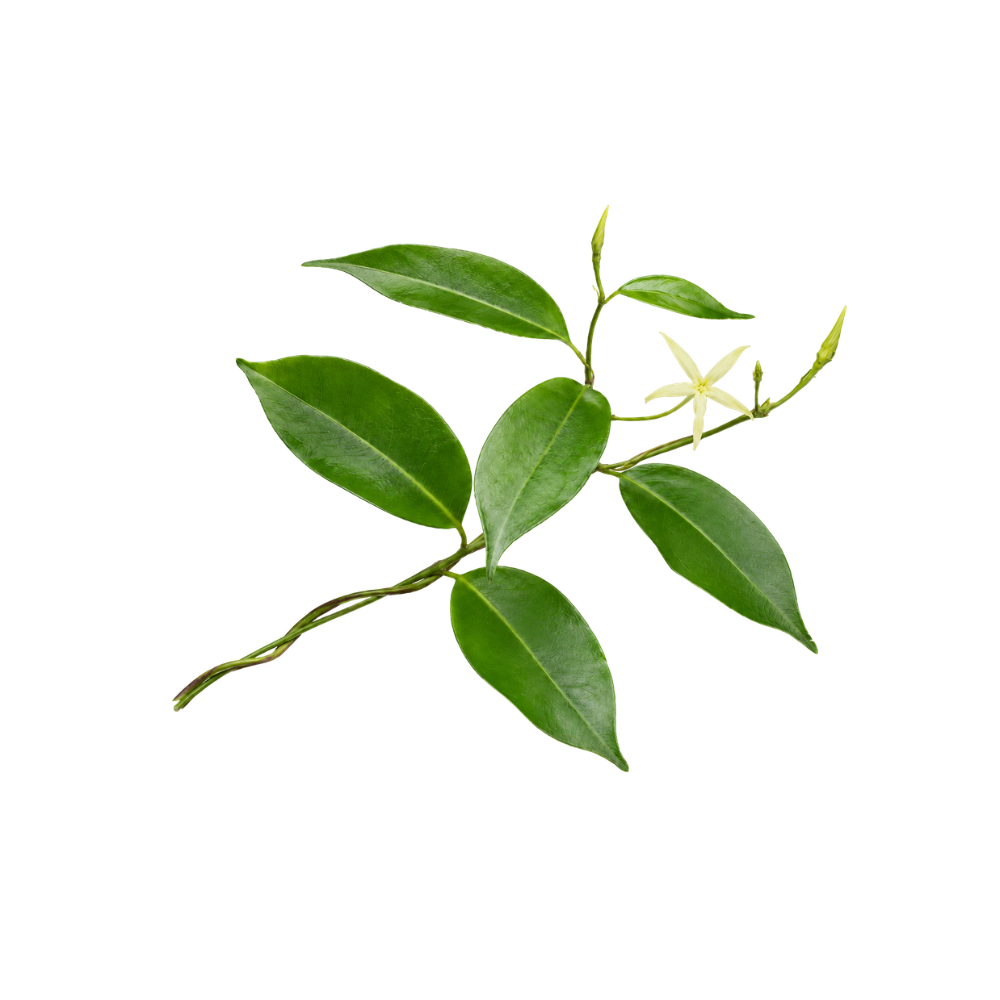 MildMildCryptolepisCryptolepis sanguinolentaAn ethanolic leaf extract reduced sperm count in male rats in a single study — a male-specific finding rather than a reclassified anti-implantation one.Mechanismantifertility activity of leaf ethanolic extract in male rats — single studyRead the evidenceShow lessMonograph →
An ethanolic leaf extract showed antifertility activity in male rats 7Reference 7AnimalAntifertility activity of Cryptolepis sanguinolenta leaf ethanolic extract in male rats — animal modelView study →.
It stands alone. There is no replication, no dose-response, no reversibility arm, and no mechanism beyond the observation.
Cryptolepis has a more serious reproductive hazard than this one. Cryptolepine is embryotoxic, with dose- and time-dependent mortality and malformations in zebrafish embryos and embryotoxicity in rodents.
No herbs match these filters.
Safety
- No herb here has been shown to prevent pregnancy in a person, and none should be used as contraception.
- Anyone trying to conceive should audit the whole stack, since these herbs are usually taken for something else entirely.
- Blends sold for men’s health or fertility can contain an antispermatogenic herb and a spermatogenic one at the same time.
- Avoid all six in pregnancy — the anti-implantation, abortifacient and embryotoxic findings across this group are stronger than the antispermatogenic one.
- Reversibility is an animal finding, not a schedule; allow a full 74-day cycle after stopping, and confirm with a semen analysis rather than guesswork.
- An abnormal semen analysis still needs investigating, because a herb is a plausible contributor and not a diagnosis.
References
- Gupta, R. S., Kachhawa, J. B., Chaudhary, R. (2004). Antifertility effects of methanolic pod extract of Albizzia lebbeck (L.) Benth in male rats — animal model. Asian Journal of Andrology. https://pubmed.ncbi.nlm.nih.gov/15154091/
- Gupta, R. S., et al. (2006). Antispermatogenic, antiandrogenic activities of Albizia lebbeck (L.) Benth bark extract in male albino rats — animal model. Phytomedicine. https://pubmed.ncbi.nlm.nih.gov/16492532/
- Gupta, R. S., et al. (2005). Effect of saponins of Albizia lebbeck (L.) Benth bark on the reproductive system of male albino rats — animal model. Journal of Ethnopharmacology. https://pubmed.ncbi.nlm.nih.gov/15588647/
- Chauhan A et al. (2007). Suppression of fertility in male albino rats following the administration of 50% ethanolic extract of Aegle marmelos — [animal]. Contraception, 76(6), 474-81. https://pubmed.ncbi.nlm.nih.gov/18061707/
- Chauhan A, & Agarwal M (2008). Reversible changes in the antifertility induced by Aegle marmelos in male albino rats — [animal]. Systems Biology in Reproductive Medicine, 54(6), 240-6. https://pubmed.ncbi.nlm.nih.gov/19052962/
- Chauhan A, & Agarwal M (2009). Assessment of the contraceptive efficacy of the aqueous extract of Aegle marmelos Corr. leaves in male albino rats — [animal]. Human Fertility, 12(2), 107-18. https://pubmed.ncbi.nlm.nih.gov/19802961/
- Ajayi, A. F., & Akhigbe, R. E. (2012). Antifertility activity of Cryptolepis sanguinolenta leaf ethanolic extract in male rats — animal model. Journal of Human Reproductive Sciences. https://pubmed.ncbi.nlm.nih.gov/22870014/
- Kholkute, S. D. (1977). Effect of Hibiscus rosa-sinensis on spermatogenesis and accessory reproductive organs in rats — in vivo. Planta Med. https://pubmed.ncbi.nlm.nih.gov/854540/
- Kholkute, S. D., et al. (1977). Antifertility potentiality of Hibiscus rosa-sinensis: parts of medicinal value, species and seasonal variation — rat. Planta Med. https://pubmed.ncbi.nlm.nih.gov/840927/
- Singh, M. P., et al. (1982). Antifertility activity of a benzene extract of Hibiscus rosa-sinensis flowers in female rats — in vivo. Planta Med. https://pubmed.ncbi.nlm.nih.gov/7089096/
- Pal, A. K., et al. (1985). Flowers of Hibiscus rosa-sinensis, a potential contragestative agent: anti-implantation effect of the benzene extract — in vivo. Contraception. https://pubmed.ncbi.nlm.nih.gov/4085250/
- Ahmed, M., et al. (2002). Reversible antifertility effect of benzene extract of Ocimum sanctum leaves on sperm parameters and fructose content in rats — animal in vivo study. J Basic Clin Physiol Pharmacol, 13(1), 51–59. https://pubmed.ncbi.nlm.nih.gov/12099405/
- Daniyal, M., & Akram, M. (2015). Antifertility activity of medicinal plants — review. Journal of the Chinese Medical Association. https://pubmed.ncbi.nlm.nih.gov/25921562/
Keep Exploring