

Overview
Antiandrogenic at a Glance
Antiandrogenic herbs reduce the effects of androgens such as testosterone and dihydrotestosterone (DHT).
They can do this at several points in the pathway.
Some reduce androgen production.
Spearmint and licorice have both lowered measured testosterone in human studies, while peony appears to act on enzymes involved in steroid synthesis.
Others reduce the conversion of testosterone into DHT, the more potent androgen involved in prostate growth and pattern hair loss.
Saw palmetto is the best-known example here, with effects on 5α-reductase and androgen signalling in target tissues.
A third route is to interfere with the androgen receptor itself, reducing how strongly tissues respond even when hormone levels remain unchanged.
This distinction matters because the uses are not all the same.
Hirsutism, androgenic acne, and some cases of PCOS involve excessive androgen signalling more broadly, while benign prostatic enlargement and androgenic hair loss are more closely tied to DHT in specific tissues.
Antiandrogenic herbs are therefore not interchangeable simply because they all lower “androgen activity.”
Middle Eastern practice drank spearmint tea for unwanted facial hair long before free testosterone could be measured, and the modern trials were built to test that folk remedy rather than the other way round.
Japanese and Chinese practice used the peony-and-licorice pairing for the same complaints.
Barbatimão and albizzia carry the action from traditional use alone. Barbatimão has been tested only as a cream on hair growth, and albizzia is rodent-only, with no study separating receptor blockade from suppressed synthesis.
Caution
Not in pregnancy — normal androgen signalling matters for male fetal development, so an effective antiandrogen is avoided in pregnancy.
Prostate symptoms assessed first — benign enlargement and prostate cancer present the same way, so get a diagnosis before treating.
Adds to antiandrogen drugs — these herbs are additive with pharmaceutical antiandrogens, including spironolactone and cyproterone acetate.
Mechanisms
How It Works
01
Androgen Synthesis
Fewer androgens are made, so total testosterone falls rather than being blocked at its target.
Spearmint suppresses the steroidogenic enzymes P450scc, P450c17 and the 3β- and 17β-hydroxysteroid dehydrogenases, apparently through hypothalamic oxidative stress that lowers LH- and FSH-driven steroidogenesis.
Peony’s paeoniflorin downregulates CYP17A1 in ovarian theca cells. Licorice inhibits androgen-synthesis enzymes and acts on the 11β-HSD and cortisol axis at the same time.
Pharmaceutical antiandrogens mostly block the receptor instead, so a synthesis-level herb is not a substitute for one and does not behave like one on a hormone panel.
The drop is dose-dependent in every case measured, and the doses that produce it are therapeutic doses rather than culinary ones.
Key compounds: Rosmarinic AcidCarvonePaeoniflorinGlycyrrhizin
02
Conversion and Receptor Binding
Blocking 5α-reductase leaves testosterone alone and lowers dihydrotestosterone; blocking the receptor leaves both alone and stops the signal.
Saw palmetto’s liposterolic extract inhibits both androgen metabolism and receptor binding in cell culture, and peony’s root yields androgen-receptor-modulating galloyl glycosides.
These are tissue-level effects rather than whole-body ones, which is why saw palmetto eases prostate symptoms without moving PSA.
Finasteride blocks one 5α-reductase isoform almost completely. The herbs in this group produce a partial effect at best, and the head-to-head hair-loss data show it.
Herbs: PeonySaw Palmetto
Key compounds: Pentagalloylglucose
03
Unresolved Routes
Some herbs lower androgen-driven function without anyone identifying which step they act on.
Albizzia bark reduces androgen-dependent function in male rats alongside an antispermatogenic effect, with no hormone assay and no separation of receptor blockade from suppressed synthesis.
Barbatimão suppressed terminal hair growth as a 6% cream over six months, with the mechanism unexamined.
An unexplained result and an unmeasured mechanism are different kinds of uncertainty, and this group has both.
Herbs: AlbizziaBarbatimão
Materia Medica
Antiandrogenic Herbs by Potency
The antiandrogenic herbs, ordered by the relative strength of the effect rather than by how well studied it is. Each herb is described by the mechanism behind its effect and the evidence for it.
None of this is a substitute for professional care.
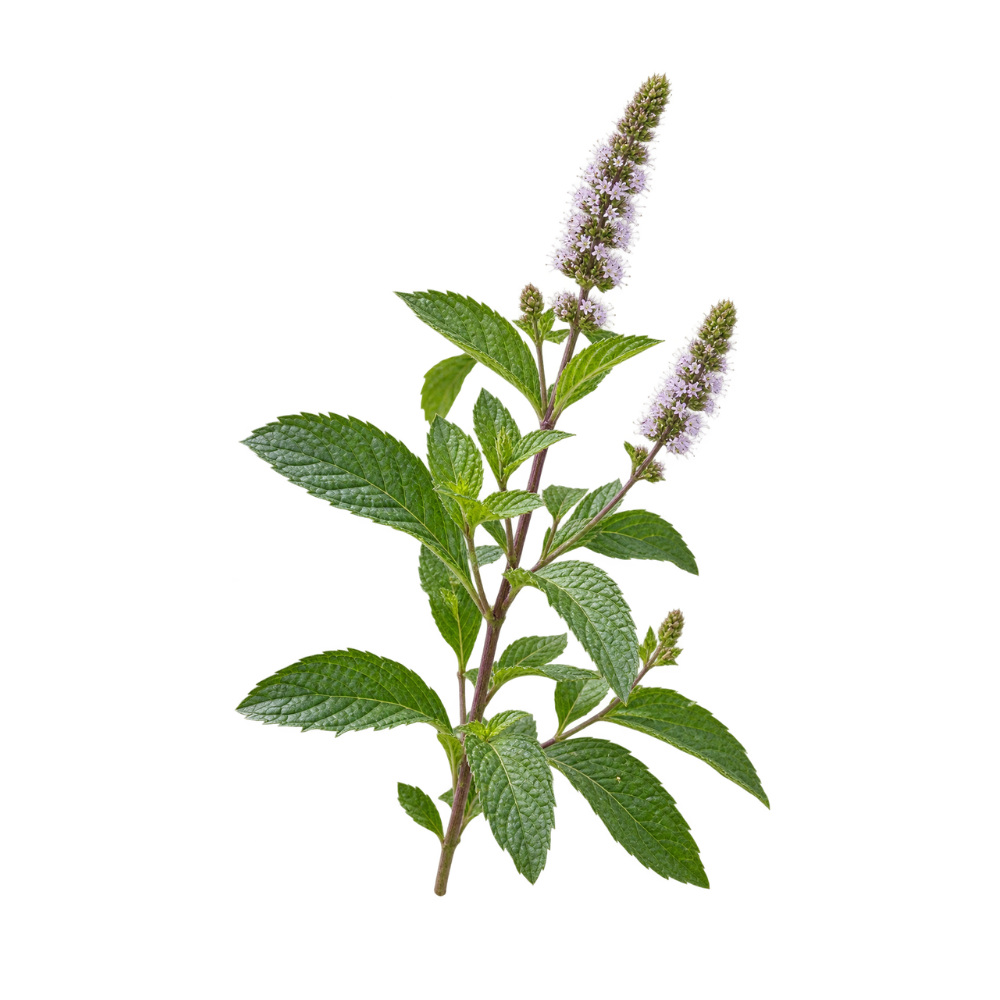 PotentPotentSpearmintMentha spicataTwice-daily tea significantly lowered free and total testosterone in women with PCOS in a randomised controlled trial, the traditional Middle Eastern remedy for unwanted facial hair.Mechanismsteroidogenic-enzyme suppression (P450scc, P450c17, 3β-/17β-HSD) via hypothalamic oxidative stress; free testosterone ↓Read the evidenceShow lessMonograph →
In a 30-day, two-centre randomised controlled trial in 42 women with polycystic ovary syndrome, twice-daily spearmint tea significantly reduced free and total testosterone and raised LH and FSH against a placebo tea 21Reference 21RCTSpearmint herbal tea has significant anti-androgen effects in polycystic ovarian syndrome — randomised controlled trialView study →. An earlier open trial in 21 hirsute women found the same directional fall in free testosterone after five days of the same preparation 22Reference 22Clinical trialEffect of spearmint (Mentha spicata Labiatae) teas on androgen levels in women with hirsutism — clinical trialView study →.
The mechanism is supported in rodents. Aqueous spearmint extract suppressed the steroidogenic enzymes cytochrome P450scc, P450c17 and the 3β- and 17β-hydroxysteroid dehydrogenases and lowered testosterone, apparently through hypothalamic oxidative stress reducing LH- and FSH-driven steroidogenesis 23Reference 23AnimalSpearmint induced hypothalamic oxidative stress and testicular anti-androgenicity in male rats — altered levels of gene expression, enzymes and hormones — animal model (rat)View study →.
The objective Ferriman–Gallwey hirsutism score did not improve significantly over 30 days even though the hormones and the women’s own ratings did 21Reference 21RCTSpearmint herbal tea has significant anti-androgen effects in polycystic ovarian syndrome — randomised controlled trialView study →. Both human trials are small and short, and no trial has shown a fall in visible hirsutism on an objective scale.
Spearmint is a kitchen herb, and the trial preparation is two cups of tea a day. Culinary amounts are an ordinary food; that tea is an endocrine intervention, which matters for men, in pregnancy, and in anyone with a hormone-sensitive condition.
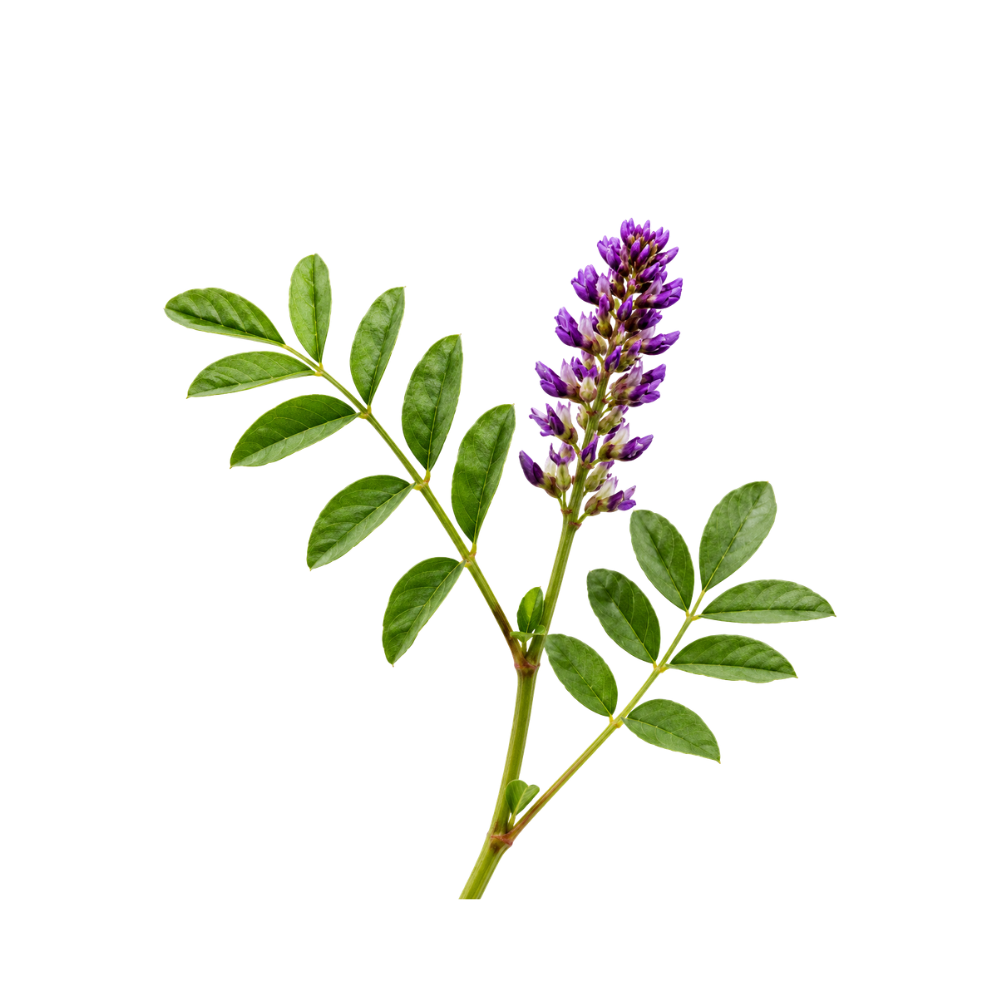 ModerateModerateLicoriceGlycyrrhiza glabraLowers serum testosterone by roughly 26% in a week, replicated in men and in women — the clearest human number on this action.Mechanismmild inhibition of androgen-synthesis enzymes plus 11β-HSD/cortisol-axis action — dose-dependentRead the evidenceShow lessMonograph →
Armanini’s group reported a serum-testosterone drop in healthy men 4Reference 4Clinical trialReduction of serum testosterone in men by licorice — clinical trialView study →, reproduced it in a second cohort at roughly 26% after one week 5Reference 5Clinical trialLicorice consumption and serum testosterone in healthy man — clinical trialView study →, and showed the same in healthy women 6Reference 6Clinical trialLicorice reduces serum testosterone in healthy women — clinical trialView study →. The finding began as a safety signal rather than a therapeutic lead.
In polycystic ovary syndrome, adding licorice to spironolactone offset the drug’s tendency to raise renin and aldosterone while contributing anti-androgen action of its own 7Reference 7Clinical trialTreatment of polycystic ovary syndrome with spironolactone plus licorice — clinical trialView study →. A 2024 double-blind trial found licorice extract plus a low-calorie diet improved obesity, glycaemic and lipid indices in overweight women with the syndrome 8Reference 8RCTEffects of licorice extract with a low-calorie diet on obesity, glycemic and lipid indices in overweight/obese women with PCOS: a randomised, double-blind, placebo-controlled trialView study →.
A controlled study found no significant sex-steroid change at moderate liquorice doses 9Reference 9Clinical trialLiquorice in moderate doses does not affect sex steroid hormones of biological importance — clinical trialView study →, so the effect is dose-dependent. The doses that produce it deliver a meaningful glycyrrhizin load, and that load is what carries licorice’s blood-pressure and potassium risk.
Deglycyrrhizinated licorice does not produce the effect at all, because the constituent responsible has been removed. The safer preparation is the inert one for this purpose, and the studies behind the effect are small and short.
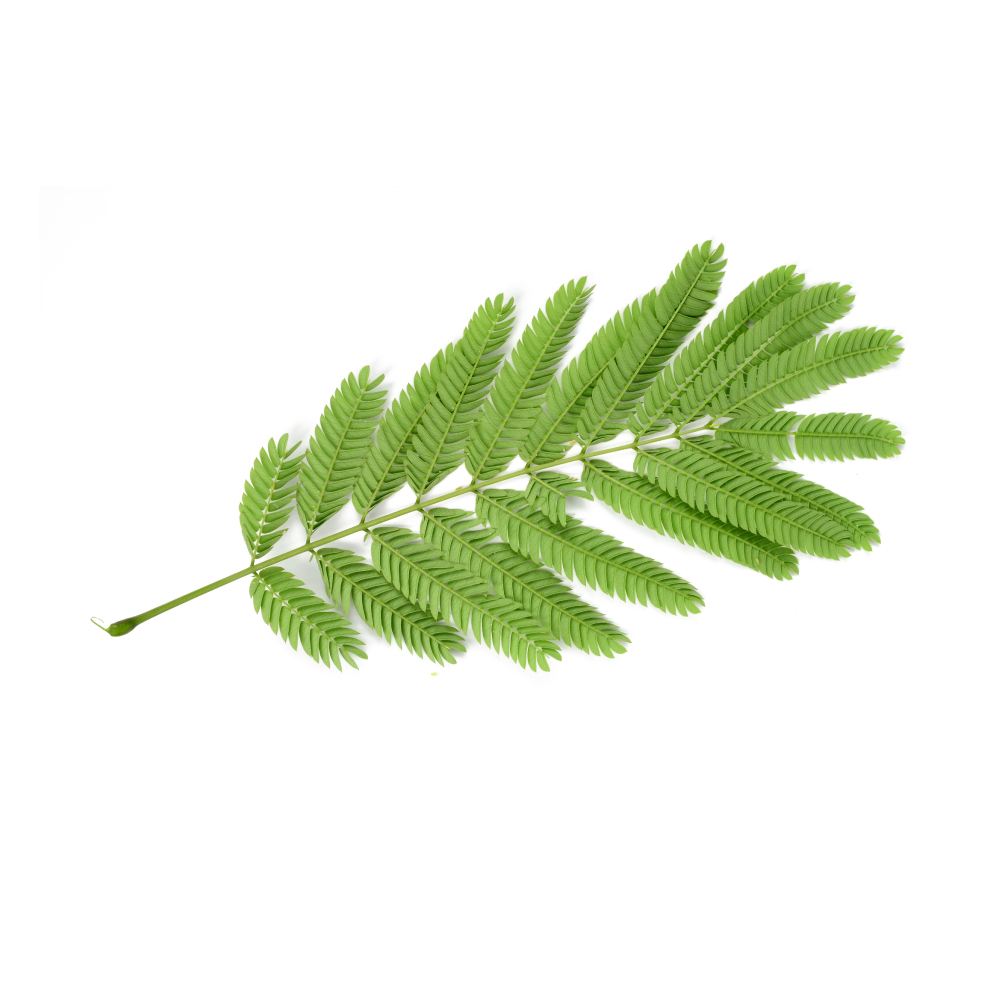 ModerateModerateAlbizziaAlbizzia lebbeckBark extract lowers androgen-driven function alongside an antispermatogenic effect in male rats, with the saponin fraction carrying the activity.Mechanismandrogen suppression alongside spermatogenic arrest — receptor vs. synthesis not distinguishedRead the evidenceShow lessMonograph →
The bark-extract study names both activities in its title, antispermatogenic and antiandrogenic in male albino rats 1Reference 1AnimalAntispermatogenic, antiandrogenic activities of Albizia lebbeck (L.) Benth bark extract in male albino rats — animal modelView study →, and a companion study locates the effect in the bark’s saponin fraction 2Reference 2AnimalEffect of saponins of Albizia lebbeck (L.) Benth bark on the reproductive system of male albino rats — animal modelView study →.
Neither separates androgen-receptor antagonism from suppressed androgen synthesis, and no hormone assay has been reported. What the work supports is that the bark lowers androgen-driven function in male rats.
The same finding is examined as albizzia’s antispermatogenic action, and the two are one result reported as two activities. It is the wrong herb for anyone supporting testosterone or sperm production.
MildBarbatimãoStryphnodendron adstringensA 6% cream suppressed terminal hair growth over six months in a randomised controlled trial, with no adverse events.Mechanismnot resolved; terminal-hair-growth suppression, topicalRead the evidenceShow less
A double-blind randomised controlled trial of a 6% cream showed suppression of terminal hair growth over six months, with no adverse events reported 3Reference 3RCTDouble-blind, randomised, placebo-controlled trial of a cream containing Stryphnodendron adstringens bark extract for suppressing terminal hair growth — randomised controlled trialView study →. It is one of only two human trials this herb has.
The endpoint is topical and cosmetic. Nothing in the trial measures a systemic antiandrogenic effect, and the mechanism is unresolved.
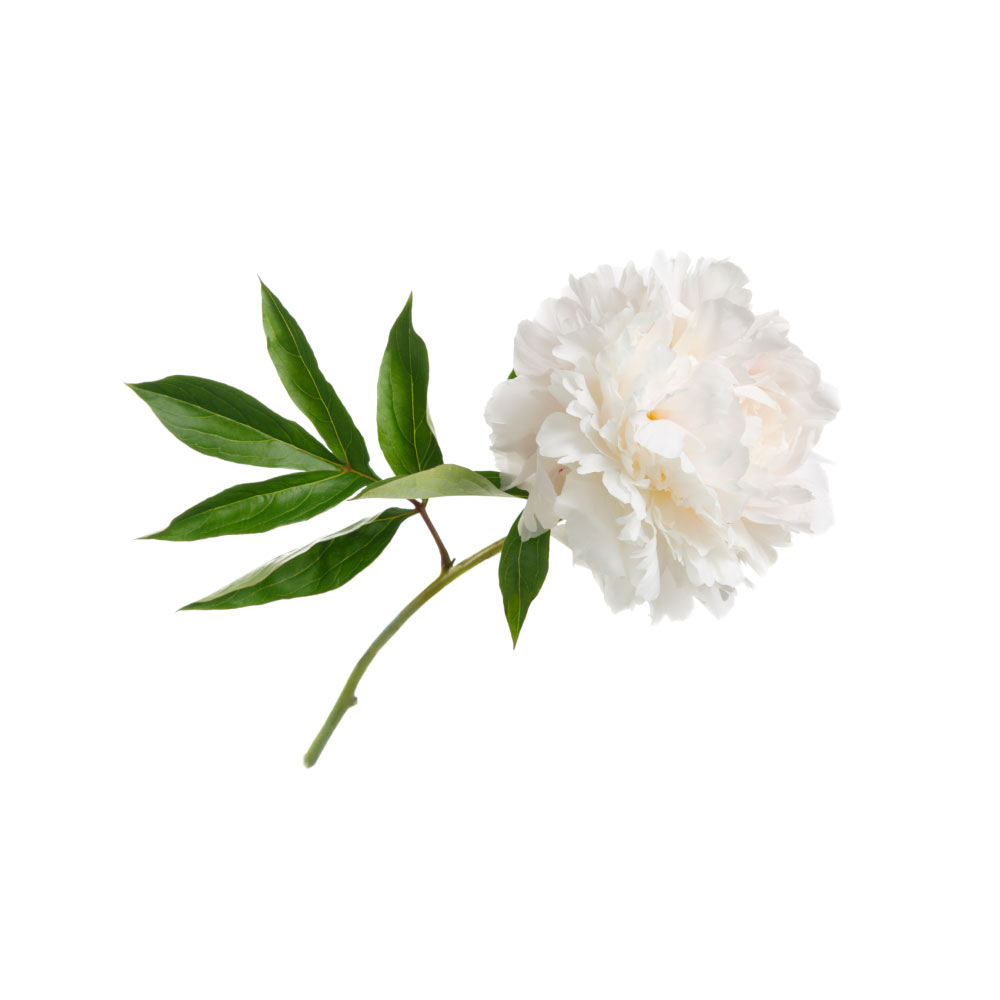 MildMildPeonyPaeonia lactifloraPaeoniflorin downregulates CYP17A1 in ovarian theca cells, and the root yields androgen-receptor-modulating galloyl glycosides.MechanismCYP17A1 ↓ (theca-cell steroidogenesis); androgen-receptor binding (galloyl glycosides / pentagalloylglucose)Read the evidenceShow lessMonograph →
The mechanistic work is the stronger half. Androgen-receptor-modulating galloyl monoterpene glycosides and pentagalloylglucose have been isolated from the root 12Reference 12In vitroAndrogen modulators from the roots of Paeonia lactiflora (paeoniae radix) grown and processed in Nara prefecture, Japan — in vitroView study →, paeoniflorin downregulates CYP17A1 to curb testosterone over-secretion in primary murine theca cells 13Reference 13In vitroPaeoniflorin extract reverses dexamethasone-induced testosterone over-secretion through downregulation of cytochrome P450 17A1 expression in primary murine theca cells — in vitroView study →, and a review places peony among the plant-derived anti-androgens 14Reference 14ReviewAn update on plant derived anti-androgens — reviewView study →.
The single human datum is an early open, uncontrolled study of Shakuyaku-kanzo-to in 34 women with polycystic ovarian disease, reporting significantly reduced serum testosterone 10Reference 10Clinical trialEffect of TJ-68 (shakuyaku-kanzo-to) on polycystic ovarian disease — human clinical studyView study →. In rats it was paeoniflorin plus glycyrrhizin that lowered ovarian androgen production 11Reference 11AnimalEffect of paeoniflorin, glycyrrhizin and glycyrrhetic acid on ovarian androgen production — rat in vivoView study →.
Shakuyaku-kanzo-to is the peony–licorice pairing, and licorice is independently active on this action, so a combination result cannot be assigned to peony.
The data point to reduced androgen synthesis rather than to aromatase induction, which peony is sometimes credited with.
 MildMildSaw PalmettoSerenoa repensA liposterolic extract inhibited both androgen metabolism and androgen-receptor binding in cell culture, the basis of its use in prostate symptoms and hair loss.Mechanismandrogen-receptor binding ↓; androgen metabolism ↓Read the evidenceShow lessMonograph →
The mechanistic claim rests on a single 1984 in-vitro study, in human foreskin fibroblasts rather than prostate tissue, in which a liposterolic extract inhibited both androgen metabolism and receptor binding 15Reference 15In vitroInhibition of androgen metabolism and binding by a liposterolic extract of Serenoa repens in human foreskin fibroblasts — in vitroView study →.
Downstream of that, a small placebo-controlled trial of a botanical 5α-reductase formulation reported improvement in about 60% of treated men with androgenetic alopecia against far fewer on placebo 16Reference 16RCTA randomized, double-blind, placebo-controlled trial of botanically derived inhibitors of 5α-reductase in androgenetic alopecia (RCT)View study →. A two-year open-label study found 320 mg a day helped 38% of men against 68% on finasteride 1 mg 17Reference 17RCTComparative effectiveness of finasteride vs Serenoa repens in male androgenetic alopecia: a two-year study — randomized comparative study (RCT)View study →, and topical preparations were directionally similar 18Reference 18Treatment of male androgenetic alopecia with topical products containing Serenoa repens extract — comparative studyView study →.
Systemically the effect looks slight. PSA was unmoved in both large benign-prostatic-hyperplasia trials 19,
No herbs match these filters.
Safety
- An effective antiandrogen is contraindicated in pregnancy because of the risk to a developing male fetus.
- Prostate symptoms need assessment before treatment, because benign enlargement and prostate cancer present the same way.
- Sudden or severe androgenic change in a woman can signal an adrenal or ovarian tumour and needs investigating rather than treating.
- These herbs are additive with pharmaceutical antiandrogens, including spironolactone and cyproterone acetate.
- Falling androgen tone in men affects libido, mood, bone density and fertility.
- Several antiandrogenic herbs are sold as testosterone boosters, which is the opposite of what they do.
- A culinary dose and a therapeutic dose of the same food herb are different interventions.
References
- Gupta, R. S., et al. (2006). Antispermatogenic, antiandrogenic activities of Albizia lebbeck (L.) Benth bark extract in male albino rats — animal model. Phytomedicine. https://pubmed.ncbi.nlm.nih.gov/16492532/
- Gupta, R. S., et al. (2005). Effect of saponins of Albizia lebbeck (L.) Benth bark on the reproductive system of male albino rats — animal model. Journal of Ethnopharmacology. https://pubmed.ncbi.nlm.nih.gov/15588647/
- Vicente RA, Leite e Silva VR, Baby AR, et al. (2009). Double-blind, randomised, placebo-controlled trial of a cream containing Stryphnodendron adstringens bark extract for suppressing terminal hair growth — randomised controlled trial. Journal of the European Academy of Dermatology and Venereology. https://pubmed.ncbi.nlm.nih.gov/19192016/
- Armanini D, et al. (1999). Reduction of serum testosterone in men by licorice — clinical trial. New England Journal of Medicine. https://pubmed.ncbi.nlm.nih.gov/10515764/
- Armanini D, et al. (2003). Licorice consumption and serum testosterone in healthy man — clinical trial. Experimental and Clinical Endocrinology & Diabetes. https://pubmed.ncbi.nlm.nih.gov/14520600/
- Armanini D, et al. (2004). Licorice reduces serum testosterone in healthy women — clinical trial. Steroids. https://pubmed.ncbi.nlm.nih.gov/15579328/
- Armanini D, et al. (2007). Treatment of polycystic ovary syndrome with spironolactone plus licorice — clinical trial. European Journal of Obstetrics, Gynecology, and Reproductive Biology. https://pubmed.ncbi.nlm.nih.gov/17113210/
- Hooshmandi H, et al. (2024). Effects of licorice extract with a low-calorie diet on obesity, glycemic and lipid indices in overweight/obese women with PCOS: a randomised, double-blind, placebo-controlled trial. Journal of Ovarian Research. https://pubmed.ncbi.nlm.nih.gov/39080737/
- Sigurjonsdottir HA, et al. (2006). Liquorice in moderate doses does not affect sex steroid hormones of biological importance — clinical trial. Hormone Research. https://pubmed.ncbi.nlm.nih.gov/16462145/
- Takahashi, K., & Kitao, M. (1994). Effect of TJ-68 (shakuyaku-kanzo-to) on polycystic ovarian disease — human clinical study. Int J Fertil Menopausal Stud. https://pubmed.ncbi.nlm.nih.gov/8012442/
- Takeuchi, T., Nishii, O., Okamura, T., & Yaginuma, T. (1991). Effect of paeoniflorin, glycyrrhizin and glycyrrhetic acid on ovarian androgen production — rat in vivo. Am J Chin Med. https://pubmed.ncbi.nlm.nih.gov/1897494/
- Washida, K., et al. (2009). Androgen modulators from the roots of Paeonia lactiflora (paeoniae radix) grown and processed in Nara prefecture, Japan — in vitro. Chem Pharm Bull (Tokyo). https://pubmed.ncbi.nlm.nih.gov/19721258/
- Ong, M., et al. (2019). Paeoniflorin extract reverses dexamethasone-induced testosterone over-secretion through downregulation of cytochrome P450 17A1 expression in primary murine theca cells — in vitro. J Ethnopharmacol. https://pubmed.ncbi.nlm.nih.gov/30195059/
- Grant, P., & Ramasamy, S. (2012). An update on plant derived anti-androgens — review. Int J Endocrinol Metab. https://pubmed.ncbi.nlm.nih.gov/23843810/
- Sultan, C., Terraza, A., Devillier, C., et al. (1984). Inhibition of androgen metabolism and binding by a liposterolic extract of Serenoa repens in human foreskin fibroblasts — in vitro. Journal of Steroid Biochemistry. https://pubmed.ncbi.nlm.nih.gov/6708534/
- Prager, N., Bickett, K., French, N., & Marcovici, G. (2002). A randomized, double-blind, placebo-controlled trial of botanically derived inhibitors of 5α-reductase in androgenetic alopecia (RCT). Journal of Alternative and Complementary Medicine. https://pubmed.ncbi.nlm.nih.gov/12006122/
- Rossi, A., Mari, E., Scarno, M., et al. (2012). Comparative effectiveness of finasteride vs Serenoa repens in male androgenetic alopecia: a two-year study — randomized comparative study (RCT). International Journal of Immunopathology and Pharmacology. https://pubmed.ncbi.nlm.nih.gov/23298508/
- Wessagowit, V., Tangjaturonrusamee, C., Kootiratrakarn, T., et al. (2016). Treatment of male androgenetic alopecia with topical products containing Serenoa repens extract — comparative study. Australasian Journal of Dermatology. https://pubmed.ncbi.nlm.nih.gov/26010505/
- Bent, S., Kane, C., Shinohara, K., et al. (2006). Saw palmetto for benign prostatic hyperplasia — randomized controlled trial (RCT). New England Journal of Medicine. https://pubmed.ncbi.nlm.nih.gov/16467543/
- Barry, M. J., Meleth, S., Lee, J. Y., et al. (2011). Effect of increasing doses of saw palmetto extract on lower urinary tract symptoms — a randomized trial (RCT). JAMA. https://pubmed.ncbi.nlm.nih.gov/21954478/
- Grant, P. (2010). Spearmint herbal tea has significant anti-androgen effects in polycystic ovarian syndrome — randomised controlled trial. Phytotherapy Research. https://pubmed.ncbi.nlm.nih.gov/19585478/
- Akdoğan, M., Tamer, M. N., & Cüre, E. (2007). Effect of spearmint (Mentha spicata Labiatae) teas on androgen levels in women with hirsutism — clinical trial. Phytotherapy Research. https://pubmed.ncbi.nlm.nih.gov/17310494/
- Kumar, V., Kural, M. R., & Pereira, B. M. (2008). Spearmint induced hypothalamic oxidative stress and testicular anti-androgenicity in male rats — altered levels of gene expression, enzymes and hormones — animal model (rat). Food and Chemical Toxicology. https://pubmed.ncbi.nlm.nih.gov/18804513/
Keep Exploring