

Overview
Antitussive at a Glance
Antitussives reduce or suppress coughing.
They are used mainly for dry, irritating, or otherwise unproductive coughs where the cough itself has become part of the problem.
Some work peripherally, by soothing the irritated surfaces that trigger the cough reflex.
Demulcent herbs such as marshmallow and slippery elm coat the throat with mucilage, reducing stimulation of the sensory nerves that initiate coughing.
Others act more centrally.
Opioids such as codeine suppress the cough reflex in the brainstem. Opium poppy is the clearest herbal example, although this is pharmacologically very different from the soothing action of a demulcent.
Antitussives also need to be distinguished from expectorants.
An antitussive quiets the cough. An expectorant helps make it productive and clear mucus.
Some herbs may appear in both groups because they can reduce coughing indirectly by helping clear what is provoking it.
Coltsfoot, wild cherry, marshmallow, and wild lettuce all have long histories as cough remedies, although the amount of modern evidence behind each varies considerably.
The fresh leaves, or juice, or a syrup thereof, is good for a bad dry cough, or wheezing, and shortness of breath.
Nicholas Culpeper, The Complete Herbal, 1653, on coltsfoot
Caution
Let a productive cough clear — a productive cough is helping clear mucus, and suppressing it is the wrong intervention.
A lasting cough needs assessment — a cough lasting more than about three weeks, or one with blood, fever, weight loss or breathlessness, needs investigating.
No coltsfoot in pregnancy — coltsfoot's pyrrolizidine alkaloids rule it out in pregnancy and lactation, whatever its cough evidence.
Mechanisms
How It Works
01
Mucilage and the Peripheral Cough Reflex
Coating the pharyngeal mucosa reduces the sensory irritation that triggers a cough, without acting on the nervous system at all.
Marshmallow root rhamnogalacturonan is a large polysaccharide that is not absorbed, and it suppressed citric-acid- and mechanically-induced cough dose-dependently in guinea pigs and cats, with efficacy comparable to codeine and, unlike codeine, negligible impact on expectoration.
Slippery elm’s mucilage is proposed to work the same way, and both were official demulcents and antitussives in the older pharmacopoeias.
This is the one mechanism here with a codeine comparison behind it.
It is also the one most dependent on delivery: the preparation has to be tasted and held against the throat, so a capsule does almost nothing.
Herbs: MarshmallowSlippery Elm
02
Cough Suppression with No Identified Target
A measured reduction in coughing with no receptor or channel named for it.
Coltsfoot’s chlorogenic and di-caffeoylquinic acids reduced ammonia-induced cough in mice at 10–20 mg/kg, with bioactivity-guided work assigning the effect to the same caffeoylquinic acids and sesquiterpenes.
Horseweed’s polyphenolic polysaccharide-protein complex produced a dose-dependent antitussive effect approaching codeine in conscious guinea pigs, alongside a measurable fall in airway resistance.
Both are single-species animal models with no human cough trial, and in both the active agent is a purified fraction rather than the herb as taken.
Herbs: ColtsfootHorseweed
03
Quieting the Cough by Clearing It
Some herbs reduce coughing by making the cough productive rather than by damping the reflex.
Thyme works this way. Its combination trials cut bronchitis severity and improved cough resolution through secretolysis, bronchial relaxation and anti-inflammation, which is why its expectorant tag is not a contradiction. Gumweed’s resin was given the same way.
An antitussive effect reached this way suits a productive cough, which is the opposite of what the demulcents suit.
Herbs: GumweedThyme
04
Central Opioid Suppression
Mu-opioid agonism at the medullary cough centre is the best-characterised antitussive mechanism in pharmacology, and it is the comparator the animal work here uses.
It belongs to the opium alkaloids. Codeine remains the reference antitussive, and no herbal preparation in use reaches that route.
Herbs: Opium Poppy
The Molecules
Pharmacology
What actually produces an antitussive effect at the molecular level. The herbs below carry these molecules in different combinations and amounts, which is most of why their potency differs. Roles describe how central a molecule is to the action across plants generally, not how strong any one herb is.
Chiefly Isoquinoline Alkaloids2
Carries the action largely on its own — the effect is attributed to the molecule, not just the extract it came from.
Adds to a plant's effect and is often present in quantity, but rarely accounts for it alone.
Real but narrow — one pathway, one tissue, or evidence too thin to lean on.
Codeine Isoquinoline Alkaloids Primary mover Targets central cough network, level uncertain
Codeine is the reference antitussive — the drug every new cough suppressant was benchmarked against for decades.
Noscapine Isoquinoline Alkaloids Primary mover Targets central cough suppression, site not established
Noscapine is licensed as a non-opioid, non-sedating cough suppressant and has been sold over the counter across Europe and Japan for decades.
That use rests on long practice rather than on trials 21Reference 21ReviewThe anti-cancer activity of noscapine: a reviewView study →.
Modern placebo-controlled studies find it no better than placebo for cough from upper-respiratory disorders or COPD 18Reference 18ReviewCodeine and cough: an ineffective gold standard — reviewView study →. Several older placebo-controlled trials had found it effective and the discrepancy is unresolved; the proposed explanation is that codeine acts on a level of the layered cough-control hierarchy that is not the one gating cough in these conditions 18Reference 18ReviewCodeine and cough: an ineffective gold standard — reviewView study →.
In children the evidence is not weak but absent. A Cochrane review of codeine against placebo for chronic cough screened 556 records and included none 19Reference 19Systematic reviewCodeine versus placebo for chronic cough in children — systematic reviewView study →, and the broader over-the-counter review found antitussives no better than placebo for acute cough in children 20Reference 20Meta-analysisOver-the-counter medications for acute cough in children and adults in community settings — meta-analysisView study →.
The only controlled comparison is a 1979 study of citric-acid-induced cough in 18 healthy subjects, in which codeine 20 mg beat placebo and noscapine 30 mg did not 22Reference 22RCTComparison of the antitussive effects of codeine phosphate 20 mg, dextromethorphan 30 mg and noscapine 30 mg using citric acid-induced cough in normal subjects — placebo-controlled crossover studyView study →. One small single-dose study in an induced-cough model is a weak negative rather than a strong one, but it is the only controlled evidence there is, and the site of noscapine’s antitussive action has not been established.
Taken together the two molecules say something about the class. Both are reference agents, from the same plant, and neither has controlled evidence of beating placebo — codeine because it later failed in patients having beaten placebo in the induced-cough model, noscapine because it failed the single comparison it has.
Materia Medica
Antitussive Herbs by Potency
The antitussive herbs, ordered by the relative strength of the effect rather than by how well studied it is. Each herb is described by the mechanism behind its effect and the evidence for it.
None of this is a substitute for professional care.
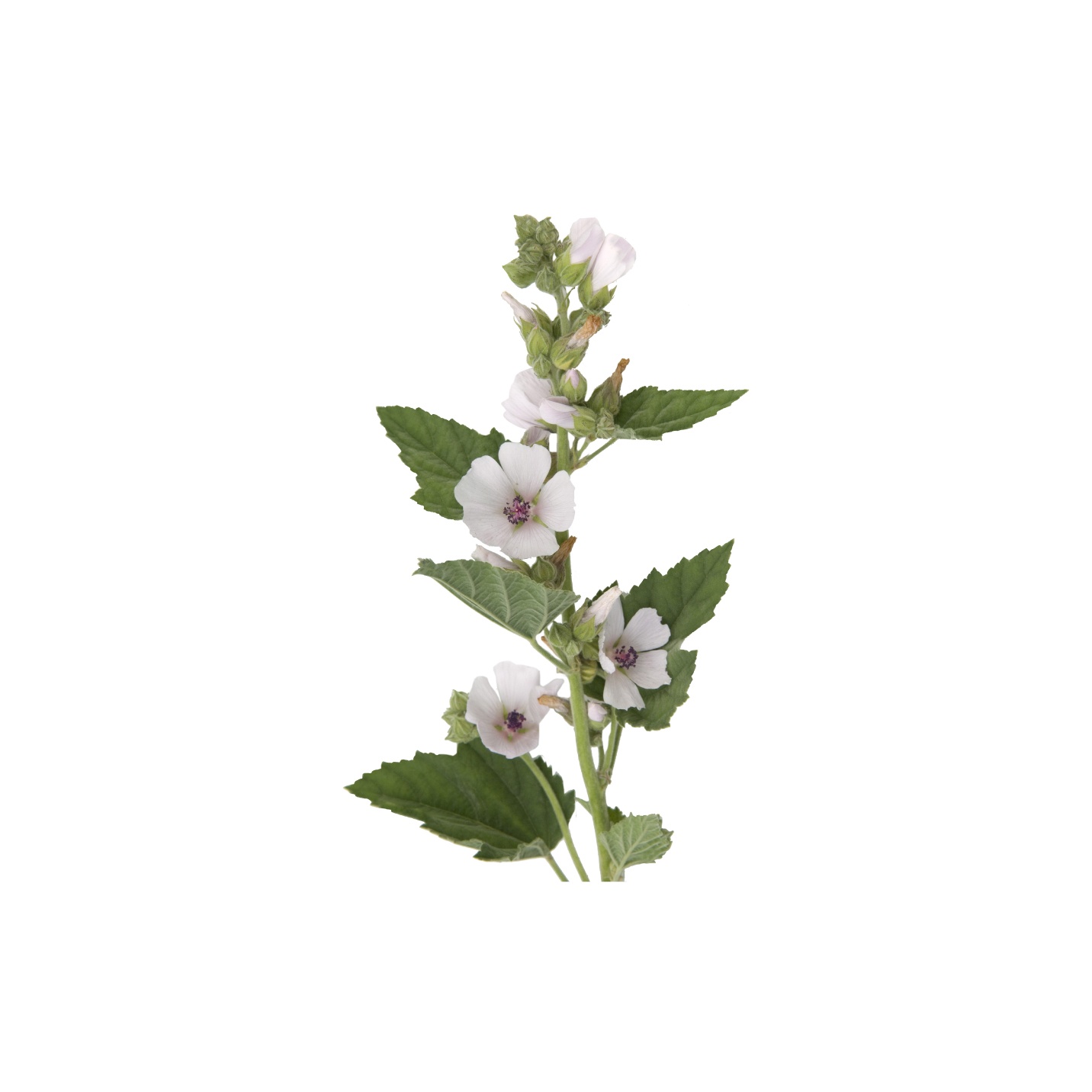 StrongStrongMarshmallowAlthaea officinalisRoot rhamnogalacturonan suppressed induced cough in guinea pigs and cats comparably to codeine, and unlike codeine it barely affected expectoration; the classic soothing syrup for a dry cough.Mechanismmucilage coating of pharyngeal mucosa; peripheral cough-reflex suppression (rhamnogalacturonan)Read the evidenceShow lessMonograph →
Isolated root rhamnogalacturonan suppressed citric-acid- and mechanically-induced cough dose-dependently in guinea pigs and cats, with efficacy comparable to codeine and, unlike codeine, negligible impact on expectoration 2,
The mechanism is physical. Rhamnogalacturonan is a large mucilage that is not absorbed, so it coats the pharyngeal mucosa and damps the reflex at the irritated surface, and marshmallow polysaccharides bind to and stimulate repair in human epithelial cells in vitro 5Reference 5In vitroAqueous extracts and polysaccharides from marshmallow roots: cellular internalisation and stimulation of cell physiology of human epithelial cells — in vitroView study →.
The human evidence is observational. Two prospective surveys of 822 users of an aqueous root-extract lozenge and syrup reported rapid relief of dry cough, often within ten minutes, with very good tolerability 1Reference 1ObservationalMarshmallow root extract for the treatment of irritative cough: two surveys on users’ view on effectiveness and tolerability — observational/cohort surveyView study →.
Marshmallow root has been made into a honey syrup for coughs for centuries, often preferred for children. The delivery constraint is decisive: it has to be tasted and held in contact with the throat.
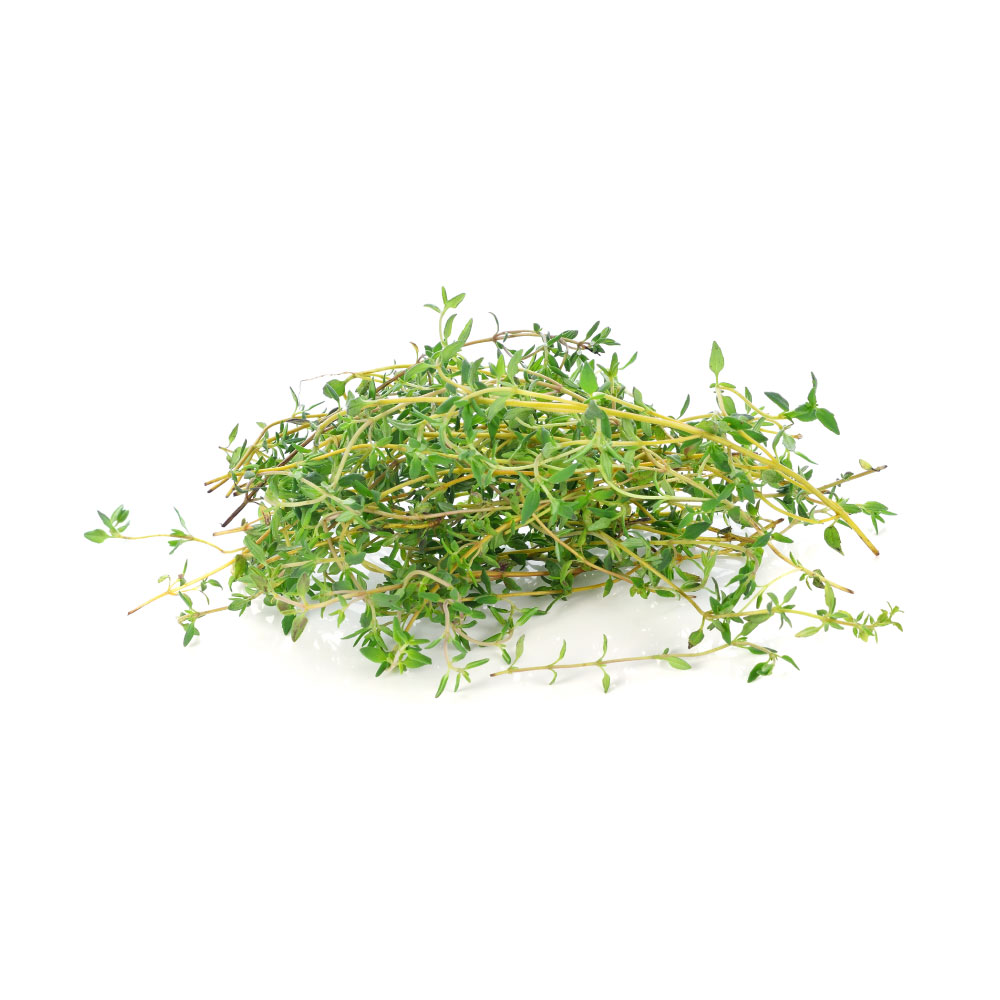 StrongStrongThymeThymus vulgarisCombination trials in acute bronchitis cut cough and severity scores, and the route is secretolysis and bronchial relaxation rather than suppression of the cough reflex.Mechanismβ2-adrenoceptor–linked airway smooth-muscle relaxation; NF-κB ↓ / COX-2 ↓ / leukotriene ↓; no central cough-reflex mechanism establishedRead the evidenceShow lessMonograph →
A 2015 systematic review with meta-analysis of RCTs for cough in upper-respiratory infection pooled four ivy, primrose and thyme trials. It found a clear benefit in cough resolution (RR 1.40, 95% CI 1.23–1.60), rated strong 9Reference 9Meta-analysisHerbal Medicine for Cough: a Systematic Review and Meta-AnalysisView study →.
That signal rests on two large double-blind placebo-controlled phase IV trials in acute bronchitis, a thyme–ivy fluid extract (Bronchipret, n=361) and a thyme–primrose dry-extract tablet (n=361), both cutting bronchitis-severity scores over about eleven days 10,
The only trial of a thyme monopreparation is small: a 2024 randomised triple-blind trial of thyme powder syrup (20 mg/kg every 8 hours) added to standard care in 60 children with asthma exacerbation, which did significantly reduce cough 14Reference 14RCTThymus vulgaris ameliorates cough in children with asthma exacerbation — randomised, triple-blind, placebo-controlled clinical trialView study →.
The mechanism is not cough-reflex suppression. Thyme quiets a cough by making it productive and unblocking the airway, and all of the evidence is for the swallowed extract or syrup rather than the essential oil.
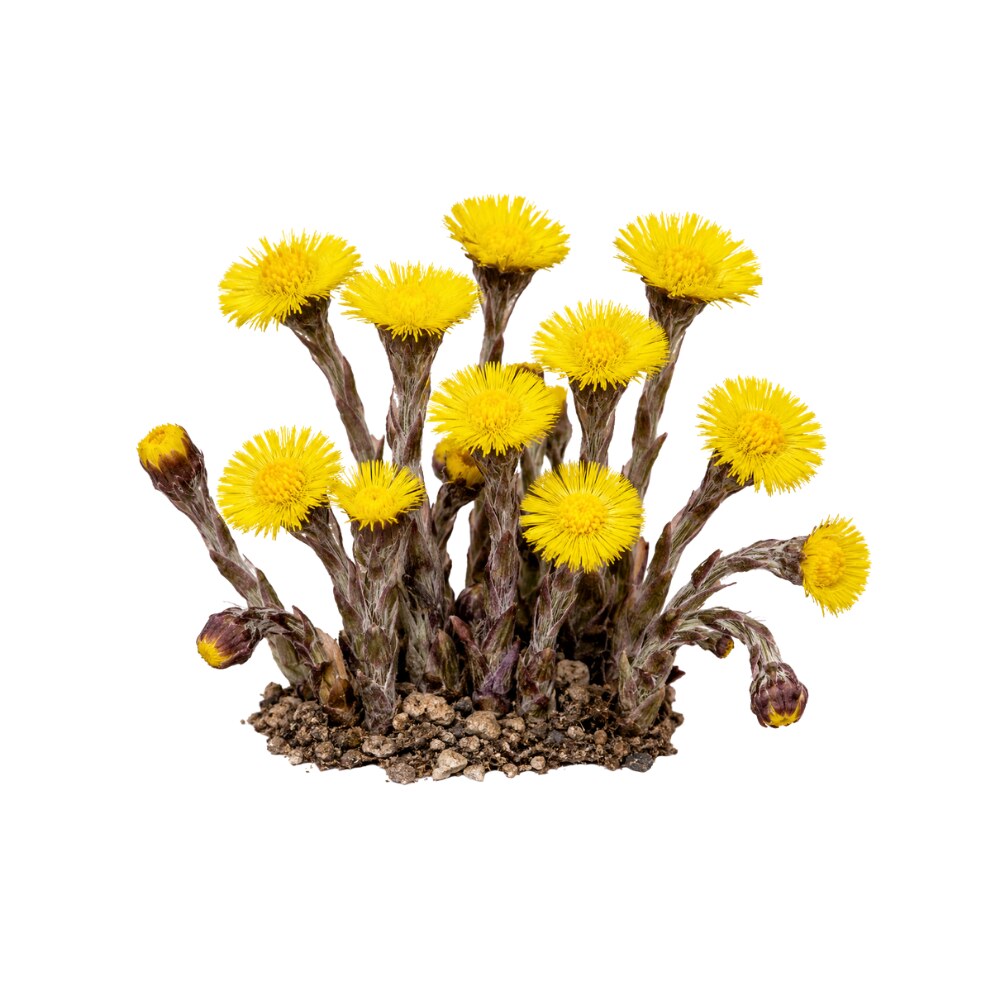 ModerateModerateColtsfootTussilago farfaraChlorogenic and di-caffeoylquinic acids reduced ammonia-induced cough in mice; the plant's name is from tussis ago, I drive away cough, and it carries pyrrolizidine alkaloids.Mechanismcough-reflex suppression by caffeoylquinic acids (target not established)Read the evidenceShow lessMonograph →
Oral chlorogenic and di-caffeoylquinic acids at 10–20 mg/kg reduced ammonia-induced cough in mice 1Reference 1ObservationalMarshmallow root extract for the treatment of irritative cough: two surveys on users’ view on effectiveness and tolerability — observational/cohort surveyView study →, and flower-bud metabolomic and bioactivity-guided work assigns the antitussive fraction to the same caffeoylquinic acids and sesquiterpenes 2,
No receptor or channel target is established, so the mechanism can only be written as cough-reflex suppression, which is an outcome rather than a pathway. It is a single ammonia-cough model in one species, with no human cough trial.
Coltsfoot contains pyrrolizidine alkaloids, and a fatal infantile hepatic veno-occlusive disease case is associated with maternal ingestion 16Reference 16Systematic reviewFitoterapia. https://pubmed.ncbi.nlm.nih.gov/32105669/View study →. The modest antitussive data do not offset that.
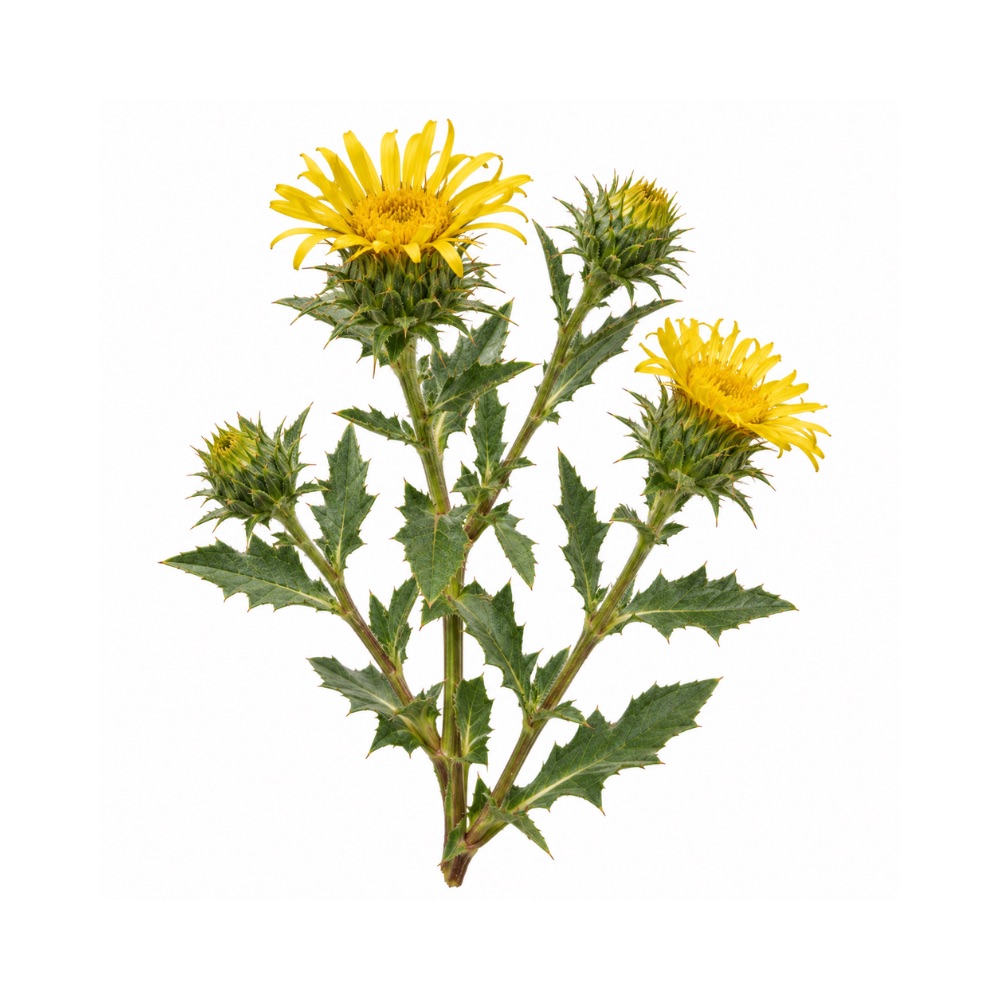 ModerateModerateGumweedGrindelia squarrosaEntered the US Pharmacopoeia in the nineteenth century as an antispasmodic and expectorant for asthma and bronchitis, quieting a cough by loosening it.Mechanismnot resolved; resin-mediatedRead the evidenceShow less
Gumweed’s resinous aerial parts entered the US Pharmacopoeia in the nineteenth century for asthma and bronchitis, and the cough use runs together with the expectorant one.
Nothing has been measured. There is no cough model, no human trial and no identified mechanism.
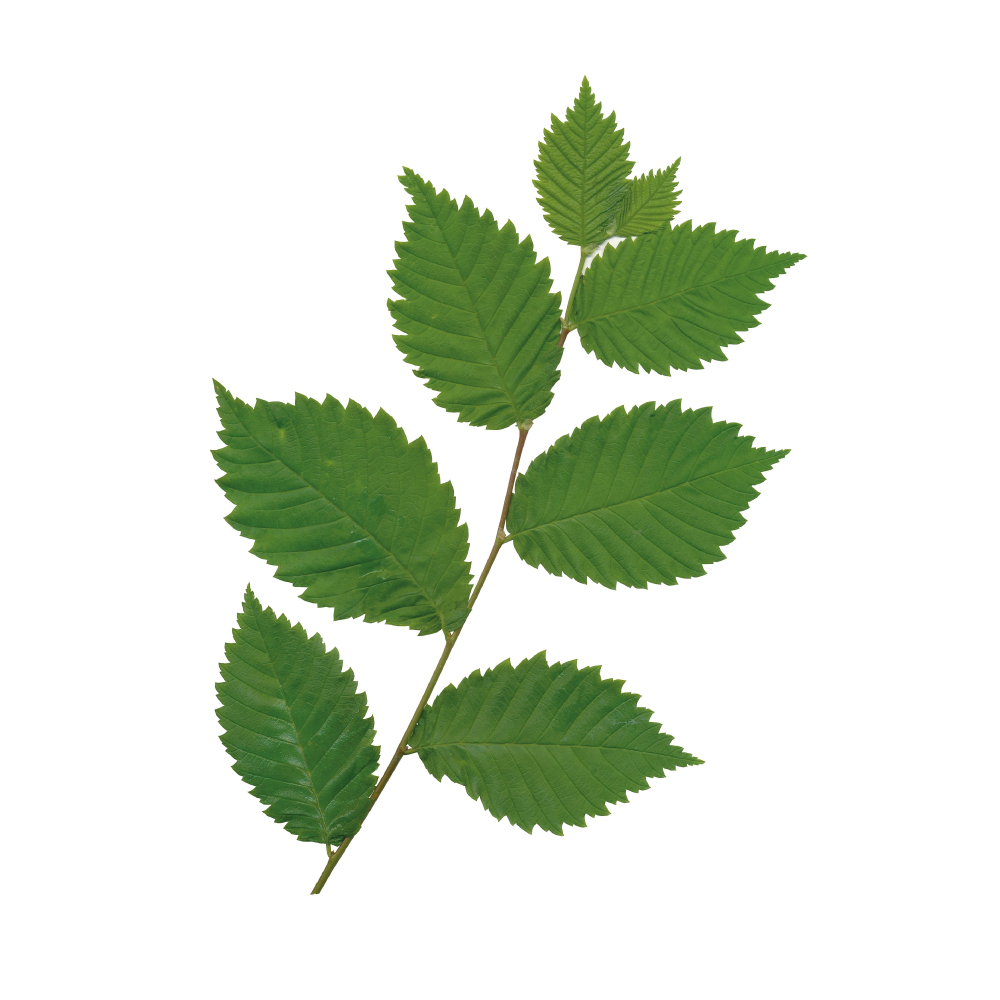 ModerateModerateSlippery ElmUlmus rubraAn official demulcent and antitussive in the older pharmacopoeias and still a standard throat-lozenge ingredient; the mucilage coats the laryngeal mucosa and damps sensory input.Mechanismmucilage coating of pharyngeal/laryngeal mucosa; reduced afferent irritation of the cough reflexRead the evidenceShow lessMonograph →
Slippery elm bark was an official demulcent, emollient and antitussive in the older pharmacopoeias, and it remains a standard throat-lozenge ingredient 5,
A dedicated biochemistry review sets out how the mucilage physically coats and soothes the laryngeal mucosa, giving a mechanistic rationale for the traditional use 7Reference 7ReviewSlippery elm, its biochemistry, and use as a complementary and alternative treatment for laryngeal irritation — reviewView study →, and slippery elm appears among popular oesophageal-symptom remedies whose plausibility rests on the same coating action 8Reference 8ReviewPopular remedies for esophageal symptoms: a critical appraisal — reviewView study →.
The effect is immediate but shallow and short-lived. It eases a dry, irritable cough by damping sensory input and does nothing for a productive one.
No clinical study has tested it for cough, throat or voice complaints. It must be tasted and held in contact with the throat, so a capsule is close to useless for this action.
Show 8 more herbs with a mild antitussive action
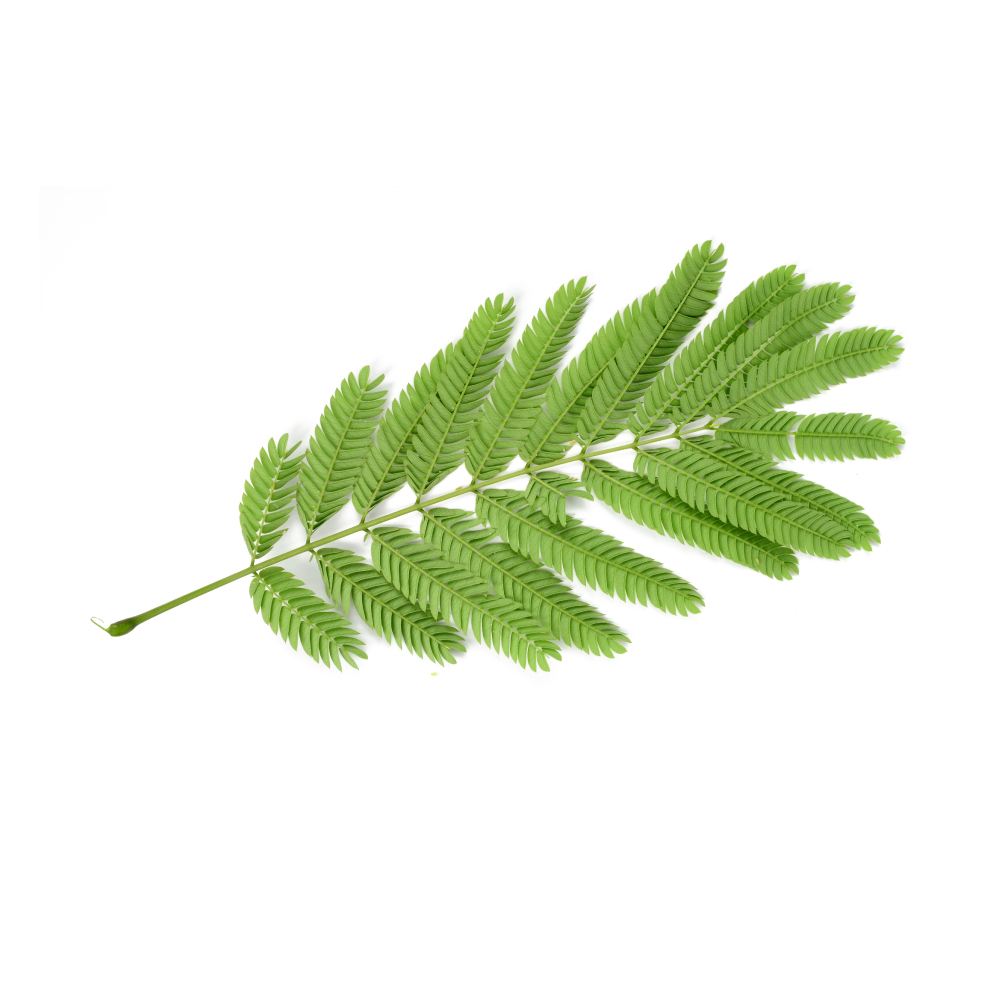 MildMildAlbizziaAlbizzia lebbeckCarried on a citation that belongs to a multi-herb Ayurvedic formula rather than to albizzia; the herb's own research is allergy and mood.Read the evidenceShow lessMonograph →
The reference behind albizzia’s cough claim tested Shirishavaleha, a multi-herb Ayurvedic compound formulation, against sulphur-dioxide-induced cough in mice. That is not albizzia, and a compound formula in a chemical-irritant model would be weak support even if it were.
Albizzia’s measured research is allergy and mood.
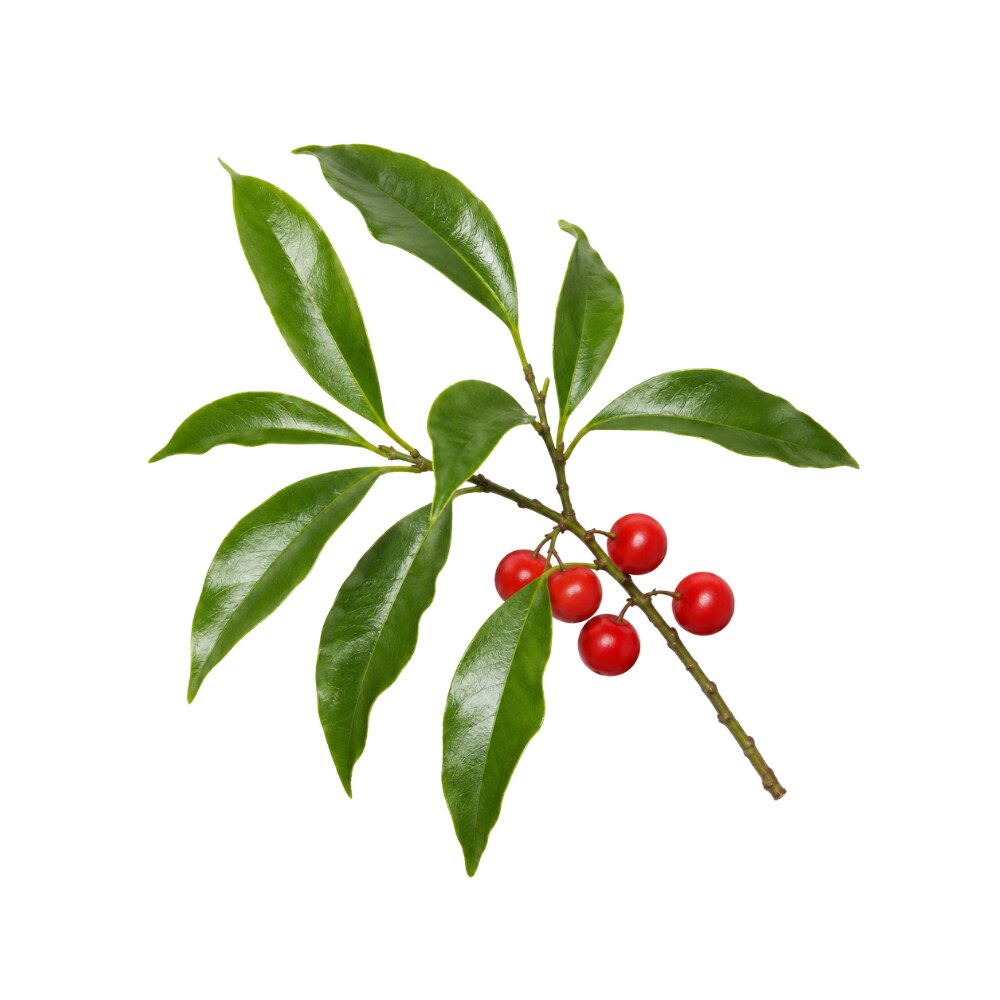 MildMildCha De BugreCordia salicifoliaRecorded for coughs independently in Brazilian and Haitian folk practice, two separate traditions, with no cough study or mechanism behind either.Read the evidenceShow lessMonograph →
Cha de bugre is a well-documented folk cough remedy in both Brazilian and Haitian practice, and two independent traditions is a stronger record than one.
There is no cough study, no antitussive mechanism and no citation. Modern attention to the plant is almost entirely about weight loss and caffeine content, which has drawn research away from the traditional indication.
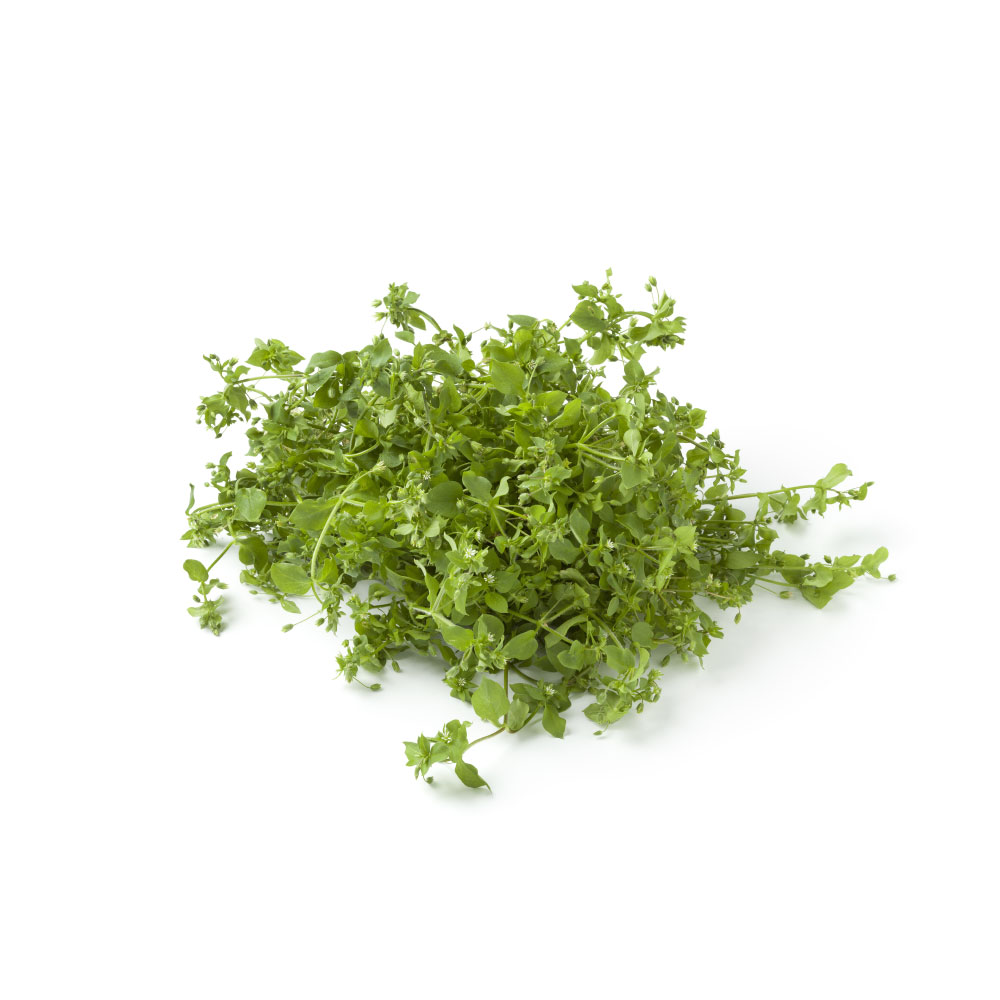 MildMildChickweedStellaria mediaRecorded for coughs in Western folk practice, with no study, citation or proposed mechanism; the herb's reputation is overwhelmingly topical.Read the evidenceShow lessMonograph →
Chickweed’s cough claim has no study, citation or proposed mechanism behind it, and it sits in tension with the herb’s own expectorant tag, since no preparation both suppresses a cough and promotes a productive one.
The plant’s traditional reputation is overwhelmingly topical, for irritated skin and drawing, and the respiratory tags look like classification drift.
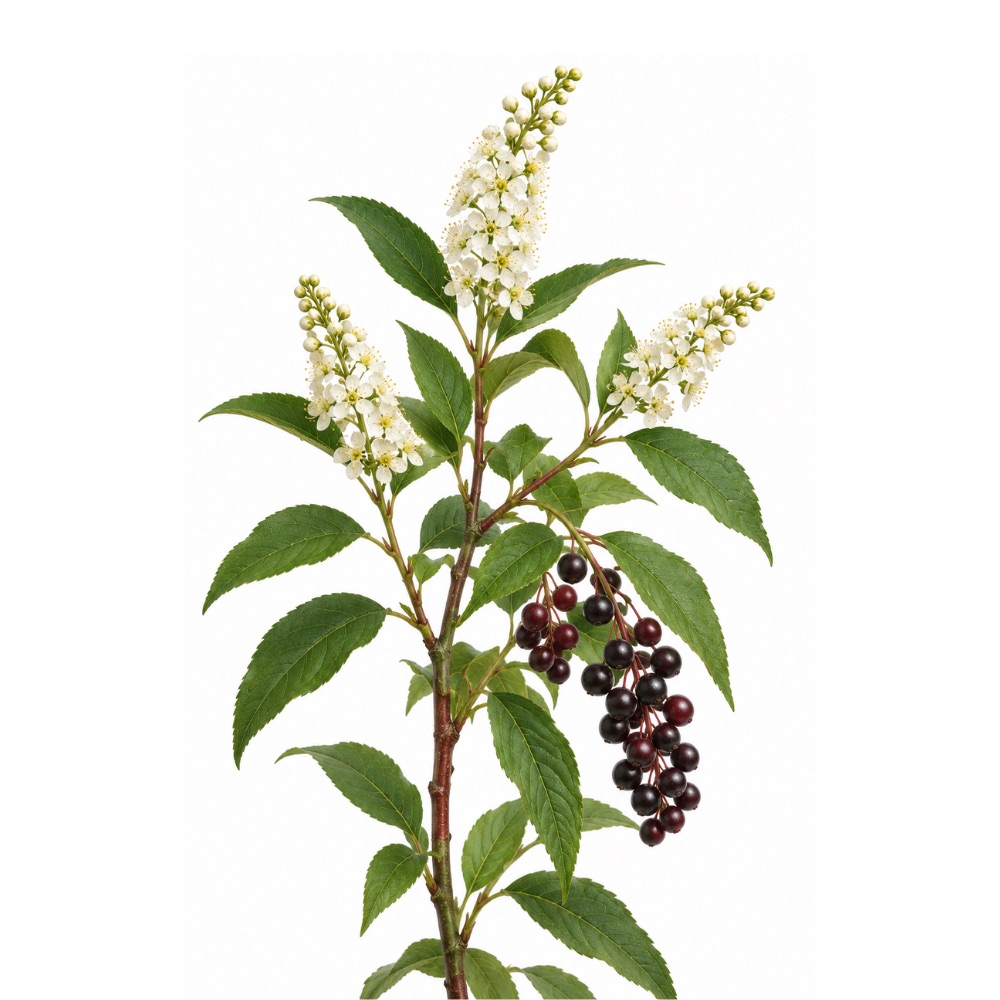 MildMildChokecherryPrunus virginianaThe bark is taken as a decoction or cold infusion for coughs across Indigenous North American and Western folk practice; the famous wild cherry bark of the cough syrups is a different species.Read the evidenceShow less
Chokecherry bark, prepared as a decoction or cold infusion, is used for coughs and for diarrhoea, and its character is astringent, as a tannin- and proanthocyanidin-rich bark would be.
The wild cherry bark of nineteenth- and twentieth-century cough syrups is Prunus serotina, a different tree with a different bark chemistry, and reading its record onto P. virginiana is the commonest error made about this plant. Even for P. serotina the antitussive use is traditional rather than trial-backed.
The bark is cyanogenic, and nothing about the cough use has been measured.
MildHorseweedErigeron canadensisA polyphenolic polysaccharide-protein complex from the flowering tops produced a dose-dependent antitussive effect approaching codeine in guinea pigs, alongside a fall in airway resistance.Read the evidenceShow less
A polyphenolic polysaccharide-protein complex extracted from the flowering tops by hot alkaline extraction was tested against citric-acid-induced cough in conscious guinea pigs. It produced a statistically significant, dose-dependent reduction in cough number approaching that of codeine, and lowered specific airway resistance 17Reference 17AnimalChemical characteristics and significant antitussive effect of the Erigeron canadensis polyphenolic polysaccharide-protein complex — animal in vivo (guinea pig)View study →.
Horseweed was used across its native range for coughs and upper-respiratory complaints, and several nations used it in steam and smoke treatments, which is worth noting given the route the modern finding used.
The active agent is a purified high-molecular-weight complex rather than the herb as drunk, and there is no human trial.
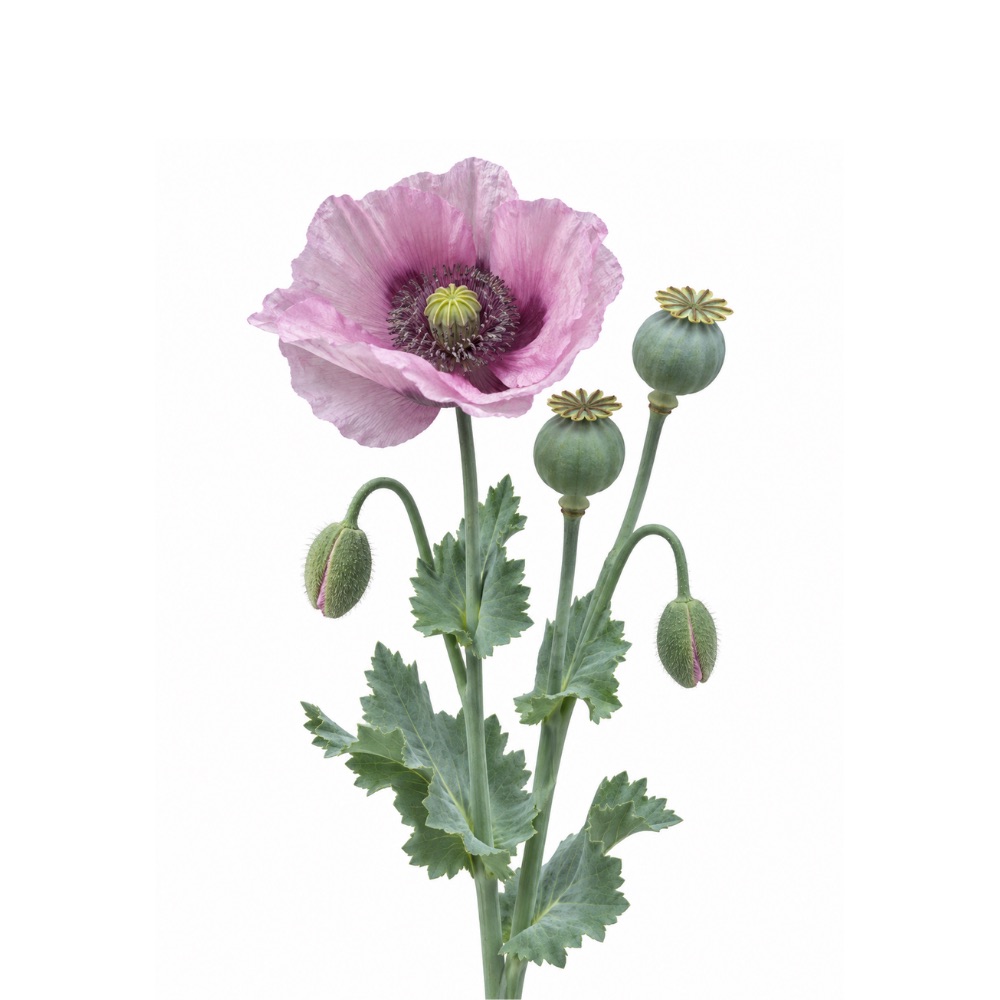 MildMildOpium PoppyPapaver somniferumThe source of codeine and morphine, the reference antitussives against which every cough suppressant is measured, acting on the medullary cough centre through mu-opioid receptors.Read the evidenceShow less
Codeine and morphine act on the medullary cough centre through µ-opioid receptors, one of the best-characterised mechanisms in pharmacology, and codeine is the comparator the marshmallow and horseweed animal work used.
That pharmacology belongs to the isolated alkaloids and to preparations that are controlled drugs. No herbal preparation of the plant is in ordinary use for cough, and none has been studied as one.
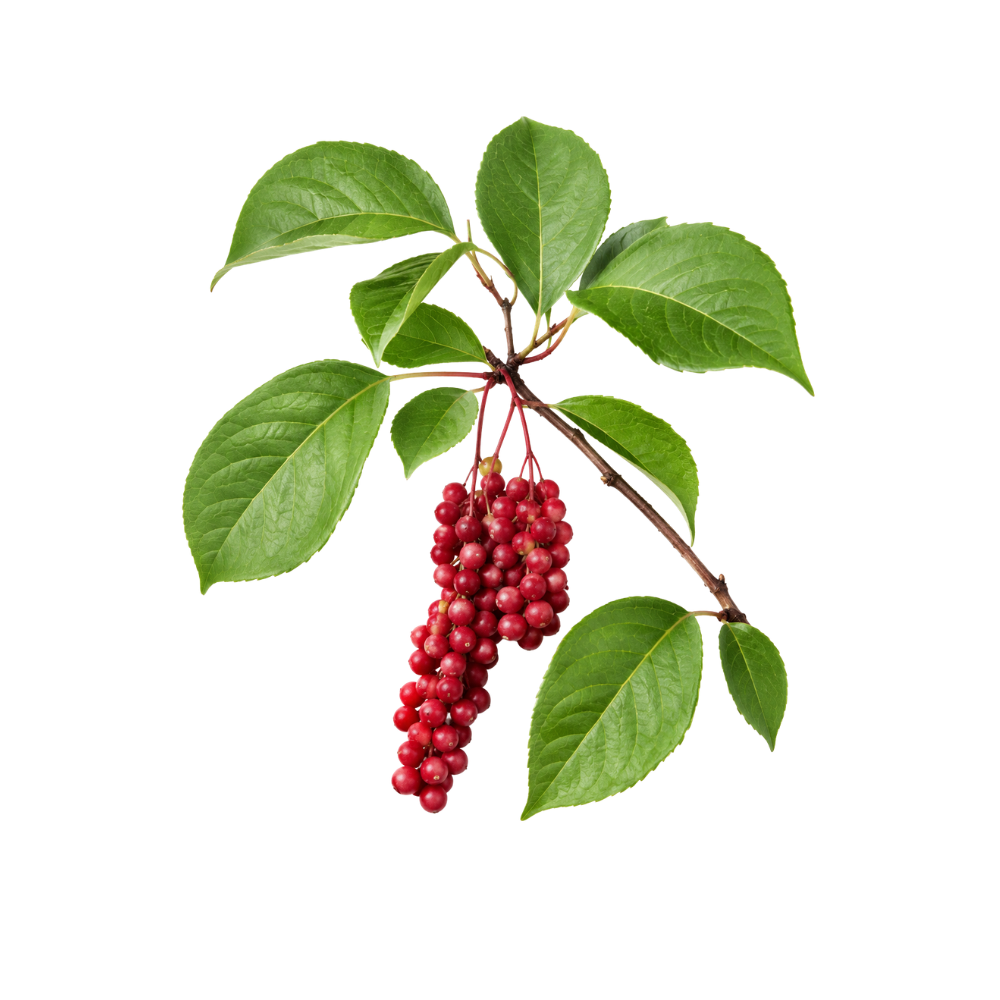 MildMildSchisandraSchisandra chinensisA lung-astringing cough herb in Chinese medicine, given for chronic dry cough and wheezing; the framing is specific and no respiratory research exists.Read the evidenceShow lessMonograph →
Schisandra is classified in Chinese medicine as a lung-astringing herb and used for chronic dry cough and wheezing, a specific framing rather than a vague one.
There is no respiratory research beyond an LPS lung-injury model, which is anti-inflammatory rather than antitussive. Much of what is claimed for schisandra elsewhere comes from schisandra-containing formulas, and the same caution applies here.
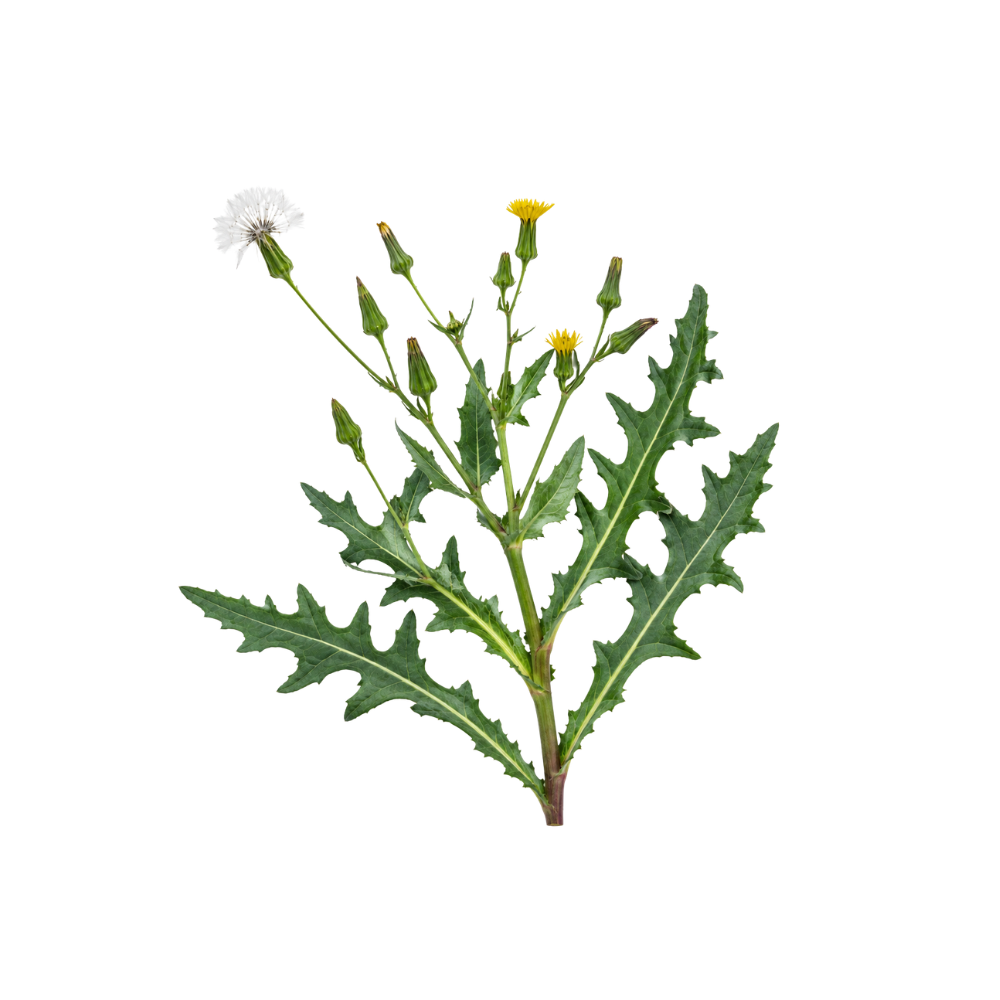 MildMildWild LettuceLactuca virosaLactucarium was a genuine article of nineteenth-century commerce sold as a milder opium substitute and well attested as a cough remedy; no modern investigation exists.Read the evidenceShow lessMonograph →
The use of lactucarium as a cough remedy is well attested in nineteenth-century materia medica 15Reference 15ReviewLettuce (Lactuca sp.) as a medicinal plant in Polish publications of the 19th century — historical reviewView study →, where it was a genuine article of commerce sold as a milder opium substitute.
The traditional cough and expectorant use has essentially no modern investigation behind it. The lactucin and lactucopicrin sesquiterpene lactones are real and mildly sedative, and nothing links them to a cough endpoint.
No herbs match these filters.
Safety
- A productive cough is clearing something; suppressing one is the wrong intervention.
- A cough lasting more than about three weeks, or one with blood, fever, weight loss or breathlessness, needs investigating.
- Herbs carrying both an antitussive and an expectorant tag cannot do both in one preparation; choose by whether the cough is dry or productive.
- Pyrrolizidine-alkaloid herbs are contraindicated in pregnancy and lactation whatever their cough evidence.
- A demulcent has to be tasted and held against the throat, so capsules do not deliver this action.
- Essential oils are not a stronger form of a cough syrup; the trial evidence here is for swallowed extracts.
References
- Fink, C., Schmidt, M., & Kraft, K. (2018). Marshmallow root extract for the treatment of irritative cough: two surveys on users’ view on effectiveness and tolerability — observational/cohort survey. Complementary Medicine Research. https://pubmed.ncbi.nlm.nih.gov/30064132/
- Šutovská, M., Nosáľová, G., Šutovský, J., Franová, S., Prisenžňáková, Ľ., & Capek, P. (2009). Possible mechanisms of dose-dependent cough suppressive effect of Althaea officinalis rhamnogalacturonan — animal (guinea pig in vivo). International Journal of Biological Macromolecules. https://pubmed.ncbi.nlm.nih.gov/19447256/
- Šutovská, M., Capek, P., Franová, S., Joskova, M., Šutovský, J., Marcinek, J., & Kalman, M. (2011). Antitussive activity of Althaea officinalis L. polysaccharide rhamnogalacturonan in guinea pigs with airways inflammation — animal in vivo. Bratislava Medical Journal. https://pubmed.ncbi.nlm.nih.gov/22372330/
- Šutovská, M., Nosáľová, G., Franová, S., & Kardošová, A. (2007). The antitussive activity of polysaccharides from Althaea officinalis L., var. Robusta — animal in vivo (cats). Bratislava Medical Journal. https://pubmed.ncbi.nlm.nih.gov/17685009/
- Deters, A., Zippel, J., Hellenbrand, N., Pappai, D., Possemeyer, C., & Hensel, A. (2010). Aqueous extracts and polysaccharides from marshmallow roots: cellular internalisation and stimulation of cell physiology of human epithelial cells — in vitro. Journal of Ethnopharmacology. https://pubmed.ncbi.nlm.nih.gov/19799989/
- Grieve, M. (1931). A Modern Herbal — “Elm, Slippery” (historical source). https://www.botanical.com/botanical/mgmh/e/elmsli09.html
- Watts, C. R., & Rousseau, B. (2012). Slippery elm, its biochemistry, and use as a complementary and alternative treatment for laryngeal irritation — review. Journal of Investigational Biochemistry. https://doi.org/10.5455/jib.20120417052415
- Ahuja, A., & Ahuja, N. K. (2019). Popular remedies for esophageal symptoms: a critical appraisal — review. Curr Gastroenterol Rep. https://pubmed.ncbi.nlm.nih.gov/31289950/
- Wagner, L., Cramer, H., Klose, P., et al. (2015). Herbal Medicine for Cough: a Systematic Review and Meta-Analysis. Forschende Komplementärmedizin. https://pubmed.ncbi.nlm.nih.gov/26840418/
- Kemmerich, B. (2007). Evaluation of efficacy and tolerability of a fixed combination of dry extracts of thyme herb and primrose root in adults with acute bronchitis — double-blind, placebo-controlled, randomised multicentre trial. Arzneimittelforschung. https://pubmed.ncbi.nlm.nih.gov/17966760/
- Kemmerich, B., Eberhardt, R., Stammer, H. (2006). Efficacy and tolerability of a fluid extract combination of thyme herb and ivy leaves vs placebo in acute bronchitis — randomised, double-blind, placebo-controlled trial. Arzneimittelforschung. https://pubmed.ncbi.nlm.nih.gov/17063641/
- Kardos, P., et al. (2021). Effectiveness and tolerability of the thyme/ivy herbal fluid extract BNO 1200 for acute cough — observational pharmacy-based study. Current Medical Research and Opinion. https://pubmed.ncbi.nlm.nih.gov/34340607/
- Kardos, P., et al. (2025). Efficacy and Safety of a Single Ivy Extract Versus Two Herbal Extract Combinations in Acute Bronchitis — multi-center, randomised, open-label clinical trial. Pharmaceuticals. https://pubmed.ncbi.nlm.nih.gov/40430571/
- Eskandarpour, E., et al. (2024). Thymus vulgaris ameliorates cough in children with asthma exacerbation — randomised, triple-blind, placebo-controlled clinical trial. Allergologia et Immunopathologia. https://pubmed.ncbi.nlm.nih.gov/38186189/
- Trojanowska A (2005). Lettuce (Lactuca sp.) as a medicinal plant in Polish publications of the 19th century — historical review. Kwartalnik Historii Nauki i Techniki. https://pubmed.ncbi.nlm.nih.gov/17153150/
- A systematic review and quality assessment of case reports of adverse events for borage, coltsfoot, and comfrey — systematic review. (2020). Fitoterapia. https://pubmed.ncbi.nlm.nih.gov/32105669/
- Šutovská, M., et al. (2022). Chemical characteristics and significant antitussive effect of the Erigeron canadensis polyphenolic polysaccharide-protein complex — animal in vivo (guinea pig). Journal of Ethnopharmacology. https://pubmed.ncbi.nlm.nih.gov/34662663/
- Bolser, D. C., & Davenport, P. W. (2007). Codeine and cough: an ineffective gold standard — review. Current Opinion in Allergy and Clinical Immunology. https://pubmed.ncbi.nlm.nih.gov/17218808/
- Gardiner, S. J., Chang, A. B., Marchant, J. M., et al. (2016). Codeine versus placebo for chronic cough in children — systematic review. Cochrane Database of Systematic Reviews. https://pubmed.ncbi.nlm.nih.gov/27405706/
- Smith, S. M., Schroeder, K., & Fahey, T. (2014). Over-the-counter medications for acute cough in children and adults in community settings — meta-analysis. Cochrane Database of Systematic Reviews. https://pubmed.ncbi.nlm.nih.gov/25420096/
- Mahmoudian, M., & Rahimi-Moghaddam, P. (2009). The anti-cancer activity of noscapine: a review. Recent Patents on Anti-Cancer Drug Discovery. https://pubmed.ncbi.nlm.nih.gov/19149691/
- Empey, D. W., Laitinen, L. A., Young, G. A., et al. (1979). Comparison of the antitussive effects of codeine phosphate 20 mg, dextromethorphan 30 mg and noscapine 30 mg using citric acid-induced cough in normal subjects — placebo-controlled crossover study. European Journal of Clinical Pharmacology. https://pubmed.ncbi.nlm.nih.gov/527635/
Keep Exploring