

Overview
Demulcent at a Glance
Demulcents soothe and protect irritated mucous membranes.
They are used for dry or inflamed surfaces such as the throat, stomach, intestines, and urinary tract.
Most work through mucilage.
When mixed with water, these polysaccharides form a soft, viscous gel that coats the surface and shields it from friction, acid, and other irritants.
Marshmallow, slippery elm, psyllium, flaxseed, and plantain are classic examples.
They help much also in the excoriations of the bowels, and hardness of the mother, and in all hot and sharp diseases thereof.
Nicholas Culpeper, The Complete Herbal, 1653, on mallows and marshmallows
A smaller group works differently by changing what the tissue is producing. Shatavari and chickweed, for example, can reduce gastric acid secretion rather than simply covering the stomach lining.
Demulcents overlap with emollients, which do the same kind of soothing work externally on the skin, and with antiulcer herbs where the target is specifically the gastric lining.
Because the main action is physical, preparation matters. Mucilage extracts well into water, poorly into alcohol, and often works best when allowed prolonged contact with the irritated surface.
Caution
Keep apart from medication — mucilage can slow the absorption of oral medicines, so demulcents are taken about two hours apart from them.
Take bulk-formers with water — with too little water they worsen constipation and can rarely obstruct.
Persistent symptoms need assessment — ongoing reflux, difficulty swallowing, unexplained weight loss or bowel changes lasting weeks need investigating.
Mechanisms
How It Works
01
Mucilage Films
Polysaccharides hydrate into a viscous gel that adheres to an inflamed mucosal surface, shielding it from acid, friction and irritants.
Slippery elm’s and marshmallow’s mucilage adhere directly. Psyllium’s arabinoxylan and acacia’s arabinogalactan-protein act as hydrocolloids, fenugreek’s galactomannan makes up roughly a fifth to a quarter of the seed, and oat β-glucan forms a gel whose viscosity has been quantified for other purposes.
Because the mechanism is physical, preparation and timing decide the result more than dose does.
Mucilage is degraded by boiling, which is why marshmallow root is cold-infused, and it does not extract into alcohol, so a tincture is the wrong vehicle.
A demulcent taken away from food coats the surface rather than the meal.
Herbs: AcaciaAloeColtsfootCouchgrassFenugreekFlaxseedMarshmallowMulleinOatsPlantainPsylliumSlippery Elm
Key compounds: Mucilage
02
Cough-Reflex Suppression
A soothing film on the throat can also damp the cough reflex itself, and in one herb that has been measured.
Isolated marshmallow root rhamnogalacturonan suppressed citric-acid- and mechanically-induced cough in guinea pigs and cats, dose-dependently and with efficacy comparable to codeine, apparently through serotonergic 5-HT₂ receptors rather than bronchodilation. Unlike codeine it barely impaired expectoration.
This is the one demulcent mechanism with a measured receptor behind it.
It is also why the useful preparations are the ones held in contact with the throat: a syrup, a lozenge or a slow drink.
Herbs: Marshmallow
03
Changing What the Membrane Secretes
A smaller group acts on the mucosa’s own behaviour rather than covering it.
Shatavari reduces gastric acid secretion and raises gastric mucopolysaccharide, thickening the stomach’s own protective layer instead of substituting for it. Chickweed reduces acid secretion with less mucosal lipid peroxidation.
A physical film relieves irritation while it is present, and changing secretion outlasts it.
Both herbs also carry antiulcer tags for the same reason.
Phytochemistry
Key Constituents
The compound classes most often behind a demulcent action.
- Mucilage (polysaccharides)
- Pectins
- Gums
What It's For
Indications
- Dry, tickly or irritable cough
- Sore throat
- Heartburn, gastritis and an irritated gut lining
- Irritated urinary tract
Materia Medica
Demulcent Herbs by Potency
The demulcent herbs, ordered by the relative strength of the effect rather than by how well studied it is. Each herb is described by the mechanism behind its effect and the evidence for it.
None of this is a substitute for professional care.
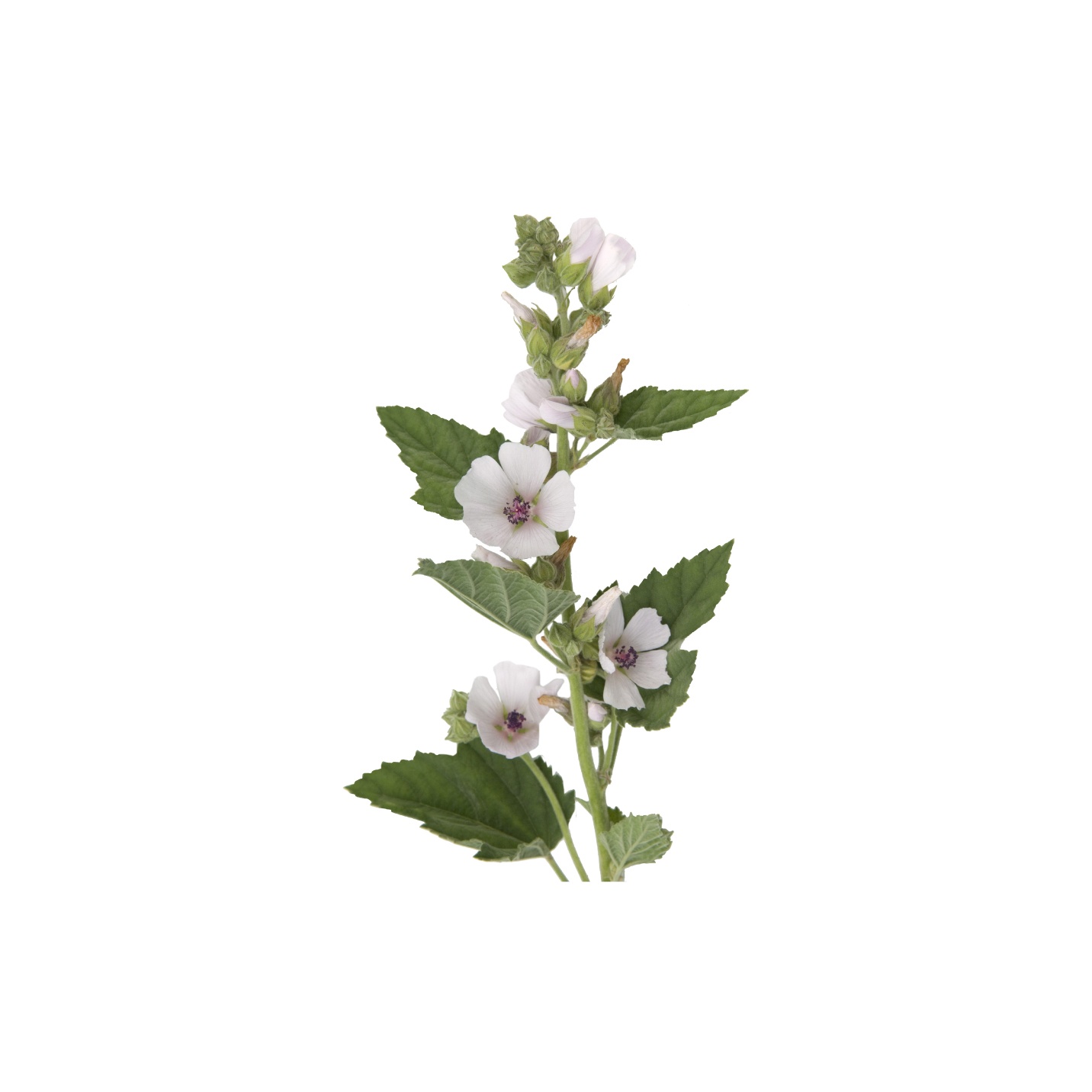 PotentPotentMarshmallowAlthaea officinalisRoot rhamnogalacturonan forms a bioadhesive layer over inflamed mucosa and suppressed cough in animals as effectively as codeine, through 5-HT₂ receptors rather than bronchodilation.Mechanismmucilage polysaccharide adhesion to mucosa; physical barrier film formation; 5-HT₂ receptor–mediated cough-reflex suppressionRead the evidenceShow lessMonograph →
Root rhamnogalacturonan, a viscous acidic polysaccharide complex, forms a bioadhesive layer over inflamed oropharyngeal and gastrointestinal mucosa. Aqueous root extract is also internalised by epithelial cells, where it upregulates adhesion, extracellular-matrix and cytokine genes involved in mucosal regeneration 23Reference 23In vitroAqueous extracts and polysaccharides from marshmallow roots: cellular internalisation and stimulation of cell physiology of human epithelial cells — in vitroView study →.
In guinea-pig and cat models the isolated rhamnogalacturonan suppressed citric-acid- and mechanically-induced cough dose-dependently, with efficacy comparable to codeine and, unlike codeine, negligible impairment of expectoration, apparently through serotonergic 5-HT₂ receptors 24,
The human data are observational. Two prospective surveys of 822 users of an aqueous root-extract lozenge and syrup reported relief of dry cough often within ten minutes, with very good tolerability 27Reference 27ObservationalMarshmallow root extract for the treatment of irritative cough: two surveys on users’ view on effectiveness and tolerability — observational/cohort surveyView study →, and a 2020 review concluded the animal and clinical evidence supports use in dry cough, strongest in combination products 28Reference 28ReviewMarsh mallow (Althaea officinalis L.) and its potency in the treatment of cough — reviewView study →.
There is no placebo-controlled trial of marshmallow alone, so the independent effect size is unquantified 27,
Root is favoured for the digestive tract and leaf for the urinary and respiratory tracts 13Reference 13Medical Herbalism: The Science and Practice of Herbal Medicine.
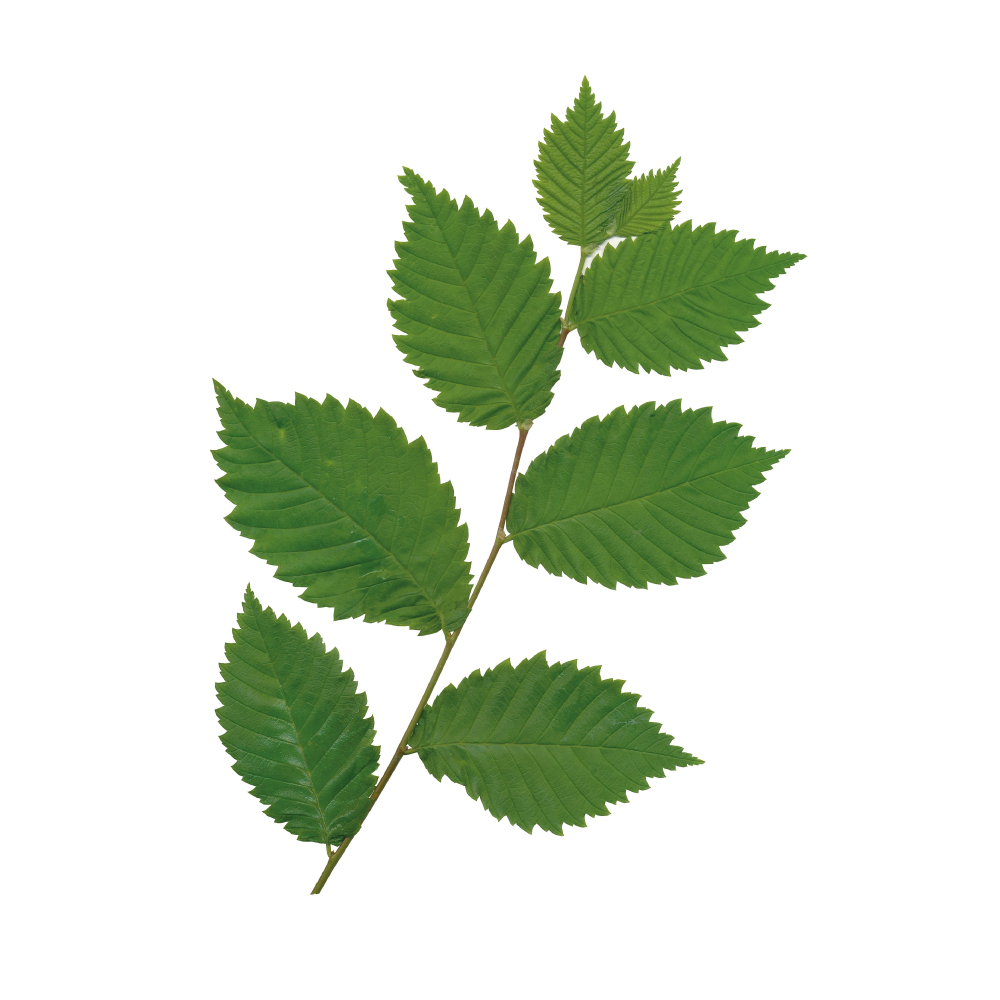 PotentPotentSlippery ElmUlmus rubraThe inner bark is about 7% mucilage that hydrates into a gel rather than dissolving, coating and protecting mucosal surfaces; an official demulcent for over a century.Mechanismmucilage polysaccharide hydration → viscous gel; mucosal adhesion / physical barrier film; soluble-fiber bulk-and-viscosityRead the evidenceShow lessMonograph →
The inner bark is roughly 7% mucilage, a highly branched polysaccharide of D-galactose, L-rhamnose and D-galacturonic acid carrying the marker sugar 3-O-methyl-D-galactose, which hydrates into a viscous gel rather than dissolving 40,
No trial has tested the herb alone. The human data are an open-label pilot of a slippery-elm-containing formula in IBS, where bowel habit and symptoms improved in the constipation-predominant arm while the diarrhoea and mixed formula did not improve bowel habit 45Reference 45Effects of two natural medicine formulations on irritable bowel syndrome symptoms: an open-label clinical pilot studyView study →, and a 16-week study of a seven-ingredient powder reporting improved reflux and lower-gut symptoms with reduced intestinal permeability 46Reference 46ObservationalHerbal formula improves upper and lower gastrointestinal symptoms and gut health in Australian adults with digestive disorders — pre-post observational studyView study →.
The gel has to reach the irritated surface, so the sensible forms are the powder, a gruel or a water decoction. The mucilage does not extract into alcohol 40,
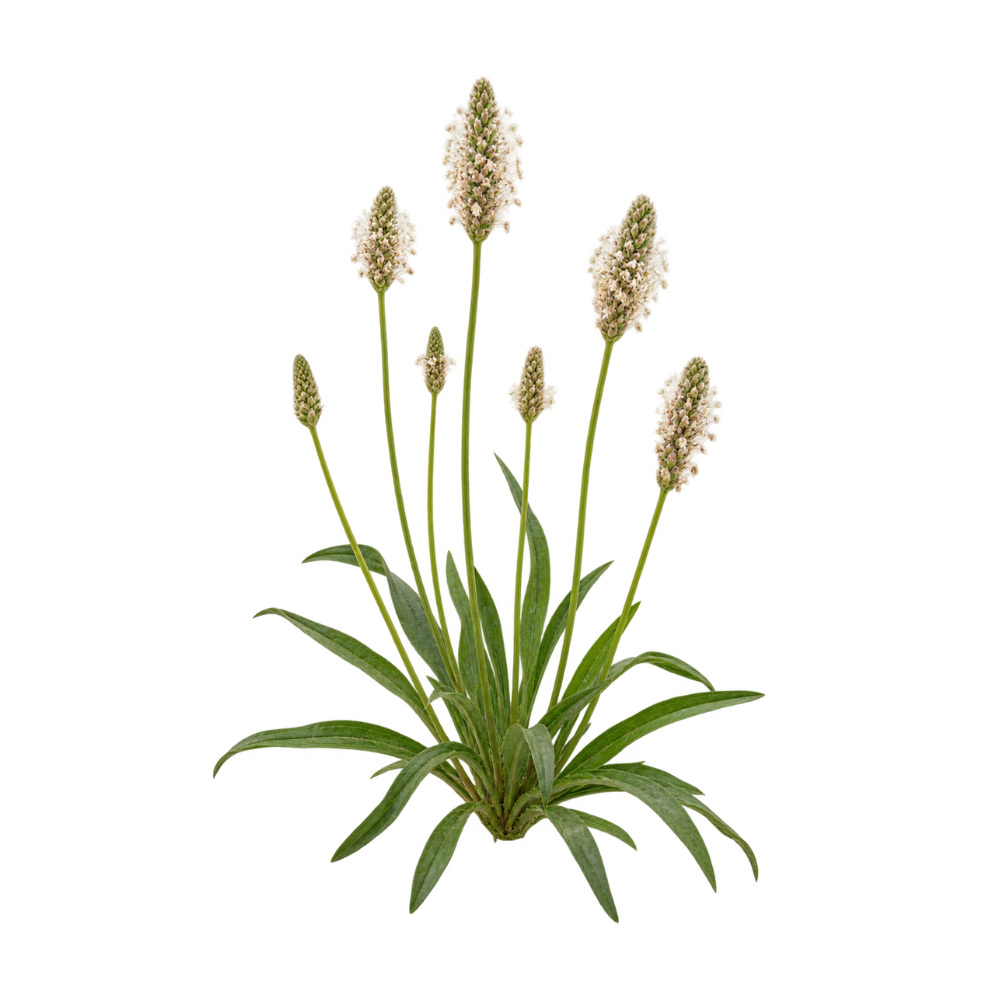 StrongStrongPsylliumPlantago ovataThe husk is close to pure gel-forming mucilage, swelling many times its dry volume into a viscous gel that coats the gut it passes over.Mechanismarabinoxylan mucilage hydration/coating of the gut lumen — physical barrier, no molecular targetRead the evidenceShow lessMonograph →
On contact with water the arabinoxylan swells many times its dry volume into a persistent viscous gel that coats and hydrates the mucosa it passes over. This is the basis of the traditional isabgol use for an irritated bowel and of the modern soluble-fibre role in IBS.
The route is luminal only. Psyllium never contacts the throat, airway or urinary tract the way marshmallow and corn silk are used, so it does not substitute for them.
No demulcency endpoint has been measured. The action is inferred from the physical chemistry of the gel.
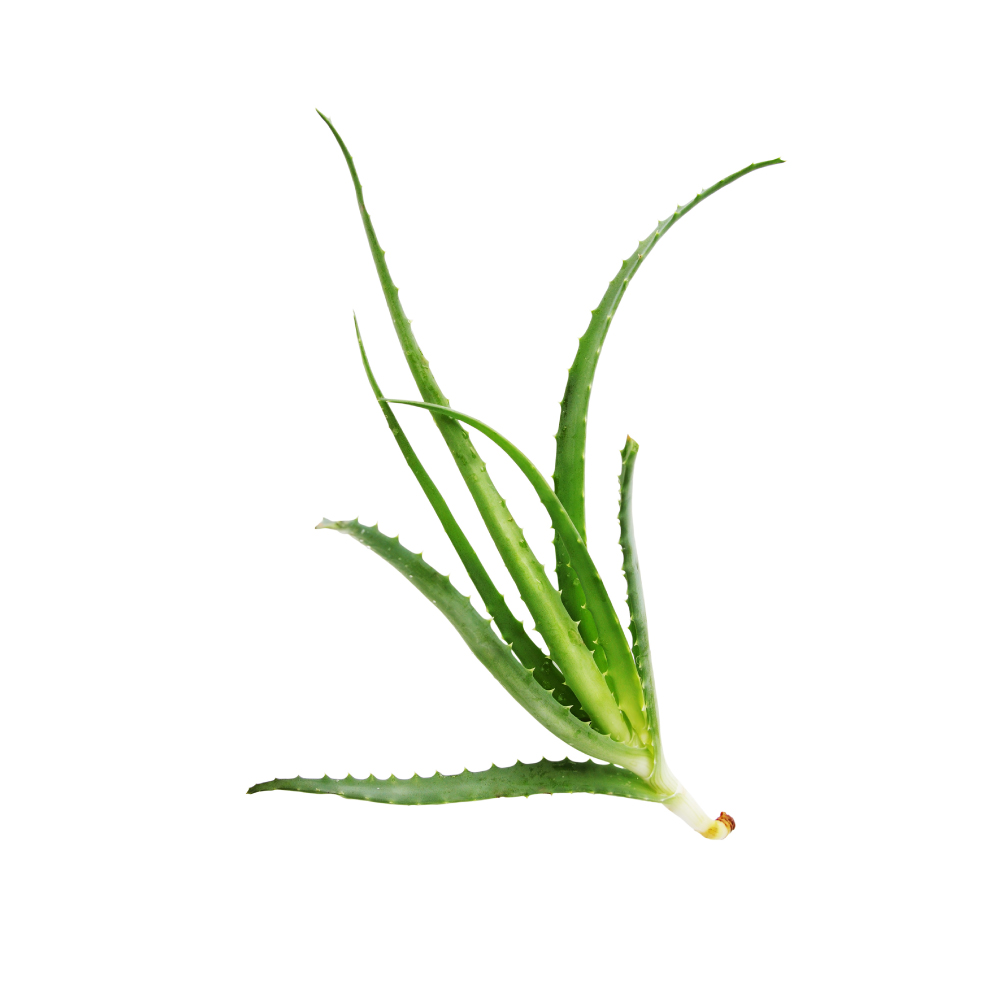 ModerateModerateAloeAloe vera/barbadensisThe inner leaf is a polysaccharide gel of acemannan that coats epithelium by physical mechanism, well documented on skin and untested inside the gut.Mechanismmucilaginous polysaccharide (acemannan) film — physical; pharmacological target not establishedRead the evidenceShow lessMonograph →
The inner leaf is a gel roughly 98–99% water whose dominant solid is acemannan, an acetylated mannan that most extracts are standardised to, at 11.25 mg/mL or more 5,
No gastrointestinal or mucosal study exists — no ulcer, reflux, colitis or oral-mucosa work — so the gastric-ulcer and mouth-ulcer uses are unsupported internally.
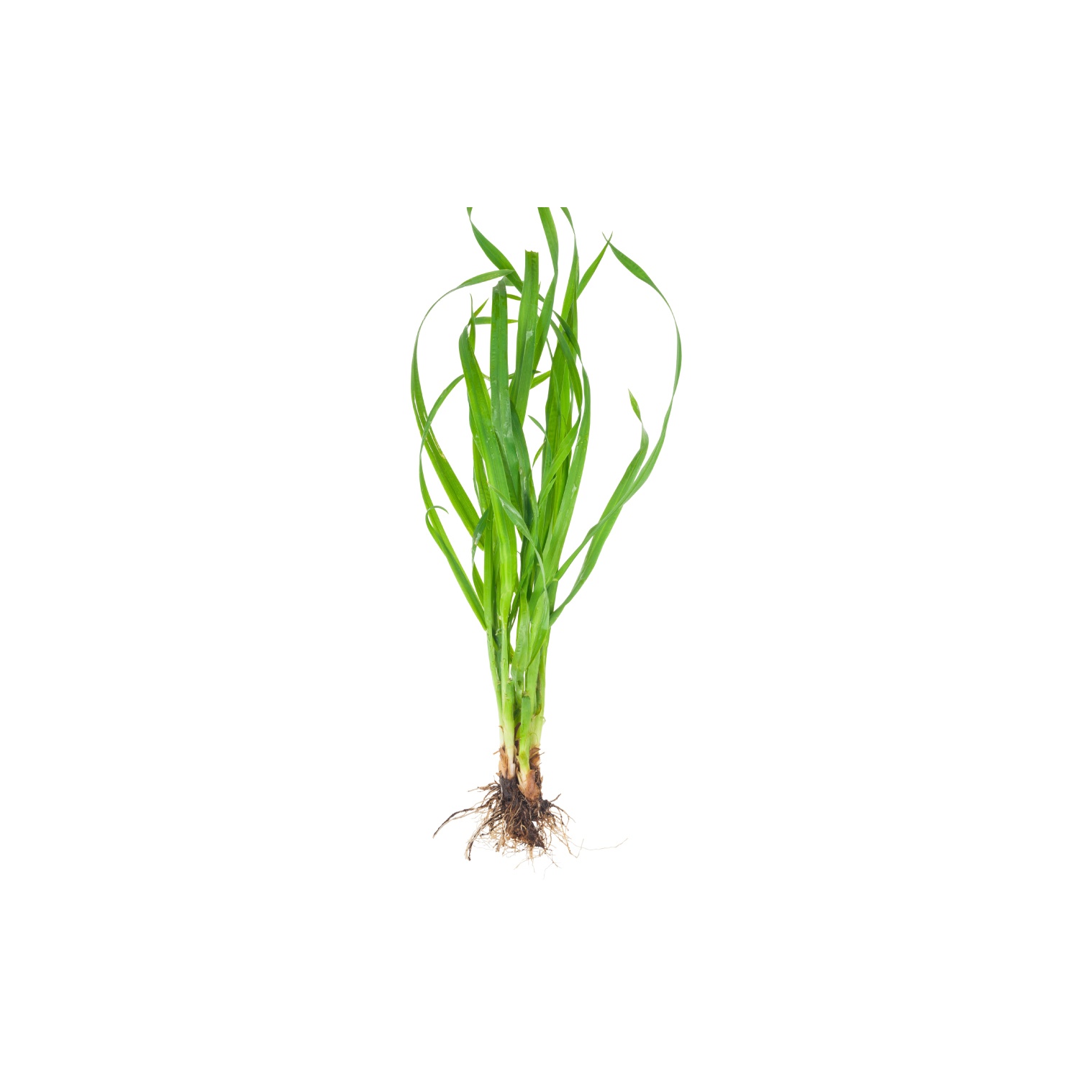 ModerateModerateCouchgrassElymus repensThe rhizome is about 10% mucilage alongside the fructan triticin, a carbohydrate-dominated drug whose polysaccharides film over irritated urinary and gut epithelium.Mechanismmucilage hydrocolloid mucosal film; fructan/polysaccharide viscosityRead the evidenceShow lessMonograph →
The rhizome is roughly 10% mucilage, sitting alongside the inulin-related fructan triticin at 3–8% and about 3% sugar alcohols 13,
Ten percent mucilage is well under marshmallow root or slippery elm, which is what places couchgrass mid-field. No study measures demulcency at all; the effect is inferred from composition and asserted in the review literature 19,
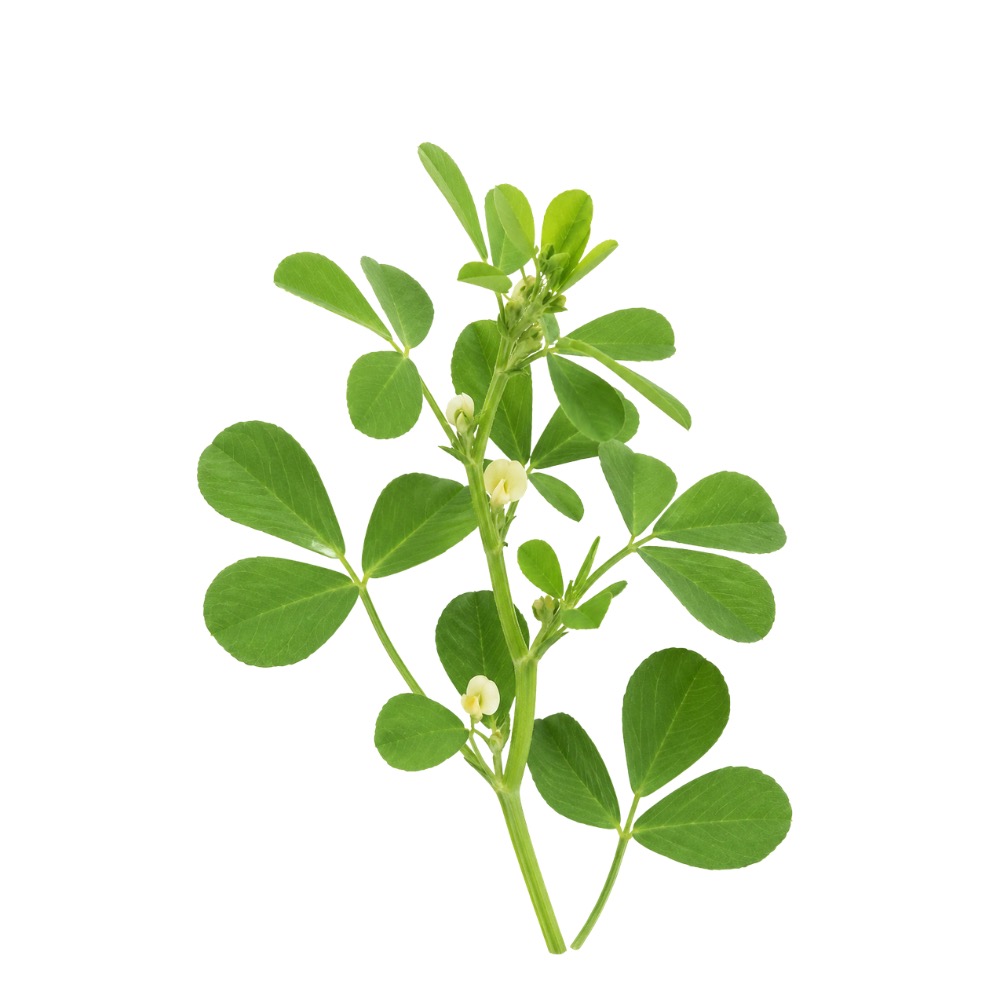 ModerateModerateFenugreekTrigonella foenum-graecumRoughly a fifth to a quarter of the seed is galactomannan, a viscous soluble fibre that gels in water, so whole-seed preparations behave as a bulking demulcent.Mechanismgalactomannan viscosity (soluble-fiber gel, ~20–25% of seed)Read the evidenceShow lessMonograph →
The galactomannan fraction gels in water, and whole-seed preparations coat and slow what passes over them 21Reference 21ReviewDiosgenin, 4-hydroxyisoleucine, and fiber from fenugreek: mechanisms of actions and potential effects on metabolic syndrome — reviewView study →. The nearest human measurement is functional rather than mucosal: 8 g of isolated fenugreek fibre at breakfast raised satiety and fullness and cut hunger and later intake in obese subjects, consistent with delayed gastric emptying 22Reference 22RCTEffect of fenugreek fiber on satiety, blood glucose and insulin response and energy intake in obese subjects — randomized crossover trialView study →.
The classic demulcent endpoint, soothing irritated digestive or respiratory mucosa, is traditional use only here, and nothing tests it.
The action belongs to whole or defatted seed. The standardised extracts lose the fibre that carries it.
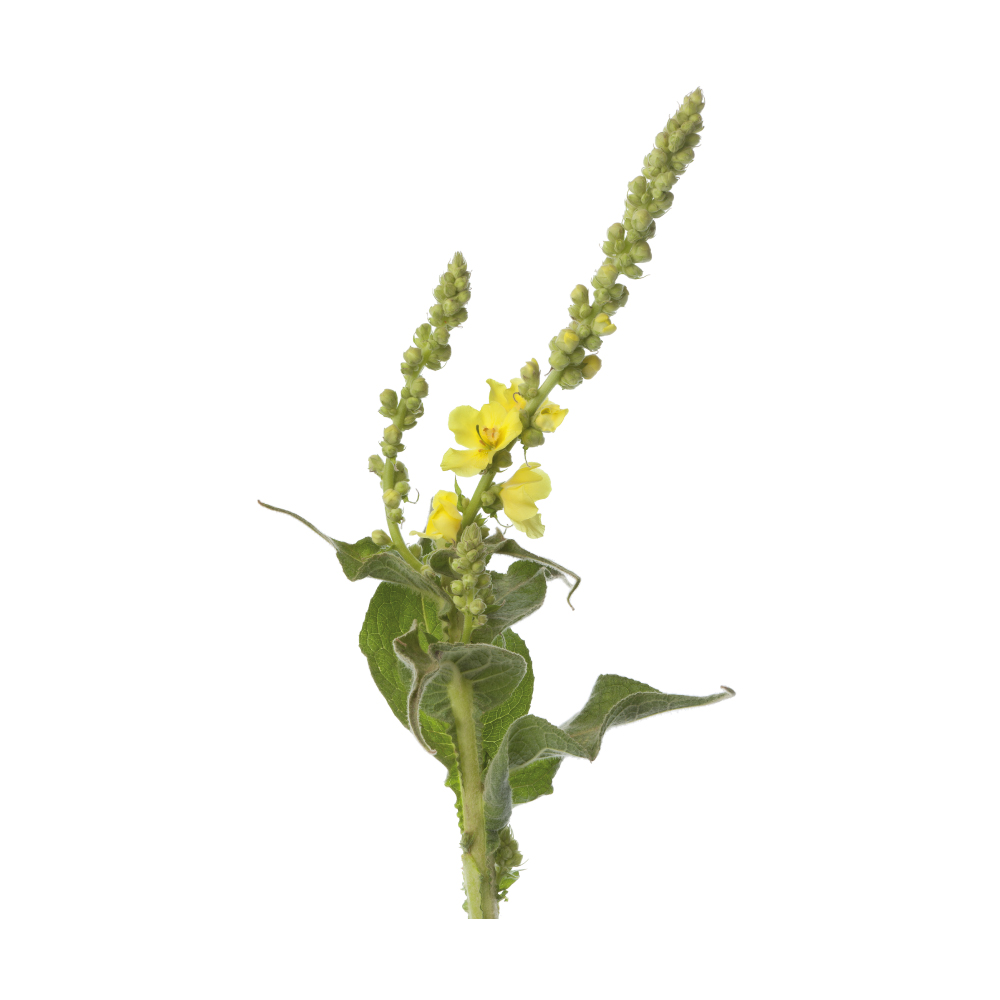 ModerateModerateMulleinVerbascum thapsusLeaf and flower mucilage coats and calms irritated respiratory membranes, the herb's principal traditional use in both European and North American practice.Mechanismleaf and flower mucilage polysaccharides forming a hydrocolloid film on irritated mucous membranes — a physical action with no receptor targetRead the evidenceShow lessMonograph →
The soothing, cough-calming action is attributed to leaf and flower mucilage, polysaccharides that coat and calm irritated mucous membranes 29,
There is no clinical or robust preclinical study of mullein for cough, catarrh or bronchial irritation. What supports the claim is that the constituent is documented and the effect is a physical property of it rather than a biological response that may or may not occur, the same logic that makes tannin content an objective test for the astringent action.
Two practical gates follow. Mullein needs water extraction, since mucilage does not survive well into a tincture, and hot infusions must be strained, because the leaf hairs irritate the throat.
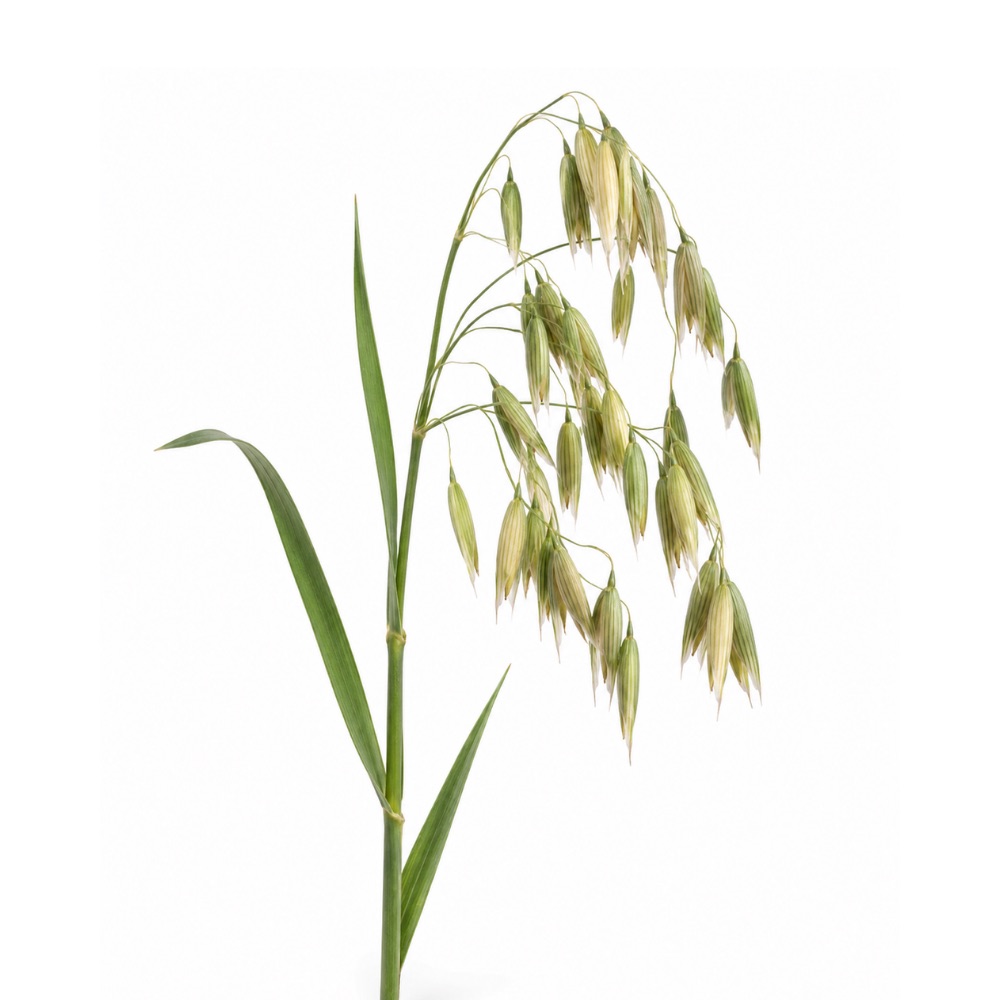 ModerateModerateOatsAvena sativaGrain and bran β-glucan forms a viscous gel whose thickness has been measured for cholesterol and blood sugar, and never for soothing.Mechanismβ-glucan hydrocolloid — a physical viscous film with no receptor targetRead the evidenceShow less
Oat β-glucan’s lipid and glycaemic actions both work by forming a viscous intestinal gel, and both show a dose-response that tracks that viscosity 31,
Nobody has measured oats soothing anything: no throat, cough, gastric or urinary endpoint exists. The processing that degrades β-glucan molecular weight would degrade this too.
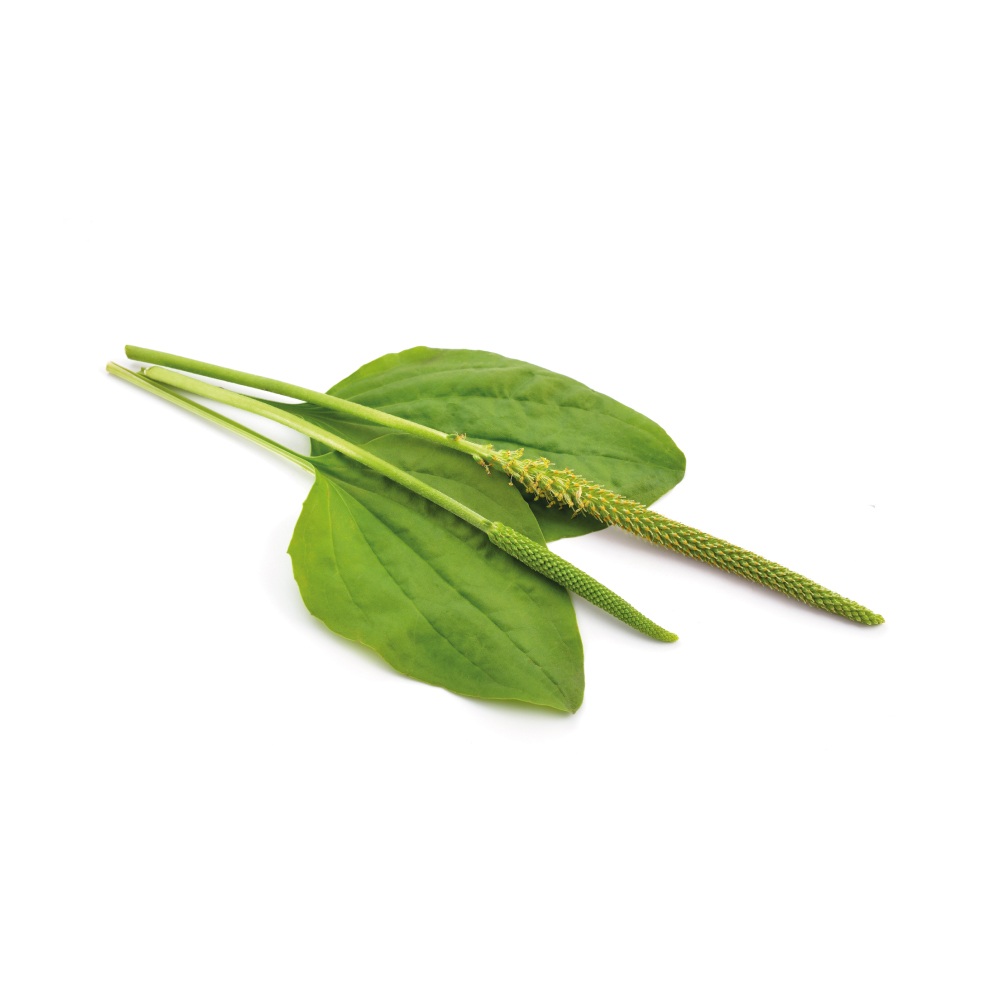 ModerateModeratePlantainPlantago majorLeaf syrup significantly reduced the severity and pain of radiation-induced oral mucositis in a placebo-controlled trial, held against the tissue rather than swallowed.Mechanismmucilage polysaccharide hydrocolloid barrier over inflamed mucosa (barrier itself not directly measured)Read the evidenceShow lessMonograph →
Plantain leaf syrup significantly reduced both the severity and the pain of radiation-induced oral mucositis in a double-blind placebo-controlled trial of 46 patients 33Reference 33RCTEfficacy of Plantago major L. syrup on radiation-induced oral mucositis in head-and-neck cancer patients: a randomized, double-blind, placebo-controlled trialView study →. A phase-III feasibility trial ran P. major extract against chlorhexidine 0.12% and sodium bicarbonate for chemotherapy mucositis 34Reference 34RCTEfficacy of Plantago major, chlorhexidine 0.12% and sodium bicarbonate 5% in oral mucositis in cancer patients: a randomised triple-blind phase III trialView study →, and two systematic reviews list plantain among the more promising natural agents 35,
On the respiratory side the effect is plausibly the generic soothing action of mucilage on irritated mucosa 37Reference 37ReviewThe therapeutic effects of Plantago major and its main constituents on respiratory diseases: a narrative reviewView study →.
Leaf mucilage runs about 2–6.5% of dry weight and up to roughly 10%, well below the marshmallow and slippery-elm tier. No study measures a demulcent property directly — no viscosity, swell index or mucoadhesion assay — so the barrier mechanism is reasoning from constituents, with the anti-inflammatory data doing part of the work.
Every positive mucosal result comes from a syrup or mouthwash held against the tissue rather than a swallowed extract.
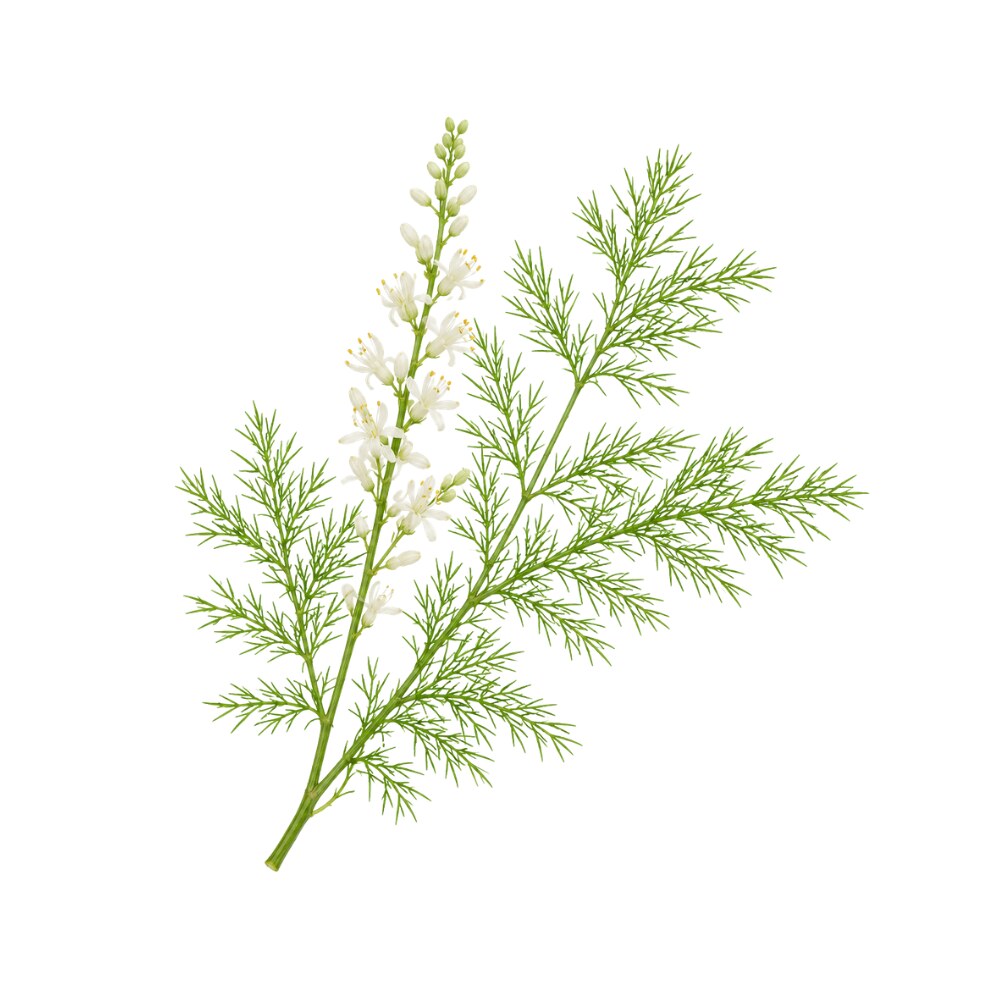 ModerateModerateShatavariAsparagus racemosusReduces gastric acid secretion and raises gastric mucopolysaccharide, thickening the stomach's own protective layer; a mucilaginous root and a classical Ayurvedic soothing tonic.Mechanismgastric acid secretion ↓; gastric mucopolysaccharide ↑; mucilage barrier (contribution not isolated)Read the evidenceShow lessMonograph →
A methanolic root extract at 100 mg/kg a day for 15 days significantly reduced ulcer index, gastric secretion volume and free and total acidity in an indomethacin-plus-pyloric-ligation model, comparable to ranitidine 38Reference 38AnimalAntisecretory and antiulcer activity of Asparagus racemosus against indomethacin plus pyloric ligation-induced gastric ulcer — animal model (rat)View study →. A second study in indomethacin- and stress-induced models reproduced the antisecretory effect, raised SOD, catalase and ascorbic acid and lowered lipid peroxidation, with shatavari outperforming ashwagandha in the NSAID model 39Reference 39AnimalAntiulcer and antioxidant activity of Asparagus racemosus and Withania somnifera in rats — animal modelView study →.
The work is rodent-only, with no human dyspepsia or ulcer-healing trial, and the demulcent contribution has never been separated from the antioxidant and antisecretory ones. The rise in gastric mucopolysaccharide is the closest thing to a true demulcent route.
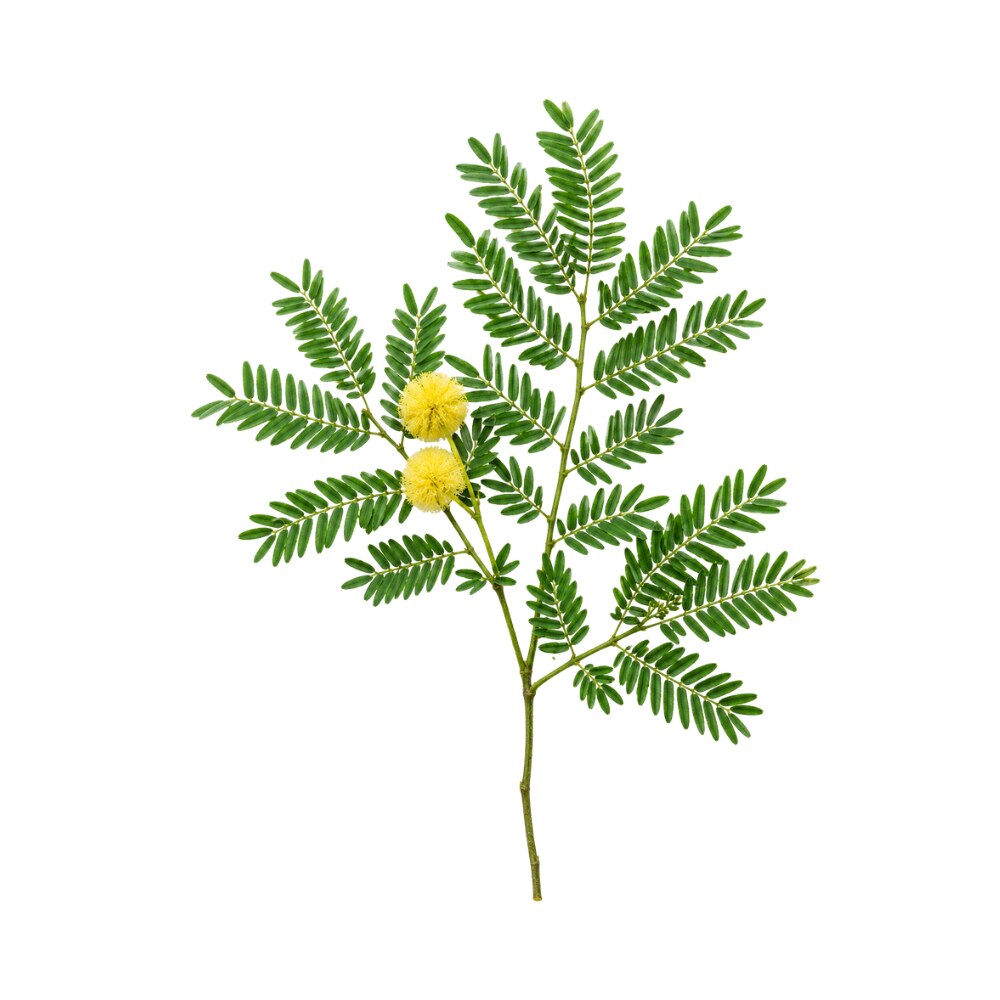 MildMildAcaciaAcacia spp.Gum arabic, the dried sap of Senegalia senegal, is an indigestible arabinogalactan-protein used in lozenges and syrups for a raw throat; the part is the gum, not the bark.Mechanismarabinogalactan-protein hydrocolloid (physical viscosity/film — no receptor target); colonic SCFA fermentation → butyrate ↑Read the evidenceShow lessMonograph →
Gum arabic is a large branched arabinogalactan-protein complex that humans cannot digest 1,
There is no demulcency endpoint at all — no throat, cough or gut-lining outcome — so the claim rests on pharmacopoeial and traditional use. The nearest measured mucosal-contact result is topical: gum arabic applied to the gingiva twice daily for 60 days lowered plaque, gingival index and crevicular IL-1β against a cellulose placebo 3Reference 3RCTEffect of Gum Arabic on plaque-induced gingivitis: A randomised controlled trial — RCTView study →.
What the gum does lower down is ferment 1,
The medicinal part is the gum exudate of Senegalia senegal and Vachellia seyal, not the astringent bark.
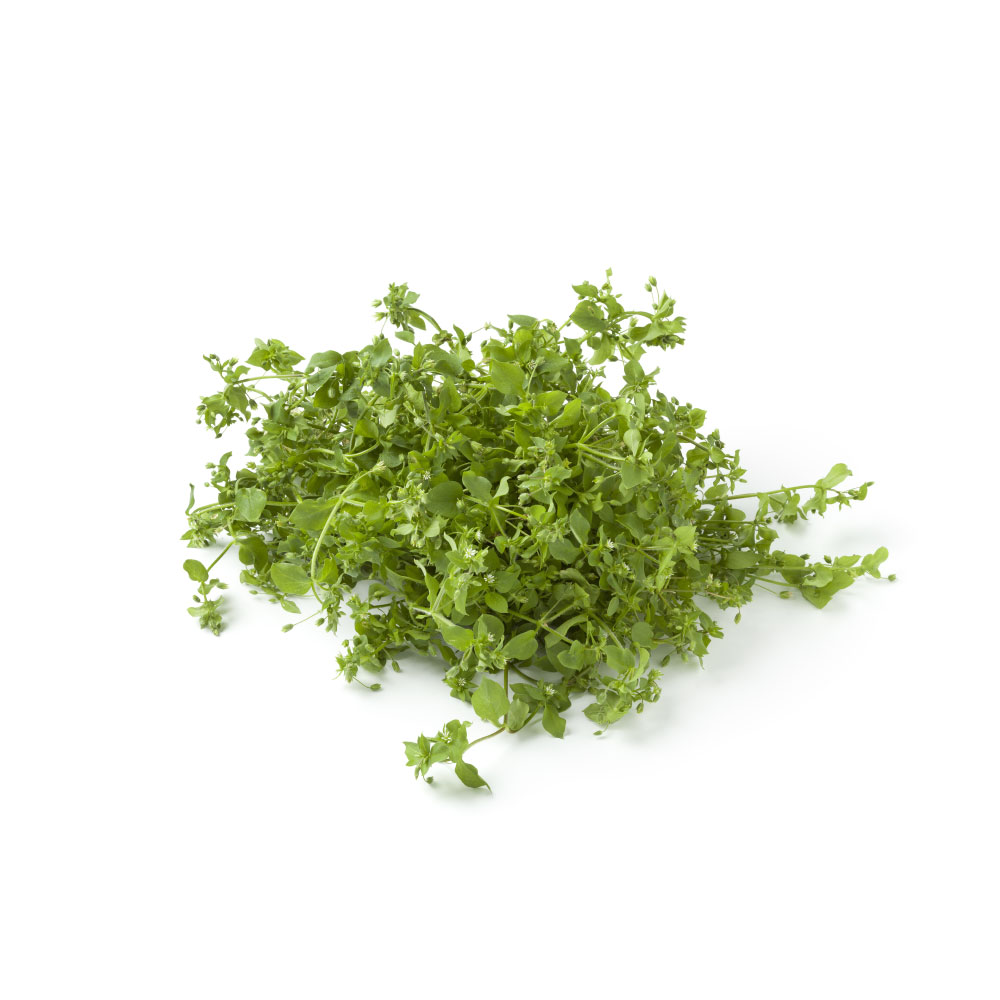 MildMildChickweedStellaria mediaA methanolic extract raised gastric pH and cut acid volume and ulcer index dose-dependently in rats, an antisecretory result rather than a coating one.Mechanismgastric acid secretion ↓; mucosal lipid-peroxidation ↓ (catalase restored); saponin surfactant activity (proposed, unverified)Read the evidenceShow lessMonograph →
In piroxicam-induced gastric ulceration in rats, a methanolic extract at 150, 300 and 450 mg/kg produced dose-dependent rises in gastric pH and falls in acid volume, acidity and ulcer index, approaching omeprazole, while restoring antioxidant and haematological parameters 8Reference 8AnimalPhytochemical analysis and gastroprotective effect of Stellaria media methanolic extract on piroxicam-induced gastric ulcer — rat/in vivoView study →.
The demonstrated mechanism is antisecretory and antioxidant rather than demulcent in the strict sense. No mucilage has been characterised in chickweed, and its soothing rationale is usually pinned to saponins, which are surface-active but described elsewhere as mucous-membrane irritants 9Reference 9ReviewStellaria media (L.) Vill.— A plant with immense therapeutic potentials: phytochemistry and pharmacology — reviewView study →.
The evidence is one rat study using a methanolic extract rather than the aqueous succus or tea of actual use, with no human data.
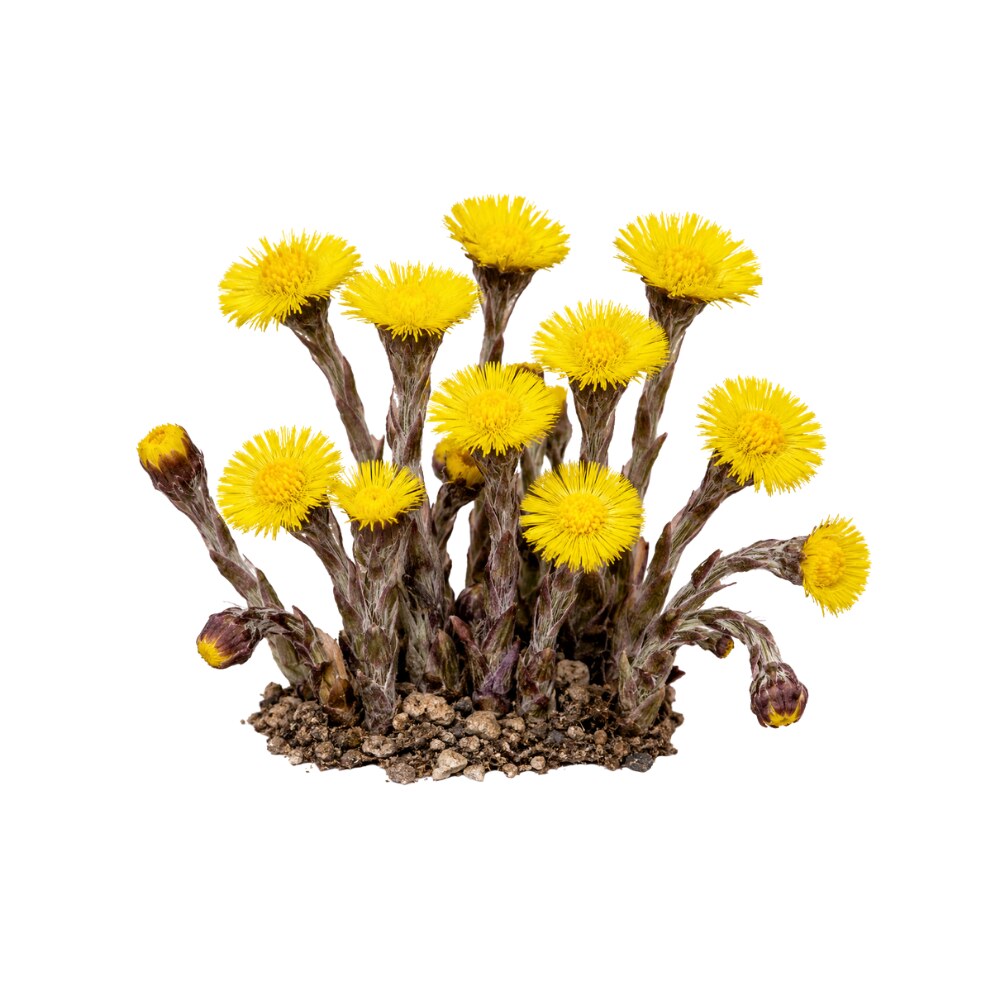 MildMildColtsfootTussilago farfaraCarries roughly 8% mucilage by dry weight, the physical basis of its traditional cough use, on a plant whose pyrrolizidine alkaloids rule out sustained internal use.Mechanismmucilage polysaccharide mucosal coating (physical)Read the evidenceShow lessMonograph →
The herb carries about 8% mucilage by dry weight 10,
No study, assay or efficacy citation exists. The constituent is quantified and the mechanism is physically real, and nothing measures an effect.
A demulcent coating is also the most easily substituted action in the materia medica. Marshmallow, slippery elm and plantain deliver it without pyrrolizidine alkaloids.
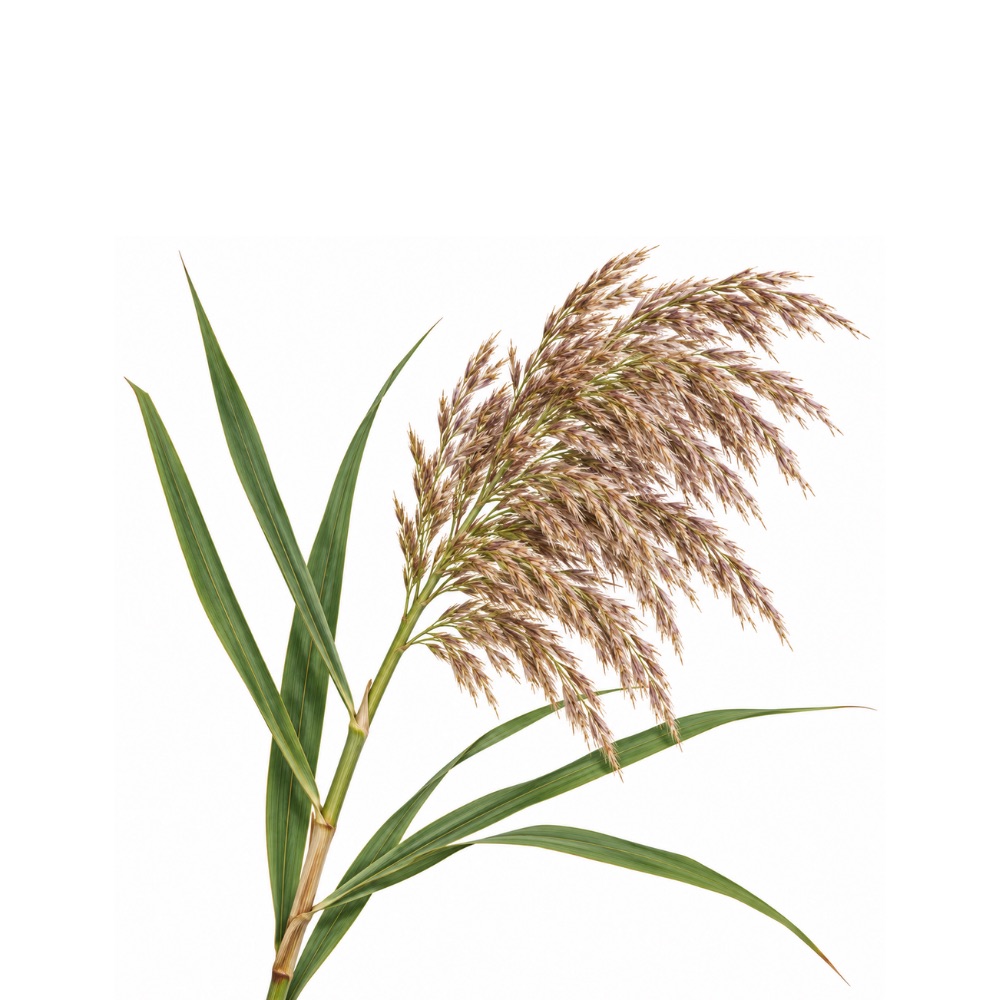 MildMildCommon ReedPhragmites australisLu gen, the reed rhizome, is the classical fluid-generating herb of Chinese practice, given for thirst, dry mouth and dry cough as a fresh juice or light decoction.Read the evidenceShow less
Reed rhizome is sweet and cold and clears heat and generates fluids, which is the Chinese framing of a cooling, moistening remedy. The fresh rhizome is preferred to the dried, and the moistening action is attributed partly to its water content.
There is no research behind the use, and no mucilage has been characterised. This records the traditional classification.
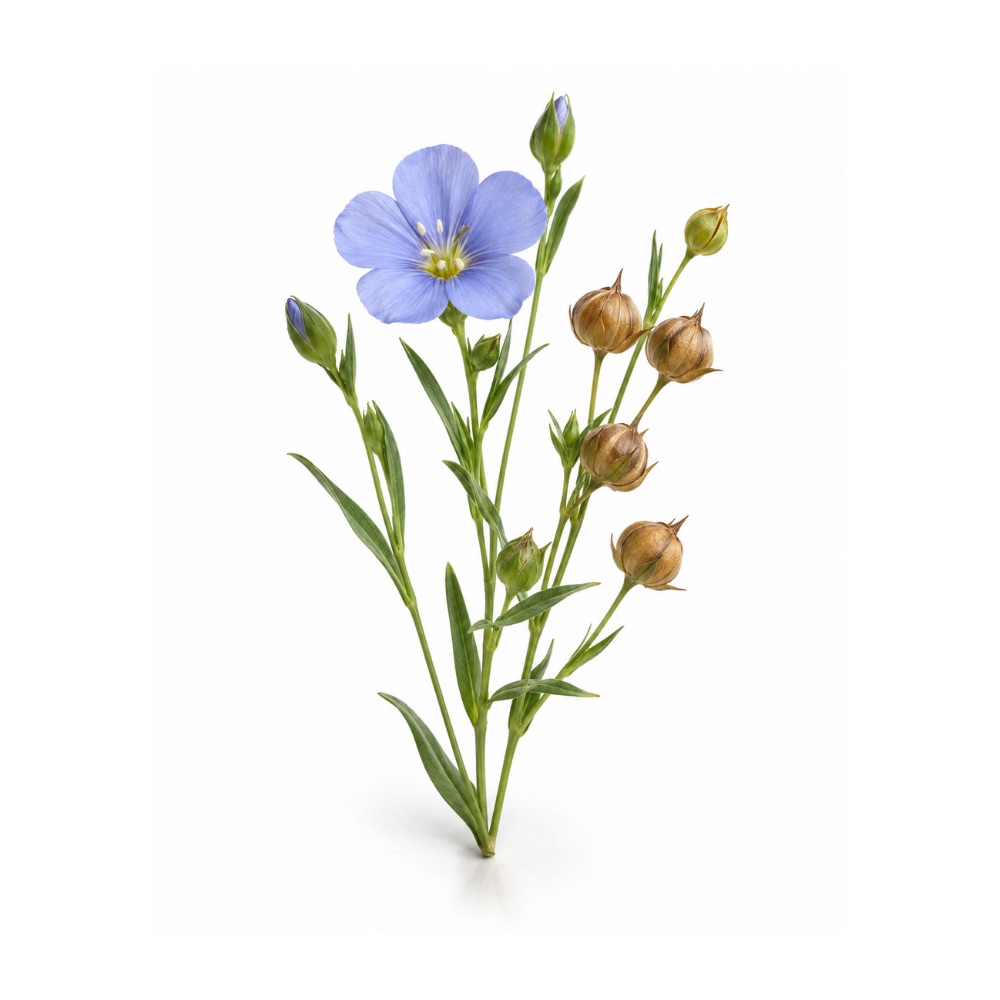 MildMildFlaxseedLinum usitatissimumThe seed mucilage is abundant and well characterised, and it is the basis of the traditional soothing infusion for the digestive and urinary tracts.Read the evidenceShow lessMonograph →
Flaxseed is a textbook demulcent by composition, and a whole-seed infusion is a long-standing home remedy for an irritated gut or bladder.
No film-forming, mucosal-protection or symptom assay exists. This is the same shape as the emollient cards: chemistry that makes the claim self-evident, with nobody having tested it.
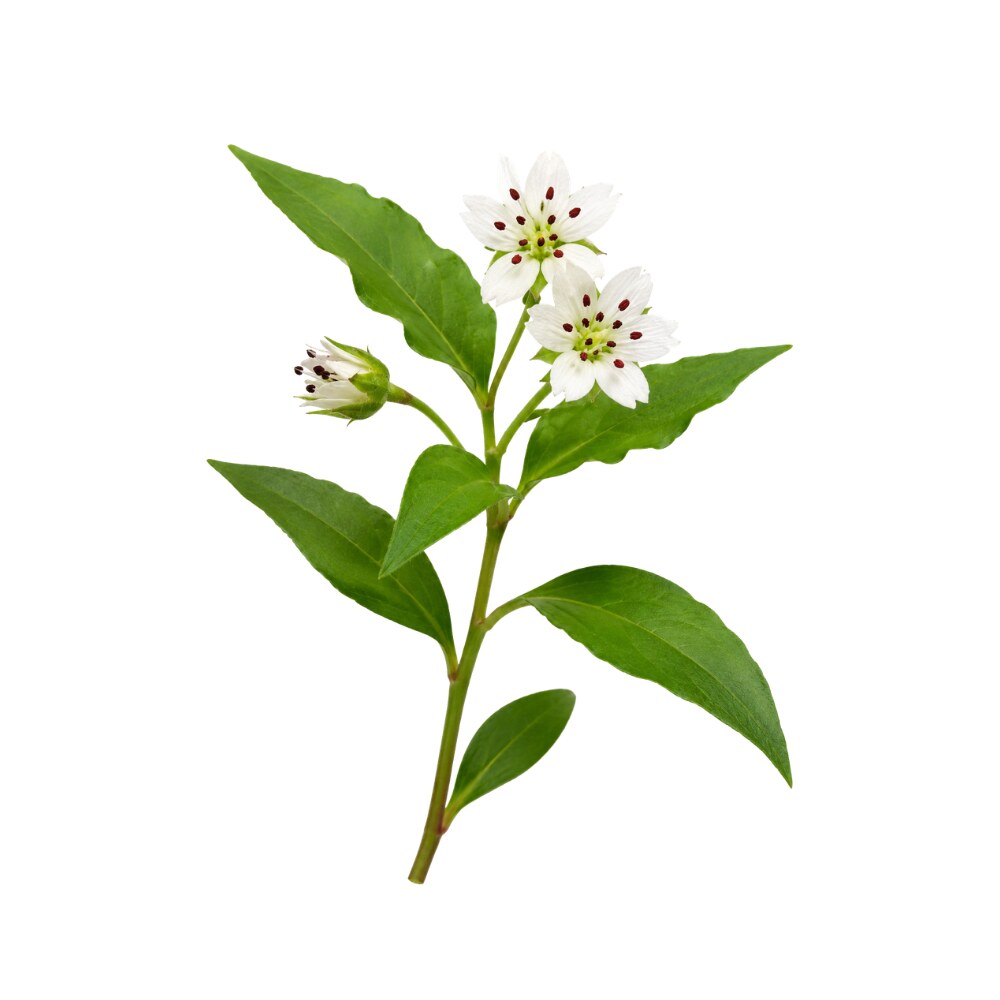 MildMildKid GinsengPseudostellaria heterophyllaA gentle qi tonic classified as generating fluids and moistening the Lung, given for thirst, dry mouth and dry cough in depleted or sensitive people.Read the evidenceShow lessMonograph →
The classical picture is the whole of the claim: sweet, slightly bitter and neutral, entering the Spleen, Lung and Heart channels, tonifying qi and generating fluids.
Nothing tests mucilage, mucosal coating or secretion. The antifibrotic work in bleomycin-treated mice does not support it, since reducing fibrosis in lung tissue is not the same as soothing a membrane.
No herbs match these filters.
Safety
- A mucilage film coats whatever else is in the gut, so demulcents are separated from medication by about two hours.
- Bulk-forming demulcents taken with too little water worsen constipation and can rarely obstruct.
- They are contraindicated where there is existing bowel obstruction or significant difficulty swallowing.
- Pyrrolizidine-alkaloid herbs are not appropriate for this action, which several safer mucilage herbs cover.
- Persistent reflux, difficulty swallowing, unexplained weight loss or bowel changes lasting weeks need investigating.
References
- Al-Jubori, Y., Ahmed, N. T. B., Albusaidi, R., et al. (2023). The Efficacy of Gum Arabic in Managing Diseases: A Systematic Review of Evidence-Based Clinical Trials — systematic review. Biomolecules. https://pubmed.ncbi.nlm.nih.gov/36671523/
- Elnour, A. A. M., Abdurahman, N. H., Musa, K. H., & Rasheed, Z. (2023). Prebiotic potential of gum Arabic for gut health — review. Int J Health Sci (Qassim). https://pubmed.ncbi.nlm.nih.gov/37929233/
- Gafar, A. M., Ramadan, A. M., ElSaid, N. A., & Nurelhuda, N. M. (2022). Effect of Gum Arabic on plaque-induced gingivitis: A randomised controlled trial — RCT. Saudi Dent J. https://pubmed.ncbi.nlm.nih.gov/36092515/
- Babiker, R., Merghani, T. H., Elmusharaf, K., et al. (2012). Effects of Gum Arabic ingestion on body mass index and body fat percentage in healthy adult females: randomised, placebo-controlled, double-blind trial — RCT. Nutr J. https://pubmed.ncbi.nlm.nih.gov/23241359/
- Bone, K. (2003). A Clinical Guide to Blending Liquid Herbs: Herbal Formulations for the Individual Patient. Edinburgh: Churchill Livingstone. (Pg. 39–41.)
- Hamman, J. H. (2008). Composition and applications of Aloe vera leaf gel — review. Molecules, 13(8), 1599–1616. doi:10.3390/molecules13081599
- Liu, C., Cui, Y., Pi, F., Cheng, Y., Guo, Y., & Qian, H. (2019). Extraction, purification, structural characteristics, biological activities and pharmacological applications of acemannan, a polysaccharide from Aloe vera — a review. Molecules. https://pubmed.ncbi.nlm.nih.gov/31010204/
- Aleem, A., Janbaz, K. H., et al. (2023). Phytochemical analysis and gastroprotective effect of Stellaria media methanolic extract on piroxicam-induced gastric ulcer — rat/in vivo. Pakistan Journal of Pharmaceutical Sciences. https://pubmed.ncbi.nlm.nih.gov/37869918/
- Oladeji, O. S., & Oyebamiji, A. K. (2020). Stellaria media (L.) Vill.— A plant with immense therapeutic potentials: phytochemistry and pharmacology — review. Heliyon, 6(6), e04150. https://pubmed.ncbi.nlm.nih.gov/32548330/
- Chen, S., et al. (2021). A review of the ethnobotanical value, phytochemistry, pharmacology, toxicity and quality control of Tussilago farfara L. (coltsfoot) — review. Journal of Ethnopharmacology. https://pubmed.ncbi.nlm.nih.gov/33069788/
- Adamczak, A., Opala, B., Gryszczyńska, A., & Buchwald, W. (2013). Content of pyrrolizidine alkaloids in the leaves of coltsfoot (Tussilago farfara L.) in Poland — analytical. Acta Societatis Botanicorum Poloniae. https://doi.org/10.5586/asbp.2013.028
- Sensitive determination of pyrrolizidine alkaloids (senkirkine and senecionine) in Tussilago farfara L. — analytical. (2016). Journal of Separation Science. https://pubmed.ncbi.nlm.nih.gov/27673325/
- Hoffmann, D. (2003). Medical Herbalism: The Science and Practice of Herbal Medicine. Healing Arts Press.
- Wren, R. C. (1956). Potter’s New Cyclopaedia of Botanical Drugs and Preparations.
- British Herbal Medicine Association. (1983). British Herbal Pharmacopoeia.
- Bisset, N. G. (Ed.). (2001). Herbal Drugs and Phytopharmaceuticals (2nd ed.). Medpharm Scientific Publishers.
- Leung, A. Y., & Foster, S. (1996). Encyclopedia of Common Natural Ingredients (2nd ed.). Wiley.
- Newell, C. A., Anderson, L. A., & Phillipson, J. D. (1996). Herbal Medicines. Pharmaceutical Press.
- Zhakipbekov, K. S., Serikbayeva, E. A., Tleubayeva, M. I., et al. (2026). Elymus repens (L.) Gould phytochemistry, pharmacological activities and therapeutic potential — systematic review. International Journal of Molecular Sciences. https://pubmed.ncbi.nlm.nih.gov/42278456/
- Bortolami, M., Di Matteo, P., Rocco, D., Feroci, M., & Petrucci, R. (2022). Metabolic profile of Agropyron repens rhizome herbal tea by HPLC-PDA-ESI-MS/MS analysis. Molecules. https://pubmed.ncbi.nlm.nih.gov/35956912/
- Fuller, S., et al. (2015). Diosgenin, 4-hydroxyisoleucine, and fiber from fenugreek: mechanisms of actions and potential effects on metabolic syndrome — review. Adv Nutr. https://pubmed.ncbi.nlm.nih.gov/25770257/
- Mathern, J. R., et al. (2009). Effect of fenugreek fiber on satiety, blood glucose and insulin response and energy intake in obese subjects — randomized crossover trial. Phytother Res. https://pubmed.ncbi.nlm.nih.gov/19353539/
- Deters, A., Zippel, J., Hellenbrand, N., Pappai, D., Possemeyer, C., & Hensel, A. (2010). Aqueous extracts and polysaccharides from marshmallow roots: cellular internalisation and stimulation of cell physiology of human epithelial cells — in vitro. Journal of Ethnopharmacology. https://pubmed.ncbi.nlm.nih.gov/19799989/
- Šutovská, M., Nosáľová, G., Šutovský, J., Franová, S., Prisenžňáková, Ľ., & Capek, P. (2009). Possible mechanisms of dose-dependent cough suppressive effect of Althaea officinalis rhamnogalacturonan — animal (guinea pig in vivo). International Journal of Biological Macromolecules. https://pubmed.ncbi.nlm.nih.gov/19447256/
- Šutovská, M., Capek, P., Franová, S., Joskova, M., Šutovský, J., Marcinek, J., & Kalman, M. (2011). Antitussive activity of Althaea officinalis L. polysaccharide rhamnogalacturonan in guinea pigs with airways inflammation — animal in vivo. Bratislava Medical Journal. https://pubmed.ncbi.nlm.nih.gov/22372330/
- Šutovská, M., Nosáľová, G., Franová, S., & Kardošová, A. (2007). The antitussive activity of polysaccharides from Althaea officinalis L., var. Robusta — animal in vivo (cats). Bratislava Medical Journal. https://pubmed.ncbi.nlm.nih.gov/17685009/
- Fink, C., Schmidt, M., & Kraft, K. (2018). Marshmallow root extract for the treatment of irritative cough: two surveys on users’ view on effectiveness and tolerability — observational/cohort survey. Complementary Medicine Research. https://pubmed.ncbi.nlm.nih.gov/30064132/
- Mahboubi, M. (2020). Marsh mallow (Althaea officinalis L.) and its potency in the treatment of cough — review. Complementary Medicine Research. https://pubmed.ncbi.nlm.nih.gov/31770755/
- Turker AU, Gurel E. (2005). Common mullein (Verbascum thapsus L.): recent advances in research — review. Phytotherapy Research. https://pubmed.ncbi.nlm.nih.gov/16222647/
- Gupta A, Atkinson AN, et al. (2022). Health-promoting and disease-mitigating potential of Verbascum thapsus L. (common mullein): a review. Phytotherapy Research. https://pubmed.ncbi.nlm.nih.gov/35088467/
- Whitehead, A. (2014). Cholesterol-lowering effects of oat β-glucan: a meta-analysis of randomized controlled trials — systematic review and meta-analysis. Am J Clin Nutr, 100(6), 1413–1421. https://pubmed.ncbi.nlm.nih.gov/25411276/
- Kim, IS. (2021). Multiple Antioxidative and Bioactive Molecules of Oats (Avena sativa L.) in Human Health — review. Antioxidants (Basel), 10(9), 1454. https://pubmed.ncbi.nlm.nih.gov/34573086/
- Soltani GM, et al. (2020). Efficacy of Plantago major L. syrup on radiation-induced oral mucositis in head-and-neck cancer patients: a randomized, double-blind, placebo-controlled trial. Complementary Therapies in Medicine. https://pubmed.ncbi.nlm.nih.gov/32507421/
- Cabrera-Jaime S, et al. (2018). Efficacy of Plantago major, chlorhexidine 0.12% and sodium bicarbonate 5% in oral mucositis in cancer patients: a randomised triple-blind phase III trial. European Journal of Oncology Nursing. https://pubmed.ncbi.nlm.nih.gov/29353631/
- Pranadwista ZF, Nur’aeny N. (2023). Effectiveness of natural-based products for radiation-induced oral mucositis therapy: a systematic review. Cancer Treatment and Research Communications. https://pubmed.ncbi.nlm.nih.gov/37209466/
- Wen S, et al. (2023). Update on the treatment of chemotherapy- and radiotherapy-induced buccal mucositis: a systematic review. Acta Odontológica Latinoamericana. https://pubmed.ncbi.nlm.nih.gov/37314054/
- Boskabadi SJ, et al. (2025). The therapeutic effects of Plantago major and its main constituents on respiratory diseases: a narrative review. Naunyn-Schmiedeberg’s Archives of Pharmacology. https://pubmed.ncbi.nlm.nih.gov/40663154/
- Bhatnagar, M., Sisodia, S.S. (2006). Antisecretory and antiulcer activity of Asparagus racemosus against indomethacin plus pyloric ligation-induced gastric ulcer — animal model (rat). Journal of Herbal Pharmacotherapy. https://pubmed.ncbi.nlm.nih.gov/17135157/
- Bhatnagar, M., et al. (2005). Antiulcer and antioxidant activity of Asparagus racemosus and Withania somnifera in rats — animal model. Annals of the New York Academy of Sciences. https://pubmed.ncbi.nlm.nih.gov/16387694/
- Barnes, J., Anderson, L. A., & Phillipson, J. D. (2007). Herbal Medicines (3rd ed.) — reference monograph (pp. 545–546). London: Pharmaceutical Press.
- Watts, C. R., & Rousseau, B. (2012). Slippery elm, its biochemistry, and use as a complementary and alternative treatment for laryngeal irritation — review. Journal of Investigational Biochemistry. https://doi.org/10.5455/jib.20120417052415
- Gill, R. E., Hirst, E. L., & Jones, J. K. N. (1946). Constitution of the mucilage from the bark of Ulmus fulva (slippery elm mucilage) — chemistry. Journal of the Chemical Society. https://pubmed.ncbi.nlm.nih.gov/20282480/
- Beveridge, R. J., Stoddart, J. F., Szarek, W. A., & Jones, J. K. N. (1969). Some structural features of the mucilage from the bark of Ulmus fulva — chemistry. Carbohydrate Research, 9, 429–439. doi:10.1016/S0008-6215(00)80033-1
- Grieve, M. (1931). A Modern Herbal — “Elm, Slippery” (historical source). https://www.botanical.com/botanical/mgmh/e/elmsli09.html
- Hawrelak, J. A., & Myers, S. P. (2010). Effects of two natural medicine formulations on irritable bowel syndrome symptoms: an open-label clinical pilot study. J Altern Complement Med. https://pubmed.ncbi.nlm.nih.gov/20954962/
- Ried, K., Travica, N., Dorairaj, R., & Sali, A. (2020). Herbal formula improves upper and lower gastrointestinal symptoms and gut health in Australian adults with digestive disorders — pre-post observational study. Nutr Res. https://pubmed.ncbi.nlm.nih.gov/32151878/
Keep Exploring