

Overview
Emollient at a Glance
Emollients soften, soothe, and protect dry or irritated skin.
They work mainly by forming a film over the surface that reduces water loss and shields the skin from friction and further irritation.
Mucilage-rich herbs such as marshmallow, slippery elm, and aloe form hydrated films, while fats such as cacao butter work more by sealing moisture into the skin.
This makes emollients the external counterpart of demulcents, which perform the same kind of soothing work on internal mucous membranes.
Some emollients do more than simply coat the skin.
Oats, aloe, marshmallow, and hibiscus also have anti-inflammatory or tissue-repair effects, which can be useful where dryness is accompanied by redness, itching, or irritation.
Emollients are used mainly for dry skin, eczema, minor irritation, chafing, and rough or cracked skin.
The juice of Mallows boiled in old oil and applied, takes away all roughness of the skin, as also the scurf, dandriff, or dry scabs in the head.
Nicholas Culpeper, The Complete Herbal, 1653, on mallows and marshmallows
Because much of the action is physical, preparation matters. A gel, cream, oil, or poultice that stays in contact with the skin makes more sense here than a preparation designed mainly for internal use.
Caution
Changing lesions need assessment — spreading infection, non-healing ulcers or a lesion changing in size, colour or appearance need assessment rather than moisturising.
Intact skin only for comfrey — pyrrolizidine-alkaloid herbs are for intact skin in short courses only, never broken or ulcerated skin.
Patch test first — contact sensitivity is the realistic adverse event, so a small patch test comes first.
Mechanisms
How It Works
01
Mucilage and Occlusive Films
Polysaccharides hydrate into a film that sits on the epidermis, holding water in and shielding the surface, and a fat does the same by sealing it.
Marshmallow and slippery elm form hydrated mucilage films, aloe’s is an occlusive polysaccharide hydrogel, and cocoa butter is a plain occlusive fat. Oat starch and β-glucan provide the barrier in colloidal oatmeal, and hibiscus leaf mucilage forms a hydrating surface film.
Because the mechanism is physical, the claim can be read from the chemistry, the same objective test the demulcent and astringent actions have.
It also means emollient and astringent pull in opposite directions, one softening and hydrating and the other tightening and drying, so a herb rarely does both well.
02
Anti-Inflammatory Signalling
A few emollients do more than sit on the surface, damping the inflammation that makes skin itch and flare.
Oat avenanthramides inhibit NF-κB, cutting cytokine and histamine release in keratinocyte models and measurably reducing induced redness and itch. Marshmallow’s flavonoid glycosides are implicated at TNF-α, IL-6 and phosphodiesterase-4, and its extract suppresses endothelin-1-induced melanocyte activation. Aloe carries comparable signalling, and hibiscus supports collagen and hydroxyproline in animal wounds.
These are the herbs with controlled trials behind them, which is unlikely to be a coincidence. A bland film soothes; damping the inflammation changes the course of the flare.
Herbs: AloeHibiscusMarshmallowOats
Materia Medica
Emollient Herbs by Potency
The emollient herbs, ordered by the relative strength of the effect rather than by how well studied it is. Each herb is described by the mechanism behind its effect and the evidence for it.
None of this is a substitute for professional care.
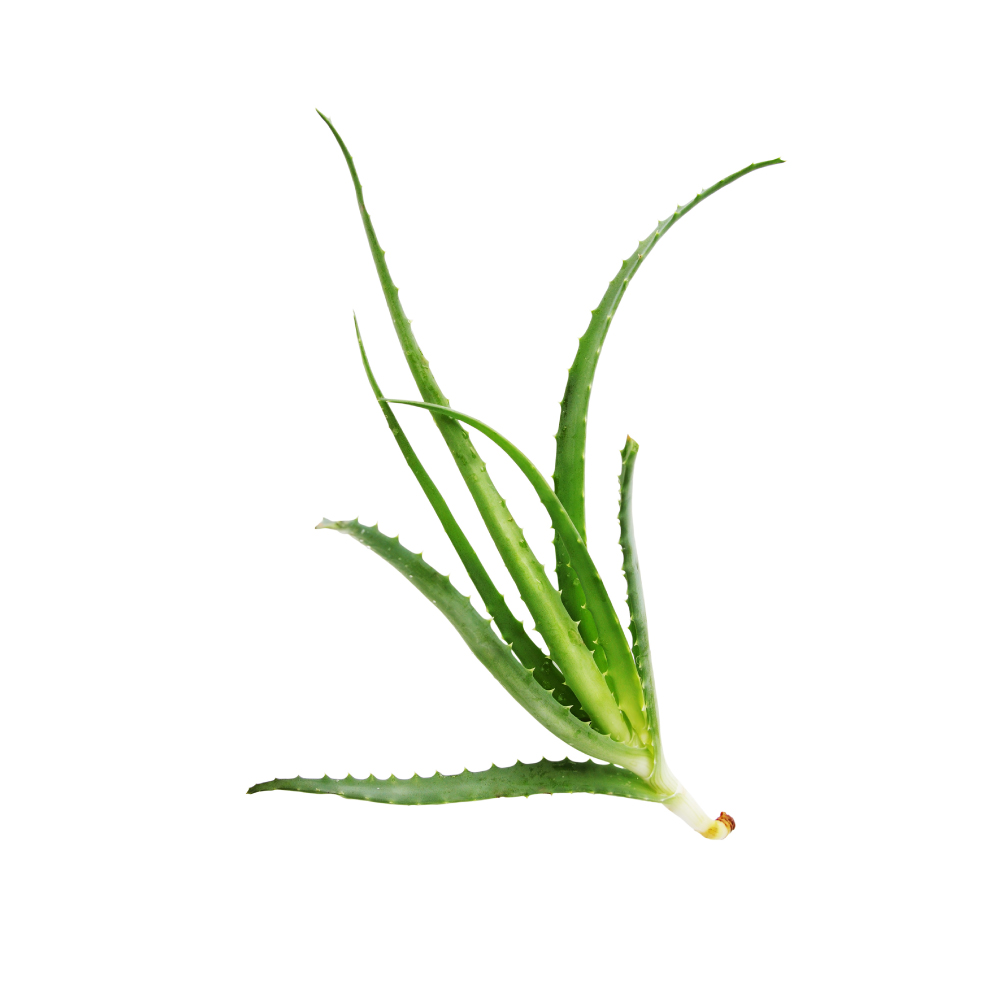 StrongStrongAloeAloe vera/barbadensisThe gel is an occlusive polysaccharide hydrogel that softens and soothes irritated skin, with human data in radiation dermatitis.Mechanismocclusive polysaccharide hydrogel film; pharmacological target not establishedRead the evidenceShow lessMonograph →
Aloe gel is well established for softening and soothing irritated skin, and radiation-induced dermatitis is the one place it has direct human data 1Reference 1Clinical trialAloe vera for prevention of radiation-induced dermatitis — a self-controlled clinical trialView study →.
The design of that trial matters. It was self-controlled, with each patient serving as their own comparator and no independent placebo arm, and it tested prevention of radiation dermatitis rather than treatment 1Reference 1Clinical trialAloe vera for prevention of radiation-induced dermatitis — a self-controlled clinical trialView study →.
No mechanism beyond the physical hydrogel has been proposed.
For plain skin-soothing the effect is immediate and universally reproduced in domestic use. It is the clinical framing that is weak rather than the effect.
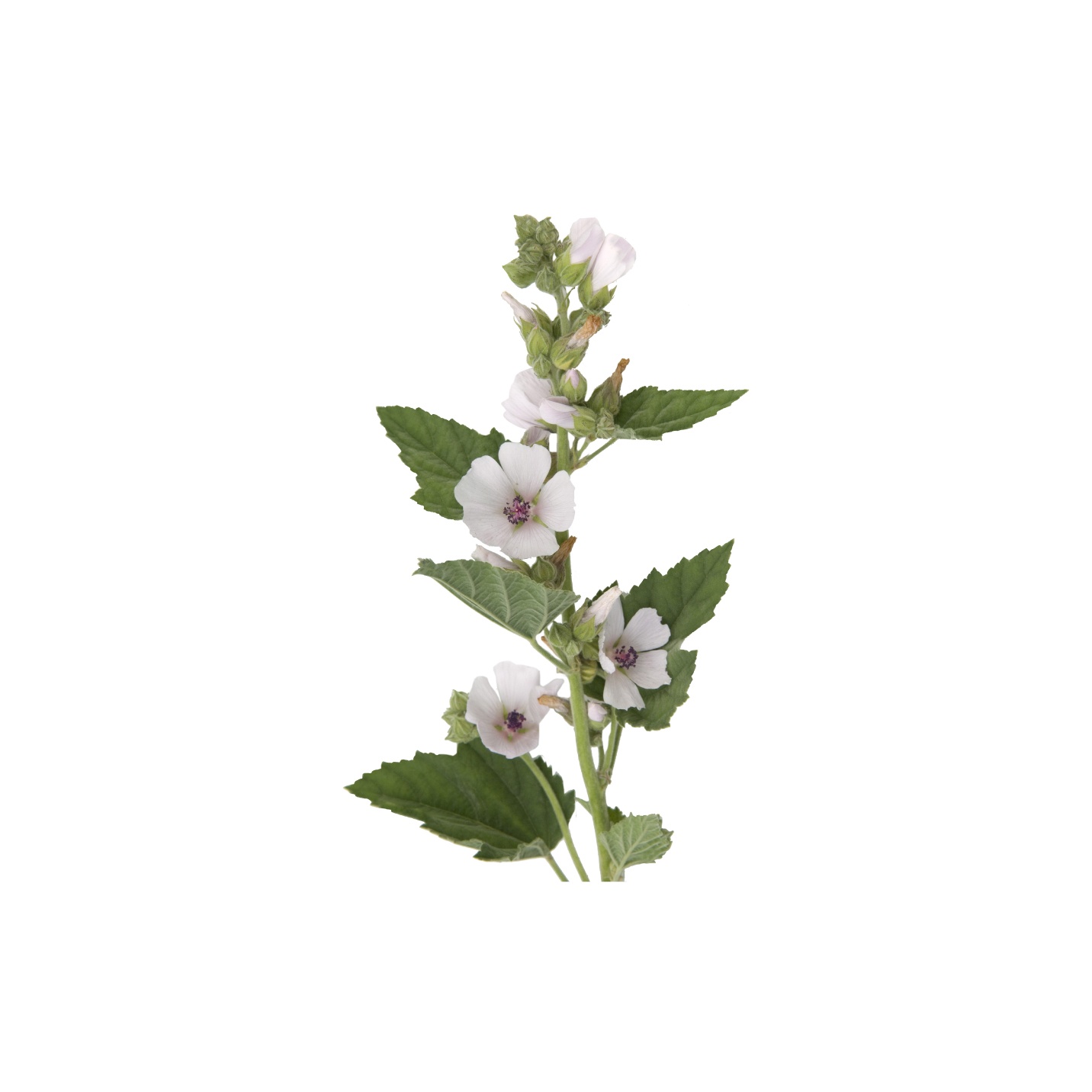 StrongStrongMarshmallowAlthaea officinalisA 1% root ointment reduced eczema severity in children and outperformed 1% hydrocortisone in a small trial, combining a mucilage film with anti-inflammatory signalling.Mechanismhydrated mucilage film on epidermis; TNF-α / IL-6 signaling ↓; endothelin-1 → MAPK signaling ↓Read the evidenceShow lessMonograph →
A pilot double-blind active-controlled trial in 22 children with mild-to-moderate atopic dermatitis found a 1% Althaea officinalis ointment significantly reduced SCORAD severity and, in that small sample, outperformed 1% hydrocortisone 8Reference 8RCTEffect of topical marshmallow (Althaea officinalis) on atopic dermatitis in children: a pilot double-blind active-controlled clinical trial — randomisedView study →. That is a large effect for a bland polysaccharide preparation.
The mechanistic backing is thinner than the clinical result. In-silico docking suggests flavonoid glycosides bind TNF-α, IL-6 and phosphodiesterase-4 8Reference 8RCTEffect of topical marshmallow (Althaea officinalis) on atopic dermatitis in children: a pilot double-blind active-controlled clinical trial — randomisedView study →, and in-vitro work shows inhibition of endothelin-1-induced melanocyte activation through suppressed MAPK signalling, pointing to a skin-calming and possibly anti-pigmentation role 9Reference 9In vitroInhibitory mechanism of an extract of Althaea officinalis L. on endothelin-1-induced melanocyte activation — in vitroView study →.
The trial had 22 patients, no placebo arm and a single centre. Docking is not a demonstrated mechanism, and the pigmentation finding is one 2002 cosmetic-science paper 9Reference 9In vitroInhibitory mechanism of an extract of Althaea officinalis L. on endothelin-1-induced melanocyte activation — in vitroView study →.
The tested preparation is a topical 1% ointment, not an oral dose.
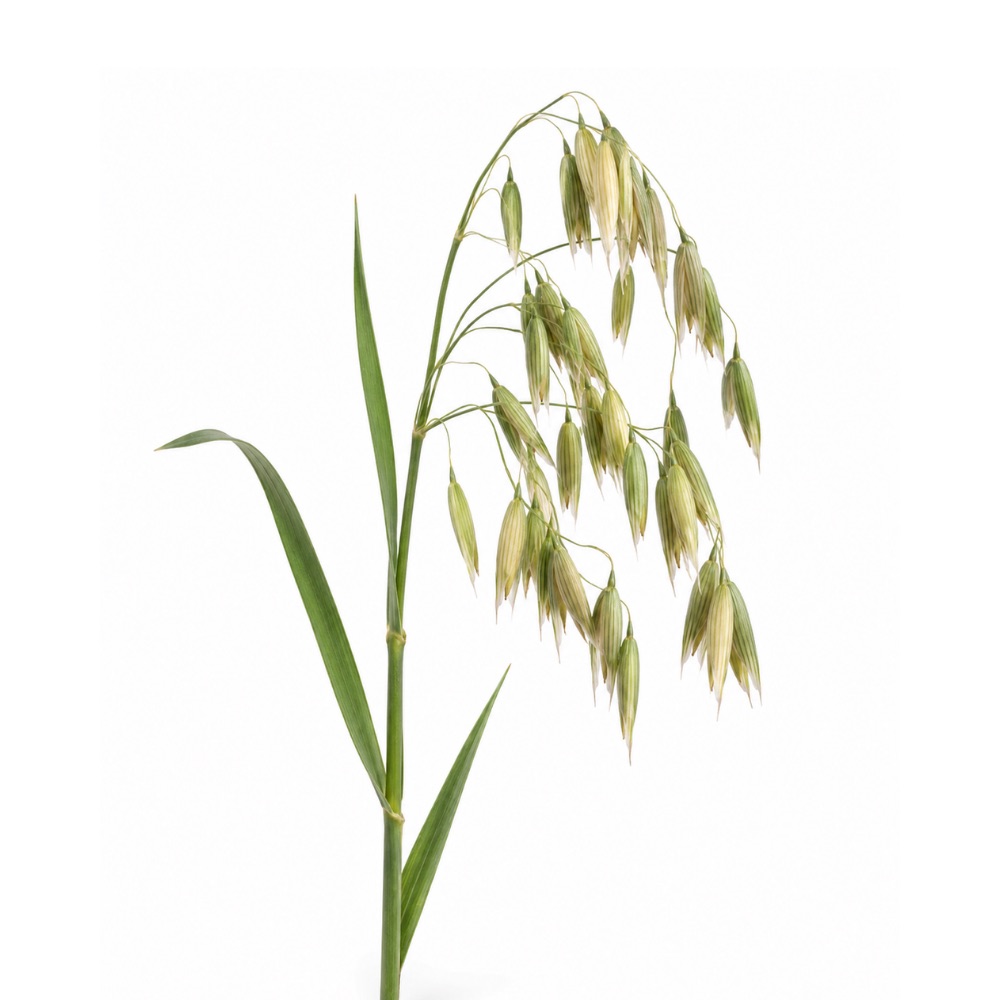 StrongStrongOatsAvena sativaColloidal oatmeal matched a prescription barrier cream in children with eczema, pairing an oat-starch and β-glucan barrier with avenanthramides that inhibit NF-κB.Mechanismocclusion, barrier repair and stratum-corneum pH buffering (β-glucan, oat starch); NF-κB inhibition with cytokine and histamine release ↓ (avenanthramides)Read the evidenceShow less
In a double-blind randomised study in children aged 6 months to 18 years with mild-to-moderate atopic dermatitis, a 1% colloidal oatmeal cream was non-inferior to a prescription barrier-repair cream on EASI at three weeks, with comparable investigator global assessment and itch scores 10Reference 10RCTEfficacy and safety of an over-the-counter 1% colloidal oatmeal cream in the management of mild to moderate atopic dermatitis in children — double-blind randomised active-controlled trialView study →. Wider dermatology reviews report consistent improvement in itch, dryness and severity as adjunct therapy across age groups 11Reference 11ReviewMechanism of action and clinical benefits of colloidal oatmeal for dermatologic practice — reviewView study →.
The mechanism is dual, which is what separates oats from an inert emollient. Oat starch and β-glucan provide the occlusive barrier, and the avenanthramides add an anti-inflammatory component: NF-κB inhibition with reduced cytokine and histamine release in keratinocyte models, and measurable reductions in experimentally induced redness and itch 12Reference 12In vitroAnti-inflammatory activities of colloidal oatmeal (Avena sativa) contribute to the effectiveness of oats in treatment of itch associated with dry, irritated skin — in vitro and clinicalView study →.
The trials are short, at three to six weeks, several are manufacturer-run, and the comparator is usually another emollient rather than placebo, which makes the oat fraction’s own contribution hard to isolate.
The preparation is colloidal oatmeal, a regulated over-the-counter skin protectant.
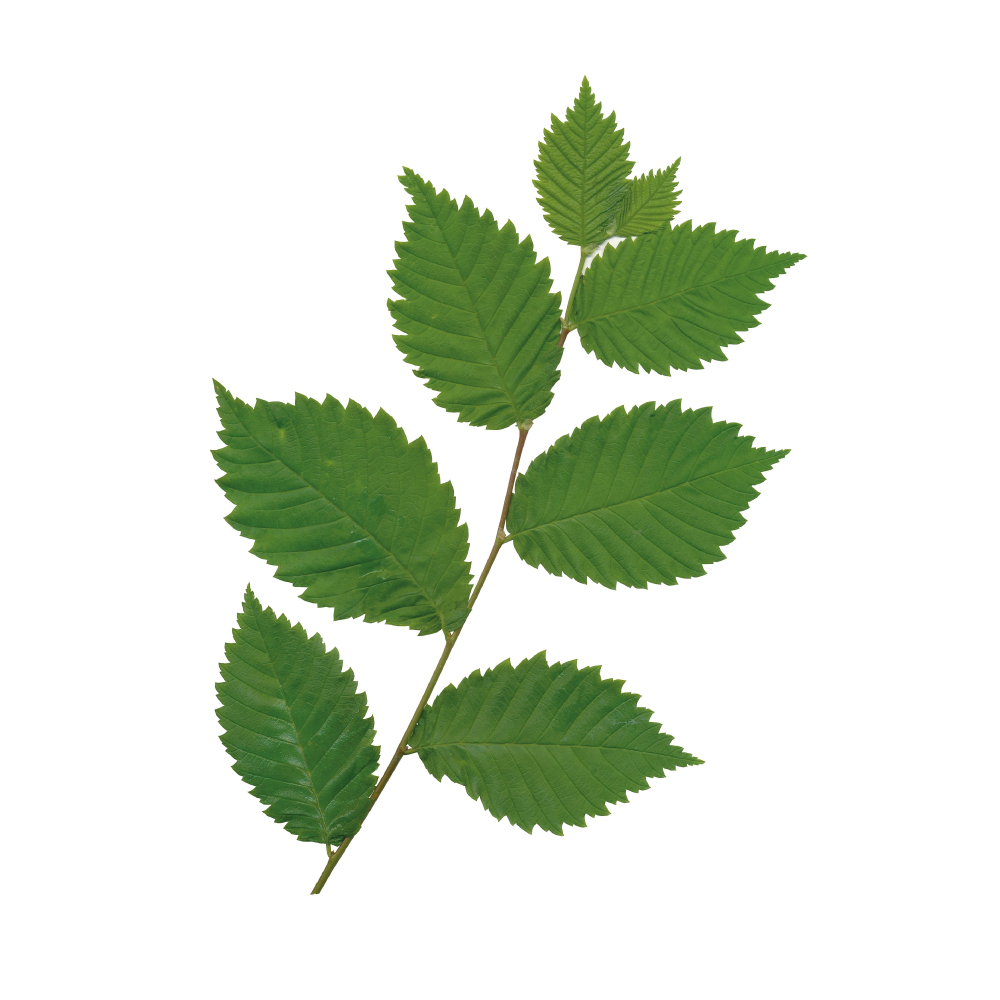 StrongStrongSlippery ElmUlmus rubraBark powder wetted to a paste forms a hydrated gel that lies over damaged skin as a moist protective barrier; among the best-attested traditional poultices of Western practice.Mechanismhydrated-mucilage occlusive film; moist protective barrier over damaged epidermisRead the evidenceShow lessMonograph →
The powdered inner bark wetted to a paste forms a hydrated gel over damaged or inflamed skin. It was rated among the best poultices for wounds, boils and inflamed surfaces and served as a wound dressing during the American Civil War 13,
The barrier property is inferred from the same mucilage chemistry as the internal use rather than demonstrated on skin.
Softening, coating and protecting follow directly from the gel. Accelerating wound closure does not: the only experimental wound-healing data come from related elms, U. parvifolia and U. davidiana root bark in mouse models, and those barks differ chemically.
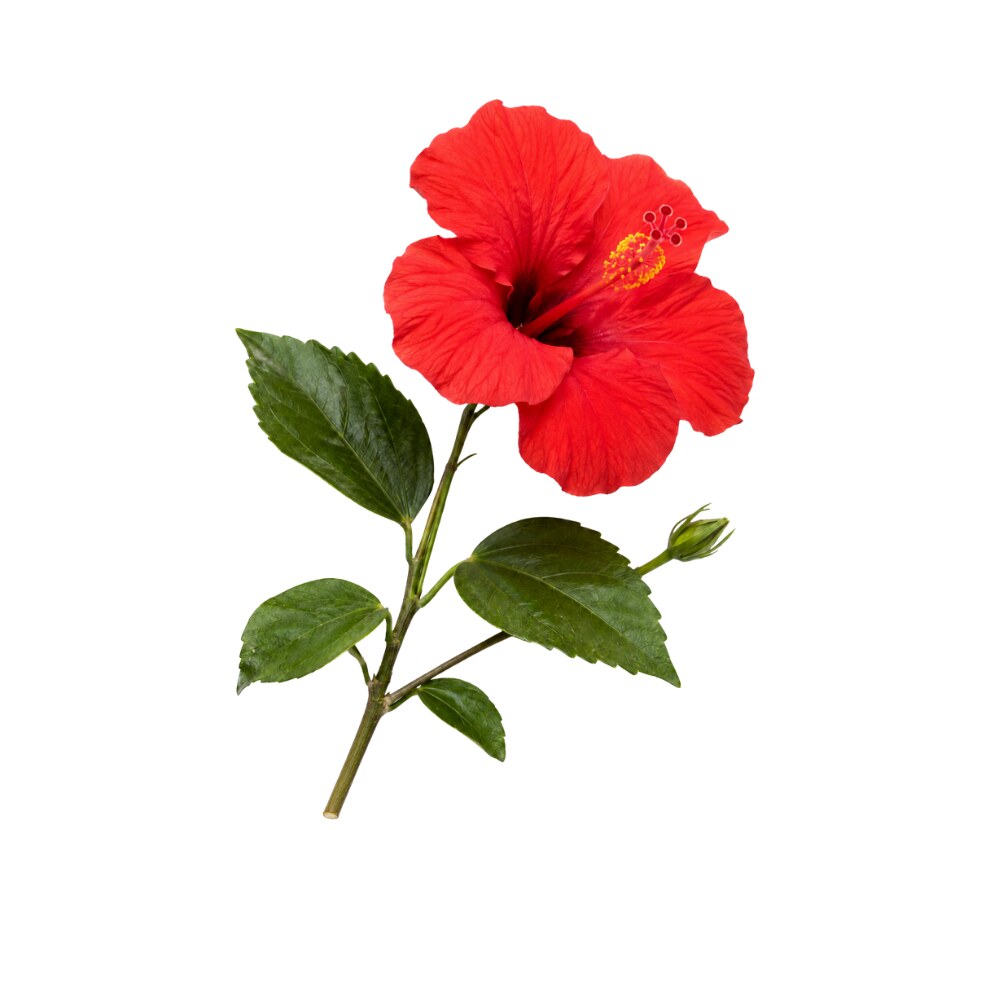 ModerateModerateHibiscusHibiscus rosa-sinensisLeaf mucilage forms a hydrating surface film, the basis of the hair-oil and scalp-rinse traditions of South and Southeast Asia.Mechanismmucilage hydrocolloid film; moisture retention; collagen/hydroxyproline supportRead the evidenceShow lessMonograph →
The leaves are rich in a gel-forming mucilage that forms a hydrating surface film, the documented basis of the traditional hair-oil, scalp-rinse and topical use across South and Southeast Asia 3Reference 3ReviewA comprehensive overview of Hibiscus rosa-sinensis L.: ethnobotany, phytochemistry, therapeutic uses, pharmacology and toxicology — reviewView study →.
The topical support sits one step to the side. Three rat studies show flower extracts accelerating wound contraction, epithelialisation and tensile strength 4Reference 4AnimalWound-healing activity of Hibiscus rosa-sinensis flower extract in rats — in vivoView study →, improving breaking strength and hydroxyproline content across excision, incision and dead-space models 5Reference 5AnimalWound-healing activity of ethanolic Hibiscus rosa-sinensis flower extract in rats (excision/incision/dead-space) — in vivoView study →, and an n-butanol flower fraction enhancing excisional healing 6Reference 6AnimalN-butanol fraction of Hibiscus rosa-sinensis flowers enhances excisional wound healing in rats — in vivoView study →.
A single rat study of leaf extract promoted follicle growth and shortened time to regrowth 7Reference 7AnimalIn-vivo and in-vitro evaluation of hair-growth potential of Hibiscus rosa-sinensis — ratView study →.
The emollient mechanism is leaf mucilage and the healing evidence is flower extract, which are related preparations rather than the same one. There is no human topical data, and whether fresh mucilage or dried extract carries the effect is undefined.
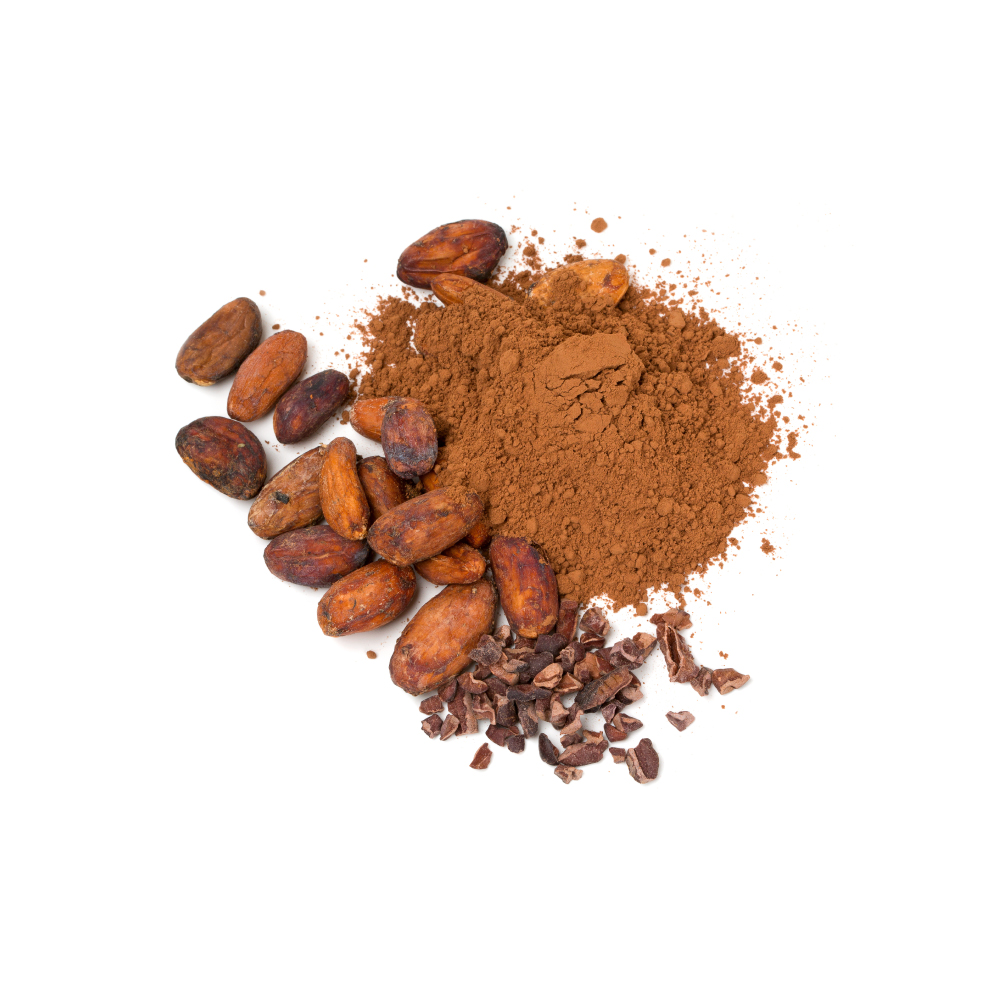 MildMildCacaoTheobroma cacaoCocoa butter, the expressed fat of the fermented roasted seed, is an occlusive that seals the skin surface, and one of the most widely used emollient bases there is.Read the evidenceShow lessMonograph →
An occlusive fat softens skin by definition, and cocoa butter is among the most widely used bases in cosmetic practice.
That is a physical property rather than a pharmacological claim, and no study has been run on it. The skin evidence that does exist for cacao is oral rather than topical.
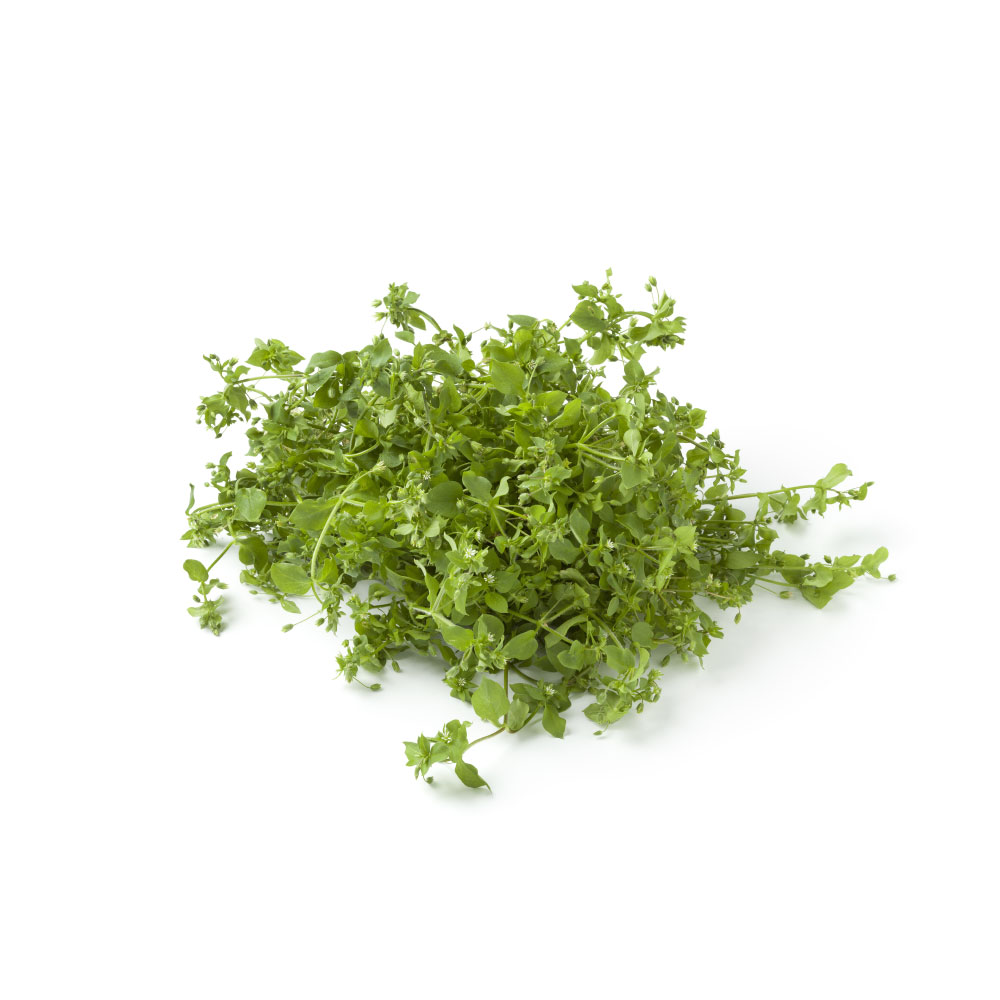 MildMildChickweedStellaria mediaThe fresh herb, as a poultice or infused ointment, is a long-standing folk remedy for dry, itchy and irritated skin.Read the evidenceShow lessMonograph →
Soothing irritated skin is chickweed’s single most famous use and a headline one for the herb.
No skin-barrier, hydration or dermatological study exists. The nearest adjacent finding is a COX-2 assay on the hexane fraction, which does not transfer to the traditional water-based preparation.
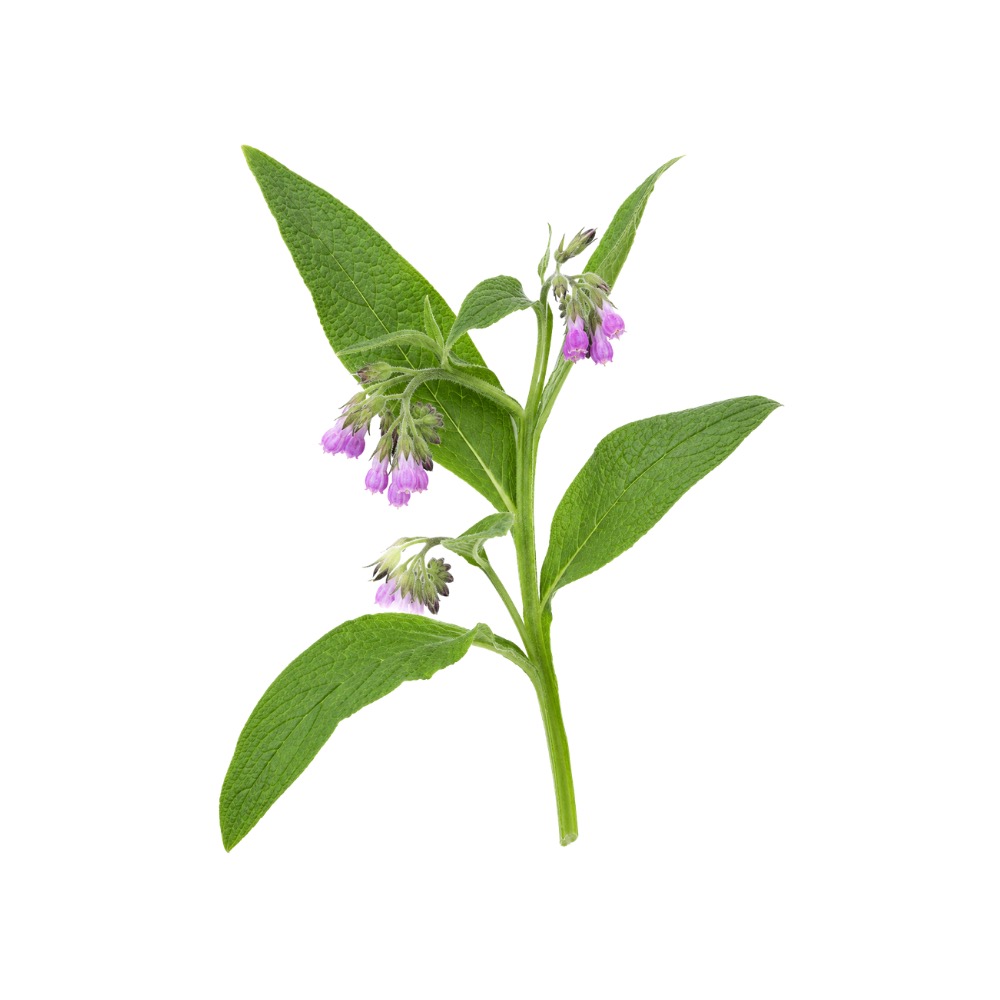 MildMildComfreySymphytum officinaleLeaf mucilage contributes surface hydration to a poultice or cream, a minor part of what comfrey does topically.Mechanismmucilage barrier formation / surface hydrationRead the evidenceShow lessMonograph →
Emollient surface hydration is credited to the leaf’s abundant mucilage and plausibly contributes to the comfort of a poultice or cream.
No study isolates it, and the NF-κB work found the mucilage-depleted fraction the more active one 2Reference 2In vitroA Symphytum officinale root extract exerts anti-inflammatory properties by affecting two distinct steps of NF-κB signaling — in vitroView study →, so the mucilage rides along rather than carrying the effect. The phenolic and allantoin mechanisms are what comfrey is actually working through.
Comfrey contains hepatotoxic pyrrolizidine alkaloids. Topical use on intact skin in short courses is broadly accepted; application to broken or ulcerated skin is not.
No herbs match these filters.
Safety
- These are external preparations, and the tolerability data are topical, with little on systemic absorption or long-term use.
- Pyrrolizidine-alkaloid herbs are for intact skin in short courses only, and never for broken or ulcerated skin.
- Contact sensitivity is the realistic adverse event, so a small patch test comes first.
- Emollients treat dryness and barrier damage; spreading infection, non-healing ulceration or a changing lesion needs assessment.
References
- Haddad, P., Amouzgar-Hashemi, F., Samsami, S., Chinichian, S., & Oghabian, M. A. (2013). Aloe vera for prevention of radiation-induced dermatitis — a self-controlled clinical trial. Curr Oncol. https://pubmed.ncbi.nlm.nih.gov/23904773/
- Seigner, J., et al. (2019). A Symphytum officinale root extract exerts anti-inflammatory properties by affecting two distinct steps of NF-κB signaling — in vitro. Frontiers in Pharmacology. https://pubmed.ncbi.nlm.nih.gov/31105555/
- Amtaghri, S., et al. (2024). A comprehensive overview of Hibiscus rosa-sinensis L.: ethnobotany, phytochemistry, therapeutic uses, pharmacology and toxicology — review. Endocr Metab Immune Disord Drug Targets. https://pubmed.ncbi.nlm.nih.gov/37218183/
- Nayak, B. S., et al. (2007). Wound-healing activity of Hibiscus rosa-sinensis flower extract in rats — in vivo. Int J Low Extrem Wounds. https://pubmed.ncbi.nlm.nih.gov/17558005/
- Bhaskar, A., & Nithya, V. (2012). Wound-healing activity of ethanolic Hibiscus rosa-sinensis flower extract in rats (excision/incision/dead-space) — in vivo. Indian J Pharmacol. https://doi.org/10.4103/0253-7613.103252
- Shen, H. M., et al. (2017). N-butanol fraction of Hibiscus rosa-sinensis flowers enhances excisional wound healing in rats — in vivo. J Ethnopharmacol. https://pubmed.ncbi.nlm.nih.gov/28088494/
- Adhirajan, N., et al. (2003). In-vivo and in-vitro evaluation of hair-growth potential of Hibiscus rosa-sinensis — rat. J Ethnopharmacol. https://pubmed.ncbi.nlm.nih.gov/12963149/
- Naseri, V., Chavoshzadeh, Z., Mizani, A., et al. (2021). Effect of topical marshmallow (Althaea officinalis) on atopic dermatitis in children: a pilot double-blind active-controlled clinical trial — randomised. Phytotherapy Research. https://pubmed.ncbi.nlm.nih.gov/33034099/
- Kobayashi, A., Hachiya, A., Ohuchi, A., Kitahara, T., & Takema, Y. (2002). Inhibitory mechanism of an extract of Althaea officinalis L. on endothelin-1-induced melanocyte activation — in vitro. Biological & Pharmaceutical Bulletin. https://pubmed.ncbi.nlm.nih.gov/11853172/
- Lisante, TA. (2017). Efficacy and safety of an over-the-counter 1% colloidal oatmeal cream in the management of mild to moderate atopic dermatitis in children — double-blind randomised active-controlled trial. J Dermatolog Treat, 28(7), 659–667. https://pubmed.ncbi.nlm.nih.gov/28366039/
- Cerio, R. (2010). Mechanism of action and clinical benefits of colloidal oatmeal for dermatologic practice — review. J Drugs Dermatol, 9(9), 1116–1120. https://pubmed.ncbi.nlm.nih.gov/20865844/
- Reynertson, KA. (2015). Anti-inflammatory activities of colloidal oatmeal (Avena sativa) contribute to the effectiveness of oats in treatment of itch associated with dry, irritated skin — in vitro and clinical. J Drugs Dermatol, 14(1), 43–48. https://pubmed.ncbi.nlm.nih.gov/25607907/
- Braun, L., & Cohen, M. (2010). Herbs & Natural Supplements: An Evidence-Based Guide (Vol. 2). Sydney: Elsevier Australia. (Pp. 916–919.)
- Grieve, M. (1931). A Modern Herbal — “Elm, Slippery” (historical source). https://www.botanical.com/botanical/mgmh/e/elmsli09.html
- Hoffmann, D. (2003). Medical Herbalism: The Science and Practice of Herbal Medicine. Rochester, VT: Healing Arts Press. (P. 591.)
Keep Exploring