Overview
Rubefacient at a Glance
Rubefacients are topical herbs that warm and redden the skin by increasing local blood flow.
They do not heat the tissue directly.
Instead, they irritate sensory nerve endings in the skin. Those nerves release signalling molecules that dilate nearby blood vessels, producing the familiar warmth, redness, tingling, or sting.
Cayenne is the clearest example.
Its capsaicin activates TRPV1, one of the receptors involved in sensing heat and pain.
Ginger, horopito, and rosemary contain compounds that act on related TRP receptors and produce a similar warming response.
This irritation is also part of the analgesic effect.
A strong sensory signal at the skin can temporarily compete with pain coming from deeper tissue, which is why rubefacients have long been rubbed over aching muscles and joints.
That is different from reducing inflammation.
A rubefacient may make a sore joint feel better without changing the inflammation inside it. The action is mainly sensory and circulatory, rather than anti-inflammatory.
With repeated exposure, some compounds can also desensitise the nerve endings themselves. Capsaicin is the best example, and this is why repeated use can reduce certain types of nerve pain even after the initial burning sensation fades.
Rubefacients have a long history in Western herbal medicine.
Mustard plasters, cayenne liniments, ginger compresses, and similar preparations were used to draw blood toward the skin over painful muscles, stiff joints, and areas of poor circulation.
The outward application hereof upon the pained place of the sciatica, discusses the humours, and eases the pains, as also the gout, and other joint aches.
Nicholas Culpeper, The Complete Herbal, 1653, on mustard seed
Modern research explains much of that old “drawing” effect through sensory nerves and neurogenic vasodilation.
Caution
Not on broken skin or near eyes — these are external preparations only, kept off broken skin, the eyes and mucous membranes; wash your hands after applying.
Dilute the essential oils — use them in a carrier rather than neat, and patch-test first, since contact sensitisation is documented in this group.
A worsening joint needs a diagnosis — a rubefacient does not treat what is underneath it, so hot, swollen, worsening or unexplained joint pain needs assessment rather than a stronger rub.
Mechanisms
How It Works
01
TRP-Channel Agonism and Neurogenic Vasodilation
Rubefacient redness is a neurogenic response rather than a chemical heating.
Capsaicin activates TRPV1 on cutaneous sensory afferents; horopito’s polygodial hits TRPV1 and TRPA1; ginger’s gingerols and shogaols are TRPV1 agonists; rosemary’s carnosic acid activates TRPA1, and its oil raises microcapillary perfusion.
The activated nerve endings release substance P and CGRP, which dilate the dermal vessels.
The plant supplies a signal and the body’s own circulation supplies the effect, which is why the redness appears within minutes and why it is reproducible on demand.
Herbs: CayenneGingerHoropitoRosemary
Key compounds: CapsaicinPolygodialCarnosic Acid
02
Counter-Irritation
A competing sensory signal makes the pain beneath it feel less.
This is the gate-control effect, and it is why a painful shoulder feels better under something that stings. It is a real analgesic route with a real mechanism, and every rubefacient works through it.
It is not anti-inflammatory. These herbs do not reduce swelling and do not act on the tissue causing the pain, and reading a rubefacient as an anti-inflammatory is the commonest mistake in this category, since it leads to treating a worsening joint with a stronger rub.
03
Defunctionalisation
Sustained TRPV1 activation depletes substance P and desensitises the nerve ending.
This is why capsaicin patches are a recognised neuropathic-pain treatment, and why the sting diminishes with continued use. The first application being the worst one is the mechanism working rather than tolerance developing.
The practical consequence is that escalating the dose because the preparation stopped stinging is the wrong response to a treatment doing exactly what it is designed to do.
The high-dose neuropathic-pain effect is a separate phenomenon from the low-dose rubefaction, not a stronger version of it.
Herbs: Cayenne
Key compounds: Capsaicin
Materia Medica
Rubefacient Herbs by Potency
The rubefacient herbs, ordered by the relative strength of the effect rather than by how well studied it is. Each herb is described by the mechanism behind its effect and the evidence for it.
None of this is a substitute for professional care.
 StrongStrongCayenneCapsicum annuumCapsaicin agonism at TRPV1 on cutaneous sensory nerves gives the flush and heat on demand, and a standardised capsicum plaster cut chronic low back pain over about three weeks.MechanismTRPV1 agonism on cutaneous sensory afferents; neuropeptide-mediated vasodilationRead the evidenceShow lessMonograph →
This is the action Western herbalism uses the fruit for, and the one route where the crude herb rather than a purified pharmaceutical carries the clinical evidence. A standardised capsicum plaster reduced chronic low back pain over about three weeks in an RCT 1Reference 1RCTCapsicum pain plaster in chronic non-specific low back pain — randomised controlled trialView study →, and the same erythema-and-warmth response is documented across the cream literature 2,
Agonism at TRPV1 on cutaneous sensory afferents triggers neuropeptide release and local vasodilation, giving the visible flush and heat. Cayenne is the reference rubefacient alongside mustard, and the redness is reproducible on demand.
In the clinical literature the burning and erythema are treated mainly as adverse effects. The high-dose neuropathic analgesia is explicitly not simple counter-irritation, so rubefaction is the delivery route and the low-dose mode rather than the explanation for the strong neuropathic-pain data.
 ModerateModerateHoropitoPseudowintera colorataPolygodial is a TRPV1 and TRPA1 agonist, the same receptor family capsaicin works through, and the leaf's immediate hot bite is the field marker for the plant.MechanismTRPV1/TRPA1 agonism (sensory neuropeptide release)Read the evidenceShow lessMonograph →
Pungency and rubefacient warmth are assigned directly to TRPV1 and TRPA1 agonism by polygodial 6Reference 6AnimalEvidence for the involvement of vanilloid receptor in the antinociception produced by the sesquiterpenes polygodial and drimanial in rats — animal in vivoView study →, the same receptor family capsaicin works through. The leaf’s immediate hot bite is the field marker for the plant, and poultice and liniment are the traditional topical forms.
Horopito sits below cayenne because the driver is only about 1.4–2.9% of leaf dry weight and varies roughly twofold by chemotype 7,
No study has measured cutaneous erythema, flare or local blood flow from a horopito preparation. The action is inferred from the receptor rather than observed.
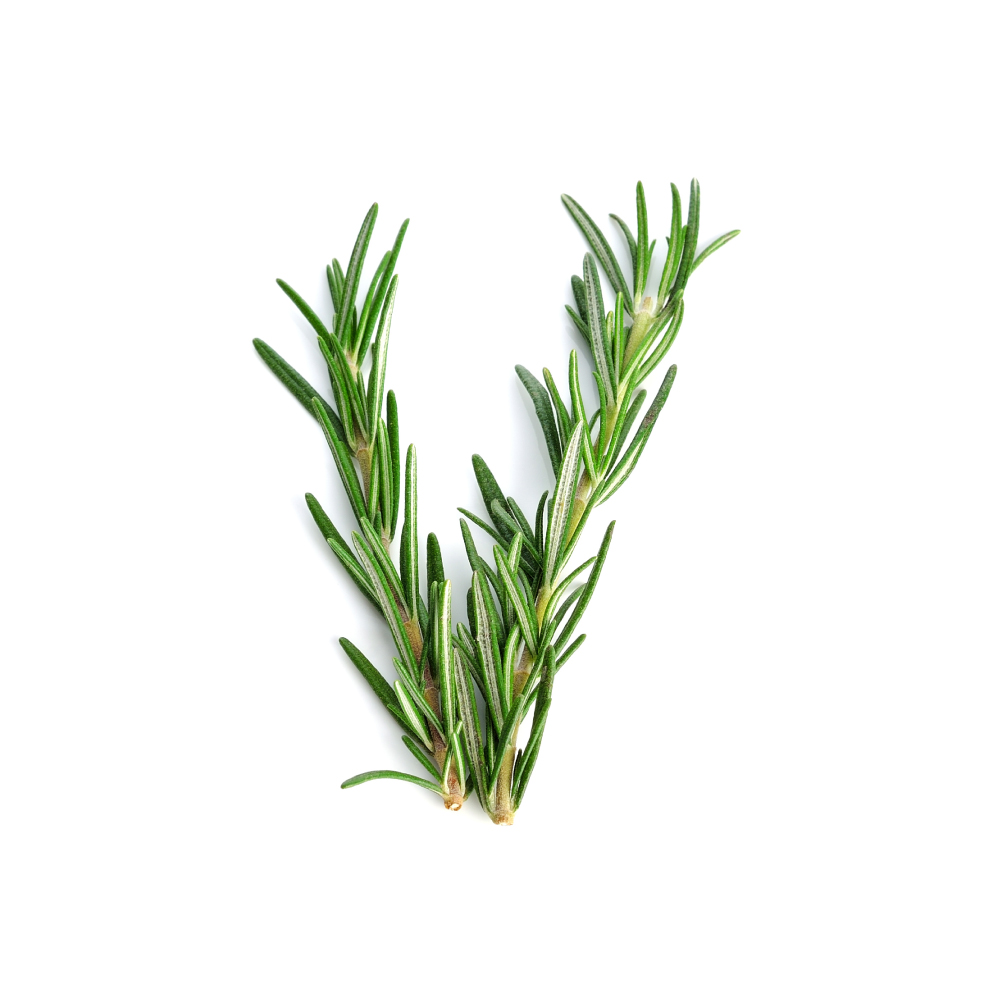 ModerateModerateRosemaryRosmarinus officinalisCarnosic acid activates TRPA1 on cutaneous sensory neurons, and topical rosemary oil matched 2% minoxidil for hair count over six months with less scalp itching.Mechanismcutaneous microcapillary perfusion ↑ (essential oil); TRPA1 sensory-neuron activation (carnosic acid); direct oil irritancyRead the evidenceShow lessMonograph →
Over six months in men with androgenetic alopecia (n=100), topical rosemary oil raised hair count as much as 2% minoxidil with less scalp itching, and the authors propose enhanced microcapillary scalp perfusion plus anti-inflammatory and possibly anti-androgenic activity 9Reference 9RCTRosemary oil vs minoxidil 2% for the treatment of androgenetic alopecia: a randomized comparative trialView study →. A 2025 three-arm RCT of rosemary-containing oil blends reported similar hair-growth and scalp-health gains over a coconut-oil control 10Reference 10RCTRosmagain™ as a Natural Therapeutic for Hair Regrowth and Scalp Health: A Double-Blind, Randomized, Three-Armed, Placebo-Controlled Clinical Trial — RCTView study →.
The counter-irritant pathway has a named receptor. In mouse wound models an ethanol rosemary extract accelerated closure through carnosic acid activating TRPA1 on cutaneous sensory neurons, and TRPA1-null mice lost the benefit 11Reference 11AnimalCarnosic acid in topical rosemary extract enhances skin repair via TRPA1 activation — mouseView study →.
No study has directly measured cutaneous erythema or blood flow for rosemary, so the perfusion mechanism is proposed rather than demonstrated, and the pivotal alopecia trial had no vehicle-only arm.
Rosemary sits well below capsicum, mustard and ginger in raw rubefacient force, and its edge is tolerability. Undiluted oil is irritant 12Reference 12In vitroAcute, reproductive, and developmental toxicity of essential oils assessed with alternative in vitro and in vivo systems — in vitroView study →, which is the same property from the wrong end.
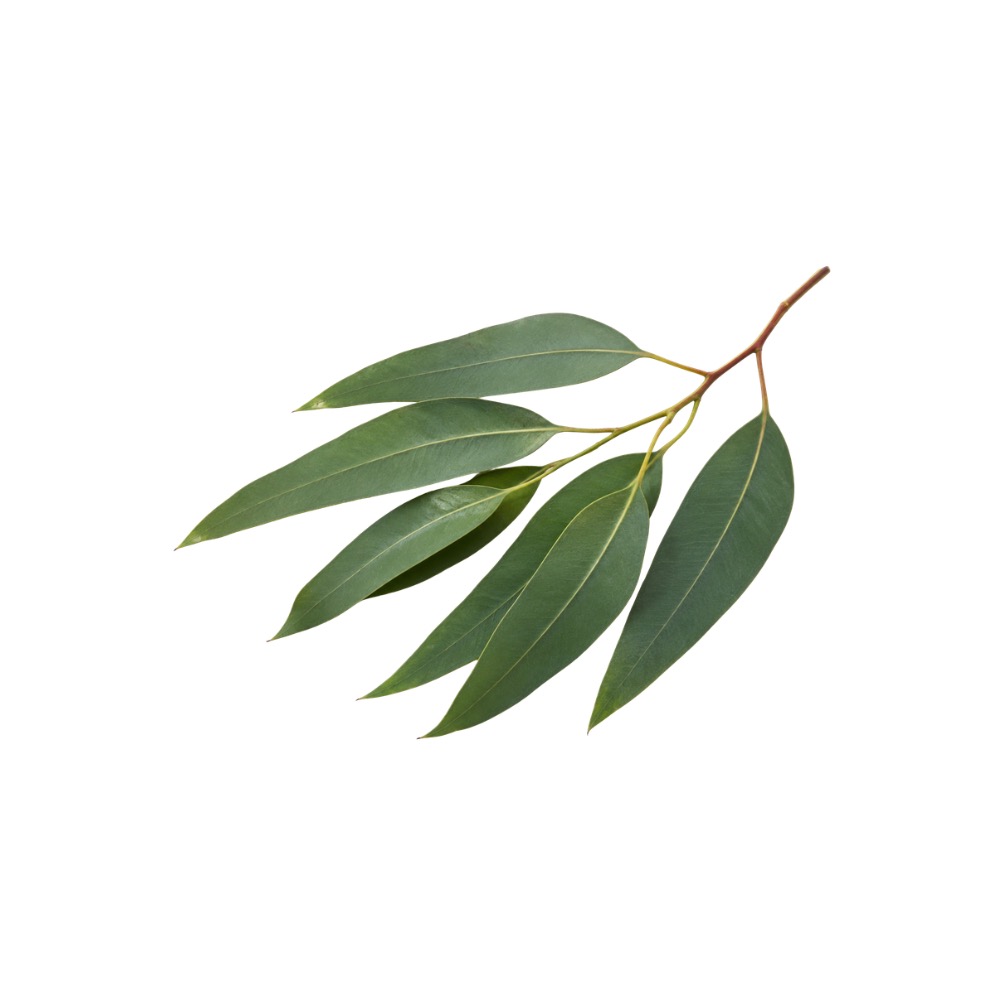 MildMildEucalyptusEucalyptus globulusThe diluted oil is the warming counter-irritant of chest rubs and liniments, and a topical blend containing it beat placebo for musculoskeletal pain; no molecular target is established.Mechanismcutaneous counter-irritation — molecular target not establishedRead the evidenceShow lessMonograph →
A topical analgesic blend containing eucalyptus outperformed placebo for musculoskeletal pain in a randomised trial 4Reference 4RCTEfficacy and onset of Bonipar, a topical analgesic, for the management of musculoskeletal pain — randomised controlled trialView study →, consistent with the diluted oil’s use as a warming rubefacient and counter-irritant in chest rubs and liniments.
A separate small RCT found three days of eucalyptus-oil inhalation after total knee replacement lowered patient-reported pain and blood pressure against an almond-oil control (n=52) 5Reference 5RCTEffect of eucalyptus oil inhalation on pain and inflammatory responses after total knee replacement — randomised controlled trialView study →, but that is an inhalation result rather than a rubefacient one and cannot separate expectation from pharmacology.
The tested product is a multi-herb blend, so eucalyptus’s specific contribution is unquantified, and no molecular mechanism for the cutaneous effect has been established.
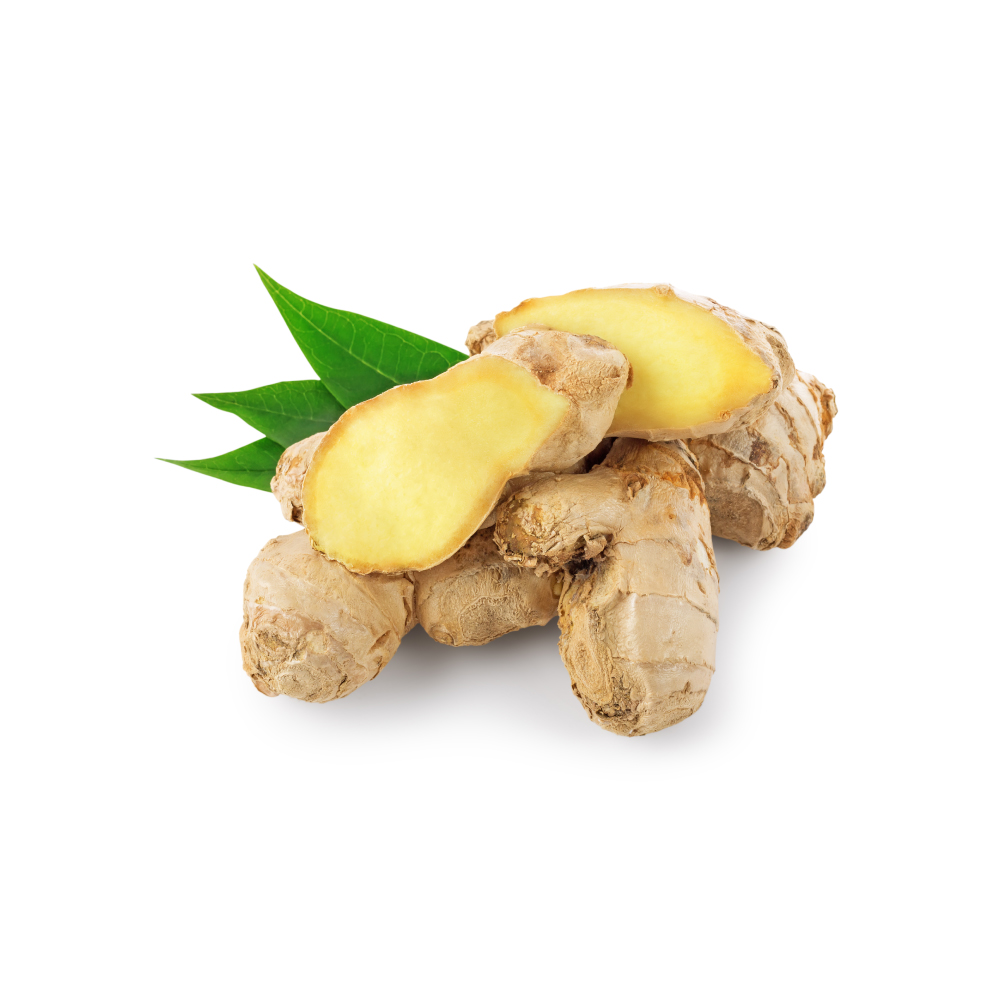 MildMildGingerZingiber officinaleGingerols and shogaols are TRPV1 agonists, the receptor capsaicin acts on, and the warming poultice for joint and muscle pain is recorded across Chinese, Ayurvedic and European practice.Read the evidenceShow lessMonograph →
Gingerols and shogaols are TRPV1 agonists, the same receptor capsaicin acts on, so the mechanism is chemically credible.
The warming poultice and compress for joint and muscle pain is recorded across Chinese, Ayurvedic and European practice.
No cutaneous perfusion, erythema or topical analgesia study exists. Ginger’s measured evidence is overwhelmingly oral.
No herbs match these filters.
Safety
- These are external preparations only, and none of them goes on broken skin or near the eyes or mucous membranes.
- Wash your hands after applying, because capsaicin transferred to an eye is memorable.
- Dilute the essential oils into a carrier rather than applying them neat.
- 1,8-cineole enhances transdermal penetration of whatever it is mixed with, which matters if that includes a drug.
- Patch-test before general use, since topical contact sensitisation is documented in this group.
- Expect the first application to sting most, and do not escalate the dose when the burn fades.
- A rubefacient does not treat what is underneath it, and joint pain that is worsening, hot, swollen or feverish needs a diagnosis.
References
- Keitel, W., et al. (2001). Capsicum pain plaster in chronic non-specific low back pain — randomised controlled trial. Arzneimittelforschung. https://pubmed.ncbi.nlm.nih.gov/11765591/
- Tshering, G., et al. (2024). Efficacy and safety of topical capsaicin in the treatment of osteoarthritis pain — systematic review and meta-analysis. Phytotherapy Research. https://pubmed.ncbi.nlm.nih.gov/38761115/
- Laslett, L. L., & Jones, G. (2014). Capsaicin for osteoarthritis pain — review. Progress in Drug Research. https://pubmed.ncbi.nlm.nih.gov/24941673/
- Roy, L. A., et al. (2024). Efficacy and onset of Bonipar, a topical analgesic, for the management of musculoskeletal pain — randomised controlled trial. Complementary Therapies in Clinical Practice. https://pubmed.ncbi.nlm.nih.gov/39293126/
- Jun, Y. S., Kang, P., Min, S. S., et al. (2013). Effect of eucalyptus oil inhalation on pain and inflammatory responses after total knee replacement — randomised controlled trial. Evidence-Based Complementary and Alternative Medicine. https://pubmed.ncbi.nlm.nih.gov/23853660/
- André, E., Ferreira, J., Malheiros, A., Yunes, R. A., & Calixto, J. B. (2004). Evidence for the involvement of vanilloid receptor in the antinociception produced by the sesquiterpenes polygodial and drimanial in rats — animal in vivo. Neuropharmacology. https://pubmed.ncbi.nlm.nih.gov/14975683/
- Perry, N. B., Foster, L. M., & Lorimer, S. D. (1996). Infraspecific variation of insecticidal sesquiterpene dialdehydes in Pseudowintera colorata — phytochemistry. Phytochemistry, 43(6), 1201–1203. https://doi.org/10.1016/S0031-9422(96)00427-X
- Cooney, L. J., van Klink, J. W., Hughes, N. M., et al. (2012). Red leaf margins indicate increased polygodial content and function as visual signals to reduce herbivory in Pseudowintera colorata — field/ecology study. New Phytologist. https://pubmed.ncbi.nlm.nih.gov/22309352/
- Panahi, Y., Taghizadeh, M., Marzony, E. T., Sahebkar, A. (2015). Rosemary oil vs minoxidil 2% for the treatment of androgenetic alopecia: a randomized comparative trial. Skinmed. https://pubmed.ncbi.nlm.nih.gov/25842469/
- Patel, M. N., et al. (2025). Rosmagain™ as a Natural Therapeutic for Hair Regrowth and Scalp Health: A Double-Blind, Randomized, Three-Armed, Placebo-Controlled Clinical Trial — RCT. Cureus. https://pubmed.ncbi.nlm.nih.gov/40656290/
- Rapp, E., et al. (2025). Carnosic acid in topical rosemary extract enhances skin repair via TRPA1 activation — mouse. JCI Insight. https://pubmed.ncbi.nlm.nih.gov/41129748/
- Lanzerstorfer, P., et al. (2021). Acute, reproductive, and developmental toxicity of essential oils assessed with alternative in vitro and in vivo systems — in vitro. Archives of Toxicology. https://pubmed.ncbi.nlm.nih.gov/33159585/
Keep Exploring