

Overview
Urinary Antispasmodic at a Glance
The bladder is meant to stay relaxed while it fills.
When the detrusor muscle contracts too early, the result can be urgency, frequent urination, nocturia, and sometimes urge incontinence. Urinary antispasmodics are herbs used to calm that excessive bladder activity.
The action is quite different from simply “supporting the urinary tract.”
A diuretic increases the amount of urine entering the bladder. A urinary antiseptic targets microbes, while a urinary demulcent soothes irritated tissue. None of those necessarily changes the tone of the bladder muscle itself.
The clearest urinary antispasmodics act more directly on bladder function.
Kalanchoe has been shown to relax isolated detrusor muscle, while standardised angelica leaf extracts have improved symptoms of overactive bladder and nocturia in clinical trials even though the exact mechanism remains unclear.
Crataeva and horsetail are harder to classify.
Both appear in traditional urinary formulas, and a combination containing crataeva, horsetail, and Lindera aggregata has improved urgency and frequency in a clinical trial. But the blend was tested as a whole, so the effect cannot be assigned confidently to either herb on its own.
This is a useful distinction because some traditional “bladder herbs” may work through completely different routes.
Horsetail, for example, has a better-established aquaretic action than antispasmodic one. Crataeva is better known for its traditional use in urinary stones and difficult urination.
Older herbal texts grouped many of these complaints under strangury — painful, difficult, or spasmodic urination. Angelica, horsetail, and other urinary herbs were used in this context long before detrusor physiology was understood.
It helps pains of the cholic, the stranguary and stoppage of the urine…
Nicholas Culpeper, The Complete Herbal, 1653, on angelica
Modern evidence remains limited.
Kalanchoe is the clearest herb with a demonstrated bladder-muscle effect. Angelica has clinical evidence without a settled mechanism, while several others rest mainly on traditional use or combination formulas.
Caution
Can worsen urinary retention — urinary antispasmodics can worsen retention and may add to anticholinergic medication.
Not with a diuretic — do not pair a urinary antispasmodic with a diuretic, herbal or prescribed.
New urgency needs a check first — blood in the urine, fever, a weak stream or new symptoms in an older man need assessment before being treated as simple bladder spasm.
Mechanisms
How It Works
01
Detrusor Relaxation
Lowering the tone of the bladder wall directly, so it holds more before it contracts.
Kalanchoe’s flavonoid fraction inhibits detrusor contractility in isolated porcine bladder, and the bufadienolides contribute as well. The standardised leaf press-juice was tested against placebo in postmenopausal women with overactive bladder.
This is the end of the pharmacology the antimuscarinic and beta-3 drugs occupy, and the detrusor target has not been named for any herb.
The same bufadienolides carry the plant’s cardiac-glycoside activity, so the preparation matters.
Herbs: Kalanchoe
02
Clinical Effect with No Identified Route
Symptoms improve in a trial without the mechanism being shown.
Angelica leaf extract has two placebo-controlled trials in overactive bladder and nocturia. The 2013 trial in 69 men missed its primary endpoint, with a pre-specified subgroup improving; the 2025 pilot in 143 adults reduced daytime voids and storage symptoms.
No detrusor preparation, muscarinic or beta-3 binding, or smooth-muscle assay explains either.
Urox, a blend of crataeva bark, horsetail and Lindera aggregata, reduced daytime frequency, nocturia and urgency in a phase 2 placebo-controlled trial of 150 people. The trial measured the capsule, so neither crataeva nor horsetail can claim it alone.
None of these effects can be predicted from chemistry or standardised toward a constituent. The only basis for choosing a preparation is matching what was trialled.
Materia Medica
Urinary Antispasmodic Herbs by Potency
The urinary antispasmodic herbs, ordered by the relative strength of the effect rather than by how well studied it is. Each herb is described by the mechanism behind its effect and the evidence for it.
None of this is a substitute for professional care.
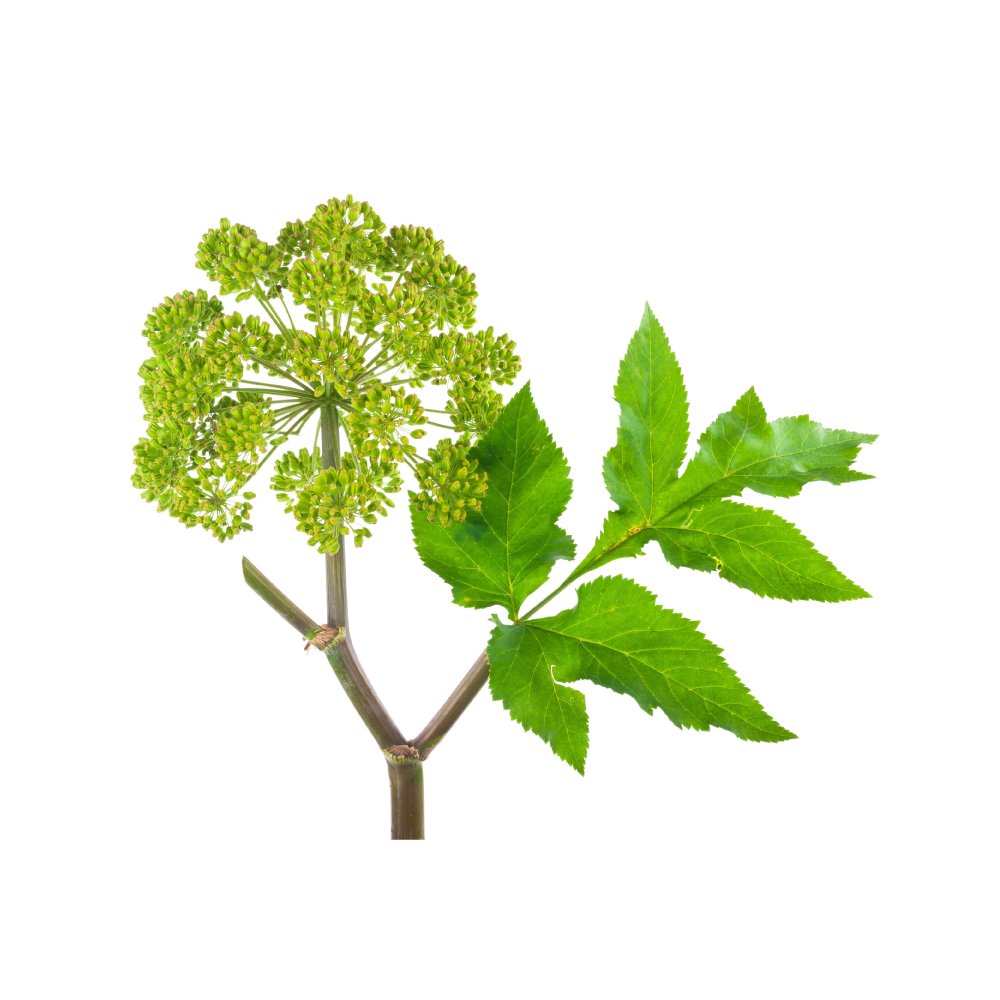 ModerateModerateAngelicaAngelica archangelicaA standardised leaf extract has two placebo-controlled trials in overactive bladder and nocturia, one missing its primary endpoint and one positive; the route is unknown, and the root sold everywhere is not the tested part.Mechanismnot established — leaf-extract effect on nocturnal urine production and bladder capacity; the only single-herb human evidence on this actionRead the evidenceShow lessMonograph →
Culpeper gave angelica for “the stranguary and stoppage of the urine”, and the leaf is the one part of the plant with human trials.
A 2013 parallel, randomised, double-blind, placebo-controlled trial (n=69 men aged 45 and over with two or more nocturnal voids, 8 weeks) of SagaPro, a standardised leaf extract, found the product safe but missed its primary endpoint: nocturnal voids fell in both arms with no significant difference versus placebo. A pre-specified subgroup with reduced nocturnal bladder capacity did improve significantly, which the authors flagged as hypothesis-generating 1Reference 1RCTA parallel, randomized, double-blind, placebo-controlled study to investigate the effect of SagaPro on nocturia in men — randomised placebo-controlled trial (RCT)View study →.
A 2025 pilot RCT (n=143 adults, triple-blind, 6 weeks) of the leaf extract in overactive bladder reported significant improvements in daytime voids, the IPSS storage subscore and quality of life, with a near-significant nocturia effect 2Reference 2RCTEffects of Angelica archangelica extract on overactive bladder: a pilot randomized controlled trial — randomised placebo-controlled trialView study →. The two trials point the same way on symptom burden and disagree on the headline endpoint, and both are small.
No smooth-muscle or detrusor assay explains the result. The trials used leaf, while root is the article of commerce and the subject of every traditional listing, so a root tincture is not the tested intervention.
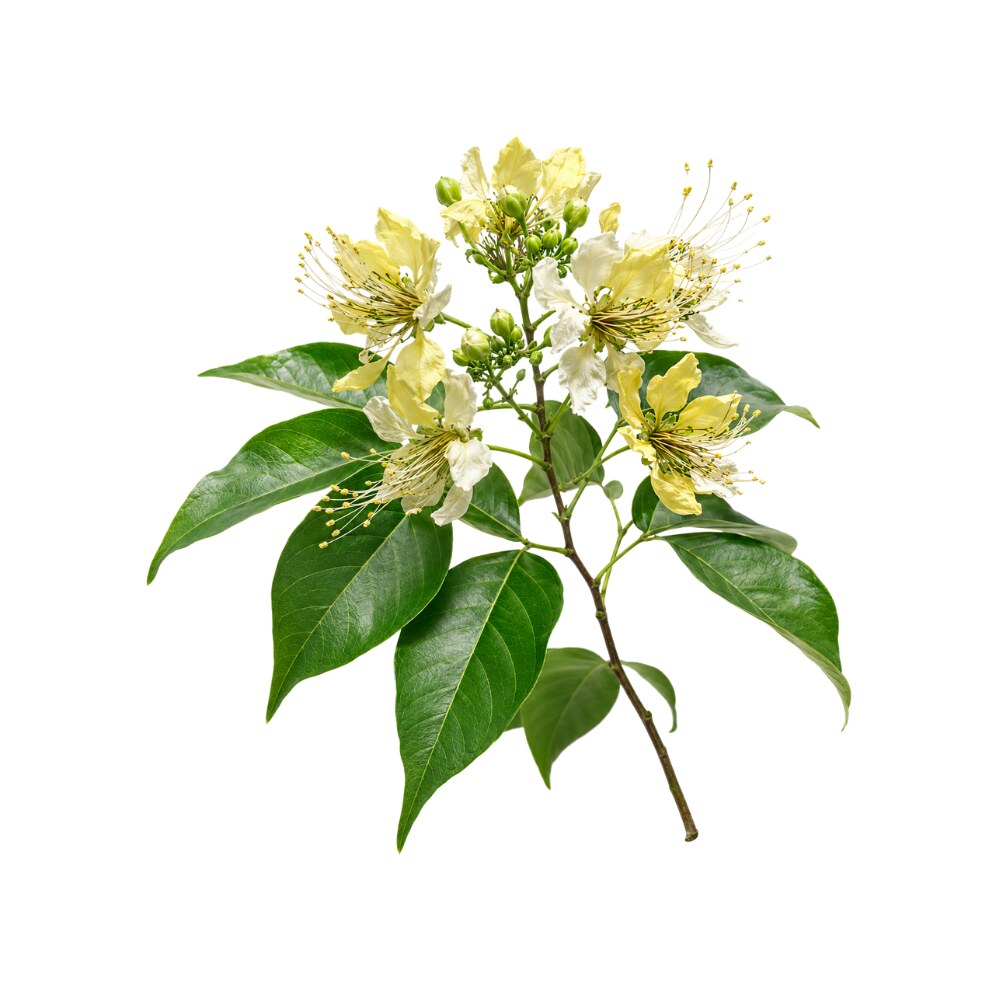 ModerateModerateCrataevaCrataeva nurvalaVaruna bark is the classical Ayurvedic remedy for painful or difficult urination; in the three-herb Urox blend it improved overactive bladder in a phase 2 placebo-controlled trial.Mechanismlupeol-associated bladder-tone effect, proposed — the human trial tested a three-herb blend and cannot isolate this plantRead the evidenceShow lessMonograph →
Varuna stem bark is one of the most reliably cited urinary-tract plants in the Ayurvedic and Siddha materia medica, prescribed for painful or difficult urination, retention and urinary infection, and more recently for the lower-urinary-tract symptoms of an enlarged prostate.
Urox, C. nurvala stem bark standardised to 1.5% lupeol with Equisetum arvense and Lindera aggregata, significantly reduced daytime frequency, nocturia and urgency versus placebo in a phase 2 randomised, double-blind, placebo-controlled trial (n=150, 8 weeks) 3Reference 3RCTUrox (Crataeva nurvala stem bark, Equisetum arvense, Lindera aggregata) for overactive bladder and urinary incontinence — phase 2 randomised, double-blind, placebo-controlled trialView study →. A paediatric enuresis protocol using the same blend is registered.
Three herbs went into the capsule and the trial measured the capsule. A second positive RCT in urinary stones tested a different C. nurvala combination, so both human datasets for the plant are combinations, and the bladder-tone effect is attributed to lupeol by association rather than by assay.
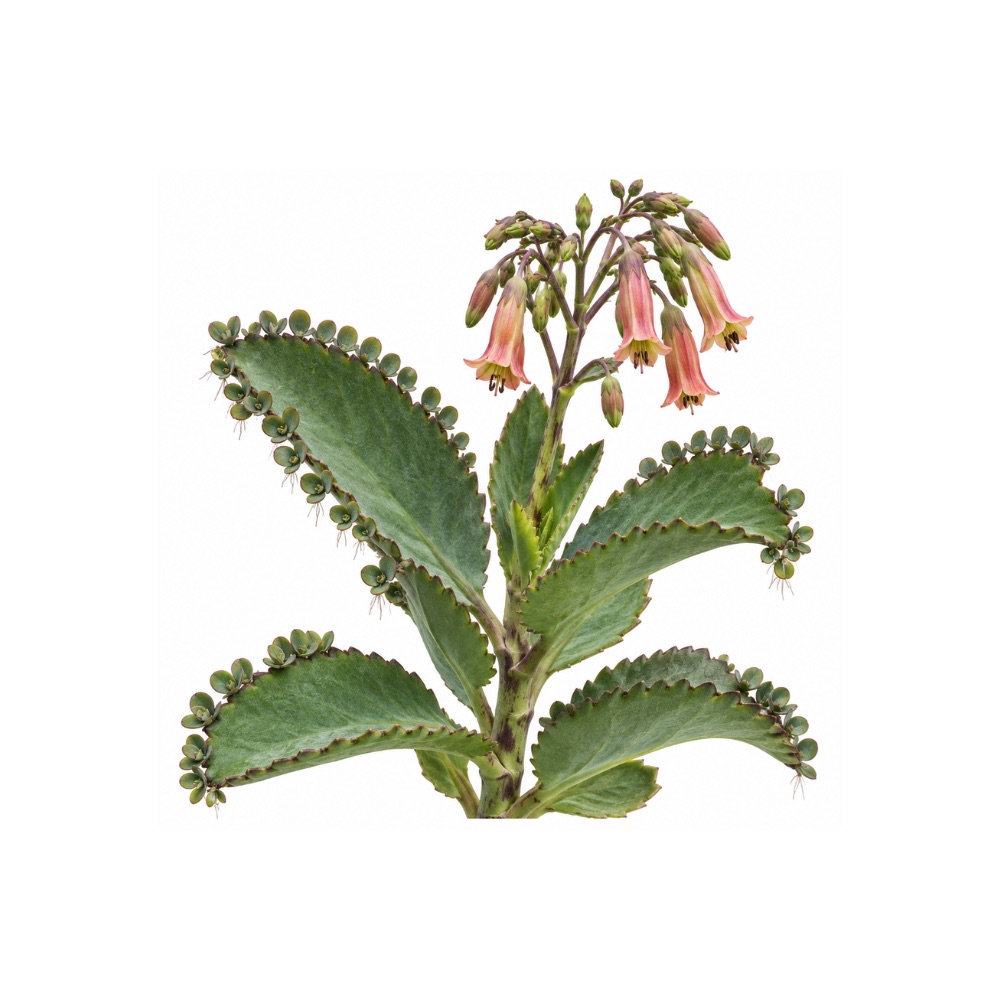 ModerateModerateKalanchoeKalanchoe pinnataThe flavonoid fraction of the leaf inhibits bladder detrusor contraction in vitro, and the standardised press-juice was tested against placebo in overactive bladder; the bladder remedy of anthroposophic medicine.Mechanismdetrusor relaxation — flavonoid fraction, with bufadienolides contributing; inhibition of oxytocin- and vasopressin-driven calcium signalling proposedRead the evidenceShow less
The standardised leaf press-juice of Bryophyllum pinnatum is the one preparation of this plant with controlled human data, and one of its trials is a randomised, double-blind, placebo-controlled study in postmenopausal women with overactive bladder 4Reference 4RCTRandomized, double-blind placebo-controlled trial with Bryophyllum pinnatum versus placebo for the treatment of overactive bladder in postmenopausal womenView study →.
The flavonoid fraction inhibits porcine detrusor contractility in vitro, and fractionation localises most of the bladder-relaxant activity there, distinct from the bufadienolides 5Reference 5In vitroInhibition of porcine detrusor contractility by the flavonoid fraction of Bryophyllum pinnatum — in vitroView study →. The bufadienolides contribute to detrusor and myometrial relaxation and are also the plant’s cardiac-glycoside principle.
The trial is small, and the evidence belongs to the press-juice preparation. Aqueous leaf juice, ethanol extract, isolated flavonoids and bufadienolide-enriched fractions behave differently.
Show 1 more herb with a mild urinary antispasmodic action
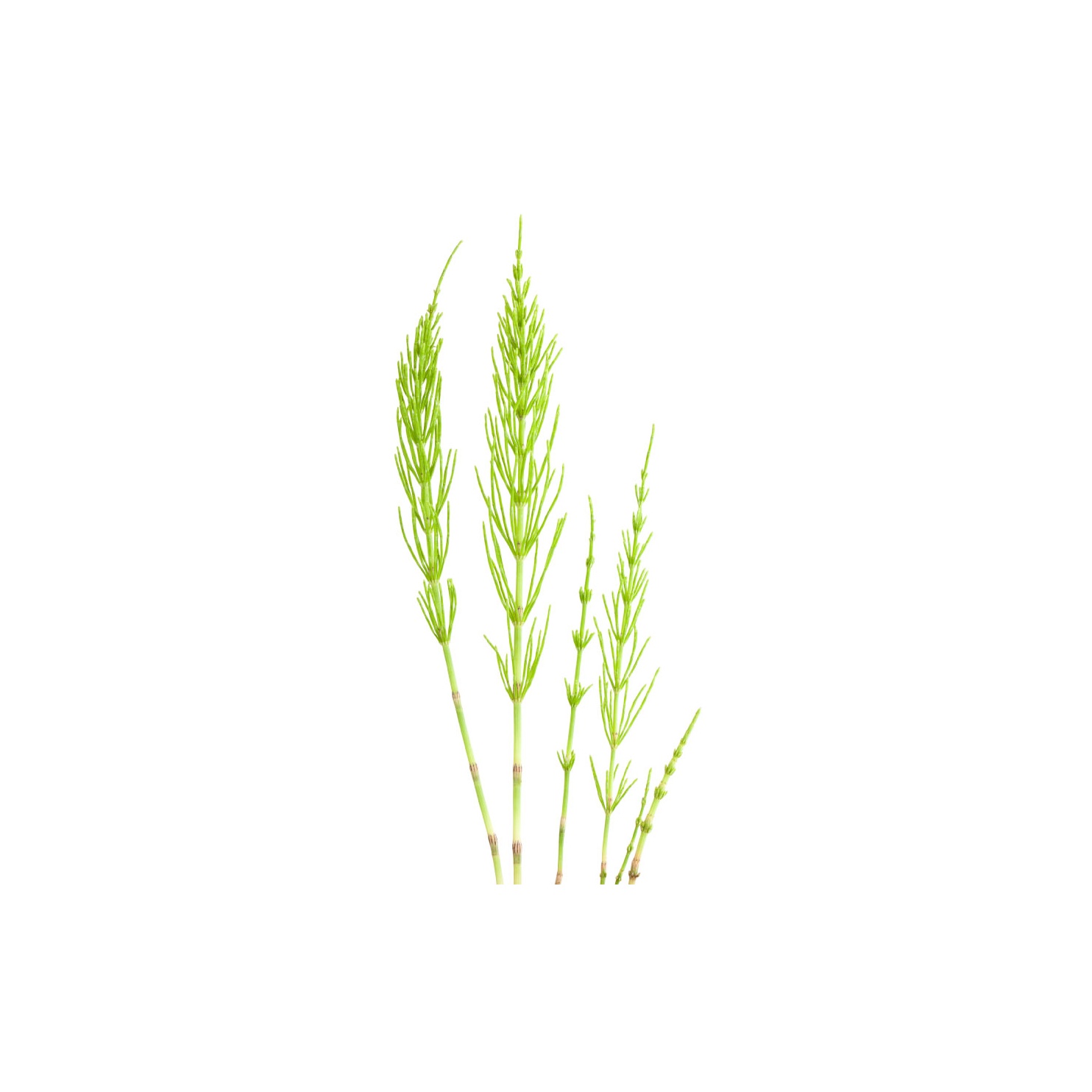 MildMildHorsetailEquisetum arvenseGiven for the stone and the strangury since Culpeper, and one of the three herbs in the Urox blend that improved overactive bladder; its own measured urinary action is aquaretic.Mechanismnone established — traditional; no assay or citation behind the herb aloneRead the evidenceShow lessMonograph →
Culpeper wrote that horsetail “provokes urine, and helps the stone and stranguary”, and it is used as a diuretic and urinary antispasmodic in Western practice.
Equisetum arvense is the second ingredient in Urox, the three-herb blend that improved overactive bladder in a placebo-controlled phase 2 trial 3Reference 3RCTUrox (Crataeva nurvala stem bark, Equisetum arvense, Lindera aggregata) for overactive bladder and urinary incontinence — phase 2 randomised, double-blind, placebo-controlled trialView study →, so horsetail has been inside a positive trial for this indication.
No smooth-muscle assay exists for the herb alone. Of its urinary actions only the aquaretic one has been measured, and passing more urine is not relaxing a bladder.
No herbs match these filters.
Safety
- Urinary antispasmodics can add to anticholinergic drugs and worsen urinary retention.
- Do not pair a urinary antispasmodic with a diuretic, herbal or prescribed.
- Blood in the urine, fever or flank pain, a poor stream, or any new urinary symptom in a man over 50 needs assessment before self-treatment.
- Nocturia is often heart failure, sleep apnoea, diabetes or diuretic timing rather than a bladder problem.
- Match the preparation that was trialled: angelica leaf rather than root, and crataeva as the blend it was tested in.
References
- Sigurdsson S, Geirsson G, Gudmundsdottir H, Egilsdottir PB, et al. (2013). A parallel, randomized, double-blind, placebo-controlled study to investigate the effect of SagaPro on nocturia in men — randomised placebo-controlled trial (RCT). Scand J Urol. https://pubmed.ncbi.nlm.nih.gov/23323790/
- López-Seoane J, Gesteiro E, Castro-Alija MJ, Quesada-González C, et al. (2025). Effects of Angelica archangelica extract on overactive bladder: a pilot randomized controlled trial — randomised placebo-controlled trial. Food Sci Nutr. https://pubmed.ncbi.nlm.nih.gov/41368330/
- Schoendorfer, N., et al. (2018). Urox (Crataeva nurvala stem bark, Equisetum arvense, Lindera aggregata) for overactive bladder and urinary incontinence — phase 2 randomised, double-blind, placebo-controlled trial. BMC Complementary and Alternative Medicine. https://pubmed.ncbi.nlm.nih.gov/29385990/
- Betschart C, von Mandach U, Seifert B. (2013). Randomized, double-blind placebo-controlled trial with Bryophyllum pinnatum versus placebo for the treatment of overactive bladder in postmenopausal women. Phytomedicine. https://pubmed.ncbi.nlm.nih.gov/23218404/
- Fürer K, Eberli D, Betschart C. (2015). Inhibition of porcine detrusor contractility by the flavonoid fraction of Bryophyllum pinnatum — in vitro. Phytomedicine. https://pubmed.ncbi.nlm.nih.gov/25636885/
Keep Exploring