

Overview
Urinary Antiseptic at a Glance
Urinary antiseptics are herbs used to reduce bacterial growth within the urinary tract.
For this action to work directly, an antibacterial compound has to be absorbed, survive metabolism, and then be excreted into the urine at a useful concentration.
Bearberry is the clearest herbal example.
Its arbutin is converted to hydroquinone and excreted through the kidneys, allowing the active compound to reach the bladder directly.
This is different from the action of urinary diuretics.
Herbs such as horsetail and juniper may increase urine flow and help flush the urinary tract, but increased urination does not necessarily make them urinary antiseptics.
Buchu, juniper, horsetail, and kava all have traditional reputations for urinary infection, although direct delivery of an antibacterial compound into the urine has not been demonstrated for them.
Urinary antiseptics have traditionally been used for cystitis, dysuria, and other lower urinary-tract complaints, usually in short courses.
Urinary complaints are among the oldest things the herbals treat, usually under the names dysuria and stranguary.
Bearberry entered European practice through the thirteenth-century Welsh Physicians of Myddfai, buchu came into Western trade from Khoi-San use at the Cape, and juniper carries the same indication from Dioscorides onward.
They provoke urine exceedingly, and therefore are very available to dysuries and stranguaries.
Nicholas Culpeper, The Complete Herbal, 1653, on juniper berries
Caution
Fever or flank pain needs assessment — fever, flank or back pain, rigors, vomiting, blood in the urine or worsening symptoms can mean a kidney infection and need medical assessment the same day.
Five days, three courses a year — bearberry's hydroquinone is both its antibacterial and much of its toxicity, so the arbutin herbs are limited to five consecutive days and three courses a year.
Not instead of an antibiotic — no urinary antiseptic herb replaces an antibiotic in an established infection.
Mechanisms
How It Works
01
Renal Delivery of an Antibacterial Compound
A compound is absorbed, conjugated in the liver and excreted by the kidney, so that it reaches the bladder at a higher concentration than it ever reached in blood.
Bearberry is the archetype and one of very few herbs anywhere where delivery of the active principle to the target tissue has been demonstrated in people.
Gut and tissue β-glucosidases hydrolyse arbutin to free hydroquinone, which is conjugated and excreted renally, with most of an oral dose recovered in urine within a day. Bacterial urease inhibition sits on top of that.
The molecule doing the disinfecting is also the molecule limiting the dose. Hydroquinone is cytotoxic and prooxidant to bladder cells 11Reference 11In vitroProteome changes in human bladder T24 cells induced by hydroquinone derived from Arctostaphylos uva-ursi — in vitro studyView study → and a theoretical carcinogen, which is why the standard ceiling is five consecutive days and no more than three courses a year.
It is also contested whether the delivered concentration is bactericidal in a living bladder, and the two clinical trials did not settle it in the herb’s favour.
Herbs: Bearberry
Key compounds: ArbutinHydroquinone
02
Monoterpene Membrane Disruption
Volatile monoterpenes disrupt bacterial membranes on contact, which is the standard antimicrobial mechanism of an essential oil.
Juniper berry oil is broadly active in vitro through sabinene, α-pinene and terpinen-4-ol, and buchu’s oil was tested on the same premise.
The problem is arithmetic rather than mechanism: the concentrations that inhibit bacteria in a dish are percentages by volume, and no oral dose puts a fraction of that into urine.
Juniper’s strongest figures in the same experiment are antifungal, against Candida and the dermatophytes, which is a topical profile rather than a urinary one.
03
Traditional Attribution
The remaining herbs carry the action from the historical record without a demonstrated route into the urine.
Horsetail’s antibacterial activity is in-vitro only, and the gram-negative uropathogens that cause most urinary infections are poorly covered by it.
Kava’s claim comes from a nineteenth-century Western indications list for cystitis, dysuria and gonorrhoea.
Both are real, sourced records of what practitioners did. Neither is evidence that the preparation reaches a uropathogen.
Materia Medica
Urinary Antiseptic Herbs by Potency
The urinary antiseptic herbs, ordered by the relative strength of the effect rather than by how well studied it is. Each herb is described by the mechanism behind its effect and the evidence for it.
None of this is a substitute for professional care.
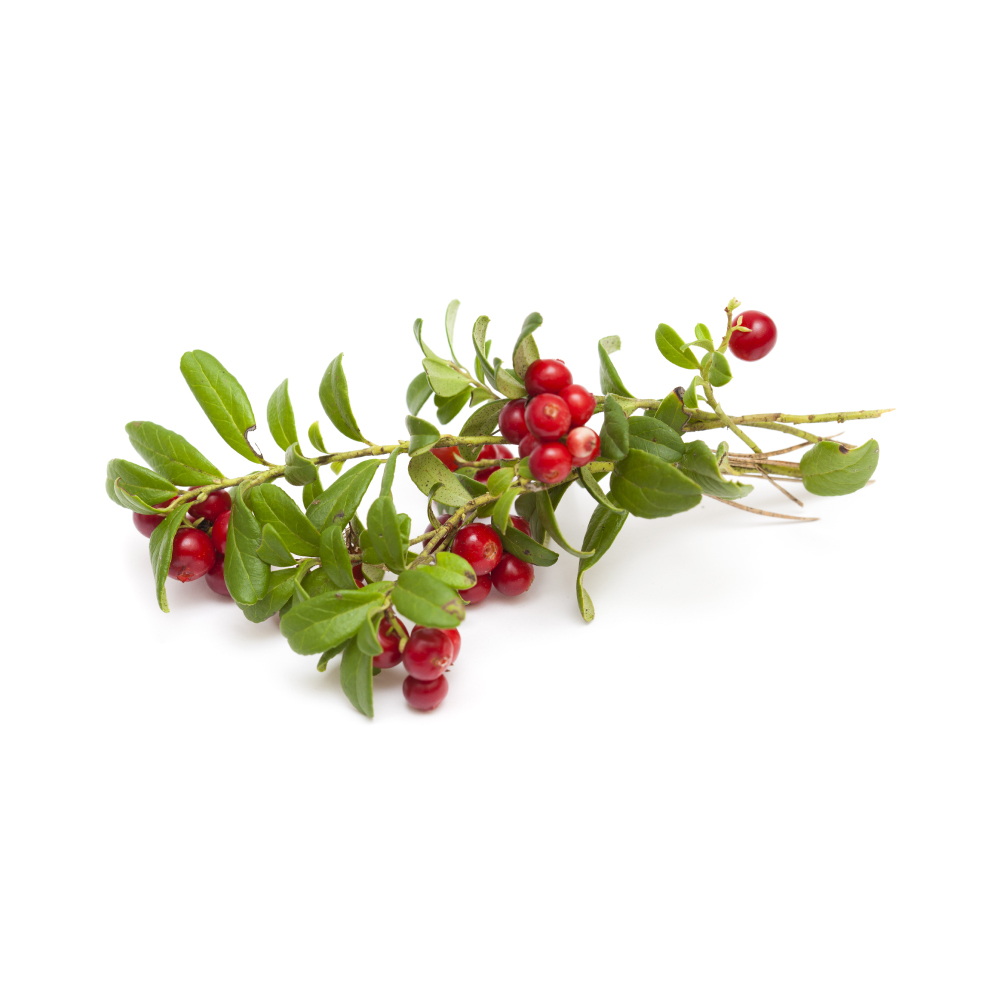 StrongStrongBearberryArctostaphylos uva-ursiIts arbutin is converted to hydroquinone and excreted by the kidney, so the antibacterial molecule concentrates in the bladder — one of the few herbs whose delivery to the target tissue is proven in people.Mechanismarbutin → β-glucosidase hydrolysis → hydroquinone; renal excretion of hydroquinone conjugates; bacterial urease ↓Read the evidenceShow lessMonograph →
Gut-microbial and tissue β-glucosidases hydrolyse arbutin to free hydroquinone, which is conjugated hepatically and excreted renally, with over 60% of an oral arbutin dose recovered in urine as glucuronide and sulfate within 24 hours 1,
In the bladder the freed hydroquinone is the presumed antiseptic. A uva-ursi preparation cut Staphylococcus saprophyticus urease activity by more than 75%, where most other over-the-counter plant products did nothing 3Reference 3In vitroLimited effectiveness of over-the-counter plant preparations against the urease of Staphylococcus saprophyticus — in vitro studyView study →.
The delivered dose is modest. A regulatory risk assessment put maximum urinary free-hydroquinone exposure at about 11 µg/kg/day at recommended doses, which is safe, and it is contested whether that is bactericidal in vivo 4Reference 4ReviewRisk assessment of free hydroquinone derived from Arctostaphylos uva-ursi folium herbal preparations — reviewView study →.
The clinical translation failed twice. ATAFUTI, in 382 women, found no reduction in urinary-frequency symptoms against placebo and no significant fall in antibiotic use 5Reference 5RCTUva-ursi extract and ibuprofen as alternative treatments for uncomplicated urinary tract infection in women (ATAFUTI) — a factorial randomised trial (RCT)View study →.
The German REGATTA trial, in 398 women, cut antibiotic courses by about 64% against fosfomycin but failed non-inferiority on symptom burden and produced more pyelonephritis, eight cases against two 6Reference 6RCTHerbal treatment with uva ursi extract versus fosfomycin in women with uncomplicated urinary tract infection in primary care — a double-blind randomised controlled trial (RCT)View study →.
Ascending infection is the whole risk a urinary infection carries, and that result governs how the herb is used: early, briefly, and not in place of an antibiotic once an infection is established.
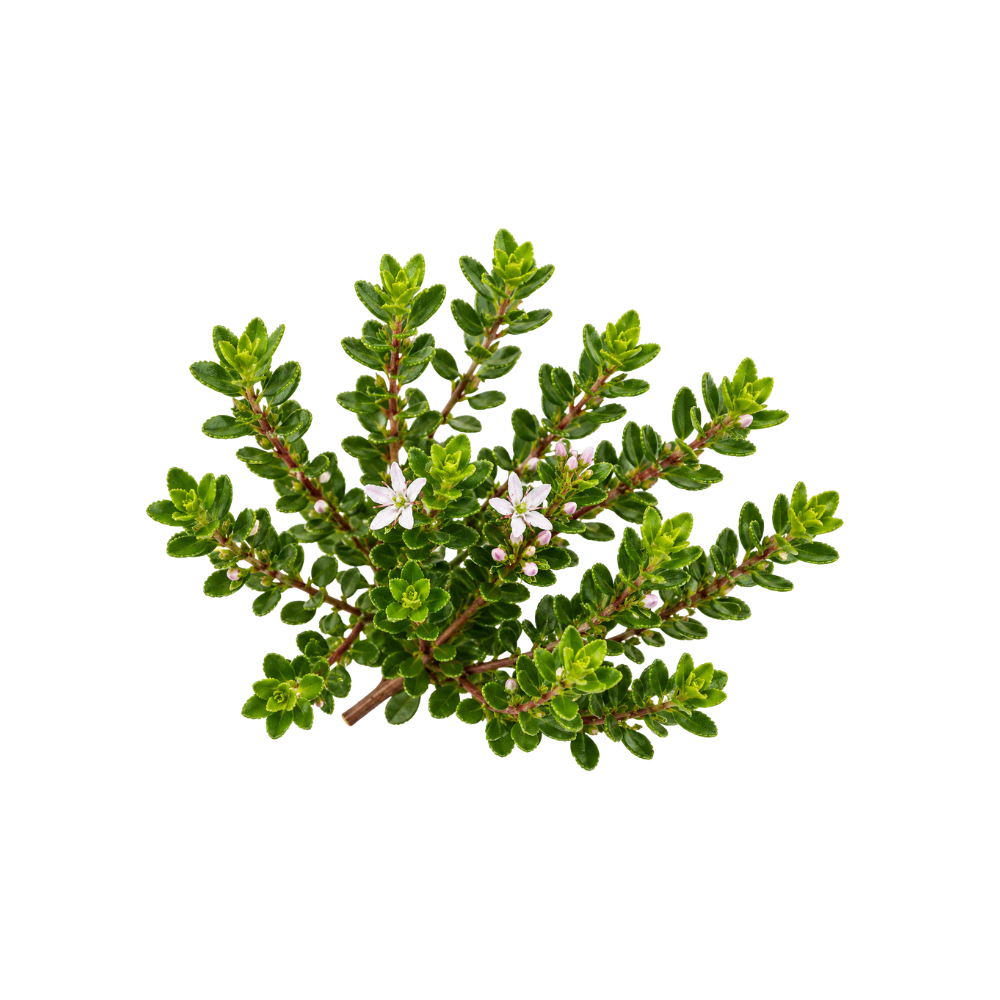 MildMildBuchuAgathosma betulinaThe defining use of a plant traded for exactly this purpose, and the one urinary antiseptic that has been directly tested and did not hold.Read the evidenceShow lessMonograph →
Buchu leaf came into Western trade on this indication out of Khoi-San practice at the Cape, and it is still sold for urinary complaints above everything else.
The one direct test found neither A. betulina nor A. crenulata oil active against Enterococcus hirae or Pseudomonas aeruginosa, and only very low activity against E. coli, S. cerevisiae and S. aureus. The authors concluded there was little potential for these oils as antimicrobial agents 12Reference 12In vitroBuchu (Agathosma betulina and A. crenulata, Rutaceae) essential oils: their pharmacological action on guinea-pig ileum and antimicrobial activity on microorganisms — in vitroView study →.
A tested tradition that did not hold is a rarer and more useful thing than an untested one. Buchu’s diuretic action is also proposed rather than measured.
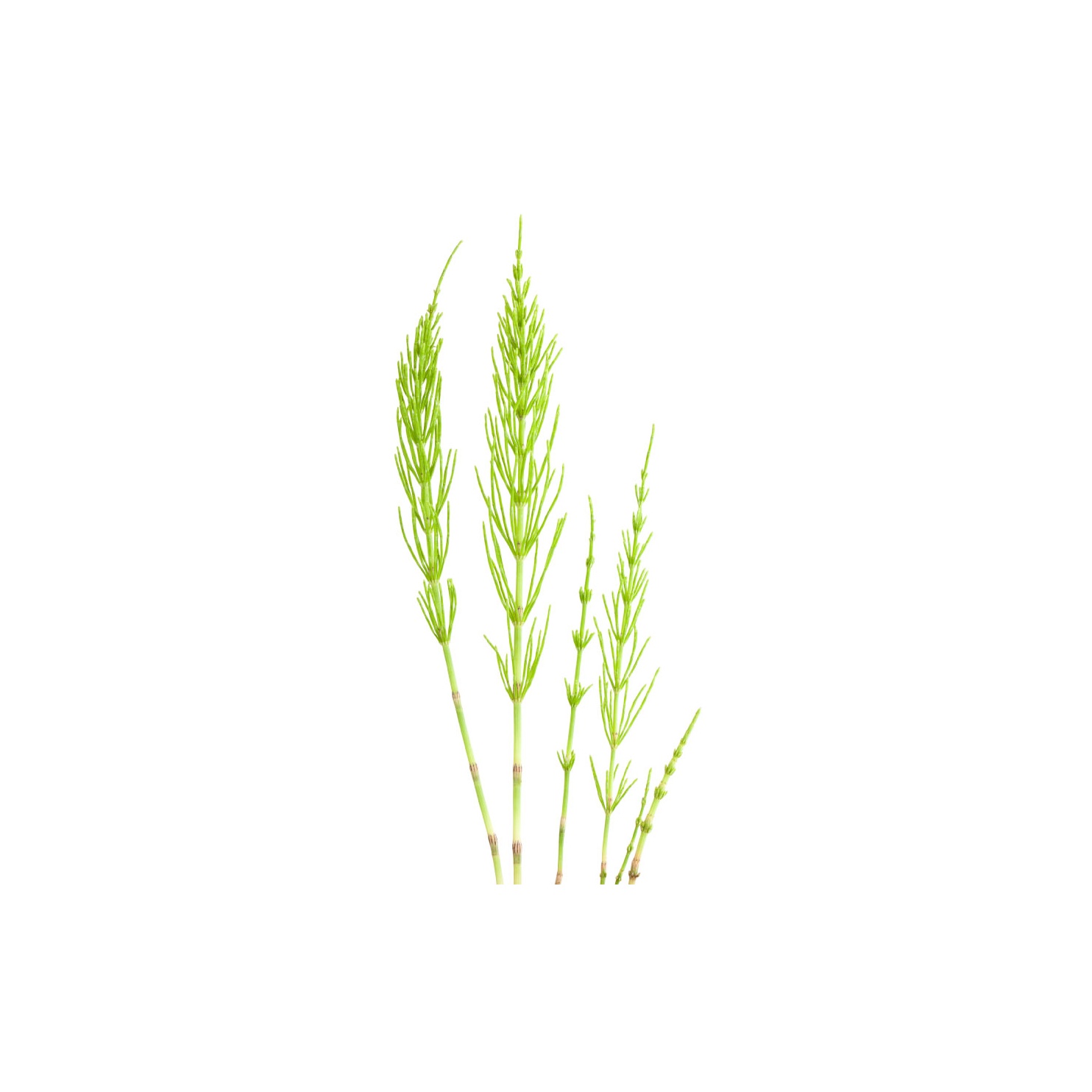 MildMildHorsetailEquisetum arvenseA long-standing European urinary remedy whose antibacterial activity has only ever been shown in vitro, and not against the organisms that cause most infections.Read the evidenceShow lessMonograph →
Horsetail’s urinary use is its most famous one, given as a decoction for cystitis and irritable bladder across European practice.
The antibacterial reputation has only in-vitro backing, there is no confirmation that oral horsetail reaches antibacterial concentrations in the urinary tract, and gram-negative uropathogens — which cause most urinary infections — are poorly covered 6,
The clinical literature treats the use as traditional rather than proven. Horsetail’s measured work is diuretic.
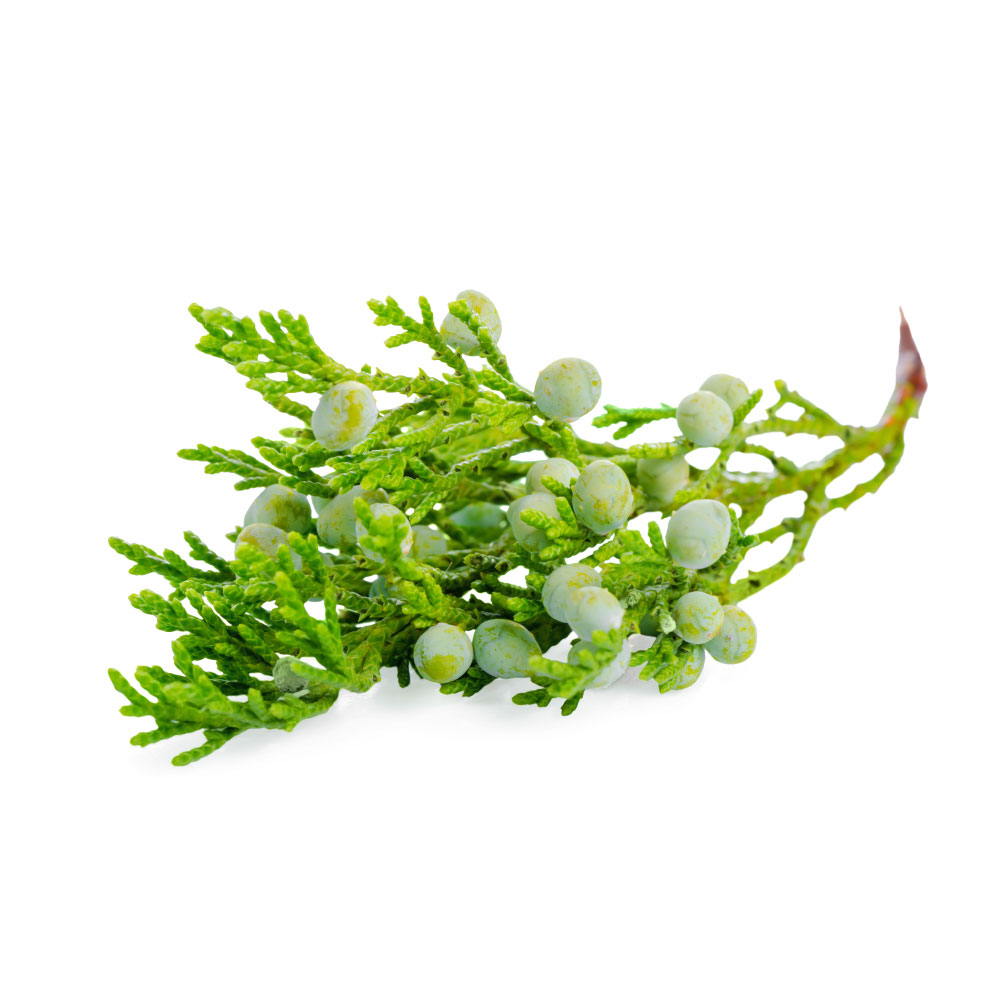 MildMildJuniperJuniperus communisIts berry oil is broadly antibacterial in vitro, at concentrations by volume that no oral dose could deliver to urine; the strong figures in the same experiment are antifungal.Mechanismmicrobial membrane disruption (monoterpenes: sabinene, alpha-pinene, terpinen-4-ol)Read the evidenceShow lessMonograph →
The mechanism is standard for a monoterpene oil — membrane disruption by sabinene, alpha-pinene and terpinen-4-ol — and berry oil is broadly active in vitro against sixteen bacteria, ten yeasts and the dermatophytes 7Reference 7In vitroAntimicrobial activity of juniper berry essential oil (Juniperus communis L., Cupressaceae) — in vitroView study →.
The numbers undercut the urinary framing. The antibacterial MICs are 8–70% v/v, concentrations no diuretic or culinary dose could deliver to urine, while the impressive figures of 0.39–2% v/v are antifungal, against Candida and the dermatophytes 7Reference 7In vitroAntimicrobial activity of juniper berry essential oil (Juniperus communis L., Cupressaceae) — in vitroView study →.
Solvent fractions of the pseudo-fruit add only weak-to-moderate antibacterial activity, chiefly against Streptococcus pyogenes 8Reference 8In vitroFraction-dependent polyphenolic profile and biological activities of Juniperus communis pseudo-fruit extracts: antioxidant, antimicrobial and selective antimelanoma effects — in vitroView study →.
Efficacy against a clinical urinary infection has never been demonstrated in a person. The urinary indication is also the one that invites weeks of daily dosing, which is what juniper’s toxicity rating and its kidney-disease contraindication exist to prevent.
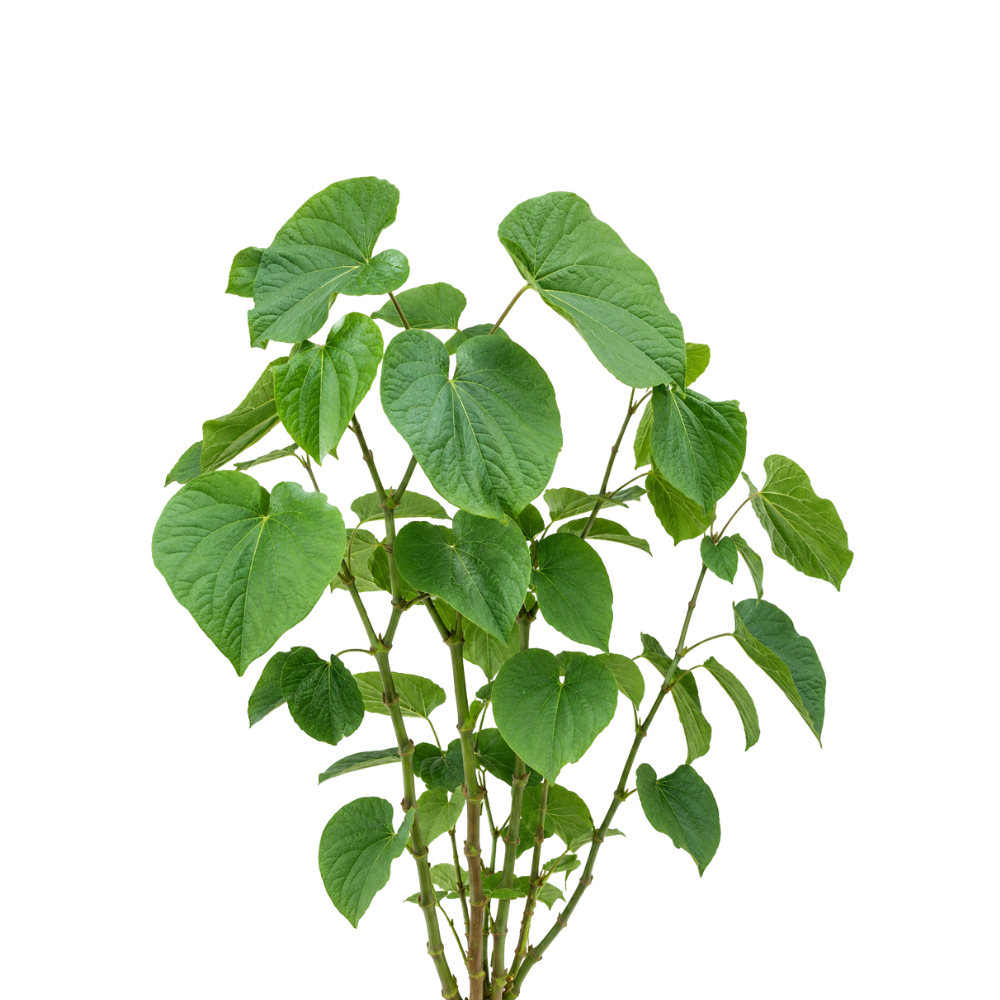 MildMildKavaPiper methysticumRecorded for cystitis, dysuria, leucorrhoea and gonorrhoea on the nineteenth-century Western indications list, with no modern mechanism behind it.Read the evidenceShow lessMonograph →
Kava appears in the historical Western materia medica for cystitis, dysuria, leucorrhoea and gonorrhoea 10Reference 10A Clinical Guide to Blending Liquid Herbs: Herbal Formulations for the Individual Patient, from an era when it was being trialled for conditions its modern use has nothing to do with.
That is a real, sourced traditional record with no modern mechanism behind it and no study of the root against a uropathogen. Kava’s evidenced work is anxiolytic.
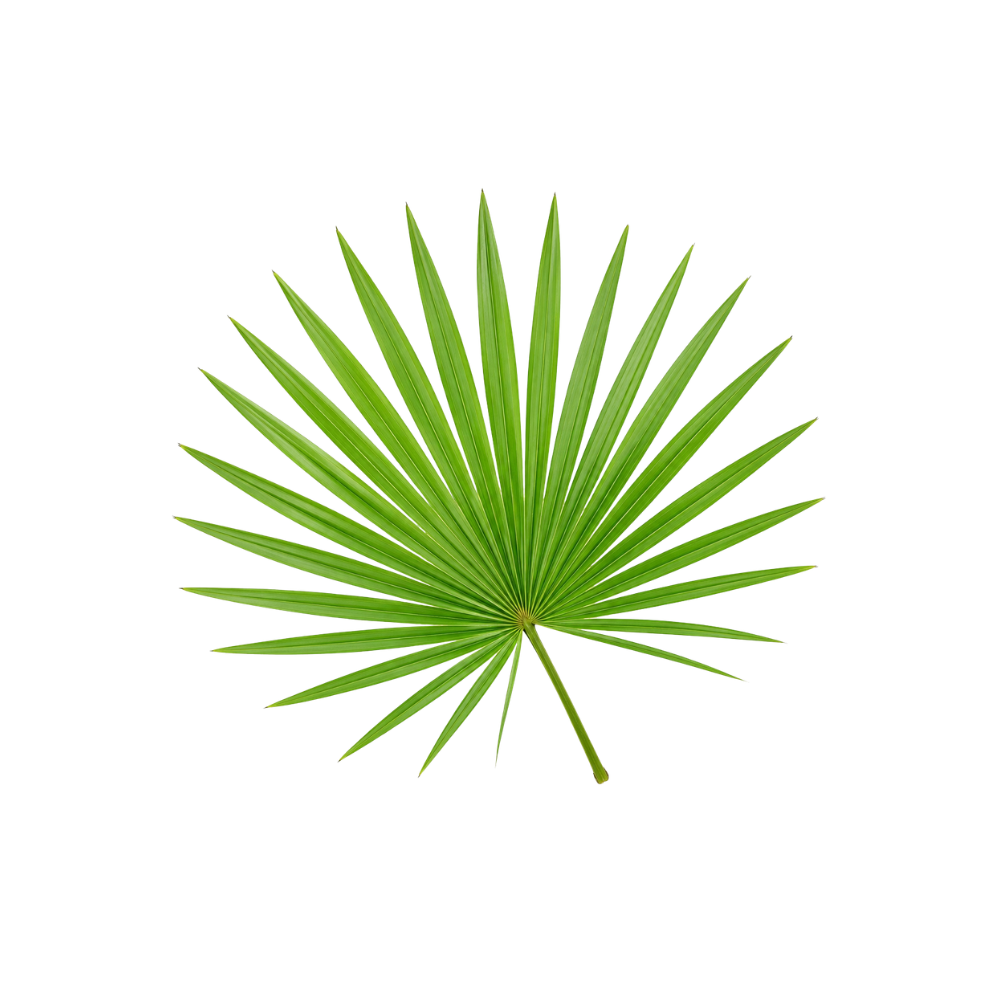 MildMildSaw PalmettoSerenoa repensA traditional use for urinary-tract infection, carried alongside the prostate indication that the herb is actually studied for.Mechanismnot established — no antibacterial or urinary-antiseptic measurementRead the evidenceShow lessMonograph →
Saw palmetto’s traditional reach extends beyond the male reproductive system to urinary-tract infection and respiratory catarrh.
What the herb is actually studied for is benign prostatic hyperplasia and its lower urinary tract symptoms, and even there the strongest trials are mixed, with any benefit appearing specific to the standardised liposterolic extract. That work sits under antiprostatic.
Nothing measures an antiseptic effect in urine — no bacterial counts, no MIC, no infection endpoint. Lower urinary tract symptoms and urinary infection are different problems, and the evidence attaches to the first.
No herbs match these filters.
Safety
- No urinary antiseptic herb replaces an antibiotic in an established infection.
- Fever, flank or back pain, rigors, vomiting or blood in the urine needs medical assessment the same day.
- Urinary symptoms in pregnancy, in men, in children, or not settling within a couple of days, need assessment rather than a longer herbal course.
- These are short courses by design, and the arbutin herbs are limited to five consecutive days and three courses a year.
- The prolonged-dosing pattern this action invites is the one the toxicity limits exist to prevent.
- Recurrent urinary infection warrants a workup for incomplete emptying, stones, obstruction, diabetes or prostatic involvement.
- Fluid intake is doing part of whatever works here, and none of these herbs substitutes for it.
References
- Schindler, G., et al. (2002). Urinary excretion and metabolism of arbutin after oral administration of Arctostaphylos uvae ursi extract in healthy humans — a randomised crossover pharmacokinetic study. Journal of Clinical Pharmacology. https://pubmed.ncbi.nlm.nih.gov/12162475/
- Quintus, J., et al. (2005). Urinary excretion of arbutin metabolites after oral administration of bearberry leaf extracts — pharmacokinetic study. Planta Medica. https://pubmed.ncbi.nlm.nih.gov/15729623/
- Deutch, C. E. (2017). Limited effectiveness of over-the-counter plant preparations against the urease of Staphylococcus saprophyticus — in vitro study. Journal of Applied Microbiology. https://pubmed.ncbi.nlm.nih.gov/28245081/
- de Arriba, S. G., et al. (2013). Risk assessment of free hydroquinone derived from Arctostaphylos uva-ursi folium herbal preparations — review. International Journal of Toxicology. https://pubmed.ncbi.nlm.nih.gov/24296864/
- Moore, M., et al. (2019). Uva-ursi extract and ibuprofen as alternative treatments for uncomplicated urinary tract infection in women (ATAFUTI) — a factorial randomised trial (RCT). Clinical Microbiology and Infection. https://pubmed.ncbi.nlm.nih.gov/30685500/
- Gágyor, I., et al. (2021). Herbal treatment with uva ursi extract versus fosfomycin in women with uncomplicated urinary tract infection in primary care — a double-blind randomised controlled trial (RCT). Clinical Microbiology and Infection. https://pubmed.ncbi.nlm.nih.gov/34111592/
- Pepeljnjak, S., Kosalec, I., Kalođera, Z., Blažević, N. (2006). Antimicrobial activity of juniper berry essential oil (Juniperus communis L., Cupressaceae) — in vitro. Acta Pharm (Zagreb). https://pubmed.ncbi.nlm.nih.gov/16375831/
- Jojić, A. A., et al. (2026). Fraction-dependent polyphenolic profile and biological activities of Juniperus communis pseudo-fruit extracts: antioxidant, antimicrobial and selective antimelanoma effects — in vitro. Antioxidants (Basel). https://pubmed.ncbi.nlm.nih.gov/42352044/
- Pallag, A., et al. (2018). Equisetum arvense L. extract induces antibacterial activity and modulates oxidative stress, inflammation — in vitro. Oxidative Medicine and Cellular Longevity. https://pubmed.ncbi.nlm.nih.gov/29636839/
- Bone, K. (2003). A Clinical Guide to Blending Liquid Herbs: Herbal Formulations for the Individual Patient. Edinburgh: Churchill Livingstone.
- Huđek Turković, A., et al. (2022). Proteome changes in human bladder T24 cells induced by hydroquinone derived from Arctostaphylos uva-ursi — in vitro study. Journal of Ethnopharmacology. https://pubmed.ncbi.nlm.nih.gov/35143933/
- Lis-Balchin, M., Hart, S., & Simpson, E. (2001). Buchu (Agathosma betulina and A. crenulata, Rutaceae) essential oils: their pharmacological action on guinea-pig ileum and antimicrobial activity on microorganisms — in vitro. Journal of Pharmacy and Pharmacology, 53(4), 579–582. https://pubmed.ncbi.nlm.nih.gov/11341377/
Keep Exploring