

Overview
Urinary Demulcent at a Glance
Urinary demulcents are herbs used to soothe burning, irritation, and discomfort in the bladder and urethra.
The classic examples are marshmallow and couchgrass, both rich in mucilage and traditionally taken as generous water-based infusions.
Mucilage works by forming a protective gel over irritated tissue, but this requires direct contact.
That contact effect is the demulcent action proper, which makes the mechanism straightforward in the mouth, throat, and digestive tract.
It is less straightforward in the urinary tract, because these large polysaccharides are not absorbed intact and therefore do not simply pass into the urine and coat the bladder.
Much of the urinary soothing effect may instead come from dilution.
Drinking these herbs in large volumes of water produces more dilute urine, reducing the concentration of salts and other irritants against an inflamed urinary lining while increasing urinary flow.
This makes urinary demulcents useful mainly as supportive herbs for burning urination, bladder irritation, and other uncomplicated lower urinary-tract discomforts, rather than as treatments for infection itself.
The soothing urinary teas are old and specific. Couchgrass rhizome was the standing British bladder tea, and Culpeper gives marshmallow for the strait passages and the torturing pains of the stone.
Traditional practice even separates the preparations, root for the digestive tract and leaf for the urinary and respiratory ones.
Opening the strait passages, and making them slippery, whereby the stone may descend the more easily and without pain, out of the reins, kidneys, and bladder, and to ease the torturing pains thereof.
Nicholas Culpeper, The Complete Herbal, 1653, on marshmallow
Neither herb has been tested on a urinary endpoint in a controlled trial — couchgrass’s only clinical report is an uncontrolled post-marketing series, and marshmallow’s demulcent evidence is all from the throat — and both remain standard bladder teas in European practice on the strength of that long use.
Urinary demulcents sit alongside the other urinary sub-actions of diuretic — urinary antiseptics where there is infection, urinary antispasmodics where there is urgency and spasm, and antilithics where there is gravel or a stone.
Caution
Relief does not treat infection — soothing urinary symptoms does not treat a urinary infection, and relief can mask one climbing to the kidney.
Fever or blood needs assessment — fever, flank pain, blood in the urine, worsening symptoms or difficulty passing urine needs medical assessment.
Not where fluid is restricted — these teas are a large fluid load, a risk in heart failure, kidney failure or a fluid-restricted regimen.
Mechanisms
How It Works
01
Mucosal Coating, and Where It Reaches
A mucilage gel shields an inflamed mucous membrane by lying on it. There is no receptor and nothing is absorbed; the effect is a property of the gel and lasts as long as the gel stays in place.
Marshmallow’s root rhamnogalacturonan produced a codeine-comparable suppression of cough in animal models, which is a genuine and well-characterised demulcent result. It worked because a syrup physically touches the throat on the way down.
The same molecule in the same herb is credited with soothing cystitis and urethritis, and there the gel never arrives. For it to coat the urothelium it would have to be absorbed intact from the gut, survive in the circulation and pass the glomerulus as a whole polysaccharide.
Couchgrass carries the same attribution, with an uncontrolled post-marketing series of a fluid extract behind it.
The traditional identity is genuine and old; the mechanism attached to it is borrowed from the gut.
Herbs: CouchgrassMarshmallow
02
Dilution of Irritant Urine
More fluid produces more dilute urine, which puts less concentrated irritant against an already inflamed lining and flushes it more often.
This is a real effect with a real benefit, and it is what these herbs deliver in practice, since both are drunk as large volumes over the day.
It is also why this action sits alongside urinary antiseptic and antilithic under diuretic: a great deal of what all three describe is the water.
If the benefit is dilution, then volume and frequency are the active parts, and a cold infusion holds no advantage over a hot one — the reverse of the rule that governs a contact demulcent.
Herbs: CouchgrassMarshmallow
Materia Medica
Urinary Demulcent Herbs by Potency
The urinary demulcent herbs, ordered by the relative strength of the effect rather than by how well studied it is. Each herb is described by the mechanism behind its effect and the evidence for it.
None of this is a substitute for professional care.
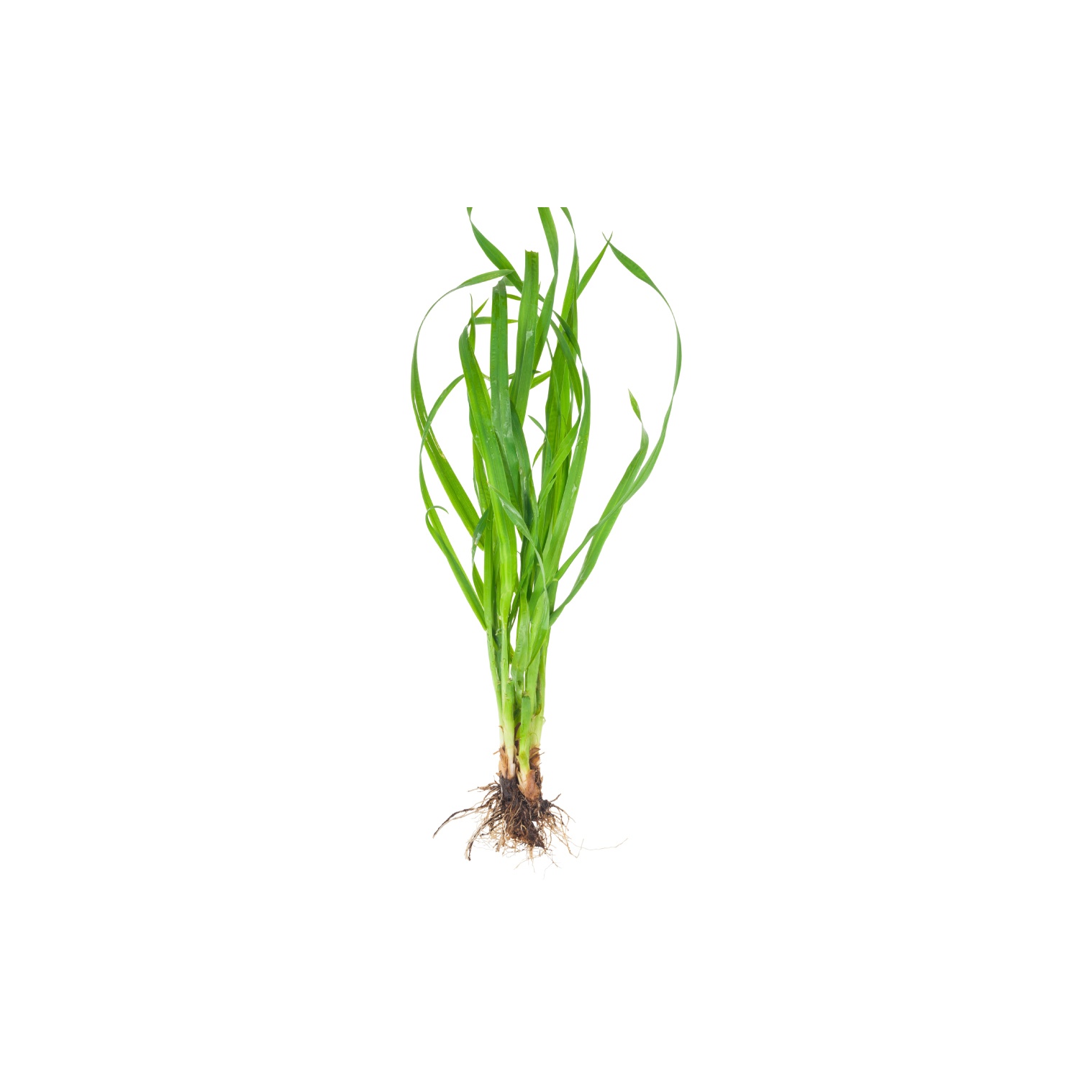 MildMildCouchgrassElymus repensThe standing British soothing tea for an irritable bladder, cystitis and urethritis, taken as a long infusion of the rhizome.Mechanismmucilage mucosal coating (urothelium — delivery unproven); urinary flow ↑ diluting irritantsRead the evidenceShow lessMonograph →
Couchgrass rhizome is drunk for irritable bladder, cystitis and urethritis, and the soothing quality is its traditional identity in British practice 1Reference 1British Herbal Pharmacopoeia.
Mucosal demulcency is the mechanism credited in the literature 2,
Swallowed mucilage is a large hydrophilic polysaccharide that acts on the gut lumen and is not absorbed intact, so it cannot form a film on the urothelium. Any urinary soothing is more plausibly the dilution of irritant urine, which the herb’s diuretic action supplies.
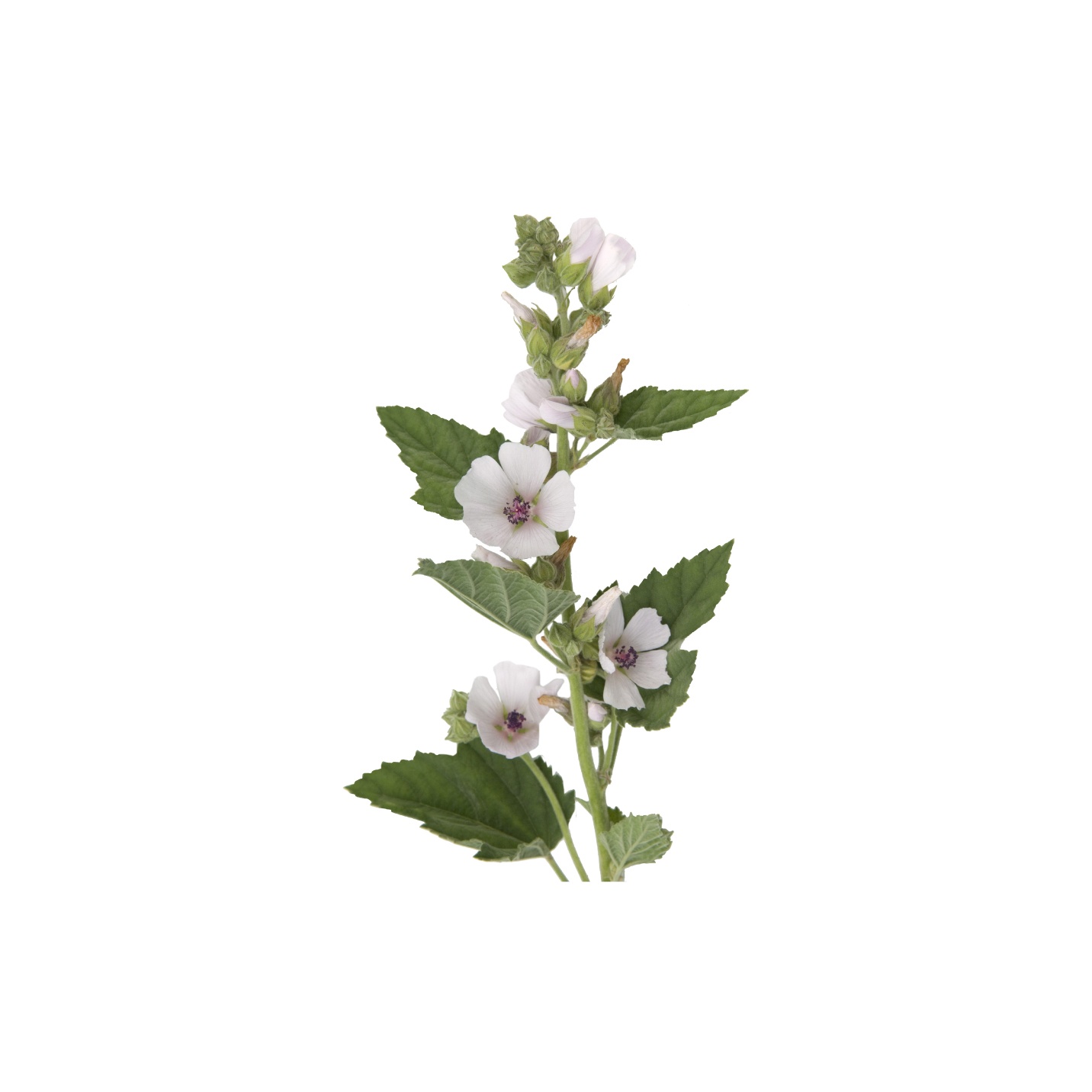 MildMildMarshmallowAlthaea officinalisIts root rhamnogalacturonan is the best-characterised mucilage in the materia medica, and traditional practice sends the leaf rather than the root to the urinary tract.Read the evidenceShow lessMonograph →
Marshmallow’s traditional use for cystitis and urethritis is long-standing and well sourced 5,
The mucilage itself is real and well characterised. Rhamnogalacturonan is the fraction behind marshmallow’s codeine-comparable antitussive result, and that trial measured a cough — an effect on a surface the syrup physically touched.
The urinary claim requires the same mucilage to survive digestion and reach the urothelium intact, and nothing demonstrates it. A polysaccharide that large is not absorbed, which is the standard and unresolved objection to every internal demulcent claim beyond the gut.
No herbs match these filters.
Safety
- A urinary infection that is soothed is not one that is treated, and relief can mask an infection climbing to the kidney.
- Fever, flank or back pain, rigors, vomiting or feeling systemically unwell needs antibiotics rather than a demulcent.
- Blood in the urine, or symptoms in a man, a child, in pregnancy, or with diabetes, a catheter or a known urinary abnormality, needs assessment rather than self-treatment.
- Any urinary infection not clearly improving within about 48 hours needs review.
- These teas are a large fluid load, which is the risk rather than the remedy in heart failure, kidney failure or a fluid-restricted regimen.
- Mucilage delays the absorption of anything sharing the gut with it, so other oral medicines go an hour either side.
- Recurrent cystitis, or irritative symptoms with no infection found, warrants investigation for interstitial cystitis, stones or outflow obstruction.
References
- British Herbal Medicine Association. (1983). British Herbal Pharmacopoeia.
- Zhakipbekov, K. S., Serikbayeva, E. A., Tleubayeva, M. I., et al. (2026). Elymus repens (L.) Gould phytochemistry, pharmacological activities and therapeutic potential — systematic review. International Journal of Molecular Sciences. https://pubmed.ncbi.nlm.nih.gov/42278456/
- Bortolami, M., Di Matteo, P., Rocco, D., Feroci, M., & Petrucci, R. (2022). Metabolic profile of Agropyron repens rhizome herbal tea by HPLC-PDA-ESI-MS/MS analysis. Molecules. https://pubmed.ncbi.nlm.nih.gov/35956912/
- Hautmann, C., & Scheithe, K. (2000). Fluid extract of Agropyron repens for urinary tract infections or irritable bladder: multicentric post-marketing surveillance — observational. Zeitschrift für Phytotherapie.
- Hoffmann, D. (2003). Medical Herbalism: The Science and Practice of Herbal Medicine. Rochester, VT: Healing Arts Press. (pp. 526–527).
- Barnes, J., Anderson, L. A., & Phillipson, J. D. (2007). Herbal Medicines (3rd ed.). London: Pharmaceutical Press. (pp. 418–420).
Keep Exploring