
Condition
Hypertension
Hypertension is persistently raised blood pressure that increases the risk of heart disease, stroke, and kidney damage.

Hypertension is persistently raised blood pressure. Because it usually causes no symptoms, it is often discovered only on routine measurement — yet over time the extra load on the arteries, heart and kidneys raises the risk of heart disease, stroke and kidney damage. Herbal approaches work gradually, supporting the vessel wall, the kidneys and the systems that regulate vascular tone, and are best suited to mild or borderline cases used as long-term support. Severe hypertension is a medical emergency and should never be treated with herbs alone.
Presentation
Types & Variants
Hypertension is divided by cause:
- Primary (essential) hypertension — around 90% of cases, with no single identifiable cause. It arises from the interplay of genetics, age, diet, weight, stress and vascular changes, and is what most treatment is aimed at.
- Secondary hypertension — the smaller share of cases that stem from an identifiable underlying problem. The most common is kidney disease, but it can also follow from coarctation of the aorta, endocrine disorders, certain medications, and pregnancy (pre-eclampsia). Ruling out a secondary cause matters before treating blood pressure as essential.
Blood pressure is also graded by severity, from borderline elevation through to stage 2 and 3 hypertension, where the risk of complications is high and close medical monitoring is essential.
Overview
General Pathology
For blood pressure to rise, either blood volume must increase or the vessels must narrow. Narrowing is driven by increased arterial reactivity and vasoconstriction — through dysregulation of the endothelial nitric-oxide pathway, overactive calcium movement across cell membranes, and thickening of the vascular smooth muscle. Over time the vessel wall grows thicker relative to its lumen, which sustains and worsens the raised pressure.
The kidney sits at the center of this picture. It is both a common cause of secondary hypertension and a key regulator of blood pressure through fluid balance and the renin–angiotensin system, which is why so many treatments — pharmaceutical and herbal — act on renal and hormonal pathways. That same overlap means kidney health should be assessed before using herbs that work through the kidney.
Because raised blood pressure is usually silent, it is often called a “silent” risk factor: the damage accumulates in the vessels, heart and kidneys long before any symptom appears. Herbal support typically takes weeks to months to produce a measurable effect, so it is best framed as gradual, sustained support rather than rapid reduction — and, in higher-stage hypertension, only ever as an adjunct to medical care with drug interactions closely watched.
Materia Medica
Materia Medica
None of the herbs used for hypertension is a substitute for professional care.
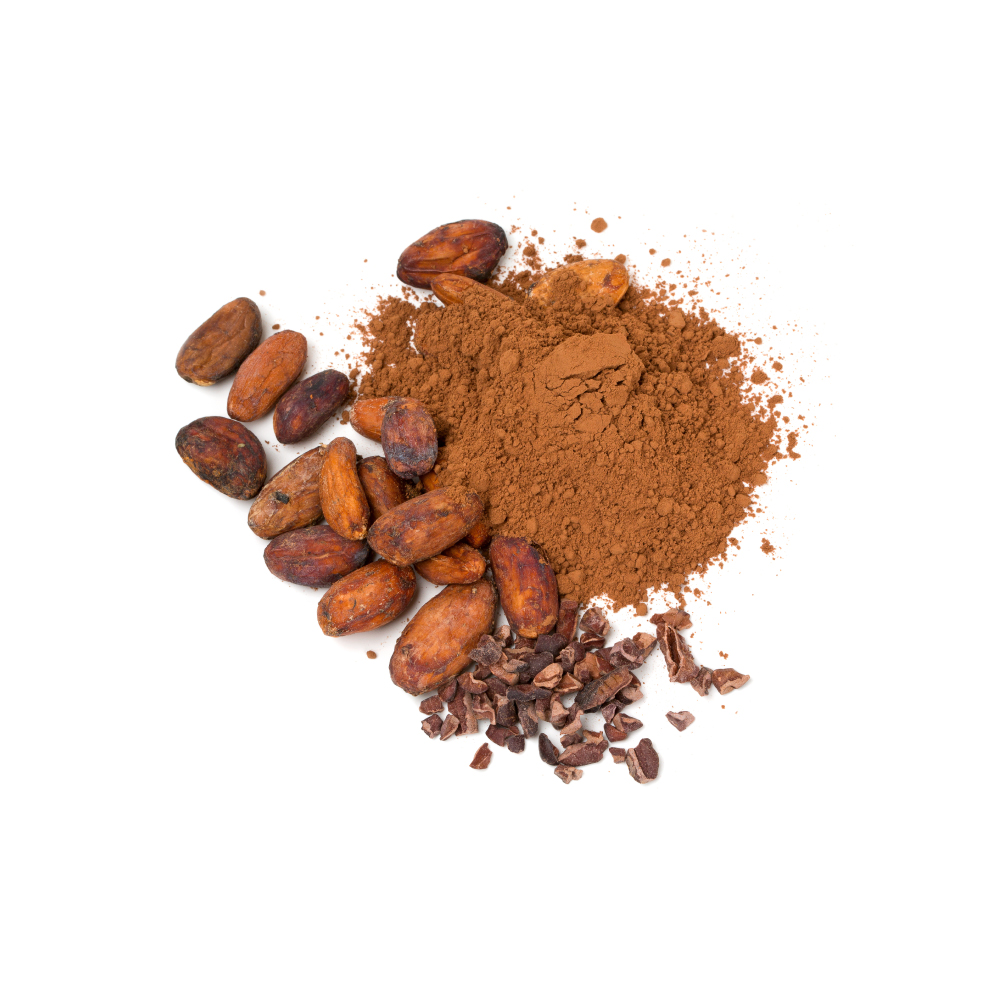 CacaoTheobroma cacaoStrong
A 2017 Cochrane review of cocoa and blood pressure (>40 trials, ~1,800 participants) found a small but statistically significant reduction — on the order of ~1.8 mmHg systolic — versus flavanol-free control, consistent with two earlier independent meta-analyses 8,
The effect is clinically modest, trials are short (mostly 2–18 weeks), it is larger in normotensive/mildly-elevated cohorts than treated hypertensives, and long-term BP benefit was not confirmed by the COSMOS outcomes data.
Full monograph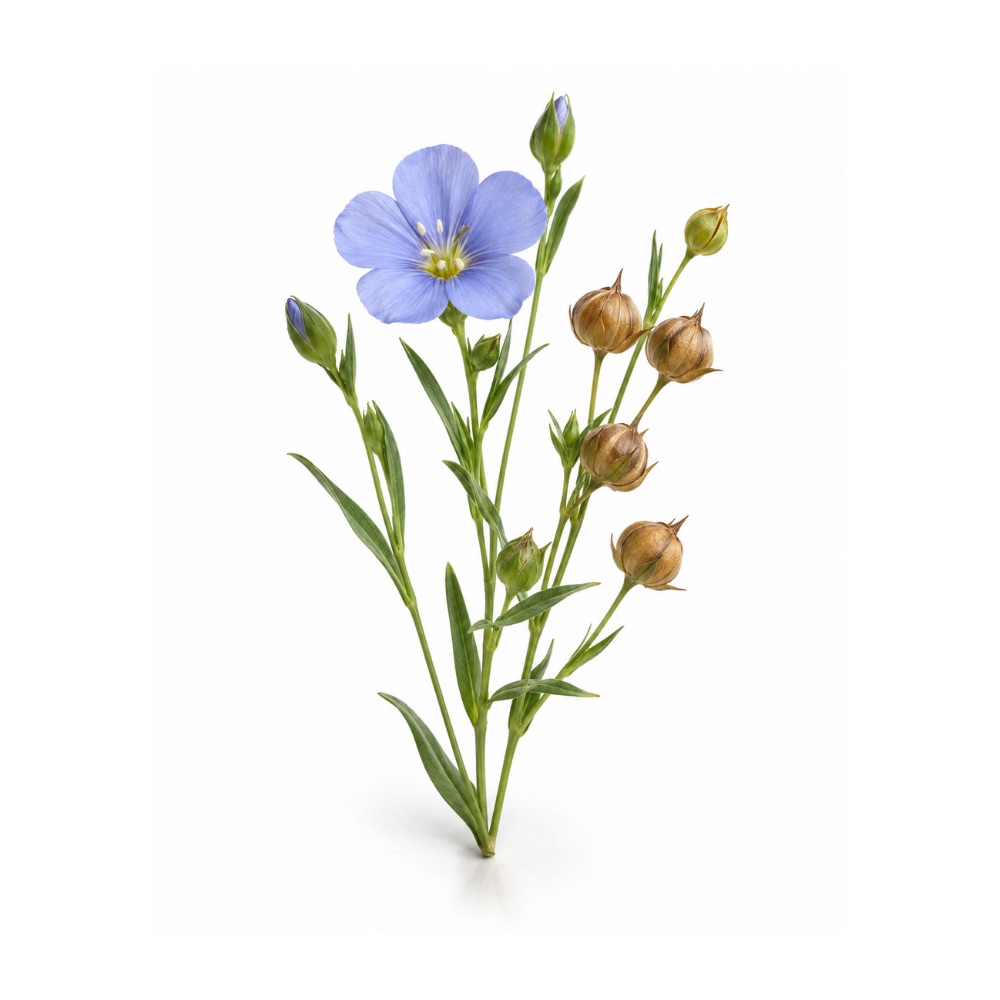 FlaxseedLinum usitatissimumStrong
Two independent meta-analyses agree on a modest effect: −2.85/−2.39 mmHg across 15 trials 22Reference 22Meta-analysisEffects of flaxseed supplements on blood pressure: a systematic review and meta-analysis of controlled clinical trialsView study → and −1.77/−1.58 mmHg across 11 23Reference 23Meta-analysisFlaxseed consumption may reduce blood pressure: a systematic review and meta-analysis of controlled trialsView study →, both strongest for whole seed taken ≥12 weeks.
In FLAX-PAD, 110 peripheral-artery-disease patients ate 30 g/day milled flaxseed for six months and systolic BP fell ~10 mmHg, diastolic ~7 mmHg versus placebo — 15/7 mmHg in those entering ≥140 mmHg — with circulating ALA and enterolignan levels tracking the response 24Reference 24Potent antihypertensive action of dietary flaxseed in hypertensive patients (FLAX-PAD)View study →. That is one of the largest antihypertensive effects reported for any dietary intervention. The pooled effect (≈2–3 mmHg) and the single-trial effect (≈10 mmHg) differ by a factor of four, and the larger one has not been replicated in newly diagnosed, unmedicated hypertensives.
Full monograph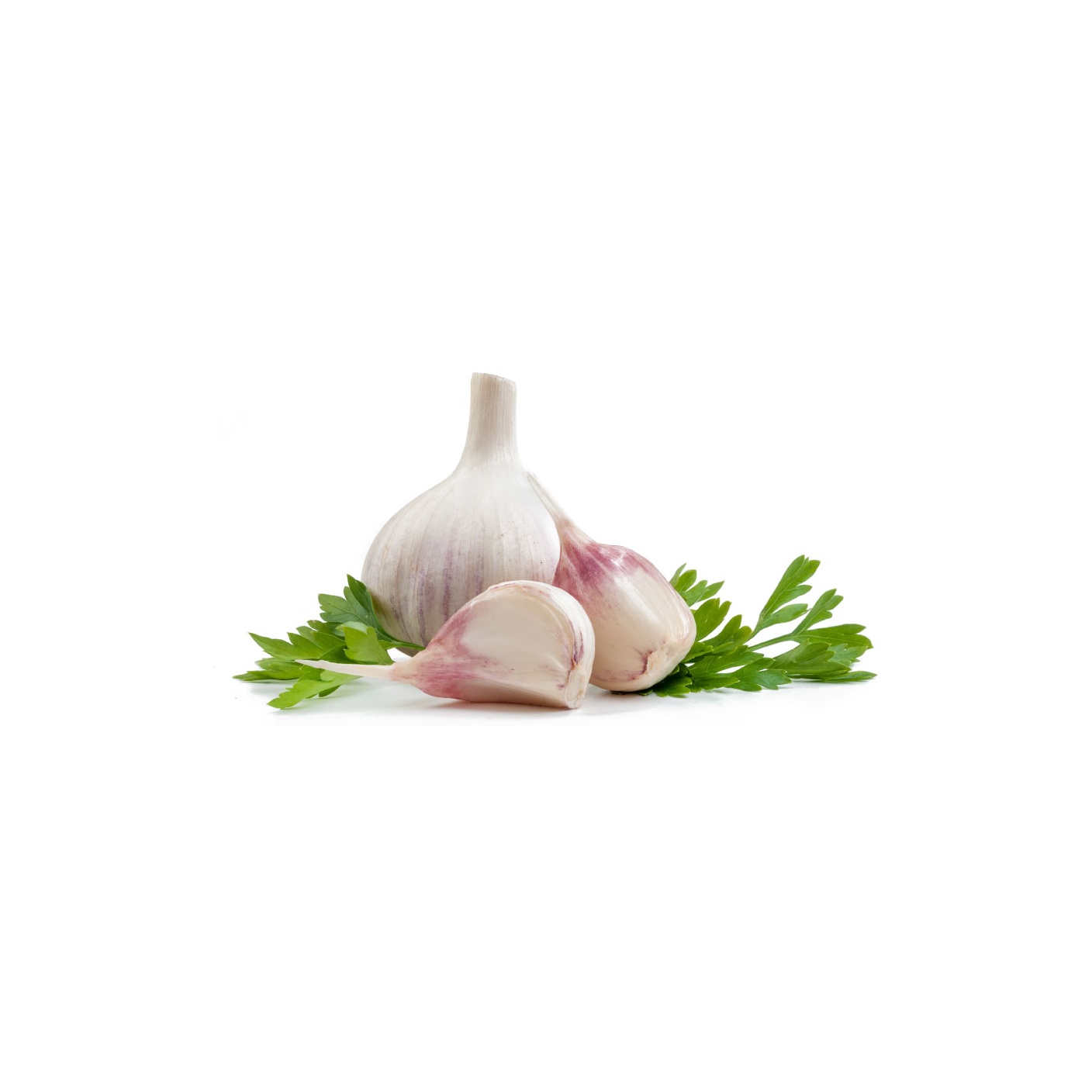 GarlicAllium sativumStrong
Blood pressure is garlic’s best-supported indication. Multiple independent meta-analyses of placebo-controlled RCTs converge on a modest antihypertensive effect (~6.7/4.8 mmHg in one 7-RCT review; ~3.75/3.4 mmHg significant chiefly in hypertensives in a 17-trial analysis), plausibly via H₂S/NO signalling from S-allylcysteine 25,
The effect concentrates in those with elevated baseline pressure. The often-quoted claim that aged garlic extract benefits only above 1200 mg/day rested on a meta-analysis that has since been retracted 29Reference 29Meta-analysisEffects of aged garlic extract on blood pressure in hypertensive patients: a systematic review and meta-analysis of randomized controlled trialsView study →, so no dose threshold is established. The effect is real but clinically modest, comparable to a single low-dose antihypertensive. Trials are short, and preparation and dose vary widely.
Full monograph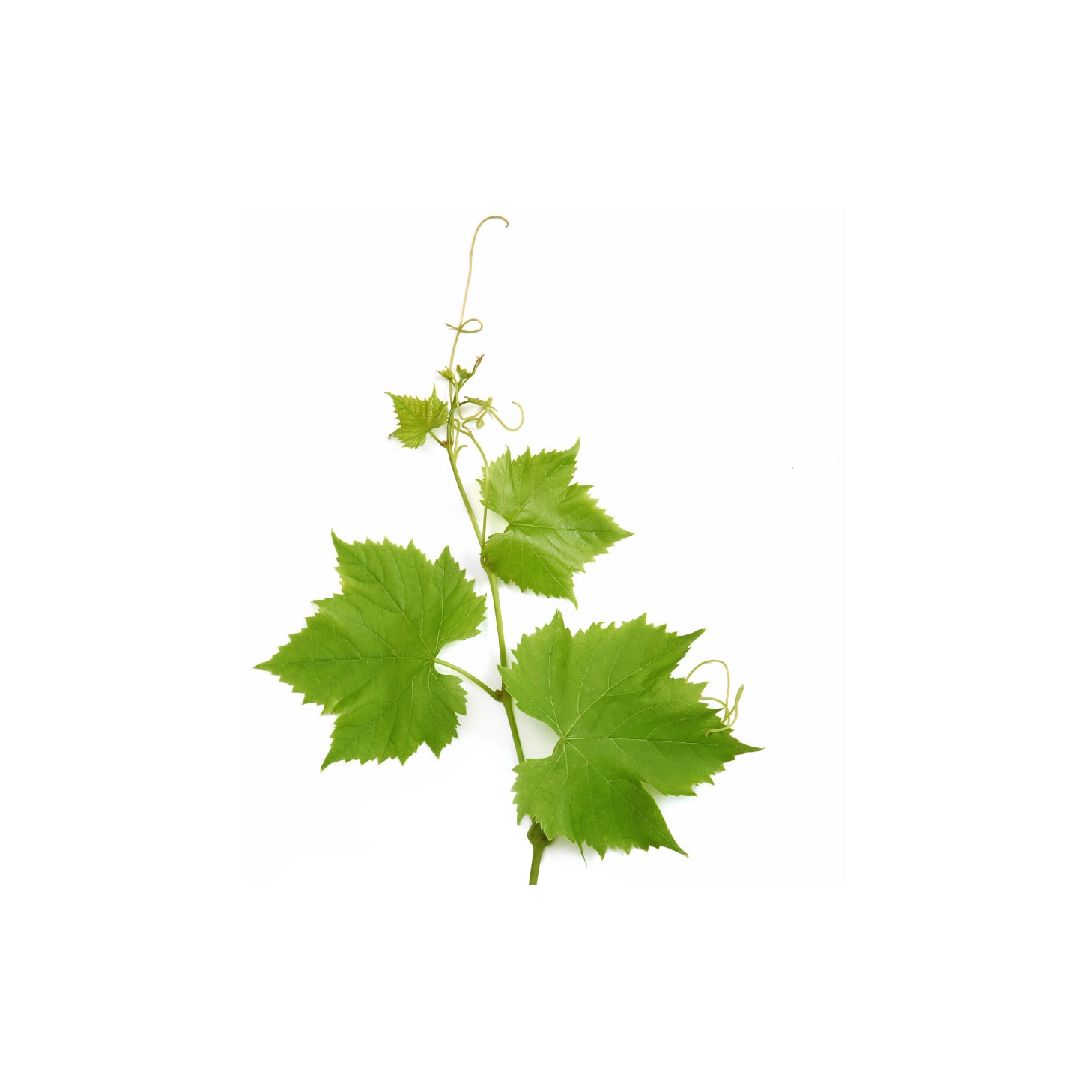 Grape Seed ExtractVitis viniferaStrong
Blood pressure is grape seed extract’s single best-supported indication. Three meta-analyses: 16 RCTs (810 subjects) giving systolic −6.1 and diastolic −2.8 mmHg, with larger effects in younger, obese and metabolic-syndrome subjects 34Reference 34Meta-analysisThe impact of grape seed extract treatment on blood pressure changes: a meta-analysis of 16 randomized controlled trialsView study →; an earlier 9-trial analysis agreeing 35Reference 35Meta-analysisThe effect of grape seed extract on cardiovascular risk markers: a meta-analysis of randomized controlled trialsView study →; and a dose/duration-stratified 19-trial analysis confirming a robust diastolic reduction (~2.2 mmHg) and a heart-rate reduction, but finding systolic effects non-significant and highly heterogeneous with a non-linear dose-response 36Reference 36Meta-analysisThe effect of grape (Vitis vinifera) seed extract supplementation on flow-mediated dilation, blood pressure and heart rate: a systematic review and meta-analysis with duration- and dose-response analysisView study →.
Individual RCTs are consistent — 300 mg/day improved BP and perceived stress 37Reference 37RCTGrape seed extract positively modulates blood pressure and perceived stress: a randomized, double-blind, placebo-controlled study in healthy volunteersView study → and ambulatory BP in pre-/stage-I hypertension 38Reference 38Effect of polyphenol-rich grape seed extract on ambulatory blood pressure in subjects with pre- and stage I hypertensionView study →; a 400 mg/day procyanidin-B2 standardised extract cut systolic BP ~13 mmHg over 12 weeks in prehypertensive Japanese adults 39Reference 39RCTEffects of grape seed proanthocyanidin extract on vascular endothelial function in participants with prehypertension: a randomized, double-blind, placebo-controlled studyView study →. Systolic heterogeneity is I² > 90%. Grape seed extract reliably lowers diastolic pressure a little; its systolic effect is real in some trials and absent in others.
Full monograph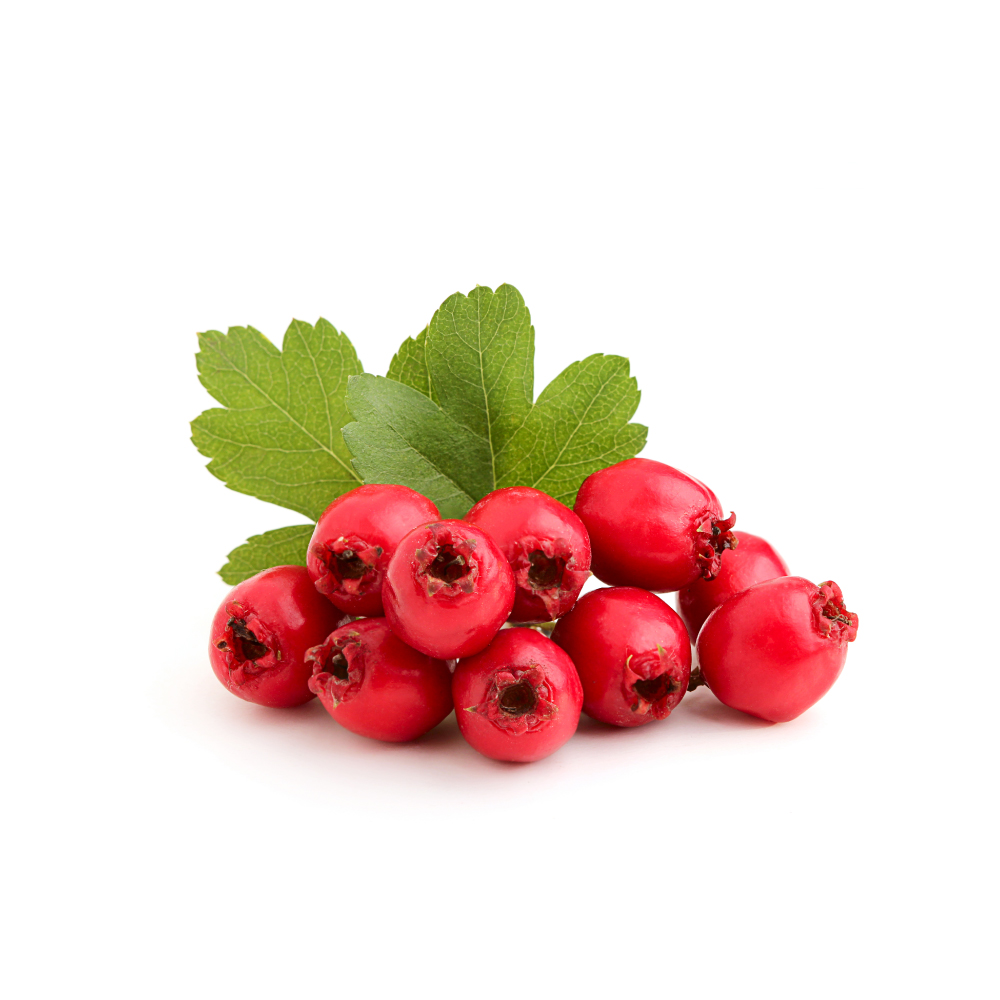 HawthornCrataegus oxyacanthaStrong
A 2025 systematic review and meta-analysis of six placebo-controlled RCTs (428 participants) found standardised hawthorn extract produced a clinically meaningful systolic reduction (mean difference −6.65 mmHg), with a non-significant diastolic change, across 10-week-to-6-month trials 50Reference 50Meta-analysisHawthorn (Crataegus spp.) clinically significantly reduces blood pressure in hypertension: a meta-analysis of randomized placebo-controlled clinical trialsView study →; the best single trial (n=79, type-2 diabetics, 1,200 mg/day, 16 weeks) showed a significant diastolic difference with no herb-drug interaction 51Reference 51RCTHypotensive effects of hawthorn for patients with diabetes taking prescription drugs: a randomised controlled trialView study →. Blood pressure is now hawthorn’s most durable human signal. Trials are small, heterogeneous and dosed at 250–1,200 mg/day, the effect is modest, and no large dedicated hypertension trial exists.
Full monograph NigellaNigella sativaStrong
Two RCT meta-analyses report small but significant blood-pressure reductions — roughly −3.1 mmHg systolic and −2.7 mmHg diastolic in the more recent pool, consistent with an earlier 11-RCT synthesis 59,
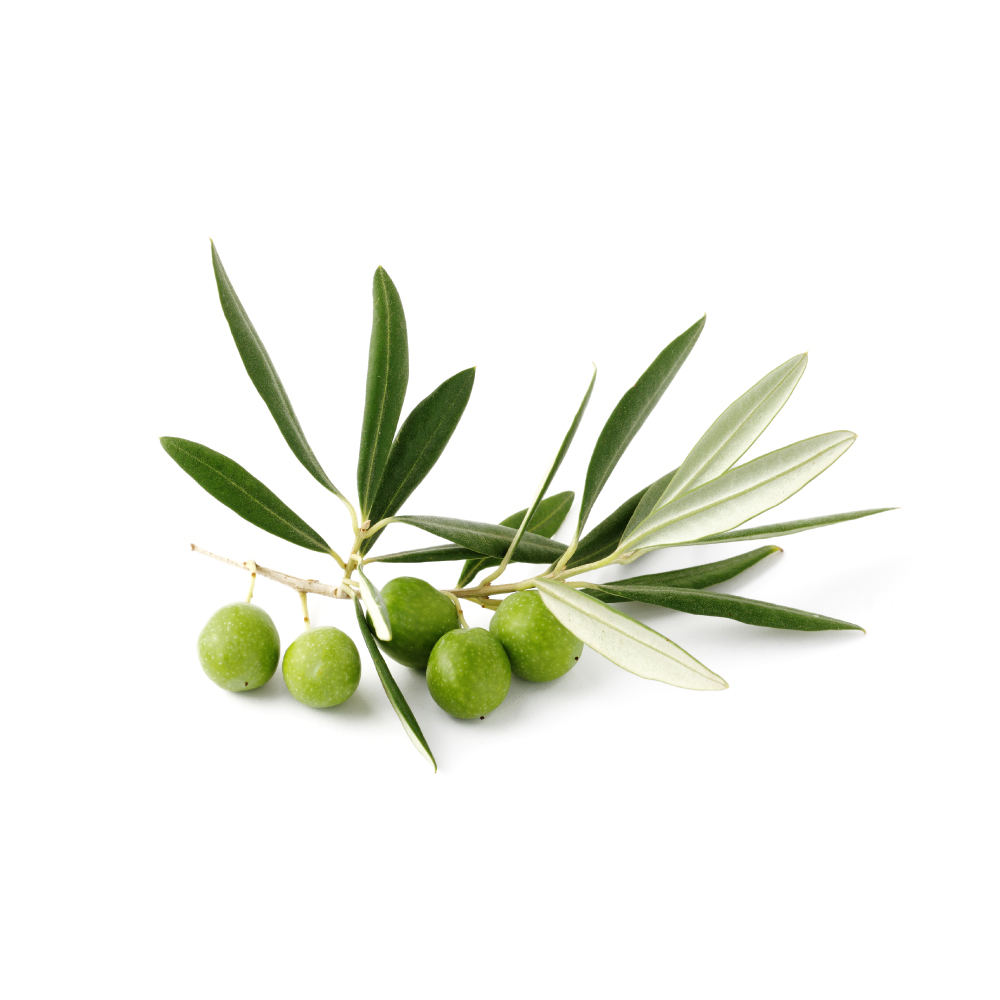 Olive LeafOlea europaeaStrong
Blood pressure is olive leaf’s strongest indication. A 12-week active-controlled RCT found standardised extract (EFLA®943, 500 mg twice daily) cut systolic BP ~11 mmHg in stage-1 hypertensives, comparable to captopril 61Reference 61RCTOlive (Olea europaea) leaf extract effective in patients with stage-1 hypertension: comparison with Captopril — randomised controlled trialView study →, with supporting crossover and 621-participant multicentre RCTs 62,
The benefit is for oleuropein-standardised extracts, not the traditional tea or 1:2 liquid extract, and some combination-extract trials are null 67Reference 67RCTAntihypertensive potential of combined extracts of olive leaf, green coffee bean and beetroot: a randomized, double-blind, placebo-controlled crossover trialView study →.
Full monograph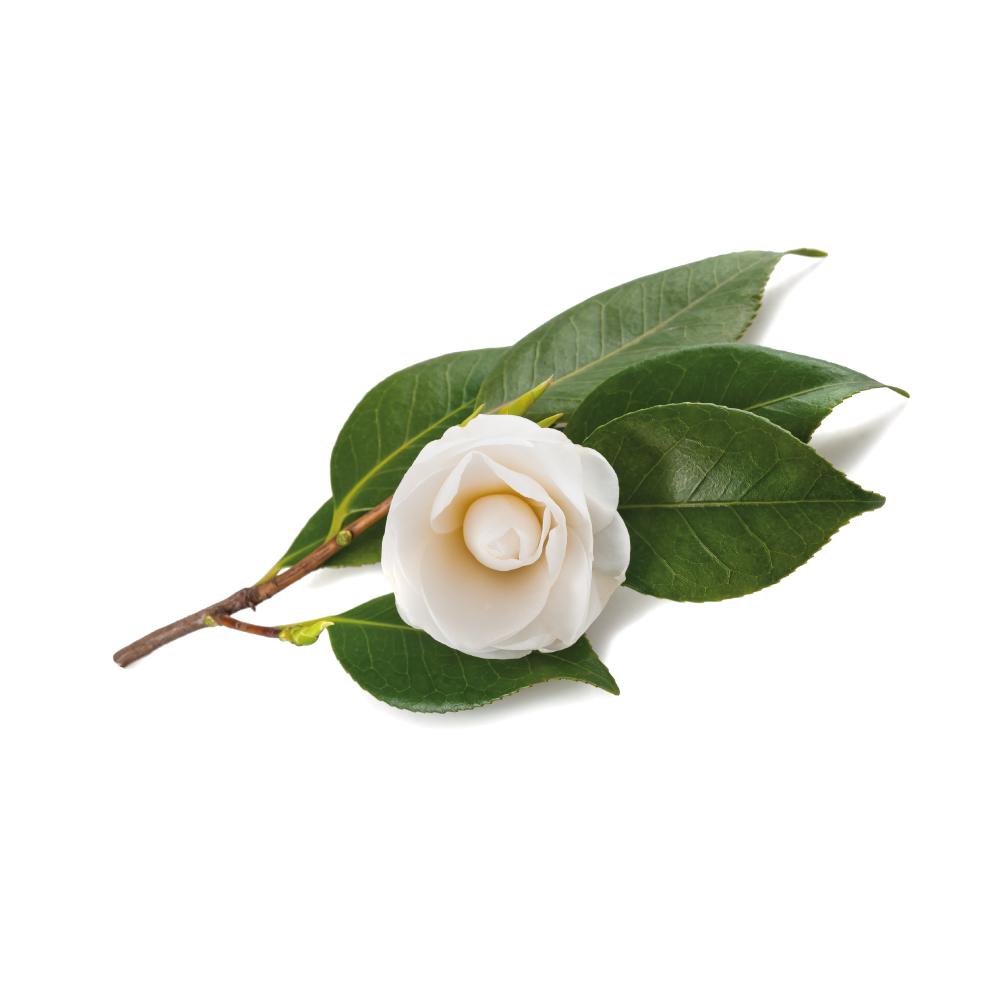 TeaCamellia sinensisStrong
Blood-pressure lowering is tea’s most reproducible cardiovascular effect: RCT meta-analyses converge on small reductions (~-1.1 to -2.1 mmHg systolic, -1.2 to -1.9 mmHg diastolic vs control), with a larger signal in people who start hypertensive 84,
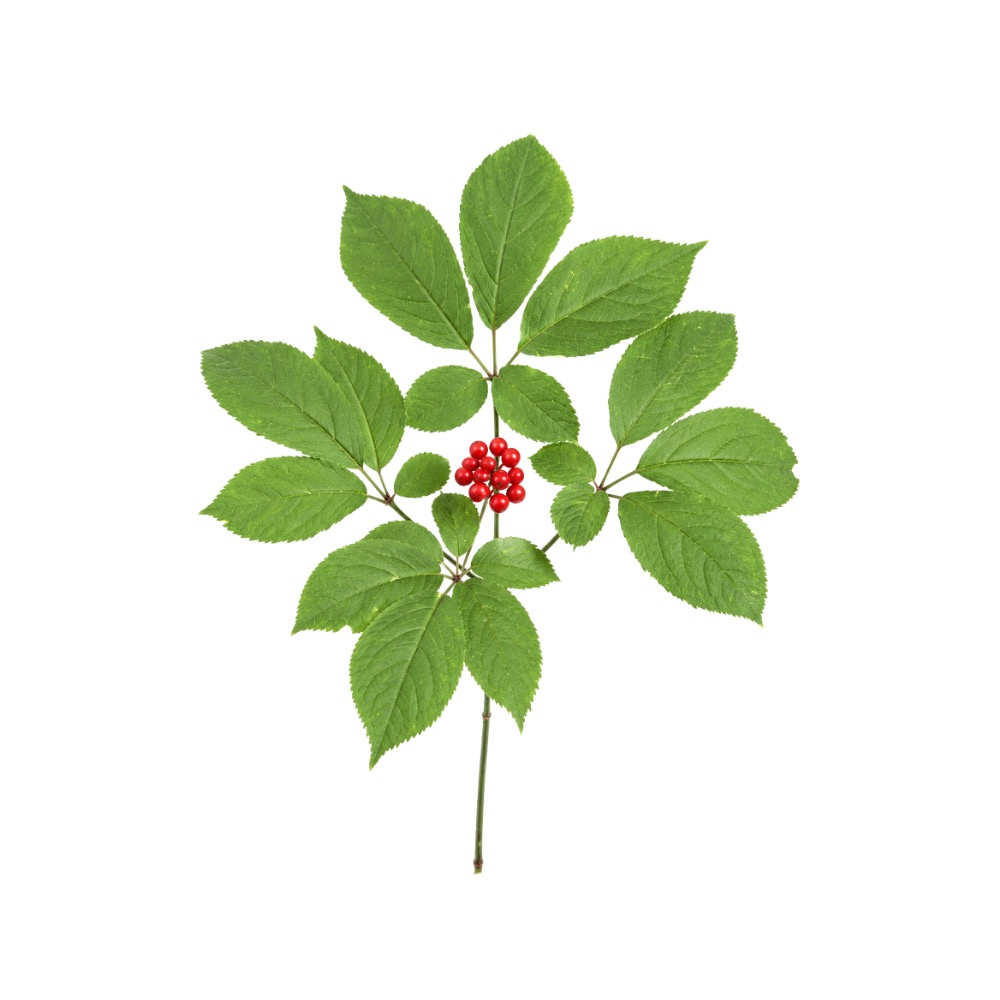 American GinsengPanax quinquefoliusModerate
In a 12-week double-blind trial, 3 g/day of a selected American ginseng extract added to usual therapy lowered radial augmentation index (arterial stiffness) by 5.3% and systolic blood pressure by 11.7% in type 2 diabetics with concomitant hypertension, with no effect on diastolic pressure 30Reference 30RCTEffect of American ginseng (Panax quinquefolius L.) on arterial stiffness in subjects with type-2 diabetes and concomitant hypertension — randomised controlled trialView study →. A separate multicentre RCT combining ginsenoside-Rg3-enriched Korean Red ginseng with American ginseng found only a modest central-systolic reduction and no change in pulse-wave velocity or endothelial function 31Reference 31RCTVascular effects of combined enriched Korean Red ginseng and American ginseng in individuals with hypertension and type 2 diabetes: a randomized controlled trial — randomised controlled trialView study →. The evidence is confined to a diabetic-hypertensive population, one key study used a ginseng combination rather than American ginseng alone, and there are no cardiovascular-outcome trials.
Full monograph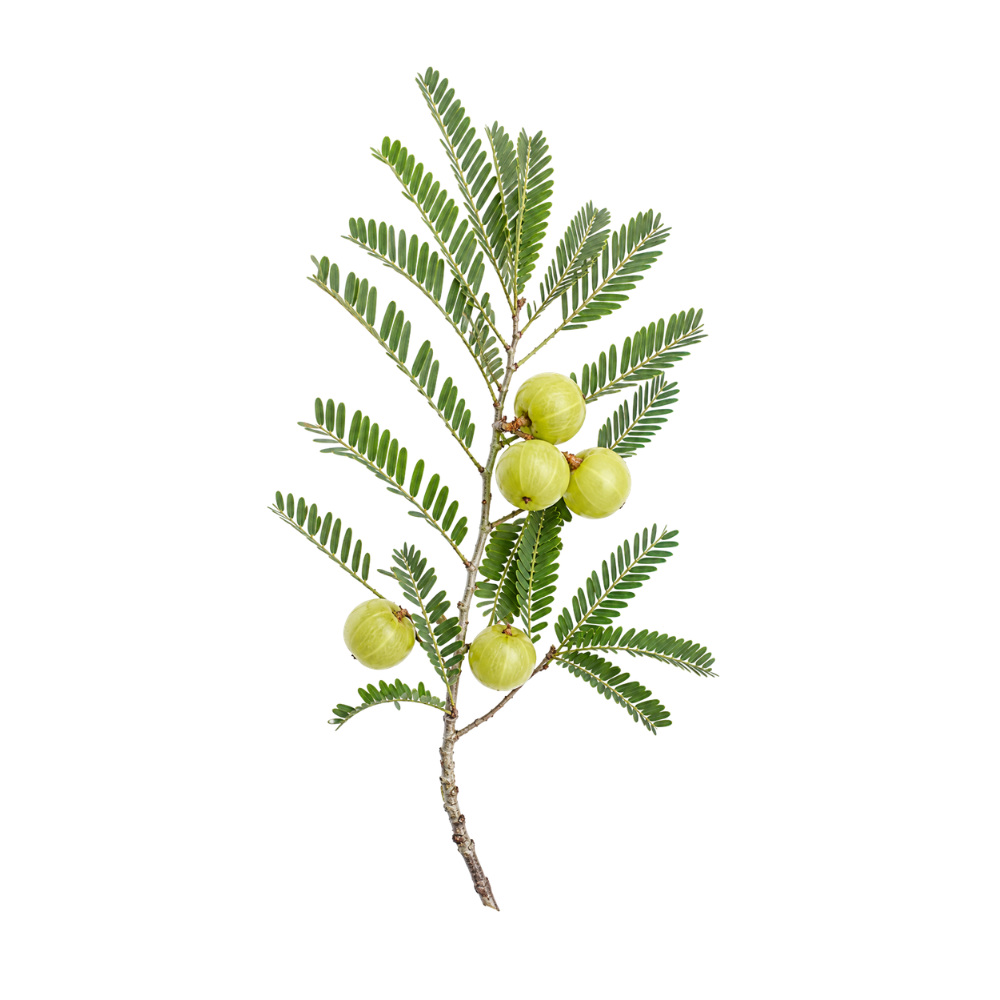 AmlaPhyllanthus emblicaModerate
A single randomised, double-blind, placebo-controlled trial added aqueous amla extract (500 mg twice daily, 12 weeks) to routine medication in 150 patients with essential hypertension and reported blood-pressure lowering plus improvements in lipids, oxidant/antioxidant enzymes and hs-CRP 1Reference 1Clinical trialAntihypertensive and pleiotropic effects of Phyllanthus emblica extract as an add-on therapy in patients with essential hypertensionView study →. The presumed mechanism is antioxidant-driven endothelial effect rather than a specific antihypertensive lever. The trial is unreplicated and add-on: amla was layered on existing antihypertensives, so its standalone effect is unquantified.
Full monograph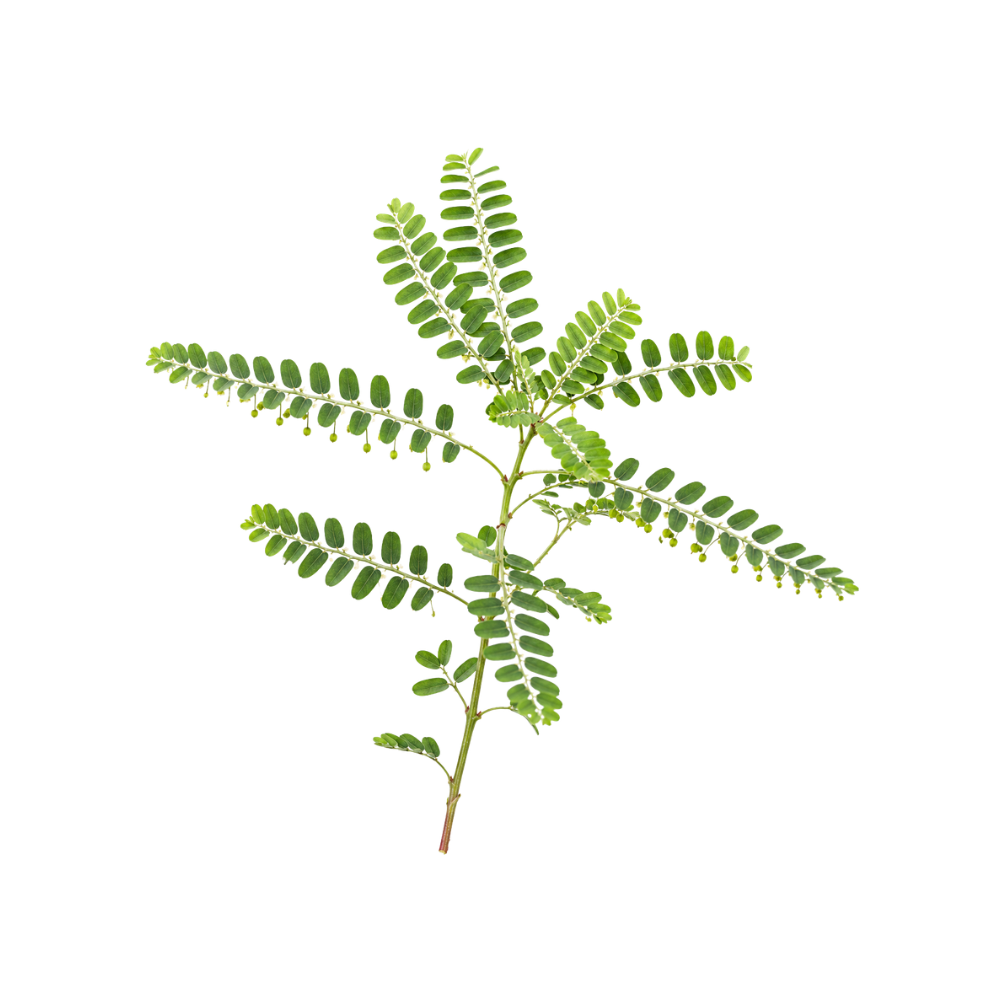 Chanca PiedraPhyllanthus niruriModerate
The evidence is one small 10-day study in mild hypertensives given a whole-plant P. amarus preparation, which raised 24-hour urine volume and sodium excretion and significantly lowered systolic blood pressure in non-diabetic subjects 13Reference 13Clinical trialDiuretic, hypotensive and hypoglycaemic effect of Phyllanthus amarus — controlled clinical trialView study →. The study is small, old and unreplicated, used a different species (P. amarus, not P. niruri), and had no placebo control or mechanistic follow-up.
Full monograph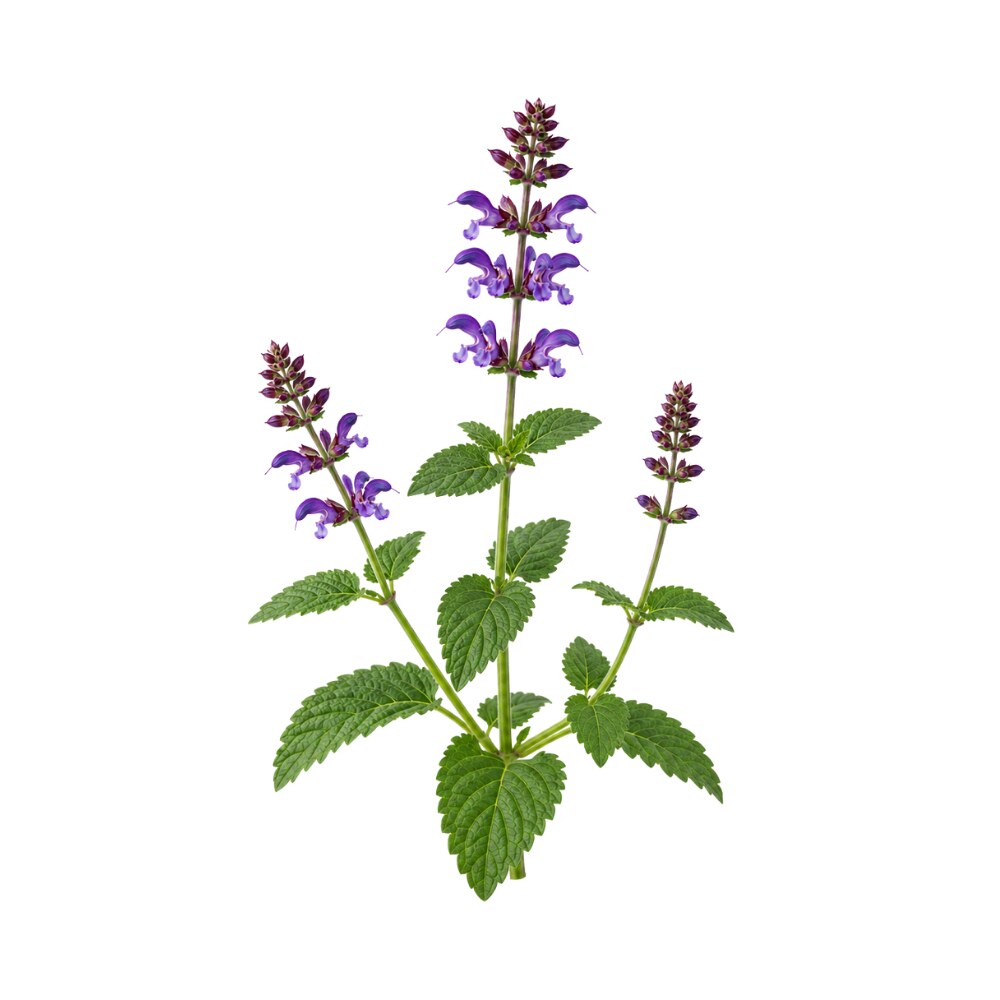 Dan ShenSalvia miltiorrhizaModerate
A 2025 randomised, double-blind, placebo-controlled trial (n=320, 12 weeks) found dan shen significantly reduced systolic and diastolic blood pressure from week 4, with improved lipid, glucose and quality-of-life measures and only mild side effects 17Reference 17RCTEffects of Dan Shen (Salvia miltiorrhiza) on blood pressure management in hypertensive patients — randomised double-blind placebo-controlled trialView study →. The trial used an intravenous danshen preparation, so it does not validate the oral dried root, and it is single-centre and unreplicated.
Full monograph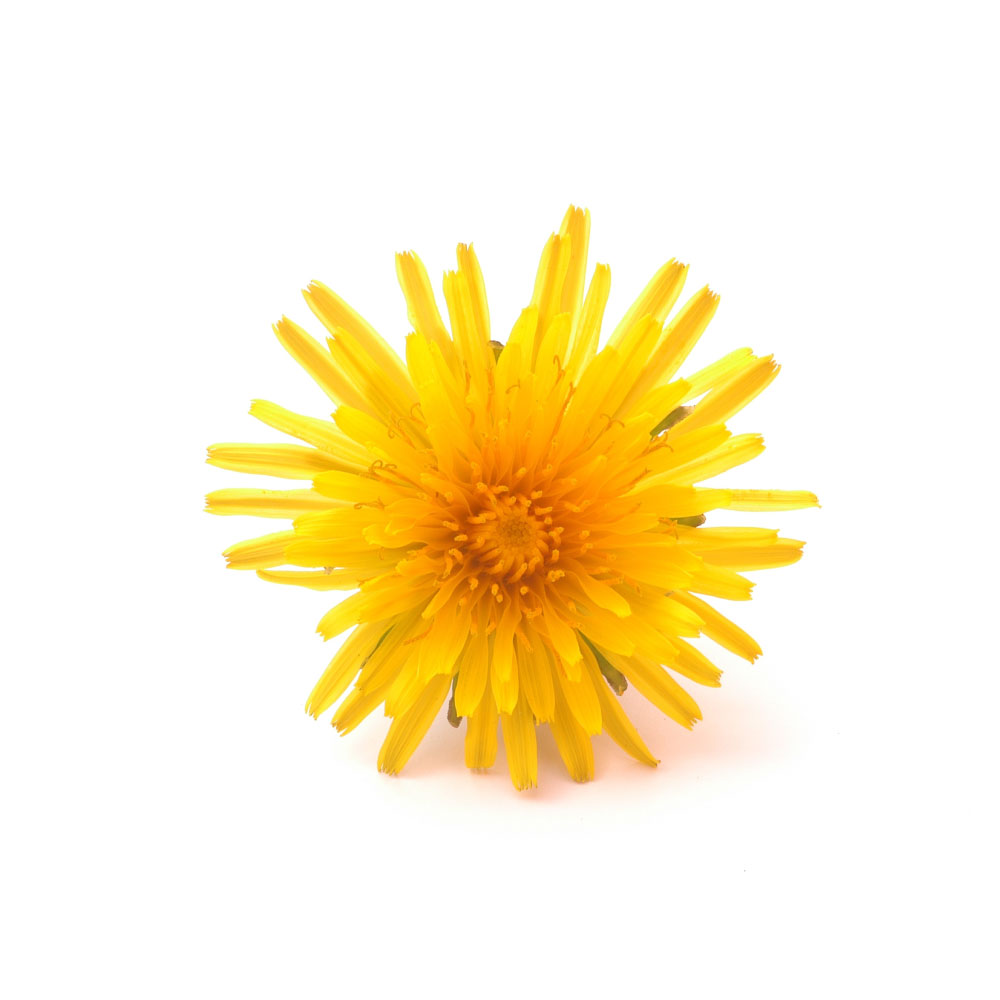 DandelionTaraxacum officinaleModerate
Dandelion leaf is the herb’s best-evidenced indication and its only one with human data: a 2009 uncontrolled pilot in 17 volunteers found leaf hydroethanolic extract raised urinary frequency and excretion ratio over a single day 18Reference 18Clinical trialThe diuretic effect in human subjects of an extract of Taraxacum officinale folium over a single day — [clinical trial]View study →. The link to hypertension is mechanistic — the leaf is a credible potassium-rich (~4.5% dry weight) diuretic that traditionally moves fluid without the potassium loss of loop/thiazide drugs 19Reference 19ReviewTaraxacum—a review on its phytochemical and pharmacological profile — [review]View study →. No trial has measured blood pressure; the hypertension use rests on the diuretic action.
Full monograph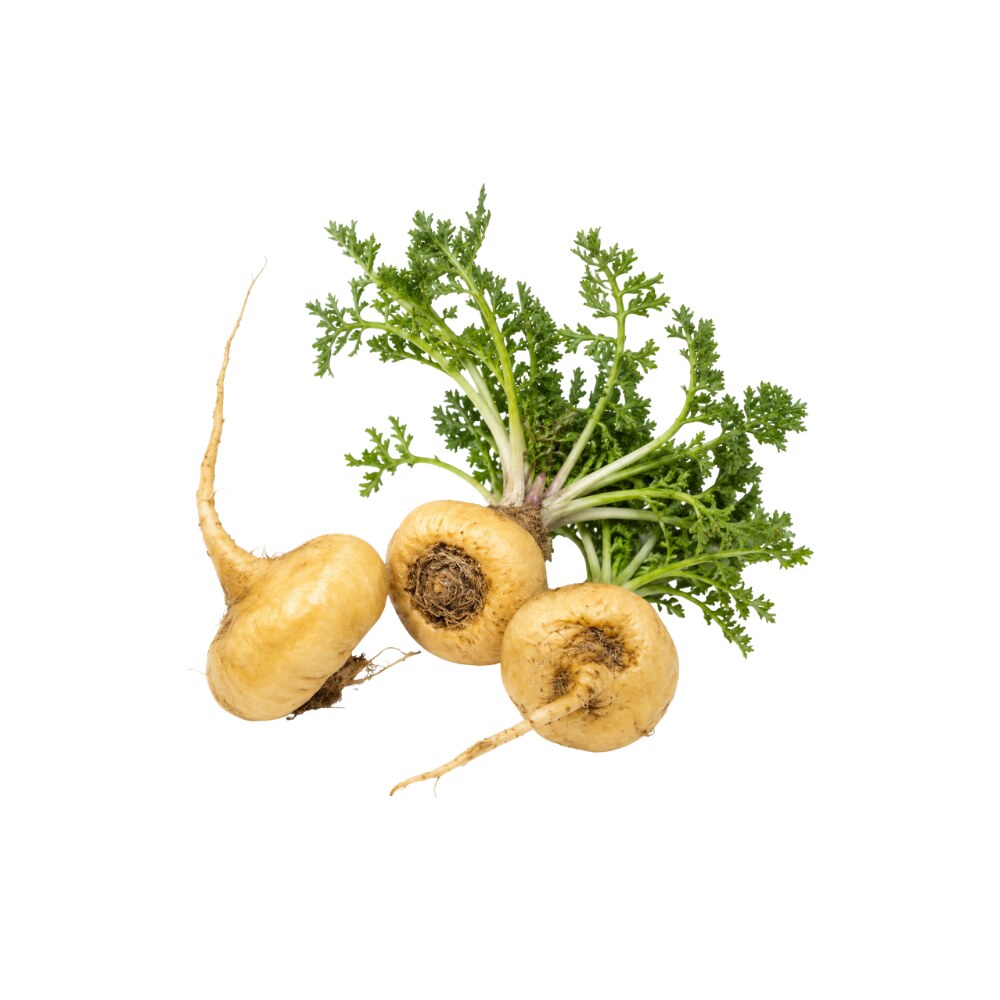 MacaLepidium meyeniiModerate
A 29-woman postmenopausal pilot RCT found maca lowered blood pressure alongside its mood effect 52Reference 52RCTMaca reduces blood pressure and depression in a pilot study in postmenopausal women — randomised controlled trialView study →. Maca inhibits angiotensin-I-converting enzyme (ACE) in vitro and is potassium-rich 53Reference 53ReviewEthnobiology and ethnopharmacology of Lepidium meyenii (Maca), a plant from the Peruvian highlands — reviewView study →. Only this one small trial reports a blood-pressure effect, the mechanism rests on an in-vitro ACE assay, and no dedicated hypertension trial exists.
Full monograph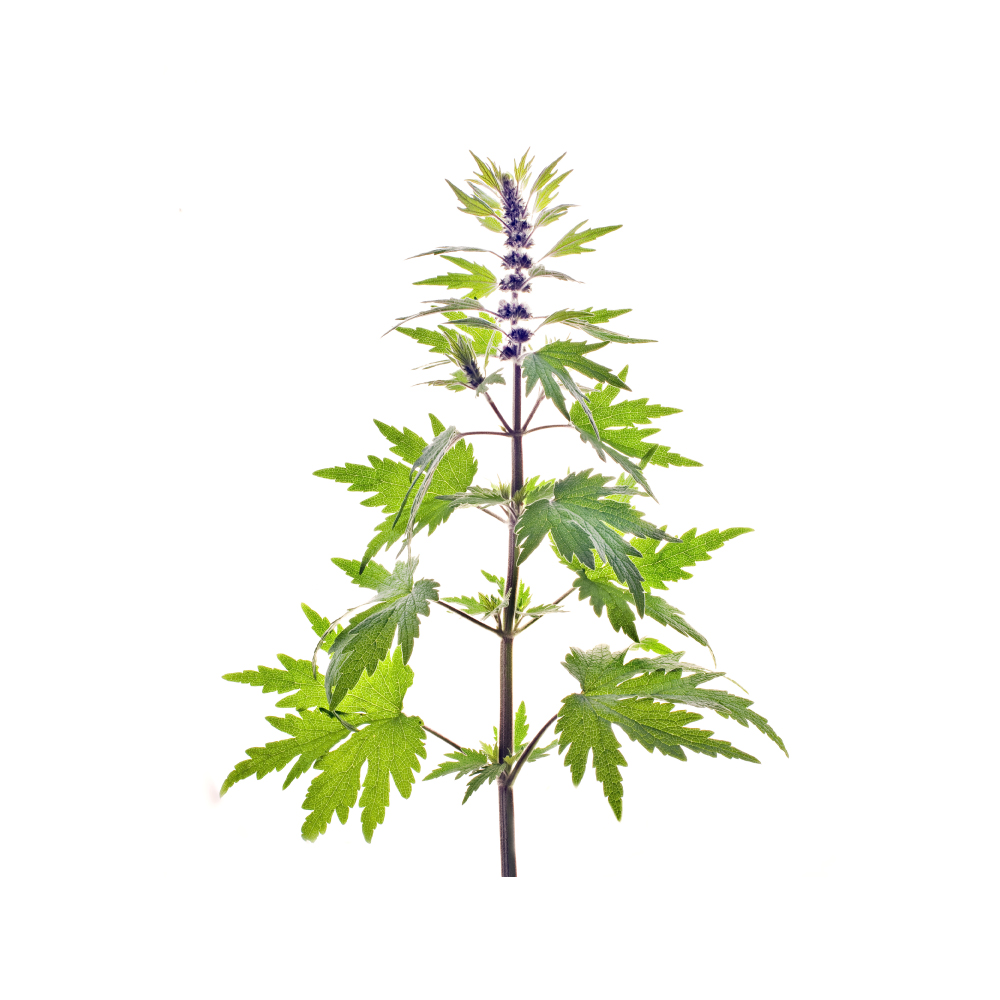 MotherwortLeonurus cardiacaModerate
One open-label trial in 50 stage 1–2 hypertensive patients with anxiety/sleep disturbance found a Leonurus CO₂ oil extract (1200 mg/day, 28 days) improved blood pressure and psycho-emotional scores 54Reference 54Clinical trialEffect of Leonurus cardiaca oil extract in patients with arterial hypertension accompanied by anxiety and sleep disorders — clinical trial (open-label)View study →; mechanistically, lavandulifolioside lowered blood pressure and heart rate in animals 55Reference 55AnimalPharmacological effects of lavandulifolioside from Leonurus cardiaca — animal in vivoView study → and a refined aqueous extract raised coronary flow while lowering left-ventricular pressure ex vivo 56Reference 56Cardiac and electrophysiological effects of primary and refined extracts from Leonurus cardiaca L. (PhView study →.
The trial had no randomisation and no placebo, and the human data used a proprietary oil extract — not the tea or tincture people actually take — so the effect is suggestive, not confirmed 57,
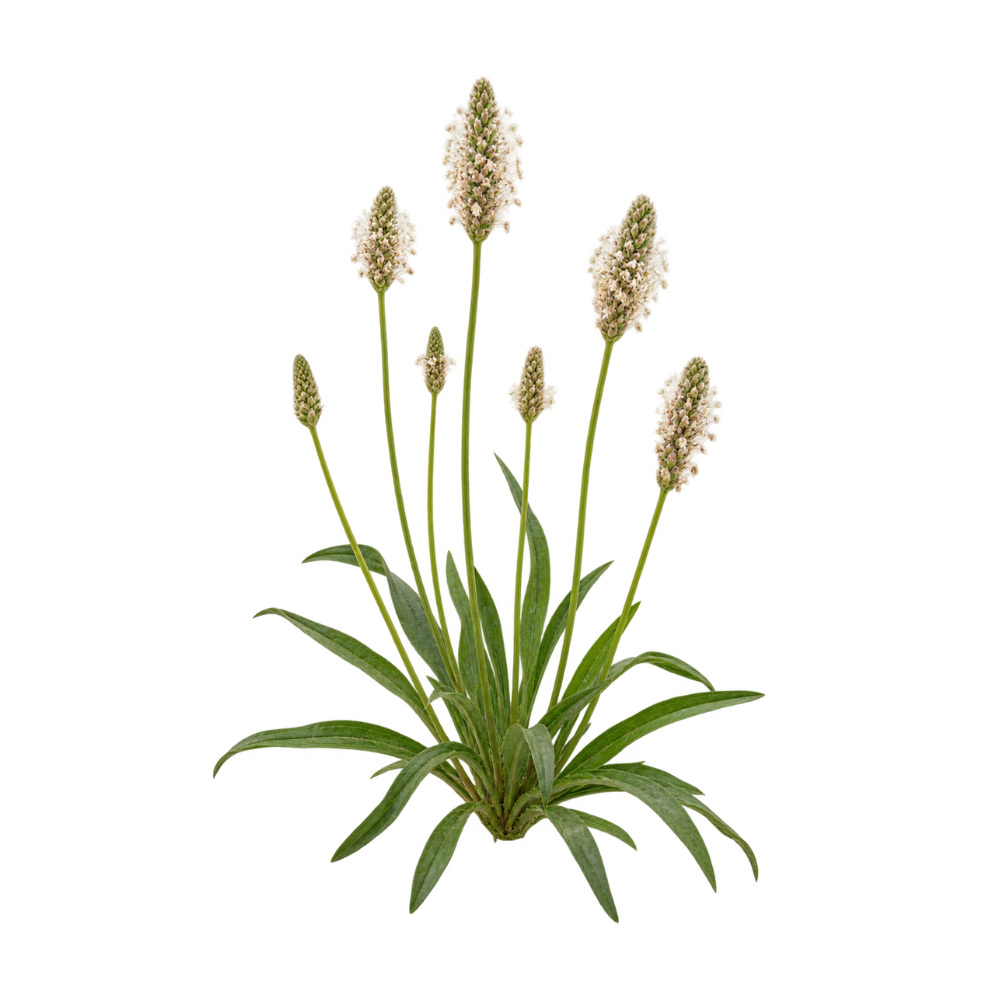 PsylliumPlantago ovataModerate
Two meta-analyses agree on a small, consistent effect: systolic −2.0 mmHg across 11 trials 69Reference 69Meta-analysisThe effect of psyllium supplementation on blood pressure: a systematic review and meta-analysis of randomized controlled trials — meta-analysisView study →, and −2.2 mmHg across 14 trials with a linear dose and duration relationship 70Reference 70Meta-analysisThe effect of psyllium consumption on blood pressure: systematic review and dose-response meta-analysis of randomized controlled trials — meta-analysisView study → — with diastolic not significantly changed in the latter. The magnitude is small, diastolic is essentially unmoved, and the effect is most plausibly indirect, mediated through the lipid, glycaemic and weight effects rather than any vascular action. Psyllium is a minor adjunct, not an antihypertensive.
Full monograph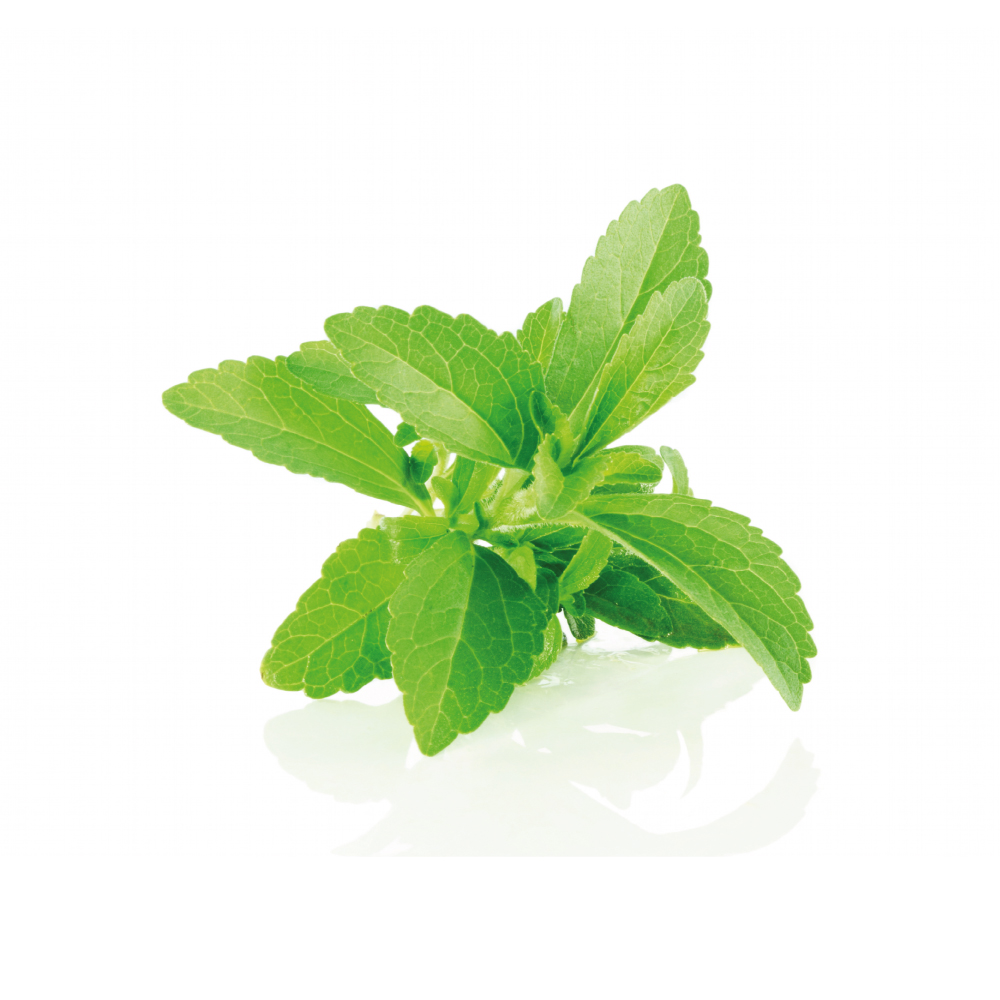 SteviaStevia rebaudianaModerate
Two multicentre placebo-controlled RCTs at pharmacological stevioside doses were positive: Chan 2000 (n=106, 750 mg/day, 1 yr) and Hsieh 2003 (n=174, 1500 mg/day, 2 yr) reported sustained BP reductions and a fall in LV mass index, proposed via calcium-channel antagonism in vascular smooth muscle 75,
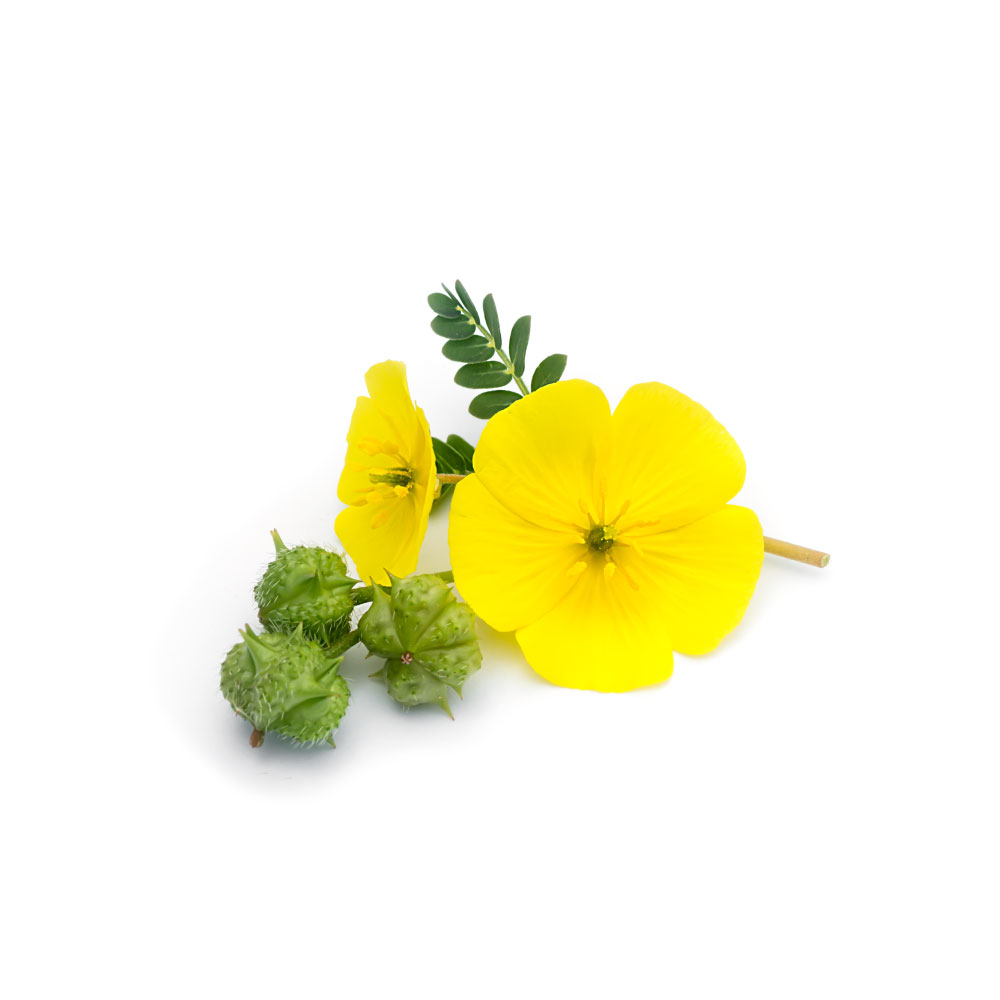 TribulusTribulus terrestrisModerate
A single randomised, double-blind, placebo-controlled Unani-medicine trial found powdered Tribulus fruit (6 g/day for two months) lowered blood pressure in prehypertensive adults 88Reference 88RCTEfficacy of Khar-i-khasak (Tribulus terrestris) in prehypertension — randomised, double-blind, placebo-controlled trial — [randomised placebo-controlled trial]View study →, echoing traditional antihypertensive use and supported by animal vasorelaxant/ACE-inhibitory work. The trial was small and used whole dried fruit, and there is no confirmation in established hypertension and no standardised-extract data.
Full monograph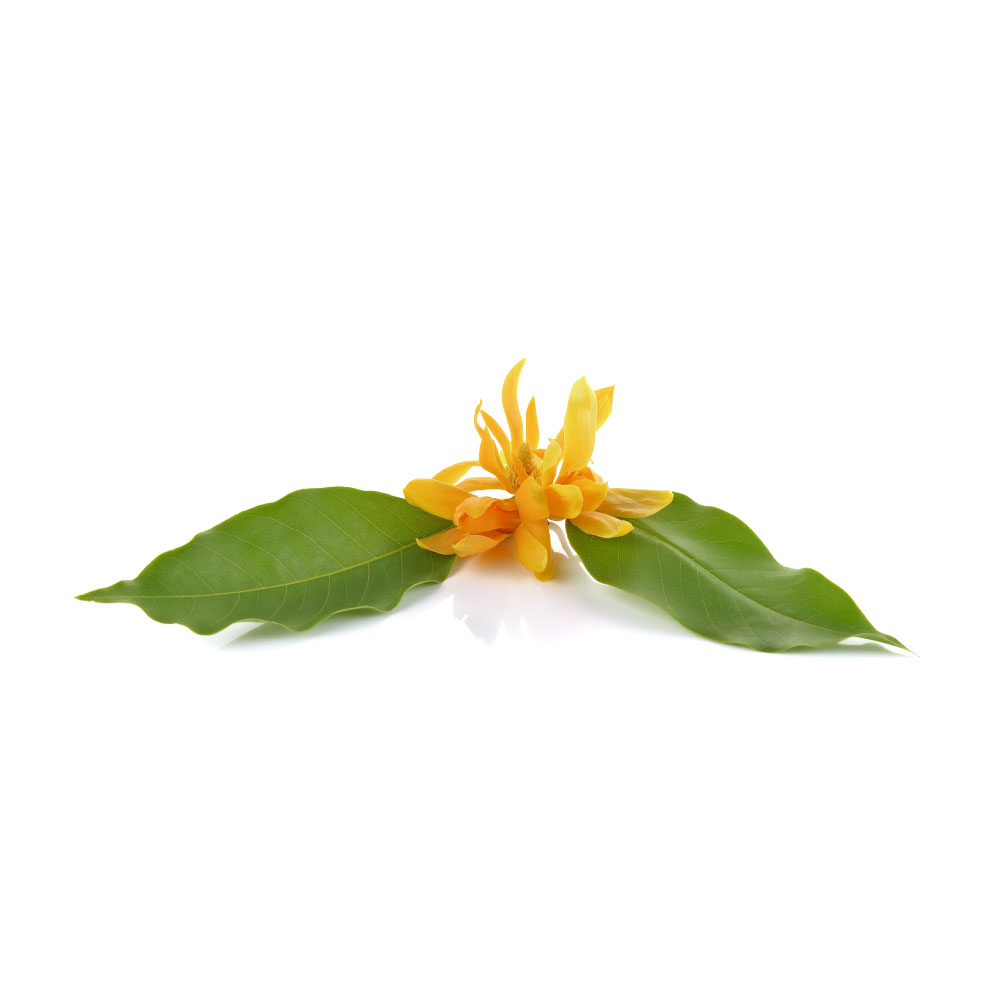 Ylang YlangCananga odorataModerate
Blood pressure is ylang-ylang’s best-measured objective outcome. Single-oil transdermal application (n=40) and inhalation both produced significant acute decreases in blood pressure in healthy volunteers 93,
In high-BP populations the signal persists but the oil is usually blended — a lavender + ylang-ylang sticker-pad RCT lowered BP over 14 days 96Reference 96RCTEffect of Lavandula angustifolia and Cananga odorata sticker pads on blood pressure in high blood pressure volunteers — randomized controlled trialView study →, and Korean nursing trials using ylang-ylang blends reported reductions in BP, cortisol and catecholamines 97,
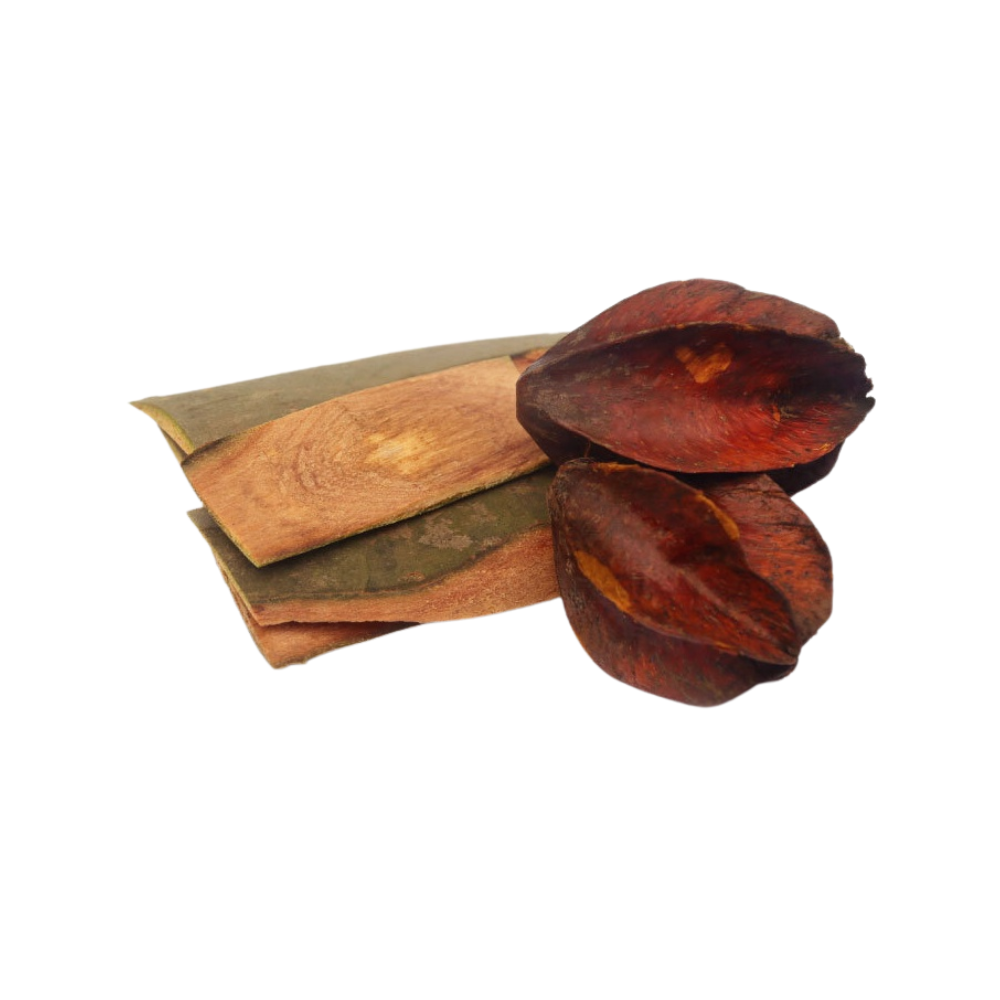 ArjunaTerminalia arjunaPreclinical
Although arjuna is traditionally used as an antihypertensive, the modern evidence is predominantly animal: aqueous bark extract lowered pulmonary arterial pressure and reduced right-ventricular hypertrophy in a rat pulmonary-hypertension model 2Reference 2AnimalBeneficial effects of aqueous extract of stem bark of Terminalia arjuna in experimental pulmonary hypertension — animal modelView study →, with other animal studies describing hypotensive and vasodilatory effects 3Reference 3ReviewTerminalia arjuna Wight & Arn. — a useful drug for cardiovascular disorders — reviewView study →. Human blood-pressure data are incidental to the angina and heart-failure trials, never the object of a dedicated hypertension study.
Full monograph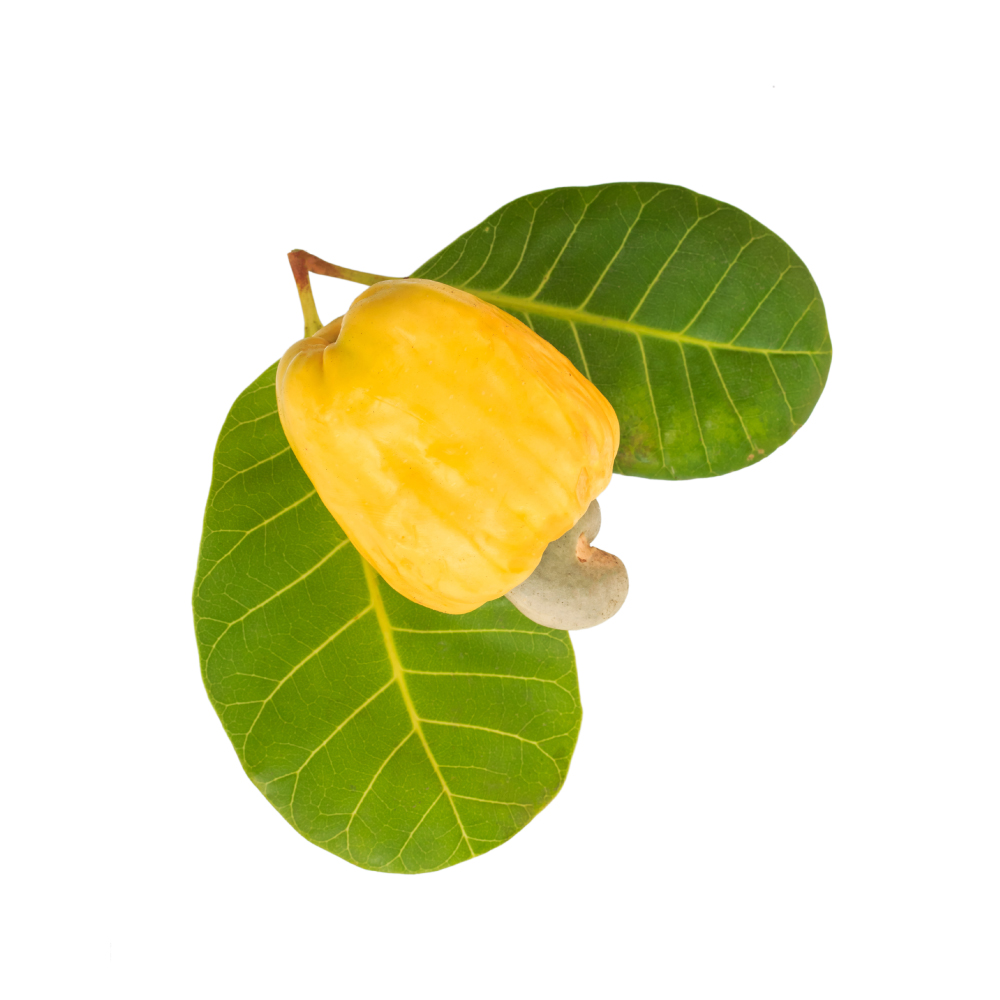 CashewAnacardium occidentalePreclinical
A stem-bark extract produced hypotensive effects in vivo and cardio-inhibitory effects in vitro, attributed to calcium-channel blockade or inhibition of intracellular calcium release 11Reference 11AnimalAnti-inflammatory actions of tannins isolated from the bark of Anacardium occidentale — animal study (rat)View study →. Animal/in-vitro only; mechanism unconfirmed and no human blood-pressure data.
Full monograph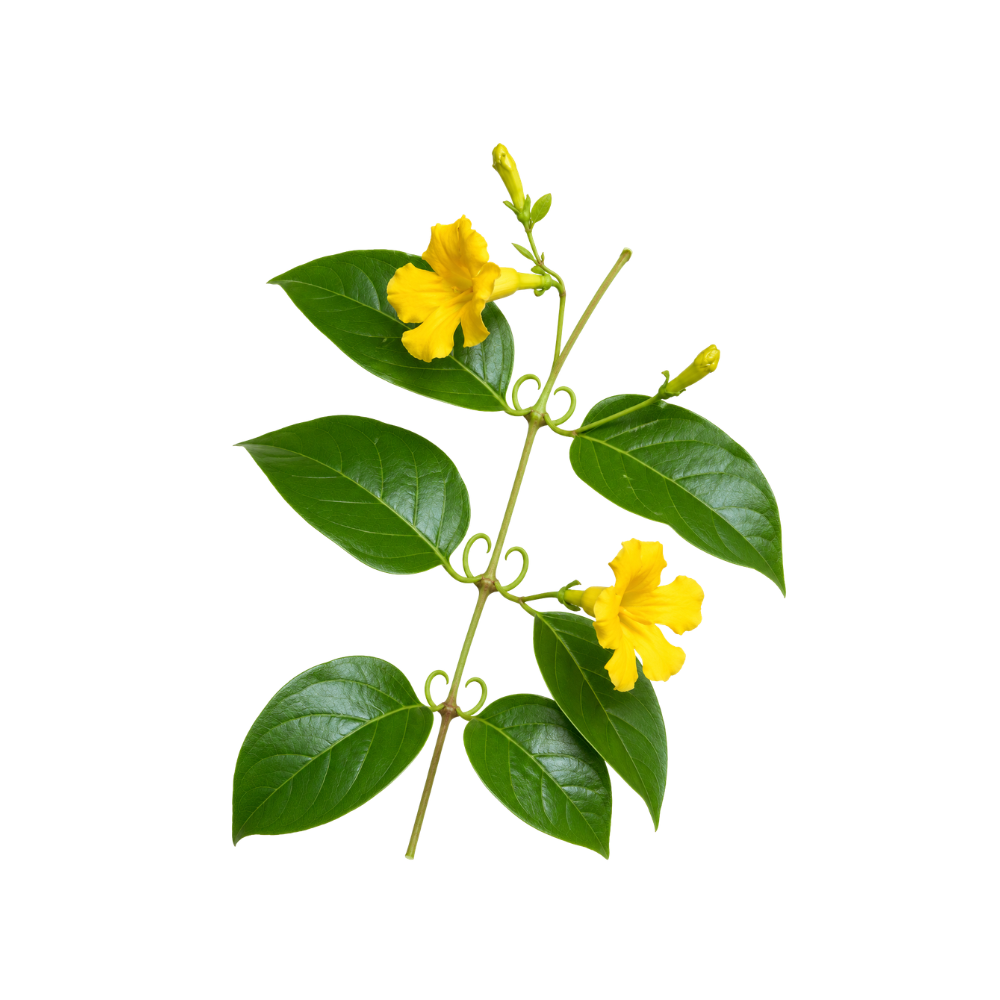 Cat’s ClawUncaria tomentosaPreclinical
The evidence is old constituent-level pharmacology: Uncaria hook alkaloids (rhynchophylline, hirsutine) produce hypotensive/vasodilatory effects in isolated-tissue and animal preparations 12Reference 12In vitroHypotensive principles of Uncaria hooks — in vitro/animalView study →. These findings derive largely from the Asian Uncaria species used in Chinese medicine, not the Amazonian U. tomentosa, and there is no human blood-pressure trial.
Full monograph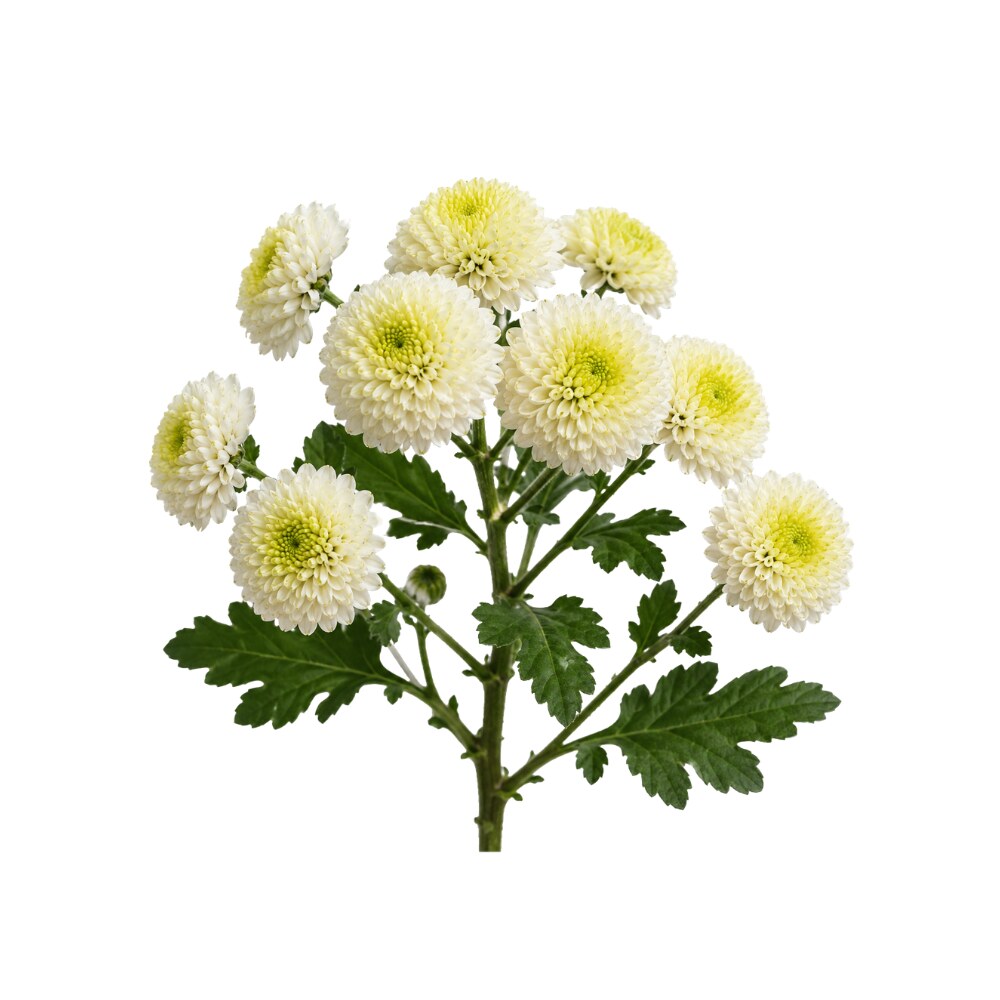 ChrysanthemumChrysanthemum morifoliumPreclinical
Luteolin and chlorogenic acid modulate eNOS to support mild vasodilation, and PPAR-α activation contributes to lipid-lowering and anti-atherosclerotic effects in animals 14,
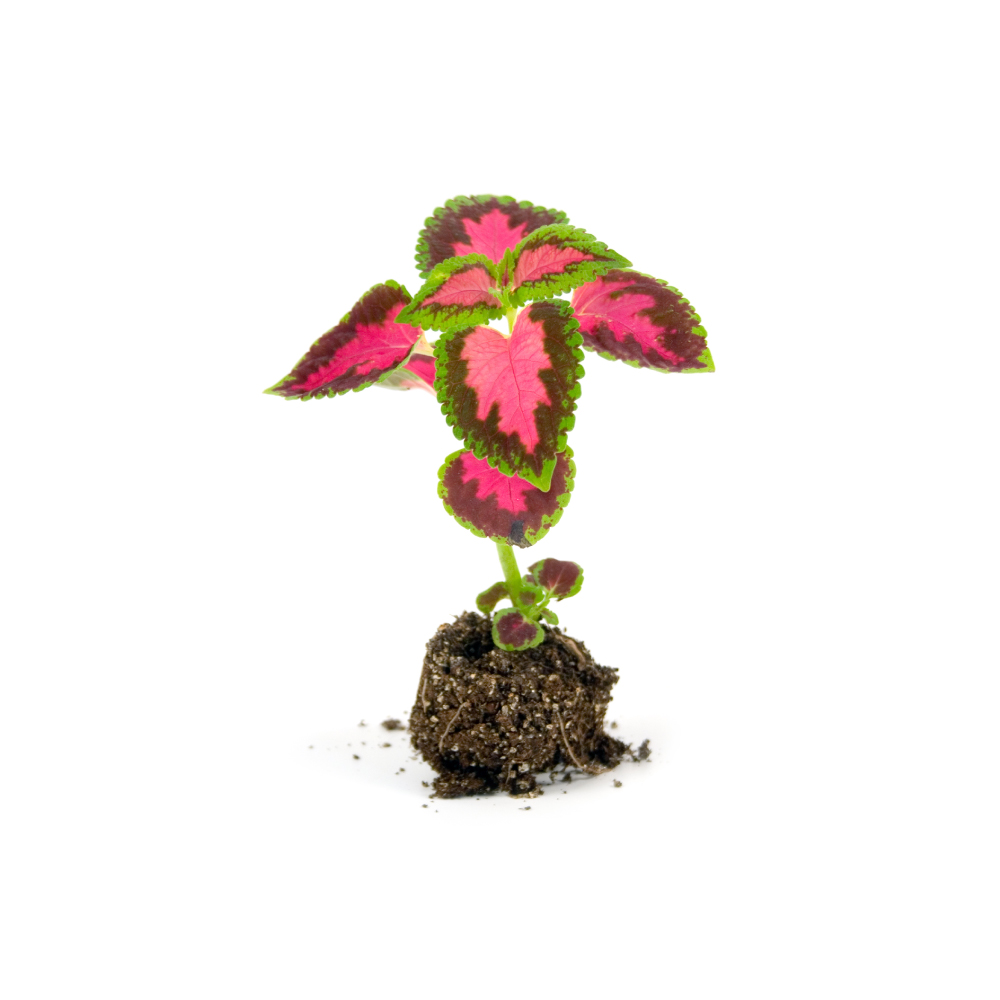 ColeusColeus forskohliiPreclinical
The cAMP→PKA→smooth-muscle-relaxation pathway drives vasodilation and blood-pressure lowering, and the related diterpene coleonol lowered blood pressure in early animal work 16Reference 16AnimalPharmacological studies on coleonol, a hypotensive diterpene from Coleus forskohlii — [animal model]View study →. In humans the effect appears only as a mild blood-pressure-lowering safety signal from the oral extract 16Reference 16AnimalPharmacological studies on coleonol, a hypotensive diterpene from Coleus forskohlii — [animal model]View study →. No controlled trial tests coleus as an antihypertensive.
Full monograph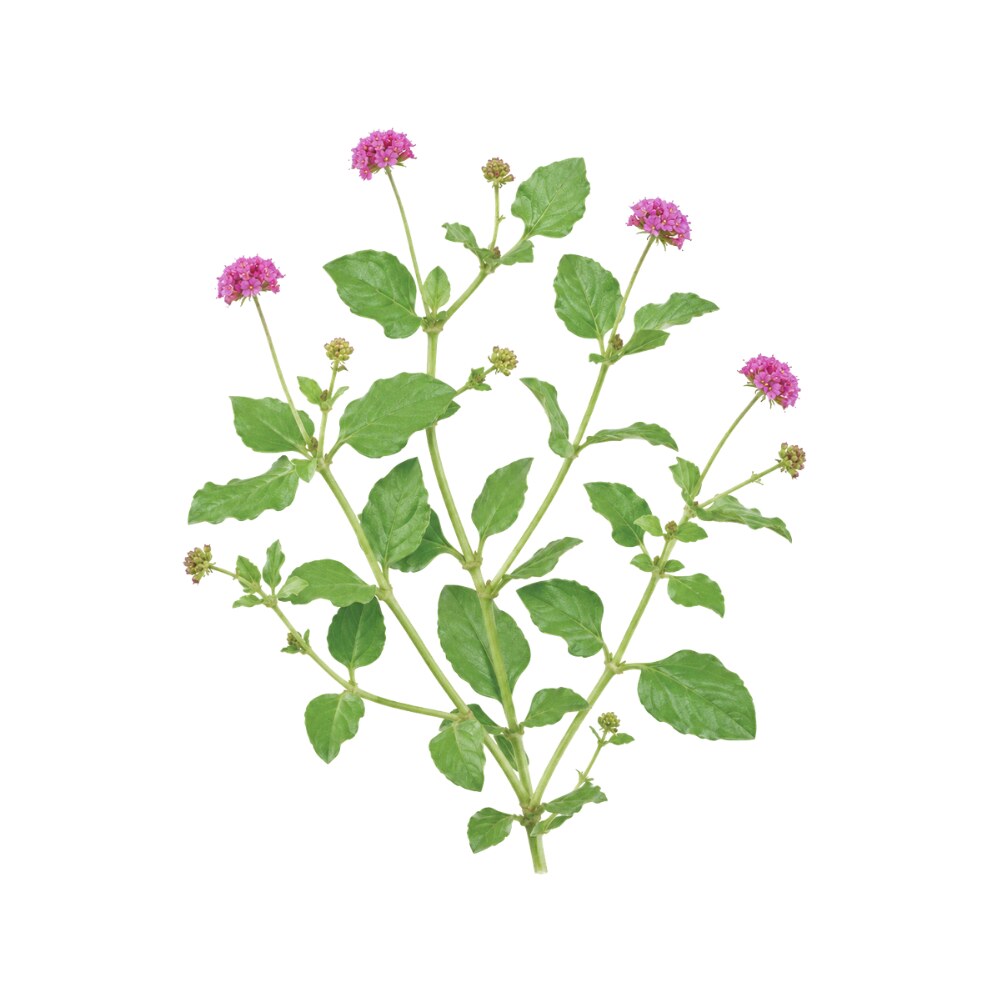 Erva TostaoBoerhavia diffusaPreclinical
The blood-pressure signal is molecule-level and animal-only: the flavonoid glycoside eupalitin 3-O-β-D-galactopyranoside lowered systolic and diastolic pressure in hypertensive rats 20Reference 20AnimalMolecular Docking and Antihypertensive Activity of Eupalitin 3-O-β-D-galactopyranoside Isolated from Boerhavia diffusa Linn — rat in vivo, Pharmaceutics, 16(12). https://pubmed.ncbi.nlm.nih.gov/39771606/View study →, and the lignan liriodendrin is a calcium-channel antagonist in cardiac cells 21Reference 21In vitroConstituents of the roots of Boerhaavia diffusa LView study → — a plausible basis for a mild antihypertensive effect. No human blood-pressure data exist. The same activity is the basis of its blood-pressure-lowering safety caution.
Full monograph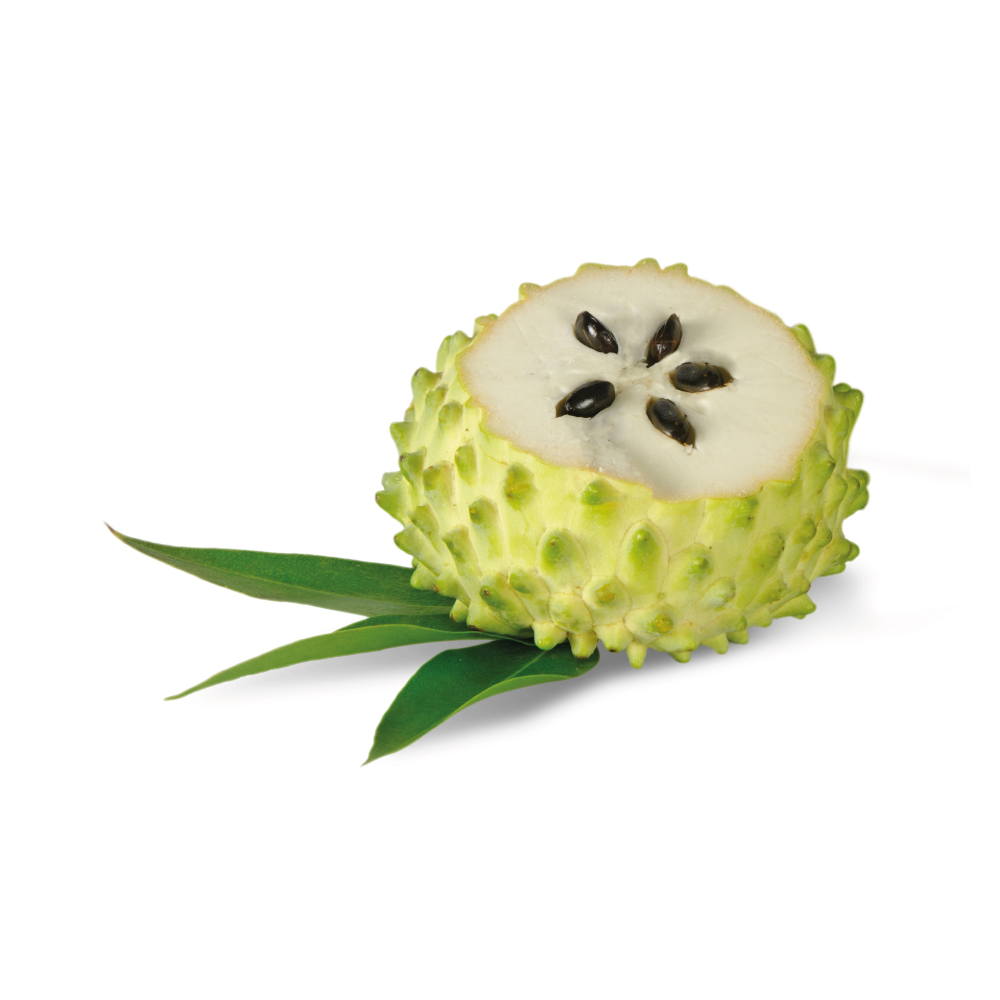 GraviolaAnnona muricataPreclinical
In anaesthetised normotensive rats, aqueous leaf extract lowered mean arterial pressure dose-dependently via a proposed peripheral (non-adrenergic, possibly calcium-channel/muscarinic) mechanism 40Reference 40AnimalPossible mechanisms of the hypotensive effect of Annona muricata (soursop) in normotensive rats — animal modelView study →, and a second rat study reported hypotensive/antihypertensive effects with a basic safety assessment 41Reference 41AnimalHypotensive and antihypertensive properties and safety for use of Annona muricata and Persea americana — animal modelView study →. The effect is reproducible but shown only in small animal models, with no human blood-pressure data. Combining it with antihypertensive or hypoglycaemic drugs could give uncharacterised additive effects.
Full monograph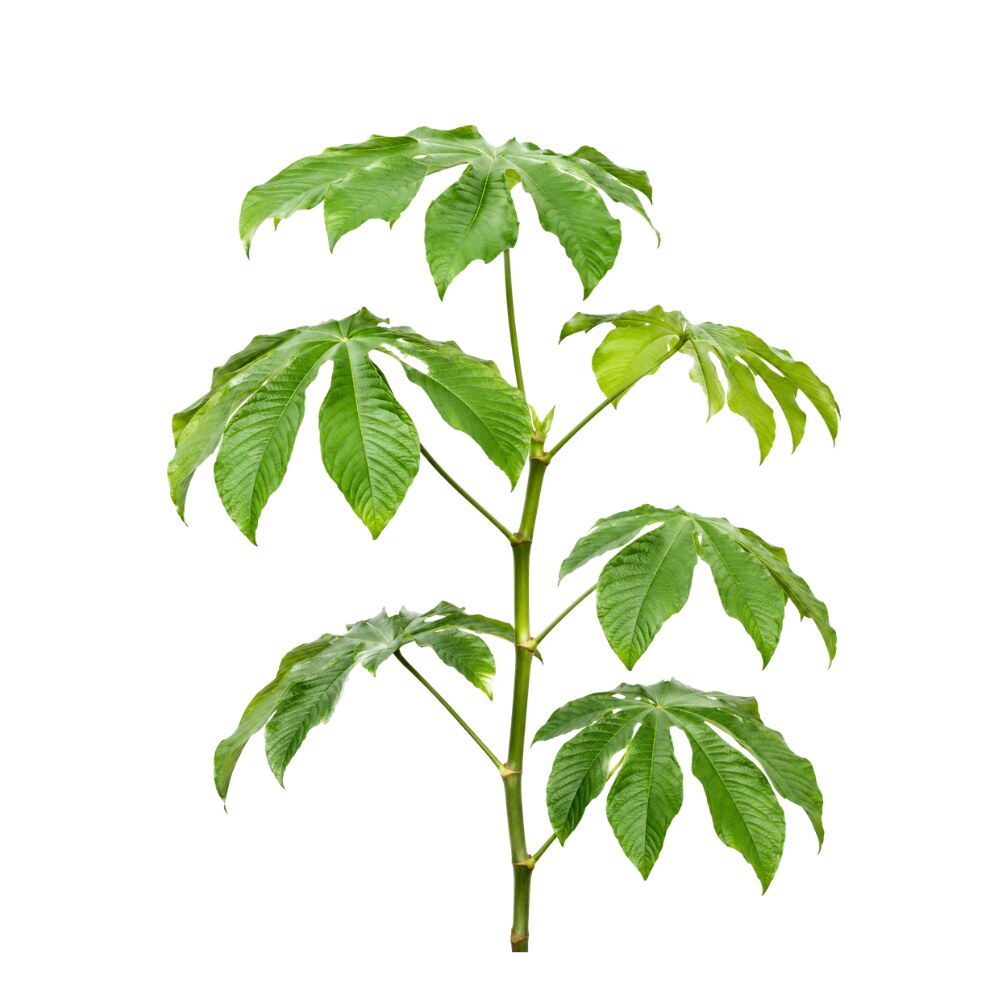 GuamuraCecropia mexicanaPreclinical
Standardised aqueous extract and butanolic fraction of C. glaziovii produce hypotension in normotensive rats and antihypertensive effects on repeated dosing via endothelium-dependent, ACE-independent vasodilation driven by procyanidins and orientin / isoorientin 42,
Cecropia is not cardiotonic: direct cardiac-muscle work (C. lyratiloba) found depression, not a tonic effect 49Reference 49AnimalActivity of Cecropia lyratiloba extract on contractility of cardiac and smooth muscles in Wistar rats — animal studyView study →. Its cardiovascular action is peripheral blood-pressure lowering.
Full monograph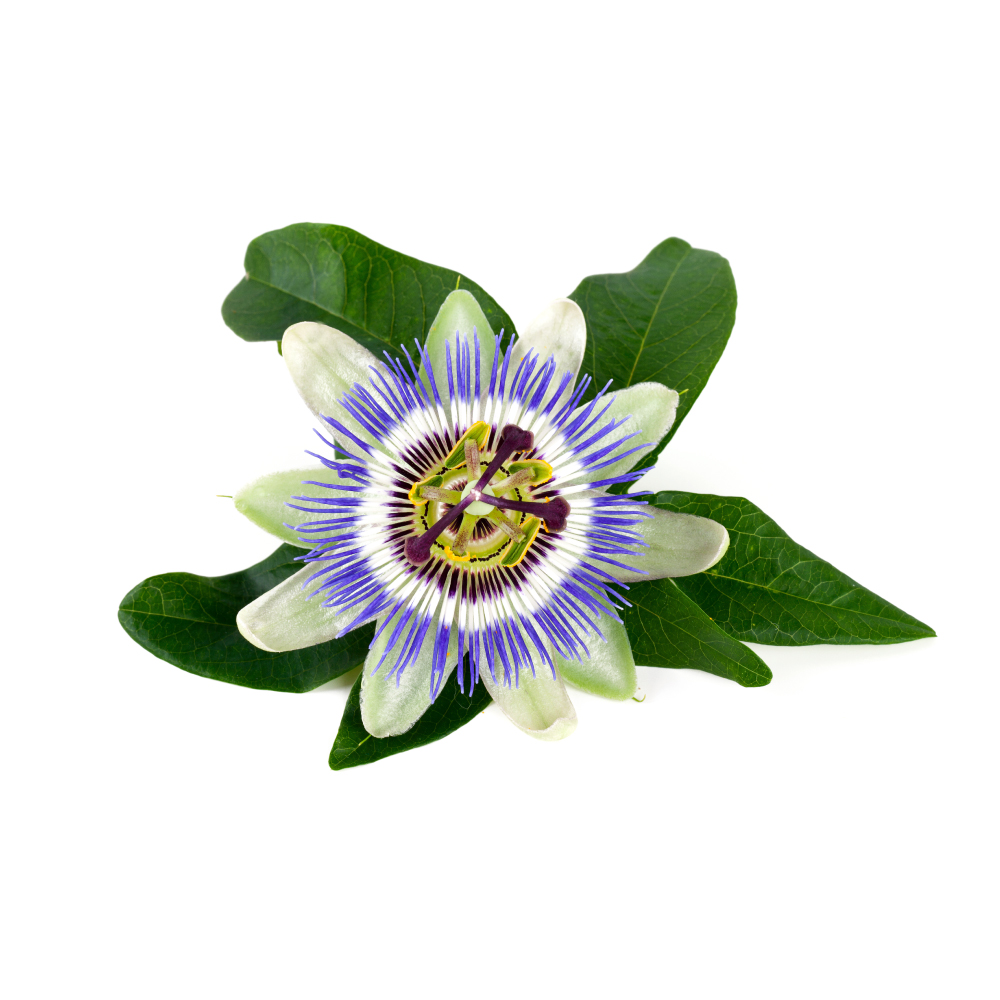 PassionflowerPassiflora incarnataPreclinical
The traditional mild blood-pressure reputation rests on harmala (β-carboline) alkaloids: harmaline and related alkaloids inhibit voltage-gated Ca²⁺ channels in vascular and intestinal smooth muscle in isolated tissue 68Reference 68In vitroInhibition of calcium channels by harmaline and other harmala alkaloids in vascular and intestinal smooth muscles — in vitroView study →. Harmane and harmine occur at only ~0.005–0.012% in P. incarnata, so they may not reach relevant concentrations from ordinary preparations. No human cardiovascular trial exists.
Full monograph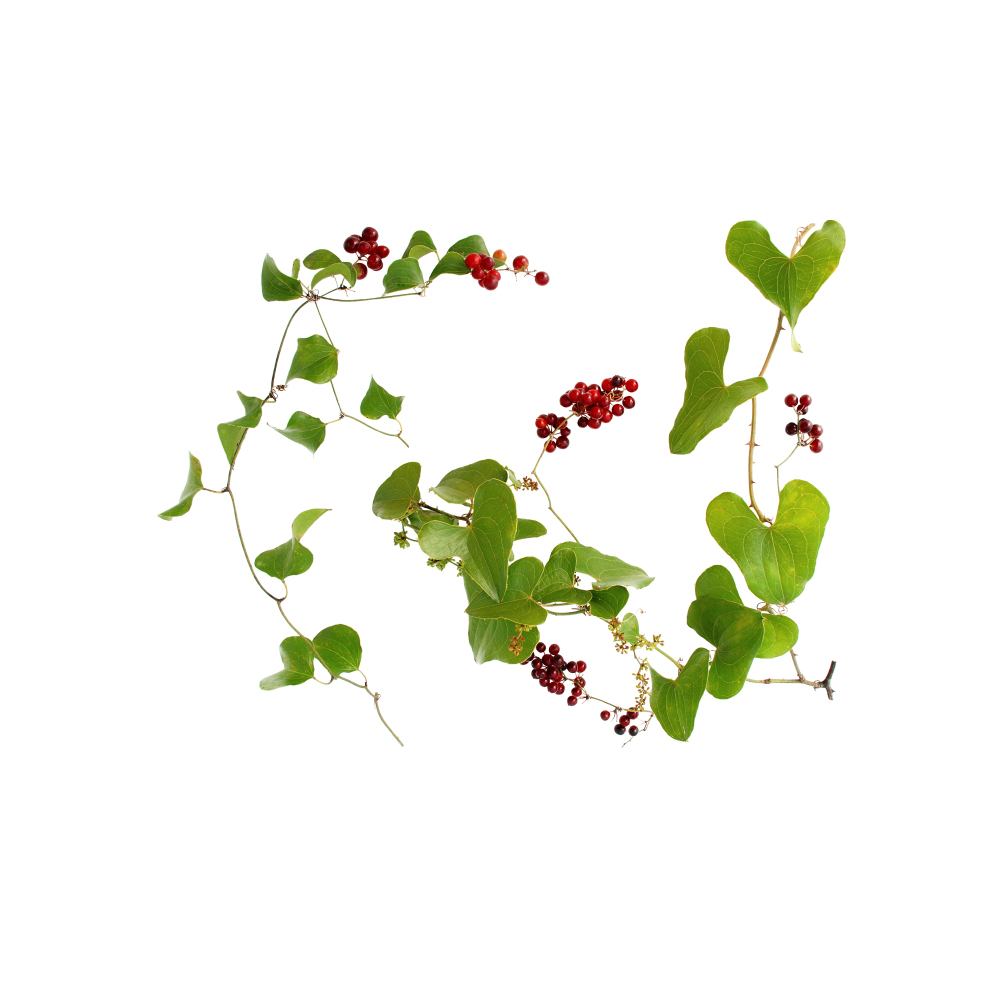 SarsaparillaSmilax spp.Preclinical
In a standardised S. aristolochiifolia metabolic-syndrome mouse study, the extract lowered blood pressure by roughly a third alongside its metabolic effects 74Reference 74AnimalHypoglycemic and hypotensive activity of a root extract of Smilax aristolochiifolia, standardized on N-trans-feruloyl-tyramine — animal modelView study →. Blood pressure was one arm of a metabolic composite rather than a dedicated antihypertensive investigation, and there are no human data.
Full monograph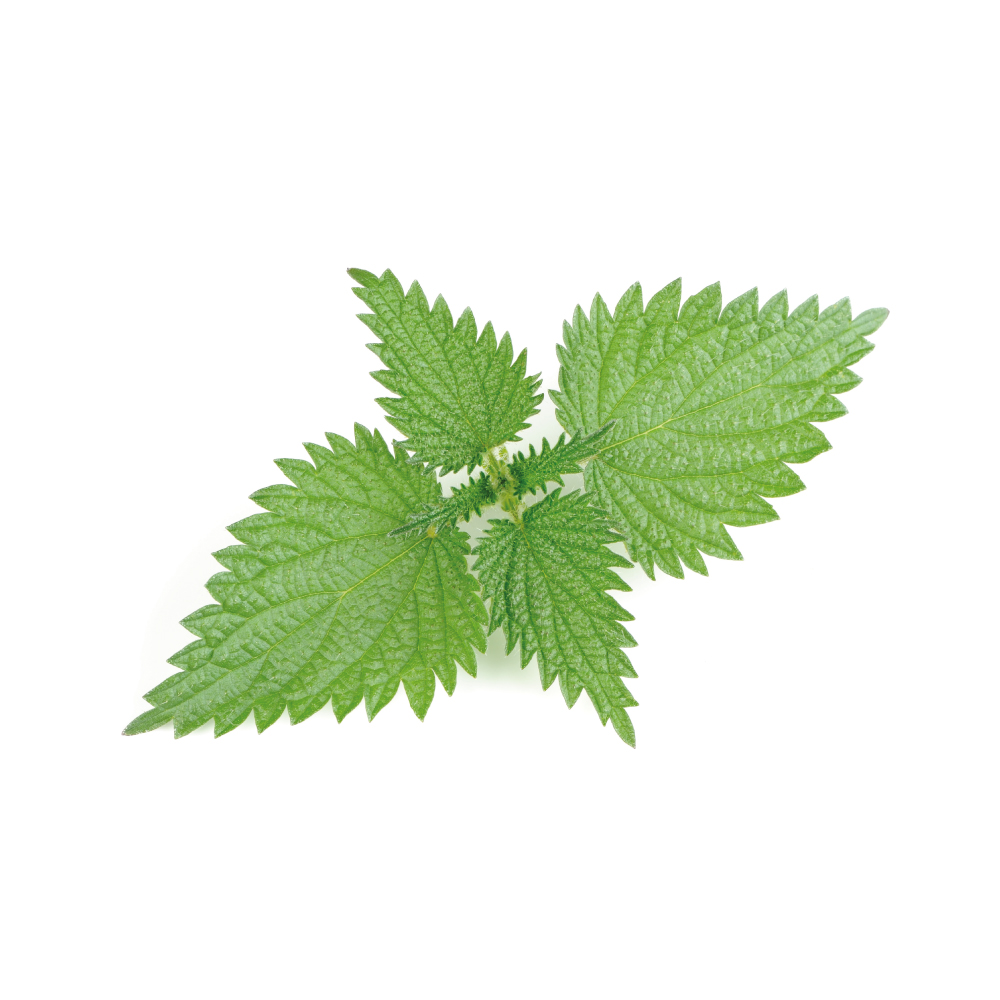 Stinging NettleUrtica dioicaPreclinical
Leaf extract lowered systolic/diastolic pressure dose-dependently in spontaneously hypertensive rats (mirroring losartan), with endothelium-dependent NO-mediated vasorelaxation plus calcium-channel blockade as the mechanism 80,
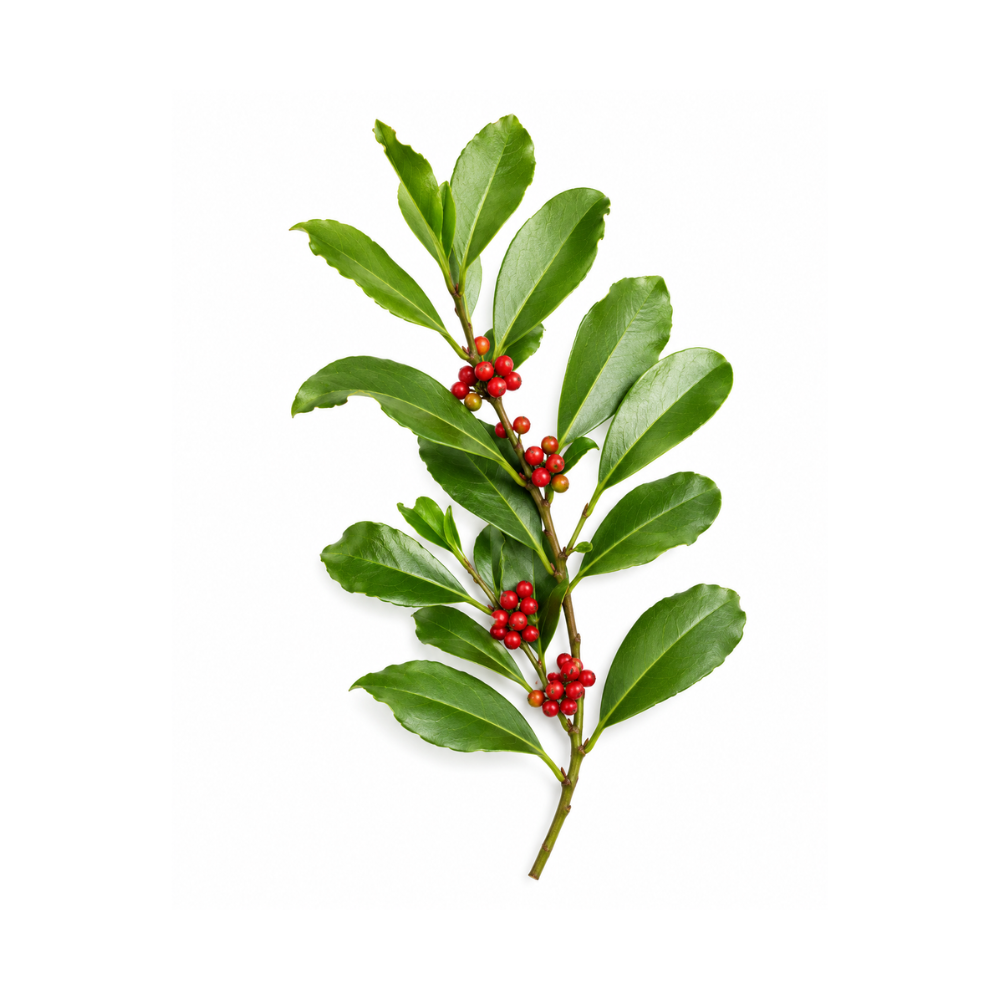 Yerba MatéIlex paraguariensisPreclinical
Cardiovascular support rests on surrogate markers, and the blood-pressure signal is inconsistent: an 8-week randomised crossover trial in non-habitual consumers lowered blood pressure and inflammatory cytokines across participants 89Reference 89RCTYerba Mate (Ilex paraguariensis) tea may have cardiometabolic beneficial effects — a randomized, controlled, blind, crossover trial in nonhabitual consumersView study →, but an acute crossover trial found a single infusion improved flow-mediated dilation while not changing blood pressure, hemodynamics or heart-rate variability 90Reference 90RCTAcute ingestion of yerba mate (Ilex paraguariensis) infusion does not modify endothelial function, hemodynamics, or heart rate variability — a randomized crossover clinical trialView study →.
Maté also carries caffeine, which can raise blood pressure, and hypertensives are cautioned about it 91,
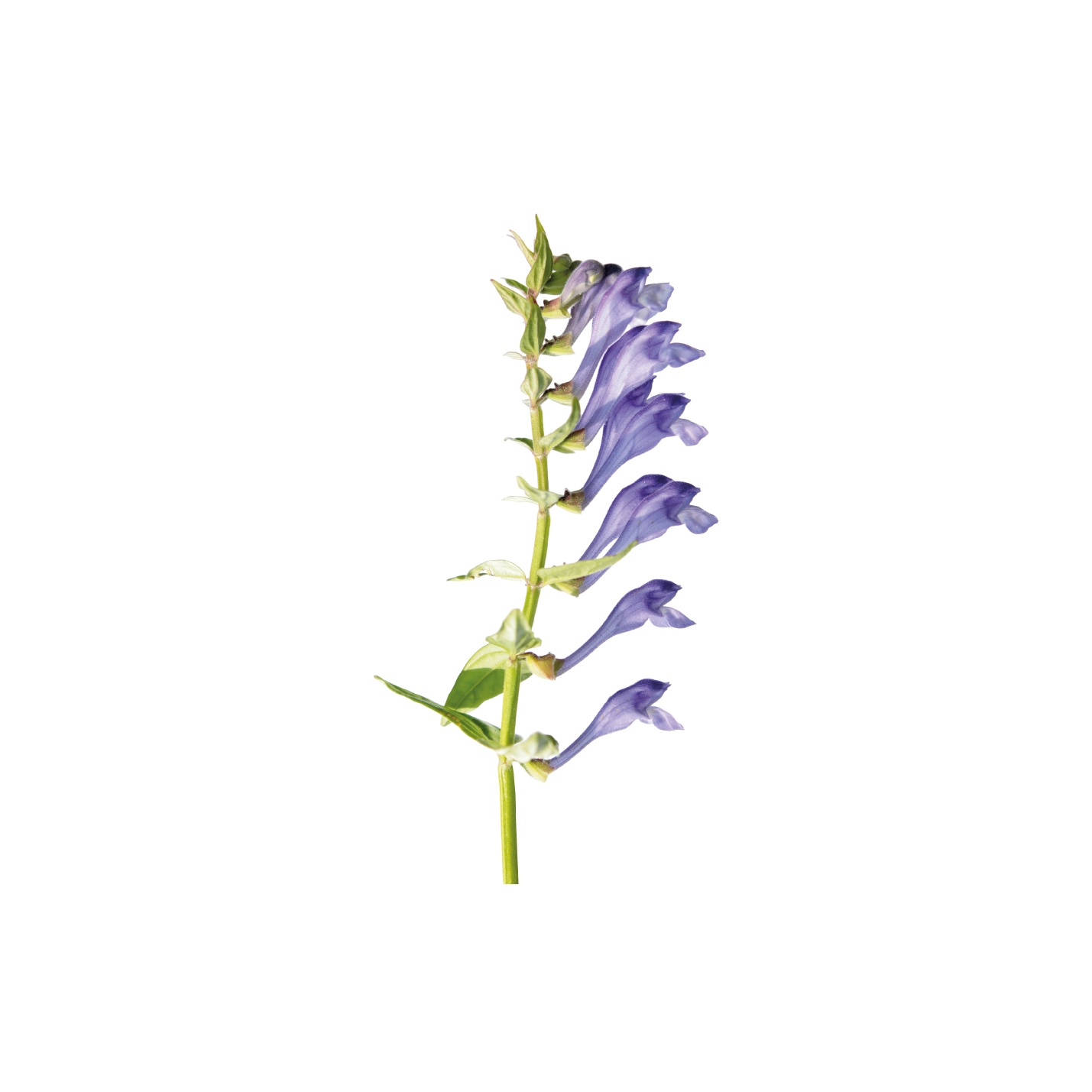 Chinese SkullcapScutellaria baicalensisTraditional only
Chinese skullcap (Huang Qin) carries a classical TCM indication for hypertension. Its research (baicalin/baicalein anti-inflammatory, antiviral, hepatoprotective) contains no blood-pressure data.
Full monograph German ChamomileMatricaria chamomillaTraditional only
German chamomile (Matricaria) was historically used in Western herbalism for hypertension, neuralgia and spasm. There is no blood-pressure trial.
Full monograph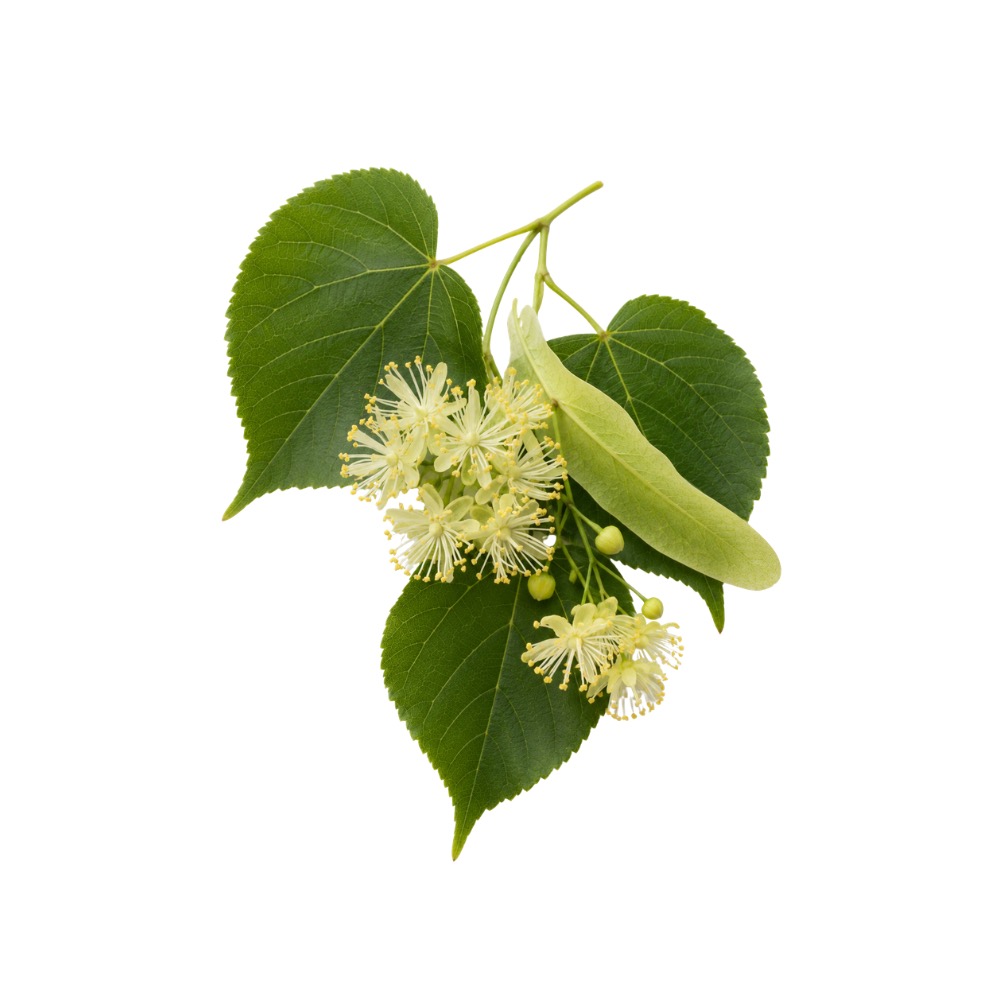 Linden FlowerTilia spp.Traditional only
Linden flower has a long-standing European reputation as a gentle antihypertensive for nervous, stress-related high blood pressure; its evidence is preclinical anxiolytic/antioxidant work and the EMA monograph rests on traditional use alone.
Full monograph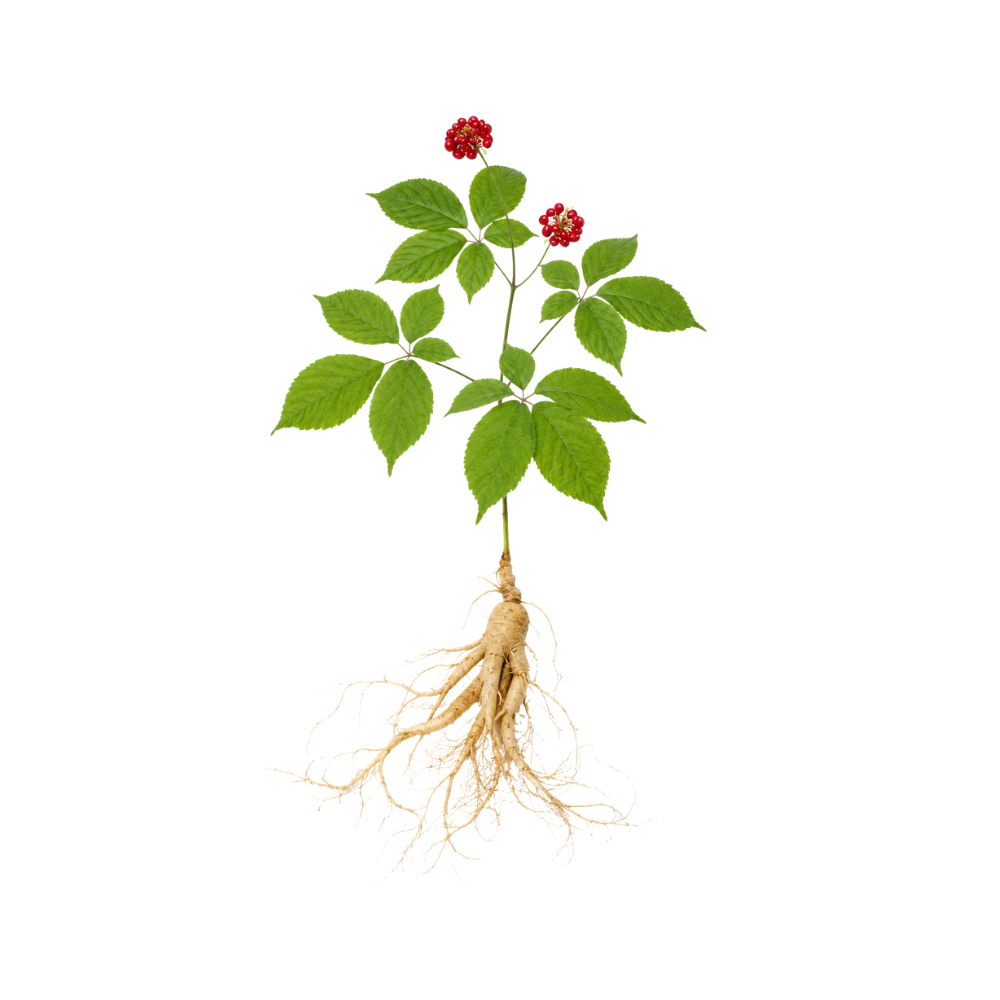 Asian GinsengPanax ginsengNo benefit shown
Asian ginseng does not lower blood pressure: a meta-analysis of 17 RCTs (n=1381) found no significant effect on systolic, diastolic or mean arterial pressure 32Reference 32Meta-analysisThe effect of ginseng (genus Panax) on blood pressure — systematic review and meta-analysis of RCTsView study →. The finding mainly answers the old concern that ginseng raises blood pressure. The only positive vascular signal is a surrogate: a Korean Red Ginseng RCT improved arterial stiffness in hypertensive subjects 33Reference 33RCTEffect of Korean red ginseng on arterial stiffness in subjects with hypertension — randomised controlled trialView study →. Asian ginseng is blood-pressure-neutral.
Full monograph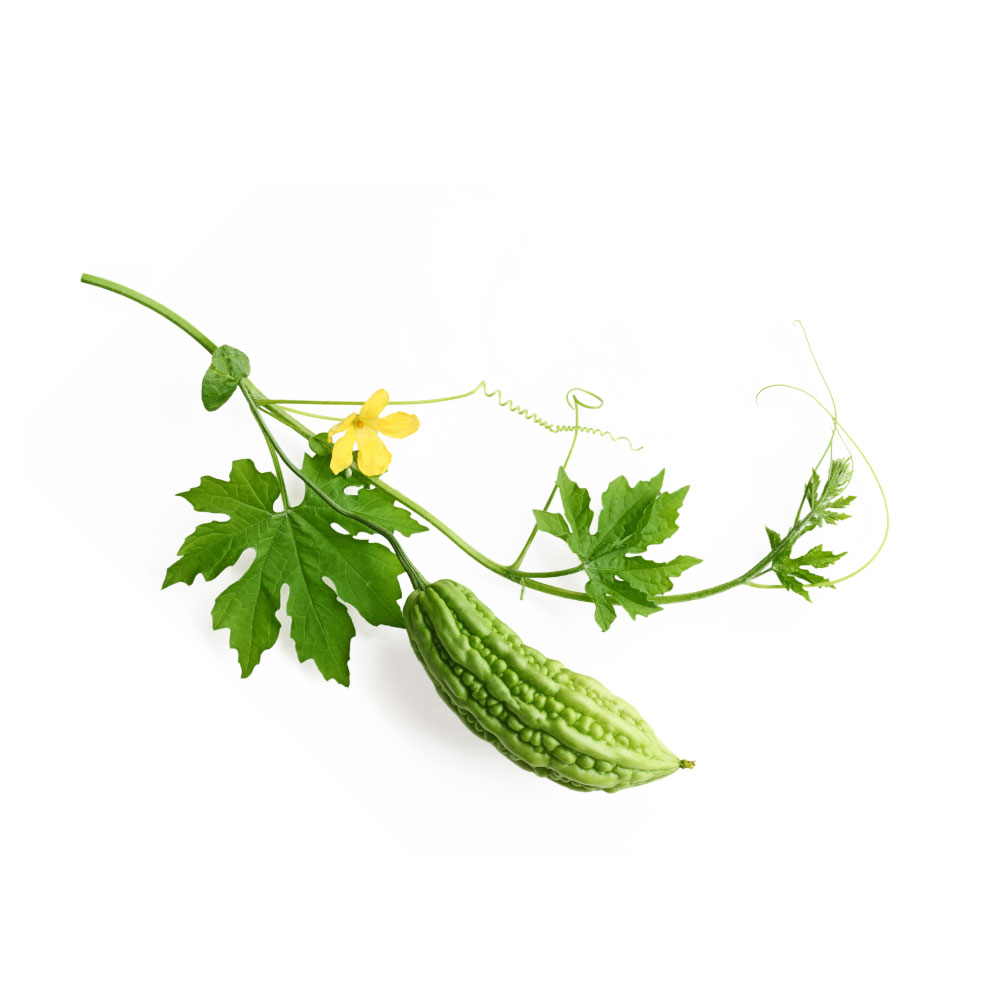 Bitter MelonMomordica charantiaNo benefit shown
Bitter melon’s blood-pressure signal is weak and does not hold up. A 10-week trial (n=95) found the bitter-melon groups improved blood pressure versus glibenclamide, but BP was only a secondary outcome 6Reference 6RCTLower hypoglycemic but higher antiatherogenic effects of bitter melon than glibenclamide in type 2 diabetic patients — RCTView study →, and a 2024 meta-analysis found no significant effect on systolic or diastolic blood pressure 7Reference 7Meta-analysisThe metabolic effect of Momordica charantia cannot be determined based on the available clinical evidence — meta-analysis of RCTsView study →. The use is largely traditional and metabolic, with no direct antihypertensive mechanism.
Full monograph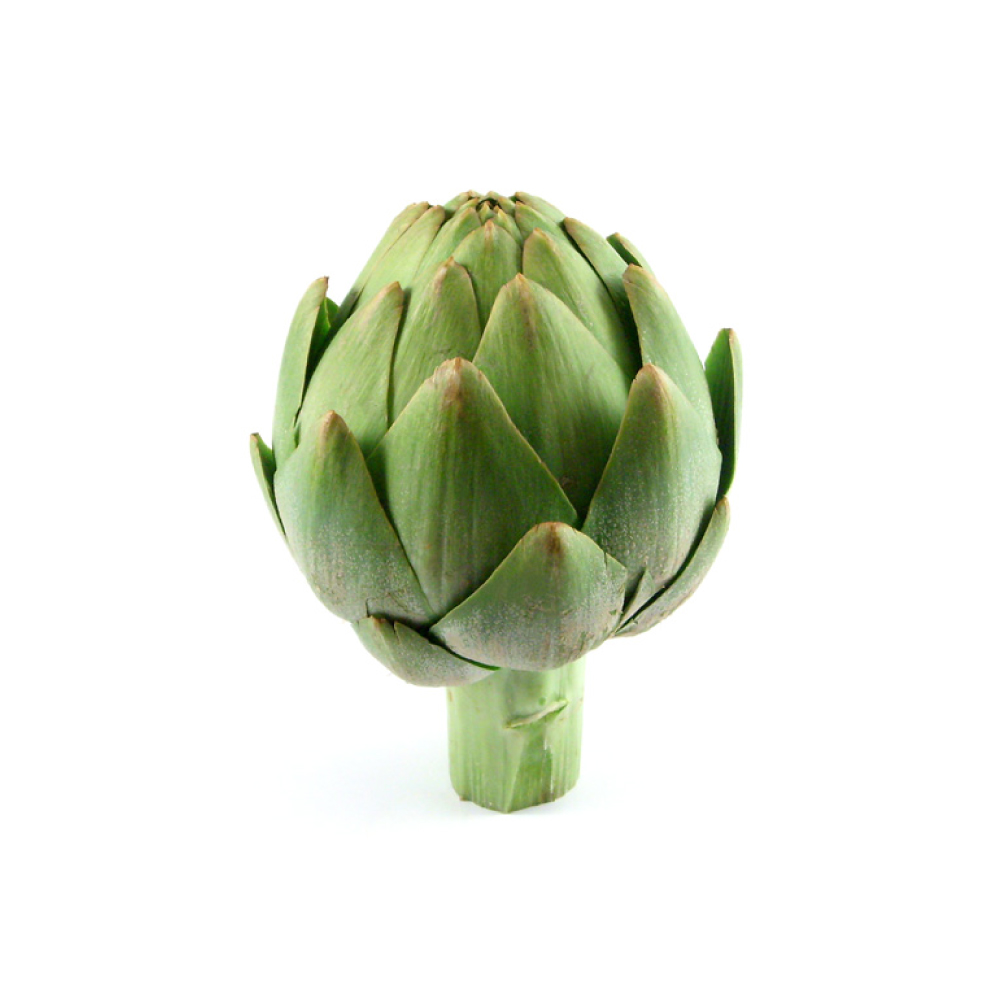 Globe ArtichokeCynara scolymusNo benefit shown
Blood pressure is the weakest of artichoke’s cardiometabolic uses. A meta-analysis of 8 RCTs found no overall effect on systolic or diastolic pressure, with only a post-hoc hypertensive-subgroup (12-week) analysis showing a few-mmHg drop 4Reference 4Meta-analysisEffects of artichoke on blood pressure — systematic review and meta-analysisView study →, and a dedicated RCT in captopril-treated hypertensives found no clear added BP benefit 5Reference 5RCTThe effect of Cynara scolymus on blood pressure and BMI in hypertensive patients — randomised, double-blind, placebo-controlled clinical trialView study →. The “mild ACE inhibitor” tag rests on a single cell-free enzyme assay, not a clinical effect. Artichoke is not a stand-alone antihypertensive.
Full monograph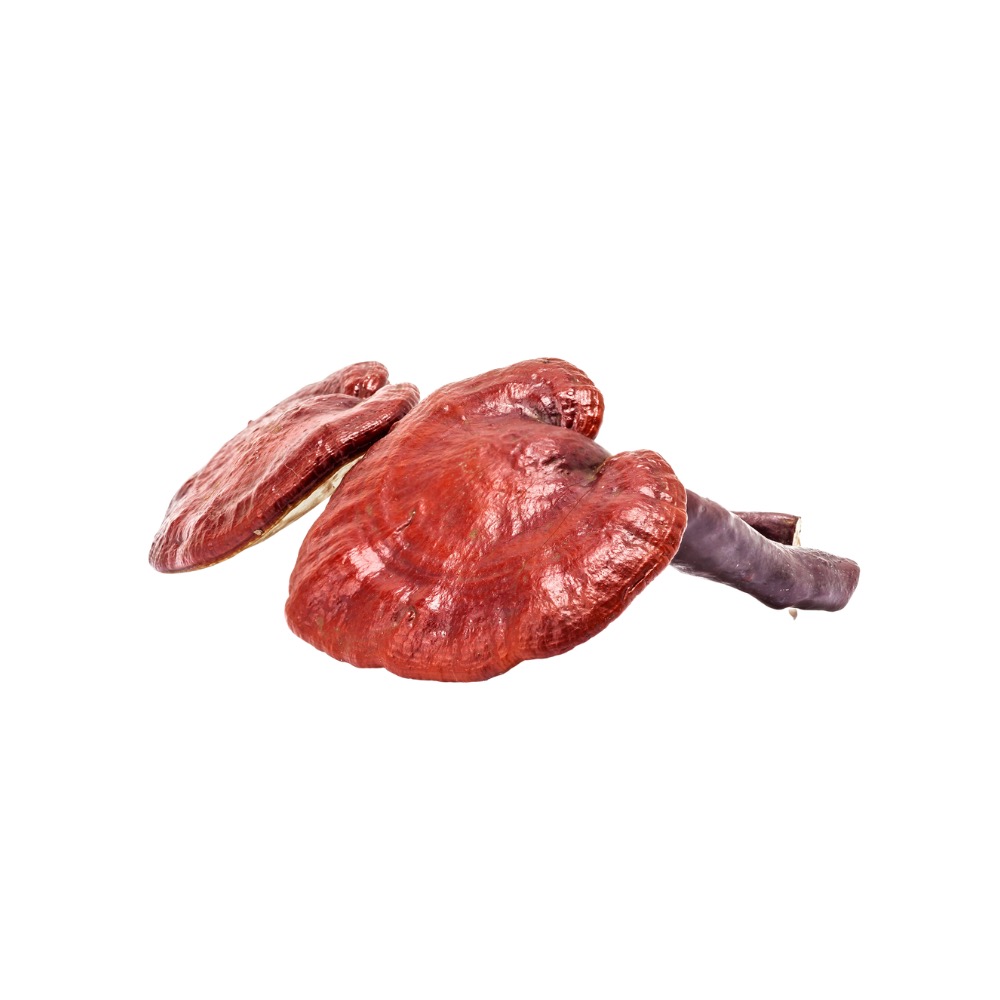 ReishiGanoderma lucidumNo benefit shown
The 2015 Cochrane review found trials too few and small to draw conclusions, with no convincing effect on blood pressure or lipids 71Reference 71Meta-analysisGanoderma lucidum mushroom for the treatment of cardiovascular risk factors — systematic review, meta-analysisView study →; a crossover trial in borderline hypertension/hyperlipidaemia (1.44 g/day, 12 weeks) found reishi well tolerated but without significant cardiovascular benefit 72Reference 72RCTStudy of potential cardioprotective effects of Ganoderma lucidum (Lingzhi): results of a controlled human intervention trial — randomised controlled trialView study →, and the metabolic-syndrome RCT was likewise null 73Reference 73RCTA double-blind, randomised, placebo-controlled trial of Ganoderma lucidum for the treatment of cardiovascular risk factors of metabolic syndrome — randomised controlled trialView study →. Multiple placebo-controlled trials are null or inconclusive, and the controlled evidence does not support the antihypertensive claim.
Reishi does have ACE-inhibitory and antiplatelet constituents, which matter for safety rather than efficacy.
Full monographSupplementation
Supplementation
Supplements, nutrients and compounds used for hypertension.
References
- Shanmugarajan, D., et al. (2021). Antihypertensive and pleiotropic effects of Phyllanthus emblica extract as an add-on therapy in patients with essential hypertension. Phytotherapy Research. https://pubmed.ncbi.nlm.nih.gov/33570228/
- Meghwani, H., Prabhakar, P., Mohammed, S. A., et al. (2017). Beneficial effects of aqueous extract of stem bark of Terminalia arjuna in experimental pulmonary hypertension — animal model. Journal of Ethnopharmacology, 197, 184–194. https://pubmed.ncbi.nlm.nih.gov/27401289/
- Dwivedi, S. (2007). Terminalia arjuna Wight & Arn. — a useful drug for cardiovascular disorders — review. Journal of Ethnopharmacology, 114(2), 114–129. https://pubmed.ncbi.nlm.nih.gov/17875376/
- Moradi M, et al. (2021). Effects of artichoke on blood pressure — systematic review and meta-analysis. Complementary Therapies in Medicine. https://pubmed.ncbi.nlm.nih.gov/33465383/
- Ardalani H, Jandaghi P, Meraji A, et al. (2020). The effect of Cynara scolymus on blood pressure and BMI in hypertensive patients — randomised, double-blind, placebo-controlled clinical trial. Complementary Medicine Research. https://pubmed.ncbi.nlm.nih.gov/31484191/
- Rahman, I. U., Khan, R. U., Rahman, K. U., & Bashir, M. (2015). Lower hypoglycemic but higher antiatherogenic effects of bitter melon than glibenclamide in type 2 diabetic patients — RCT. Nutrition Journal. https://pubmed.ncbi.nlm.nih.gov/25623883/
- Laczkó-Zöld, E., Csupor-Löffler, B., Kolcsár, E. B., et al. (2024). The metabolic effect of Momordica charantia cannot be determined based on the available clinical evidence — meta-analysis of RCTs. Frontiers in Nutrition. https://pubmed.ncbi.nlm.nih.gov/38274207/
- Ried K, Fakler P, et al. (2017). Effect of cocoa on blood pressure — Cochrane systematic review and meta-analysis. Cochrane Database Syst Rev. https://pubmed.ncbi.nlm.nih.gov/28439881/
- Ried K, Sullivan T, et al. (2010). Does chocolate reduce blood pressure? A meta-analysis — systematic review, meta-analysis. BMC Med. https://pubmed.ncbi.nlm.nih.gov/20584271/
- Desch S, Schmidt J, et al. (2010). Effect of cocoa products on blood pressure: systematic review and meta-analysis. Am J Hypertens. https://pubmed.ncbi.nlm.nih.gov/19910929/
- Mota, M. L., et al. (1985). Anti-inflammatory actions of tannins isolated from the bark of Anacardium occidentale — animal study (rat). Journal of Ethnopharmacology. https://pubmed.ncbi.nlm.nih.gov/2414605/
- Endo, K., Oshima, Y., Kikuchi, H., et al. (1983). Hypotensive principles of Uncaria hooks — in vitro/animal. Planta Medica. https://pubmed.ncbi.nlm.nih.gov/6657789/
- Srividya, N., & Periwal, S. (1995). Diuretic, hypotensive and hypoglycaemic effect of Phyllanthus amarus — controlled clinical trial. Indian J Exp Biol. https://pubmed.ncbi.nlm.nih.gov/8786163/
- Zhu et al. (2025). Chrysanthemum morifolium water extract prevents and treats MAFLD via pan-PPAR agonism (mouse model). Journal of Ethnopharmacology. https://pubmed.ncbi.nlm.nih.gov/40921229/
- Liu et al. (2024). Chrysanthemum morifolium attenuates metabolic- and alcohol-associated liver disease via gut microbiota and PPAR-α/γ (mouse model). Phytomedicine. https://pubmed.ncbi.nlm.nih.gov/38820659/
- Dubey MP, Srimal RC, Nityanand S, et al. (1981). Pharmacological studies on coleonol, a hypotensive diterpene from Coleus forskohlii — [animal model]. J Ethnopharmacol. https://pubmed.ncbi.nlm.nih.gov/7193263/
- Li, P., et al. (2025). Effects of Dan Shen (Salvia miltiorrhiza) on blood pressure management in hypertensive patients — randomised double-blind placebo-controlled trial. Blood Pressure. https://pubmed.ncbi.nlm.nih.gov/40658027/
- Clare BA, Conroy RS, Spelman K (2009). The diuretic effect in human subjects of an extract of Taraxacum officinale folium over a single day — [clinical trial]. J Altern Complement Med. https://pubmed.ncbi.nlm.nih.gov/19678785/
- Schütz K, Carle R, Schieber A (2006). Taraxacum—a review on its phytochemical and pharmacological profile — [review]. J Ethnopharmacol. https://pubmed.ncbi.nlm.nih.gov/16950583/
- Uoorakkottil I, Koottangodan R, Thajudheen KY, Alsheri SA, & Ahmed MM (2024). Molecular Docking and Antihypertensive Activity of Eupalitin 3-O-β-D-galactopyranoside Isolated from Boerhavia diffusa Linn — rat in vivo, Pharmaceutics, 16(12). https://pubmed.ncbi.nlm.nih.gov/39771606/
- Lami N, Kadota S, Kikuchi T, & Momose Y (1991). Constituents of the roots of Boerhaavia diffusa L. III. Identification of Ca2+ channel antagonistic compound from the methanol extract — in vitro, Chemical & pharmaceutical bulletin, 39(6), 1551-5. https://pubmed.ncbi.nlm.nih.gov/1934177/
- Ursoniu, S., Sahebkar, A., Andrica, F., Serban, C., & Banach, M. (2016). Effects of flaxseed supplements on blood pressure: a systematic review and meta-analysis of controlled clinical trials. Clinical Nutrition. https://pubmed.ncbi.nlm.nih.gov/26071633/
- Khalesi, S., Irwin, C., & Schubert, M. (2015). Flaxseed consumption may reduce blood pressure: a systematic review and meta-analysis of controlled trials. Journal of Nutrition. https://pubmed.ncbi.nlm.nih.gov/25740909/
- Rodriguez-Leyva, D., Weighell, W., Edel, A. L., et al. (2013). Potent antihypertensive action of dietary flaxseed in hypertensive patients (FLAX-PAD). Hypertension. https://pubmed.ncbi.nlm.nih.gov/24126178/
- Xiong XJ, et al. (2015). Garlic for hypertension: a systematic review and meta-analysis of randomized controlled trials — systematic review. Phytomedicine. https://pubmed.ncbi.nlm.nih.gov/25837272/
- Ried K, et al. (2008). Effect of garlic on blood pressure: a systematic review and meta-analysis. BMC Cardiovascular Disorders. https://pubmed.ncbi.nlm.nih.gov/18554422/
- Wang HP, et al. (2015). Effect of garlic on blood pressure: a meta-analysis — randomised trials. Journal of Clinical Hypertension. https://pubmed.ncbi.nlm.nih.gov/25557383/
- Ried K. (2016). Garlic lowers blood pressure in hypertensive individuals, regulates serum cholesterol, and stimulates immunity: an updated meta-analysis and review. Journal of Nutrition. https://pubmed.ncbi.nlm.nih.gov/26764326/
- Saadh MJ, et al. (2024). Effects of aged garlic extract on blood pressure in hypertensive patients: a systematic review and meta-analysis of randomized controlled trials. Prostaglandins & Other Lipid Mediators. https://pubmed.ncbi.nlm.nih.gov/39437887/ ⚠ RETRACTED — retraction notice: Prostaglandins Other Lipid Mediat. 2026, https://pubmed.ncbi.nlm.nih.gov/42527229/
- Mucalo, I., et al. (2013). Effect of American ginseng (Panax quinquefolius L.) on arterial stiffness in subjects with type-2 diabetes and concomitant hypertension — randomised controlled trial. Journal of Ethnopharmacology. https://pubmed.ncbi.nlm.nih.gov/23973636/
- Jovanovski, E., et al. (2020). Vascular effects of combined enriched Korean Red ginseng and American ginseng in individuals with hypertension and type 2 diabetes: a randomized controlled trial — randomised controlled trial. Complementary Therapies in Medicine. https://pubmed.ncbi.nlm.nih.gov/32147072/
- Komishon, A. M., et al. (2016). The effect of ginseng (genus Panax) on blood pressure — systematic review and meta-analysis of RCTs. J Hum Hypertens. https://pubmed.ncbi.nlm.nih.gov/27074879/
- Rhee, M. Y., Kim, Y. S., Bae, J. H., et al. (2011). Effect of Korean red ginseng on arterial stiffness in subjects with hypertension — randomised controlled trial. J Altern Complement Med. https://pubmed.ncbi.nlm.nih.gov/21235416/
- Zhang, H., et al. (2016). The impact of grape seed extract treatment on blood pressure changes: a meta-analysis of 16 randomized controlled trials. Medicine (Baltimore). https://pubmed.ncbi.nlm.nih.gov/27537554/
- Feringa, H. H., et al. (2011). The effect of grape seed extract on cardiovascular risk markers: a meta-analysis of randomized controlled trials. Journal of the American Dietetic Association. https://pubmed.ncbi.nlm.nih.gov/21802563/
- Foshati, S., et al. (2022). The effect of grape (Vitis vinifera) seed extract supplementation on flow-mediated dilation, blood pressure and heart rate: a systematic review and meta-analysis with duration- and dose-response analysis. Pharmacological Research. https://pubmed.ncbi.nlm.nih.gov/34798267/
- Schön, C., et al. (2021). Grape seed extract positively modulates blood pressure and perceived stress: a randomized, double-blind, placebo-controlled study in healthy volunteers. Nutrients. https://pubmed.ncbi.nlm.nih.gov/33671310/
- Ras, R. T., et al. (2013). Effect of polyphenol-rich grape seed extract on ambulatory blood pressure in subjects with pre- and stage I hypertension. British Journal of Nutrition. https://pubmed.ncbi.nlm.nih.gov/23702253/
- Odai, T., et al. (2019). Effects of grape seed proanthocyanidin extract on vascular endothelial function in participants with prehypertension: a randomized, double-blind, placebo-controlled study. Nutrients. https://pubmed.ncbi.nlm.nih.gov/31757033/
- Nwokocha, C. R., Owu, D. U., Gordon, A., et al. (2012). Possible mechanisms of the hypotensive effect of Annona muricata (soursop) in normotensive rats — animal model. Pharmaceutical Biology, 50(11), 1436–1441. https://pubmed.ncbi.nlm.nih.gov/22950673/
- Sokpe, A., et al. (2020). Hypotensive and antihypertensive properties and safety for use of Annona muricata and Persea americana — animal model. Evidence-Based Complementary and Alternative Medicine, 2020. https://pubmed.ncbi.nlm.nih.gov/33488751/
- Lima-Landman, M. T., et al. (2007). Antihypertensive effect of a standardized aqueous extract of Cecropia glaziovii Sneth in rats: in vivo hypotensive mechanism — animal study. Phytomedicine. https://pubmed.ncbi.nlm.nih.gov/17446057/
- Ninahuaman, M. F., et al. (2007). ACE activity during the hypotension produced by standardized aqueous extract of Cecropia glaziovii Sneth: comparison to captopril — animal study. Phytomedicine. https://pubmed.ncbi.nlm.nih.gov/17433647/
- Tanae, M. M., et al. (2007). Chemical standardization of the aqueous extract of Cecropia glaziovii Sneth with antihypertensive, bronchodilator, antiacid-secretion and antidepressant-like activities — animal study. Phytomedicine. https://pubmed.ncbi.nlm.nih.gov/17434301/
- Trettel, G., et al. (2021). Mechanisms of calcium mobilization by procyanidins, flavonols and flavonoids from Cecropia glaziovii Sneth in pulmonary endothelial cell cultures — in vitro. Biomed Pharmacother. https://pubmed.ncbi.nlm.nih.gov/34610498/
- Dos Santos, T. C., et al. (2018). Vasorelaxant effect of standardized Cecropia glaziovii extract encapsulated in PLGA microparticles — in vitro. Mater Sci Eng C. https://pubmed.ncbi.nlm.nih.gov/30184746/
- Machado, C. D., et al. (2021). Ethnopharmacological investigations of the leaves of Cecropia pachystachya Trécul (Urticaceae) — animal study. J Ethnopharmacol. https://pubmed.ncbi.nlm.nih.gov/33388429/
- Maquiaveli, C. C., et al. (2014). Cecropia pachystachya extract attenuated the renal lesion in 5/6 nephrectomized rats by reducing inflammation and renal arginase activity — animal study. J Ethnopharmacol. https://pubmed.ncbi.nlm.nih.gov/25304199/
- Ramos Almeida, R., et al. (2006). Activity of Cecropia lyratiloba extract on contractility of cardiac and smooth muscles in Wistar rats — animal study. Clin Exp Pharmacol Physiol. https://pubmed.ncbi.nlm.nih.gov/16445708/
- Szikora, Z., Mátyus, R. O., Szabó, B. V., Csupor, D., & Tóth, B. (2025). Hawthorn (Crataegus spp.) clinically significantly reduces blood pressure in hypertension: a meta-analysis of randomized placebo-controlled clinical trials. Pharmaceuticals. https://pubmed.ncbi.nlm.nih.gov/40732315/
- Walker, A. F., Marakis, G., Simpson, E., Hope, J. L., Robinson, P. A., Hassanein, M., & Simpson, H. C. (2006). Hypotensive effects of hawthorn for patients with diabetes taking prescription drugs: a randomised controlled trial. British Journal of General Practice. https://pubmed.ncbi.nlm.nih.gov/16762125/
- Stojanovska, L., et al. (2015). Maca reduces blood pressure and depression in a pilot study in postmenopausal women — randomised controlled trial. Climacteric. https://pubmed.ncbi.nlm.nih.gov/24931003/
- Gonzales, G. F. (2012). Ethnobiology and ethnopharmacology of Lepidium meyenii (Maca), a plant from the Peruvian highlands — review. Evid Based Complement Alternat Med. https://pubmed.ncbi.nlm.nih.gov/21977053/
- Shikov, A. N., Pozharitskaya, O. N., Makarov, V. G., et al. (2011). Effect of Leonurus cardiaca oil extract in patients with arterial hypertension accompanied by anxiety and sleep disorders — clinical trial (open-label). Phytotherapy Research, 25(4), 540–543. https://pubmed.ncbi.nlm.nih.gov/20839214/
- Miłkowska-Leyck, K., Filipek, B., & Strzelecka, H. (2002). Pharmacological effects of lavandulifolioside from Leonurus cardiaca — animal in vivo. Journal of Ethnopharmacology, 80(1), 85–90. https://pubmed.ncbi.nlm.nih.gov/11891090/
- Ritter, M., Melichar, K., Strahler, S., et al. (2010). Cardiac and electrophysiological effects of primary and refined extracts from Leonurus cardiaca L. (Ph. Eur.) — animal / ex vivo. Planta Medica, 76(6), 572–582. https://pubmed.ncbi.nlm.nih.gov/19918711/
- Wojtyniak, K., Szymański, M., & Matławska, I. (2013). Leonurus cardiaca L. (motherwort): a review of its phytochemistry and pharmacology — review. Phytotherapy Research, 27(8), 1115–1120. https://pubmed.ncbi.nlm.nih.gov/23042598/
- EMA Committee on Herbal Medicinal Products (HMPC). (2010). Assessment report on Leonurus cardiaca L., herba — pharmacopoeial/regulatory monograph. European Medicines Agency. https://www.ema.europa.eu/en/medicines/herbal/leonuri-cardiacae-herba
- Kavyani Z, Musazadeh V, et al. (2023). Antihypertensive effects of Nigella sativa supplementation — updated systematic review and meta-analysis of randomized controlled trials. Phytother Res. https://pubmed.ncbi.nlm.nih.gov/37341696/
- Sahebkar A, Soranna D, et al. (2016). A systematic review and meta-analysis of randomized controlled trials investigating the effects of Nigella sativa on blood pressure. J Hypertens. https://pubmed.ncbi.nlm.nih.gov/27512971/
- Susalit, E. et al. (2011). Olive (Olea europaea) leaf extract effective in patients with stage-1 hypertension: comparison with Captopril — randomised controlled trial. Phytomedicine. https://pubmed.ncbi.nlm.nih.gov/21036583/
- Lockyer, S. et al. (2017). Impact of phenolic-rich olive leaf extract on blood pressure, plasma lipids and inflammatory markers: a randomised controlled trial. Eur J Nutr. https://pubmed.ncbi.nlm.nih.gov/26951205/
- Lamti, F. et al. (2025). Efficacy of olive leaf extracts in controlling blood pressure in hypertensive patients: a double-blind randomized clinical trial — multicentre RCT. J Hypertens. https://pubmed.ncbi.nlm.nih.gov/40990594/
- Álvares, A. et al. (2024). Olive leaf extract effect on cardiometabolic risk factors: a systematic review and meta-analysis of randomized clinical trials. Nutr Rev. https://pubmed.ncbi.nlm.nih.gov/38287654/
- Câmara Rocha Menezes, R. et al. (2026). Metabolic and inflammatory effects of oleuropein and olive leaf extract: a systematic review and meta-analysis. Food Funct. https://pubmed.ncbi.nlm.nih.gov/41848522/
- Hansen, K. et al. (1996). Isolation of an angiotensin converting enzyme (ACE) inhibitor from Olea europaea and Olea lancea — in vitro. Phytomedicine. https://pubmed.ncbi.nlm.nih.gov/23194770/
- Wong, R. et al. (2014). Antihypertensive potential of combined extracts of olive leaf, green coffee bean and beetroot: a randomized, double-blind, placebo-controlled crossover trial. Nutrients. https://pubmed.ncbi.nlm.nih.gov/25379688/
- Karaki, H., Kishimoto, T., Ozaki, H., et al. (1986). Inhibition of calcium channels by harmaline and other harmala alkaloids in vascular and intestinal smooth muscles — in vitro. Br J Pharmacol. https://pubmed.ncbi.nlm.nih.gov/3779216/
- Clark, C. C. T., et al. (2020). The effect of psyllium supplementation on blood pressure: a systematic review and meta-analysis of randomized controlled trials — meta-analysis. Korean Journal of Internal Medicine, 35(6), 1385–1399. https://pubmed.ncbi.nlm.nih.gov/32066221/
- Gholami, Z., et al. (2024). The effect of psyllium consumption on blood pressure: systematic review and dose-response meta-analysis of randomized controlled trials — meta-analysis. Food Science & Nutrition, 12(11), 8749–8761. https://pubmed.ncbi.nlm.nih.gov/39479650/
- Klupp NL, Chang D, Hawke F, et al. (2015). Ganoderma lucidum mushroom for the treatment of cardiovascular risk factors — systematic review, meta-analysis. Cochrane Database Syst Rev. https://pubmed.ncbi.nlm.nih.gov/25686270/
- Chu TT, Benzie IF, Lam CW, et al. (2012). Study of potential cardioprotective effects of Ganoderma lucidum (Lingzhi): results of a controlled human intervention trial — randomised controlled trial. Br J Nutr. https://pubmed.ncbi.nlm.nih.gov/21801467/
- Klupp NL, Kiat H, Bensoussan A, et al. (2016). A double-blind, randomised, placebo-controlled trial of Ganoderma lucidum for the treatment of cardiovascular risk factors of metabolic syndrome — randomised controlled trial. Sci Rep. https://pubmed.ncbi.nlm.nih.gov/27511742/
- Amaro CA, et al. (2014). Hypoglycemic and hypotensive activity of a root extract of Smilax aristolochiifolia, standardized on N-trans-feruloyl-tyramine — animal model. Molecules. https://pubmed.ncbi.nlm.nih.gov/25090124/
- Chan, P. et al. (2000). A double-blind placebo-controlled study of the effectiveness and tolerability of oral stevioside in human hypertension — randomised controlled trial. British Journal of Clinical Pharmacology. https://pubmed.ncbi.nlm.nih.gov/10971305/
- Hsieh, M. H. et al. (2003). Efficacy and tolerability of oral stevioside in patients with mild essential hypertension: a two-year, randomised, placebo-controlled study. Clinical Therapeutics. https://pubmed.ncbi.nlm.nih.gov/14693305/
- Ferri, L. A. F. et al. (2006). Investigation of the antihypertensive effect of oral crude stevioside in patients with mild essential hypertension — randomised controlled trial. Phytotherapy Research. https://pubmed.ncbi.nlm.nih.gov/16775813/
- Barriocanal, L. A. et al. (2008). Apparent lack of pharmacological effect of steviol glycosides used as sweeteners in humans — randomised controlled trial. Regulatory Toxicology and Pharmacology. https://pubmed.ncbi.nlm.nih.gov/18397817/
- Onakpoya, I. J., Heneghan, C. J. (2015). Effect of the natural sweetener steviol glycoside on cardiovascular risk factors: a systematic review and meta-analysis of randomised controlled trials. European Journal of Preventive Cardiology. https://pubmed.ncbi.nlm.nih.gov/25412840/
- Vajic UJ, Grujic-Milanovic J, Miloradovic Z, et al. (2018). Urtica dioica leaf extract modulates blood pressure and oxidative stress in spontaneously hypertensive rats — animal model. Phytomedicine. https://pubmed.ncbi.nlm.nih.gov/30097121/
- Qayyum R, Qamar HM, Khan S, et al. (2016). Mechanisms underlying the antihypertensive properties of Urtica dioica — in vitro/in vivo animal study. J Transl Med. https://pubmed.ncbi.nlm.nih.gov/27585814/
- Vajic UJ, Mihailovic-Stanojevic N, Karanovic D, et al. (2024). Urtica dioica leaf extract dose-dependently modulates oxidative stress in the kidney and exerts anti-fibrotic and anti-inflammatory properties in SHR — animal model. Int J Mol Sci. https://pubmed.ncbi.nlm.nih.gov/39769037/
- Tabrizi R, Sekhavati E, Nowrouzi-Sohrabi P, et al. (2022). Effects of Urtica dioica on metabolic profiles in type 2 diabetes — systematic review and meta-analysis of clinical trials. Mini Rev Med Chem. https://pubmed.ncbi.nlm.nih.gov/34587883/
- Xu, R., Yang, K., Ding, J., & Chen, G. (2020). Effect of green tea supplementation on blood pressure: a systematic review and meta-analysis of 24 randomised controlled trials. Medicine (Baltimore), 99(6), e19047. https://pubmed.ncbi.nlm.nih.gov/32028419/
- Khalesi, S., Sun, J., Buys, N., et al. (2014). Green tea catechins and blood pressure: a systematic review and meta-analysis of randomised controlled trials. Eur J Nutr, 53(6), 1299-1311. https://pubmed.ncbi.nlm.nih.gov/24861099/
- Peng, X., Zhou, R., Wang, B., et al. (2014). Effect of green tea consumption on blood pressure: a meta-analysis of 13 randomised controlled trials. Sci Rep, 4, 6251. https://pubmed.ncbi.nlm.nih.gov/25176280/
- Rezaei, M., Akhavan, N., Fathi, F., et al. (2025). Effect of green tea supplementation on blood pressure in adults: a GRADE-assessed systematic review and dose-response meta-analysis of 36 randomised controlled trials. Blood Press, 34(1). https://pubmed.ncbi.nlm.nih.gov/40497293/
- Siddiqui MA (2021). Efficacy of Khar-i-khasak (Tribulus terrestris) in prehypertension — randomised, double-blind, placebo-controlled trial — [randomised placebo-controlled trial]. J Complement Integr Med. https://pubmed.ncbi.nlm.nih.gov/33793146/
- Bravo, L., et al. (2025). Yerba Mate (Ilex paraguariensis) tea may have cardiometabolic beneficial effects — a randomized, controlled, blind, crossover trial in nonhabitual consumers. Molecular Nutrition & Food Research. https://pubmed.ncbi.nlm.nih.gov/40263915/
- Filipini, R. E., et al. (2024). Acute ingestion of yerba mate (Ilex paraguariensis) infusion does not modify endothelial function, hemodynamics, or heart rate variability — a randomized crossover clinical trial. Plant Foods for Human Nutrition. https://pubmed.ncbi.nlm.nih.gov/39708247/
- Li, D., et al. (2025). Yerba Maté and its impact on glycemic control and metabolic health: a systematic review and meta-analysis of RCTs. Frontiers in Endocrinology. https://pubmed.ncbi.nlm.nih.gov/41244043/
- Pittler, M. H., et al. (2005). Adverse events of herbal food supplements for body weight reduction — systematic review. Obesity Reviews. https://pubmed.ncbi.nlm.nih.gov/15836459/
- Hongratanaworakit, T., & Buchbauer, G. (2004). Evaluation of the harmonizing effect of ylang-ylang oil on humans after inhalation — randomized controlled trial. Planta Med, 70(7), 632–636. https://pubmed.ncbi.nlm.nih.gov/15303255/
- Hongratanaworakit, T., & Buchbauer, G. (2006). Relaxing effect of ylang ylang oil on humans after transdermal absorption — clinical trial. Phytother Res, 20(9), 758–763. https://pubmed.ncbi.nlm.nih.gov/16807875/
- Jung, D. J., et al. (2013). Effects of ylang-ylang aroma on blood pressure and heart rate in healthy men — controlled trial. J Exerc Rehabil, 9(2), 250–255. https://pubmed.ncbi.nlm.nih.gov/24278868/
- Napavichayanun, S., et al. (2024). Effect of Lavandula angustifolia and Cananga odorata sticker pads on blood pressure in high blood pressure volunteers — randomized controlled trial. Explore (NY), 20(4), 520–526. https://pubmed.ncbi.nlm.nih.gov/38087747/
- Hwang, J. H. (2006). Effects of the inhalation method using essential oils on blood pressure and stress responses in essential hypertension — randomized controlled trial (oil blend). Taehan Kanho Hakhoe Chi, 36(7), 1123–1134. https://pubmed.ncbi.nlm.nih.gov/17211115/
- Cha, J. H., et al. (2010). Effects of aromatherapy on autonomic nervous system, aortic pulse wave velocity and augmentation index in essential hypertension — controlled clinical trial (oil blend). J Korean Acad Nurs, 40(5), 705–713. https://pubmed.ncbi.nlm.nih.gov/21157172/
- Song, E. J., & Lee, M. Y. (2018). Effects of aromatherapy on stress responses, autonomic activity and blood pressure in patients undergoing coronary angiography — non-randomized controlled trial (oil blend). J Korean Acad Nurs, 48(1), 1–11. https://pubmed.ncbi.nlm.nih.gov/29535280/