

Overview
Antiemetic at a Glance
Antiemetics are herbs used to relieve nausea and vomiting.
Vomiting is a reflex coordinated in the brainstem, but it can be triggered from several places — including the stomach, inner ear, bloodstream, and brain.
This is why different antiemetics suit different kinds of nausea.
Ginger is the clearest herbal example.
It acts both on serotonin signalling involved in the vomiting reflex and on gastric motility, helping the stomach empty more efficiently.
Cannabis acts more centrally through cannabinoid receptors and has a long-standing role in severe nausea, particularly chemotherapy-induced nausea and vomiting.
Other herbs work more locally.
Peppermint and aromatic digestive herbs may settle nausea associated with indigestion, gastric spasm, or delayed digestion.
Peppermint aroma can also reduce nausea without being swallowed.
Two or three branches thereof taken in the juice of four pomegranates, stays the hiccough, vomiting, and allays the choler.
Nicholas Culpeper, The Complete Herbal, 1653, on mint
Antiemetics are used for motion sickness, pregnancy-related nausea, digestive upset, postoperative nausea, and treatment-related nausea, although the most useful herb depends heavily on the cause.
Caution
Severe vomiting dehydrates fast — persistent or severe vomiting can quickly cause dehydration and electrolyte loss.
Blood or severe pain needs a doctor — vomiting with blood, severe abdominal pain, head injury, chest pain or significant dehydration needs medical assessment.
Nausea can hide its cause — suppressing nausea can mask the condition causing it, so unexplained vomiting is a diagnostic question first.
Mechanisms
How It Works
01
Central Receptor Antagonism
Blocking the vomiting reflex in the brainstem, at the receptors the antiemetic drugs target.
5-HT3 receptors carry the signal from gut enterochromaffin cells to the vomiting centre, the target of ondansetron, and NK-1 receptors handle substance P in the brainstem, the target of aprepitant.
Ginger’s gingerols and shogaols are negative allosteric modulators at 5-HT3 with additional NK-1 antagonism.
Cannabis reaches the circuit elsewhere, through CB1 agonism, which is why synthetic cannabinoids were licensed for chemotherapy nausea long before the plant was discussed.
These are the only two herbs here acting on the reflex centrally, and they are the two with human trial evidence.
Key compounds: 6-Gingerol
02
Gastric Motility and Emptying
Nausea often comes from a stomach that is not emptying, and speeding it up resolves the cause rather than blocking the signal.
This is the prokinetic route, the territory of metoclopramide and domperidone, and ginger reaches it alongside its receptor work.
It also explains why one herb suits one kind of nausea and not another.
Delayed emptying is the mechanism in functional dyspepsia and much of pregnancy sickness.
It is not the mechanism in motion sickness, which starts in the inner ear, or in chemotherapy nausea, which is chemoreceptor-driven. A motility finding does not generalise across indications.
Herbs: Ginger
03
Inhaled Aromatics
Nausea can be eased by smelling an aromatic oil rather than swallowing anything, which is a separate route from the other two.
Peppermint aromatherapy has pooled trial evidence in cancer-related nausea.
No mechanism is established for it, and the calcium-channel relaxation that explains peppermint’s gut effects does not obviously apply to an inhaled aroma.
Blinding an aromatic intervention is inherently weak, and the trials commonly use blended oils or run the aroma alongside antiemetic drugs.
Herbs: Peppermint
More Specific Actions
Sub-Actions
Antiemetic has one narrower action beneath it, covering the lower half of the gut rather than the stomach.
Antidiarrheal
10 herbsSlows and settles loose, frequent stools, usually by binding the gut surface or reducing what it secretes.
It involves astringent tannins, antisecretory compounds and, in a few herbs, activity against the organism causing the illness.
Phytochemistry
Key Constituents
The compound classes most often behind an antiemetic action.
- Gingerols & shogaols
- Volatile oils
- Flavonoids
What It's For
Indications
- Nausea and vomiting
- Motion and travel sickness
- Morning sickness in pregnancy
- Nausea from medication or treatment
Materia Medica
Antiemetic Herbs by Potency
The antiemetic herbs, ordered by the relative strength of the effect rather than by how well studied it is. Each herb is described by the mechanism behind its effect and the evidence for it.
None of this is a substitute for professional care.
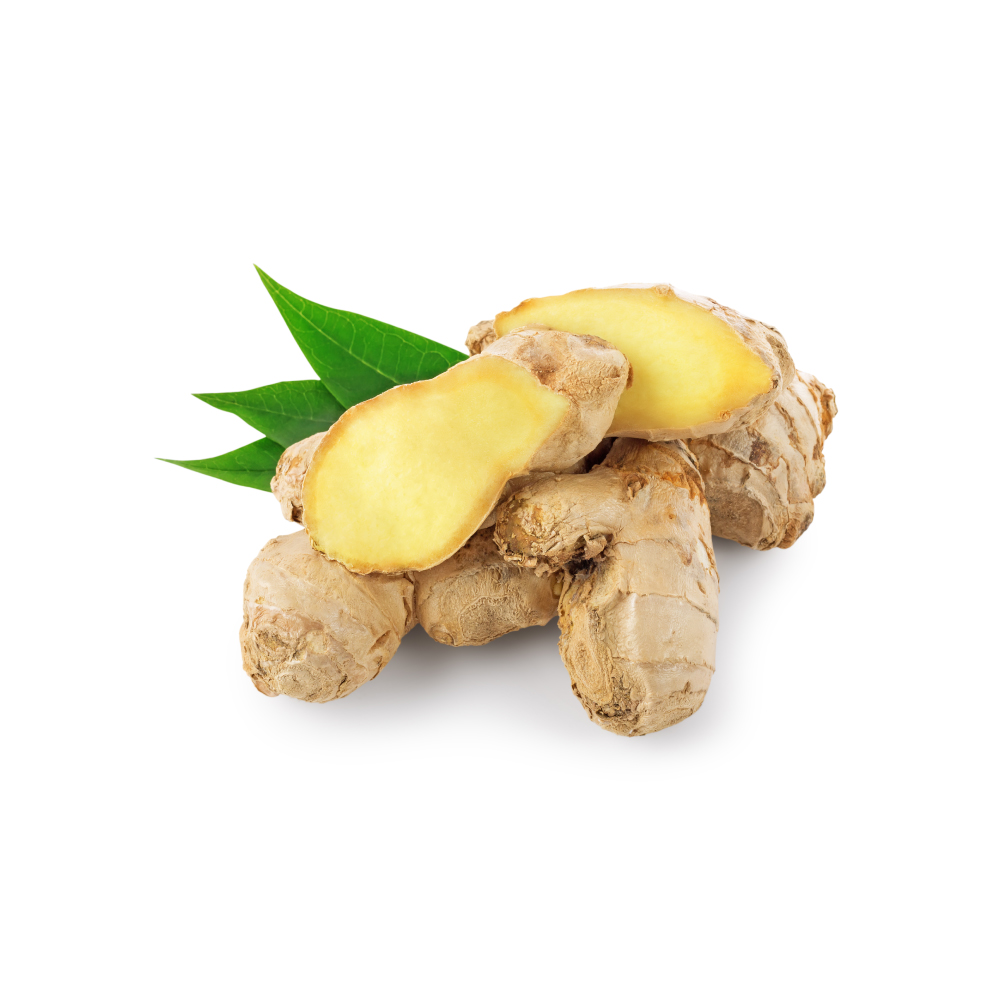 PotentPotentGingerZingiber officinaleGingerols and shogaols modulate the 5-HT3 receptor ondansetron targets and antagonise NK-1, while speeding gastric emptying; pooled trials show relief of nausea in early pregnancy.Mechanism5-HT3 negative allosteric modulation; NK-1 antagonism; accelerated gastric emptyingRead the evidenceShow lessMonograph →
Two meta-analyses covering 12 randomised trials and roughly 1,278 women found significant relief of nausea in early pregnancy against placebo 3,
The mechanism is receptor-level rather than vaguely digestive. Gingerols and shogaols act as negative allosteric modulators at 5-HT3, the ondansetron target, with additional NK-1 antagonism, and they speed gastric emptying.
The studied form is low-dose powder or capsule, roughly 1 g a day, which is what the trials used rather than a strong decoction.
 StrongStrongCannabisCannabis sativaTHC agonism at CB1 receptors in the emetic centres suppresses chemotherapy-induced nausea, the basis on which synthetic cannabinoids were licensed in the 1980s.MechanismCB1 receptor agonism (CNS)Read the evidenceShow lessMonograph →
A Cochrane review found cannabinoids more effective than placebo and broadly comparable to the older antiemetics, and often the treatment patients preferred 1Reference 1Systematic reviewCannabinoids for nausea and vomiting in adults with cancer receiving chemotherapy — Cochrane systematic reviewView study →. The 2024 ASCO guideline keeps them as an option for nausea resistant to standard drugs 2Reference 2Cannabis and Cannabinoids in Adults With Cancer: ASCO Guideline — practice guidelineView study →.
The evidence is on synthetic THC analogues, dronabinol and nabilone, rather than on the plant. The supporting trials predate modern 5-HT3 and NK-1 antagonists, so superiority over current standard care is unproven.
Show 4 more herbs with a mild antiemetic action
 MildMildBlack HorehoundBallota nigraThe traditional antiemetic of Western herbal practice, given for motion sickness, the nausea of pregnancy and the sickness that comes with vertigo.Read the evidenceShow lessMonograph →
Ballota nigra is one of the oldest medicinal species of European practice, and nausea of neurological origin, including travel sickness and vertigo, is its headline use.
There is no antiemetic study of any kind.
Black horehound is Ballota nigra, not white horehound, Marrubium vulgare, which is the expectorant and a different plant.
 MildMildClavo HuascaTynanthus panurensisAdded to ayahuasca or taken after it to settle the stomach, since the brew is strongly purgative; a specific and widely recorded Amazonian use.Read the evidenceShow lessMonograph →
Shipibo-Conibo, Kayapó and Assurini practice adds clavo huasca to ayahuasca, or takes it shortly afterwards, to reduce the intense vomiting the brew produces.
No organism, endpoint or citation exists behind it.
 MildMildCommon ReedPhragmites australisLu gen, the reed rhizome, is given in Chinese practice for stomach heat with nausea and vomiting, usually as a fresh juice or light decoction.Read the evidenceShow less
Reed rhizome is sweet and cold, entering the Lung and Stomach channels, and clears heat and generates fluids. Stomach heat with nausea or vomiting is one of its named indications, alongside fever with thirst and dry cough.
The fresh rhizome is preferred to the dried. There is no research behind the antiemetic use.
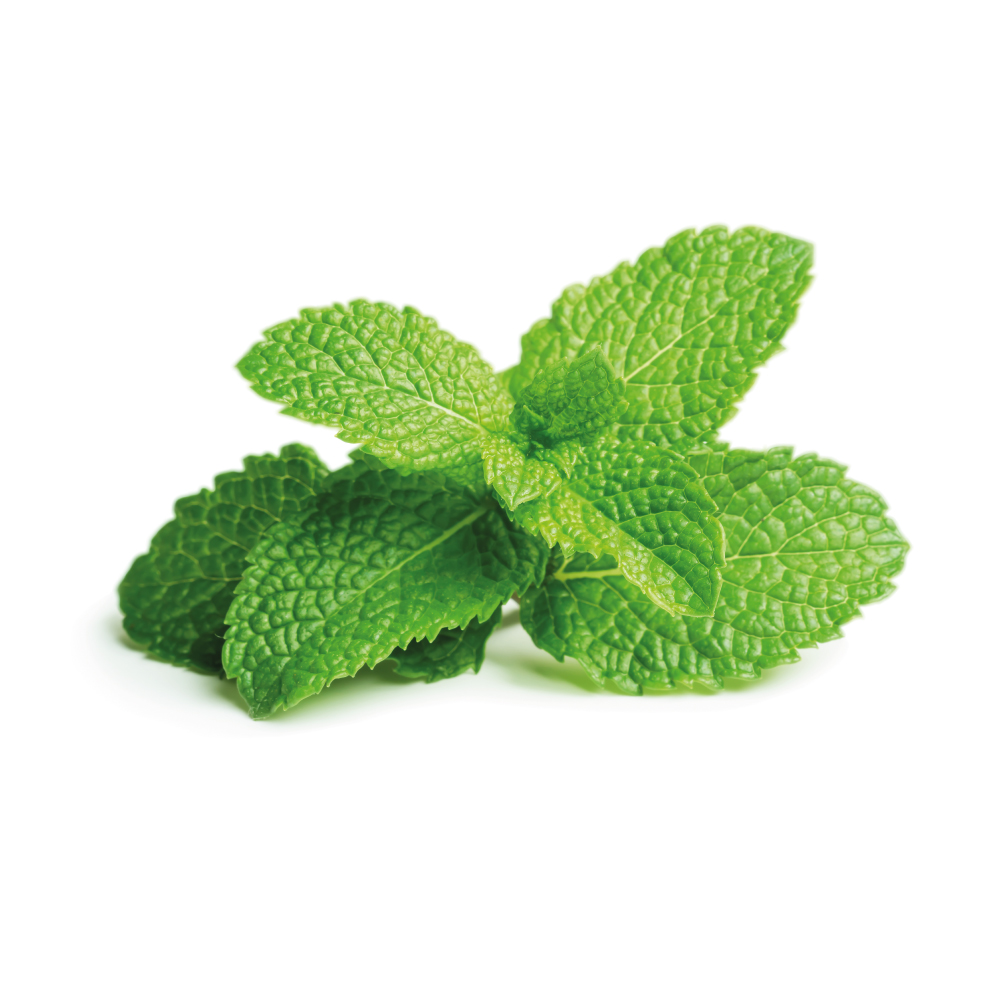 MildMildPeppermintMentha × piperitaInhaled as an aromatherapy oil rather than swallowed, with a modest pooled benefit in cancer-related nausea and no established mechanism.Mechanismnot establishedRead the evidenceShow lessMonograph →
A 2024 systematic review and meta-analysis of aromatherapy for cancer-related nausea found a modest pooled benefit 6Reference 6Meta-analysisEffects of aromatherapy on nausea and vomiting in patients with cancer: a systematic review and meta-analysis of randomized controlled trials — systematic review, meta-analysisView study →, and a paediatric trial reported reduced chemotherapy nausea from a peppermint and lemon blend 7Reference 7RCTEffect of peppermint-lemon aromatherapy on nausea-vomiting and quality of life in pediatric patients with leukemia: a randomized controlled trial — randomised controlled trialView study →.
No mechanism is established. The calcium-channel relaxation behind peppermint’s carminative action does not obviously apply to an inhaled aroma.
Three weaknesses compound. The trials are small and heterogeneous, many use blended oils or run peppermint alongside antiemetic drugs so its own contribution cannot be isolated, and blinding an aromatic intervention is inherently weak 6,
No herbs match these filters.
Safety
- Vomiting with severe abdominal pain, blood, coffee-ground material, head injury, chest pain or signs of dehydration needs medical assessment.
- Persistent vomiting in pregnancy can progress to hyperemesis gravidarum, which is treated in hospital.
- Suppressing nausea can mask the condition causing it, so unexplained vomiting is a diagnostic question first.
- Bitter herbs settle the stomach at low doses and provoke nausea at high ones, since they stimulate upper-gut secretion and motility.
- Menthol held near the face of a baby or young child can trigger reflex apnoea.
- A psychoactive antiemetic impairs coordination and judgment and is not compatible with driving.
References
- Smith, L. A., Azariah, F., Lavender, V. T., et al. (2015). Cannabinoids for nausea and vomiting in adults with cancer receiving chemotherapy — Cochrane systematic review. Cochrane Database of Systematic Reviews. https://pubmed.ncbi.nlm.nih.gov/26561338/
- Braun, I. M., Bohlke, K., Abrams, D. I., et al. (2024). Cannabis and Cannabinoids in Adults With Cancer: ASCO Guideline — practice guideline. Journal of Clinical Oncology. https://pubmed.ncbi.nlm.nih.gov/38478773/
- Viljoen E et al. (2014). A systematic review and meta-analysis of the effect and safety of ginger in the treatment of pregnancy-associated nausea and vomiting — meta-analysis. Nutrition Journal. https://pubmed.ncbi.nlm.nih.gov/24642205/
- Thomson M et al. (2014). Effects of ginger for nausea and vomiting in early pregnancy: a meta-analysis — meta-analysis. Journal of the American Board of Family Medicine. https://pubmed.ncbi.nlm.nih.gov/24390893/
- Matthews A et al. (2015). Interventions for nausea and vomiting in early pregnancy — systematic review (Cochrane). Cochrane Database of Systematic Reviews. https://pubmed.ncbi.nlm.nih.gov/26348534/
- Ahn, J. H., Kim, M., & Kim, H. (2024). Effects of aromatherapy on nausea and vomiting in patients with cancer: a systematic review and meta-analysis of randomized controlled trials — systematic review, meta-analysis. Complementary Therapies in Clinical Practice. https://pubmed.ncbi.nlm.nih.gov/38330531/
- Şancı, Y., & Bektaş, M. (2023). Effect of peppermint-lemon aromatherapy on nausea-vomiting and quality of life in pediatric patients with leukemia: a randomized controlled trial — randomised controlled trial. Journal of Pediatric Nursing. https://pubmed.ncbi.nlm.nih.gov/37453895/
Keep Exploring