

Overview
Carminative at a Glance
Carminatives are herbs used to relieve gas, bloating, and the cramping or griping that often comes with them.
They do not remove gas directly. Much of their effect comes from relaxing the smooth muscle of the digestive tract, allowing trapped gas to move through more easily.
This is why carminatives overlap so heavily with antispasmodics.
Most are aromatic herbs rich in volatile oils — including fennel, peppermint, chamomile, catnip, and many of the familiar culinary spices. Their oils can relax intestinal smooth muscle through effects on calcium channels, potassium channels, and other signalling pathways.
A smaller group of pungent herbs, such as cayenne and clove, act more through sensory nerves and the stomach lining. At low doses they may settle digestive discomfort, while larger amounts can become irritating.
Carminatives are among the most familiar household digestive herbs. Fennel, peppermint, ginger, cinnamon, thyme, sage, and similar herbs have long been taken after meals for wind, fullness, bloating, and digestive cramp.
Fennel is good to break wind, to provoke urine, and ease the pains of the stone, and helps to break it.
Nicholas Culpeper, The Complete Herbal, 1653, on fennel
Preparation matters because many of the active constituents are volatile. Aromatic teas are usually infused covered rather than boiled for long periods, while concentrated essential oils behave very differently from the whole herb.
Caution
Peppermint can worsen reflux — peppermint and uncoated essential oil taken by mouth relax the lower oesophageal sphincter and can worsen reflux.
The oils carry the hazards — concentrated essential oils carry risks that ordinary teas do not; at kitchen doses the teas add to no drug class.
Get persistent bloating checked — persistent or worsening bloating needs investigating for coeliac disease, bacterial overgrowth, inflammatory bowel disease and ovarian disease.
Mechanisms
How It Works
01
Calcium-Channel Blockade
Blocking calcium entry into gut smooth muscle relaxes it, which lets a pocket of trapped gas move on.
Peppermint’s menthol blocks L-type voltage-gated calcium channels in gastric and intestinal smooth muscle.
Fennel tea inhibits store-operated calcium channels, relaxing the upper stomach while stimulating the antrum, independent of the enteric nerves. Calamus and Mexican tarragon block calcium entry as well.
This is the mechanism of the antispasmodic action, and most carminatives carry both tags. The two actions are one pharmacology named from two directions: by the tissue effect, and by the symptom it relieves.
Uncoated peppermint oil relaxes the lower oesophageal sphincter and can worsen reflux, which is why the IBS trials use enteric-coated capsules.
02
Sensory Afferents and Gastroprotection
Pungent spices act on the sensory nerves and the lining of the stomach rather than on the muscle.
Cayenne’s capsaicin stimulates gastric TRPV1 afferents and then desensitises them, so a high acute dose causes heartburn while repeated low exposure becomes protective and relieves dyspepsia.
Clove’s eugenol raises gastric mucus and prostaglandin output and protects the mucosa in rodent ulcer models. Hyssop leaf has a similar cytoprotective finding in rats.
Both spices have a biphasic dose response. Small amounts protect the lining, and clove oil at volume damages the mucosa the spice protects.
03
Aromatic Volatile-Oil Relaxation
Monoterpene- and sesquiterpene-rich volatile oils relax gut smooth muscle without a single identified target.
This is the mechanism behind the whole aromatic-digestive tradition. Catnip, hyssop, nutmeg and yerba buena relax isolated gut preparations or slow transit, and German chamomile does it through potassium-channel activation.
The active fraction is volatile, so prolonged boiling drives it off. Carminative teas are infused covered rather than decocted, and the same herb behaves differently as a tea, a tincture and an essential oil.
Nearly every real hazard among the carminatives belongs to the oil.
Herbs: CatnipFennelGerman ChamomileHyssopMexican TarragonNutmegYerba Buena
The Molecules
Pharmacology
What actually produces a carminative effect at the molecular level. The herbs below carry these molecules in different combinations and amounts, which is most of why their potency differs. Roles describe how central a molecule is to the action across plants generally, not how strong any one herb is.
Chiefly Monoterpenes2
Carries the action largely on its own — the effect is attributed to the molecule, not just the extract it came from.
Adds to a plant's effect and is often present in quantity, but rarely accounts for it alone.
Real but narrow — one pathway, one tissue, or evidence too thin to lean on.
Menthol Monoterpenes Contributor Targets calcium-channel smooth-muscle relaxation in the gut lumen
The carminative reputation of mint is the antispasmodic mechanism seen from the symptom side — the same calcium-channel relaxation of gut smooth muscle, described by what the patient notices.
Found in Chickweed, Peppermint, Spearmint
Full Menthol profile →Geraniol Monoterpenes Minor role Targets gut anti-inflammatory and microbiota effects
One human result: a low-absorbable geraniol supplement reduced IBS symptom scores against placebo — 195 against 265, with 52% responders against 17% — in a 56-patient double-blind randomised trial 28Reference 28RCTGeraniol treatment for irritable bowel syndrome: a double-blind randomized clinical trialView study →.
Found in Cannabis, Catnip, Lemongrass, Rose, Rosewood
Full Geraniol profile →The human outcome evidence is peppermint oil’s: 10 randomised trials and 1,030 patients, with a relative risk of 0.65 for global IBS symptoms failing to improve, a number needed to treat of 4, and abdominal pain at RR 0.76. Quality of evidence was rated very low 29,
Reflux is the characteristic adverse event, and it is the same relaxation acting on the lower oesophageal sphincter — which is why spearmint, low in menthol, is the mint traditionally chosen where peppermint aggravates.
The formulation was product-specific and the finding is unreplicated.
What It's For
Indications
- Gas, bloating and abdominal distension
- Colic and griping pain
- Sluggish digestion after meals
- Nervous, wind-prone digestion
Materia Medica
Carminative Herbs by Potency
The carminative herbs, ordered by the relative strength of the effect rather than by how well studied it is. Each herb is described by the mechanism behind its effect and the evidence for it.
None of this is a substitute for professional care.
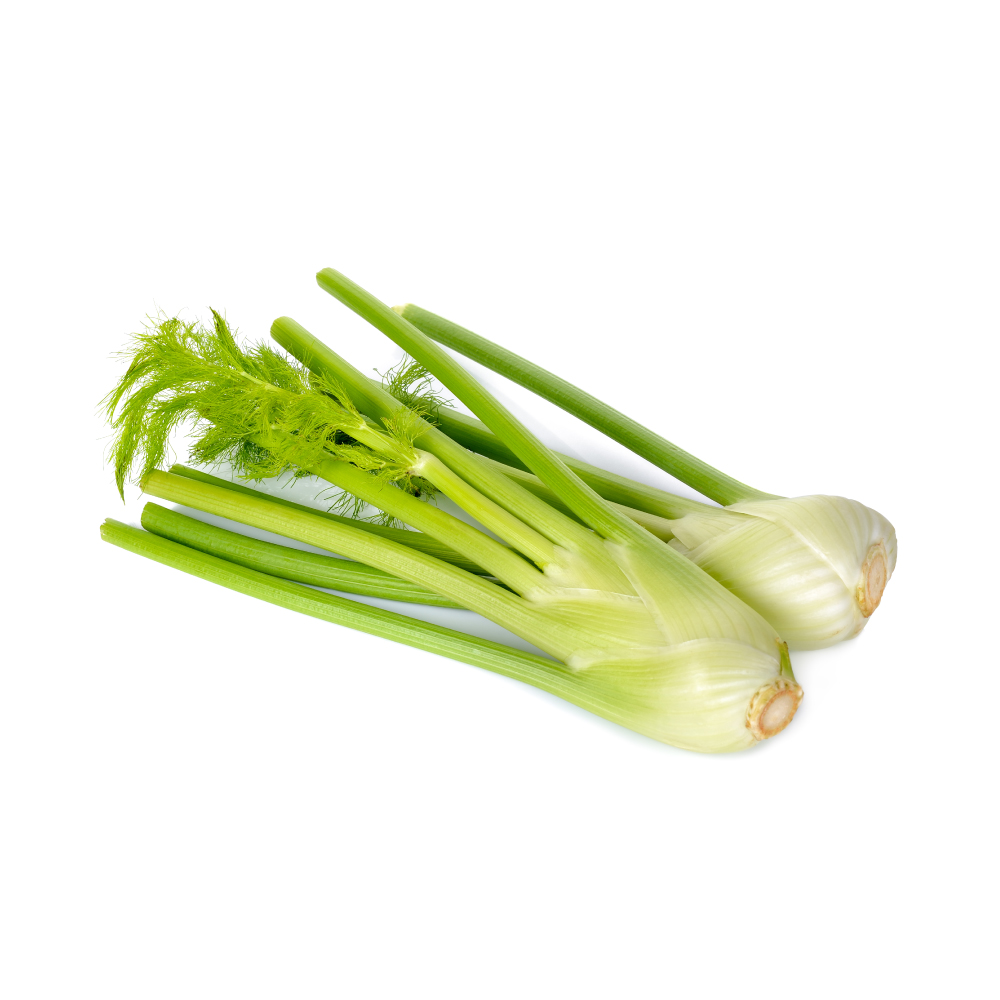 PotentPotentFennelFoeniculum vulgareRelaxes the upper stomach and drives the antrum at the same time, through the anethole-rich volatile oil of the ripe seed; the reference seed carminative of European practice.Mechanismstore-operated Ca²⁺-channel inhibition; neuron-independent gastric smooth-muscle relaxation (anethole, fenchone)Read the evidenceShow lessMonograph →
Freshly brewed fennel tea relaxed the fundus and corpus of the guinea-pig stomach while stimulating antral contraction, a region-specific store-operated calcium-channel effect that persists independent of the enteric nerves 11Reference 11Fennel tea has a region-specific effect on the motility of the stomach — ex vivoView study →. In rodents anethole restored delayed gastric emptying and impaired gastric accommodation 12Reference 12AnimalAnethole restores delayed gastric emptying and impaired gastric accommodation in rodents — animal modelView study →, and aqueous extract raised gastric acid and digestive-enzyme secretion 13Reference 13ReviewFoeniculum vulgare Mill: a review of its botany, phytochemistry, pharmacology and toxicology — reviewView study →.
The action lives in the ripe seed’s volatile oil, which runs from about 35% to 90% trans-anethole by chemotype 13,
There is no placebo-controlled trial of fennel on its own for bloating or functional dyspepsia. The human data are two trials of a curcumin-plus-fennel-oil combination in IBS, where fennel’s contribution cannot be isolated 16,
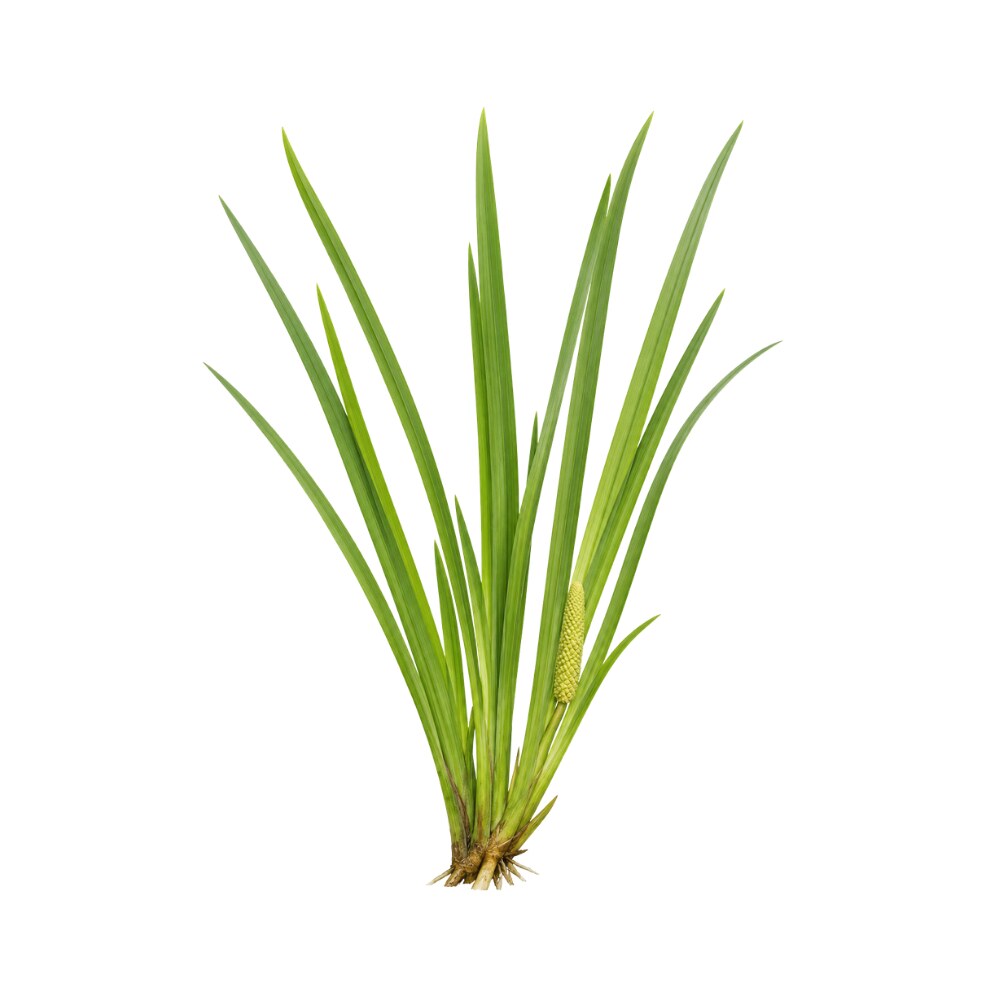 StrongStrongCalamusAcorus calamusA crude extract relaxes intestinal smooth muscle by calcium-channel blockade, and a β-asarone-free oil keeps the effect; the classic aromatic bitter for flatulent dyspepsia.MechanismL-type Ca²⁺-channel blockade; muscarinic antagonismRead the evidenceShow lessMonograph →
A crude ethanol extract inhibited both spontaneous and high-potassium-induced contractions in isolated rabbit jejunum, with EC₅₀ values of 0.42 and 0.13 mg/mL, the paired pattern of calcium-channel blockade rather than a receptor-specific antispasmodic 1Reference 1In vitroAntispasmodic effect of Acorus calamus Linn. is mediated through calcium channel blockade — in vitroView study →. The same mechanism relaxed pre-contracted guinea-pig trachea, with muscarinic antagonism adding a bronchodilator arm 2Reference 2AnimalBronchodilatory effect of Acorus calamus (Linn.) is mediated through multiple pathways — animal in vivoView study →.
A β-asarone-free oil retained spasmolytic activity against histamine-induced ileal spasm, comparable to pyrilamine 3Reference 3In vitroSpasmolytische wirkung des isoasaronfreien kalmus1 — in vitroView study →. The gut effect does not need the carcinogenic constituent, so the low-asarone North American diploid carries this action.
Every result is from isolated organ preparations. No human trial in dyspepsia or colic exists, and there is no standardised oral dose.
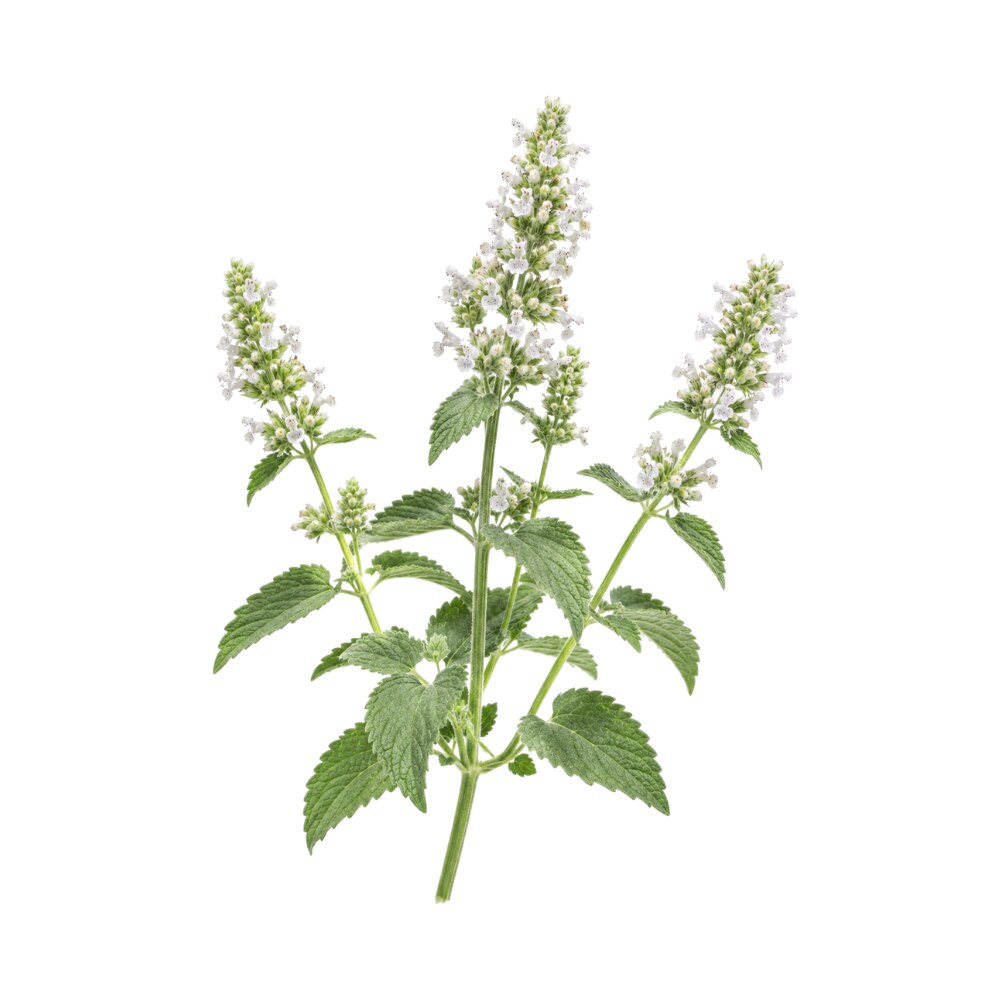 StrongStrongCatnipNepeta catariaOne of the classic gentle carminatives of Western practice, given as a warm infusion for colic and wind and mild enough for children.Mechanismaromatic/volatile-oil relaxation of gut smooth muscleRead the evidenceShow lessMonograph →
Catnip tea is a long-standing nursery remedy for infant colic and a household carminative for wind and griping, and Western herbalism still uses it that way.
Its volatile oil relaxes gut smooth muscle by the same spasmolytic route as the other aromatic mints. The standing rests on that clinical tradition; there is no trial.
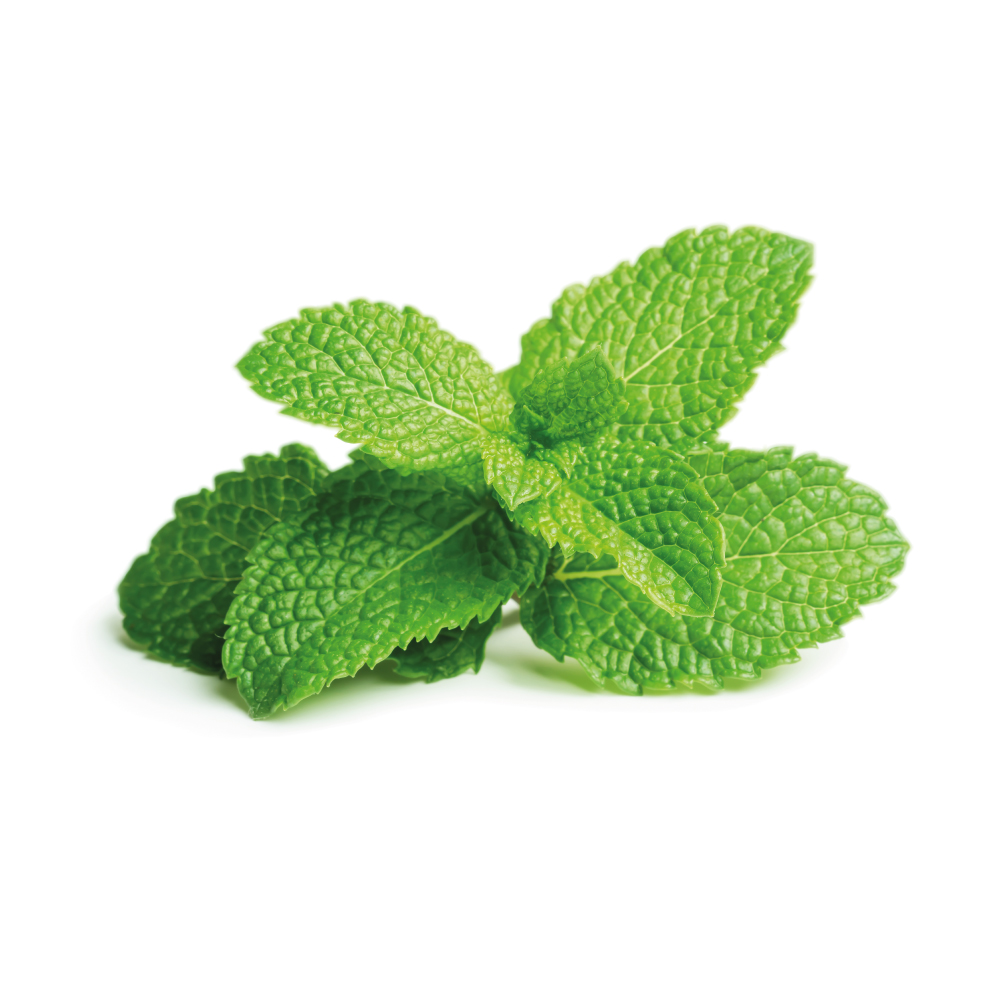 StrongStrongPeppermintMentha × piperitaMenthol blocks calcium channels in gastric and intestinal smooth muscle, relieving epigastric fullness, cramping and gas; the oil has trial evidence and the tea has the tradition.MechanismL-type Ca²⁺ channel blockade in gastric/intestinal smooth muscle; gastric accommodation and visceral-sensitivity modulation (proposed)Read the evidenceShow lessMonograph →
A fixed combination of peppermint oil and caraway oil, about 90 mg peppermint and 50 mg caraway oil twice daily, relieved epigastric pain, fullness and cramping in placebo-controlled trials of functional dyspepsia and improved quality of life 23,
The proposed mechanism pairs menthol’s smooth-muscle relaxation with caraway’s own carminative action, with possible effects on gastric accommodation and visceral sensitivity 27Reference 27ReviewReview article: the physiological effects and safety of peppermint oil and its efficacy in irritable bowel syndrome and other functional disorders — reviewView study →.
The trials test the combination, and most come from one proprietary preparation, so the carminative signal cannot be attributed to peppermint alone 26Reference 26Meta-analysisA combination of peppermint oil and caraway oil for the treatment of functional dyspepsia: a systematic review and meta-analysis — systematic review, meta-analysisView study →. Leaf tea and liquid extract are the traditional carminative preparations and have no trial support of their own.
 ModerateModerateCayenneCapsicum annuumCapsaicin stimulates and then desensitises the stomach's TRPV1 sensory nerves, relieving dyspepsia on repeated low doses and protecting the lining in animals.Mechanismgastric TRPV1 afferent stimulation then desensitisation; sensory-afferent CGRP release → ↑ mucosal blood flowRead the evidenceShow lessMonograph →
A randomised placebo-controlled trial of red-pepper powder, 2.5 g a day of the crude herb for five weeks, improved functional-dyspepsia symptoms, most plausibly by first stimulating and then desensitising gastric TRPV1 afferents 4Reference 4RCTThe treatment of functional dyspepsia with red pepper — randomised controlled trialView study →. In animals capsaicin and chilli protect the gastric mucosa against injury by driving sensory-nerve release of CGRP and raising mucosal blood flow 5Reference 5Protective action of capsaicin and chilli on haemorrhagic shock-induced gastric mucosal injury — animal comparative studyView study →.
The dose response is biphasic. Low, repeated exposure is protective and relieves symptoms, while a large acute dose irritates and causes heartburn and epigastric burning.
The human base is one small trial, and the gastroprotection is animal-only.
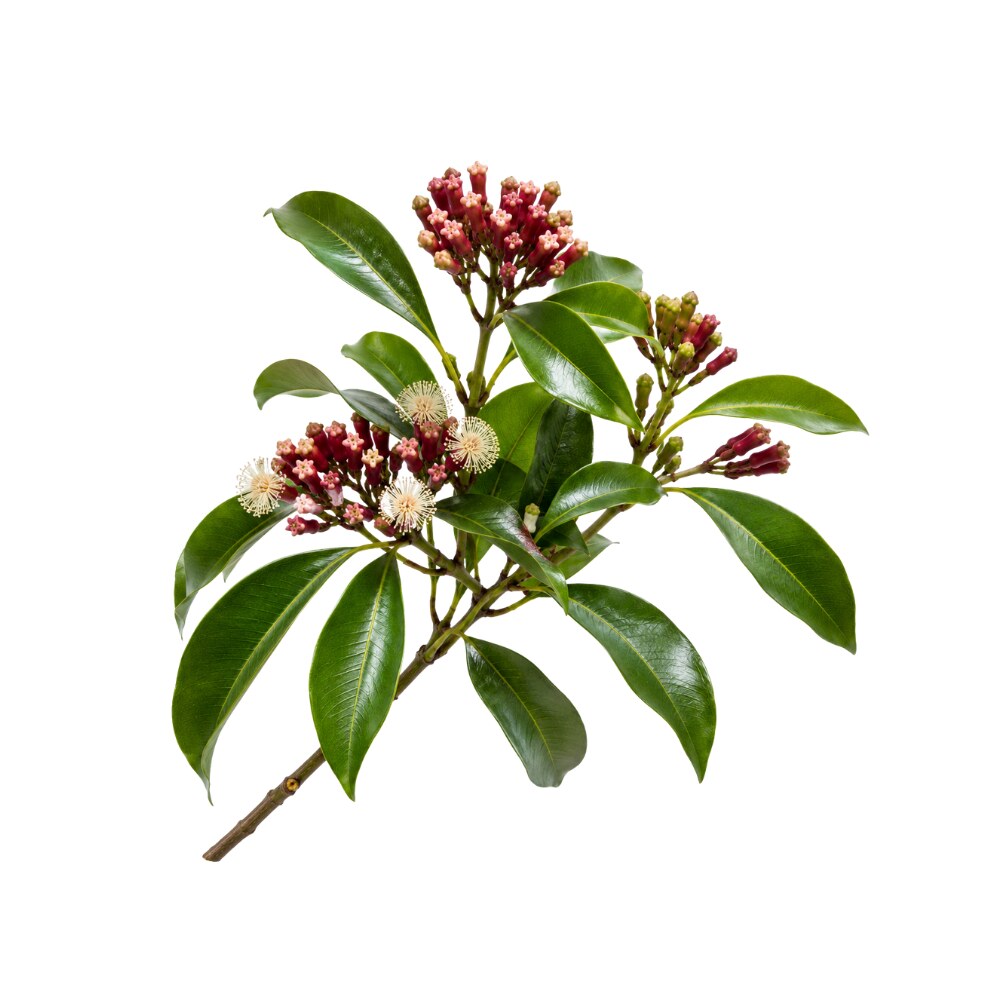 ModerateModerateCloveSyzygium aromaticumEugenol raises gastric mucus and prostaglandin output and protects the stomach lining at low doses; a warming spice-cabinet carminative with rodent mechanism behind it.Mechanismgastroprotection; mucus and prostaglandin ↑Read the evidenceShow lessMonograph →
Low-dose eugenol reduced the ulcer index in an ethanol-ulcer rat model, raised mucus and prostaglandin output, and lowered lipid peroxidation, TNF-α and IL-6 9Reference 9AnimalGastroprotective effect of low dose Eugenol in experimental rats against ethanol induced toxicity — [animal in vivo (rat model)]View study →. Against indomethacin ulcers the protection ran through ATP-sensitive potassium channels, radical scavenging, reduced acid and pepsin secretion and increased mucin 10Reference 10AnimalMechanisms of gastroprotective effect of eugenol in indomethacin-induced ulcer in rats — [animal in vivo (rat model)]View study →.
The effect is biphasic. A low dose protects and a higher dose does not, and clove oil at volume damages the mucosa the spice protects.
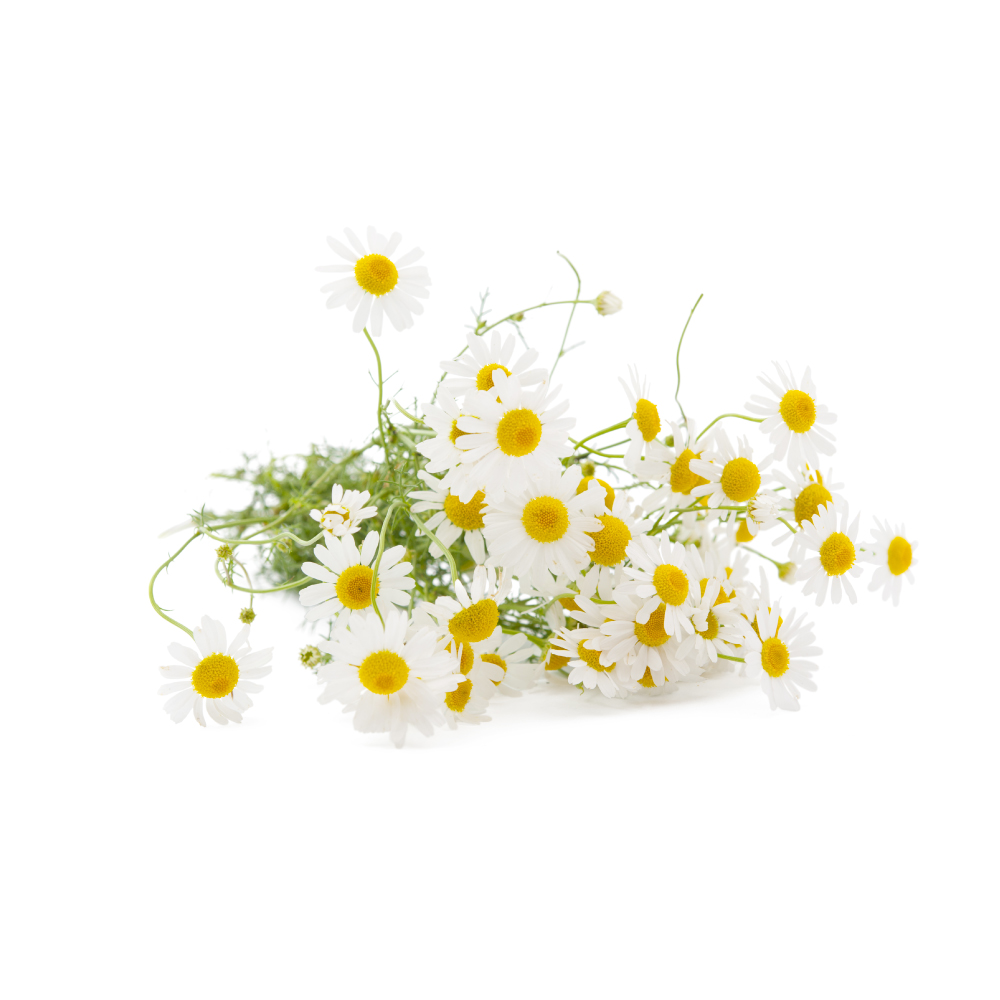 ModerateModerateGerman ChamomileMatricaria chamomillaRelaxes gut smooth muscle through potassium-channel activation and its volatile oil, letting trapped gas move; a long and consistent tradition for flatulence, colic and indigestion.MechanismK⁺-channel-mediated smooth-muscle relaxation; sesquiterpene/volatile-oil spasmolysisRead the evidenceShow lessMonograph →
Chamomile’s antispasmodic and antisecretory activity in animal and isolated-tissue work is mediated mainly through potassium-channel activation 6Reference 6In vitroAntidiarrhoeal, antisecretory and antispasmodic activities of Matricaria chamomilla are mediated predominantly through K⁺-channels activation — animal / in vitro studyView study →, and the sesquiterpene-rich volatile oil adds the relaxant character typical of the aromatic carminatives.
The traditional use for flatulence, colic and indigestion is long and consistent 6,
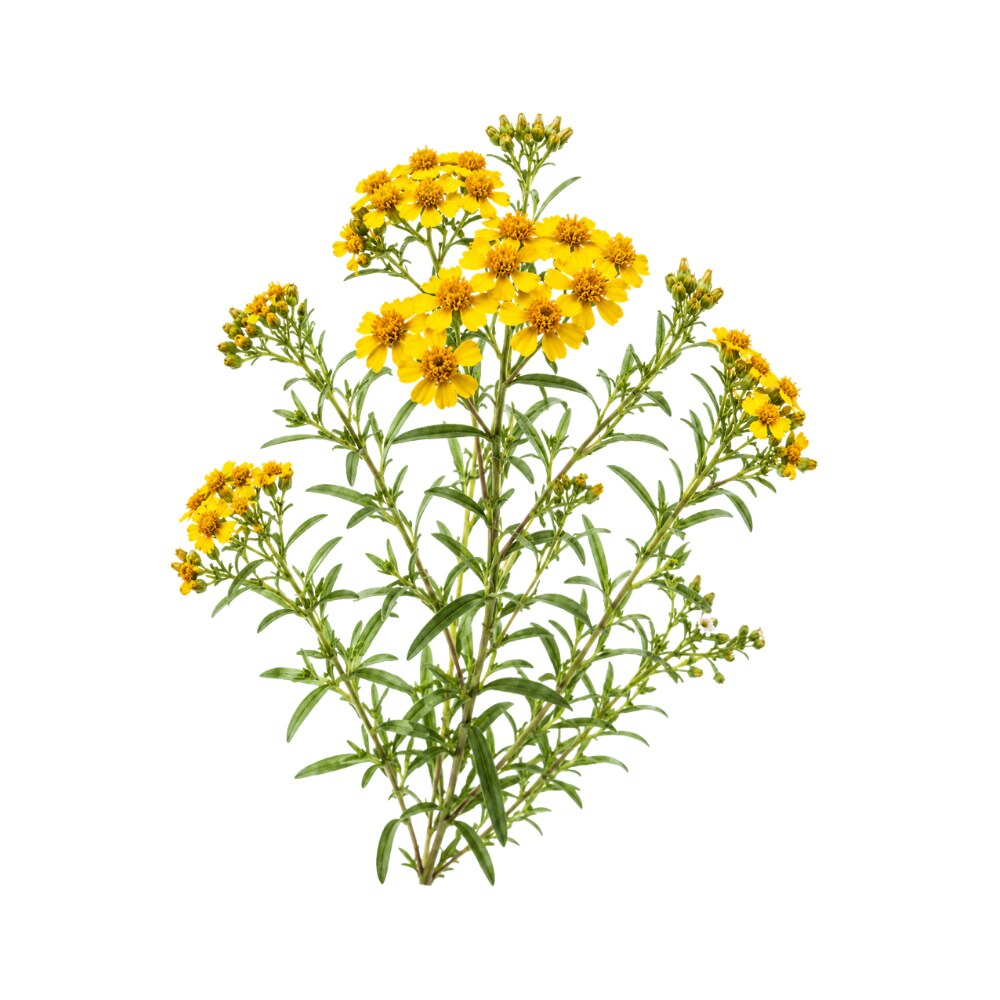 ModerateModerateMexican TarragonTagetes lucidaAn aqueous extract relaxes intestinal smooth muscle by blocking calcium entry and slows transit in mice, matching the traditional digestive tea for stomach ache and wind.Mechanismsmooth-muscle relaxation via Ca²⁺ entry block (KCl-contraction inhibition); non-nitrergic, non-ganglionicRead the evidenceShow lessMonograph →
An aqueous extract relaxed guinea-pig ileum pre-contracted with potassium chloride by about 84% and with acetylcholine by about 77%, while barely touching electrically stimulated contractions, and it reduced intestinal transit in the mouse charcoal-meal test 20Reference 20Study of antispasmodic and antidiarrheal activities of Tagetes lucida in experimental models — animal studyView study →. The block was insensitive to a ganglionic blocker and a nitric-oxide-synthase inhibitor, pointing at direct myocyte calcium handling, and the coumarins umbelliferone and herniarin reproduced the effect on their own 20Reference 20Study of antispasmodic and antidiarrheal activities of Tagetes lucida in experimental models — animal studyView study →.
The aqueous extract matches the traditional digestive tea. The evidence is one ex-vivo and rodent study from one group, and no gas or bloating endpoint has been measured.
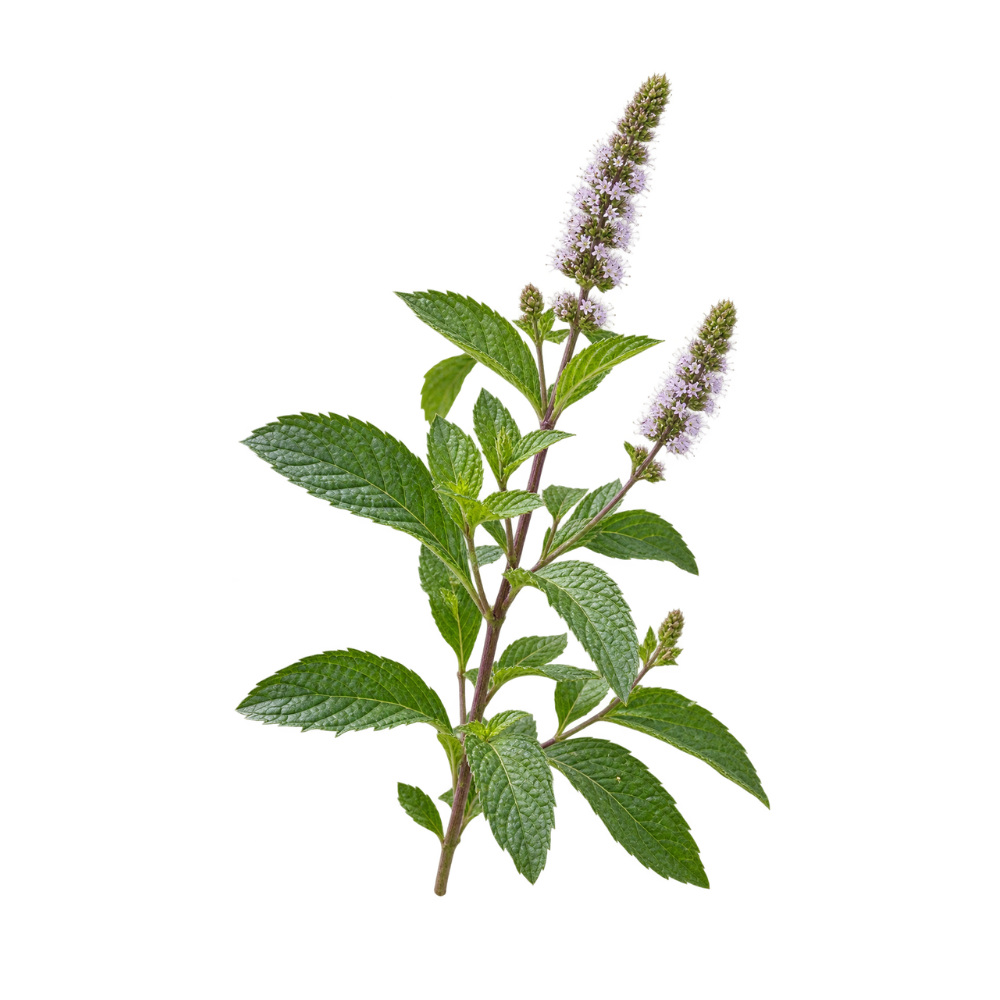 ModerateModerateSpearmintMentha spicataThe mint for the digestive complaints peppermint makes worse — carvone rather than menthol, so it settles the gut without relaxing the oesophageal sphincter.Mechanismcarvone-dominated essential oil; low menthol, so no lower-oesophageal-sphincter relaxationRead the evidenceShow lessMonograph →
Spearmint is classified as a carminative and mild antispasmodic: an infusion of the leaf for flatulence, digestive cramping, colic and nausea, taken freely as a warm infusion after meals.
The rationale is chemical. Its essential oil is dominated by carvone rather than menthol, which makes it sweeter, much less cooling and gentler on the gut.
Peppermint’s menthol relaxes the lower oesophageal sphincter and aggravates reflux; spearmint gives the aromatic, gut-settling character without that, so it was reached for in exactly the complaints where peppermint could make things worse — and for children.
Ayurvedic practice uses it the same way, as pudina, a cooling digestive aromatic for nausea, poor appetite and gastric discomfort, taken as fresh leaf or a light infusion after food.
It is a gentle everyday remedy rather than a strong one. Its documented antiandrogenic effect means a therapeutic-dose tea is not a neutral intervention.
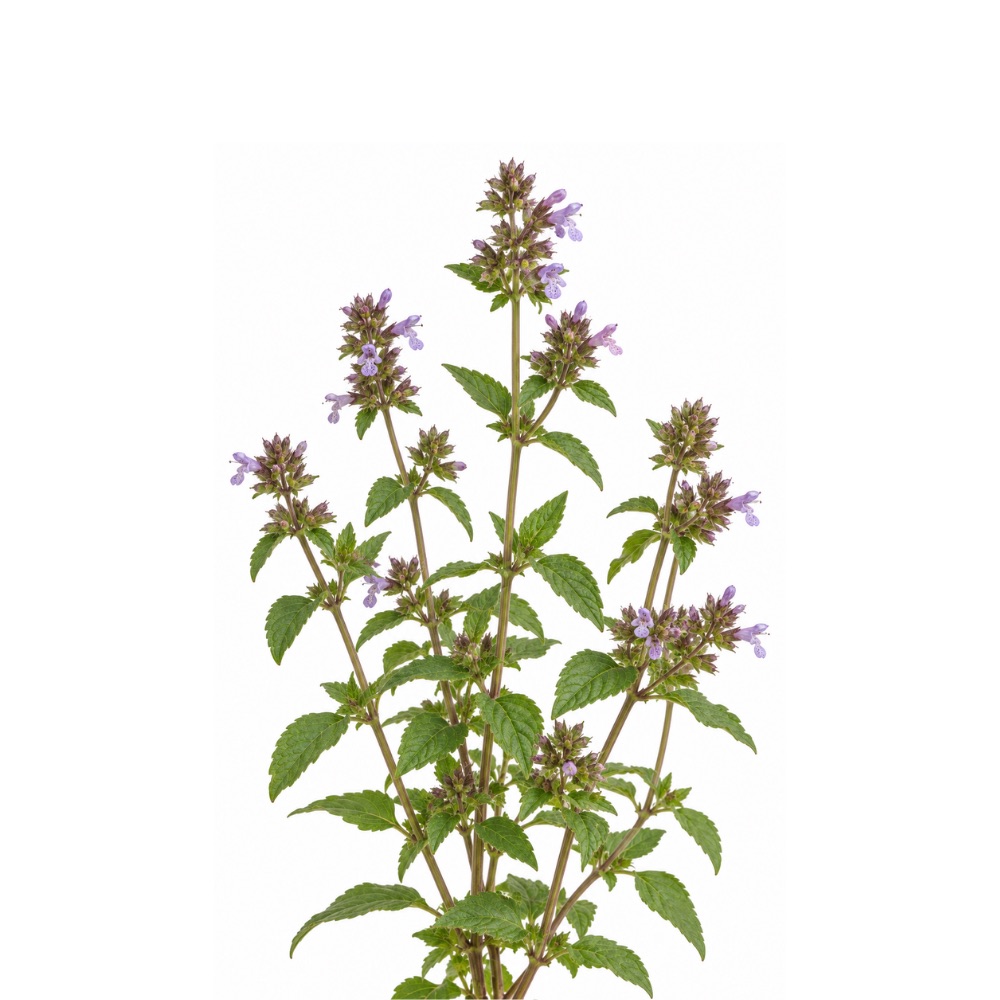 ModerateModerateYerba BuenaClinopodium douglasiiA pleasant everyday mint tea taken after meals for gas and indigestion, relaxing the gut through the monoterpene volatile oil shared by the culinary mints.Mechanismmonoterpene-mediated gastrointestinal smooth-muscle relaxationRead the evidenceShow less
A leaf infusion after meals for gas and indigestion is the plant’s most consistent ethnobotanical record, and it is drunk as a beverage as much as a medicine.
The oil composition supports the standard mint carminative mechanism, but the effect is inferred from related mints and has not been tested in Clinopodium douglasii.
Show 25 more herbs with a mild carminative action
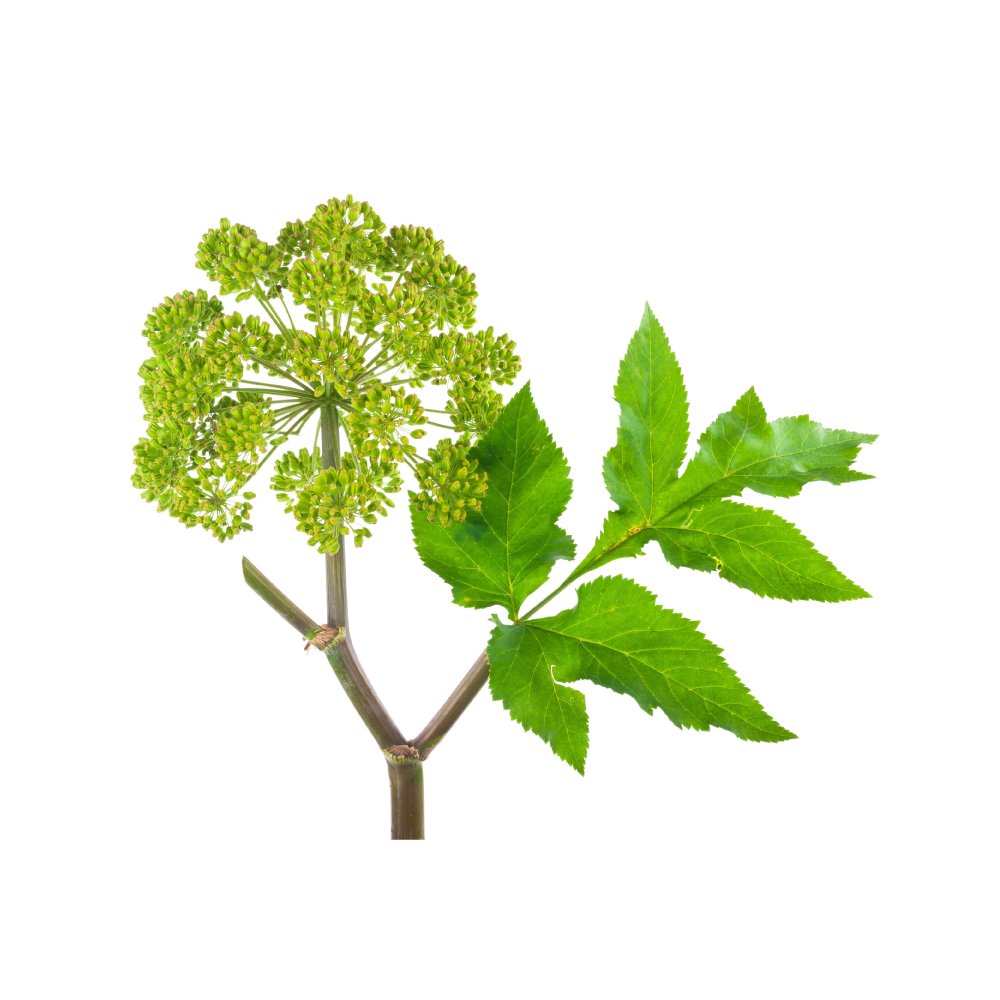 MildMildAngelicaAngelica archangelicaA warming aromatic umbellifer with about 1% essential oil, used in Western practice for a cold, windy digestion and in Chinese medicine to dispel damp and phlegm from the intestines.Read the evidenceShow lessMonograph →
The root is one of the classic warming bitter-aromatics of European practice for a cold, sluggish and windy digestion, and the Chinese description of dispelling damp and phlegm from the intestines covers similar ground.
There is no study and no gut-motility or gas-transit data. The action stands on composition and tradition.
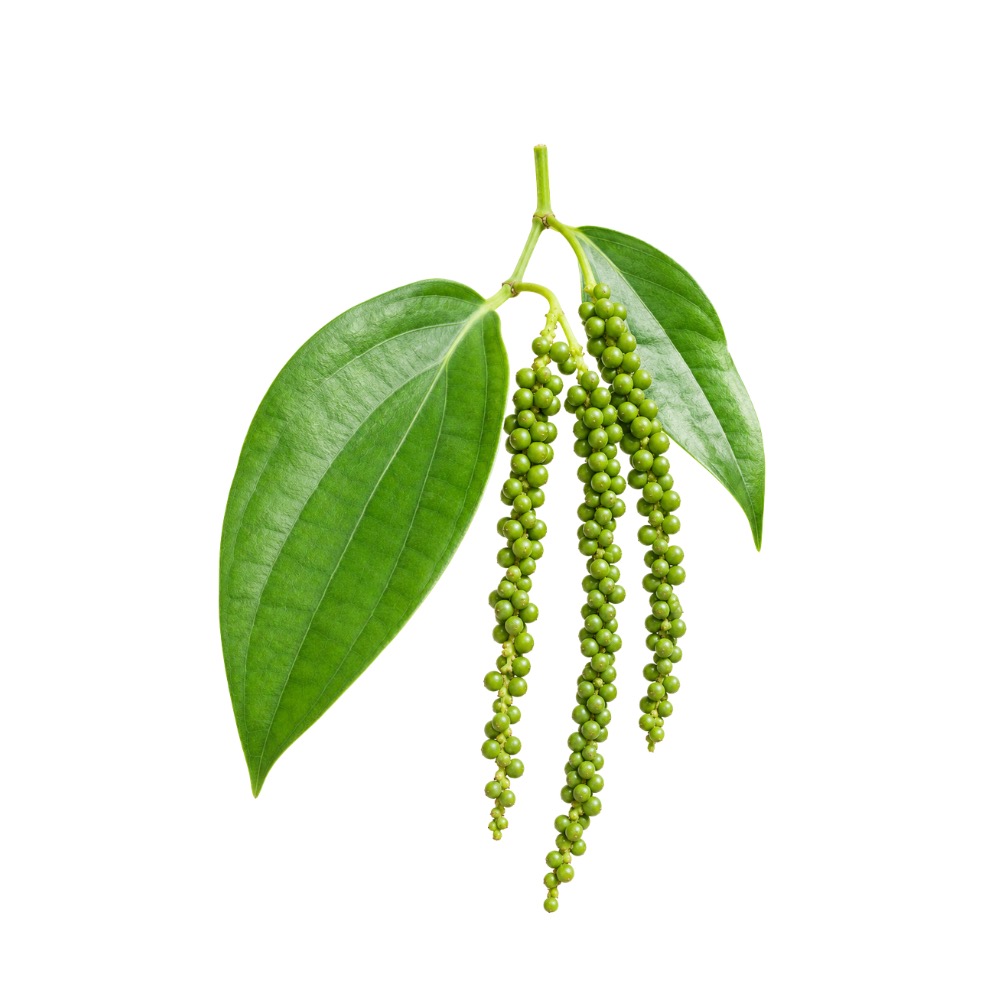 MildMildBlack PepperPiper nigrumA small-dose warming spice in Western practice and a deepana-pachana herb in Ayurveda, kindling digestion and easing wind.Read the evidenceShow lessMonograph →
Both traditions use black pepper in small doses to warm a cold digestion and move gas, and the Ayurvedic trikatu formula pairs it with long pepper and ginger for that purpose.
Piperine’s documented pharmacology is bioavailability enhancement. No digestive-motility or gas study exists.
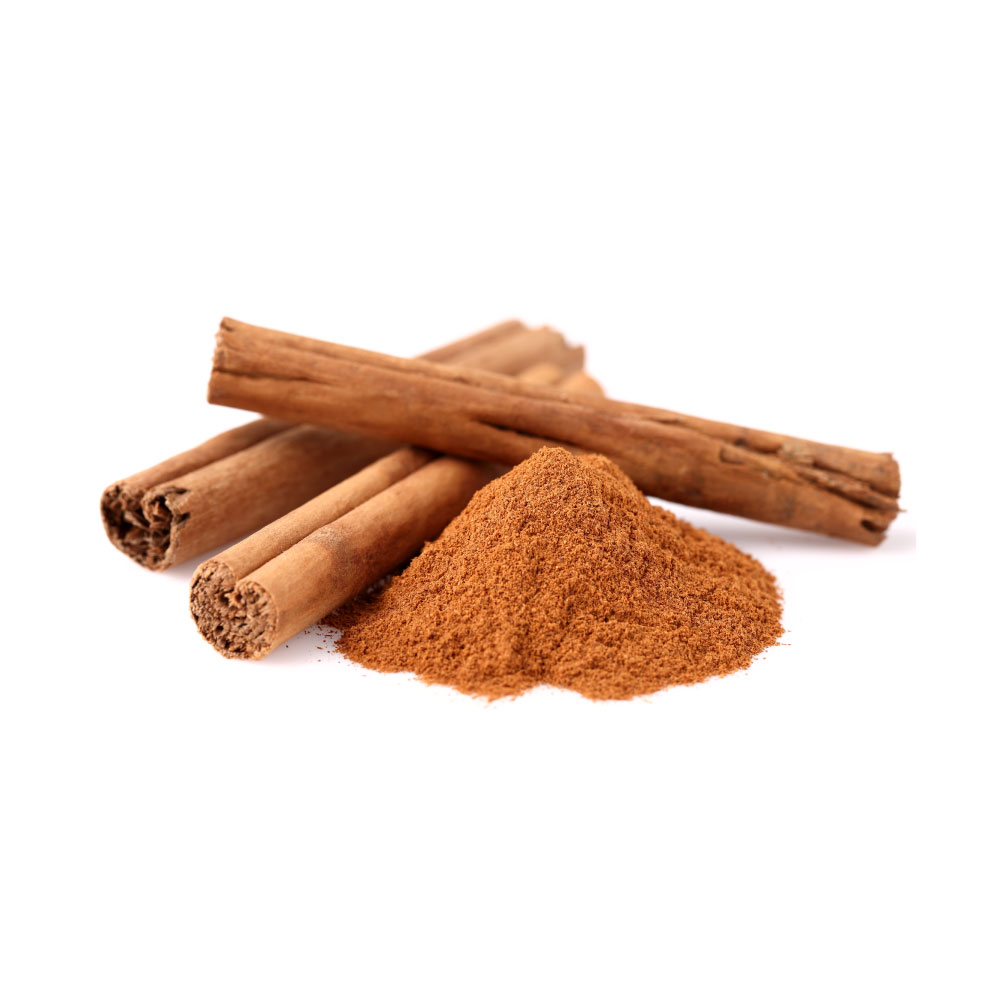 MildMildCassia CinnamonCinnamomum cassiaA warming aromatic bark taken for cold, sluggish digestion and wind, with cinnamaldehyde as the main volatile constituent.Read the evidenceShow lessMonograph →
Cassia is the warming digestive spice of both the Chinese and the Western materia medica, given for cold abdominal pain, poor appetite and flatulence.
No motility, gas-transit, gastric-emptying or spasmolytic study exists. Cassia’s coumarin content makes Ceylon cinnamon the better choice for sustained use.
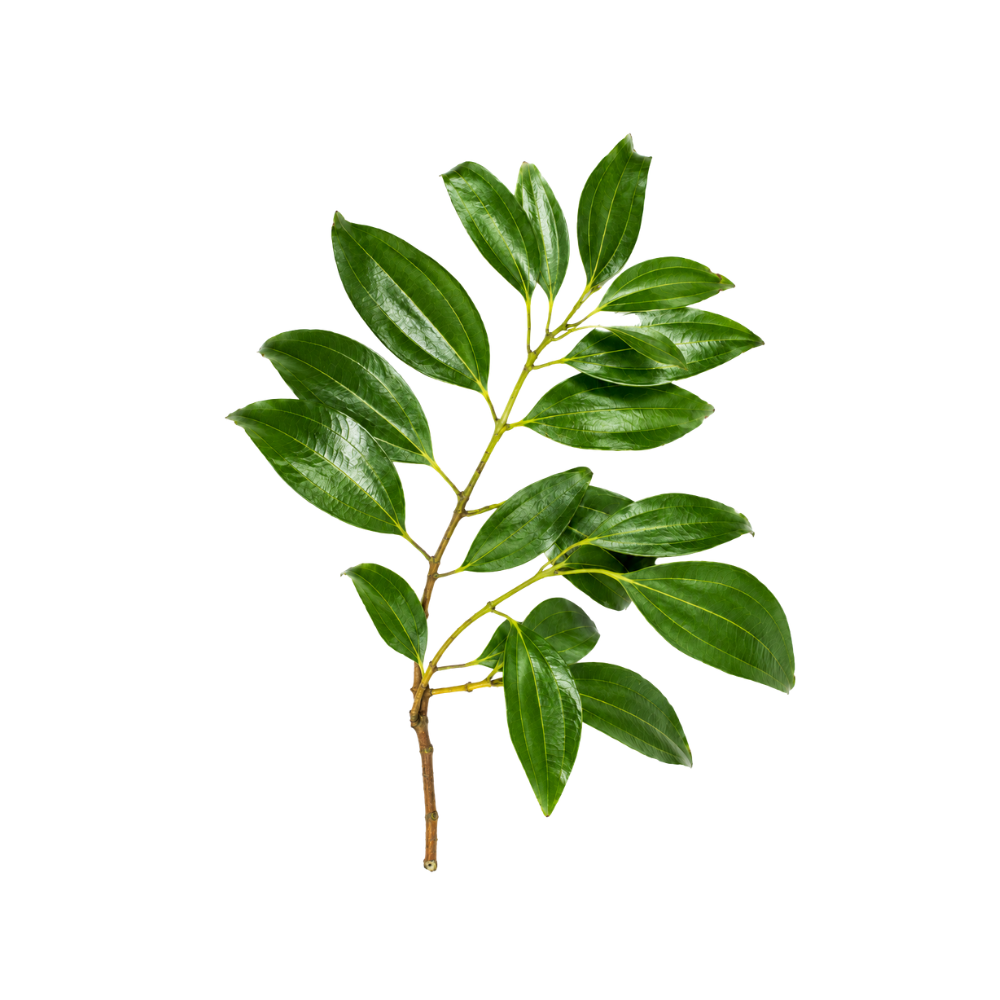 MildMildCeylon CinnamonCinnamomum verumA carminative and digestive stimulant for sluggish, cold digestion, poor appetite and wind in Western practice, resting on a cinnamaldehyde-rich volatile oil.Read the evidenceShow lessMonograph →
Western practice reads cinnamon as a warming aromatic whose first action is digestive: a stimulant for cold, sluggish digestion and a carminative for wind. The volatile oil is the plausible carrier.
Nothing has been measured. Its coumarin content is far lower than cassia’s, which suits it to sustained use.
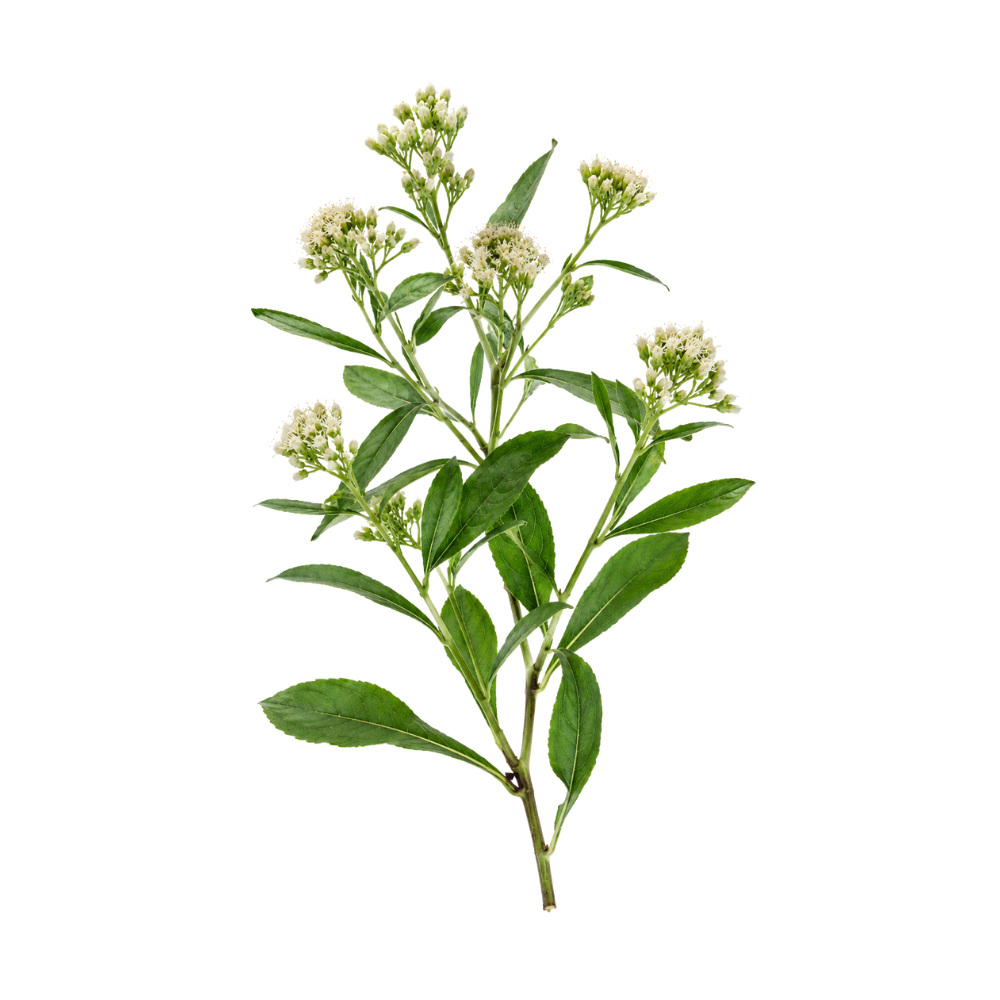 MildMildChilcaBaccharis latifoliaA limonene-dominant aromatic leaf used across the Andes for flatulence, heartburn and stomach pain.Read the evidenceShow lessMonograph →
Leaf preparations are given for digestive complaints, among them flatulence, heartburn and stomach pain, alongside chilca’s main topical anti-inflammatory use.
A limonene-dominant oil is a textbook carminative profile. No study and no experimental work exist.
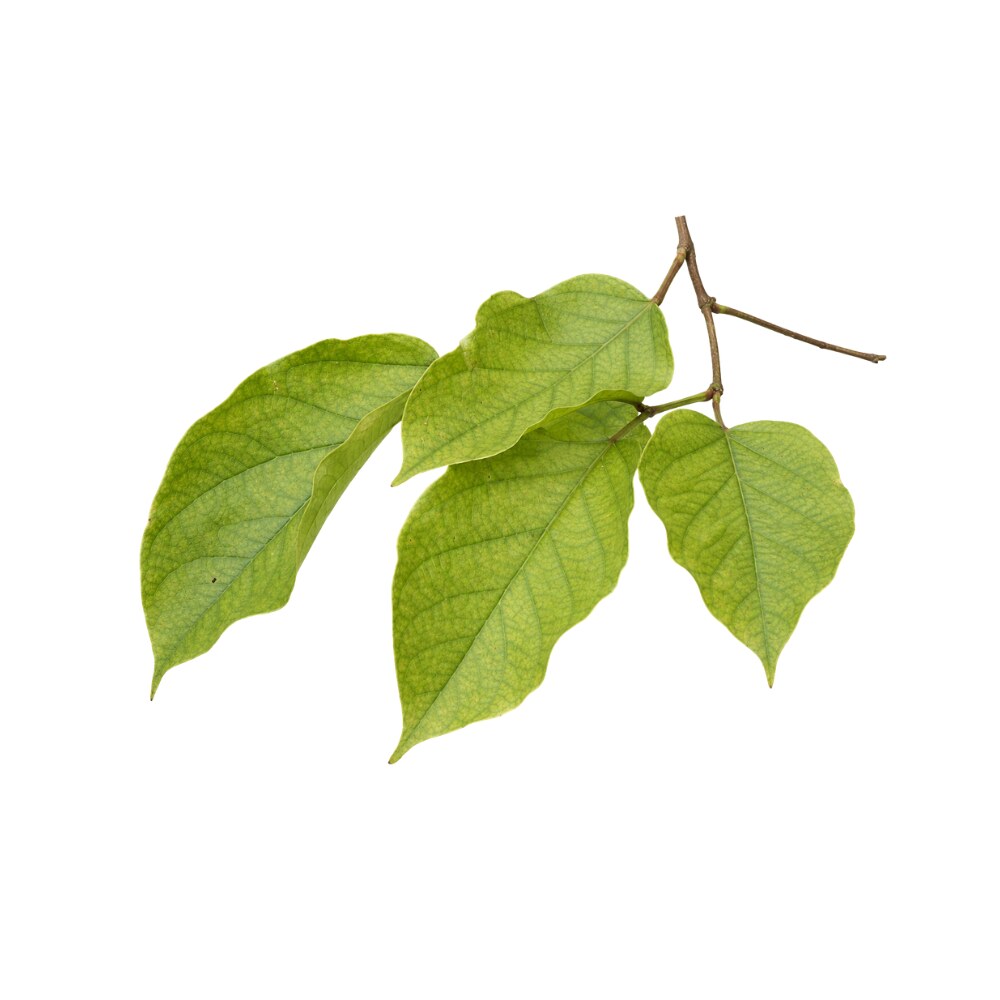 MildMildClavo HuascaTynanthus panurensisThe water infusion of the bark is used in Brazil for dyspepsia and intestinal gas, and in Peru to restore appetite.Read the evidenceShow lessMonograph →
The ethnobotanical record is specific about the preparation. The carminative use attaches to the water infusion, while most of the herb’s other claims attach to a tincture.
No study exists.
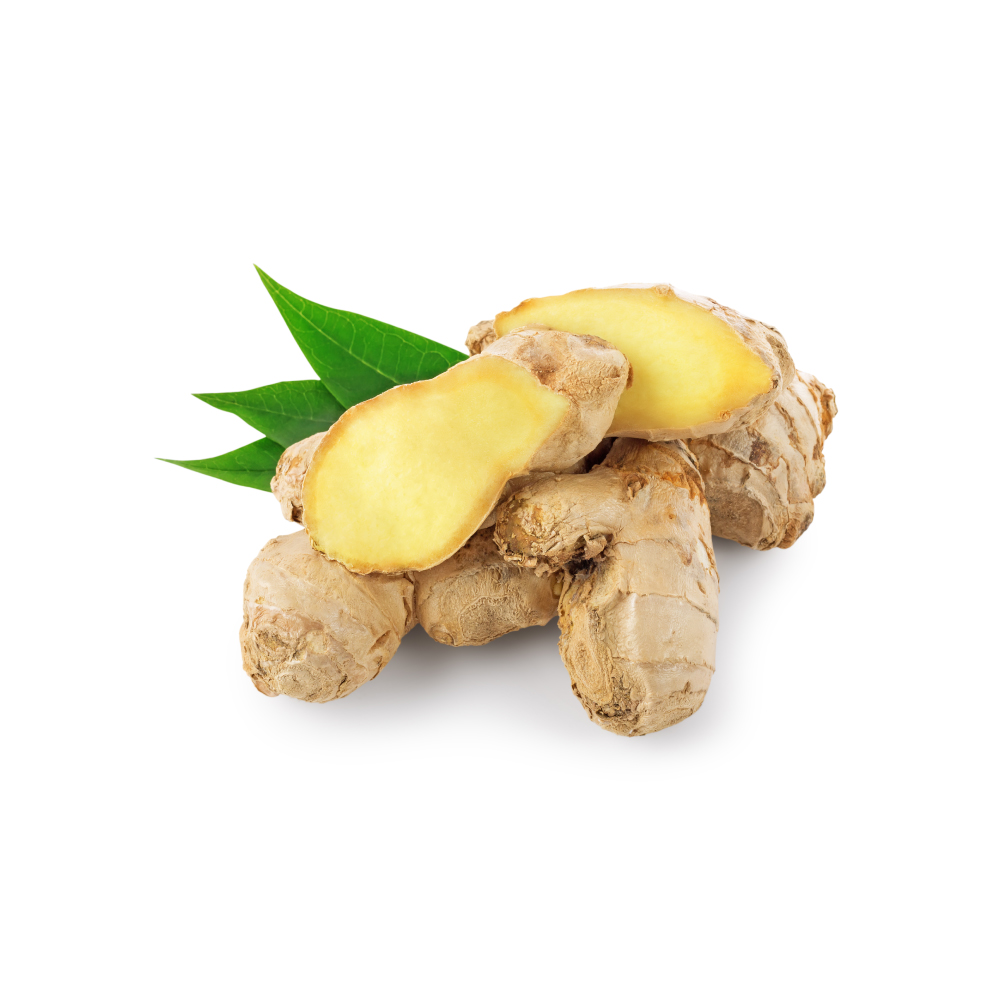 MildMildGingerZingiber officinaleSpeeds gastric emptying and stimulates gut motility, the same prokinetic action behind its antiemetic evidence; a well-established culinary and traditional carminative.Read the evidenceShow lessMonograph →
Ginger’s prokinetic effect on gastric emptying is documented as part of its antiemetic evidence, and a stomach that empties faster holds less gas and fullness.
No gas, bloating or transit endpoint has been measured on its own. The measurement is adjacent to the action rather than on it.
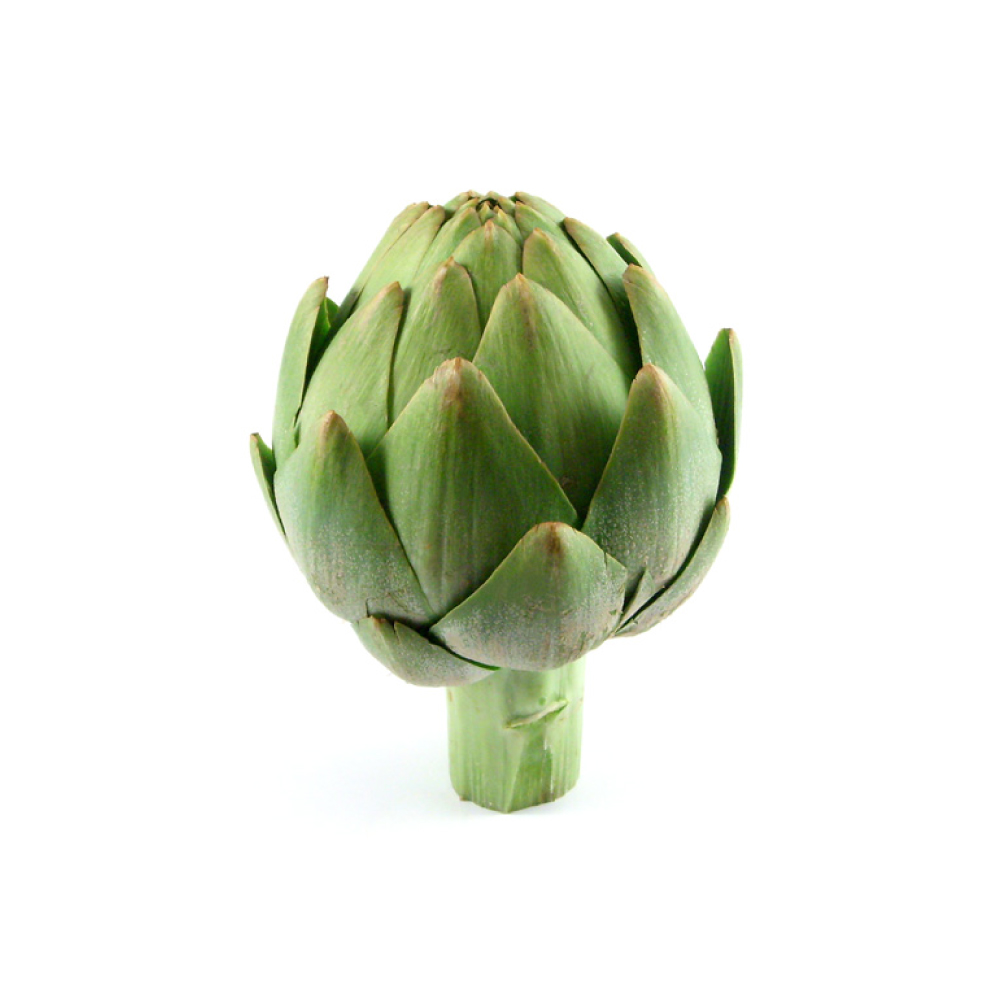 MildMildGlobe ArtichokeCynara scolymusIncreases bile flow, which helps digest a fatty meal and eases the fullness and bloating that follow it; the dyspepsia trial measured symptoms, not gas.Read the evidenceShow lessMonograph →
Artichoke leaf’s choleretic effect is measured, and its functional-dyspepsia trial reported symptom improvement.
Gas and bloating were never measured as endpoints. Artichoke’s evidenced work is choleretic and hypolipidemic.
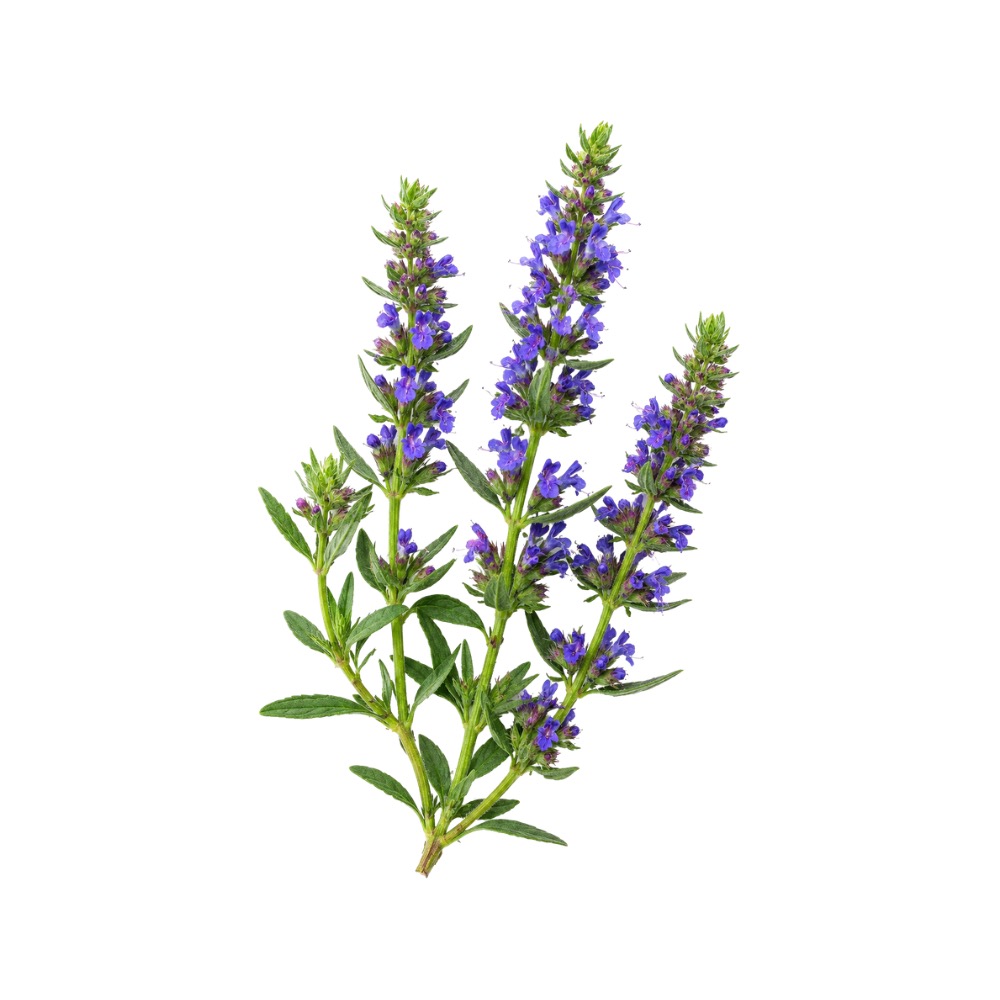 MildMildHyssopHyssopus officinalisThe essential oil relaxes isolated intestinal muscle, and a leaf extract protected the stomach lining in rats; an aromatic bitter taken as the tea, never the oil.Mechanismintestinal smooth-muscle relaxation (same finding as antispasmodic); gastric mucus / SOD / GSH / catalase ↑, TBARS ↓Read the evidenceShow lessMonograph →
Hyssop essential oil relaxed isolated guinea-pig intestinal preparations 18Reference 18Muscle relaxing activity of Hyssopus officinalis essential oil on isolated intestinal preparations — [ex vivo (isolated guinea-pig ileum)]View study →, the one study behind its carminative and antispasmodic reputation.
An ethanolic leaf extract at 250 and 500 mg/kg for 10 days reduced ulcer index and lipid peroxidation while raising mucus, SOD, GSH and catalase in indomethacin-induced gastric ulcer in rats, with confirming histology 19Reference 19AnimalGastroprotective effect of Hyssopus officinalis L. leaves via reduction of oxidative stress in indomethacin-induced gastric ulcer in experimental rats — [rat model — in vivo]View study →. That is a single unreplicated animal study and a cytoprotective effect rather than a measured carminative one.
The tea is a reasonable and traditional aromatic-bitter digestive. The essential oil is a convulsant and is not taken internally.
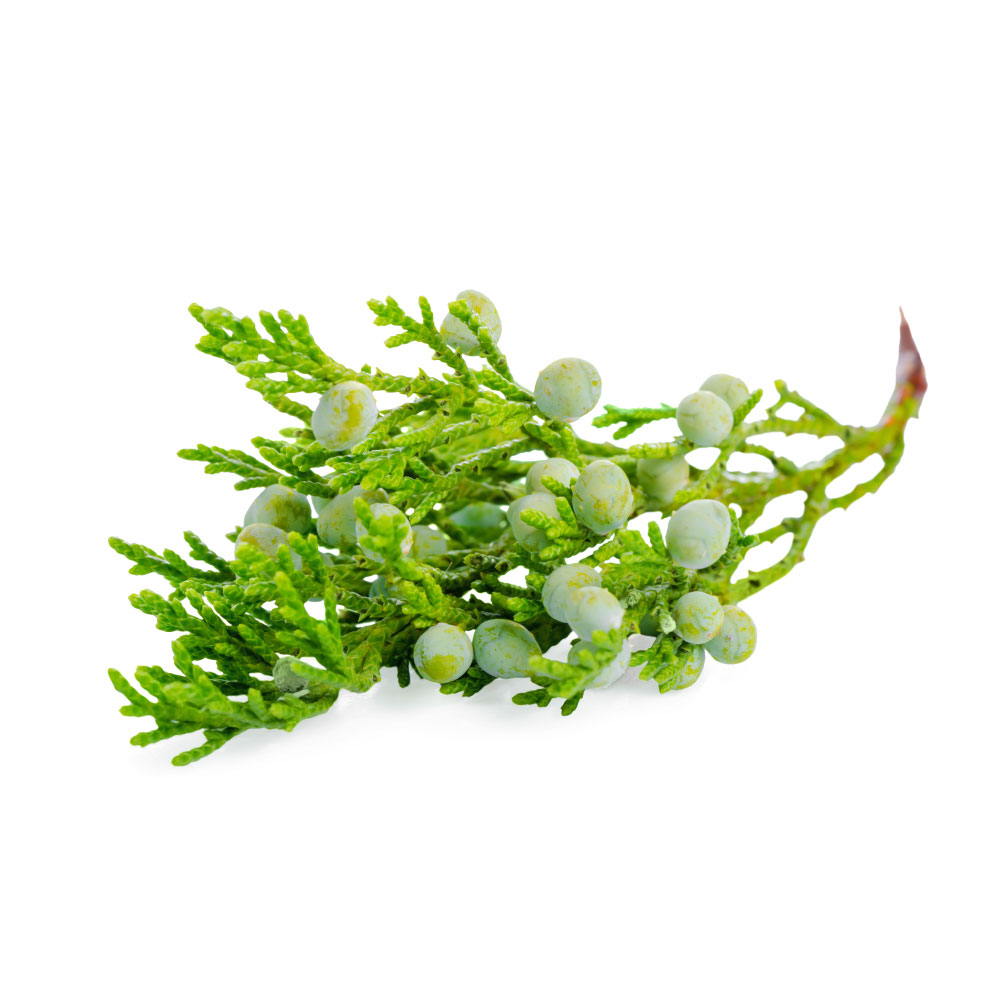 MildMildJuniperJuniperus communisA classic volatile-oil carminative, listed in the British Herbal Pharmacopoeia for flatulent colic, with the monoterpenes carrying the berry's digestive character.Read the evidenceShow lessMonograph →
The berry’s monoterpene oil gives it the warming, aromatic profile of the kitchen carminatives, and the British Herbal Pharmacopoeia lists it for flatulent colic. Nothing measures the effect.
Juniper is taken in short courses only and is contraindicated in kidney inflammation and pregnancy.
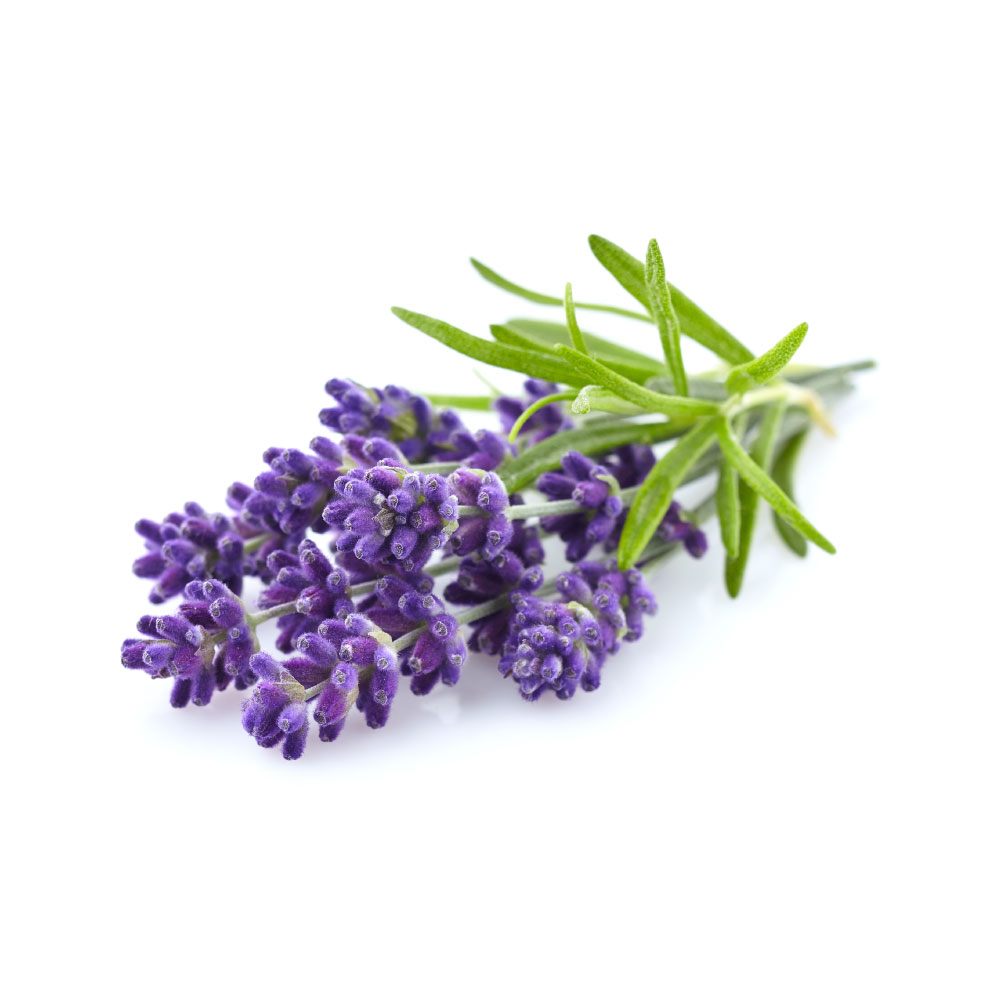 MildMildLavenderLavandula angustifoliaA traditional remedy for bloating, flatulence and colic, relaxing gut smooth muscle through the same cAMP-mediated route as its antispasmodic action.Read the evidenceShow lessMonograph →
Lavender’s gastrointestinal use is recorded in its clinical applications, and it plausibly rides on the cAMP-mediated smooth-muscle relaxation behind its antispasmodic action.
There is no carminative-specific finding.
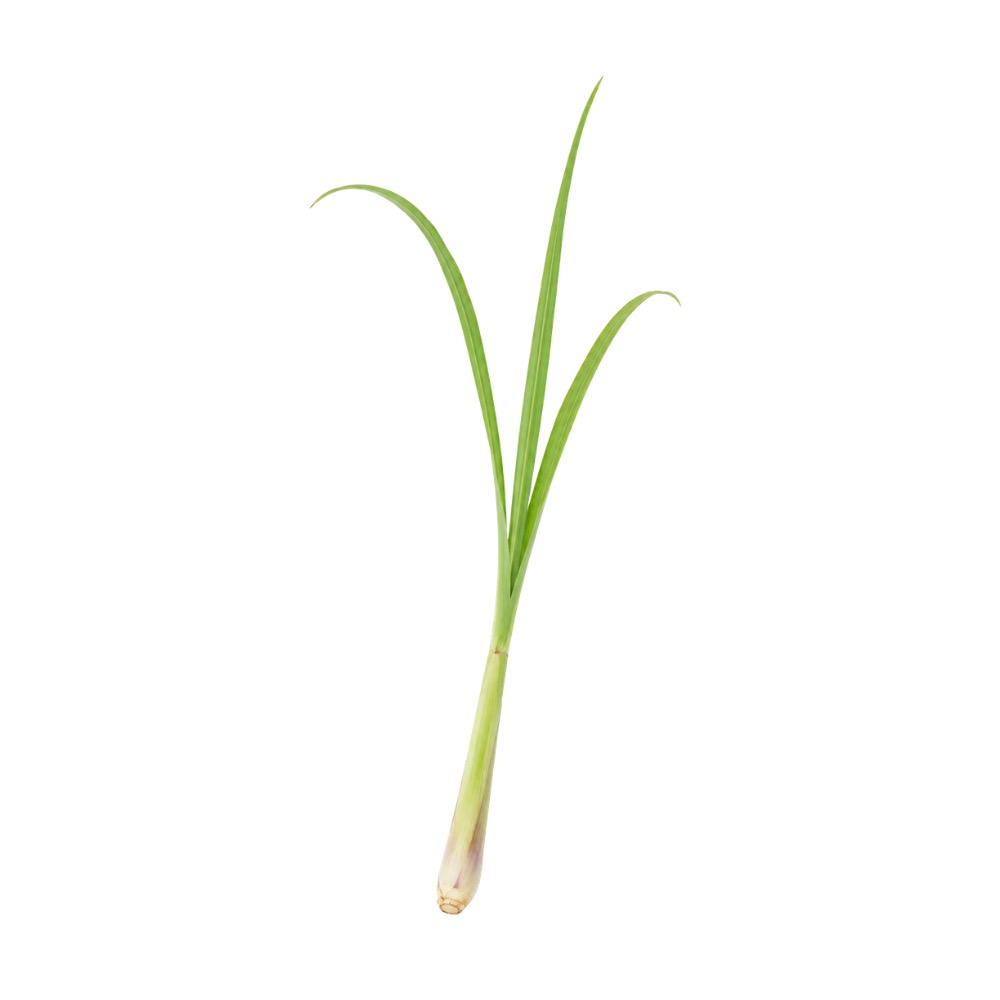 MildMildLemongrassCymbopogon citratusSettles the stomach, the herb's flagship traditional use; its citral is the same compound class behind melissa's measured spasmolysis.Read the evidenceShow lessMonograph →
A warm lemongrass infusion for a queasy or windy stomach is a household remedy across South and Southeast Asia and Latin America, and it is the basis of the herb’s dyspepsia indication.
No carminative study exists. Citral relaxes smooth muscle in the wider literature.
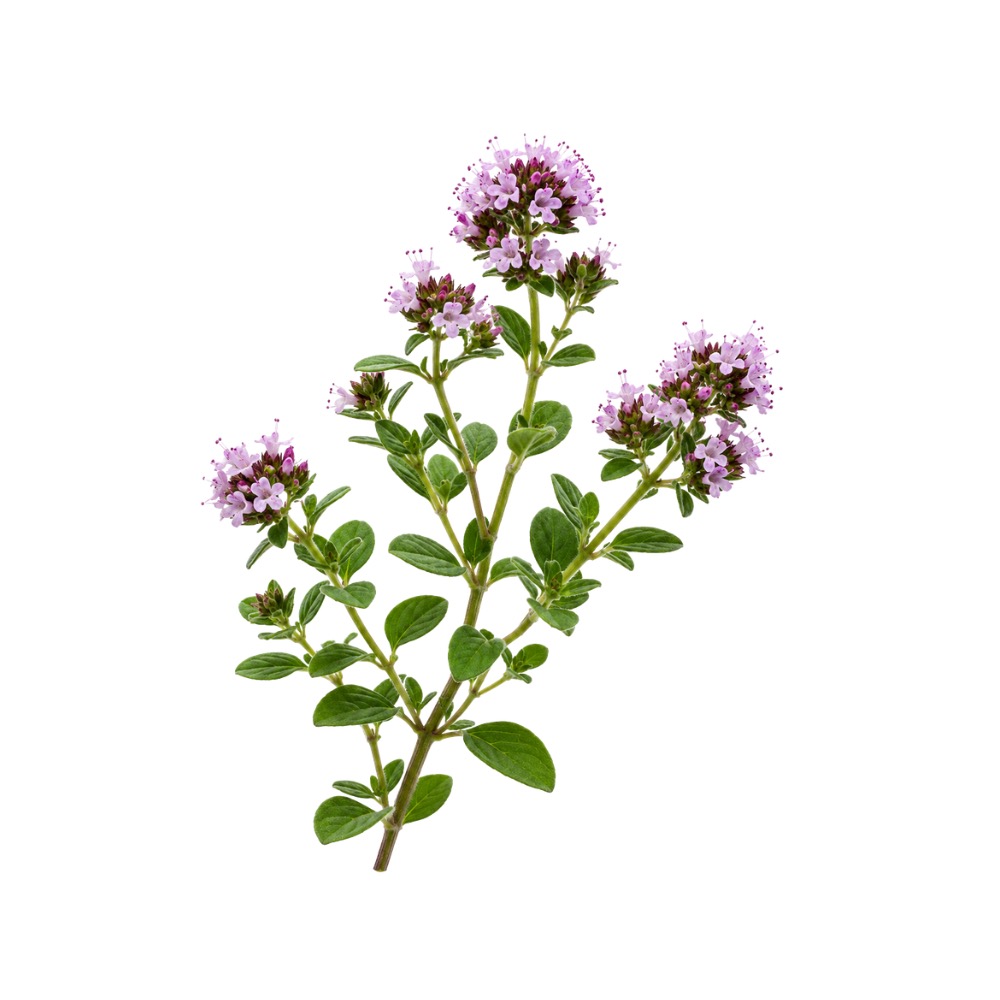 MildMildMarjoramOriganum majoranaA gentle traditional digestive for gas and cramping, sharing oregano's aromatic chemistry.Read the evidenceShow lessMonograph →
Marjoram is the milder kitchen cousin of oregano, taken as a tea for wind, colic and a nervous stomach.
The tradition is recorded and nothing is measured.
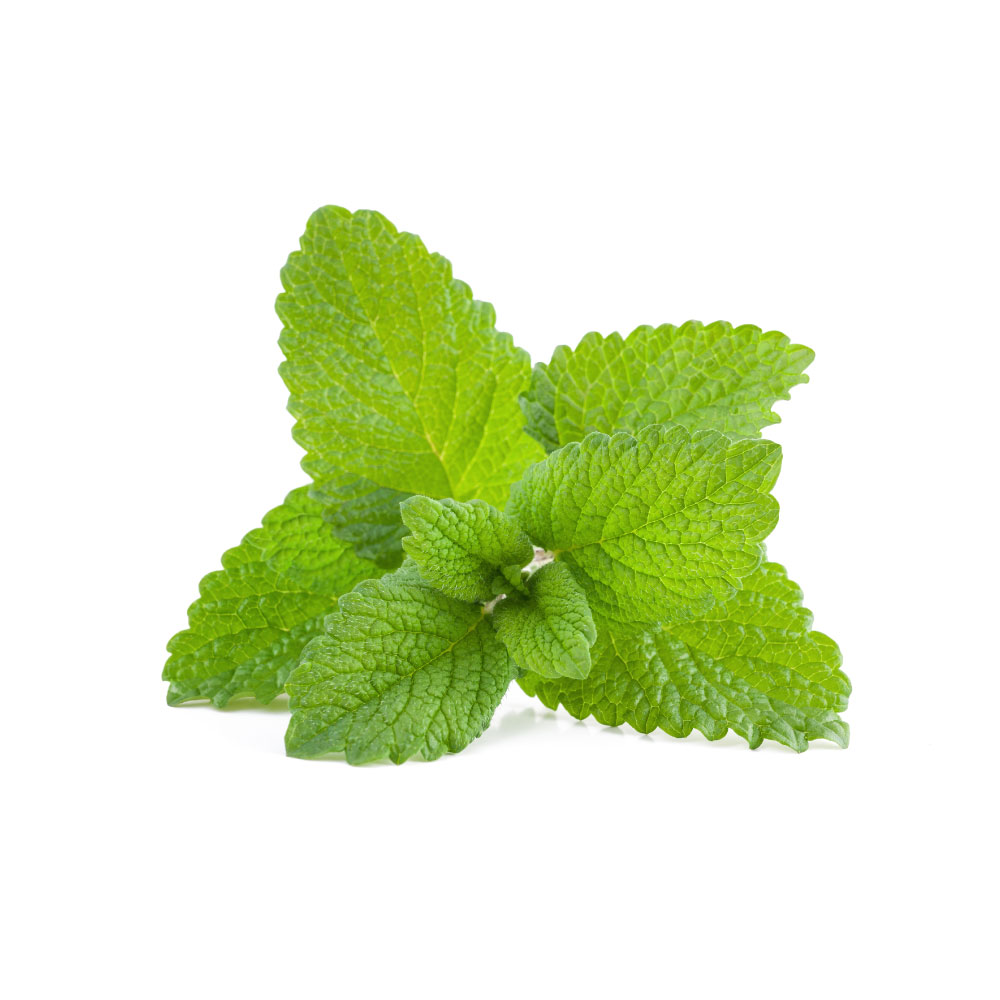 MildMildMelissaMelissa officinalisCitral and its volatile oil relax gut smooth muscle, the measured spasmolysis behind lemon balm's traditional use for a nervous, windy stomach.Read the evidenceShow lessMonograph →
Melissa’s spasmolytic activity is measured, and its carminative standing is an extension of it.
No gas, transit, gastric-emptying or bloating measure exists in humans or animals.
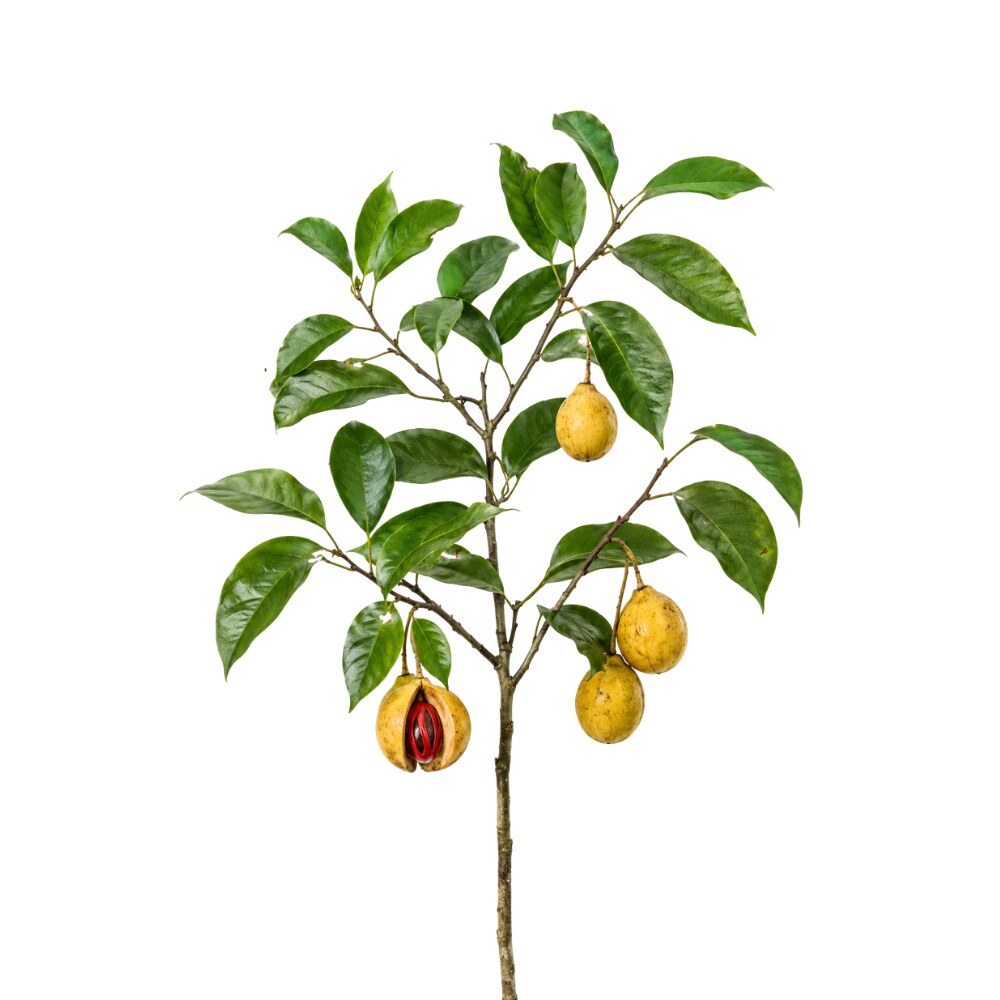 MildMildNutmegMyristica fragransA petroleum-ether fraction inhibits intestinal contraction evoked by acetylcholine, histamine and prostaglandin, and a crude suspension slows loose stools; the seed's best-documented traditional use.Mechanismantispasmodic inhibition of ACh-, histamine- and prostaglandin-evoked intestinal contraction; lignan/terpenoid action on gut motilityRead the evidenceShow lessMonograph →
A rodent pharmacology study found a crude nutmeg suspension and a petroleum-ether fraction, but not the aqueous extract, reduced loose stools and lengthened the latency to diarrhoea, with the petroleum-ether fraction inhibiting intestinal contractions evoked by acetylcholine, histamine and prostaglandin 21Reference 21Pharmacological studies on Myristica fragrans — antidiarrhoeal, hypnotic, analgesic and haemodynamic parametersView study →. Classical Chinese and Ayurvedic texts describe the seed as astringing the intestines to relieve diarrhoea, and reviews attribute this to its lignans and terpenoids acting on gut motility 22Reference 22ReviewMyristica fragrans: a comprehensive review of its botanical characterization, traditional uses, phytochemistry and pharmacological propertiesView study →.
The active fraction was petroleum-ether, so a water infusion is not the tested preparation. There is no human trial.
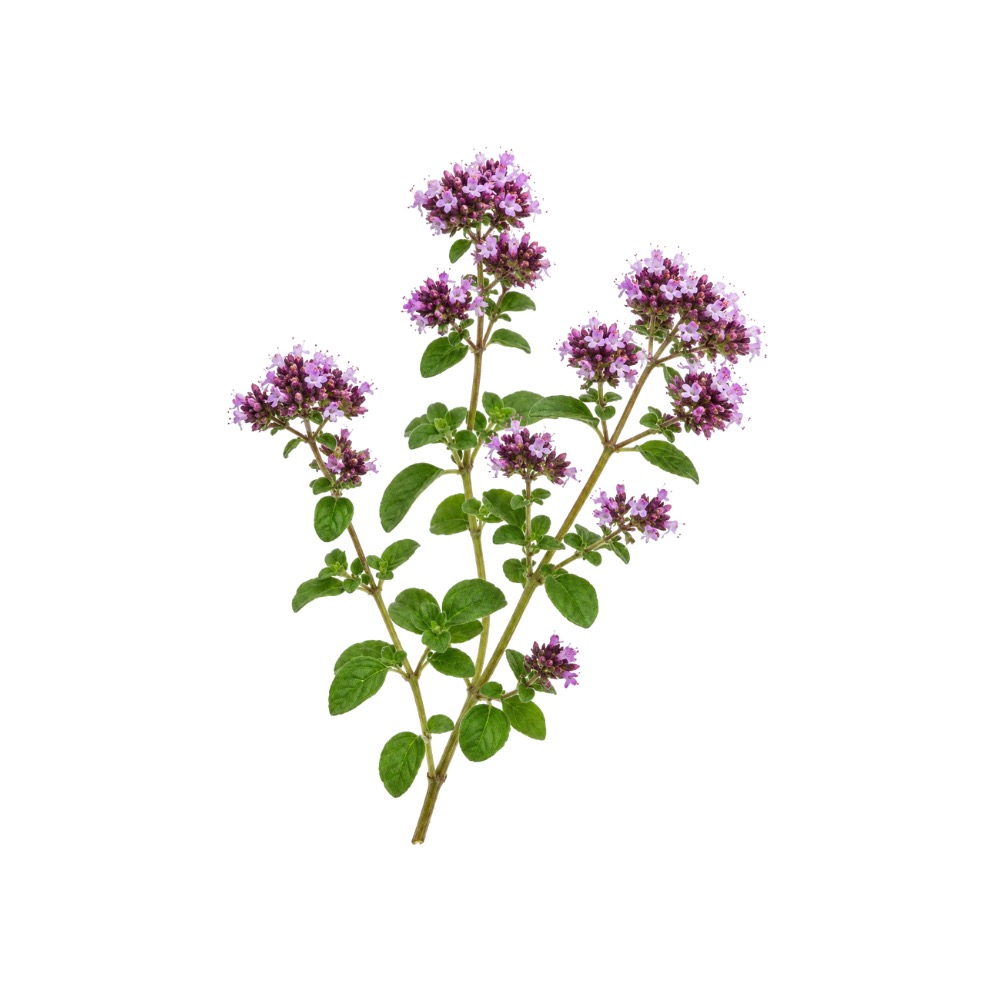 MildMildOreganoOriganum vulgareA warm infusion of the dried leaf for sluggish, windy digestion, the basis of the herb's dyspepsia indication; carvacrol and thymol relax smooth muscle in the wider literature.Read the evidenceShow lessMonograph →
Oregano’s medicinal reputation comes from the Mediterranean kitchen, where the leaf tea is taken for indigestion and wind.
No digestive, gas or motility study exists for the herb itself. Carvacrol and thymol relax smooth muscle in the wider literature.
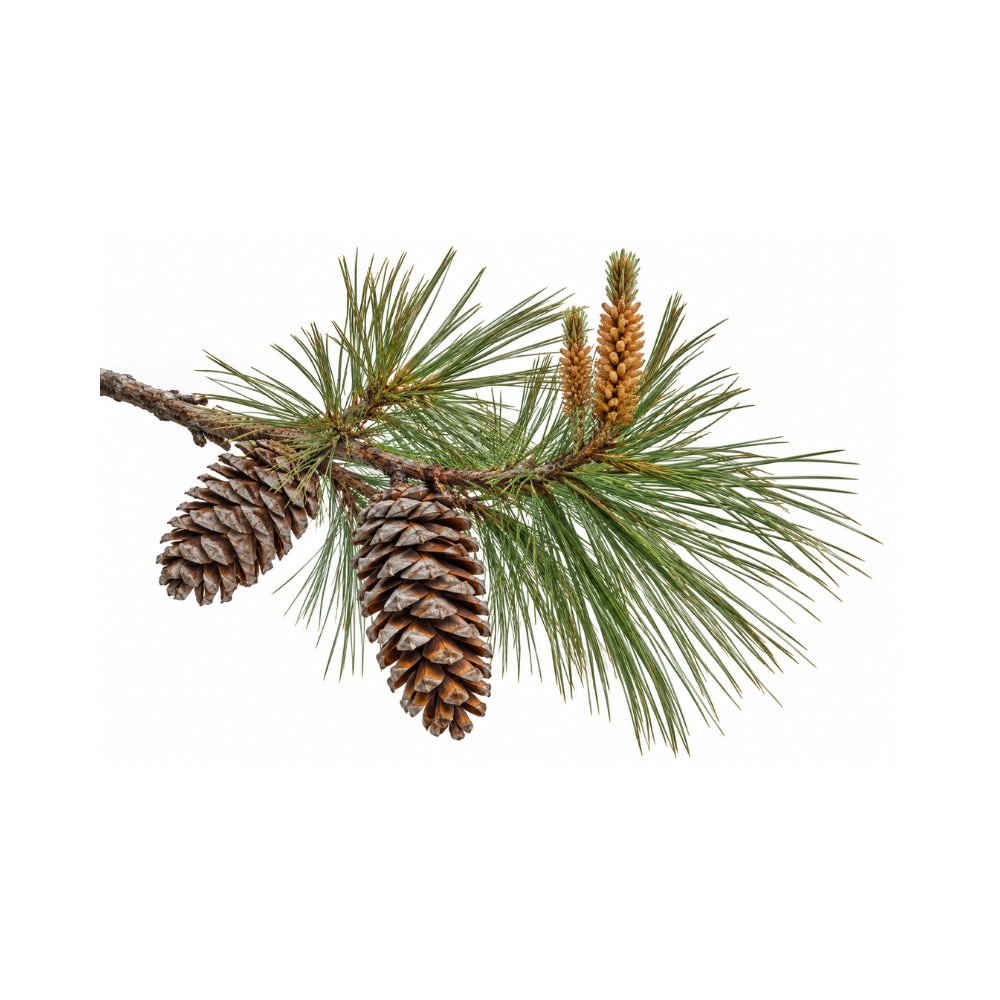
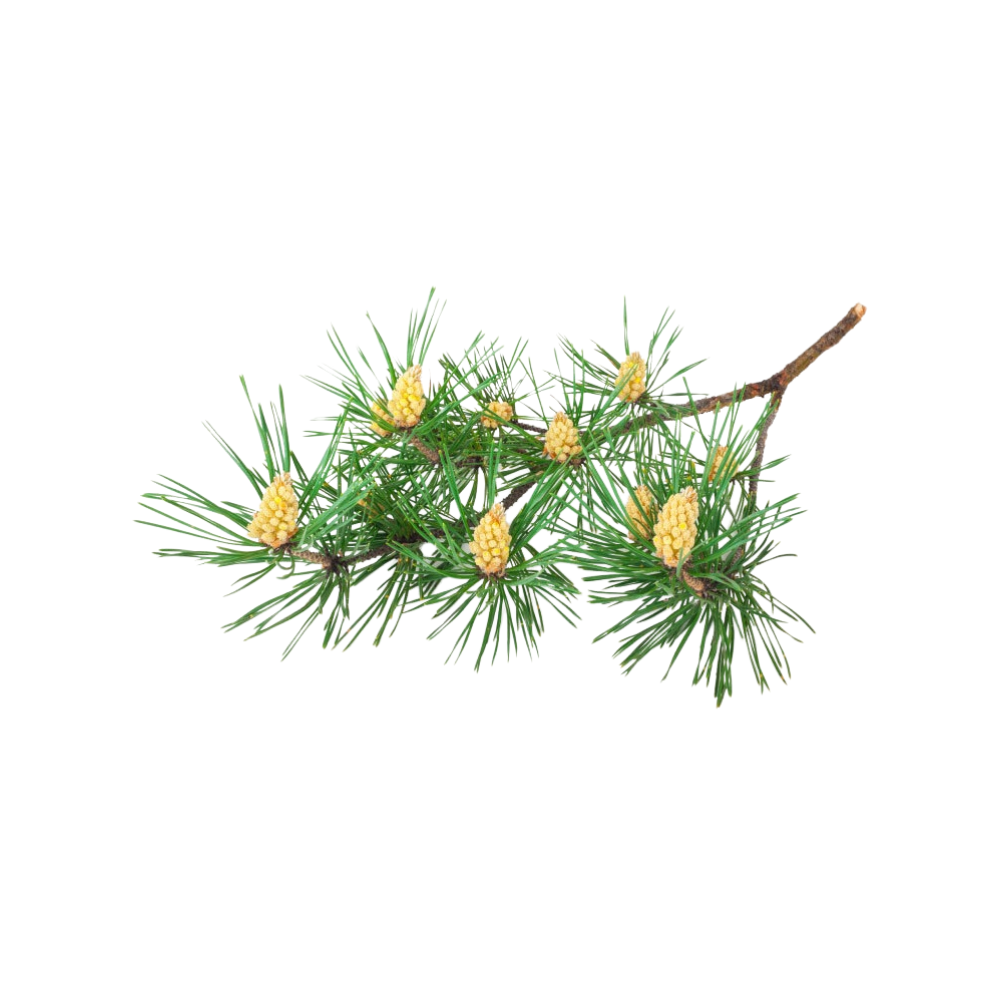 MildMildPinePinus spp.The needle tea settles gas and bloating, and the resin is taken sparingly as an expectorant and carminative; an α-pinene and limonene profile.Read the evidenceShow lessMonograph →
The warming needle tea is used to ease a sore throat, loosen phlegm and settle gas, and the resin is taken internally in small amounts.
Monoterpene carminative activity is a reasonable inference from the oil profile. Resin tinctures irritate the gut, so the dose is kept low and built gradually.
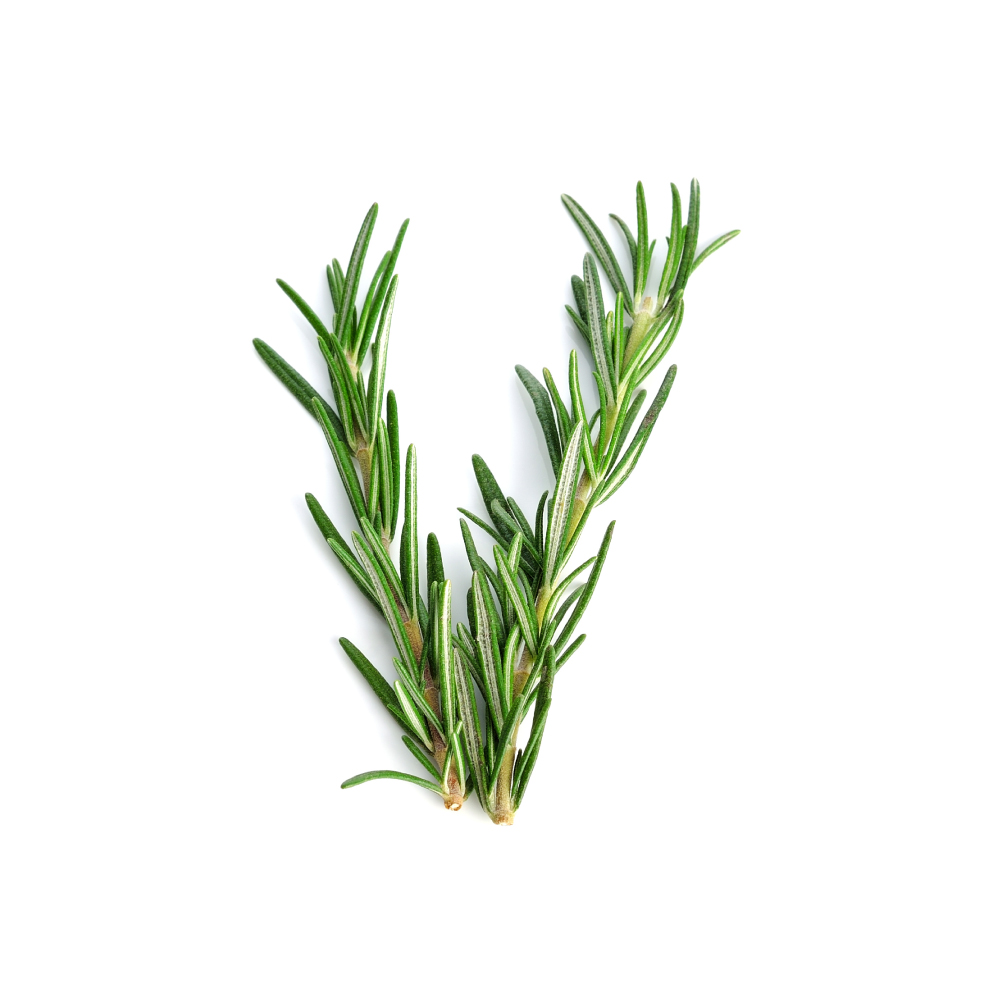 MildMildRosemaryRosmarinus officinalisVolatile monoterpenes relax gastrointestinal smooth muscle, the measured finding behind rosemary's antispasmodic action, and the tradition extends it to wind and indigestion.Read the evidenceShow lessMonograph →
Rosemary’s measured gut smooth-muscle relaxation belongs to its antispasmodic action.
The carminative use, for flatulent indigestion and a sluggish stomach, rests on traditional documentation.
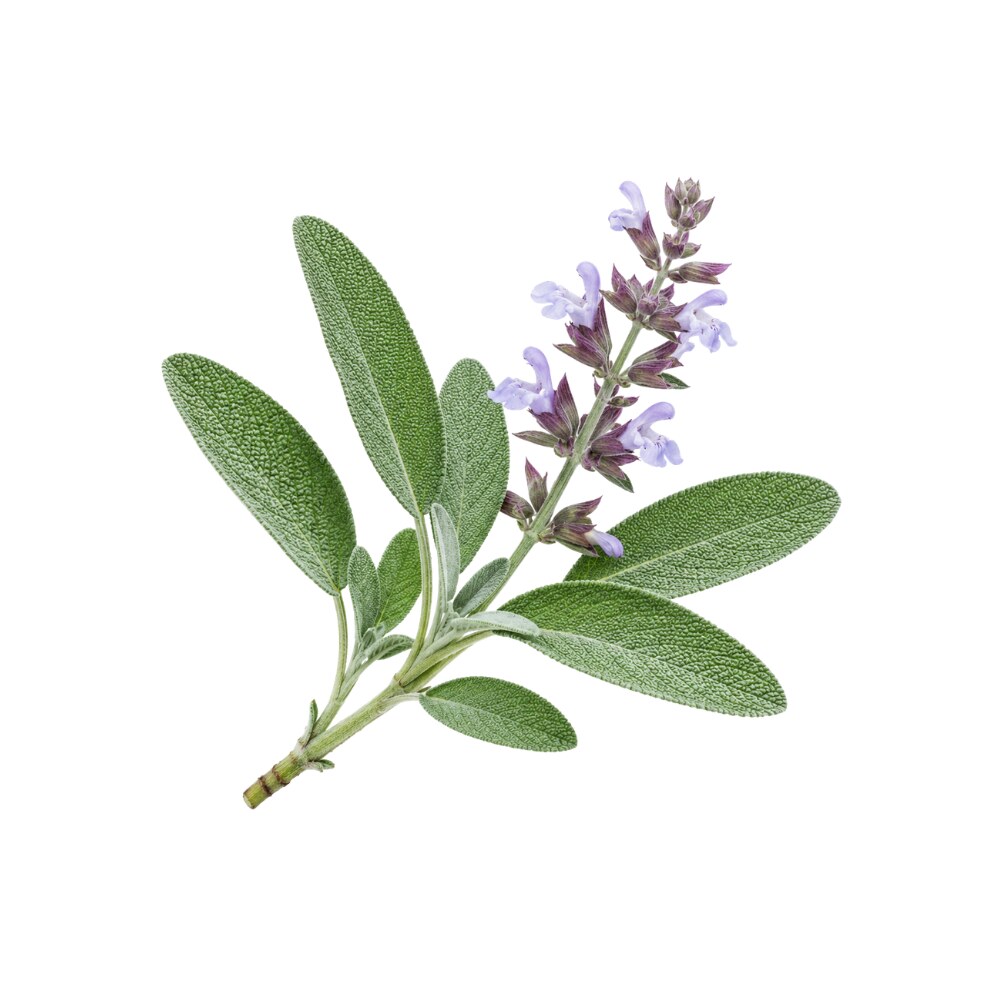 MildMildSageSalvia officinalisA warming, bitter digestive aromatic taken to settle the stomach and ease the digestion of rich, fatty food, the basis of its kitchen pairing with pork and goose.Read the evidenceShow lessMonograph →
Greco-Roman and later European practice reached for sage as a digestive aromatic as much as a gargle, and the camphor- and cineole-bearing volatile oil is the plausible carrier.
There is no digestive study. Sage’s measured work is cognitive and antimicrobial.
 MildMildStar AniseIllicium verumtrans-Anethole relaxes gut smooth muscle, the same compound and mechanism as fennel; the classic culinary carminative of Chinese cooking.Read the evidenceShow less
Star anise carries the same trans-anethole as fennel, where store-operated calcium-channel inhibition has been measured, and the inference from its congener is unusually tight.
The herb itself has not been tested.
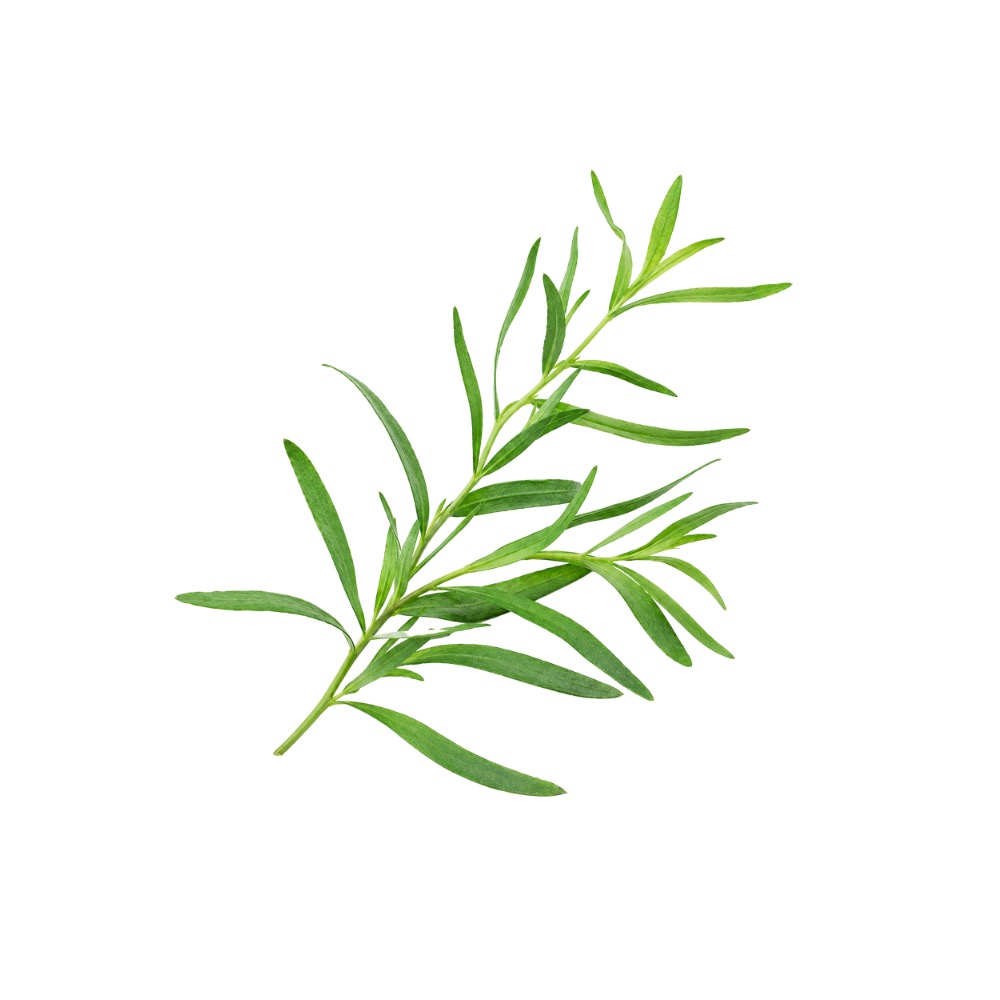 MildMildTarragonArtemisia dracunculusAn anise-scented leaf taken as a light infusion after meals for bloating, gas and sluggish digestion, and as an appetite stimulant.Read the evidenceShow lessMonograph →
In Western practice tarragon sits in the carminative category as a warm, aromatic digestive rather than a strong medicine.
There is no digestive study. The estragole-rich essential oil is the part to be careful with, not the culinary leaf.
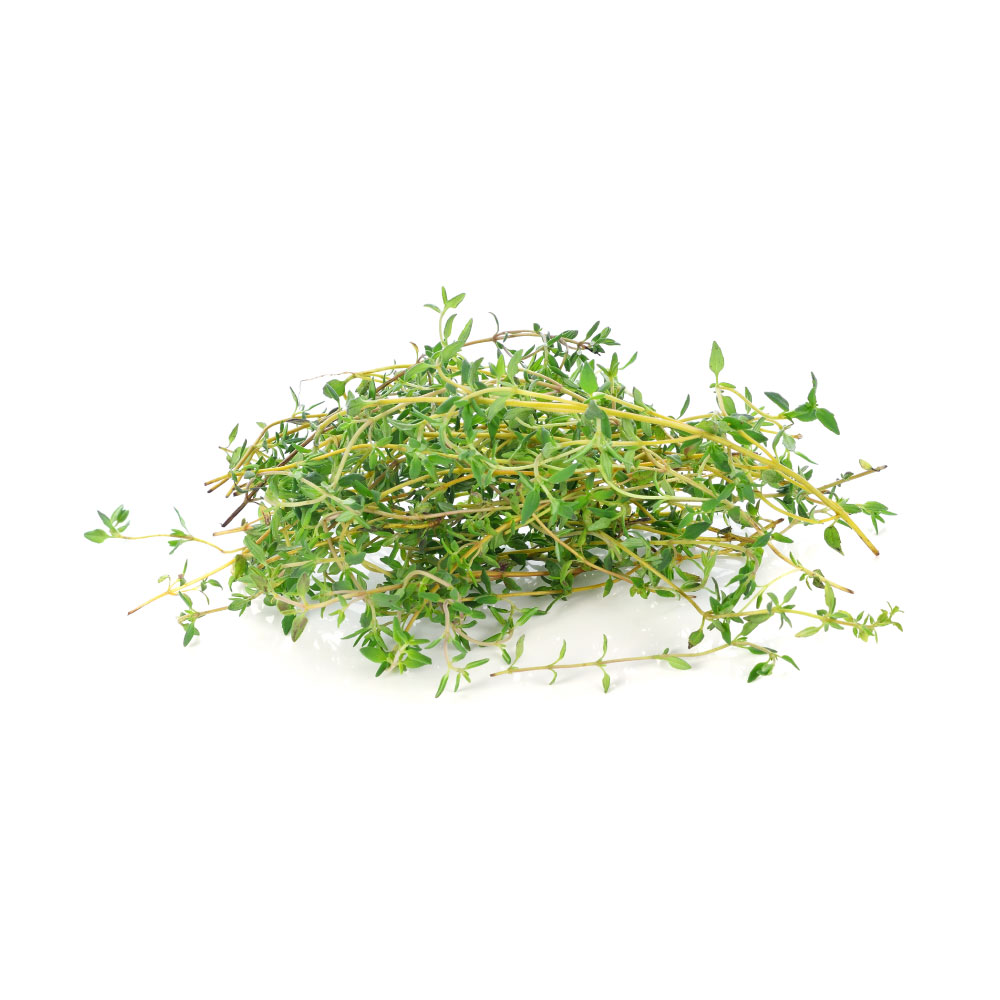 MildMildThymeThymus vulgarisA warming aromatic for bloating, digestive weakness and sluggish digestion, alongside its main respiratory use.Read the evidenceShow lessMonograph →
Thyme’s digestive use is recorded throughout the traditional record, resting on the thymol- and carvacrol-rich volatile oil.
Nothing in the research addresses it. Thyme’s measured work is respiratory.
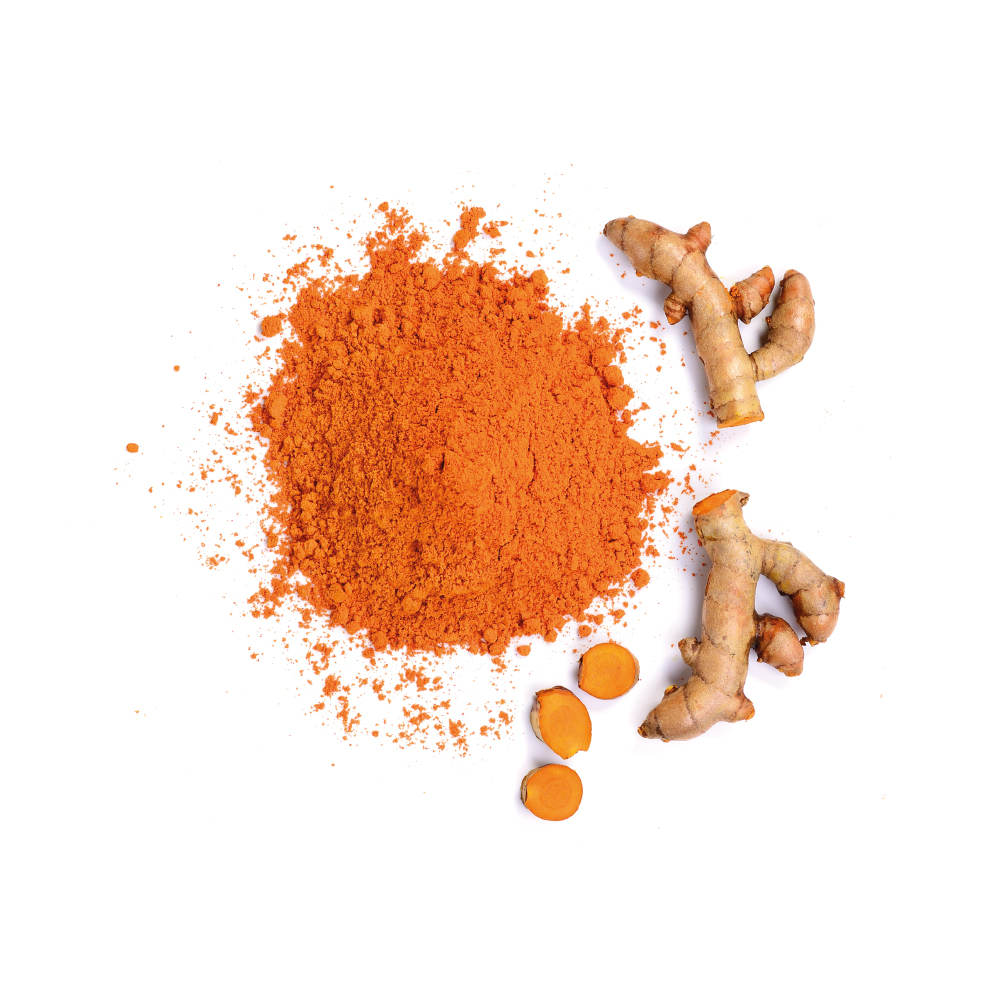 MildMildTurmericCurcuma longaA stomachic in Ayurveda and a Qi-moving rhizome for abdominal distension in Chinese medicine, with an aromatic essential oil of 1,8-cineole and α-phellandrene.Read the evidenceShow lessMonograph →
Ayurveda classes turmeric as a stomachic and tonic that improves digestion, and Chinese medicine gives jiang huang for abdominal pain and distension.
No research addresses gas or bloating. Turmeric’s substantiated work is anti-inflammatory and hepatic.
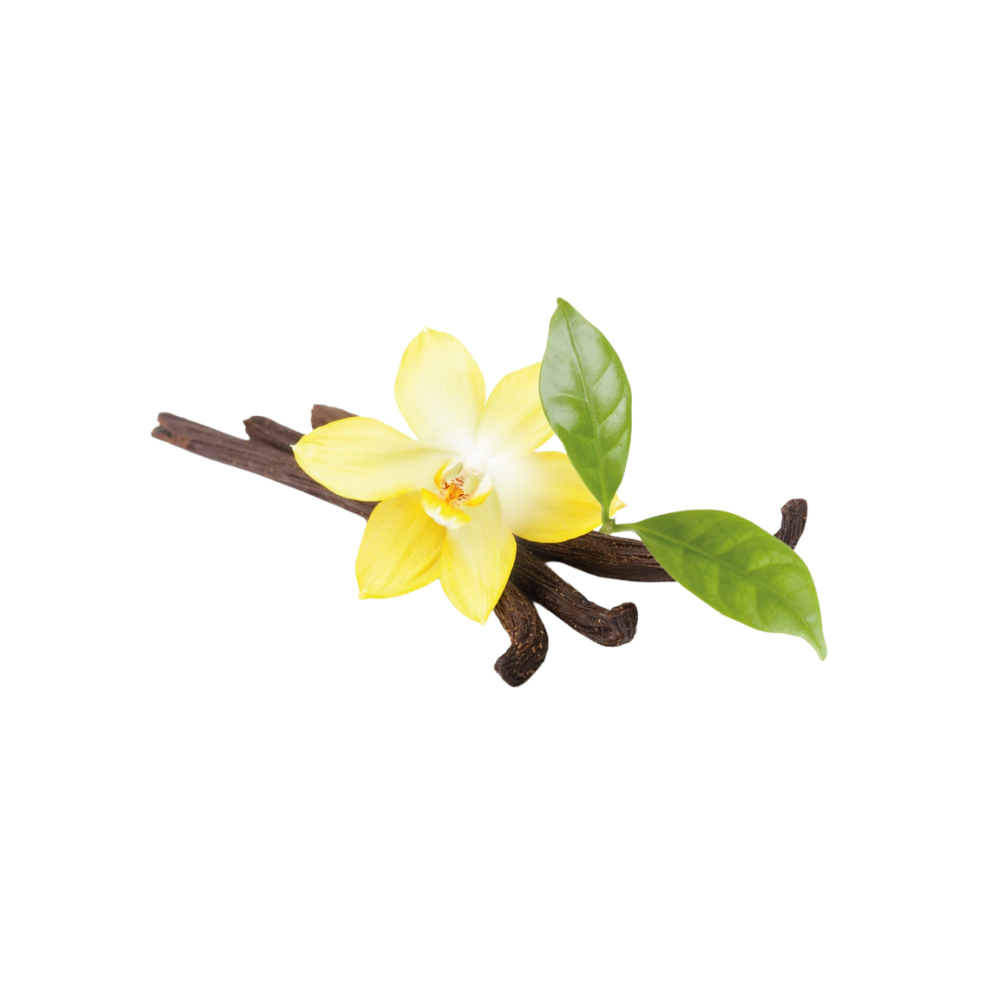 MildMildVanillaVanilla planifoliaA warm aromatic with a thin Western reputation as a mild carminative, taken for bloating and intestinal gas.Read the evidenceShow lessMonograph →
Vanilla’s medicinal use in Western practice is largely carminative, though the overwhelming majority of it is consumed as a flavouring.
The use rests on ethnobotanical record and constituent-level inference, with no controlled data.
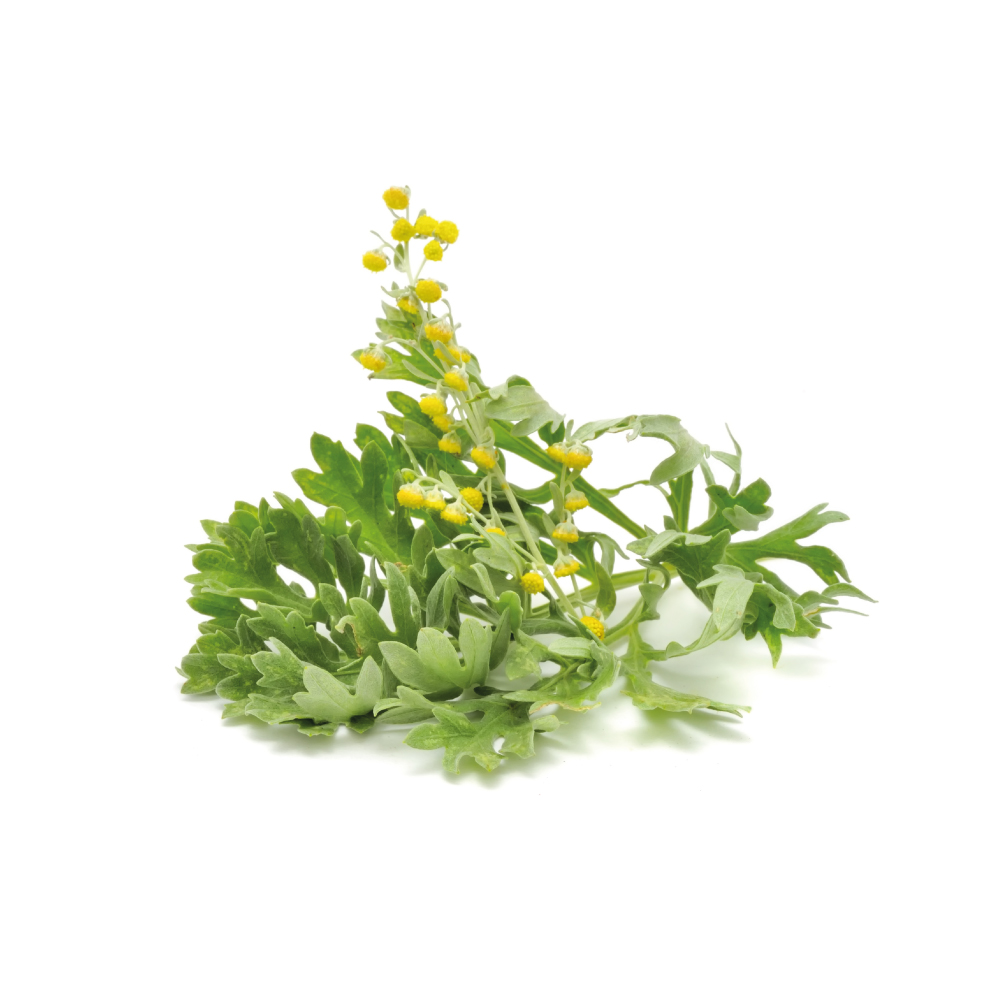 MildMildWormwoodArtemisia absinthiumA bitter aromatic taken before food for a sluggish, windy digestion, where the bitter action and the carminative one overlap.Read the evidenceShow lessMonograph →
A bitter taken before food stimulates digestive secretion, and wormwood’s aromatic oil adds the carminative character. The two actions are hard to separate in practice.
There is no dedicated study. Thujone caps the dose.
No herbs match these filters.
Safety
- Carminative teas at kitchen doses add to no drug class; the hazards belong to the concentrated essential oils.
- Uncoated essential oil taken by mouth can relax the lower oesophageal sphincter and worsen reflux.
- Sustained high-dose essential oil is the estragole concern; the seed and the infusion are well tolerated as food.
- Cayenne and clove protect the stomach lining at low doses and irritate it at high ones.
- Persistent or worsening bloating needs investigating for coeliac disease, bacterial overgrowth, inflammatory bowel disease and ovarian disease.
References
- Gilani AU et al. (2006). Antispasmodic effect of Acorus calamus Linn. is mediated through calcium channel blockade — in vitro. Phytother Res. https://pubmed.ncbi.nlm.nih.gov/17009206/
- Shah AJ et al. (2010). Bronchodilatory effect of Acorus calamus (Linn.) is mediated through multiple pathways — animal in vivo. J Ethnopharmacol. https://pubmed.ncbi.nlm.nih.gov/20643200/
- Keller K et al. (1985). Spasmolytische wirkung des isoasaronfreien kalmus1 — in vitro. Planta Med. https://pubmed.ncbi.nlm.nih.gov/17340388/
- Bortolotti, M., et al. (2002). The treatment of functional dyspepsia with red pepper — randomised controlled trial. Alimentary Pharmacology & Therapeutics. https://pubmed.ncbi.nlm.nih.gov/12030948/
- Teng, C. H., et al. (1998). Protective action of capsaicin and chilli on haemorrhagic shock-induced gastric mucosal injury — animal comparative study. Journal of Gastroenterology and Hepatology. https://pubmed.ncbi.nlm.nih.gov/9835316/
- Mehmood MH, et al. (2015). Antidiarrhoeal, antisecretory and antispasmodic activities of Matricaria chamomilla are mediated predominantly through K⁺-channels activation — animal / in vitro study. BMC Complementary and Alternative Medicine. https://pubmed.ncbi.nlm.nih.gov/25886126/
- Battaglia, S. (2003). The Complete Guide to Aromatherapy (2nd ed.) — reference text. Brisbane: The International Centre of Holistic Aromatherapy (pp. 179–180).
- Melzer J, et al. (2004). Meta-analysis: phytotherapy of functional dyspepsia with the herbal drug preparation STW 5 (Iberogast). Alimentary Pharmacology & Therapeutics. https://pubmed.ncbi.nlm.nih.gov/15606389/
- Hobani YH, et al. (2022). Gastroprotective effect of low dose Eugenol in experimental rats against ethanol induced toxicity — [animal in vivo (rat model)]. Journal of Ethnopharmacology. https://pubmed.ncbi.nlm.nih.gov/35101571/
- Morsy MA, & Fouad AA (2008). Mechanisms of gastroprotective effect of eugenol in indomethacin-induced ulcer in rats — [animal in vivo (rat model)]. Phytotherapy Research. https://pubmed.ncbi.nlm.nih.gov/18543354/
- Annahazi, A., et al. (2025). Fennel tea has a region-specific effect on the motility of the stomach — ex vivo. Neurogastroenterology & Motility. https://pubmed.ncbi.nlm.nih.gov/41214408/
- Asano, T., et al. (2016). Anethole restores delayed gastric emptying and impaired gastric accommodation in rodents — animal model. Biochemical and Biophysical Research Communications. https://pubmed.ncbi.nlm.nih.gov/26915803/
- Badgujar, S. B., et al. (2014). Foeniculum vulgare Mill: a review of its botany, phytochemistry, pharmacology and toxicology — review. BioMed Research International. https://pubmed.ncbi.nlm.nih.gov/25162032/
- Gori, L., et al. (2012). Can estragole in fennel seed decoctions really be considered a danger for human health? — safety review. Evidence-Based Complementary and Alternative Medicine. https://pubmed.ncbi.nlm.nih.gov/22899959/
- A Modern Herbal (1931). Fennel. https://www.botanical.com/botanical/mgmh/f/fennel01.html
- Portincasa, P., et al. (2016). Curcumin and fennel essential oil improve symptoms and quality of life in IBS — RCT. Journal of Gastrointestinal and Liver Diseases. https://pubmed.ncbi.nlm.nih.gov/27308645/
- Di Ciaula, A., et al. (2018). Bio-optimized turmeric and essential fennel oil on quality of life in IBS — RCT. Annals of Gastroenterology. https://pubmed.ncbi.nlm.nih.gov/30386118/
- Lu M, et al. (2002). Muscle relaxing activity of Hyssopus officinalis essential oil on isolated intestinal preparations — [ex vivo (isolated guinea-pig ileum)]. Planta Med. https://pubmed.ncbi.nlm.nih.gov/11914956/
- Tahir M, et al. (2022). Gastroprotective effect of Hyssopus officinalis L. leaves via reduction of oxidative stress in indomethacin-induced gastric ulcer in experimental rats — [rat model — in vivo]. Drug Chem Toxicol. https://pubmed.ncbi.nlm.nih.gov/31694395/
- Ventura-Martínez, R., et al. (2020). Study of antispasmodic and antidiarrheal activities of Tagetes lucida in experimental models — animal study. Evidence-Based Complementary and Alternative Medicine. https://pubmed.ncbi.nlm.nih.gov/33193797/
- Grover, J.K., Khandkar, S., Vats, V., et al. (2002). Pharmacological studies on Myristica fragrans — antidiarrhoeal, hypnotic, analgesic and haemodynamic parameters. Methods and Findings in Experimental and Clinical Pharmacology. https://doi.org/10.1358/mf.2002.24.10.802317
- Luo, Yang, Bai, et al. (2026). Myristica fragrans: a comprehensive review of its botanical characterization, traditional uses, phytochemistry and pharmacological properties. Journal of Ethnopharmacology. https://doi.org/10.1016/j.jep.2025.120916
- May, B., Köhler, S., & Schneider, B. (2000). Efficacy and tolerability of a fixed combination of peppermint oil and caraway oil in patients suffering from functional dyspepsia — randomised controlled trial. Alimentary Pharmacology & Therapeutics. https://pubmed.ncbi.nlm.nih.gov/11121917/
- Rich, G., Shah, A., Koloski, N., et al. (2017). A randomized placebo-controlled trial on the effects of Menthacarin, a proprietary peppermint- and caraway-oil-preparation, on symptoms and quality of life in patients with functional dyspepsia — randomised controlled trial. Neurogastroenterology & Motility. https://pubmed.ncbi.nlm.nih.gov/28695660/
- Holtmann, G., Haag, S., Adam, B., et al. (2003). Effects of a fixed combination of peppermint oil and caraway oil on symptoms and quality of life in patients suffering from functional dyspepsia — randomised controlled trial. Phytomedicine. https://pubmed.ncbi.nlm.nih.gov/12807344/
- Li, J., Lv, L., Zhang, J., et al. (2019). A combination of peppermint oil and caraway oil for the treatment of functional dyspepsia: a systematic review and meta-analysis — systematic review, meta-analysis. Evidence-Based Complementary and Alternative Medicine. https://pubmed.ncbi.nlm.nih.gov/31827561/
- Chumpitazi, B. P., Kearns, G. L., & Shulman, R. J. (2018). Review article: the physiological effects and safety of peppermint oil and its efficacy in irritable bowel syndrome and other functional disorders — review. Alimentary Pharmacology & Therapeutics. https://pubmed.ncbi.nlm.nih.gov/29372567/
- Ricci, C., Rizzello, F., Valerii, M. C., et al. (2022). Geraniol treatment for irritable bowel syndrome: a double-blind randomized clinical trial. Nutrients. https://pubmed.ncbi.nlm.nih.gov/36235860/
- Ingrosso, M. R., Ianiro, G., Nee, J., et al. (2022). Systematic review and meta-analysis: efficacy of peppermint oil in irritable bowel syndrome. Alimentary Pharmacology & Therapeutics. https://pubmed.ncbi.nlm.nih.gov/35942669/
Keep Exploring