

Overview
Antidiarrheal at a Glance
Antidiarrheals help reduce loose, frequent stools and excessive fluid loss from the bowel.
Most herbal antidiarrheals are astringents.
Tannin-rich herbs such as guava leaf, bael, silverweed, and red-osier dogwood bind proteins on the intestinal surface, tightening the mucosa and reducing the amount of fluid passing into the stool.
Others act more directly on intestinal secretion.
Barberry, dragon’s blood, simarouba, abuta, and German chamomile can reduce the movement of water and electrolytes into the bowel.
Some herbs also slow intestinal transit, giving the gut more time to reabsorb water.
A smaller group may be useful in infectious diarrhoea by acting on the organism itself. This includes herbs such as bael and simarouba, although the cause of diarrhoea matters much more than the herb chosen.
Antidiarrheal herbs have traditionally been used for acute loose stools, intestinal irritation, and dysentery-type complaints, with tannin-rich barks, roots, and unripe fruits appearing in herbal traditions around the world.
Wild Tansy stays the lask, and all the fluxes of blood in men and women.
Nicholas Culpeper, The Complete Herbal, 1653, on wild tansy or silverweed
Caution
Rehydration comes first — fluid and electrolyte loss is what makes diarrhoea dangerous, especially in infants, older adults and frail people, and no herb replaces oral rehydration.
Blood or fever needs assessment — blood in the stool, high fever, significant dehydration or persistent diarrhoea needs medical assessment rather than a herb.
No slowing in dysentery — slowing the bowel in dysentery-type illness or antibiotic-associated colitis prolongs exposure to the pathogen.
Mechanisms
How It Works
01
Astringency
Tannins precipitate protein on contact with the mucosal surface, tightening it and reducing fluid and protein loss across it.
This is the mechanism of most traditional antidiarrhoeals, and it is the astringent action read in the bowel.
Guava leaf’s hydrolysable tannins, silverweed’s ellagitannins and red-osier dogwood’s bark tannins all work this way, as does the unripe bael fruit.
Astringency is symptomatic. It firms the stool without touching an infection, and the effect does not stop when the diarrhoea does, so prolonged high-tannin dosing over-binds and constipates. Courses of around five days are the norm for that reason.
Herbs: BaelGuavaRed-Osier DogwoodSilverweed
Key compounds: TanninsProanthocyanidins
02
Antisecretory Action
Secretory diarrhoea is driven by chloride channels opening in the intestinal wall, with water following the ions into the lumen. Closing those channels stops the flow at its source.
Dragon’s blood does this most directly: its purified proanthocyanidin fraction blocks two chloride channels at the gut surface and became the licensed drug crofelemer.
Simarouba lowers intestinal cAMP and prostaglandin E₂, the same pathway one step upstream. Abuta preferentially reduces luminal sodium, and German chamomile is antisecretory through potassium-channel activation.
Barberry’s berberine works the same way, and it is the only one of these whose antisecretory effect has been measured in a randomised human trial. Its poor absorption keeps it in the lumen, which is where the effect is wanted.
This is the pathway cholera toxin hijacks, and it is where the mechanism is best characterised.
It is also the group least likely to constipate, since nothing is being bound.
Herbs: AbutaBarberryDragon’s BloodGerman ChamomileSimarouba
Key compounds: BerberineProanthocyanidinsApigenin
03
Slowing Transit
Relaxing gut smooth muscle or damping the signals that drive it slows the passage of intestinal contents and gives the bowel time to reabsorb water.
Bael antagonises acetylcholine-, histamine- and serotonin-induced gut contraction in animals. German chamomile relaxes intestinal muscle through potassium channels.
Estafiate cut intestinal propulsion in rats by 30–57%, an effect comparable to loperamide at the doses tested.
Antimotility is the mechanism conventional drugs use, and it carries their caution. Retaining an invasive pathogen or its toxin in the bowel is a recognised hazard, so this group is not for dysentery-type illness.
Herbs: AbutaBaelEstafiateGerman Chamomile
04
Acting on the Organism
A few herbs shorten infectious diarrhoea by working on the pathogen rather than the gut wall.
Bael’s decoction barely kills bacteria outright but markedly reduces their adherence to and invasion of gut epithelium, and it interferes with cholera and heat-labile toxin production.
Simarouba’s quassinoids are amoebicidal and reduce enteropathogen burden. Estafiate is active against Entamoeba and Giardia, and red-osier dogwood extracts consistently affect enteric pathogens in livestock.
An anti-organism finding is a better position than astringency alone, and it is still not a diagnosis.
The Molecules
Pharmacology
What actually produces an antidiarrhoeal effect at the molecular level. The herbs below carry these molecules in different combinations and amounts, which is most of why their potency differs. Roles describe how central a molecule is to the action across plants generally, not how strong any one herb is.
Chiefly Isoquinoline Alkaloids1
Carries the action largely on its own — the effect is attributed to the molecule, not just the extract it came from.
Adds to a plant's effect and is often present in quantity, but rarely accounts for it alone.
Real but narrow — one pathway, one tissue, or evidence too thin to lean on.
Morphine Isoquinoline Alkaloids Primary mover Targets enteric mu-opioid receptors; propulsive motility and fluid absorption
Mu-opioid receptors in the enteric nervous system slow propulsive motility and increase intestinal fluid absorption 26Reference 26ReviewOpioid analgesia and opioid-induced adverse effects: a reviewView study →.
This is the oldest documented use of opium preparations and mechanistically the most straightforward of morphine’s actions.
It is also the one where the adverse effect and the therapeutic effect are the same phenomenon. Constipation is among the most common and least tolerance-prone opioid adverse events, three times more likely than placebo in the breathlessness review 26,
No modern trial supports morphine, or any poppy preparation, as an antidiarrhoeal in preference to the peripherally restricted opioids, and the dependence liability is not reduced by using it for this indication. This is mechanism and history rather than a current recommendation.
Materia Medica
Antidiarrheal Herbs by Potency
The antidiarrheal herbs, ordered by the relative strength of the effect rather than by how well studied it is. Each herb is described by the mechanism behind its effect and the evidence for it.
None of this is a substitute for professional care.
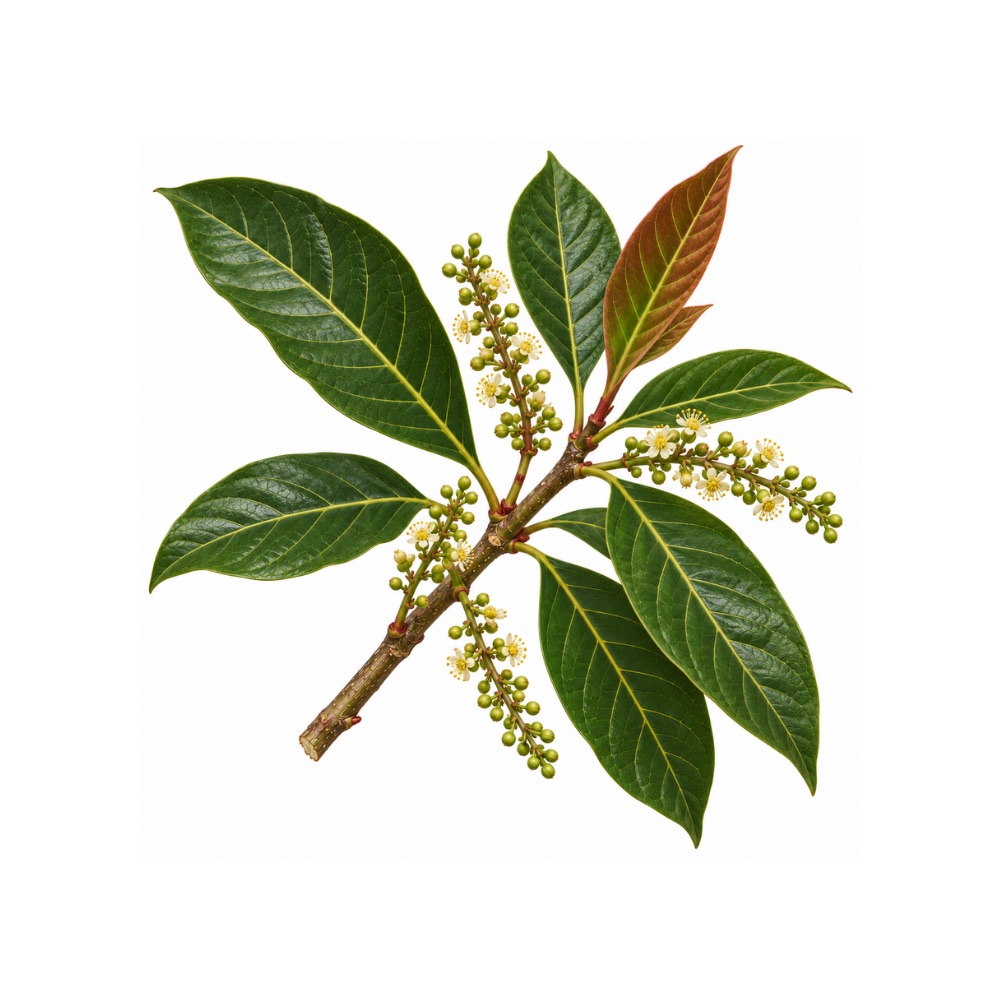 PotentPotentDragon’s BloodCroton lechleriThe red sap's proanthocyanidin fraction blocks two chloride channels at the gut surface, cutting the secretion that drives watery diarrhoea; purified, it became the licensed drug crofelemer.Mechanismdual chloride-channel blockade — CFTR and the calcium-activated chloride channel → reduced luminal chloride and water secretionRead the evidenceShow less
The sap’s oligomeric proanthocyanidin fraction, SP-303, was developed into crofelemer, tested in several randomised placebo-controlled trials and approved by the FDA 11,
The mechanism is unusually precise for a plant product. It blocks two distinct chloride channels at the gut luminal surface, cutting the secretion that drives secretory diarrhoea, and it is minimally absorbed, which is why its safety profile is comparable to placebo.
The evidence is for the standardised polymer rather than drops of raw sap. This is an antisecretory action, mechanistically distinct from the astringent tannin route most antidiarrhoeal herbs rely on.
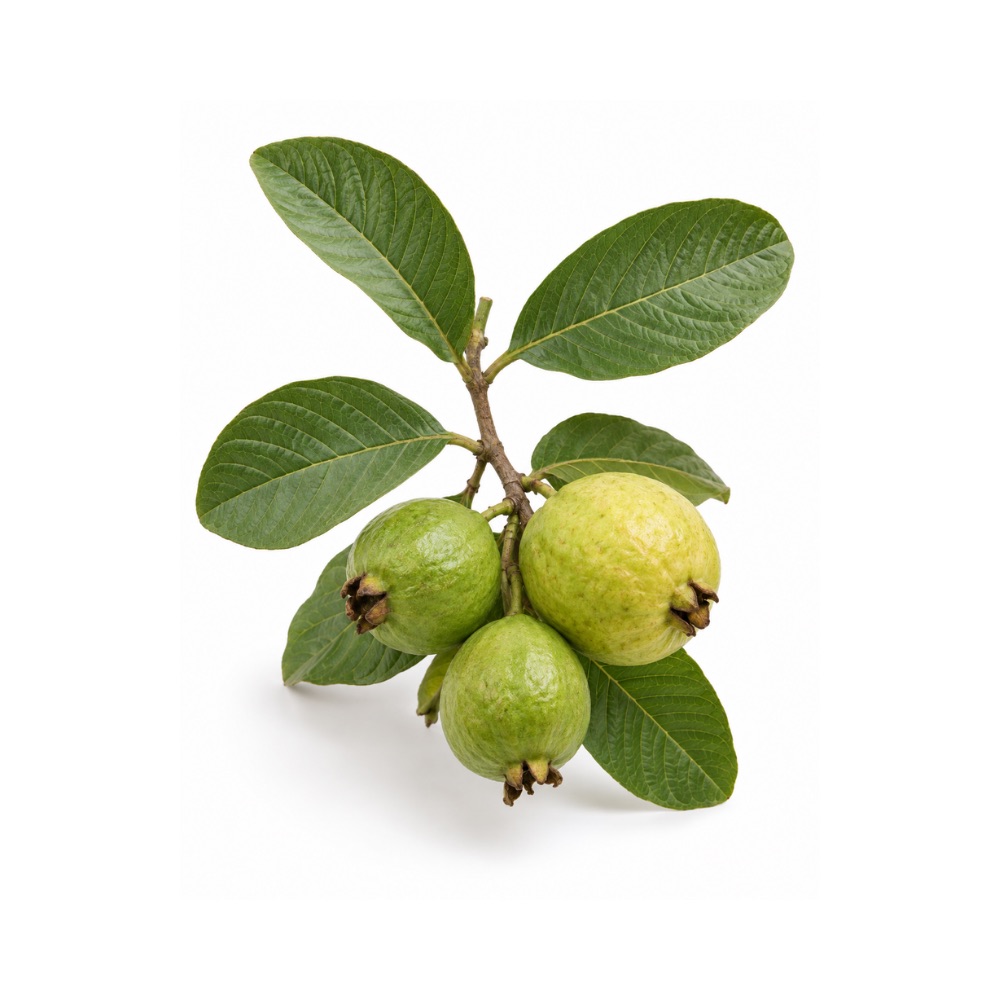 PotentPotentGuavaPsidium guajavaA strong leaf decoction returned patients with acute infectious diarrhoea to normal stool two days sooner than rehydration alone; hydrolysable tannins tighten the mucosa while flavonoids slow motility.Mechanismmucosal protein precipitation (tannin astringency); intestinal anti-secretory activity; flavonoid-mediated anti-motilityRead the evidenceShow less
A randomised open-label trial in 109 adults with acute infectious diarrhoea compared oral rehydration alone against whole-leaf decoctions of increasing strength. The strongest arm, about 14 leaves, returned patients to normal stool in roughly 72 hours against 120 hours in controls, with no adverse events and normal blood chemistry 14Reference 14RCTA randomized open label efficacy clinical trial of oral guava leaf decoction in patients with acute infectious diarrhoea — randomised controlled trialView study →.
In children with rotaviral enteritis, guava beat a comparator herbal decoction on recovery rate and time to cessation 15Reference 15RCTClinical study on treatment of infantile rotaviral enteritis with Psidium guajava L. — randomised clinical trialView study →, and a 2024 systematic review of 23 studies found broadly consistent antibacterial, anti-motility, anti-secretory and anti-inflammatory effects 16Reference 16Systematic reviewAntidiarrheal effect of Psidium guajava L. extract in acute diarrhea — systematic reviewView study →.
The mechanism is multi-pronged rather than single-target: hydrolysable tannins precipitate mucosal protein and cut fluid secretion, and flavonoids slow motility and spasm.
The trials are few, small and mostly open-label or active-comparator rather than placebo-controlled, as the review itself notes 16Reference 16Systematic reviewAntidiarrheal effect of Psidium guajava L. extract in acute diarrhea — systematic reviewView study →. The dose that worked is a strong decoction of about 14 leaves, not a cup of ordinary tea.
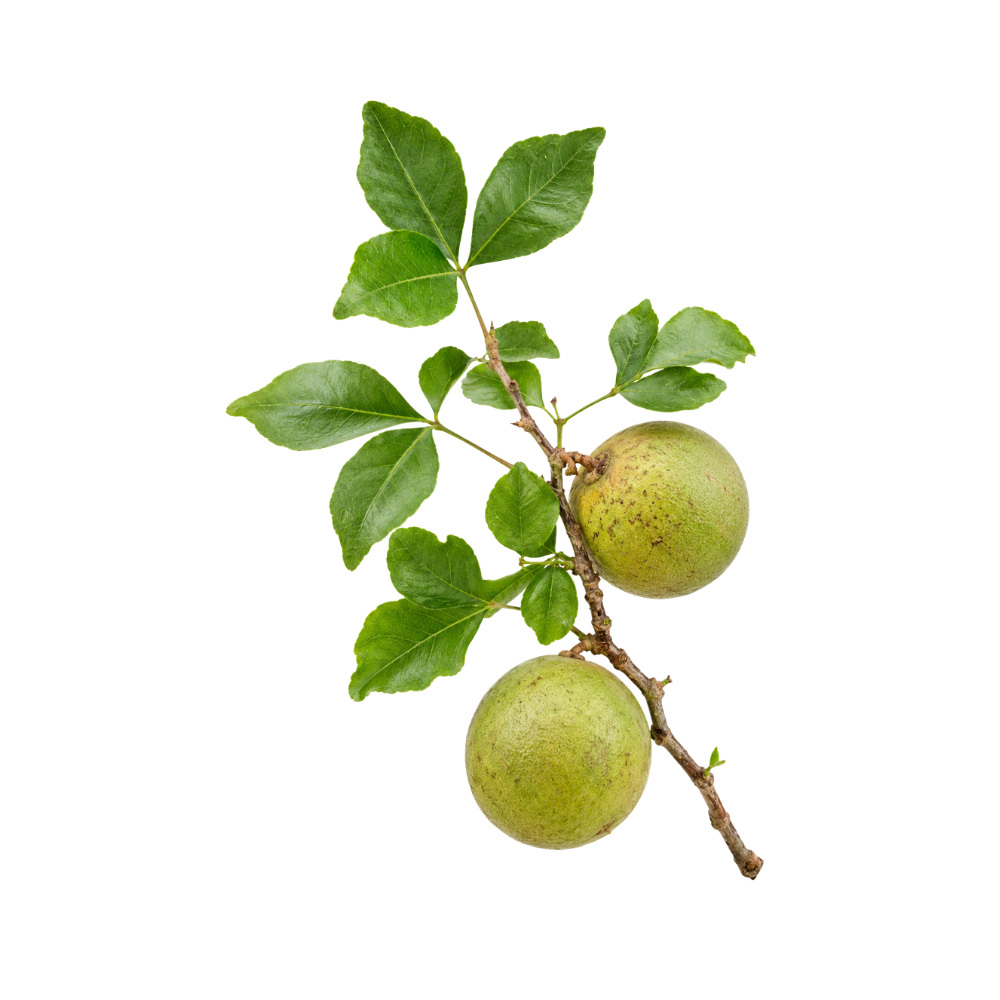 StrongStrongBaelAegle marmelosThe unripe fruit decoction blocks bacterial adherence and toxin production while slowing transit and cutting fluid loss; the grahi fruit of Ayurveda, with its own old British Pharmacopoeia entry.Mechanismbacterial adherence/invasion blockade; enterotoxin production and receptor binding ↓; muscarinic/histaminergic/serotonergic gut-contraction antagonismRead the evidenceShow lessMonograph →
A hot aqueous decoction of dried unripe fruit showed limited direct antibacterial killing but markedly reduced bacterial adherence to and invasion of gut epithelium, interfered with cholera and heat-labile toxin production and their receptor binding, and was active against Giardia and rotavirus 2Reference 2In vitroStudies on the antidiarrhoeal activity of Aegle marmelos unripe fruit: validating its traditional usage — [in vitro]View study →. That is an unusually explicit account of how a weakly antimicrobial herb still shortens infectious diarrhoea.
The unripe-fruit extract also cut castor-oil-induced intestinal fluid accumulation, slowed gastrointestinal transit, and antagonised acetylcholine-, histamine- and serotonin-induced gut contraction in animals 3Reference 3Investigation on the gastroprotective and antidiarrhoeal properties of Aegle marmelos unripe fruit extract — [animal]View study →, so the antisecretory and antimotility arms are separate from the anti-virulence one.
There is no modern human trial of bael for diarrhoea. The standing rests on centuries of Ayurvedic grahi use plus animal and in-vitro work.
The action belongs to the unripe or half-ripe fruit. The ripe pulp is used as a mild laxative and does not carry it.
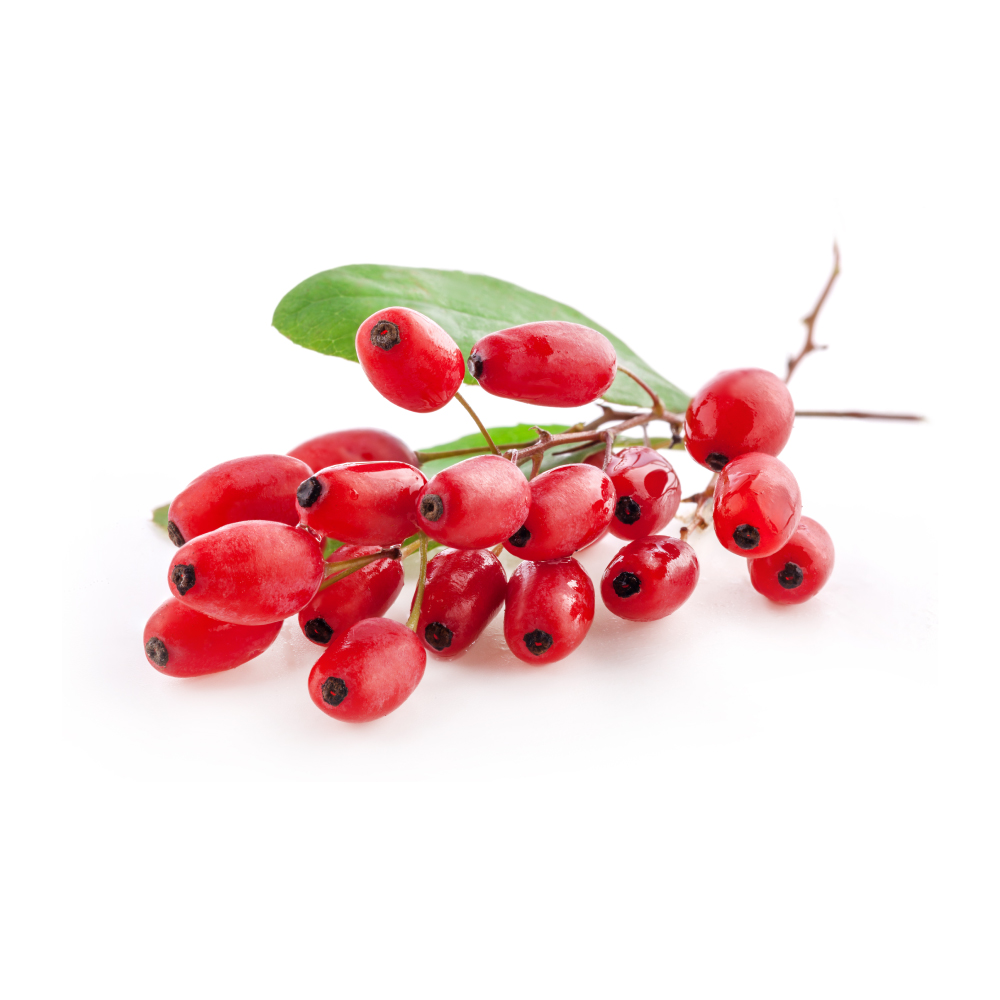 StrongStrongBarberryBerberis spp.Berberine is antisecretory in the gut lumen, and a single 400 mg dose cut stool volume and shortened enterotoxigenic E. coli diarrhoea in a randomised trial of 165 adults.Mechanismintestinal antisecretory action (berberine); gut-lumen antimicrobial; minimal systemic absorptionRead the evidenceShow lessMonograph →
In a randomised controlled trial in 165 adults with acute diarrhoea from enterotoxigenic E. coli and Vibrio cholerae, a single 400 mg oral dose of berberine sulfate significantly reduced mean stool volume across three consecutive eight-hour periods. At 24 hours 42% of treated patients had stopped, against 20% of controls, and no adverse effects were recorded 24Reference 24RCTRandomized controlled trial of berberine sulfate therapy for diarrhoea due to enterotoxigenic Escherichia coli and Vibrio cholerae — randomised controlled trialView study →.
Berberine makes up roughly 5–10% of the dried root and root bark, and it is poorly absorbed. Staying in the lumen is what lets it act on the gut wall and on the organisms in it.
That also limits what transfers. Berberine’s systemic results, in blood sugar and lipids, come from a molecule behaving differently once absorbed, and they say nothing about this use.
The trial tested berberine sulfate, an isolated alkaloid, and no whole-root equivalent dose has been established. The cholera arm was much weaker than the E. coli arm, and adding 1,200 mg to tetracycline produced no further reduction in stool output 24Reference 24RCTRandomized controlled trial of berberine sulfate therapy for diarrhoea due to enterotoxigenic Escherichia coli and Vibrio cholerae — randomised controlled trialView study →.
Eclectic practice gave Berberis for diarrhoea and dysentery 25Reference 25Principles and Practice of Phytotherapy (2nd ed.) — reference text. The direction reverses with dose and preparation, since the same bitters carry a traditional laxative reputation through their effect on bile flow.
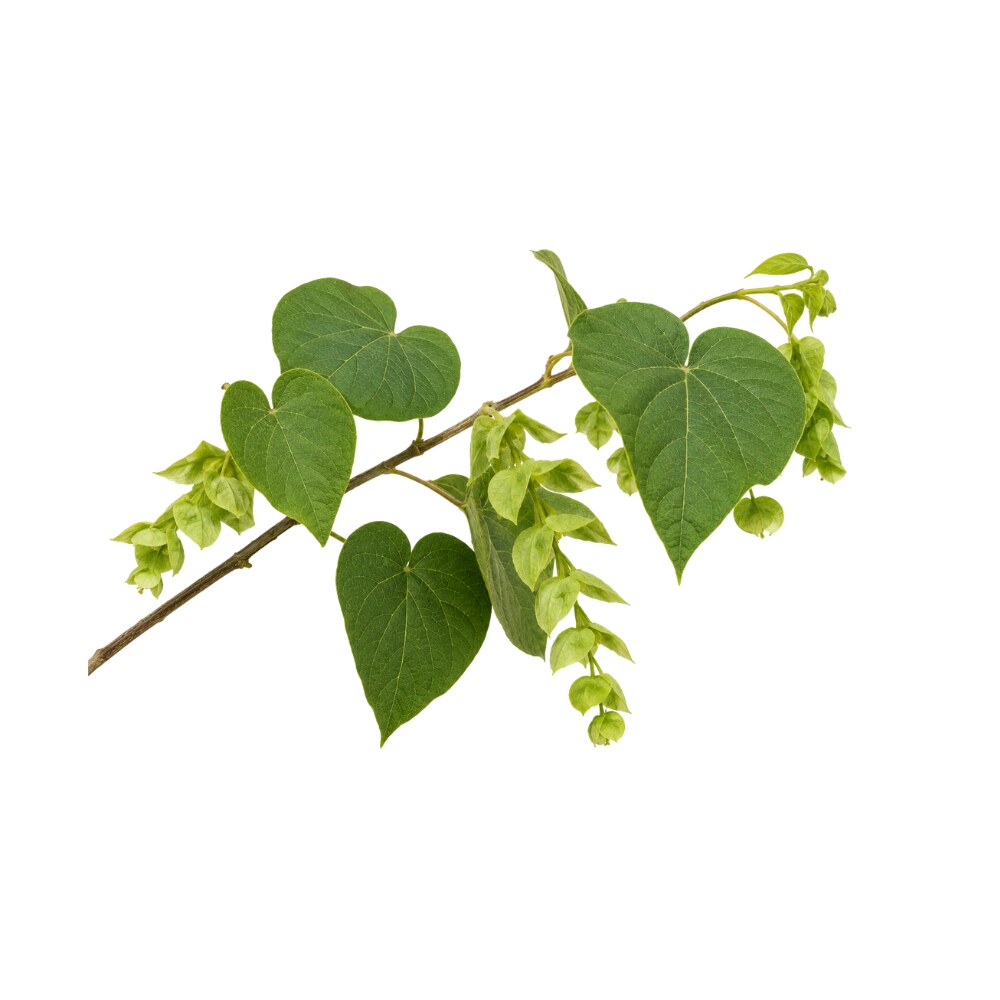 ModerateModerateAbutaCissampelos pareiraA root extract preferentially reduced luminal sodium in the castor-oil model, acting on secretion rather than merely slowing the gut; a widespread Amazonian remedy for dysentery.Mechanismluminal Na⁺ reduction (anti-secretory); intestinal fluid accumulation ↓; gastrointestinal transit slowedRead the evidenceShow lessMonograph →
An ethanolic root extract at 25–100 mg/kg dose-dependently reduced faecal output by 29–60% and cut intestinal fluid accumulation in the castor-oil model, slowed gastrointestinal transit, and preferentially reduced luminal sodium while lowering lipid peroxidation 1Reference 1AnimalEthnomedical value of Cissampelos pareira extract in experimentally induced diarrhoea — animal modelView study →.
The sodium finding is the informative one. Castor-oil diarrhoea is secretory, driven by fluid following ions into the lumen, so reducing luminal sodium acts on the pathophysiology rather than simply slowing transit.
It also matches the herb’s widespread traditional use for dysentery and diarrhoea.
The evidence is a single study in an acute model, with no infectious, chronic or human data. Abuta’s antifertility activity 21Reference 21AnimalAntifertility activity of the methanolic leaf extract of Cissampelos pareira in female albino mice — animal model (mice)View study → applies to this use as much as any other.
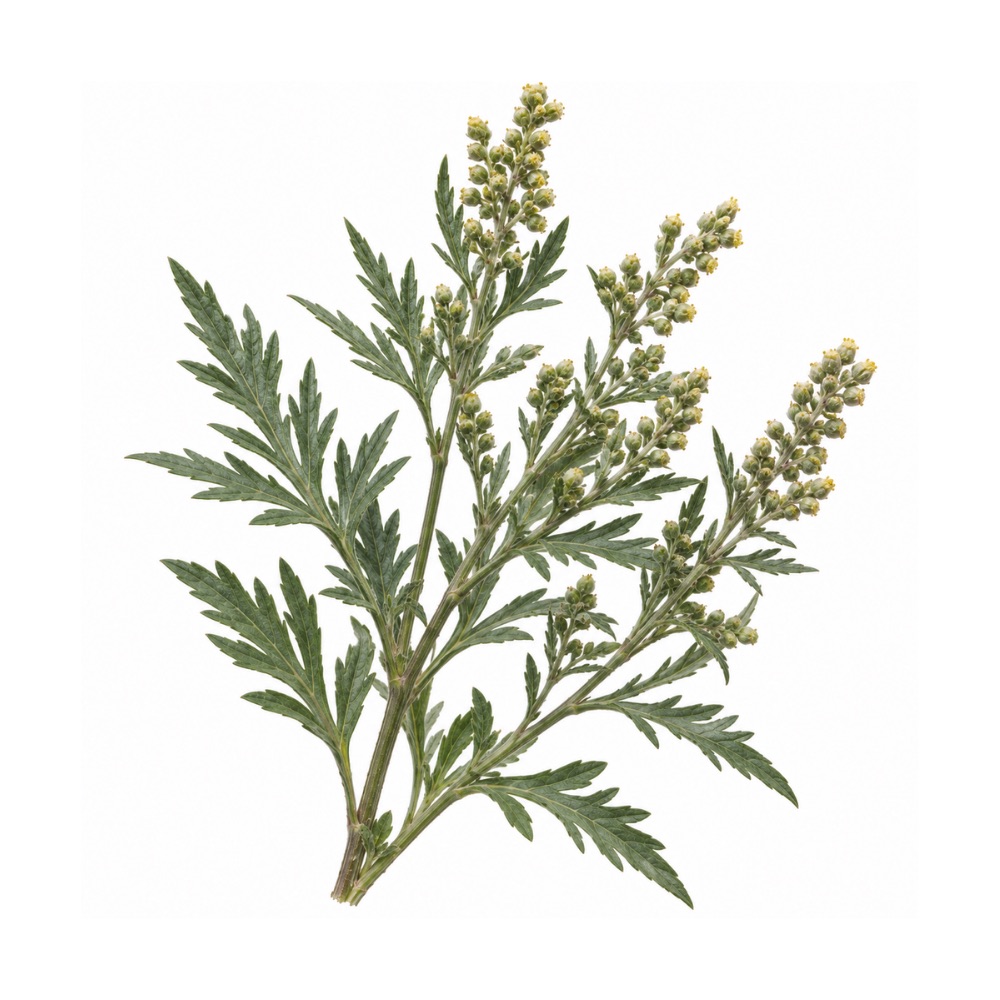 ModerateModerateEstafiateArtemisia ludovicianaCut intestinal propulsion in rats by 30–57%, comparable to loperamide, alongside activity against Entamoeba and Giardia; the aerial-parts infusion is a central Mexican digestive remedy.Mechanismantimotility and smooth-muscle relaxation; antimicrobialRead the evidenceShow less
In the charcoal-meal test in rats an extract at 300 mg/kg inhibited intestinal propulsion by 30–57%, a moderate effect equal to or greater than loperamide at 10 mg/kg 22Reference 22AnimalEffect of plants used in Mexico to treat gastrointestinal disorders on charcoal-gum acacia-induced hyperperistalsis in rats — animal modelView study →. Combined with activity against the diarrhoea-causing protozoa Entamoeba histolytica and Giardia 23Reference 23In vitroIn vitro antiprotozoal activity of the leaves of Artemisia ludoviciana — in vitroView study →, that gives two routes rather than one.
The aerial-parts infusion is drunk for stomach pain, diarrhoea, intestinal parasites and empacho across Mexican traditional practice, casually and often.
The motility work is a single screening study with no mechanism specified, and there is no human data.
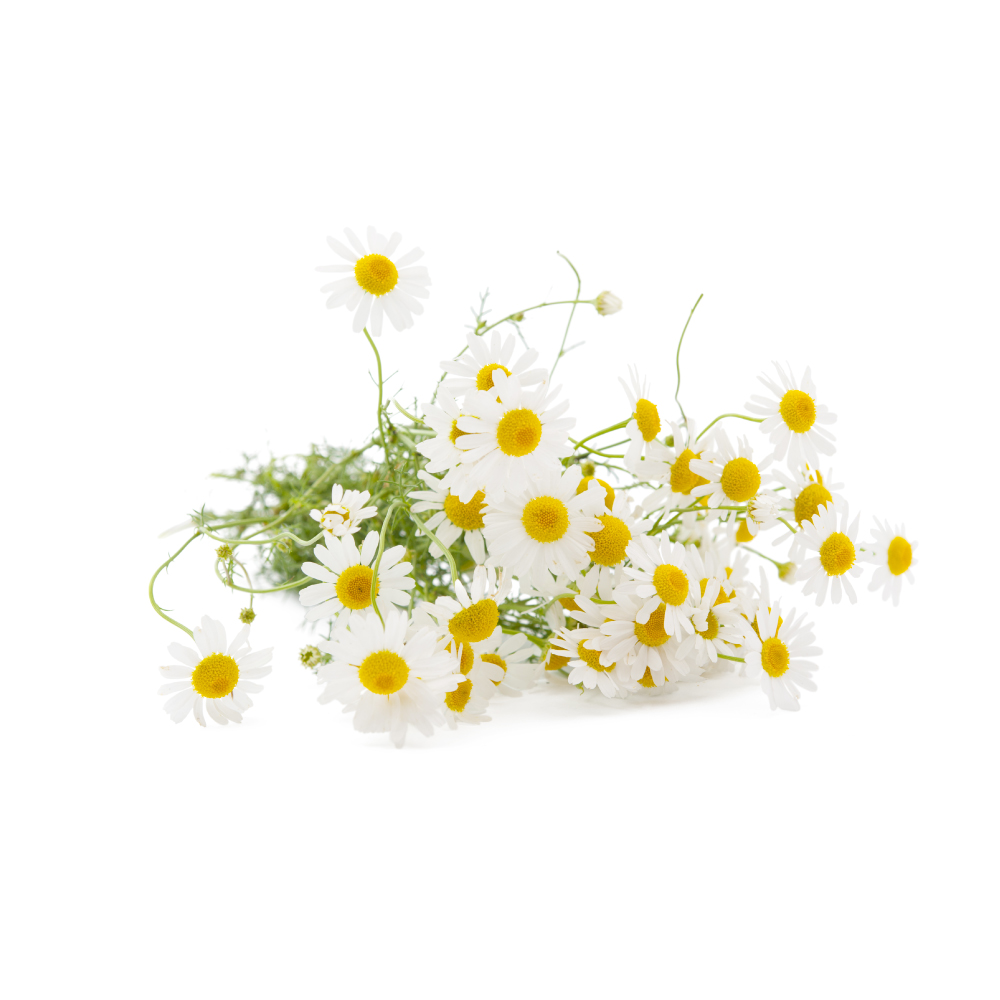 ModerateModerateGerman ChamomileMatricaria chamomillaProduced dose-dependent antidiarrhoeal and antisecretory activity in mice through potassium-channel activation, a motility and secretion effect rather than the astringency its reputation implies.Mechanismintestinal K⁺-channel activation; antisecretory effectRead the evidenceShow lessMonograph →
The extract produced dose-dependent antidiarrhoeal and antisecretory activity in mice alongside spasmolysis, all on the same potassium-channel mechanism 4Reference 4In vitroAntidiarrhoeal, antisecretory and antispasmodic activities of Matricaria chamomilla are mediated predominantly through K⁺-channels activation — animal / in vitro studyView study →. Direct evidence of that kind is more than most antidiarrhoeal tags carry.
A systematic review of herbal medicines in paediatric gastrointestinal disorders found promising evidence for a Matricaria chamomilla-containing preparation in diarrhoea, though chamomile was one component of a multi-herb product 5Reference 5Systematic reviewHerbal medicines for gastrointestinal disorders in children and adolescents: a systematic reviewView study →.
This is a motility and secretion effect rather than a tannin-astringent one.
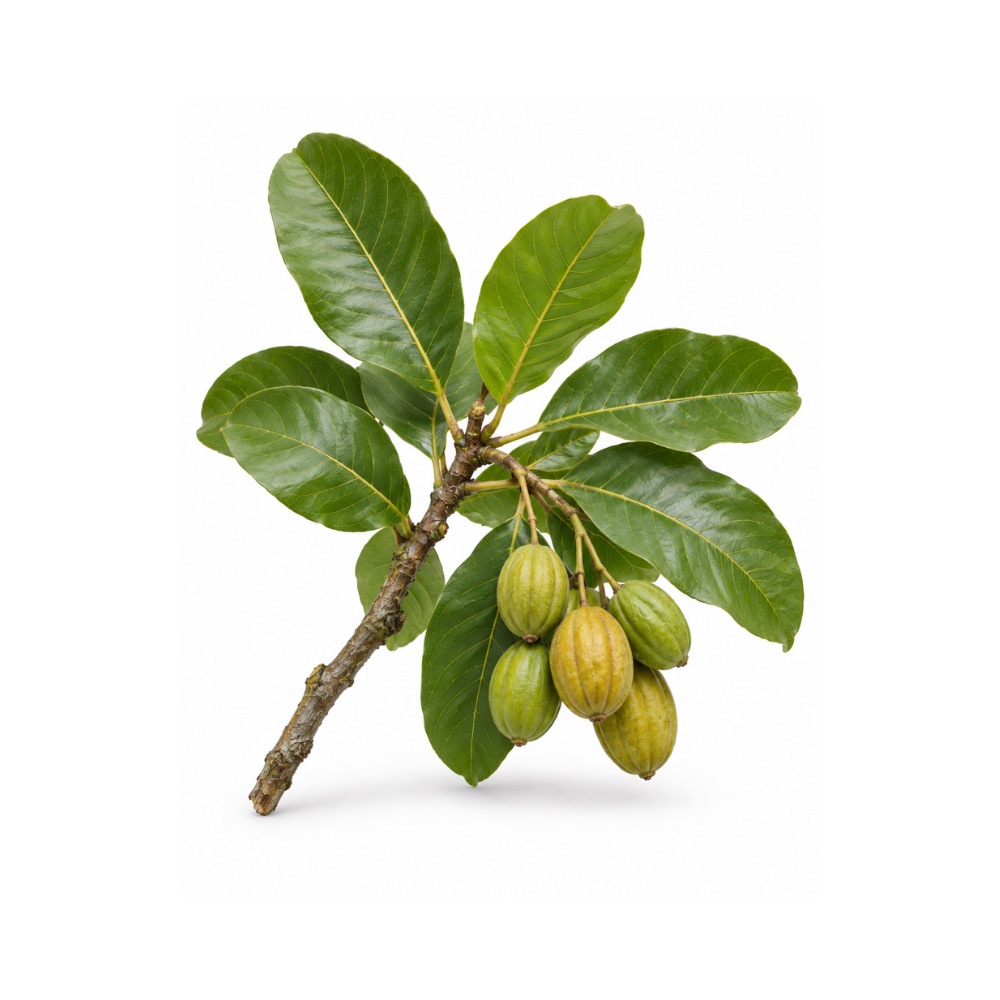 ModerateModerateHaritakiTerminalia chebulaAstringent below about 3 g and laxative above it — the same fruit checks loose stool and relieves constipation, and Ayurveda describes the split.Mechanismhydrolysable tannin binding at low dose, opposed by anthraquinone-glycoside motility at higher doseRead the evidenceShow lessMonograph →
The fruit carries two opposing fractions. At low doses the hydrolysable tannins dominate — chebulinic and chebulagic acids, corilagin, gallic and ellagic acids — producing a binding, astringent effect.
At higher doses the anthraquinone glycosides drive a laxative action. The same fruit checks loose stool and relieves constipation, and Ayurveda describes the split explicitly.
The dividing line is roughly three grams of fruit powder: one to two grams is the antidiarrhoeal dose, three to six the laxative one.
Chinese medicine works the same face of it. He Zi is said to bind the Intestines, and is given in decoction for chronic diarrhoea and dysentery.
The caution attaches to the laxative dose rather than to the herb: high or prolonged doses cause cramping, loose stools and dehydration, so the larger amounts are what to avoid in active diarrhoea. There are no trials of haritaki alone for either direction — the human data sit with Triphala.
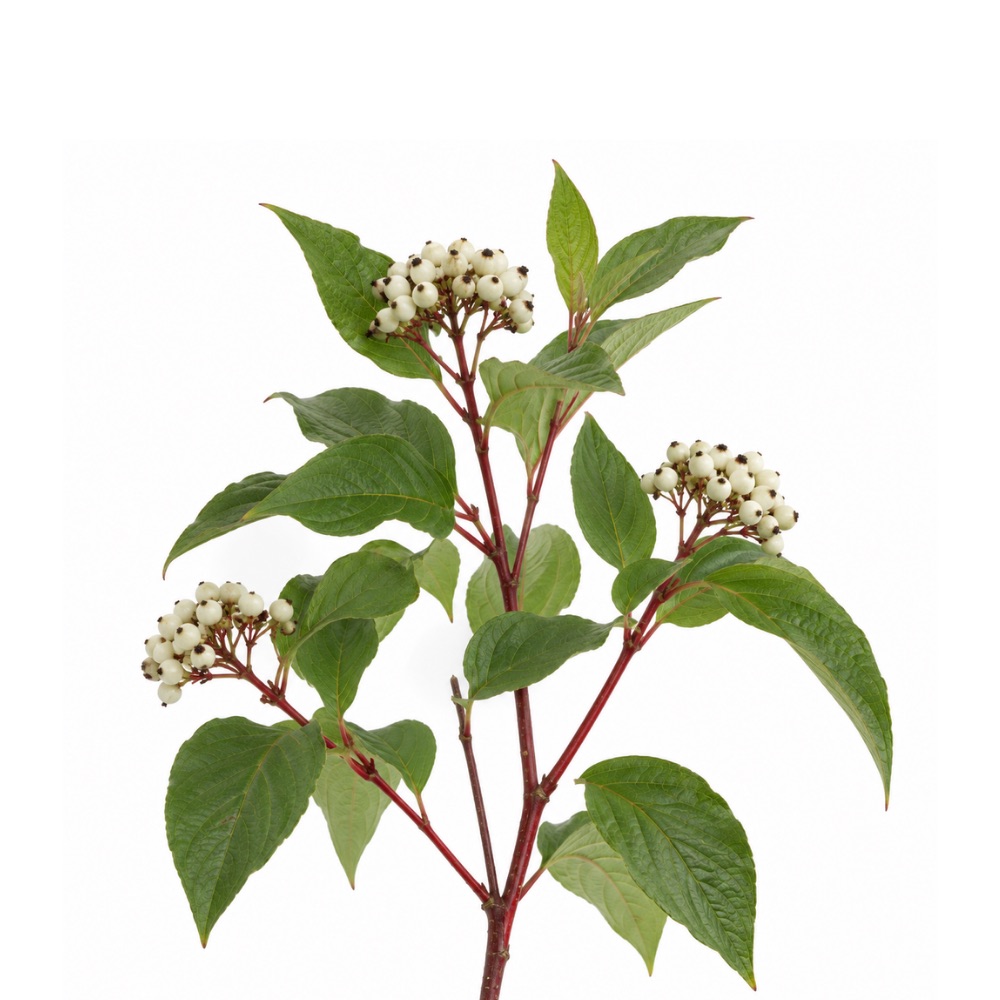 ModerateModerateRed-Osier DogwoodCornus sericeaThe dried bark decoction is a long-standing Indigenous North American astringent for diarrhoea, and leaf and stem extracts consistently suppress enteric pathogens in livestock.Mechanismtannin astringency on gut mucosa; enteric-pathogen suppressionRead the evidenceShow less
Indigenous peoples across North America decocted the astringent inner bark for diarrhoea and fevers, and that remains the plant’s best-documented traditional use. Its confirmed hydrolysable-tannin content is the basis of the mechanism.
The modern support is indirect. Leaf and stem extracts consistently altered gut microbiota and reduced enteric pathogens in poultry, pigs and ruminants 6,
That work uses a different plant part from the traditional bark and is livestock rather than human, though it is more substantial than an in-vitro result.
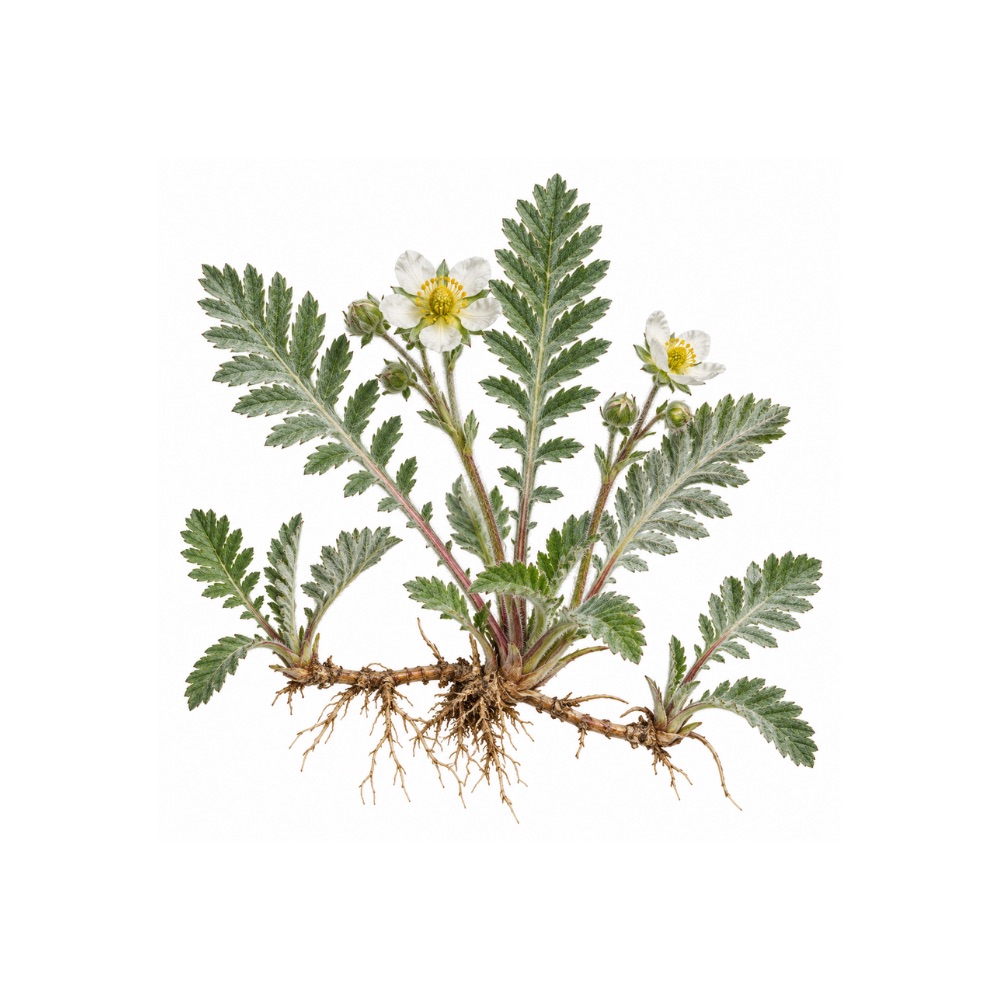 ModerateModerateSilverweedArgentina anserinaAn ellagitannin-rich astringent decocted for diarrhoea in both European folk practice and Tibetan medicine, where the root is also a food crop.Mechanismellagitannin astringency on gut mucosaRead the evidenceShow less
The root and aerial parts are decocted as an astringent for diarrhoea and digestive complaints, the classic Rosaceae tannin application. The use appears independently in European folk practice and in Tibetan medicine, where the root is a cultivated food as well as a remedy.
Nothing has measured it. The tannin chemistry is confirmed and the bowel effect is inferred from it.
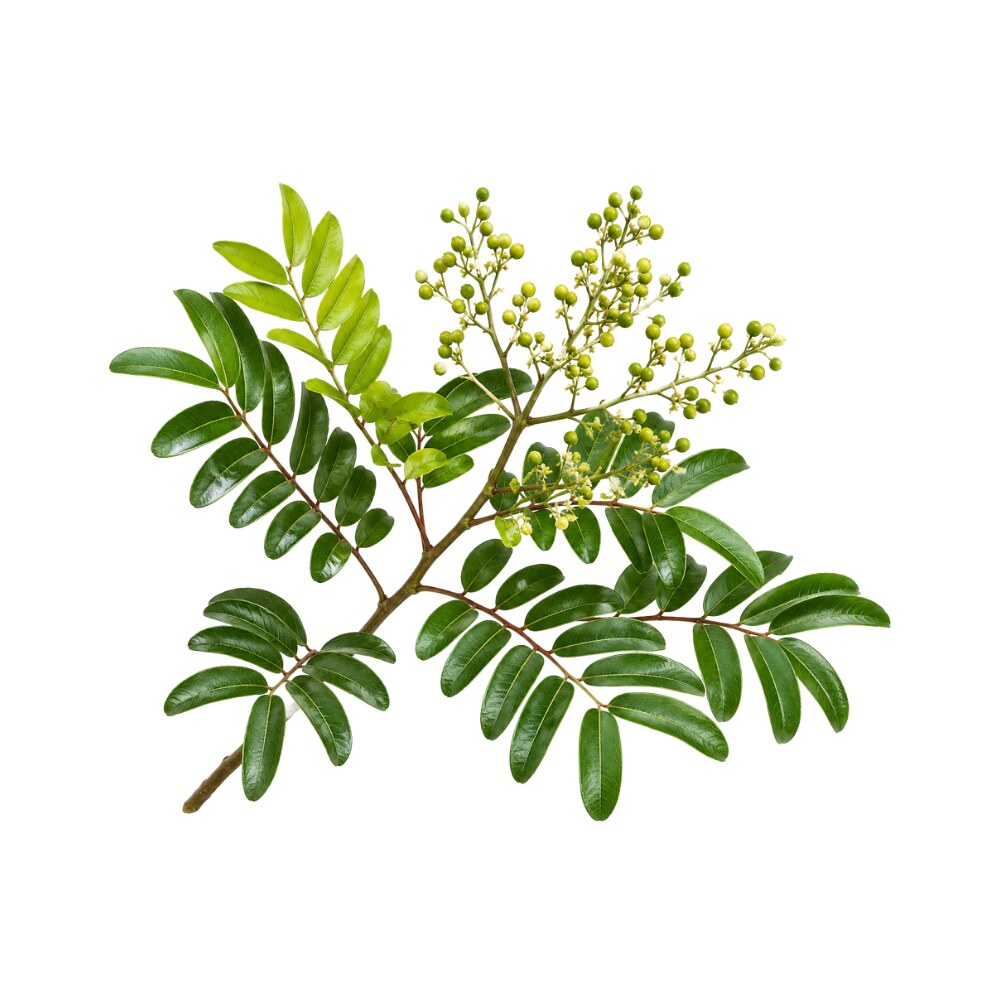 ModerateModerateSimaroubaSimarouba amaraA bark decoction lowered intestinal cAMP, prostaglandin E₂ and fluid accumulation in mice with E. coli diarrhoea, and its quassinoids are amoebicidal; the dysentery bark of northern South America.Mechanism↓ intestinal cAMP and PGE₂ (secretory pathway); enteropathogen burden ↓; amoebicidalRead the evidenceShow lessMonograph →
An aqueous bark decoction-equivalent reduced enterotoxigenic E. coli diarrhoea in mice by lowering intestinal cAMP, prostaglandin E₂ and fluid accumulation, while restoring intestinal alkaline phosphatase, myeloperoxidase and IL-1β and cutting bacterial shedding 17Reference 17AnimalMolecular mechanism of Escherichia coli H10407-induced diarrhoea and its control through immunomodulatory action of bioactives from Simarouba amara (Aubl.) — mouse in vivoView study →. That maps onto the secretory-diarrhoea pathway, so the mechanism is antisecretory and anti-infective rather than astringent.
The amoebicidal work supports the same picture for dysentery 18,
The animal study is single and unreplicated, the extract was not standardised to any marker quassinoid, and the bark’s quassinoid content has never been quantified, so no whole-herb dose can be defended.
The same bitter principles provoke nausea and vomiting above the therapeutic window, which is what limits the dose.
No herbs match these filters.
Also Tagged
3 more herbs carry an antidiarrheal action.
Safety
- Oral rehydration is the treatment that saves lives in diarrhoea, and no herb replaces it.
- Blood or mucus in the stool, high fever, severe abdominal pain, persistent vomiting or signs of dehydration need assessment rather than a herb.
- Diarrhoea in an infant, a frail older adult, a pregnant person or someone immunosuppressed is assessed rather than treated at home.
- Slowing the bowel in dysentery-type illness or antibiotic-associated colitis prolongs exposure to the pathogen.
- High-tannin astringents over-bind the stool with prolonged use, so courses run about five days.
- Diarrhoea lasting beyond a few days, or following recent antibiotics or travel, is a diagnostic question.
References
- Amresh, Reddy GD, Rao CV, et al. (2004). Ethnomedical value of Cissampelos pareira extract in experimentally induced diarrhoea — animal model. Acta Pharmaceutica. https://pubmed.ncbi.nlm.nih.gov/15050042/
- Brijesh S et al. (2009). Studies on the antidiarrhoeal activity of Aegle marmelos unripe fruit: validating its traditional usage — [in vitro]. BMC Complementary and Alternative Medicine, 9, 47. https://pubmed.ncbi.nlm.nih.gov/19930633/
- Dhuley JN (2003). Investigation on the gastroprotective and antidiarrhoeal properties of Aegle marmelos unripe fruit extract — [animal]. Hindustan Antibiotics Bulletin, 45-46(1-4), 41-6. https://pubmed.ncbi.nlm.nih.gov/16281828/
- Mehmood MH, et al. (2015). Antidiarrhoeal, antisecretory and antispasmodic activities of Matricaria chamomilla are mediated predominantly through K⁺-channels activation — animal / in vitro study. BMC Complementary and Alternative Medicine. https://pubmed.ncbi.nlm.nih.gov/25886126/
- Anheyer D, et al. (2017). Herbal medicines for gastrointestinal disorders in children and adolescents: a systematic review. Pediatrics. https://pubmed.ncbi.nlm.nih.gov/28562281/
- Zheng, Y., et al. (2021). Dietary supplementation of red-osier dogwood polyphenol extract changes the ileal microbiota structure and increases Lactobacillus in a pig model — in vivo animal model. AMB Express. https://pubmed.ncbi.nlm.nih.gov/34714436/
- Erinle, T. J., MacIsaac, J., et al. (2022). Effect of red osier dogwood extract on growth performance, blood biochemical parameters, and gut functionality of broiler chickens challenged with Salmonella Enteritidis lipopolysaccharide — randomised in vivo animal model. Poultry Science. https://pubmed.ncbi.nlm.nih.gov/35544959/
- Erinle, T. J., Boulianne, M., et al. (2023). Red osier dogwood extract versus trimethoprim-sulfadiazine (Part 1): growth performance, blood parameters, gut histomorphometry and Salmonella excretion in broiler chickens — randomised in vivo animal model. Poultry Science. https://pubmed.ncbi.nlm.nih.gov/37406598/
- Erinle, T. J., Boulianne, M., et al. (2023). Red osier dogwood extract versus trimethoprim-sulfadiazine (Part 2): pharmacodynamic effects on ileal and cecal microbiota of broiler chickens — in vivo animal model. Poultry Science. https://pubmed.ncbi.nlm.nih.gov/36854216/
- Santos Reis Pereira, et al. (2026). Effects of red osier dogwood extract on growth, protein digestibility, immune response and gut health of broiler chickens in a coccidiosis vaccine challenge model — randomised in vivo animal model. Poultry Science. https://pubmed.ncbi.nlm.nih.gov/42105386/
- DiCesare, D., DuPont, H. L., Mathewson, J. J., et al. (2002). A double blind, randomized, placebo-controlled study of SP-303 (Provir) in the symptomatic treatment of acute diarrhea among travelers to Jamaica and Mexico — randomised controlled trial. American Journal of Gastroenterology. https://pubmed.ncbi.nlm.nih.gov/12385443/
- Holodniy, M., Koch, J., Mistal, M., et al. (1999). A double blind, randomized, placebo-controlled phase II study to assess the safety and efficacy of orally administered SP-303 for the symptomatic treatment of diarrhea in patients with AIDS — randomised controlled trial. American Journal of Gastroenterology. https://pubmed.ncbi.nlm.nih.gov/10566728/
- Macarthur, R. D., Hawkins, T. N., Brown, S. J., et al. (2013). Efficacy and safety of crofelemer for noninfectious diarrhea in HIV-seropositive individuals (ADVENT trial): a randomized, double-blind, placebo-controlled, two-stage study — randomised controlled trial. HIV Clinical Trials. https://pubmed.ncbi.nlm.nih.gov/24334179/
- Birdi, T., Krishnan, G. G., Kataria, S., Gholkar, M., & Daswani, P. (2020). A randomized open label efficacy clinical trial of oral guava leaf decoction in patients with acute infectious diarrhoea — randomised controlled trial. Journal of Ayurveda and Integrative Medicine. https://pubmed.ncbi.nlm.nih.gov/32507357/
- Wei, L., Li, Z., & Chen, B. (2000). Clinical study on treatment of infantile rotaviral enteritis with Psidium guajava L. — randomised clinical trial. Zhongguo Zhong Xi Yi Jie He Za Zhi. https://pubmed.ncbi.nlm.nih.gov/11938857/
- Garrido, G., Garrido-Suárez, B. B., Martínez-Tapia, N., et al. (2024). Antidiarrheal effect of Psidium guajava L. extract in acute diarrhea — systematic review. Journal of the Science of Food and Agriculture. https://pubmed.ncbi.nlm.nih.gov/38578668/
- Veena, H., Gowda, S. K., Achur, R. N., & Thippeswamy, N. B. (2021). Molecular mechanism of Escherichia coli H10407-induced diarrhoea and its control through immunomodulatory action of bioactives from Simarouba amara (Aubl.) — mouse in vivo. Journal of Microbiology. https://pubmed.ncbi.nlm.nih.gov/33630248/
- Wright, C. W., O’Neill, M. J., Phillipson, J. D., & Warhurst, D. C. (1988). Use of microdilution to assess in vitro antiamoebic activities of Brucea javanica fruits, Simarouba amara stem, and quassinoids. Antimicrobial Agents and Chemotherapy. https://pubmed.ncbi.nlm.nih.gov/2908094/
- Wright, C. W., Anderson, M. M., Allen, D., Phillipson, J. D., Kirby, G. C., Warhurst, D. C., & Chang, H. R. (1993). Quassinoids exhibit greater selectivity against Plasmodium falciparum than against Entamoeba histolytica, Giardia intestinalis or Toxoplasma gondii in vitro. Journal of Eukaryotic Microbiology. https://pubmed.ncbi.nlm.nih.gov/8508162/
- Van Assendelft, F., et al. (1956). The use of glaucarubin (a crystalline glycoside from Simarouba glauca) in the treatment of human colonic amebiasis — clinical case series. American Journal of Tropical Medicine and Hygiene. https://pubmed.ncbi.nlm.nih.gov/13327185/
- Ganguly, M., et al. (2007). Antifertility activity of the methanolic leaf extract of Cissampelos pareira in female albino mice — animal model (mice). Journal of Ethnopharmacology. https://pubmed.ncbi.nlm.nih.gov/17324540/
- Calzada, F., et al. (2010). Effect of plants used in Mexico to treat gastrointestinal disorders on charcoal-gum acacia-induced hyperperistalsis in rats — animal model. Journal of Ethnopharmacology. https://pubmed.ncbi.nlm.nih.gov/20035855/
- Said-Fernández, S., et al. (2005). In vitro antiprotozoal activity of the leaves of Artemisia ludoviciana — in vitro. Fitoterapia. https://pubmed.ncbi.nlm.nih.gov/15975735/
- Rabbani, G. H., Butler, T., Knight, J., Sanyal, S. C., & Alam, K. (1987). Randomized controlled trial of berberine sulfate therapy for diarrhoea due to enterotoxigenic Escherichia coli and Vibrio cholerae — randomised controlled trial. Journal of Infectious Diseases. https://pubmed.ncbi.nlm.nih.gov/3549923/
- Bone, K., & Mills, S. (2013). Principles and Practice of Phytotherapy (2nd ed.) — reference text. Elsevier Health.
- Paul, A. K., Smith, C. M., Rahmatullah, M., et al. (2021). Opioid analgesia and opioid-induced adverse effects: a review. Pharmaceuticals (Basel). https://pubmed.ncbi.nlm.nih.gov/34832873/
- Barnes, H., McDonald, J., Smallwood, N., et al. (2016). Opioids for the palliation of refractory breathlessness in adults with advanced disease and terminal illness — meta-analysis. Cochrane Database of Systematic Reviews. https://pubmed.ncbi.nlm.nih.gov/27030166/
Keep Exploring