

Overview
Choleretic at a Glance
Choleretics increase the amount of bile produced and secreted by the liver.
This is different from a cholagogue.
A choleretic makes more bile. A cholagogue makes the gallbladder contract and release the bile it is already storing.
Many traditional choleretics are also bitters.
Dandelion, wormwood, barberry, and boldo are typical examples. Their bitter compounds may stimulate bile secretion partly through digestive reflexes triggered when the herb is tasted.
That makes preparation important.
A bitter tincture or tea taken before food engages the taste receptors involved in this reflex. Swallowing the same herb in a capsule may not produce quite the same effect.
Globe artichoke stands out because its effect on bile output has been measured more directly. Its caffeoylquinic acids, including cynarin, appear to increase bile secretion through the liver itself rather than relying only on the bitter reflex.
Choleretic herbs have a long history in Western herbal medicine, especially for sluggish digestion, poor tolerance of fatty foods, and complaints associated with bile flow.
Culpeper repeatedly described herbs as “opening obstructions of the liver and gall,” while greater celandine, artichoke, dandelion, and other bitter liver herbs were traditionally used for jaundice and digestive complaints.
Despite this long history, direct measurements of bile output are surprisingly rare.
Barberry, milk thistle, turmeric, and wormwood are all traditional choleretics, but their actual effects on bile secretion have not been well measured.
Caution
Not with blocked bile flow — choleretics are contraindicated with gallstones, cholangitis or bile-duct obstruction, where raising bile production works against the blockage.
Get jaundice or pain assessed — jaundice, pale stools, dark urine or unexplained right-upper-quadrant pain need proper assessment before any bile-stimulating herb.
Not with ulcer or reflux — bitters raise gastric acid alongside bile, so they are poorly suited to active peptic ulcer or reflux.
Mechanisms
How It Works
01
Direct Bile Secretion
Acting on the liver cell itself to raise the volume of bile it secretes, without the intermediate step of a nerve reflex.
This is artichoke’s mechanism, and artichoke is the only herb here where it has been measured. The caffeoylquinic acids, chiefly cynarin, carry it, and the effect is on bile-salt-independent flow rather than on bile-acid output.
Greater celandine’s bile-flow stimulation was shown in isolated perfused rat liver, which is the same kind of preparation.
The distinction from a bile acid such as ursodeoxycholic acid matters. Those drugs change the composition of bile and are given for cholestatic liver disease; a choleretic herb increases the volume of what the liver already makes and treats dyspepsia.
Herbs: Globe ArtichokeGreater Celandine
Key compounds: CynarinCynaropicrin
02
The Bitter Reflex
Bitter compounds activate TAS2R taste receptors on the tongue and in the gut wall, triggering a vagal cephalic-phase cascade that raises salivary, gastric and biliary secretion before food arrives.
This is the route behind almost every other herb here. Wormwood’s absinthin, gentian’s secoiridoids, barberry’s alkaloids and dandelion’s sesquiterpene lactones are all strong TAS2R agonists, and a choleretic effect follows from a mechanism that is itself well mapped.
What is missing in every case is the step where somebody measured the bile.
The practical consequence is that preparation governs the effect. A reflex that begins at a taste receptor cannot fire from inside a capsule, which is why these herbs are traditionally taken as a bitter tincture or tea shortly before eating.
Herbs: BarberryBoldoDandelionMilk ThistleTurmericWormwood
The Molecules
Pharmacology
What produces a choleretic effect at the molecular level. The herbs carry these molecules in different combinations and amounts, which is most of why their potency differs. Roles describe how central a molecule is to the action across plants generally, not how strong any one herb is.
Chiefly Sesquiterpene Lactones1
Carries the action largely on its own — the effect is attributed to the molecule, not just the extract it came from.
Adds to a plant's effect and is often present in quantity, but rarely accounts for it alone.
Real but narrow — one pathway, one tissue, or evidence too thin to lean on.
Cynaropicrin Sesquiterpene Lactones Minor role Targets Bile-salt-independent bile flow (hydrocholeresis); biphasic
In isolated perfused rat liver, cynaropicrin produced a dose-dependent increase in bile flow at low and intermediate concentrations, and caused liver damage at the highest concentration tested, 20 mg/L 1Reference 1AnimalCholeretic effects of the Mongolian medicinal plant Saussurea amara in the isolated perfused rat liverView study →.
In the same experiment apigenin-7-O-glucoside raised bile flow by 20–40% and outperformed cynarin as a reference substance 1Reference 1AnimalCholeretic effects of the Mongolian medicinal plant Saussurea amara in the isolated perfused rat liverView study →.
Artichoke’s human choleretic evidence belongs to the standardised leaf extract and its caffeoylquinic acids, chiefly cynarin, rather than to cynaropicrin: choleresis belongs to the caffeoylquinic acids, and bitter-receptor stimulation to cynaropicrin.
The profile is biphasic, rising then damaging as the dose climbs.
Materia Medica
Choleretic Herbs by Potency
The choleretic herbs, ordered by the relative strength of the effect rather than by how well studied it is. Each herb is described by the mechanism behind its effect and the evidence for it.
None of this is a substitute for professional care.
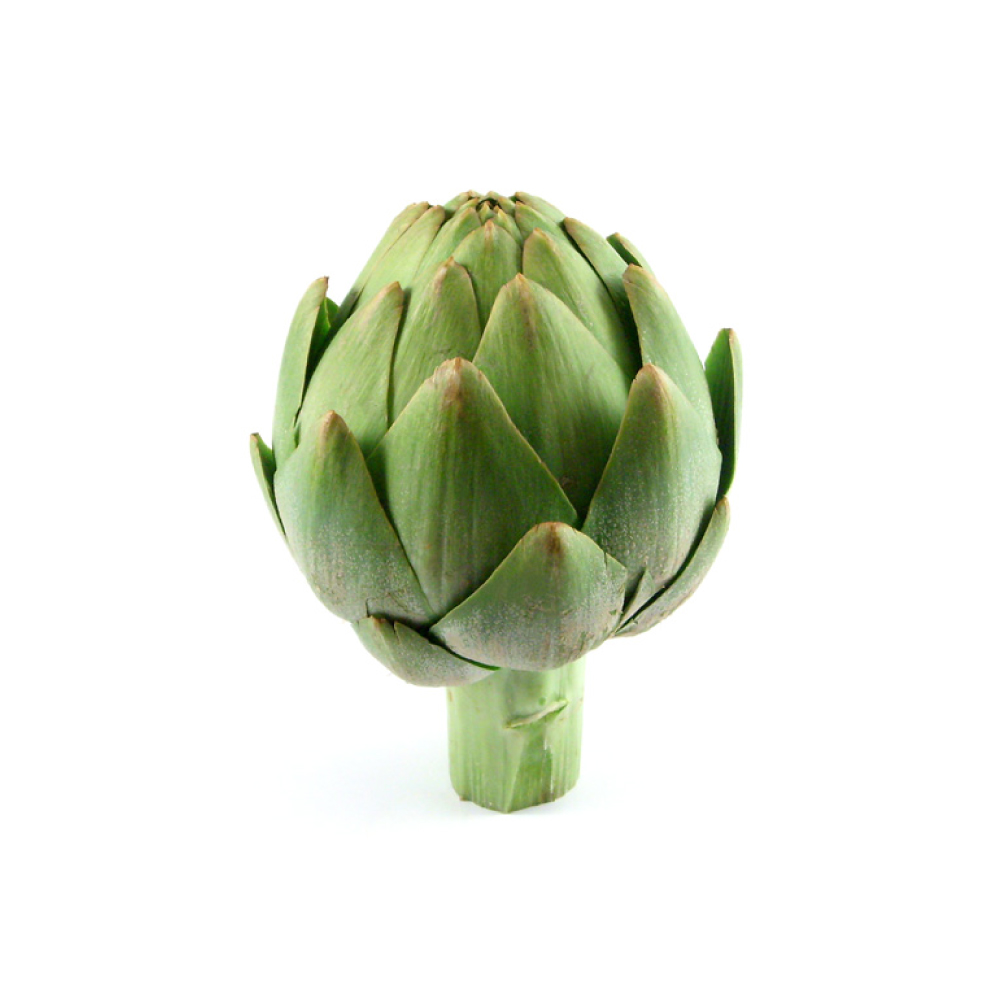 PotentPotentGlobe ArtichokeCynara scolymusThe only herb whose bile output has been directly measured: intraduodenal extract raised bile secretion by half again over baseline, through the caffeoylquinic acids.Mechanismdirect bile secretion & flow ↑Read the evidenceShow lessMonograph →
In a randomised, placebo-controlled, double-blind crossover pilot (n=20), a single 1.92 g intraduodenal dose of standardised extract raised measured bile secretion to 127% of baseline at 30 minutes and 151% at 60 minutes, with the separation from placebo clearest at 120 and 150 minutes and an effective window of about two hours 2Reference 2RCTIncrease in choleresis by means of artichoke extract — randomised placebo-controlled double-blind crossover studyView study →.
That is a direct instrumented measurement of the action itself rather than a downstream proxy, taken by multi-channel duodenal probe. It underpins both the dyspepsia indication and part of the cholesterol effect.
The actives are the caffeoylquinic acids, chiefly cynarin, concentrated in the leaf. Placebo bile secretion also rose at 30 minutes, so the early figures describe the response to an intraduodenal dose rather than the drug effect alone.
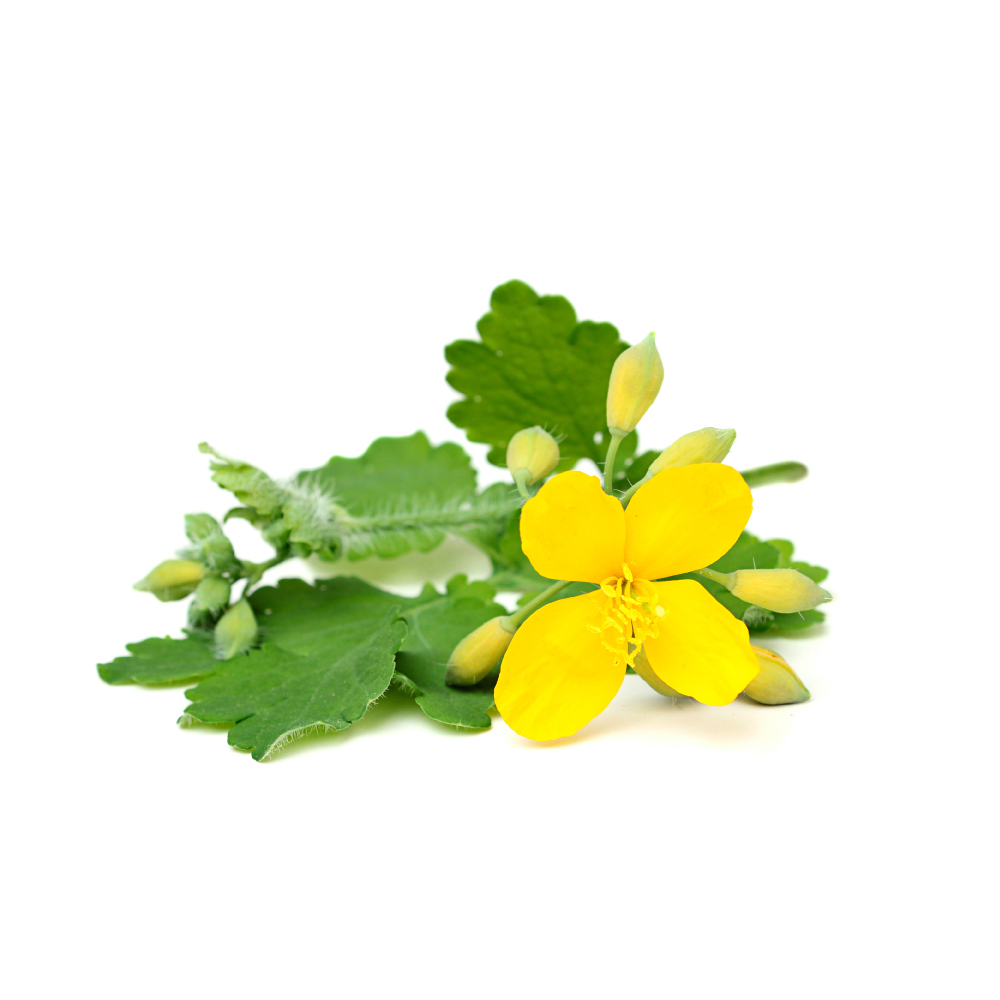 StrongStrongGreater CelandineChelidonium majusBile-flow stimulation paired with a smooth-muscle antispasmodic action; a controlled trial of a two-herb product relieved biliary pain faster than placebo.Mechanismbile-flow stimulation; smooth-muscle antispasmodicRead the evidenceShow lessMonograph →
A placebo-controlled, double-blind multicentre study (n=76, 3 weeks) of Cholagogum F Nattermann, a combination of dried Chelidonium and Curcuma extracts, reported faster relief of dull and colicky right-upper-quadrant pain from biliary dyskinesia than placebo, with no side effects 4Reference 4RCTThe effect of chelidonium- and turmeric root extract on upper abdominal pain due to functional disorders of the biliary system — a placebo-controlled double-blind randomised studyView study →.
The mechanism pairs bile-flow stimulation with smooth-muscle relaxation, which fits a colicky-pain indication. The choleresis itself was shown in isolated perfused rat liver.
The trial measured pain rather than bile, and the product is a two-herb combination, so the effect cannot be assigned to celandine alone. The herb is also a documented cause of idiosyncratic liver injury in people.
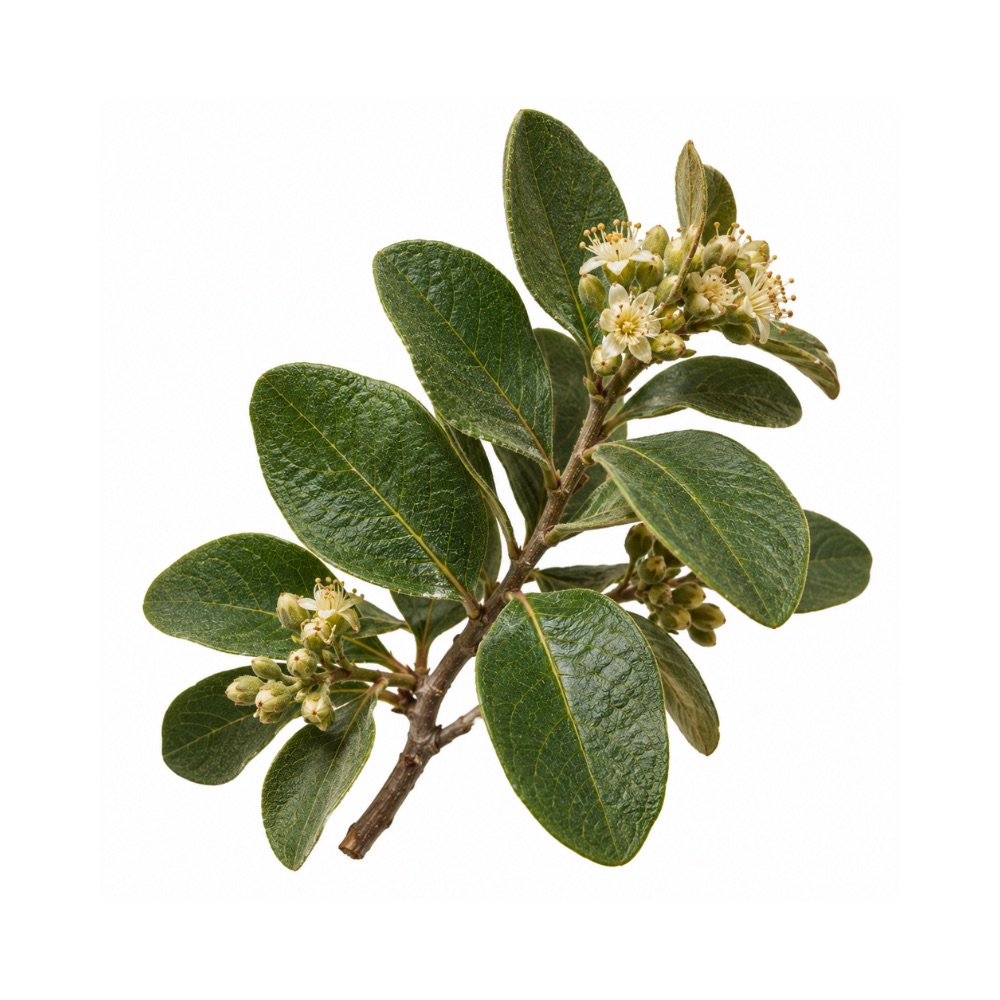 ModerateModerateBoldoPeumus boldusThe classic Chilean bile herb, registered in Europe for dyspepsia on traditional use; the one controlled test of its bile effect was negative.Mechanismbile-flow stimulation; smooth-muscle relaxation of the biliary tractRead the evidenceShow less
Boldo’s bile action is its defining identity across Chilean and European practice and the basis of its EMA traditional-use registration for dyspepsia and gastrointestinal spasm 3Reference 3ReviewAssessment report on Peumus boldus Molina, folium — regulatory monographView study →. The historical support is early reports that boldine increases bile secretion.
The one controlled test of that action was negative, which leaves the claim resting on tradition and old uncontrolled data.
Bile-duct obstruction, cholangitis, gallstones and active liver disease are all contraindicated 3Reference 3ReviewAssessment report on Peumus boldus Molina, folium — regulatory monographView study →, which covers most of the conditions the herb’s reputation attracts.
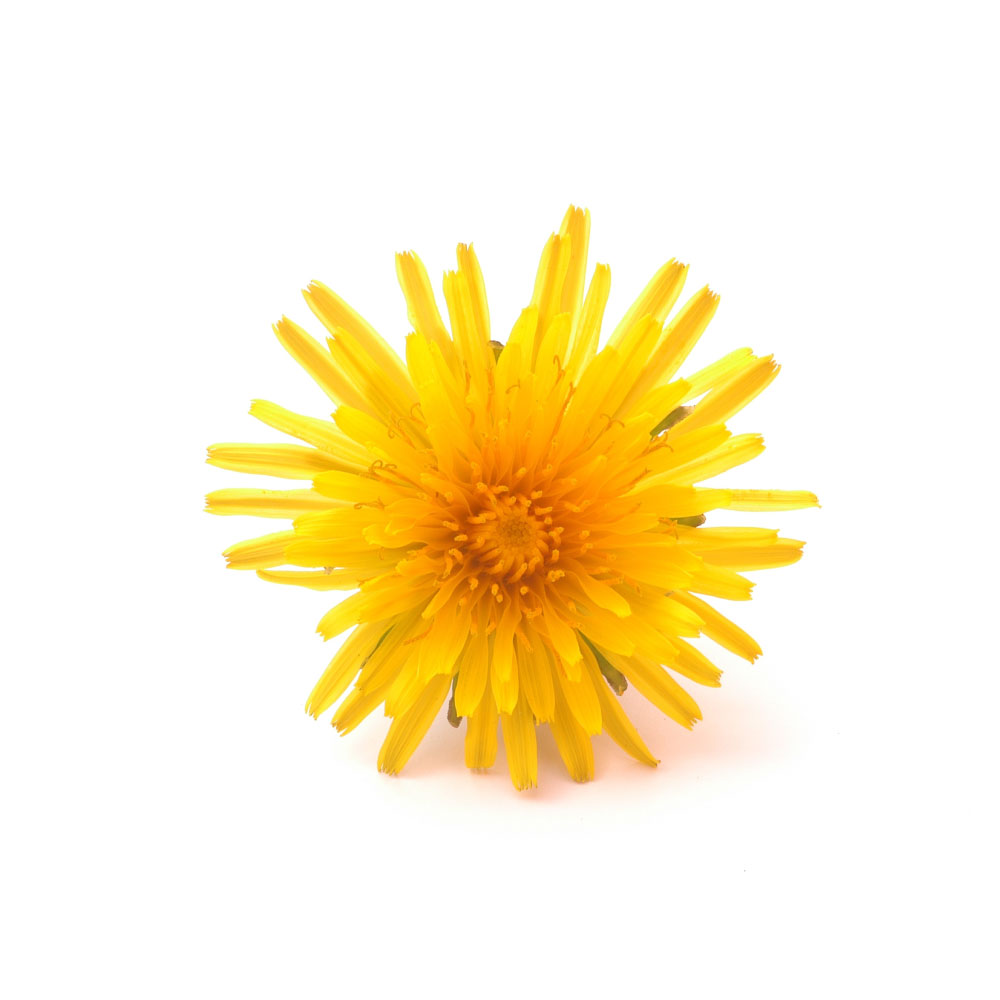 ModerateModerateDandelionTaraxacum officinaleThe bitter root is the classic Western bile herb, and bile stimulation is the basis of its Commission E dyspepsia indication.Mechanismbile-flow stimulation via bitter-receptor reflex (transporter/BSEP target not established)Read the evidenceShow lessMonograph →
Bile-flow stimulation by the root is what the Commission E dyspepsia indication rests on, and the gastrointestinal review treats it as the through-line of dandelion’s digestive use 5Reference 5ReviewThe potential of dandelion in the fight against gastrointestinal diseases: A review — [review]View study →. The route is the bitter-receptor reflex, and the traditional preparation, a bitter root tincture before food, matches it.
There is no measured choleresis figure for dandelion in any species, which is the sharp contrast with artichoke.
The available evidence never separates bile production from bile release, so the same observations support the cholagogue listing.
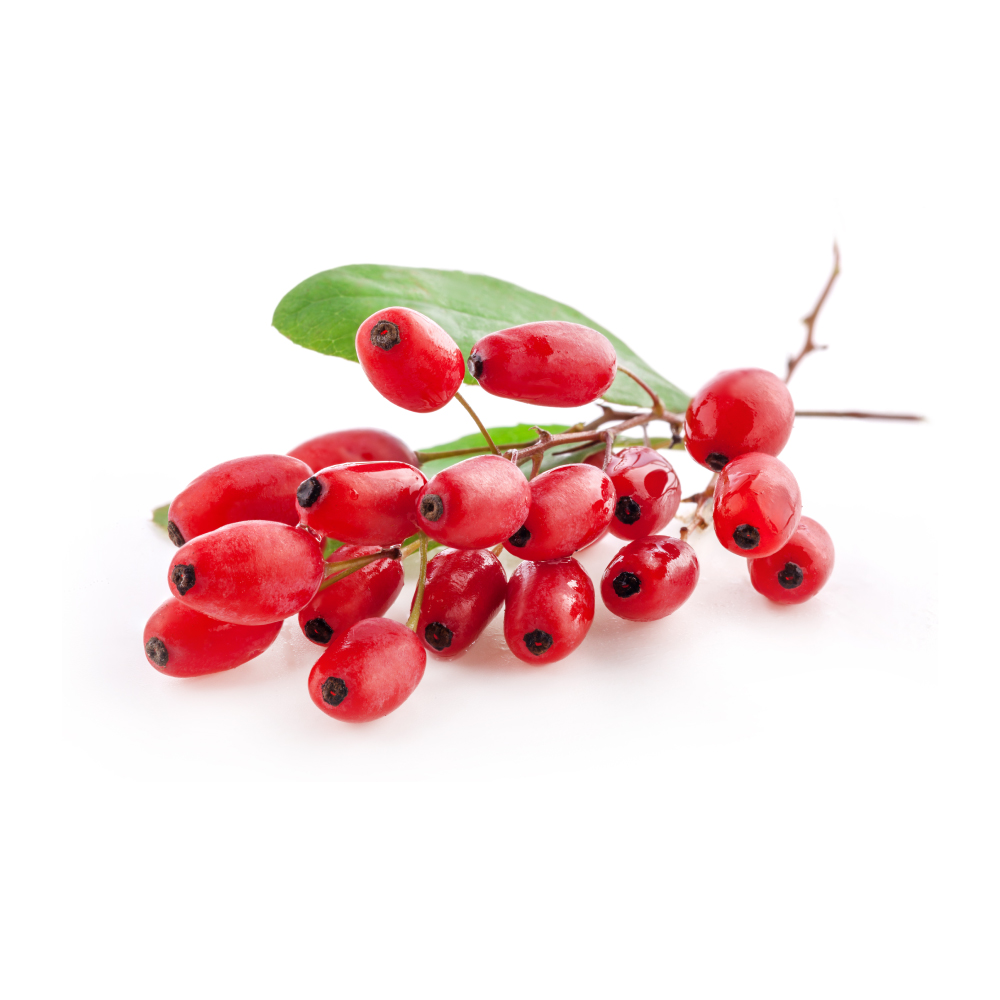 MildMildBarberryBerberis spp.A berberine bitter used for liver and gallbladder complaints since the Eclectics, with a bitter-alkaloid profile that makes a reflex choleresis plausible.Read the evidenceShow lessMonograph →
Barberry’s intense bitterness is the basis of its traditional use as a bitter tonic for liver and gallbladder complaints, and the Eclectic physicians regarded it as a liver and gallbladder remedy. The alkaloid profile makes a reflex choleresis plausible.
No dedicated bile study exists for the herb.
The fractions are not interchangeable. Barberry’s antioxidant activity belongs to the fruit anthocyanins, while any bile action belongs to the root and bark alkaloids.
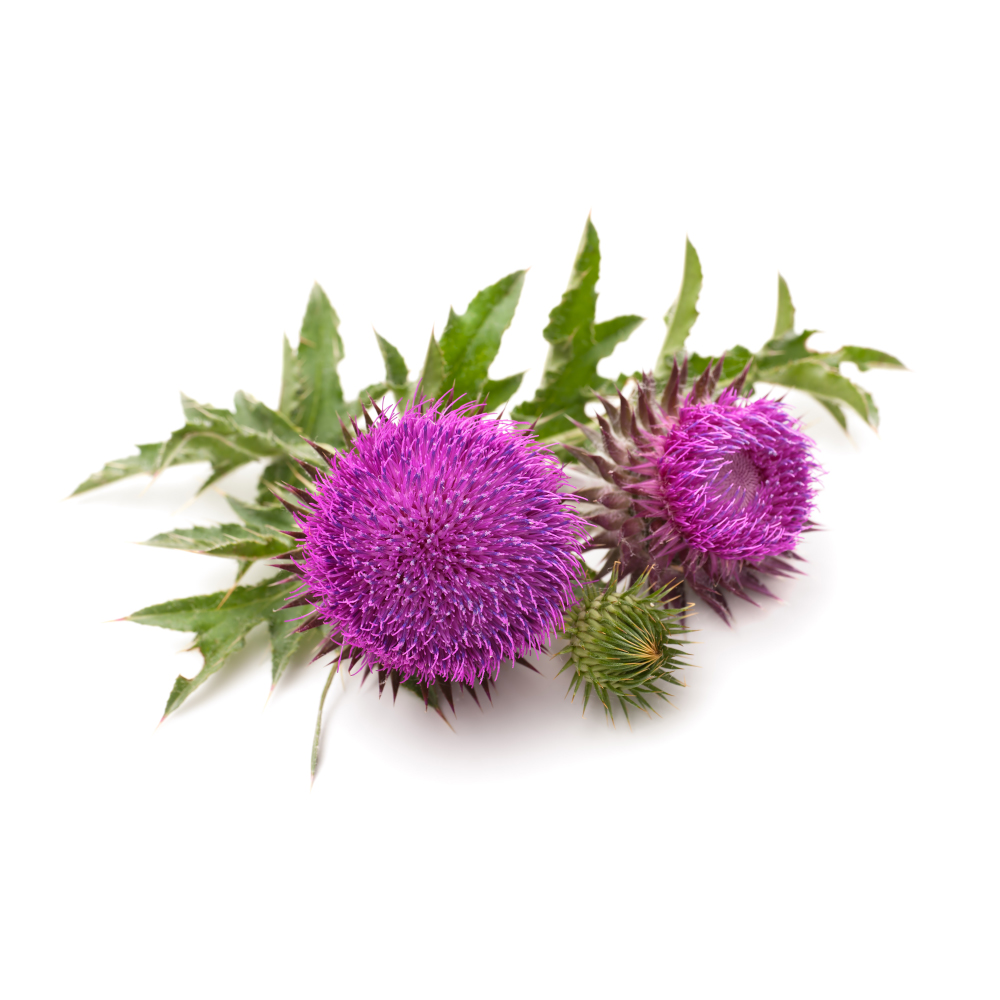 MildMildMilk ThistleSilybum marianumTraditionally credited with stimulating both the production and the release of bile, on the strength of its bitter principles.Read the evidenceShow lessMonograph →
Milk thistle’s bitter constituents are the basis of a traditional claim to stimulate bile production in the liver and bile release into the duodenum, and it is still used for indigestion, poor appetite and bloating on that reading.
There is no bile study for milk thistle at all, which is a notable absence next to artichoke’s measured figure.
The herb’s substantiated work is hepatoprotective, which is membrane stabilisation and glutathione support rather than a biliary mechanism.
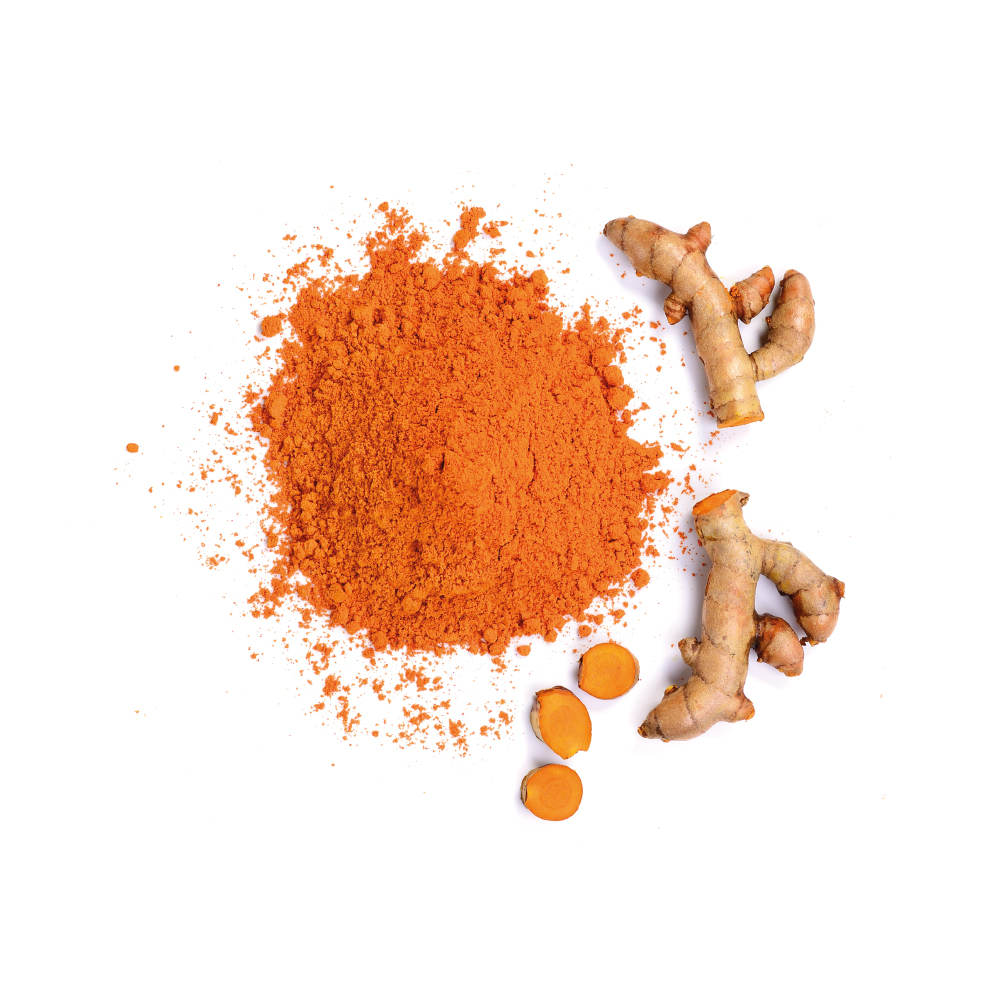 MildMildTurmericCurcuma longaCurcumin stimulates bile flow, one of turmeric's oldest hepatobiliary uses, and modulates bile-acid signalling through TGR5.Mechanismbile secretion ↑; bile-acid/TGR5 modulationRead the evidenceShow lessMonograph →
Curcumin stimulates bile flow, a documented pharmacological property that carries its own caution with gallstones, and it is one of the herb’s oldest hepatobiliary uses 7Reference 7Principles and Practice of Phytotherapy.
A 24-week trial in fatty liver found the benefit associated with gut-microbiota-dependent bile-acid metabolism and TGR5/GLP-1 signalling 6Reference 6RCTCurcumin supplementation alleviates hepatic fat content associated with modulation of gut microbiota-dependent bile acid metabolism in NAFL — randomized controlled trialView study →, which is bile-acid handling rather than bile volume.
No dedicated choleretic trial has been run.
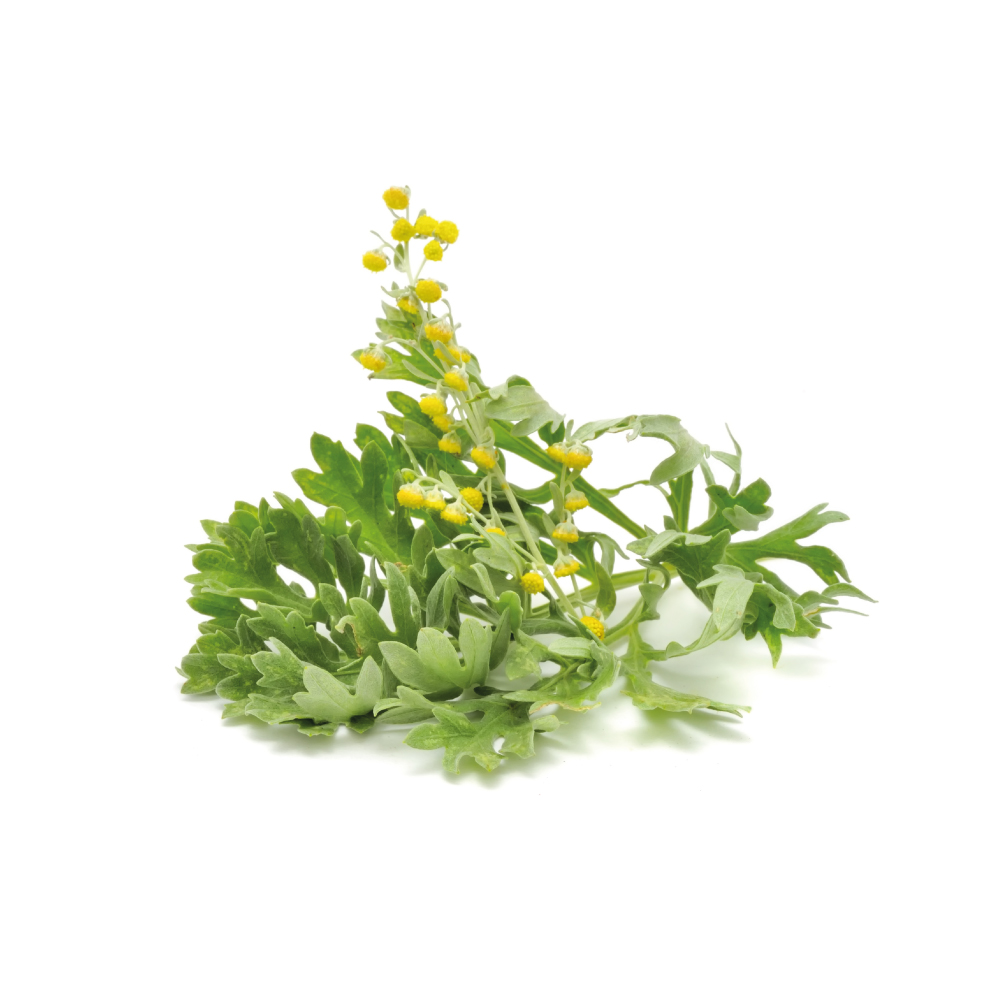 MildMildWormwoodArtemisia absinthiumOne of the most intensely bitter herbs in the materia medica; absinthin activates the bitter receptors whose reflex raises gastric and biliary secretion.Read the evidenceShow lessMonograph →
Wormwood is a leading bitter, and the mechanism is mapped: the sesquiterpene lactone absinthin activates TAS2R bitter receptors, driving the vagal cascade that raises gastric and biliary secretion. Traditional practice gives it for sluggish digestion and for liver complaints where the bile effect is wanted.
A choleretic effect is a direct prediction of a demonstrated mechanism, and it has never been measured for this herb.
The essential oil carries thujone, which bounds the dose well below anything the bile question would set.
No herbs match these filters.
Safety
- Choleretic herbs are contraindicated with gallstones, cholangitis or bile-duct obstruction, where raising bile production works against the blockage.
- Jaundice, pale stools, dark urine or right-upper-quadrant pain need investigation rather than a bile herb.
- A bitter swallowed in a capsule bypasses the taste reflex that most of these herbs depend on.
- Several herbs in this group are hepatotoxic in their own right, so a bile tradition is not evidence of liver safety.
- Bitters raise gastric acid alongside bile, so they are poorly suited to active peptic ulcer or reflux.
References
- Glasl S, Tsendayush D, Batchimeg U, Holec N, Wurm E, Kletter C, Gunbilig D, Daariimaa K, Narantuya S, Thalhammer T (2007). Choleretic effects of the Mongolian medicinal plant Saussurea amara in the isolated perfused rat liver. Planta Medica. https://pubmed.ncbi.nlm.nih.gov/17177133/
- Kirchhoff R, Beckers C, Kirchhoff GM, et al. (1994). Increase in choleresis by means of artichoke extract — randomised placebo-controlled double-blind crossover study. Phytomedicine. https://pubmed.ncbi.nlm.nih.gov/23195882/
- European Medicines Agency, Committee on Herbal Medicinal Products (HMPC) (2016). Assessment report on Peumus boldus Molina, folium — regulatory monograph. EMA/HMPC/453726/2016. https://www.ema.europa.eu/en/documents/herbal-report/final-assessment-report-peumus-boldus-molina-folium_en.pdf
- Niederau C, Göpfert E. (1999). The effect of chelidonium- and turmeric root extract on upper abdominal pain due to functional disorders of the biliary system — a placebo-controlled double-blind randomised study. Med Klin (Munich). https://pubmed.ncbi.nlm.nih.gov/10495621/
- Li Y, Chen Y, Sun-Waterhouse D (2022). The potential of dandelion in the fight against gastrointestinal diseases: A review — [review]. J Ethnopharmacol. https://pubmed.ncbi.nlm.nih.gov/35405251/
- Chen Y et al. (2024). Curcumin supplementation alleviates hepatic fat content associated with modulation of gut microbiota-dependent bile acid metabolism in NAFL — randomized controlled trial. Am J Clin Nutr. https://pubmed.ncbi.nlm.nih.gov/38795741/
- Bone K, Mills S. (2013). Principles and Practice of Phytotherapy. Elsevier Health, China. (pp. 900–922).
Keep Exploring