

Overview
Hepatic at a Glance
Hepatics are herbs used to support the liver and its associated functions.
In practice, they tend to do one of two things: protect the liver tissue itself, or influence the production and movement of bile.
The first group overlaps with hepatoprotectives. These herbs help protect hepatocytes from oxidative stress, inflammation, toxins, or fibrosis.
Milk thistle, schisandra, and burdock fit more strongly here.
The second group are the classic bile-moving liver herbs.
A choleretic increases bile production by the liver. A cholagogue encourages the gallbladder to release bile into the intestine.
Dandelion, globe artichoke, barberry, and yellow dock are typical examples.
Many of these are also bitters.
Part of their effect may begin on the tongue: bitter taste can trigger digestive reflexes that increase secretions and bile flow, which helps explain the traditional practice of taking bitters before meals.
The hepatic action has a long history in Western herbal medicine.
Culpeper often described liver herbs as “opening obstructions of the liver,” especially in cases of jaundice, sluggish digestion, and what would then have been understood as congestion of the liver and gall.
Similar ideas appear in Ayurveda and Chinese medicine, where bitter or bile-moving herbs have long been used for jaundice, digestive stagnation, and other liver complaints.
Despite this long history, many traditional hepatics have never had their effects on bile flow or liver function formally measured.
Yellow dock, calendula, goldenseal, peppermint, and iris are all established traditional liver herbs, but their modern evidence remains limited.
Caution
Not with gallstones — bile-moving herbs may aggravate gallstones or a blocked bile duct.
Liver symptoms need testing — unexplained right-upper-quadrant pain, jaundice or persistently abnormal liver enzymes need proper assessment rather than another hepatic.
Changes drug clearance — milk thistle, turmeric and goldenseal all act on CYP enzymes or drug transporters.
Mechanisms
How It Works
01
Hepatocyte Antioxidant Defence
Cytochrome P450 metabolism generates reactive intermediates as a matter of course, so much liver injury is an oxidative-stress problem, and these herbs raise the hepatocyte’s own defences: restoring glutathione, inducing SOD and catalase, or switching on Nrf2.
Dandelion’s taraxasterol, burdock root, chanca piedra’s aqueous extract and erva tostão’s leaf and root all protect rodent liver against chemical toxins by this route.
It is the mechanism of milk thistle, the best-evidenced liver herb, and it overlaps almost entirely with the hepatoprotective page, where the toxin-challenge models and the human transaminase data are examined in full.
Almost all of these studies poison the animal first, with carbon tetrachloride, paracetamol or alcohol, and measure how much damage the herb prevents. That predicts benefit under hepatic insult, not improvement in a healthy liver.
Herbs: BurdockChanca PiedraDandelionErva Tostao
Key compounds: Silymarin
02
Anti-Inflammatory and Cytokine Signalling
Chronic liver disease is an inflammatory process before it is a fibrotic one, so damping NF-κB, TNF-α and IL-6 in liver tissue is a plausible route to slowing it.
Chanca piedra lowers TNF-α, NF-κB, IL-6 and COX-2 in injured rat liver, and dandelion and erva tostão show the same signalling changes.
The herbs overlap heavily with the anti-inflammatory action; what makes the finding hepatic is where it was measured, in liver tissue in a model of liver injury.
A cytokine panel from liver homogenate is a mechanistic result rather than a clinical one, and the step from reduced hepatic TNF-α in a rat to benefit in liver disease has not been taken by this literature.
03
Hepatic Lipid Handling
Fatty liver is now the commonest liver disorder in most of the world, and the target is lipid accumulation inside the hepatocyte: fewer droplets, lower cellular triglyceride and cholesterol, or damped lipogenic signalling upstream.
Yellow dock root compounds inhibited lipid-droplet accumulation in a hepatocyte model of fatty liver.
The route overlaps with the hypolipidemic action, though lowering serum lipids and lowering hepatic lipid are different endpoints that do not always move together.
The evidence is in cultured hepatocytes at concentrations no decoction delivers. It is mechanistic groundwork rather than a fatty-liver treatment.
Herbs: Yellow Dock
More Specific Actions
Sub-Actions
Hepatic is a parent action, and most herbs that carry it are really doing one of the narrower actions beneath it.
Antifibrotic
1 herb · Dan ShenSlows or reverses the scarring that turns liver injury into cirrhosis. It involves keeping hepatic stellate cells quiescent, or pushing activated ones into apoptosis, so that injury does not become permanent scar.
Cholagogue
12 herbsStimulates the gallbladder to contract and release the bile it stores. In practice the herbs reach it by a bitter reflex, and the action is best avoided with gallstones or bile-duct obstruction.
Choleretic
8 herbsStimulates the liver to secrete more bile, supporting fat digestion and elimination. Artichoke is the one herb whose bile output has been measured directly; the rest rest on the bitter reflex or on tradition.
Hepatoprotective
42 herbsProtects liver cells from damage, whether by shielding them from a toxin or by correcting the metabolism behind fatty liver. It is the best-populated liver action and carries the toxin-challenge models and the human transaminase data.
Phytochemistry
Key Constituents
The compound classes most often behind a hepatic action.
- Iridoids
- Bitter sesquiterpenes
- Flavonolignans
What It's For
Indications
- Sluggish liver function
- Poor fat digestion
- Skin conditions traced back to the liver
- Fatigue with a congested system
Materia Medica
Hepatic Herbs by Potency
The hepatic herbs, ordered by the relative strength of the effect rather than by how well studied it is. Each herb is described by the mechanism behind its effect and the evidence for it.
None of this is a substitute for professional care.
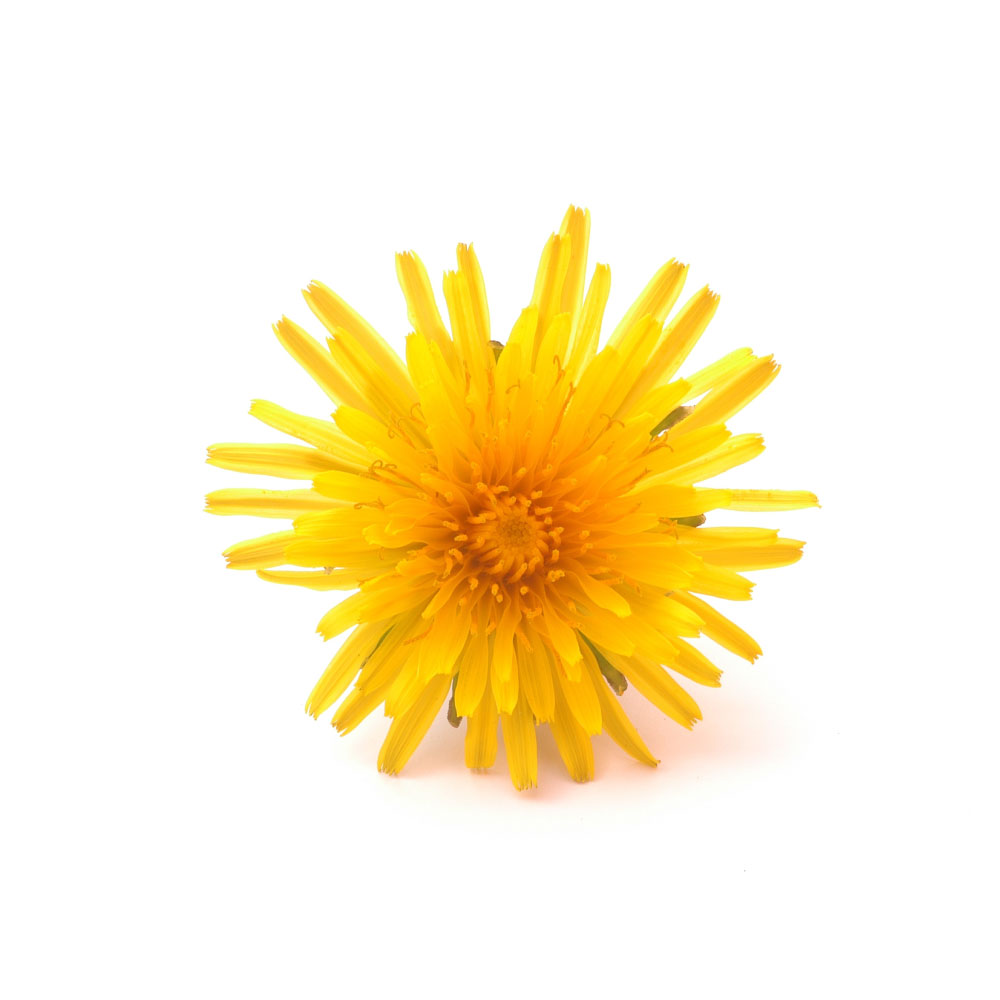 StrongStrongDandelionTaraxacum officinaleThe root is the classic Western liver tonic; the triterpene taraxasterol protected mouse liver against paracetamol, and leaf extract protected rat liver against dichromate.MechanismNrf2/HO-1 ↑; NF-κB ↓; free-radical scavengingRead the evidenceShow lessMonograph →
The triterpene taraxasterol protected mice against acetaminophen-induced liver injury, lowering transaminases and oxidative markers, with the route traced by network pharmacology plus in vitro confirmation to Nrf2/antioxidant and inflammatory signalling 7Reference 7In vitroProtection of taraxasterol against acetaminophen-induced liver injury elucidated through network pharmacology and in vitro and in vivo experiments — [in vivo animal]View study →. Whole-leaf extract independently reduced sodium-dichromate hepatotoxicity in rats at 500 mg/kg, restoring antioxidant enzymes and liver histology 8Reference 8AnimalHepatoprotective effect of Taraxacum officinale leaf extract on sodium dichromate-induced liver injury in rats — [in vivo animal]View study →.
The phenolic load (chicoric and chlorogenic acid, luteolin) is the presumed engine, and the effect is coherent across two different injury models.
There are no human liver-function data. The strongest result is an isolated constituent rather than the root a person tinctures, and the one whole-plant result used the leaf, so the traditional root pairing is not what was tested.
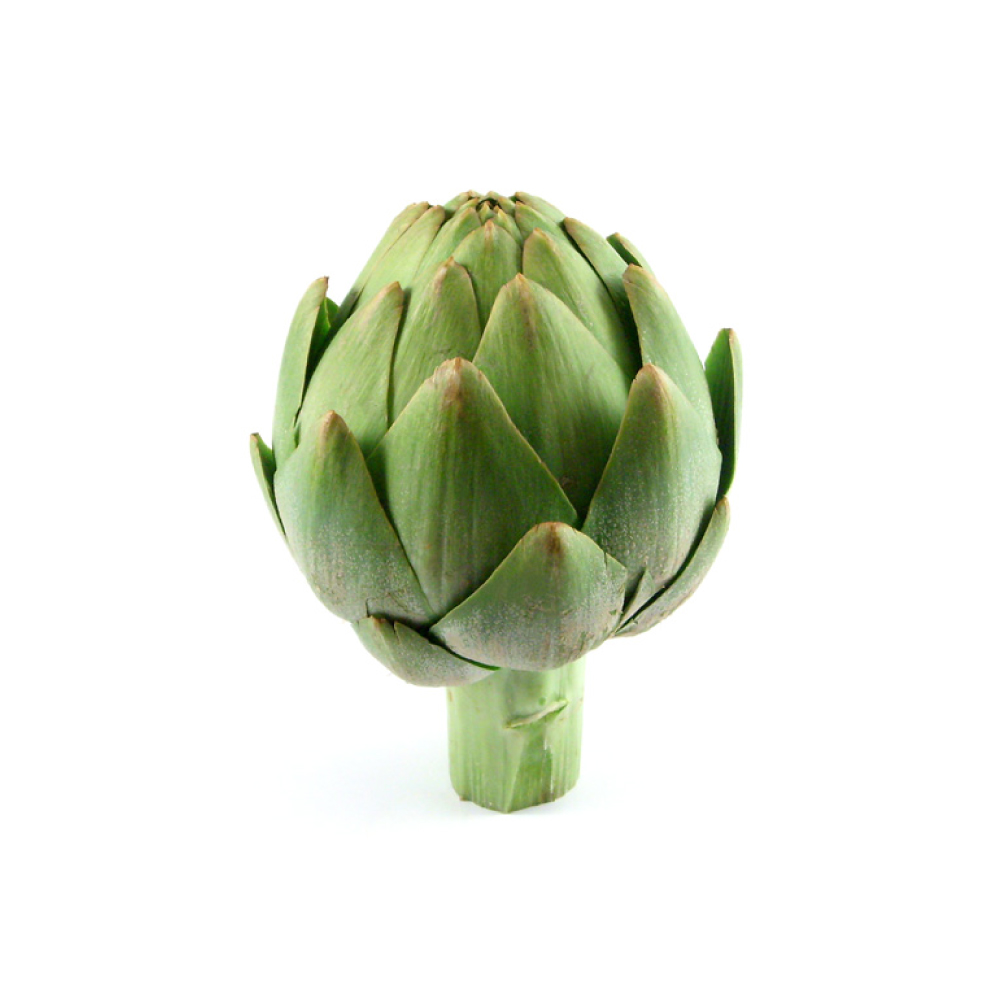 StrongStrongGlobe ArtichokeCynara scolymusThe Mediterranean bitter for the liver and gallbladder — cynarin moves bile, and leaf extract beat placebo in functional dyspepsia.Mechanismbile secretion and flow \u2191 (cynarin, bitter principles); serum liver enzymes \u2193Read the evidenceShow lessMonograph →
Artichoke’s medicinal reputation is Mediterranean and old. Dioscorides recommends it for the liver and for bile, and Pliny records it as more highly valued than any other garden plant.
From the sixteenth century the record becomes explicit about the liver, with the leaf given for jaundice and for what were described as obstructions of the liver and spleen.
The bitterness is the whole traditional rationale. The leaf was used as a bitter tonic and cholagogue \u2014 to rouse appetite, settle sluggish digestion, and relieve bloating and nausea after fatty food.
Cynarin is the compound most associated with it.
A six-week placebo-controlled multicentre trial found leaf extract effective in functional dyspepsia 15Reference 15RCTEfficacy of artichoke leaf extract in functional dyspepsia \u2014 six-week placebo-controlled, double-blind, multicentre randomised trialView study →, an open study reported the same in milder cases 16Reference 16Artichoke leaf extract reduces mild dyspepsia in an open studyView study →, and a meta-analysis of supplementation trials reports falls in serum liver enzymes 17Reference 17Meta-analysisEffects of Cynara scolymus L. supplementation on liver enzymes \u2014 systematic review and meta-analysisView study →.
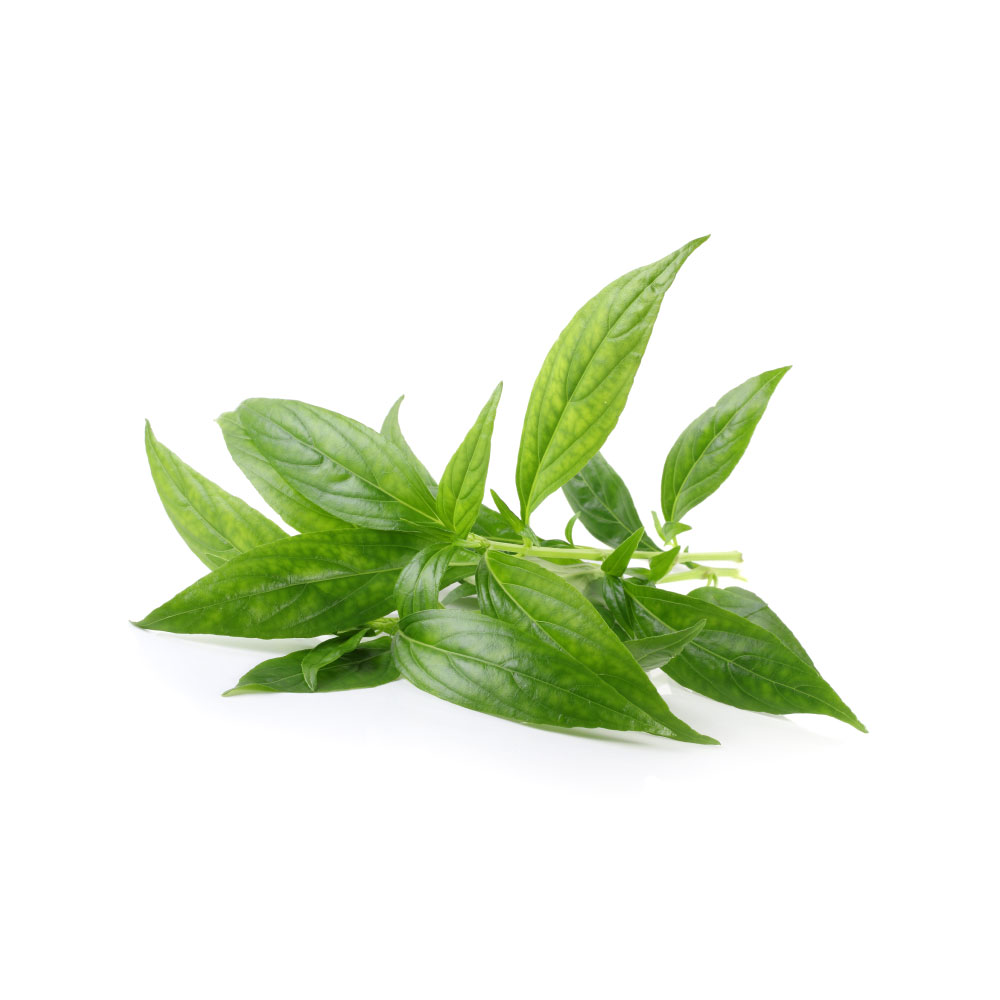 ModerateModerateAndrographisAndrographis paniculataKalmegh, the Ayurvedic bitter for liver congestion and sluggish digestion, given to reduce excess Pitta.Mechanismhepatocyte antioxidant and anti-inflammatory activity (andrographolide); serum transaminases normalisedRead the evidenceShow lessMonograph →
Ayurveda treats andrographis as a potent bitter for reducing excess Pitta and supporting liver and digestive function. Its traditional territory is fever, liver congestion, digestive disturbance and skin conditions \u2014 a herb that stimulates digestion while reducing inflammatory heat.
In mice, oral extract at 100\u2013200 mg/kg gave dose-dependent protection against paracetamol hepatotoxicity, normalising serum transaminases and improving liver histology 20Reference 20AnimalHepatoprotective activity of Andrographis paniculata and Swertia chirayita \u2014 animal model (mouse)View study →. Pharmacology reviews attribute this to andrographolide’s antioxidant and anti-inflammatory action on hepatocytes.
There are no human liver trials, and the clinical data that do exist are for standardised extracts delivering a defined andrographolide dose \u2014 they do not transfer to a bitter tea or an unstandardised powder.
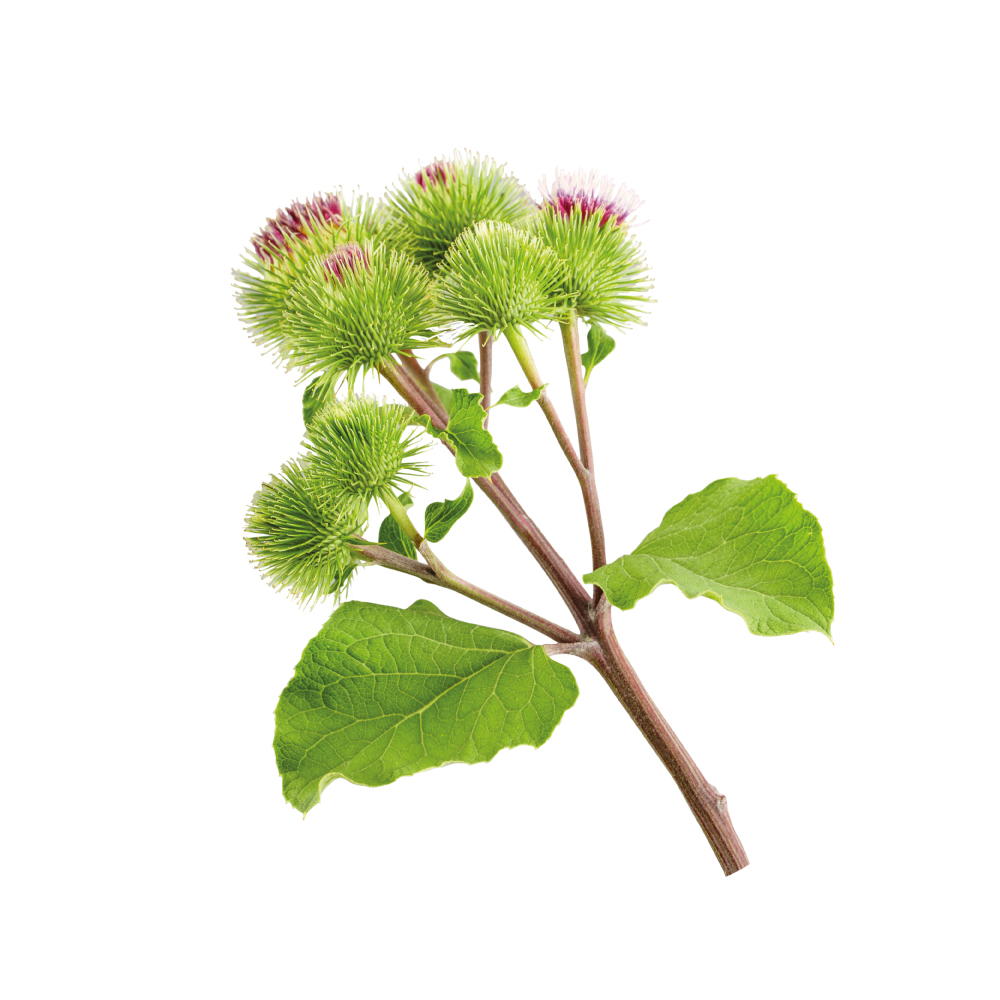 ModerateModerateBurdockArctium lappaRoot extract protected rat liver against carbon tetrachloride, paracetamol, chronic alcohol and cadmium across three independent injury models.Mechanismhepatocyte free-radical scavenging; glutathione restoration; cytochrome P-450 content preservedRead the evidenceShow lessMonograph →
Three independent rat models agree. The extract protected against carbon tetrachloride and acetaminophen 1Reference 1AnimalHepatoprotective effects of Arctium lappa on carbon tetrachloride- and acetaminophen-induced liver damage — rat in vivoView study →, against combined chronic ethanol plus CCl4, restoring glutathione and cytochrome P-450 content while lowering serum transaminases 2Reference 2AnimalHepatoprotective effects of Arctium lappa Linne on liver injuries induced by chronic ethanol and CCl4 — rat in vivoView study →, and against cadmium hepatotoxicity in Wistar rats 3Reference 3AnimalHepatoprotective effect of Arctium lappa root extract on cadmium toxicity in adult Wistar rats — rat in vivoView study →.
The proposed route is antioxidant protection of hepatocytes rather than any enzyme-inducing or bile-side action, so this is a protective hepatic rather than a choleretic one.
The evidence is entirely animal, with no human liver endpoint, and the rodent dosing (about 300 mg/kg three times daily) is far above tea or a 6 g/day decoction.
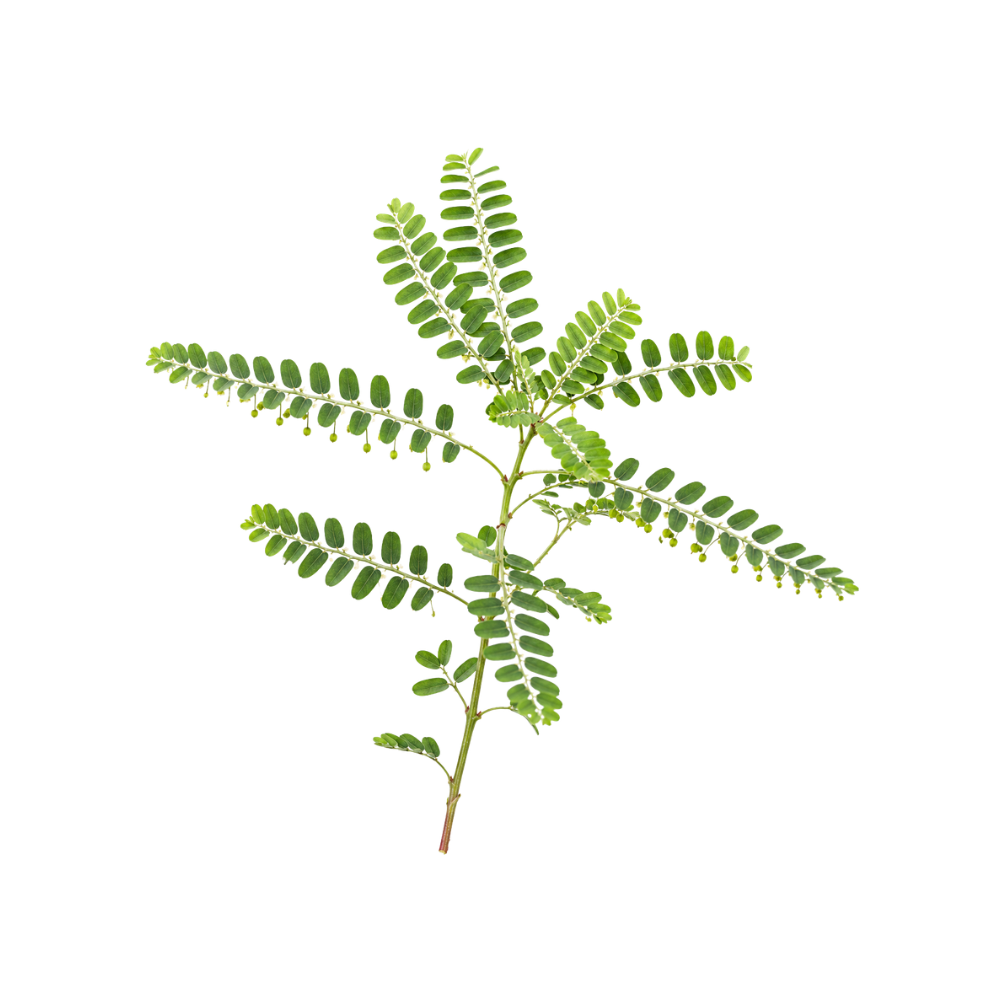 ModerateModerateChanca PiedraPhyllanthus niruriAqueous extract normalises liver enzymes and damps NF-κB, TNF-α and COX-2 in injured rat liver, and a standardised extract reduced fatty-liver changes in rats.MechanismNF-κB ↓; COX-2 ↓; TNF-α/IL-6 ↓; glutathione + SOD restorationRead the evidenceShow lessMonograph →
A bioassay-guided study characterised the aqueous extract against CCl₄ toxicity in liver cell lines and rats, normalising ALT/AST, restoring glutathione and superoxide dismutase, and lowering TNF-α, NF-κB, IL-6 and COX-2, with activity tracking to corilagin, isocorilagin, gallic acid and quercetin 4Reference 4In vitroIn-depth hepatoprotective mechanistic study of Phyllanthus niruri — in vitro and in vivoView study →. A protein isolate protected mouse liver against the same insult through antioxidant restoration 5Reference 5AnimalProtein isolate from Phyllanthus niruri plays hepatoprotective role against carbon tetrachloride-induced liver damage — mouse / in vivoView study →.
In a high-fat-diet rat NAFLD model a 50% methanolic extract reduced hepatomegaly, fibrosis, ALT, cholesterol, LDL and insulin resistance, with ellagic acid and phyllanthin as markers 6Reference 6AnimalPhyllanthus niruri standardized extract alleviates non-alcoholic fatty liver disease progression — rat model / in vivoView study →. The through-line is antioxidant defence plus NF-κB/COX-2 down-regulation rather than a single target.
No completed, published human hepatoprotective trial exists; the registered NAFLD and alcoholic-liver-disease studies have not reported. The herb’s one large human liver literature, in hepatitis B, is negative.
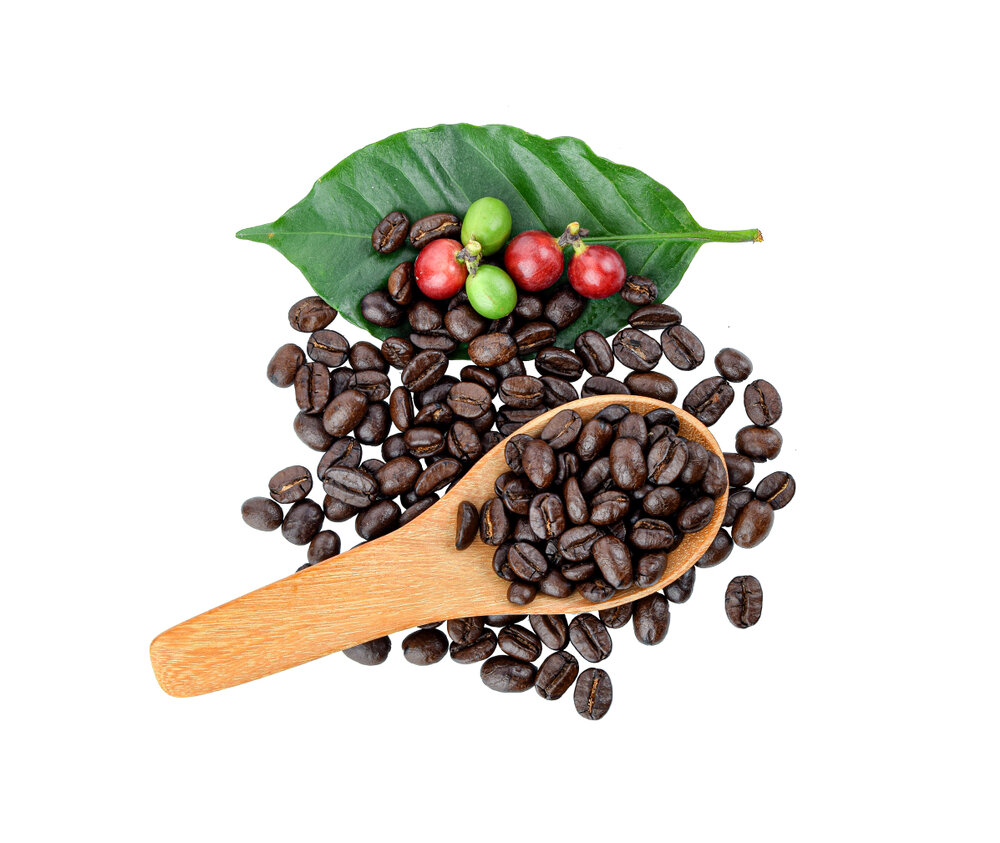 ModerateModerateCoffeeCoffea arabicaEach extra two cups a day tracks with 35% lower hepatocellular carcinoma risk \u2014 and the effect survives decaffeination, which points at chlorogenic acid.Mechanismhepatic glucose and lipid metabolism modulated (chlorogenic acids); effect independent of caffeineRead the evidenceShow lessMonograph →
The liver is where coffee’s association looks largest per cup. A dose-response meta-analysis found each extra two cups a day associated with 35% lower hepatocellular carcinoma risk, unaltered by stage of liver disease, alcohol, BMI, diabetes, smoking or hepatitis B and C 18Reference 18Meta-analysisCoffee, including caffeinated and decaffeinated coffee, and the risk of hepatocellular carcinoma: a systematic review and dose-response meta-analysisView study →.
Umbrella reviews add lower risk of fatty liver disease and fibrosis 19Reference 19Meta-analysisCoffee consumption and non-alcoholic fatty liver disease: an umbrella review and a systematic review and meta-analysis \u2014 reviewView study →.
There is one useful clue in the data. The liver association survives decaffeination, which argues the active is chlorogenic acid rather than caffeine \u2014 whereas coffee’s Parkinson’s association does not survive it, and so is caffeine-specific.
That natural experiment separates two mechanisms without a trial.
The whole of it is observational. Coffee drinking travels with income, smoking and diet, and Mendelian randomisation does not reproduce the liver-cancer result, which points at coffee marking a healthier liver rather than making one \u2014 people with liver disease often stop drinking it.
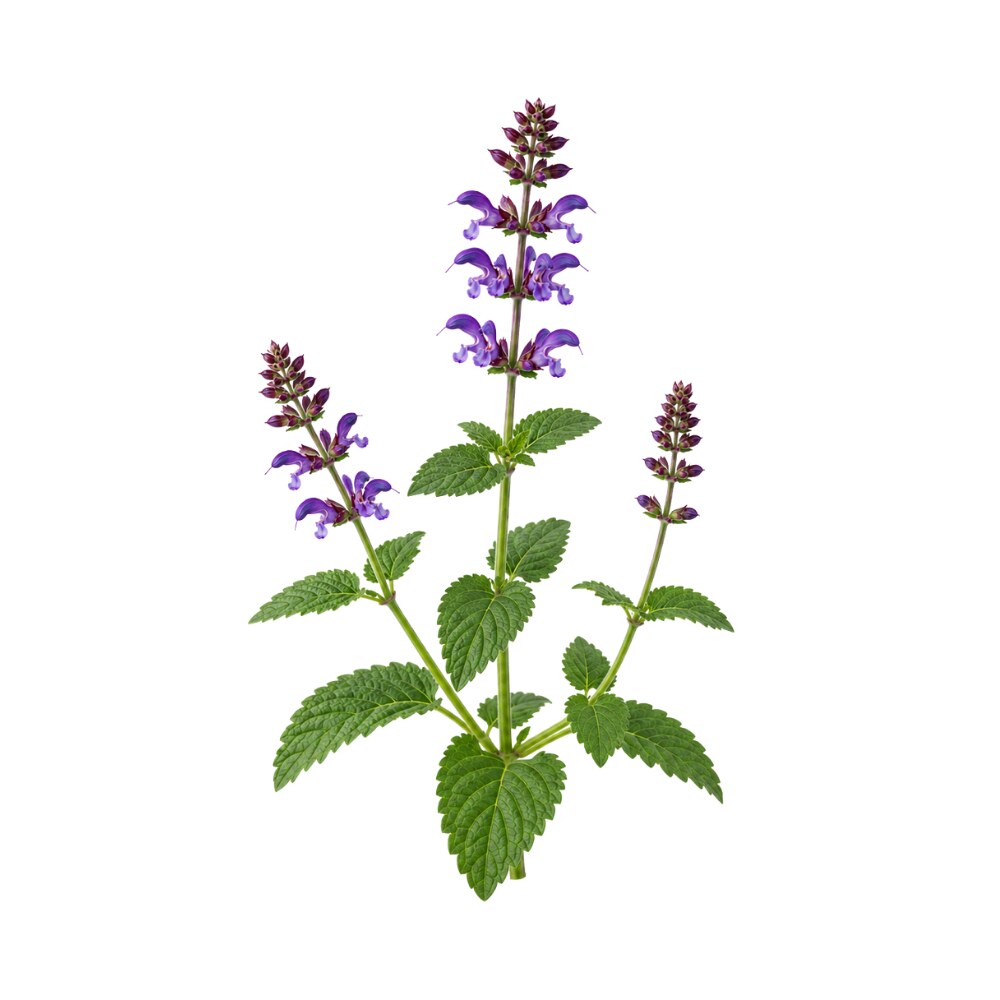 ModerateModerateDan ShenSalvia miltiorrhizaA Chinese blood-moving root said to enter the Liver channel, with a rodent antifibrotic mechanism that maps cleanly onto the traditional use.Mechanismhepatic stellate-cell activation \u2193; PI3K/AKT/mTOR signalling \u2193 (salvianolic acid A)Read the evidenceShow lessMonograph →
Dan shen is classified as cool and bitter and said to enter the Heart and Liver channels, where its classical work is to invigorate the blood and dispel stasis. Its long-standing application in chronic liver disease with fibrotic change belongs to that framing.
Salvianolic acid A attenuated carbon-tetrachloride-induced liver fibrosis in rats by suppressing hepatic stellate-cell activation and downregulating PI3K/AKT/mTOR signalling 21Reference 21Salvianolic acid A attenuates CCl4-induced liver fibrosis by regulating the PI3K/AKT/mTOR pathway \u2014 animal studyView study →. Tanshinone IIA upregulates the Nrf2 antioxidant pathway in models of hepatic injury.
The mechanism maps cleanly onto the tradition, but controlled human trials of dan shen alone for liver disease do not exist. The antifibrotic case rests on rodent and cell-line work.
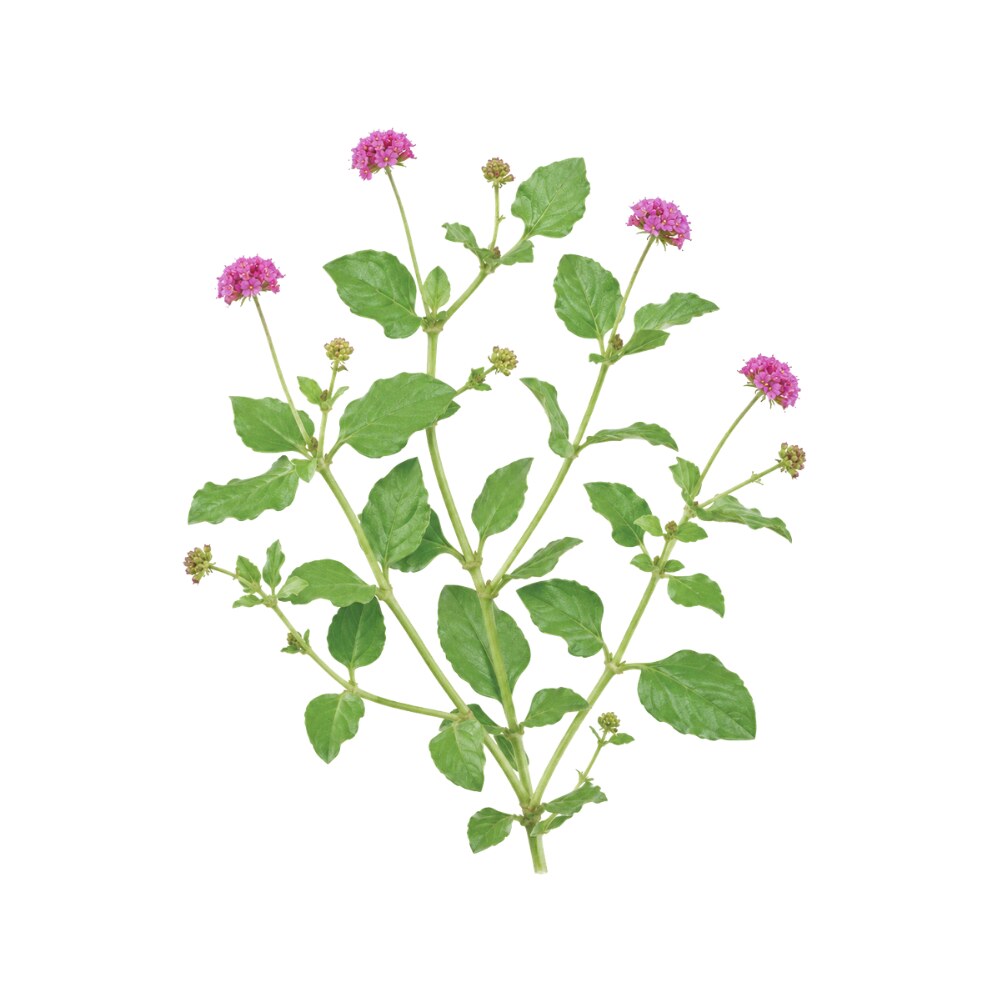 ModerateModerateErva TostaoBoerhavia diffusaPunarnava, the classical Ayurvedic jaundice herb; leaf and root extracts protect rodent liver against paracetamol, oxaliplatin and galactosamine through antioxidant defence.Mechanismfree-radical scavenging; SOD/catalase/glutathione restoration; KEAP1–NF-κB modulationRead the evidenceShow lessMonograph →
Leaf extracts blunt transaminase elevation and lipid peroxidation against acetaminophen 9Reference 9AnimalAntioxidant activity and hepatoprotective property of leaf extracts of Boerhaavia diffusa Linn against acetaminophen-induced liver damage in rats — rat in vivo, Food and chemical toxicology : an international journal published for the British Industrial Biological Research Association, 48(8-9), 2200-5. https://pubmed.ncbi.nlm.nih.gov/20553784/View study →; aqueous swaras and hima preparations cut paracetamol-induced necrosis 10Reference 10AnimalAntioxidant and Hepatoprotective Potential of Swaras and Hima Extracts of Tinospora cordifolia and Boerhavia diffusa in Swiss albino Mice — rat in vivo, Pharmacognosy magazine, 13(Suppl 3), S658-S662. https://pubmed.ncbi.nlm.nih.gov/29142429/View study →; ethanolic root extract limits oxaliplatin-induced hepatotoxicity and steatohepatitis 11Reference 11AnimalHepatoprotective effects of ethanolic extract of Boerhaavia diffusa against oxaliplatin induced hepatotoxicity in albino rats — rat in vivo, Pakistan journal of pharmaceutical sciences, 32(5), 1927-1932. https://pubmed.ncbi.nlm.nih.gov/31813854/View study →; and the flavonol eupalitin 3-O-β-D-galactopyranoside protects against galactosamine injury, with KEAP1/NF-κB docking supporting target engagement 12Reference 12AnimalValidation, quantification, and molecular docking of isolated eupalitin 3-O-β-D-galactopyranoside in Boerhavia diffusa Linn for hepatoprotective and immunomodulatory activity — rat in vivo, Scientific reports, 16(1). https://pubmed.ncbi.nlm.nih.gov/41912552/View study →.
The protection is generic antioxidant defence applied to the liver rather than a liver-specific mechanism, and it matches the herb’s traditional use for jaundice.
Eight rodent studies and no human liver-enzyme or NAFLD trial. Several of the results come from multi-herb Ayurvedic formulations, 10Reference 10AnimalAntioxidant and Hepatoprotective Potential of Swaras and Hima Extracts of Tinospora cordifolia and Boerhavia diffusa in Swiss albino Mice — rat in vivo, Pharmacognosy magazine, 13(Suppl 3), S658-S662. https://pubmed.ncbi.nlm.nih.gov/29142429/View study → run alongside Tinospora cordifolia, so the herb’s isolated contribution is uncertain.
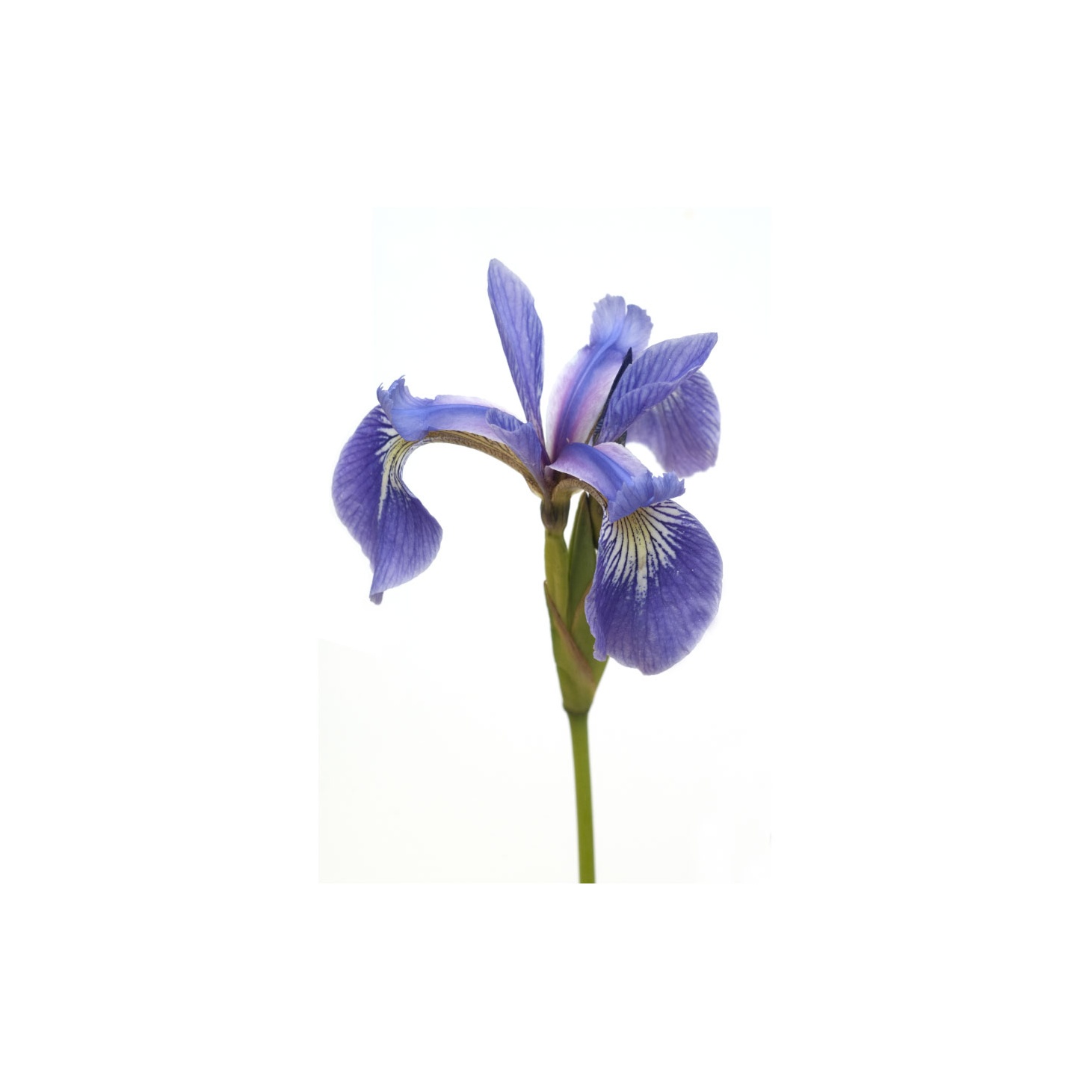 MildMildIrisIris versicolorBlue flag, the Eclectic bitter hepatic, given at drop-doses for a torpid liver and the chronic skin eruption thought to follow from it.Mechanismnot established \u2014 bile flow attributed to parasympathetic stimulation, never demonstrated in this speciesRead the evidenceShow lessMonograph →
The drug is the dried rhizome, and the tradition is specifically nineteenth-century North American. The Eclectic and physiomedicalist physicians who made blue flag a standard herb classed it as a bitter hepatic, a cholagogue and a lymphatic and skin alterative, and used it for one connected picture: sluggish digestion and torpid liver inside, chronic skin eruption outside, understood as a single problem expressing itself in two places.
Preparation and dose are the load-bearing detail. Blue flag is used in small doses only \u2014 drop-doses of tincture, or a little dried rhizome in a formula \u2014 because the fresh or large-dosed rhizome is an irritant emetic and purgative.
The same iridin and furfural content that makes it a bitter cholagogue at low dose makes it a nauseant at higher ones. Traditional practice preferred the dried rhizome to the fresh, which is more irritant still.
A literature search returns barely a dozen records for the species, most of them on ecology, phytoremediation, taxonomy or homeopathy. The reputation rests on nineteenth-century Eclectic practice rather than on experiment.
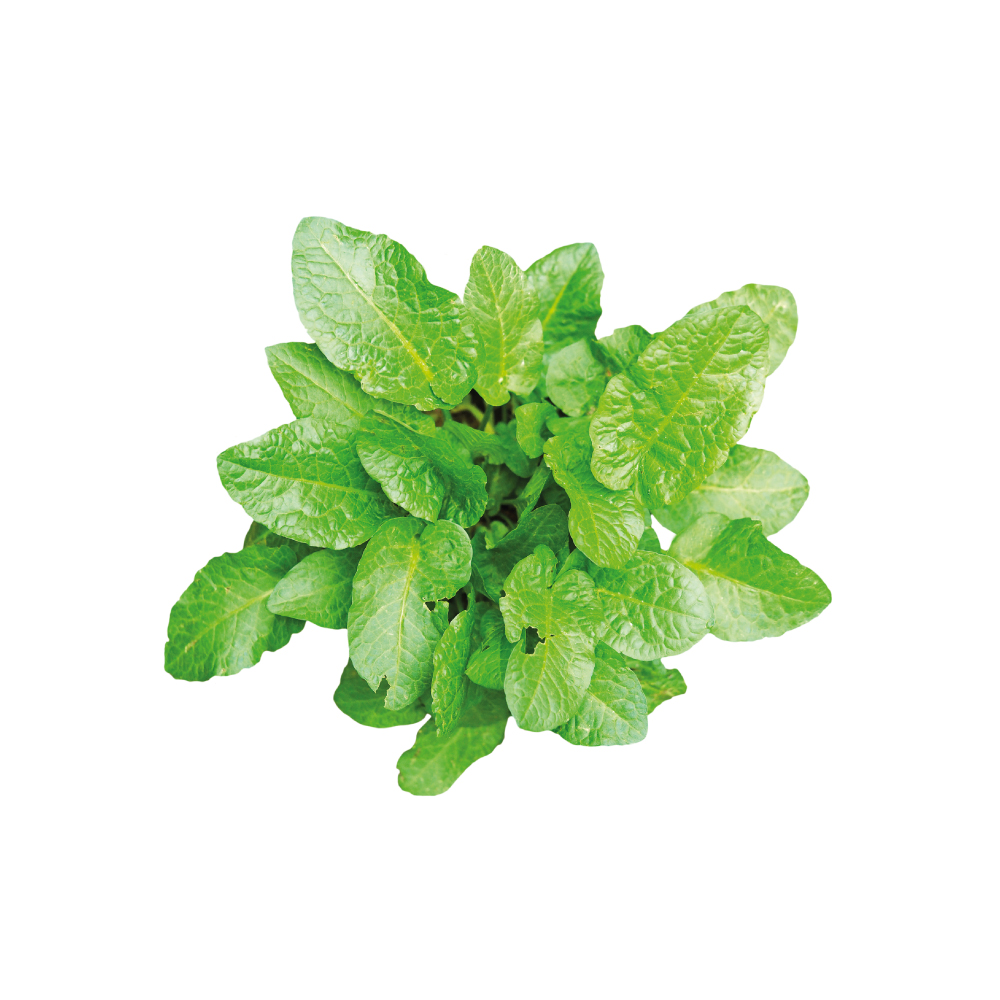 MildMildYellow DockRumex crispusRoot compounds inhibited fat accumulation in a hepatocyte model of fatty liver by 71–81%, and the genus has a traditional and reviewed hepatic reputation.Mechanismhepatocellular lipid-droplet accumulation ↓ (HepG2); cellular cholesterol/triglyceride ↓Read the evidenceShow lessMonograph →
A 2026 phytochemical study isolated fourteen root compounds including a new flavan-3-ol/chromone hybrid and tested them in a HepG2 lipid-accumulation model of non-alcoholic fatty liver: several inhibited intracellular lipid-droplet accumulation by 71–81%, and the new compound also lowered cellular cholesterol, triglycerides, AST and ALT at 100 μM 13Reference 13In vitroA new flavonoid isolated from the roots of Rumex crispus L. with anti-NAFLD activity — in vitro studyView study →.
The review literature reports hepatoprotective activity across the genus and notes that it aligns with the herb’s traditional hepatic reputation 14Reference 14ReviewRumex crispus L.: A comprehensive review on botany, traditional uses, phytochemistry, pharmacology, and safety — reviewView study →.
The work is isolated-compound at 100 μM in a cell line, a concentration no root decoction plausibly delivers, and there is no whole-root animal or human liver-outcome study of R. crispus.
No herbs match these filters.
Safety
- Bile-moving hepatics are contraindicated with gallstones, bile-duct obstruction or unexplained right-upper-quadrant pain.
- Liver herbs change drug clearance: milk thistle, turmeric and goldenseal all act on CYP enzymes or drug transporters.
- Abnormal liver enzymes, jaundice, dark urine or unexplained fatigue mean stopping every herb and getting tested rather than adding a hepatic.
- Bitters work by being tasted, so a bitter hepatic swallowed in a capsule may miss the reflex that moves bile.
- Several traditional liver herbs are themselves hepatotoxic, so a liver tradition is not evidence of liver safety.
References
- Lin, S.-C., et al. (2000). Hepatoprotective effects of Arctium lappa on carbon tetrachloride- and acetaminophen-induced liver damage — rat in vivo. American Journal of Chinese Medicine. https://pubmed.ncbi.nlm.nih.gov/10999435/
- Lin, S.-C., et al. (2002). Hepatoprotective effects of Arctium lappa Linne on liver injuries induced by chronic ethanol and CCl4 — rat in vivo. Journal of Biomedical Science. https://pubmed.ncbi.nlm.nih.gov/12218354/
- de Souza Predes, F., da Silva Diamante, M. A., Foglio, M. A., et al. (2015). Hepatoprotective effect of Arctium lappa root extract on cadmium toxicity in adult Wistar rats — rat in vivo. Biological Trace Element Research. https://pubmed.ncbi.nlm.nih.gov/24929543/
- Ezzat, M. I., et al. (2020). In-depth hepatoprotective mechanistic study of Phyllanthus niruri — in vitro and in vivo. PLoS One. https://pubmed.ncbi.nlm.nih.gov/31940365/
- Bhattacharjee, R., & Sil, P. C. (2007). Protein isolate from Phyllanthus niruri plays hepatoprotective role against carbon tetrachloride-induced liver damage — mouse / in vivo. Food Chem Toxicol. https://pubmed.ncbi.nlm.nih.gov/17175085/
- Al Zarzour, R. H., et al. (2017). Phyllanthus niruri standardized extract alleviates non-alcoholic fatty liver disease progression — rat model / in vivo. Nutrients. https://pubmed.ncbi.nlm.nih.gov/28718838/
- Ge B, Sang R, Wang W, Yan K, Yu Y, Kong L, et al. (2023). Protection of taraxasterol against acetaminophen-induced liver injury elucidated through network pharmacology and in vitro and in vivo experiments — [in vivo animal]. Phytomedicine. https://pubmed.ncbi.nlm.nih.gov/37209606/
- Hfaiedh M, Brahmi D, Zourgui L (2016). Hepatoprotective effect of Taraxacum officinale leaf extract on sodium dichromate-induced liver injury in rats — [in vivo animal]. Environ Toxicol. https://pubmed.ncbi.nlm.nih.gov/25270677/
- Olaleye MT, Akinmoladun AC, Ogunboye AA, & Akindahunsi AA (2010). Antioxidant activity and hepatoprotective property of leaf extracts of Boerhaavia diffusa Linn against acetaminophen-induced liver damage in rats — rat in vivo, Food and chemical toxicology : an international journal published for the British Industrial Biological Research Association, 48(8-9), 2200-5. https://pubmed.ncbi.nlm.nih.gov/20553784/
- Kaushik A, Husain A, Awasthi H, Singh DP, Khan R, & Mani D (2017). Antioxidant and Hepatoprotective Potential of Swaras and Hima Extracts of Tinospora cordifolia and Boerhavia diffusa in Swiss albino Mice — rat in vivo, Pharmacognosy magazine, 13(Suppl 3), S658-S662. https://pubmed.ncbi.nlm.nih.gov/29142429/
- Ain NU, Bano N, Beg AE, Hameed K, Fayyaz TB, & Sadaf R (2019). Hepatoprotective effects of ethanolic extract of Boerhaavia diffusa against oxaliplatin induced hepatotoxicity in albino rats — rat in vivo, Pakistan journal of pharmaceutical sciences, 32(5), 1927-1932. https://pubmed.ncbi.nlm.nih.gov/31813854/
- Aldawsari HM, Ameena K, Thasneem CK, et al (2026). Validation, quantification, and molecular docking of isolated eupalitin 3-O-β-D-galactopyranoside in Boerhavia diffusa Linn for hepatoprotective and immunomodulatory activity — rat in vivo, Scientific reports, 16(1). https://pubmed.ncbi.nlm.nih.gov/41912552/
- Guo, Z., Zou, W., & Fan, L. (2026). A new flavonoid isolated from the roots of Rumex crispus L. with anti-NAFLD activity — in vitro study. Natural Product Research. https://pubmed.ncbi.nlm.nih.gov/41906860/
- Qian, H., Jia, Y., & Zheng, K. (2024). Rumex crispus L.: A comprehensive review on botany, traditional uses, phytochemistry, pharmacology, and safety — review. International Immunopharmacology, 143, 113569. https://pubmed.ncbi.nlm.nih.gov/39520965/
- Holtmann, G., Adam, B., Haag, S., et al. (2003). Efficacy of artichoke leaf extract in functional dyspepsia \u2014 six-week placebo-controlled, double-blind, multicentre randomised trial. Alimentary Pharmacology & Therapeutics. https://pubmed.ncbi.nlm.nih.gov/14653829/
- Marakis, G., Walker, A. F., Middleton, R. W., et al. (2002). Artichoke leaf extract reduces mild dyspepsia in an open study. Phytomedicine. https://pubmed.ncbi.nlm.nih.gov/12587688/
- Moradi, S., et al. (2021). Effects of Cynara scolymus L. supplementation on liver enzymes \u2014 systematic review and meta-analysis. International Journal of Clinical Practice. https://pubmed.ncbi.nlm.nih.gov/34383355/
- Kennedy, O. J., Roderick, P., Buchanan, R., et al. (2017). Coffee, including caffeinated and decaffeinated coffee, and the risk of hepatocellular carcinoma: a systematic review and dose-response meta-analysis. BMJ Open. https://pubmed.ncbi.nlm.nih.gov/28490552/
- Kositamongkol, C., et al. (2021). Coffee consumption and non-alcoholic fatty liver disease: an umbrella review and a systematic review and meta-analysis \u2014 review. Frontiers in Pharmacology. https://pubmed.ncbi.nlm.nih.gov/34966282/
- Nagalekshmi, R., et al. (2011). Hepatoprotective activity of Andrographis paniculata and Swertia chirayita \u2014 animal model (mouse). Food and Chemical Toxicology. https://pubmed.ncbi.nlm.nih.gov/21983487/
- Wang, R., et al. (2019). Salvianolic acid A attenuates CCl4-induced liver fibrosis by regulating the PI3K/AKT/mTOR pathway \u2014 animal study. Drug Design, Development and Therapy. https://pubmed.ncbi.nlm.nih.gov/31213776/
Keep Exploring