

Overview
Cholagogue at a Glance
Cholagogues promote the release of bile from the gallbladder into the intestine.
This is different from a choleretic, which increases the amount of bile produced by the liver.
The distinction is simple: a cholagogue moves stored bile, while a choleretic makes more bile.
In herbal medicine, the two actions are often grouped together — and in practice, the evidence rarely separates them cleanly.
Gentian is a good example. Its bitter taste triggers digestive reflexes that increase bile flow, but this does not necessarily mean it directly contracts the gallbladder.
Iris appears to increase biliary flow through gastrointestinal irritation rather than a specific action on the gallbladder itself.
Many traditional cholagogues have even less direct evidence.
Barberry, goldenseal, rhubarb, yellow dock, milk thistle, and others have long been classed as bile-moving herbs, but their actual effects on gallbladder emptying have not been well measured.
Some may owe their reputation to other actions entirely.
Rhubarb and cascara are strong laxatives. Greater celandine is both a bile-flow stimulant and an antispasmodic.
In older herbal practice, these effects could all be interpreted as “moving bile” without distinguishing exactly where the action occurred.
Cholagogues have a long history in Western herbal medicine, especially for sluggish digestion, poor fat tolerance, and complaints associated with the liver and gallbladder.
Caution
Not with gallstones — stimulating bile release can provoke biliary pain if a gallstone is blocking the outlet, so the group is contraindicated with gallstones or bile-duct obstruction.
Check unexplained pain first — jaundice, pale stools, dark urine or unexplained right-upper-quadrant pain need assessment before any bile herb.
Several are hepatotoxic — some herbs here harm the liver in their own right, so a bile tradition is not evidence of liver safety.
Mechanisms
How It Works
01
Reflex Bile Flow
Both routes with any experimental support reach bile flow indirectly, through a reflex arc that begins outside the liver.
Gentian raises bile flow through a vagal reflex, the cephalic-phase response the bitter page describes, in which taste receptors signal the gut to prepare for food. Direct choleresis was measured in rat alongside it.
Iris reaches the same endpoint through mucosal and gastrointestinal irritation driving a reflex biliary response.
Neither acts on the gallbladder. They act upstream and let the reflex do the rest, which is a coherent physiological story and not what the word cholagogue describes.
Preparation follows from that. A reflex beginning with taste needs the herb to be tasted, so a bitter swallowed in a capsule bypasses its own first step.
In iris the reflex that moves bile is the one that empties everything else, which is why the herb is emetic and purgative above small doses.
02
Unmeasured and Mistaken Routes
Most of the herbs here carry the action on classification rather than on a measurement, and two effects are commonly mistaken for it.
The anthraquinone laxatives are the first. Cascara sagrada, rhubarb and yellow dock all move the bowel briskly, and a purgative effect on a bitter plant is exactly the profile the old texts classified as bile-moving.
Goldenseal’s claim is a read-across from the wider berberine literature rather than a finding about the herb.
The second is smooth-muscle relaxation. An antispasmodic eases biliary pain without moving any bile, which is the likely explanation for several reputations in biliary colic, and greater celandine pairs genuine bile-flow stimulation with exactly that action.
Where a bile measurement exists at all, it is of production rather than release. Artichoke and turmeric both belong in that group.
Herbs: BarberryCascara sagradaDandelionGlobe ArtichokeGoldensealGreater CelandineMilk ThistleRhubarbTurmericYellow Dock
Phytochemistry
Key Constituents
The compound classes most often behind a cholagogue action.
- Bitter sesquiterpenes
- Iridoids
- Flavonoids
- Volatile oils
What It's For
Indications
- Sluggish bile flow and fatty-food intolerance
- Constipation with poor liver function
- Gallbladder congestion
- Sluggish digestion of fats
Materia Medica
Cholagogue Herbs by Potency
The cholagogue herbs, ordered by the relative strength of the effect rather than by how well studied it is. Each herb is described by the mechanism behind its effect and the evidence for it.
None of this is a substitute for professional care.
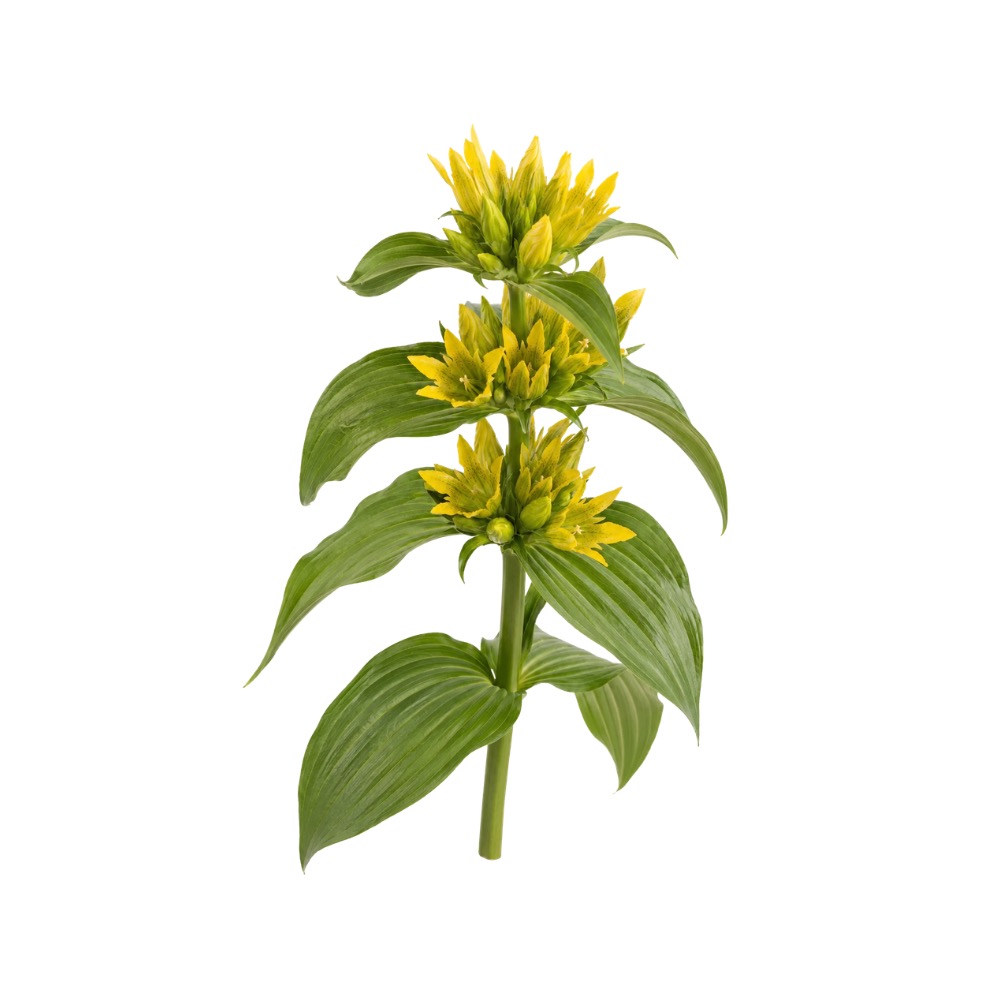 ModerateModerateGentianGentiana luteaThe archetypal European bitter; intraduodenal root extract raised bile flow in rats, and the bitter reflex supplies a second route to the same endpoint.Mechanismvagal-reflex bile flow ↑; direct choleresis (rat)Read the evidenceShow lessMonograph →
An ethanolic root extract given intraduodenally at 500 mg/kg increased bile flow in rats 1Reference 1AnimalCholeretic activity of Gentiana lutea ssp. symphyandra in rats — animal modelView study →. That is a choleretic result, more bile made, rather than bile expelled from the gallbladder.
The reflex arm adds a plausible second route, since biliary secretion is part of the same vagal cephalic-phase package that gentian’s secoiridoids trigger 2,
There is no human bile endpoint and no dose-response. The choleretic study used Gentiana lutea ssp. symphyandra, a subspecies, rather than the pharmacopoeial type material.
Show 11 more herbs with a mild cholagogue action
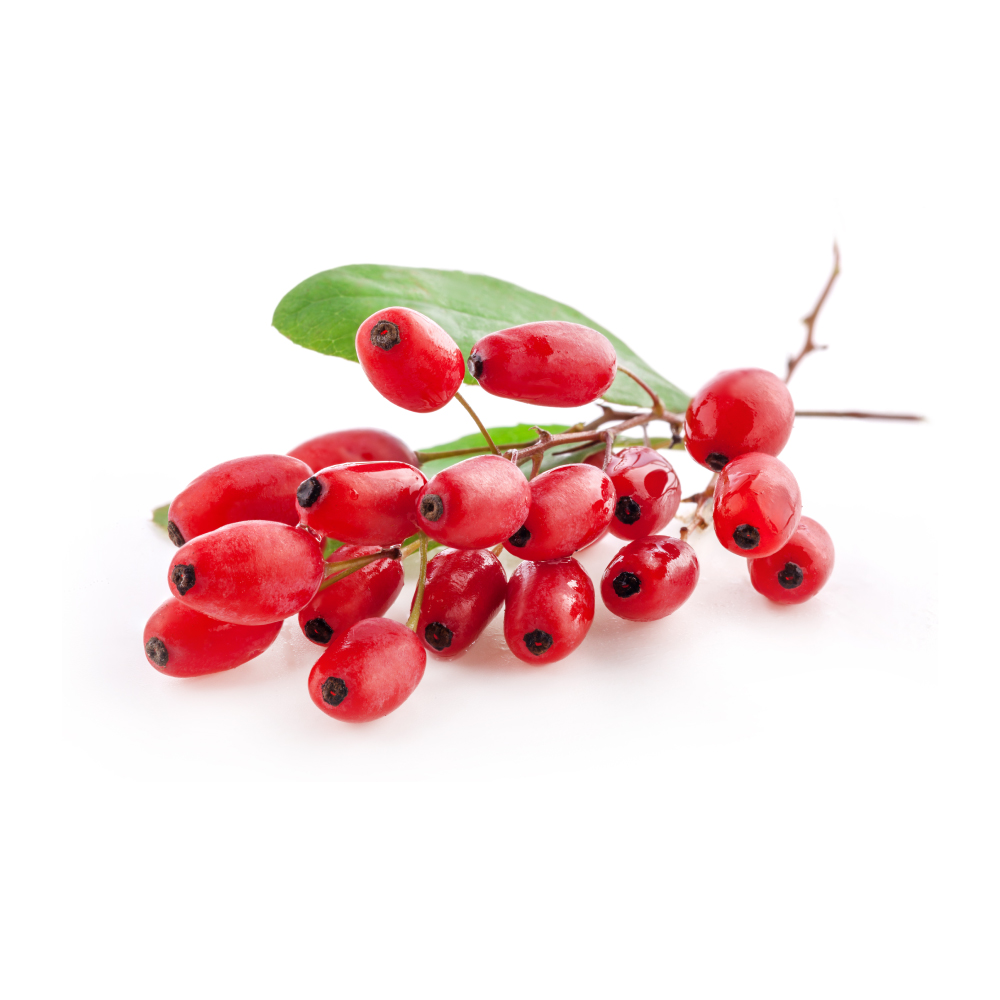 MildMildBarberryBerberis spp.A berberine bitter that the Eclectics used for liver and gallbladder complaints, with a bitter-alkaloid profile that makes a reflex bile effect plausible.Read the evidenceShow lessMonograph →
Barberry’s bitterness is the basis of its traditional use as a tonic for liver and gallbladder complaints, and the Eclectic physicians regarded it that way. Its traditional contraindication in gallstones is written against the cholagogue action specifically.
No dedicated bile study exists, and the position is the same as milk thistle’s: two bile tags, neither measured.
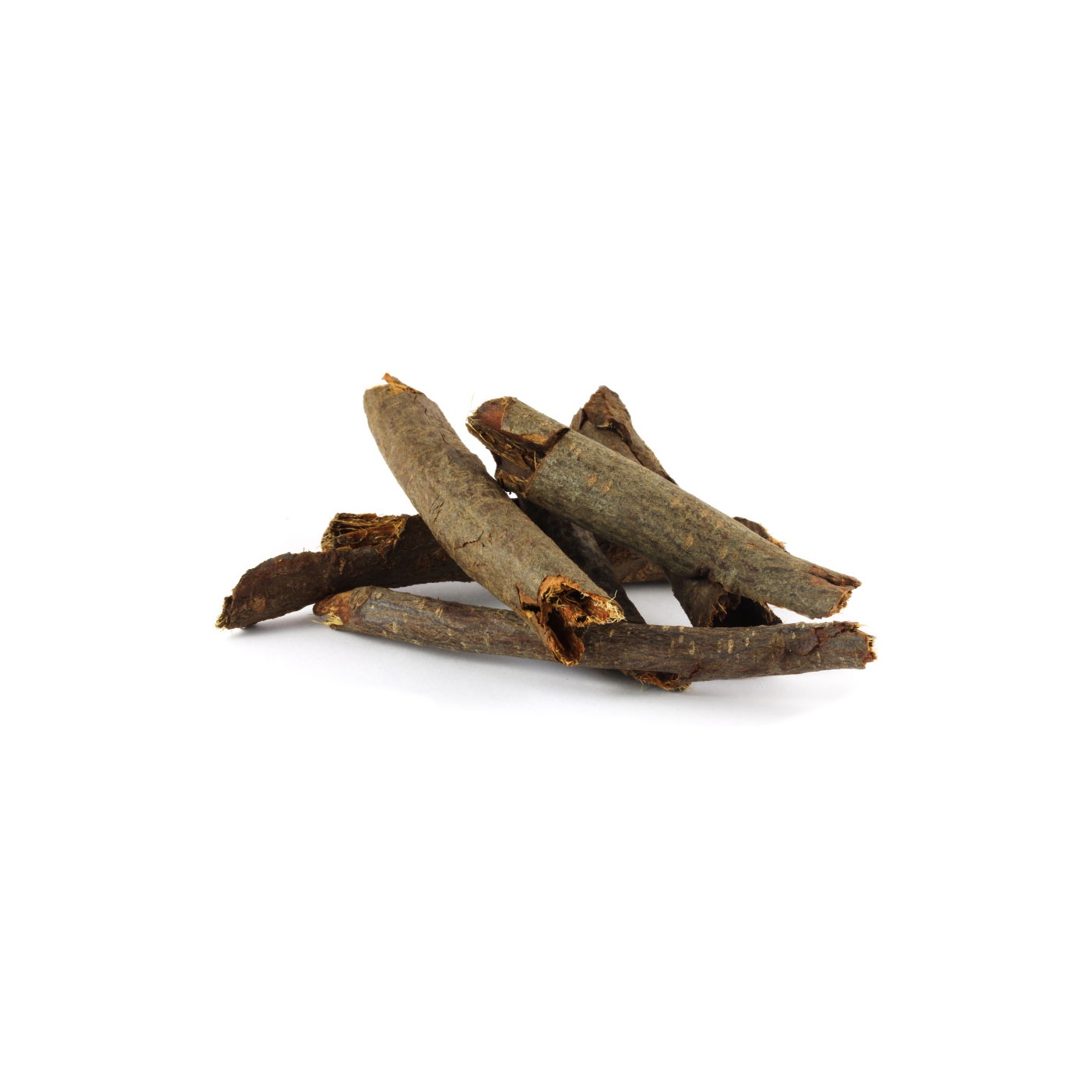 MildMildCascara sagradaFrangula purshianaAn exceptionally bitter bark whose reputation for stimulating bile flow sits alongside a powerful anthraquinone laxative action.Read the evidenceShow lessMonograph →
The bark is intensely bitter, and that bitterness is the stated basis of its secondary reputation as a liver and digestive herb.
No bile study exists in any species. Cascara’s evidenced identity is the stimulant laxative, and a bile claim attached to a strong purgative is the easiest of all to mistake.
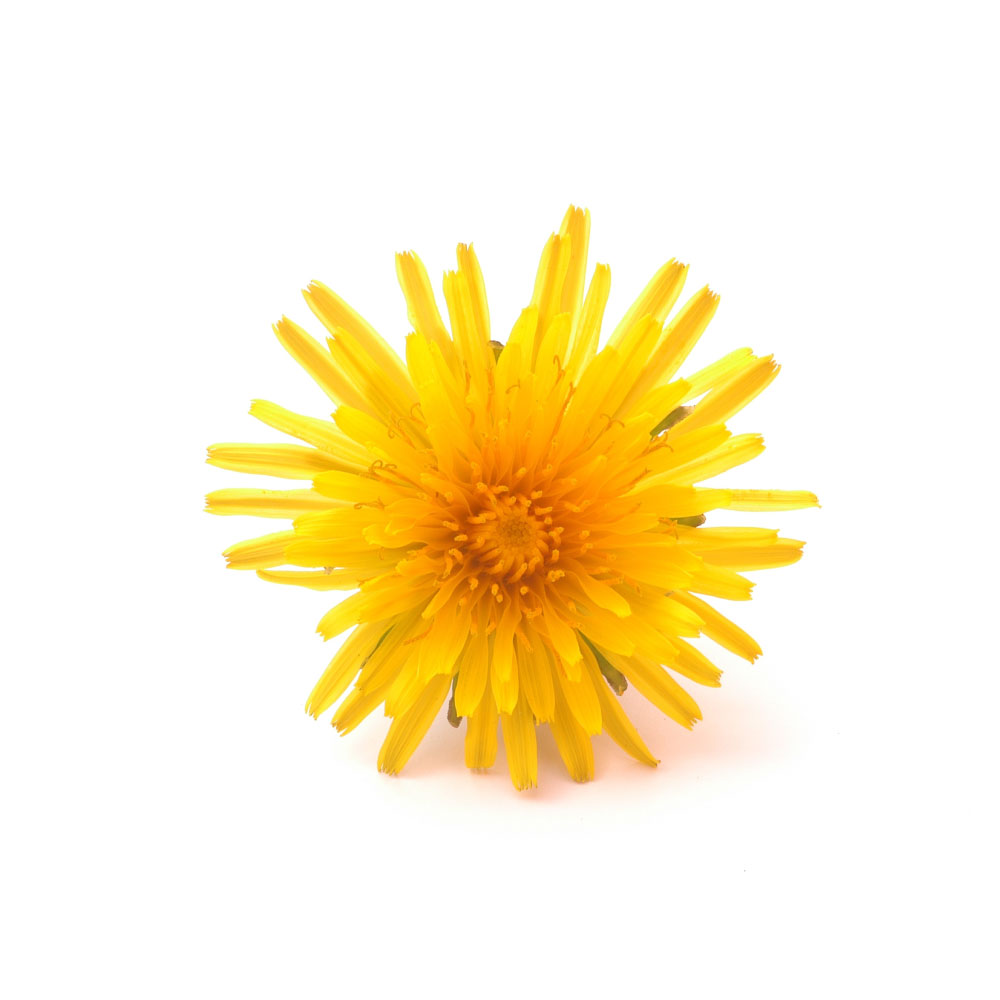 MildMildDandelionTaraxacum officinaleThe bitter root stimulates bile through a taste-receptor reflex, the same observation that carries its choleretic listing.Read the evidenceShow lessMonograph →
Every bile citation for dandelion, the Commission E indication and the older animal work alike, describes undifferentiated bile flow. Nothing tests gallbladder contraction or bile release separately.
The measured route is a bitter-receptor reflex, which is examined on the choleretic page.
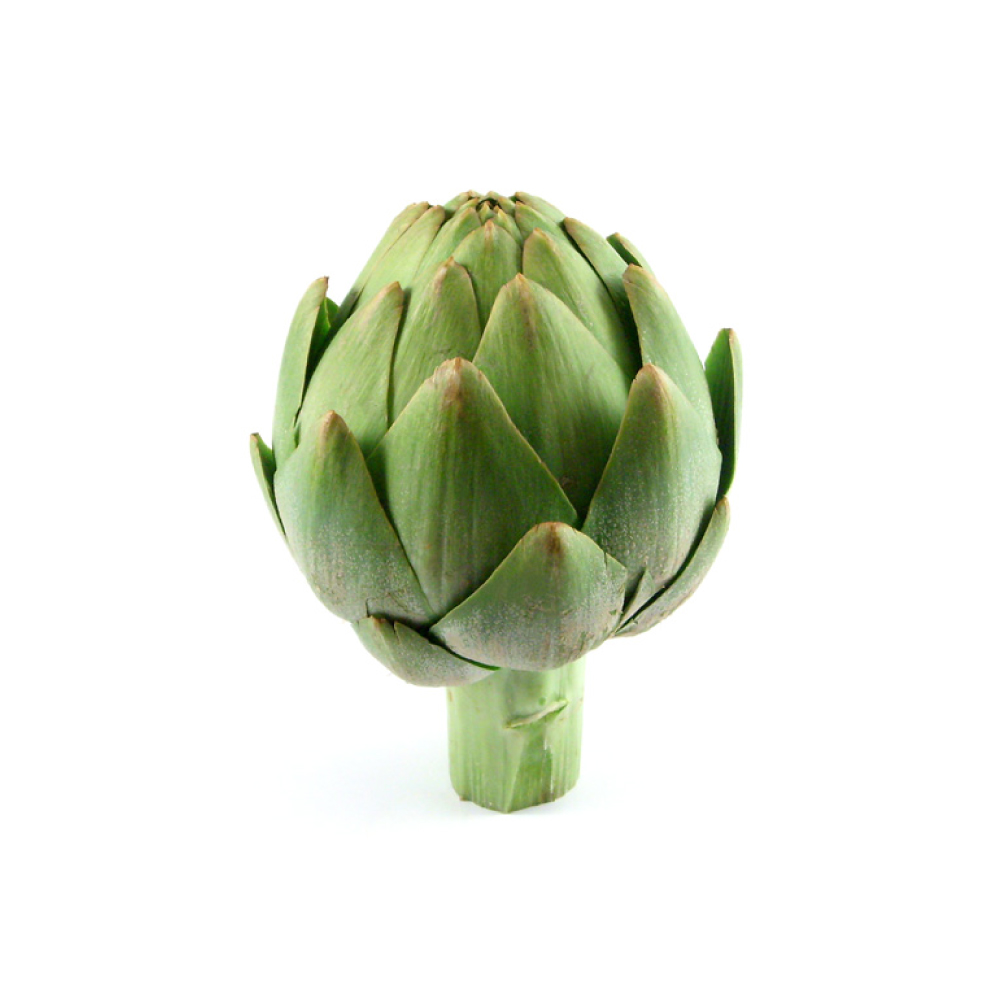 MildMildGlobe ArtichokeCynara scolymusThe one herb with a directly measured bile effect, though what was measured was production rather than release.Read the evidenceShow lessMonograph →
Artichoke has a measured choleresis, with intraduodenal extract raising bile secretion above baseline in a placebo-controlled crossover. That is bile production, examined on the choleretic page.
Gallbladder contraction has not been measured separately for artichoke. The bitter principles are traditionally credited with releasing stored bile as well.
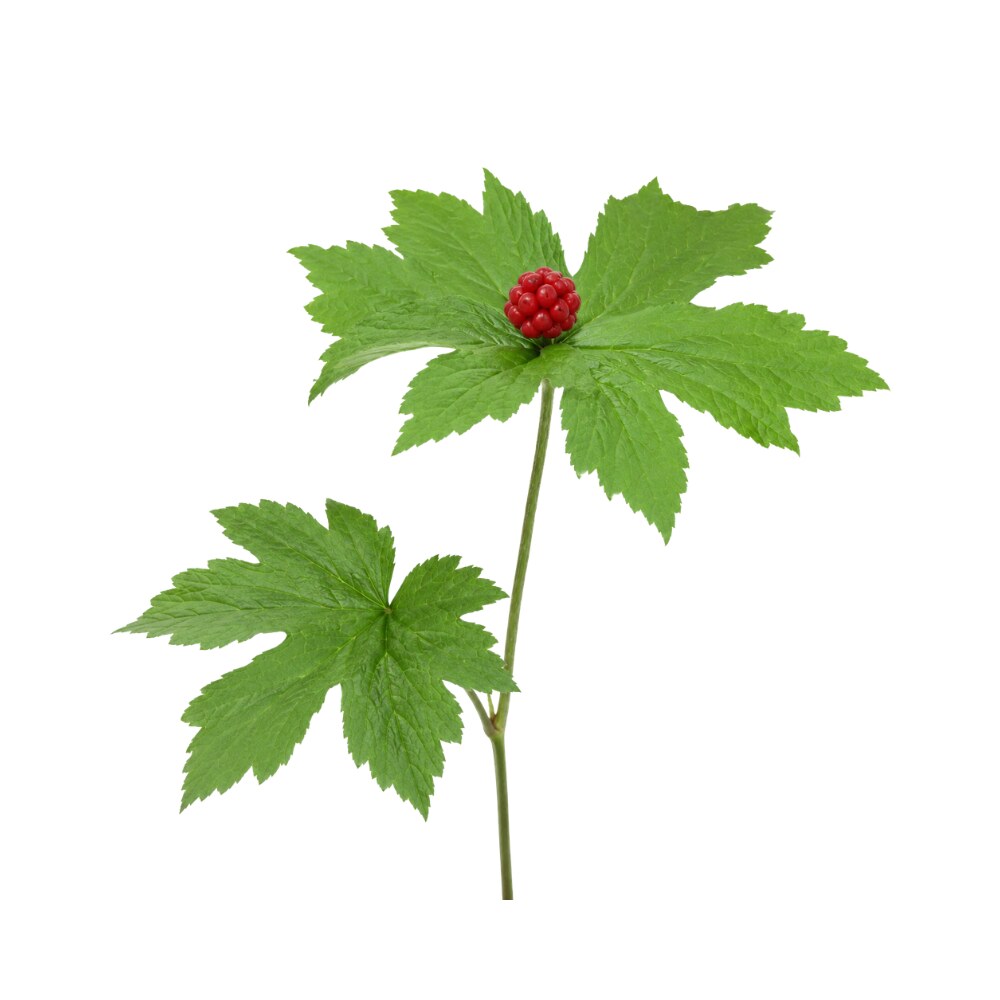 MildMildGoldensealHydrastis canadensisA berberine bitter traditionally described as stimulating digestion and bile flow.Read the evidenceShow lessMonograph →
Goldenseal is used as a bitter that stimulates digestion and bile flow, alongside its better-known role as a mucous-membrane tonic.
There is no study, mechanism or measurement behind the bile claim for goldenseal itself. It is a read-across from the general berberine literature.
Goldenseal is a short-course herb for reasons unrelated to bile: dose-related liver tumours appeared in two-year rodent feeding studies.
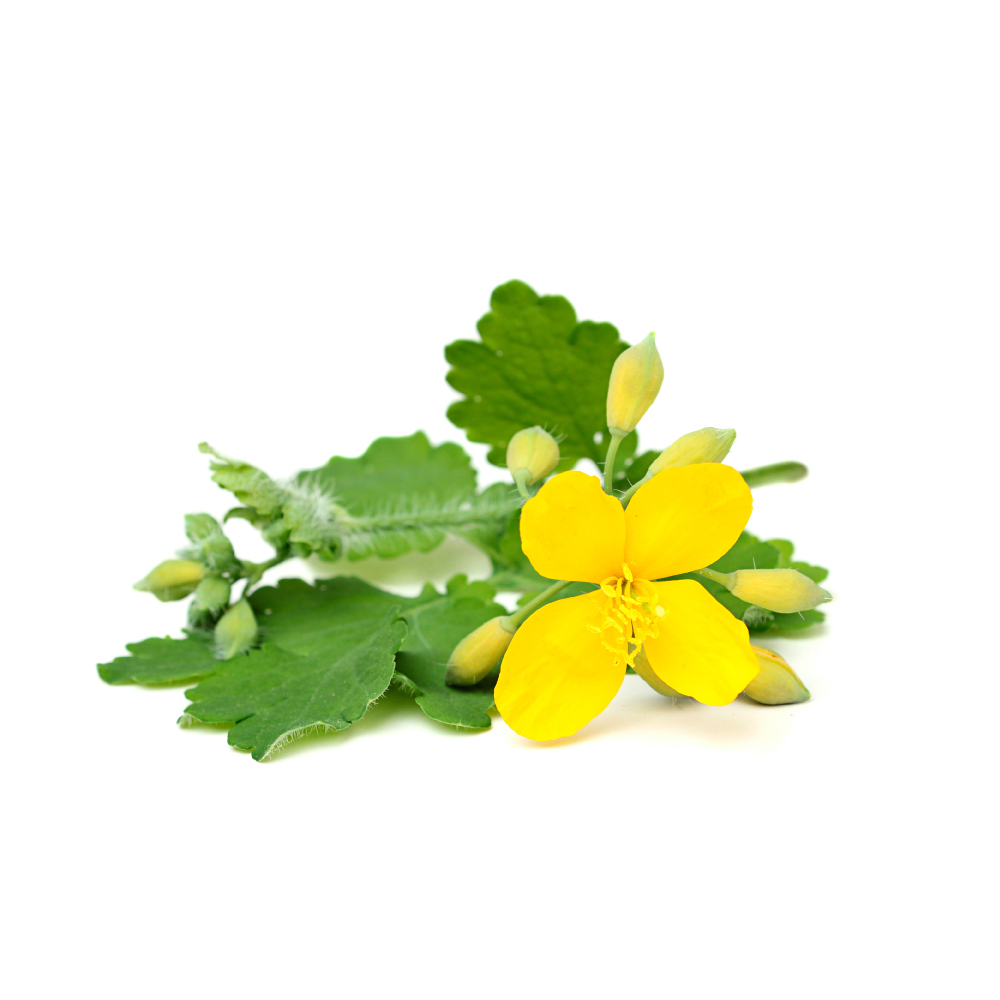 MildMildGreater CelandineChelidonium majusMeasured bile-flow stimulation paired with a smooth-muscle antispasmodic action that would relax the biliary sphincter.Read the evidenceShow lessMonograph →
Greater celandine has measured bile-flow stimulation alongside a smooth-muscle antispasmodic action. Relaxing the biliary sphincter would release stored bile, which is the nearest thing to a mechanism that fits the word.
The choleresis itself is examined on the choleretic page.
The herb is a documented cause of idiosyncratic hepatocellular liver injury in people, including cases requiring transplant.
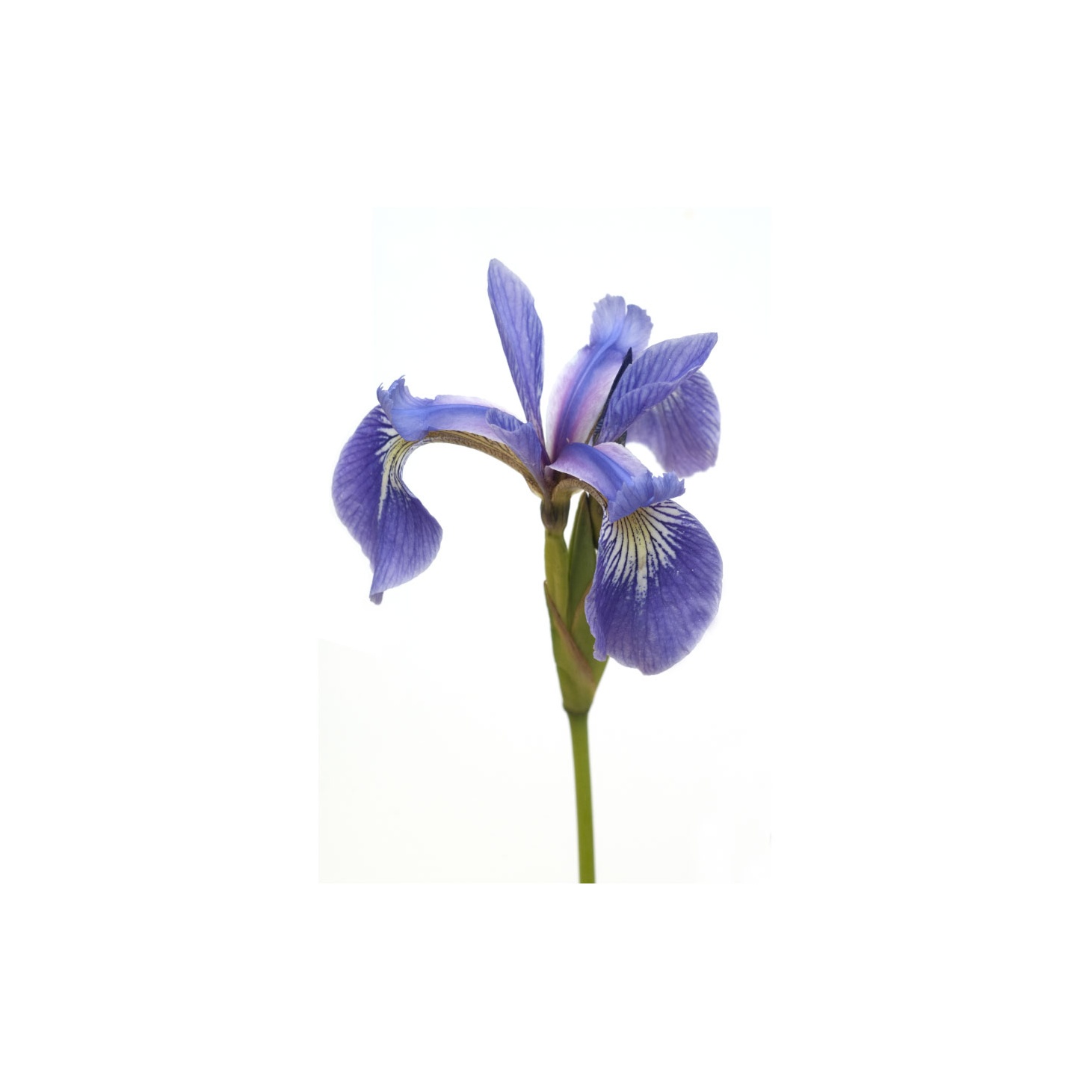 MildMildIrisIris versicolorBlue flag, the drop-dose bitter of nineteenth-century North American practice; iridin and furfural irritate the mucosa and drive a reflex biliary secretion.Mechanismmucosal/GI irritation (iridin, furfural) → reflex biliary secretion; hepatocyte bile synthesis not establishedRead the evidenceShow lessMonograph →
Blue flag was the bitter cholagogue of Eclectic and physiomedicalist practice, and the route named for it is irritation and reflex secretion driven by iridin and furfural 4Reference 4The constituents of Iris versicolor — constituent analysis. Small doses are described as stimulating bile secretion, on the acrid nature of the resin and glycoside 4Reference 4The constituents of Iris versicolor — constituent analysis.
The role has no experimental backing. There is no choleresis measurement for the species, no animal model and no human data.
Preparation is the load-bearing detail: blue flag is a drop-dose herb, because the same constituents cause nausea and vomiting outright at higher doses.
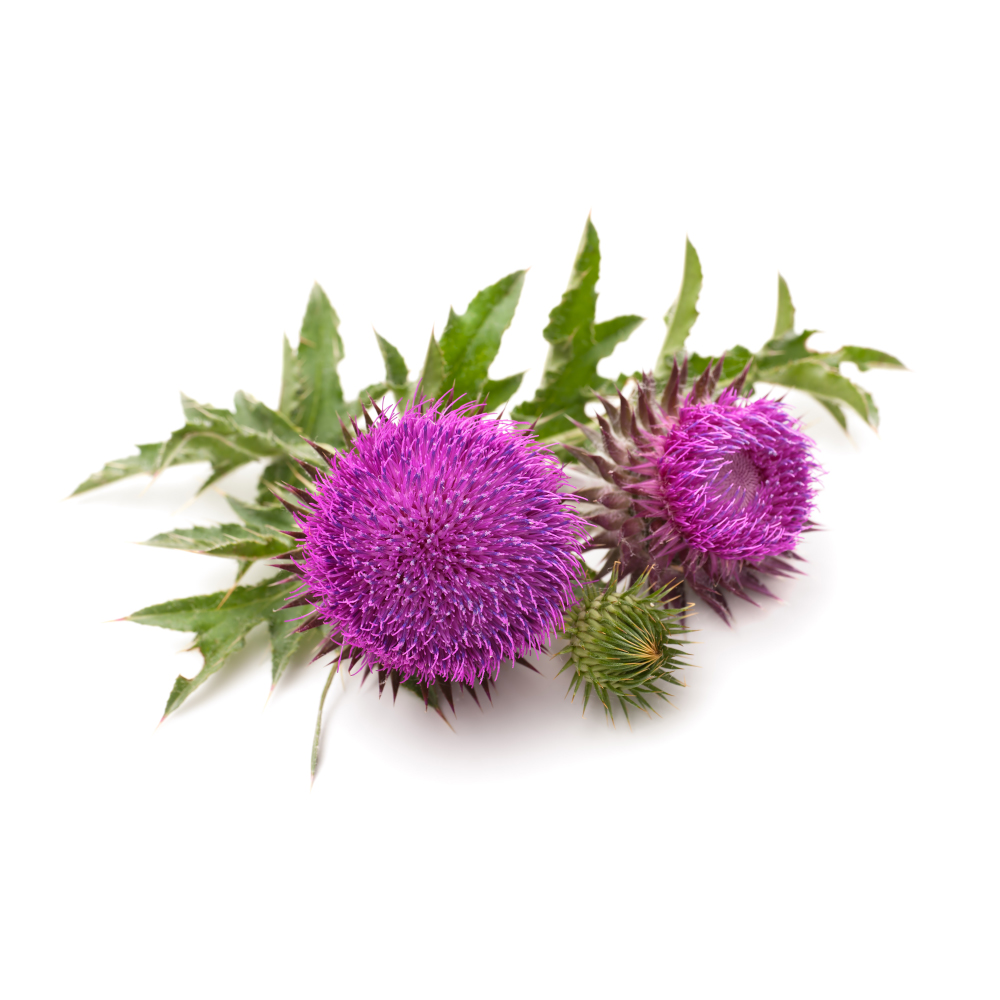 MildMildMilk ThistleSilybum marianumTraditionally credited with releasing bile into the duodenum as well as producing it, on the strength of its bitter principles.Read the evidenceShow lessMonograph →
Milk thistle’s bitter constituents are the basis of a traditional claim to stimulate both bile production and bile release, and it is still used for indigestion and poor fat tolerance on that reading.
There is no bile study for milk thistle at all. Its substantiated work is hepatoprotective, which is membrane stabilisation rather than anything biliary.
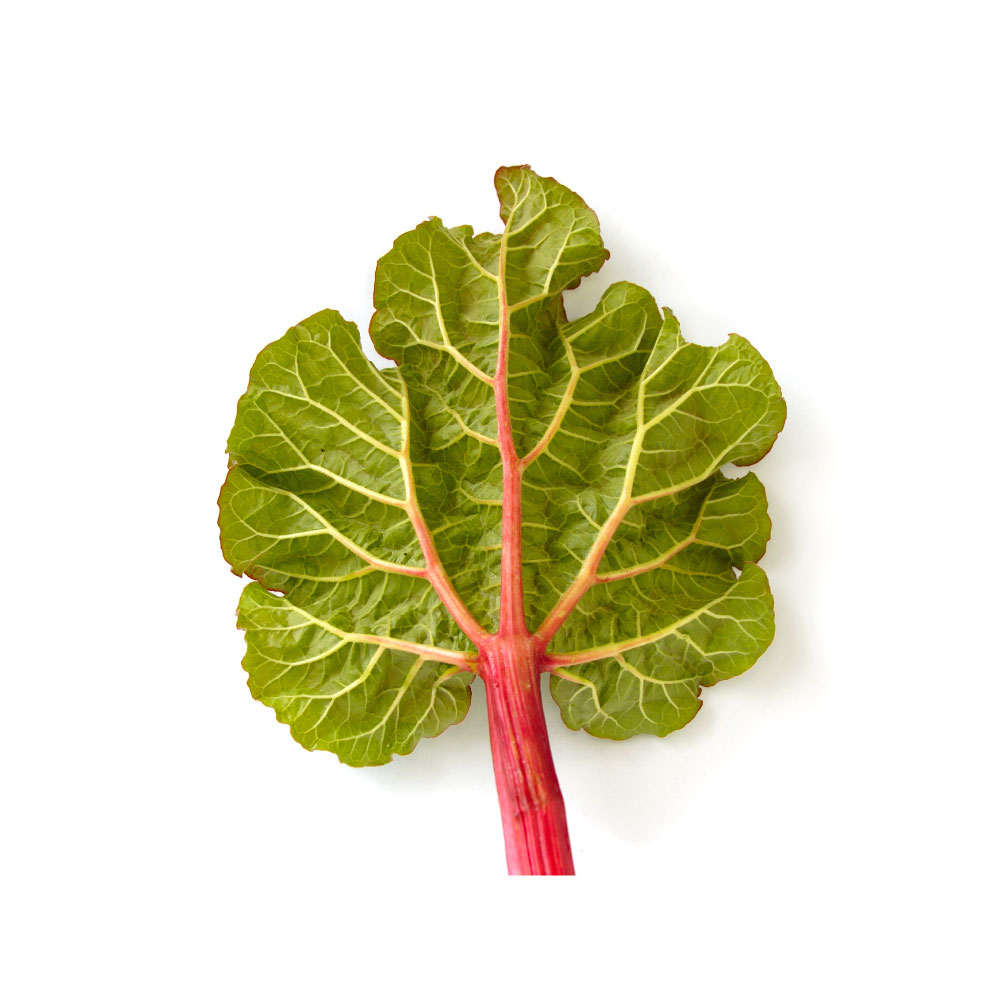 MildMildRhubarbRheum palmatumAt low doses rhubarb root is used as a bitter to stimulate bile and digestion; at higher doses the anthraquinones purge.Read the evidenceShow lessMonograph →
Western and Chinese practice both use the root dose-dependently. Small bitter doses were given to sharpen appetite, stimulate bile flow and, through the tannins, check mild diarrhoea; large doses purge.
No bile study exists. The anthraquinone and bitter combination is exactly the profile the old texts classified as bile-moving, and the laxative action is the better-supported one.
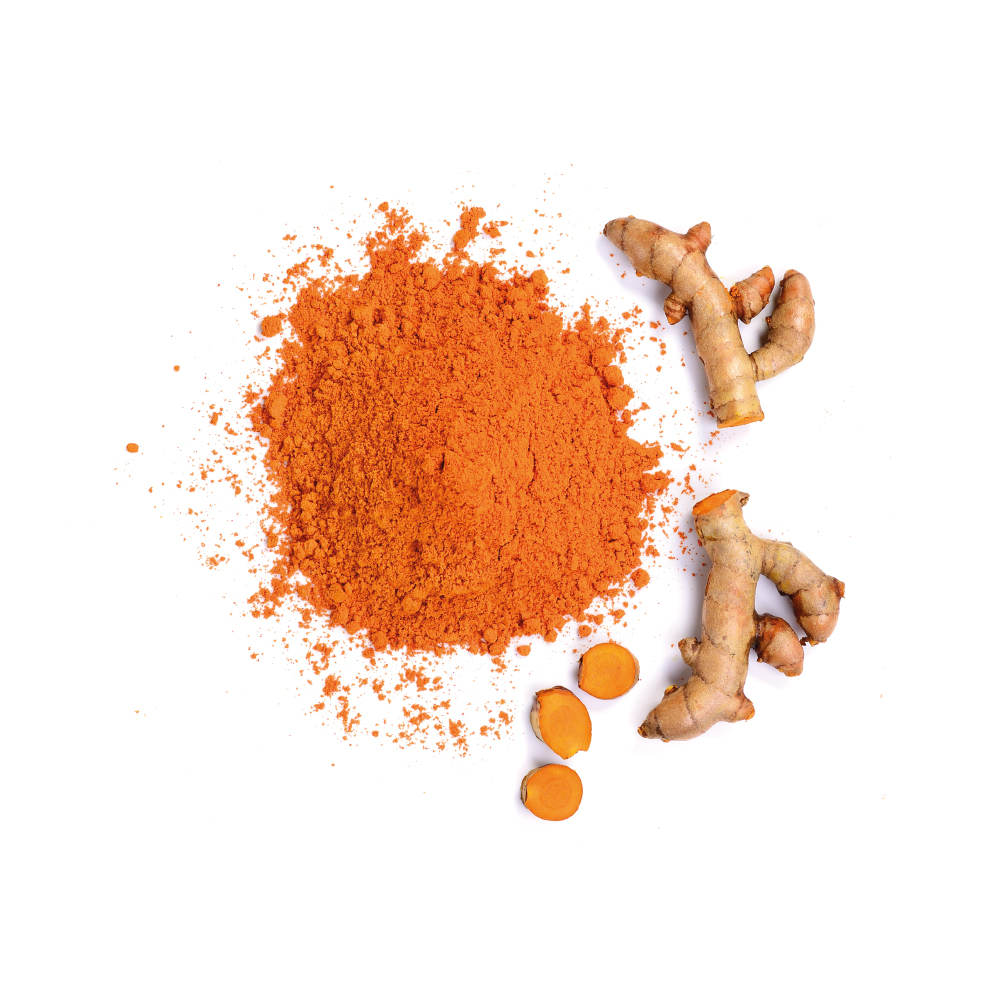 MildMildTurmericCurcuma longaCurcumin stimulates bile flow and modulates bile-acid signalling, though what has been measured is production rather than release.Read the evidenceShow lessMonograph →
Curcumin’s bile-flow stimulation is a documented pharmacological property and one of turmeric’s oldest hepatobiliary uses, examined on the choleretic page.
Its measured work is bile secretion and bile-acid modulation through TGR5, which is production again. Nothing measures gallbladder contraction.
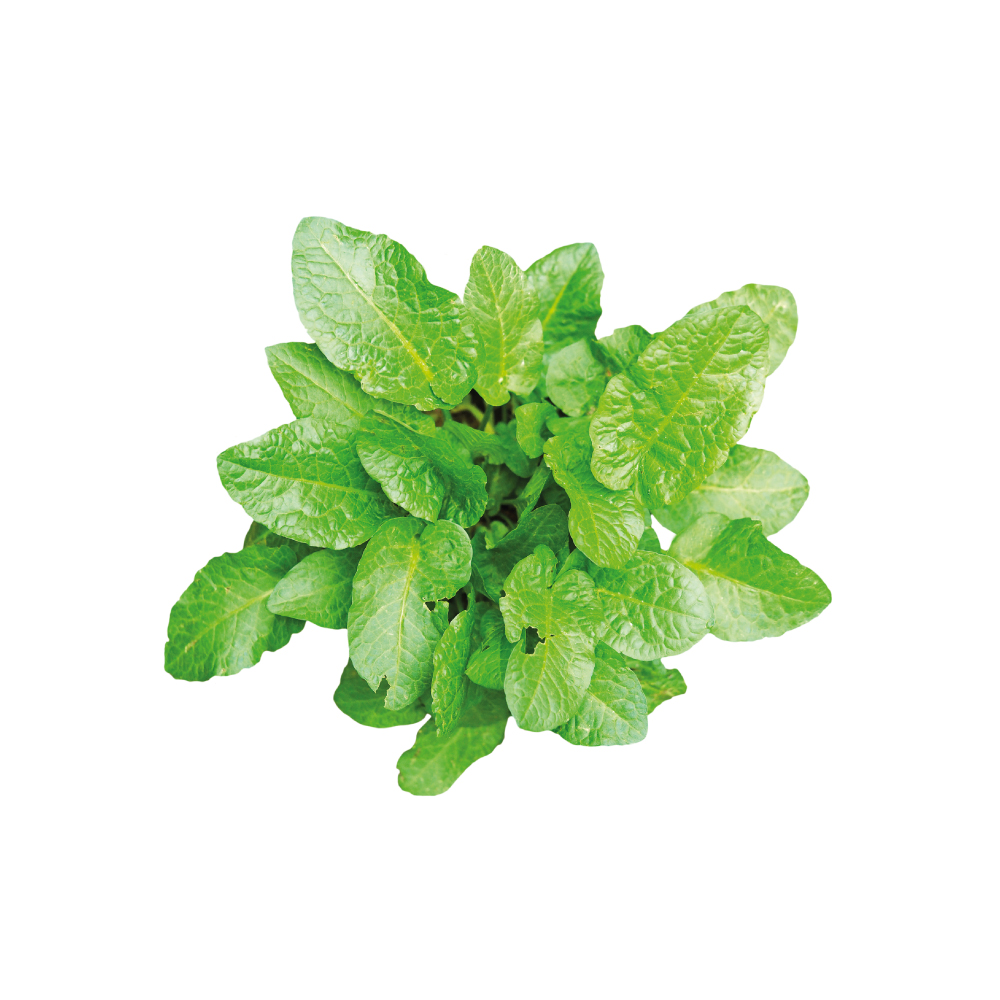 MildMildYellow DockRumex crispusA traditional alterative for sluggish digestion and poor bile flow, with cholagogue activity reported across the Rumex genus.Read the evidenceShow lessMonograph →
Yellow dock is used for sluggish digestion, poor bile flow and chronic skin conditions, usually in alterative formulas intended to improve elimination gradually. The support for the bile action is a single clause reporting cholagogue activity across the genus.
No measurement of any kind exists for Rumex crispus itself, and the root’s anthraquinones give it a laxative action that could easily be mistaken for a bile effect.
No herbs match these filters.
Safety
- Cholagogues are contraindicated with gallstones or bile-duct obstruction, where contracting the gallbladder produces biliary colic.
- Unexplained right-upper-quadrant pain or a history of biliary colic needs imaging before any bile herb.
- Two herbs in this group are strong stimulant laxatives and are not for sustained use.
- Irritant cholagogues are inappropriate during an active inflammatory-bowel or irritable-bowel flare.
- Several herbs here are hepatotoxic in their own right, so a bile tradition is not evidence of liver safety.
- Jaundice, pale stools and dark urine need investigation rather than a bile herb.
References
- Öztürk N, et al. (1998). Choleretic activity of Gentiana lutea ssp. symphyandra in rats — animal model. Phytomedicine. https://pubmed.ncbi.nlm.nih.gov/23195900/
- Ponticelli M, et al. (2023). The healing bitterness of Gentiana lutea L., phytochemistry and biological activities — a systematic review. Phytochemistry. https://pubmed.ncbi.nlm.nih.gov/36423749/
- Olennikov DN, et al. (2015). Iridoids and flavonoids of four Siberian gentians: chemical profile and gastric stimulatory effect — animal/in vitro. Molecules. https://pubmed.ncbi.nlm.nih.gov/26506331/
- American Journal of Pharmacy. (1881). The constituents of Iris versicolor — constituent analysis. American Journal of Pharmacy. (Rhizome reported to contain volatile matter/furfural, acrid oleo-resin, the glycoside iridin (irisin), salicylic and isophthalic acids, beta-sitosterol, triterpenoids, starch, gum and tannin.)
Keep Exploring