

Overview
Emetic at a Glance
Emetics are herbs that induce vomiting.
Some act directly on the vomiting reflex.
Ipecacuanha is the classic example, combining irritation of the stomach with stimulation of the brainstem pathways that trigger emesis.
Lobelia, tobacco, and mapacho can also provoke vomiting through excessive nicotinic acetylcholine receptor stimulation. In these plants, nausea and vomiting sit on the same dose-response curve as their other autonomic effects.
Other plants cause vomiting because they are toxic rather than because they specifically stimulate the emetic reflex.
Raw elder berries and green plant parts, for example, contain compounds capable of causing gastrointestinal poisoning; proper cooking removes much of this problem.
Emetics were once deliberately used to empty the stomach, especially after poisoning, but that practice has largely been abandoned. Induced vomiting can cause aspiration and delay more effective treatment without reliably improving outcomes.
Today the emetic action is therefore more useful for understanding toxicity and dose limits than as a therapeutic goal.
Deliberate emesis was central to nineteenth-century Western practice. Samuel Thomson built his whole system around lobelia as the emetic, and ipecacuanha root reached European pharmacy from Brazil in the seventeenth century and stayed in it for three hundred years.
That era is over. Induced vomiting has not been standard first aid for poisoning for decades, and syrup of ipecac was withdrawn from the role because it delays activated charcoal, risks aspiration and does not improve outcomes.
Caution
Not first aid for poisoning — do not induce vomiting after a suspected poisoning unless a poison centre or medical professional says to.
The purge dose poisons — the dose that produces a deliberate purge is the dose that produces poisoning, with no established margin between them.
Repeated vomiting needs urgent care — repeated vomiting, altered consciousness, breathing difficulty or signs of significant poisoning need urgent medical care.
Mechanisms
How It Works
01
Gastric Irritation and the Chemoreceptor Trigger Zone
Vomiting can be triggered from the stomach wall, from the brainstem, or from both at once.
Ipecacuanha does both, which is why its effect is so reliable: 0.25–1 g of root produces vomiting through direct gastric irritation combined with central chemoreceptor stimulation. That dual route is what made it the reference emetic of Western pharmacy.
The reliability is not in question and the use is. Ipecac syrup is no longer recommended for poisoning, because it does not improve outcomes and may delay effective treatment 7,
Herbs: Ipecacuanha
02
Nicotinic Receptor Stimulation
Overstimulating nicotinic acetylcholine receptors drives vagal and autonomic signalling to the vomiting centre.
Lobeline and nicotine are close structural relatives, and vomiting is a cardinal sign of nicotine poisoning — from ingested leaf, from concentrated preparations, and from green-tobacco sickness in field workers who absorb it through the skin.
The same curve produces both the intended and the unintended effect. Lobelia’s expectorant and emetic actions are one dose-response relationship rather than two, and the classical nauseant expectorant method dosed deliberately just short of vomiting.
That leaves the therapeutic window defined by how close it sits to the adverse effect, and no study has established a dose that purges without risking the poisoning.
03
Ribosome Inactivation and Cyanogenic Load
A ribosome-inactivating protein cleaves 28S rRNA and shuts down protein synthesis in the cells it reaches.
Elder’s raw berries, leaves, bark and stems carry type-2 proteins of this kind alongside cyanogenic glycosides, and the vomiting that follows is cellular poisoning rather than a reflex.
Elder’s proteins are structurally akin to ricin but roughly nine thousand times less potent, so the result is gastrointestinal irritation rather than systemic poisoning.
Heating removes it. Cooking renders the proteins pepsin-susceptible and neutralises the effect, so this mechanism exists only in the preparation nobody should use.
Herbs: Elderberry
Key compounds: Nigrin B
Materia Medica
Emetic Herbs by Potency
The emetic herbs, ordered by the relative strength of the effect rather than by how well studied it is. Each herb is described by the mechanism behind its effect and the evidence for it.
None of this is a substitute for professional care.
PotentIpecacuanhaCarapichea ipecacuanhaThe reference emetic of Western pharmacy for three centuries, reliable and dose-dependent, and no longer recommended for the purpose.Mechanismlocal gastric irritation + central chemoreceptor trigger zone stimulationRead the evidenceShow less
The effect is reliable and dose-dependent. Between 0.25 and 1 g of root produces vomiting through combined direct gastric irritation and central chemoreceptor stimulation.
Ipecac syrup is no longer recommended for poisoning. It does not improve outcomes and may delay effective treatment 7,
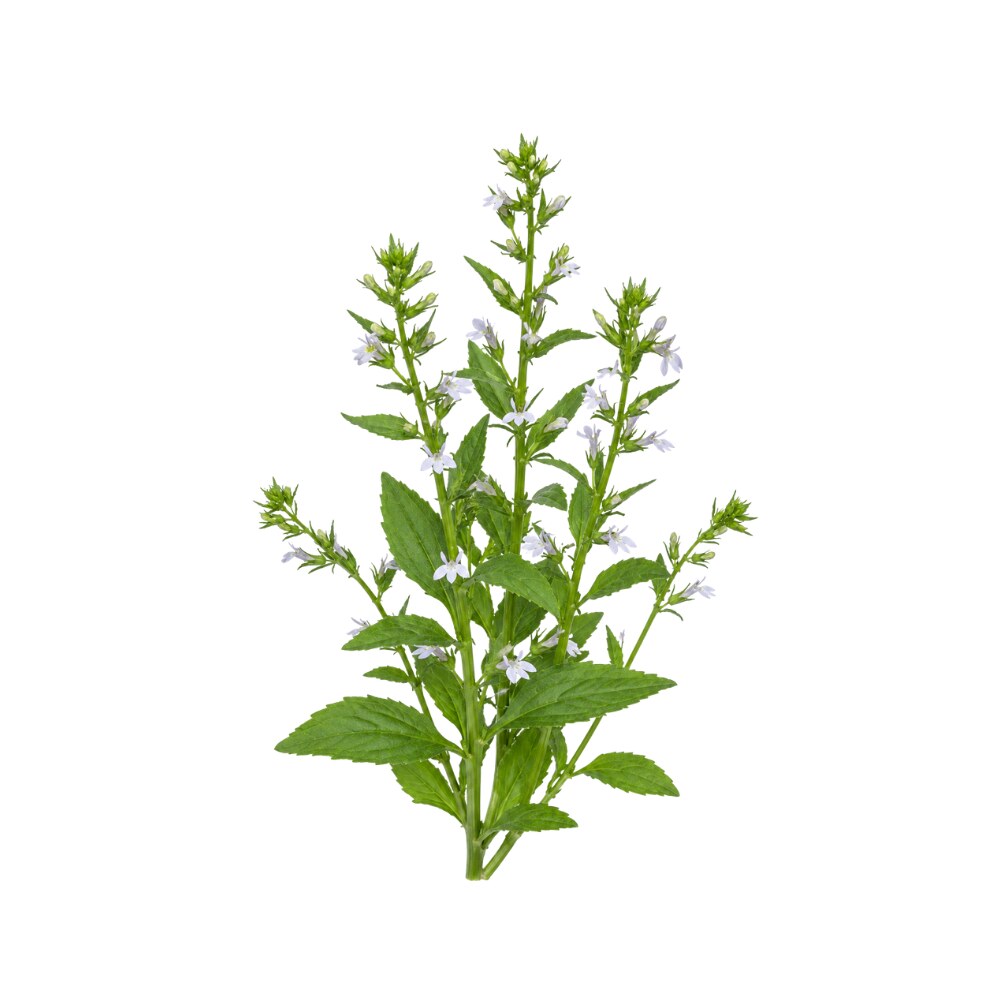 PotentPotentLobeliaLobelia inflataPukeweed — lobeline drives the most reliable and best-documented action the plant has in humans.Mechanismnicotinic acetylcholine receptor stimulation → vagal/autonomic emetic reflexRead the evidenceShow lessMonograph →
The effect is attributed to lobeline, the nicotine-like alkaloid behind everything else the plant does. The autonomic action is biphasic, stimulating at low doses and depressant at high.
Excessive doses cause nausea and violent vomiting, sweating, dizziness, tremor, a rapid then weak pulse and falling blood pressure, with respiratory depression, convulsions and collapse beyond that. Vomiting is both a traditional intended effect and an early sign of overdose.
Thomsonian and Eclectic practice induced emesis deliberately, and lobelia was the herb they used for it.
The margin is not theoretical. The single human dosing study, 7.5–30 mg sublingual lobeline in nine adults with ADHD, produced nausea at the doses tested for benefit 9Reference 9Lobeline effects on cognitive performance in adult ADHD — human proof-of-concept studyView study →.
No dose-response emetic data exist for the whole herb, and there is no modern therapeutic use.
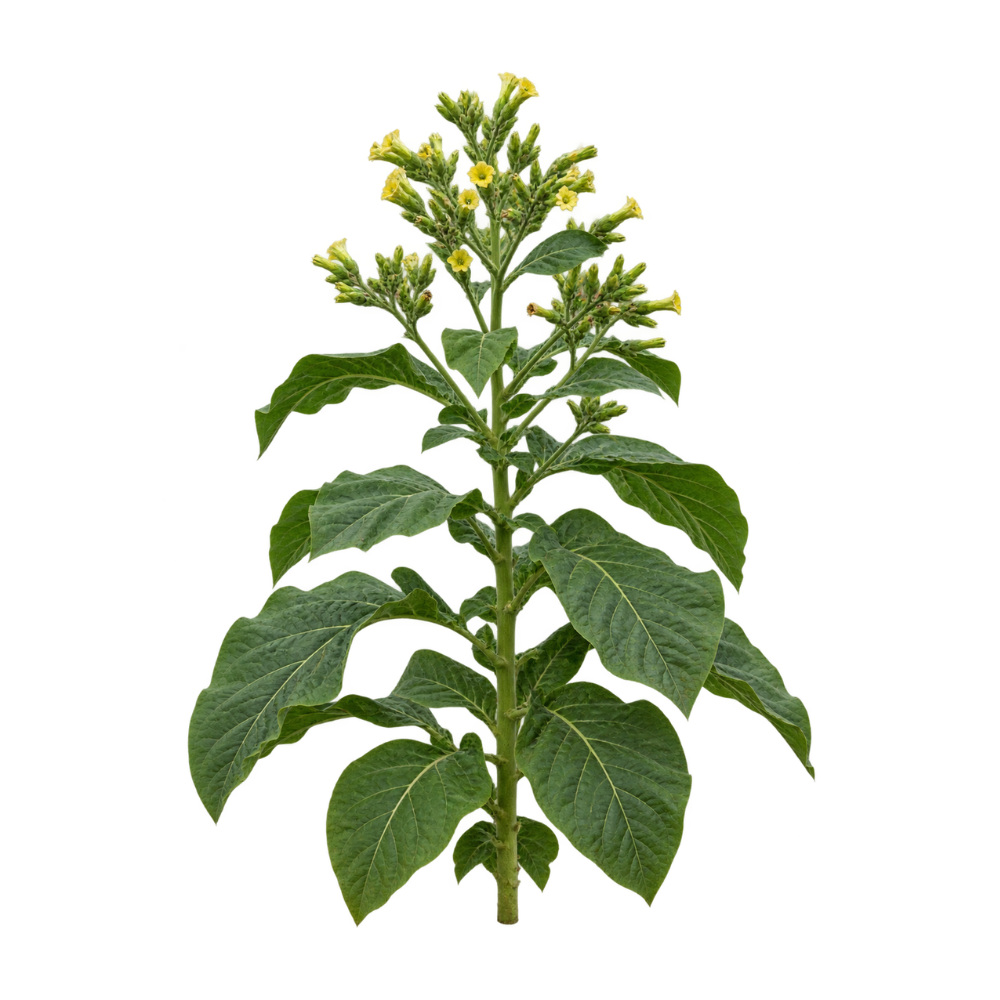 StrongStrongMapachoNicotiana rusticaCeremonial tobacco taken deliberately to purge; the same sign marks the start of nicotine poisoning.Mechanismnicotinic agonism at the chemoreceptor trigger zoneRead the evidenceShow lessMonograph →
Vomiting is a reliable and deliberately sought effect of ceremonial mapacho preparations, and it is also the first sign of nicotine poisoning. The toxicology literature on N. rustica singles that overlap out 10Reference 10ReviewTurkish (Aztec) tobacco (Nicotiana rustica L.) — an unnoticeable danger? — reviewView study →.
No study has established a dose that produces the intended purge without risking the poisoning.
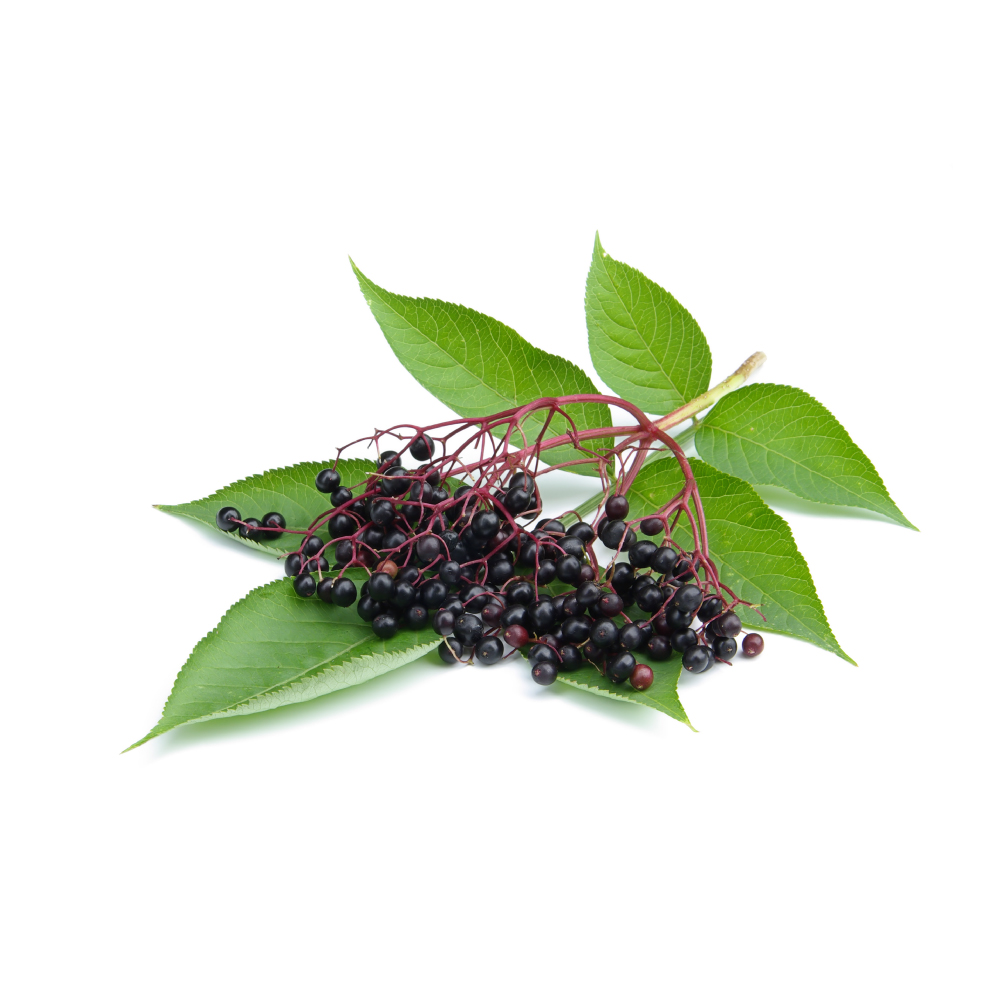 ModerateModerateElderberrySambucus nigraRaw berries and green parts vomit through cell-level poisoning, and cooking removes the effect entirely.Mechanismribosome inactivation (type-2 RIP N-glycosidase on 28S rRNA); cyanogenic glycoside contentRead the evidenceShow lessMonograph →
Raw berries, leaves, bark, unripe fruit and seeds carry cyanogenic glycosides plus heat-labile ribosome-inactivating proteins — nigrin b, ebulin f and SELfd — that resist gastric breakdown and produce nausea, vomiting and diarrhoea 1,
Elder’s proteins are type-2 lectins structurally akin to ricin but about nine thousand times less potent: ebulin’s LD₅₀ is around 250 mg/kg against micrograms per kilogram for ricin 5Reference 5AnimalRicin toxicokinetics and its sensitive detection in mouse sera or feces using immuno-PCR — animal studyView study →. The result is gastrointestinal irritation rather than systemic poisoning.
Heating removes it. Cooking renders the proteins pepsin-susceptible and neutralises the emetic effect 4,
Western herbal tradition did use elder as a purgative and an emetic, so the historical claim is real. The effect is reliable in raw material and well below a deliberate emetic like ipecac or lobelia.
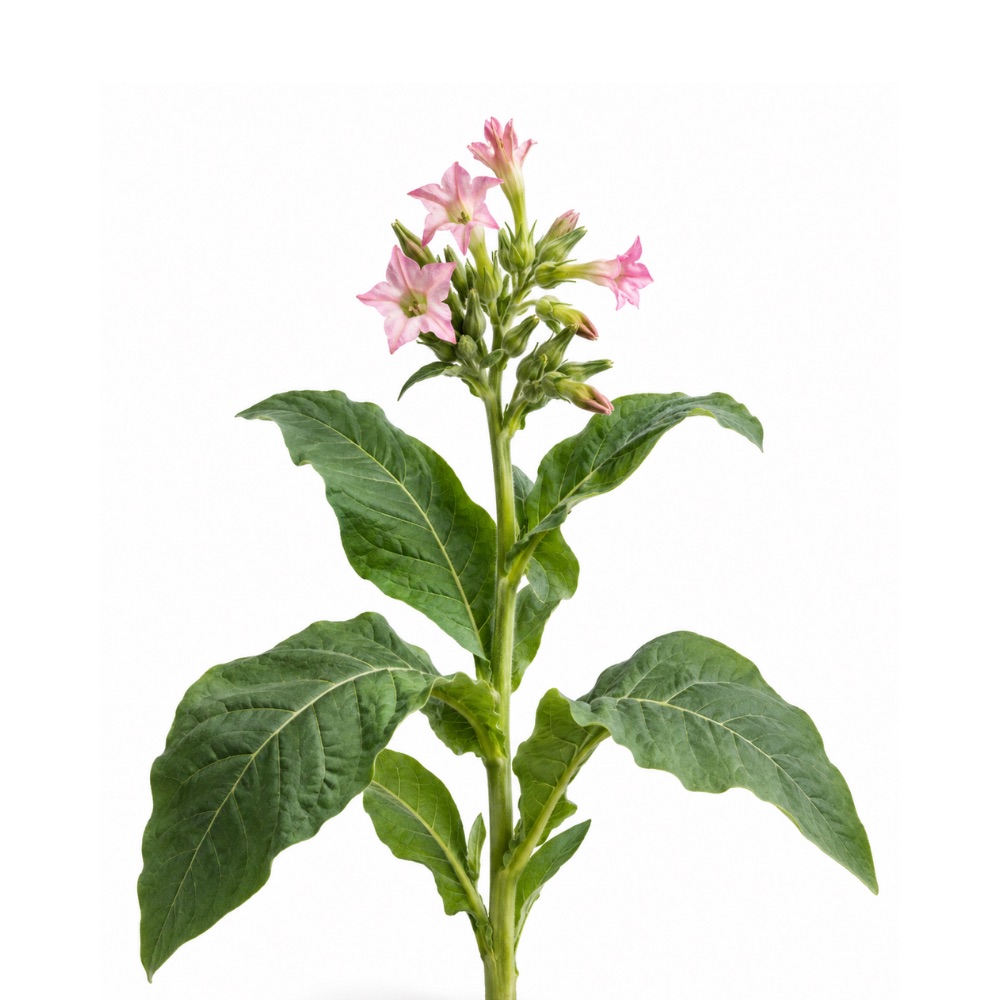 MildMildTobaccoNicotiana tabacumNicotine is a potent emetic, and the vomiting it causes is the body ejecting a poison.Read the evidenceShow lessMonograph →
Nicotine is a potent nicotinic agonist and a potent emetic. Vomiting is one of the cardinal signs of nicotine poisoning, from ingested leaf, from concentrated preparations, and from green-tobacco sickness in harvesters.
The mechanism is the same as lobelia’s, and no tradition uses N. tabacum deliberately for the purpose. Its ceremonial purgative role belongs to N. rustica.
No herbs match these filters.
Safety
- Induced vomiting is no longer standard first aid for poisoning and has not been for decades; call a poison centre instead.
- Syrup of ipecac was withdrawn from that role because it delays activated charcoal, risks aspiration and does not improve outcomes.
- The dose that produces a deliberate purge is the dose that produces poisoning, and no emetic herb has an established margin between the two.
- Vomiting risks aspiration, oesophageal injury and electrolyte loss, and repeated induced emesis is dangerous in the frail, the very young and the elderly.
- Nicotinic emetics are contraindicated in cardiovascular disease, and paediatric nicotine ingestion is a medical emergency.
- Raw elder material carries a ribosome-inactivating protein and cyanogenic glycosides, and cooking destroys both.
References
- Girbés, T., Ferreras, J. M., Arias, F. J., & Stirpe, F. (2004). Description, distribution, activity and phylogenetic relationship of ribosome-inactivating proteins in plants, fungi and bacteria — review. Mini Reviews in Medicinal Chemistry, 4(5), 461-476.
- Stirpe, F. (2004). Ribosome-inactivating proteins — review. Toxicon, 44(4), 371-383.
- Lapadula, W. J., Sánchez Puerta, M. V., & Juri Ayub, M. (2013). Revising the taxonomic distribution, origin and evolution of ribosome inactivating protein genes. PLoS One, 8(9), e72825. https://doi.org/10.1371/journal.pone.0072825
- Jiménez, P., Tejero, J., Cordoba-Diaz, D., Quinto, E. J., Garrosa, M., Gayoso, M. J., & Girbés, T. (2015). Ebulin from dwarf elder (Sambucus ebulus L.): a mini-review. Toxins, 7(3), 648-658. https://pubmed.ncbi.nlm.nih.gov/25723322/
- He, X., McMahon, S., Henderson, T. D., Griffey, S. M., & Cheng, L. W. (2010). Ricin toxicokinetics and its sensitive detection in mouse sera or feces using immuno-PCR — animal study. PLoS One, 5(9), e12858. https://doi.org/10.1371/journal.pone.0012858
- Jiménez, P., Cabrero, P., Basterrechea, J. E., Tejero, J., Cordoba-Diaz, D., & Girbés, T. (2013). Isolation and molecular characterization of two lectins from dwarf elder (Sambucus ebulus L.) blossoms related to the Sam n1 allergen. Toxins, 5(10), 1767-1779.
- Guideline on the use of ipecac syrup in the out-of-hospital management of ingested poisons (2005) — practice guideline. Clin Toxicol. https://pubmed.ncbi.nlm.nih.gov/15732439/
- Past, present, and future role of ipecac syrup (2000) — review. Curr Opin Pediatr. https://pubmed.ncbi.nlm.nih.gov/10763766/
- Martin, C. A., et al. (2018). Lobeline effects on cognitive performance in adult ADHD — human proof-of-concept study. Journal of Attention Disorders. https://pubmed.ncbi.nlm.nih.gov/23966351/
- Modnicki, D. (2007). Turkish (Aztec) tobacco (Nicotiana rustica L.) — an unnoticeable danger? — review. Przegląd Lekarski. https://pubmed.ncbi.nlm.nih.gov/18409339/
Keep Exploring