

Overview
Hemostatic at a Glance
Hemostatics help stop bleeding.
The useful distinction is where the bleeding is — on a surface the herb can touch, or inside the body.
Applied to a wound or mucous membrane, most of these herbs work the way astringents do. Their tannins bind the proteins at the surface and tighten the tissue and small vessels beneath it.
Taken internally, they were used for bleeding the herb cannot reach directly, such as heavy periods, bleeding piles, or blood in the urine.
The clearest surface examples are tannin-rich barks and extracts like babul, catechu and witch hazel.
Internal use is almost entirely traditional, with herbs like yarrow, beth root, rehmannia and Chinese skullcap.
The purely topical wound-stoppers have their own page under styptic.
Stopping bleeding is among the oldest uses of herbs. Yarrow’s old names, nosebleed, soldier’s woundwort and staunchweed, record it, and the Eclectic physicians made beth root one of their main remedies for heavy uterine bleeding.
it stops the terms in women, being boiled in white wine, and the decoction drank; as also the bloody flux
Nicholas Culpeper, The Complete Herbal, 1653, on yarrow
None of the internal hemostatics has been tested on bleeding. Greater periwinkle, lesser periwinkle, abuta and red lotus are all traditional, and no study has measured what they do to bleeding or clotting.
Caution
Unexplained bleeding needs a diagnosis — find the cause before reaching for a herb, since one that slows bleeding can hide what is behind it.
Care with blood thinners — babul pod extract blocks platelet aggregation in the lab and Chinese skullcap's flavonoids act on COX and LOX.
Uterine hemostatics avoided in pregnancy — several of the same roots were also used to promote labor.
Materia Medica
Hemostatic Herbs by Potency
The hemostatic herbs, ordered by the relative strength of the effect rather than by how well studied it is. Each herb is described by the mechanism behind its effect and the evidence for it.
None of this is a substitute for professional care.
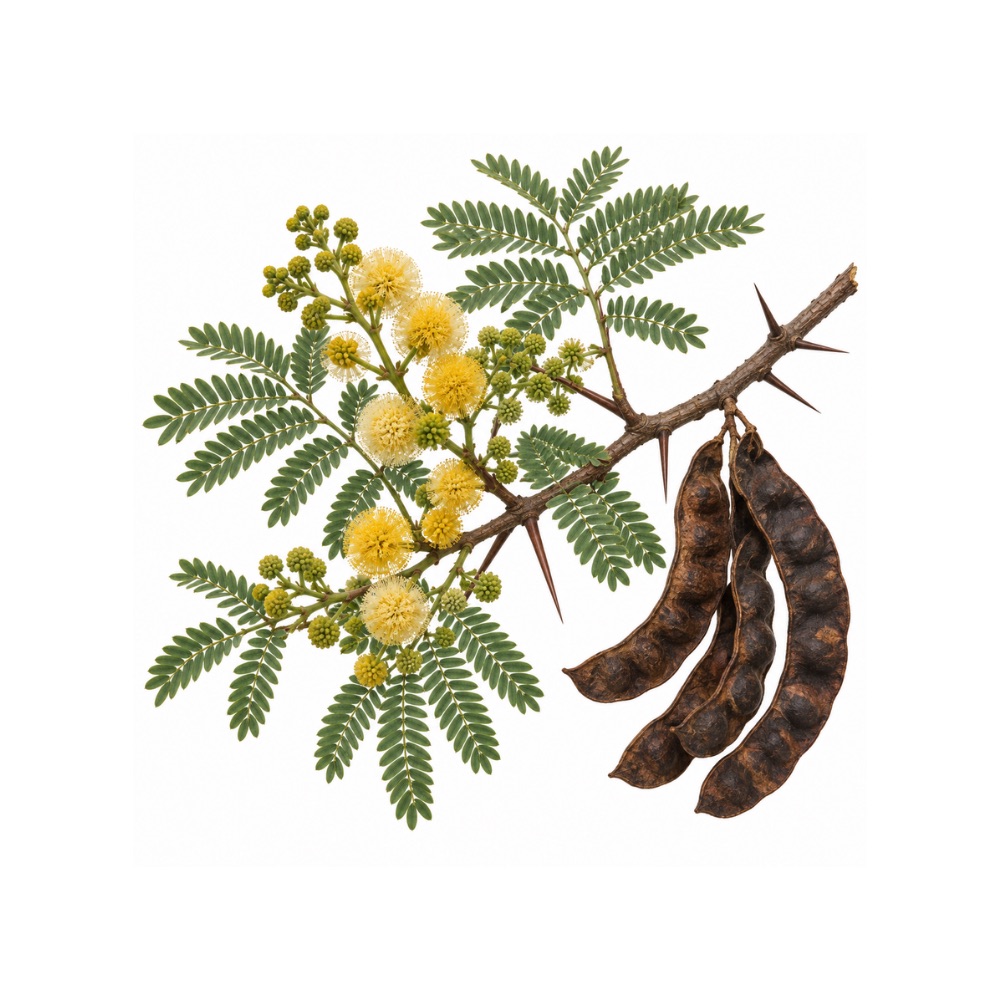 ModerateModerateBabulVachellia niloticaTannin-rich bark gargled for bleeding gums and taken for heavy periods; one gum-and-camphor suppository trial cut blood loss.Mechanismtannin protein precipitation on mucosa and open wounds; astringent tighteningRead the evidenceShow lessMonograph →
Babul is used both ways. Topically, a bark decoction is gargled for spongy or bleeding gums and used as a wound wash, and North Darfur fieldwork records the leaf and bark applied to stop bleeding 4,
Internally, it goes into Ayurvedic astringent formulas for raktapradara, excessive uterine bleeding, and Unani aqaqia is given for bleeding 4Reference 4ReviewThe Acacia (Vachellia nilotica (L.) P.J.HView study →. The hemostatic use rests on the condensed tannins, which make up 18–23% of the inner bark and precipitate proteins on contact 6Reference 6Vachellia nilotica — habit, range, habitat, cultivation and uses — species databaseView study →.
A double-dummy randomized trial (n=62) of a vaginal suppository of babul gum with camphor reported lower pictorial blood-loss scores in a comparison with oral tranexamic acid over three cycles 7Reference 7RCTEfficacy of a vaginal suppository formulation prepared with Acacia arabica (Lam.) Willd. gum and Cinnamomum camphora (L.) JView study →.
The trial tested the gum, not the bark, combined with camphor, so the effect cannot be credited to babul alone. It says nothing about the bark taken by mouth.
ModerateBeth RootTrillium erectumA leading Eclectic remedy for heavy uterine bleeding, taken internally; the use is historical and unmeasured.Mechanismastringent tightening of mucosa (traditional); mechanism not studiedRead the evidenceShow less
The Eclectic physicians counted beth root among their main remedies for heavy menstrual and uterine bleeding 8Reference 8Trillium.—BethrootView study →.
King’s American Dispensatory (1898) lists the rhizome for coughing up blood, blood in the urine and heavy, irregular uterine bleeding 8Reference 8Trillium.—BethrootView study →. Ellingwood gave a related species for cough with a tendency to bleed 9Reference 9TrilliumView study →, and the Cherokee took a rhizome infusion for heavy menstrual bleeding 10Reference 10Moerman, D. E. (n.d.). Trillium erectum L. Native American Ethnobotany Database, Botanical Research Institute of Texas (citing Hamel & Chiltoskey 1975; Rousseau 1945, 1947). http://naeb.brit.org/uses/species/4019/View study →.
It was taken internally as a strong infusion, powder or tincture 8Reference 8Trillium.—BethrootView study →.
No study has measured a hemostatic effect, and its steroidal-saponin chemistry does not explain one. The rhizome is acrid and saponin-rich: in quantity it can irritate the gut and cause vomiting, and it is avoided in pregnancy because it was used to promote labor.
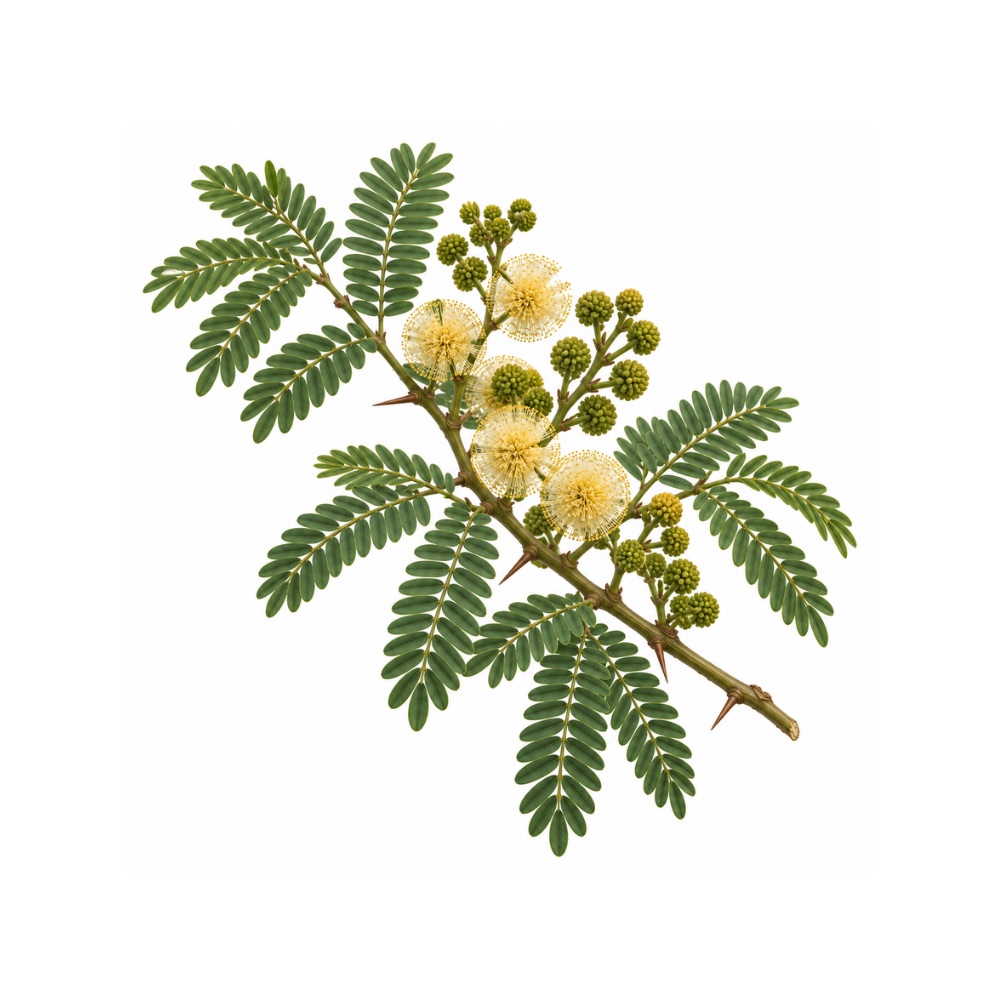 ModerateModerateCatechuSenegalia catechuA very tannin-rich extract dusted on bleeding wounds in Chinese medicine and used for bleeding gums and heavy periods.Mechanismtannin protein precipitation on mucosal surfaces; astringent tighteningRead the evidenceShow lessMonograph →
Catechu is boiled down from the heartwood. The extract is usually 55–60% tannins 11Reference 11Senegalia catechu — habit, range, habitat, cultivation, cutch and katha production — species databaseView study →, and its hemostatic use rests on their protein precipitation.
Its uses are both topical and internal. In Chinese medicine er cha is used mostly externally: it stops bleeding and is dusted onto bleeding wounds and sores 12Reference 12ReviewChinese Pharmacopoeia Commission.
In Ayurveda, khadiradi lozenges are held in the mouth for bleeding gums, and the extract is given internally in astringent formulas for excessive menstrual bleeding 13,
The one human result touching bleeding is a split-mouth periodontitis trial: a 1% gel lowered bleeding indices, but it was not consistently better than scaling alone 15Reference 15RCTA clinical and microbiological study to assess the efficacy of Acmella oleracea and Acacia catechu gels as local drug delivery in chronic periodontitis — randomised split-mouth controlled trialView study →.
Catechu is a very strong astringent with a clear tannin mechanism and long pharmacopoeial use, but no study has measured hemostasis directly.
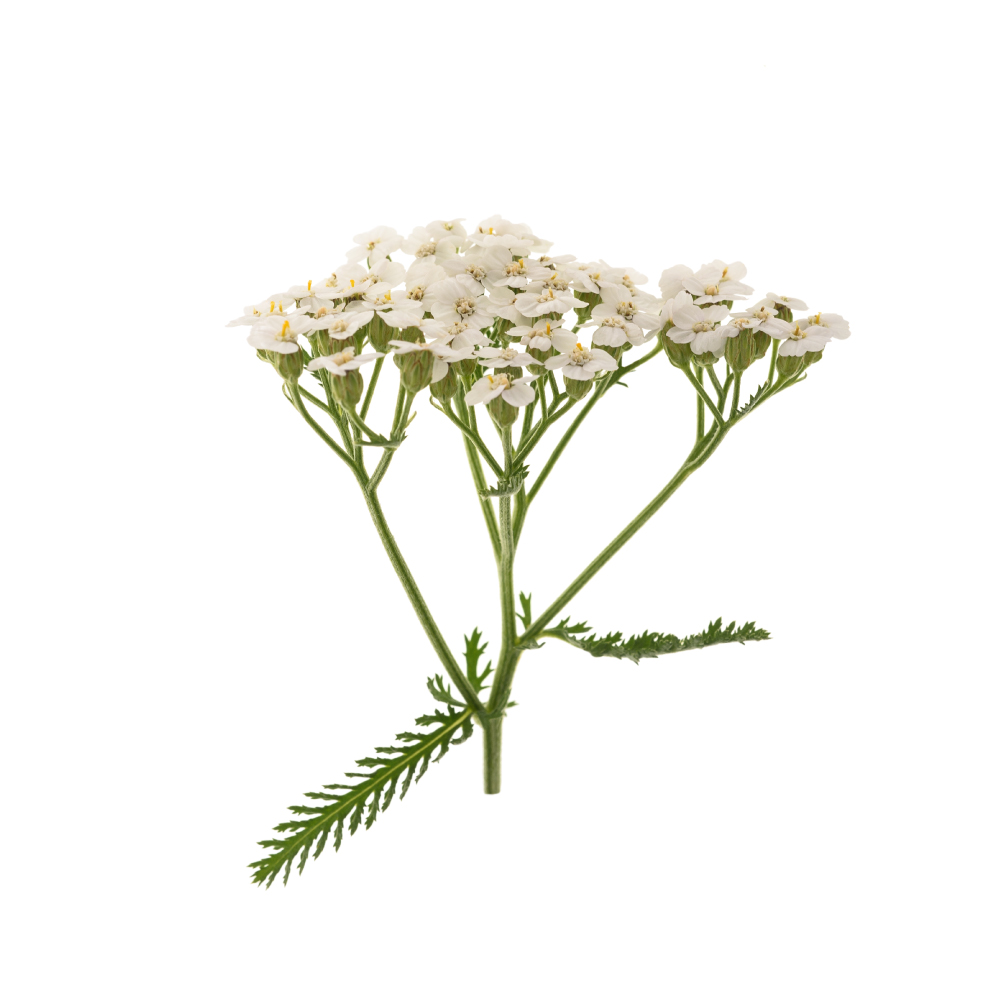 ModerateModerateYarrowAchillea millefoliumThe classic Western styptic, applied to wounds, nosebleeds and piles; its trials are on wound healing, not bleeding.Mechanismtraditional styptic use (drying and binding); mechanism not studiedRead the evidenceShow lessMonograph →
Yarrow has the strongest bleeding tradition in Western herbal medicine. It is classed first as a styptic and vulnerary, and Culpeper describes it as “drying and binding” 35Reference 35The Complete Guide to Aromatherapy (2nd ed.).
Its uses are mainly topical: the fresh or powdered herb on open wounds and nosebleeds, and an ointment or decoction for bleeding piles 36Reference 36YarrowView study →. Native American and Brazilian folk medicine also use it for bleeding 37,
Old names like nosebleed, staunchweed and soldier’s woundwort record the same use.
Its only relevant human trials are on wound healing, an episiotomy ointment and a chemotherapy mouthwash 39,
Yarrow is avoided in pregnancy, and it can cause dermatitis in people allergic to the daisy family.
Show 9 more herbs with a mild hemostatic action
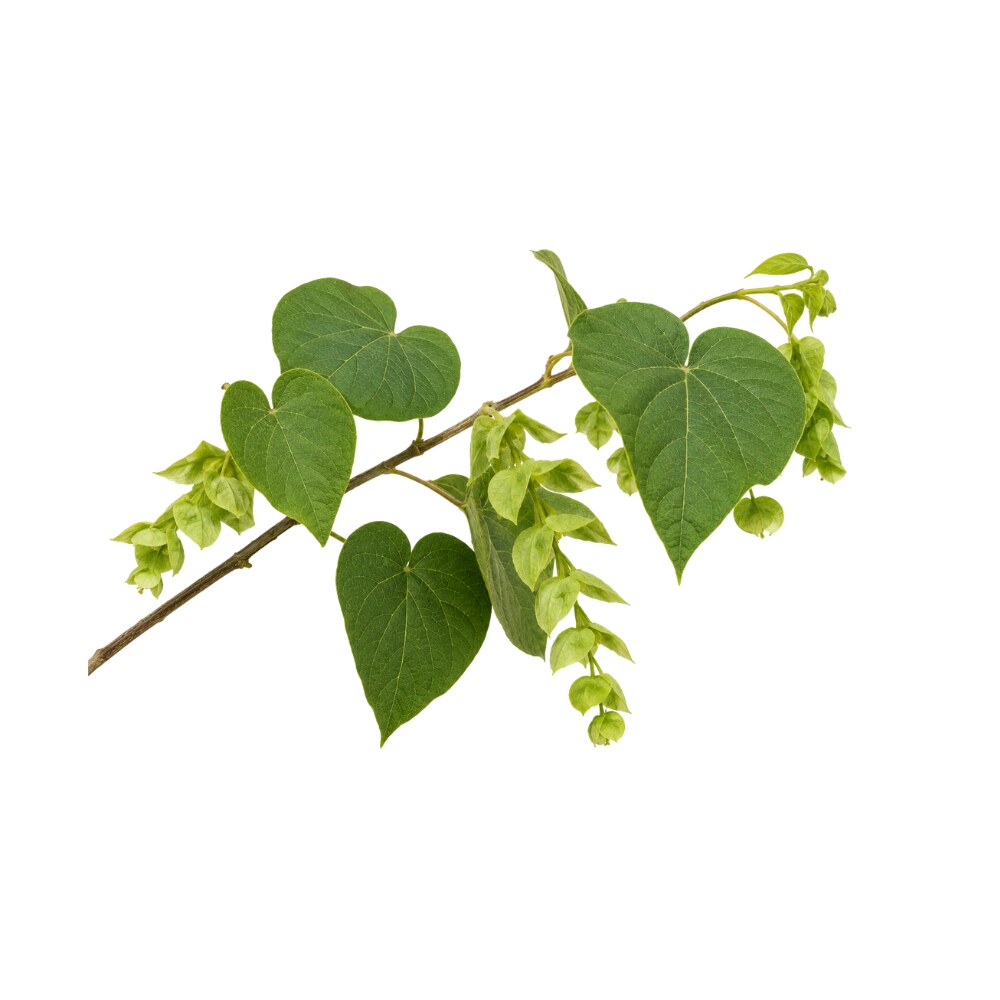 MildMildAbutaCissampelos pareiraThe Amazonian midwives' herb, taken to check bleeding after childbirth and heavy periods; traditional only.Mechanismtraditional uterine and wound use; mechanism not studiedRead the evidenceShow lessMonograph →
Abuta’s bleeding use is traditional and mainly internal. It is the Amazonian “midwives’ herb”: the vine or root is taken to stop uterine bleeding after childbirth and for heavy menstrual bleeding and uterine hemorrhage, and Kichwa communities drink a vine-and-bark tea for heavy periods 1Reference 1Abuta (Cissampelos pareira) — traditional uses by region and people, preparations, alkaloids and contraindications — ethnobotanical database, from The Healing Power of Rainforest Herbs, 2nd editionView study →.
Peruvian healers toast the seeds into a tea for internal and external bleeding 1Reference 1Abuta (Cissampelos pareira) — traditional uses by region and people, preparations, alkaloids and contraindications — ethnobotanical database, from The Healing Power of Rainforest Herbs, 2nd editionView study →. In Yunnan, where it is called xi sheng teng, it is a trauma herb taken internally and applied as a powder or poultice to stop bleeding 2Reference 2Cissampelos pareira var. hirsuta (Buchanan-Hamilton ex Candolle) Forman — genus and variety description, distribution and varieties — floraView study →.
No mechanism for this use is known, and its astringent chemistry has not been described. A dengue study found no adverse effect on platelet counts 3Reference 3In vitroCissampelos pareira Linn: Natural source of potent antiviral activity against all four dengue virus serotypes — in vitro and in vivo mouse modelView study →.
Abuta is avoided in pregnancy except under an experienced practitioner.
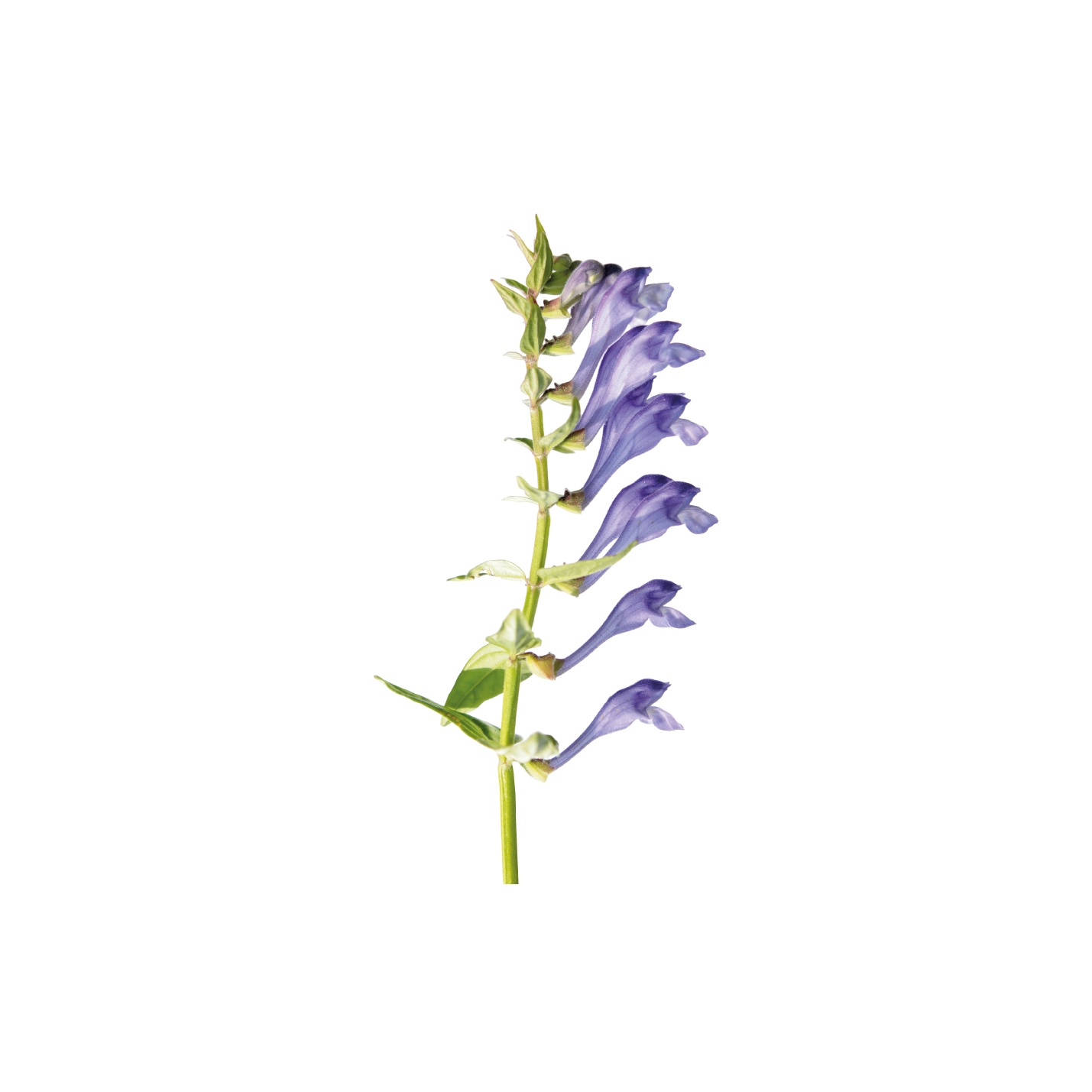 MildMildChinese SkullcapScutellaria baicalensisClassed in Chinese medicine as a root that stops bleeding, taken in formulas; the use is traditional and untested.Mechanismtraditional TCM stops bleeding; mechanism not studiedRead the evidenceShow lessMonograph →
In Chinese medicine huang qin, the dried root, is listed as stopping bleeding, alongside clearing heat 25,
It is taken internally, almost always as a decoction within a formula, for conditions that include coughing up blood 25,
The Tibetan wound use is of a different species, S. barbata, applied as juice 30Reference 30Herbal antivirals: Natural remedies for emerging resistant and epidemic viral infections.
The root flavonoids act on the COX and LOX pathways, which pulls the other way.
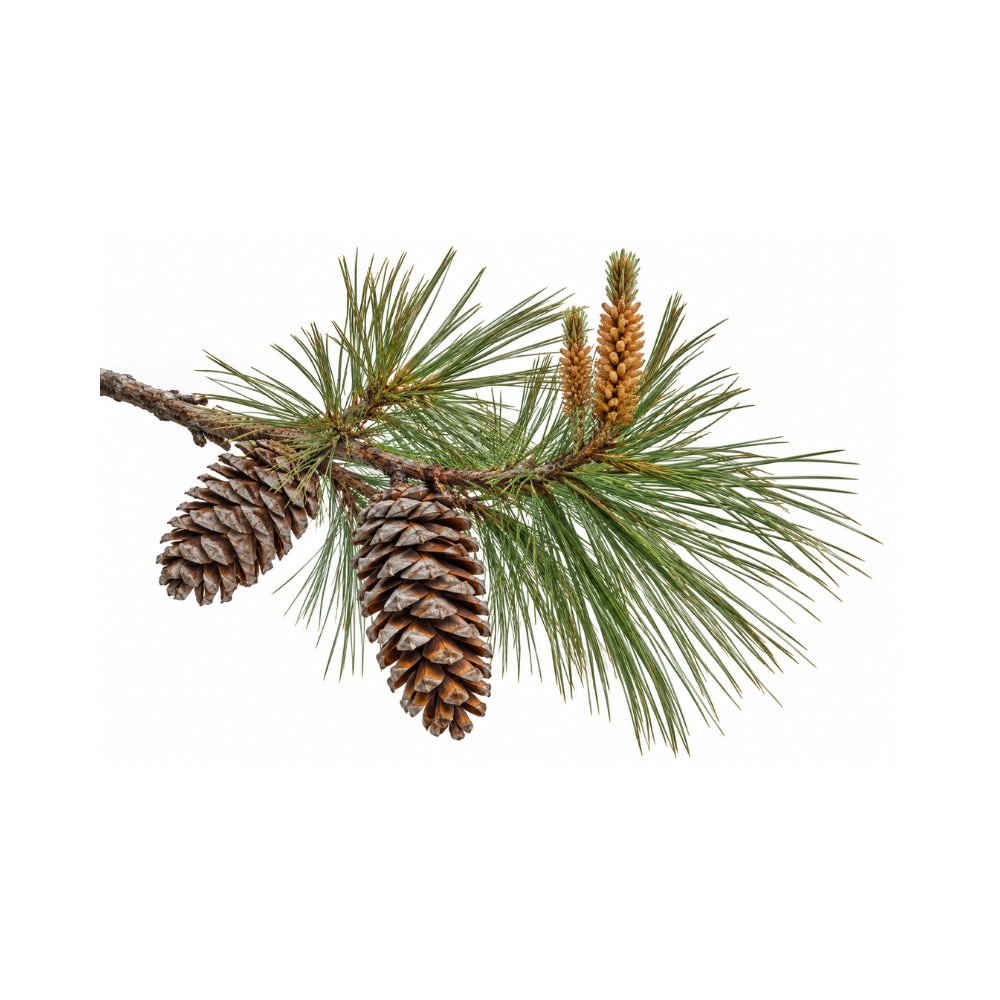 MildMildChir PinePinus roxburghiiAyurveda and Unani class the wood as hemostatic, for hemorrhage and coughing up blood.Mechanismtraditional Ayurvedic/Unani attribution; mechanism not studiedRead the evidenceShow lessMonograph →
The attribution comes from a single review, which lists hemostatic among a long run of the wood’s properties 16Reference 16ReviewEthnobotany and phytopharmacology of Pinus roxburghii Sargent: a plant review — reviewView study →.
No preparation or route for bleeding is recorded, and no research has addressed bleeding.
The resin’s wound use is a separate, topical vulnerary one 17Reference 17In vitroVolatile constituents of Pinus roxburghii from Nepal — analytical / in vitroView study →.
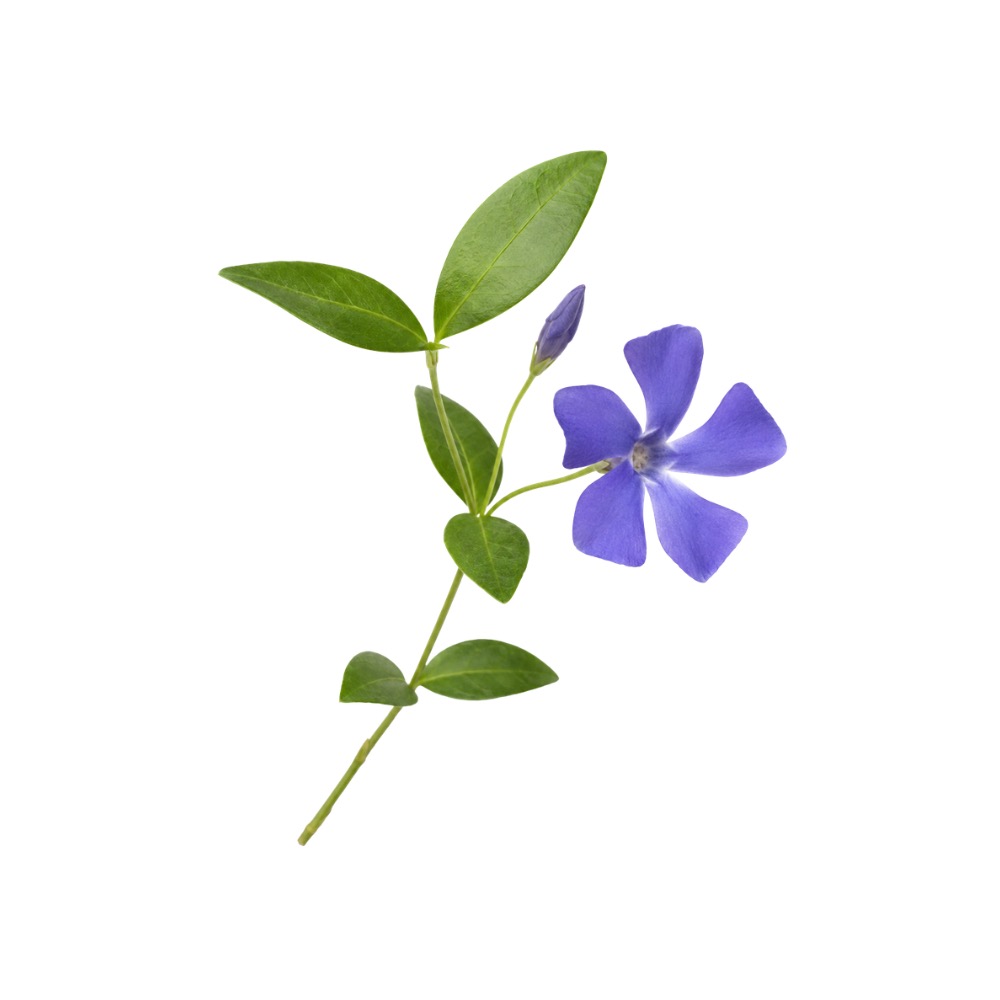 MildMildLesser PeriwinkleVinca minorAn old European astringent, chewed for nosebleeds, drunk as a tea and applied to bleeding piles.Mechanismtraditional astringent use; mechanism not studiedRead the evidenceShow lessMonograph →
Lesser periwinkle’s bleeding use is old European practice, both internal and topical, as recorded by Grieve 18Reference 18Periwinkles — traditional uses, history and preparations — herbal referenceView study →. Culpeper wrote that periwinkle stops bleeding at the mouth and nose when chewed, and that the small periwinkle can take the place of the greater 18Reference 18Periwinkles — traditional uses, history and preparations — herbal referenceView study →.
In domestic medicine a tea was drunk for bleeding and an ointment of the bruised leaves was applied to bleeding piles. A homeopathic tincture of the fresh leaves is given for internal bleeding 18Reference 18Periwinkles — traditional uses, history and preparations — herbal referenceView study →.
All of the plant’s research concerns the alkaloid vincamine and its derivatives, and none of it bears on bleeding. No astringent constituent has been named.
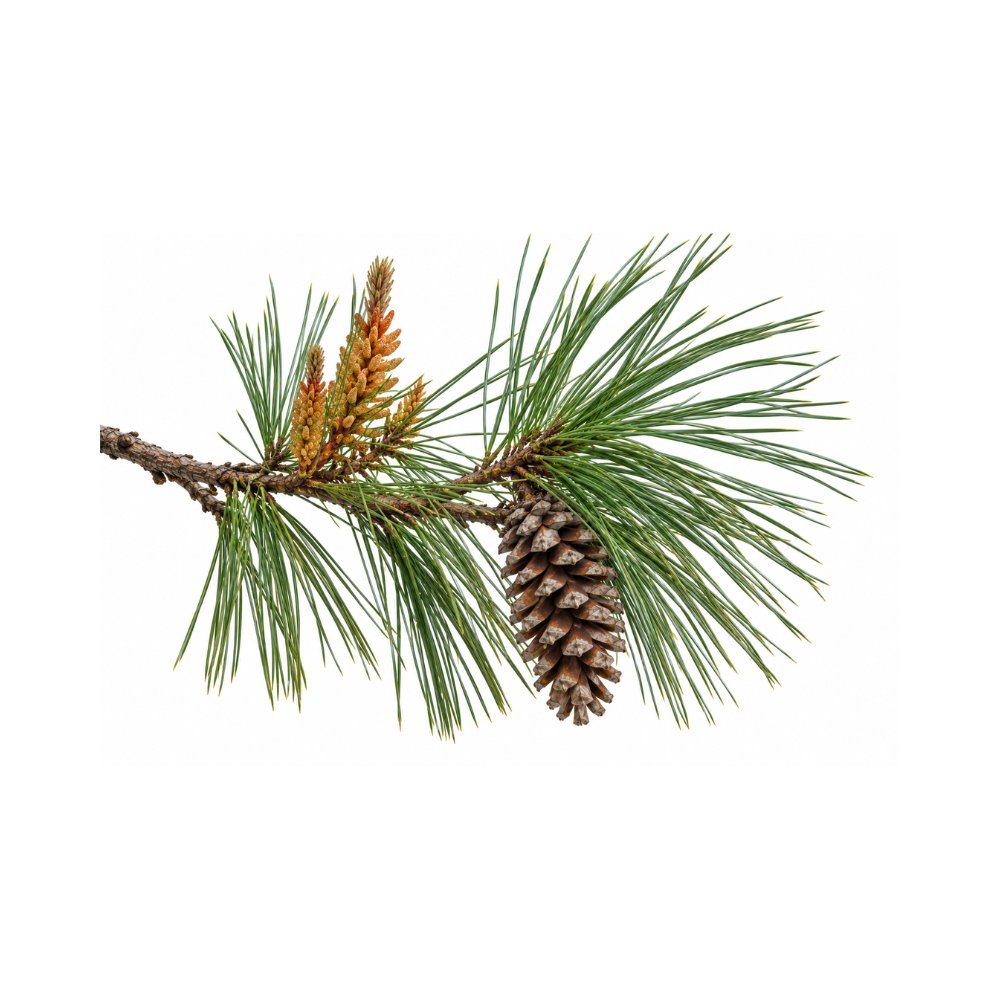 MildMildMasson PinePinus massonianaPine pollen is dusted onto bleeding wounds in Chinese medicine; the skin trials measured healing, not bleeding.Mechanismtraditional astringent dusting powder; mechanism not studiedRead the evidenceShow lessMonograph →
The hemostatic use belongs to the pollen only, song hua fen, and it is topical. The Chinese Pharmacopoeia lists its actions as astringing and stopping bleeding, and it is dusted onto bleeding wounds and onto weeping, eroded skin 19Reference 19ReviewChinese Pharmacopoeia Commission (2015). 松花粉 Songhuafen (Pini Pollen) — monograph: source species (Pinus massoniana, P. tabuliformis or several other pines), taste, channels, actions, indications and external use. Pharmacopoeia of the People’s Republic of China, 2015 ed., Vol. I, p. 205. https://www.drugfuture.com/Pharmacopoeia/CP2015-1/205-206.pdfView study →.
Li Shizhen also recorded that it stops bleeding 20Reference 20Clinical trialThe potential effects and use of Chinese herbal medicine pine pollen (Pinus pollen): a bibliometric analysis of pharmacological and clinical studies — bibliometric review of 239 publications, inclView study →. The 37 Chinese clinical studies of topical pollen concern bedsores, diaper dermatitis, eczema and mucositis, not bleeding 20Reference 20Clinical trialThe potential effects and use of Chinese herbal medicine pine pollen (Pinus pollen): a bibliometric analysis of pharmacological and clinical studies — bibliometric review of 239 publications, inclView study →.
The dusting powder has not been studied at the level of a molecular target, and no bleeding outcome has been measured.
The bark and its proanthocyanidin extract do not carry this use.
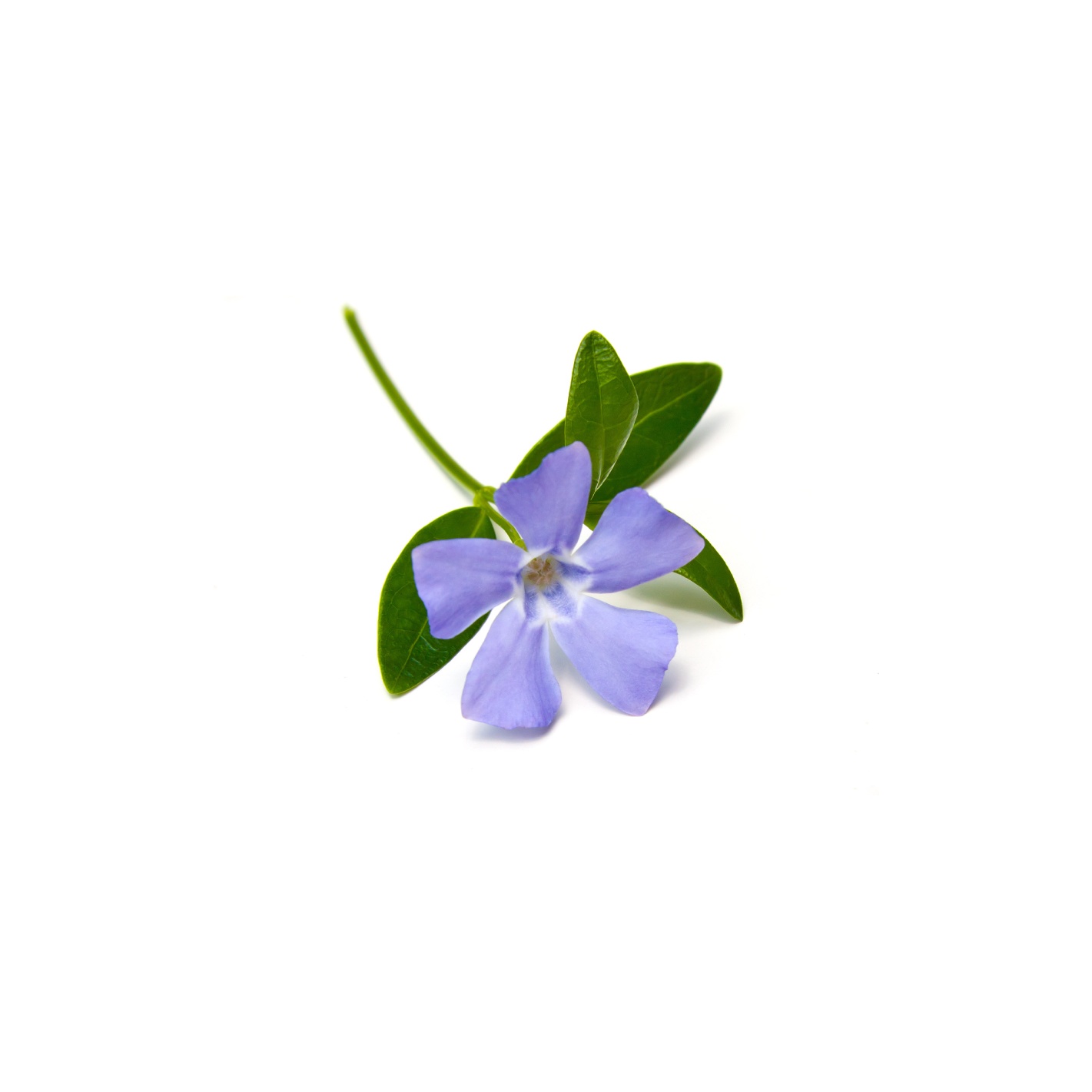 MildMildPeriwinkleVinca majorAn old European astringent taken for heavy menstrual bleeding; the use is traditional and untested.Mechanismtraditional astringent use (tannins); mechanism not studiedRead the evidenceShow lessMonograph →
Greater periwinkle was the more widely used periwinkle in European herbal medicine. It was taken internally as an astringent and tonic for menorrhagia and other bleeding, and made into an ointment for piles 18Reference 18Periwinkles — traditional uses, history and preparations — herbal referenceView study →.
Its astringency is attributed to tannins, though their amount is not recorded. No study has looked at bleeding.
The research is on alkaloids, mostly from the other species, Vinca minor.
MildRed LotusNymphaea rubraA folk astringent for nosebleed, piles and heavy periods; no study has tested it.Mechanismastringent folk use; mechanism not studiedRead the evidenceShow less
The rhizome paste is used for piles and nosebleed, and flower preparations are taken for heavy menstrual bleeding 21,
The support is ethnobotanical only. No research has measured its effect on bleeding or clotting.
Red lotus is avoided in pregnancy.
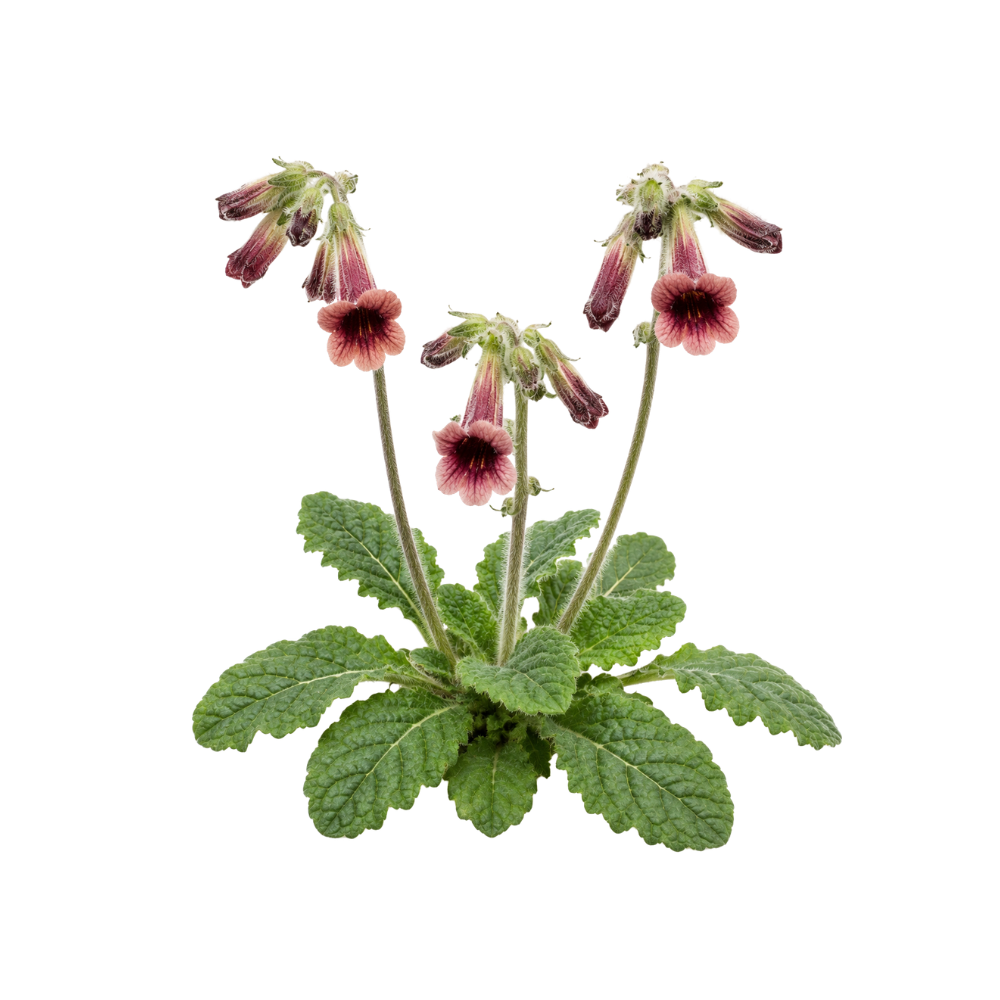 MildMildRehmanniaRehmannia glutinosaThe uncured root is a classical Chinese remedy for bleeding from heat in the blood; traditional, with no bleeding studies.Mechanismtraditional TCM cools the blood; mechanism not studiedRead the evidenceShow lessMonograph →
The hemostatic use belongs to the uncured root, sheng di huang, taken internally in formulas. Chinese medicine uses it as a hemostatic that removes heat from the blood, for bleeding from heat in the blood 24Reference 24Principles and Practice of Phytotherapy (2nd ed.).
The prepared root is used for metrorrhagia within its role in regulating menstruation 24Reference 24Principles and Practice of Phytotherapy (2nd ed.). No coagulation, platelet or bleeding-time work has been done, and its blood-related research covers blood formation (hematopoietic), not stopping bleeding.
Curing changes the chemistry, so uncured and prepared root are not interchangeable.
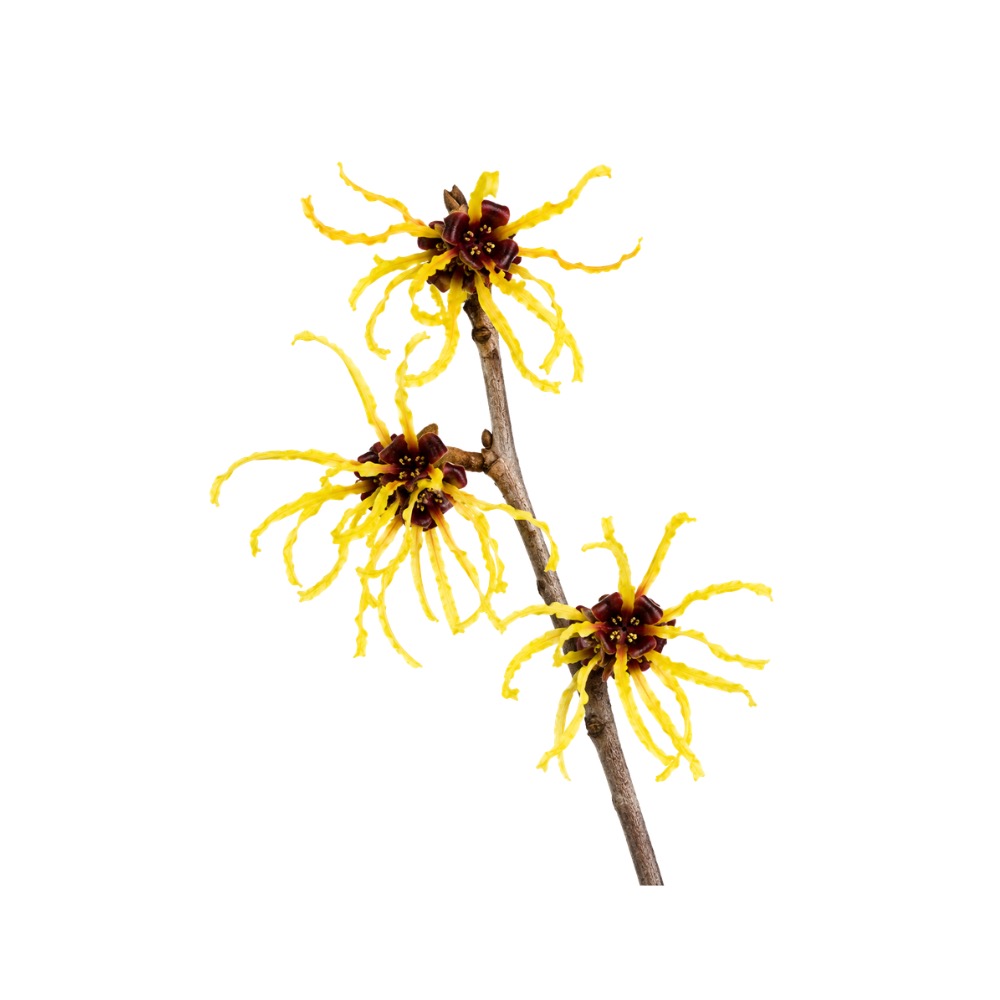 MildMildWitch HazelHamamelis virginianaA tannin-rich bark applied to minor surface bleeding, such as shaving nicks, abrasions and bleeding piles.Mechanismtannin–protein precipitation at the capillary surface; transient small-vessel constrictionRead the evidenceShow lessMonograph →
Its tannins precipitate proteins at the capillary surface, the same chemistry behind its astringent use. “Minor bleeding” appears in its pharmacopoeial indications 31,
The effect is confined to superficial capillary ooze. No hemostatic study exists, and no bleeding endpoint has been measured.
Witch hazel is used topically only, with no support for internal or significant bleeding. The tannin-free retail distillate does not carry this action 33,
No herbs match these filters.
Safety
Bleeding is a symptom, and the first job is to find its cause.
- Get assessed for heavy or irregular periods, blood in the urine or stool, coughing up blood, or any bleeding without an obvious reason. A herb that slows it can hide what is behind it.
- Some herbs here pull the other way as well. Babul pod extract blocks platelet aggregation in the lab, and Chinese skullcap’s flavonoids act on COX and LOX — take care with anticoagulant or antiplatelet drugs.
- Tannins bind iron and medicines. Babul and catechu taken internally are best kept to short courses, apart from other drugs.
- Surface astringents stay on the surface. A tannin wash or powder for a cut or bleeding gums is no basis for taking the same herb for internal bleeding.
- Many uterine hemostatics are avoided in pregnancy. Several of the same roots were also used to promote labor.
References
- Taylor, L. (2025). Abuta (Cissampelos pareira) — traditional uses by region and people, preparations, alkaloids and contraindications — ethnobotanical database, from The Healing Power of Rainforest Herbs, 2nd edition. Raintree Tropical Plant Database. https://rain-tree.com/abuta.htm
- Hu, Q., Luo, X., Chen, T., & Gilbert, M. G. (2008). Cissampelos pareira var. hirsuta (Buchanan-Hamilton ex Candolle) Forman — genus and variety description, distribution and varieties — flora. In Wu, Z. Y., & Raven, P. H. (eds.), Flora of China, Vol. 7. http://www.efloras.org/florataxon.aspx?flora_id=2&taxon_id=242313190
- Sood, R., et al. (2015). Cissampelos pareira Linn: Natural source of potent antiviral activity against all four dengue virus serotypes — in vitro and in vivo mouse model. PLoS Neglected Tropical Diseases. https://pubmed.ncbi.nlm.nih.gov/26709822/
- Hafez, L. O. (2024). The Acacia (Vachellia nilotica (L.) P.J.H. Hurter & Mabb.): traditional uses and recent advances on its pharmacological attributes and potential activities — review. Nutrients. https://pubmed.ncbi.nlm.nih.gov/39770900/
- Muhakr, M. A. Y. M. (2024). Ethnobotanical study on medicinal plants in Melit area (North Darfur), Western Sudan — ethnobotanical survey. J Ethnobiol Ethnomed. https://pubmed.ncbi.nlm.nih.gov/38172804/
- Fern, K. (2024). Vachellia nilotica — habit, range, habitat, cultivation and uses — species database. Useful Tropical Plants Database. https://tropical.theferns.info/viewtropical.php?id=Vachellia+nilotica
- Fazmiya, M. J. A. (2024). Efficacy of a vaginal suppository formulation prepared with Acacia arabica (Lam.) Willd. gum and Cinnamomum camphora (L.) J. Presl. in heavy menstrual bleeding analyzed using a machine learning technique — randomised controlled trial. Front Pharmacol. https://pubmed.ncbi.nlm.nih.gov/38410133/
- Felter, H. W., & Lloyd, J. U. (1898). Trillium.—Bethroot. In King’s American Dispensatory. Henriette’s Herbal Homepage. https://www.henriettes-herb.com/eclectic/kings/trillium.html
- Ellingwood, F. (1919). Trillium. In The American Materia Medica, Therapeutics and Pharmacognosy. Henriette’s Herbal Homepage. https://www.henriettes-herb.com/eclectic/ellingwood/trillium.html
- Moerman, D. E. (n.d.). Trillium erectum L. Native American Ethnobotany Database, Botanical Research Institute of Texas (citing Hamel & Chiltoskey 1975; Rousseau 1945, 1947). http://naeb.brit.org/uses/species/4019/
- Fern, K. (2024). Senegalia catechu — habit, range, habitat, cultivation, cutch and katha production — species database. Useful Tropical Plants Database. https://tropical.theferns.info/viewtropical.php?id=Senegalia+catechu
- Pharmacopoeia of the People’s Republic of China — Er Cha (Catechu) monograph. Chinese Pharmacopoeia Commission.
- Kunwar, R. M., Shrestha, K. P., & Bussmann, R. W. (2010). Traditional herbal medicine in far-west Nepal: a pharmacological appraisal — ethnobotanical review. J Ethnobiol Ethnomed. https://pubmed.ncbi.nlm.nih.gov/21144003/
- The Ayurvedic Pharmacopoeia of India, Part I — Khadira (Acacia catechu Willd., heartwood) monograph. Ministry of Health & Family Welfare, Government of India.
- Verma, K., Dhruvakumar, D., & Pande, M. (2022). A clinical and microbiological study to assess the efficacy of Acmella oleracea and Acacia catechu gels as local drug delivery in chronic periodontitis — randomised split-mouth controlled trial. J Indian Soc Periodontol. https://pubmed.ncbi.nlm.nih.gov/35602538/
- Kaushik, P., Kaushik, D., & Khokra, S. L. (2013). Ethnobotany and phytopharmacology of Pinus roxburghii Sargent: a plant review — review. Journal of Integrative Medicine, 11(6), 371–376. https://pubmed.ncbi.nlm.nih.gov/24299601/
- Satyal, P., Paudel, P., Raut, J., et al. (2013). Volatile constituents of Pinus roxburghii from Nepal — analytical / in vitro. Pharmacognosy Research, 5(1), 43–48. https://pubmed.ncbi.nlm.nih.gov/23598924/
- Grieve, M. (1931). Periwinkles — traditional uses, history and preparations — herbal reference. A Modern Herbal. https://botanical.com/botanical/mgmh/p/periwi27.html
- Chinese Pharmacopoeia Commission (2015). 松花粉 Songhuafen (Pini Pollen) — monograph: source species (Pinus massoniana, P. tabuliformis or several other pines), taste, channels, actions, indications and external use. Pharmacopoeia of the People’s Republic of China, 2015 ed., Vol. I, p. 205. https://www.drugfuture.com/Pharmacopoeia/CP2015-1/205-206.pdf
- Liang, S. B., Liang, N., Bu, F. L., Lai, B. Y., & Zhang, Y. P. (2020). The potential effects and use of Chinese herbal medicine pine pollen (Pinus pollen): a bibliometric analysis of pharmacological and clinical studies — bibliometric review of 239 publications, incl. 37 clinical trials. World Journal of Traditional Chinese Medicine, 6(2), 163–170. https://pubmed.ncbi.nlm.nih.gov/34327226/
- Kumar K, Sharma S, Kumar A, et al. (2017). Acute and sub-acute toxicological evaluation of lyophilized Nymphaea × rubra Roxb. ex Andrews rhizome extract — animal study. RETRACTED. Regulatory Toxicology and Pharmacology, 88, 12–21. https://pubmed.ncbi.nlm.nih.gov/28414041/
- Kamdem BP, Kamto ELD, Aboubakar, Pegnyemb DE, Igne FE (2022). Ethnomedicinal uses, phytochemistry, pharmacology, and toxicity of the genus Nymphaea L.: a review. Current Bioactive Compounds, 18(8). https://doi.org/10.2174/1573407218666220111110352
- Sahu A, Dash S, Mohanty KP, Swain NBL, Ojha S, Nayak RK (2026). Taxonomy, diversity, ethnobotany and phytochemical properties of family Nymphaeaceae Salisb. of Odisha, India — ethnobotanical survey. Genetic Resources and Crop Evolution, 73(2). https://doi.org/10.1007/s10722-026-02735-6
- Bone K, Mills S. (2013). Principles and Practice of Phytotherapy (2nd ed.). Churchill Livingstone/Elsevier (Rehmannia, pp. 799–803).
- Bone, K. (2003). A clinical guide to blending liquid herbs: Herbal formulations for the individual patient. Edinburgh [u.a.: Churchill Livingstone. (Pg. 83-85)
- Yang, J., Huang, H., Zhu, Li-Jiang, & Chen, Y. (2013). Introduction to chinese materia medica (3rd ed.). (Pg 96-98).
- Wu, J. N. (2005). An illustrated Chinese materia medica. New York: Oxford University Press.(Pg. 582-583).
- Wang, Z. L., Wang, S., Kuang, Y., Hu, Z. M., Qiao, X., & Ye, M. (2018). A comprehensive review on phytochemistry, pharmacology, and flavonoid biosynthesis of Scutellaria baicalensis. Pharmaceutical Biology, 56(1), 465-484. doi:10.1080/13880209.2018.1492620
- Barnes, J., Anderson, L. A., & Phillipson, J. D. (2007). Herbal medicines (3rd ed.). London, United Kingdom: Pharmaceutical Press.
- Buhner, S. H. (2013). Herbal antivirals: Natural remedies for emerging resistant and epidemic viral infections. MA: Storey Publishing. (Pg. 125-143).
- Dauer A, Rimpler H, Hensel A (2003). Polymeric proanthocyanidins from the bark of Hamamelis virginiana — phytochemical analysis. Planta Med. https://pubmed.ncbi.nlm.nih.gov/12567291/
- European Medicines Agency, Committee on Herbal Medicinal Products (HMPC). Community herbal monograph on Hamamelis virginiana L., cortex / folium — regulatory monograph (traditional-use registration for minor skin inflammation, haemorrhoids and minor injury). Available via the EMA herbal medicinal products portal (ema.europa.eu). Regulatory status also summarised in ref [1].
- Wójciak M, Pacuła W, Sowa I, Feldo M, Graczyk F, Załuski D. (2025). Hamamelis virginiana L. in skin care: a review of its pharmacological properties and cosmetological applications — review. Molecules. https://pubmed.ncbi.nlm.nih.gov/40649262/
- Skowrońska W, Granica S, Piwowarski JP, et al. (2025). Chemical composition, skin microbiota metabolism, antimicrobial potential and anti-inflammatory properties of witch hazel bark (Hamamelis virginiana L.) — in vitro/ex vivo. J Ethnopharmacol. https://pubmed.ncbi.nlm.nih.gov/40819781/
- Battaglia S. (2003). The Complete Guide to Aromatherapy (2nd ed.). Brisbane, Australia: The International Centre of Holistic Aromatherapy. (Pg 276-277).
- A Modern Herbal (Grieve M). (1931). Yarrow. Retrieved from http://www.botanical.com/botanical/mgmh/y/yarrow02.html
- Cavalcanti AM, et al. (2006). Safety and antiulcer efficacy studies of Achillea millefolium L. after chronic treatment in Wistar rats — [rat in vivo]. J Ethnopharmacol. https://pubmed.ncbi.nlm.nih.gov/16647233/
- Trock, D. K. (2006). Achillea. In Flora of North America Editorial Committee (Eds.), Flora of North America North of Mexico, Vol. 19: Asteraceae, part 1 (family treatment by Barkley, T. M., Brouillet, L., & Strother, J. L.). New York and Oxford: Oxford University Press. http://www.efloras.org/florataxon.aspx?flora_id=1&taxon_id=100191
- Hajhashemi M, et al. (2018). The effect of Achillea millefolium and Hypericum perforatum ointments on episiotomy wound healing in primiparous women — [double-blind randomised]. J Matern Fetal Neonatal Med. https://pubmed.ncbi.nlm.nih.gov/28027682/
- Miranzadeh S, et al. (2015). Effect of adding the herb Achillea millefolium on mouthwash on chemotherapy induced oral mucositis in cancer patients: a double-blind randomized controlled trial — [double-blind randomised]. Eur J Oncol Nurs. https://pubmed.ncbi.nlm.nih.gov/25667123/
Keep Exploring