

Overview
Oneirogenic at a Glance
Oneirogenic herbs are plants used to produce vivid, memorable, or lucid dreams.
The difficult part is separating changes in dreaming from changes in dream recall.
Dreams are easily forgotten unless a person wakes during or shortly after them, so anything that lightens or fragments sleep can make dreams seem more frequent or vivid without necessarily changing the dream itself.
Calea zacatechichi is the clearest example.
In a sleep-laboratory study, it produced lighter sleep and more spontaneous awakenings alongside more vivid dream reports, suggesting that at least part of its effect comes from improved recall rather than increased dream generation.
Other oneirogens have clearer central pharmacology but much less sleep research.
Fly agaric acts mainly through GABA-A signalling, while Syrian rue alters monoamine activity through MAO inhibition.
Mugwort, blue lotus, sinicuichi, and African dream herb rely much more heavily on traditional or ethnographic use.
Oneirogens have a long history in ceremonial and folk practices concerned with dream recall, divination, lucid dreaming, and receiving information through dreams.
Dreaming has been worked with deliberately in several traditions.
The Chontal of Oaxaca take calea as thle-pela-kano, the leaf of god, to receive answers in sleep.
Xhosa diviners use ubulawu preparations for ancestor dreams, and European folk practice put mugwort under the pillow.
African dream herb, blue lotus, sinicuichi and mugwort carry the action entirely on that record — no dream study, no sleep study and no candidate molecule between them.
Caution
Vivid dreams cost deep sleep — the dream effect is generally bought by lightening or fragmenting sleep, so expect a groggy morning and space these herbs rather than taking them nightly.
Nightmares and sleep paralysis — these are common across the category and land hardest on people with PTSD, an anxiety disorder or a psychosis history.
MAO inhibitors clash with antidepressants — an MAO-inhibiting dream herb must not be combined with SSRIs, SNRIs, other MAO inhibitors, triptans, tramadol, dextromethorphan or stimulants, and carries food interactions too.
Mechanisms
How It Works
01
Sleep Fragmentation and Recall
Lighter, more interrupted sleep raises the chance of waking during a dream, which is what makes the dream memorable.
This is the only mechanism in the category with a measurement behind it. Calea reduced REM, increased light N1 sleep and increased spontaneous awakenings in a placebo-controlled sleep-lab study, alongside more and more vivid dream reports.
The effect is architectural rather than molecular. No receptor, transmitter or single active constituent has been identified for calea, and the effect is presumed to come from many compounds acting together.
The trade is real: this route buys remembered dreaming at the cost of deep restorative sleep, which is why calea is generally spaced to once or twice a week rather than taken nightly.
Herbs: Calea zacatechichi
02
GABA-A Agonism
Direct agonism at the GABA-A receptor produces deep, unmodulated inhibition.
Fly agaric’s muscimol is the example, and the sleep effects reported for it are the strongest in the category.
Low doses bring vivid and bizarre dreams, higher doses hold the most intense imagery back until sleep begins, and altered dreams are reported for days afterwards.
The step from GABA-A agonism to dream content is not established. No sleep laboratory, EEG study or dream-recall instrument has ever been applied to the mushroom.
Herbs: Fly Agaric
Key compounds: Muscimol
03
Monoamine Tone During Sleep
Reversible inhibition of monoamine oxidase A raises monoamine levels, including through the night.
Harmaline is oneirogenic specifically at the higher end of its dose range, where the subjective effect is closer to vivid dreaming and hypnagogic imagery than to a classical psychedelic state.
It has modest psychoactivity of its own on top of the enzyme inhibition.
The mechanism is well characterised against the human enzyme; the dream effect is not measured at all.
The dose problem is acute here, because the oneirogenic dose is the higher one and the margin to emesis is narrow.
Herbs: Syrian Rue
04
Unmeasured Traditional Routes
Four of the eight herbs have a dream reputation and no identified mechanism.
African dream herb is named for the action and no candidate molecule has been proposed for it.
Blue lotus offers only sedation, which eases the transition into sleep rather than changing what happens in it.
Sinicuichi and mugwort rest on ethnographic and folk report alone.
An untested traditional claim is not the same as a tested one that failed, and this group has not been tested.
Materia Medica
Oneirogenic Herbs by Potency
The oneirogenic herbs, ordered by the relative strength of the effect rather than by how well studied it is. Each herb is described by the mechanism behind its effect and the evidence for it.
None of this is a substitute for professional care.
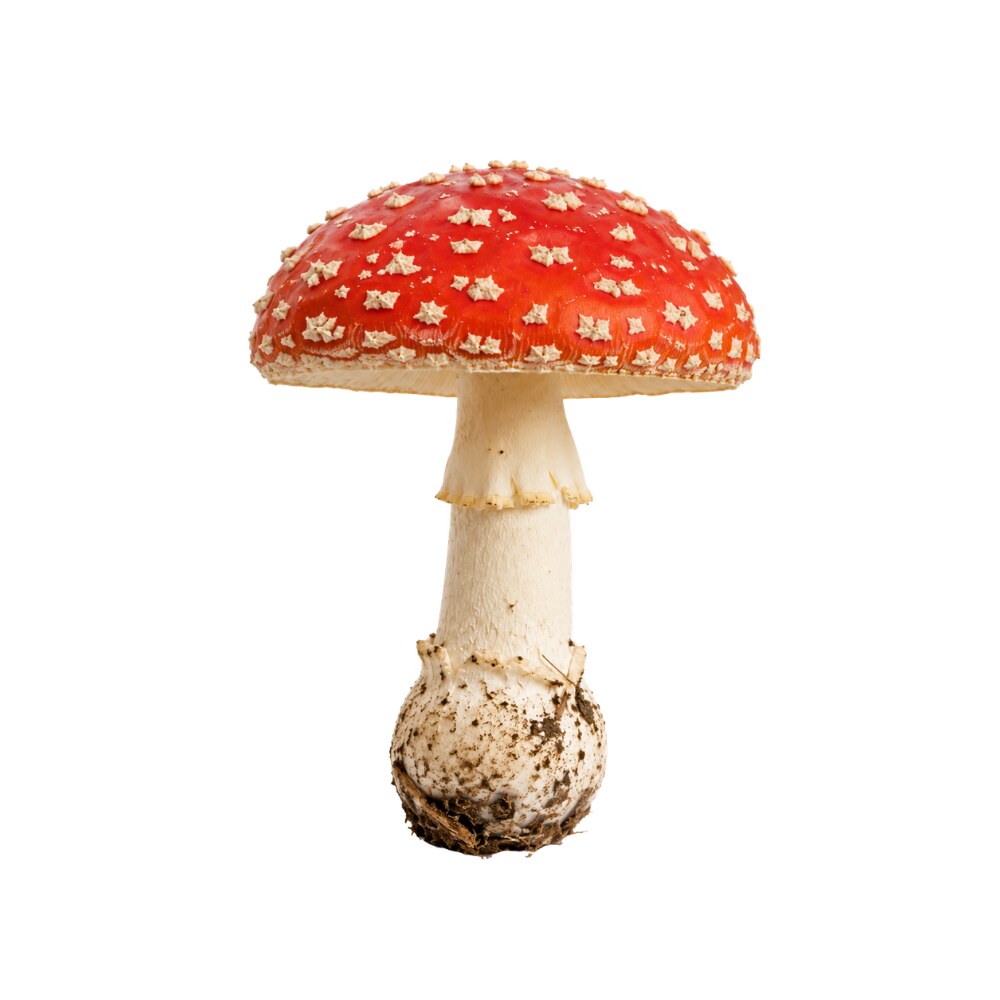 PotentPotentFly AgaricAmanita muscariaThe strongest dream effects reported for any plant or fungus, on user report alone, and the dreams are often unpleasant.MechanismGABA-A receptor agonism (muscimol); the sleep-stage route from GABA-A agonism to dream content is not establishedRead the evidenceShow lessMonograph →
Fly agaric’s hallmark is its effect on sleep and dreaming rather than on waking perception. Low doses are reported to produce unusually vivid, bizarre and sometimes lucid dreams; at higher doses the most intense imagery arrives only after the user falls asleep; and altered dreams are reported for days afterwards, an unusually long tail.
Waking effects are distortions of size and time — objects seeming to grow or shrink — rather than the structured visuals of a classical psychedelic 2Reference 2Pharmacological and experimental-psychological studies with two components of fly agaric (Amanita muscaria) — early human pharmacological characterisation of muscimol and ibotenic acidView study →.
The evidence is report rather than measurement. No sleep laboratory, EEG, dream-recall instrument or animal sleep model has been applied to it, so the step from GABA-A agonism to dream content is unspecified.
The dreams are frequently described as chaotic, hard to interpret and not always pleasant, and most people who try the mushroom for the experience do not try it again.
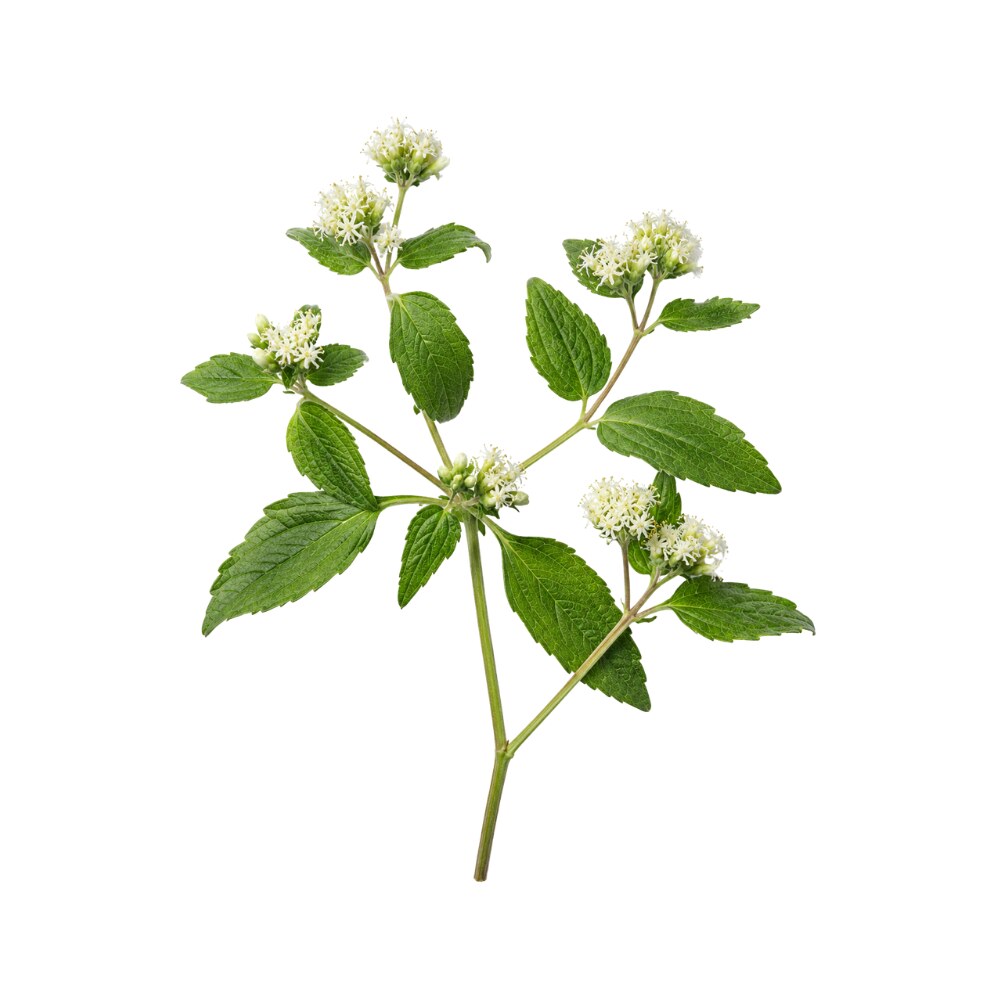 StrongStrongCalea zacatechichiCalea ternifoliaThe reference dream herb, and the only one with a placebo-controlled sleep-lab study behind it.Mechanismnot established — no receptor target identified; the observed level of action is sleep architecture (REM ↓, light N1 ↑, spontaneous awakenings ↑)Read the evidenceShow lessMonograph →
Mayagoitia and colleagues found calea increased the number and self-rated vividness of dream recollections, produced measurable EEG changes, and shifted the night toward lighter sleep with more frequent brief awakenings 1Reference 1RCTPsychopharmacologic analysis of an alleged oneirogenic plant: Calea zacatechichi — double-blind, placebo-controlled human nap studyView study →.
The mechanism is not understood. No receptor, transmitter system or single active ingredient has been identified, and the effect is presumed to come from many constituents acting together.
The best available explanation is architectural: more time in light N1 sleep, which sits nearer waking consciousness, plausibly yields dreams that are both more lucid and more recallable.
One small, forty-year-old and unreplicated study is the entire clinical evidence base for calea, and for the action as a whole. Everything else is Chontal ethnographic report.
Route matters. Traditionally the leaf is smoked and followed with a bitter tea, often together rather than as alternatives, and the threshold is real — dreams rarely change below about 1 g, with most people needing 2 g or more.
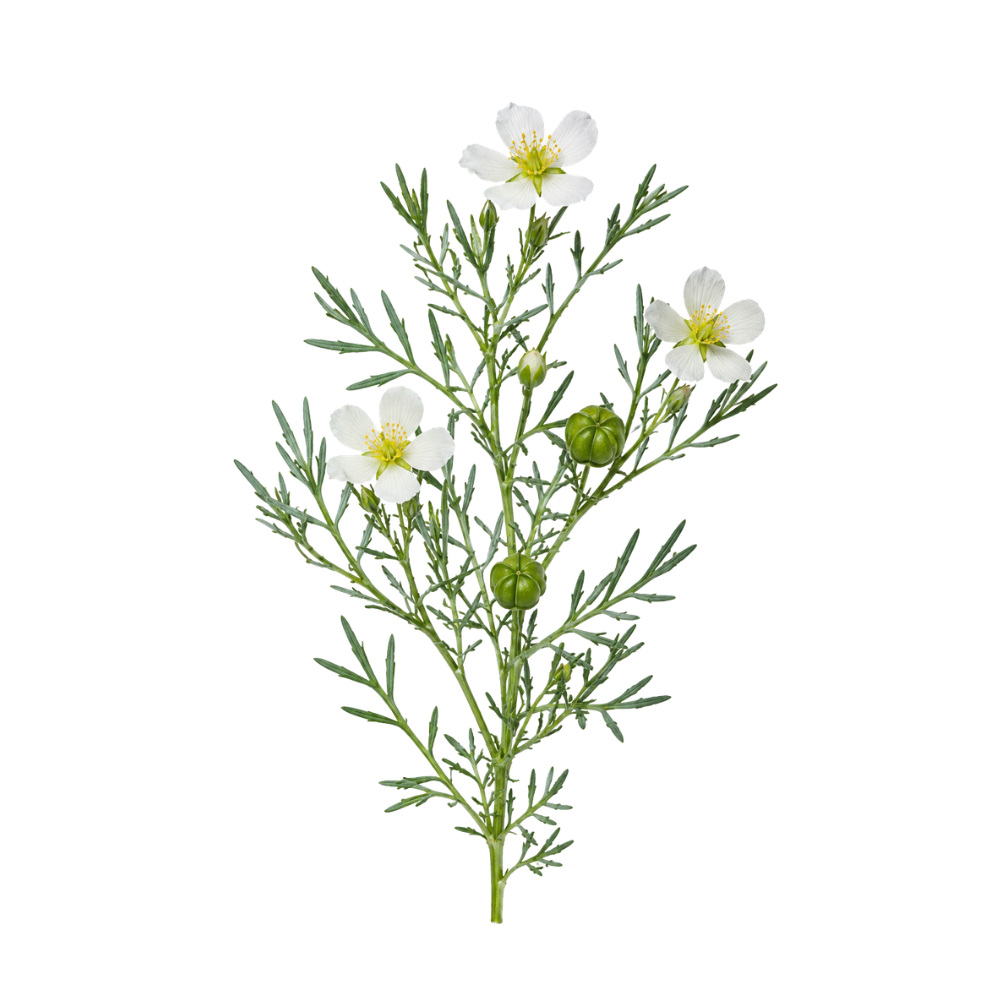 ModerateModerateSyrian RuePeganum harmalaHarmaline is oneirogenic at the higher end of its dose range, where the effect turns toward vivid dreaming and hypnagogic imagery.Mechanismharmaline-driven dream-state activity at higher doses (β-carboline; MAO-A inhibition raising monoamine tone) — no sleep-architecture or dream measurement existsRead the evidenceShow lessMonograph →
That dose-dependence is the whole basis of the claim, and it is what separates the dream effect from the psychedelic one, which belongs to the same alkaloids at a different dose and in combination with a DMT plant.
Mechanistically it follows from reversible MAO-A inhibition raising monoamine tone during sleep, plus harmaline’s own modest psychoactivity 3Reference 3In vitroHerraiz, T., González, D., Ancín-Azpilicueta, C., Arán, V. J., & Guillén, H. (2010). β-Carboline alkaloids in Peganum harmala and inhibition of human monoamine oxidase (MAO) — in vitro. Food and Chemical Toxicology. https://pubmed.ncbi.nlm.nih.gov/20036304/View study →.
No measurement exists. There is no polysomnography, no REM latency or density, no dream-recall or dream-content instrument.
The pharmacology makes the effect plausible rather than demonstrated.
The dose problem is acute for this action specifically, because the oneirogenic dose is the higher one and the margin to emesis and to documented fatal overdose is narrow 4,
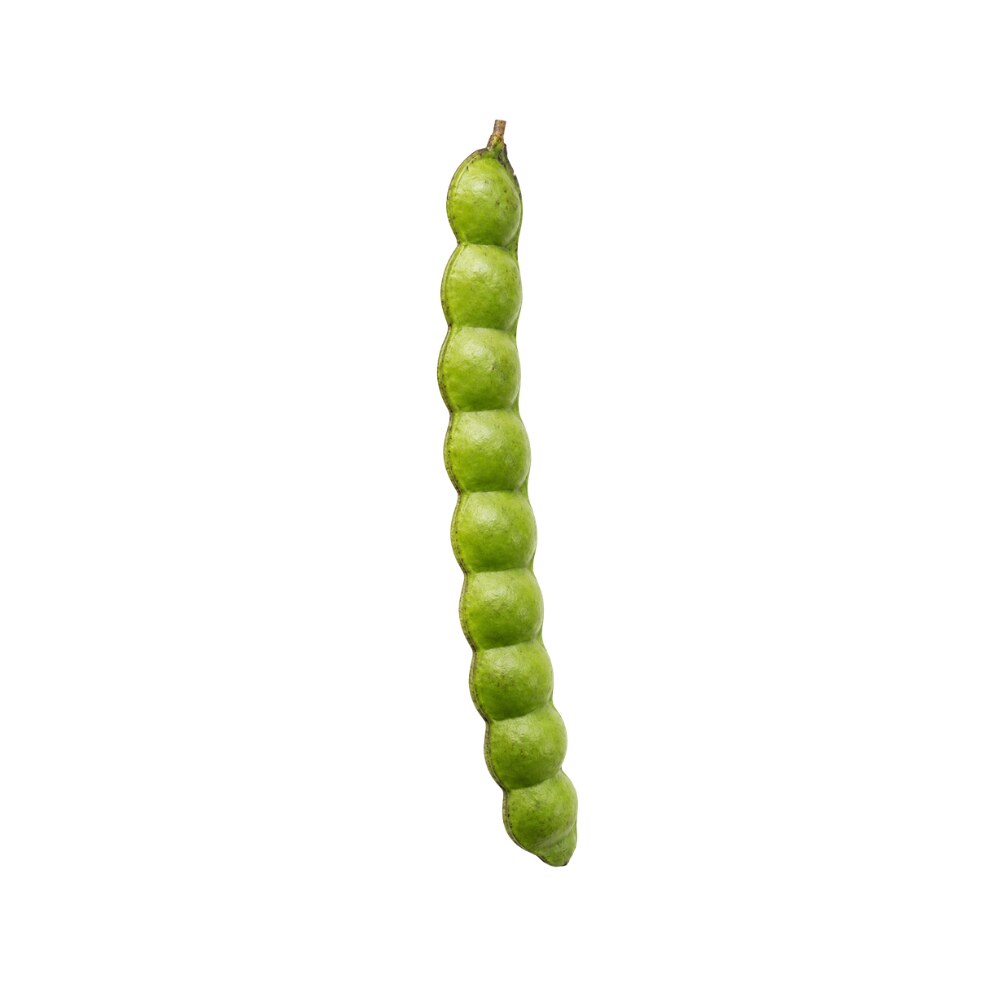 MildMildAfrican Dream HerbEntada rheediiNamed for the action and used by Zulu and Xhosa practitioners for ancestor-communication dreaming.Read the evidenceShow lessMonograph →
The compounds responsible for the seed’s reputed dream-enhancing effects have not been established, and no candidate molecule has been proposed.
There is no study of dreaming, no sleep study, no EEG or dream-recall measure and no animal model. The southern African ethnobotany is genuine and it is the entirety of the evidence.
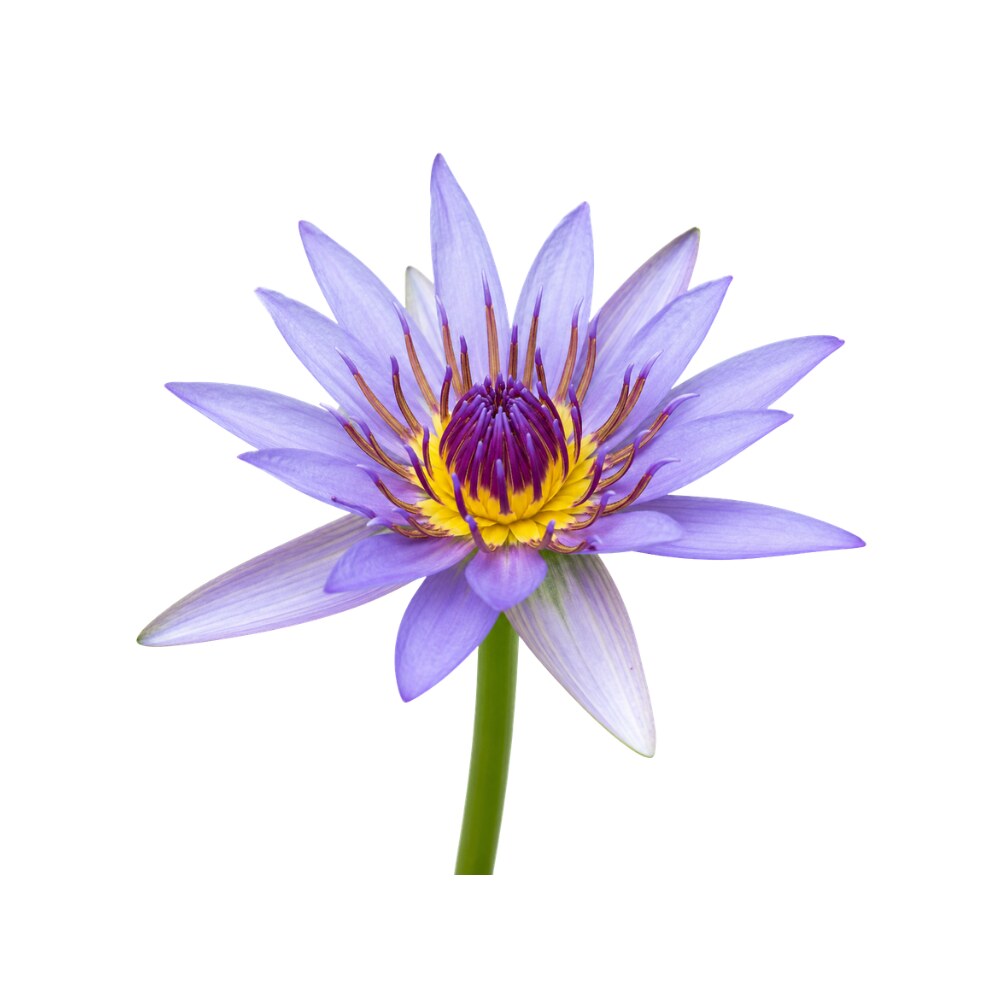 MildMildBlue Lotus FlowerNymphaea caeruleaAn Egyptian ritual flower whose modern dream reputation rests on experience and tradition rather than on measurement.Read the evidenceShow lessMonograph →
There is no polysomnography, no dream-diary trial, no preclinical sleep model and no measurement of sleep architecture, dream recall or lucidity.
The only mechanism on offer is sedation easing the transition into sleep, which comes from nuciferine’s receptor pharmacology — 5-HT2A/2B/2C antagonism with dopamine D2 partial agonism 7Reference 7In vitroIn vitro and in vivo characterization of the alkaloid nuciferine — in vitro and mouseView study →. That is a different action from a dream effect.
The Egyptian iconography is real and it is not evidence about dreaming.
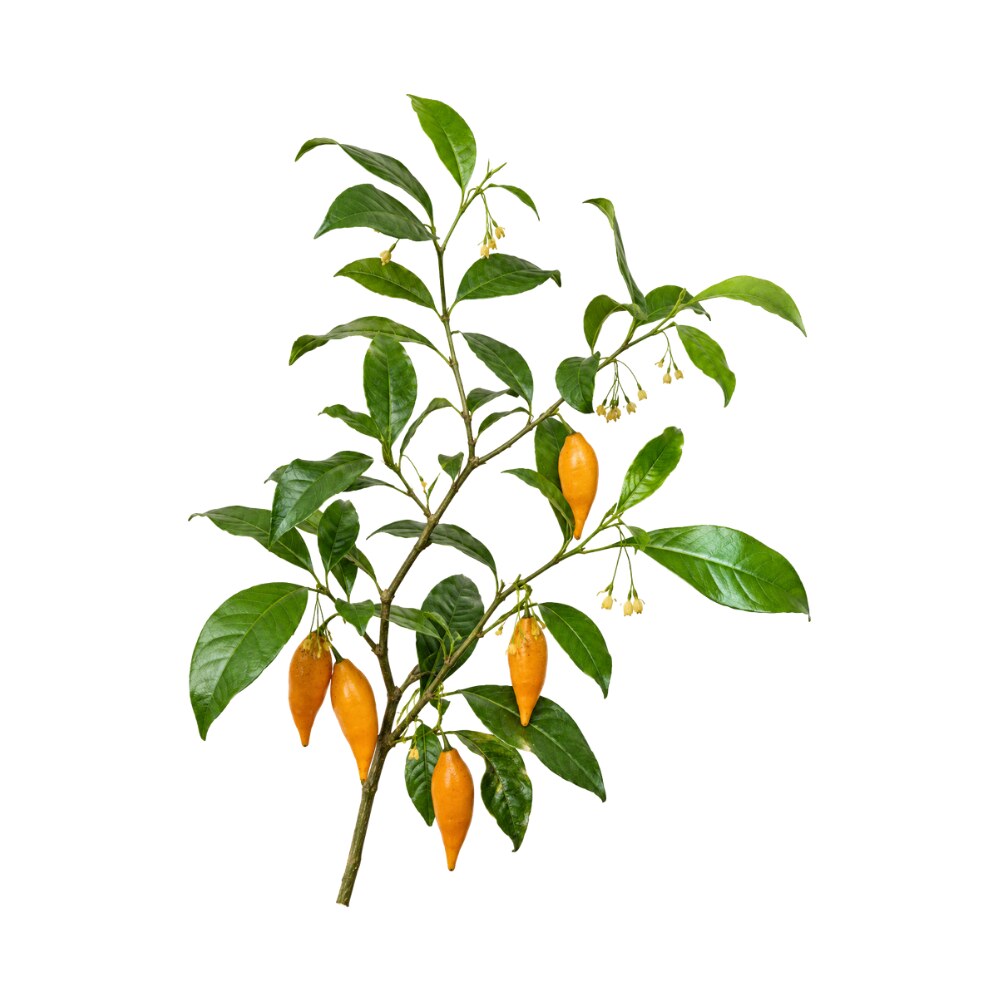 MildMildIbogaTabernanthe ibogaIbogaine produces a prolonged waking dream-state, which fits this action better than the psychedelic one.Read the evidenceShow less
Ibogaine acts at NMDA, κ-opioid, sigma and nicotinic receptors rather than at 5-HT2A, and the extended, reviewed, dreamlike quality of the experience is why the oneirogenic description suits it.
No sleep or dream research exists on the plant.
Ibogaine is cardiotoxic, causing QT prolongation and sudden death, which is why the addiction work happens under cardiac monitoring or not at all.
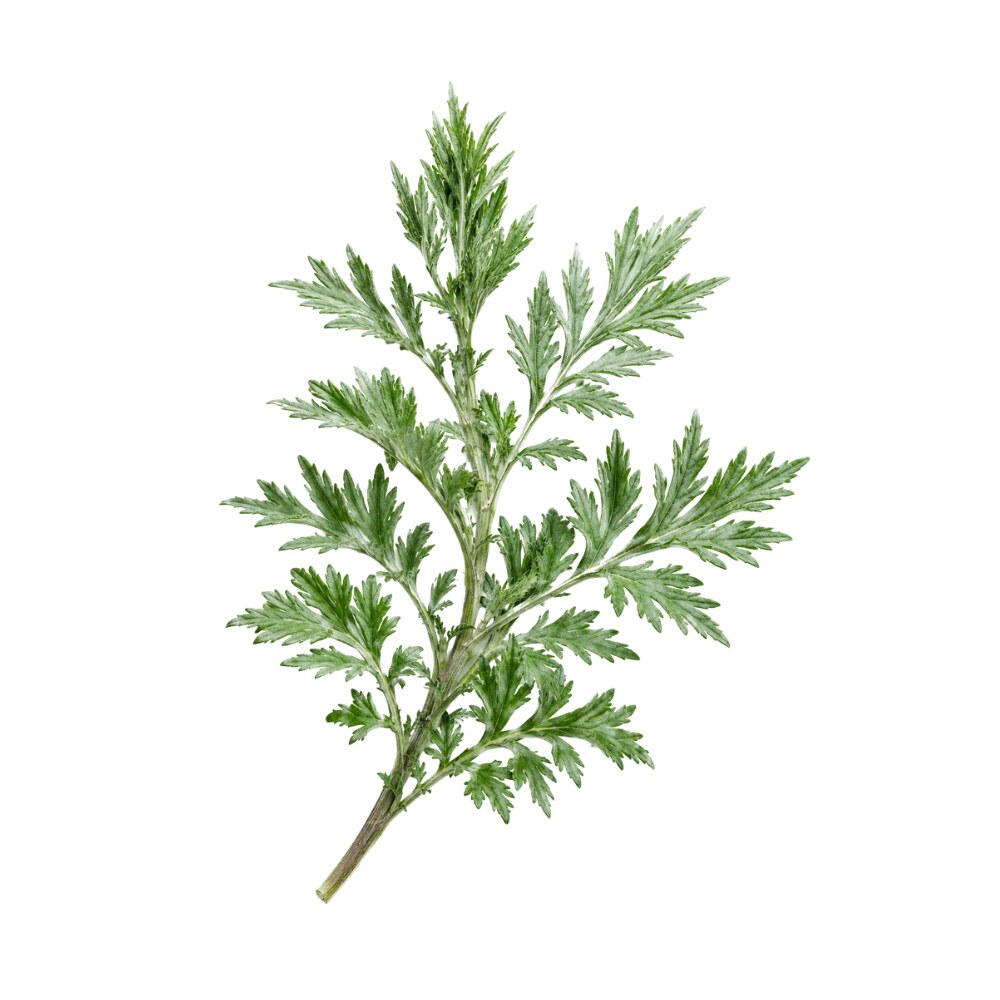 MildMildMugwortArtemisia vulgarisThe classic European dream herb — drunk as tea, smoked, or slipped under the pillow — on folk record alone.Read the evidenceShow lessMonograph →
The dream-herb reputation is mugwort’s best-known modern identity and it is named repeatedly in the folk literature.
No primary pharmacological study addresses it, and no compound or receptor in the plant has been connected to sleep or dreaming.
Thujone content is the usual constraint on sustained use, and it is unrelated to the dream claim.
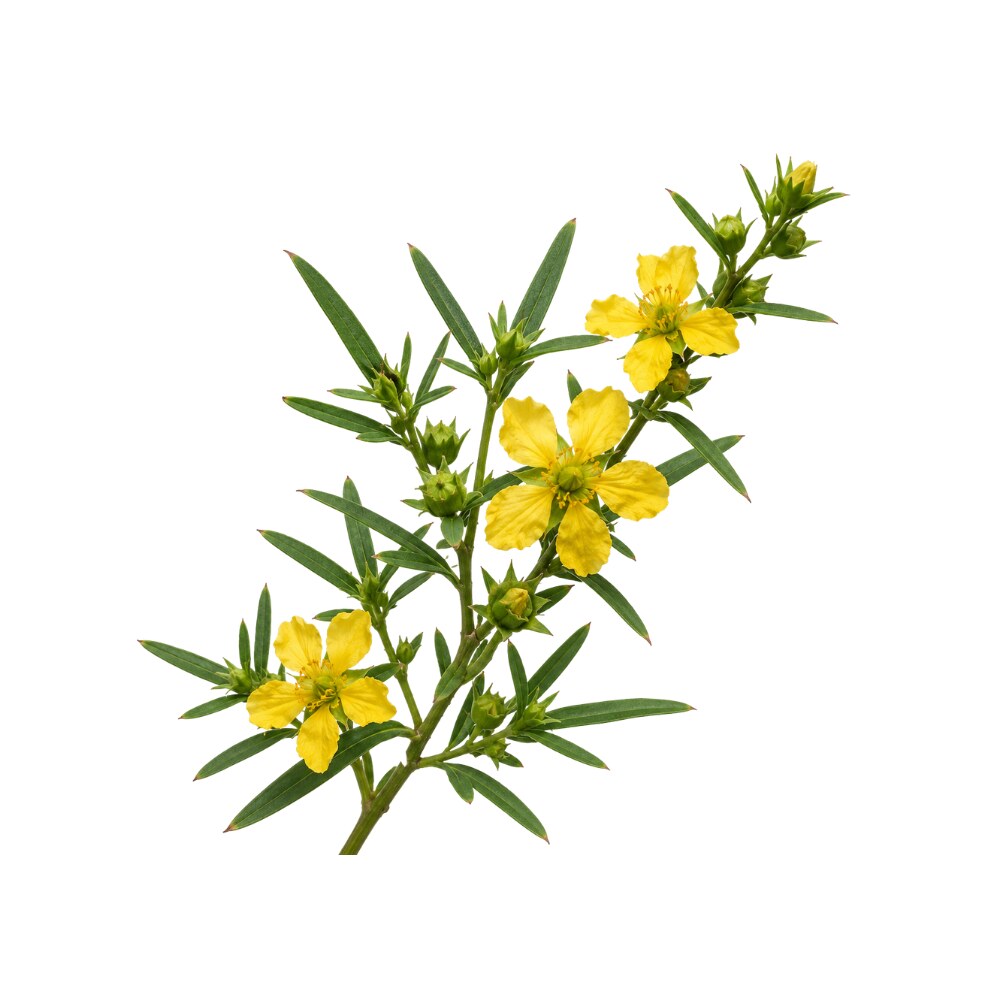 MildMildSinicuichiHeimia salicifoliaA Mexican ritual herb whose reported effects are auditory and visual rather than specifically about dreaming.Read the evidenceShow lessMonograph →
The reported auditory distortions and golden visual tint of Heimia salicifolia come from a small early literature that nobody has revisited.
Not one reference addresses dream content or hypnagogic imagery, and there is no study, animal model or mechanism behind the dream claim.
No herbs match these filters.
Safety
- The dream effect is generally bought by lightening or fragmenting sleep, so expect a groggy morning and space these herbs rather than taking them nightly.
- Anyone with insomnia, sleep apnoea or a job requiring alertness pays more for that trade than it looks.
- Nightmares, sleep paralysis and hypnagogic hallucination are common across this category and land hardest on people with PTSD, an anxiety disorder or a psychosis history.
- An MAO-inhibiting dream herb must not be combined with SSRIs, SNRIs, other MAO inhibitors, triptans, tramadol, dextromethorphan or stimulants 6Reference 6ReviewMedicinal properties of Peganum harmala L. in traditional Iranian medicine and modern phytotherapy: a reviewView study →.
- The dose that produces dreams is often close to the dose that produces vomiting, and titrating upward by experiment is how the harm happens.
- Apart from one small study of calea, no dream or sleep-architecture measurement exists for any herb in this group, so dosing rests on tradition and self-experiment.
References
- Mayagoitia, L., Díaz, J. L., & Contreras, C. M. (1986). Psychopharmacologic analysis of an alleged oneirogenic plant: Calea zacatechichi — double-blind, placebo-controlled human nap study. Journal of Ethnopharmacology, 18(3), 229–243. https://pubmed.ncbi.nlm.nih.gov/3821139/
- Theobald, W., Büch, O., Kunz, H. A., Krupp, P., Stenger, E. G., & Heimann, H. (1968). Pharmacological and experimental-psychological studies with two components of fly agaric (Amanita muscaria) — early human pharmacological characterisation of muscimol and ibotenic acid. Arzneimittel-Forschung. https://pubmed.ncbi.nlm.nih.gov/5696006/
- Herraiz, T., González, D., Ancín-Azpilicueta, C., Arán, V. J., & Guillén, H. (2010). β-Carboline alkaloids in Peganum harmala and inhibition of human monoamine oxidase (MAO) — in vitro. Food and Chemical Toxicology. https://pubmed.ncbi.nlm.nih.gov/20036304/
- El Amri, G., et al. (2021). Fatal poisoning of pregnant women by Peganum harmala L.: a case report. Annals of Medicine and Surgery. https://pubmed.ncbi.nlm.nih.gov/34401132/
- Moshiri, M., et al. (2013). Peganum harmala intoxication, a case report. Avicenna J Phytomed. https://pubmed.ncbi.nlm.nih.gov/25050285/
- Mina, C. N., Farzaei, M. H., Gholamreza, A. (2015). Medicinal properties of Peganum harmala L. in traditional Iranian medicine and modern phytotherapy: a review. Journal of Traditional Chinese Medicine. https://pubmed.ncbi.nlm.nih.gov/25842736/
- Farrell, M. S., McCorvy, J. D., Huang, X. P., et al. (2016). In vitro and in vivo characterization of the alkaloid nuciferine — in vitro and mouse. PLoS One. https://pubmed.ncbi.nlm.nih.gov/26963248/
Keep Exploring