

Overview
Anxiolytic at a Glance
Anxiolytics are herbs used to reduce anxiety, apprehension, and nervous tension.
That is a little different from simply being calming.
A sedative promotes sleep. A nervine may help settle or restore the nervous system more broadly. An antidepressant acts primarily on low mood.
Anxiolytics are the herbs used more specifically where anxiety itself is the problem.
Most work through one of a few familiar pathways.
A large group acts through GABA, the brain’s main inhibitory neurotransmitter. Kava, passionflower, valerian, California poppy, magnolia, skullcap, and several others fall into this group.
Others act through serotonin signalling, including lavender, kanna, and some of the same herbs that overlap with the antidepressant action.
Then there are herbs that work more through the stress response. Ashwagandha, bacopa, magnolia, and similar herbs may reduce anxiety gradually by influencing cortisol and the HPA axis rather than producing an immediate calming effect.
Some aromatics work differently again.
Lavender and ylang ylang can reduce situational anxiety through inhalation, where volatile compounds act through the olfactory and limbic systems. This is a separate route from taking the herb internally.
The best-supported examples are kava and lavender. Kava has a substantial clinical literature for anxiety, while standardized oral lavender oil has performed well in trials of generalized anxiety.
Passionflower and ashwagandha also have useful human evidence, although the strength and type of evidence varies between herbs.
Caution
Adds to sedatives — herbs acting at the GABA-A site add to alcohol, benzodiazepines, sleep medication, opioids and other sedatives.
Not with serotonergic drugs — serotonergic herbs can interact with antidepressants and other serotonergic drugs, and the concern is serotonin syndrome.
Severe anxiety needs assessment — anxiety that is severe, persistent, associated with psychosis or occurring in children deserves professional assessment rather than self-treatment.
Mechanisms
How It Works
01
GABA-A Modulation
Positive allosteric modulators bind the GABA-A receptor at the benzodiazepine site and make the chloride channel respond more strongly to the GABA already present.
Kava’s kavalactones, passionflower extract, magnolia’s honokiol and magnolol, valerian’s valerenic acid, California poppy’s reticuline, the flavones of American skullcap and linden, apigenin from chamomile and damiana, and the seed compounds of zizyphus all reach this site.
Melissa takes a different route to the same end, inhibiting GABA transaminase so that GABA is broken down more slowly.
The GABAergic action of hops is inferred from its sedative fraction, and ashwagandha’s is proposed rather than shown.
This is the mechanism of diazepam. The herbs are weaker modulators with variable content, not a different pharmacology.
For several of them the effect is abolished by flumazenil, the benzodiazepine antagonist, which is direct evidence of the site.
Additive sedation with benzodiazepines, alcohol, sleep medication and other CNS depressants follows from the mechanism.
Rodent work separating anxiolysis from sedation at low doses has not been reproduced in people.
Herbs: AshwagandhaCalifornia PoppyDamianaGerman ChamomileHopsKavaLinden FlowerMagnoliaMelissaPassionflowerSaffronAmerican SkullcapValerianZizyphus
Key compounds: KavainMethysticinApigenin
02
Serotonergic Signalling
Serotonergic anxiolytics act at 5-HT receptors, at the serotonin transporter, or on serotonin synthesis.
Lavender’s Silexan binds 5-HT1A and reduces receptor availability on human PET imaging.
California poppy’s N-methyllaurotetanine and zizyphus’s spinosin bind 5-HT1A, and blue lotus’s nuciferine is a 5-HT2A antagonist.
Kanna’s mesembrine blocks the serotonin transporter at nanomolar affinity, the mechanism of the SSRIs, and St John’s wort inhibits monoamine reuptake more broadly.
Griffonia supplies 5-HTP, the immediate precursor of serotonin, and raises central serotonin by substrate loading.
Receptor direction is not interchangeable. 5-HT1A agonism and 5-HT2A antagonism both read as anxiolytic and are different pharmacology with different profiles.
Anything that raises serotonergic tone is additive with SSRIs, SNRIs, MAOIs and triptans, and the concern is serotonin syndrome.
St John’s wort also induces CYP3A4 and P-glycoprotein, so it changes the metabolism of drugs taken alongside it.
Herbs: BacopaBlue Lotus FlowerCalifornia PoppyCannabisGriffoniaIce PlantKannaKratomLavenderLinden FlowerSaffronAmerican SkullcapSt. John’s WortValerianYlang YlangZizyphus
Key compounds: Mesembrine5-HTP
03
The HPA Axis
The hypothalamic-pituitary-adrenal axis converts a stressor into circulating cortisol, and chronic activation links anxiety to poor sleep, fatigue and visceral symptoms.
Ashwagandha lowers serum cortisol by about a quarter over two months alongside its anxiety-scale reductions. Bacopa reduces salivary cortisol after a single dose under a stress challenge, and magnolia with phellodendron lowers salivary cortisol over four weeks.
These herbs overlap heavily with the adaptogens, and the effect accumulates over weeks rather than hours.
A fall in cortisol is a biomarker, not a symptom. Only the trials that also used a validated anxiety scale show that people felt less anxious.
04
Endocannabinoid and Other CNS Targets
A smaller group reaches anxiety through targets outside the GABA and serotonin systems.
Cannabidiol from cannabis inhibits FAAH, the enzyme that breaks down anandamide, and is a 5-HT1A agonist.
Mulungu’s erythrina alkaloids block neuronal nicotinic acetylcholine receptors and match diazepam in rodent conflict models by that route.
Kava adds MAO-B inhibition and monoamine reuptake blockade to its GABA-A action, lavender’s linalool suppresses presynaptic glutamate release through voltage-gated calcium channels, and blue lotus’s nuciferine is a dopamine D2 partial agonist.
Cannabis is biphasic. Low-dose CBD-dominant material is anxiolytic, and high-THC material produces anxiety, panic and paranoia in susceptible people. Dose and cannabinoid ratio change the sign of the effect, not only its size.
Herbs: Blue Lotus FlowerCannabisKavaLavenderMulunguYlang Ylang
05
Olfactory Routes
Inhaled aromatics reach the amygdala and limbic system through the olfactory bulb, without the thalamic relay every other sense passes through.
Ylang ylang oil lowered anxiety scores in randomised trials of nursing staff, radiology patients and children at the dentist, and inhaled lavender is anxiolytic in mice through a serotonergic mechanism.
The effect is on situational anxiety over minutes to hours.
An inhalation result does not transfer to an oral dose, and the reverse is also true.
Essential oils are concentrated: ylang ylang is a skin sensitiser that needs dilution, one trial measured slower reaction times during exposure, and no oil is safe to swallow because inhaling it is.
Herbs: LavenderYlang Ylang
Key compounds: Linalool
The Molecules
Pharmacology
What produces an anxiolytic effect at the molecular level. The herbs carry these molecules in different combinations and amounts, which is most of why their potency differs. Roles describe how central a molecule is to the action across plants generally, not how strong any one herb is.
Chiefly Other Alkaloids4Isoquinoline Alkaloids2Diterpenes2
Carries the action largely on its own — the effect is attributed to the molecule, not just the extract it came from.
Adds to a plant's effect and is often present in quantity, but rarely accounts for it alone.
Real but narrow — one pathway, one tissue, or evidence too thin to lean on.
Mesembrine Other Alkaloids Primary mover Targets SERT; VMAT-2
Mesembrine is the most potent serotonin-transporter blocker among the kanna alkaloids, with a Ki of about 1.4 nM on a receptor and enzyme panel, in the range of prescription SSRIs and without cytotoxicity on the same screen 6Reference 6Pharmacological actions of the South African medicinal and functional food plant Sceletium tortuosum and its principal alkaloidsView study →.
A zebrafish study dosed each of the four alkaloids in Zembrin at the concentration it occupies within a known dose of the extract, and only mesembrine reproduced the extract’s anxiolytic-like effect 9Reference 9Sceletium tortuosum-derived mesembrine significantly contributes to the anxiolytic effect of Zembrin®, but its anti-depressant effect may require synergy of multiple plant constituentsView study →.
A second zebrafish model found all four alkaloids anxiolytic, with mesembrenone and mesembranol outperforming mesembrine 7Reference 7Mesembryanthemum tortuosum L. alkaloids modify anxiety-like behaviour in a zebrafish modelView study →.
Exposure is the limit: mesembrine crosses intestinal tissue better than caffeine in vitro 12Reference 12In vitroIn vitro permeation of mesembrine alkaloids from Sceletium tortuosum across porcine buccal, sublingual, and intestinal mucosaView study →, yet its plasma levels after oral dosing were below the limit of detection in the only in-vivo pharmacokinetic study 13Reference 13AnimalQuantification of mesembrine and mesembrenone in mouse plasma using UHPLC-QToF-MS: application to a pharmacokinetic studyView study →.
Every human anxiety finding, the amygdala imaging and the laboratory stressors, used a standardised extract formulated to under 20% mesembrine 10,
Kanna and ice plant carry it.
Reticuline Isoquinoline Alkaloids Primary mover Targets GABAA α3/α5 positive allosteric modulation
(S)-Reticuline is the alkaloid that carries California poppy’s GABA-A activity.
Fedurco and colleagues tested the herb’s isolated alkaloids side by side on recombinant receptors and found positive allosteric modulation at the α3 and α5 isoforms in reticuline, while N-methyllaurotetanine was inactive below 30 µM and contributes 5-HT1A affinity instead 16,
No anxiety endpoint exists for isolated reticuline in any species.
The anxiolytic behaviour belongs to the whole aqueous extract, and reticuline supplies the receptor mechanism; the α3/α5 subtype profile is consistent with anxiolysis, and the link is an inference.
California poppy carries it.
Galdosol Diterpenes Contributor
Galdosol displaced ³H-flumazenil at the human brain benzodiazepine receptor with an IC₅₀ of 0.8 µM, the strongest of five active constituents recovered by binding-guided fractionation of a methanolic sage extract, ahead of hispidulin (1.3 µM), 7-methoxyrosmanol (7.2 µM), apigenin (30 µM) and cirsimaritin (350 µM) 1Reference 1In vitroConstituents of sage (Salvia officinalis) with in vitro affinity to human brain benzodiazepine receptor — in vitroView study →.
A 2022 review of phenolics as GABA-A ligands names it first among compounds deserving further research 2Reference 2ReviewPhenolics as GABA_A receptor ligands — an updated reviewView study →.
Displacing flumazenil establishes occupancy of the benzodiazepine site and not direction: positive modulators, antagonists and inverse agonists score alike in that assay and produce opposite effects in an animal.
No electrophysiology, chloride-current measurement, subtype panel, behavioural experiment or blood-brain-barrier measurement has been done on galdosol.
The second-place binder from the same programme, hispidulin, was taken the following year to recombinant GABA-A receptors in Xenopus oocytes (positive allosteric modulation from 50 nM), to a Mongolian gerbil seizure model (seizure incidence 80% to 30% at 10 mg/kg/day) and to in-situ rat brain perfusion, with uptake approaching diazepam’s 3Reference 3AnimalThe flavone hispidulin, a benzodiazepine receptor ligand with positive allosteric properties, traverses the blood-brain barrier and exhibits anticonvulsive effects — gerbils and ratsView study →.
Two further reservations apply.
A redox-active catechol scoring sub-micromolar in a membrane binding assay fits a frequent-hitter profile and was not counter-screened, and the extract was methanolic 1Reference 1In vitroConstituents of sage (Salvia officinalis) with in vitro affinity to human brain benzodiazepine receptor — in vitroView study →, the solvent class in which the carnosic acid cascade runs forward during work-up 4,
Galdosol is a binding figure of unknown functional direction, and the benzodiazepine-site evidence for sage rests on hispidulin.
Found in Sage
Full Galdosol profile →Mesembrenone Other Alkaloids Contributor Targets SERT; PDE4
Mesembrenone inhibits the serotonin transporter (IC₅₀ below 1 µM) alongside its PDE4 activity, and the human imaging literature describes the parent extract as a dual 5-HT reuptake and PDE4 inhibitor on this basis 6,
In a zebrafish light-dark paradigm all four mesembrine alkaloids reduced anxiety-related behaviour, and mesembrenone and mesembranol produced the largest effect, with docking placing both in high-affinity contact with SERT 7Reference 7Mesembryanthemum tortuosum L. alkaloids modify anxiety-like behaviour in a zebrafish modelView study →.
Mesembrine is about 1,000 times more potent at SERT (Ki 1.4 nM) 6Reference 6Pharmacological actions of the South African medicinal and functional food plant Sceletium tortuosum and its principal alkaloidsView study →, and the dose-response study that apportioned an extract’s anxiolytic-like effect among its alkaloids credited mesembrine rather than mesembrenone 9Reference 9Sceletium tortuosum-derived mesembrine significantly contributes to the anxiolytic effect of Zembrin®, but its anti-depressant effect may require synergy of multiple plant constituentsView study →.
Human anxiety data, the amygdala imaging and the acute-stress trials, are extract-level and small 10,
Kanna and ice plant carry it.
N-Methyllaurotetanine Isoquinoline Alkaloids Contributor Targets 5-HT1A receptor; 5-HT7 receptor
N-Methyllaurotetanine is the serotonergic half of California poppy’s CNS pharmacology.
In a bioassay-guided isolation from Eschscholzia californica it displaced [3H]8-OH-DPAT at the 5-HT1A receptor more strongly than any other alkaloid tested from the plant, with an EC50 of 155 nM and a Ki of 85 nM, and the authors attributed the extract’s 5-HT1A activity at least partly to it 15Reference 15In vitroAlkaloids from Eschscholzia californica and their capacity to inhibit binding of [3H]8-hydroxy-2-(di-N-propylamino)tetralin to 5-HT1A receptors in vitroView study →.
Electrophysiology on recombinant GABA-A receptors found no effect of the alkaloid on α1β2γ2 below 30 µM, and assigned the herb’s flumazenil-reversible GABAergic action to (S)-reticuline at α3β2γ2 and α5β2γ2 16Reference 16Modulatory effects of Eschscholzia californica alkaloids on recombinant GABAA receptorsView study →.
Only binding has been measured, so whether it is an agonist or an antagonist at 5-HT1A is unknown, and there is no pharmacokinetic data and no quantification of the alkaloid in any commercial preparation 17Reference 17Alkaloids in commercial preparations of California poppy — quantification, intestinal permeability and microbiota interactionsView study →.
California poppy carries it.
Rosmanol Diterpenes Contributor Targets GABA_A receptor modulation at a site other than the high-affinity benzodiazepine binding site
Abdelhalim and colleagues fractionated Rosmarinus officinalis, isolated rosmanol, cirsimaritin and salvigenin, and put all three through mouse models of acute toxicity, antinociception, depression and anxiety 18Reference 18AnimalAntidepressant, anxiolytic and antinociceptive activities of constituents from Rosmarinus officinalis — miceView study →.
Rosmanol was anxiolytic in the elevated plus maze and the light-dark box.
The effect was not reversed by flumazenil and was blocked by pentylenetetrazol, which places the action at GABA-A receptors at a site distinct from the high-affinity benzodiazepine site, consistent with the biphasic GABA-A modulation the same group had described for these compounds 18Reference 18AnimalAntidepressant, anxiolytic and antinociceptive activities of constituents from Rosmarinus officinalis — miceView study →.
A flumazenil-insensitive, pentylenetetrazol-sensitive profile is a specific pharmacological signature, obtained from an isolate in an animal with a mechanism probe.
It comes from a single laboratory and a single publication, with no replication, no fitted dose-response, no brain-concentration measurement and no electrophysiology on receptors of defined subunit composition.
The same group’s rosemary and memory work concerns nepitrin, a flavone, and does not transfer.
Mesembranol Other Alkaloids Minor role Targets Serotonin transporter (SERT, unmeasured); AMPA receptors
Mesembranol is one of four mesembrine-type alkaloids in the standardised Sceletium extract and the only one never placed on a receptor and enzyme panel, so its SERT affinity and PDE4 inhibition are unmeasured 6Reference 6Pharmacological actions of the South African medicinal and functional food plant Sceletium tortuosum and its principal alkaloidsView study →.
In a zebrafish light-dark challenge at five days post-fertilisation all four pure alkaloids reduced anxiety-related behaviour, and mesembranol was one of the two producing the greater effect, with high-affinity SERT binding predicted by docking only 7Reference 7Mesembryanthemum tortuosum L. alkaloids modify anxiety-like behaviour in a zebrafish modelView study →.
It is 6.8% of the extract’s alkaloid fraction 8Reference 8AnimalAn acute dose-ranging evaluation of the antidepressant properties of Sceletium tortuosum (Zembrin®) versus escitalopram in the Flinders Sensitive Line ratView study →, and a dose-response decomposition attributed the extract’s anxiolytic effect to mesembrine rather than the minor congeners 9Reference 9Sceletium tortuosum-derived mesembrine significantly contributes to the anxiolytic effect of Zembrin®, but its anti-depressant effect may require synergy of multiple plant constituentsView study →.
Kanna and ice plant carry it.
Mesembrenol Other Alkaloids Minor role Targets (no confirmed target — SERT interaction is in-silico only)
Mesembrenol reduced anxiety-related behaviour in zebrafish larvae under a light-dark challenge, and was among the weaker of the four kanna alkaloids tested, with serotonin-transporter binding supported only by molecular docking 7Reference 7Mesembryanthemum tortuosum L. alkaloids modify anxiety-like behaviour in a zebrafish modelView study →.
When each alkaloid was dosed at the concentration present in an anxiolytic dose of the standardised extract, only mesembrine reproduced the effect and mesembrenol did not 9Reference 9Sceletium tortuosum-derived mesembrine significantly contributes to the anxiolytic effect of Zembrin®, but its anti-depressant effect may require synergy of multiple plant constituentsView study →.
On the purified-alkaloid panel that established kanna’s 5-HT-reuptake and PDE4 profile, the activity was assigned to mesembrine (Ki 1.4 nM at SERT) and mesembrenone rather than to mesembrenol 6Reference 6Pharmacological actions of the South African medicinal and functional food plant Sceletium tortuosum and its principal alkaloidsView study →.
One positive isolate result exists and no mechanism is established.
Kanna carries it.
What It's For
Indications
- Anxiety, worry and a racing mind
- Panic and situational nerves
- Physical tension that comes with anxiety
- Anxious, broken sleep
Materia Medica
Anxiolytic Herbs by Potency
The anxiolytic herbs, ordered by the relative strength of the effect rather than by how well studied it is. Each herb is described by the mechanism behind its effect and the evidence for it.
None of this is a substitute for professional care.
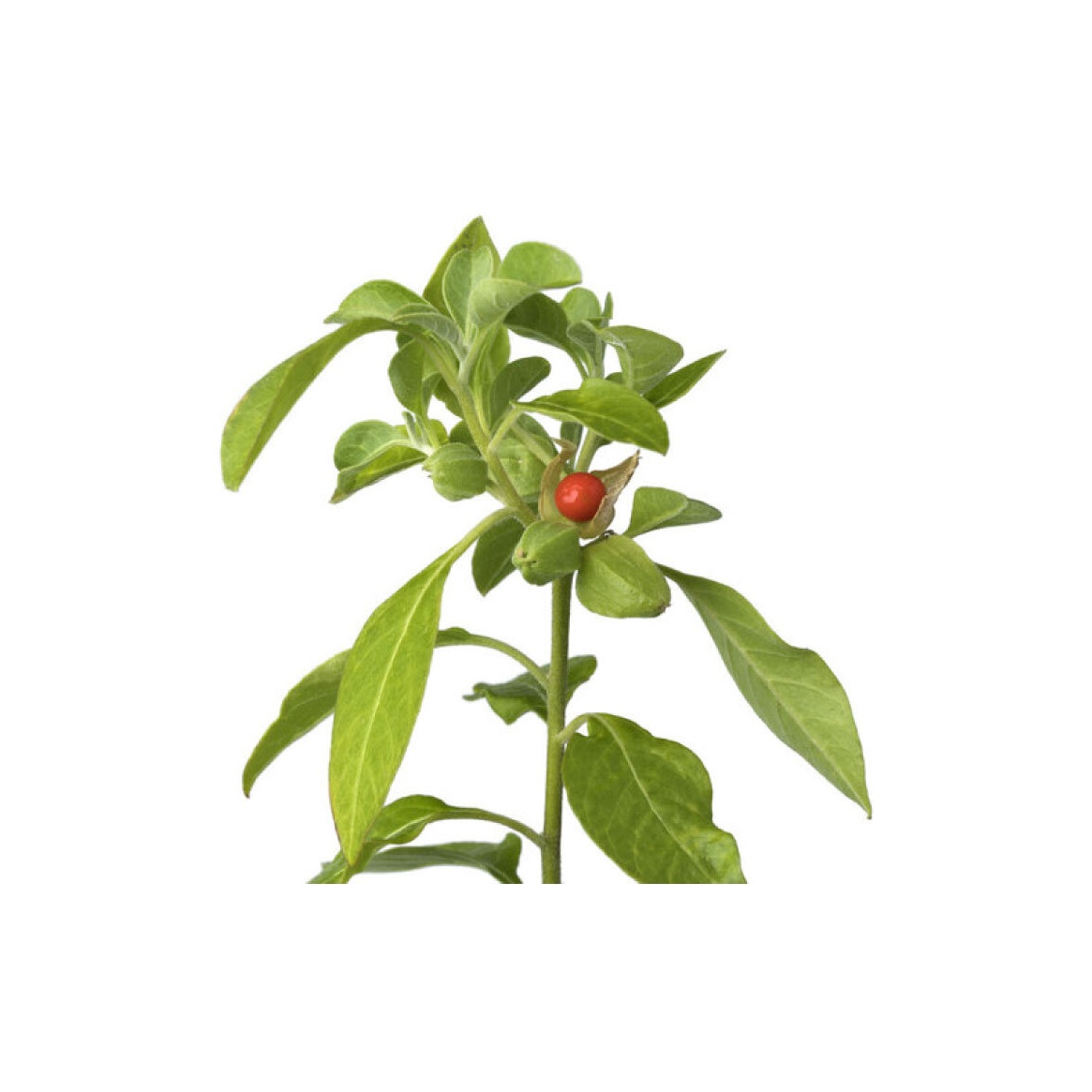 PotentPotentAshwagandhaWithania somniferaReduces anxiety and perceived stress in repeated placebo-controlled trials, with serum cortisol falling alongside the anxiety scores.MechanismHPA-axis down-regulation (serum cortisol ↓ ~28%); HAM-A / Perceived Stress Scale ↓; GABA-A modulation (proposed)Read the evidenceShow lessMonograph →
Multiple randomised, double-blind, placebo-controlled trials report reduced perceived stress and anxiety with parallel falls in serum cortisol. KSM-66 at 300 mg twice daily for 60 days cut Perceived Stress Scale scores and cortisol by roughly 28% against placebo 21Reference 21RCTA prospective, randomised double-blind, placebo-controlled study of a high-concentration full-spectrum ashwagandha root extract in reducing stress and anxiety — RCTView study →, and 240 mg/day of the concentrated Shoden extract reduced Hamilton Anxiety scores with cortisol falling alongside 22Reference 22RCTStress-relieving and pharmacological actions of an ashwagandha extract — a randomised, double-blind, placebo-controlled studyView study →.
A dose-response trial found benefit at both 250 and 600 mg/day, the larger dose stronger 23Reference 23RCTAdaptogenic and anxiolytic effects of ashwagandha root extract in healthy adults — a double-blind, randomised, placebo-controlled clinical studyView study →.
Three independent meta-analyses agree on direction: 12 RCTs with about 1,002 participants 24Reference 24Meta-analysisDoes Ashwagandha supplementation have a beneficial effect on the management of anxiety and stress? — systematic review and meta-analysis of randomised controlled trialsView study →, a 2024 synthesis of 9 RCTs 25Reference 25Meta-analysisEffects of Ashwagandha (Withania somnifera) on stress and anxiety — systematic review and meta-analysisView study →, and a further 2024 review of anxiety and insomnia trials 26Reference 26Meta-analysisSafety and efficacy of Withania somnifera for anxiety and insomnia — systematic review and meta-analysisView study →. The cortisol coupling distinguishes the effect from a generic sedative one, since the anxiolysis tracks a measured endocrine change rather than subjective scores alone.
Effect-size heterogeneity is high, the trials are small, short and in several cases industry-funded, there is no head-to-head against a first-line anxiolytic, and nothing runs beyond about 12 weeks. Nearly all of the evidence uses one of a handful of standardised root extracts rather than a traditional preparation.
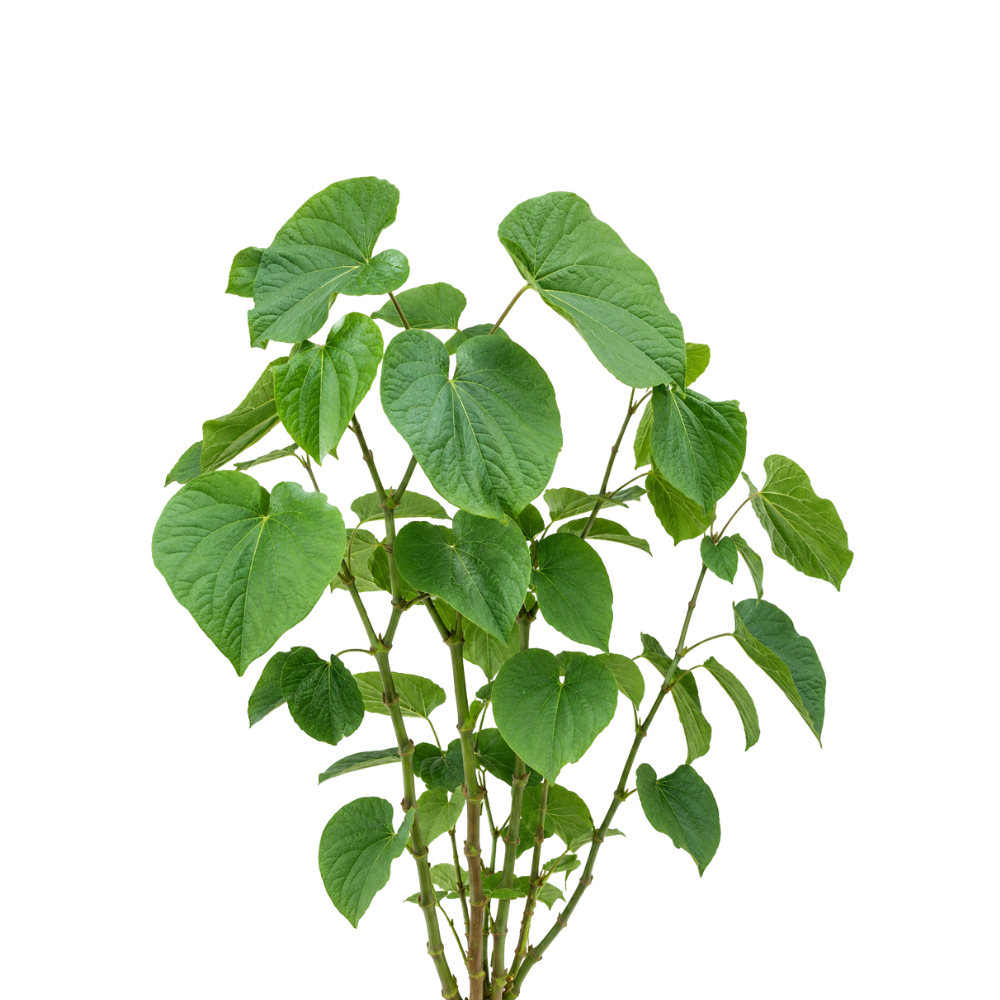 PotentPotentKavaPiper methysticumThe most thoroughly tested herbal anxiolytic, with about a dozen double-blind trials and a match against buspirone and opipramol; its kavalactones positively modulate GABA-A.MechanismGABA-A positive allosteric modulation; MAO-B inhibition; noradrenaline/dopamine reuptake inhibitionRead the evidenceShow lessMonograph →
Kavain positively modulates GABA-A receptors 64Reference 64In vitroKavain, the major constituent of the anxiolytic kava extract, potentiates GABA-A receptors — functional characteristics and molecular mechanism [in vitro]View study →, and a kavapyrone-enriched extract shifts GABA binding across rat brain regions 65Reference 65AnimalKavapyrone-enriched extract from Piper methysticum as modulator of the GABA binding site in different regions of rat brain [animal]View study →. MAO-B inhibition and noradrenaline and dopamine reuptake inhibition by desmethoxyyangonin and yangonin add a monoamine arm 66Reference 66ReviewKava — a comprehensive review of efficacy, safety, and psychopharmacology [review]View study →.
An early meta-analysis of seven double-blind RCTs found a weighted mean reduction of about 9.7 points on the Hamilton Anxiety scale 67Reference 67Meta-analysisEfficacy of kava extract for treating anxiety — systematic review and meta-analysisView study →. A Cochrane review of 11 trials (645 participants) confirmed a smaller but significant benefit, a weighted mean difference of about 5 points in 345 participants, with mild and infrequent adverse events over 1 to 24 weeks 68Reference 68Systematic reviewKava extract for treating anxiety — systematic reviewView study →.
At 400 mg the standardised ethanolic extract LI 150 matched opipramol and buspirone in generalised anxiety 69Reference 69RCTKava-Kava extract LI 150 is as effective as opipramol and buspirone in generalised anxiety disorder — an 8-week randomised, double-blind multicentre RCT in 129 outpatientsView study →. Aqueous root preparations also worked: the 3-week KADSS crossover (n=60, 250 mg kavalactones/day) 70Reference 70RCTThe Kava Anxiety Depression Spectrum Study (KADSS) — a randomised, placebo-controlled crossover trialView study → and a 6-week GAD trial (n=75, Cohen’s d about 0.62) 71Reference 71RCTKava in the treatment of generalized anxiety disorder — a double-blind, randomized, placebo-controlled studyView study →.
The largest and longest trial, a 16-week phase III RCT (n=171, 240 mg kavalactones/day) in diagnosed GAD, found no separation from placebo 72Reference 72RCTKava for generalised anxiety disorder — a 16-week double-blind, randomised, placebo-controlled study [phase III RCT]View study →, and a 2018 meta-analysis of three placebo-controlled trials found effect sizes of 0.59 to 0.99 that did not reach significance 73Reference 73Meta-analysisKava for generalized anxiety disorder — a review and meta-analysis of current evidence [systematic review]View study →. The evidence is strong for short-term, situational and non-clinical anxiety and unproven for chronic clinical disorder.
Potency is chemotype-dependent. Total kavalactones run 3 to 20% of dried root and the six-lactone ratio shifts between cultivars, so a tea, a tincture and a standardised extract are not interchangeable 66,
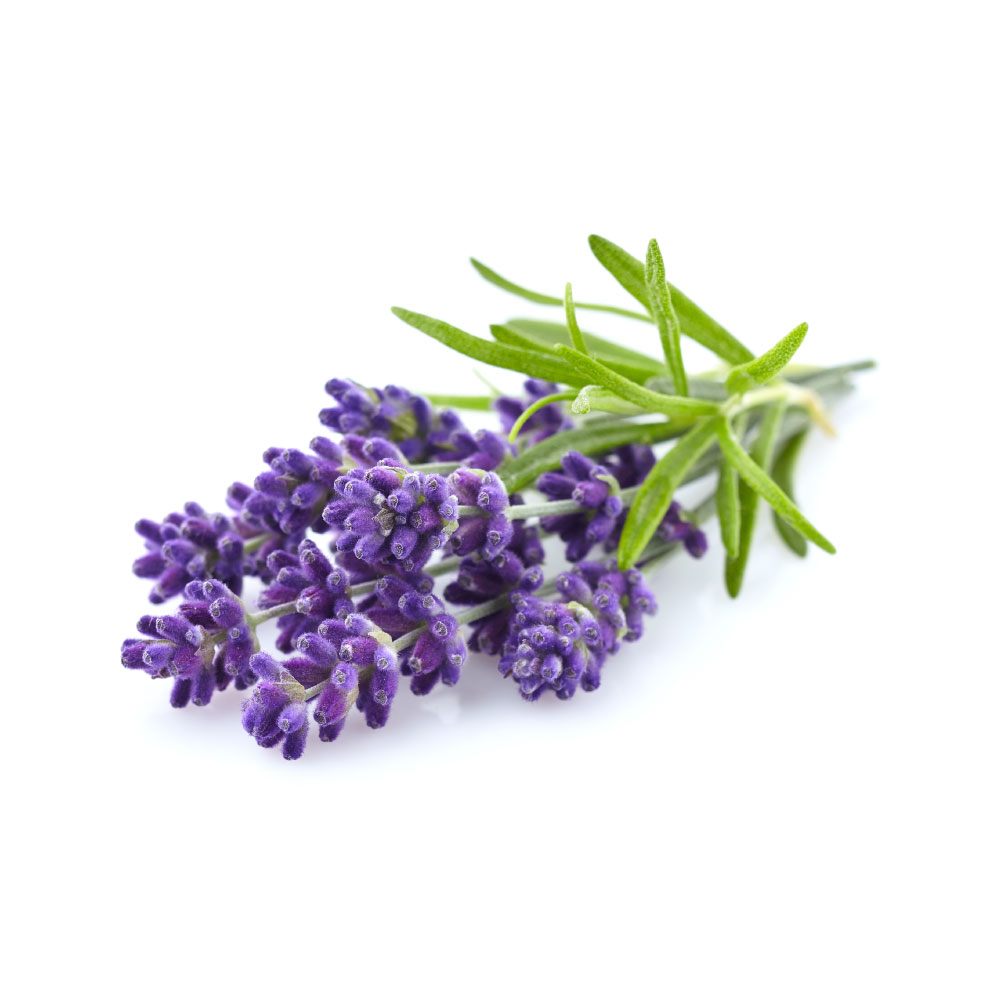 PotentPotentLavenderLavandula angustifoliaAs the standardised oral oil Silexan, reduces generalised and subsyndromal anxiety across more than a dozen trials, matching lorazepam through a serotonergic rather than a GABAergic mechanism.Mechanism5-HT1A serotonin-receptor modulation; voltage-gated Ca²⁺-channel inhibitionRead the evidenceShow lessMonograph →
Silexan, an 80 to 160 mg/day softgel of steam-distilled L. angustifolia oil, beat placebo on the Hamilton Anxiety scale in subsyndromal and generalised anxiety across more than a dozen RCTs and two meta-analyses 79,
The mechanism is serotonergic, with 5-HT1A binding confirmed on human PET imaging and an effect that is flumazenil-insensitive in animals 86,
The evidence belongs to the concentrated swallowed oil, not to a diffuser, tea or tincture, and to true low-camphor L. angustifolia rather than spike lavender or lavandin 88,
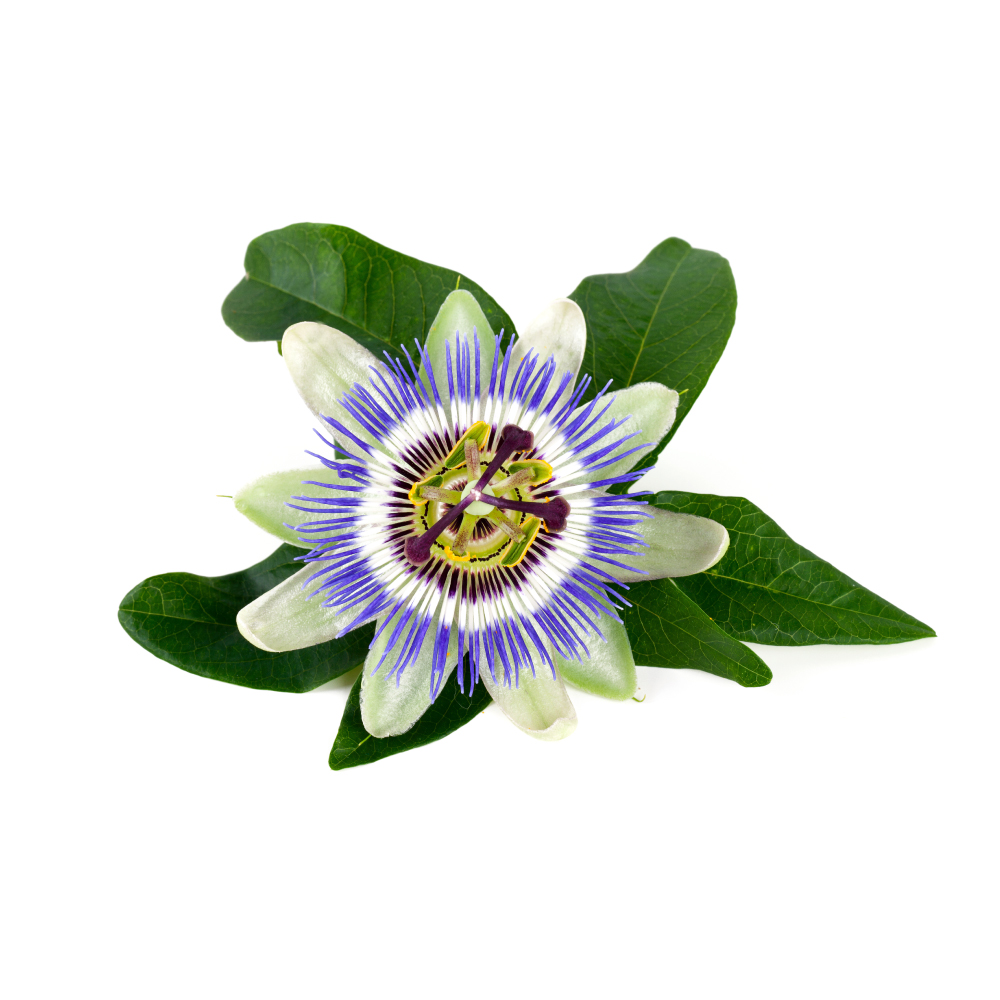 PotentPotentPassionflowerPassiflora incarnataMatched oxazepam for generalised anxiety in a four-week double-blind trial with less impairment of job performance, and lowers pre-operative anxiety at a single 500 mg dose.MechanismGABA-A modulation; benzodiazepine-site partial agonismRead the evidenceShow lessMonograph →
A pilot double-blind RCT (n=36) found P. incarnata extract as effective as oxazepam 30 mg/day for generalised anxiety over four weeks, with less impairment of job performance 116Reference 116RCTPassionflower in the treatment of generalized anxiety: a pilot double-blind randomized controlled trial with oxazepam — randomisedView study →.
The larger body of work is situational. Pre-operative RCTs show that 500 mg of oral P. incarnata lowers anxiety before surgery.
The mechanism is GABAergic: whole-plant extracts elicit GABA currents in hippocampal neurons, with partial agonism at the benzodiazepine site 117Reference 117In vitroPassiflora incarnata L. (Passionflower) extracts elicit GABA currents in hippocampal neurons in vitro, and show anxiogenic and anticonvulsant effects in vivo — in vitro / animal modelView study →.
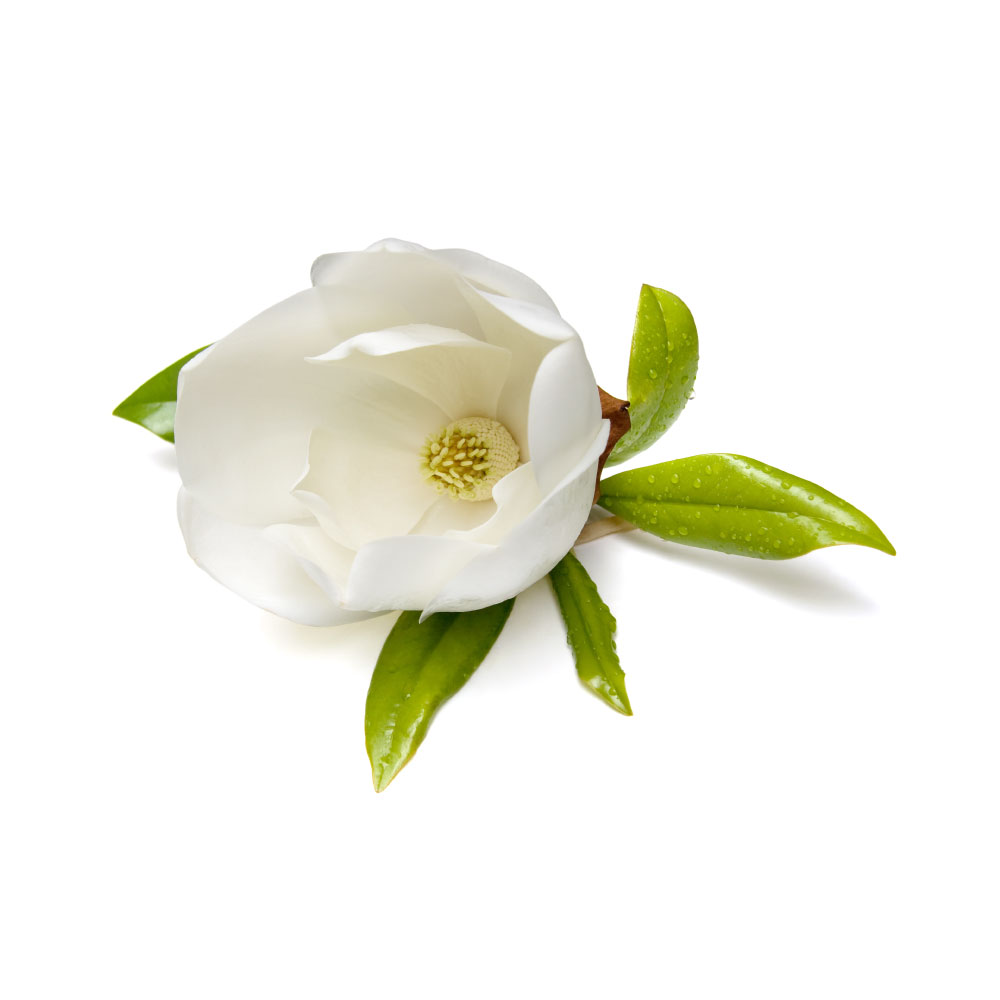 StrongStrongMagnoliaMagnolia officinalisHonokiol and magnolol potentiate GABA-A at the benzodiazepine site, and a magnolia and phellodendron blend lowers salivary cortisol and state anxiety over four to six weeks.MechanismGABA-A potentiation at the benzodiazepine site (honokiol/magnolol); HPA-axis modulation (cortisol ↓)Read the evidenceShow lessMonograph →
Honokiol and magnolol potentiate GABA-A currents 100Reference 100ReviewSafety and toxicology of magnolol and honokiol — reviewView study →, and in mice honokiol’s CNS effect is abolished by flumazenil, which places it at the benzodiazepine site 101Reference 101AnimalHonokiol promotes non-rapid eye movement sleep via the benzodiazepine site of the GABA-A receptor in mice — animal modelView study →.
Four weeks of a standardised Magnolia officinalis and Phellodendron amurense blend lowered salivary cortisol by about 18% against placebo and improved tension, anger and fatigue (n=56) 102Reference 102RCTEffect of Magnolia officinalis and Phellodendron amurense (Relora) on cortisol and psychological mood state in moderately stressed subjects — randomised placebo-controlled trialView study →. A six-week RCT in stress-eating premenopausal women (n=40 by intention to treat) reduced state but not trait anxiety on the Spielberger inventory 103Reference 103RCTEffect of a proprietary Magnolia and Phellodendron extract on stress levels in healthy women — randomised placebo-controlled trialView study →.
Every human trial tested the two-herb proprietary blend at about 750 mg/day, so phellodendron’s contribution has never been subtracted and there is no RCT of magnolia bark alone. The cohorts are small and mostly female, and the effect is on acute stress rather than a diagnosed anxiety disorder.
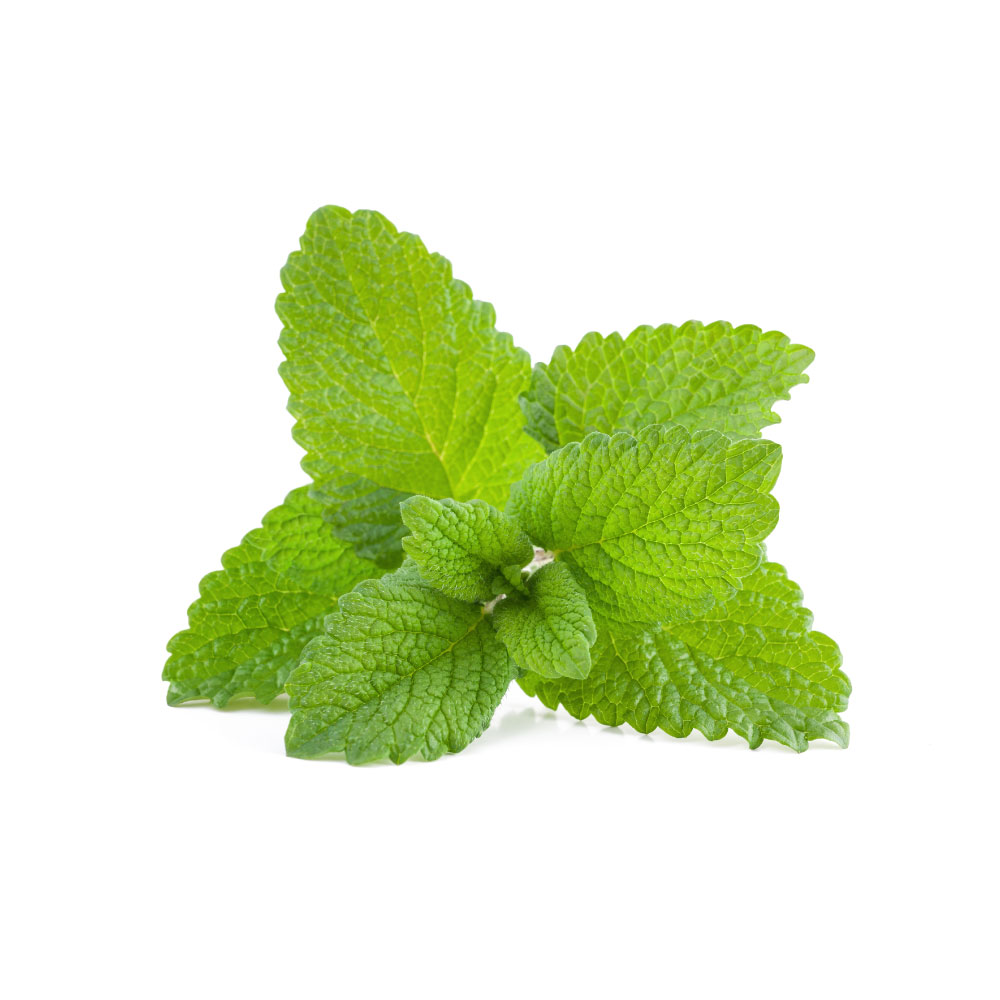 StrongStrongMelissaMelissa officinalisReduces anxiety scores against placebo in a meta-analysis of clinical trials, most clearly in acute settings; its rosmarinic acid and triterpenes inhibit GABA transaminase.MechanismGABA-transaminase inhibition (rosmarinic acid, ursolic acid, oleanolic acid); GABAergic tone ↑Read the evidenceShow lessMonograph →
A 2021 systematic review and meta-analysis of clinical trials found lemon balm significantly reduced anxiety scores against placebo (SMD −0.98, 95% CI −1.63 to −0.33), with the effect most pronounced in acute settings and no serious adverse effects 104Reference 104Meta-analysisThe effects of lemon balm (Melissa officinalis L.) on depression and anxiety in clinical trials — a systematic review and meta-analysisView study →. A 15-day open-label pilot of a standardised rosmarinic acid-rich extract reported an 18% drop in anxiety manifestations 105Reference 105Clinical trialPilot trial of Melissa officinalis L. leaf extract in mild-to-moderate anxiety disorders and sleep disturbances — open-label clinical trialView study →, and an acute placebo-controlled crossover found a single 300 mg dose raised self-rated calmness at the earliest time points 106Reference 106RCTModulation of mood and cognitive performance following acute administration of Melissa officinalis — randomised placebo-controlled crossover trialView study →.
Rosmarinic acid and the triterpenes ursolic acid and oleanolic acid inhibit GABA transaminase in vitro, and a standardised extract reduced anxiety-like behaviour dose-dependently in mice 107,
The dose-response is not linear. In a valerian combination, lower doses blunted laboratory-induced stress anxiety while the highest dose increased anxiety in one session 109Reference 109RCTAnxiolytic effects of a combination of Melissa officinalis and Valeriana officinalis during laboratory-induced stress — randomised placebo-controlled crossover trialView study →.
More is not better with this herb.
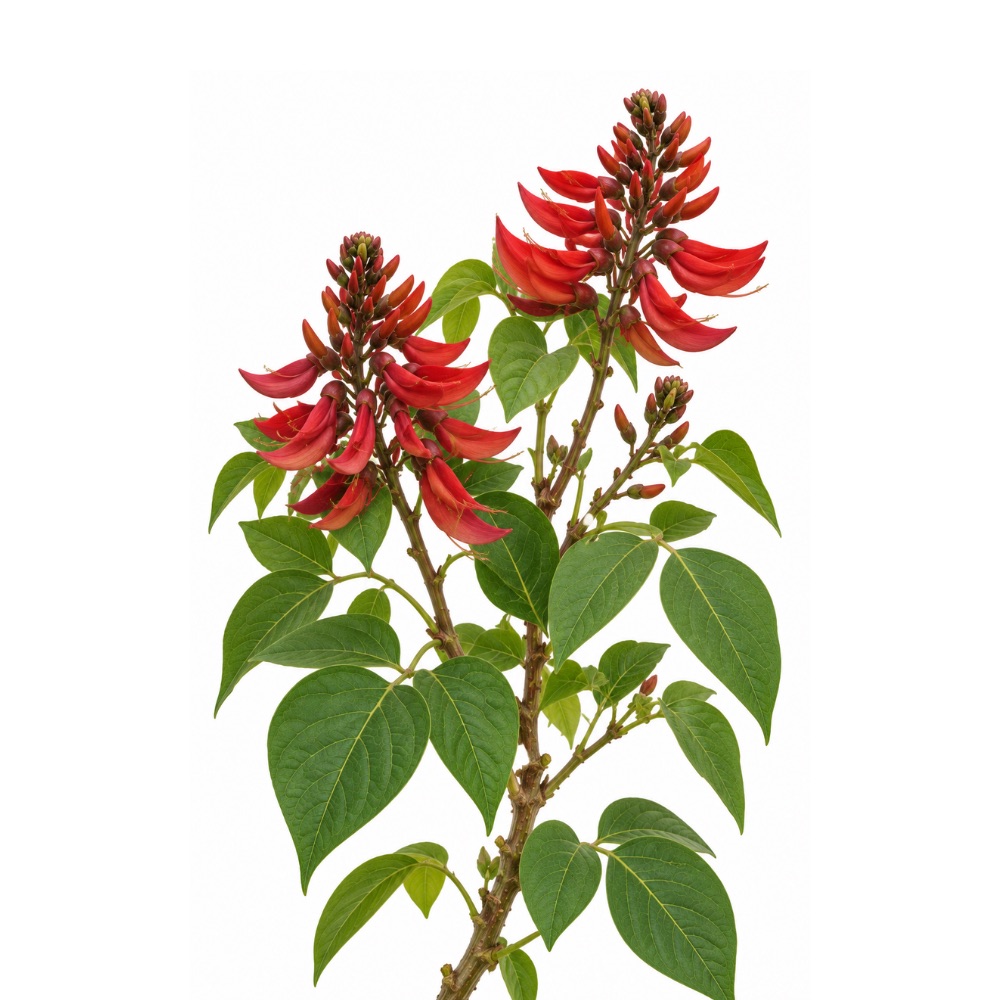 StrongStrongMulunguErythrina mulunguThe calming bark of Brazilian folk medicine; its erythrina alkaloids match diazepam in rodent conflict models by blocking nicotinic acetylcholine receptors rather than acting on GABA.Mechanismneuronal nicotinic acetylcholine receptor blockade (not GABAergic)Read the evidenceShow less
(+)-Erythravine and (+)-11α-hydroxy-erythravine produce anxiolytic-like activity in validated rodent conflict models at low mg/kg doses, comparable to diazepam 110,
The human evidence is two small trials of the bark before dental extraction, and they disagree. The larger and better-controlled one found no benefit over placebo 114,
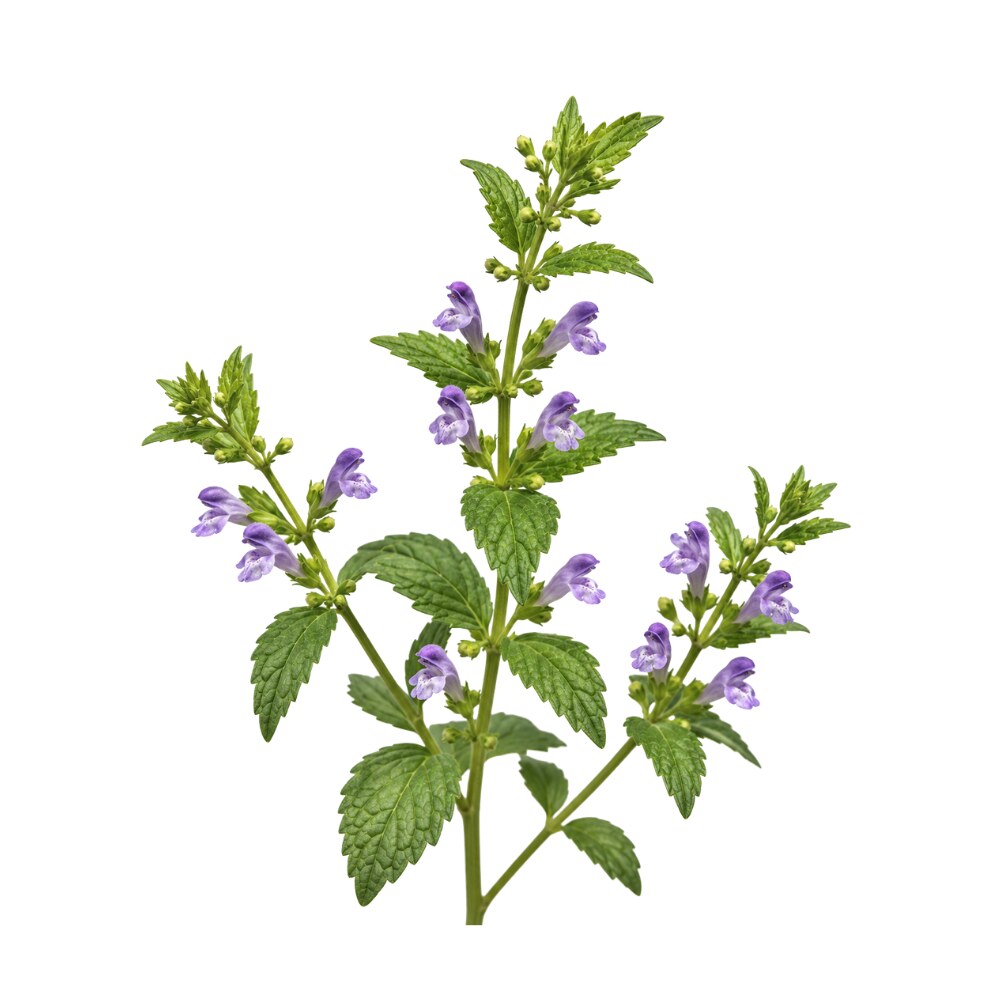 StrongStrongAmerican SkullcapScutellaria laterifloraThe classic nervine of North American practice; baicalin and baicalein bind the GABA-A benzodiazepine site, and a crossover trial cut mood disturbance without sedation.MechanismGABA-A benzodiazepine-site binding; 5-HT7 receptor binding; free GABA contentRead the evidenceShow lessMonograph →
An ethanol extract of the aerial parts produced a classic anxiolytic profile in rats, with more time on the open arms of the elevated plus maze and more centre entries in the open field. The same paper quantified baicalin (about 40 mg/g), baicalein (about 33 mg/g) and free GABA (about 1.6 mg/g), and both flavones bind the benzodiazepine site of the GABA-A receptor 121Reference 121AnimalPhytochemical and biological analysis of skullcap (Scutellaria lateriflora L.): a medicinal plant with anxiolytic properties — animal modelView study →.
Extracts also bind the 5-HT7 serotonin receptor, with 87% inhibition of radioligand binding at 100 µg/mL and scutellarin active at an IC50 of about 63 µM 122Reference 122In vitroInhibition of [3H]-LSD binding to 5-HT7 receptors by flavonoids from Scutellaria lateriflora — in vitroView study →.
An early double-blind placebo-controlled trial in healthy volunteers reported noteworthy anxiolytic effects 123Reference 123RCTAn investigation into the efficacy of Scutellaria lateriflora in healthy volunteers — a double-blind, placebo-controlled randomised trialView study →. The larger crossover RCT (n=43, 350 mg three times daily for two weeks) was null on its primary anxiety endpoint (Beck Anxiety Inventory, p=0.191) in an only mildly anxious sample, and cut total mood disturbance significantly (p<0.001) without sedation, energy loss or cognitive dulling 124Reference 124RCTAmerican Skullcap (Scutellaria lateriflora): a randomised, double-blind placebo-controlled crossover study of its effects on mood in healthy volunteersView study →.
That absence of sedation separates it from a straight sedative.
No trial has enrolled a clinically anxious population, and reviews of botanical anxiolytics still class it as promising and under-tested 125Reference 125ReviewPlant-based medicines for anxiety disorders, part 2: a review of clinical studies with supporting preclinical evidence — reviewView study →.
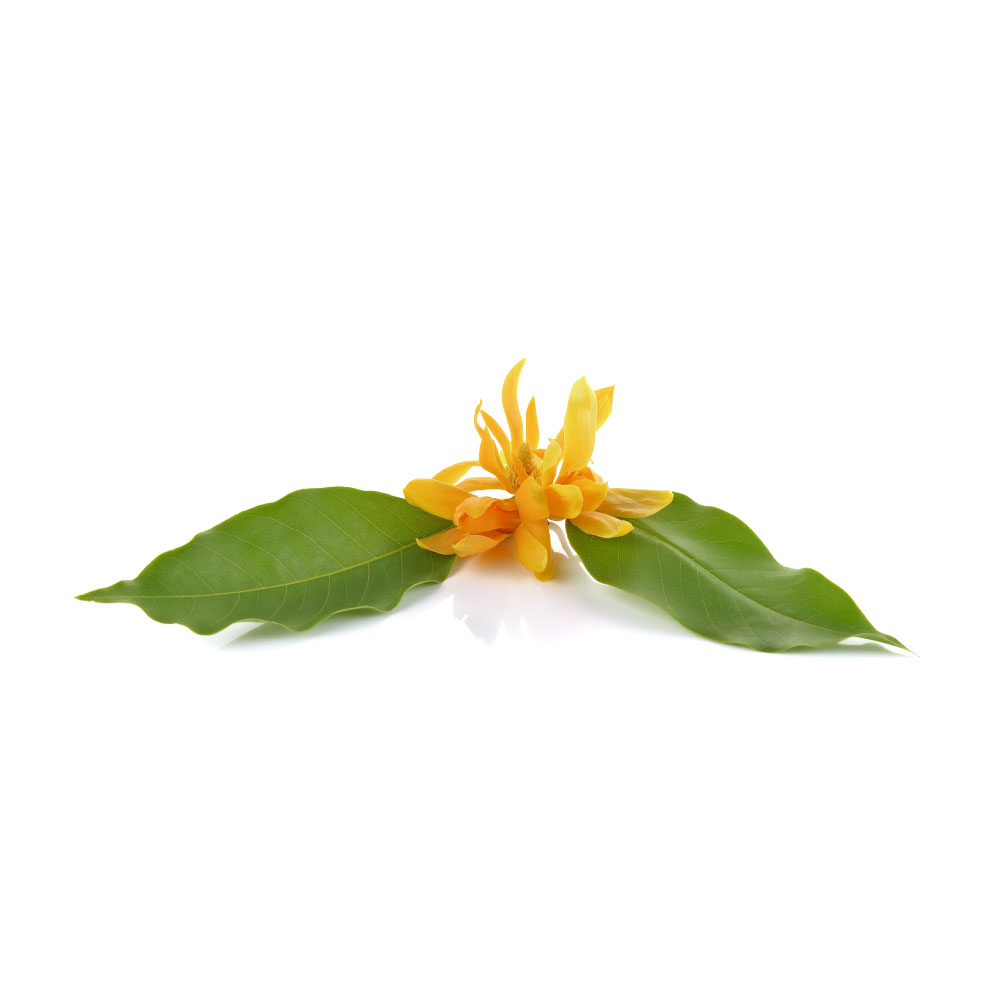 StrongStrongYlang YlangCananga odorataInhaled or applied diluted, lowers situational anxiety in randomised trials of nurses, radiology patients and children at the dentist, while raising alertness rather than sedating.Mechanismolfactory-limbic autonomic modulation; serotonin/dopamine turnover ↑; MAPK/ERK–CREB signalingRead the evidenceShow lessMonograph →
Inhaled or diluted topical oil reduced anxiety scores in a pilot RCT in nursing staff 136Reference 136RCTAromatherapy with ylang ylang for anxiety and self-esteem: a pilot randomized controlled trialView study → and in interventional-radiology patients before a procedure 137Reference 137RCTCananga odorata Aromatherapy Reduces Anxiety in Unexperienced Patients Hospitalized for Interventional Neuroradiology Procedures: A Randomized Control Trial — randomized controlled trialView study →, and produced the largest pulse-rate drop of the oils tested in a paediatric dental RCT 138Reference 138RCTYlang-ylang and lavender aromatherapy for paediatric dental anxiety — randomized controlled trialView study →.
Rodent work supplies the route. Inhaled oil is anxiolytic in the elevated plus maze and light-dark tests while shifting brain serotonin and dopamine metabolism 139Reference 139AnimalThe anxiolytic effect of essential oil of Cananga odorata exposure on mice and determination of its major active constituents — animal modelView study →, reverses 5-HT2C-agonist-induced anxiety through the MAPK/ERK-CREB pathway 140Reference 140AnimalCananga odorata essential oil reverses m-CPP-induced anxiety via the MAPK pathway and serotonin system in mice — animal modelView study →, and normalises monoamine signalling in an autism-model rat 141Reference 141AnimalInhalation of Cananga odorata essential oil relieves anxiety behaviors in autism-like rats via serotonin and dopamine metabolism — animal modelView study →.
The effect is on situational anxiety over minutes to hours, not a treated anxiety disorder. The controlled inhalation study that anchors the claim found the oil raised subjective attentiveness and alertness while calming the body, which its authors called harmonisation rather than relaxation 142Reference 142RCTEvaluation of the harmonizing effect of ylang-ylang oil on humans after inhalation — randomized controlled trialView study →, and one RCT found the aroma impaired memory and lengthened reaction time against peppermint 143Reference 143RCTModulation of cognitive performance and mood by aromas of peppermint and ylang-ylang — randomized controlled trialView study →.
Grade matters and is rarely reported. Extra and grade I fractions are rich in esters and ethers, while grade III is more than 70% sesquiterpene 144,
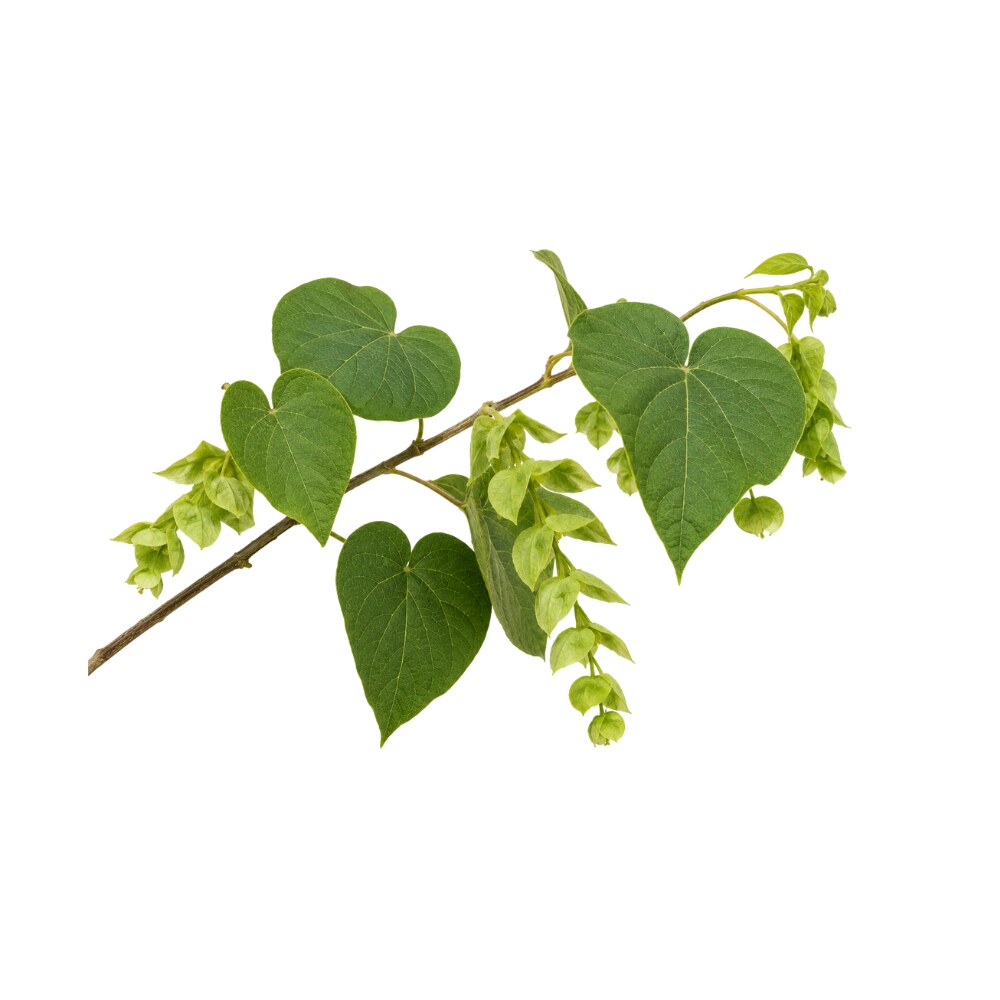 ModerateModerateAbutaCissampelos pareiraLeaf extracts calm mice and rats in standard anxiety models at doses comparable to diazepam, with no receptor identified.Mechanismnot established (no receptor or pathway named); behavioral readout confounded by skeletal-muscle relaxationRead the evidenceShow lessMonograph →
A hydroalcoholic leaf extract at 200 to 400 mg/kg produced anxiolytic effects in the elevated plus maze and hole-board in mice, alongside separate antidepressant activity and skeletal-muscle relaxation, with no mortality up to 2000 mg/kg 19Reference 19AnimalAnti-depressant, anxiolytic, and muscle relaxant activity of hydroalcoholic extract of Cissampelos pareira Linn. leaves — animal model (mice)View study →. An independent 70% hydroethanolic leaf extract reproduced the anxiolysis in elevated plus maze and light-dark models in rats at the same dose range, reported as comparable to diazepam 20Reference 20AnimalEffect of Cissampelos pareira leaves on anxiety-like behavior in experimental animals — animal model (rat)View study →.
Both papers ran true anxiety models, and their forced-swim and tail-suspension results belong to the antidepressant action.
Neither study names a receptor or pathway, and a comparison with diazepam is a comparator rather than evidence of GABAergic action.
The same extract relaxes skeletal muscle 19Reference 19AnimalAnti-depressant, anxiolytic, and muscle relaxant activity of hydroalcoholic extract of Cissampelos pareira Linn. leaves — animal model (mice)View study →, which can inflate open-arm entries and light-compartment time. There is no human data and the constituents are unstandardised.
Both studies used the leaf rather than the root, from C. pareira proper rather than var. hirsuta.
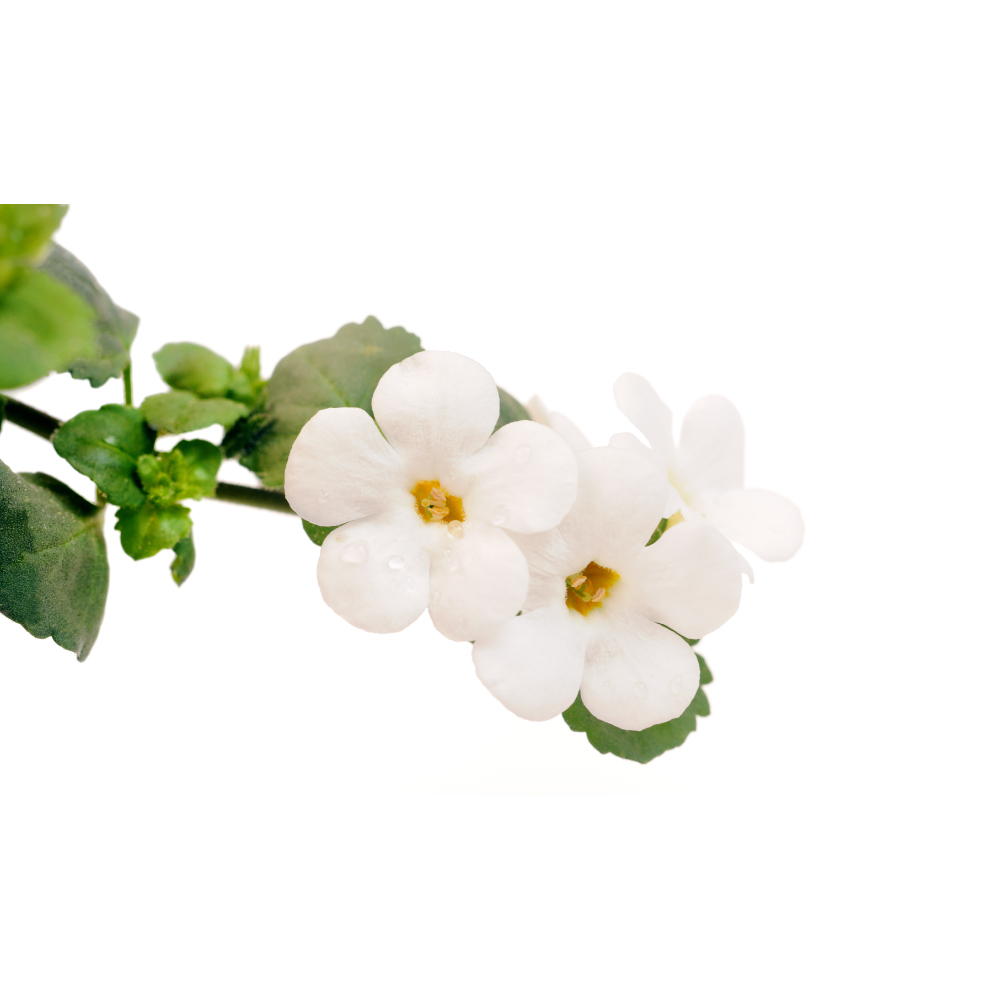 ModerateModerateBacopaBacopa monnieriLowers salivary cortisol and improves mood under an acute stress challenge, and reduced combined anxiety scores as a secondary outcome of a cognition trial in older adults.MechanismHPA-axis normalization (cortisol/ACTH ↓); 5-HT signalingRead the evidenceShow lessMonograph →
In Calabrese’s cognition RCT in older adults, combined state-plus-trait anxiety scores and heart rate fell on bacopa and rose on placebo 27Reference 27RCTEffects of a standardized Bacopa monnieri extract on cognitive performance, anxiety, and depression in the elderly — randomised, double-blind, placebo-controlled trialView study →. An acute double-blind crossover (n=17) of CDRI 08 at 320 and 640 mg reduced salivary cortisol and improved mood during a multitasking stress challenge 28Reference 28RCTAn acute, double-blind, placebo-controlled cross-over study of 320 mg and 640 mg doses of Bacopa monnieri (CDRI 08) on multitasking stress reactivity and mood — randomised controlled trialView study →.
A standardised extract normalised corticosterone and ACTH in prenatally stressed rats 29Reference 29AnimalStandardized Bacopa monnieri extract ameliorates learning and memory impairments through synaptic protein, neurogranin, BDNF signaling, and HPA axis in prenatally stressed rat offspring — animal modelView study →, and 5-HT signalling is credited alongside the HPA effect.
The cortisol effect appears after a single dose, whereas the memory effect does not. No adequately powered trial has used anxiety as a primary outcome.
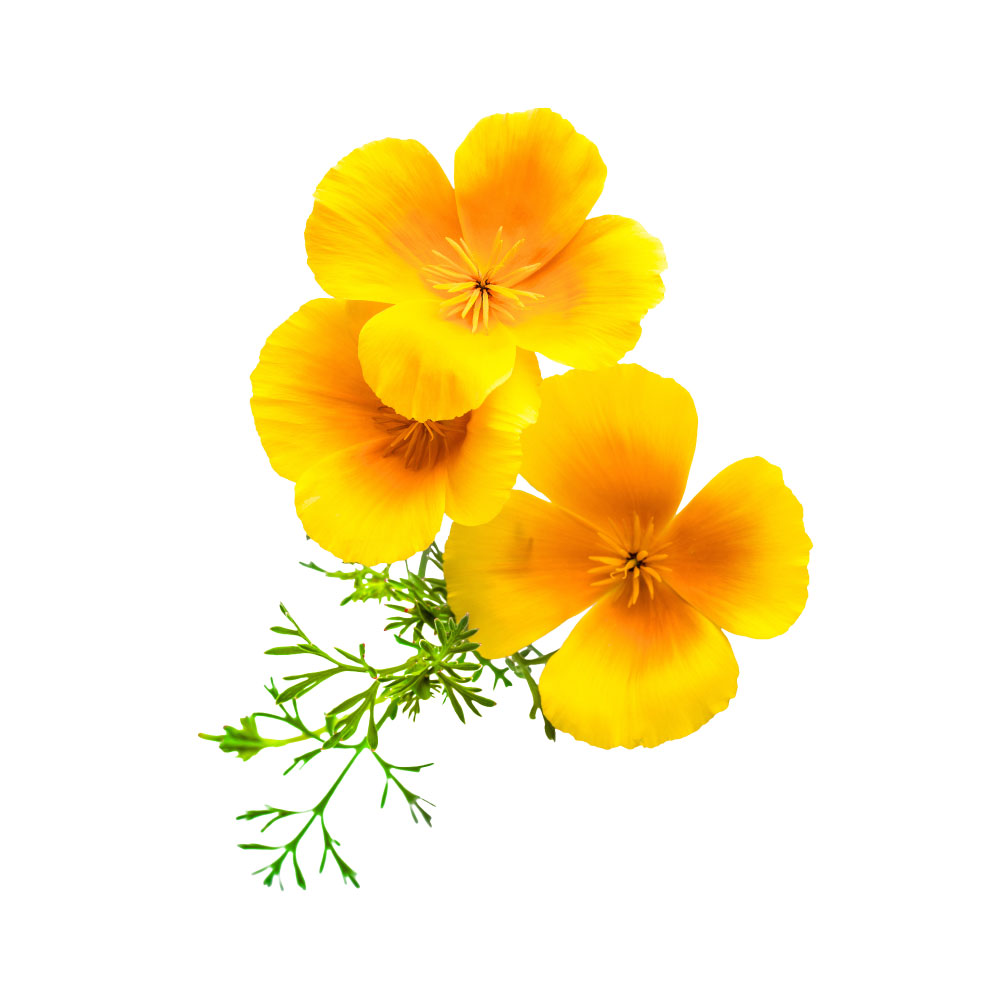 ModerateModerateCalifornia PoppyEschscholzia californicaA calming herb of Native American and Eclectic practice; an aqueous extract relieves conflict anxiety in mice at 25 mg/kg through the GABA-A benzodiazepine site, with reticuline as the active alkaloid.MechanismGABA-A benzodiazepine-site positive allosteric modulation (flumazenil-reversible); 5-HT1A receptor bindingRead the evidenceShow lessMonograph →
In mice an aqueous aerial-part extract produced an anticonflict effect at 25 mg/kg, with more steps in the staircase test and more time in the lit compartment, separable from frank sedation, which appeared only at higher doses 31Reference 31Behavioural effects of the American traditional plant Eschscholzia californica: sedative and anxiolytic propertiesView study →. A follow-up abolished both effects with flumazenil, placing the action at the benzodiazepine site of the GABA-A receptor 32Reference 32Neurophysiological effects of an extract of Eschscholzia californica ChamView study →.
The molecular assignment is specific. (S)-reticuline is a positive allosteric modulator at the α3, α5 and α6 GABA-A isoforms, while N-methyllaurotetanine carries the 5-HT1A affinity and is inactive at GABA-A below 30 µM 16,
The only controlled human trial (n=264, 3 months) tested a fixed combination of Eschscholzia, hawthorn and magnesium (Sympathyl) and found a real but small advantage on the Hamilton score (−10.6 against −8.9, p=0.005) with the poppy content undisclosed 33Reference 33RCTDouble-blind, randomised, placebo-controlled study of a fixed combination of Crataegus oxyacantha and Eschscholtzia californica and magnesium in mild-to-moderate anxietyView study →, so the herb’s own contribution is unquantified. Alkaloid content varies several-fold between commercial products 17Reference 17Alkaloids in commercial preparations of California poppy — quantification, intestinal permeability and microbiota interactionsView study →, so no two doses are comparable.
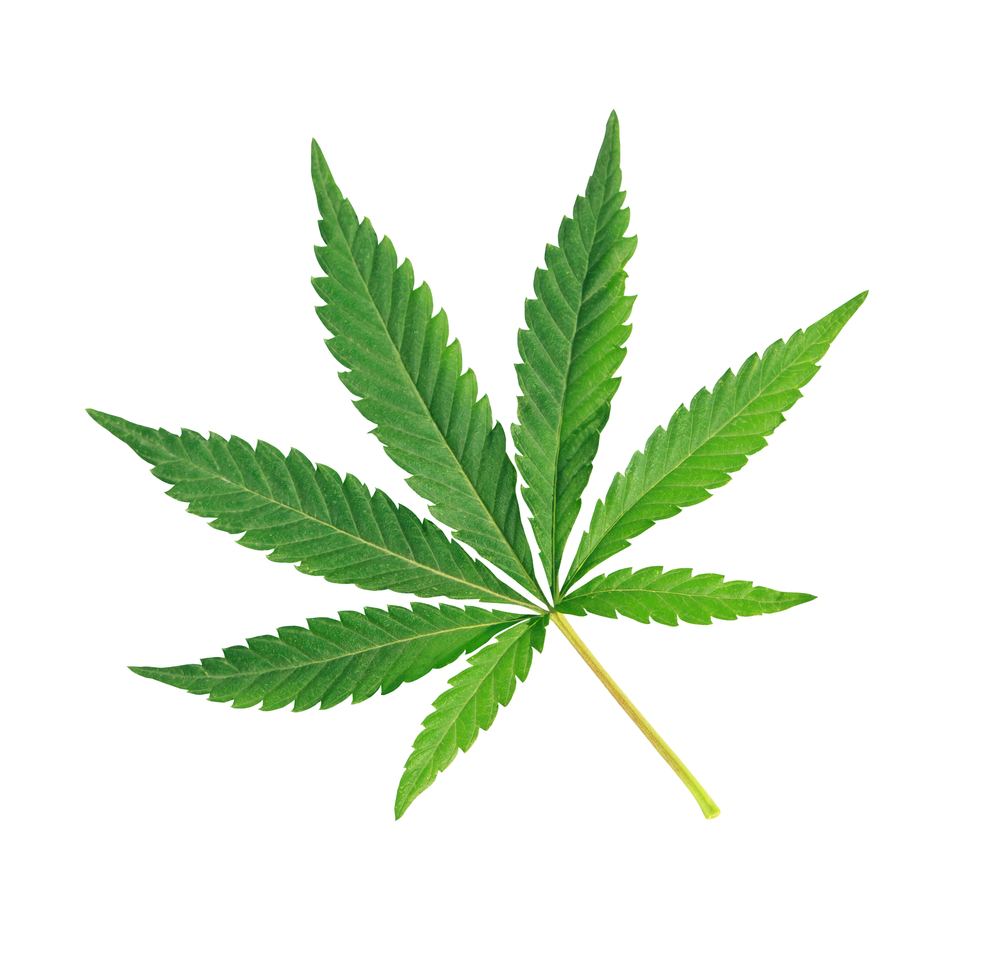 ModerateModerateCannabisCannabis sativaCannabidiol reduces anxiety in an acute public-speaking challenge at 300 to 600 mg through 5-HT1A agonism and FAAH inhibition; high-THC material produces anxiety instead.Mechanism5-HT1A agonism; FAAH inhibition (anandamide ↑)Read the evidenceShow lessMonograph →
A single 600 mg oral CBD dose reduced anxiety during a simulated public-speaking test in social-anxiety patients 34Reference 34RCTCannabidiol reduces the anxiety induced by simulated public speaking in treatment-naive social phobia patients — randomised controlled trialView study →, consistent with CBD’s CB1-independent profile of 5-HT1A agonism and FAAH inhibition, which raises endogenous anandamide.
The effective doses were 300 to 600 mg, an order of magnitude above the 10 to 50 mg in most retail CBD products, and there is no robust trial of sustained CBD dosing in a diagnosed anxiety disorder. The evidence is acute-challenge only.
High-THC material provokes anxiety, panic and transient paranoia, so the calming effect depends on the cannabinoid and the ratio rather than on the plant.
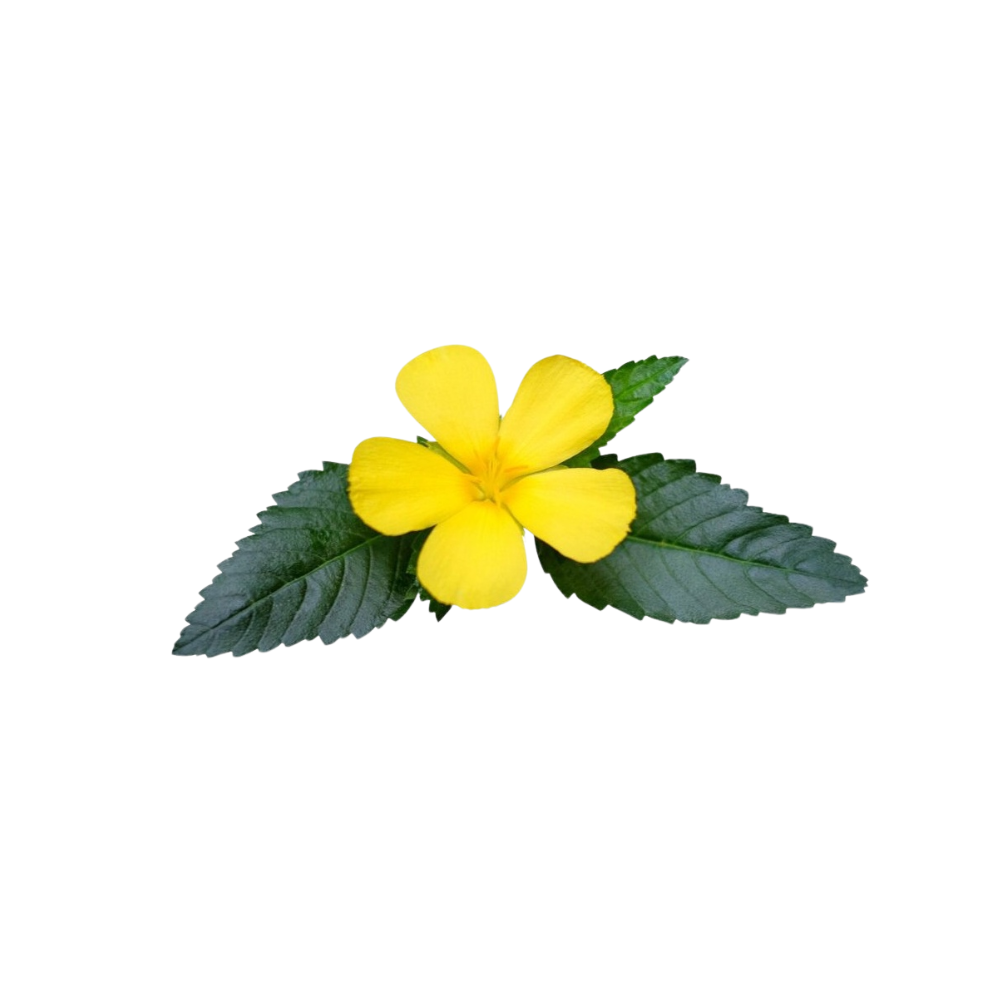 ModerateModerateDamianaTurnera diffusaA traditional nerve tonic of Mexico and Central America; leaf fractions calm mice in the elevated plus maze at doses comparable to diazepam, and apigenin is the marker constituent.MechanismGABA-A modulation (benzodiazepine site)Read the evidenceShow lessMonograph →
Methanol and butanol fractions of T. aphrodisiaca were significantly anti-anxiety in the mouse elevated plus maze, comparable to diazepam at low doses 38Reference 38Anti-anxiety activity studies of various extracts of Turnera aphrodisiaca Ward — animal studyView study →. Apigenin was isolated as the putative marker and at 2 mg/kg increased exploratory behaviour across hole-board, light-dark and mirrored-chamber models 39,
The pathway is GABA-A modulation at the benzodiazepine site, consistent with apigenin’s affinity for that site and its own anxiolytic effect in mice 42Reference 42In vitroApigenin, a component of Matricaria recutita flowers, is a central benzodiazepine receptors-ligand with anxiolytic effects — in vitro and mouseView study →.
Everything is rodent and no human anxiety trial exists. Apigenin content in damiana leaf is low and mostly glycoside-bound, so the whole-herb dose delivering the modelled effect is undefined, and the active fractions were methanol and butanol rather than the tincture or tea the herb is taken as.
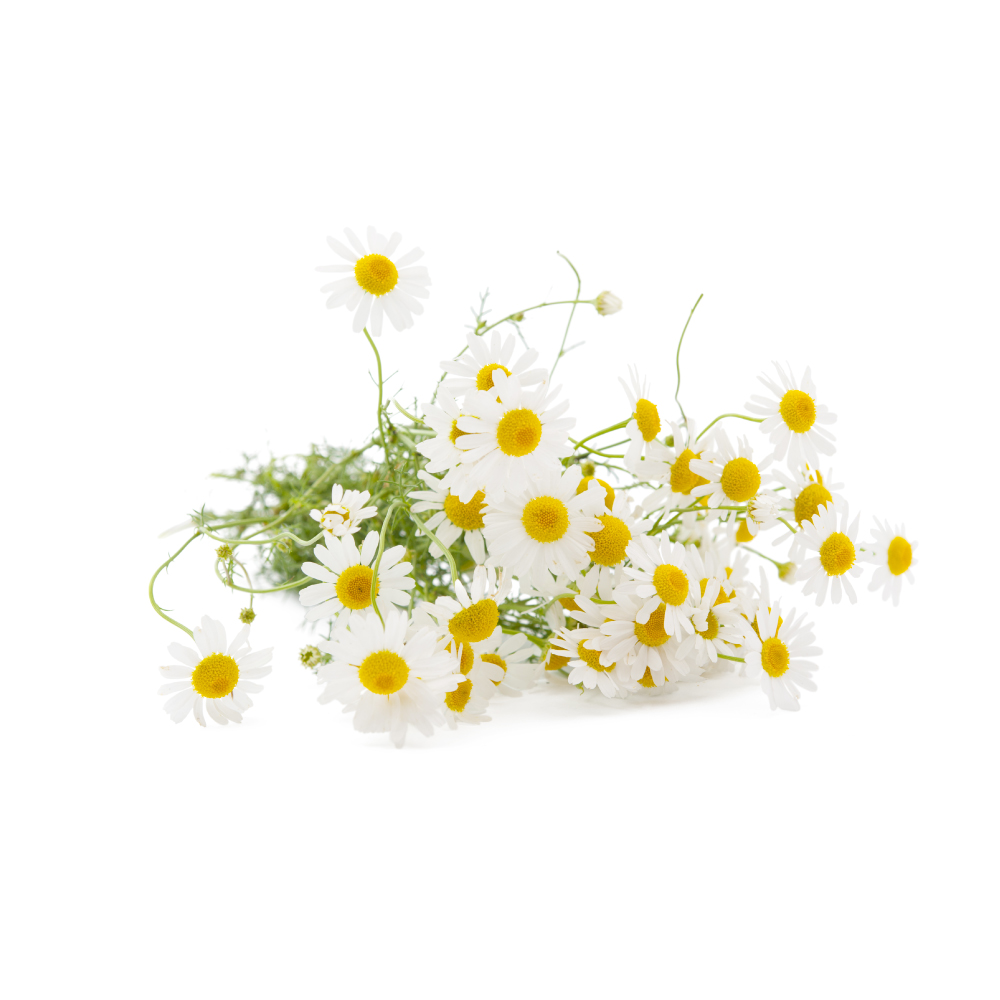 ModerateModerateGerman ChamomileMatricaria chamomillaA standardised apigenin extract reduced Hamilton Anxiety scores in generalised anxiety disorder over eight weeks; the tea has not been tested.MechanismHAM-A ↓ (standardized 1.2%-apigenin extract); apigenin benzodiazepine-site binding (proposed)Read the evidenceShow lessMonograph →
A double-blind, placebo-controlled trial randomised 57 outpatients with mild-to-moderate generalised anxiety disorder to a standardised extract (1.2% apigenin, about 220 to 1100 mg/day) or placebo for 8 weeks, and found a significantly greater fall in total Hamilton Anxiety score on chamomile (p = 0.047) 35Reference 35RCTA randomized, double-blind, placebo-controlled trial of oral Matricaria recutita (chamomile) extract therapy for generalized anxiety disorder — randomised controlled trialView study →. A later, larger programme gave open-label chamomile 1500 mg/day for 12 weeks and then randomised responders to continuation or placebo: relapses were fewer and slower on chamomile, and the difference did not reach significance 36Reference 36RCTLong-term chamomile (Matricaria chamomilla L.) treatment for generalized anxiety disorder: a randomized clinical trialView study →.
A Bayesian network meta-analysis of 12 medicinal herbs for anxiety placed chamomile in the field, with the largest and most consistent effects for lavender (Silexan) and kava 37Reference 37Meta-analysisMedicinal herbs for the treatment of anxiety: a systematic review and network meta-analysisView study →.
The effect belongs to a specific standardised capsule, not to tea, which is how the herb is usually taken. The record is one small positive RCT and one relapse-prevention study with a non-significant primary endpoint.
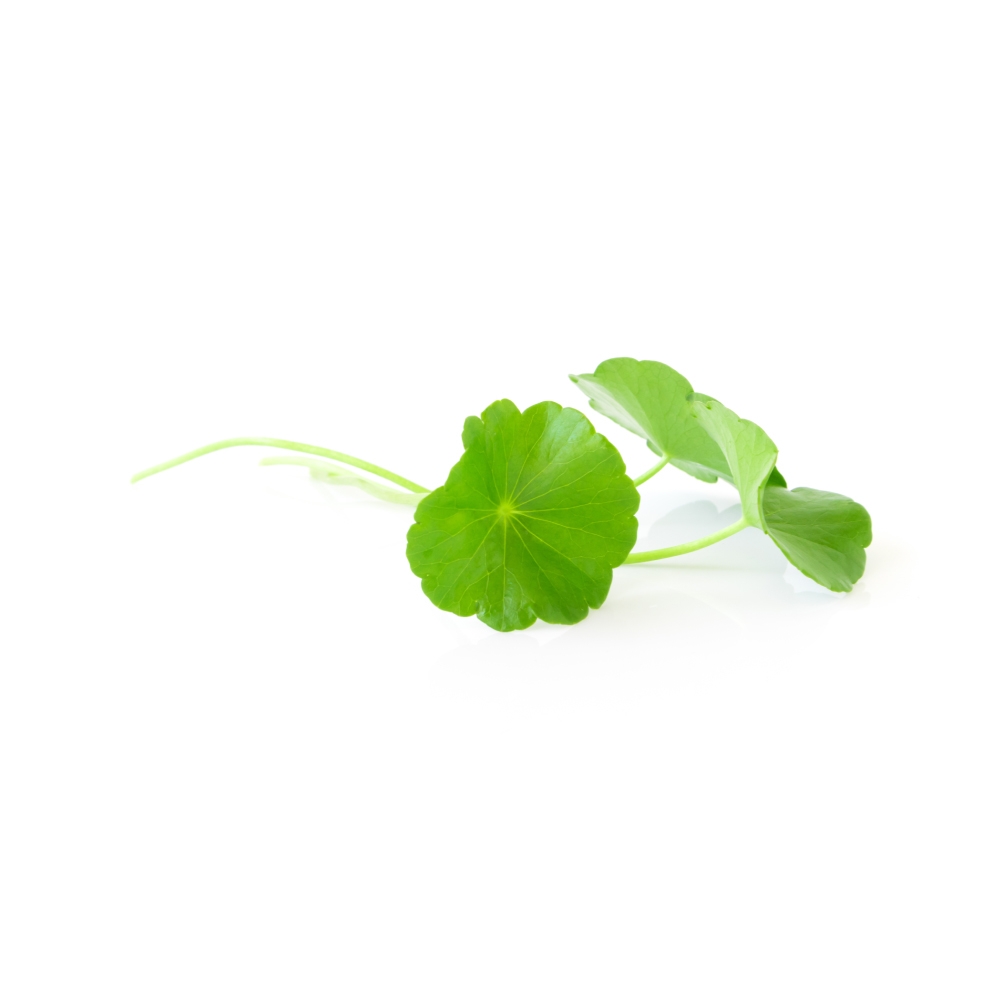 ModerateModerateGotu KolaCentella asiaticaA single 12 g dose blunted the acoustic startle response in a placebo-controlled study without changing mood or heart rate; smaller open-label work reports lower anxiety in generalised anxiety disorder.Mechanismacoustic-startle-response attenuation (validated anxiety marker); acute-onset, mood-independentRead the evidenceShow lessMonograph →
In a double-blind, placebo-controlled study (n=40), a single 12 g oral dose significantly attenuated the acoustic startle response 30 to 60 minutes after dosing, a validated physiological marker of anxiety, without affecting mood, heart rate or blood pressure 44Reference 44RCTA double-blind, placebo-controlled study on the effects of Gotu Kola on acoustic startle response in healthy subjects — randomised trialView study →. The dissociation shows an anxiolytic signal that is not sedation or a mood lift.
A small open-label study in generalised anxiety disorder (n=33, 500 mg twice daily, 60 days) reported reduced anxiety, stress and depression scores 45Reference 45Clinical trialA clinical study on the management of generalized anxiety disorder with Centella asiatica — clinical trialView study →, and a 2017 meta-analysis of cognition and mood found C. asiatica improved alertness and reduced anger acutely 46Reference 46Meta-analysisEffects of Centella asiatica on cognitive function and mood — systematic review and meta-analysisView study →.
A 2026 scoping review of mood disorders found only three small human studies (n=91 in total) and judged the evidence too limited to meta-analyse 47Reference 47ReviewTherapeutic potential of Gotu Kola, phosphatidylcholine and taurine in mood disorders — systematic scoping reviewView study →. The rigorous trial used 12 g in a single dose, an order of magnitude above the 500 mg twice-daily regimen of the open-label work.
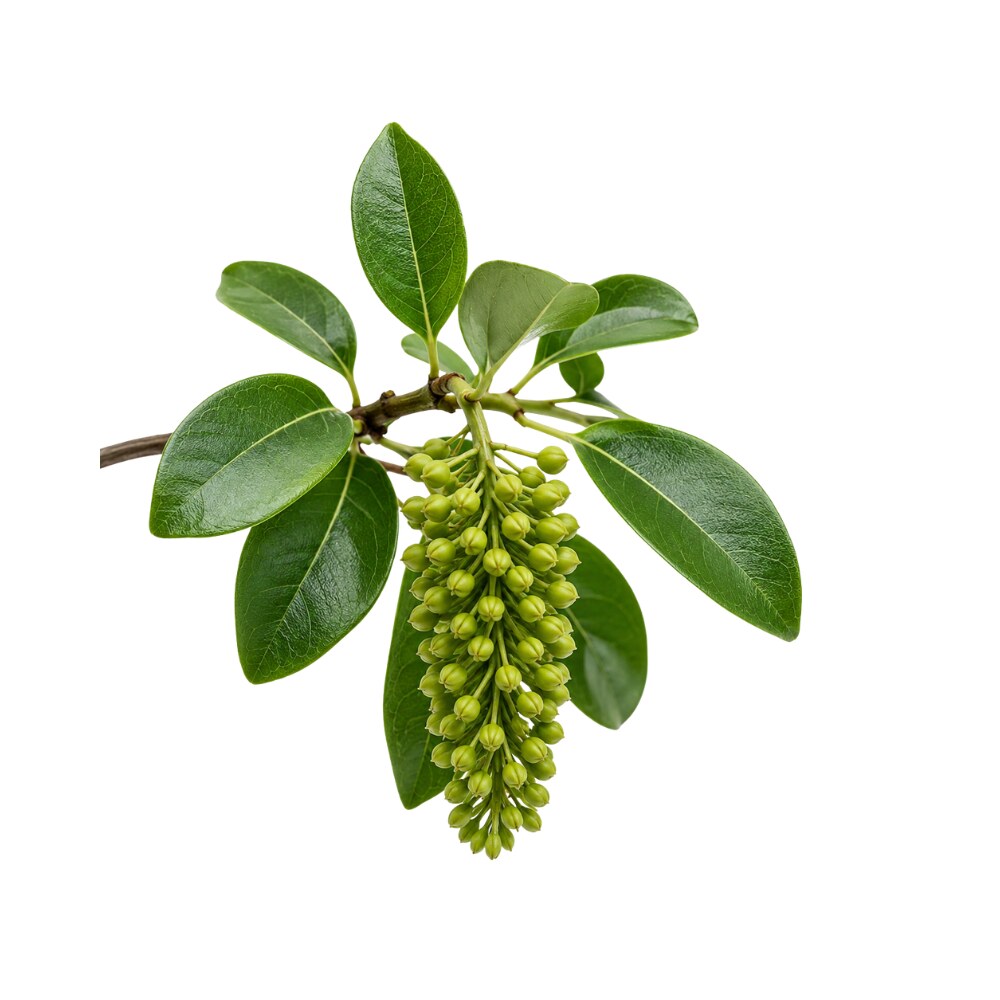 ModerateModerateGriffoniaGriffonia simplicifoliaIts seed supplies 5-HTP, the immediate precursor of serotonin; 200 mg blunted a CO₂ panic challenge in panic-disorder patients, and the seed extract itself calms rats.Mechanismraised central 5-HT tone; serotonergic damping of the CO₂/suffocation-alarm circuitRead the evidenceShow lessMonograph →
In 24 panic-disorder patients, 200 mg of L-5-HTP significantly blunted the response to a 35% CO₂ panic challenge on subjective anxiety, panic-symptom score and number of attacks, and had no effect in healthy controls 48Reference 48RCTAcute L-5-hydroxytryptophan administration inhibits carbon-dioxide-induced panic in panic disorder patients — randomised controlled trialView study →. That pattern is a normalised alarm circuit rather than general sedation.
An older double-blind comparison against clomipramine and placebo supports it weakly 49Reference 49RCTEffect of a serotonin precursor and uptake inhibitor in anxiety disorders: a double-blind comparison of 5-hydroxytryptophan, clomipramine and placeboView study →.
Griffonia seed extract itself, at 10 and 25 mg/kg, increased time in the light compartment of a rat light-dark test, the first in-vivo evidence that the extract and not only the molecule is anxiolytic 50Reference 50AnimalAnxiolytic-like effect of Griffonia simplicifolia Baill. seed extract in rats — animal modelView study →.
One acute human challenge study is not a treatment trial, and the direct-herb evidence is rodent-only. At higher doses the same extract reduced receptive and proceptive sexual behaviour in female rats 51Reference 51AnimalGriffonia simplicifolia negatively affects sexual behavior in female rats — animal modelView study →.
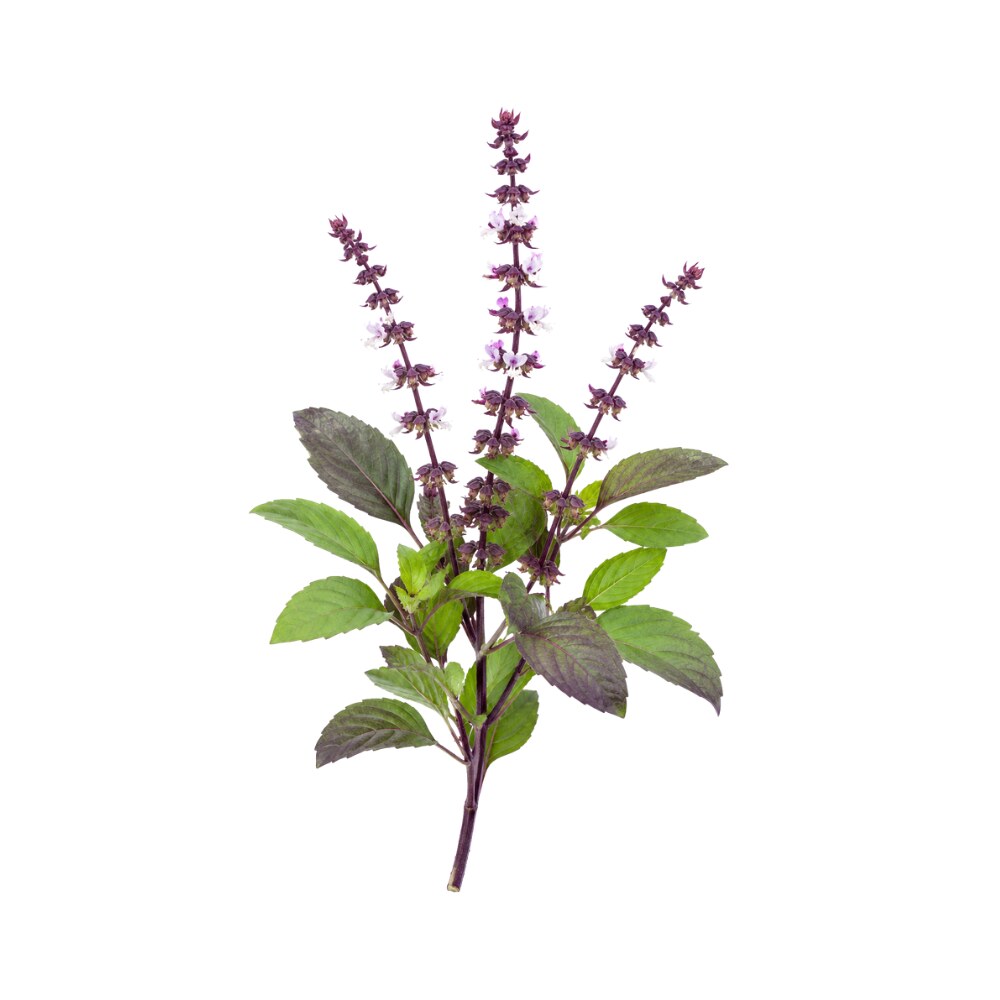 ModerateModerateHoly BasilOcimum tenuiflorumThe sacred tulsi of Ayurveda, taken daily for composure; a 60-day trial in generalised anxiety disorder reported lower anxiety, stress and depression scores.Mechanismnot established — no receptor-level target mappedRead the evidenceShow lessMonograph →
A controlled programmed trial in generalised anxiety disorder (500 mg twice daily, 60 days, n=35) reported significant falls in anxiety, stress and depression scores 54Reference 54Clinical trialControlled programmed trial of Ocimum sanctum leaf on generalized anxiety disorders — controlled clinical trialView study →. The anxiolytic signal otherwise appears within the general stress trials 55,
The GAD trial is small, old, not placebo-blinded in the modern sense and self-report-based, and no receptor mechanism has been established for tulsi.
The effect is consistent across trials and modest in size.
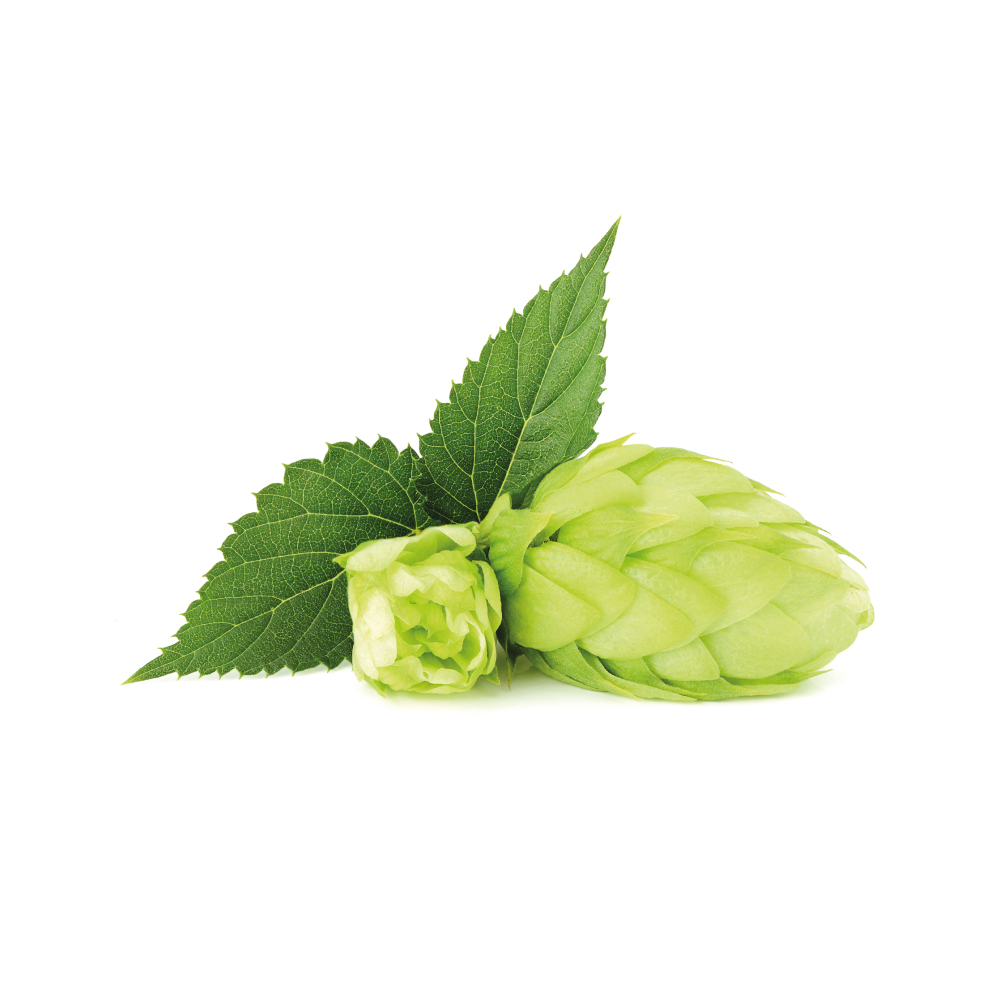 ModerateModerateHopsHumulus lupulusA dry extract reduced self-reported anxiety and stress in a crossover pilot in young adults with mild symptoms, distinct from its sedative use at night.MechanismGABAergic modulation (inferred from the sedative fraction); HPA/cortisol — not establishedRead the evidenceShow lessMonograph →
In a DASS-21 crossover pilot, a hops dry-extract supplement reduced self-reported anxiety and stress in 36 apparently healthy young adults with at least mild baseline symptoms 57Reference 57RCTEffects of a hops (Humulus lupulus L.) dry extract supplement on self-reported depression, anxiety and stress levels in apparently healthy young adults: a randomized, placebo-controlled, double-blind, crossover pilot study — [randomized]View study →.
No anxiolytic mechanism has been demonstrated for hops. The GABAergic attribution carries over from the sedative α-acid work 58Reference 58The sedative effects of hops (Humulus lupulus), a component of beer, on the activity/rest rhythm — [animal]View study →, and the cortisol measurement in the pilot 57Reference 57RCTEffects of a hops (Humulus lupulus L.) dry extract supplement on self-reported depression, anxiety and stress levels in apparently healthy young adults: a randomized, placebo-controlled, double-blind, crossover pilot study — [randomized]View study → is a measured variable rather than a demonstrated pathway.
The trial is unreplicated, small, short and in subclinical volunteers, with no dose-finding and no active comparator.
 ModerateModerateKannaSceletium tortuosumThe mood herb of the Khoisan; a single 25 mg dose of the standardised extract Zembrin damps amygdala reactivity on fMRI through serotonin reuptake and PDE4 inhibition.Mechanismserotonin reuptake inhibition; PDE4 inhibition (cAMP ↑)Read the evidenceShow lessMonograph →
A single 25 mg dose of the standardised extract Zembrin reduced amygdala reactivity to fearful stimuli on fMRI and weakened amygdala-hypothalamic coupling, damping the threat circuit and its downstream stress output rather than producing generic sedation 10Reference 10Clinical trialAcute effects of Sceletium tortuosum (Zembrin), a dual 5-HT reuptake and PDE4 inhibitor, in the human amygdala and its connection to the hypothalamusView study →.
The mechanism is the herb’s dual mesembrine-type profile, serotonin reuptake inhibition and PDE4 inhibition acting together 10,
The endpoint is a neuroimaging biomarker in healthy volunteers, not a treated anxiety disorder, and there is no randomised clinical anxiety trial. The result belongs to a single standardised extract, not to raw or fermented plant material, whose alkaloid ratios differ widely 62,
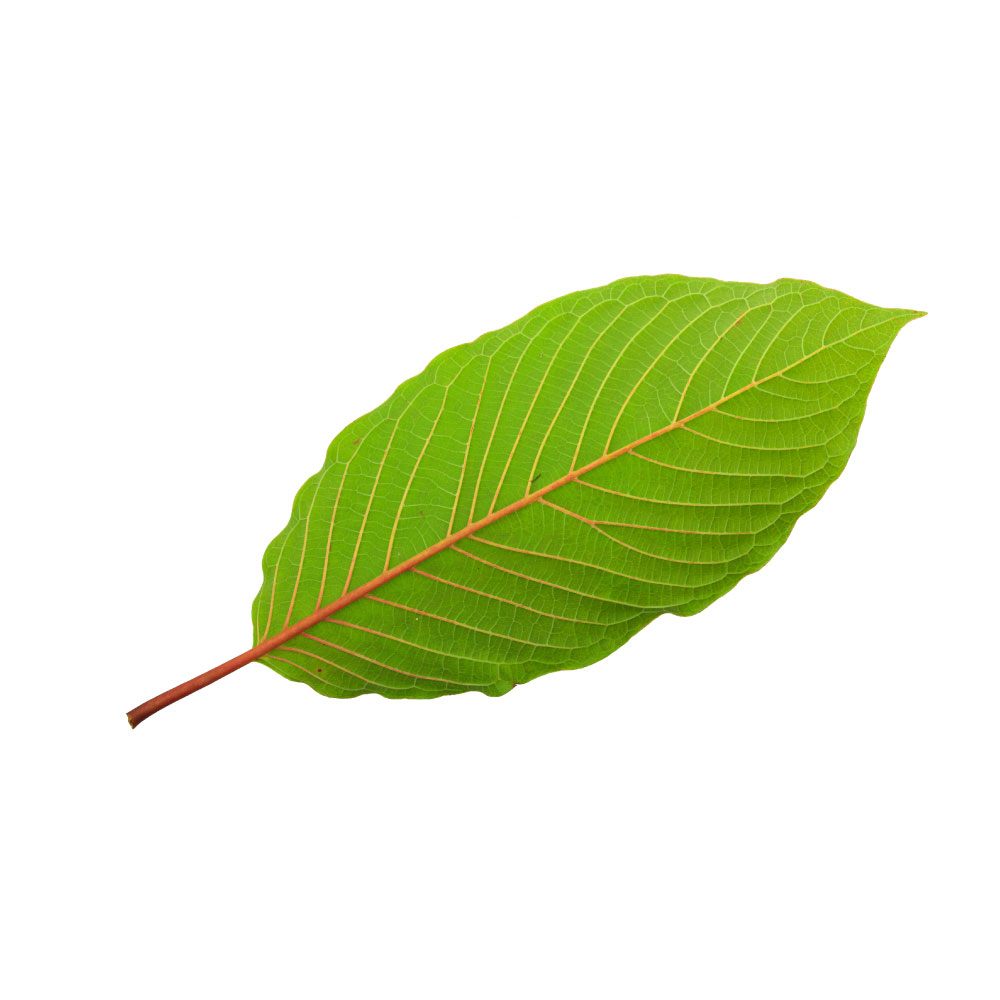 ModerateModerateKratomMitragyna speciosaMood improvement is among the most common self-reported reasons for use; mitragynine carries serotonergic 5-HT2A activity, and leaf extract calms diabetic rats over five weeks.Mechanism5-HT2A serotonergic activity (mitragynine); µ-opioid agonism; brain oxidative-stress and pro-inflammatory-cytokine reductionRead the evidenceShow lessMonograph →
Mood improvement is one of the most frequently self-reported reasons for kratom use 75Reference 75ObservationalPatterns of Kratom use and health impact in the US — Results from an online survey — observationalView study →, and mitragynine carries serotonergic (5-HT2A) activity alongside its opioid and adrenergic actions 76Reference 76In vitroIn vitro and in vivo pharmacology of kratom — reviewView study →.
Controlled support is preclinical. A hydro-alcoholic leaf extract (50 and 200 mg/kg for 5 weeks) reduced anxiety- and depression-like behaviour in forced-swim, open-field and elevated plus maze tests in diabetic rats while lowering brain oxidative stress and pro-inflammatory cytokines 77Reference 77AnimalAnxiolytic and Antidepressant-like Effects of Mitragyna speciosa Extract in Diabetic Rats — rat animal modelView study →.
Anxiety, irritability and restlessness are documented components of kratom’s withdrawal syndrome 78Reference 78ObservationalKratom (Mitragyna speciosa) dependence, withdrawal symptoms and craving in regular users — observational cohortView study →, so in regular users part of the calming effect is relief of an opioid-adapted state, and anxiety also appears among the adrenergic effects at stimulant doses. There is no human trial, the animal model is diabetic, and forced-swim assays have debated predictive value.
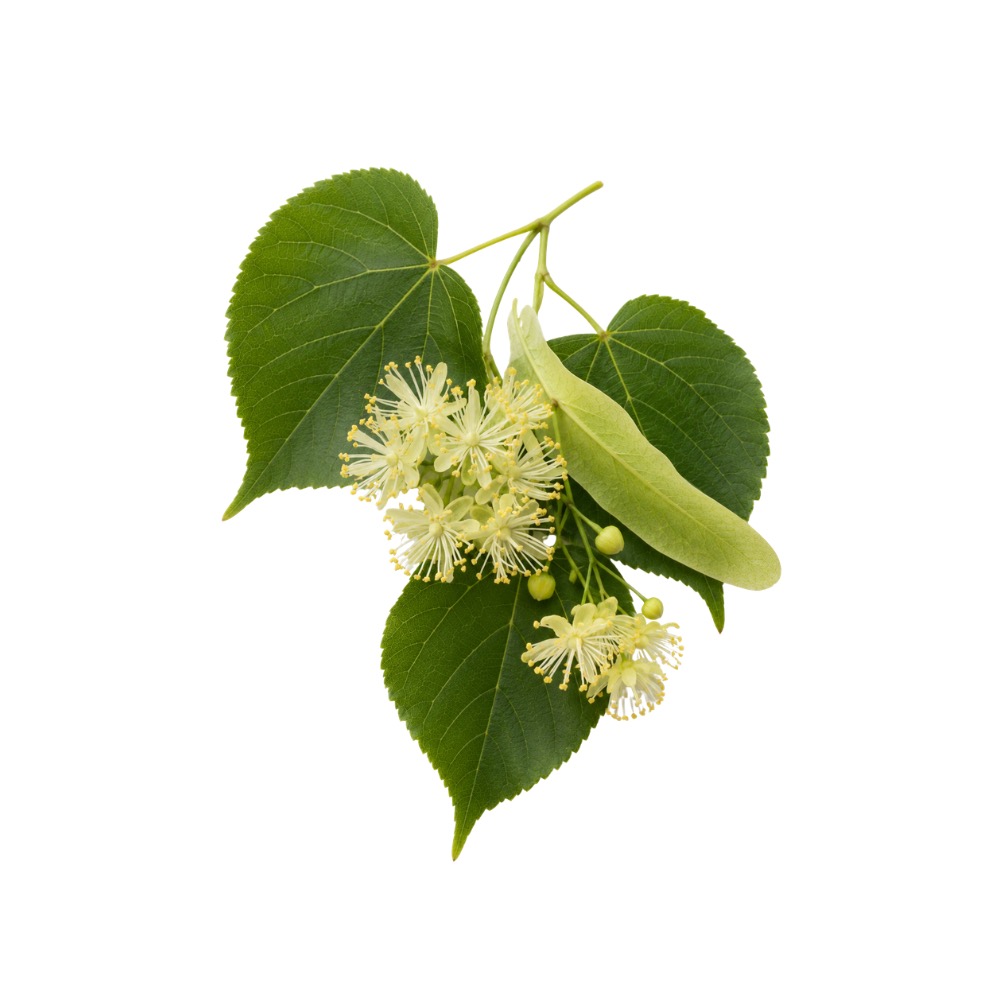 ModerateModerateLinden FlowerTilia spp.The bedtime tea of European households; bud and flower extracts bind GABA-A benzodiazepine receptors, and its flavonoids calm rodents dose-dependently in three anxiety models.MechanismGABA-A benzodiazepine-site binding; 5-HT1A / 5-HT2A modulationRead the evidenceShow lessMonograph →
Tilia bud and inflorescence extracts bind and activate GABA-A/benzodiazepine receptors and silence hippocampal neuronal firing 90,
The behavioural signal is well replicated: dose-dependent anxiolysis in elevated plus maze, hole-board and open-field tests across aqueous, ethanol and methanol extracts, with several reports calling the effect comparable to diazepam 93,
There is no human trial in any indication, and the active doses are concentrated extracts and purified fractions rather than the 2 to 4 g infusion the herb is drunk as 98,
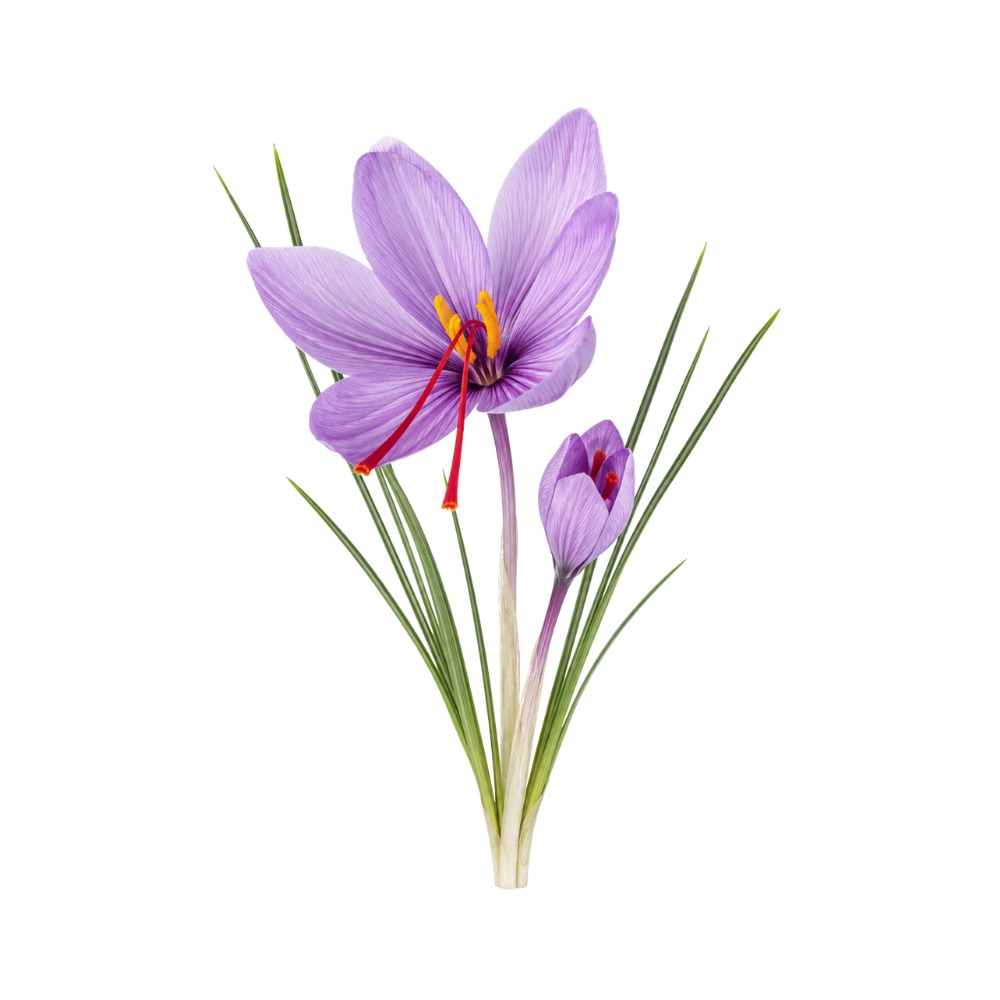 ModerateModerateSaffronCrocus sativusLowers anxiety as a secondary outcome of its depression trials, and compared with SSRIs across depression and anxiety outcomes in a 2025 meta-analysis.Mechanismserotonergic modulation; GABAergic/sedative action (safranal)Read the evidenceShow lessMonograph →
Anxiety is almost always a secondary outcome in saffron’s depression trials and moves in the same direction as mood. A network meta-analysis of medicinal herbs for anxiety placed saffron among the better-performing options 37Reference 37Meta-analysisMedicinal herbs for the treatment of anxiety: a systematic review and network meta-analysisView study →, the affron trial in healthy adults reported reduced stress- and anxiety-related symptoms at 28 mg/day 118Reference 118RCTaffron® a novel saffron extract (Crocus sativus L.) improves mood in healthy adults over 4 weeks in a double-blind, parallel, randomised, placebo-controlled clinical trialView study →, and a 2025 meta-analysis found saffron comparable to SSRIs across depression and anxiety outcomes 119Reference 119Meta-analysisEffect of saffron versus selective serotonin reuptake inhibitors (SSRIs) in treatment of depression and anxiety: a systematic review and meta-analysis. https://pubmed.ncbi.nlm.nih.gov/38913392/View study →.
The 2025 subclinical-symptom RCT saw no significant change in anxiety 120Reference 120RCTEffect of saffron extract supplementation on mood in healthy adults with subclinical symptoms of depression: a randomised, double-blind placebo-controlled studyView study →.
Few trials use anxiety as a primary endpoint or enrol diagnosed anxiety-disorder patients, so the effect size specific to anxiety is poorly defined.
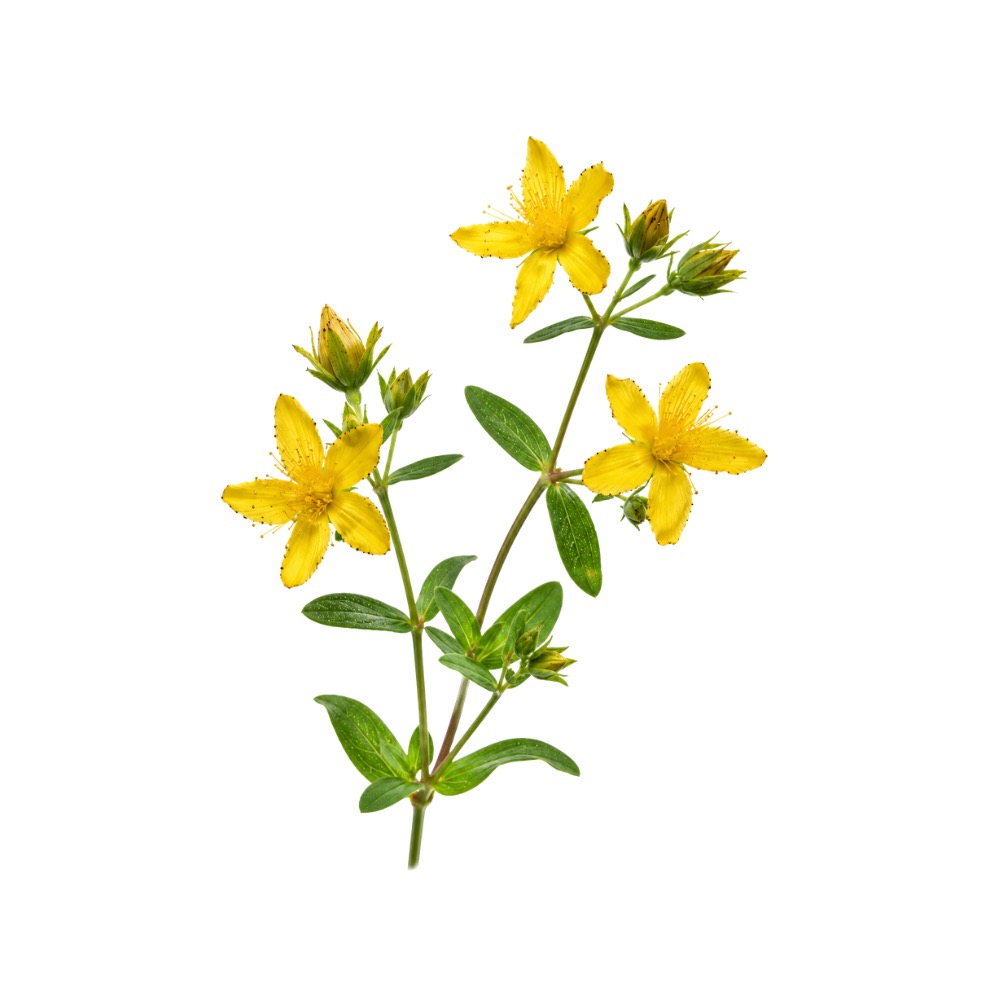 ModerateModerateSt. John’s WortHypericum perforatumRelieves the somatic side of anxiety; two placebo-controlled trials of the extract LI 160 in somatoform disorders improved somatic anxiety over six weeks.Mechanismshared monoamine reuptake inhibition; no distinct anxiolytic pathway establishedRead the evidenceShow lessMonograph →
Two independent placebo-controlled somatoform trials used the extract LI 160. In one, 184 outpatients on 300 mg twice daily for 6 weeks beat placebo across a combined measure of six symptom scales 126Reference 126RCTTreatment of somatoform disorders with StView study →; in the other, 151 outpatients on 600 mg/day improved significantly over placebo on somatic anxiety 127Reference 127RCTSt John’s wort extract (LI 160) in somatoform disorders: results of a placebo-controlled trialView study →.
The PMS crossover trial sharpens the picture. Physical and behavioural symptoms improved significantly more than placebo, and mood and pain did not 128Reference 128RCTThe efficacy of Hypericum perforatum (St John’s wort) for the treatment of premenstrual syndrome: a randomised, double-blind, placebo-controlled trialView study →.
The evidence is for bodily, somatic anxiety rather than psychic anxiety, and there is no dedicated anxiety-disorder trial. Both somatoform trials ran 6 weeks and used the same proprietary extract 126,
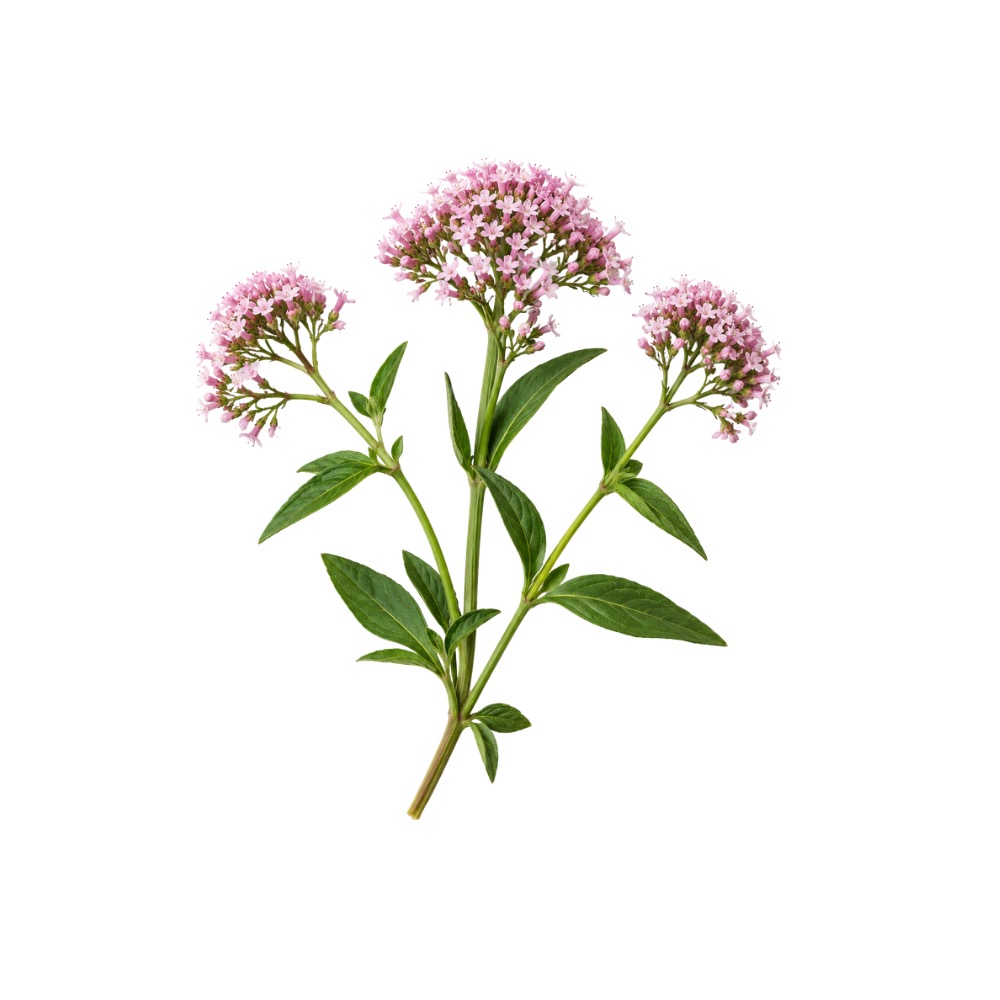 ModerateModerateValerianValeriana officinalisValerenic acid potentiates GABA-A through β3-containing receptors, a mechanism proven in point-mutant mice, while the human anxiety trials remain small and inconclusive.MechanismGABA-A β3-subunit allosteric potentiation; HPA-axis dampening (↓ corticosterone); ↓ serotonin/noradrenaline turnoverRead the evidenceShow lessMonograph →
Valerenic acid and valerenol bind GABA-A with nanomolar affinity and enhance GABA responses in a β2/β3-dependent way 129,
A companion study showed the effect tracks valerenic acid and is cancelled by co-occurring acetoxyvalerenic acid 131Reference 131The anxiolytic effects of a Valerian extract is based on valerenic acidView study →, which explains much of the inconsistency between preparations.
Mouse work reproduces a diazepam-comparable effect at 12 mg/kg without sedation or locomotor change 132Reference 132AnimalValerenic acid reduces anxiety-like behavior in young adult, female (C57BL/6J) miceView study →, so the anxiolysis is separable from sedation.
The human evidence is thin. Cochrane found one eligible trial and judged the evidence insufficient 133Reference 133Valerian for anxiety disordersView study →, a network meta-analysis of anxiolytic herbs did not rank valerian among the effective agents 37Reference 37Meta-analysisMedicinal herbs for the treatment of anxiety: a systematic review and network meta-analysisView study →, a GAD pilot was underpowered and formally negative 134Reference 134RCTEffect of valepotriates (valerian extract) in generalized anxiety disorder: a randomized placebo-controlled pilot studyView study →, and an EEG trial altered frontal alpha coherence with no between-group clinical difference 135Reference 135RCTValerian extract alters functional brain connectivity: A randomized double-blind placebo-controlled trialView study →.
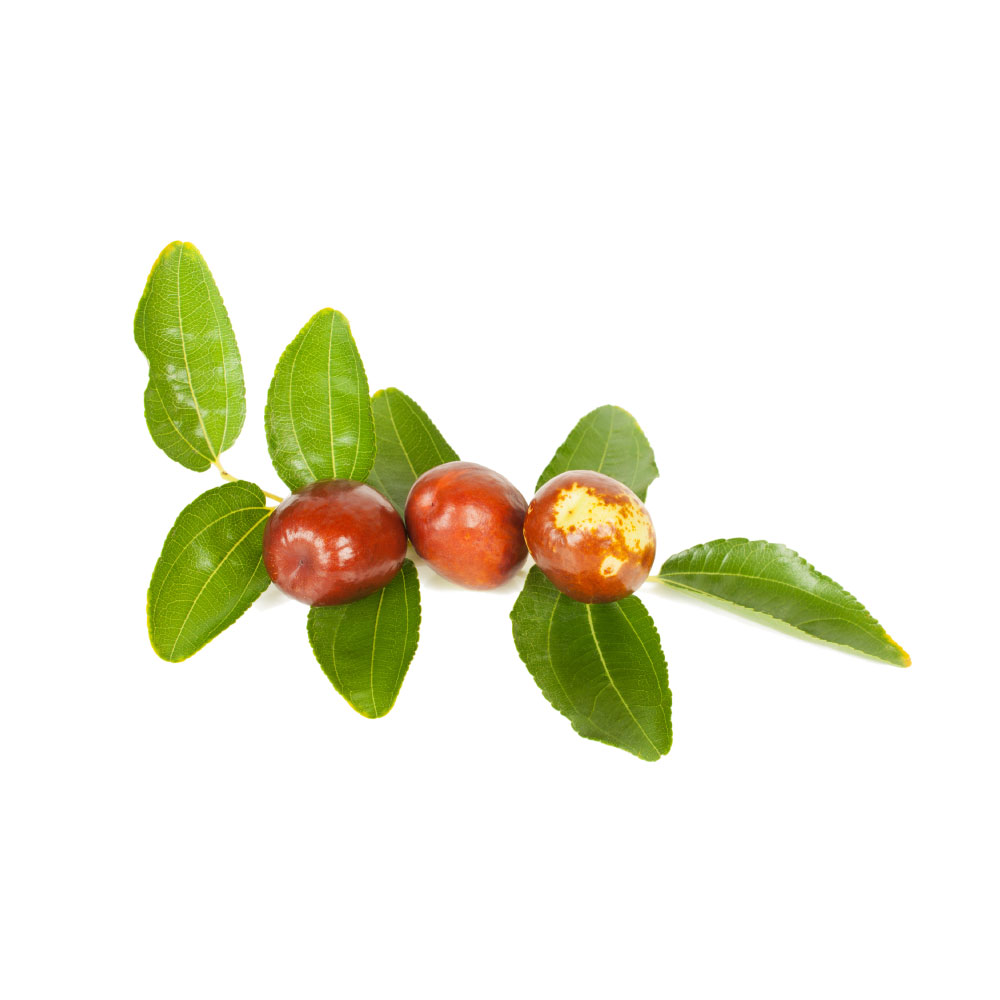 ModerateModerateZizyphusZiziphus spinosaThe seed used in Chinese medicine for restlessness and irritability; spinosin and sanjoinine A calm mice through the GABA-A benzodiazepine site and 5-HT1A without suppressing movement.Mechanismbenzodiazepine-site GABA-A modulation (flumazenil-reversible); 5-HT1A binding (WAY-100635-reversible)Read the evidenceShow lessMonograph →
Spinosin at 2.5 to 5 mg/kg orally increased elevated plus maze open-arm time, light-compartment time and open-field centre entries without suppressing locomotion, and both effects were abolished by flumazenil and by WAY-100635, which localises the action to the GABA-A benzodiazepine site and 5-HT1A 146Reference 146AnimalGABA and 5-HT systems are implicated in the anxiolytic-like effect of spinosin in mice — [mouse in vivo study]View study →. Sanjoinine A reproduced the pattern at 2 mg/kg and directly raised chloride influx and GABA-A subunit expression in cultured neurons, again without the locomotor suppression diazepam produced 147Reference 147AnimalAnxiolytic-like effects of sanjoinine A isolated from Zizyphi Spinosi Semen: possible involvement of GABAergic transmission — [mouse in vivo study]View study →, and jujuboside A reduces anxiety-like behaviour in insomnia-model mice 148Reference 148AnimalJujuboside A improves insomnia by maintaining mitochondrial homeostasis in prefrontal neurons — [mouse in vivo study]View study →.
The dissociation from sedation is what makes the anxiolytic effect distinct from the sleep action.
No single-herb human anxiety trial exists, all of it is isolated-compound rodent behaviour, and there is no evidence that an oral whole-seed decoction reaches these exposures. The traditional use is for restlessness and irritability arising from depletion rather than for anxiety as a standalone target.
 MildMildBlue Lotus FlowerNymphaea caeruleaThe calming flower of ancient Egypt; nuciferine's 5-HT2A antagonism and D2 partial agonism give a relaxing profile that has not been tested in an anxiety model.Mechanism5-HT2A/2C antagonism; D2 partial agonismRead the evidenceShow lessMonograph →
Nuciferine is a 5-HT2A/2C antagonist and a D2 partial agonist 30Reference 30In vitroIn vitro and in vivo characterization of the alkaloid nuciferine — in vitro and mouseView study →, a receptor profile shared with the sedative effect, and 5-HT2A antagonism is an anxiolytic-shaped mechanism.
There are no controlled anxiety trials, no animal anxiety model and no anxiety-specific pharmacology for the flower 30Reference 30In vitroIn vitro and in vivo characterization of the alkaloid nuciferine — in vitro and mouseView study →. Nothing separates the calming effect from the sedation it accompanies, and the sedative action is the better-documented one.
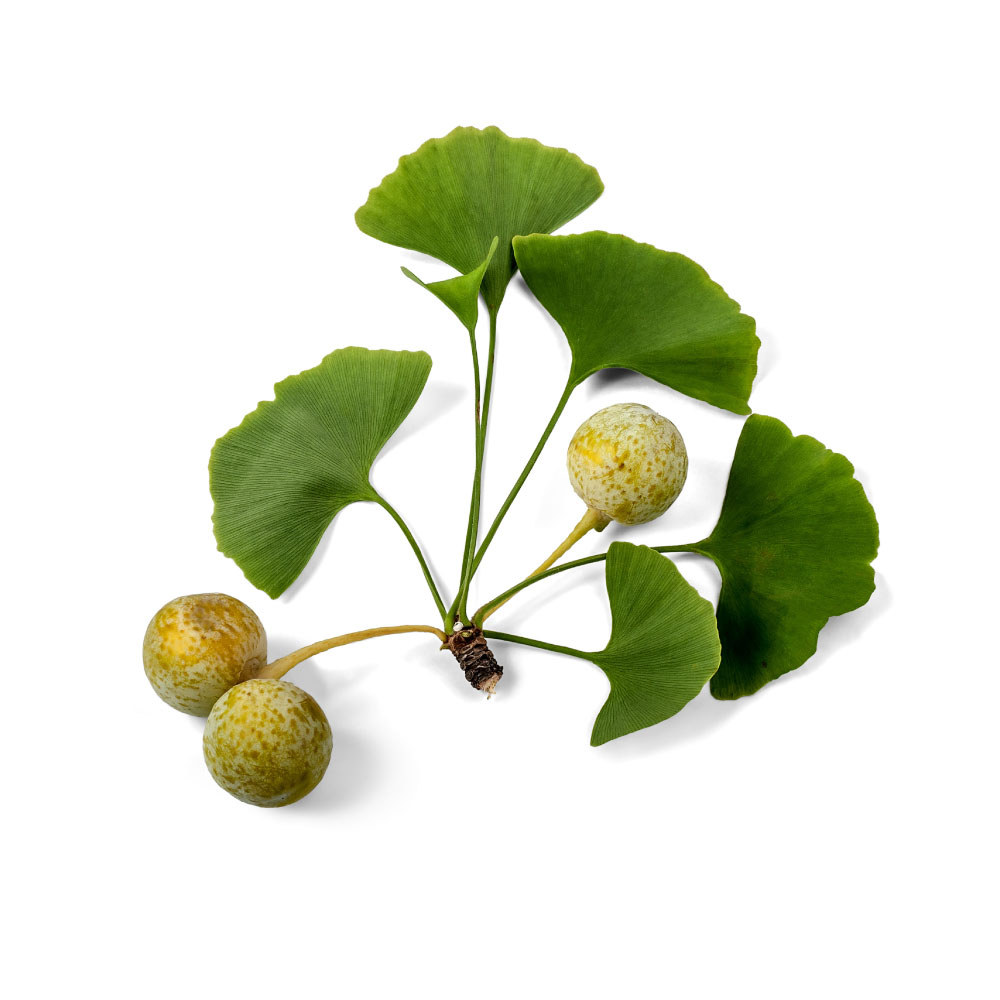 MildMildGinkgoGinkgo bilobaEGb 761 at 240 and 480 mg/day reduced anxiety scores dose-dependently over four weeks in generalised anxiety and adjustment disorder, in one unreplicated trial.Mechanismnot established (dose-dependent anxiety-score reduction; mechanism in anxiety undefined)Read the evidenceShow lessMonograph →
A randomised, double-blind, placebo-controlled trial of EGb 761 (240 or 480 mg/day) in generalised anxiety disorder and adjustment disorder with anxious mood reported a dose-dependent reduction in anxiety scores over four weeks 43Reference 43RCTGinkgo biloba special extract EGb 761 in generalized anxiety disorder and adjustment disorder with anxious mood: a randomized, double-blind, placebo-controlled trial — randomised controlled trialView study →. The dose-dependence makes the result credible.
Nothing has replicated it. Unlike ginkgo’s neuroprotective and circulatory actions, which rest on a mapped PAF and antioxidant mechanism, the mechanism in anxiety is undefined, and the herb has no traditional anxiolytic reputation.
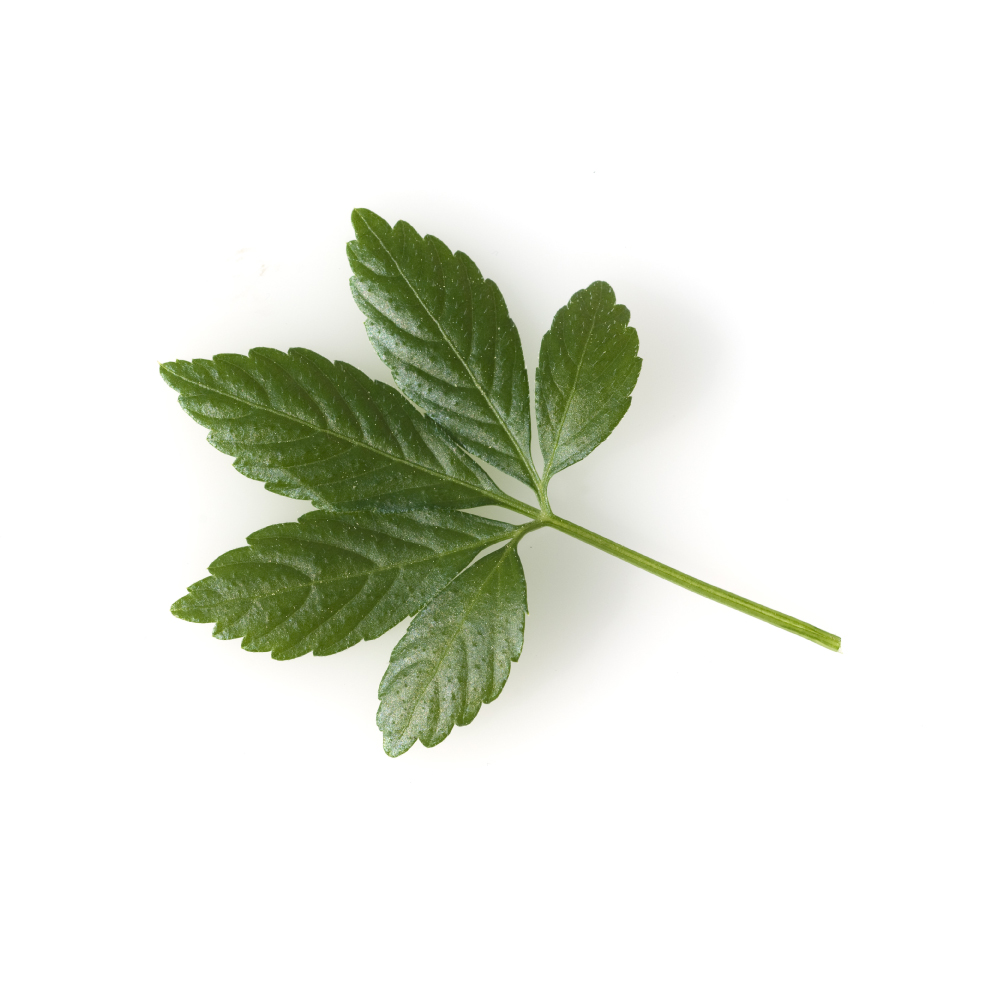 MildMildGynostemmaGynostemma pentaphyllumA leaf extract lowered trait anxiety by about 17% against placebo in adults under chronic stress over eight weeks; gypenosides damp hippocampal neuroinflammation in mice.Mechanismtrait-anxiety ↓ (human); hippocampal/prefrontal neuroinflammation ↓; NLRP3 inflammasome ↓ (rodent)Read the evidenceShow lessMonograph →
In 72 healthy adults under chronic psychological stress, an ethanol leaf extract (200 mg twice daily for 8 weeks) lowered trait-anxiety scores by about 17% against placebo 52Reference 52RCTSupplementation with Gynostemma pentaphyllum leaf extract reduces anxiety in healthy subjects with chronic psychological stress — randomised double-blind placebo-controlled trialView study →. Secondary anxiety scales and stress-hormone measures did not separate significantly, so the result rests on one instrument in one small trial.
Gypenosides reduced LPS-induced anxiety- and depression-like behaviour in mice by damping hippocampal and prefrontal neuroinflammation and suppressing the NLRP3 inflammasome 53Reference 53AnimalNeuroprotective effects of gypenosides on LPS-induced anxiety and depression-like behaviours — mouseView study →.
Nothing has tested it in a clinically anxious population.
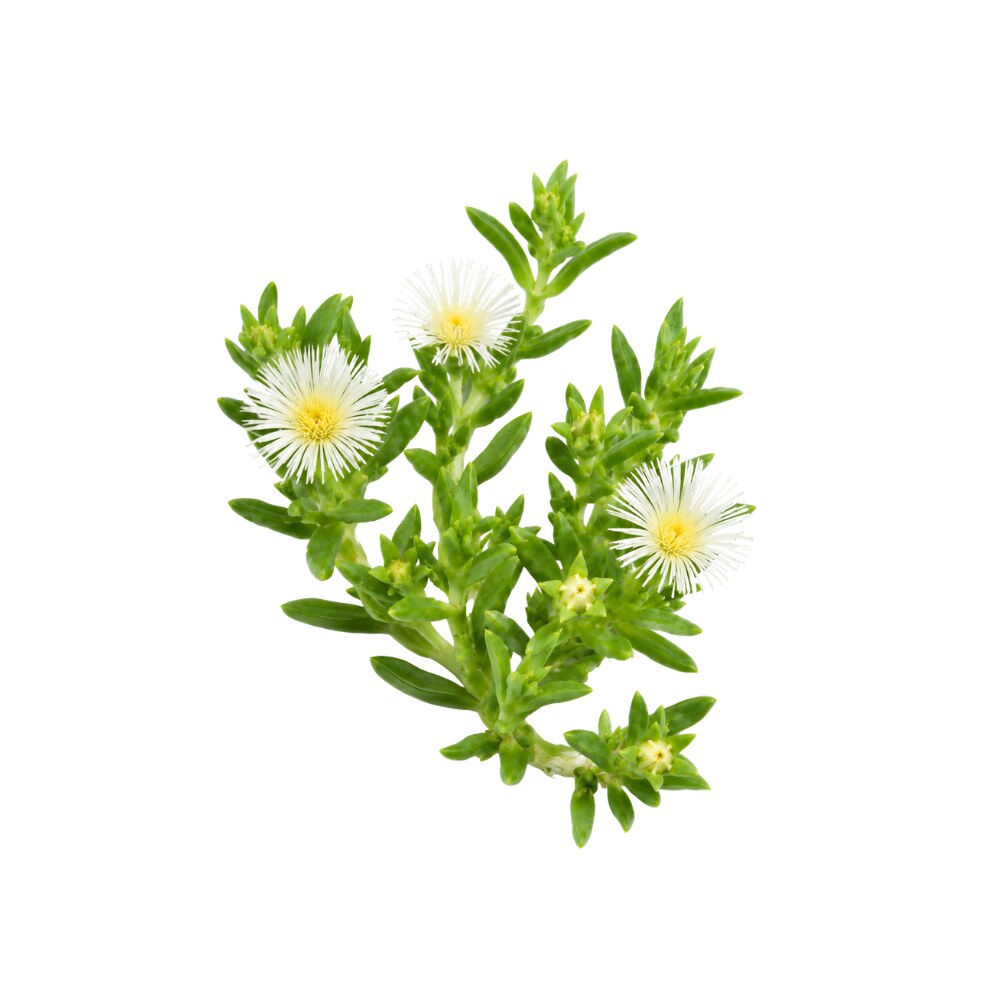
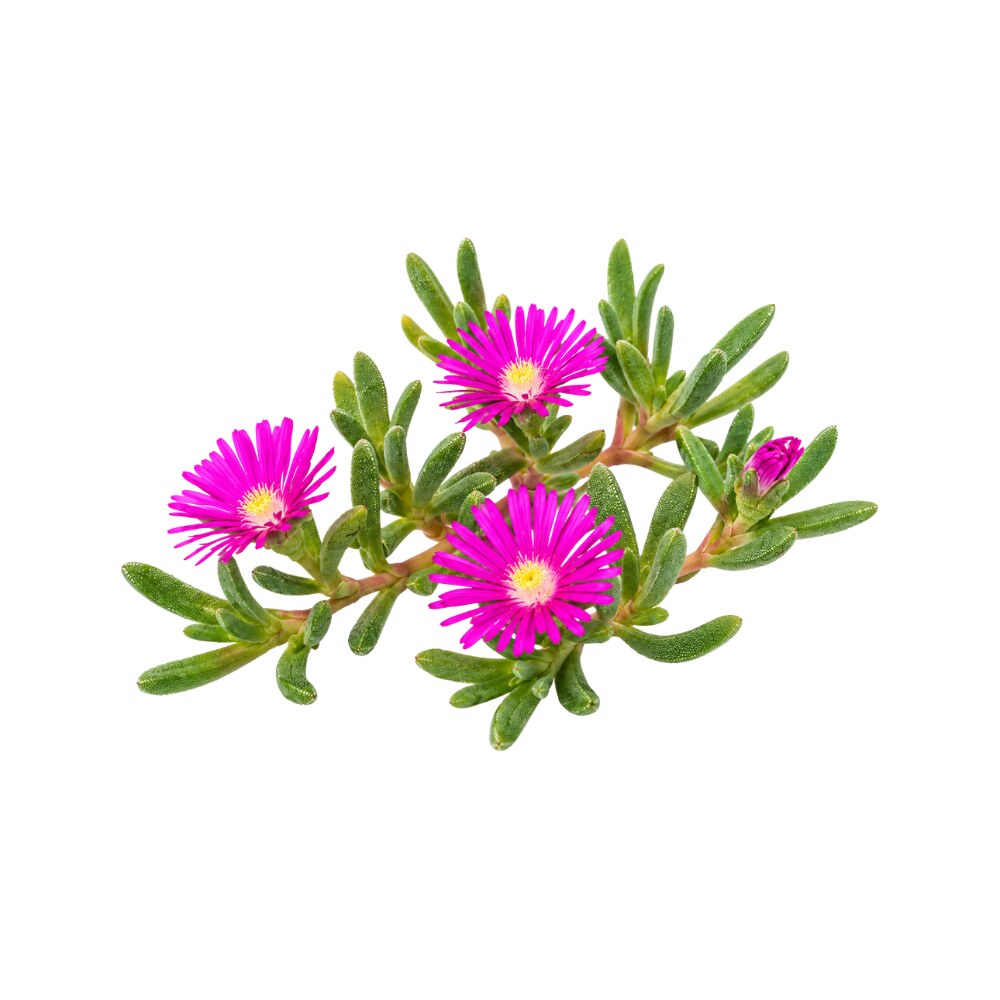 MildMildIce PlantDelosperma spp.Carries trace amounts of the mesembrine-type alkaloids that make kanna anxiolytic; the evidence for the alkaloids is human, and the plant itself has not been tested.Mechanism5-HT transporter (SERT) blockade; monoamine release; PDE4 inhibitionRead the evidenceShow lessMonograph →
Mesembrine-type alkaloids block SERT on an in-vitro receptor and enzyme panel and act as monoamine-releasing agents rather than pure reuptake inhibitors 6,
A zebrafish dose-response pinned the anxiolytic-like effect on mesembrine 9Reference 9Sceletium tortuosum-derived mesembrine significantly contributes to the anxiolytic effect of Zembrin®, but its anti-depressant effect may require synergy of multiple plant constituentsView study →, with earlier zebrafish and rat work consistent 7,
All of that evidence comes from standardised Sceletium (Zembrin). In Delosperma the same alkaloids were detected only at trace levels, and in several survey samples fell below the assay’s detection threshold 61Reference 61The distribution of mesembrine alkaloids in selected taxa of the Mesembryanthemaceae and their modification in the Sceletium-derived ‘Kougoed’ — chemical surveyView study →, so no concentration can be stated and no dose-effect relationship exists.
The plant has no efficacy study, no standardised preparation and no documented history of ingestion.
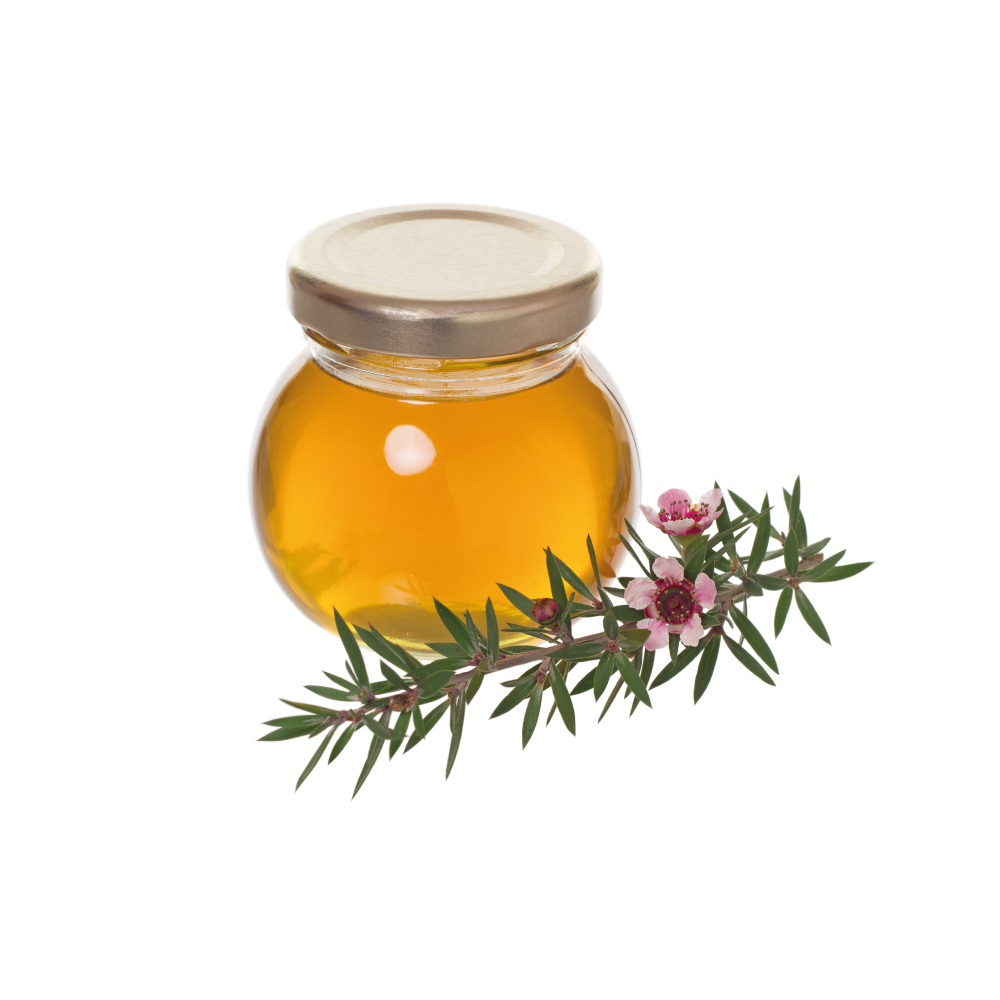 MildMildManukaLeptospermum scopariumA rongoā plant valued for being everywhere and always available, and used as a steam whose vapour is inhaled.Mechanismnot established — no anxiolytic study, receptor work or aromatherapy trialRead the evidenceShow lessMonograph →
Manuka is rongoā, the Māori medicinal tradition, and one of its most-used plants — valued as much for being everywhere and always available as for any specific potency.
Its distinctive form of use is the vapour: leaves steamed or burned and the vapour inhaled or directed over an affected area, a route that suits a plant whose activity is largely in its volatile oil. That route is where an aromatic calming effect would sit if one were shown.
The measured work is antibacterial, antifungal and antiviral activity in the leaf essential oil, and it is chemotype-dependent. Nothing has tested an anxiolytic effect — no receptor work, no aromatherapy trial.
No herbs match these filters.
Also Tagged
3 more herbs carry an anxiolytic action.
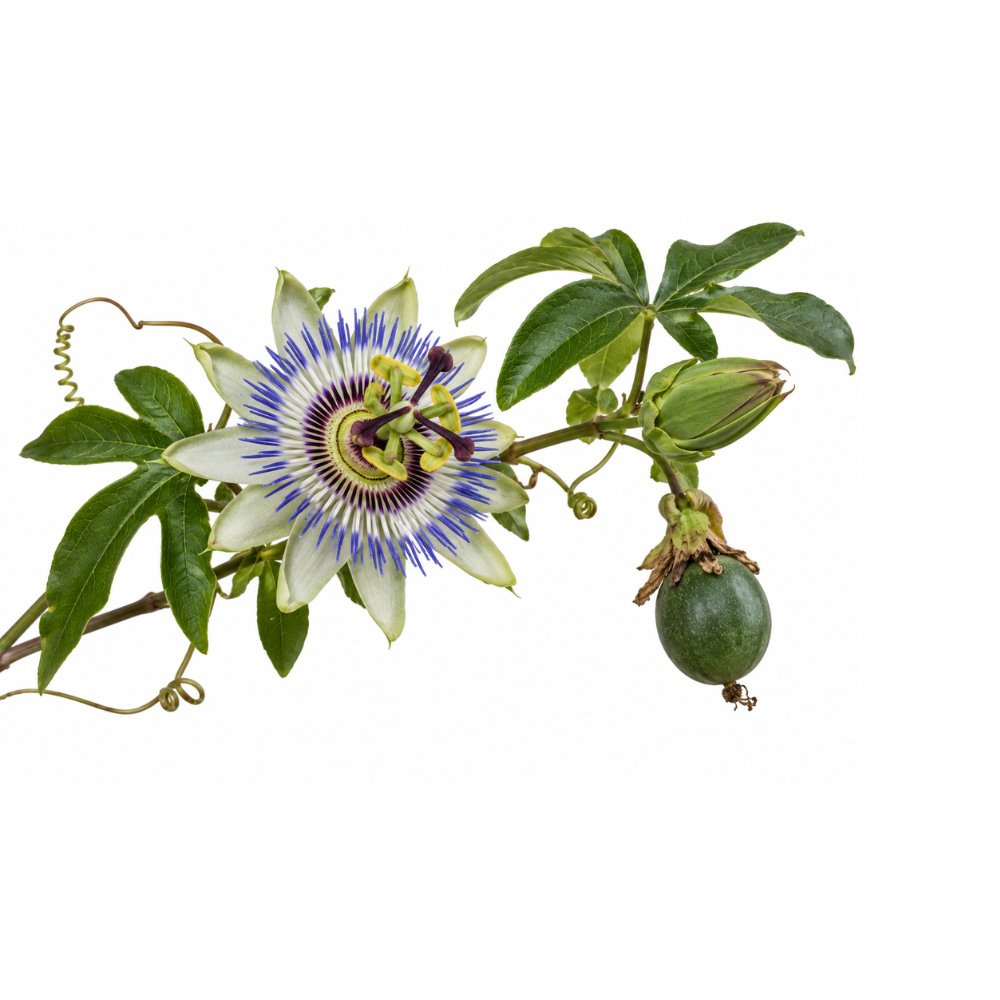
Blue Passionflower
Passiflora caerulea
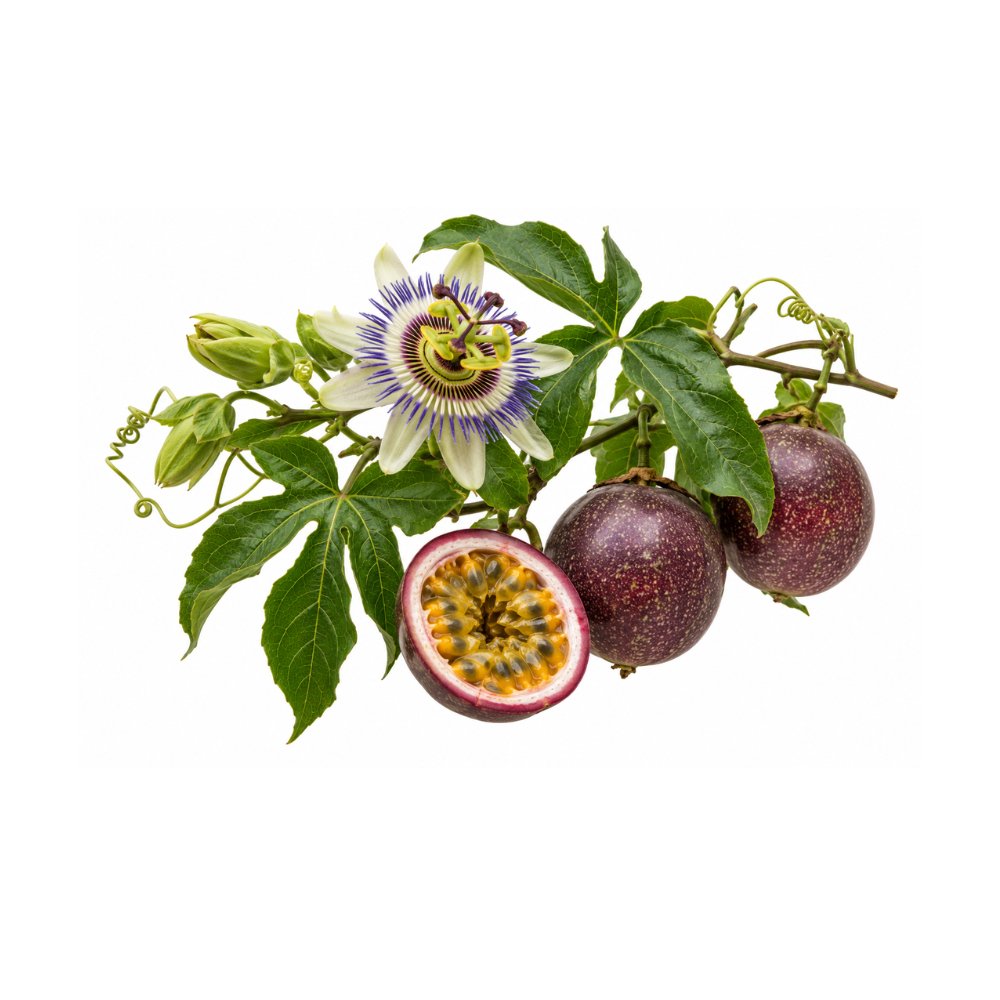
Passion Fruit
Passiflora edulis
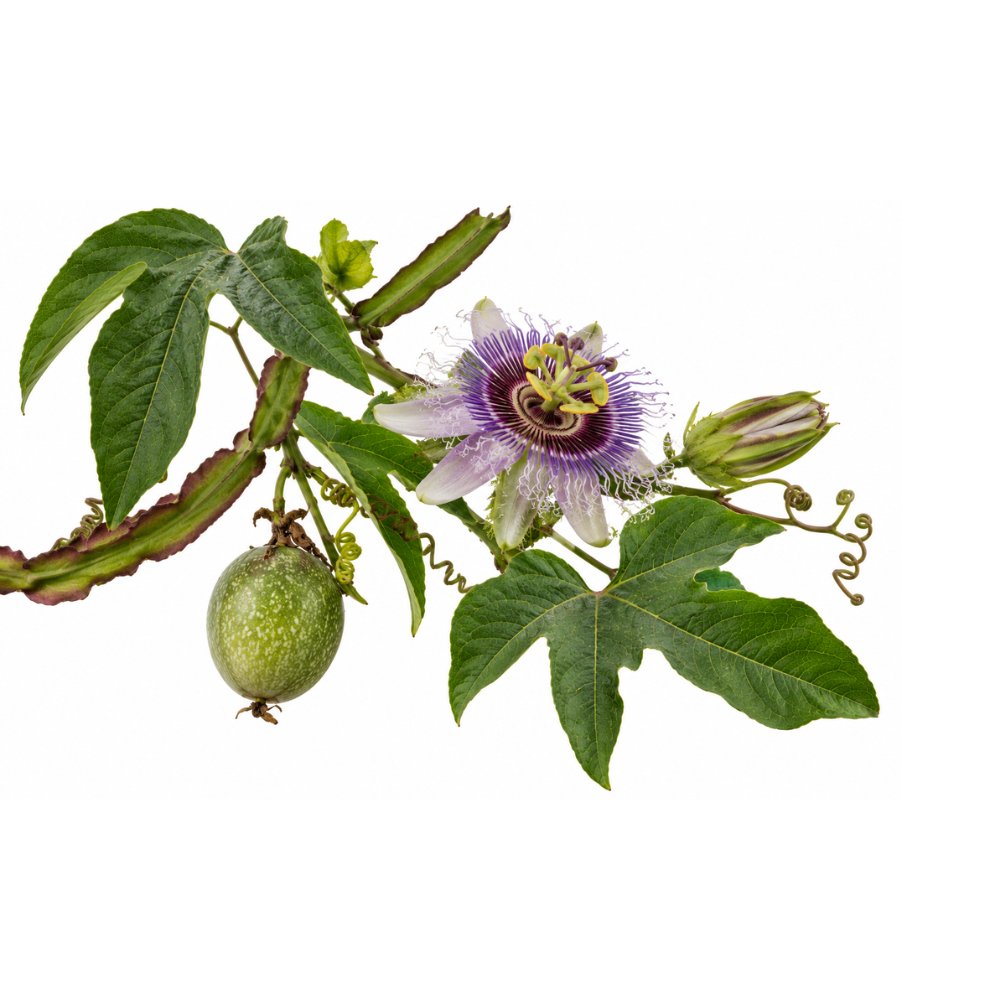
Winged-Stem Passionflower
Passiflora alata
Safety
- Herbs acting at the GABA-A benzodiazepine site add to alcohol, benzodiazepines, sleep medication, opioids and other CNS depressants.
- Serotonergic herbs are not combined with SSRIs, SNRIs, MAOIs or triptans, because the concern is serotonin syndrome.
- No anxiolytic herb replaces prescribed anxiety medication, and adding one to psychiatric medication needs clinical supervision.
- Assume drowsiness at an effective dose, since the rodent work separating anxiolysis from sedation has not been reproduced in people.
- Essential oils are for inhalation or diluted topical use, never ingestion.
- Panic disorder, anxiety with a history of psychosis, and anxiety in children need professional assessment rather than self-treatment.
References
- Kavvadias D, Monschein V, Sand P, Riederer P, Schreier P. (2003). Constituents of sage (Salvia officinalis) with in vitro affinity to human brain benzodiazepine receptor — in vitro. Planta Medica, 69(2), 113–117. https://pubmed.ncbi.nlm.nih.gov/12624814/
- Ríos JL, Schinella GR, Moragrega I. (2022). Phenolics as GABA_A receptor ligands — an updated review. Molecules, 27(6), 1770. https://pubmed.ncbi.nlm.nih.gov/35335130/
- Kavvadias D, Sand P, Youdim KA, Qaiser MZ, Rice-Evans C, Baur R, et al. (2004). The flavone hispidulin, a benzodiazepine receptor ligand with positive allosteric properties, traverses the blood-brain barrier and exhibits anticonvulsive effects — gerbils and rats. British Journal of Pharmacology, 142(5), 811–820. https://pubmed.ncbi.nlm.nih.gov/15231642/
- Paloukopoulou C, Karioti A. (2022). A validated method for the determination of carnosic acid and carnosol in the fresh foliage of Salvia rosmarinus and Salvia officinalis from Greece — in vitro. Plants, 11(22), 3106. https://pubmed.ncbi.nlm.nih.gov/36432835/
- Birtić S, Dussort P, Pierre FX, Bily AC, Roller M. (2015). Carnosic acid — review of distribution, biosynthesis, accumulation and role in planta. Phytochemistry, 115, 9–19. https://pubmed.ncbi.nlm.nih.gov/25639596/
- Harvey AL, Young LC, Viljoen AM, Gericke NP (2011). Pharmacological actions of the South African medicinal and functional food plant Sceletium tortuosum and its principal alkaloids. Journal of Ethnopharmacology. https://pubmed.ncbi.nlm.nih.gov/21798331/
- Maphanga VB, Skalicka-Wozniak K, Budzynska B, Skiba A, Chen W, Agoni C, Enslin GM, Viljoen AM (2022). Mesembryanthemum tortuosum L. alkaloids modify anxiety-like behaviour in a zebrafish model. Journal of Ethnopharmacology. https://pubmed.ncbi.nlm.nih.gov/35134486/
- Gericke J, Lekhooa M, Steyn SF, Viljoen AM, Harvey BH (2022). An acute dose-ranging evaluation of the antidepressant properties of Sceletium tortuosum (Zembrin®) versus escitalopram in the Flinders Sensitive Line rat. Journal of Ethnopharmacology. https://pubmed.ncbi.nlm.nih.gov/34454055/
- Gericke J, Harvey BH, Pretorius L, Ollewagen T, Benecke RM, Smith C (2024). Sceletium tortuosum-derived mesembrine significantly contributes to the anxiolytic effect of Zembrin®, but its anti-depressant effect may require synergy of multiple plant constituents. Journal of Ethnopharmacology. https://pubmed.ncbi.nlm.nih.gov/37660956/
- Terburg D, Syal S, Rosenberger LA, et al. (2013). Acute effects of Sceletium tortuosum (Zembrin), a dual 5-HT reuptake and PDE4 inhibitor, in the human amygdala and its connection to the hypothalamus. Clinical trial. Neuropsychopharmacology. https://pubmed.ncbi.nlm.nih.gov/23903032/
- Reay J, Wetherell MA, Morton E, Lillis J, Badmaev V (2020). Sceletium tortuosum (Zembrin®) ameliorates experimentally induced anxiety in healthy volunteers. Clinical trial. Human Psychopharmacology. https://pubmed.ncbi.nlm.nih.gov/32761980/
- Shikanga EA, Hamman JH, Chen W, Combrinck S, Gericke N, Viljoen AM (2012). In vitro permeation of mesembrine alkaloids from Sceletium tortuosum across porcine buccal, sublingual, and intestinal mucosa. Planta Medica. https://pubmed.ncbi.nlm.nih.gov/22105579/
- Manda VK, Avula B, Ashfaq MK, Abe N, Khan IA, Khan SI (2017). Quantification of mesembrine and mesembrenone in mouse plasma using UHPLC-QToF-MS: application to a pharmacokinetic study. Biomedical Chromatography. (The only in vivo pharmacokinetic study; oral plasma levels below the limit of detection in mice.) https://pubmed.ncbi.nlm.nih.gov/27526669/
- Murbach TS, Hirka G, Szakonyiné IP, Gericke N, Endres JR (2014). A toxicological safety assessment of a standardized extract of Sceletium tortuosum (Zembrin®) in rats. Food Chemistry and Toxicology. (Source of the extract specification — 0.35–0.45% total alkaloids, mesembrenone + mesembrenol ≥60%, mesembrine <20% — and the 14-day/90-day rodent NOAELs; manufacturer-affiliated author.) https://pubmed.ncbi.nlm.nih.gov/25301237/
- Gafner S, Dietz BM, McPhail KL, et al. (2006). Alkaloids from Eschscholzia californica and their capacity to inhibit binding of [3H]8-hydroxy-2-(di-N-propylamino)tetralin to 5-HT1A receptors in vitro. Journal of Natural Products. https://pubmed.ncbi.nlm.nih.gov/16562853/
- Fedurco M, Gregorová J, Šebrlová K, et al. (2015). Modulatory effects of Eschscholzia californica alkaloids on recombinant GABAA receptors. Biochemistry Research International. https://pubmed.ncbi.nlm.nih.gov/26509084/
- Chauveau A, Geirnaert A, et al. (2023). Alkaloids in commercial preparations of California poppy — quantification, intestinal permeability and microbiota interactions. Biomedicine & Pharmacotherapy. https://pubmed.ncbi.nlm.nih.gov/37673017/
- Abdelhalim A, Karim N, Chebib M, Aburjai T, Khan I, Johnston GA, Hanrahan J. (2015). Antidepressant, anxiolytic and antinociceptive activities of constituents from Rosmarinus officinalis — mice. Journal of Pharmacy and Pharmaceutical Sciences. https://pubmed.ncbi.nlm.nih.gov/26626245/
- Asif M, Dwivedi J, Yadav S (2021). Anti-depressant, anxiolytic, and muscle relaxant activity of hydroalcoholic extract of Cissampelos pareira Linn. leaves — animal model (mice). Central Nervous System Agents in Medicinal Chemistry. https://pubmed.ncbi.nlm.nih.gov/33964866/
- Thakur P, Rana AC (2013). Effect of Cissampelos pareira leaves on anxiety-like behavior in experimental animals — animal model (rat). Journal of Traditional and Complementary Medicine. https://pubmed.ncbi.nlm.nih.gov/24716177/
- Chandrasekhar K, et al. (2012). A prospective, randomised double-blind, placebo-controlled study of a high-concentration full-spectrum ashwagandha root extract in reducing stress and anxiety — RCT. Indian Journal of Psychological Medicine. https://pubmed.ncbi.nlm.nih.gov/23439798/
- Lopresti AL, et al. (2019). Stress-relieving and pharmacological actions of an ashwagandha extract — a randomised, double-blind, placebo-controlled study. Medicine (Baltimore). https://pubmed.ncbi.nlm.nih.gov/31517876/
- Salve J, et al. (2019). Adaptogenic and anxiolytic effects of ashwagandha root extract in healthy adults — a double-blind, randomised, placebo-controlled clinical study. Cureus. https://pubmed.ncbi.nlm.nih.gov/32021735/
- Akhgarjand C, et al. (2022). Does Ashwagandha supplementation have a beneficial effect on the management of anxiety and stress? — systematic review and meta-analysis of randomised controlled trials. Phytotherapy Research. https://pubmed.ncbi.nlm.nih.gov/36017529/
- Arumugam V, et al. (2024). Effects of Ashwagandha (Withania somnifera) on stress and anxiety — systematic review and meta-analysis. Explore (NY). https://pubmed.ncbi.nlm.nih.gov/39348746/
- Fatima K, et al. (2024). Safety and efficacy of Withania somnifera for anxiety and insomnia — systematic review and meta-analysis. Human Psychopharmacology. https://pubmed.ncbi.nlm.nih.gov/39083548/
- Calabrese, C., Gregory, W. L., Leo, M., Kraemer, D., Bone, K., & Oken, B. (2008). Effects of a standardized Bacopa monnieri extract on cognitive performance, anxiety, and depression in the elderly — randomised, double-blind, placebo-controlled trial. Journal of Alternative and Complementary Medicine, 14(6), 707–713. https://pubmed.ncbi.nlm.nih.gov/18611150/
- Benson, S., Downey, L. A., Stough, C., Wetherell, M., Zangara, A., & Scholey, A. (2014). An acute, double-blind, placebo-controlled cross-over study of 320 mg and 640 mg doses of Bacopa monnieri (CDRI 08) on multitasking stress reactivity and mood — randomised controlled trial. Phytotherapy Research, 28(4), 551–559. https://pubmed.ncbi.nlm.nih.gov/23788517/
- Sivasangari, K., & Rajan, K. E. (2020). Standardized Bacopa monnieri extract ameliorates learning and memory impairments through synaptic protein, neurogranin, BDNF signaling, and HPA axis in prenatally stressed rat offspring — animal model. Antioxidants, 9(12), 1229. https://pubmed.ncbi.nlm.nih.gov/33291595/
- Farrell, M. S., McCorvy, J. D., Huang, X. P., et al. (2016). In vitro and in vivo characterization of the alkaloid nuciferine — in vitro and mouse. PLoS One. https://pubmed.ncbi.nlm.nih.gov/26963248/
- Rolland A, Fleurentin J, Lanhers MC, et al. Behavioural effects of the American traditional plant Eschscholzia californica: sedative and anxiolytic properties. Planta Medica. 1991;57(3):212–216. https://pubmed.ncbi.nlm.nih.gov/1680240/
- Rolland A, Fleurentin J, Lanhers MC, et al. Neurophysiological effects of an extract of Eschscholzia californica Cham. (Papaveraceae). Phytotherapy Research. 2001;15(5):377–381. https://pubmed.ncbi.nlm.nih.gov/11507727/
- Hanus M, Lafon J, Mathieu M. Double-blind, randomised, placebo-controlled study of a fixed combination of Crataegus oxyacantha and Eschscholtzia californica and magnesium in mild-to-moderate anxiety. Current Medical Research and Opinion. 2004;20(1):63–71. https://pubmed.ncbi.nlm.nih.gov/14741074/
- Bergamaschi, M. M., Queiroz, R. H., Chagas, M. H., et al. (2011). Cannabidiol reduces the anxiety induced by simulated public speaking in treatment-naive social phobia patients — randomised controlled trial. Neuropsychopharmacology. https://pubmed.ncbi.nlm.nih.gov/21307846/
- Amsterdam JD, et al. (2009). A randomized, double-blind, placebo-controlled trial of oral Matricaria recutita (chamomile) extract therapy for generalized anxiety disorder — randomised controlled trial. Journal of Clinical Psychopharmacology. https://pubmed.ncbi.nlm.nih.gov/19593179/
- Mao JJ, et al. (2016). Long-term chamomile (Matricaria chamomilla L.) treatment for generalized anxiety disorder: a randomized clinical trial. Phytomedicine. https://pubmed.ncbi.nlm.nih.gov/27912875/
- Zhang W, et al. (2022). Medicinal herbs for the treatment of anxiety: a systematic review and network meta-analysis. Pharmacological Research. https://pubmed.ncbi.nlm.nih.gov/35378276/
- Kumar, S., & Sharma, A. (2005). Anti-anxiety activity studies of various extracts of Turnera aphrodisiaca Ward — animal study. J Herb Pharmacother. https://pubmed.ncbi.nlm.nih.gov/16635964/
- Kumar, S., Madaan, R., & Sharma, A. (2008). Pharmacological evaluation of bioactive principle of Turnera aphrodisiaca — animal study. Indian J Pharm Sci. https://pubmed.ncbi.nlm.nih.gov/21369434/
- Kumar, S., Madaan, R., & Sharma, A. (2008). Estimation of apigenin, an anxiolytic constituent, in Turnera aphrodisiaca. Indian J Pharm Sci. https://pubmed.ncbi.nlm.nih.gov/21369462/
- Ana María, D. B., et al. (2019). Neurobehavioral and toxicological effects of an aqueous extract of Turnera diffusa in mice — animal study. J Ethnopharmacol. https://pubmed.ncbi.nlm.nih.gov/30818006/
- Viola, H., Wasowski, C., Levi de Stein, M., et al. (1995). Apigenin, a component of Matricaria recutita flowers, is a central benzodiazepine receptors-ligand with anxiolytic effects — in vitro and mouse. Planta Medica, 61(3), 213–216. https://pubmed.ncbi.nlm.nih.gov/7617761/
- Woelk H, et al. (2007). Ginkgo biloba special extract EGb 761 in generalized anxiety disorder and adjustment disorder with anxious mood: a randomized, double-blind, placebo-controlled trial — randomised controlled trial. Journal of psychiatric research. https://pubmed.ncbi.nlm.nih.gov/16808927/
- Bradwejn, J., et al. (2000). A double-blind, placebo-controlled study on the effects of Gotu Kola on acoustic startle response in healthy subjects — randomised trial. Journal of Clinical Psychopharmacology. https://pubmed.ncbi.nlm.nih.gov/11106141/
- Jana, U., et al. (2010). A clinical study on the management of generalized anxiety disorder with Centella asiatica — clinical trial. Nepal Medical College Journal. https://pubmed.ncbi.nlm.nih.gov/20677602/
- Puttarak, P., et al. (2017). Effects of Centella asiatica on cognitive function and mood — systematic review and meta-analysis. Scientific Reports. https://pubmed.ncbi.nlm.nih.gov/28878245/
- Pedregosa, B. I. C., et al. (2026). Therapeutic potential of Gotu Kola, phosphatidylcholine and taurine in mood disorders — systematic scoping review. Complementary Medicine Research. https://pubmed.ncbi.nlm.nih.gov/42391143/
- Schruers K, van Diest R, Overbeek T, Griez E. (2002). Acute L-5-hydroxytryptophan administration inhibits carbon-dioxide-induced panic in panic disorder patients — randomised controlled trial. Psychiatry Research. https://pubmed.ncbi.nlm.nih.gov/12559480/
- Kahn RS, Westenberg HG. (1987). Effect of a serotonin precursor and uptake inhibitor in anxiety disorders: a double-blind comparison of 5-hydroxytryptophan, clomipramine and placebo. International Clinical Psychopharmacology. https://pubmed.ncbi.nlm.nih.gov/3312397/
- Carnevale G, Di Viesti V, Zavatti M, Zanoli P. (2011). Anxiolytic-like effect of Griffonia simplicifolia Baill. seed extract in rats — animal model. Phytomedicine. https://pubmed.ncbi.nlm.nih.gov/21353511/
- Carnevale G, Di Viesti V, Zavatti M, et al. (2010). Griffonia simplicifolia negatively affects sexual behavior in female rats — animal model. Phytomedicine. https://pubmed.ncbi.nlm.nih.gov/20359873/
- Choi, E. K., et al. (2019). Supplementation with Gynostemma pentaphyllum leaf extract reduces anxiety in healthy subjects with chronic psychological stress — randomised double-blind placebo-controlled trial. Phytomedicine. https://pubmed.ncbi.nlm.nih.gov/30599899/
- Guo, M., et al. (2024). Neuroprotective effects of gypenosides on LPS-induced anxiety and depression-like behaviours — mouse. International Immunopharmacology. https://pubmed.ncbi.nlm.nih.gov/39413644/
- Bhattacharyya, D., et al. (2008). Controlled programmed trial of Ocimum sanctum leaf on generalized anxiety disorders — controlled clinical trial. Nepal Med Coll J, 10(3), 176–179. https://pubmed.ncbi.nlm.nih.gov/19253862/
- Saxena, R. C., et al. (2012). Efficacy of an extract of Ocimum tenuiflorum (OciBest) in the management of general stress — randomised placebo-controlled trial. Evid Based Complement Alternat Med, 2012, 894509. https://pubmed.ncbi.nlm.nih.gov/21977056/
- Lopresti, A. L., et al. (2022). A randomised, double-blind, placebo-controlled trial investigating the effects of a standardised Ocimum tenuiflorum extract — randomised controlled trial. Front Nutr, 9, 965130. https://pubmed.ncbi.nlm.nih.gov/36185698/
- Kyrou I, Christou A, Panagiotakos D, Stefanaki C, Skenderi K, Katsana K, et al. (2017). Effects of a hops (Humulus lupulus L.) dry extract supplement on self-reported depression, anxiety and stress levels in apparently healthy young adults: a randomized, placebo-controlled, double-blind, crossover pilot study — [randomized]. Hormones (Athens), 16(2), 171-180. https://pubmed.ncbi.nlm.nih.gov/28742505/
- Franco L, Sánchez C, Bravo R, Rodriguez A, Barriga C, & Juánez JC (2012). The sedative effects of hops (Humulus lupulus), a component of beer, on the activity/rest rhythm — [animal]. Acta Physiol Hung, 99(2), 133-9. https://pubmed.ncbi.nlm.nih.gov/22849837/
- Coetzee DD, López V, Smith C. (2016). High-mesembrine Sceletium extract (Trimesemine™) is a monoamine releasing agent, rather than only a selective serotonin reuptake inhibitor — in vitro cell model. Journal of Ethnopharmacology, 177:111–116. https://pubmed.ncbi.nlm.nih.gov/26615766/
- Loria MJ, Ali Z, Abe N, Sufka KJ, Khan IA. (2014). Effects of Sceletium tortuosum in rats — animal behavioural model. Journal of Ethnopharmacology, 155(1):731–735. https://pubmed.ncbi.nlm.nih.gov/24930358/
- Smith MT, Field CR, Crouch NR, Hirst M. (1998). The distribution of mesembrine alkaloids in selected taxa of the Mesembryanthemaceae and their modification in the Sceletium-derived ‘Kougoed’ — chemical survey. Pharmaceutical Biology, 36(3):173–179. https://doi.org/10.1076/phbi.36.3.173.6350
- Patnala, S., & Kanfer, I. (2009). Investigations of the phytochemical content of Sceletium tortuosum following the preparation of “Kougoed” by fermentation of plant material. Journal of Ethnopharmacology. https://pubmed.ncbi.nlm.nih.gov/18996176/
- Shikanga, E. A., Viljoen, A. M., Vermaak, I., & Combrinck, S. (2012). The chemotypic variation of Sceletium tortuosum alkaloids and commercial product formulations. Biochemical Systematics and Ecology, 44, 364–373. (Reports total alkaloid content of wild material varying ~0.11–1.99% of dry weight and quantifies individual mesembrine-type alkaloids including Δ7-mesembrenone.)
- Chua, H. C., Christensen, E. T., Hoestgaard-Jensen, K., et al. (2016). Kavain, the major constituent of the anxiolytic kava extract, potentiates GABA-A receptors — functional characteristics and molecular mechanism [in vitro]. PLoS One. https://pubmed.ncbi.nlm.nih.gov/27332705/
- Jussofie, A., Schmiz, A., & Hiemke, C. (1994). Kavapyrone-enriched extract from Piper methysticum as modulator of the GABA binding site in different regions of rat brain [animal]. Psychopharmacology (Berl). https://pubmed.ncbi.nlm.nih.gov/7701051/
- Sarris, J., LaPorte, E., & Schweitzer, I. (2011). Kava — a comprehensive review of efficacy, safety, and psychopharmacology [review]. Aust N Z J Psychiatry. https://pubmed.ncbi.nlm.nih.gov/21073405/
- Pittler, M. H., & Ernst, E. (2000). Efficacy of kava extract for treating anxiety — systematic review and meta-analysis. J Clin Psychopharmacol. https://pubmed.ncbi.nlm.nih.gov/10653213/
- Pittler, M. H., & Ernst, E. (2003). Kava extract for treating anxiety — systematic review. Cochrane Database Syst Rev. https://pubmed.ncbi.nlm.nih.gov/12535473/
- Boerner, R. J., Sommer, H., Berger, W., et al. (2003). Kava-Kava extract LI 150 is as effective as opipramol and buspirone in generalised anxiety disorder — an 8-week randomised, double-blind multicentre RCT in 129 outpatients. Phytomedicine. https://pubmed.ncbi.nlm.nih.gov/12807341/
- Sarris, J., Kavanagh, D. J., Byrne, G., et al. (2009). The Kava Anxiety Depression Spectrum Study (KADSS) — a randomised, placebo-controlled crossover trial. Psychopharmacology (Berl). https://pubmed.ncbi.nlm.nih.gov/19430766/
- Sarris, J., Stough, C., Bousman, C. A., et al. (2013). Kava in the treatment of generalized anxiety disorder — a double-blind, randomized, placebo-controlled study. J Clin Psychopharmacol. https://pubmed.ncbi.nlm.nih.gov/23635869/
- Sarris, J., Byrne, G. J., Bousman, C. A., et al. (2020). Kava for generalised anxiety disorder — a 16-week double-blind, randomised, placebo-controlled study [phase III RCT]. Aust N Z J Psychiatry. https://pubmed.ncbi.nlm.nih.gov/31813230/
- Ooi, S. L., Henderson, P., & Pak, S. C. (2018). Kava for generalized anxiety disorder — a review and meta-analysis of current evidence [systematic review]. J Altern Complement Med. https://pubmed.ncbi.nlm.nih.gov/29641222/
- Wang, J., Qu, W., Bittenbender, H. C., & Li, Q. X. (2015). Kavalactone content and chemotype of kava beverages prepared from roots and rhizomes of Isa and Mahakea varieties. J Food Sci Technol. https://pubmed.ncbi.nlm.nih.gov/25694734/
- Grundmann, O. (2017). Patterns of Kratom use and health impact in the US — Results from an online survey — observational. Drug Alcohol Depend. https://pubmed.ncbi.nlm.nih.gov/28521200/
- Hiranita, T., et al. (2022). In vitro and in vivo pharmacology of kratom — review. Adv Pharmacol. https://pubmed.ncbi.nlm.nih.gov/35341571/
- Chen, L., et al. (2022). Anxiolytic and Antidepressant-like Effects of Mitragyna speciosa Extract in Diabetic Rats — rat animal model. Molecules. https://pubmed.ncbi.nlm.nih.gov/35408607/
- Singh, D., et al. (2014). Kratom (Mitragyna speciosa) dependence, withdrawal symptoms and craving in regular users — observational cohort. Drug Alcohol Depend. https://pubmed.ncbi.nlm.nih.gov/24698080/
- Kasper, S., et al. (2010). Silexan, an orally administered Lavandula oil preparation, is effective in the treatment of ‘subsyndromal’ anxiety disorder — randomized, double-blind, placebo-controlled trial. International Clinical Psychopharmacology. https://pubmed.ncbi.nlm.nih.gov/20512042/
- Kasper, S., et al. (2014). Lavender oil preparation Silexan is effective in generalized anxiety disorder — a randomized, double-blind comparison to placebo and paroxetine. International Journal of Neuropsychopharmacology. https://pubmed.ncbi.nlm.nih.gov/24456909/
- Yap, W. S., et al. (2019). Efficacy and safety of lavender essential oil (Silexan) capsules among patients suffering from anxiety disorders — network meta-analysis. Scientific Reports. https://pubmed.ncbi.nlm.nih.gov/31792285/
- Dold, M., et al. (2023). Efficacy of Silexan in patients with anxiety disorders — a meta-analysis of randomized, placebo-controlled trials. European Archives of Psychiatry and Clinical Neuroscience. https://pubmed.ncbi.nlm.nih.gov/36717399/
- Woelk, H., & Schläfke, S. (2010). A multi-center, double-blind, randomised study of the Lavender oil preparation Silexan in comparison to Lorazepam for generalized anxiety disorder — randomized controlled trial. Phytomedicine. https://pubmed.ncbi.nlm.nih.gov/19962288/
- Kasper, S., et al. (2017). Silexan in generalized anxiety disorder: investigation of the therapeutic dosage range in a pooled data set — randomized controlled trial. International Clinical Psychopharmacology. https://pubmed.ncbi.nlm.nih.gov/28379882/
- Gastpar, M., et al. (2017). Silexan does not cause withdrawal symptoms even when abruptly discontinued — randomized controlled trial. International Journal of Psychiatry in Clinical Practice. https://pubmed.ncbi.nlm.nih.gov/28319423/
- Baldinger, P., et al. (2014). Effects of Silexan on the serotonin-1A receptor and microstructure of the human brain — a randomized, placebo-controlled PET study. International Journal of Neuropsychopharmacology. https://pubmed.ncbi.nlm.nih.gov/25522403/
- Chioca, L. R., et al. (2013). Anxiolytic-like effect of lavender essential oil inhalation in mice: participation of serotonergic but not GABA-A/benzodiazepine neurotransmission — animal model. Journal of Ethnopharmacology. https://pubmed.ncbi.nlm.nih.gov/23524167/
- ISO 3515:2002. Oil of lavender (Lavandula angustifolia Mill.). International Organization for Standardization. (Gas-chromatographic composition limits.)
- Cavanagh, H. M. A., & Wilkinson, J. M. (2002). Biological activities of lavender essential oil — review. Phytotherapy Research, 16(4), 301–308.
- Viola, H., et al. (1994). Isolation of pharmacologically active benzodiazepine receptor ligands from Tilia tomentosa (Tiliaceae) — animal in vivo study. J Ethnopharmacol. https://pubmed.ncbi.nlm.nih.gov/7990504/
- Allio, A., et al. (2015). Bud extracts from Tilia tomentosa Moench inhibit hippocampal neuronal firing through GABAA and benzodiazepine receptor activation — in vitro study. J Ethnopharmacol. https://pubmed.ncbi.nlm.nih.gov/26144285/
- Noguerón-Merino, M. C., et al. (2015). Interactions of a standardized flavonoid fraction from Tilia americana with serotonergic drugs in the elevated plus maze — animal in vivo study. J Ethnopharmacol. https://pubmed.ncbi.nlm.nih.gov/25656001/
- Aguirre-Hernández, E., et al. (2007). Pharmacological evaluation of the anxiolytic and sedative effects of Tilia americana L. var. mexicana in mice — animal in vivo study. J Ethnopharmacol. https://pubmed.ncbi.nlm.nih.gov/16930893/
- Pérez-Ortega, G., et al. (2008). Sedative and anxiolytic efficacy of Tilia americana var. mexicana inflorescences used traditionally by communities of the State of Michoacán, Mexico — animal in vivo study. J Ethnopharmacol. https://pubmed.ncbi.nlm.nih.gov/18242902/
- Aguirre-Hernández, E., et al. (2007). Bioactivity-guided isolation of β-sitosterol and some fatty acids as active compounds in the anxiolytic and sedative effects of Tilia americana var. mexicana — animal in vivo study. Planta Med. https://pubmed.ncbi.nlm.nih.gov/17823876/
- Herrera-Ruiz, M., et al. (2008). Flavonoids from Tilia americana with anxiolytic activity in the plus-maze test — animal in vivo study. J Ethnopharmacol. https://pubmed.ncbi.nlm.nih.gov/18539420/
- Aguirre-Hernández, E., et al. (2010). HPLC/MS analysis and anxiolytic-like effect of quercetin and kaempferol flavonoids from Tilia americana var. mexicana — animal in vivo study. J Ethnopharmacol. https://pubmed.ncbi.nlm.nih.gov/19799990/
- Sarris, J., et al. (2013). Plant-based medicines for anxiety disorders, Part 1: a review of preclinical studies — review. CNS Drugs. https://pubmed.ncbi.nlm.nih.gov/23436255/
- Prescrire International. (2005). Management of insomnia: a place for traditional herbal remedies — review. Prescrire Int. https://pubmed.ncbi.nlm.nih.gov/15984105/
- Sarrica, A., Kirika, N., Romeo, M., Salmona, M., & Diomede, L. (2018). Safety and toxicology of magnolol and honokiol — review. Planta Medica, 84(16), 1151–1164. https://doi.org/10.1055/a-0642-1966
- Qu, W. M., Yue, X. F., Sun, Y., et al. (2012). Honokiol promotes non-rapid eye movement sleep via the benzodiazepine site of the GABA-A receptor in mice — animal model. British Journal of Pharmacology, 167(3), 587–598. https://doi.org/10.1111/j.1476-5381.2012.02010.x
- Talbott, S. M., Talbott, J. A., & Pugh, M. (2013). Effect of Magnolia officinalis and Phellodendron amurense (Relora) on cortisol and psychological mood state in moderately stressed subjects — randomised placebo-controlled trial. Journal of the International Society of Sports Nutrition, 10, 37. https://doi.org/10.1186/1550-2783-10-37
- Kalman, D. S., Feldman, S., Feldman, R., Schwartz, H. I., Krieger, D. R., & Garrison, R. (2008). Effect of a proprietary Magnolia and Phellodendron extract on stress levels in healthy women — randomised placebo-controlled trial. Nutrition Journal, 7, 11. https://doi.org/10.1186/1475-2891-7-11
- Ghazizadeh J, Sadigh-Eteghad S, Marx W, et al. (2021). The effects of lemon balm (Melissa officinalis L.) on depression and anxiety in clinical trials — a systematic review and meta-analysis. Phytotherapy Research. https://pubmed.ncbi.nlm.nih.gov/34449930/
- Cases J, Ibarra A, Feuillère N, Roller M, Sukkar SG. (2011). Pilot trial of Melissa officinalis L. leaf extract in mild-to-moderate anxiety disorders and sleep disturbances — open-label clinical trial. Mediterranean Journal of Nutrition and Metabolism. https://pubmed.ncbi.nlm.nih.gov/22207903/
- Kennedy DO, Scholey AB, Tildesley NT, Perry EK, Wesnes KA. (2002). Modulation of mood and cognitive performance following acute administration of Melissa officinalis — randomised placebo-controlled crossover trial. Pharmacology Biochemistry and Behavior. https://pubmed.ncbi.nlm.nih.gov/12062586/
- Ibarra A, Feuillère N, Roller M, Lesburgère E, Beracochea D. (2010). Effects of chronic administration of Melissa officinalis extract on anxiety-like reactivity in mice — animal model. Phytomedicine. https://pubmed.ncbi.nlm.nih.gov/20171069/
- Awad R, Muhammad A, Durst T, Trudeau VL, Arnason JT. (2009). Bioassay-guided fractionation of lemon balm using an in vitro measure of GABA transaminase activity — in vitro. Phytotherapy Research. https://pubmed.ncbi.nlm.nih.gov/19165747/
- Kennedy DO, Little W, Haskell CF, Scholey AB. (2006). Anxiolytic effects of a combination of Melissa officinalis and Valeriana officinalis during laboratory-induced stress — randomised placebo-controlled crossover trial. Phytotherapy Research. https://pubmed.ncbi.nlm.nih.gov/16444660/
- Flausino, O. Jr., Santos, L. A., Verli, H., Pereira, A. M., Bolzani, V. S., & Nunes-de-Souza, R. L. (2007). Anxiolytic effects of erythrinian alkaloids from Erythrina mulungu — [in vivo animal model]. Journal of Natural Products, 70(1), 48–53. https://pubmed.ncbi.nlm.nih.gov/17253849/
- Flausino, O. A. Jr., Pereira, A. M., Bolzani, V. S., & Nunes-de-Souza, R. L. (2007). Effects of erythrinian alkaloids isolated from Erythrina mulungu (Papilionaceae) in mice submitted to animal models of anxiety — [in vivo animal model]. Biological & Pharmaceutical Bulletin, 30(2), 375–378. https://pubmed.ncbi.nlm.nih.gov/17268084/
- Ribeiro, M. D., Onusic, G. M., Poltronieri, S. C., & Viana, M. B. (2006). Effect of Erythrina velutina and Erythrina mulungu in rats submitted to animal models of anxiety and depression — [in vivo animal model]. Brazilian Journal of Medical and Biological Research, 39(2), 263–270. https://pubmed.ncbi.nlm.nih.gov/16470314/
- Setti-Perdigão, P., Serrano, M. A., Flausino, O. A. Jr., Bolzani, V. S., Guimarães, M. Z., & Castro, N. G. (2013). Erythrina mulungu alkaloids are potent inhibitors of neuronal nicotinic receptor currents in mammalian cells — [in vitro]. PLoS One, 8(12), e82726. https://pubmed.ncbi.nlm.nih.gov/24349349/
- Silveira-Souto, M. L., São-Mateus, C. R., de Almeida-Souza, L. M., & Groppo, F. C. (2014). Effect of Erythrina mulungu on anxiety during extraction of third molars — [randomised double-blind crossover trial]. Medicina Oral, Patología Oral y Cirugía Bucal, 19(5), e518–e524. https://pubmed.ncbi.nlm.nih.gov/24880443/
- da Cunha, R. S., Amorim, K. S., Gercina, A. C., de Oliveira, A. C. A., et al. (2021). Herbal medicines as anxiolytics prior to third molar surgical extraction. A randomised controlled clinical trial — [randomised placebo-controlled trial]. Clinical Oral Investigations, 25(3), 1579–1586. https://pubmed.ncbi.nlm.nih.gov/32951121/
- Akhondzadeh, S., Naghavi, H. R., Vazirian, M., et al. (2001). Passionflower in the treatment of generalized anxiety: a pilot double-blind randomized controlled trial with oxazepam — randomised. J Clin Pharm Ther. https://pubmed.ncbi.nlm.nih.gov/11679026/
- Elsas, S. M., Rossi, D. J., Raber, J., et al. (2010). Passiflora incarnata L. (Passionflower) extracts elicit GABA currents in hippocampal neurons in vitro, and show anxiogenic and anticonvulsant effects in vivo — in vitro / animal model. Phytomedicine. https://pubmed.ncbi.nlm.nih.gov/20382514/
- Kell, G., et al. (2017). affron® a novel saffron extract (Crocus sativus L.) improves mood in healthy adults over 4 weeks in a double-blind, parallel, randomised, placebo-controlled clinical trial. Complementary Therapies in Medicine. https://pubmed.ncbi.nlm.nih.gov/28735826/
- Shafiee A, Jafarabady K, Seighali N, et al. (2025). Effect of saffron versus selective serotonin reuptake inhibitors (SSRIs) in treatment of depression and anxiety: a systematic review and meta-analysis. https://pubmed.ncbi.nlm.nih.gov/38913392/
- Amadieu C, Leyrolle Q, Farneti M, et al. (2025). Effect of saffron extract supplementation on mood in healthy adults with subclinical symptoms of depression: a randomised, double-blind placebo-controlled study. American Journal of Clinical Nutrition. https://pubmed.ncbi.nlm.nih.gov/41047129/
- Awad, R., Arnason, J. T., Trudeau, V., et al. (2003). Phytochemical and biological analysis of skullcap (Scutellaria lateriflora L.): a medicinal plant with anxiolytic properties — animal model. Phytomedicine. https://pubmed.ncbi.nlm.nih.gov/14692724/
- Gafner, S., Bergeron, C., Batcha, L. L., et al. (2003). Inhibition of [3H]-LSD binding to 5-HT7 receptors by flavonoids from Scutellaria lateriflora — in vitro. Journal of Natural Products. https://pubmed.ncbi.nlm.nih.gov/12713409/
- Wolfson, P., & Hoffmann, D. L. (2003). An investigation into the efficacy of Scutellaria lateriflora in healthy volunteers — a double-blind, placebo-controlled randomised trial. Alternative Therapies in Health and Medicine. https://pubmed.ncbi.nlm.nih.gov/12652886/
- Brock, C., Whitehouse, J., Tewfik, I., & Towell, T. (2014). American Skullcap (Scutellaria lateriflora): a randomised, double-blind placebo-controlled crossover study of its effects on mood in healthy volunteers. Phytotherapy Research. https://pubmed.ncbi.nlm.nih.gov/23878109/
- Sarris, J., McIntyre, E., & Camfield, D. A. (2013). Plant-based medicines for anxiety disorders, part 2: a review of clinical studies with supporting preclinical evidence — review. CNS Drugs. https://pubmed.ncbi.nlm.nih.gov/23653088/
- Müller, T., Mannel, M., Murck, H., & Rahlfs, V. W. (2004). Treatment of somatoform disorders with St. John’s wort: a randomised, double-blind and placebo-controlled trial. Psychosomatic Medicine. https://pubmed.ncbi.nlm.nih.gov/15272100/
- Volz, H. P., Murck, H., Kasper, S., & Möller, H. J. (2002). St John’s wort extract (LI 160) in somatoform disorders: results of a placebo-controlled trial. Psychopharmacology. https://pubmed.ncbi.nlm.nih.gov/12424553/
- Canning, S., Waterman, M., et al. (2010). The efficacy of Hypericum perforatum (St John’s wort) for the treatment of premenstrual syndrome: a randomised, double-blind, placebo-controlled trial. CNS Drugs. https://pubmed.ncbi.nlm.nih.gov/20155996/
- Khom S, Baburin I, Timin E, et al. (2007). Valerenic acid potentiates and inhibits GABA(A) receptors: molecular mechanism and subunit specificity. Neuropharmacology. https://pubmed.ncbi.nlm.nih.gov/17585957/
- Benke D, Barberis A, Kopp S, et al. (2009). GABA-A receptors as in vivo substrate for the anxiolytic action of valerenic acid. Neuropharmacology. https://pubmed.ncbi.nlm.nih.gov/18602406/
- Becker A, Felgentreff F, Schröder H, Meier B, Brattström A. (2014). The anxiolytic effects of a Valerian extract is based on valerenic acid. BMC Complement Altern Med. https://pubmed.ncbi.nlm.nih.gov/25066015/
- Pinder NE, et al. (2024). Valerenic acid reduces anxiety-like behavior in young adult, female (C57BL/6J) mice. Behav Brain Res. https://pubmed.ncbi.nlm.nih.gov/37852540/
- Miyasaka LS, Atallah AN, Soares BG. (2006). Valerian for anxiety disorders. Cochrane Database Syst Rev. https://pubmed.ncbi.nlm.nih.gov/17054208/
- Andreatini R, Sartori VA, Seabra ML, Leite JR. (2002). Effect of valepotriates (valerian extract) in generalized anxiety disorder: a randomized placebo-controlled pilot study. Phytother Res. https://pubmed.ncbi.nlm.nih.gov/12410546/
- Roh D, Jung JH, Yoon KH, et al. (2019). Valerian extract alters functional brain connectivity: A randomized double-blind placebo-controlled trial. Phytother Res. https://pubmed.ncbi.nlm.nih.gov/30632220/
- Gnatta, J. R., Piason, P. P., Lopes, C. de L. B. C., et al. (2014). Aromatherapy with ylang ylang for anxiety and self-esteem: a pilot randomized controlled trial. Rev Esc Enferm USP, 48(3), 492–499. https://pubmed.ncbi.nlm.nih.gov/25076278/
- Sriboonlert, J., et al. (2023). Cananga odorata Aromatherapy Reduces Anxiety in Unexperienced Patients Hospitalized for Interventional Neuroradiology Procedures: A Randomized Control Trial — randomized controlled trial. J Evid Based Integr Med, 28, 2515690X221150527. https://pubmed.ncbi.nlm.nih.gov/36659818/
- Patil, A. N., et al. (2025). Ylang-ylang and lavender aromatherapy for paediatric dental anxiety — randomized controlled trial. Bioinformation, 21(10), 3686–3691. https://pubmed.ncbi.nlm.nih.gov/41623781/
- Zhang, N., et al. (2016). The anxiolytic effect of essential oil of Cananga odorata exposure on mice and determination of its major active constituents — animal model. Phytomedicine, 23(14), 1727–1734. https://pubmed.ncbi.nlm.nih.gov/27912874/
- Zhang, N., et al. (2018). Cananga odorata essential oil reverses m-CPP-induced anxiety via the MAPK pathway and serotonin system in mice — animal model. J Ethnopharmacol, 219, 23–30. https://pubmed.ncbi.nlm.nih.gov/29545208/
- Zhang, N., et al. (2023). Inhalation of Cananga odorata essential oil relieves anxiety behaviors in autism-like rats via serotonin and dopamine metabolism — animal model. J Integr Med, 21(2), 205–214. https://pubmed.ncbi.nlm.nih.gov/36792414/
- Hongratanaworakit, T., & Buchbauer, G. (2004). Evaluation of the harmonizing effect of ylang-ylang oil on humans after inhalation — randomized controlled trial. Planta Med, 70(7), 632–636. https://pubmed.ncbi.nlm.nih.gov/15303255/
- Moss, M., Hewitt, S., Moss, L., & Wesnes, K. (2008). Modulation of cognitive performance and mood by aromas of peppermint and ylang-ylang — randomized controlled trial. Int J Neurosci, 118(1), 59–77. https://pubmed.ncbi.nlm.nih.gov/18041606/
- Tan, L. T. H., Lee, L. H., Yin, W. F., et al. (2015). Traditional uses, phytochemistry, and bioactivities of Cananga odorata (Ylang-Ylang) — review. Evid Based Complement Alternat Med, 2015, 896314. https://pubmed.ncbi.nlm.nih.gov/26294929/
- Lebanov, L., et al. (2021). Radical scavenging activity and metabolomic profiling of ylang-ylang essential oils by HPTLC — in vitro. J Chromatogr B, 1179, 122861. https://pubmed.ncbi.nlm.nih.gov/34339956/
- Liu, J., et al. (2015). GABA and 5-HT systems are implicated in the anxiolytic-like effect of spinosin in mice — [mouse in vivo study]. Pharmacology, biochemistry, and behavior. https://pubmed.ncbi.nlm.nih.gov/25449359/
- Han, H., et al. (2009). Anxiolytic-like effects of sanjoinine A isolated from Zizyphi Spinosi Semen: possible involvement of GABAergic transmission — [mouse in vivo study]. Pharmacology, biochemistry, and behavior. https://pubmed.ncbi.nlm.nih.gov/19101585/
- Zhang, Z., et al. (2025). Jujuboside A improves insomnia by maintaining mitochondrial homeostasis in prefrontal neurons — [mouse in vivo study]. Brain research bulletin. https://pubmed.ncbi.nlm.nih.gov/40334994/
Keep Exploring