

Overview
Vascular-Tonic at a Glance
Vascular tonics help strengthen and support the walls of blood vessels, especially veins.
They are used mainly where veins have become stretched or poorly supported, as in chronic venous insufficiency, varicose veins, haemorrhoids, and dependent swelling.
The main effect is on venous tone.
Horse chestnut and gotu kola can improve the ability of veins to resist distension, helping the valves meet properly and return blood toward the heart.
Other herbs act more locally.
Witch hazel works mainly through astringency, tightening tissue and small vessels where it is applied.
This makes it useful for superficial venous complaints such as haemorrhoids, but quite different from a systemic venotonic taken internally.
Vascular tonics overlap with several nearby actions.
A vasodilator reduces vascular tone, usually in arteries. A vasoprotective helps protect the vessel wall from damage. An antiedematous herb reduces the swelling that can follow poor venous return.
Horse chestnut and gotu kola are the clearest herbal examples, with butcher’s broom, sweet clover, bilberry, and witch hazel carrying a longer traditional role in venous complaints.
Caution
One-sided swelling can be a clot — sudden or one-sided leg swelling can indicate deep-vein thrombosis and needs same-day assessment; with breathlessness or chest pain it is an emergency.
Not a substitute for compression — vascular tonics complement compression, movement and medical treatment rather than replace them where chronic venous insufficiency is significant.
Care with blood thinners — aescin affects coagulation and renal handling, so venous tonics need care alongside anticoagulants and antiplatelets and in kidney or liver disease.
Mechanisms
How It Works
01
Venous Wall Tone
Raising the contractile tone of the venous wall makes the vessel resist distension, which keeps the valves meeting and the blood moving back to the heart.
Horse chestnut’s aescin is the clearest case.
Gotu kola’s standardised triterpene fraction improves venous distensibility and the venoarteriolar response, the reflex constriction that protects the capillary bed when a person stands.
The comparator for this mechanism is a compression stocking, which supports the vein mechanically from outside. An oral preparation that matches it is making a claim about tone specifically, rather than about inflammation or fluid balance.
Both herbal results belong to standardised extracts: seed extract at 16 to 20% aescin, and the triterpene fraction at 60 to 120 mg a day. Neither belongs to a tea or a powder.
Herbs: Gotu KolaHorse Chestnut
Key compounds: AescinAsiaticosideMadecassoside
02
Surface Astringency
Tannins precipitate proteins at the surface they contact, tightening the tissue and briefly constricting the small vessels beneath it.
Witch hazel’s hydrolysable and condensed tannins work this way, and the effect is the basis of its pharmacopoeial standing for haemorrhoids and minor skin inflammation.
The effect is local and transient, and it reaches only what the preparation touches.
Distilled witch hazel water carries little tannin, so two products with the same name are not pharmacologically the same.
Herbs: Witch Hazel
Key compounds: Hamamelitannin
03
Arterial Tone Inferred from Blood Pressure
Blood pressure is vessel tone plus cardiac output plus blood volume, so a pressure finding points at tone without measuring it.
Coffee is the case here. Caffeine constricts acutely, the effect attenuates with habitual use, and what remains is chlorogenic acid supporting nitric-oxide availability, which shows up as no raised hypertension risk at ordinary intakes.
No venous distensibility, flow-mediated dilation or venoarteriolar response has ever been measured for coffee, which is exactly the evidence the other herbs on this action carry.
Herbs: Coffee
Key compounds: Chlorogenic Acid
Materia Medica
Vascular-Tonic Herbs by Potency
The vascular tonic herbs, ordered by the relative strength of the effect rather than by how well studied it is. Each herb is described by the mechanism behind its effect and the evidence for it.
None of this is a substitute for professional care.
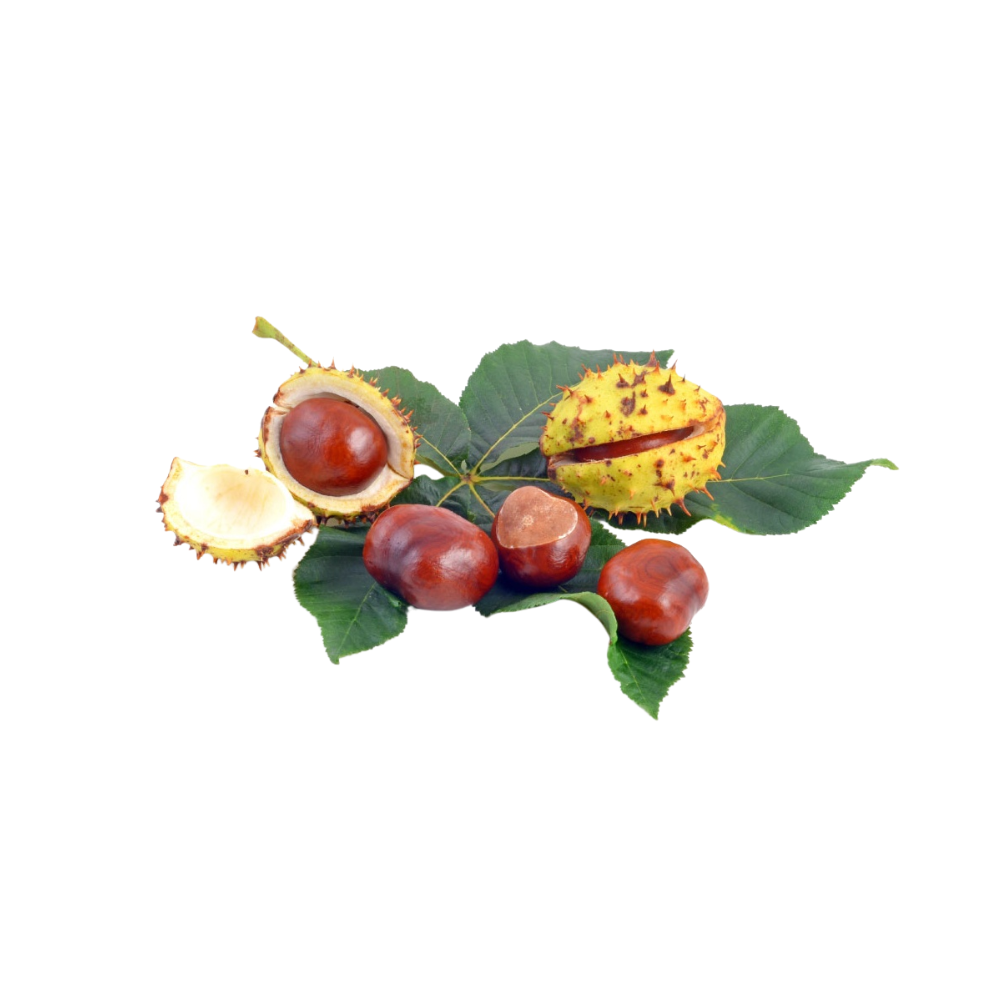 PotentPotentHorse ChestnutAesculus hippocastanumAescin raises venous wall tone; 50 mg twice daily reduced lower-leg volume about as much as class-II compression stockings over twelve weeks.Mechanismvenous wall tone ↑ / venous contractility ↑ (aescin); venous return improved — the tone arm of the same aescin cascadeRead the evidenceShow lessMonograph →
In a 240-patient randomised trial, 50 mg aescin twice daily reduced lower-leg volume about as much as class-II compression stockings over 12 weeks 11Reference 11RCTComparison of leg compression stocking and oral horse-chestnut seed extract therapy in patients with chronic venous insufficiency — randomised controlled trialView study →. Compression works purely mechanically, by supporting venous tone from outside, so matching it is a direct statement about the tone the herb supplies from within.
The 2012 Cochrane review of seventeen randomised trials sits behind the wider picture 12Reference 12Meta-analysisHorse chestnut seed extract for chronic venous insufficiency — systematic review and meta-analysisView study →, and the seed has long been given in European practice for varicose veins and poor vascular tone.
Aescin does one thing to a vein and it has three named consequences: the wall is protected, the vessel resists distension, and the swelling does not follow. They have never been dissociated experimentally in this plant, so vasoprotective and antiedematous rest on the same evidence as the tone.
The evidence belongs to seed extract standardised to 16 to 20% aescin. Raw seed and whole-seed powder retain the toxic coumarin esculin that processing removes, and have no evidence behind them 13Reference 13ReviewWang, Y., Han, X., Wan, X., et al. (2023). β-Escin: an updated review of its analysis, pharmacology, pharmacokinetics, and toxicity — review. The American Journal of Chinese Medicine. https://pubmed.ncbi.nlm.nih.gov/37865870/View study →.
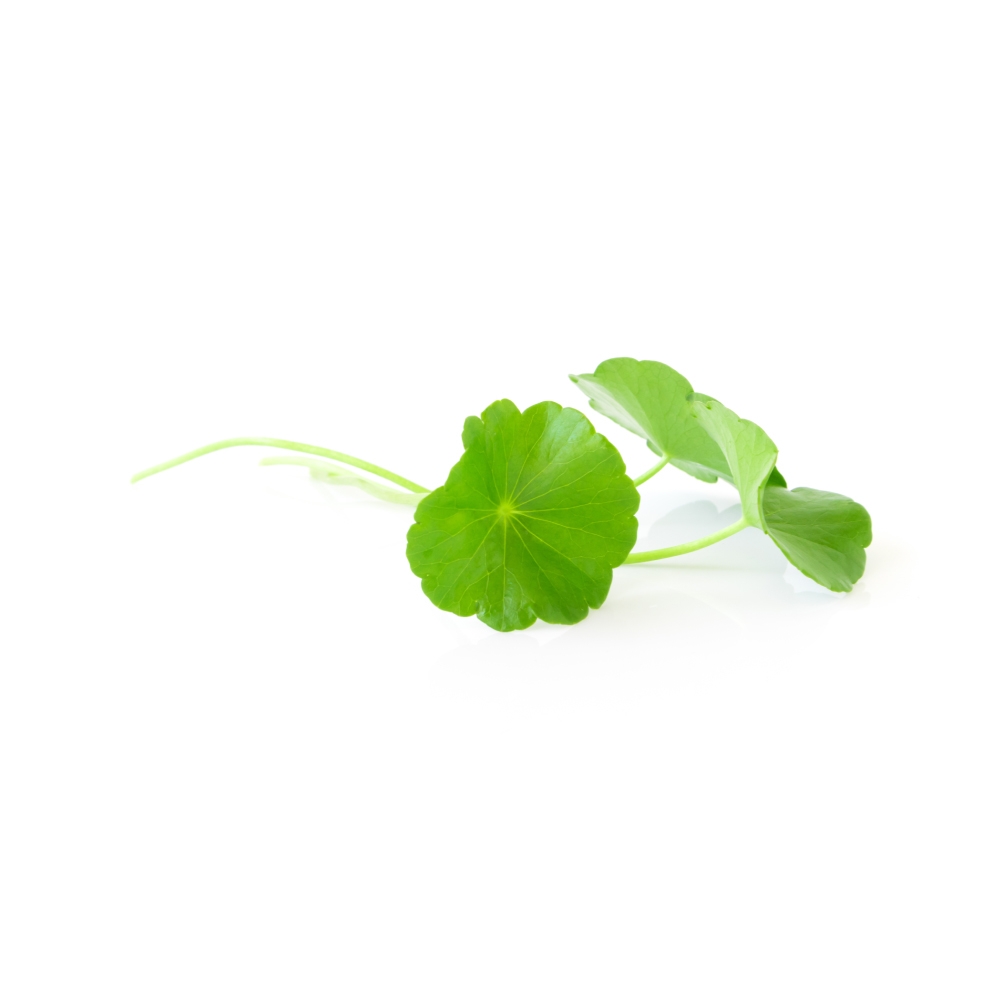 StrongStrongGotu KolaCentella asiaticaA standardised triterpene fraction improved venous distensibility and the venoarteriolar response, the two endpoints that name this action directly.Mechanismvenous distensibility ↓ (wall tone ↑); venoarteriolar response ↑; capillary filtration rate ↓ — standardized triterpene fraction (TTFCA/TECA)Read the evidenceShow lessMonograph →
An early double-blind trial in 94 patients over two months improved leg heaviness, oedema and venous distensibility against placebo 6Reference 6RCTTitrated extract of Centella asiatica (TECA) in the treatment of venous insufficiency of the lower limbs — multicentre double-blind randomised trialView study →. Later randomised placebo-controlled trials of 60 mg two or three times daily over four to eight weeks cut capillary filtration rate, ankle oedema and resting flux while improving the venoarteriolar response 7,
The 2020 Cochrane review of phlebotonics judged the class to moderately reduce oedema and lists Centella asiatica among the agents assessed 7Reference 7Meta-analysisPhlebotonics for venous insufficiency — systematic review and meta-analysis (Cochrane)View study →. The European Medicines Agency accepts Centellae asiaticae herba as a traditional herbal medicine for minor venous symptoms.
The trials are small and mostly from one Italian research group, and every one used a proprietary standardised total triterpenic fraction rather than the crude herb.
Show 2 more herbs with a mild vascular tonic action
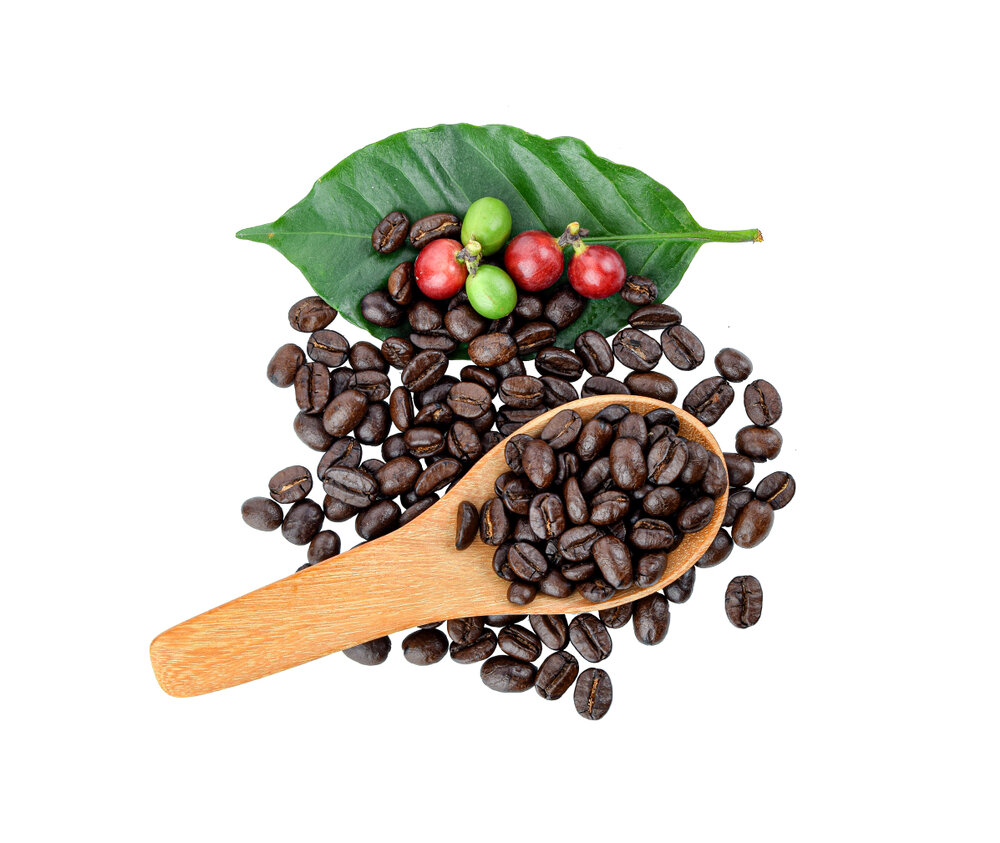 MildMildCoffeeCoffea arabicaCaffeine constricts vessels acutely and the effect fades with habitual use, leaving chlorogenic acid and a small protective association with blood pressure.Mechanismacute α-mediated vasoconstriction giving way to habitual adaptation; chlorogenic-acid metabolites → nitric-oxide availability ↑ (vessel-tone endpoint never measured directly)Read the evidenceShow lessMonograph →
Caffeine produces an acute pressor response, most pronounced in unaccustomed drinkers, which is what coffee’s separate vasoconstrictor action records. With habitual use that effect attenuates.
What remains points the other way. A dose-response meta-analysis found no increased hypertension risk at one to two cups a day and a small protective association from three cups upward, with a relative risk of 0.97 1Reference 1Meta-analysisCoffee consumption and risk of hypertension: a dose-response meta-analysis of prospective studiesView study →, and a 2023 cohort meta-analysis found about 7% lower hypertension risk at highest against lowest intake 2Reference 2Meta-analysisCoffee consumption and risk of hypertension in adults: systematic review and meta-analysisView study →.
The proposed mechanism is chlorogenic acid and its metabolites improving nitric-oxide availability 3Reference 3ReviewCoffee: biochemistry and potential impact on health — reviewView study →.
Green-coffee-bean extract trials give the effect modest numbers, 2.95 mmHg systolic and 2.15 mmHg diastolic 4,
No vessel-tone endpoint has ever been measured for coffee, and the human data are overwhelmingly observational.
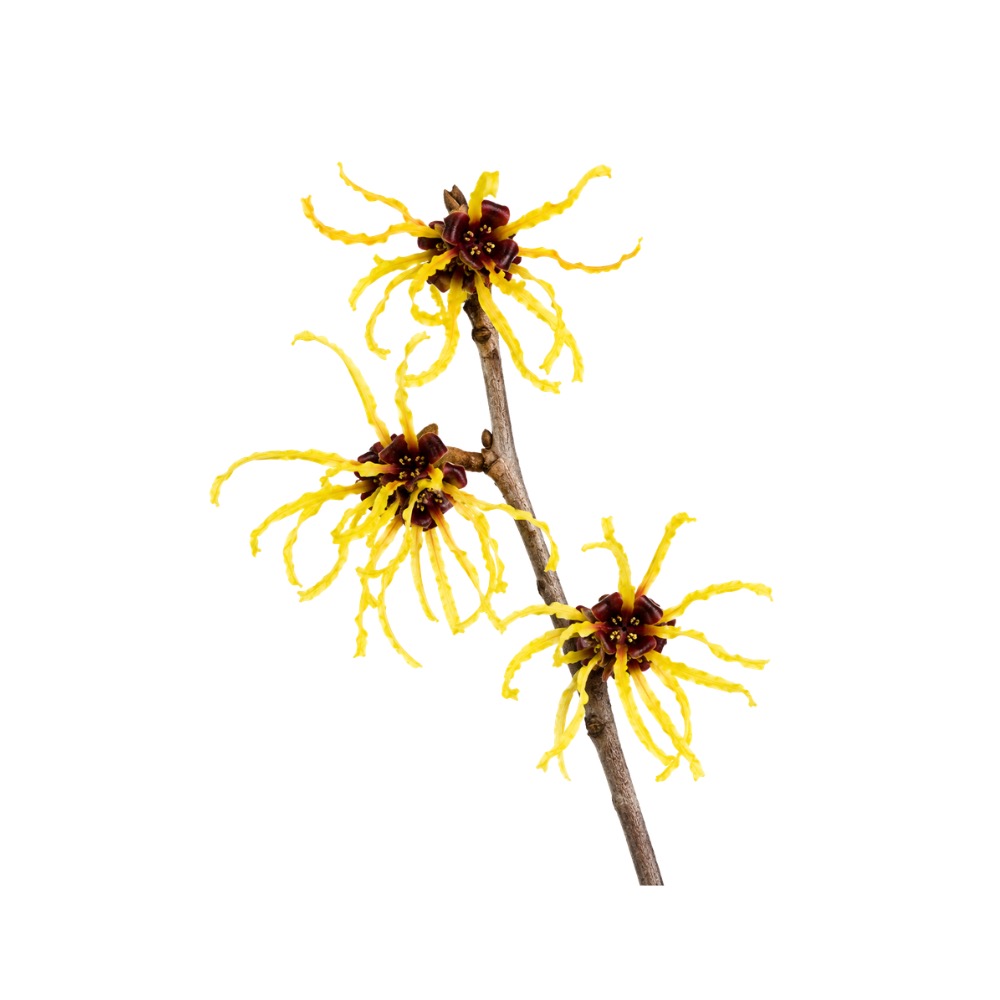 MildMildWitch HazelHamamelis virginianaTannins precipitate proteins at the surface they touch, tightening tissue and briefly constricting small vessels, which is why it works on haemorrhoids.Mechanismtannin–protein precipitation at the vessel surface → transient small-vessel constriction; topical and surface-limited — no systemic venous-tone measurement existsRead the evidenceShow lessMonograph →
Witch hazel’s hydrolysable and condensed tannins, hamamelitannin, gallotannins and high-molecular-weight proanthocyanidins, precipitate proteins at the surface they contact, tightening tissue, reducing exudate and briefly constricting small vessels 14Reference 14Polymeric proanthocyanidins from the bark of Hamamelis virginiana — phytochemical analysisView study →.
The European Medicines Agency and Commission E accept bark and leaf preparations as traditional astringents for haemorrhoids, minor skin inflammation and localised mucosal complaints 15Reference 15ReviewCommunity herbal monograph on Hamamelis virginiana L., cortex / folium — regulatory monograph (traditional-use registration for minor skin inflammation, haemorrhoids and minor injury), and reviews of natural haemorrhoid therapy list witch hazel among the best-established astringent options 16Reference 16ReviewNatural products in hemorrhoid management: a comprehensive literature review of traditional herbal remedies and evidence-based therapies — reviewView study →.
Those same reviews note the absence of dedicated modern trials. No systemic venous-tone endpoint has been measured: nothing on venous distensibility, venoarteriolar response or capillary filtration.
The anorectal use works because the preparation reaches the varicosity directly, which the veins of the leg do not allow.
No herbs match these filters.
Safety
- Compression stockings remain the mainstay of venous care, and these herbs complement them rather than replace them.
- Standardised extracts and raw plant material are different substances, and the evidence belongs to the standardised extract.
- Aescin affects coagulation and renal handling, so venous tonics need care alongside anticoagulants and antiplatelets and in kidney or liver disease 13Reference 13ReviewWang, Y., Han, X., Wan, X., et al. (2023). β-Escin: an updated review of its analysis, pharmacology, pharmacokinetics, and toxicity — review. The American Journal of Chinese Medicine. https://pubmed.ncbi.nlm.nih.gov/37865870/View study →.
- Astringent preparations are for external and mucosal use, not for internal use at therapeutic doses.
- Sudden or one-sided leg swelling is a possible deep-vein thrombosis and needs same-day assessment; swelling with breathlessness or chest pain is an emergency.
- Skin darkening or thickening around the ankle, eczema over a varicosity, or any ulceration means the venous disease has progressed past what a tonic addresses.
References
- D’Elia, L., La Fata, E., Galletti, F., et al. (2019). Coffee consumption and risk of hypertension: a dose-response meta-analysis of prospective studies. Eur J Nutr. https://pubmed.ncbi.nlm.nih.gov/29222637/
- Haghighatdoost, F., et al. (2023). Coffee consumption and risk of hypertension in adults: systematic review and meta-analysis. Nutrients. https://pubmed.ncbi.nlm.nih.gov/37447390/
- Ludwig, I. A., Clifford, M. N., Lean, M. E., et al. (2014). Coffee: biochemistry and potential impact on health — review. Food Funct. https://pubmed.ncbi.nlm.nih.gov/24671262/
- Onakpoya, I., Terry, R., & Ernst, E. (2011). The use of green coffee extract as a weight loss supplement: a systematic review and meta-analysis of randomised clinical trials. Gastroenterol Res Pract. https://pubmed.ncbi.nlm.nih.gov/20871849/
- Samavat, S., et al. (2024). The effects of green coffee bean extract on blood pressure and heart rate: a systematic review and dose-response meta-analysis of randomized controlled trials. Diabetes Metab Syndr. https://pubmed.ncbi.nlm.nih.gov/39368321/
- Pointel, J. P., et al. (1987). Titrated extract of Centella asiatica (TECA) in the treatment of venous insufficiency of the lower limbs — multicentre double-blind randomised trial. Angiology. https://pubmed.ncbi.nlm.nih.gov/3544968/
- Martínez-Zapata, M. J., et al. (2020). Phlebotonics for venous insufficiency — systematic review and meta-analysis (Cochrane). Cochrane Database of Systematic Reviews. https://pubmed.ncbi.nlm.nih.gov/33141449/
- Incandela, L., et al. (2001). Treatment of diabetic microangiopathy and edema with total triterpenic fraction of Centella asiatica — placebo-controlled randomised trial. Angiology. https://pubmed.ncbi.nlm.nih.gov/11666119/
- Cesarone, M. R., et al. (2001). Effects of the total triterpenic fraction of Centella asiatica in venous hypertensive microangiopathy — placebo-controlled randomised trial. Angiology. https://pubmed.ncbi.nlm.nih.gov/11666117/
- De Sanctis, M. T., et al. (2001). Treatment of edema and increased capillary filtration in venous hypertension with total triterpenic fraction of Centella asiatica — randomised, placebo-controlled, dose-ranging trial. Angiology. https://pubmed.ncbi.nlm.nih.gov/11666125/
- Diehm, C., Trampisch, H. J., Lange, S., et al. (1996). Comparison of leg compression stocking and oral horse-chestnut seed extract therapy in patients with chronic venous insufficiency — randomised controlled trial. Lancet. https://pubmed.ncbi.nlm.nih.gov/8569363/
- Pittler, M. H., & Ernst, E. (2012). Horse chestnut seed extract for chronic venous insufficiency — systematic review and meta-analysis. Cochrane Database of Systematic Reviews. https://pubmed.ncbi.nlm.nih.gov/23152216/
- Wang, Y., Han, X., Wan, X., et al. (2023). β-Escin: an updated review of its analysis, pharmacology, pharmacokinetics, and toxicity — review. The American Journal of Chinese Medicine. https://pubmed.ncbi.nlm.nih.gov/37865870/
- Dauer A, Rimpler H, Hensel A (2003). Polymeric proanthocyanidins from the bark of Hamamelis virginiana — phytochemical analysis. Planta Med. https://pubmed.ncbi.nlm.nih.gov/12567291/
- European Medicines Agency, Committee on Herbal Medicinal Products (HMPC). Community herbal monograph on Hamamelis virginiana L., cortex / folium — regulatory monograph (traditional-use registration for minor skin inflammation, haemorrhoids and minor injury). Available via the EMA herbal medicinal products portal (ema.europa.eu). Regulatory status also summarised in ref [1].
- Admuthe NB, et al. (2025). Natural products in hemorrhoid management: a comprehensive literature review of traditional herbal remedies and evidence-based therapies — review. Cureus. https://pubmed.ncbi.nlm.nih.gov/40458338/
Keep Exploring