
Subclass of Alkaloids
Pyrrolizidine Alkaloids
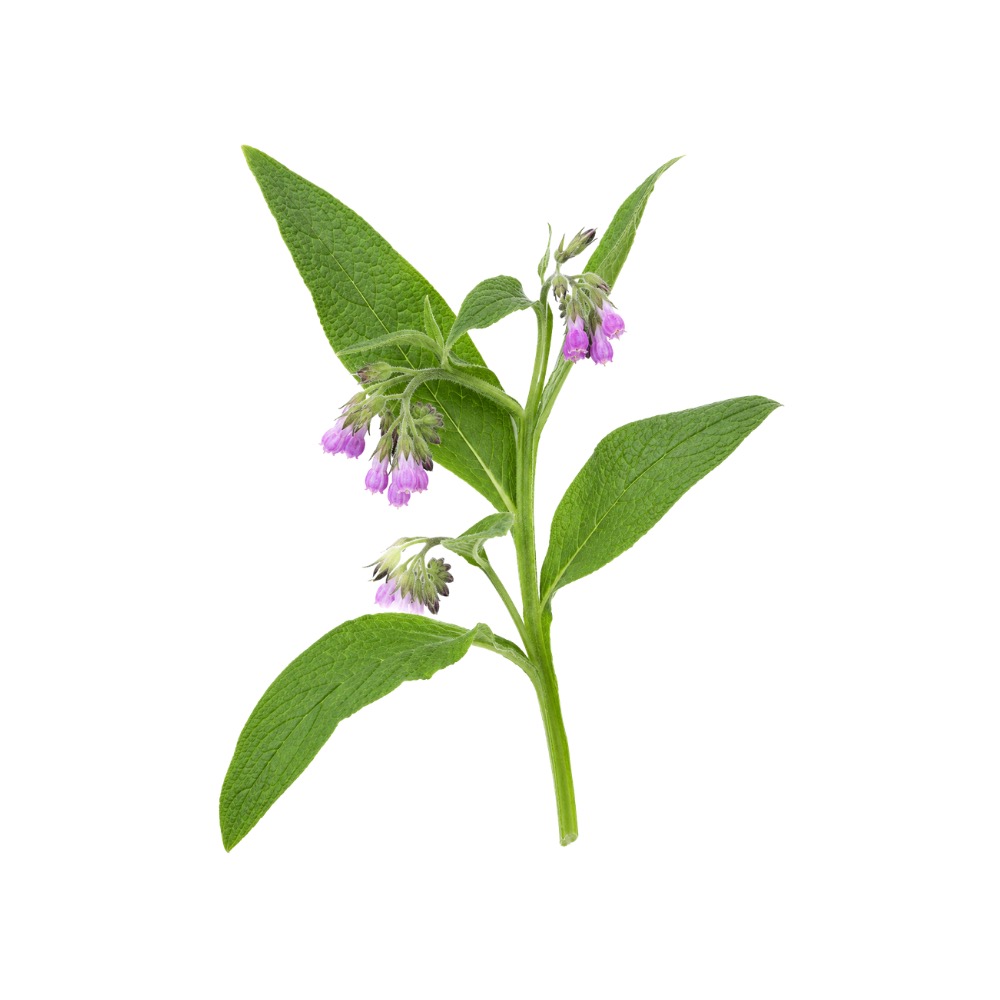
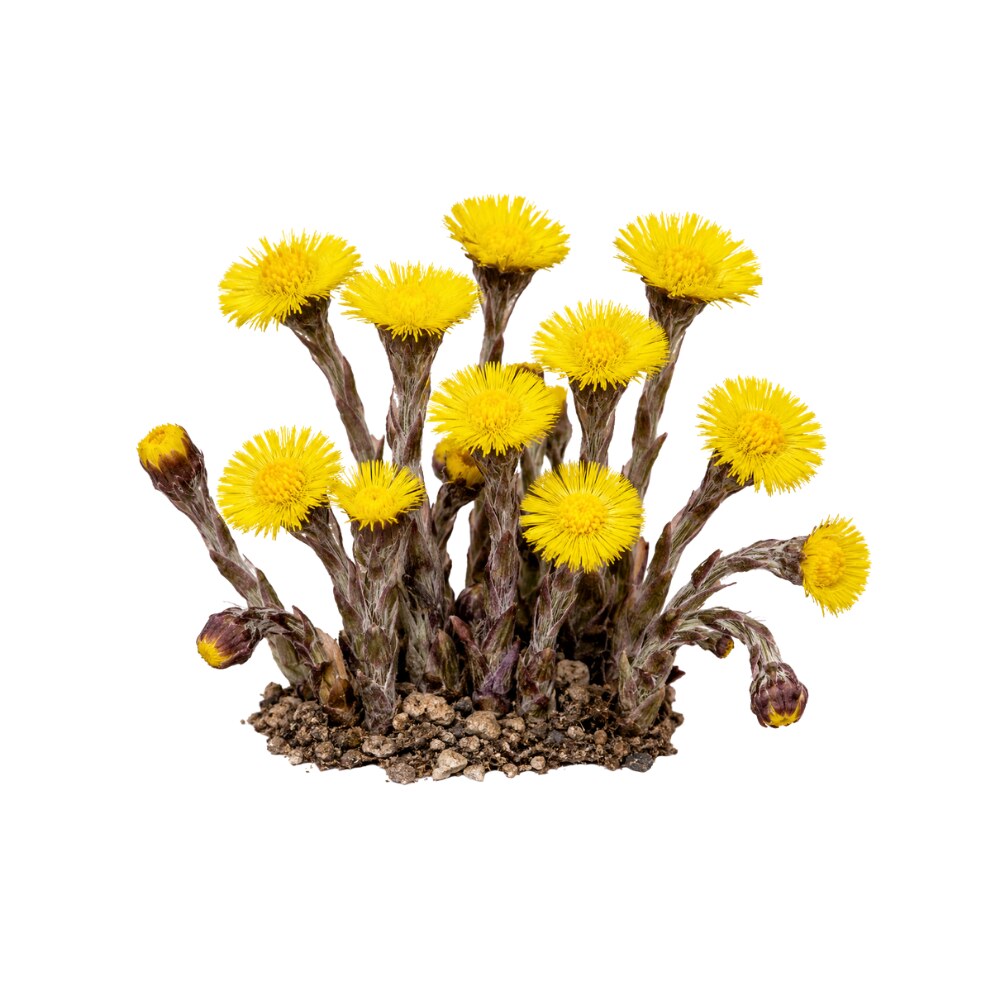
Hepatotoxic ester alkaloids of the Boraginaceae and some Asteraceae — comfrey, boneset, coltsfoot and butterbur — bioactivated in the liver to reactive pyrroles.
Overview
About Pyrrolizidine Alkaloids
Pyrrolizidine alkaloids are built on a fused two-ring necine base, usually esterified with one or two short branched acids. They are made by plants as anti-herbivore defence, and they are the reason several long-used herbs are now restricted to external use.
This is the one compound class on the site that exists almost entirely as a safety story. Very few members have any therapeutic use; what they have instead is a well-characterised mechanism of harm, a regulatory exposure limit, and a habit of surviving the preparation methods people assume will remove them.
Why Structure Decides Everything
Toxicity requires a double bond in the necine ring — the 1,2-unsaturation. Saturated members such as tussilagine lack it and are not hepatotoxic, which is why a plant testing positive for “pyrrolizidine alkaloids” is not automatically dangerous.
Among the unsaturated ones, potency then tracks how the base is esterified. Assayed head to head, genotoxic potency spanned about three orders of magnitude:
- Macrocyclic diesters
- senecionine, senkirkine, riddelliine — the most potent, and the source of most documented poisonings
- Open diesters
- echimidine, symphytine — intermediate
- 7-Hydroxy monoesters
- lycopsamine, intermedine — the least potent of the toxic members
How They Cause Harm
The alkaloid itself is comparatively inert. Hepatic cytochrome P450 oxidises the unsaturated necine base to a reactive dehydropyrrolizidine ester, and that electrophile alkylates proteins and DNA in the liver.
Because the damage is done by adducts rather than by circulating alkaloid, exposure accumulates and blood levels are a poor guide to injury — pyrrole-protein and pyrrole-haemoglobin adducts are the usable markers. The characteristic acute syndrome is hepatic sinusoidal obstruction syndrome, historically called veno-occlusive disease.
Where They Occur
Comfrey (Symphytum)
lycopsamine, intermedine, echimidine, symphytine; root far exceeds leaf
Boneset (Eupatorium perfoliatum)
lycopsamine and intermedine, found in every sample of the one published survey
Coltsfoot (Tussilago farfara)
senkirkine and senecionine, plus the non-toxic tussilagine
Butterbur (Petasites)
senecionine-type alkaloids; PA-free extracts are the commercial response
Heliotrope and other Boraginaceae, plus honey and herbal teas contaminated via bee forage or weeds harvested alongside the crop
What This Means for Preparations
The practical points are about sourcing and route rather than avoidance. Hot water does not leave these alkaloids behind: tinctures, infusions and decoctions all carry them, and the N-oxides that dominate in the plant are reduced back to the free base in the gut, so an assay measuring only free bases under-reports the real load.
Route matters more than almost anything else. Oral absorption is good; dermal absorption is not — human-skin studies put penetration from comfrey preparations at a fraction of one percent of the applied dose, which is the basis for comfrey remaining a topical medicine rather than disappearing altogether.
What to look for on a label: leaf rather than root, a named species rather than a common name, a stated alkaloid content or a PA-reduced cultivar, and a supplier who tests.
Toxicity & Safety
Assume the class hazard unless the specific alkaloid is known to be saturated. Regulators assess 1,2-unsaturated pyrrolizidine alkaloids as a single group of genotoxic carcinogens, with a chronic assessment anchored on riddelliine and a proposed acute reference dose of 1 microgram per kilogram of body weight per day.
Pregnancy, lactation and infancy carry the greatest concern — these alkaloids cross the placenta and appear in milk. Existing liver disease and concurrent hepatotoxic medication reduce the margin further.
Constituents
All Pyrrolizidine Alkaloids
7 totalNo pyrrolizidine alkaloids match.
Source Plants
Herbs Containing Pyrrolizidine Alkaloids
2 herbsPlants in the materia medica documented to carry pyrrolizidine alkaloids, with the compounds each one is listed for. The bar counts how many DISTINCT pyrrolizidine alkaloids are on record for a plant, relative to the best-documented — it measures breadth of record, not potency, so a plant with one well-studied compound can outrank a richer source that has simply been analysed less. No concentration figures are on record for this class yet, so nothing here distinguishes a major source from a trace.
Keep Exploring
Other Compound Classes
Keep Reading
 GuidesThe Best Kava: A Buyer's GuideHow to buy good kava: noble vs two-day cultivars, which part of the root, chemotype codes, origin, form, and the batch tests a seller should show you.
Read more
 GuidesThe Amazon's Endangered Medicinal PlantsThe Amazon gives us some of our most important medicines — but which healing plants are actually endangered?
Read more
 NutritionThe Best Yerba Maté Brands [Reviewed]A drinker's guide to buying yerba maté — what actually changes the taste, and ten brands worth your money.
Read more
 GuidesHow to Prepare Yerba Maté — The Five Best MethodsHow to brew yerba maté properly — the traditional gourd method, plus tereré, french press and cold brew.
Read more