
Condition
Poly-Cystic Ovary Syndrome (PCOS)
PCOS — the four Rotterdam phenotypes, why insulin resistance drives it even in lean women, what standard care achieves, and the evidence for inositol and the herbs.

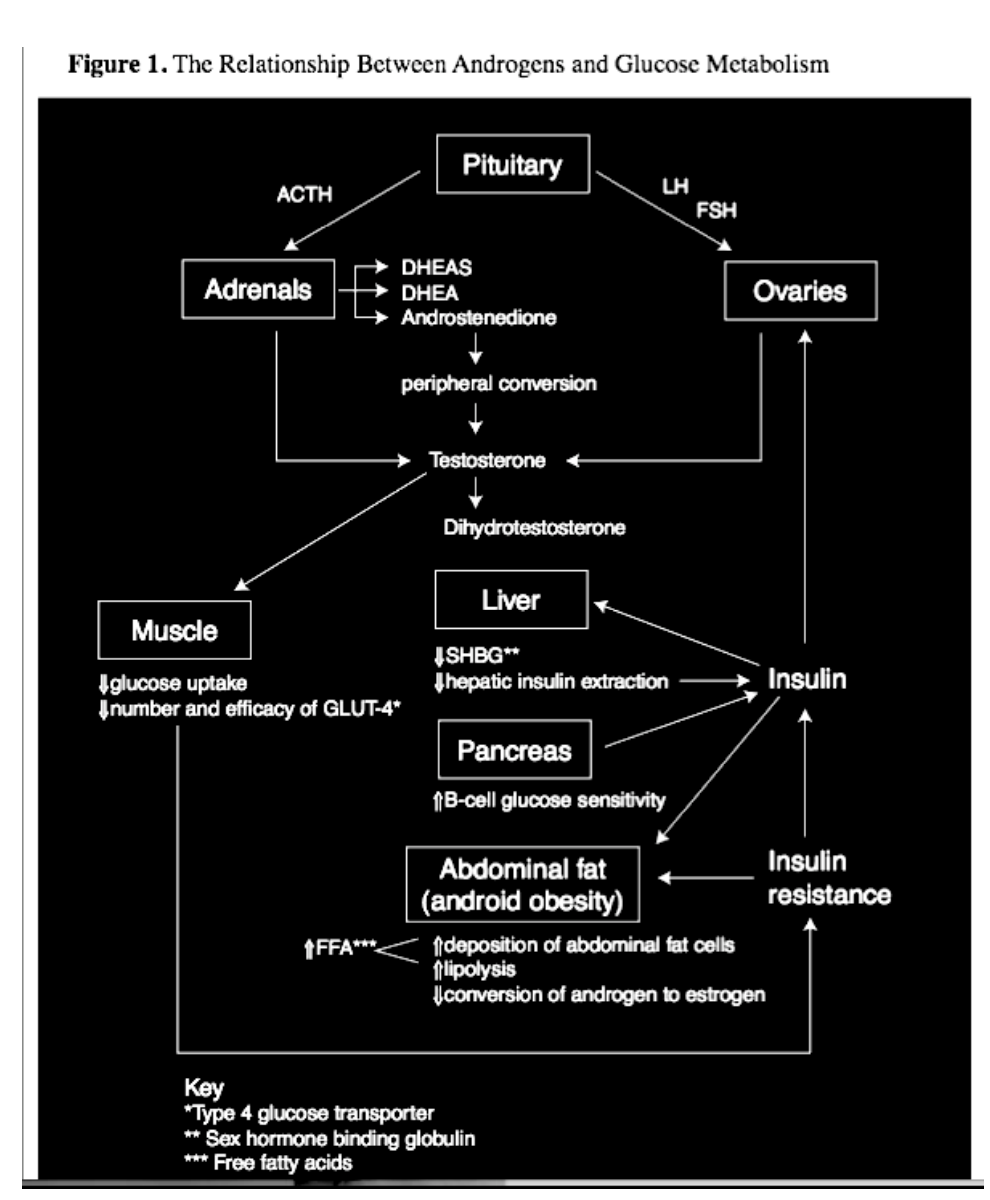
Polycystic ovary syndrome (PCOS) is the most common endocrine disorder in women of reproductive age, defined by a combination of androgen excess, irregular or absent ovulation, and multiple small ovarian follicles — very often accompanied by insulin resistance. It sits at the intersection of the reproductive and metabolic systems, which is why its effects reach well beyond the menstrual cycle into weight, blood sugar, skin, mood and long-term cardiovascular health. It is also a lifelong metabolic condition rather than simply a fertility problem.
Presentation
Types & Variants
PCOS is diagnosed clinically, by the Rotterdam criteria: two of the three features of androgen excess (clinical or biochemical), ovulatory dysfunction, and polycystic ovarian morphology. Requiring two of three rather than all three means PCOS is not one uniform picture but four recognized phenotypes:
- Phenotype A — androgen excess + ovulatory dysfunction + polycystic ovaries (the “classic”, and the most metabolically affected).
- Phenotype B — androgen excess + ovulatory dysfunction, without polycystic ovaries on imaging.
- Phenotype C — androgen excess + polycystic ovaries, with preserved ovulation (the “ovulatory” phenotype).
- Phenotype D — ovulatory dysfunction + polycystic ovaries, without androgen excess (the “non-hyperandrogenic” phenotype, generally the mildest metabolically).
The 2023 international evidence-based guideline refined these criteria and added anti-Müllerian hormone (AMH) as an alternative to ultrasound in adults — not in adolescents, where ovarian morphology is unreliable because multifollicular ovaries are normal in the years after menarche 34Reference 34Recommendations from the 2023 international evidence-based guideline for the assessment and management of polycystic ovary syndrome — clinical practice guidelineView study →. It should not be confused with polycystic ovary disease (PCOD), a related but distinct entity, and the insulin-resistant phenotypes overlap heavily with metabolic syndrome.
Despite the name, the “cysts” are not cysts. They are ordinary immature follicles arrested partway through development, and their number is a marker of the hormonal problem, not a lesion to be treated.
Overview
General Pathology
The development of PCOS reflects a mix of genetic and environmental factors, with insulin resistance playing a central role. Excess insulin acts on the ovarian theca cells to increase androgen production, and simultaneously suppresses hepatic sex hormone-binding globulin (SHBG), which raises the level of free, biologically active testosterone. Above this sits a disordered hypothalamic-pituitary rhythm — accelerated GnRH pulsatility favouring LH over FSH secretion — which further drives ovarian androgen output while leaving follicles without the FSH signal needed to complete maturation. The follicles accumulate, ovulation fails, and the resulting picture of high androgens plus anovulation reinforces itself.
Insulin resistance in PCOS is not simply a consequence of body weight. It is present in lean women with the syndrome too, at a level beyond what their body composition would predict, which is why “just lose weight” is both incomplete advice and, for the substantial minority who are not overweight, irrelevant advice.
PCOS commonly presents with irregular or absent periods, infertility, and signs of androgen excess — acne, oily skin, hirsutism and scalp hair thinning — along with weight gain, central adiposity and acanthosis nigricans reflecting insulin resistance. Diagnosis requires ruling out mimics such as hypothyroidism, hyperprolactinemia, non-classic congenital adrenal hyperplasia and Cushing’s syndrome.
Long-Term Health
Treating PCOS as a fertility issue that resolves once childbearing is settled underestimates it. The syndrome carries elevated long-term risk of type 2 diabetes and gestational diabetes, dyslipidemia, fatty liver disease, obstructive sleep apnoea, and cardiovascular disease. Chronic anovulation means the endometrium is exposed to oestrogen without the regular progesterone opposition that a luteal phase provides, which over years raises the risk of endometrial hyperplasia and abnormal uterine bleeding — the reason that inducing regular withdrawal bleeds matters medically and not just for convenience.
Rates of anxiety, depression and disordered eating are substantially higher in PCOS than in the general population, and the 2023 guideline explicitly recommends screening for them 34Reference 34Recommendations from the 2023 international evidence-based guideline for the assessment and management of polycystic ovary syndrome — clinical practice guidelineView study →. This is not incidental: the syndrome combines a chronic diagnosis, visible symptoms that carry social cost, fertility uncertainty and repeated advice about weight.
Treatment
Conventional Treatment
Management is driven by which problem is being solved, and the answers differ.
For cycle regularity and androgen symptoms, the combined oral contraceptive is first-line: it suppresses ovarian androgen production, raises SHBG, and protects the endometrium. Anti-androgens such as spironolactone are added for hirsutism and acne where the contraceptive alone is insufficient, and are used with reliable contraception because of foetal risk.
For metabolic features, metformin improves insulin sensitivity and modestly improves cycle regularity, and is particularly used where there is impaired glucose tolerance or a high metabolic risk profile.
For fertility, the first-line agent changed. A landmark trial randomizing 750 women found letrozole produced more cumulative live births than clomiphene — 27.5% versus 19.1% — and a higher cumulative ovulation rate, 61.7% versus 48.3% of treatment cycles 35Reference 35RCTLetrozole versus clomiphene for infertility in the polycystic ovary syndrome — randomised controlled trial (n=750)View study →. Letrozole, an aromatase inhibitor, is now the recommended first-line ovulation-induction agent. Black cohosh’s PCOS evidence is entirely as an add-on to clomiphene, the drug letrozole displaced.
Lifestyle intervention — a modest weight reduction where there is excess weight, and regular exercise irrespective of weight — improves insulin sensitivity, androgen levels and ovulation, and remains foundational across every phenotype.
Treatment
What Actually Helps
Inositol is the supplement most closely associated with PCOS, and its evidence is weaker than the marketing. Myo-inositol acts as a second messenger in insulin signalling, and small trials have reported improvements in insulin sensitivity, androgen levels and ovulation. But the Cochrane review of inositol for subfertile women with PCOS graded the evidence very low quality and concluded that it is uncertain whether myo-inositol improves live birth rate or clinical pregnancy rate 36Reference 36Systematic reviewInositol for subfertile women with polycystic ovary syndrome — Cochrane systematic reviewView study →. That is not the same as saying it does not work — it means the trials done so far cannot tell us. Inositol is well tolerated and inexpensive, which is a reasonable basis for trying it; a demonstrated effect on the outcomes people actually want is not yet in hand.
Berberine is an insulin sensitizer with a substantial diabetes trial base, and its PCOS results are mixed: improvements in waist-to-hip ratio, HOMA-IR and androstenedione, but unreliable effects on weight and conflicting results for BMI, FSH and LH. Coptis, the herb berberine is chiefly drawn from, has never itself been tested in PCOS.
N-acetylcysteine has been trialled mainly as an adjunct in ovulation induction, with modest and inconsistent results.
The herbal evidence for PCOS is mixed. Marjoram tea has two small pilot RCTs and three concordant animal models but no clinical endpoint. Licorice reliably lowers testosterone — at glycyrrhizin doses that reintroduce a real blood-pressure risk. Sage’s PCOS trial moved oxidative-stress and lipid markers, not androgens or ovulation. Peony’s only human result comes from a formula containing licorice, so it cannot be credited to peony. Fennel, tested against a diet that works, added nothing.
Materia Medica
Materia Medica
None of the herbs used for PCOS is a substitute for professional care.
 Black CohoshCimicifuga racemosaModerate
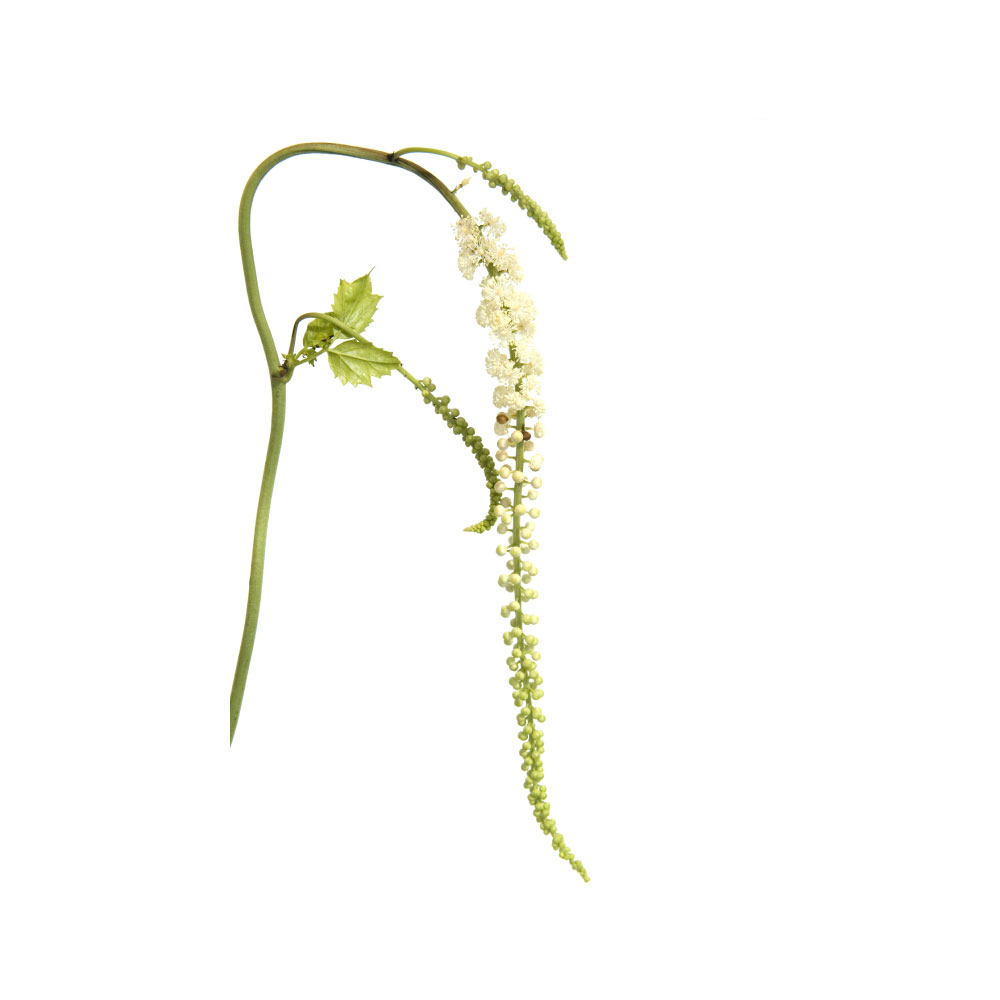
In PCOS, black cohosh has been studied as an adjunct to clomiphene, never a standalone. A randomised trial (n=194) found adding Cimicifuga racemosa to clomiphene cycles improved endometrial thickness, hormone profile and clinical pregnancy rate — 34.8% versus 17.2% 1Reference 1RCTAdding Cimicifuga racemosa to clomiphene induction cycles in PCOS improves cycle outcomes and pregnancy rates — randomised trialView study →.
A 2021 systematic review found three RCTs reporting improved pregnancy rates on the combination and concluded short-term use appears safe, while flagging serious risk-of-bias concerns and a lack of high-quality evidence 2Reference 2Systematic reviewSystematic review of black cohosh for management of PCOS-related infertilityView study →. A separate clinical trial (n=100) found no difference in follicle number or endometrial thickness from adding it 3Reference 3Clinical trialCimicifuga racemosa with clomiphene for ovulation induction in PCOS: a clinical trialView study →.
The results conflict, and the trials are small and methodologically weak. This is a fertility-clinic co-treatment, not a self-directed one. Black cohosh’s rare hepatotoxicity signal applies to this use as to any other.
Full monograph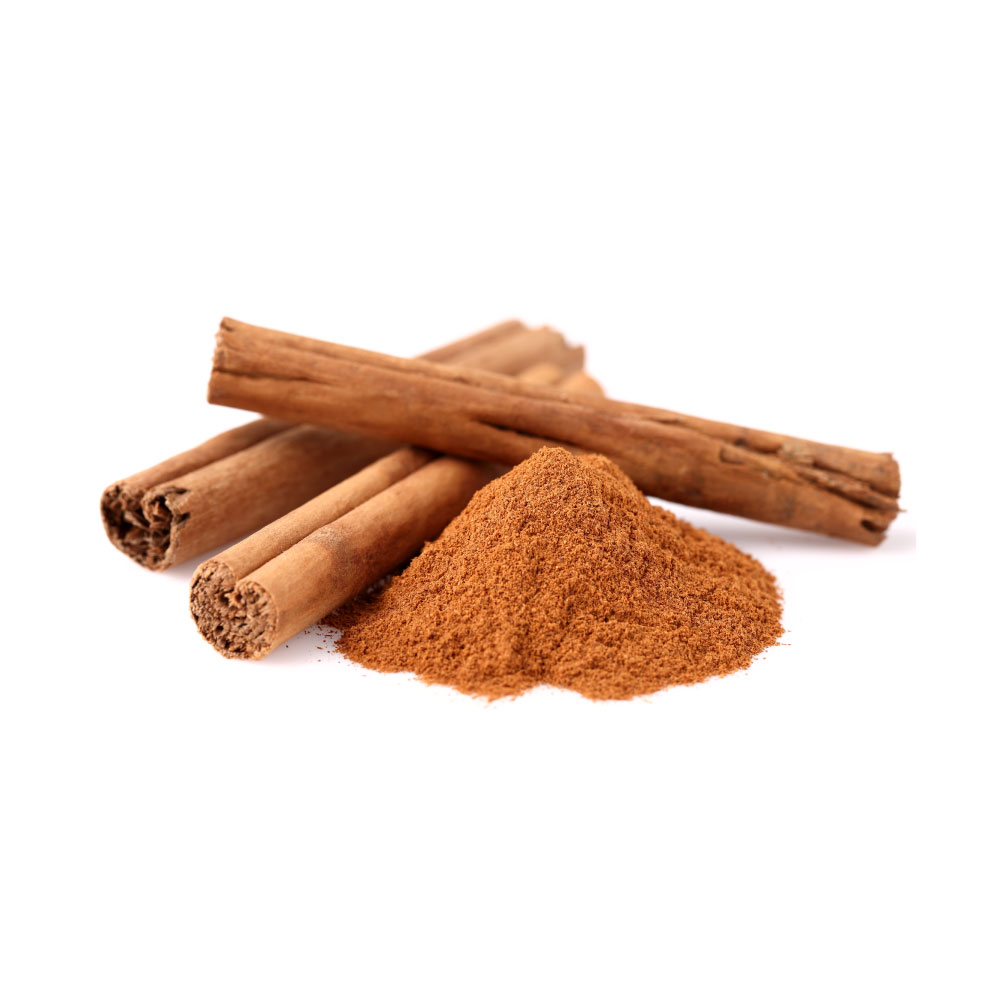 Cassia CinnamonCinnamomum cassiaModerate
A 2020 meta-analysis pooling five small RCTs found reductions in fasting blood sugar, fasting insulin, HOMA-IR, LDL, total cholesterol and triglycerides, but no effect on body weight or BMI 4Reference 4Meta-analysisEffects of cinnamon on controlling metabolic parameters of polycystic ovary syndrome: a systematic review and meta-analysis — [meta-analysis]View study →; the umbrella meta-analysis flagged PCOS as a population where the lipid benefit was clearest 5Reference 5Meta-analysisThe effect of cinnamon consumption on lipid profile, oxidative stress, and inflammation biomarkers in adults: an umbrella meta-analysis of randomized controlled trials — [meta-analysis]View study →. This is the same insulin-sensitising signal seen in diabetes applied to the insulin-resistant PCOS phenotype — not evidence of any effect on ovulation, androgens or the reproductive features that define the syndrome. The trials are few and small.
Full monograph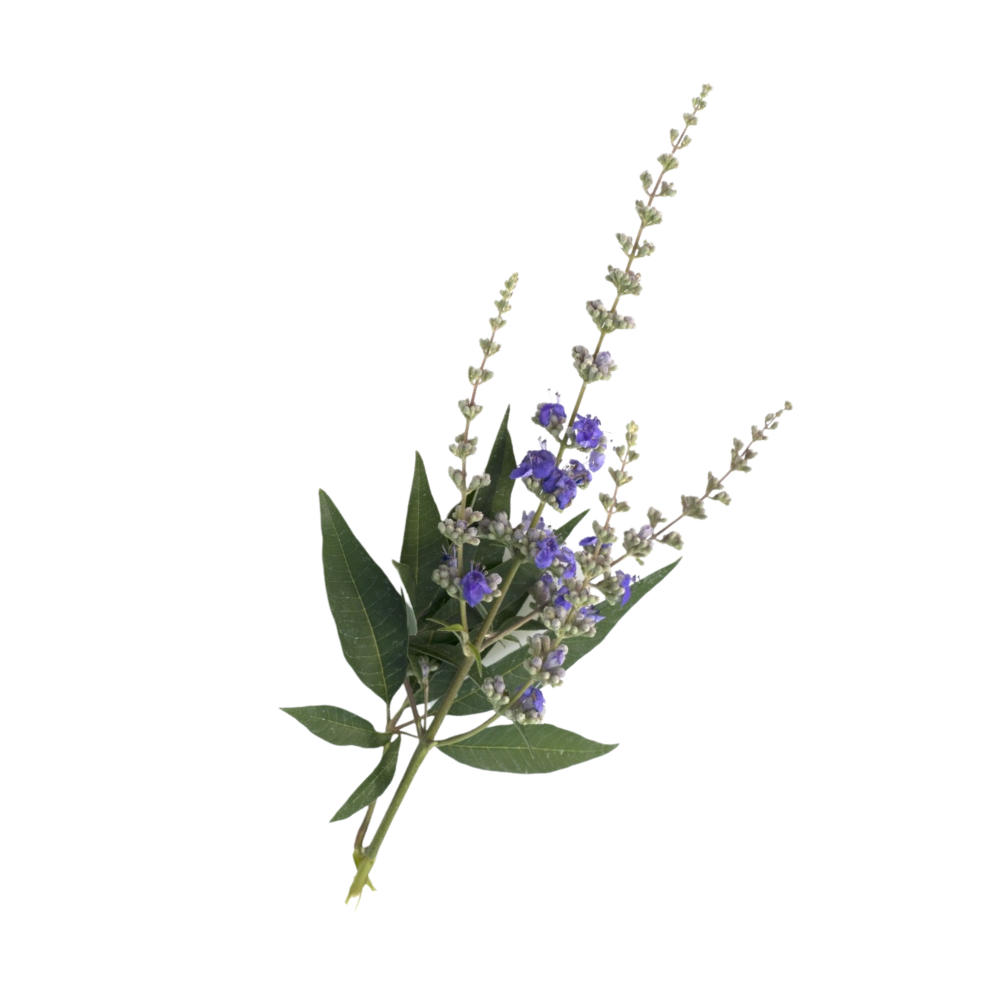 Chaste TreeVitex agnus-castusModerate
One randomised double-blind placebo-controlled trial (n=60, standardised extract, 12 weeks) reported improved oxidative-stress markers, insulin resistance (HOMA-IR), lipid profile, menstrual frequency and hirsutism score vs placebo 6Reference 6RCTThe effect of Vitex agnus-castus on oxidative stress, lipid profile and insulin resistance in women with polycystic ovary syndrome: a randomised, double-blind controlled trialView study →, with supporting rat models (anti-Müllerian hormone, ovarian gene expression, hypothalamic KISS-1) 7,
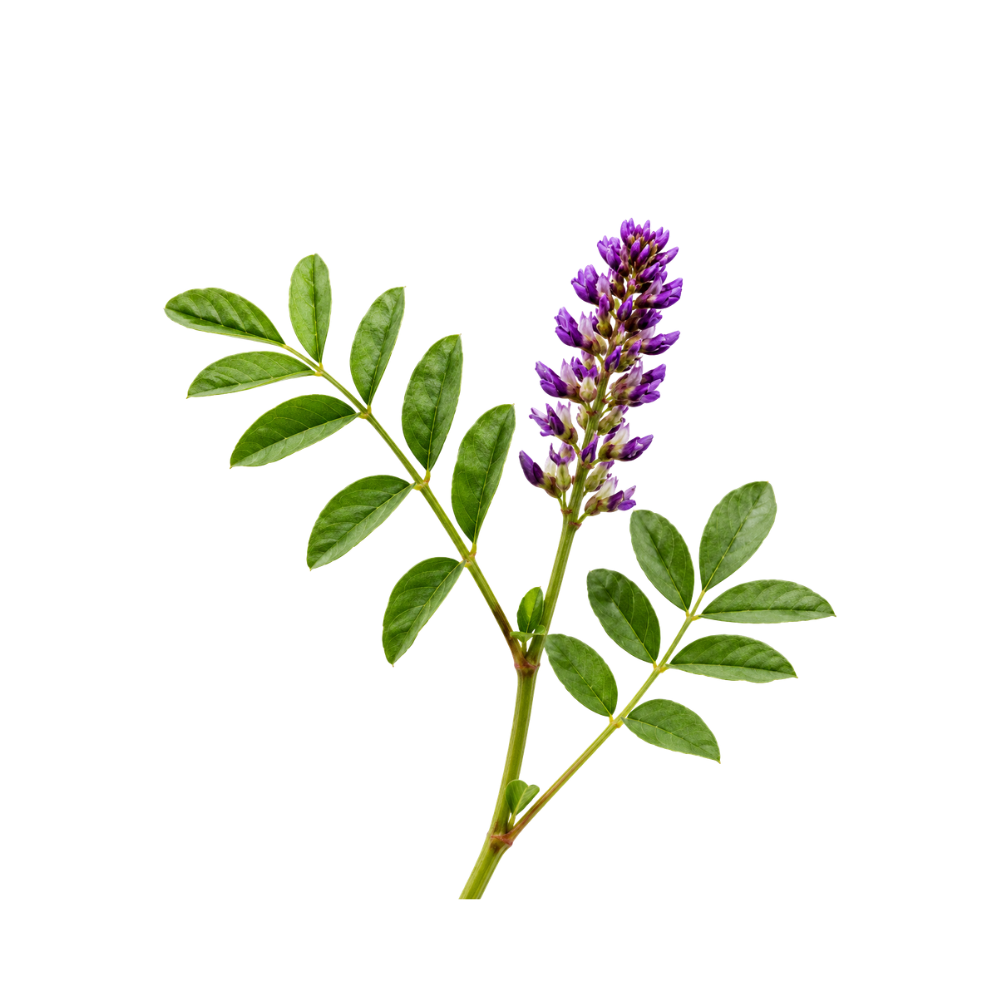 LicoriceGlycyrrhiza glabraModerate
Licorice reproducibly lowers serum testosterone 11,
A moderate-dose trial found a null sex-steroid result 16Reference 16Clinical trialLiquorice in moderate doses does not affect sex steroid hormones of biological importance — clinical trialView study →; the effect needs a meaningful glycyrrhizin dose, which reintroduces the blood-pressure risk.
Full monograph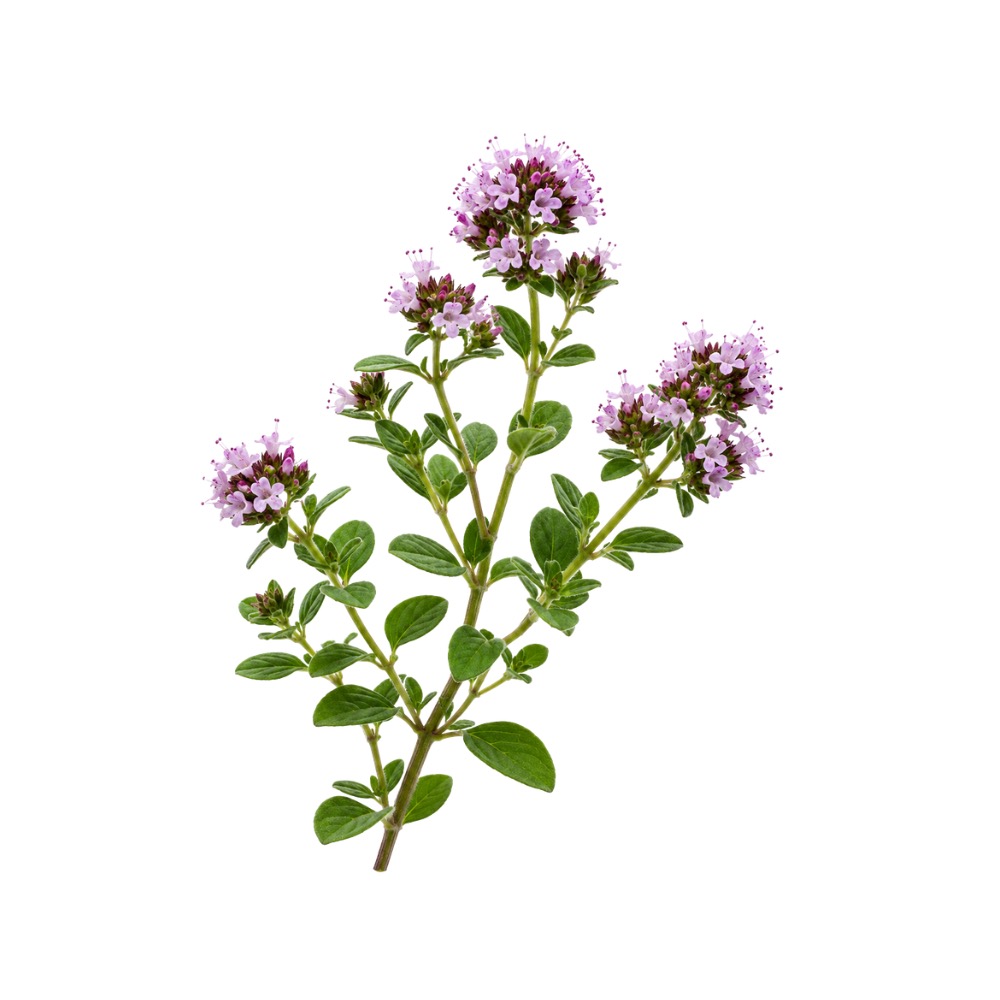 MarjoramOriganum majoranaModerate
Marjoram’s traditional “cycle-regulating” reputation has real, if preliminary, human backing, and the trials used the tea, the form in which the herb is usually taken. A randomised, double-blind, placebo-controlled pilot gave women with PCOS marjoram tea twice daily for one month and found a significant reduction in the adrenal androgen DHEA-S plus improved insulin sensitivity, though several changes reached significance only within-group 17Reference 17RCTThe effect of marjoram (Origanum majorana) tea on the hormonal profile of women with polycystic ovary syndrome: a randomised controlled pilot study — randomised controlled trialView study →; a second pilot RCT of a marjoram-plus-cinnamon tea over three months reported shifts in FSH and anti-Müllerian hormone with no major side effects 18Reference 18RCTSafety and effectiveness of marjoram and cinnamon herbal tea supplementation in managing polycystic ovary syndrome: a pilot randomised, double-blind, controlled trial — randomised controlled trialView study →.
Three independent rat models converge — marjoram improved hormonal profile, adiponectin-mediated insulin sensitivity, ovarian antioxidant enzymes and inflammation in DHEA- and letrozole-induced PCOS, the letrozole study tracing it to Nrf2 activation and NF-κB suppression 19,
Both human trials are small underpowered pilots, one of them testing a two-herb combination, and no trial has confirmed a clinical endpoint — no ovulation, no cycle regularity, no pregnancy rate.
Full monograph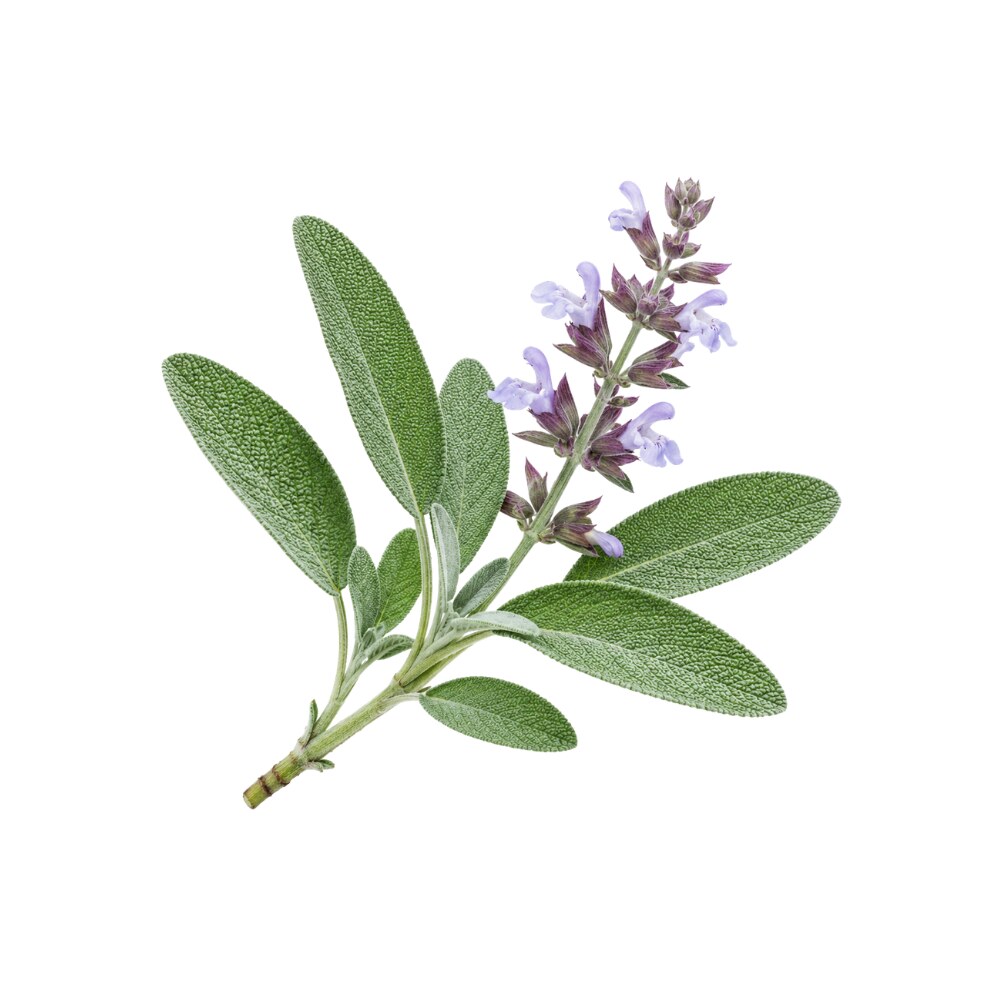 SageSalvia officinalisModerate
A 2025 randomised placebo-controlled trial in women with PCOS found Salvia officinalis extract significantly lowered malondialdehyde (a lipid-peroxidation marker), improved total antioxidant capacity, and reduced triglycerides 29Reference 29RCTExploring the therapeutic impact of Salvia officinalis on lipid and oxidative stress markers in patients with polycystic ovary syndrome — a randomised placebo-controlled clinical trialView study →. The endpoints are oxidative-stress and lipid biomarkers, not androgens, ovulation, cycle regularity or fertility — the features that define the syndrome. Oxidative stress and dyslipidaemia travel with the insulin-resistant PCOS phenotype, and the trial sits alongside the same group’s diabetes and hyperlipidaemia trials 30,
Sage’s human results are tied to specific standardised extracts that do not transfer to tea or whole-leaf powder — commercial sage tea varies up to 20-fold in rosmarinic-acid content 33Reference 33Antioxidant capacity and polyphenolic composition as quality indicators for aqueous infusions of Salvia officinalis L. (sage tea)View study →.
Full monograph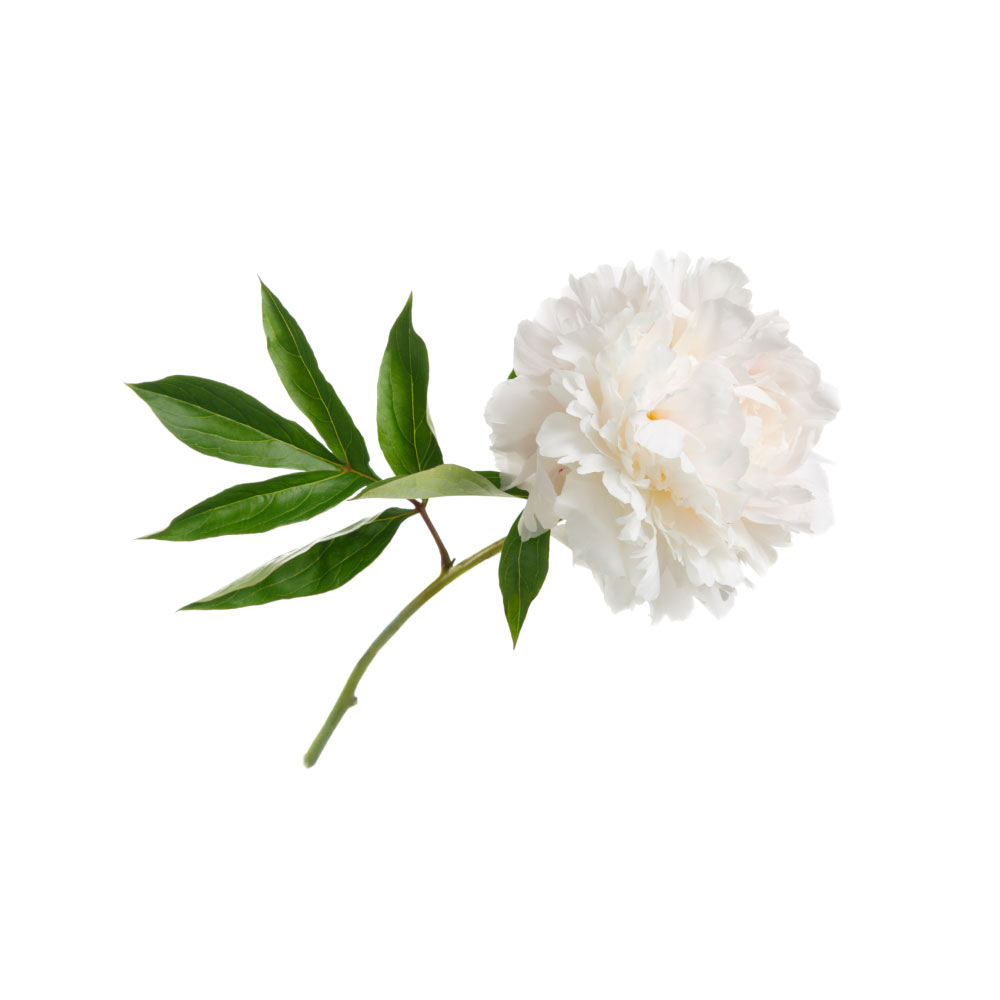 PeonyPaeonia lactifloraPreclinical
Peony’s use for hyperandrogenism and PCOS is long-standing but thinly evidenced. The only human data is an early open, uncontrolled study of Shakuyaku-kanzo-to (TJ-68) in 34 women with polycystic ovarian disease, reporting reduced serum testosterone 24Reference 24Clinical trialEffect of TJ-68 (shakuyaku-kanzo-to) on polycystic ovarian disease — human clinical studyView study → — and that formula is peony plus licorice, where licorice independently and reproducibly lowers testosterone in controlled human trials. The human result therefore cannot be attributed to peony at all.
What is peony-specific is preclinical: paeoniflorin plus glycyrrhizin lowered ovarian androgen production in rats 25Reference 25AnimalEffect of paeoniflorin, glycyrrhizin and glycyrrhetic acid on ovarian androgen production — rat in vivoView study →, androgen-receptor-binding gallotannins (pentagalloylglucose) were isolated from the root 26Reference 26In vitroAndrogen modulators from the roots of Paeonia lactiflora (paeoniae radix) grown and processed in Nara prefecture, Japan — in vitroView study →, a review places peony among plant-derived anti-androgens 27Reference 27ReviewAn update on plant derived anti-androgens — reviewView study →, and paeoniflorin downregulates CYP17A1 to curb testosterone over-secretion in theca cells 28Reference 28In vitroPaeoniflorin extract reverses dexamethasone-induced testosterone over-secretion through downregulation of cytochrome P450 17A1 expression in primary murine theca cells — in vitroView study →. The data point to reduced androgen synthesis, not aromatase induction — the older “reliable aromatase inducer” claim is unsupported.
Full monograph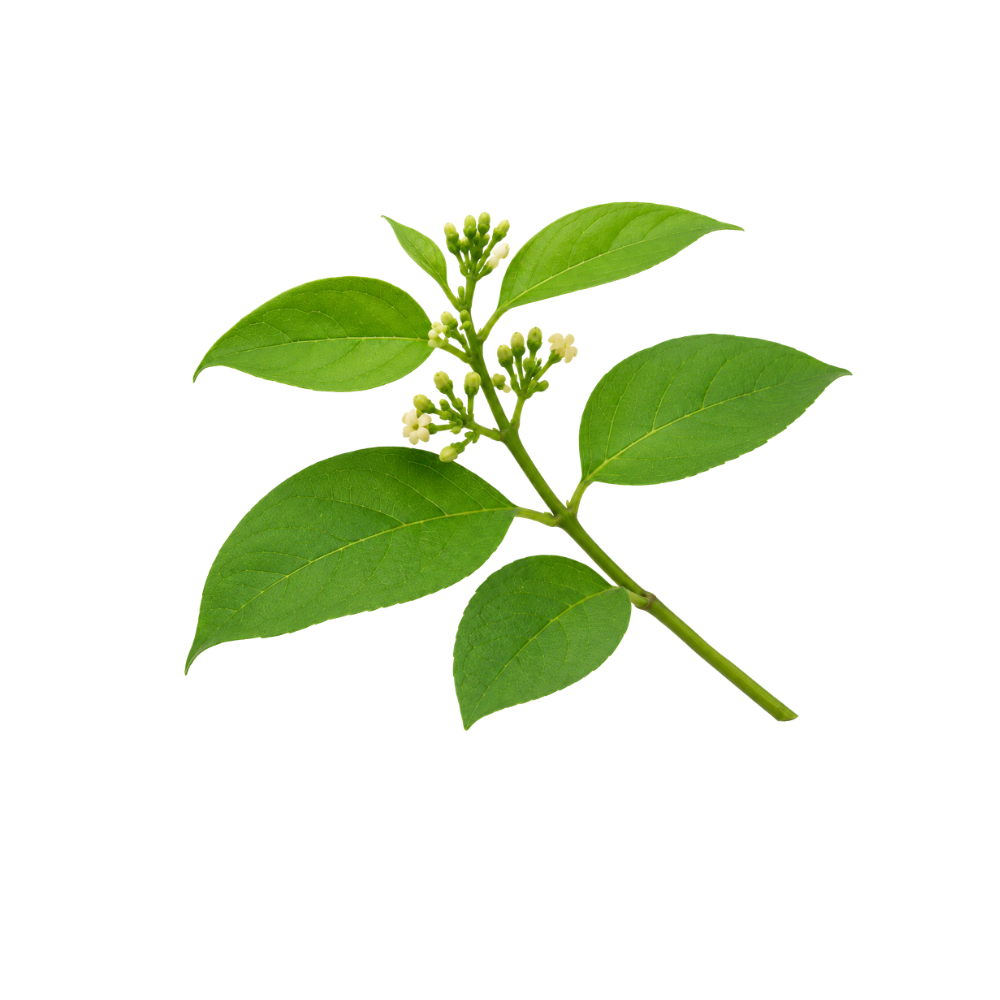 GymnemaGymnema sylvestreTraditional only
Gymnema’s PCOS use rests on its well-evidenced glycaemic and insulin-sensitising action, insulin resistance being central to PCOS. There is no PCOS-specific trial.
Full monograph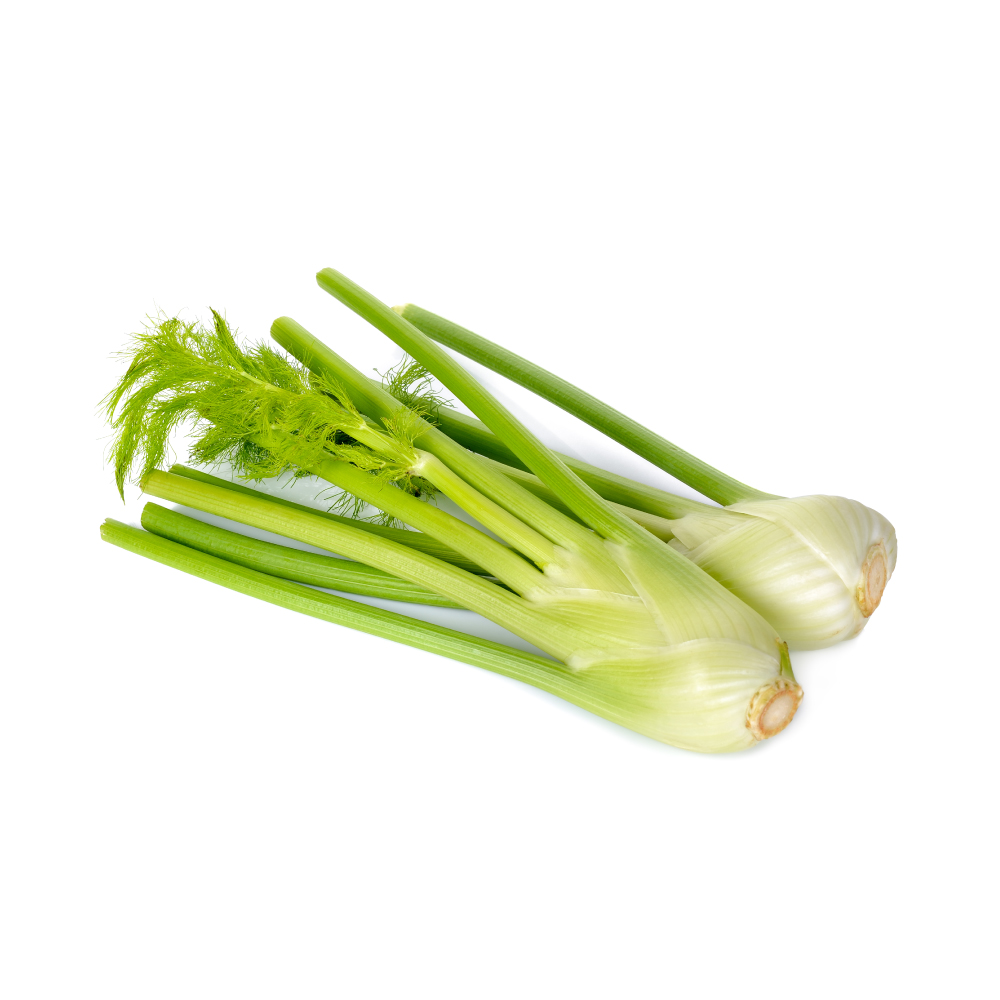 FennelFoeniculum vulgareNo benefit shown
In overweight women with PCOS, adding fennel to a hypocaloric high-protein diet produced no additional improvement in weight or androgenic indices beyond the diet by itself 9Reference 9RCTHypocaloric high-protein diet supplemented with fennel on androgenic/anthropometric indices in overweight women with PCOS — RCTView study →. This is the only controlled test of fennel in PCOS, and the comparator was the intervention that works.
In adjacent appetite work, a crossover trial in nine overweight women found fennel tea reduced subjective hunger over a few hours but did not change food actually eaten at the following buffet 10Reference 10RCTFennel and fenugreek tea drinking suppresses subjective short-term appetite in overweight women — randomised crossover trialView study →. Fennel’s stronger evidence is for primary dysmenorrhoea.
Full monographSupplementation
Supplementation
Supplements, nutrients and compounds used for PCOS.
References
- Shahin, A. Y., & Mohammed, S. A. (2014). Adding Cimicifuga racemosa to clomiphene induction cycles in PCOS improves cycle outcomes and pregnancy rates — randomised trial. Gynecol Endocrinol. https://pubmed.ncbi.nlm.nih.gov/24592984/
- Fan, C. W., Cieri-Hutcherson, N. E., & Hutcherson, T. C. (2021). Systematic review of black cohosh for management of PCOS-related infertility. J Pharm Pract. https://pubmed.ncbi.nlm.nih.gov/33926292/
- Pourhoseini, S. A., et al. (2022). Cimicifuga racemosa with clomiphene for ovulation induction in PCOS: a clinical trial. Avicenna J Phytomed. https://pubmed.ncbi.nlm.nih.gov/35145891/
- Heydarpour F, et al. (2020). Effects of cinnamon on controlling metabolic parameters of polycystic ovary syndrome: a systematic review and meta-analysis — [meta-analysis]. Journal of Ethnopharmacology. https://pubmed.ncbi.nlm.nih.gov/32151755/
- Sarmadi B, et al. (2023). The effect of cinnamon consumption on lipid profile, oxidative stress, and inflammation biomarkers in adults: an umbrella meta-analysis of randomized controlled trials — [meta-analysis]. Nutrition, Metabolism & Cardiovascular Diseases. https://pubmed.ncbi.nlm.nih.gov/37500345/
- Hatami A, et al. The effect of Vitex agnus-castus on oxidative stress, lipid profile and insulin resistance in women with polycystic ovary syndrome: a randomised, double-blind controlled trial. JBRA Assisted Reproduction. 2026. https://pubmed.ncbi.nlm.nih.gov/41428718/
- Abbaszadeh M, et al. Vitex agnus-castus extract improved the endocrine profile and gene expression in rat ovaries with polycystic ovary syndrome. Avicenna Journal of Phytomedicine. 2026. https://pubmed.ncbi.nlm.nih.gov/42011344/
- Feyzollahi Z, et al. Effect of Vitex agnus-castus ethanolic extract on hypothalamic KISS-1 gene expression in a rat model of polycystic ovary syndrome. Avicenna Journal of Phytomedicine. 2021;11(3):292–301. https://pubmed.ncbi.nlm.nih.gov/34046325/
- Nadjarzadeh, A., et al. (2021). Hypocaloric high-protein diet supplemented with fennel on androgenic/anthropometric indices in overweight women with PCOS — RCT. Complementary Therapies in Medicine. https://pubmed.ncbi.nlm.nih.gov/33271298/
- Bae, J., et al. (2015). Fennel and fenugreek tea drinking suppresses subjective short-term appetite in overweight women — randomised crossover trial. Clinical Nutrition Research. https://pubmed.ncbi.nlm.nih.gov/26251835/
- Armanini D, et al. (1999). Reduction of serum testosterone in men by licorice — clinical trial. New England Journal of Medicine. https://pubmed.ncbi.nlm.nih.gov/10515764/
- Armanini D, et al. (2003). Licorice consumption and serum testosterone in healthy man — clinical trial. Experimental and Clinical Endocrinology & Diabetes. https://pubmed.ncbi.nlm.nih.gov/14520600/
- Armanini D, et al. (2004). Licorice reduces serum testosterone in healthy women — clinical trial. Steroids. https://pubmed.ncbi.nlm.nih.gov/15579328/
- Armanini D, et al. (2007). Treatment of polycystic ovary syndrome with spironolactone plus licorice — clinical trial. European Journal of Obstetrics, Gynecology, and Reproductive Biology. https://pubmed.ncbi.nlm.nih.gov/17113210/
- Hooshmandi H, et al. (2024). Effects of licorice extract with a low-calorie diet on obesity, glycemic and lipid indices in overweight/obese women with PCOS: a randomised, double-blind, placebo-controlled trial. Journal of Ovarian Research. https://pubmed.ncbi.nlm.nih.gov/39080737/
- Sigurjonsdottir HA, et al. (2006). Liquorice in moderate doses does not affect sex steroid hormones of biological importance — clinical trial. Hormone Research. https://pubmed.ncbi.nlm.nih.gov/16462145/
- Haj-Husein, I., Tukan, S., & Alkazaleh, F. (2016). The effect of marjoram (Origanum majorana) tea on the hormonal profile of women with polycystic ovary syndrome: a randomised controlled pilot study — randomised controlled trial. Journal of Human Nutrition and Dietetics. https://pubmed.ncbi.nlm.nih.gov/25662759/
- Majeed, N. G., et al. (2025). Safety and effectiveness of marjoram and cinnamon herbal tea supplementation in managing polycystic ovary syndrome: a pilot randomised, double-blind, controlled trial — randomised controlled trial. Annals of Medicine and Surgery. https://pubmed.ncbi.nlm.nih.gov/41377384/
- Rababa’h, A. M., Matani, B. R., & Ababneh, M. A. (2020). The ameliorative effects of marjoram in dehydroepiandrosterone-induced polycystic ovary syndrome in rats — animal model. Life Sciences. https://pubmed.ncbi.nlm.nih.gov/32877649/
- Al-Harbi, L. N., et al. (2025). Protective effect of marjoram against letrozole-induced ovarian damage in rats with polycystic ovarian syndrome (Nrf2 activation, NF-κB suppression) — animal model. Pharmaceuticals. https://pubmed.ncbi.nlm.nih.gov/41011162/
- Elfiky, A. M., et al. (2025). Exploring the therapeutic potential of marjoram (Origanum majorana L.) in polycystic ovary syndrome: serum metabolomics, network pharmacology and experimental validation — animal model. BMC Complementary Medicine and Therapies. https://pubmed.ncbi.nlm.nih.gov/39984989/
- Bina, F., & Rahimi, R. (2017). Sweet Marjoram: A Review of Ethnopharmacology, Phytochemistry, and Biological Activities — review. Journal of Evidence-Based Complementary & Alternative Medicine. https://pubmed.ncbi.nlm.nih.gov/27231340/
- Vági, E., Simándi, B., Suhajda, Á., & Héthelyi, É. (2005). Essential oil composition and antimicrobial activity of Origanum majorana L. extracts obtained with supercritical carbon dioxide. Food Research International, 38(1), 51–57. doi:10.1016/j.foodres.2004.07.006
- Takahashi, K., & Kitao, M. (1994). Effect of TJ-68 (shakuyaku-kanzo-to) on polycystic ovarian disease — human clinical study. Int J Fertil Menopausal Stud. https://pubmed.ncbi.nlm.nih.gov/8012442/
- Takeuchi, T., Nishii, O., Okamura, T., & Yaginuma, T. (1991). Effect of paeoniflorin, glycyrrhizin and glycyrrhetic acid on ovarian androgen production — rat in vivo. Am J Chin Med. https://pubmed.ncbi.nlm.nih.gov/1897494/
- Washida, K., et al. (2009). Androgen modulators from the roots of Paeonia lactiflora (paeoniae radix) grown and processed in Nara prefecture, Japan — in vitro. Chem Pharm Bull (Tokyo). https://pubmed.ncbi.nlm.nih.gov/19721258/
- Grant, P., & Ramasamy, S. (2012). An update on plant derived anti-androgens — review. Int J Endocrinol Metab. https://pubmed.ncbi.nlm.nih.gov/23843810/
- Ong, M., et al. (2019). Paeoniflorin extract reverses dexamethasone-induced testosterone over-secretion through downregulation of cytochrome P450 17A1 expression in primary murine theca cells — in vitro. J Ethnopharmacol. https://pubmed.ncbi.nlm.nih.gov/30195059/
- Maleki-Hajiagha, A., et al. (2025). Exploring the therapeutic impact of Salvia officinalis on lipid and oxidative stress markers in patients with polycystic ovary syndrome — a randomised placebo-controlled clinical trial. BMC Complement Med Ther, 25(1), 120. https://pubmed.ncbi.nlm.nih.gov/40141012/
- Kianbakht, S., et al. (2011). Antihyperlipidemic effects of Salvia officinalis L. leaf extract in patients with hyperlipidemia: a randomised double-blind placebo-controlled clinical trial. Phytother Res, 25(12), 1849–1853. https://pubmed.ncbi.nlm.nih.gov/21506190/
- Kianbakht, S., & Dabaghian, F. H. (2013). Improved glycemic control and lipid profile in hyperlipidemic type-2 diabetic patients consuming Salvia officinalis L. leaf extract: a randomised placebo-controlled clinical trial. Complement Ther Med, 21(5), 441–446. https://pubmed.ncbi.nlm.nih.gov/24050577/
- Kianbakht, S., et al. (2016). Salvia officinalis (sage) leaf extract as add-on to statin therapy in hypercholesterolemic type-2 diabetic patients: a randomised clinical trial. Int J Mol Cell Med, 5(3), 141–148. https://pubmed.ncbi.nlm.nih.gov/27942500/
- Walch, S. G., et al. (2011). Antioxidant capacity and polyphenolic composition as quality indicators for aqueous infusions of Salvia officinalis L. (sage tea). Front Pharmacol, 2, 79. https://pubmed.ncbi.nlm.nih.gov/22194722/
- Teede, H. J., Tay, C. T., Laven, J., et al. (2023). Recommendations from the 2023 international evidence-based guideline for the assessment and management of polycystic ovary syndrome — clinical practice guideline. Human Reproduction, 38(9), 1655–1679. https://pubmed.ncbi.nlm.nih.gov/37580037/
- Legro, R. S., Brzyski, R. G., Diamond, M. P., et al. (2014). Letrozole versus clomiphene for infertility in the polycystic ovary syndrome — randomised controlled trial (n=750). New England Journal of Medicine, 371(2), 119–129. https://pubmed.ncbi.nlm.nih.gov/25006718/
- Showell, M. G., Mackenzie-Proctor, R., Jordan, V., Hodgson, R., & Farquhar, C. (2018). Inositol for subfertile women with polycystic ovary syndrome — Cochrane systematic review. Cochrane Database of Systematic Reviews, (12), CD012378. https://pubmed.ncbi.nlm.nih.gov/30570133/