

Overview
Testosteromimetic at a Glance
Testosteromimetic herbs are used to increase testosterone activity or reproduce some of its effects.
The clearest route is simply to raise endogenous testosterone production.
Fenugreek is the main herbal example with human evidence, with some studies showing modest increases in total testosterone from standardised extracts.
Other herbs may affect testosterone without increasing how much the body makes.
They can alter SHBG binding, reduce conversion of testosterone into estrogen through aromatase inhibition, or reduce conversion into DHT through 5α-reductase inhibition.
These are different actions.
A herb that frees more testosterone or changes how it is metabolised may alter androgen signalling without actually increasing testosterone production.
Direct activation of the androgen receptor would be another route, but no medicinal herb has been clearly shown to reproduce testosterone this way.
Enoki has also been studied for effects on Leydig-cell testosterone production, although the human evidence is still limited.
Testosteromimetic herbs are used mainly for low libido, reduced vitality, age-related androgen decline, and male reproductive support, although changes in hormone levels do not necessarily translate into meaningful changes in muscle, fertility, or other androgen-dependent outcomes.
Testosterone was isolated in 1935, so no tradition points at this action.
Both herbs arrive instead from the older category of male tonics — fenugreek has a long record in Ayurvedic and Middle Eastern practice, though for digestion and lactation rather than for anything androgenic.
Neither herb has been tested against a hard outcome. The trials measure a hormone level or a symptom score, not muscle, fertility, bone or anything else testosterone does.
Caution
Low testosterone needs a workup — persistently low testosterone has endocrine, metabolic, medication-related and testicular causes that may need specific treatment, and a supplement does not replace measuring it.
No long-term safety data — there is little long-term endocrine safety data for these extracts, which matters for something taken continuously.
Sports supplements may hide hormones — products in this category are sold through sports-supplement channels, where adulteration with undeclared hormones and drugs is common.
Mechanisms
How It Works
01
Endogenous Testosterone Production
More testosterone is made, so total serum testosterone rises while nothing changes about how it is carried or converted.
Fenugreek is the only herb here with human data for it.
The effect is attributed to furostanol-saponin signalling, inferred from the seed’s chemistry rather than measured in people, with aromatase and 5α-reductase modulation offered alongside as proposals.
Testosterone replacement raises the free fraction directly and to a degree no herb approaches.
Fenugreek’s meta-analysed effect on free testosterone is not significant, and free testosterone is the fraction that acts.
Every positive trial used a proprietary standardised extract, and several report within-group gains that shrink or lose significance against placebo.
Herbs: Fenugreek
Key compounds: Diosgenin
02
Leydig-Cell Signalling
Acting on the testicular cells that make testosterone raises output at its source rather than through the pituitary.
Enoki’s route is adenosine, which restored Leydig-cell testosterone production in mouse models of chemotherapy damage and of fatigue, with INSL3 rising alongside.
The human trial used a proprietary extract standardised for it.
Adenosine is not unique to enoki and is present across many foods, so the mechanism does not by itself identify the mushroom as the source of an effect.
The single human trial measured a symptom score rather than a hormone.
Herbs: Enoki
Key compounds: Adenosine
Materia Medica
Testosteromimetic Herbs by Potency
The testosteromimetic herbs, ordered by the relative strength of the effect rather than by how well studied it is. Each herb is described by the mechanism behind its effect and the evidence for it.
None of this is a substitute for professional care.
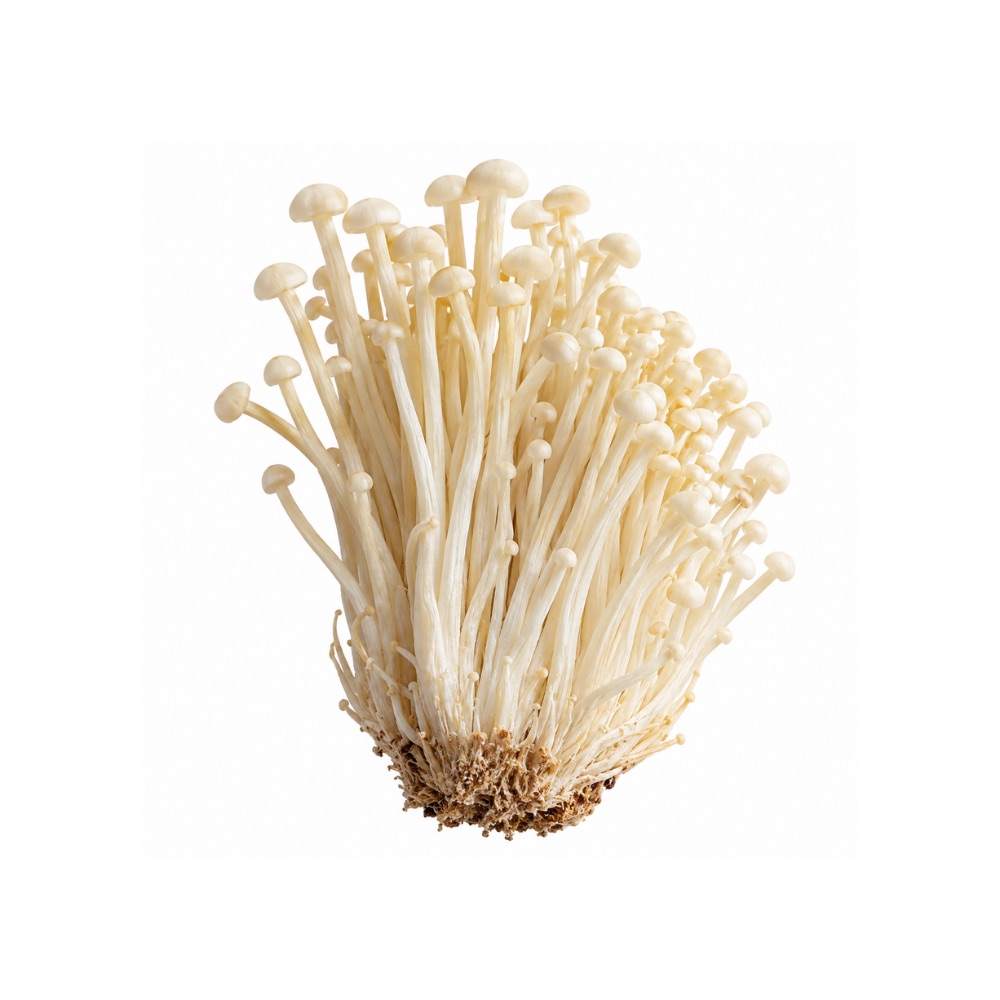 MildMildEnokiFlammulina velutipesA small randomised trial of a proprietary adenosine-containing extract improved Aging Male Symptom scores.Mechanismadenosine → Leydig-cell signaling, INSL3 ↑Read the evidenceShow less
Aging Male Symptom scores improved on a proprietary adenosine-containing extract in a small randomised trial 1Reference 1RCTBeneficial effects of enoki mushroom extract on male menopausal symptoms in Japanese subjects: a randomized, double-blind, placebo-controlled studyView study →.
The mechanism is supported in mice, where adenosine restored Leydig-cell testosterone production after cisplatin damage and in fatigue models 2Reference 2In vitroEnokitake mushroom and its active component adenosine restore testosterone production in impaired and fatigued mouse models — mouse and in vitroView study →.
This is enoki’s only human evidence, it tested a proprietary product rather than the mushroom, and it measured a symptom score rather than a hormone.
Adenosine is not unique to enoki, so nothing yet identifies the mushroom as the necessary source.
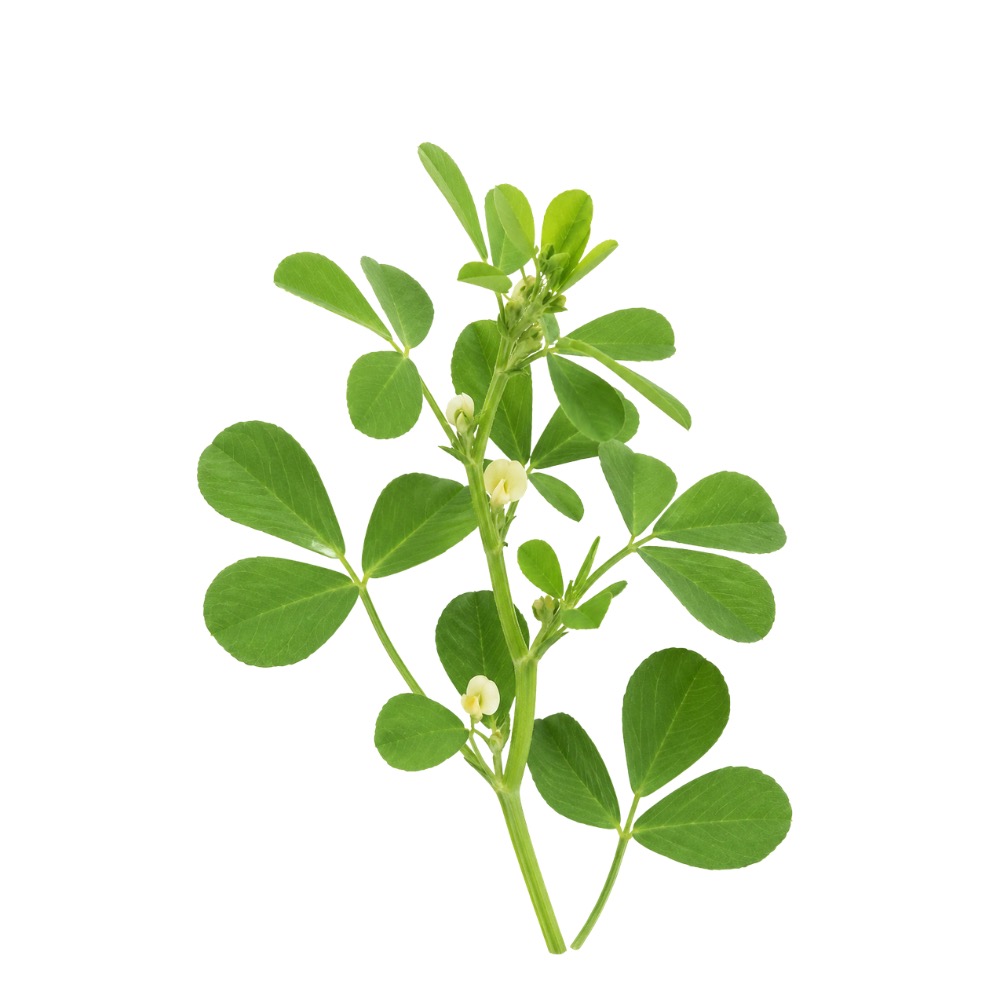 MildMildFenugreekTrigonella foenum-graecumStandardised seed extracts raise total testosterone in meta-analysis; the effect on free testosterone is not significant.Mechanismfurostanol-saponin androgenic signaling — aromatase / 5α-reductase modulation (proposed, not demonstrated in humans)Read the evidenceShow lessMonograph →
A meta-analysis of four trials found a significant rise in total testosterone with fenugreek extract 3Reference 3Meta-analysisEffect of fenugreek extract supplement on testosterone levels in male: A meta-analysis of clinical trialsView study →. A larger anabolic-focused meta-analysis of seven studies in 449 participants detected only a small total-testosterone effect, SMD 0.32, and no significant effect on free testosterone 4Reference 4Meta-analysisThe Anabolic Effect of Fenugreek: A Systematic Review with Meta-analysisView study →.
Free testosterone is the fraction that acts, and it is the fraction that keeps failing.
A systematic review still rates fenugreek one of only two herbs with positive human testosterone evidence 5Reference 5Systematic reviewExamining the Effects of Herbs on Testosterone Concentrations in Men: A Systematic ReviewView study →.
Every positive trial used a proprietary standardised extract — Testofen at 600 mg a day 6Reference 6RCTTestofen, a specialised Trigonella foenum-graecum seed extract reduces age-related symptoms of androgen decrease — double-blind randomised clinical studyView study →, the Fenu-FG glycoside fraction 7Reference 7RCTBeneficial effects of fenugreek glycoside supplementation in male subjects during resistance training: A randomized controlled pilot studyView study →, graded Trigozim to 1,800 mg 8Reference 8RCTEffect of a plant extract of fenugreek on testosterone in blood plasma and saliva — double blind randomized controlled intervention studyView study → — and several report within-group gains that shrink or lose significance against placebo 8Reference 8RCTEffect of a plant extract of fenugreek on testosterone in blood plasma and saliva — double blind randomized controlled intervention studyView study →. These trials are frequently manufacturer-sponsored.
The mechanism is inferred from the furostanol-saponin chemistry rather than measured in people, and whole-seed culinary fenugreek has never been shown to raise testosterone.
No herbs match these filters.
Safety
- There is no long-term endocrine safety data for any of these preparations, which matters for something taken continuously.
- Low testosterone is a diagnosis with treatable causes, and a supplement does not replace measuring it.
- A standardised extract and the culinary spice are different exposures, and the claim rests on the extract.
- Avoid these preparations in pregnancy and in hormone-sensitive conditions without oversight.
- Products in this category are sold through sports-supplement channels, where adulteration with undeclared hormones and drugs is common.
- A herb that raises testosterone would also raise what testosterone converts into, and no trial here measured estradiol or DHT.
References
- Yamada S, Shirai M, Nagashima K, et al. (2025). Beneficial effects of enoki mushroom extract on male menopausal symptoms in Japanese subjects: a randomized, double-blind, placebo-controlled study. Nutrients. https://pubmed.ncbi.nlm.nih.gov/40218966/
- Iguchi K, Nagashima K, Mochizuki J, et al. (2023). Enokitake mushroom and its active component adenosine restore testosterone production in impaired and fatigued mouse models — mouse and in vitro. Nutrients. https://pubmed.ncbi.nlm.nih.gov/37432279/
- Mansoori, A., et al. (2020). Effect of fenugreek extract supplement on testosterone levels in male: A meta-analysis of clinical trials. Phytother Res. https://pubmed.ncbi.nlm.nih.gov/32048383/
- Isenmann, E., et al. (2023). The Anabolic Effect of Fenugreek: A Systematic Review with Meta-analysis. Int J Sports Med. https://pubmed.ncbi.nlm.nih.gov/37253363/
- Smith, S. J., et al. (2021). Examining the Effects of Herbs on Testosterone Concentrations in Men: A Systematic Review. Adv Nutr. https://pubmed.ncbi.nlm.nih.gov/33150931/
- Rao, A., et al. (2016). Testofen, a specialised Trigonella foenum-graecum seed extract reduces age-related symptoms of androgen decrease — double-blind randomised clinical study. Aging Male. https://pubmed.ncbi.nlm.nih.gov/26791805/
- Wankhede, S., et al. (2016). Beneficial effects of fenugreek glycoside supplementation in male subjects during resistance training: A randomized controlled pilot study. J Sport Health Sci. https://pubmed.ncbi.nlm.nih.gov/30356905/
- Lee-Ødegård, S., et al. (2024). Effect of a plant extract of fenugreek on testosterone in blood plasma and saliva — double blind randomized controlled intervention study. PLoS One. https://pubmed.ncbi.nlm.nih.gov/39288153/
Keep Exploring