

Overview
Uterine Antispasmodic at a Glance
Uterine antispasmodics relax the muscle of the uterus and help ease cramping and dysmenorrhoea.
They are a more specific form of the general antispasmodic action.
The important distinction is which direction the herb pushes uterine activity.
A uterine antispasmodic reduces the force or frequency of contraction. An emmenagogue or oxytocic does the opposite, encouraging menstrual flow or uterine contraction.
Some herbs have surprisingly mixed reputations here.
Dong quai, for example, has been described as both relaxing and stimulating to the uterus depending on the preparation, dose, and experimental model.
Blue cohosh and motherwort sit more clearly on the stimulant side.
Most uterine antispasmodics are not especially selective for the uterus.
Cramp bark appears to relax smooth muscle through calcium handling, while peony influences neuromuscular signalling.
Their traditional use happens to be uterine, but the underlying pharmacology is broader.
A few herbs have actually been tested on uterine tissue.
Kalanchoe has reduced contraction in isolated human myometrium, while true unicorn root relaxed uterine tissue in older experimental work.
These are much more direct demonstrations of the action than simply relieving period pain.
That distinction matters because pain relief is not necessarily antispasmodic.
Corydalis can ease dysmenorrhoea through analgesic and anti-inflammatory pathways without any clear evidence that it relaxes the uterus itself.
Cramp bark, black haw, wild yam, peony, and similar herbs have a long history in menstrual cramping, but the modern evidence is uneven.
Wild yam has essentially no direct spasmolytic pharmacology, while much of the evidence for cramp bark comes from isolated smooth muscle rather than clinical trials in dysmenorrhoea.
Caution
Avoided in pregnancy — uterine antispasmodics are avoided in pregnancy unless specifically supervised; traditional use there is not evidence of safety.
New pelvic pain needs a check — new, severe, worsening or one-sided pelvic pain needs assessment, and sudden severe pelvic pain is urgent.
Adds to alcohol and sedatives — the sedating uterine antispasmodics add to alcohol and sedatives.
Mechanisms
How It Works
01
Calcium-Channel Antagonism
Smooth muscle needs calcium to contract, and limiting it relaxes the uterus as it relaxes any other smooth muscle.
Two spasmolytic constituents were isolated from Viburnum itself: scopoletin, which antagonises calcium channels and reduces intracellular calcium mobilisation, and viopudial, a hypotensive smooth-muscle antispasmodic.
Black haw owes its own relaxant effect to iridoid glucosides active on isolated tissue.
The work is constituent-level, decades old, and done in isolated aorta and trachea rather than uterus. There is no modern controlled trial of the bark for dysmenorrhoea.
Herbs: Cramp Bark
Key compounds: ScopoletinViopudial
02
Neuromuscular-Junction Blockade
Blocking acetylcholine transmission where the nerve meets the muscle relaxes the muscle regardless of what is driving it.
Peony’s paeoniflorin does this when blended with licorice’s glycyrrhizin, and the peony-and-licorice formula relieved painful muscle cramps in a randomised trial.
The evidence is skeletal-muscle cramp, and the uterine use is traditional and formula-based.
The mechanism is generic to muscle rather than specific to the uterus, and it belongs to the pair rather than to peony alone.
Herbs: Peony
Key compounds: Paeoniflorin
03
Direct Myometrial Relaxation
A few herbs have been measured on uterine muscle itself.
A bufadienolide-enriched fraction of kalanchoe inhibits human myometrial contractility in vitro, with inhibition of oxytocin- and vasopressin-driven calcium signalling the best-defined route, and the standardised press-juice has been through two randomised trials in preterm labour.
True unicorn root relaxed isolated uterine tissue and antagonised oxytocin in a 1944 study in rats, cats and strips of human uterus, and that work has never been repeated.
Both are measurements on uterine tissue itself, which no other herb here has.
Herbs: KalanchoeTrue Unicorn Root
04
Pain Relief Without Relaxation
Easing period pain is not the same as relaxing the spasm behind it.
Corydalis attenuates primary dysmenorrhoea in rats by inhibiting the FAK/PI3K-AKT/NF-κB pathway, an inflammatory and nociceptive route that does not measure uterine tone, contraction amplitude or frequency.
Its dominant pharmacology is levo-tetrahydropalmatine, a mixed dopamine-receptor antagonist, and its measured identity is analgesic.
Herbs: Corydalis
Materia Medica
Uterine Antispasmodic Herbs by Potency
The uterine antispasmodic herbs, ordered by the relative strength of the effect rather than by how well studied it is. Each herb is described by the mechanism behind its effect and the evidence for it.
None of this is a substitute for professional care.
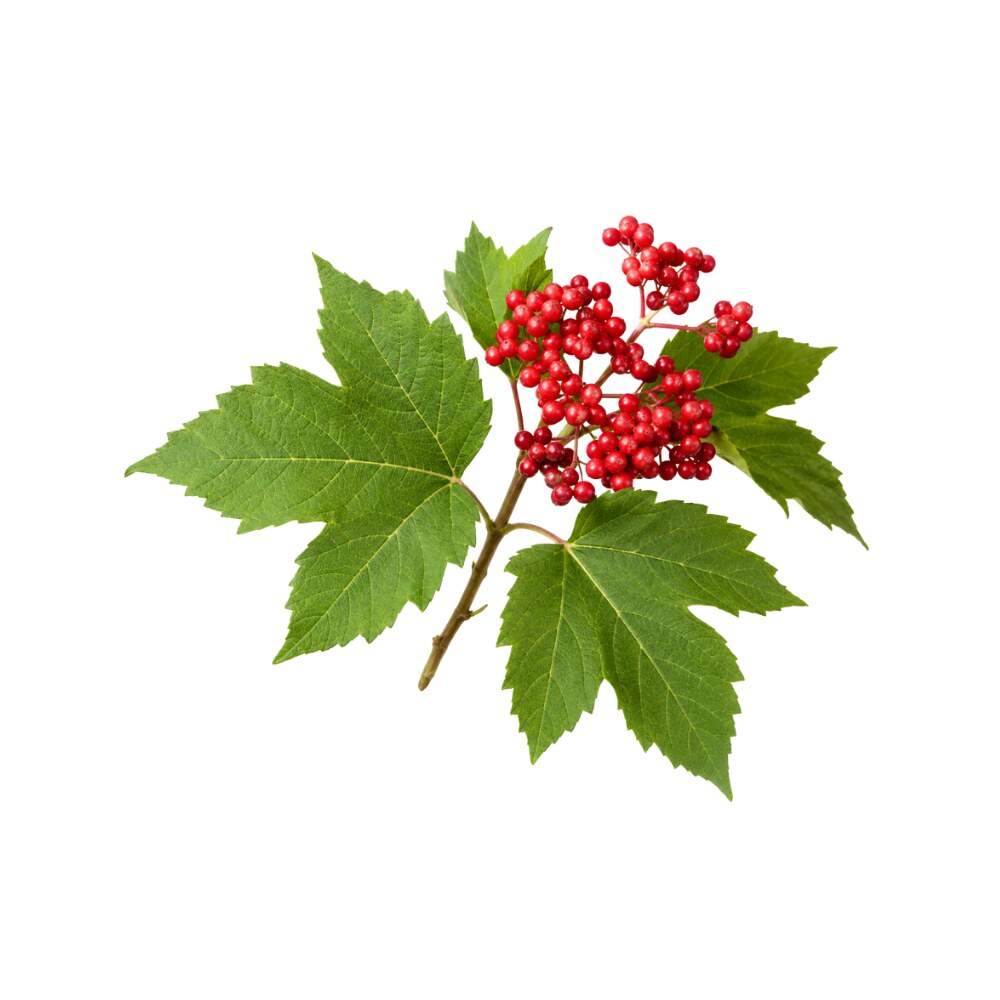 StrongStrongCramp BarkViburnum opulusScopoletin and viopudial, both isolated from Viburnum, relax smooth muscle by antagonising calcium; the European bark for the cramping of the womb, never trialled for dysmenorrhoea.MechanismCa2+-channel antagonism and intracellular Ca2+ mobilization reduced — [scopoletin](/compound/scopoletin) and [viopudial](/compound/viopudial), both isolated directly from ViburnumRead the evidenceShow lessMonograph →
Relaxing uterine and skeletal-muscle cramping is the herb’s defining traditional use in European practice, and the one indication where the studied material relates to the bark.
Two spasmolytic principles were characterised directly from Viburnum: the coumarin scopoletin, which behaves as a calcium-channel antagonist and reduces intracellular Ca2+ mobilisation 2,
The direct evidence is constituent-level and decades old, characterised in isolated tissue rather than in a person, and most of the plant’s modern research literature is on the fruit rather than the bark. There is no modern controlled trial of a whole cramp-bark preparation for dysmenorrhoea; the one registered trial (NCT02467543) used a homeopathic 3X dilution.
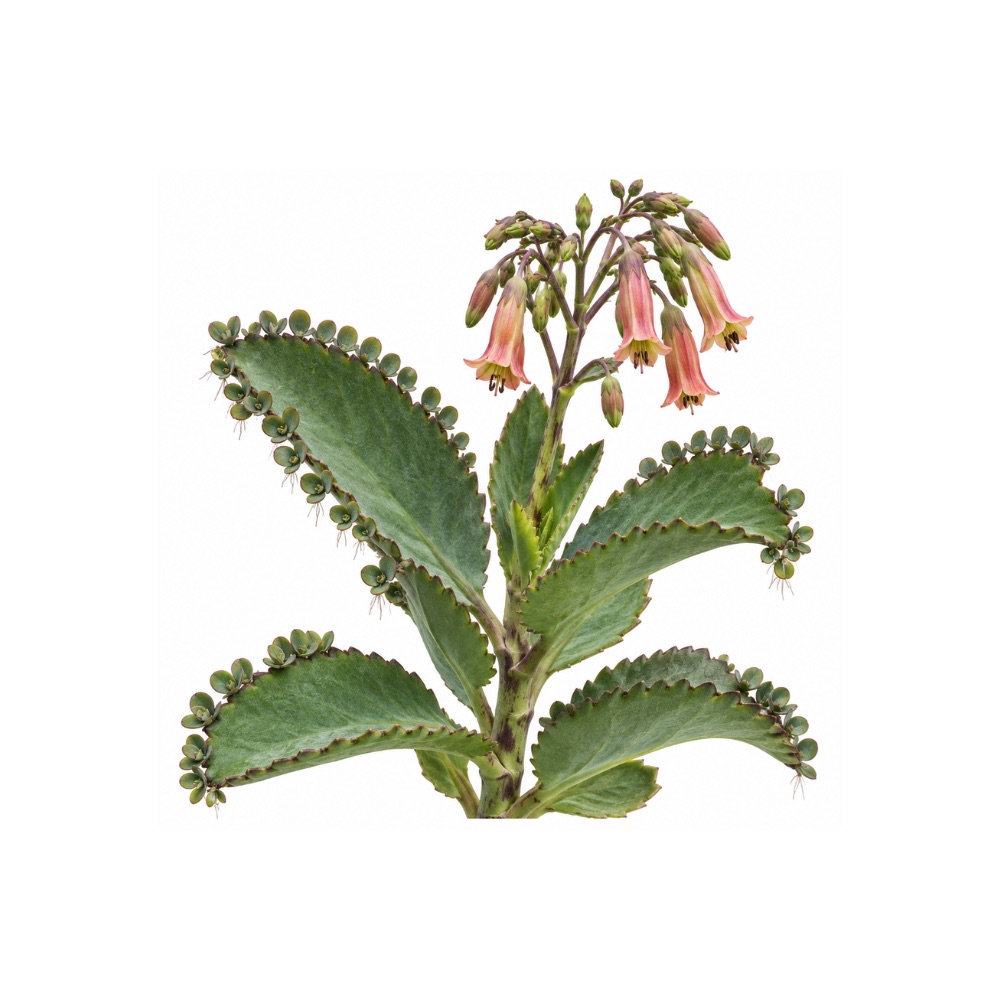 ModerateModerateKalanchoeKalanchoe pinnataA bufadienolide-enriched fraction inhibits human myometrial contractility in vitro, and the standardised leaf press-juice is the tocolytic of anthroposophic obstetrics, with two randomised trials in preterm labour.Mechanismmyometrial relaxation — inhibition of oxytocin- and vasopressin-driven calcium signalling; bufadienolides and flavonoids both contributeRead the evidenceShow less
Bryophyllum pinnatum entered European anthroposophic medicine in the early twentieth century and is used there, and increasingly in conventional Swiss and German obstetric practice, as a standardised 50% leaf press-juice prescribed principally as a tocolytic 10Reference 10ReviewBryophyllum pinnatum and related species used in anthroposophic medicine: constituents, pharmacological activities, and clinical efficacy — reviewView study →.
A bufadienolide-enriched fraction inhibits human myometrial contractility in vitro 11Reference 11In vitroA bufadienolide-enriched fraction of Bryophyllum pinnatum inhibits human myometrial contractility in vitroView study →, with inhibition of oxytocin and vasopressin calcium signalling the best-defined mechanism. Two randomised trials in preterm labour were both discontinued early for recruitment reasons 12Reference 12RCTTwo randomised clinical trials on the use of Bryophyllum pinnatum in preterm labour: results after early discontinuation — randomised controlled trialsView study →, and a retrospective matched cohort found intravenous press-juice better tolerated than beta-agonist tocolysis 13Reference 13ObservationalIntravenous tocolysis with Bryophyllum pinnatum is better tolerated than beta-agonist application — retrospective matched cohortView study →.
The evidence belongs to the press-juice preparation used under obstetric supervision. No trial measures dysmenorrhoea, and the bufadienolides that relax the myometrium are also the plant’s cardiac-glycoside principle.
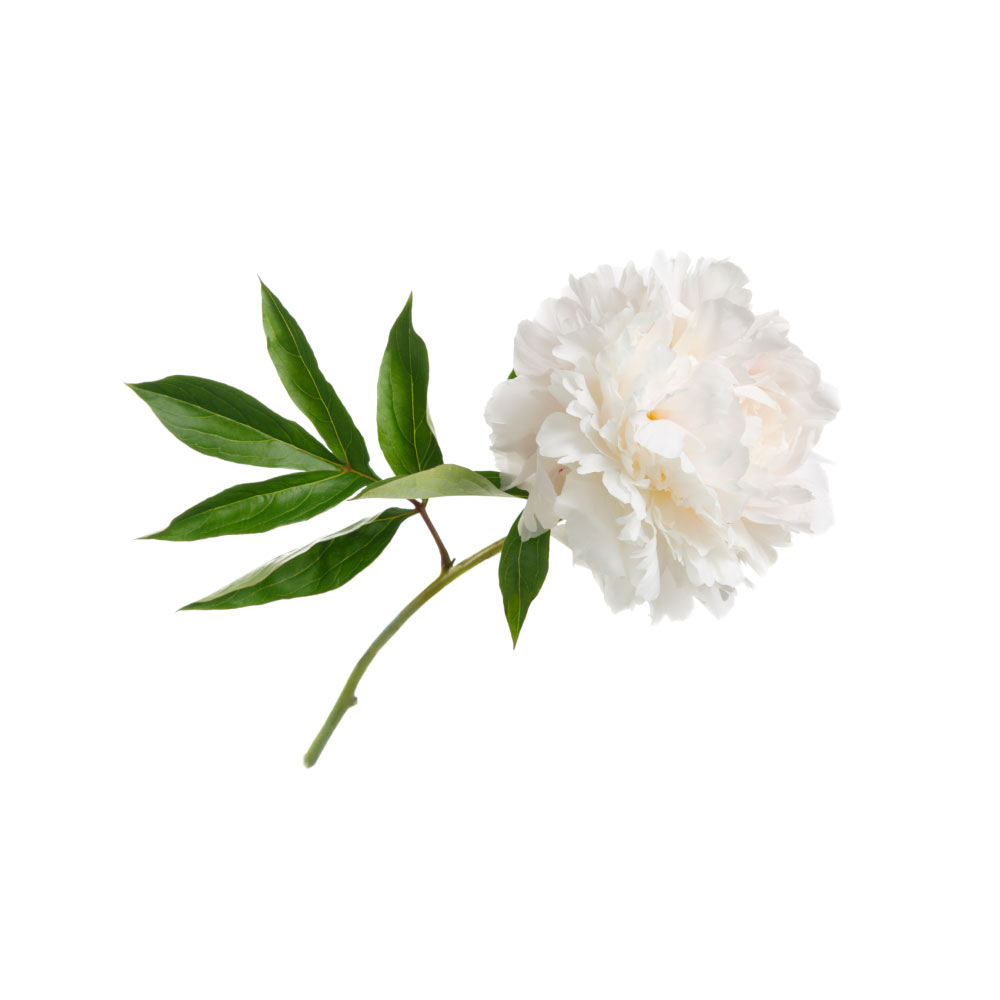 ModerateModeratePeonyPaeonia lactifloraPaeoniflorin blocks neuromuscular transmission when paired with licorice's glycyrrhizin, and the peony-and-licorice formula relieved painful muscle cramps in a randomised trial; the uterine use is traditional and formula-based.Mechanismneuromuscular-junction blockade and smooth-muscle relaxation by [paeoniflorin](/compound/paeoniflorin), potentiated by glycyrrhizin — the fixed peony-licorice pairRead the evidenceShow lessMonograph →
Shakuyaku-kanzo-to (TJ-68), the classical peony-and-licorice pair, reduced painful muscle cramps in a randomised trial in lumbar spinal stenosis patients, with a minimum effective dose established 7Reference 7RCTShakuyaku-kanzo-to (Shao-Yao-Gan-Cao-Tang) as treatment of painful muscle cramps in patients with lumbar spinal stenosis and its minimum effective dose — randomised controlled trialView study →. Blended paeoniflorin and glycyrrhizin block transmission at the neuromuscular junction in frog and mouse preparations 8Reference 8In vitroBlocking effects of blended paeoniflorin or its related compounds with glycyrrhizin on neuromuscular junctions in frog and mouse — in vitro/animalView study →.
That evidence is skeletal-muscle cramp rather than uterine smooth muscle. The same pair is used for PMS, PCOS and menstrual complaints 9Reference 9Clinical trialEffect of TJ-68 (shakuyaku-kanzo-to) on polycystic ovarian disease — human clinical studyView study →, and no trial measures uterine tone or dysmenorrhoea directly.
Peony is rarely given alone. Its activity here is a property of the peony–licorice combination, and the licorice cannot be factored out.
Show 3 more herbs with a mild uterine antispasmodic action
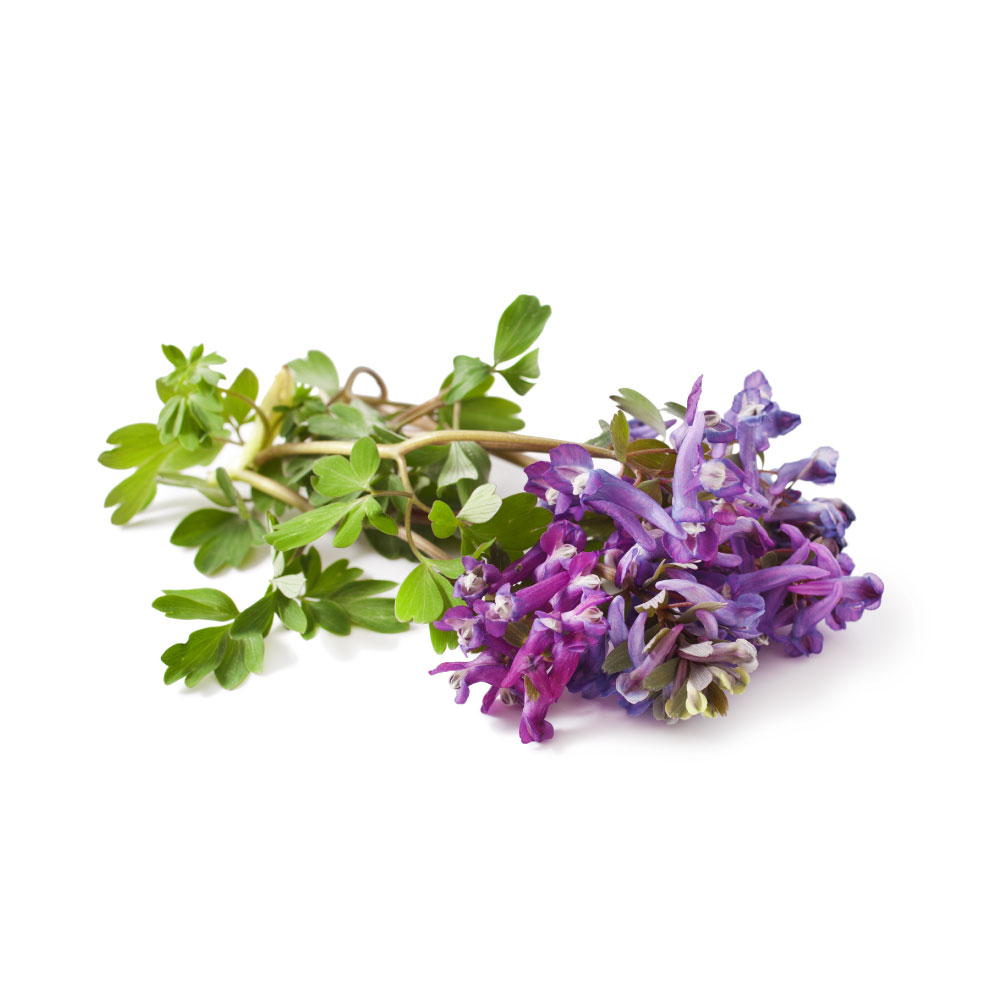 MildMildCorydalisCorydalis yanhusuoAttenuates primary dysmenorrhoea in rats through an anti-inflammatory pain pathway, with uterine tone never measured; a Chinese remedy for menstrual pain in blood and qi stagnation.Mechanismanalgesic and anti-inflammatory (FAK/PI3K-AKT/NF-kB), not demonstrated smooth-muscle relaxationRead the evidenceShow lessMonograph →
Traditional use places corydalis in blood and qi stagnation patterns, where menstrual pain is one presentation among chest, abdominal, traumatic and rheumatic pain.
A 2025 rat study found Corydalis rhizoma attenuates primary dysmenorrhoea by inhibiting the FAK/PI3K-AKT/NF-kB pathway 1Reference 1AnimalCorydalis rhizoma attenuates primary dysmenorrhea in rats by inhibiting the FAK/PI3K-AKT/NF-κB signaling pathway — rat, in vivoView study →, a dysmenorrhoea model with a defined mechanism. The pathway is inflammatory and nociceptive rather than contractile, and nothing in it measures uterine tone, contraction amplitude or frequency.
The herb’s dominant pharmacology is levo-tetrahydropalmatine, a mixed dopamine-receptor antagonist with a substantial literature in pain, and its measured identity is analgesic.
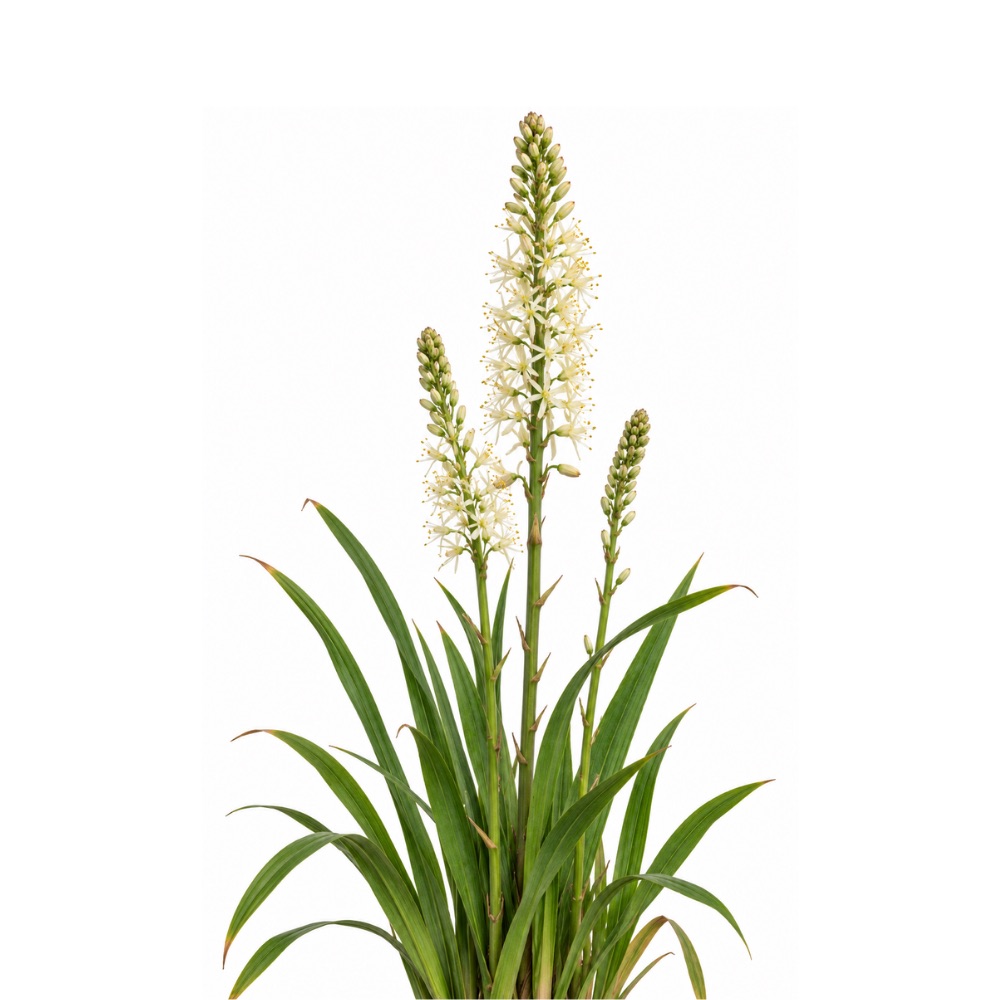 MildMildTrue Unicorn RootAletris farinosaThe one functional study of the root, from 1944, found a uterine relaxant effect and antagonism of oxytocin on isolated tissue; the Eclectic uterine tonic, unstudied since.Mechanismuterine relaxation and oxytocin antagonism — single 1944 isolated-tissue study; active constituent not identifiedRead the evidenceShow less
True unicorn root’s standing is the Eclectic tradition of use as a uterine and digestive tonic 15Reference 15ReviewEffects of Aletris farinosa — [historical clinical observation]View study →.
The only pharmacological study conducted on Aletris farinosa itself is Butler and Costello’s 1944 work, which examined root extracts on smooth muscle in rats and cats and on isolated uterine tissue, including strips of human uterus. The reported action was predominantly a relaxant, uterine-sedative effect with antagonism of oxytocin 14Reference 14AnimalPharmacological studies.
No study has replicated or extended that work in the eight decades since, and the active constituent was not identified. The relaxant direction sits against the folk reputation of the herb as a uterine strengthener.
 MildMildWild YamDioscorea villosaThe classic Western cramp herb for menstrual cramping and intestinal and biliary colic, recorded in the folk name colic root; no experimental pharmacology exists for the action.Mechanismsmooth-muscle relaxation — traditional attribution only; no experimental pharmacology exists for the actionRead the evidenceShow lessMonograph →
Wild yam’s place in Western herbal practice rests on its reputation as a spasmolytic for intestinal and biliary colic and for menstrual cramping, and the folk name colic root records exactly that use.
No isolated-tissue relaxation study, dysmenorrhoea model or clinical measurement exists. The spasmolytic action is traditional attribution rather than demonstrated effect.
Wild yam contains diosgenin, an industrial precursor from which progesterone can be synthesised in a laboratory. The human body cannot perform that conversion, and creams sold as “natural progesterone” do not deliver progesterone unless it has been added.
No herbs match these filters.
Safety
- Uterine antispasmodics are avoided in pregnancy outside professional care; traditional use in pregnancy is not evidence of safety in pregnancy.
- Do not substitute an antispasmodic for an emmenagogue or an oxytocic, or the reverse; the herbs sit side by side in every herbal and push opposite ways.
- The sedating uterine antispasmodics add to alcohol and sedatives.
- Period pain that is new, worsening, different from usual, or unrelieved by ordinary painkillers needs assessment rather than easing.
- Sudden severe pelvic pain, or pelvic pain with fever, fainting or early pregnancy, needs same-day care.
References
- Zhang J et al. (2025). Corydalis rhizoma attenuates primary dysmenorrhea in rats by inhibiting the FAK/PI3K-AKT/NF-κB signaling pathway — rat, in vivo. J Ethnopharmacol. https://pubmed.ncbi.nlm.nih.gov/40825384/
- Nicholson, J. A., et al. (1967). Scopoletin, an antispasmodic component of Viburnum opulus and prunifolium — in vitro. Journal of Medicinal Chemistry. https://pubmed.ncbi.nlm.nih.gov/22185161/
- Oliveira, E. J., et al. (2001). Intracellular calcium mobilisation as a target for the spasmolytic action of scopoletin — in vitro (rat aorta). Planta Medica. https://pubmed.ncbi.nlm.nih.gov/11582535/
- Patel, M. R., Bhalodia, Y. S., Pathak, N. L., et al. (2013). Bronchodilatory mechanism and identification of scopoletin as the active calcium-channel-blocking ingredient — in vivo/in vitro. Journal of Ethnopharmacology. https://pubmed.ncbi.nlm.nih.gov/24432367/
- Nicholson, J. A., et al. (1972). Viopudial, a hypotensive and smooth-muscle antispasmodic from Viburnum opulus — animal/isolated tissue. Proceedings of the Society for Experimental Biology and Medicine. https://pubmed.ncbi.nlm.nih.gov/5037580/
- Tomassini, L., et al. (2009). In vitro relaxant and spasmolytic effects of constituents from Viburnum prunifolium — in vitro. Journal of Ethnopharmacology. https://pubmed.ncbi.nlm.nih.gov/19429363/
- Takao, Y., et al. (2015). Shakuyaku-kanzo-to (Shao-Yao-Gan-Cao-Tang) as treatment of painful muscle cramps in patients with lumbar spinal stenosis and its minimum effective dose — randomised controlled trial. Kobe J Med Sci. https://pubmed.ncbi.nlm.nih.gov/27363396/
- Kimura, M., et al. (1984). Blocking effects of blended paeoniflorin or its related compounds with glycyrrhizin on neuromuscular junctions in frog and mouse — in vitro/animal. Jpn J Pharmacol. https://pubmed.ncbi.nlm.nih.gov/6521072/
- Takahashi, K., & Kitao, M. (1994). Effect of TJ-68 (shakuyaku-kanzo-to) on polycystic ovarian disease — human clinical study. Int J Fertil Menopausal Stud. https://pubmed.ncbi.nlm.nih.gov/8012442/
- Fürer K, Simões-Wüst AP, von Mandach U. (2016). Bryophyllum pinnatum and related species used in anthroposophic medicine: constituents, pharmacological activities, and clinical efficacy — review. Planta Medica. https://pubmed.ncbi.nlm.nih.gov/27220081/
- Santos S, Haslinger C, Klaic K. (2019). A bufadienolide-enriched fraction of Bryophyllum pinnatum inhibits human myometrial contractility in vitro. Planta Medica. https://pubmed.ncbi.nlm.nih.gov/30562827/
- Simões-Wüst AP, Lapaire O, Hösli I. (2018). Two randomised clinical trials on the use of Bryophyllum pinnatum in preterm labour: results after early discontinuation — randomised controlled trials. Complementary Medicine Research. https://pubmed.ncbi.nlm.nih.gov/29945146/
- Plangger N, Rist L, Zimmermann R. (2006). Intravenous tocolysis with Bryophyllum pinnatum is better tolerated than beta-agonist application — retrospective matched cohort. European Journal of Obstetrics, Gynecology, and Reproductive Biology. https://pubmed.ncbi.nlm.nih.gov/16051414/
- Butler, C. L., & Costello, C. H. (1944). Pharmacological studies. I. Aletris farinosa — [rat and cat in vivo; isolated-uterus assay]. Journal of the American Pharmaceutical Association (Scientific ed.), 33, 177–183. (Predates PubMed/DOI indexing; no linkable identifier. The full citation is reproduced verbatim in multiple independent pharmacognostic bibliographies.)
- Dromgoole, J. P. (1861). Effects of Aletris farinosa — [historical clinical observation]. North American Medico-Chirurgical Review, 5, 110–112. https://pubmed.ncbi.nlm.nih.gov/38080158/
Keep Exploring