

Overview
Anthelmintic at a Glance
Anthelmintics kill or expel helminths — the intestinal worms: roundworms, pinworms, hookworms, tapeworms and flukes.
The old writers split the action in two, and the distinction still sorts these herbs: whether the plant kills the worm or only makes it let go.
A vermicide kills the worm in the gut, or stops its eggs developing.
A vermifuge paralyses the worm or loosens its grip on the gut wall so that the bowel carries it out, usually with a purgative behind it.
That older word has its own herbs and its own page, vermifuge.
Most of the measured activity here is of the second kind. Mullein and grand fir both paralyse worms on contact rather than killing them outright.
The exceptions include things like wormwood, whose volatile oil stops Ascaris eggs developing at all, and the tannin-rich plants such as purple prairie clover, which bind to the worm’s surface.
Every tradition with a written materia medica has a deworming plant in it.
This is also one of the few herbal actions whose success criterion was unambiguous, because you could see the result.
Culpeper gave wormwood seed for worms in children and adults alike, and the bitter walnut leaf for the broad worms of the stomach.
The seeds of the common Wormwood are far more prevalent than the seed of this, to expel worms in children, or people of ripe age.
Nicholas Culpeper, The Complete Herbal, 1653, on wormwood
Several of the traditional worming plants have never been formally tested against a helminth. Feverfew and walnut both carry the action from the ethnobotanical record alone, and walnut’s is among the most specific such records anywhere.
Caution
Close to toxic doses — the traditional worming doses sit close to where the same plants become toxic.
Not in pregnancy or epilepsy — wormwood and the other thujone-bearing herbs are contraindicated in both, and kept to short courses.
Confirm worms first — worms are diagnosed on stool examination, and a confirmed infestation is treated by single-dose albendazole, mebendazole, ivermectin or praziquantel.
Mechanisms
How It Works
01
Neuromuscular Paralysis
A paralysed worm cannot hold onto the gut wall, and normal peristalsis carries it out.
This is what the benzimidazoles and ivermectin do, by way of parasite tubulin and glutamate-gated chloride channels respectively.
The herbal version is cruder and the target is usually unidentified: a mullein extract paralysed and killed roundworms and tapeworms in a dish, and a triterpene from grand fir paralysed the liver fluke Fasciola hepatica ex vivo.
Both findings are direct-contact experiments on worms outside a host. Neither establishes that an oral dose reaches the gut lumen at a paralysing concentration, and in mullein’s case the responsible constituent has not been identified.
Herbs: Grand FirMullein
02
Egg and Embryo Inhibition
Some plants act on the eggs rather than the adult worm, stopping the next generation instead of clearing the current one.
Wormwood extract inhibited embryogenesis and egg hatching of Ascaris suum in vitro, and its volatile fraction is active across nematodes, protozoa and insect larvae alike.
That breadth points to non-specific toxicity — plausibly the same thujone chemistry that makes the plant neurotoxic at dose.
An egg-stage effect does not clear an existing infestation, and no human trial of wormwood for worm clearance exists.
Herbs: Wormwood
03
Condensed Tannins at the Worm Surface
Condensed tannins bind non-specifically to the proteins of a worm’s cuticle and gut surface, interfering with feeding, motility and larval development.
This is an established anthelmintic strategy in ruminant nutrition rather than a herbal one, and purple prairie clover is grown and studied as a bioactive forage on exactly that basis, with a grazing trial in cattle behind it.
Walnut’s green hull is heavily tannic as well as juglone-rich, which is a plausible mechanism for the oldest and most specific of the traditional worming preparations.
Tannins are unabsorbed, so the herb and the parasite occupy the same compartment — one of the few places a plant’s chemistry reliably reaches its target.
The effect is a reduction in worm burden rather than a cure.
Herbs: Purple Prairie CloverWalnut
The Molecules
Pharmacology
What actually produces an anthelmintic effect at the molecular level. The herbs below carry these molecules in different combinations and amounts — which is most of why their potency differs. Roles describe how central a molecule is to the action across plants generally, not how strong any one herb is.
Chiefly Sesquiterpene Lactones2Saponins2Other Alkaloids1Tannins1
Carries the action largely on its own — the effect is attributed to the molecule, not just the extract it came from.
Adds to a plant's effect and is often present in quantity, but rarely accounts for it alone.
Real but narrow — one pathway, one tissue, or evidence too thin to lean on.
8-Deoxylactucin Sesquiterpene Lactones Contributor Targets Not established — nematode larval feeding, exsheathment, motility and egg-hatch inhibition; explicitly synergistic with co-occurring lactones
Forage chicory is grown as a bioactive anti-parasitic pasture crop, and bio-guided fractionation across five cultivars against Ascaris suum identified 8-DOL as the compound most strongly associated with anti-parasitic activity, with confirmation against Teladorsagia circumcincta and Cooperia oncophora.
The same paper concluded that it acts in synergistic combination with the other lactones rather than alone 4Reference 4Identification of compounds responsible for the anthelmintic effects of chicory (Cichorium intybus) by molecular networking and bio-guided fractionationView study →.
Cultivar comparisons agree on the ranking: a DOL-dominant extract inhibited Hemonchus contortus egg hatch at EC₅₀ 2.6 mg/mL against 6.4 mg/mL for a lactucin-dominant one, with the authors noting “LAC has minimal effect” 5Reference 5In vitroIn vitro analysis of the anthelmintic activity of forage chicory (Cichorium intybus L.) sesquiterpene lactones against a predominantly Haemonchus contortus egg populationView study →, and the cultivar richer in 11,13-dihydro-8-deoxylactucin was more potent against Ostertagia ostertagi in larval-feeding and adult-motility assays 2Reference 2In vitroSesquiterpene lactone containing extracts from two cultivars of forage chicory (Cichorium intybus) show distinctive chemical profiles and activity against Ostertagia ostertagi — in vitroView study →.
Every potency figure belongs to a whole extract quantified by lactone content.
No EC₅₀ has been published for the purified compound against any nematode, and the synergy finding means the isolate may underperform the extract.
No mechanism is established beyond presumed thiol alkylation, and electron microscopy found no cuticular damage 2Reference 2In vitroSesquiterpene lactone containing extracts from two cultivars of forage chicory (Cichorium intybus) show distinctive chemical profiles and activity against Ostertagia ostertagi — in vitroView study →.
No in-vivo anthelmintic study of the pure compound in any host.
Reported from —.
Asparagamine A Other Alkaloids Contributor Targets Unassigned
Asparagamine A is the chemical marker used to standardise the Stemona collinsiae root extract that a Mahidol University group is developing for human gnathostomiasis.
The standardized extract damaged advanced third-stage Gnathostoma spinigerum larvae in vitro, reduced larval burden in infected Wistar rats, and provoked less inflammatory reaction than albendazole 6Reference 6Assessing the efficacy of Stemona collinsiae roots extract against third-stage larvae of Gnathostoma spinigerum and its safety profilesView study →.
No isolate has been run against a helminth.
The molecule serves as a certificate-of-analysis number rather than a demonstrated active, and the extract also contains stemofoline and other alkaloids.
The molecular target is unassigned — the Stemona insecticidal alkaloids are presumed to act on invertebrate nicotinic acetylcholine receptors by analogy with the butenolide insecticide flupyradifurone 7Reference 7Flupyradifurone: a brief profile of a new butenolide insecticideView study →, but that has never been shown for a nematode or for this compound.
It does reach plasma: rat oral PK gives Tmax 1.75 h, Cmax ~1,153 ng/mL, t½ 1.86 h 8Reference 8AnimalLC-MS/MS analysis of didehydrostemofoline from Stemona collinsiae roots extracts in rats plasma and pharmacokinetics profile after oral administrationView study →, so systemic exposure is at least achievable, unlike most large plant anthelmintic candidates.
Repandusinic Acid A Tannins Contributor Targets Nematode larval viability (target unidentified)
Repandusinic acid A killed nematode larvae in a Phyllanthus urinaria isolate screen, with an IC₅₀ of 6.4 µM against Trichuris suis L1, the most sensitive of the parasites tested 11Reference 11Anthelmintic activities of extract and ellagitannins from Phyllanthus urinaria against Caenorhabditis elegans and zoonotic or animal parasitic nematodesView study →.
The molecular target is unknown; the plausible mechanism is the generic ellagitannin one, non-specific binding to cuticular and gut-surface proteins of the worm.
Like the α-glucosidase action, this is compartment-compatible — gut-dwelling helminths and an unabsorbed luminal tannin occupy the same space, so a low-µM larval IC₅₀ is at least physically reachable by an oral dose.
It was less active than geraniin from the same plant in the same assay, so on current evidence it contributes to a tannin-fraction effect rather than driving it 11Reference 11Anthelmintic activities of extract and ellagitannins from Phyllanthus urinaria against Caenorhabditis elegans and zoonotic or animal parasitic nematodesView study →.
Reported from chanca-piedra.
11β,13-Dihydrolactucin Sesquiterpene Lactones Minor role Targets Tubulin polymerisation affected — microtubule stabilization proposed
Activity-guided fractionation of Cicerbita alpina assigned its most active subfraction as 11β,13-dihydrolactucin, which inhibited 58% of Ascaridia galli embryo development at 1.8 µM, within range of the flubendazole control.
Alongside luteolin it affected tubulin polymerisation at 50 µM, with in-silico docking supporting microtubule stabilisation as the target class 1Reference 1In vitroMicrotubule inhibition as a proposed mechanism for the anthelmintic effect of phytochemicals isolated from Cicerbita alpina — in vitroView study →.
That would put it in the same mechanistic family as the benzimidazole anthelmintics, which is a substantive claim for a dietary lactone.
The plant-level data contradict that.
In forage chicory the cultivar ‘Puna II’ had significantly higher 11,13-dihydrolactucin, yet its extract was the less potent of two against Ostertagia ostertagi larvae and adults, and the more active ‘Spadona’ extract was the one richer in 11,13-dihydro-8-deoxylactucin 2Reference 2In vitroSesquiterpene lactone containing extracts from two cultivars of forage chicory (Cichorium intybus) show distinctive chemical profiles and activity against Ostertagia ostertagi — in vitroView study →.
The isolate result and the cultivar correlation point at different molecules, and the isolate finding is a single-point subfraction assignment with no purified dose–response, no EC₅₀ and no mammalian-cell selectivity index.
Reported from Cicerbita alpina (no monograph here) 1,
Gracillin Saponins Minor role Targets Membrane lysis (sterol-containing bilayers)
Two in-vivo fish trials are the only studies on this molecule that measured host toxicity alongside efficacy.
Against the monogenean gill fluke Dactylogyrus intermedius in goldfish, gracillin isolated from Dioscorea zingiberensis gave a 48-hour EC₅₀ of 0.18 mg/L against a goldfish LD₅₀ of 1.40 mg/L, a therapeutic index of 7.78, and was about 150× more potent than the trillin tested alongside it 9Reference 9Anthelmintic activity of steroidal saponins from Dioscorea zingiberensis CView study →.
Against the ciliate Ichthyophthirius multifiliis, gracillin from Costus speciosus was 100% effective at 0.8 mg/L (EC₅₀ 0.53 mg/L), killed all protomonts and encysted tomonts at 1.0 mg/L, against a grass carp LD₅₀ of 1.64 mg/L 10Reference 10Antiparasitic efficacy of gracillin and zingibernsis newsaponin from Costus speciosus against Ichthyophthirius multifiliisView study →.
The mechanism is almost certainly membrane lysis rather than any receptor: a spirostanol saponin at sub-mg/L in water, killing protozoa and metazoa alike with a host margin under ten-fold, is behaving as a surfactant.
The 2015 paper reports therapeutic indices of 2.76 and 7.78, which are precisely the 2010 paper’s figures for trillin and gracillin; recomputed from its own data the values are about 3.1 and 6.5, so the 2010 pair is the reliable one.
All of this is aquaculture immersion treatment: there is no oral anthelmintic study, no mammalian parasite, and no host-selectivity data outside fish.
Reported from wild-yam.
Tribulosin Saponins Minor role Targets Membrane lipid bilayer (boundary/dipole potential)
Bioassay-guided fractionation identified tribulosin as one of the two anthelmintic principles of Tribulus terrestris, with an ED50 of 76.25 µg/mL against Caenorhabditis elegans (β-sitosterol-D- glucoside, the other, at 82.50 µg/mL) 12Reference 12In vitroTribulosin and β-sitosterol-D-glucoside, the anthelmintic principles of Tribulus terrestris — in vitroView study →.
The likely target is the nematode membrane rather than a receptor, and tribulosin’s membrane activity has been measured directly rather than assumed by class: on phosphatidylcholine bilayers it substantially lowers the boundary potential and alters the dipole potential enough to change gramicidin A channel conductance and lifetime, alongside digitonin and dioscin in the same experiments 13Reference 13In vitroIs the membrane lipid matrix a key target for action of pharmacologically active plant saponins? — in vitro, model lipid bilayersView study →.
Found in Tribulus
Full Tribulosin profile →76 µg/mL is about 66 µmol/L, squarely in the range where saponin surfactant chemistry dominates and selectivity is poor. The finding is one in-vitro study on a free-living model nematode rather than a parasitic helminth, with no host-cell selectivity data, no animal infection model and no reference comparator. Reported from tribulus.
Materia Medica
Anthelmintic Herbs by Potency
The anthelmintic herbs, ordered by the relative strength of the effect rather than by how well studied it is. Each herb is described by the mechanism behind its effect and the evidence for it.
None of this is a substitute for professional care.
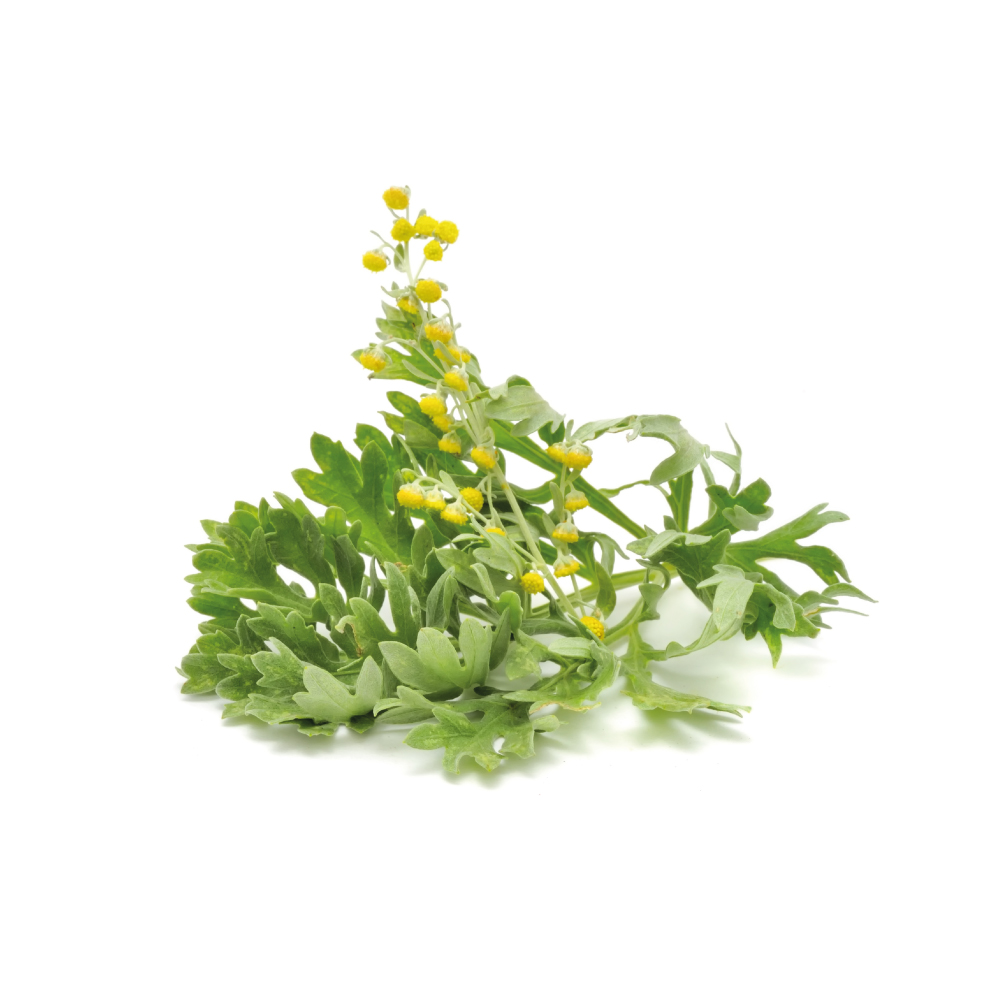 StrongStrongWormwoodArtemisia absinthiumNamed for the action, and the one herb here with both in-vitro and animal support: its extract stops Ascaris eggs developing or hatching.Mechanismembryogenesis & egg-hatch inhibitionRead the evidenceShow lessMonograph →
A. absinthium extract inhibited embryogenesis and egg hatching of the roundworm Ascaris suum 17Reference 17In vitroThe effects of Allium sativum, Artemisia absinthium, Cucurbita pepo, Coriandrum sativum, Satureja hortensis and Calendula officinalis on the embryogenesis of Ascaris suum eggs — in vitroView study →, and a rat study tested it against Trichinella spiralis 18Reference 18AnimalComparison of the effects of Artemisia vulgaris and Artemisia absinthium growing in western Anatolia against trichinellosis (Trichinella spiralis) in rats — animal modelView study →. Extracts also show strong larvicidal activity against mosquito vectors 19Reference 19In vitroChicory (Cichorium intybus) and wormwood (Artemisia absinthium) extracts exhibit strong larvicidal activity against mosquito vectors of malaria, dengue fever and filariasis — in vitroView study →.
Wormwood is the European deworming plant, given as an infusion or as the seed in short courses, and the traditional standing and the preclinical activity point the same way.
No human trial of worm clearance exists, and thujone sets the ceiling on the dose: the amounts folk practice used for worms are close to where convulsant neurotoxicity appears.
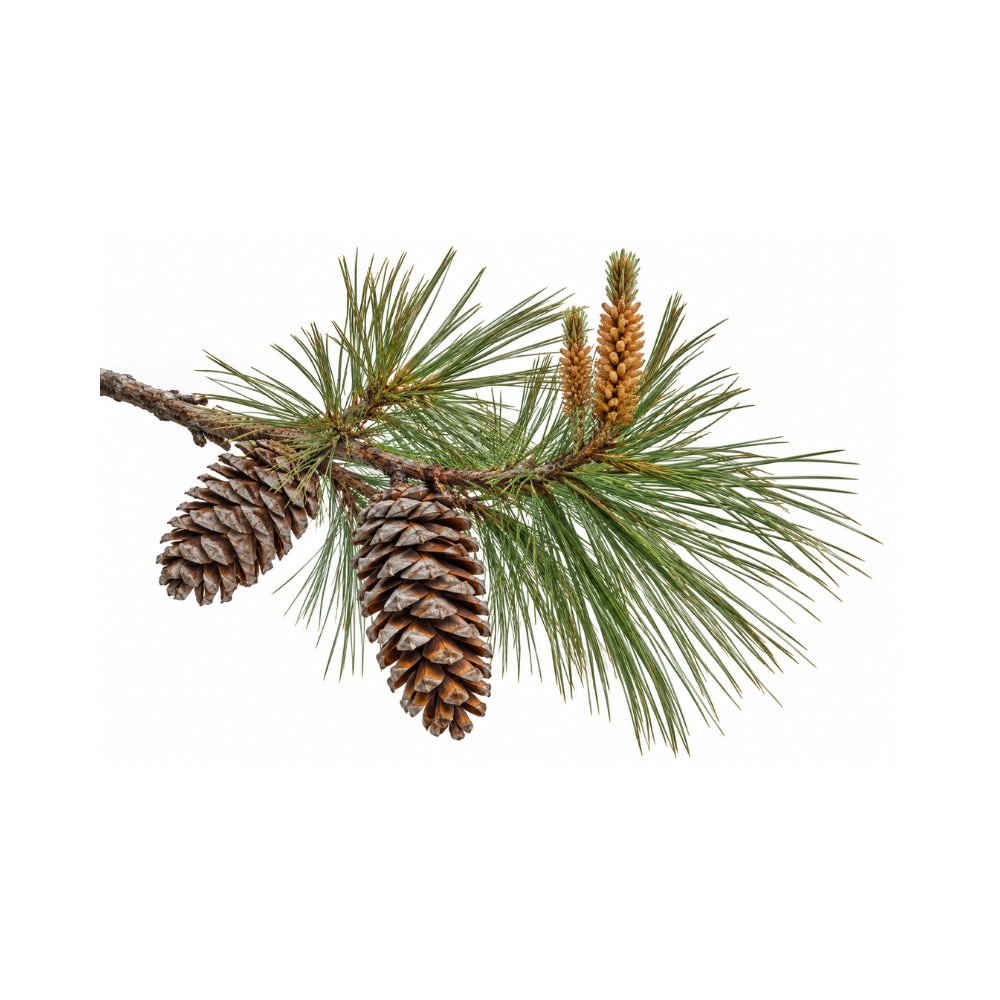
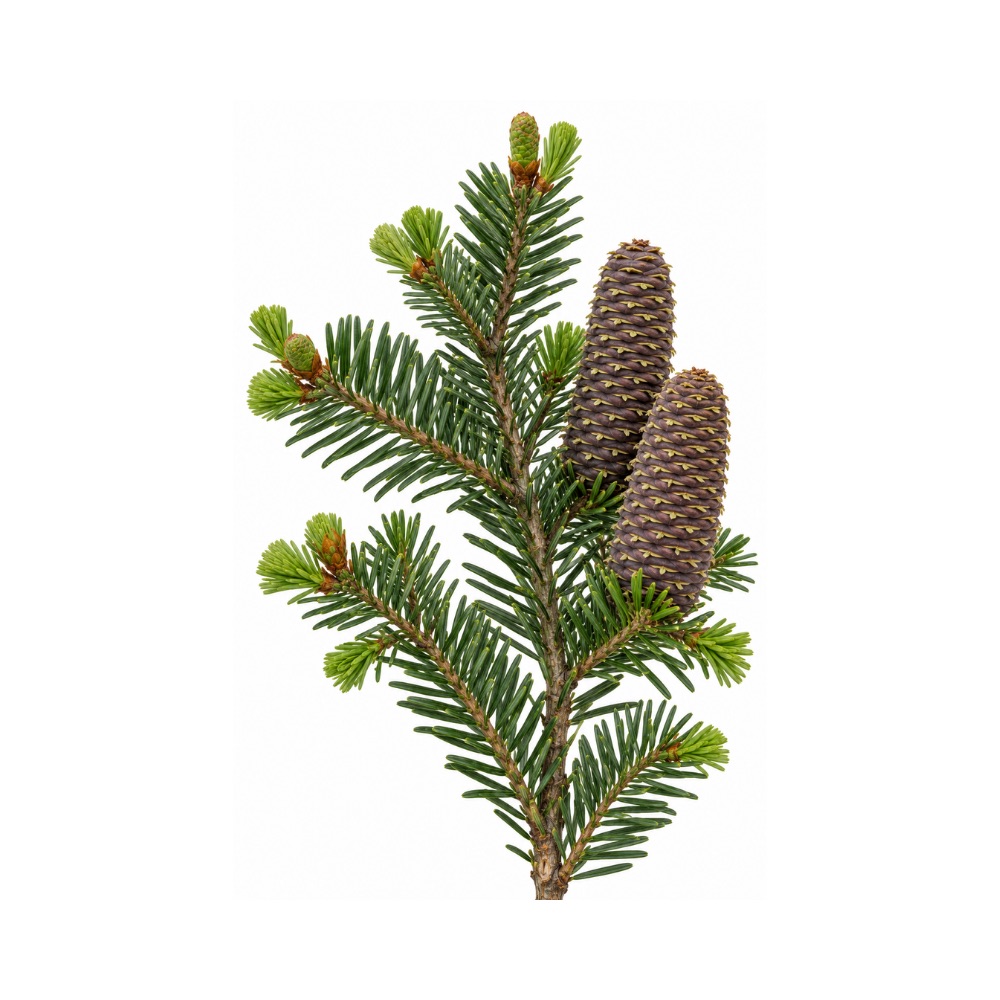 ModerateModerateGrand FirAbies grandisA tetracyclic triterpene from the tree paralyses and kills the liver fluke Fasciola hepatica outside the host.Mechanismtetracyclic triterpene → neuromuscular paralysis of trematodesRead the evidenceShow less
An A. grandis-derived tetracyclic triterpene paralysed and killed Fasciola hepatica ex vivo, mirroring the activity of a related triterpene from Abies procera 14,
Fasciolicides are a real veterinary and human need with few available drugs, so a novel chemical class against the fluke carries more weight than a general screening hit.
The work is ex vivo only, and the compound is identified by a code number rather than a name.
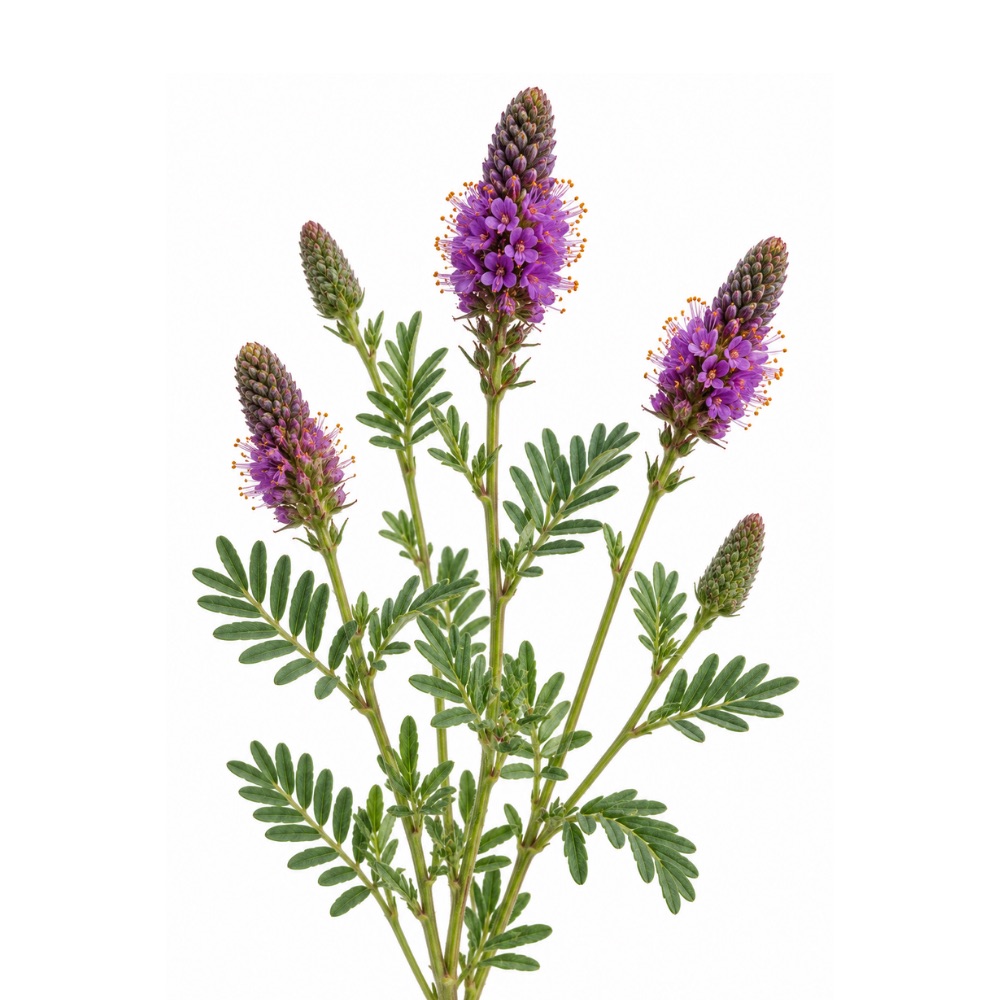 ModerateModeratePurple Prairie CloverDalea purpureaA condensed-tannin forage plant with an actual grazing trial in cattle behind its anthelmintic effect.Mechanismcondensed tannins binding parasite surface proteinsRead the evidenceShow less
Condensed tannins are an established anthelmintic strategy in ruminant nutrition, working by binding to the proteins of the worm’s cuticle and gut surface, and D. purpurea is grown and studied as part of that programme.
The supporting study is a grazing trial in cattle — livestock in vivo, which is a better evidence type than the in-vitro work behind most of these herbs.
Nothing about the plant has been tested in a human, and tannin anthelmintics reduce worm burden rather than clearing an infestation.
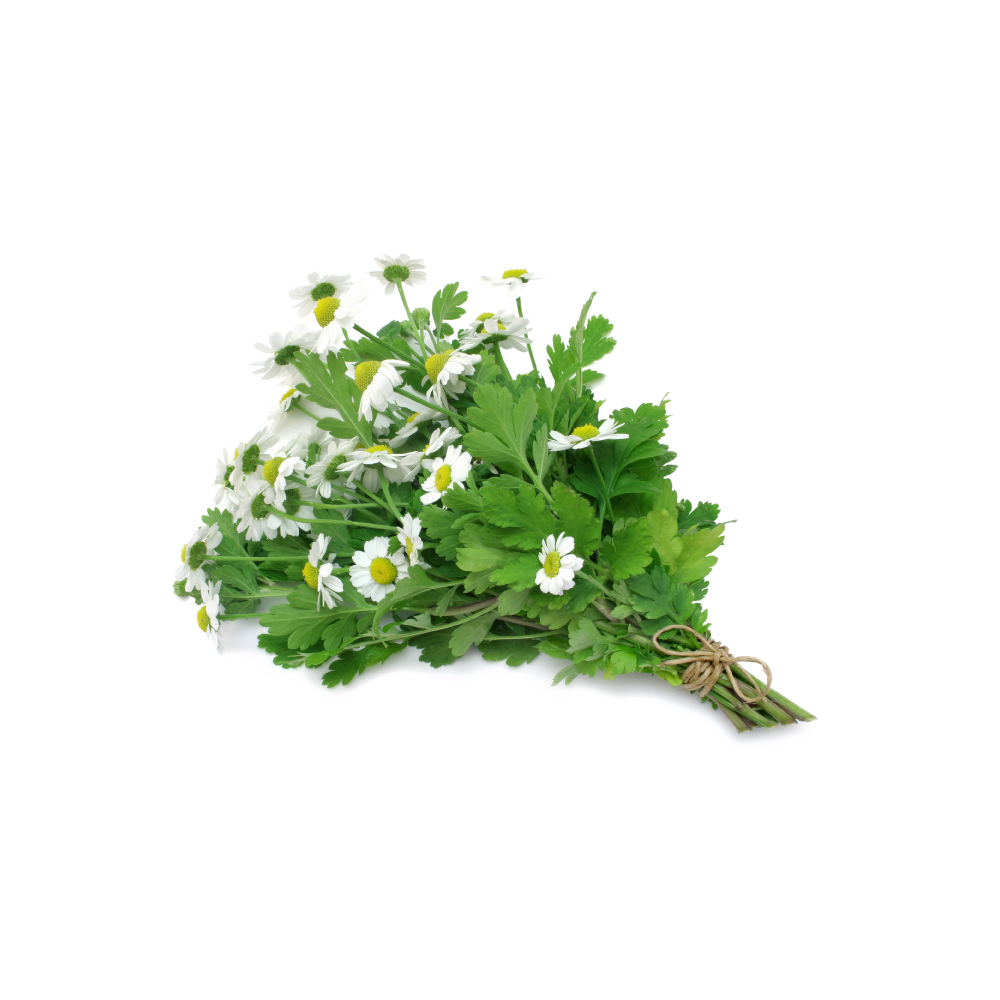 MildMildFeverfewTanacetum partheniumA worming herb of both European and South American folk practice, taken as an infusion or given as an enema.Read the evidenceShow lessMonograph →
Feverfew was taken as a warm infusion to expel parasitic worms in European practice 21Reference 21Principles and Practice of Phytotherapy, and in South America the same use is recorded by enema 20Reference 20Feverfew.
Two unconnected traditions recording the same use is the whole of the case. No in-vitro or animal study of feverfew against a helminth exists, and the plant’s measured work is migraine prophylaxis by way of parthenolide.
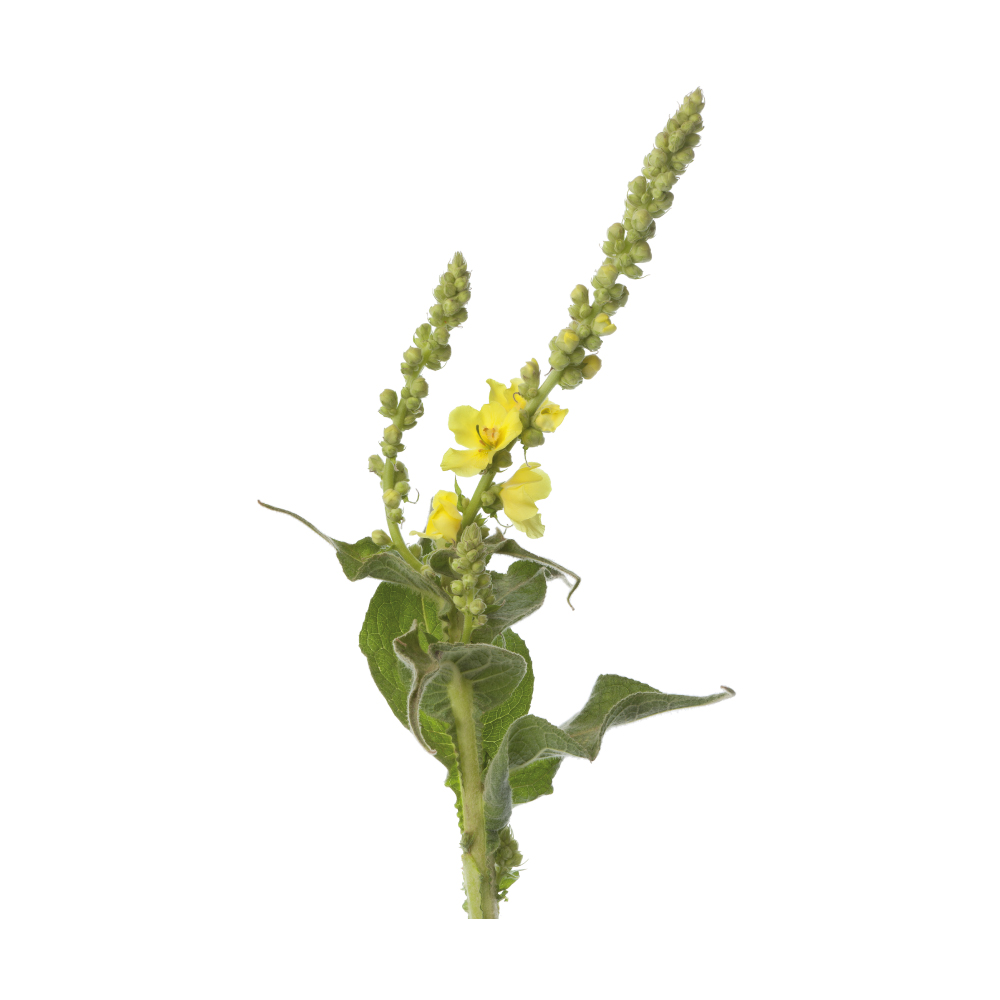 MildMildMulleinVerbascum thapsusA crude leaf extract paralysed and killed both roundworms and tapeworms in vitro; the active constituent is undetermined.Mechanismhelminth neuromuscular paralysis in vitro; active constituent undeterminedRead the evidenceShow lessMonograph →
A single study found that the crude aqueous-methanolic extract paralysed and killed roundworms (Ascaridia galli) and tapeworms (Raillietina spiralis) in vitro 16Reference 16In vitroAnthelmintic and relaxant activities of Verbascum thapsus mullein — in vitro/ex vivoView study →. The same extract relaxed contracted rabbit jejunum, which is where mullein’s antispasmodic reputation comes from.
That is a real signal behind a historical worm remedy, and the weakest kind: worms in a dish contacted directly by a crude extract, with no gut-lumen pharmacokinetics, no animal model and no identified active.
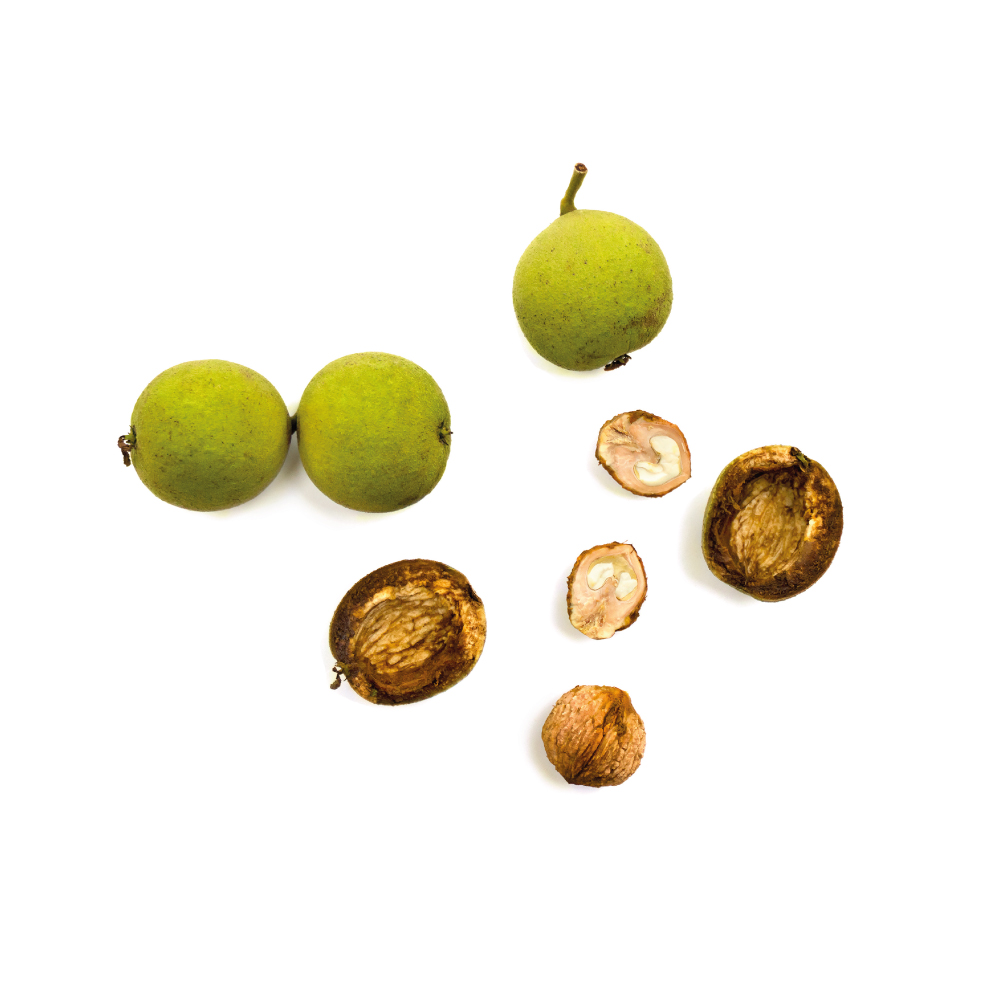 MildMildWalnutJuglans nigraThe green hull is the classic North American worming preparation, given as a tincture and usually in a formula; juglone is the presumed active.Read the evidenceShow lessMonograph →
The unripe green husk, gathered while still green, is one of the most consistently recorded worm remedies of American practice. Culpeper gives the mature bitter leaves for killing the broad worms of the stomach, and the tradition is specific about the part: juglone concentrates in the green hull rather than in the nut.
Juglone is nematicidal against plant-parasitic nematodes by exacerbating oxidative damage, and the heavy tannin load of the hull is a second plausible route.
No controlled study of a Juglans nigra preparation against any human or veterinary helminth has been published. Juglone kills by redox cycling, which is cytotoxicity rather than selectivity, and is why the courses are kept short.
No herbs match these filters.
Safety
- Confirm the infestation by stool examination before treating it.
- Single-dose albendazole, mebendazole, ivermectin and praziquantel are cheap, effective and far better characterised than any herb here.
- Tapeworm and fluke infections need proper diagnosis and drug treatment rather than a herbal course.
- The traditional worming doses sit close to where the same plants become toxic.
- Thujone-bearing herbs are for short courses only, and are contraindicated in pregnancy and epilepsy.
- Saponin anthelmintics kill by membrane lysis, the same property that causes haemolysis, so their therapeutic index is narrow by mechanism.
- No herbal anthelmintic has demonstrated the selectivity margin that makes the benzimidazoles safe.
References
- Horgan MJ, Sigg I, Poulopoulou I, et al. (2025). Microtubule inhibition as a proposed mechanism for the anthelmintic effect of phytochemicals isolated from Cicerbita alpina — in vitro. Scientific Reports. https://pubmed.ncbi.nlm.nih.gov/39900941/
- Peña-Espinoza M, Boas U, Williams AR, Thamsborg SM, Simonsen HT, Enemark HL (2015). Sesquiterpene lactone containing extracts from two cultivars of forage chicory (Cichorium intybus) show distinctive chemical profiles and activity against Ostertagia ostertagi — in vitro. International Journal for Parasitology: Drugs and Drug Resistance. https://pubmed.ncbi.nlm.nih.gov/27120066/
- Zheleva-Dimitrova D, Petrova A, Zengin G, et al. (2023). Metabolite profiling and bioactivity of Cicerbita alpina (L.) Wallr. (Asteraceae, Cichorieae) — in vitro. Plants. https://pubmed.ncbi.nlm.nih.gov/36903870/
- Valente AH, de Roode M, Ernst M, Peña-Espinoza M, Bornancin L, Bonde CS, Martínez-Valladares M, Ramünke S, Krücken J, Simonsen HT, Thamsborg SM, Williams AR (2021). Identification of compounds responsible for the anthelmintic effects of chicory (Cichorium intybus) by molecular networking and bio-guided fractionation. International Journal for Parasitology: Drugs and Drug Resistance. https://pubmed.ncbi.nlm.nih.gov/33618233/
- Foster JG, Cassida KA, Turner KE (2011). In vitro analysis of the anthelmintic activity of forage chicory (Cichorium intybus L.) sesquiterpene lactones against a predominantly Haemonchus contortus egg population. Veterinary Parasitology. https://pubmed.ncbi.nlm.nih.gov/21477927/
- Arlee N, Ampawong S, Kongkiatpaiboon S, Limpanont Y, Arunrungvichian K, Thepouyporn A, Pakdee W, Thaenkham U (2024). Assessing the efficacy of Stemona collinsiae roots extract against third-stage larvae of Gnathostoma spinigerum and its safety profiles. Heliyon. https://pubmed.ncbi.nlm.nih.gov/39397923/
- Nauen R, Jeschke P, Velten R, Beck ME, Ebbinghaus-Kintscher U, Thielert W, Wölfel K, Haas M, Kunz K, Raupach G (2015). Flupyradifurone: a brief profile of a new butenolide insecticide. Pest Management Science. https://pubmed.ncbi.nlm.nih.gov/25351824/
- Arlee N, Ampawong S, Limpanont Y, Arunrungvichian K, Kongkiatpaiboon S, Thaenkham U (2024). LC-MS/MS analysis of didehydrostemofoline from Stemona collinsiae roots extracts in rats plasma and pharmacokinetics profile after oral administration. Fitoterapia. https://pubmed.ncbi.nlm.nih.gov/38823598/
- Wang GX, Jiang DX, Li J, Han J, Liu YT, Liu XL (2010). Anthelmintic activity of steroidal saponins from Dioscorea zingiberensis C. H. Wright against Dactylogyrus intermedius (Monogenea) in goldfish (Carassius auratus). Parasitology Research. https://pubmed.ncbi.nlm.nih.gov/20689967/
- Zheng W, Yan CM, Zhang YB, Li ZH, Li Z, Li XY, Wang ZW, Wang X, Chen WQ, Yu XH (2015). Antiparasitic efficacy of gracillin and zingibernsis newsaponin from Costus speciosus against Ichthyophthirius multifiliis. Parasitology. https://pubmed.ncbi.nlm.nih.gov/25140457/
- Jato J, Waindok P, Ngnodandi FNBF, Orman E, Agyare C, Bekoe EO, Strube C, Hensel A, Liebau E, Spiegler V (2023). Anthelmintic activities of extract and ellagitannins from Phyllanthus urinaria against Caenorhabditis elegans and zoonotic or animal parasitic nematodes. Planta Medica. https://pubmed.ncbi.nlm.nih.gov/37459860/
- Deepak M, Dipankar G, Prashanth D, Asha MK, Amit A, Venkataraman BV (2002). Tribulosin and β-sitosterol-D-glucoside, the anthelmintic principles of Tribulus terrestris — in vitro. Phytomedicine. https://pubmed.ncbi.nlm.nih.gov/12587699/
- Efimova SS, Ostroumova OS (2021). Is the membrane lipid matrix a key target for action of pharmacologically active plant saponins? — in vitro, model lipid bilayers. International Journal of Molecular Sciences. https://pubmed.ncbi.nlm.nih.gov/33804648/
- Chakroborty, A., et al. (2025). Anthelmintic evaluation of triterpenes derived from conifers (family Pinaceae) on the digenean parasite Fasciola hepatica — ex vivo / in vitro. Fitoterapia. https://pubmed.ncbi.nlm.nih.gov/40730266/
- Whiteland, H. L., et al. (2018). An Abies procera-derived tetracyclic triterpene containing a steroid-like nucleus core and a lactone side chain attenuates in vitro survival of both Fasciola hepatica and Schistosoma mansoni — in vitro. International Journal for Parasitology: Drugs and Drug Resistance. https://pubmed.ncbi.nlm.nih.gov/30399512/
- Ali N, Ali Shah SW, et al. (2012). Anthelmintic and relaxant activities of Verbascum thapsus mullein — in vitro/ex vivo. BMC Complementary and Alternative Medicine. https://pubmed.ncbi.nlm.nih.gov/22463730/
- Băieş, M. H., et al. (2022). The effects of Allium sativum, Artemisia absinthium, Cucurbita pepo, Coriandrum sativum, Satureja hortensis and Calendula officinalis on the embryogenesis of Ascaris suum eggs — in vitro. Pathogens. https://pubmed.ncbi.nlm.nih.gov/36145497/
- Caner, A., et al. (2008). Comparison of the effects of Artemisia vulgaris and Artemisia absinthium growing in western Anatolia against trichinellosis (Trichinella spiralis) in rats — animal model. Experimental Parasitology. https://pubmed.ncbi.nlm.nih.gov/18325496/
- Ali, S. I., et al. (2018). Chicory (Cichorium intybus) and wormwood (Artemisia absinthium) extracts exhibit strong larvicidal activity against mosquito vectors of malaria, dengue fever and filariasis — in vitro. Parasitology International. https://pubmed.ncbi.nlm.nih.gov/30118862/
- Chavez M, Chavez P. (1999). Feverfew. Hosp Pharm. 34:436–61.
- Bone K, Mills S. (2013). Principles and Practice of Phytotherapy. Elsevier Health. (Pg. 566-575)
Keep Exploring