

Overview
Anti-Amyloid at a Glance
Anti-amyloid herbs interfere with the formation, buildup, or toxicity of amyloid-beta, the protein that accumulates in Alzheimer’s disease.
This is different from simply improving memory.
A nootropic may help someone perform better on a cognitive test, and an acetylcholinesterase inhibitor can improve signalling in the neurons that remain.
Anti-amyloid agents are aimed further upstream, at the disease process itself.
There are a few different ways to do this.
Some compounds reduce the production of amyloid-beta. Others interfere with its aggregation into plaques, help clear it, or protect neurons from the damage it causes.
Chinese clubmoss is one example, with huperzine A affecting the enzymes involved in amyloid production.
Muira puama has reduced amyloid deposits and neuron loss in animal models, while gotu kola appears to protect neurons in amyloid-loaded brains without necessarily clearing the amyloid itself.
Turmeric is the main example with human data. A small trial using a bioavailable curcumin extract found improvements in memory and attention, with exploratory brain imaging suggesting reduced amyloid and tau accumulation.
The evidence is still very preliminary.
Most of the research comes from cell and animal models, and no herb has been shown to slow Alzheimer’s disease in people.
Even pharmaceutical drugs that clear amyloid plaques tend to produce only modest clinical benefit.
Caution
Not a dementia treatment — anti-amyloid activity is not a treatment for Alzheimer's disease or any dementia, and none of these herbs replaces assessment or prescribed treatment.
Diagnose memory change first — new or progressive cognitive change needs assessment, because reversible causes such as thyroid disease, B12 deficiency, depression, medication and sleep apnoea are common.
Adds to Alzheimer's drugs — the cholinesterase-inhibiting herbs in this group add to the prescribed Alzheimer's drugs.
Mechanisms
How It Works
01
Amyloid Production
Amyloid precursor protein is cleaved either by BACE1, the β-secretase that starts the amyloidogenic route, or by ADAM10, the α-secretase that prevents it.
Huperzine A down-regulates BACE1 and up-regulates ADAM10 in cell studies, and sarsasapogenin inhibits BACE1 and suppresses its upregulation in diabetic rat brain.
This is the target of the BACE inhibitors that failed in clinical trials, several of which worsened cognition.
The herbal findings are cell and rodent work.
Herbs: Chinese Clubmoss
Key compounds: Huperzine ASarsasapogenin
02
Aggregation and Clearance
Once produced, amyloid-β aggregates into oligomers and fibrils, and the brain clears it through degrading enzymes and microglial phagocytosis.
Sarsasapogenin inhibited Aβ42 fibrillisation by 68% at 40 µM, and its semi-synthetic derivative raises the degrading enzymes neprilysin, insulin-degrading enzyme and endothelin-converting enzyme.
Muira puama’s extract reduced amyloid deposits in a mouse model without an identified step.
Curcumin binds plaque in vitro, and the human imaging signal for it is exploratory.
Plaque clearance is what the antibody drugs achieve, with marginal clinical benefit, so a reduction in deposits is not itself a clinical claim.
Herbs: Muira PuamaTurmeric
Key compounds: SarsasapogeninCurcumin
03
Protection in an Amyloid-Loaded Brain
Some herbs improve function in amyloid-model animals without touching amyloid, by protecting neurons against its toxicity.
Gotu kola water extract improved memory and executive function in 5xFAD and Tg2576 mice while restoring mitochondrial function and NRF2 antioxidant genes, and huperzine A reduces amyloid-β-induced oxidative injury.
This predicts symptom protection rather than disease modification.
Herbs: Chinese ClubmossGotu Kola
Key compounds: Asiatic Acid
The Molecules
Pharmacology
What produces an anti-amyloid effect at the molecular level. The herbs carry these molecules in different combinations and amounts, which is most of why their potency differs. Roles describe how central a molecule is to the action across plants generally, not how strong any one herb is.
Chiefly Sterols & Steroids1
Carries the action largely on its own — the effect is attributed to the molecule, not just the extract it came from.
Adds to a plant's effect and is often present in quantity, but rarely accounts for it alone.
Real but narrow — one pathway, one tissue, or evidence too thin to lean on.
Sarsasapogenin Sterols & Steroids Contributor Targets BACE1; Aβ42 fibrillisation; IDE/NEP/ECE
Sarsasapogenin inhibits BACE1, the β-secretase that initiates amyloidogenic APP processing, and inhibits Aβ42 fibrillisation by 68% at 40 µM, with TEM showing short, scattered fibrils rather than mature aggregates 1Reference 1Sarsasapogenin: a steroidal saponin from Asparagus racemosus as multi target directed ligand in Alzheimer’s diseaseView study →; in diabetic rats it suppressed BACE1 upregulation at both protein and mRNA level 2Reference 2Sarsasapogenin attenuates Alzheimer-like encephalopathy in diabetesView study →.
Its derivative AA13 works on the clearance side, upregulating the Aβ-degrading enzymes insulin-degrading enzyme, neprilysin and endothelin-converting enzyme plus CD36-mediated phagocytosis in neuroglia 3Reference 3Sarsasapogenin-AA13 ameliorates Aβ-induced cognitive deficits via improving neuroglial capacity on Aβ clearance and antiinflammationView study →.
Production-side effects belong to the parent molecule and clearance-side effects to a semi-synthetic derivative that does not occur in a plant.
Sarsaparilla and shatavari carry it.
Materia Medica
Anti-Amyloid Herbs by Potency
The anti-amyloid herbs, ordered by the relative strength of the effect rather than by how well studied it is. Each herb is described by the mechanism behind its effect and the evidence for it.
None of this is a substitute for professional care.
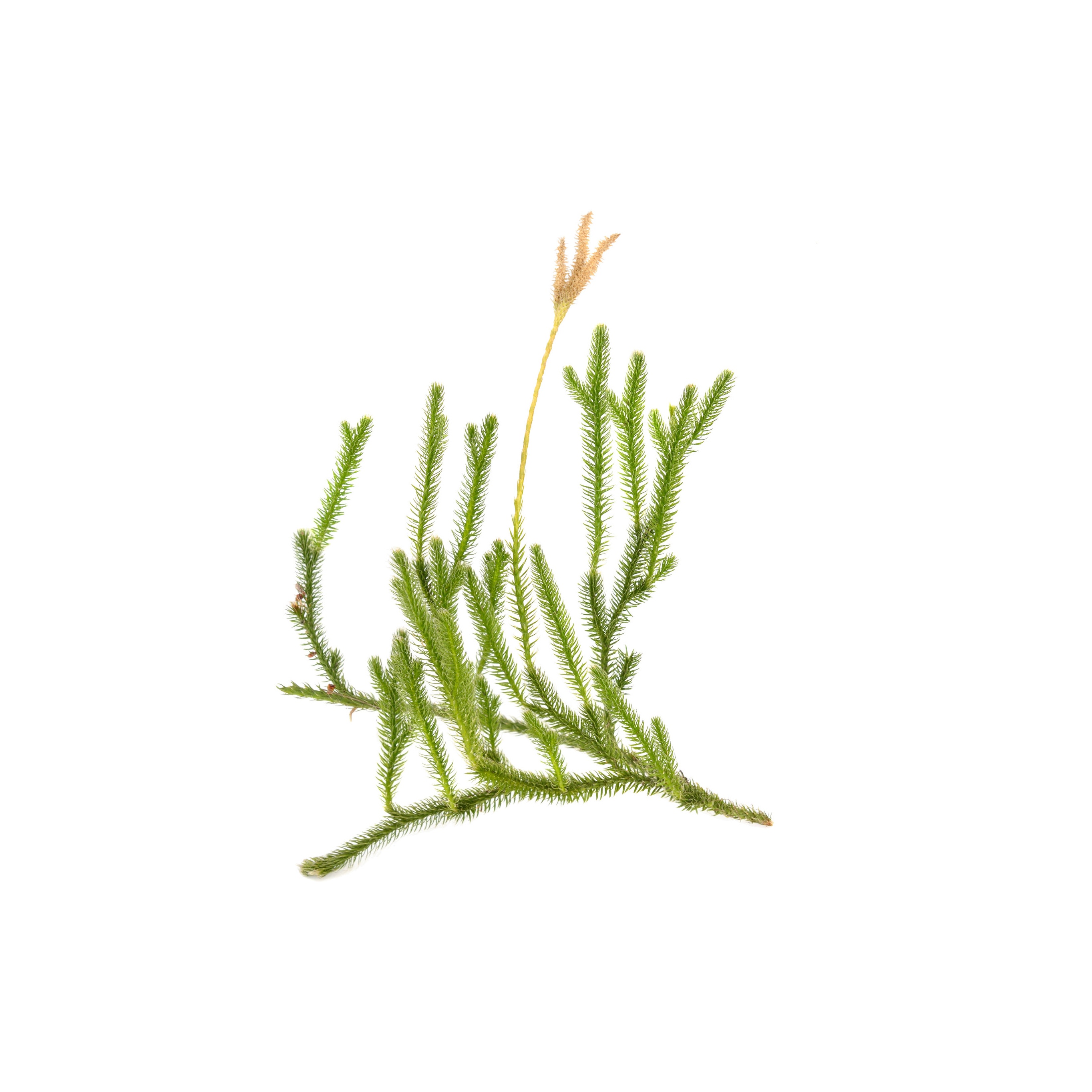 ModerateModerateChinese ClubmossHuperzia serrataHuperzine A shifts amyloid precursor protein processing away from the amyloidogenic route in cells, down-regulating BACE1 and up-regulating ADAM10; no human trial has measured amyloid.Mechanismamyloid-precursor-protein processing shifted away from the amyloidogenic route (BACE1 ↓, ADAM10 ↑); amyloid-β-induced oxidative injury ↓Read the evidenceShow lessMonograph →
In cell studies huperzine A shifts amyloid precursor protein processing away from the amyloidogenic route, down-regulating BACE1 and up-regulating ADAM10, the β- and α-secretase steps that decide whether APP becomes amyloid-β 4,
All of it is cell and animal work. The human trials measure cognition rather than amyloid, and the best-designed of them, the US ADCS phase II RCT (n=210), was negative on its primary cognitive endpoint 6Reference 6RCTA phase II trial of huperzine A in mild to moderate Alzheimer disease — randomised controlled trialView study →.
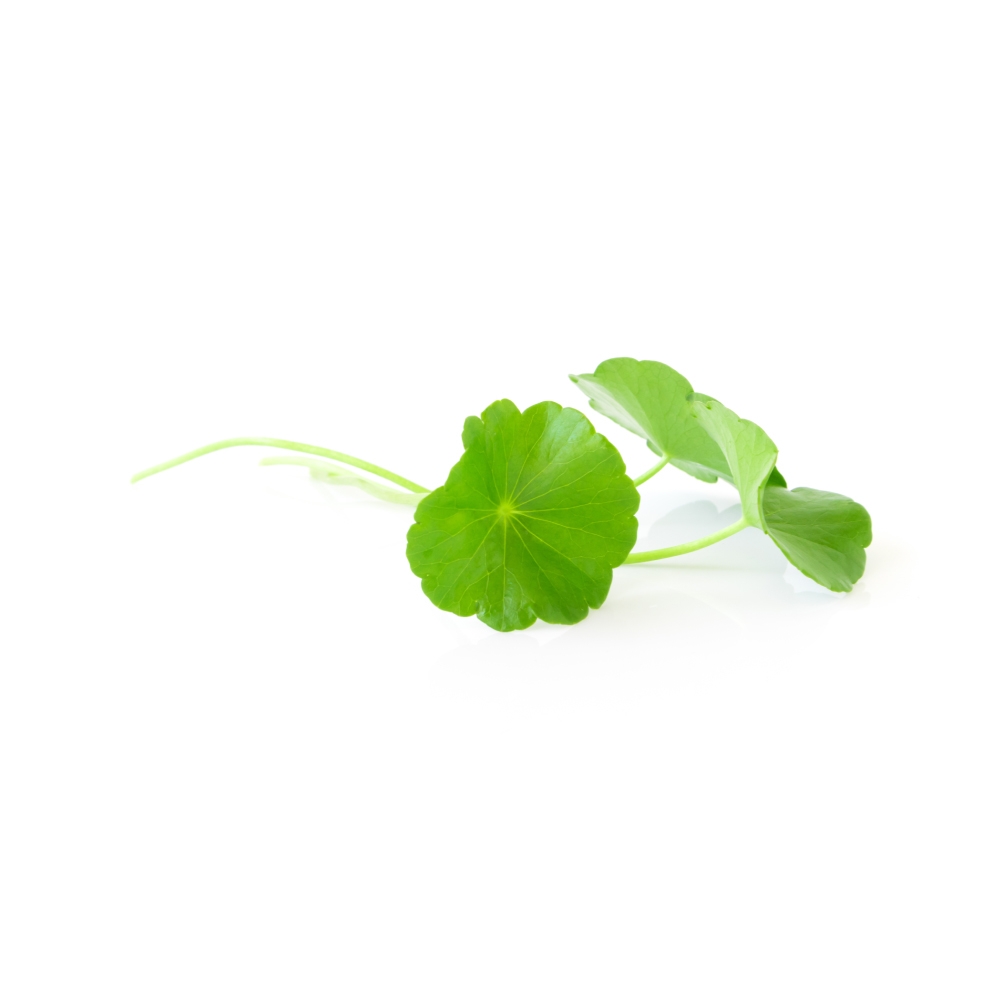 ModerateModerateGotu KolaCentella asiaticaWater extract rescues memory and executive function in amyloid-overexpressing mice by protecting neurons, restoring mitochondrial function and activating NRF2, without a measured effect on amyloid itself.Mechanismmemory and executive-function rescue in β-amyloid-overexpressing mice; NRF2-regulated antioxidant gene activationRead the evidenceShow lessMonograph →
Water extract improved memory and executive function in β-amyloid-overexpressing (5xFAD and Tg2576) mice, attenuated hippocampal mitochondrial dysfunction, reduced oxidative stress and activated NRF2-regulated antioxidant genes 7,
The studies do not report plaque burden or secretase activity, so the mechanism is indirect: the herb protects neurons in an amyloid-loaded brain rather than interfering with amyloid production or clearance, which predicts symptom protection rather than disease modification.
Everything is preclinical, and human pharmacokinetics show the parent glycosides are poorly absorbed 9,
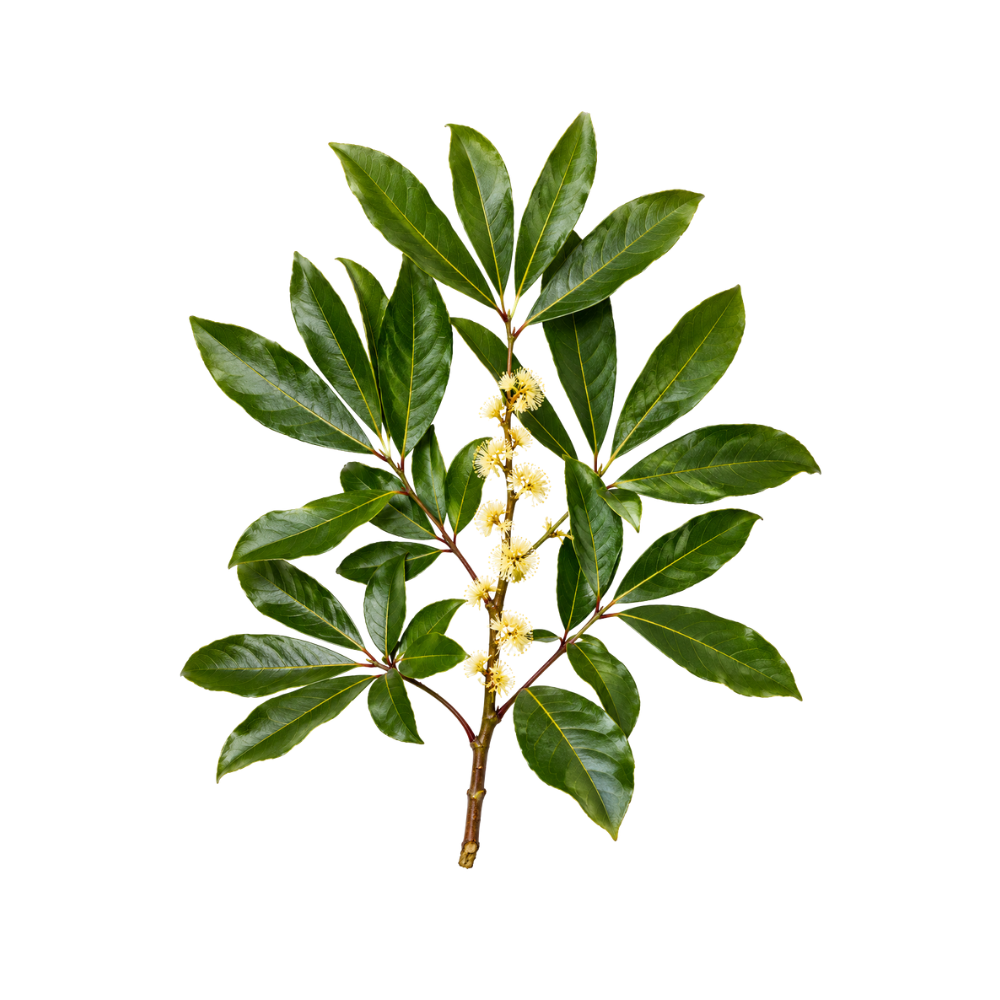 ModerateModerateMuira PuamaPtychopetalum olacoidesFourteen days of oral extract reduced amyloid deposits, astrogliosis and CA1 neuron loss together while preventing cognitive impairment in an Aβ1-42 mouse model, in one study with no identified active compound.Mechanismamyloid deposit ↓, astrogliosis ↓ and CA1 neuron loss prevented in Aβ1-42 mouse modelRead the evidenceShow lessMonograph →
In a β-amyloid (Aβ1-42) mouse Alzheimer’s model, 14 days of oral POEE prevented cognitive impairment while reducing amyloid deposits, astrogliosis and CA1 hippocampal neuron loss 11Reference 11AnimalThe Amazonian herbal Marapuama attenuates cognitive impairment and neuroglial degeneration in a mouse Alzheimer model — animal studyView study →, three pathological endpoints moving together with the functional one.
No secretase step is identified, so whether the extract reduces amyloid production, increases clearance or protects neurons well enough that less pathology accumulates is unresolved.
It is one study, in mice, with no human data and no identified active constituent, and fourteen days is short for an amyloid endpoint.
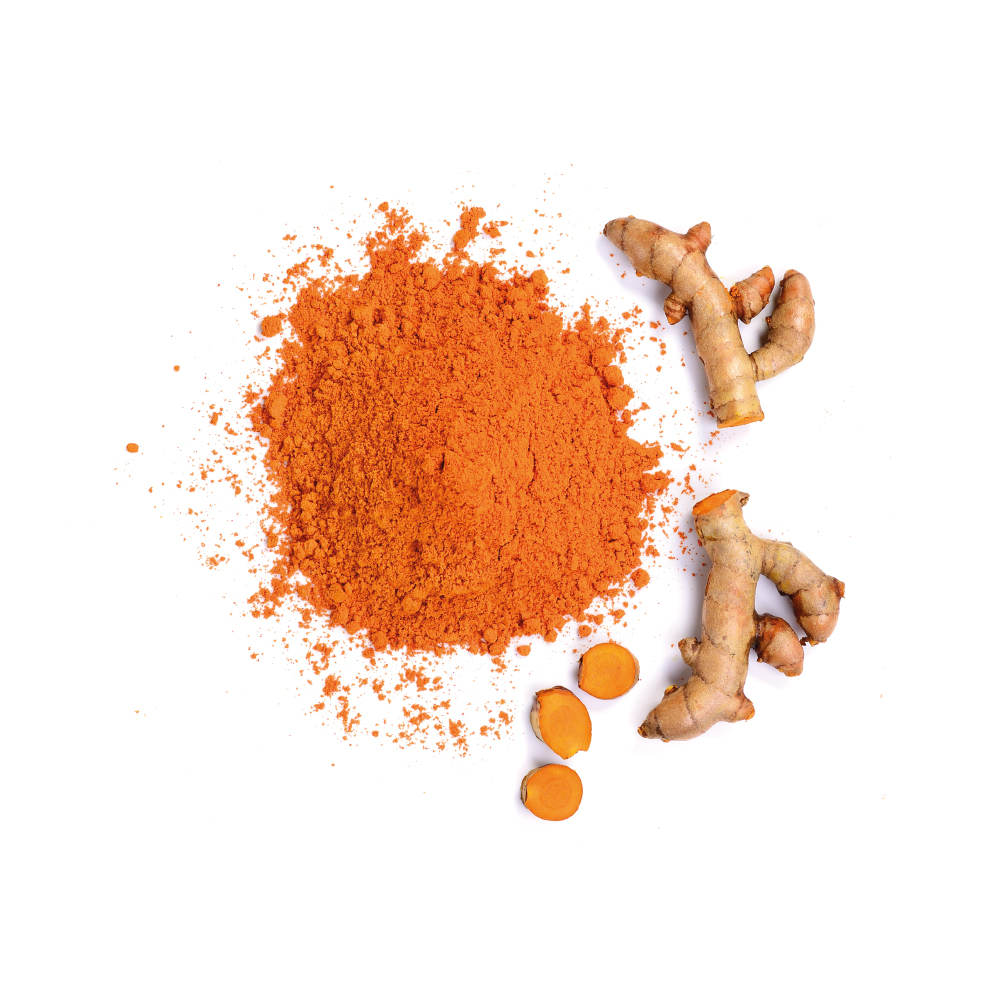 MildMildTurmericCurcuma longaA bioavailable curcumin improved memory and attention over 18 months in 40 non-demented adults, and the trial's exploratory PET arm suggested less amyloid and tau in the amygdala and hypothalamus.Mechanismexploratory FDDNP-PET signal of reduced amyloid and tau accumulation (amygdala, hypothalamus)Read the evidenceShow lessMonograph →
An 18-month double-blind placebo-controlled RCT in 40 non-demented adults, using bioavailable curcumin (Theracurmin, 90 mg twice daily), found significant improvements in memory and attention against placebo. The anti-amyloid finding is the imaging arm of that trial, where FDDNP-PET suggested reduced amyloid and tau accumulation in the amygdala and hypothalamus 12Reference 12RCTMemory and Brain Amyloid and Tau Effects of a Bioavailable Form of Curcumin in Non-Demented Adults: a double-blind, placebo-controlled 18-month randomized controlled trialView study →.
The imaging findings are exploratory, FDDNP is a non-specific tracer that binds both amyloid and tau, the regions reported are not where Alzheimer’s amyloid pathology characteristically begins, and there is no replication.
Turmeric’s wider anti-amyloid reputation rests on in-vitro plaque-binding work, which is a different measurement from the trial’s.
No herbs match these filters.
Safety
- None of these herbs treats Alzheimer’s disease or any dementia, and none is substituted for assessment or prescribed treatment.
- Cognitive change needs a diagnosis first, because reversible causes such as thyroid disease, B12 deficiency, depression, medication and sleep apnoea are common.
- The evidence belongs to concentrated extracts and isolates, and high-dose bioavailability-enhanced products carry their own dose limits.
- Cholinesterase-inhibiting herbs in this group add to the Alzheimer’s drugs.
References
- Kashyap P, Muthusamy K, Niranjan M, Trikha S, Kumar S (2020). Sarsasapogenin: a steroidal saponin from Asparagus racemosus as multi target directed ligand in Alzheimer’s disease. Steroids. https://pubmed.ncbi.nlm.nih.gov/31672628/
- Zhang YM, Zheng T, Huang TT, et al. (2021). Sarsasapogenin attenuates Alzheimer-like encephalopathy in diabetes. Phytomedicine. https://pubmed.ncbi.nlm.nih.gov/34333330/
- Huang C, Dong D, Jiao Q, Pan H, Ma L, Wang R (2017). Sarsasapogenin-AA13 ameliorates Aβ-induced cognitive deficits via improving neuroglial capacity on Aβ clearance and antiinflammation. CNS Neuroscience & Therapeutics. https://pubmed.ncbi.nlm.nih.gov/28466999/
- Qian ZM, Ke Y. (2014). Huperzine A: is it an effective disease-modifying drug for Alzheimer’s disease? — review. Front Aging Neurosci. https://pubmed.ncbi.nlm.nih.gov/25191267/
- Wongjaikam S, et al. (2024). Huperzine A regulates the physiological homeostasis of amyloid precursor protein proteolysis and tau protein conformation — in vitro / in silico. Biology (Basel). https://pubmed.ncbi.nlm.nih.gov/39056711/
- Rafii MS, Walsh S, Little JT, et al. (2011). A phase II trial of huperzine A in mild to moderate Alzheimer disease — randomised controlled trial. Neurology. https://pubmed.ncbi.nlm.nih.gov/21502597/
- Matthews, D. G., et al. (2019). Centella asiatica improves memory and promotes antioxidative NRF2 signaling in 5XFAD mice — animal model. Antioxidants. https://pubmed.ncbi.nlm.nih.gov/31817977/
- Gray, N. E., et al. (2018). Centella asiatica attenuates hippocampal mitochondrial dysfunction and improves memory and executive function in β-amyloid overexpressing mice — animal model. Molecular and Cellular Neuroscience. https://pubmed.ncbi.nlm.nih.gov/30253196/
- Songvut, P., et al. (2019). Safety and pharmacokinetics of standardized extract of Centella asiatica (ECa 233) capsules in healthy volunteers — phase 1 clinical trial. Planta Medica. https://pubmed.ncbi.nlm.nih.gov/30699457/
- Songvut, P., et al. (2021). Pharmacokinetics and metabolomics of an orally modified formula of standardized Centella asiatica extract in healthy volunteers — clinical trial. Scientific Reports. https://pubmed.ncbi.nlm.nih.gov/33767223/
- Figueiró, M., Ilha, J., Linck, V. M., et al. (2011). The Amazonian herbal Marapuama attenuates cognitive impairment and neuroglial degeneration in a mouse Alzheimer model — animal study. Phytomedicine. https://pubmed.ncbi.nlm.nih.gov/20739160/
- Small GW, Siddarth P, Li Z, et al. (2018). Memory and Brain Amyloid and Tau Effects of a Bioavailable Form of Curcumin in Non-Demented Adults: a double-blind, placebo-controlled 18-month randomized controlled trial. Am J Geriatr Psychiatry. https://pubmed.ncbi.nlm.nih.gov/29246725/
Keep Exploring