

Overview
Anti-Neuroinflammatory at a Glance
Anti-neuroinflammatory herbs help reduce inflammation within the nervous system, especially the chronic activation of microglia and inflammatory signalling inside the brain.
This is more specific than a general anti-inflammatory action.
A herb can reduce inflammation in the gut, joints, or bloodstream without necessarily having much effect inside the brain.
To be meaningfully anti-neuroinflammatory, its compounds need to reach nervous tissue and influence pathways involved in microglial activation, cytokine release, or related inflammatory processes.
This makes anti-neuroinflammation one part of the broader neuroprotective action.
The main herbs here include Chinese clubmoss, gotu kola, tea, and turmeric.
Chinese clubmoss acts partly through the cholinergic anti-inflammatory pathway.
Gotu kola has shown broad anti-inflammatory effects across several models of neurological injury, while EGCG from tea and curcumin from turmeric are both well-studied suppressors of inflammatory pathways such as NF-κB.
The evidence is still mostly preclinical.
For several of these herbs, we have strong evidence that they reduce inflammation elsewhere in the body and protect nervous tissue in animal models, but much less direct evidence showing reduced microglial activation or brain cytokines in people.
That distinction matters.
Caution
Adds to dementia drugs — the cholinesterase-inhibiting herbs in this group add to donepezil, rivastigmine and galantamine.
The evidence is for extracts — the findings belong to concentrated extracts or isolated compounds, which carry their own dose limits, not to ordinary preparations.
Symptoms need assessment — neurological symptoms, cognitive decline, stroke or suspected neurodegenerative disease need assessment rather than self-treatment.
Mechanisms
How It Works
01
The Cholinergic Anti-Inflammatory Pathway
Acetylcholine acting on the α7-nicotinic receptor of immune cells suppresses inflammatory cytokine release, and a cholinesterase inhibitor raises the acetylcholine available to engage it.
Huperzine A from Chinese clubmoss protects against lipopolysaccharide- and sepsis-induced acute lung injury through α7-nAChR and ferroptosis suppression, and in the brain it reduces oxidative-stress markers through Nrf2-ARE in a mouse traumatic-brain-injury model and modulates inflammatory pathways in MPTP-treated mice.
Vagus-nerve stimulation and α7 agonists are pursued pharmaceutically on the same pathway.
No study measures microglial activation or a CNS cytokine panel after huperzine A.
Herbs: Chinese Clubmoss
Key compounds: Huperzine A
02
NF-κB and Cytokine Suppression
NF-κB is the transcription factor that switches on TNF-α, IL-1β, IL-6, COX-2 and iNOS in activated microglia, and suppressing it is the shared mechanism of the polyphenol anti-inflammatories.
Gotu kola suppresses NF-κB with COX-2 and iNOS downregulation and reduced TNF-α, IL-1β and IL-6, and its asiatic acid protects across CNS-injury models.
Curcumin suppresses NF-κB and reduces TNF-α and IL-6 with dual COX/LOX inhibition, and EGCG and epicatechin protected dopaminergic neurons in the 6-OHDA Parkinson’s model.
Sarsasapogenin, from sarsaparilla and shatavari, downregulates the thrombin receptor PAR-1 and the NLRP1 inflammasome in diabetic rodent brain.
The inflammatory endpoints for these herbs are peripheral and the neural endpoints are functional, and the measurement joining them has not been made.
Curcumin and the parent gotu kola glycosides are poorly absorbed.
Key compounds: Asiatic AcidEGCGCurcuminSarsasapogenin
The Molecules
Pharmacology
What produces an anti-neuroinflammatory effect at the molecular level. The herbs carry these molecules in different combinations and amounts, which is most of why their potency differs. Roles describe how central a molecule is to the action across plants generally, not how strong any one herb is.
Chiefly Sterols & Steroids1Other Alkaloids1
Carries the action largely on its own — the effect is attributed to the molecule, not just the extract it came from.
Adds to a plant's effect and is often present in quantity, but rarely accounts for it alone.
Real but narrow — one pathway, one tissue, or evidence too thin to lean on.
Sarsasapogenin Sterols & Steroids Contributor Targets PAR-1; NLRP1; NF-κB; microglial M1→M2
In diabetic rodents, sarsasapogenin’s cognitive rescue runs through downregulation of the thrombin receptor PAR-1, with protein and mRNA both falling while thrombin activity itself is untouched, which in turn suppresses NLRP1 inflammasome activation and NF-κB signalling in hippocampus and cortex; PAR-1 knockdown reproduced the effect 3Reference 3Sarsasapogenin ameliorates diabetes-associated memory impairment and neuroinflammation through down-regulation of PAR-1 receptorView study →.
Its derivative AA13 pushes microglia toward an M2 phenotype in Aβ-injected mice 4Reference 4Sarsasapogenin-AA13 ameliorates Aβ-induced cognitive deficits via improving neuroglial capacity on Aβ clearance and antiinflammationView study →.
The mechanism is target-named and established only in rodents and cells.
Sarsaparilla and shatavari carry it.
Mesembrine Other Alkaloids Minor role Targets Neuroinflammatory markers (unspecified); adrenal steroidogenesis
In male rats under unpredictable chronic mild stress, both Zembrin and isolated mesembrine selectively reversed a subset of neuro-inflammatory and behavioural changes 1Reference 1AnimalNeuro-inflammatory and behavioral changes are selectively reversed by Sceletium tortuosum (Zembrin®) and mesembrine in male rats subjected to unpredictable chronic mild stressView study →, one of the few cases where the isolate was tested directly in a mammal.
A parallel extract finding, modulation of glucocorticoid, mineralocorticoid and androgen output in adrenal H295 cells, offers a second, endocrine route into the stress axis 2Reference 2In vitroModulation of glucocorticoid, mineralocorticoid and androgen production in H295 cells by Trimesemine™, a mesembrine-rich Sceletium extractView study →.
It is one laboratory, one model, partial and endpoint-dependent effects, with no named upstream target and no human correlate.
Kanna carries it.
Materia Medica
Anti-Neuroinflammatory Herbs by Potency
The anti-neuroinflammatory herbs, ordered by the relative strength of the effect rather than by how well studied it is. Each herb is described by the mechanism behind its effect and the evidence for it.
None of this is a substitute for professional care.
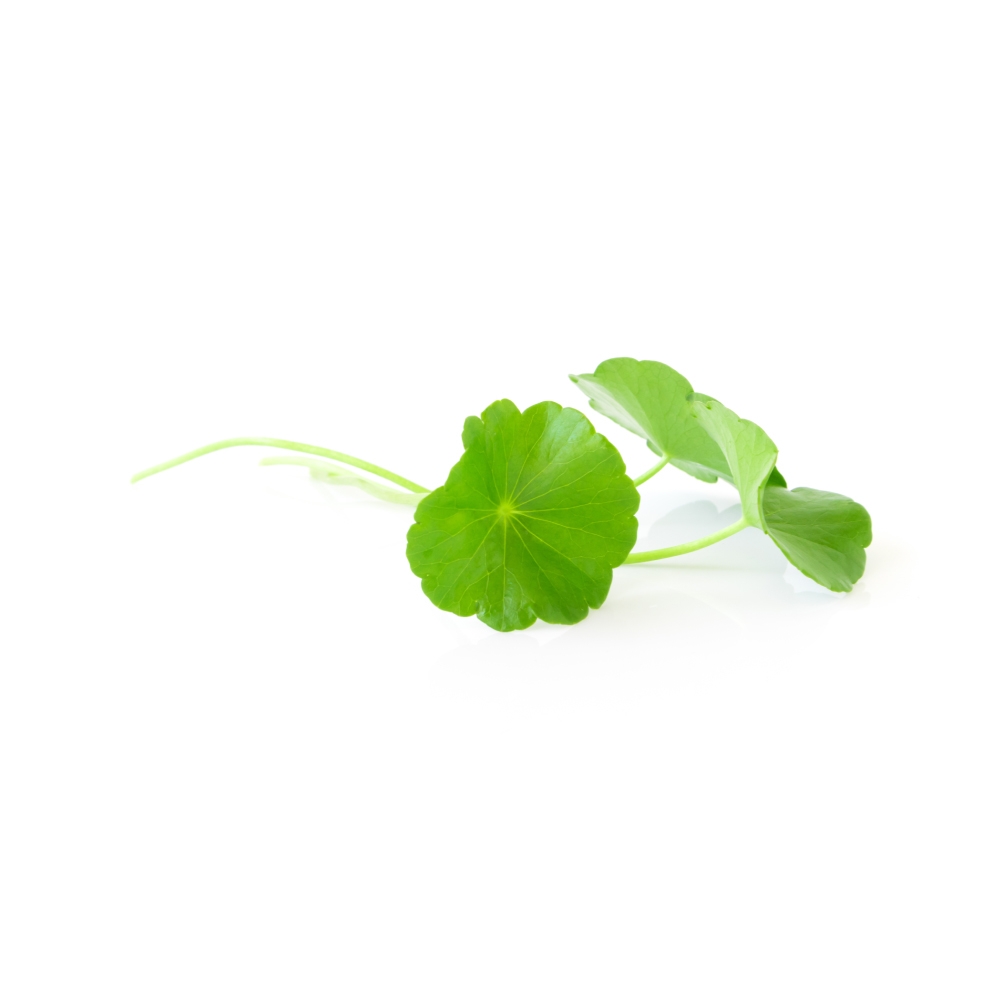 ModerateModerateGotu KolaCentella asiaticaSuppresses NF-κB, COX-2, iNOS and the inflammatory cytokines, and its asiatic acid protects neurons across cerebral ischaemia, spinal cord injury, epilepsy and neurodegeneration models.MechanismNF-κB, COX-2 and iNOS suppression; TNF-α/IL-1β/IL-6 ↓; asiatic-acid anti-inflammatory signaling in CNS injury modelsRead the evidenceShow lessMonograph →
Gotu kola suppresses NF-κB with COX-2 and iNOS downregulation and reduced TNF-α, IL-1β and IL-6, the strongest general anti-inflammatory profile among the herbs with this action.
Asiatic acid is neuroprotective across models of cerebral ischaemia, spinal cord injury, epilepsy and neurodegeneration, acting through anti-inflammatory and antioxidant signalling 9Reference 9ReviewNeuroprotective mechanisms of asiatic acid — reviewView study →, and the amyloid-model work reports reduced oxidative stress with NRF2 activation in the hippocampus 10,
The inflammatory endpoints are peripheral and the neural endpoints are functional, and no study reports a microglial activation state or a CNS cytokine panel. The parent glycosides are poorly absorbed after oral dosing 12,
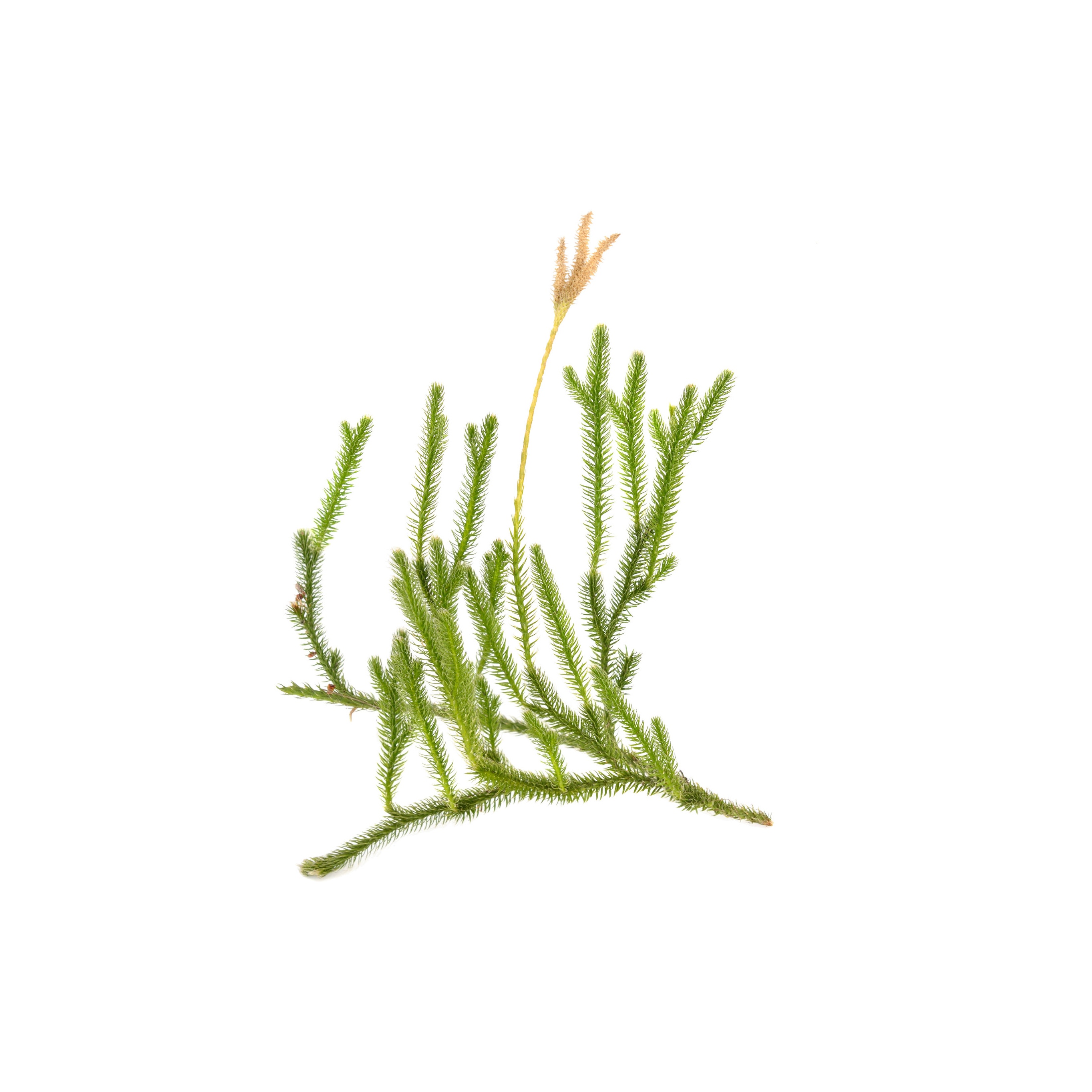 MildMildChinese ClubmossHuperzia serrataHuperzine A raises acetylcholine at the α7-nicotinic receptor, the cholinergic anti-inflammatory pathway, shown so far in lung-injury models and in mouse brain-injury and Parkinson's models.Mechanismα7-nicotinic acetylcholine receptor activation (the cholinergic anti-inflammatory pathway); ferroptosis suppression; Nrf2-ARE activationRead the evidenceShow lessMonograph →
Raising synaptic acetylcholine activates the α7-nicotinic receptor on immune cells, which suppresses inflammatory signalling, and an acetylcholinesterase inhibitor is the kind of molecule that engages it. Huperzine A protects against lipopolysaccharide- and sepsis-induced acute lung injury through α7-nAChR and by suppressing ferroptosis 5,
In the brain, huperzine A reduced oxidative-stress markers through the Nrf2-ARE pathway in a mouse traumatic-brain-injury model 7Reference 7AnimalHuperzine A protects against traumatic brain injury through anti-oxidative effects via the Nrf2-ARE pathway — mouse in vivoView study → and modulated inflammatory pathways in MPTP-treated mice 8Reference 8AnimalHuperzine A injection ameliorates motor and cognitive abnormalities via regulating multiple pathways in a murine model of Parkinson’s disease — mouse in vivoView study →.
No study measures neuroinflammation as such, with no microglial activation state and no CNS cytokine panel, and the effect belongs to the isolated alkaloid.
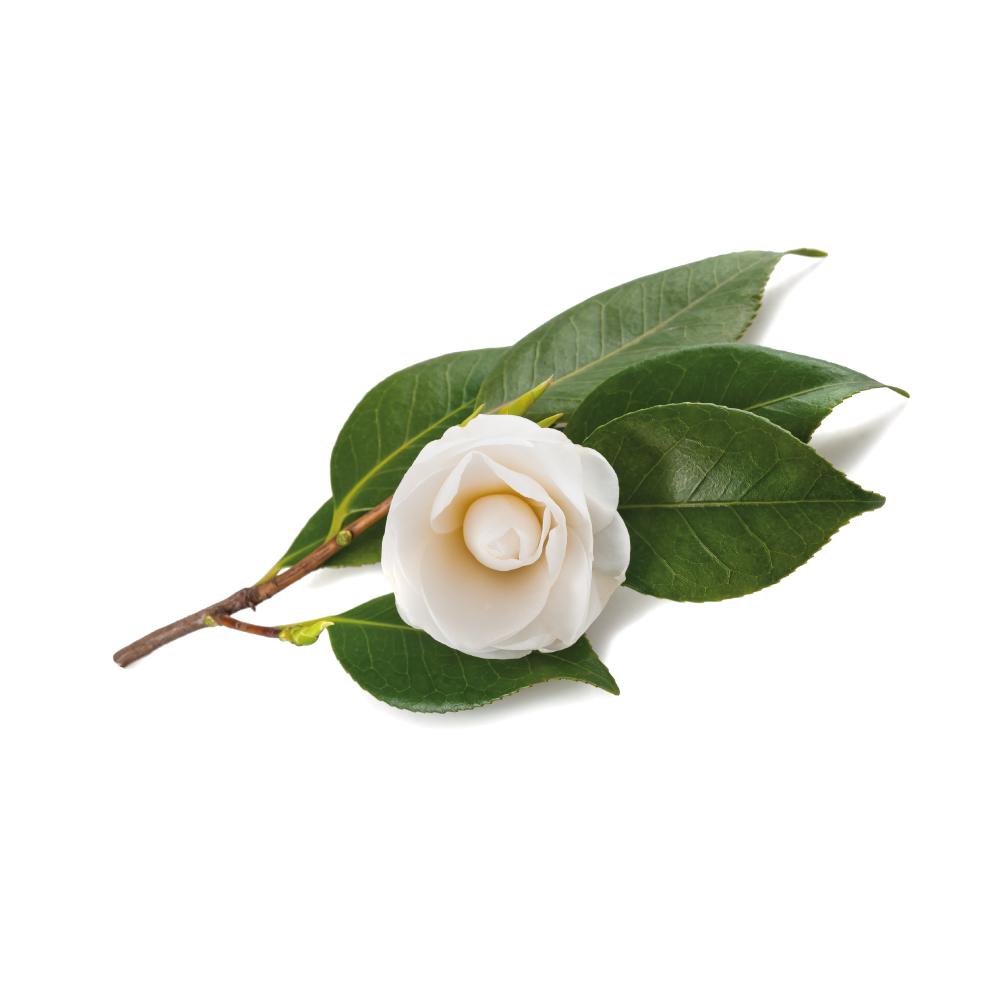 MildMildTeaCamellia sinensisEGCG and epicatechin protect dopaminergic neurons in the 6-OHDA Parkinson's model through antioxidant and anti-inflammatory action; no CNS inflammatory endpoint has been measured for tea.Mechanismcatechin antioxidant and anti-inflammatory protection of dopaminergic neurons (6-OHDA model); L-theanine contributionRead the evidenceShow lessMonograph →
Green-tea extract and the catechins epicatechin and EGCG protected dopaminergic neurons in the 6-OHDA Parkinson’s model, and the authors attribute the protection to the antioxidant and anti-inflammatory profile rather than to a dedicated neural target 14Reference 14Neuroprotective properties of the standardised extract from Camellia sinensis (green tea) in the 6-OHDA model of Parkinson’s disease — animalView study →; L-theanine may contribute.
The evidence is cell-culture and animal only, with no human trial in Parkinson’s, Alzheimer’s or a related condition.
The anti-neuroinflammatory mechanism is inferred from the compound class, and no microglial, cytokine or CNS inflammatory endpoint has been reported.
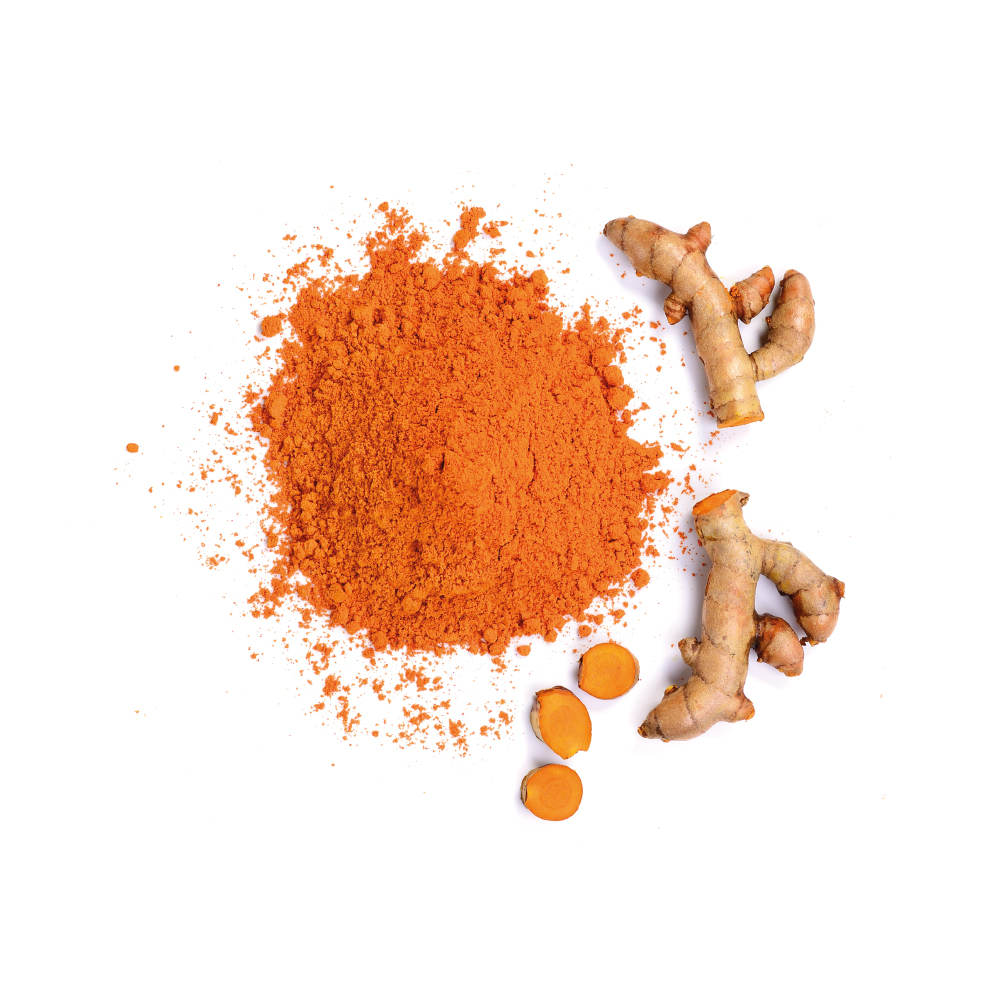 MildMildTurmericCurcuma longaCurcumin suppresses NF-κB, TNF-α and IL-6 with dual COX/LOX inhibition, and a bioavailable form improved memory over 18 months; no inflammatory endpoint has been measured in brain tissue.MechanismNF-κB suppression and TNF-α/IL-6 reduction (systemic); Nrf2/ARE activation — no CNS inflammatory endpoint measuredRead the evidenceShow lessMonograph →
Curcumin has one of the best-mapped anti-inflammatory mechanisms of any plant molecule: NF-κB suppression, reduced TNF-α and IL-6, and dual COX/LOX inhibition. Turmeric’s general anti-inflammatory evidence is strong.
The neurological result is cognitive. An 18-month trial of a bioavailable curcumin improved memory and attention in non-demented adults, with exploratory PET imaging suggesting less amyloid and tau 15Reference 15RCTMemory and Brain Amyloid and Tau Effects of a Bioavailable Form of Curcumin in Non-Demented Adults: a double-blind, placebo-controlled 18-month randomized controlled trialView study →.
None of the anti-inflammatory mechanism has been measured in nervous tissue, with no microglial-activation endpoint, no CNS cytokine panel and no neuroinflammatory model. Curcumin’s poor bioavailability is a sharper problem for a brain claim than for a gut or joint one, because the molecule must cross the blood-brain barrier, and the formulations that fix absorption fix it into the systemic circulation.
No herbs match these filters.
Also Tagged
One more herb carries an anti-neuroinflammatory action.
Korean Red Pine
Pinus densiflora
Safety
- Reaching microglia means crossing the blood-brain barrier, and the concentrated extracts that achieve absorption carry their own dose limits.
- The claims belong to concentrated extracts, and the same plants as foods or teas at culinary doses do not reproduce them.
- Cholinesterase-inhibiting herbs in this group add to donepezil, rivastigmine and galantamine.
- Neurological symptoms and cognitive change need assessment rather than self-treatment.
References
- Gericke J, Steyn SF, Viljoen FP, Harvey BH (2025). Neuro-inflammatory and behavioral changes are selectively reversed by Sceletium tortuosum (Zembrin®) and mesembrine in male rats subjected to unpredictable chronic mild stress. Cells. (Animal model; isolated mesembrine tested.) https://pubmed.ncbi.nlm.nih.gov/40643548/
- Swart AC, Smith C (2016). Modulation of glucocorticoid, mineralocorticoid and androgen production in H295 cells by Trimesemine™, a mesembrine-rich Sceletium extract. Journal of Ethnopharmacology. (In vitro adrenal cell line.) https://pubmed.ncbi.nlm.nih.gov/26608706/
- Kong L, Liu Y, Zhang YM, et al. (2021). Sarsasapogenin ameliorates diabetes-associated memory impairment and neuroinflammation through down-regulation of PAR-1 receptor. Phytotherapy Research. https://pubmed.ncbi.nlm.nih.gov/33885189/
- Huang C, Dong D, Jiao Q, Pan H, Ma L, Wang R (2017). Sarsasapogenin-AA13 ameliorates Aβ-induced cognitive deficits via improving neuroglial capacity on Aβ clearance and antiinflammation. CNS Neuroscience & Therapeutics. https://pubmed.ncbi.nlm.nih.gov/28466999/
- Su J, et al. (2024). Huperzine A ameliorates sepsis-induced acute lung injury by suppressing inflammation and oxidative stress via α7 nicotinic acetylcholine receptor — mouse in vivo. Int Immunopharmacol. https://pubmed.ncbi.nlm.nih.gov/39159557/
- Shi J, et al. (2024). Huperzine A protected against ferroptosis via activating PI3K/Akt signaling in lipopolysaccharide-induced acute lung injury — in vivo / in vitro. Eur J Pharmacol. https://pubmed.ncbi.nlm.nih.gov/39278310/
- Mei, Z., Hong, Y., Yang, H., et al. (2021). Huperzine A protects against traumatic brain injury through anti-oxidative effects via the Nrf2-ARE pathway — mouse in vivo. Iran J Basic Med Sci. https://pubmed.ncbi.nlm.nih.gov/35096305/
- Guo X, et al. (2023). Huperzine A injection ameliorates motor and cognitive abnormalities via regulating multiple pathways in a murine model of Parkinson’s disease — mouse in vivo. Eur J Pharmacol. https://pubmed.ncbi.nlm.nih.gov/37549727/
- Ding, L., et al. (2023). Neuroprotective mechanisms of asiatic acid — review. Heliyon. https://pubmed.ncbi.nlm.nih.gov/37180926/
- Matthews, D. G., et al. (2019). Centella asiatica improves memory and promotes antioxidative NRF2 signaling in 5XFAD mice — animal model. Antioxidants. https://pubmed.ncbi.nlm.nih.gov/31817977/
- Gray, N. E., et al. (2018). Centella asiatica attenuates hippocampal mitochondrial dysfunction and improves memory and executive function in β-amyloid overexpressing mice — animal model. Molecular and Cellular Neuroscience. https://pubmed.ncbi.nlm.nih.gov/30253196/
- Songvut, P., et al. (2019). Safety and pharmacokinetics of standardized extract of Centella asiatica (ECa 233) capsules in healthy volunteers — phase 1 clinical trial. Planta Medica. https://pubmed.ncbi.nlm.nih.gov/30699457/
- Songvut, P., et al. (2021). Pharmacokinetics and metabolomics of an orally modified formula of standardized Centella asiatica extract in healthy volunteers — clinical trial. Scientific Reports. https://pubmed.ncbi.nlm.nih.gov/33767223/
- Bitu Pinto, N., da Silva Alexandre, B., Neves, K. R. T., et al. (2015). Neuroprotective properties of the standardised extract from Camellia sinensis (green tea) in the 6-OHDA model of Parkinson’s disease — animal. Evid Based Complement Alternat Med, 2015, 161092. https://pubmed.ncbi.nlm.nih.gov/26167188/
- Small GW, Siddarth P, Li Z, et al. (2018). Memory and Brain Amyloid and Tau Effects of a Bioavailable Form of Curcumin in Non-Demented Adults: a double-blind, placebo-controlled 18-month randomized controlled trial. Am J Geriatr Psychiatry. https://pubmed.ncbi.nlm.nih.gov/29246725/
Keep Exploring