

Overview
Antiasthmatic at a Glance
Antiasthmatic herbs are used to ease wheezing, chest tightness, and other symptoms of asthma.
Asthma has two major components: the airways can constrict, making it difficult to breathe, and the airway lining can remain chronically inflamed and unusually reactive.
Those are not the same problem.
Bronchodilators relax the smooth muscle around the airways and open them up.
This can relieve wheezing and breathlessness quickly, but it does not treat the inflammation underneath.
Ephedra is the clearest herbal example. Its ephedrine stimulates adrenergic receptors and produces genuine bronchodilation, although its cardiovascular effects make it a much less selective drug than modern inhaled bronchodilators.
Other herbs act more on the inflammatory side.
Frankincense is particularly interesting because its boswellic acids inhibit 5-lipoxygenase and reduce leukotriene production.
Leukotrienes contribute to both airway inflammation and bronchoconstriction, making this a different approach from simply relaxing the airway muscle.
This distinction matters in asthma because feeling less wheezy does not necessarily mean the disease is under control.
Ma huang has been used for wheezing in Chinese medicine for centuries, while herbs such as Desmodium adscendens and guamura have their own regional traditions for asthma and bronchial complaints.
Modern evidence is much thinner than the traditional record.
Ephedrine’s bronchodilator pharmacology is well established, but the other herbal evidence is sparse. Guamura has only preliminary experimental support, while frankincense has a small human asthma trial that has not been convincingly replicated.
Caution
Not a rescue inhaler — no herb here replaces a rescue inhaler or a preventer inhaler.
Worsening asthma is urgent — worsening breathlessness, a reliever that stops working, or difficulty speaking in full sentences needs prompt medical treatment.
Raises blood pressure and heart rate — a non-selective adrenergic bronchodilator is avoided in cardiovascular disease, hypertension, thyroid disease and diabetes, and never combined with an MAO inhibitor or a stimulant.
Mechanisms
How It Works
01
Beta-2 Adrenergic Bronchodilation
Activating beta-2 receptors on airway smooth muscle relaxes it, the mechanism of every relief inhaler.
Ephedrine is a mixed alpha and beta agonist, so it reaches the same receptor salbutamol targets, far less selectively.
That works, and it is also the problem: the alpha half raises blood pressure and heart rate, so the therapeutic effect is inseparable from a cardiovascular one, and ephedra is restricted in most jurisdictions.
Guamura relaxes airway smooth muscle at a much smaller magnitude, apparently through calcium mobilisation, and with no human data.
Neither herb touches the inflammation underneath asthma.
Key compounds: EphedrinePseudoephedrine
02
Leukotriene Inhibition
Leukotrienes drive bronchoconstriction and airway inflammation together, and blocking their synthesis addresses the half that bronchodilation leaves alone.
Frankincense’s boswellic acids are direct, non-redox inhibitors of 5-lipoxygenase, the enzyme that initiates leukotriene synthesis. That is the pathway montelukast and zafirlukast target, reached one step earlier at the enzyme rather than at the receptor.
The mechanism is well characterised and the clinical evidence is one small trial from 1998. Twenty-seven years without replication is itself information.
Herbs: Frankincense
Key compounds: AKBA
The Molecules
Pharmacology
What produces an antiasthmatic effect at the molecular level. The herbs carry these molecules in different combinations and amounts, which is most of why their potency differs. Roles describe how central a molecule is to the action across plants generally, not how strong any one herb is.
Chiefly Isoquinoline Alkaloids1
Carries the action largely on its own — the effect is attributed to the molecule, not just the extract it came from.
Adds to a plant's effect and is often present in quantity, but rarely accounts for it alone.
Real but narrow — one pathway, one tissue, or evidence too thin to lean on.
Curine Isoquinoline Alkaloids Primary mover Targets Eotaxin/IL-13; eosinophil activation; Ca²⁺ influx
Orally administered curine inhibited eosinophil recruitment and lipid-body formation in bronchoalveolar lavage, airway hyper-responsiveness, and ovalbumin-driven eotaxin and IL-13 production in a mouse asthma model, with a reported ED50 of about 0.8 mg/kg for the eosinophil endpoint 1,
Verapamil gave comparable anti-allergic effects and curine blocked calcium-induced tracheal contraction ex vivo, which identifies the mechanism as calcium-dependent rather than receptor-antagonist 1Reference 1AnimalCurine inhibits eosinophil activation and airway hyper-responsiveness in a mouse model of allergic asthma — animal modelView study →.
There are no human data, no comparator against a standard controller therapy, and no chronic or remodelling endpoint.
It occurs in abuta.
Found in Abuta
Full Curine profile →Materia Medica
Antiasthmatic Herbs by Potency
The antiasthmatic herbs, ordered by the relative strength of the effect rather than by how well studied it is. Each herb is described by the mechanism behind its effect and the evidence for it.
None of this is a substitute for professional care.
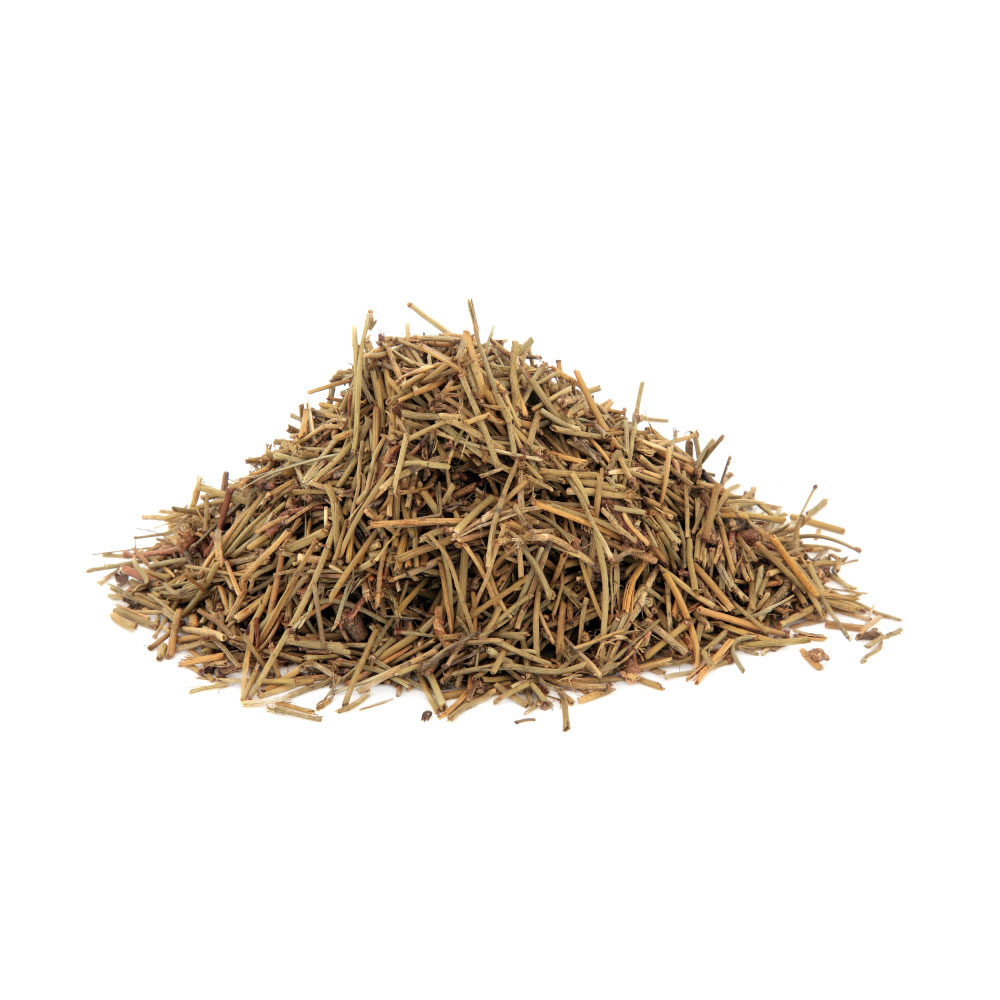 StrongStrongEphedraEphedra sinicaEphedrine relaxes bronchial smooth muscle at the same receptor salbutamol targets, and ma huang is the classical Chinese remedy for wind-cold wheezing; it does nothing for the inflammation underneath.Mechanismβ2-mediated bronchodilation; mixed α/β-adrenergic agonismRead the evidenceShow lessMonograph →
Ma huang is given classically to diffuse the lungs and relieve wheezing in wind-cold patterns with cough, chest oppression and absent sweating 3,
It sits below the bronchodilator claim deliberately. There are essentially no contemporary RCTs of standardised whole-herb ephedra in asthma, ephedrine has been clinically superseded by safer selective agents, and it does nothing for the underlying airway inflammation 5Reference 5ReviewEphedra in perspective — a current review — reviewView study →.
Classical practice excludes deficiency-type asthma and weak constitutions from this indication 3Reference 3Introduction to Chinese Materia Medica (3rd ed.). (Pg.
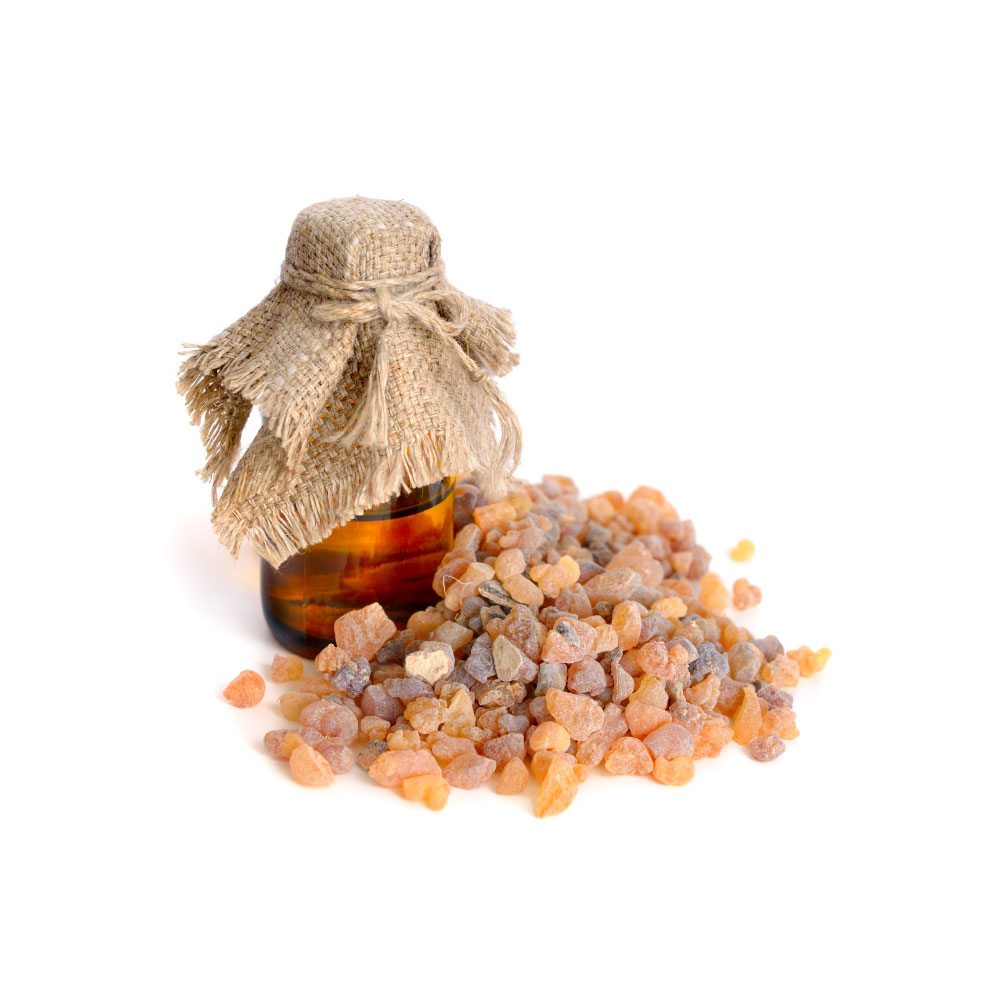 ModerateModerateFrankincenseBoswellia serrataBoswellic acids inhibit 5-lipoxygenase and cut leukotriene synthesis, the pathway montelukast targets; one 1998 trial reported improved lung function and lowered eosinophils, and nothing has replicated it.Mechanism5-LOX inhibition → leukotriene synthesis ↓ (boswellic acids) — the same pathway pharmaceutical leukotriene antagonists targetRead the evidenceShow lessMonograph →
Frankincense is a direct 5-lipoxygenase inhibitor, and leukotrienes are central to bronchoconstriction, which is why montelukast and zafirlukast exist. It is the same 5-LOX action that carries the herb’s anti-inflammatory reputation, and a botanical hitting a validated asthma drug target is a strong prior.
A 1998 double-blind placebo-controlled study (n=40) gave Boswellia serrata gum resin 300 mg three times daily for six weeks and reported improved symptoms and lung function (FEV1, FVC, PEFR) with lowered eosinophil counts in 70% of patients versus 27% on placebo 6Reference 6RCTEffects of Boswellia serrata gum resin in patients with bronchial asthma: results of a double-blind, placebo-controlled, 6-week clinical study — [randomized controlled trial]View study →. Objective spirometry and an eosinophil endpoint make it a real trial rather than a symptom survey.
A 2010 systematic review of herbal asthma interventions flagged it as promising but unreplicated, with methodological limits typical of its era, and no modern trial has confirmed it 7Reference 7Meta-analysisHerbal interventions for chronic asthma in adults and children: a systematic review and meta-analysis — [systematic review and meta-analysis]View study →. Sound mechanism, objective endpoints, one small ageing study, no standardised extract.
Show 1 more herb with a mild antiasthmatic action
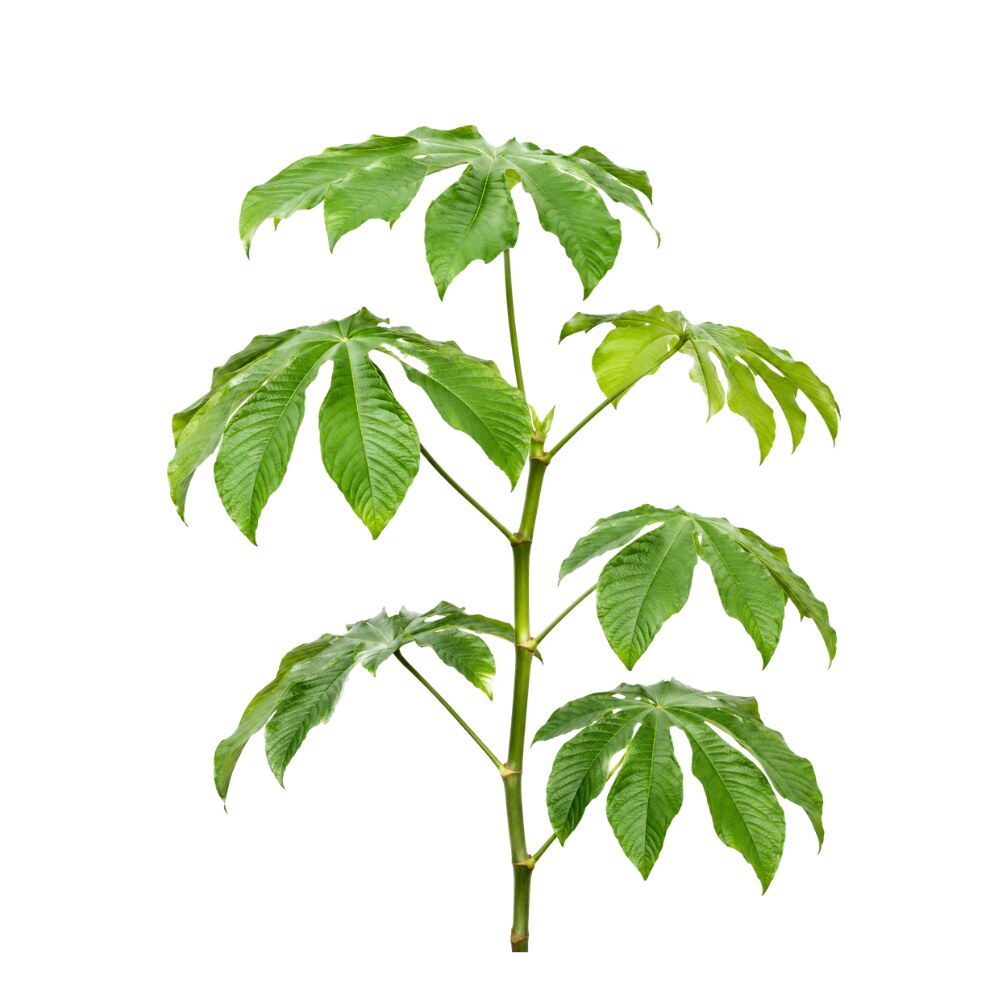 MildMildGuamuraCecropia mexicanaThe leaf tea is taken for asthma, cough and bronchitis across Central America, and a standardised extract of a sister species showed bronchodilator activity in rodents.Mechanismairway smooth-muscle relaxation (bronchodilation); Ca²⁺ mobilization (inferred, not demonstrated in airway)Read the evidenceShow lessMonograph →
Guamura leaf is prepared as a simple infusion and taken for asthma, cough and bronchitis, alongside its use for high blood pressure and blood sugar.
Bronchodilator activity was recorded in vivo for the C. glaziovii standardised aqueous extract, as one arm of a broad profiling study that screened respiratory, cardiovascular, gastrointestinal and CNS function together 8Reference 8Chemical standardization of the aqueous extract of Cecropia glaziovii Sneth with antihypertensive, bronchodilator, antiacid-secretion and antidepressant-like activities — animal studyView study →. It is a single finding inside a single paper rather than a dedicated respiratory programme.
The vascular calcium-mobilisation mechanism 9Reference 9In vitroMechanisms of calcium mobilization by procyanidins, flavonols and flavonoids from Cecropia glaziovii Sneth in pulmonary endothelial cell cultures — in vitroView study → is offered as the basis for airway relaxation, but that transfer is inferred rather than measured, and no Cecropia study has been run on airway tissue. There is no controlled human respiratory outcome, and nothing at all in C. mexicana airways.
No herbs match these filters.
Safety
- No antiasthmatic herb is a rescue inhaler or a substitute for a preventer inhaler.
- Worsening breathlessness, a reliever that stops working, or difficulty speaking in full sentences is an emergency.
- Bronchodilation alone leaves the airway inflammation untreated, which is the pattern behind most severe attacks.
- A non-selective adrenergic bronchodilator raises blood pressure and heart rate, and is contraindicated in cardiovascular disease, hypertension, thyroid disease and diabetes.
- Adrenergic antiasthmatics must never be combined with an MAO inhibitor or a stimulant.
- Smoking or inhaling plant material is the wrong route for an airway condition regardless of the herb.
References
- Ribeiro-Filho J, et al. (2013). Curine inhibits eosinophil activation and airway hyper-responsiveness in a mouse model of allergic asthma — animal model. Toxicology and Applied Pharmacology. https://pubmed.ncbi.nlm.nih.gov/23994558/
- Ribeiro-Filho J, Piuvezam MR, Bozza PT (2015). Anti-allergic properties of curine, a bisbenzylisoquinoline alkaloid — review. Molecules. https://pubmed.ncbi.nlm.nih.gov/25781071/
- Yang, J., Huang, H., Zhu, L-J., & Chen, Y. (2013). Introduction to Chinese Materia Medica (3rd ed.). (Pg. 36-40).
- Wu, J. N. (2005). An Illustrated Chinese Materia Medica. New York: Oxford University Press. (Pg. 280-281).
- Abourashed, E. A., El-Alfy, A. T., Khan, I. A., & Walker, L. (2003). Ephedra in perspective — a current review — review. Phytother Res. https://pubmed.ncbi.nlm.nih.gov/12916063/
- Gupta I, Gupta V, Parihar A, Gupta S, Lüdtke R, Safayhi H, et al. (1998). Effects of Boswellia serrata gum resin in patients with bronchial asthma: results of a double-blind, placebo-controlled, 6-week clinical study — [randomized controlled trial]. Eur J Med Res, 3(11), 511-4. https://pubmed.ncbi.nlm.nih.gov/9810030/
- Clark CE, Arnold E, Lasserson TJ, & Wu T (2010). Herbal interventions for chronic asthma in adults and children: a systematic review and meta-analysis — [systematic review and meta-analysis]. Prim Care Respir J, 19(4), 307-14. https://pubmed.ncbi.nlm.nih.gov/20640388/
- Tanae, M. M., et al. (2007). Chemical standardization of the aqueous extract of Cecropia glaziovii Sneth with antihypertensive, bronchodilator, antiacid-secretion and antidepressant-like activities — animal study. Phytomedicine. https://pubmed.ncbi.nlm.nih.gov/17434301/
- Trettel, G., et al. (2021). Mechanisms of calcium mobilization by procyanidins, flavonols and flavonoids from Cecropia glaziovii Sneth in pulmonary endothelial cell cultures — in vitro. Biomed Pharmacother. https://pubmed.ncbi.nlm.nih.gov/34610498/
Keep Exploring