

Overview
Vasodilator at a Glance
Vasodilators widen blood vessels, improving blood flow and reducing the resistance the heart has to pump against.
They are used mainly where poor circulation, elevated vascular tone, or high blood pressure are part of the problem.
Some work through the endothelium, the lining of the blood vessel.
Cacao, hawthorn, gynostemma, and stinging nettle can increase nitric-oxide signalling, which relaxes the smooth muscle underneath and allows the vessel to widen.
Others act more directly on the vessel wall.
Stevia and part of nettle’s effect come from calcium-channel blockade, which prevents vascular smooth muscle from maintaining contraction.
Some herbs are more selective about where they act.
Lesser periwinkle, for example, is associated more with cerebral blood flow than with general vasodilation throughout the body.
This action overlaps heavily with antihypertensive and cardioprotective herbs, but the immediate effect is specifically a reduction in vascular tone.
Caution
Adds to blood-pressure drugs — vasodilator herbs add to antihypertensives, nitrates, calcium-channel blockers and erectile-dysfunction drugs, raising the risk of dizziness or hypotension.
Not in aortic stenosis — widening vessels is inappropriate in aortic stenosis, significant hypotension and acute stroke, where it reduces perfusion where it is needed.
Chest pain is an emergency — significant low blood pressure, fainting, unexplained chest symptoms, sudden severe headache and new neurological symptoms need assessment, not a circulatory herb.
Mechanisms
How It Works
01
Endothelial Nitric Oxide
The vessel lining makes nitric oxide, which diffuses into the smooth muscle beneath it, raises cGMP and relaxes the vessel.
Cacao’s epicatechin is the best-evidenced case, with a dose-response relationship to flow-mediated dilation across randomised trials.
Hawthorn’s oligomeric procyanidins produce endothelium-dependent relaxation in rat aorta, nettle does the same in isolated vessels, and gynostemma raised blood eNOS in a human fatigue trial.
This is the pathway the PDE-5 inhibitors act on one step downstream, which is why several of these herbs also appear as male tonics. The corpus cavernosum is a vascular bed like any other.
The route is endothelium-dependent, so it works least well where the endothelium has already failed: in advanced atherosclerosis and long-standing diabetes.
Herbs: CacaoGynostemmaHawthornStinging Nettle
Key compounds: EpicatechinProtodioscin
02
Calcium-Channel Blockade
Blocking calcium entry into vascular smooth muscle leaves it unable to maintain tone, which relaxes the vessel without involving the lining at all.
Stevia’s steviol glycosides are proposed to work this way, and part of nettle’s effect is calcium-channel blockade comparable to verapamil.
Among the isolated molecules, curine blocks L-type calcium current in vascular smooth muscle at low micromolar concentrations, and cycleanine does so nine-fold more potently than nifedipine in rabbit aorta.
This is the amlodipine mechanism, and amlodipine is titrated against a measured blood pressure.
The advantage is that it does not need a healthy endothelium.
The cost is that the mechanism and the hazard are the same property: additive hypotension and negative inotropy alongside a prescribed calcium-channel blocker.
Herbs: SteviaStinging Nettle
Key compounds: SteviosideCurineCycleanineReticuline
03
Cerebral Vasodilation
Some vasodilators act on one vascular bed rather than on the circulation as a whole.
Lesser periwinkle’s vincamine relaxes cerebral arterial smooth muscle and raises regional cerebral blood flow with much less effect on the rest of the vasculature.
Oral vincamine raised global cerebral blood flow measured by xenon inhalation in a double-blind crossover in multi-infarct dementia, and a European drug class was built on the chemistry.
The evidence belongs to Vinca minor. The periwinkle monograph covers V. major, a different plant, and that herb’s vasodilator tag was removed.
This is not a blood-pressure mechanism, and the vasoactivity is the same property implicated in ventricular arrhythmia when vincamine is injected.
Herbs: Lesser Periwinkle
Key compounds: VincamineApovincamineEburnamonine
04
Microcirculation and Unresolved Routes
A few herbs change how blood moves through the smallest vessels without relaxing the large ones.
Ginkgo acts on microcirculatory flow, partly through platelet-activating-factor antagonism, which is a rheological effect as much as a vascular one and explains why its indications are peripheral and cerebral rather than hypotensive.
Graviola’s leaf extract lowers arterial pressure in rats through a peripheral, non-adrenergic relaxation that has not been identified.
Kanna’s mesembrenone inhibits PDE4, raising cAMP, with no vascular endpoint ever measured.
Feverfew’s reduction of vascular smooth-muscle contractility is irreversible and non-specific in vitro, which is not a controllable therapeutic action, and migraine prophylaxis is what feverfew is actually used for.
Herbs: FeverfewGinkgoGraviolaKanna
Key compounds: MesembrenoneGinkgolide B
The Molecules
Pharmacology
What actually produces a vasodilator effect at the molecular level. The herbs below carry these molecules in different combinations and amounts — which is most of why their potency differs. Roles describe how central a molecule is to the action across plants generally, not how strong any one herb is.
Chiefly Isoquinoline Alkaloids3Indole Alkaloids3Amines & Protoalkaloids1Saponins1
Carries the action largely on its own — the effect is attributed to the molecule, not just the extract it came from.
Adds to a plant's effect and is often present in quantity, but rarely accounts for it alone.
Real but narrow — one pathway, one tissue, or evidence too thin to lean on.
Curine Isoquinoline Alkaloids Primary mover Targets Cav1.2 (L-type Ca²⁺ channel); intracellular Ca²⁺ stores
The best-measured thing curine does.
Whole-cell patch clamp in A7r5 vascular smooth-muscle cells shows concentration-dependent inhibition of L-type Ca²⁺ current with a hyperpolarising shift of steady-state inactivation and reduced intracellular Ca²⁺ transients, unaffected by IBMX, dibutyryl-cAMP or 8-Br-cGMP — so not a PKA/PKG route 6Reference 6In vitroCurine, a bisbenzylisoquinoline alkaloid, blocks L-type Ca²⁺ channels and decreases intracellular Ca²⁺ transients in A7r5 cells — in vitroView study →.
In rat mesenteric resistance arteries it relaxes noradrenaline- and KCl-precontracted rings at IC50 ≈ 4.8–6.0 µM independently of the endothelium, and also blocks noradrenaline-triggered contraction in Ca²⁺-free medium, i.e. it hits store release as well as influx 7Reference 7AnimalMechanisms involved in the vasodilator effect of curine in rat resistance arteries — ratsView study →.
Ceiling: ex-vivo and patch clamp only — no in-vivo blood-pressure or hemodynamic study of curine exists, so “vasodilator” is a tissue-level property, not a demonstrated antihypertensive effect.
Reported from abuta.
Found in Abuta
Full Curine profile →Reticuline Isoquinoline Alkaloids Primary mover Targets L-type voltage-gated Ca²⁺ channels (Cav1.2); endothelial NOS; muscarinic receptors
(S)-reticuline reduces the peak L-type Ca²⁺ current in A7r5 vascular smooth-muscle cells in a concentration-dependent way and shifts the steady-state inactivation curve leftward — voltage-dependent Ca²⁺-channel blockade, explicitly demonstrated by patch clamp on the defined enantiomer 20Reference 20Medeiros MAA, Nunes XP, Barbosa-Filho JM, Lemos VS, Pinho JF, Roman-Campos D, de Medeiros IA, Araújo DAM, Cruz JS. (2009). (S)-reticuline induces vasorelaxation through the blockade of L-type Ca²⁺ channels — patch-clamp and isolated-tissue study. Naunyn-Schmiedeberg’s Archives of Pharmacology, 379(2), 115–125. https://pubmed.ncbi.nlm.nih.gov/18825370/View study →.
In endothelium-intact rat aortic rings, reticuline inhibited phenylephrine- and KCl-induced contractions (IC50s in the 10⁻⁴ M range), antagonized CaCl₂-induced contraction, and blocked noradrenaline-triggered intracellular-store contractions but not caffeine-triggered ones; endothelium removal, L-NAME and atropine each shifted the curve, marking a second, endothelium-dependent NO/muscarinic component 21Reference 21AnimalCardiovascular effects induced by reticuline in normotensive rats — animal studyView study →.
Ceiling: 10⁻⁴ M is a high concentration, the work is rat aorta and one cell line, and there is no oral study. Reported from california-poppy, graviola.
Vincamine Indole Alkaloids Primary mover Targets Cerebral arterial smooth muscle; regional cerebral blood flow
Vincamine is the defining molecule of the selective cerebral vasodilator class — it relaxes cerebral arterial smooth muscle and raises regional cerebral blood flow with far less effect on systemic vasculature than a general vasodilator 22Reference 22ReviewVincamine, from an antioxidant and a cerebral vasodilator to its anticancer potential — reviewView study →.
This is one of the rare plant-alkaloid vasodilator claims with a direct human measurement behind it: in a double-blind crossover study in multi-infarct dementia, oral vincamine significantly increased global cerebral blood flow by ¹³³Xe inhalation and reduced hemispheric asymmetry 23Reference 23RCTThe effects of bromvincamine and vincamine on regional cerebral blood flow and mental functions in patients with multi-infarct dementia — double-blind crossover clinical trialView study →.
It is a class property of the eburnamine–vincamine alkaloids rather than a vincamine peculiarity, and travels with an antihypoxic effect — improved neuronal tolerance of low oxygen — which is the mechanistically interesting half 1Reference 1Eburnamine derivatives and the brainView study →.
Early Hungarian pharmacology established the systemic profile (blood-pressure lowering in rats, altered cerebral and coronary supply in the first clinical work) 24,
The ceiling is exposure and route. Vincamine is poorly water-soluble, its methyl ester is cleaved rapidly, and elimination is fast in every species studied 26,
Note also that the vasoactivity is the same property implicated in ventricular arrhythmia with injected drug 29,
Reported from lesser-periwinkle (principal source), periwinkle (minor, variable).
Cycleanine Isoquinoline Alkaloids Contributor Targets L-type voltage-gated Ca²⁺ channel (vascular-selective)
Cycleanine is a potent, vascular-selective calcium antagonist: it inhibited KCl-induced contraction of rabbit aortic rings with an IC₅₀ of 0.8 nM — roughly nine-fold more potent than nifedipine in the same preparation — while barely touching noradrenaline-induced contraction, and it blocked L-type Ca²⁺ current in single rat ventricular myocytes voltage- and frequency-dependently (ventricular contraction was depressed far more weakly, IC₅₀ 3 µM) 8Reference 8Calcium antagonist properties of the bisbenzylisoquinoline alkaloid cycleanineView study →.
It also inhibits Na⁺,K⁺-ATPase non-competitively by a mechanism distinct from ouabain’s, though at ~620 µM 9Reference 9Inhibition of Na(+),K(+)-ATPase by the extract of Stephania cephararantha HAYATA and bisbenzylisoquinoline alkaloid cycleanine, a major constituentView study →.
Ceiling: isolated tissue and single cells from one 1998 paper. No conscious-animal blood-pressure measurement exists for the free base — the blood-pressure literature belongs to the quaternary derivative cycleanine dimethobromide 10,
Found in Abuta
Full Cycleanine profile →Apovincamine Indole Alkaloids Minor role Targets Cerebral vasculature (class-level; no target identified for this molecule)
Apovincamine is named in the Medicinal Research Reviews survey of eburnamine derivatives as one of the alkaloids — with vincamine, vinburnine, vindeburnol and vinpocetine — that “share modulatory effects on brain circulation and neuronal homeostasis” and carry antihypoxic and neuroprotective potency “to various degrees” 1Reference 1Eburnamine derivatives and the brainView study →.
No receptor, channel or enzyme has been identified for apovincamine itself, and no cerebral-blood-flow measurement of it exists. Every primary study behind the class claim used an ester: ethyl apovincaminate raised cerebral blood flow in healthy volunteers on acute infusion 2Reference 2Clinical trialThe effect of an acute infusion of vincamine and ethyl apovincaminate on cerebral blood flow in healthy volunteersView study →, showed a larger rise in vertebral than femoral flow in dogs (read as cerebral selectivity) 3Reference 3Hemodynamic profile of a new cerebral vasodilator, vincamine and of one of its derivatives, apovincaminic acid ethylester (RGH-4405)View study →, and lengthened cortical resistance time under ischemic anoxia in cats by EEG 4Reference 4Protective activity of ethyl apovincaminate on ischaemic anoxia of the brainView study →.
Ceiling: the family’s own SAR work shows the side-chain ester is not a spectator — swapping ethyl for hydroxyethyl changed antioxidant and antiamnesic potency enough to pick a development candidate 5Reference 5Synthesis and evaluation of 2’-hydroxyethyl trans-apovincaminate derivatives as antioxidant and cognitive enhancer agentsView study → — so the ethyl ester’s vasoactivity cannot be assumed for the methyl ester. This is a class inheritance, not a mechanism. Reported from lesser-periwinkle.
Eburnamonine Indole Alkaloids Minor role Targets Cerebral capillary circulation (mechanism uncharacterised)
Weakest of the three and included only because “cerebral vasoactive agent” is how the drug was classified. l-Eburnamonine improved capillary circulation and raised cerebral oxygen supply in anaesthetised dogs 13Reference 13Cerebral metabolic, hemodynamic and antihypoxic properties of l-eburnamonineView study →, and in head-injury patients it lowered blood pressure less than papaverine while improving motor disorders, retrograde amnesia and vertigo 14Reference 14Clinical trialClinical and electrophysiologic changes produced by (-)eburnamonine in acute and post-acute stages of head injuries — clinical trialView study →.
No receptor, channel or second-messenger target has ever been identified for a vasodilator action of this molecule — unlike vinpocetine, whose PDE1 inhibition and sodium-channel block are characterized.
The honest position is that vasoactivity is an inference from the drug class, and much of what looks vasodilatory here is better explained by the 2,3-DPG/P50 oxygen-unloading mechanism above.
Treat as unresolved rather than supported.
Reported from lesser-periwinkle.
Hydroxytyramine (Dopamine) Amines & Protoalkaloids Minor role Targets D1-like dopamine receptors (renal/splanchnic vasculature); β₁- then α₁-adrenergic at higher concentrations
Dopamine is a dose-dependent, direct agonist across three receptor families: peripheral D1-like receptors in kidney and vasculature at low concentrations (vasodilation), β₁-adrenergic inotropy at intermediate, α₁-adrenergic vasoconstriction at high 15Reference 15Dopamine receptors: from structure to functionView study →.
This is textbook-grade receptor pharmacology with a large human evidence base — but entirely by continuous intravenous infusion: in SOAP II (n = 1,679) first-line dopamine gave no mortality advantage over noradrenaline and significantly more arrhythmic events 16Reference 16Comparison of dopamine and norepinephrine in the treatment of shock (SOAP II)View study →.
The limit is decisive: the effect requires parenteral delivery precisely because oral dopamine is destroyed pre-systemically; the industry’s response was to synthesize ester prodrugs (ibopamine) to obtain oral activity dopamine itself lacks 17Reference 17Synthesis and chemical properties of ibopamine and of related esters of N-substituted dopamines — synthesis of ibopamine metabolitesView study →.
Correct mechanism, unreachable by mouth.
Reported from broom.
Protodioscin Saponins Minor role Targets eNOS expression; stable NO metabolites (NOx)
A Dioscorea deltoidea cell-culture furostanol-glycoside preparation (protodioscin + deltoside) at 1 mg/kg prevented hypertension after ovariectomy, cut the endothelial-dysfunction coefficient 1.75-fold, and raised eNOS mRNA 34.8% and NOx 45.6% in rats 18Reference 18AnimalStudies to elucidate the effects of furostanol glycosides from Dioscorea deltoidea cell culture in a rat model of endothelial dysfunction — [animal model]View study →.
That is a genuine endothelial mechanism and it is the same pathway underlying the proerectile effect.
It stays minor because the tested article was a two-glycoside preparation, not protodioscin, and no isolate vasorelaxation study exists — indeed the one direct tissue-bath test of protodioscin found no relaxant activity at all 19Reference 19AnimalProerectile pharmacological effects of Tribulus terrestris extract on the rabbit corpus cavernosum — [animal model]View study →.
Reported from tribulus, wild-yam.
What It's For
Indications
- Poor peripheral circulation
- Cold hands and feet
- Raised blood pressure
- Angina and reduced coronary flow
Materia Medica
Vasodilator Herbs by Potency
The vasodilator herbs, ordered by the relative strength of the effect rather than by how well studied it is. Each herb is described by the mechanism behind its effect and the evidence for it.
None of this is a substitute for professional care.
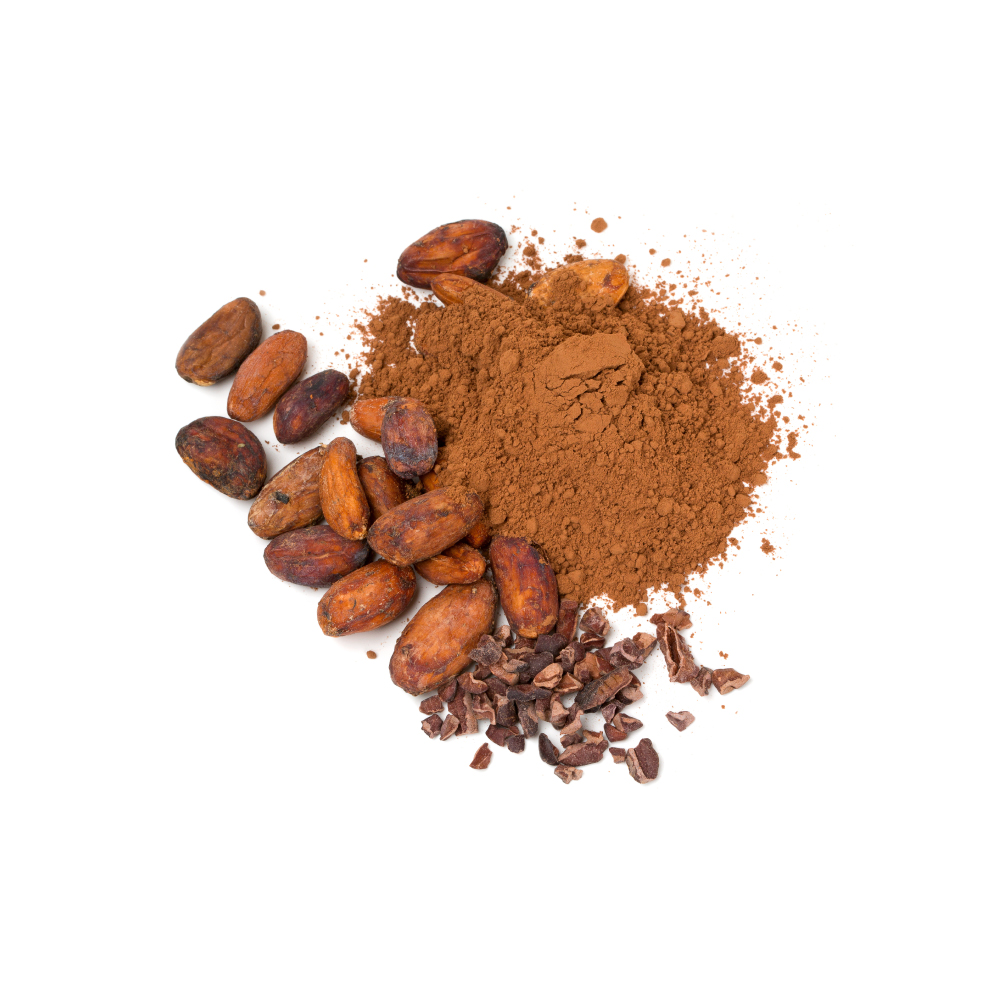 StrongStrongCacaoTheobroma cacaoEpicatechin raises nitric oxide in the vessel lining, improving flow-mediated dilation in a dose-response relationship across randomised trials.MechanismeNOS/nitric-oxide bioavailability ↑ (epicatechin); procyanidin-driven endothelial signalingRead the evidenceShow lessMonograph →
A 2019 systematic review and meta-analysis established a dose-response relationship between cocoa flavanol intake and flow-mediated dilation 31Reference 31Meta-analysisDose-response relationship between cocoa flavanols and human endothelial function: a systematic review and meta-analysis of randomised trials — systematic review, meta-analysisView study →. The effect appears within hours of a single high-flavanol drink and persists over a week of daily intake 32Reference 32RCTSustained increase in flow-mediated dilation after daily intake of high-flavanol cocoa drink over 1 week — randomised crossover trialView study →.
Sansone’s double-masked RCT found improved endothelial function alongside an improved Framingham Risk Score 33Reference 33RCTCocoa flavanol intake improves endothelial function and Framingham Risk Score in healthy men and women: a randomised, controlled, double-masked trialView study →, and the benefit extends to the lower-extremity vasculature and to people with type 2 diabetes 34Reference 34RCTCocoa flavanol consumption improves lower extremity endothelial function in healthy individuals and people with type 2 diabetes — randomised controlled trialView study →. The active molecule is (-)-epicatechin, raising nitric-oxide bioavailability.
The endpoint is a surrogate. Downstream translation is small: about 2 mmHg on blood pressure, and a null primary endpoint in COSMOS 35Reference 35RCTEffect of cocoa flavanol supplementation for the prevention of cardiovascular disease events: the COcoa Supplement and Multivitamin Outcomes Study (COSMOS) randomised controlled trialView study →.
Every positive trial used flavanol-standardised cocoa or a high-flavanol drink. Ordinary and Dutched chocolate delivers a fraction of the dose.
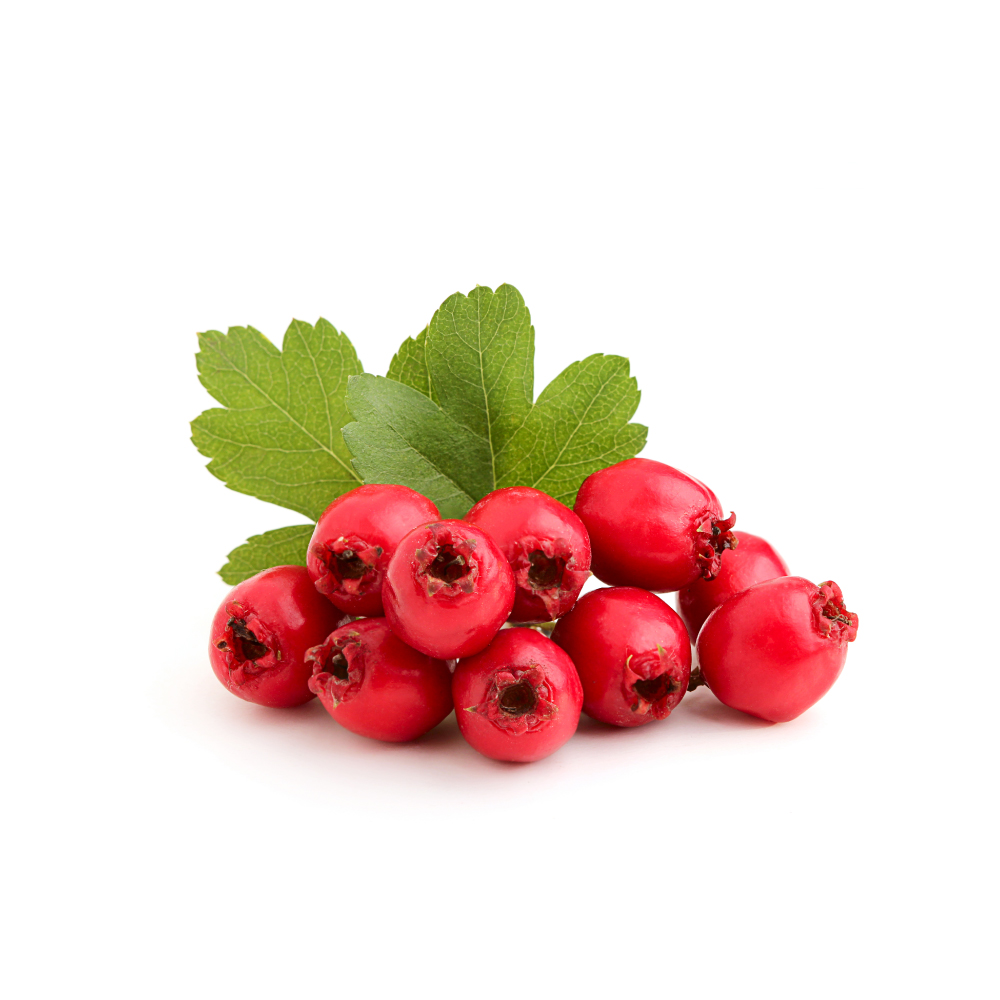 StrongStrongHawthornCrataegus oxyacanthaOligomeric procyanidins evoke endothelium-dependent relaxation in isolated aorta, the vessel-side view of the same nitric-oxide mechanism behind its heart use.MechanismeNOS/NO release; oligomeric procyanidinsRead the evidenceShow lessMonograph →
Oligomeric procyanidins from Crataegus relax isolated rat aorta, and the relaxation is endothelium-dependent, which places it on the nitric-oxide pathway rather than on direct smooth-muscle relaxation 46Reference 46AnimalProcyanidins in crataegus extract evoke endothelium-dependent vasorelaxation in rat aorta — animalView study →.
Older work reported improved coronary blood flow after oral dosing in dogs, which is the same relaxation measured in the coronary bed.
No human vascular-function measurement of hawthorn exists. Its human evidence is the heart-failure trial literature behind its cardiotonic action.
 StrongStrongLesser PeriwinkleVinca minorVincamine widens the vessels of the brain specifically, raising regional cerebral blood flow measured by xenon inhalation in dementia patients.Mechanismcerebral vasodilation; regional cerebral blood flow ↑; cerebral O₂/glucose uptake ↑Read the evidenceShow lessMonograph →
Vincamine is a selective cerebral vasodilator, raising flow and oxygen and glucose uptake in ageing or ischaemic brain tissue 22Reference 22ReviewVincamine, from an antioxidant and a cerebral vasodilator to its anticancer potential — reviewView study →. In a double-blind crossover in ten multi-infarct-dementia patients, oral vincamine raised global cerebral blood flow on ¹³³Xe inhalation and reduced left-right hemispheric asymmetry 23Reference 23RCTThe effects of bromvincamine and vincamine on regional cerebral blood flow and mental functions in patients with multi-infarct dementia — double-blind crossover clinical trialView study →.
The eburnamine-vincamine alkaloids share the antihypoxic, flow-modulating profile as a class 1Reference 1Eburnamine derivatives and the brainView study →, and vinpocetine was developed from it.
The effect is cerebral rather than systemic, and no measurement supports a blood-pressure use.
Every flow measurement used the purified alkaloid or a derivative at drug doses. Whether a tea, tincture or capsule of the whole plant reaches those concentrations is unknown, and alkaloid content varies with cultivar, plant part and provenance.
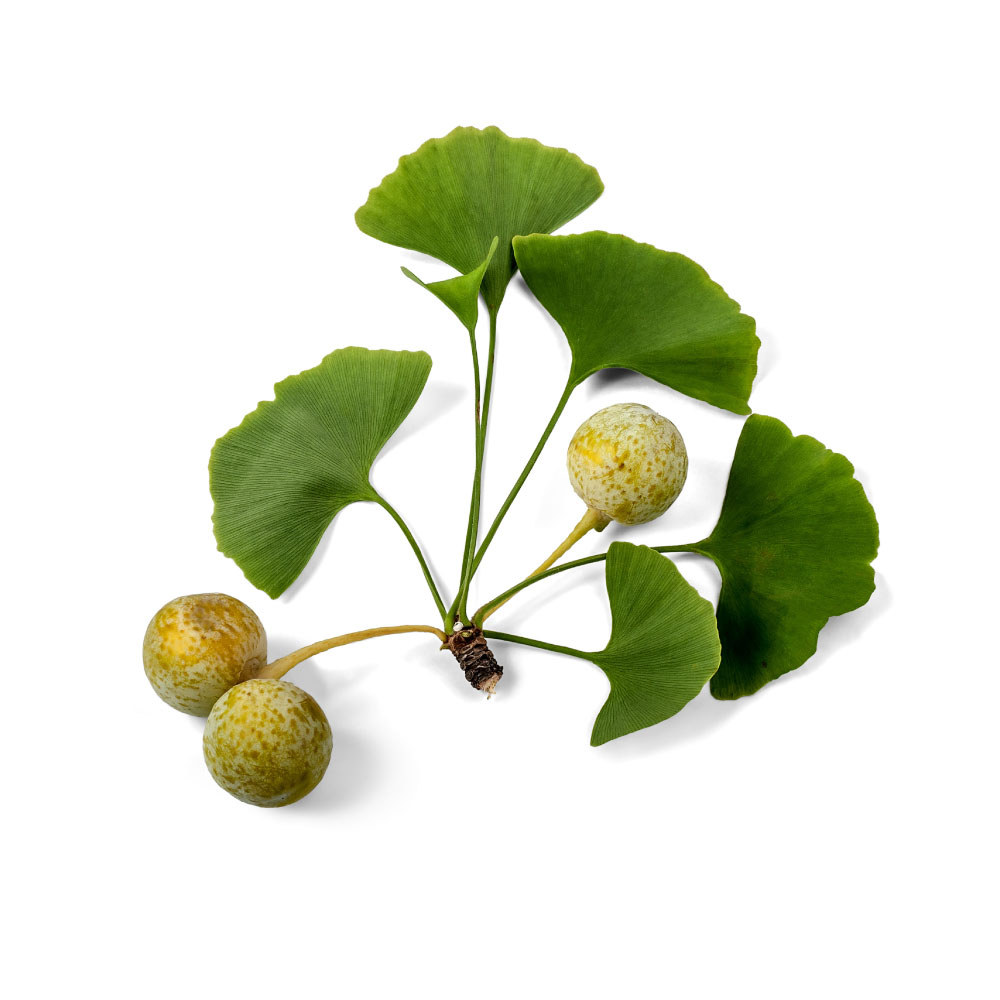 ModerateModerateGinkgoGinkgo bilobaImproves flow through the smallest vessels rather than relaxing the large ones, working through platelet-activating-factor antagonism and reduced platelet aggregation.MechanismPAF antagonism; microcirculatory flowRead the evidenceShow lessMonograph →
Ginkgo’s vascular reputation rests on microcirculatory flow: reduced platelet aggregation through platelet-activating-factor antagonism and improved capillary perfusion 38,
The clinical test of that is intermittent claudication, where the effect is marginal. Two meta-analyses and a placebo-controlled multicentre trial of EGb 761 found small increases in pain-free walking distance 40,
This is a rheological effect rather than arterial relaxation, which is why the indications are peripheral and cerebral rather than hypotensive, and it overlaps with the herb’s circulatory stimulant action.
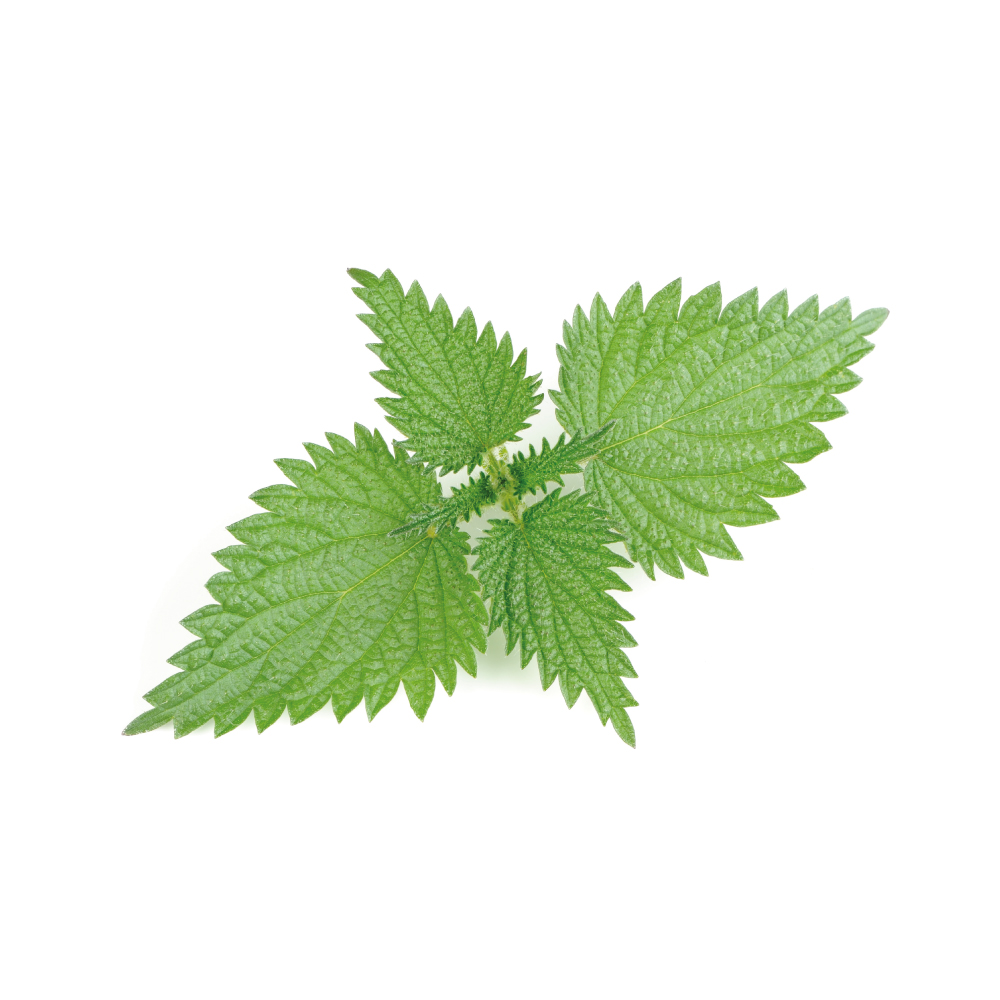 ModerateModerateStinging NettleUrtica dioicaRelaxes isolated vessels by two routes at once: endothelium-dependent nitric oxide, and calcium-channel blockade comparable to verapamil.Mechanismendothelium-dependent NO-mediated relaxation; Ca²⁺-channel blockade (verapamil-comparable)Read the evidenceShow lessMonograph →
Work on isolated vessels attributes nettle’s blood-pressure effect to endothelium-dependent, nitric-oxide-mediated relaxation together with calcium-channel blockade comparable to verapamil 52Reference 52In vitroMechanisms underlying the antihypertensive properties of Urtica dioica — in vitro/in vivo animal studyView study →.
A dual mechanism is unusual among these herbs, and it means the effect does not depend entirely on a healthy vessel lining.
The work is isolated tissue and rodent. No human vascular-function measurement exists.
Show 6 more herbs with a mild vasodilator action
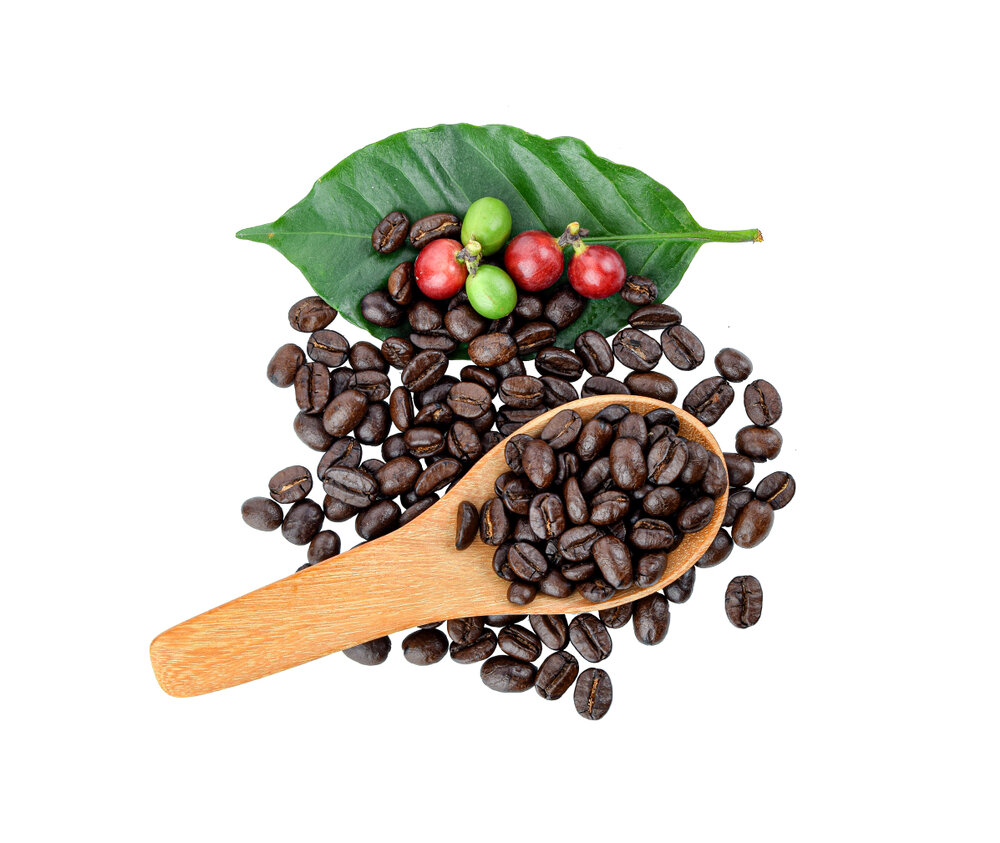 MildMildCoffeeCoffea arabicaCaffeine constricts vessels acutely while chlorogenic acid supports nitric-oxide dilation, so the net direction depends on whether the drinker is habituated.Read the evidenceShow lessMonograph →
Caffeine produces an acute pressor and vasoconstrictor response, which is why it appears in headache formulations alongside analgesics.
With habitual intake, adenosine receptors upregulate and the acute effect fades, leaving chlorogenic acid’s nitric-oxide-mediated dilation as the net direction. The blood-pressure data record no increased hypertension risk at one to two cups a day and a small protective association from three cups upward, and green-coffee-extract trials report reductions of about 2.95 mmHg systolic and 2.15 mmHg diastolic.
Coffee is a vasoconstrictor to a caffeine-naive drinker and a mild net vasodilator to a habitual one, which is why acute-dose and cohort studies appear to disagree.
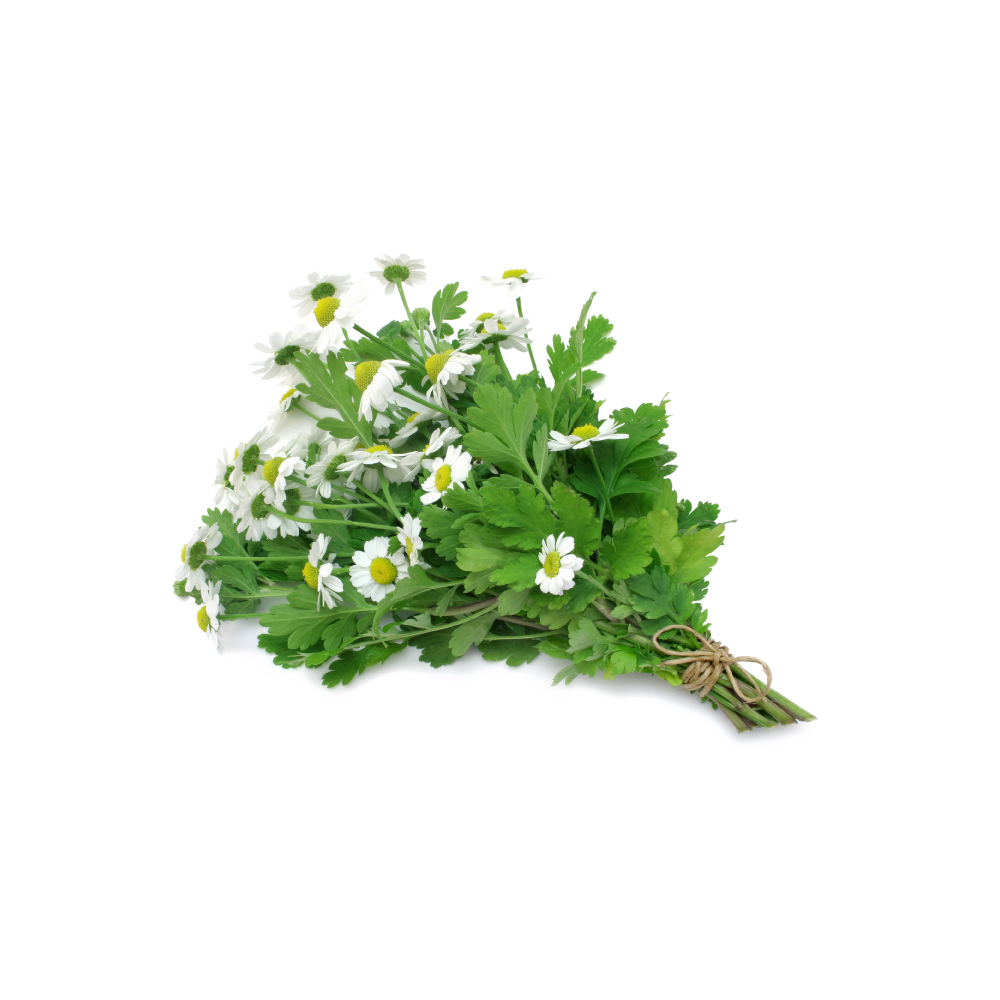 MildMildFeverfewTanacetum partheniumExtracts and parthenolide inhibit contraction in isolated rabbit aorta, but the inhibition is irreversible and non-specific rather than physiological relaxation.Mechanismvascular smooth-muscle contractility ↓ (irreversible, non-specific in vitro)Read the evidenceShow lessMonograph →
Feverfew extracts and parthenolide inhibit contractile responses of isolated rabbit aorta, and reduced vascular smooth-muscle contractility is named as a migraine-relevant route 36Reference 36In vitroFeverfew extracts and parthenolide irreversibly inhibit vascular responses of the rabbit aorta — in vitroView study →.
The inhibition is described as irreversible in vitro, which is more consistent with non-specific sulfhydryl-directed effects on smooth muscle than with physiological vasodilation.
There is no human haemodynamic data. The pivotal MIG-99 trial measured attack frequency, 1.9 against 1.3 attacks a month, and found no effect on attack intensity or duration 37Reference 37RCTEfficacy and safety of 6.25 mg t.i.d. feverfew CO2-extract (MIG-99) in migraine prevention — randomized, double-blind, placebo-controlled studyView study →.
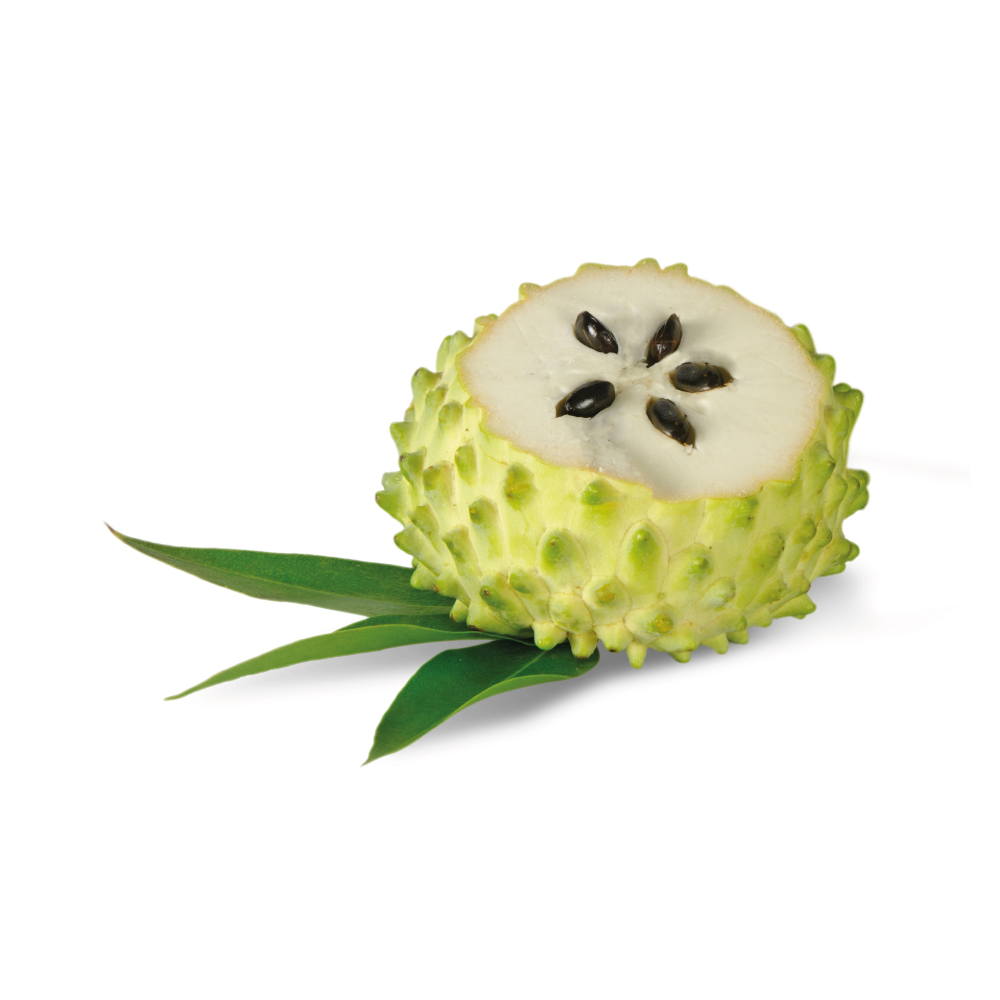 MildMildGraviolaAnnona muricataLeaf extract lowers arterial pressure in rats through a peripheral, non-adrenergic relaxation that no study has identified further.Read the evidenceShow lessMonograph →
In anaesthetised normotensive rats, aqueous leaf extract lowered mean arterial pressure dose-dependently, with the authors proposing a peripheral, non-adrenergic mechanism, possibly calcium-channel or muscarinic, rather than a cardiac or diuretic route.
No vasodilator study of graviola itself exists, so the action is read off the shape of the blood-pressure finding.
The annonacin neurotoxicity caution governs any sustained use of the leaf.
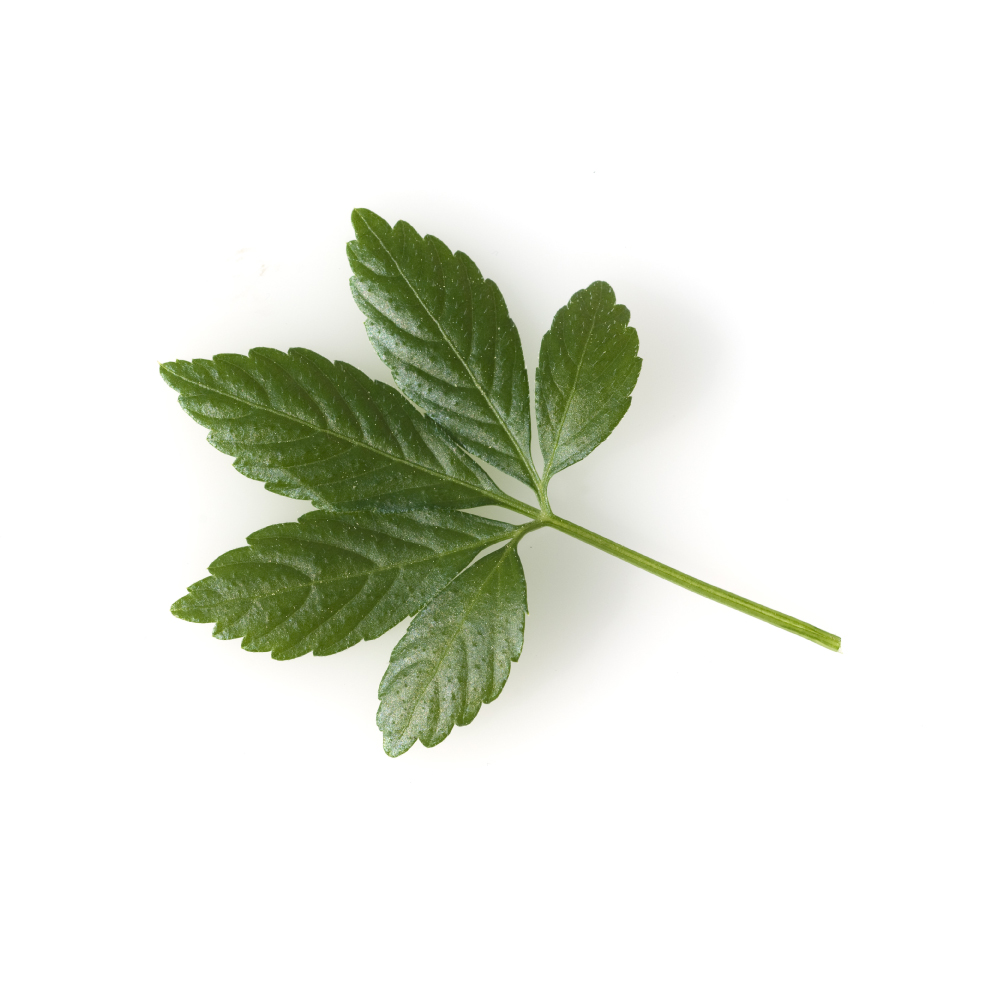 MildMildGynostemmaGynostemma pentaphyllumRaised blood eNOS in a 12-week human trial, consistent with nitric-oxide-mediated dilation, though no flow or tone measurement was taken.Mechanismblood eNOS ↑ (NO-mediated); no direct vascular-tone measurementRead the evidenceShow lessMonograph →
The one human datapoint is a biomarker. A 12-week fatigue RCT reported increased blood eNOS alongside gains in VO₂ max and oxygen pulse 43Reference 43RCTEffects of gypenoside-L-containing Gynostemma pentaphyllum extract on fatigue and physical performance — double-blind placebo-controlled randomised trialView study →, which is consistent with nitric-oxide-mediated vasodilation.
No blood flow, vascular tone or blood pressure was measured in that trial.
The rest is preclinical: rat cardiac-remodelling and cardiomyocyte mitophagy studies of isolated gypenosides 44,
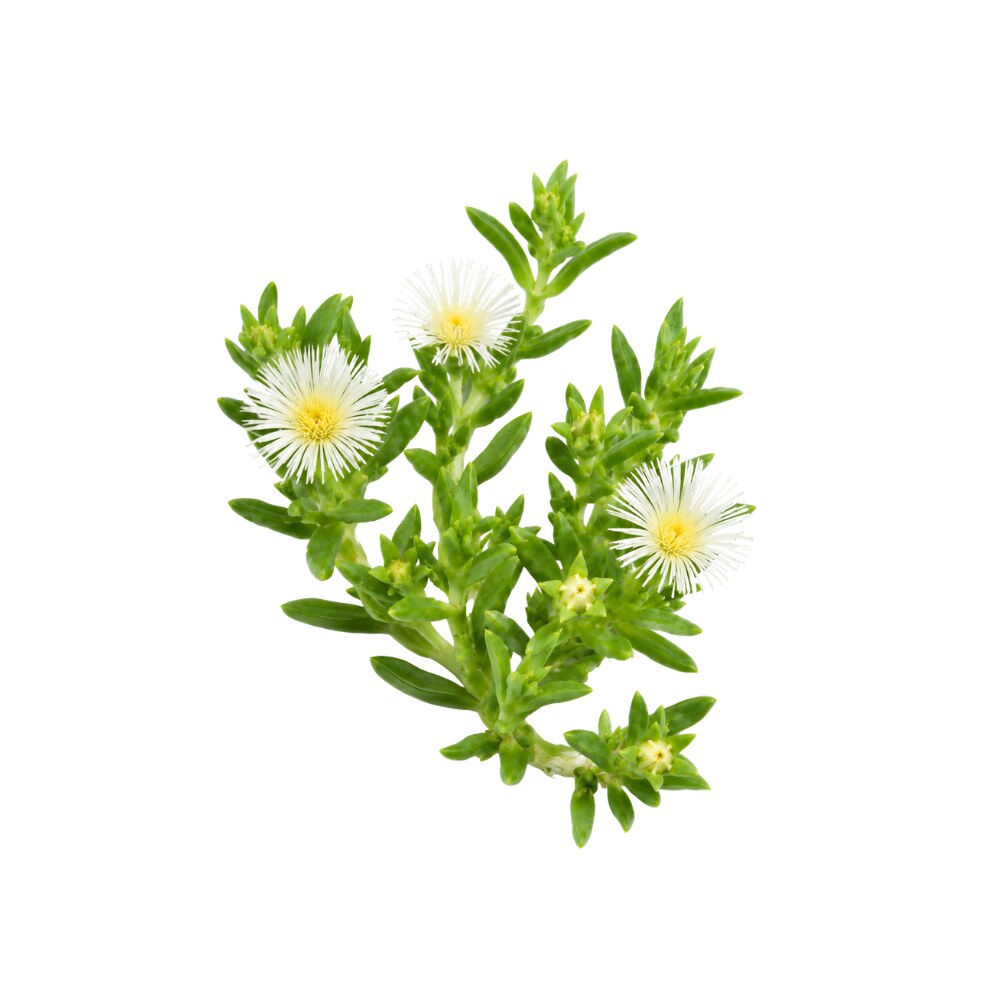 MildMildKannaSceletium tortuosumMesembrenone inhibits PDE4, raising cAMP in vascular smooth muscle, one enzyme over from the erectile-dysfunction drugs; no vascular endpoint has been measured.MechanismPDE4 inhibition → cAMP ↑ → vascular smooth-muscle relaxation (mesembrenone)Read the evidenceShow lessMonograph →
Kanna’s alkaloids, chiefly mesembrenone, inhibit PDE4 and raise cAMP, and the herb’s reported effects on blood flow and erectile function are attributed to that route 47Reference 47In vitroPharmacological actions of the South African medicinal and functional food plant Sceletium tortuosum and its principal alkaloids — in vitro receptor/enzyme studyView study →.
PDE5 is the enzyme the erectile-dysfunction drugs inhibit, so this is the same logic one enzyme over.
No blood-pressure or flow-mediated-dilation endpoint exists, and no human vascular measurement of any kind has been made.
Because the mechanism is genuine, kanna is not combined with erectile-dysfunction medication.
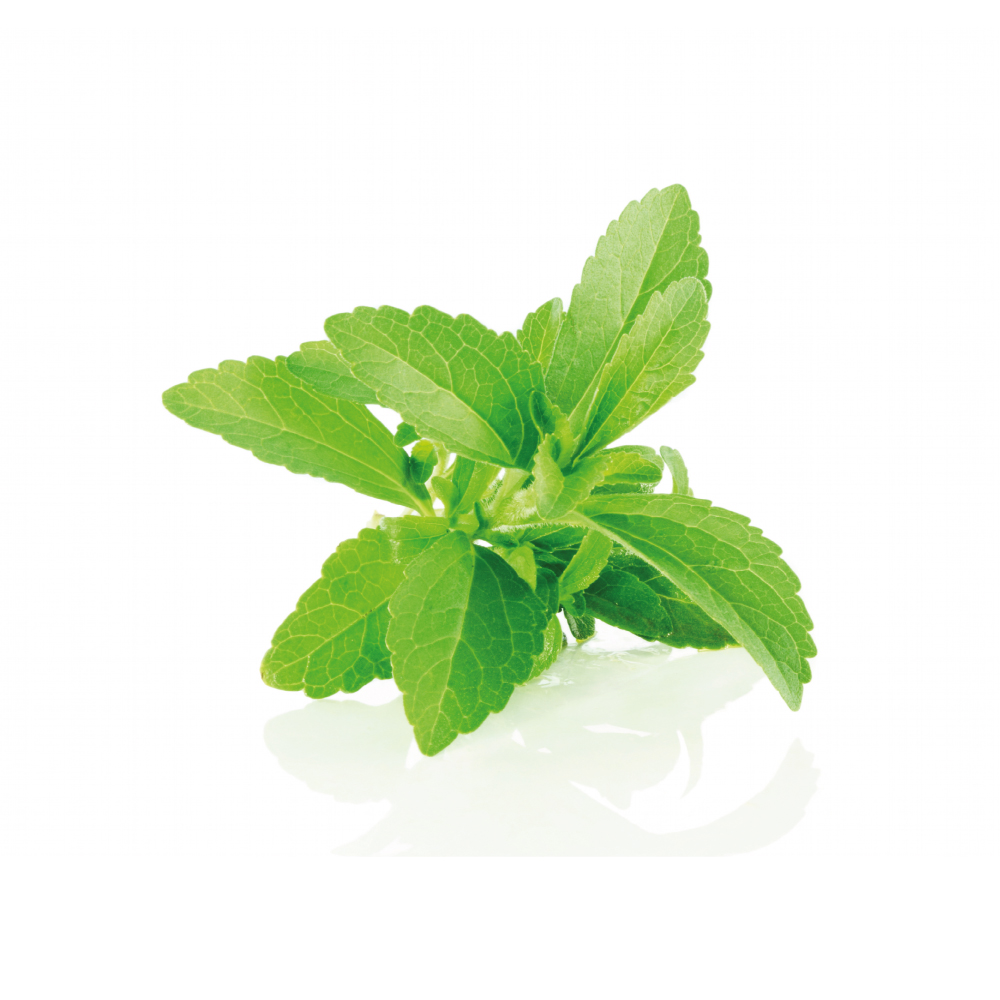 MildMildSteviaStevia rebaudianaStevioside is proposed to block calcium channels in vascular smooth muscle, the mechanism behind the blood-pressure fall seen at pharmacological doses.MechanismCa²⁺ channel blockade in vascular smooth muscleRead the evidenceShow lessMonograph →
Calcium antagonism in vascular smooth muscle is the mechanism proposed for stevioside’s blood-pressure effect 48Reference 48RCTA double-blind placebo-controlled study of the effectiveness and tolerability of oral stevioside in human hypertension — randomised controlled trialView study →, and it accounts for the sustained pressure fall and the reduction in left-ventricular mass index seen at 1,500 mg/day over two years 49Reference 49RCTEfficacy and tolerability of oral stevioside in patients with mild essential hypertension: a two-year, randomised, placebo-controlled studyView study →.
The dose matters. The positive trials used pharmacological stevioside doses of 750 to 1,500 mg/day 48,
No vessel-level or flow-mediated-dilation endpoint has been reported for stevia.
No herbs match these filters.
Safety
- Vasodilator herbs add to antihypertensives, nitrates, calcium-channel blockers and PDE-5 inhibitors, and symptomatic hypotension is the realistic adverse event.
- The calcium-channel herbs also add negative inotropy alongside prescription calcium-channel blockers.
- Dizziness or faintness on standing is a falls risk in older people.
- Widening vessels is inappropriate in aortic stenosis, in significant hypotension and in acute stroke, where dropping vascular resistance reduces perfusion where it is needed.
- Cerebral vasodilators are inappropriate where intracranial pressure is raised.
- Chest pain, sudden severe headache, new neurological symptoms and syncope are emergencies, not indications for a circulatory herb.
References
- Vas A, Gulyás B (2005). Eburnamine derivatives and the brain. Medicinal Research Reviews. https://pubmed.ncbi.nlm.nih.gov/16158388/
- Lim CC, Cook PJ, James IM (1980). The effect of an acute infusion of vincamine and ethyl apovincaminate on cerebral blood flow in healthy volunteers. British Journal of Clinical Pharmacology (clinical trial). https://pubmed.ncbi.nlm.nih.gov/7356869/
- Caravaggi AM, Sardi A, Baldoli E, Di Francesco GF, Luca TC (1977). Hemodynamic profile of a new cerebral vasodilator, vincamine and of one of its derivatives, apovincaminic acid ethylester (RGH-4405). Archives Internationales de Pharmacodynamie et de Thérapie. https://pubmed.ncbi.nlm.nih.gov/869636/
- Bíró K, Kárpáti E, Szporny L (1976). Protective activity of ethyl apovincaminate on ischaemic anoxia of the brain. Arzneimittel-Forschung. https://pubmed.ncbi.nlm.nih.gov/1037215/
- Nemes A, Czibula L, Szántay C Jr, Gere A, Kiss B, Laszy J, Gyertyán I, Szombathelyi Z, Szántay C (2008). Synthesis and evaluation of 2’-hydroxyethyl trans-apovincaminate derivatives as antioxidant and cognitive enhancer agents. Journal of Medicinal Chemistry. https://pubmed.ncbi.nlm.nih.gov/18183943/
- Medeiros MA, et al. (2011). Curine, a bisbenzylisoquinoline alkaloid, blocks L-type Ca²⁺ channels and decreases intracellular Ca²⁺ transients in A7r5 cells — in vitro. European Journal of Pharmacology. https://pubmed.ncbi.nlm.nih.gov/21872583/
- Dias CS, et al. (2002). Mechanisms involved in the vasodilator effect of curine in rat resistance arteries — rats. Planta Medica. https://pubmed.ncbi.nlm.nih.gov/12451503/
- Martínez JA, Bello A, Rubio LL, Rodríguez C, Galán L, Caudales E, Alvarez JL (1998). Calcium antagonist properties of the bisbenzylisoquinoline alkaloid cycleanine. Fundamental & Clinical Pharmacology. https://pubmed.ncbi.nlm.nih.gov/9565772/
- Satoh K, Nagai F, Ono M, Aoki N (2003). Inhibition of Na(+),K(+)-ATPase by the extract of Stephania cephararantha HAYATA and bisbenzylisoquinoline alkaloid cycleanine, a major constituent. Biochemical Pharmacology. https://pubmed.ncbi.nlm.nih.gov/12907236/
- Jin GZ, Sun Z, Huang JX, Zhang ZD, Chen WZ, Yang ZC, Cao ZE, Sun DJ, Jin XY, Xu ZB, et al. (1984). Controlled hypotensive effect of cycleanine dimethobromide. Chinese Medical Journal. https://pubmed.ncbi.nlm.nih.gov/6085724/
- Chen WZ, Dong YL, Ding GS (1980). [Effects of dimethyl cycleanine bromide on cardiac hemodynamics of anesthetized dogs]. Zhongguo Yao Li Xue Bao. https://pubmed.ncbi.nlm.nih.gov/6461170/
- Sun Z, Yang XY, Dai ZL, Jin GZ, Zhang ZD (1980). [Hypotensive effect of dimethyl cycleanine bromide]. Zhongguo Yao Li Xue Bao. https://pubmed.ncbi.nlm.nih.gov/6175170/
- Linée P, et al. (1978). Cerebral metabolic, hemodynamic and antihypoxic properties of l-eburnamonine. European Neurology. https://pubmed.ncbi.nlm.nih.gov/753626/
- Facciolla D, et al. (1983). Clinical and electrophysiologic changes produced by (-)eburnamonine in acute and post-acute stages of head injuries — clinical trial. Rivista di Neurologia. https://pubmed.ncbi.nlm.nih.gov/6857109/
- Missale C, et al. (1998). Dopamine receptors: from structure to function. Physiological Reviews. https://pubmed.ncbi.nlm.nih.gov/9457173/
- De Backer D, et al. (2010). Comparison of dopamine and norepinephrine in the treatment of shock (SOAP II). The New England Journal of Medicine. https://pubmed.ncbi.nlm.nih.gov/20200382/
- Casagrande C, et al. (1986). Synthesis and chemical properties of ibopamine and of related esters of N-substituted dopamines — synthesis of ibopamine metabolites. Arzneimittel-Forschung. https://pubmed.ncbi.nlm.nih.gov/3707640/
- Korokin M, Gudyrev O, Gureev V, et al. (2019). Studies to elucidate the effects of furostanol glycosides from Dioscorea deltoidea cell culture in a rat model of endothelial dysfunction — [animal model]. Molecules. https://pubmed.ncbi.nlm.nih.gov/31906178/
- Adaikan PG, Gauthaman K, Prasad RN, Ng SC (2000). Proerectile pharmacological effects of Tribulus terrestris extract on the rabbit corpus cavernosum — [animal model]. Annals of the Academy of Medicine, Singapore. https://pubmed.ncbi.nlm.nih.gov/10748960/
- Medeiros MAA, Nunes XP, Barbosa-Filho JM, Lemos VS, Pinho JF, Roman-Campos D, de Medeiros IA, Araújo DAM, Cruz JS. (2009). (S)-reticuline induces vasorelaxation through the blockade of L-type Ca²⁺ channels — patch-clamp and isolated-tissue study. Naunyn-Schmiedeberg’s Archives of Pharmacology, 379(2), 115–125. https://pubmed.ncbi.nlm.nih.gov/18825370/
- Dias KL, Da Silva Dias C, Barbosa-Filho JM, Almeida RN, De Azevedo Correia N, Medeiros IA. (2004). Cardiovascular effects induced by reticuline in normotensive rats — animal study. Planta Medica, 70(4), 328–333. https://pubmed.ncbi.nlm.nih.gov/15095148/
- Ren, Y., DeRose, K., Li, L., et al. (2023). Vincamine, from an antioxidant and a cerebral vasodilator to its anticancer potential — review. Bioorganic & Medicinal Chemistry. https://pubmed.ncbi.nlm.nih.gov/37579526/
- Hagstadius, S., et al. (1984). The effects of bromvincamine and vincamine on regional cerebral blood flow and mental functions in patients with multi-infarct dementia — double-blind crossover clinical trial. Psychopharmacology. https://pubmed.ncbi.nlm.nih.gov/6436861/
- Szporny, L., et al. (1962). The effect of vincamine on the blood pressure of the rat — animal pharmacology. Archives Internationales de Pharmacodynamie et de Thérapie. https://pubmed.ncbi.nlm.nih.gov/13980016/
- Solti, F., et al. (1962). [The effect of Devincan on the blood supply of the brain and on the coronary vessels] — clinical study. Orvosi Hetilap. https://pubmed.ncbi.nlm.nih.gov/13915068/
- Vereczkey, L. (1985). Pharmacokinetics and metabolism of vincamine and related compounds — review. European Journal of Drug Metabolism and Pharmacokinetics. https://pubmed.ncbi.nlm.nih.gov/3899662/
- Hasa, D., et al. (2013). Rationale of using Vinca minor Linne dry extract phytocomplex as a vincamine’s oral bioavailability enhancer — animal model. European Journal of Pharmaceutics and Biopharmaceutics. https://pubmed.ncbi.nlm.nih.gov/23238273/
- Emara, L. H., et al. (2000). In vitro-in vivo correlation and comparative bioavailability of vincamine in prolonged-release preparations — pharmaceutics. Drug Development and Industrial Pharmacy. https://pubmed.ncbi.nlm.nih.gov/10738641/
- Dany, F., et al. (1980). [Severe ventricular arrhythmia following parenteral administration of vincamine: predisposing factors in 6 cases] — case series. Archives des Maladies du Cœur et des Vaisseaux. https://pubmed.ncbi.nlm.nih.gov/6779745/
- Dany, F., et al. (1981). [Cardiac toxicity of vincamine: seven cases of ventricular arrhythmias by parenteral administration] — case reports. Thérapie. https://pubmed.ncbi.nlm.nih.gov/7233373/
- Sun Y, Zimmermann D, et al. (2019). Dose-response relationship between cocoa flavanols and human endothelial function: a systematic review and meta-analysis of randomised trials — systematic review, meta-analysis. Food Funct. https://pubmed.ncbi.nlm.nih.gov/31524216/
- Heiss C, Finis D, et al. (2007). Sustained increase in flow-mediated dilation after daily intake of high-flavanol cocoa drink over 1 week — randomised crossover trial. J Cardiovasc Pharmacol. https://pubmed.ncbi.nlm.nih.gov/17312446/
- Sansone R, Rodriguez-Mateos A, et al. (2015). Cocoa flavanol intake improves endothelial function and Framingham Risk Score in healthy men and women: a randomised, controlled, double-masked trial. Br J Nutr. https://pubmed.ncbi.nlm.nih.gov/26348767/
- Bapir M, Untracht GR, et al. (2022). Cocoa flavanol consumption improves lower extremity endothelial function in healthy individuals and people with type 2 diabetes — randomised controlled trial. Food Funct. https://pubmed.ncbi.nlm.nih.gov/36164983/
- Sesso HD, Manson JE, et al. (2022). Effect of cocoa flavanol supplementation for the prevention of cardiovascular disease events: the COcoa Supplement and Multivitamin Outcomes Study (COSMOS) randomised controlled trial. Am J Clin Nutr. https://pubmed.ncbi.nlm.nih.gov/35294962/
- Barsby, R. W., Salan, U., Knight, D. W., & Hoult, J. R. (1992). Feverfew extracts and parthenolide irreversibly inhibit vascular responses of the rabbit aorta — in vitro. Journal of Pharmacy and Pharmacology. https://pubmed.ncbi.nlm.nih.gov/1360525/
- Diener, H. C., Pfaffenrath, V., Schnitker, J., Friede, M., & Henneicke-von Zepelin, H. H. (2005). Efficacy and safety of 6.25 mg t.i.d. feverfew CO2-extract (MIG-99) in migraine prevention — randomized, double-blind, placebo-controlled study. Cephalalgia. https://pubmed.ncbi.nlm.nih.gov/16232154/
- DeFeudis FV, & Drieu K (2000). Ginkgo biloba extract (EGb 761) and CNS functions: basic studies and clinical applications — review. Current drug targets. https://pubmed.ncbi.nlm.nih.gov/11475535/
- Liu X, et al. (2014). Ginkgolide B inhibits platelet release by blocking Syk and p38 MAPK phosphorylation in thrombin-stimulated platelets — in vitro study. Thrombosis research. https://pubmed.ncbi.nlm.nih.gov/25223809/
- Nicolaï SP, et al. (2009). Ginkgo biloba for intermittent claudication — systematic review and meta-analysis. The Cochrane database of systematic reviews. https://pubmed.ncbi.nlm.nih.gov/19370657/
- Pittler MH, & Ernst E (2000). Ginkgo biloba extract for the treatment of intermittent claudication: a meta-analysis of randomized trials — meta-analysis. The American journal of medicine. https://pubmed.ncbi.nlm.nih.gov/11014719/
- Peters H, Kieser M, & Hölscher U (1998). Demonstration of the efficacy of ginkgo biloba special extract EGb 761 on intermittent claudication—a placebo-controlled, double-blind multicenter trial — randomised controlled trial. VASA. Zeitschrift fur Gefasskrankheiten. https://pubmed.ncbi.nlm.nih.gov/9612115/
- Ahn, Y., et al. (2023). Effects of gypenoside-L-containing Gynostemma pentaphyllum extract on fatigue and physical performance — double-blind placebo-controlled randomised trial. Phytotherapy Research. https://pubmed.ncbi.nlm.nih.gov/36877124/
- Zhang, X., et al. (2023). Cardioprotective effect of gypenoside against isoproterenol-induced cardiac remodeling in rats via inflammation and gut microbiota — rat. Inflammopharmacology. https://pubmed.ncbi.nlm.nih.gov/37603159/
- Zheng, Y., et al. (2024). Gypenosides exert cardioprotective effects by promoting mitophagy and activating PI3K/Akt/GSK-3β/Mcl-1 signaling — in vitro. PeerJ. https://pubmed.ncbi.nlm.nih.gov/38912051/
- Kim, S. H., Kang, K. W., Kim, K. W., & Kim, N. D. (2000). Procyanidins in crataegus extract evoke endothelium-dependent vasorelaxation in rat aorta — animal. Life Sciences. https://pubmed.ncbi.nlm.nih.gov/10901280/
- Harvey, A. L., Young, L. C., Viljoen, A. M., & Gericke, N. P. (2011). Pharmacological actions of the South African medicinal and functional food plant Sceletium tortuosum and its principal alkaloids — in vitro receptor/enzyme study. Journal of Ethnopharmacology. https://pubmed.ncbi.nlm.nih.gov/21798331/
- Chan, P. et al. (2000). A double-blind placebo-controlled study of the effectiveness and tolerability of oral stevioside in human hypertension — randomised controlled trial. British Journal of Clinical Pharmacology. https://pubmed.ncbi.nlm.nih.gov/10971305/
- Hsieh, M. H. et al. (2003). Efficacy and tolerability of oral stevioside in patients with mild essential hypertension: a two-year, randomised, placebo-controlled study. Clinical Therapeutics. https://pubmed.ncbi.nlm.nih.gov/14693305/
- Ferri, L. A. F. et al. (2006). Investigation of the antihypertensive effect of oral crude stevioside in patients with mild essential hypertension — randomised controlled trial. Phytotherapy Research. https://pubmed.ncbi.nlm.nih.gov/16775813/
- Barriocanal, L. A. et al. (2008). Apparent lack of pharmacological effect of steviol glycosides used as sweeteners in humans — randomised controlled trial. Regulatory Toxicology and Pharmacology. https://pubmed.ncbi.nlm.nih.gov/18397817/
- Qayyum R, Qamar HM, Khan S, et al. (2016). Mechanisms underlying the antihypertensive properties of Urtica dioica — in vitro/in vivo animal study. J Transl Med. https://pubmed.ncbi.nlm.nih.gov/27585814/
Keep Exploring