

Overview
Laxative at a Glance
Laxatives are herbs used to relieve constipation and promote a bowel movement.
The main distinction is between herbs that stimulate the bowel and those that simply increase the bulk or water content of the stool.
Stimulant laxatives include senna, cascara sagrada, rhubarb, and yellow dock.
Their anthraquinones act directly on the colon, increasing motility and fluid secretion.
These are short-term remedies.
Bulk-forming herbs such as psyllium and flaxseed work much more gently.
Their fibre and mucilage hold water, enlarge the stool, and encourage normal bowel movement without directly stimulating the colon.
Some herbs loosen the bowel indirectly.
Dandelion and other bitter or bile-moving herbs may have a mild laxative effect through digestion and bile flow rather than through a direct action on the colon.
Laxatives have a long history in herbal medicine, from the strong purges of older European practice to gentler daily remedies such as psyllium, flaxseed, and Triphala.
A dram of the dried root of Monk’s Rhubarb, with a scruple of Ginger made into powder, and taken fasting in a draught or mess of warm broth, purges choler and phlegm downwards very gently and safely without danger.
Nicholas Culpeper, The Complete Herbal, 1653, on Monk’s rhubarb, a dock
Caution
Stimulants for one to two weeks only — used longer, stimulant laxatives bring cramping, diarrhoea, potassium and electrolyte loss, and bowel dependence.
Not with blockage or unexplained pain — no laxative belongs in suspected bowel obstruction, severe unexplained abdominal pain, acute inflammatory bowel disease or appendicitis.
Potassium loss potentiates digoxin — the potassium a stimulant laxative costs also adds to loop and thiazide diuretics and corticosteroids.
Mechanisms
How It Works
01
Anthraquinone Stimulation
Anthraquinone glycosides pass the small intestine intact, colonic bacteria cleave off the sugar, and the freed anthrone stimulates the colon.
Sennosides, cascarosides and emodin are prodrugs in this sense. The bacterial step is why the effect takes six to twelve hours, why it lands in the colon rather than higher up, and why response varies between people.
The anthrone then stimulates propulsive motility through prostaglandin and nitric-oxide release and reverses net fluid absorption, so the lumen fills rather than dries.
This is the same chemistry as pharmacy stimulant laxatives, at a less predictable dose.
Use is short-term, one to two weeks; beyond that come cramping, potassium loss, bowel dependence and melanosis coli.
In rhubarb and senna the same anthraquinones are the antimicrobial constituents, so an oral dose reaching antimicrobial concentration is unavoidably purgative.
Herbs: Cascara sagradaHaritakiJapanese KnotweedRhubarbSennaYellow Dock
Key compounds: SennosidesEmodin
02
Bulk, Osmotic and Prebiotic
Mucilage and fibre hold water in the stool and enlarge it, and fermentable fibre draws water into the colon osmotically.
Psyllium’s arabinoxylan gel is poorly fermented and persists the length of the colon. Flaxseed’s seed-coat mucilage swells with water. Dandelion root’s inulin ferments in the colon, drawing water in and adding bacterial mass.
Nothing is absorbed and no receptor is engaged, so these can be used indefinitely, and they address the usual cause of constipation rather than overriding it.
Gas and bloating in the first week is the fermentation, and a bulking agent without enough fluid makes matters worse.
The mucilage that bulks a stool is the same material that coats an irritated gut under the demulcent action.
03
Irritant Cathartics
Frank mucosal irritation provokes a defensive motility reflex, and the bowel empties because it has been provoked.
Iris root’s iridin works this way.
The dose that produces a bowel movement and the dose that produces cramping and watery diarrhoea are close together, and the margin narrows with any existing bowel inflammation.
These are historical preparations. A bulking agent does the same job with no such margin.
Herbs: Iris
04
Biliary and Indirect Routes
Bile is itself a physiological laxative, so a herb that increases bile flow loosens the stool without acting on the bowel.
This is the bridge between the hepatic action and this one, and the reason bitter cholagogues carry a laxative tradition.
The effect is mild and self-limiting. Several berberine-bearing bitters are used both for constipation and against diarrhoea, because the direction depends on dose, preparation and the underlying problem.
Where the evidence is a bile-flow finding, the laxative effect is an inference from physiology rather than a measured bowel outcome.
More Specific Actions
Sub-Actions
Laxative is a parent action with three narrower actions beneath it, none of which has its own page yet.
Aperient
1 herb · DandelionA gentle laxative that eases the bowel rather than driving it. It usually involves a bitter or a fibrous root taken daily, working through bile flow or bulk.
Bulk Laxative
2 herbs · Flaxseed, PsylliumA gel-forming fibre that adds bulk and water to the stool and triggers propulsion by distension. It is not absorbed and can be taken indefinitely with enough fluid.
Purgative
2 herbs · Bay Bean, SennaA strong laxative that empties the bowel decisively. It involves a full stimulant dose of an anthraquinone herb or a traditional cathartic, used once rather than daily.
The Molecules
Pharmacology
What actually produces a laxative effect at the molecular level. The herbs below carry these molecules in different combinations and amounts, which is most of why their potency differs. Roles describe how central a molecule is to the action across plants generally, not how strong any one herb is.
Chiefly Anthraquinones2
Carries the action largely on its own — the effect is attributed to the molecule, not just the extract it came from.
Adds to a plant's effect and is often present in quantity, but rarely accounts for it alone.
Real but narrow — one pathway, one tissue, or evidence too thin to lean on.
Emodin Anthraquinones Minor role Targets the class effect belongs to the glycosides and anthrones, not to free emodin
Free emodin is absorbed high in the gut and contributes little to laxation.
The purgative action of rhubarb, senna, cascara sagrada and yellow dock belongs to the glycosides that survive as far as the colon and are reduced to anthrones there 32Reference 32Cytotoxicity of structurally diverse anthranoids and correlation with mechanism of action and side effectsView study →.
Rhein Anthraquinones Minor role Targets intestinal ion transport — the anthrone is the active form
Rhein alters intestinal ion transport and colonic motility in rat epithelium 16Reference 16AnimalEffect of ethanol extracts of three Chinese medicinal plants with laxative properties on ion transport of the rat intestinal epithelia — animal, in vivoView study →, but the same qualification applies: the purgative effect of rhubarb and senna comes from glycosides reduced by colonic flora to rhein-anthrone, not from the free aglycone absorbed upstream 20Reference 20ReviewPharmacokinetics of anthraquinones from medicinal plants — reviewView study →.
Found in Aloe, Rhubarb, Senna, Yellow Dock
Full Rhein profile →Both molecules are better read as markers of the anthraquinone plants than as the agents doing the work.
What It's For
Indications
- Constipation and infrequent stools
- Hard, dry, difficult stools
- Sluggish bowel with poor bile flow
Materia Medica
Laxative Herbs by Potency
The laxative herbs, ordered by the relative strength of the effect rather than by how well studied it is. Each herb is described by the mechanism behind its effect and the evidence for it.
None of this is a substitute for professional care.
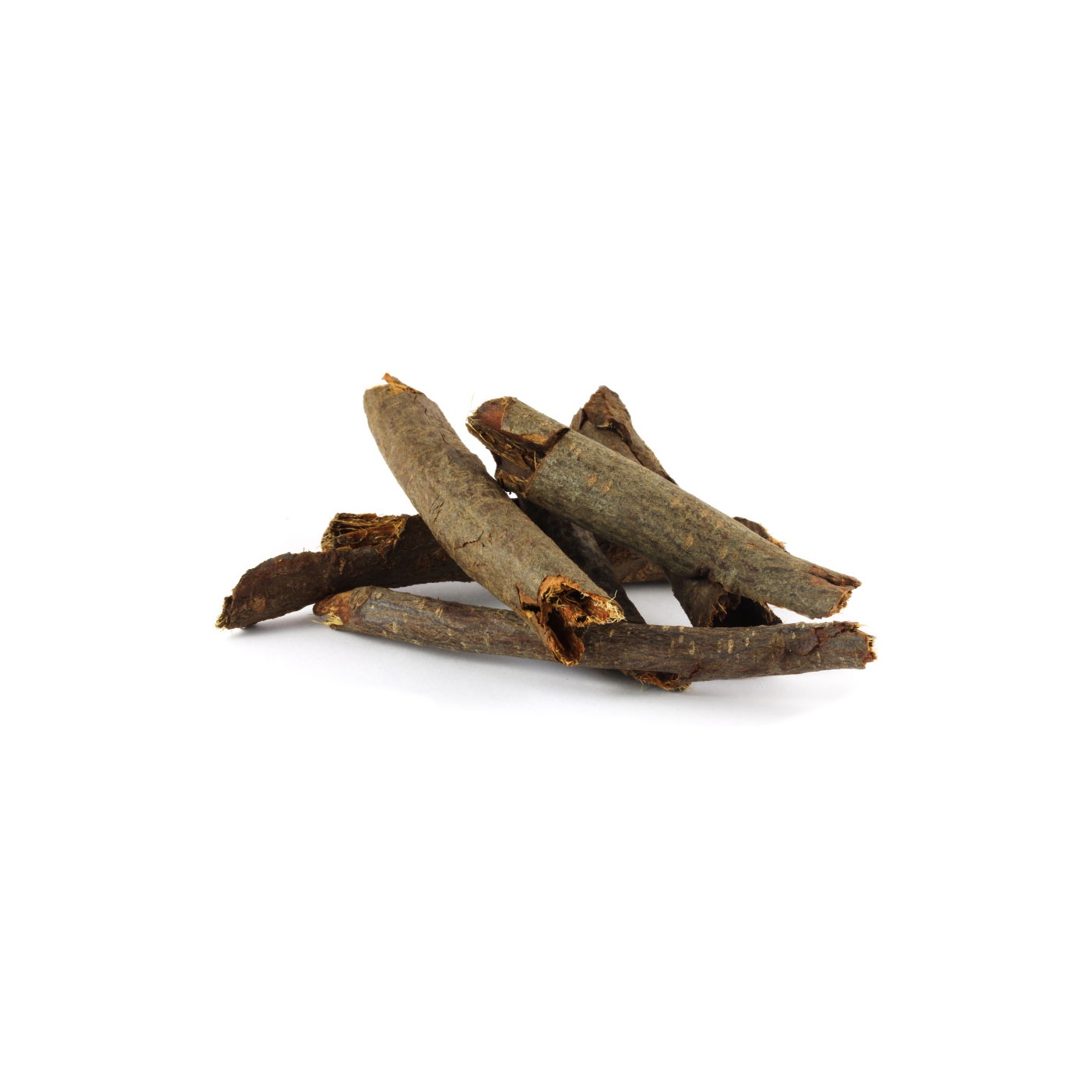 PotentPotentCascara sagradaFrangula purshianaCascarosides are cleaved by colonic bacteria to anthrones that drive propulsion and fluid secretion in the large bowel; the reference stimulant laxative of North American practice, from aged bark.Mechanismcolonic bacterial hydrolysis of cascarosides → anthrone aglycones; propulsive motility ↑; net fluid/electrolyte secretion ↑ (prostaglandin- and nitric-oxide–mediated)Read the evidenceShow lessMonograph →
The bark’s C-glycosylated anthrones, the cascarosides at about 60–70% of total glycosides, pass largely unabsorbed through the small intestine and are cleaved by colonic bacteria to active aglycones such as aloe-emodin anthrone, which increase propulsive motility and net fluid and electrolyte secretion through prostaglandin- and nitric-oxide-mediated pathways 1,
Dose is defined chemically rather than by bark weight. The European Pharmacopoeia standard is not less than 8% total hydroxyanthracenes with at least 60% as cascarosides, and the pharmacopoeial daily dose is 20–30 mg hydroxyanthracenes 2Reference 2ReviewSafety of hydroxyanthracene derivatives for use in food — pharmacopoeial standard and genotoxicity reviewView study →.
The bark must be aged before use. Fresh bark is emetic and griping, and a year is the minimum and three years preferred before that subsides 5Reference 5Buckthorn (Californian). https://www.botanical.com/botanical/mgmh/b/buckth80.htmlView study →.
Potency drifts with storage, and the bark’s tannins partly offset the stimulant effect.
There is no placebo-controlled trial of cascara for constipation. Efficacy is inferred from class-level anthranoid pharmacology, pharmacopoeial standardisation and long human use, and the 2022 meta-analysis treats anthraquinone laxatives as a class 1Reference 1Meta-analysisAnthraquinone laxatives use and colorectal cancer: systematic review and meta-analysis of observational studiesView study →.
The FDA’s 2002 reclassification of cascara out of the over-the-counter monograph was a judgment about missing submitted data, not a finding that it fails to work or a safety ban 6Reference 6Status of certain additional over-the-counter drug category II and III active ingredients (cascara sagrada reclassified as not GRASE)View study →.
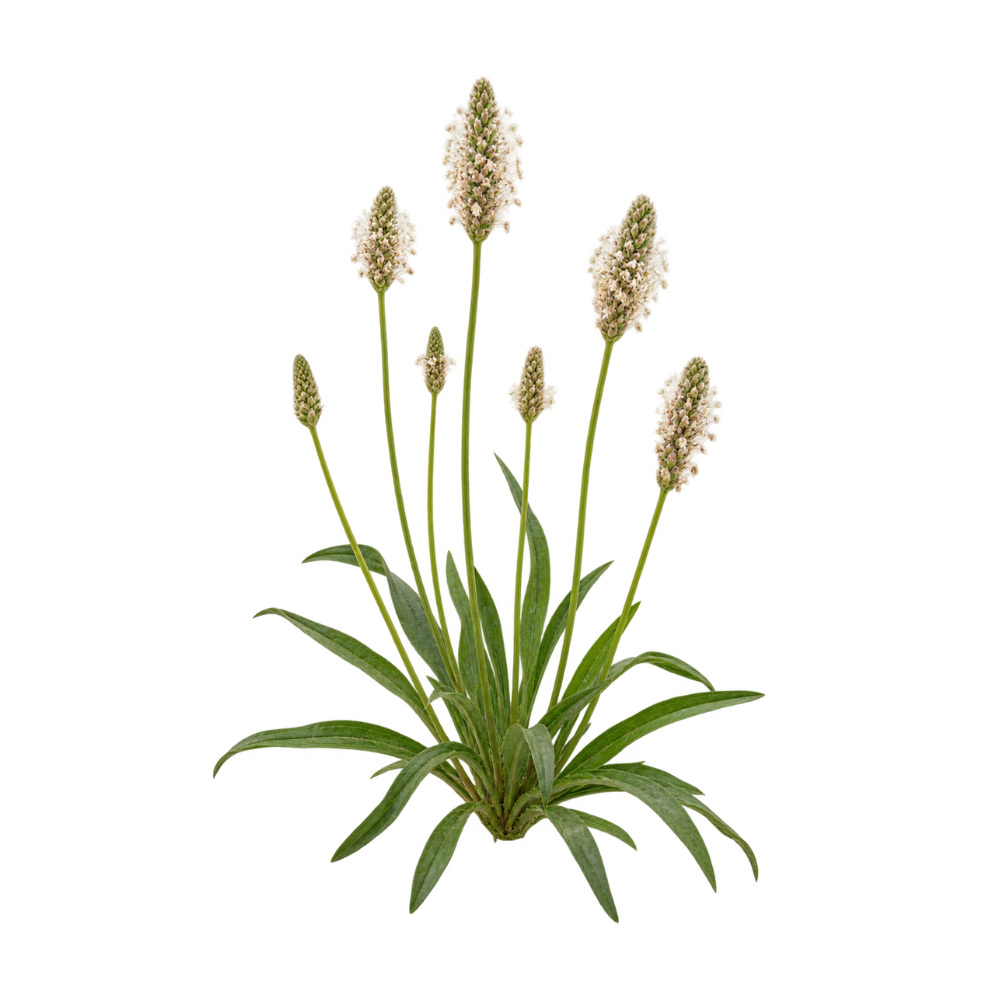 PotentPotentPsylliumPlantago ovataA gel of poorly fermented arabinoxylan that holds water and bulks the stool the length of the colon; the reference bulking agent, and the one that also firms a loose stool.Mechanismfaecal bulk and colonic water retention; gel-forming viscosity (bidirectional stool normalization); largely non-fermented (unlike prebiotic fibers)Read the evidenceShow lessMonograph →
Psyllium’s arabinoxylan is unusual among fibres in being poorly fermented, so the gel persists through the colon rather than being consumed by the microbiota. In constipation it holds water and adds soft bulk that distends the colon and triggers propulsion.
In diarrhoea the same gel absorbs excess luminal water and gives form to loose stool.
Psyllium is the bulking agent clinicians reach for first, and its capacity per gram leads the field. Reviews of over-the-counter therapies grade the psyllium evidence as moderate, and the 2023 AGA-ACG guideline recommends fibre supplements as a first step in chronic constipation 24,
The references on psyllium’s own monograph are lipid trials 14,
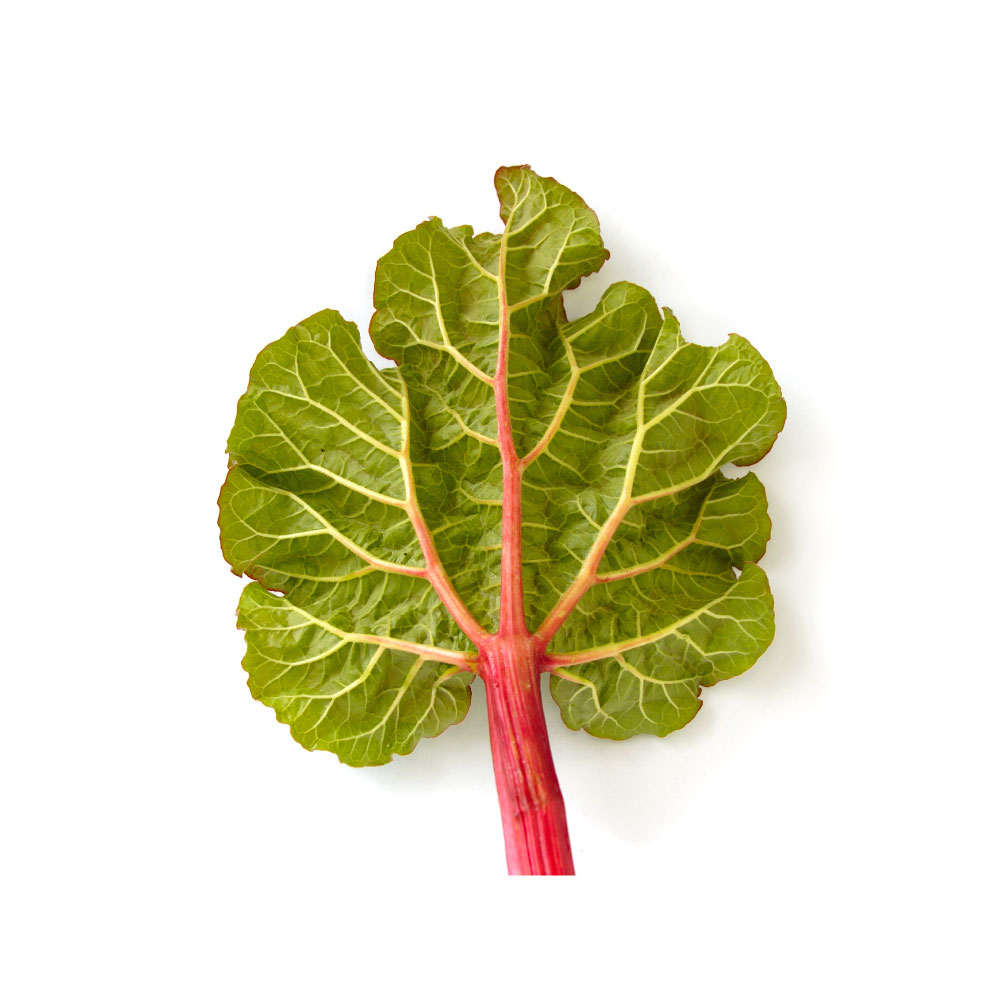 PotentPotentRhubarbRheum palmatumRhein, emodin and aloe-emodin glycosides are cleaved in the colon and stimulate motility while blocking water reabsorption, with an onset of eight to fourteen hours; small doses are astringent, larger ones purgative.Mechanismcolonic motility ↑ (prostaglandin-mediated); Na⁺/Cl⁻ reabsorption ↓Read the evidenceShow lessMonograph →
Its anthraquinones, chiefly rhein, emodin and aloe-emodin, occur free and as glycosides such as sennoside A. They stimulate colonic motility and inhibit water and electrolyte reabsorption, with an onset of 8–14 hours that reflects the bacterial hydrolysis needed before the aglycones act 16,
Dose defines the herb. Small doses are astringent, because the tannins dominate, and larger doses are purgative, a biphasic reversal rather than a gradient.
 PotentPotentSennaCassia angustifoliaSennosides are reduced by colonic bacteria to rhein anthrone, which drives propulsion and turns the colon from absorbing to secreting water; the herbal stimulant laxative with placebo-controlled trials behind it.Mechanismcolonic bacterial reduction of sennosides → rhein anthrone; prostaglandin/NO release → luminal water & electrolyte secretion ↑; enteric stimulation of colonic propulsionRead the evidenceShow lessMonograph →
The dianthrone glycosides sennoside A and B are not absorbed in the small intestine but pass intact to the colon, where bacterial enzymes reduce them to rhein anthrone, the molecule that acts 18,
The bacterial step is why the herb takes 6–12 hours to act and cannot be titrated like an osmotic agent.
In the first double-blind placebo-controlled trial to compare a stimulant against an osmotic laxative in chronic idiopathic constipation, senna 1.0 g a day for 28 days produced overall symptom improvement in about 69% of patients versus 11.7% on placebo, in 90 patients, with no severe treatment-related adverse events 22Reference 22RCTSenna versus magnesium oxide for the treatment of chronic constipation — randomised, placebo-controlled trialView study →. Systematic reviews of chronic-constipation and over-the-counter therapies concur 23,
Pharmacopoeial material carries at least about 2.5% hydroxyanthracene glycosides as sennoside B, and the EMA dose is 15–30 mg of those glycosides as a single evening dose 18Reference 18ReviewAssessment report on Cassia senna L. and Cassia angustifolia Vahl, folium and fructus — regulatory monographView study →.
The effect is dose-linked to its main side effect, griping. In children a crossover trial favoured lactulose, with markedly more side effects on senna 26Reference 26RCTConstipation in childhood: a controlled comparison between lactulose and standardised senna — randomised controlled trialView study →, and Cochrane found only low-quality evidence in childhood constipation 27Reference 27Systematic reviewOsmotic and stimulant laxatives for the management of childhood constipation — systematic reviewView study →.
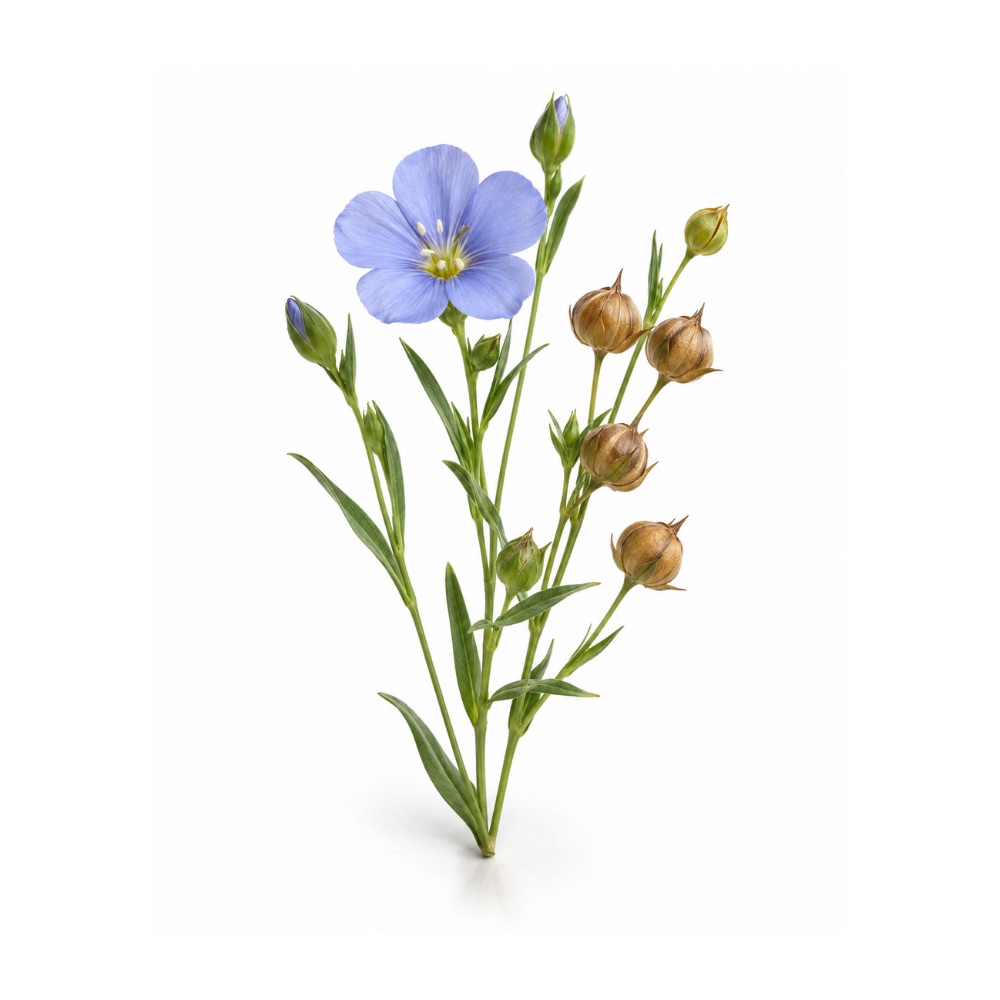 StrongStrongFlaxseedLinum usitatissimumThe seed-coat mucilage swells with water to bulk and soften the stool, with no stimulant component; ground seed with fluid beat lactulose in a randomised trial, and the oil does nothing.Mechanismseed-coat mucilage swells with water → stool bulk ↑ and consistency softened (physical hydrocolloid, no receptor target)Read the evidenceShow lessMonograph →
A randomised trial in 90 adults with Rome-IV functional constipation found 50 g a day of flaxseed flour cut the median Wexner constipation score from 14 to 6.5 and raised weekly defecation from 2 to 7, performing somewhat better than lactulose 9Reference 9Effects of flaxseed supplementation on functional constipation and quality of life in a Chinese populationView study →. A second trial in constipated type 2 diabetics improved symptoms and stool consistency versus placebo 10Reference 10Effect of flaxseed or psyllium vs. placebo on management of constipation, weight, glycemia and lipids in constipated patients with type 2 diabetesView study →.
The use is recognised in the Commission E, ESCOP and EMA monographs.
The mechanism is physical. The seed-coat mucilage swells with water, adding bulk and softening consistency, with no receptor, no absorbed molecule and no stimulant, osmotic or secretory component.
Flaxseed carries none of the anthraquinone herbs’ dependency or electrolyte concerns and suits the long-term use they do not.
The mucilage is in the seed coat, so the action needs ground seed and adequate fluid, and it is entirely absent from flaxseed oil. The trial base is small and short.
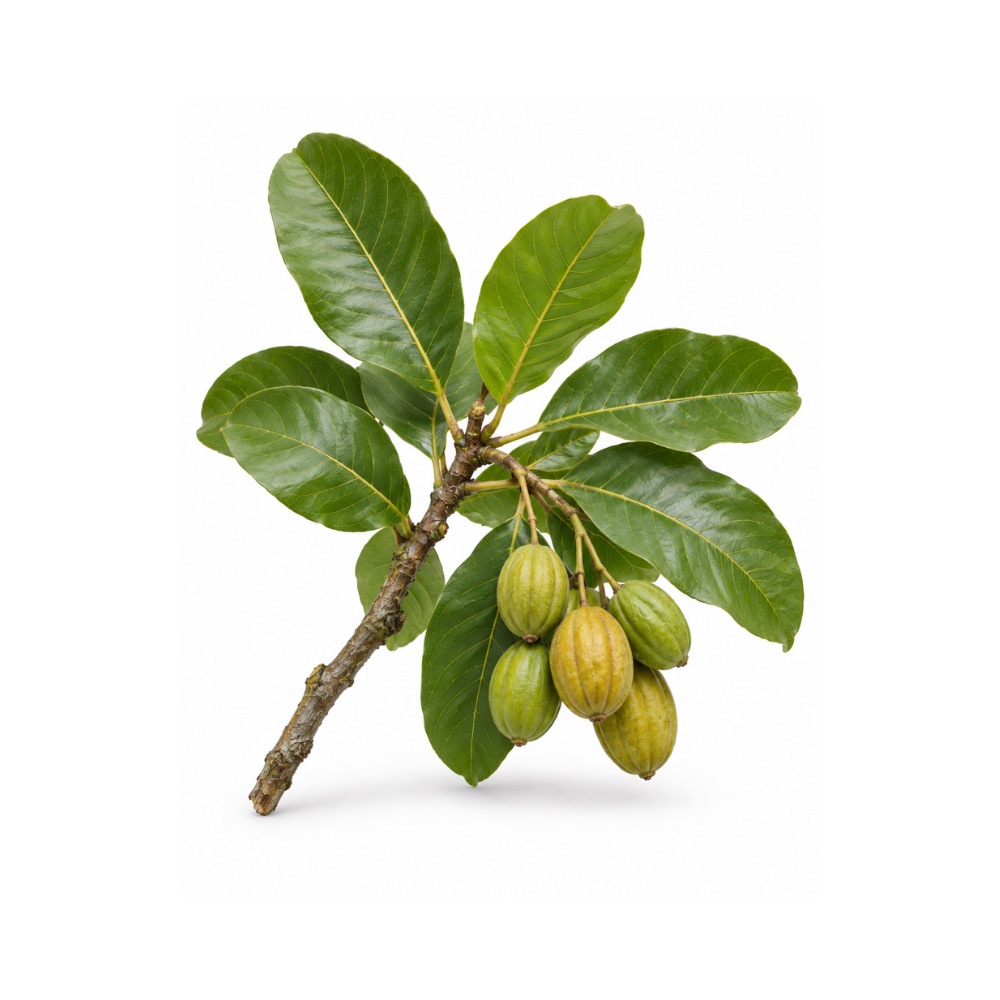 ModerateModerateHaritakiTerminalia chebulaAnthraquinone glycosides pull against the fruit's tannins, so it binds below about 3 g and loosens gently above; the daily bowel regulator of Ayurveda and the laxative fruit of Triphala.Mechanismanthraquinone (sennoside-type) glycosides — stimulant colonic motilityRead the evidenceShow lessMonograph →
The anthraquinone glycoside fraction works against the tannins, so the fruit is astringent at low doses and laxative at higher ones 29Reference 29ReviewThe development of Terminalia chebula Retz. (Combretaceae) in clinical research — reviewView study →. Even at the higher doses it is nowhere near senna or cascara in magnitude, which is why Ayurveda uses it as a daily regulator rather than a purge.
Oral T. chebula increased gastric emptying in rats, outperforming metoclopramide 28Reference 28AnimalEffect of oral administration of Terminalia chebula on gastric emptying: an experimental study — ratView study →.
There are no trials of haritaki alone for constipation. The human bowel-regularity evidence sits with Triphala, the three-fruit formula it anchors.
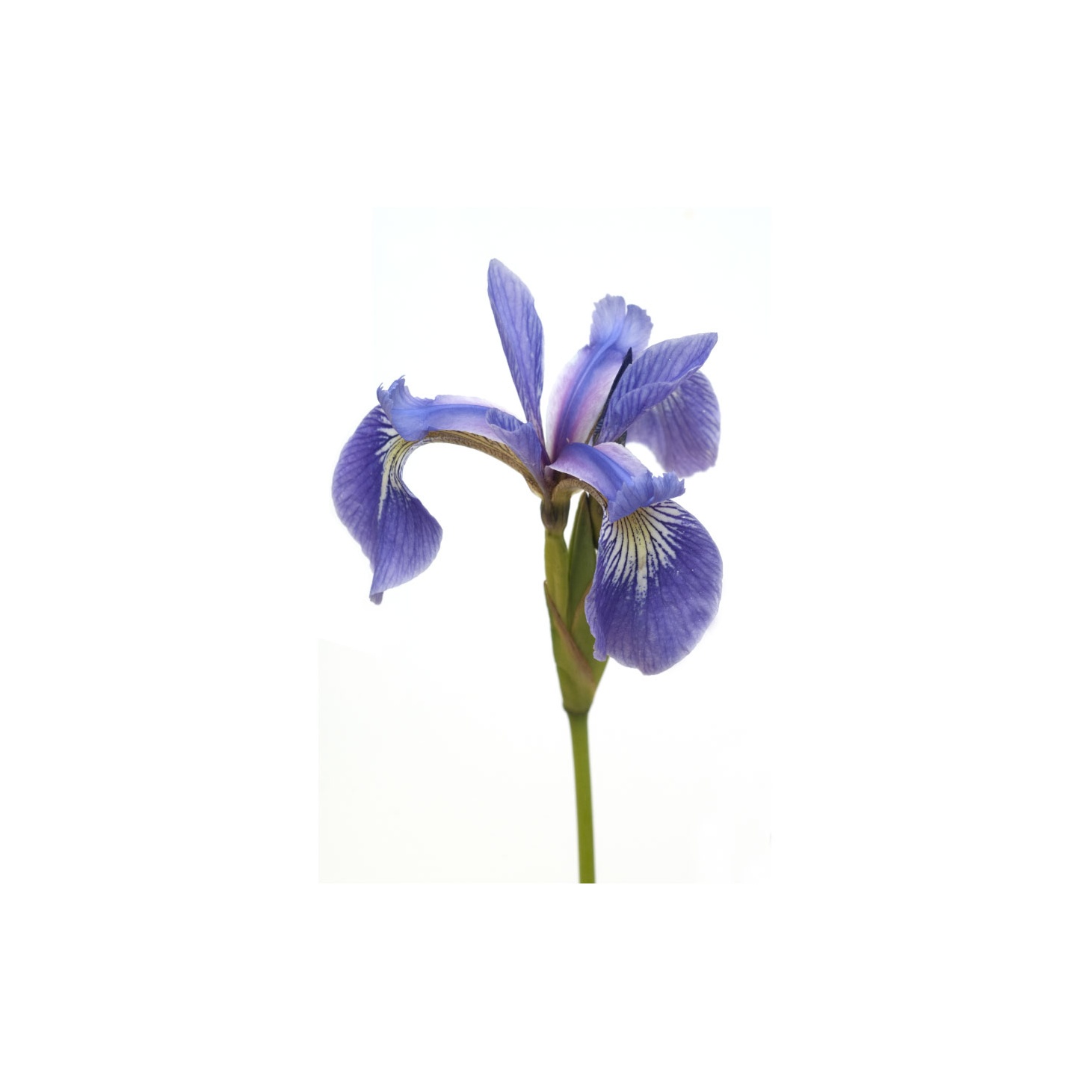 ModerateModerateIrisIris versicolorIridin irritates the mucous membranes and the bowel empties by reflex; a nineteenth-century cathartic whose laxative dose sits next to its emetic one.Mechanismmucosal irritation (iridin) → irritant-cathartic motility reflexRead the evidenceShow lessMonograph →
Iridin is thought to induce the laxative action through its irritant effect on the mucous membranes, with purgation an output of the same pathway 11Reference 11The constituents of Iris versicolor — constituent analysis. The dose at which blue flag reliably opens the bowel is close to the dose that is frankly emetic and purgative, producing diarrhoea and abdominal cramping 11Reference 11The constituents of Iris versicolor — constituent analysis.
No motility study, animal or human, exists.
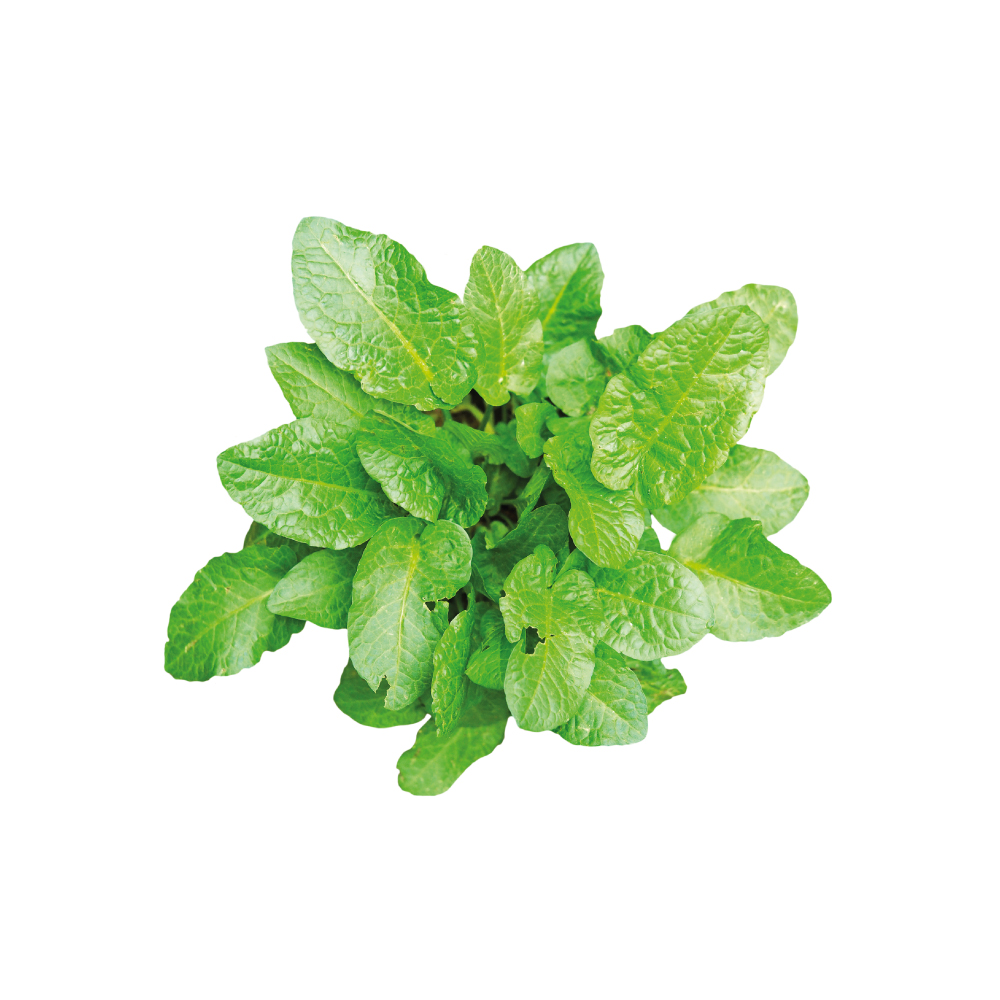 ModerateModerateYellow DockRumex crispusRoughly 3–4% anthraquinone glycosides, cleaved in the colon to aglycones that stimulate peristalsis; a gentle laxative and bitter digestive of the anthraquinone class.Mechanismbacterial cleavage of anthraquinone glycosides → colonic peristalsis; net colonic fluid secretionRead the evidenceShow lessMonograph →
The root carries roughly 3–4% anthraquinones, largely as glycosides of emodin, chrysophanol and physcion, with rhein. Gut bacteria cleave them in the colon to active aglycones that stimulate peristalsis and net fluid secretion 30,
Yellow dock is a mild member of the class, a gentle laxative and bitter digestive rather than a purgative, and it sits well below senna, cascara and rhubarb 30Reference 30ReviewRumex crispus L.: A comprehensive review on botany, traditional uses, phytochemistry, pharmacology, and safety — reviewView study →. The efficacy data are class-level pharmacology plus a deep traditional and pharmacopoeial record rather than a controlled trial, and anthraquinone content swings with harvest season and preparation.
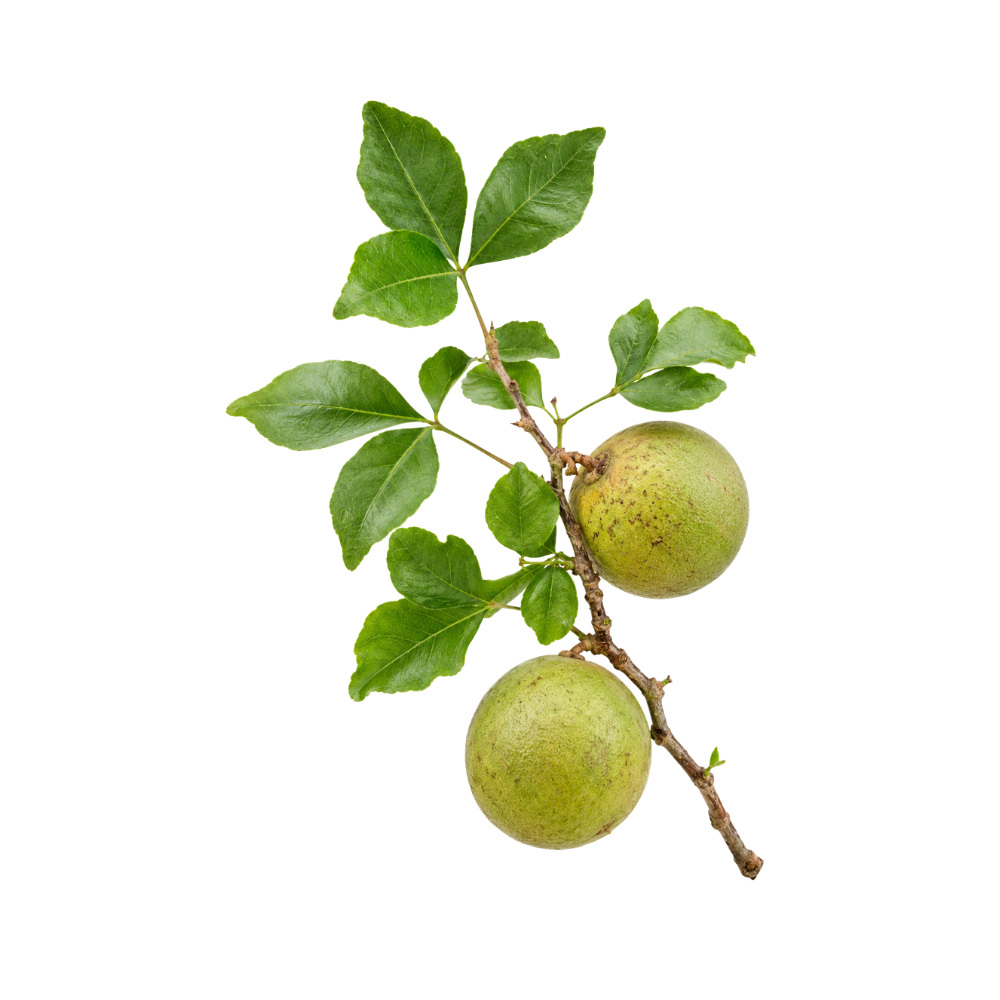 MildMildBaelAegle marmelosThe ripe fruit pulp, eaten fresh or as sharbat, is a nutritive and gently laxative food, the opposite preparation to the astringent unripe fruit.Read the evidenceShow lessMonograph →
Ayurvedic and Siddha practice give the ripe pulp for depletion and chronic constipation, fresh or blended into a cooling drink, at a dose of roughly one fruit.
The part split runs through the whole herb. The unripe fruit is the astringent antidiarrheal and the ripe fruit is the nutritive laxative, and they are not interchangeable.
Nothing measures the laxative effect. The mechanism is presumed to be the pulp’s fibre and mucilage rather than an anthraquinone, which is consistent with how gentle the use is.
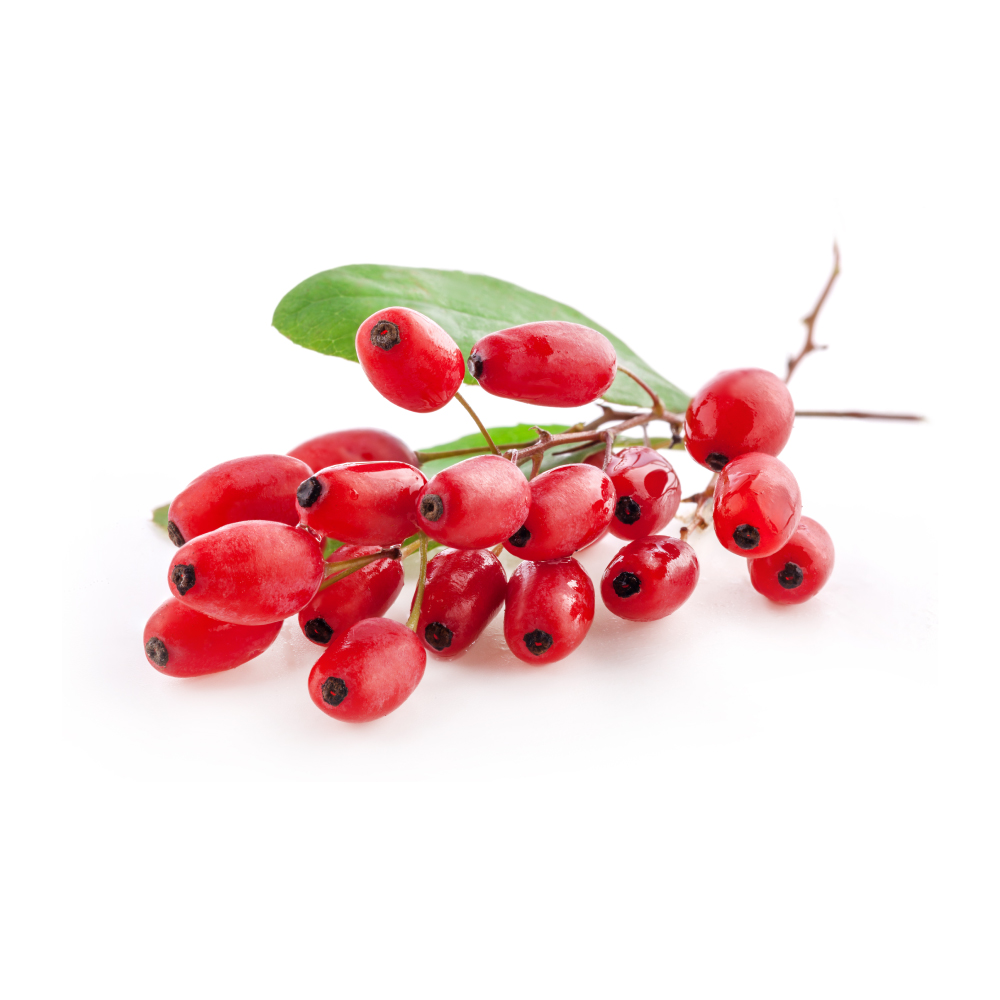 MildMildBarberryBerberis spp.A berberine-bearing bitter that moves bile, and bile is itself a physiological laxative; a traditional remedy for a sluggish liver and bowel.Read the evidenceShow lessMonograph →
The laxative reputation of the berberine bitters runs through their cholagogue action, and the effect is mild and indirect.
There is no bowel endpoint behind it. Berberine is also used against diarrhoea, so the direction depends on dose and context.
 MildMildBay BeanCanavalia roseaA purgative preparation recorded independently across Guianese and other regional sources; the best-attested traditional action the plant has.Read the evidenceShow lessMonograph →
The ethnobotanical record is consistent across several regional sources rather than inferred from composition.
No modern study, motility or secretory endpoint exists.
 MildMildDamianaTurnera diffusaListed in the British Herbal Pharmacopoeia for atonic constipation, a tonic-framed action for a sluggish bowel rather than a purgative one.Read the evidenceShow lessMonograph →
The British Herbal Pharmacopoeia listing is the source of the claim, and the framing is tonic: damiana for a bowel that is slack rather than blocked.
Nothing measures bowel function. Damiana’s evidenced work is anxiolytic and aromatase-related.
 MildMildDandelionTaraxacum officinaleRoot inulin ferments in the colon as a prebiotic osmotic load, and the bitter stimulates bile flow; the gentle laxative effect of eating a fibrous bitter root.Mechanisminulin colonic fermentation (prebiotic osmotic load); bile-flow–driven colonic motilityRead the evidenceShow lessMonograph →
Two plausible routes exist: the root’s inulin fermenting in the colon 7,
There is no laxative endpoint in the research, no transit-time, stool-frequency or animal motility data. The effect is adjunctive.
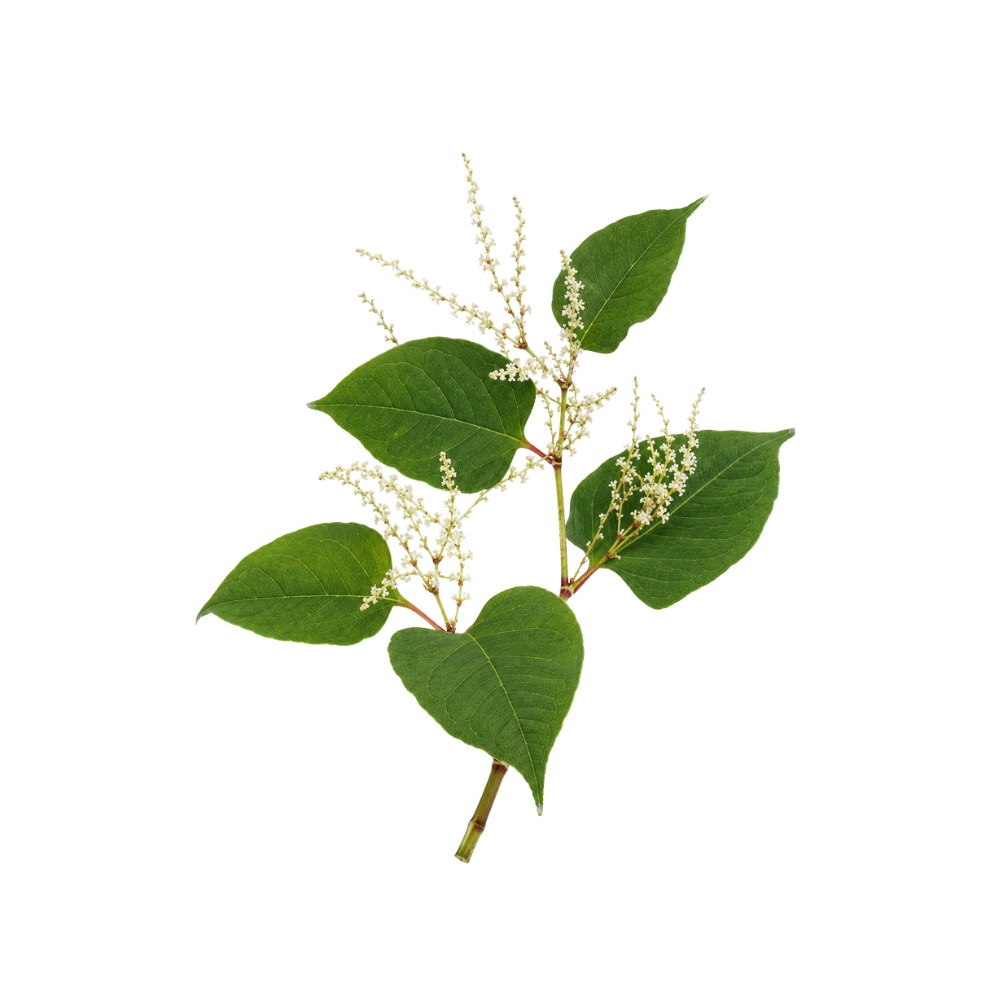 MildMildJapanese KnotweedReynoutria japonicaEmodin and its glucoside give the root a stimulant-laxative class effect, the same anthraquinone chemistry as rhubarb; a consequence of taking it rather than a reason to.Mechanismanthraquinone (emodin) stimulant-laxativeRead the evidenceShow lessMonograph →
Emodin and emodin-8-O-glucoside were among the quantified majors in the most anti-inflammatory extract fraction 12Reference 12In vitroAnti-inflammatory constituents in the root and rhizome of Polygonum cuspidatum by UPLC-PDA-QTOF/MS and LPS-activated RAW264.7 macrophages — in vitroView study →, and the laxative action is attributed to that anthraquinone chemistry.
No anthraquinone content figure has been established for the root, and the same emodin chemistry carries a dose-dependent hepatic risk 13Reference 13Meta-analysisThe efficacy and toxicity equilibrium of emodin for liver injury — a bidirectional meta-analysis and machine-learning study of rodent modelsView study →. Constipation use is short-term only.
No herbs match these filters.
Safety
- Stimulant laxatives are for one to two weeks; beyond that come cramping, potassium loss and bowel dependence.
- The potassium loss potentiates digoxin and adds to loop and thiazide diuretics and corticosteroids.
- No laxative belongs in bowel obstruction, undiagnosed abdominal pain, inflammatory bowel disease or appendicitis.
- Stimulant laxatives are avoided in pregnancy, and the anthraquinone herbs in breastfeeding.
- New, persistent or bloody bowel changes are a diagnostic question before they are a laxative one.
- Bulk laxatives need enough water; taken dry they make matters worse.
References
- Lombardi, N., Crescioli, G., Bettiol, A., et al. (2022). Anthraquinone laxatives use and colorectal cancer: systematic review and meta-analysis of observational studies. Phytotherapy Research. https://pubmed.ncbi.nlm.nih.gov/35040201/
- EFSA Panel on Food Additives and Nutrient Sources (ANS). (2018). Safety of hydroxyanthracene derivatives for use in food — pharmacopoeial standard and genotoxicity review. EFSA Journal. https://pubmed.ncbi.nlm.nih.gov/32625659/
- Nezi, P., et al. (2025). Untargeted metabolomics for profiling of cascara, senna, rhubarb, and frangula metabolites. Metabolites. https://pubmed.ncbi.nlm.nih.gov/41441021/
- Rho, T., et al. (2020). Isolation of six anthraquinone diglucosides from cascara sagrada bark by high-performance countercurrent chromatography. Journal of Separation Science. https://pubmed.ncbi.nlm.nih.gov/32876395/
- A Modern Herbal (1931). Buckthorn (Californian). https://www.botanical.com/botanical/mgmh/b/buckth80.html
- Food and Drug Administration, HHS. (2002). Status of certain additional over-the-counter drug category II and III active ingredients (cascara sagrada reclassified as not GRASE). Federal Register. https://pubmed.ncbi.nlm.nih.gov/12001972/
- Schütz K, Carle R, Schieber A (2006). Taraxacum—a review on its phytochemical and pharmacological profile — [review]. J Ethnopharmacol. https://pubmed.ncbi.nlm.nih.gov/16950583/
- González-Castejón M, Visioli F, Rodriguez-Casado A (2012). Diverse biological activities of dandelion — [review]. Nutr Rev. https://pubmed.ncbi.nlm.nih.gov/22946853/
- Sun, J., Bai, H., Ma, J., et al. (2020). Effects of flaxseed supplementation on functional constipation and quality of life in a Chinese population. Asia Pacific Journal of Clinical Nutrition. https://pubmed.ncbi.nlm.nih.gov/32229443/
- Soltanian, N., & Janghorbani, M. (2019). Effect of flaxseed or psyllium vs. placebo on management of constipation, weight, glycemia and lipids in constipated patients with type 2 diabetes. Clinical Nutrition ESPEN. https://pubmed.ncbi.nlm.nih.gov/30661699/
- American Journal of Pharmacy. (1881). The constituents of Iris versicolor — constituent analysis. American Journal of Pharmacy. (Rhizome reported to contain volatile matter/furfural, acrid oleo-resin, the glycoside iridin (irisin), salicylic and isophthalic acids, beta-sitosterol, triterpenoids, starch, gum and tannin.)
- Yu, M. et al. (2021). Anti-inflammatory constituents in the root and rhizome of Polygonum cuspidatum by UPLC-PDA-QTOF/MS and LPS-activated RAW264.7 macrophages — in vitro. Journal of Pharmaceutical and Biomedical Analysis. https://pubmed.ncbi.nlm.nih.gov/33388645/
- Hu, S. et al. (2025). The efficacy and toxicity equilibrium of emodin for liver injury — a bidirectional meta-analysis and machine-learning study of rodent models. Phytomedicine. https://pubmed.ncbi.nlm.nih.gov/40339537/
- Jovanovski, E., et al. (2018). Effect of psyllium (Plantago ovata) fiber on LDL cholesterol and alternative lipid targets, non-HDL cholesterol and apolipoprotein B: a systematic review and meta-analysis of randomized controlled trials — meta-analysis. American Journal of Clinical Nutrition, 108(5), 922–932. https://pubmed.ncbi.nlm.nih.gov/30239559/
- Brown, L., et al. (1999). Cholesterol-lowering effects of dietary fiber: a meta-analysis — meta-analysis. American Journal of Clinical Nutrition, 69(1), 30–42. https://pubmed.ncbi.nlm.nih.gov/9925120/
- Tsai, J. C., Tsai, S., & Chang, W. (2004). Effect of ethanol extracts of three Chinese medicinal plants with laxative properties on ion transport of the rat intestinal epithelia — animal, in vivo. Biological & Pharmaceutical Bulletin. https://pubmed.ncbi.nlm.nih.gov/14758025/
- Li, P., et al. (2017). Pharmacokinetics and pharmacodynamics of rhubarb anthraquinones extract in normal and disease rats — animal, in vivo. Biomedicine & Pharmacotherapy. https://pubmed.ncbi.nlm.nih.gov/28475921/
- European Medicines Agency, Committee on Herbal Medicinal Products. (2018). Assessment report on Cassia senna L. and Cassia angustifolia Vahl, folium and fructus — regulatory monograph. EMA/HMPC. https://www.ema.europa.eu/en/documents/herbal-summary/final-assessment-report-senna-alexandrina-mill-cassia-senna-l-cassia-angustifolia-vahl-1-folium-and-fructus-revision-1_en.pdf
- Capasso, F., Mascolo, N., Autore, G., et al. (1983). Effect of indomethacin on aloin- and 1,8-dioxianthraquinone-induced production of prostaglandins in rat isolated colon — animal model. Prostaglandins. https://pubmed.ncbi.nlm.nih.gov/6658004/
- Wang, D., Wang, X. H., Yu, X., et al. (2021). Pharmacokinetics of anthraquinones from medicinal plants — review. Front Pharmacol. https://pubmed.ncbi.nlm.nih.gov/33935728/
- Barnes, J., Anderson, L. A., & Phillipson, J. D. (2007). Herbal medicines (3rd ed.). London, United Kingdom: Pharmaceutical Press. (Pg. 537-538).
- Morishita, D., Tomita, T., Mori, S., et al. (2021). Senna versus magnesium oxide for the treatment of chronic constipation — randomised, placebo-controlled trial. Am J Gastroenterol. https://pubmed.ncbi.nlm.nih.gov/32969946/
- Ramkumar, D., & Rao, S. S. (2005). Efficacy and safety of traditional medical therapies for chronic constipation — systematic review. Am J Gastroenterol. https://pubmed.ncbi.nlm.nih.gov/15784043/
- Rao, S. S. C., & Brenner, D. M. (2021). Efficacy and safety of over-the-counter therapies for chronic constipation — systematic review. Am J Gastroenterol. https://pubmed.ncbi.nlm.nih.gov/33767108/
- Chang, L., Chey, W. D., Imdad, A., et al. (2023). AGA-ACG clinical practice guideline: pharmacological management of chronic idiopathic constipation — practice guideline. Gastroenterology. https://pubmed.ncbi.nlm.nih.gov/37211380/
- Perkin, J. M. (1977). Constipation in childhood: a controlled comparison between lactulose and standardised senna — randomised controlled trial. Curr Med Res Opin. https://pubmed.ncbi.nlm.nih.gov/872608/
- Gordon, M., MacDonald, J. K., Parker, C. E., et al. (2016). Osmotic and stimulant laxatives for the management of childhood constipation — systematic review. Cochrane Database Syst Rev. https://pubmed.ncbi.nlm.nih.gov/27531591/
- Tamhane, M. D., Thorat, S. P., Rege, N. N., & Dahanukar, S. A. (1997). Effect of oral administration of Terminalia chebula on gastric emptying: an experimental study — rat. Journal of Postgraduate Medicine. https://pubmed.ncbi.nlm.nih.gov/10740705/
- Bag, A., Bhattacharyya, S. K., & Chattopadhyay, R. R. (2013). The development of Terminalia chebula Retz. (Combretaceae) in clinical research — review. Asian Pacific Journal of Tropical Biomedicine. https://pubmed.ncbi.nlm.nih.gov/23620847/
- Qian, H., Jia, Y., & Zheng, K. (2024). Rumex crispus L.: A comprehensive review on botany, traditional uses, phytochemistry, pharmacology, and safety — review. International Immunopharmacology, 143, 113569. https://pubmed.ncbi.nlm.nih.gov/39520965/
- Vasas, A., Orbán-Gyapai, O., & Hohmann, J. (2015). The genus Rumex: Review of traditional uses, phytochemistry and pharmacology — review. Journal of Ethnopharmacology, 175, 198–228. https://pubmed.ncbi.nlm.nih.gov/26384001/
- Demarque, D. P., et al. (2018). Cytotoxicity of structurally diverse anthranoids and correlation with mechanism of action and side effects. Journal of Pharmacy & Pharmaceutical Sciences. https://pubmed.ncbi.nlm.nih.gov/30321134/
Keep Exploring