

Overview
Gastroprotective at a Glance
Gastroprotective herbs protect the lining of the stomach.
There are two broad ways a plant can do this, and the useful distinction is whether it covers the lining or strengthens it.
Coating herbs are rich in mucilage. In water it swells into a soft, slippery gel that lies over irritated tissue and buffers it from acid.
Mucosal-defence herbs work on the lining itself. In animal studies they thicken the mucus layer, lower acid and pepsin, and damp down the inflammation that wears the tissue away.
The coating herbs are the classic soothing remedies — marshmallow root, slippery elm bark and aloe gel.
Most of the others appear to work on defence, including things like neem bark, codonopsis, shatavari and pau d’arco.
Protecting the lining is a different job from healing an ulcer that has already formed, which has its own page under antiulcer. Many of these herbs appear on both.
Soothing a raw stomach is one of the oldest jobs of the demulcent herbs. Slippery elm bark was an official drug of the United States Pharmacopoeia, taken as a gruel for gastritis and fed to invalids and convalescents as a food as much as a medicine.
Several traditional stomach herbs have never been tested at all. Cat’s claw, tarragon and greater celandine are long-standing stomach remedies, but no study has looked at what they do to the stomach lining.
Caution
Mucilage slows other medicines — mucilage coats medicines as well as the stomach, so take other drugs an hour or two apart.
Blood or black stools need assessment — persistent heartburn or stomach pain, vomiting blood or black stools need medical assessment rather than a soothing herb.
Higher doses can harm the lining — some extracts protect at moderate doses and damage the lining at higher ones, and sour fruits can worsen hyperacidity.
The Molecules
Pharmacology
What produces a gastroprotective effect at the molecular level. The herbs below carry these molecules in different combinations and amounts, which is most of why their potency differs. Roles describe how central a molecule is to the action across plants generally, not how strong any one herb is.
Chiefly Tannins6Monoterpenes2Sesquiterpene Lactones1
Carries the action largely on its own — the effect is attributed to the molecule, not just the extract it came from.
Adds to a plant's effect and is often present in quantity, but rarely accounts for it alone.
Real but narrow — one pathway, one tissue, or evidence too thin to lean on.
Agrimoniin Tannins Primary mover Targets NF-κB → IL-8 and IL-6 in gastric epithelium; anti-H. pylori
Agrimoniin is poorly absorbed, but a swallowed tannin reaches the gastric mucosa at high local concentration.
Tannin-enriched strawberry extracts inhibited IL-8 secretion in TNFα-treated human gastric epithelial cells by dampening NF-κB, and survived simulated gastric digestion chemically and biologically intact.
Tested as pure compounds, the tannins separated cleanly: casuarictin behaved as a pure NF-κB inhibitor while agrimoniin inhibited IL-8 while also acting on targets outside NF-κB, at concentrations the authors describe as nutritionally relevant 1Reference 1In vitroStrawberry tannins inhibit IL-8 secretion in a cell model of gastric inflammation — in vitroView study →.
In GES-1 cells challenged with Helicobacter pylori, strawberry extract plus purified agrimoniin and casuarictin suppressed IL-8 and IL-6 release, and showed antibacterial activity against cagA⁺ H. pylori while being weaker against cagA⁻ 2Reference 2In vitroInvestigating ellagitannins from strawberry (Fragaria × ananassa Duch.) as a new strategy to counteract H. pylori infection and inflammation — in vitroView study →.
Agrimoniin is a principal active within strawberry tannin preparations, and it shares the mechanism with casuarictin.
Casuarinin Tannins Primary mover Targets NF-κB / COX-2 / iNOS suppression; gastric mucin and prostaglandin E₂ restoration; HSP-70 induction
Casuarinin has the strongest evidence in the Rubus/Myrtales ellagitannin group, and is the only one in the family with a clean oral dose–response for the purified compound.
Isolated from Melaleuca leucadendra and given orally to rats at 25, 50 and 100 mg/kg, it cut ethanol-induced gastric ulcer area by 45%, 78% and 99%.
At the top dose gastric mucin rose 1.8-fold, acidity fell 42% and prostaglandin E₂ returned to normal.
Reduced glutathione rose 194% and catalase 586%, while malondialdehyde fell 56%, TNF-α 58% and caspase-3 87%.
NF-κB, COX-2 and iNOS immunoexpression were suppressed, and heat-shock protein 70 was induced up to 4.9-fold 3Reference 3AnimalProtective role of casuarinin from Melaleuca leucadendra against ethanol-induced gastric ulcer in ratsView study →.
This is an oral result for the isolated molecule against a gut-surface target, so poor absorption does not limit it.
Reported from raspberry-leaf, arjuna, terminalia-chebula.
Found in Raspberry Leaf
Full Casuarinin profile →Taraxinic Acid Glucoside Sesquiterpene Lactones Primary mover Targets Gastric mucosal protection (not acid suppression)
This is the only in-vivo mammalian result for the isolated molecule.
Taraxinic acid-1’-O-β-D-glucopyranoside, isolated from Crepis napifera root, significantly inhibited aspirin-induced gastric lesions in rats at 80 mg/kg p.o., while 70 mg/kg i.v. did not affect histamine-stimulated gastric acid secretion.
The authors concluded it protects the mucosa rather than acting as a secretagogue 14Reference 14Wu SH, et al. (2002). [Anti-gastric ulcer sesquiterpene lactone glycosides from Crepis napifera]. Yao Xue Xue Bao. https://pubmed.ncbi.nlm.nih.gov/12579896/View study →.
A plausible molecular correlate is Nrf2 induction: purified TA-G activated Nrf2 in human hepatocytes more strongly than root extract, with heme oxygenase-1 induced by the leaf extract 15Reference 15Sesquiterpene lactone composition and cellular Nrf2 induction of Taraxacum officinale leaves and roots and taraxinic acid β-D-glucopyranosyl esterView study →.
The result comes from one study at one dose, with no dose–response and no replication, and the source plant was Crepis, not dandelion.
No pharmacokinetics exist in any mammal, so the 80 mg/kg figure cannot be scaled.
Reported from dandelion.
Fenchone Monoterpenes Contributor Targets Mucosal antioxidant + immunomodulation
(−)-Fenchone has been tested in one rat ulcer study 4Reference 4AnimalAraruna MEC, et al. (2024). (−)-Fenchone prevents cysteamine-induced duodenal ulcers and accelerates gastric-ulcer healing in rats via antioxidant and immunomodulatory mechanisms. Pharmaceuticals (Basel). https://pubmed.ncbi.nlm.nih.gov/38794211/View study →.
Rugosin D Tannins Contributor Targets Histidine decarboxylase (HDC) inhibited non-competitively → gastric histamine supply reduced upstream of the H2 receptor
Rugosin D inhibits recombinant human histidine decarboxylase non-competitively at Ki ≈ 0.35–1 µM, alongside three sibling ellagitannins from the same meadowsweet petal fraction (rugosin A, rugosin A methyl ester, tellimagrandin II) 6Reference 6Inhibitory activity of Filipendula ulmaria constituents on recombinant human histidine decarboxylaseView study →.
Against the bacterial HDC of Morganella morganii it is the most potent of the four, at IC50 1.5 µM 7Reference 7Inhibition of Morganella morganii histidine decarboxylase activity and histamine accumulation in mackerel muscle derived from Filipendula ulmaria extractsView study →.
Parietal-cell histamine is the proximate driver of gastric-acid secretion, so this acts upstream of the H2 receptor.
It is the leading published explanation for why meadowsweet, a salicylate-bearing herb, protects rather than erodes the gastric mucosa 10,
The evidence is an isolated-enzyme assay.
No gastric histamine, acid-output or ulcer-score measurement exists for rugosin D in any animal, and there are no human data.
At MW ≈ 1,875 the molecule is not absorbed intact 11Reference 11Partition coefficients (logP) of hydrolysable tanninsView study →, so a micromolar concentration is reachable in the gastric and gut lumen, where gastric HDC is, but never in plasma.
The mechanism is plausible, not proven.
The nearest in-vivo evidence is for its monomer: tellimagrandin II at 40 mg/kg p.o. prevented ethanol-induced gastric ulceration in rats, in a study that measured outcome and not mechanism 9Reference 9Antioxidant, anti-inflammatory and gastroprotective activity of Filipendula ulmaria (L.) Maxim. and Filipendula vulgaris MoenchView study →.
Reported from meadowsweet (petal ellagitannin fraction 6Reference 6Inhibitory activity of Filipendula ulmaria constituents on recombinant human histidine decarboxylaseView study →); rose (Rosa rugosa petals 12Reference 12Rugosin D, E, F and G, dimeric and trimeric hydrolyzable tanninsView study →); Rosa acicularis, R. gallica, R. centifolia.
Found in Meadowsweet
Full Rugosin D profile →Sanguiin H-6 Tannins Contributor Targets NF-κB → IL-8/CINC-1 in gastric epithelium; mucosal protein binding
Sanguiin H-6 works on the same NF-κB/IL-8 pathway, at the gut surface where the molecule stays.
Rubus ellagitannin extracts inhibited TNF-α-driven NF-κB activation in gastric epithelial cells at IC₅₀ 0.67–1.7 µg/mL, and in ethanol-injured rats (20 mg/kg/day oral, 10 days) cut the ulcer index by 75–88% with lower mucosal CINC-1 13Reference 13In vitroEllagitannins from Rubus berries for the control of gastric inflammation — in vitro and in vivo rat studiesView study →.
The target tissue is the gut lining, so luminal concentration is the effective concentration, and non-absorption is an advantage rather than a limitation.
The in-vivo arm dosed a whole ellagitannin extract in which sanguiin H-6 was 19% (raspberry) or 12% (blackberry) of the fraction, with lambertianin C carrying more of the mass.
Only the cell work used the purified molecule 13Reference 13In vitroEllagitannins from Rubus berries for the control of gastric inflammation — in vitro and in vivo rat studiesView study →.
Reported from raspberry-leaf.
Tellimagrandin II Tannins Contributor Targets Histidine decarboxylase; gastric histamine
Tellimagrandin II is one of four Filipendula ulmaria petal ellagitannins that inhibit recombinant human histidine decarboxylase non-competitively (Ki ≈ 0.35–1 µM), cutting synthesis of the histamine that drives parietal-cell acid secretion 6Reference 6Inhibitory activity of Filipendula ulmaria constituents on recombinant human histidine decarboxylaseView study →.
This helps explain why meadowsweet, a salicylate-bearing plant, protects the stomach.
The isolate itself prevented ethanol-induced acute gastric injury in rats at 40 mg/kg orally 9Reference 9Antioxidant, anti-inflammatory and gastroprotective activity of Filipendula ulmaria (L.) Maxim. and Filipendula vulgaris MoenchView study →, so the enzyme result has a downstream in-vivo endpoint.
In the only head-to-head ranking it is third of four, with a bacterial HDC IC₅₀ of 6.1 µM against rugosin D’s 1.5 µM 7Reference 7Inhibition of Morganella morganii histidine decarboxylase activity and histamine accumulation in mackerel muscle derived from Filipendula ulmaria extractsView study →.
HDC inhibition is also only one of several strands behind the herb’s effect, alongside astringent tannin coating and flavonoid antioxidants.
Reported from meadowsweet.
Found in Bearberry, Clove, Meadowsweet, Peony
Full Tellimagrandin II profile →Myrcene Monoterpenes Minor role Targets ↑ mucosal glutathione, NO, sulfhydryls, GPx/GR — defence, not acid suppression
Myrcene at 7.5 mg/kg orally protected rat gastric and duodenal mucosa across ethanol, NSAID and stress models and healed established lesions 5Reference 5AnimalThe effect of a minor constituent of essential oil from Citrus aurantium: the role of β-myrcene in preventing peptic ulcer disease — rat in vivo animal modelView study →.
The finding comes from a single rat study.
Found in Angelica, Cannabis, Fennel, Fish Mint, Hops, Juniper, Lemongrass, Mexican Tarragon, Mugo Pine, Muira Puama, Nutmeg, Pine +3 more
Full Myrcene profile →Rugosin A Tannins Minor role Targets Histidine decarboxylase → gastric histamine → parietal-cell H₂ drive
Rugosin A shares the HDC inhibition.
Less histamine synthesized means less H₂-mediated acid drive, which is the molecular half of meadowsweet’s “salicylate paradox” (a salicylate-bearing plant that protects rather than irritates the gastric lining) 6Reference 6Inhibitory activity of Filipendula ulmaria constituents on recombinant human histidine decarboxylaseView study →.
Rugosin A is a junior contributor to that mechanism: rugosin D is about 4.5× more potent and is the abundant species 7,
No in-vivo link exists for any rugosin.
Meadowsweet’s gastroprotection rests on flower decoctions in rats plus this in-vitro enzymology, and no study has dosed an animal with rugosin A, or any rugosin, and looked at the stomach.
The nearest in-vivo evidence belongs to a neighbouring molecule: tellimagrandin II, 40 mg/kg p.o., rat ethanol-ulcer model, outcome only, no mechanism 9Reference 9Antioxidant, anti-inflammatory and gastroprotective activity of Filipendula ulmaria (L.) Maxim. and Filipendula vulgaris MoenchView study →.
Gastroprotection by rugosin A itself has not been demonstrated.
Reported from meadowsweet, rose.
Found in Meadowsweet, Rose
Full Rugosin A profile →Materia Medica
Gastroprotective Herbs by Potency
The gastroprotective herbs, ordered by the relative strength of the effect rather than by how well studied it is. Each herb is described by the mechanism behind its effect and the evidence for it.
None of this is a substitute for professional care.
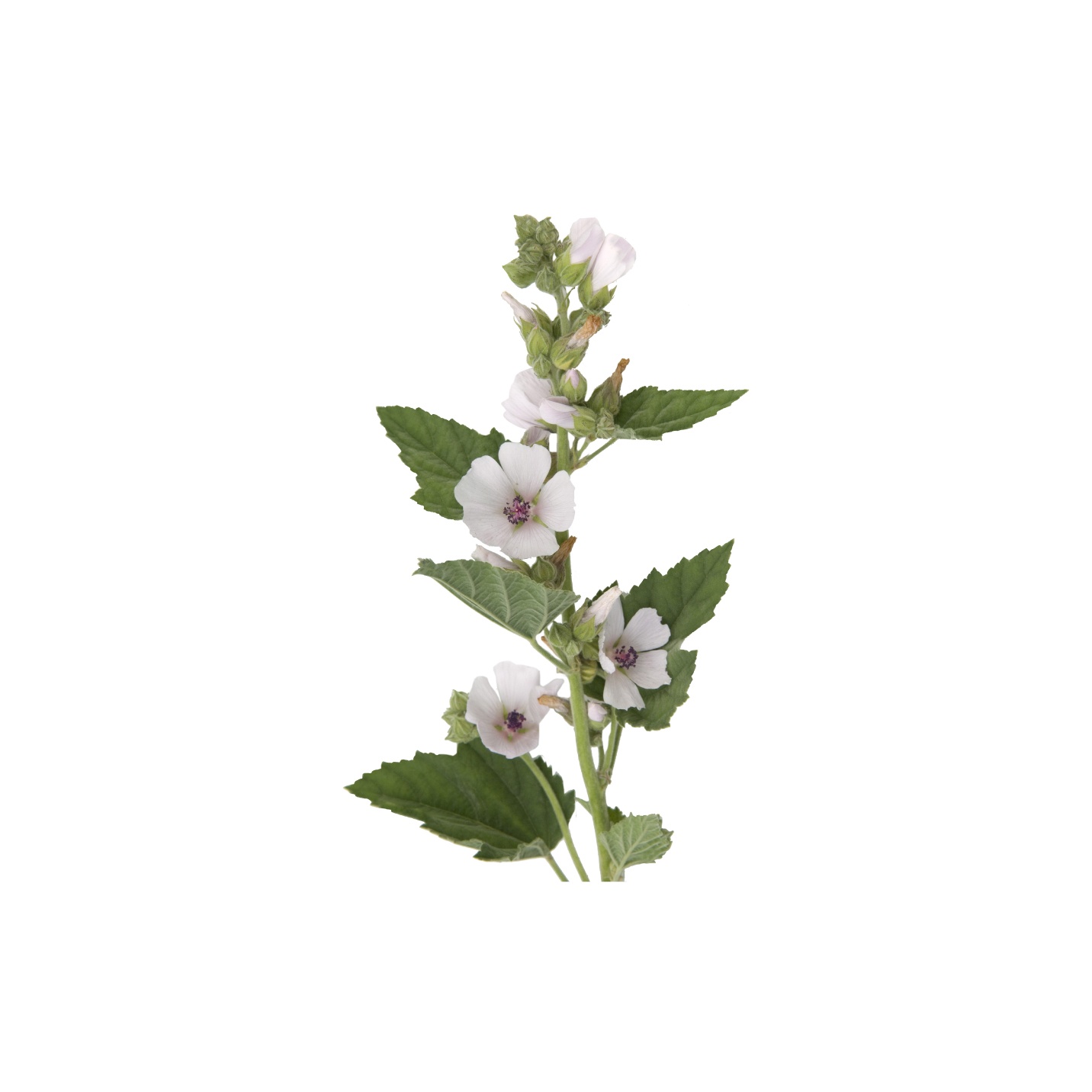 StrongStrongMarshmallowAlthaea officinalisThe root's mucilage coats the stomach lining, and in rats it also lowered acid and pepsin output.Mechanismbioadhesive mucilage film over the mucosa; acid and pepsin output ↓; epithelial repair signalingRead the evidenceShow lessMonograph →
Its rhamnogalacturonan mucilage forms a bioadhesive film over irritated mucosa. In cell studies the root polysaccharides are also taken up by the epithelial cells beneath and stimulate their repair 52Reference 52In vitroAqueous extracts and polysaccharides from marshmallow roots: cellular internalisation and stimulation of cell physiology of human epithelial cells — in vitroView study →.
In rats, 14 days of an oral extract before pyloric ligation plus indomethacin cut ulcer number and ulcer index, lowered acid and pepsin output and restored the lining’s antioxidant and protective factors, with omeprazole and misoprostol as comparators 53Reference 53AnimalGastro-protective and anti-oxidant potential of Althaea officinalis and Solanum nigrum on pyloric ligation/indomethacin-induced ulceration in rats — animal (rat)View study →.
The EU monograph sets a cold-water root macerate for mild digestive discomfort, the preparation that keeps the mucilage intact 54Reference 54ReviewEuropean Union herbal monograph on Althaea officinalis L., radix (EMA/HMPC/436679/2015) — regulatory monographView study →.
A second rat study used a water extract of the flower rather than the root 55Reference 55AnimalPharmacological evaluation of aqueous extract of Althaea officinalis flower grown in Lebanon — animal (rat)View study →. There is no human gastric trial.
 StrongStrongNeemAzadirachta indicaA bark extract cut stomach acid and pepsin sharply in one small human study, an unusual result for a herb.Mechanismgastric acid and pepsin secretion ↓; H2-receptor-linked antisecretory actionRead the evidenceShow lessMonograph →
In a clinical study, a freeze-dried aqueous bark extract at 30 mg twice daily for 10 days cut gastric acid secretion by 77%, secretion volume by 63% and pepsin activity by 50%, and duodenal ulcers healed almost completely over 10 weeks at 30–60 mg twice daily 56Reference 56Clinical trialClinical studies on the effect of neem (Azadirachta indica) bark extract on gastric secretion and gastroduodenal ulcer — clinical studyView study →.
In rats, a stem-bark extract protected against indomethacin ulcers and lowered basal and histamine-stimulated acid output, probably through histamine H2 receptors 57,
The effect belongs to the bark extract; the leaf tea used in Ayurveda for peptic ulcer has not been tested. The human study is small and has not been replicated.
Neem oil is a different product. Given by mouth it has fatally poisoned young children, and neem is avoided in pregnancy.
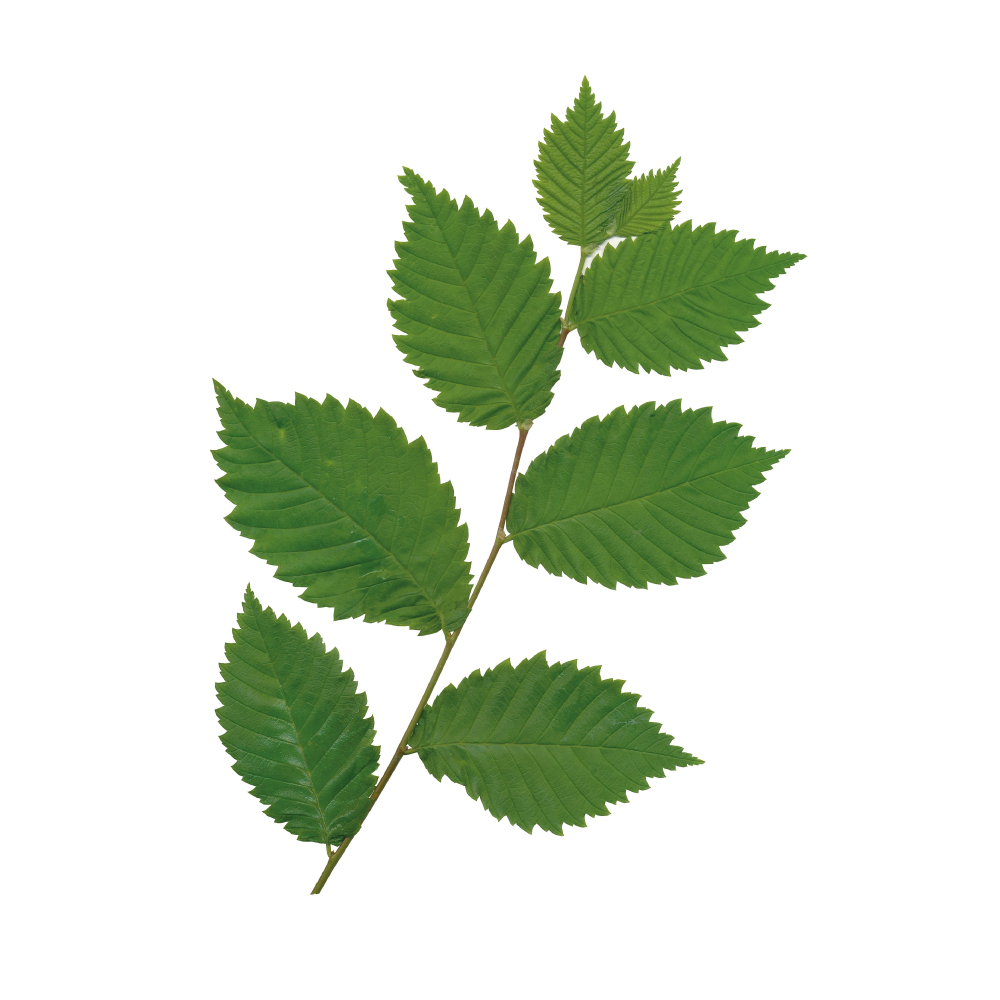 StrongStrongSlippery ElmUlmus rubraA classic coating demulcent for gastritis and reflux, taken as a gruel or powder rather than a tincture.Mechanismmucilage hydration into a coating gel; physical barrier over the mucosaRead the evidenceShow lessMonograph →
Slippery elm protects by coating. About 7% of the inner bark is a branched galactose-rhamnose polysaccharide that swells into a thick gel rather than dissolving, and this gel lies over the lining of the throat, esophagus and stomach 63,
This was the basis of its place in the United States Pharmacopoeia, where the gruel was given for gastritis, and Western texts extend it to peptic and duodenal ulcer and reflux 65,
The only human data are formula studies, including a seven-herb “gut relief” powder that eased reflux symptoms 68Reference 68ObservationalHerbal formula improves upper and lower gastrointestinal symptoms and gut health in Australian adults with digestive disorders — pre-post observational studyView study →, so the effect cannot be assigned to the bark alone. The mucilage does not extract into alcohol, so only the powder, gruel or lozenge carries it.
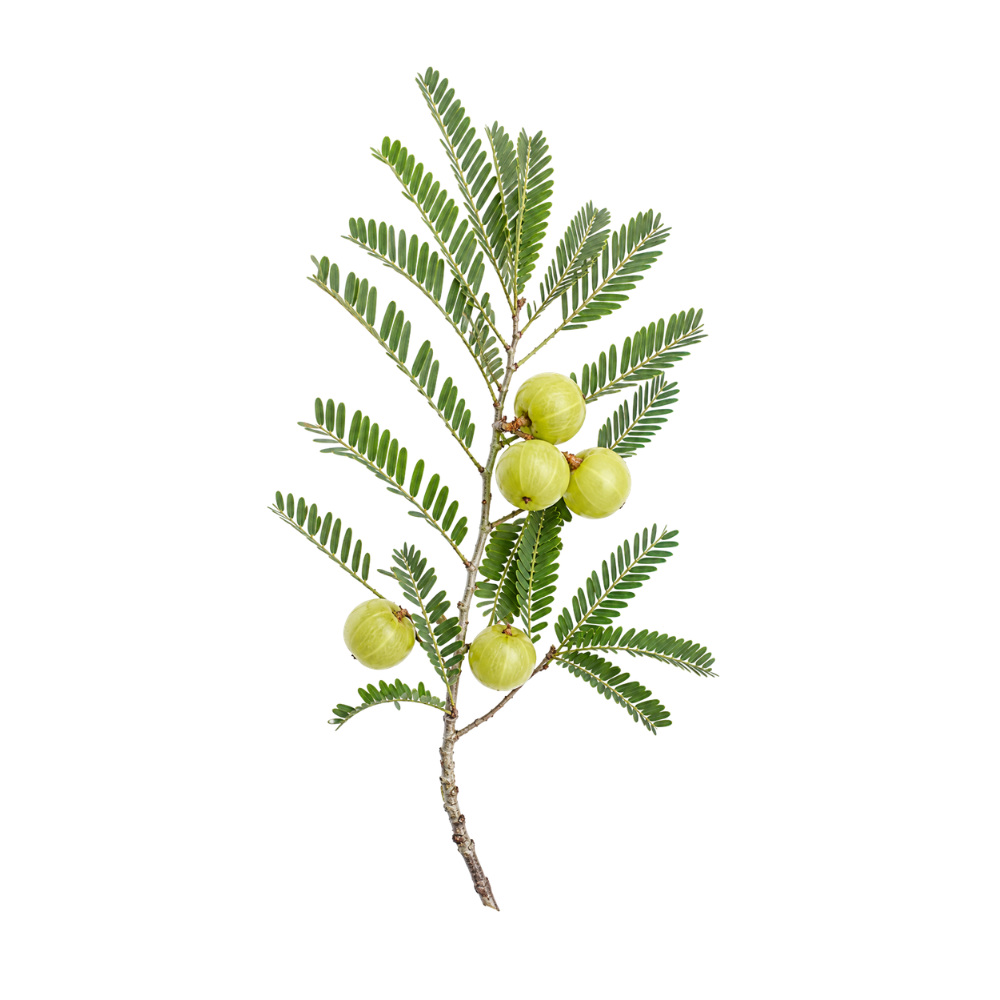 ModerateModerateAmlaPhyllanthus emblicaHelped reflux in a placebo-controlled trial, and reversed to harm at double the dose in animals.Mechanismmucus-layer protection; gallic-acid-driven e-NOS/VEGF proangiogenic ulcer healing — biphasic, with a demonstrated dose ceilingRead the evidenceShow lessMonograph →
Amla is an intensely sour, ascorbate-rich fruit, and its effect on the stomach depends on the dose.
A double-blind randomized placebo-controlled trial in non-erosive reflux disease found amla tablets (two 500 mg tablets twice daily for 4 weeks) significantly reduced heartburn and regurgitation versus placebo 20Reference 20RCTEfficacy and safety of Amla (Phyllanthus emblica L.) in non-erosive reflux disease: a double-blind, randomised, placebo-controlled clinical trialView study →. The trial was in reflux rather than ulcer.
In rats, ethanol extract at 250–500 mg/kg inhibited gastric lesions across pylorus-ligation, indomethacin, stress and necrotizing-agent models while protecting the mucus layer 21Reference 21AnimalGastroprotective effects of ‘Amla’ Emblica officinalis on in vivo test models in ratsView study →.
A gallic-acid-enriched fraction accelerated indomethacin-ulcer healing through an e-NOS/VEGF proangiogenic pathway 22Reference 22Gallic-acid-enriched fraction of Phyllanthus emblica potentiates indomethacin-induced gastric ulcer healing via an e-NOS-dependent pathwayView study →. It heals by building new vessels in the ulcer bed, a repair mechanism rather than acid suppression.
A separate study found the ethanol extract biphasic: protective at 60 mg/kg and harmful at 120 mg/kg 23Reference 23Biphasic effect of Phyllanthus emblica L. extract on NSAID-induced ulcerView study →. Higher doses damaged the stomach lining rather than protecting it, and amla’s sourness can aggravate hyperacidity in some people.
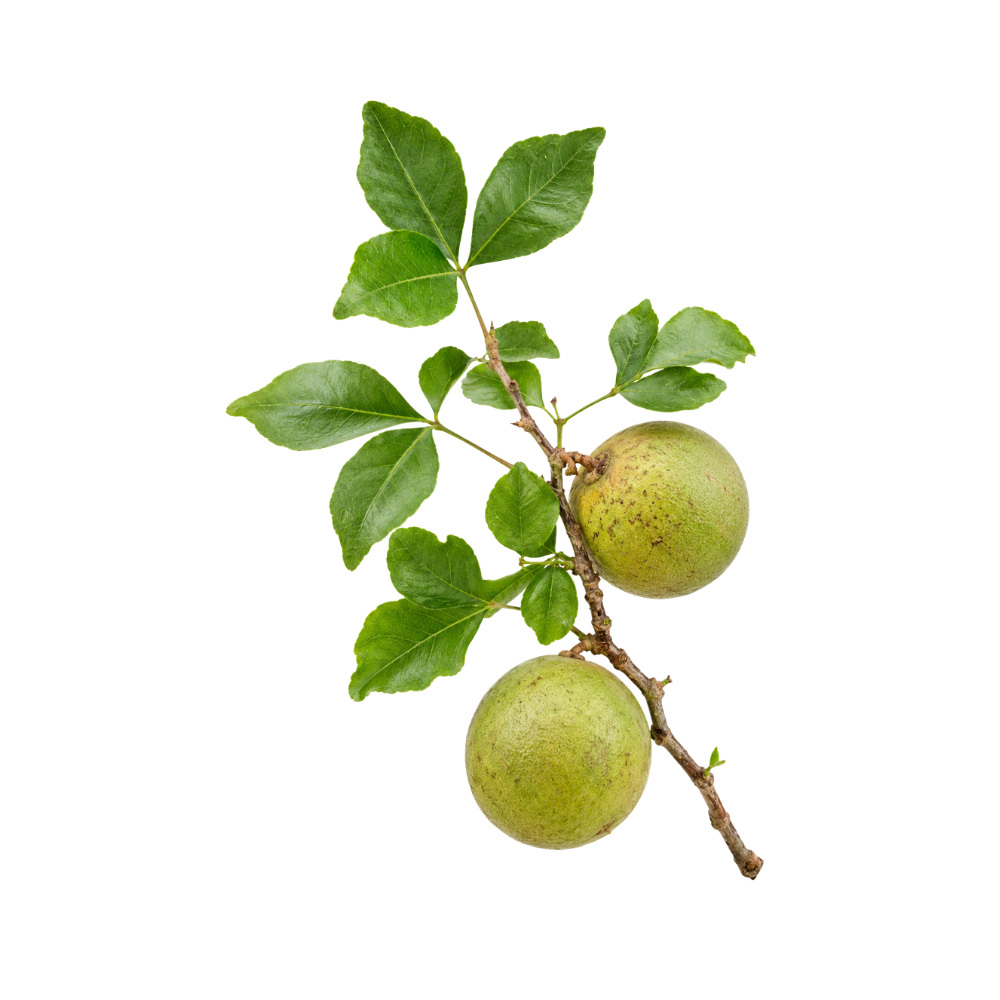 ModerateModerateBaelAegle marmelosIn rats the unripe fruit extract protected the stomach and duodenum against aspirin ulcers, in step with the dose.Mechanismmucosal antioxidant defence (lipid peroxidation ↓)Read the evidenceShow lessMonograph →
The protection was attributed to antioxidant mechanisms 24Reference 24Antidiabetic activity of Aegle marmelos and its relationship with its antioxidant properties — [animal]View study →. The same unripe-fruit extract was also investigated for antidiarrhoeal properties 25Reference 25Investigation on the gastroprotective and antidiarrhoeal properties of Aegle marmelos unripe fruit extract — [animal]View study →.
There is no human confirmation. No receptor-level mechanism has been identified, and acid secretion, prostaglandins and mucus turnover have not been reported.
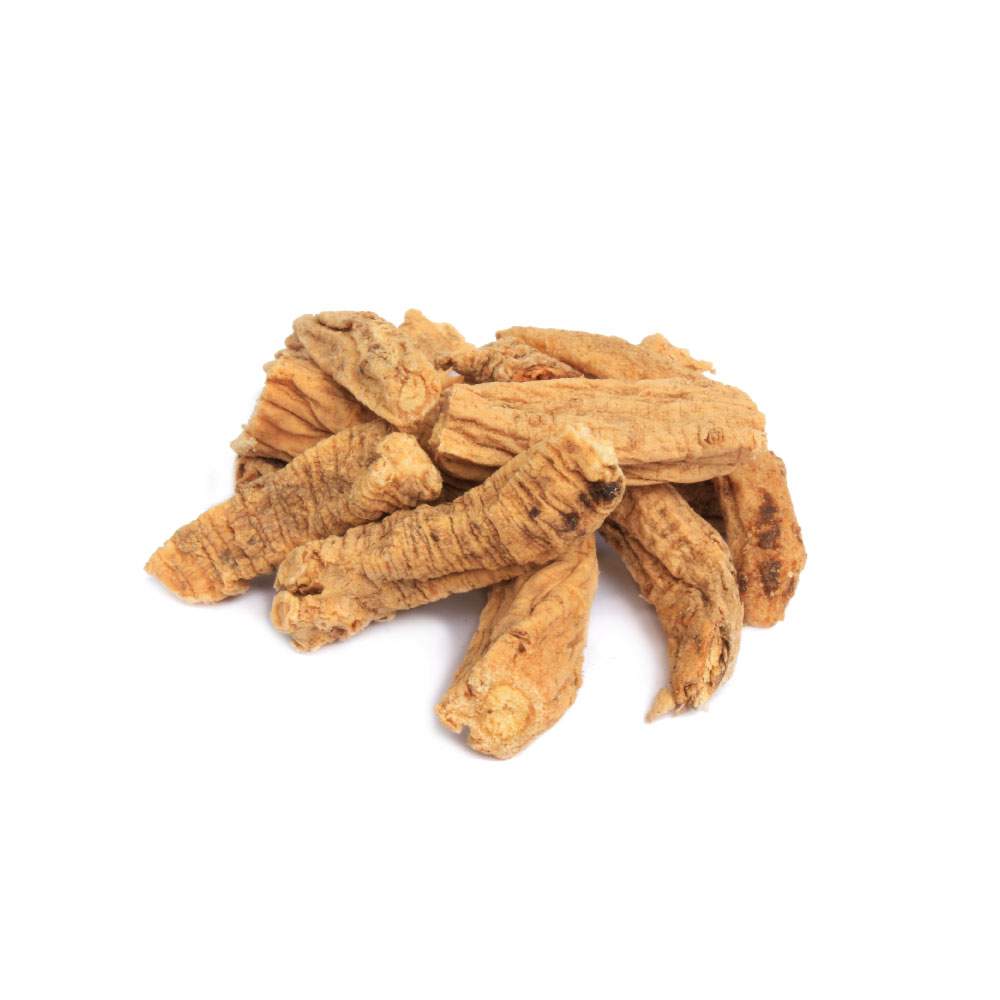 ModerateModerateCodonopsisCodonopsis pilosulaA gentle stomach tonic in Chinese medicine; in rats it lowered acid and pepsin and protected against several ulcers.Mechanismacid and pepsin secretion ↓; NF-κB / TNF-α ↓; gut-barrier and microbiota support (fructans)Read the evidenceShow lessMonograph →
Codonopsis root is the Chinese tonic that “strengthens the spleen and stomach” 35Reference 35A Materia Medica for Chinese Medicine: Plants, Minerals, and Animal Products, and the rodent work supports a protective effect on the stomach lining.
A C. pilosula extract protected rats against stress, acetic-acid and sodium-hydroxide ulcers and reduced acid and pepsin secretion, though it did little against pyloric-ligation or indomethacin ulcers 36Reference 36AnimalInvestigations on the protective action of Codonopsis pilosula (Dangshen) extract on experimentally-induced gastric ulcer in ratsView study →.
Ethanol extracts of all three dang shen sources protected against ethanol ulcers, with tangshenoside I and lobetyolin identified as likely actives 37Reference 37The effect and mechanism of Codonopsis Radix and its active components tangshenoside I and lobetyolin on preventing gastric ulcer based on spectrum-effect relationshipView study →. In people, the root has been tested only inside multi-herb formulas.
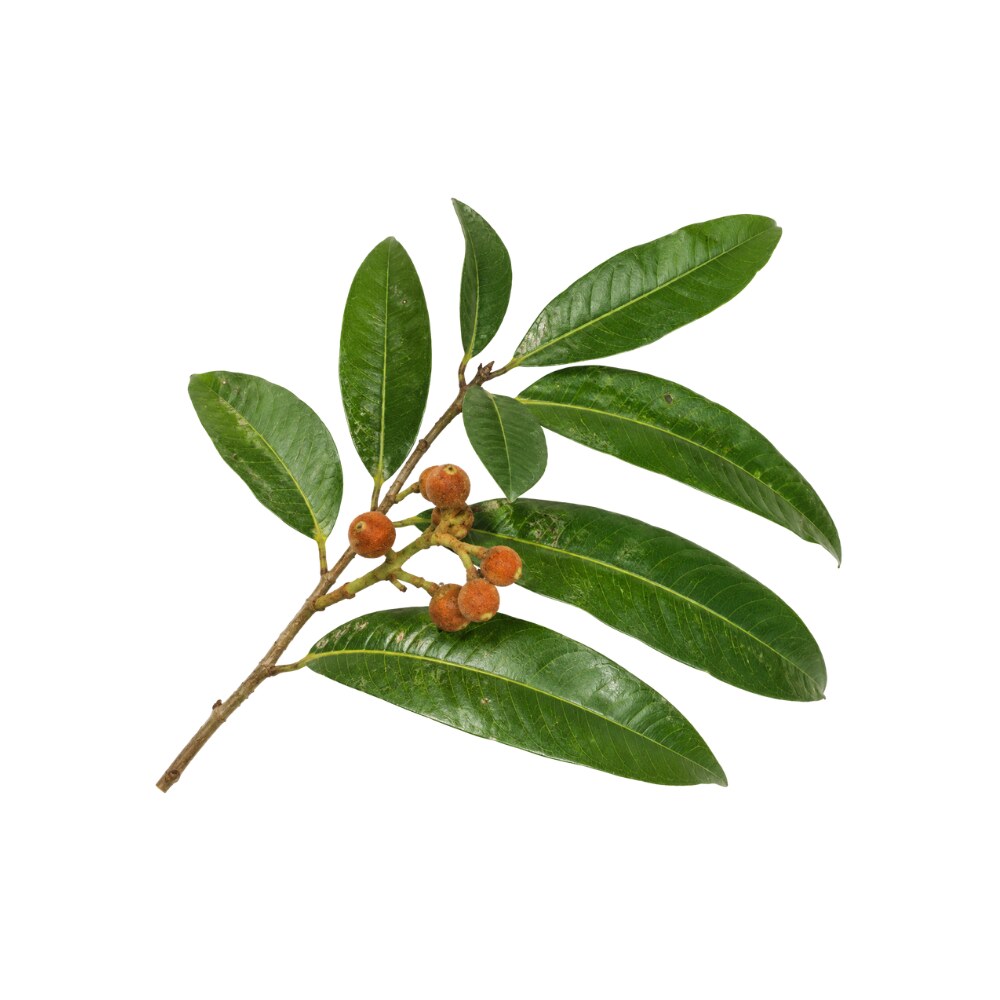 ModerateModerateEpeñaVirola spp.Resin and bark of several Virola species strongly protected the rodent stomach, but these are not the snuff species.Mechanismphenolic antioxidant protection of the stomach lining (epicatechin, catechin)Read the evidenceShow lessMonograph →
Three rodent studies across three Virola species point the same way. An ethanolic extract of V. surinamensis resin cut ethanol lesions by about 95% and also reduced indomethacin, stress and pyloric-ligation ulcers 38Reference 38AnimalAntiulcerogenic action of ethanolic extract of the resin from Virola surinamensis Warb. (Myristicaceae) — in vivo rodent studyView study →.
V. oleifera resin reduced ethanol and indomethacin lesions, comparable to lansoprazole, and a standardized V. elongata stem-bark extract repeated the effect 39,
These are the species used in Brazilian folk medicine for gastritis and ulcer, not the 5-MeO-DMT snuff tree V. theiodora, and all of the work is single-dose prevention in rodents. The authors of one study noted that local people report toxic symptoms from the crude resin 38Reference 38AnimalAntiulcerogenic action of ethanolic extract of the resin from Virola surinamensis Warb. (Myristicaceae) — in vivo rodent studyView study →.
ModerateHerb RobertGeranium robertianumIn aspirin-ulcer rats the leaf extract matched famotidine on ulcer index, and an extract inhibits urease in vitro.Mechanismmucosal TNF-α/NF-κB ↓; gastric pH ↑; urease inhibitionRead the evidenceShow less
In aspirin-induced gastric ulcer in Wistar rats, leaf-extract pre-treatment improved gastric architecture, raised gastric-juice pH, lowered the ulcer index and cut mucosal TNF-α/NF-κB, performing comparably to famotidine 41Reference 41AnimalPromising effect of Geranium robertianum L. leaves and Aloe vera gel powder on aspirin-induced gastric ulcers — animal model (Wistar rat)View study →.
A polyphenol-rich extract separately inhibited urease by over 90% in vitro 42Reference 42In vitroEvaluation of Geranium spp., Helleborus spp. and Hyssopus spp. polyphenolic extracts inhibitory activity against urease and α-chymotrypsin — in vitroView study →. This matters because urease-positive H. pylori drives peptic ulceration.
The urease assay used jack-bean enzyme, a standard surrogate, not the bacterial enzyme. The evidence rests on one animal study, with no human data.
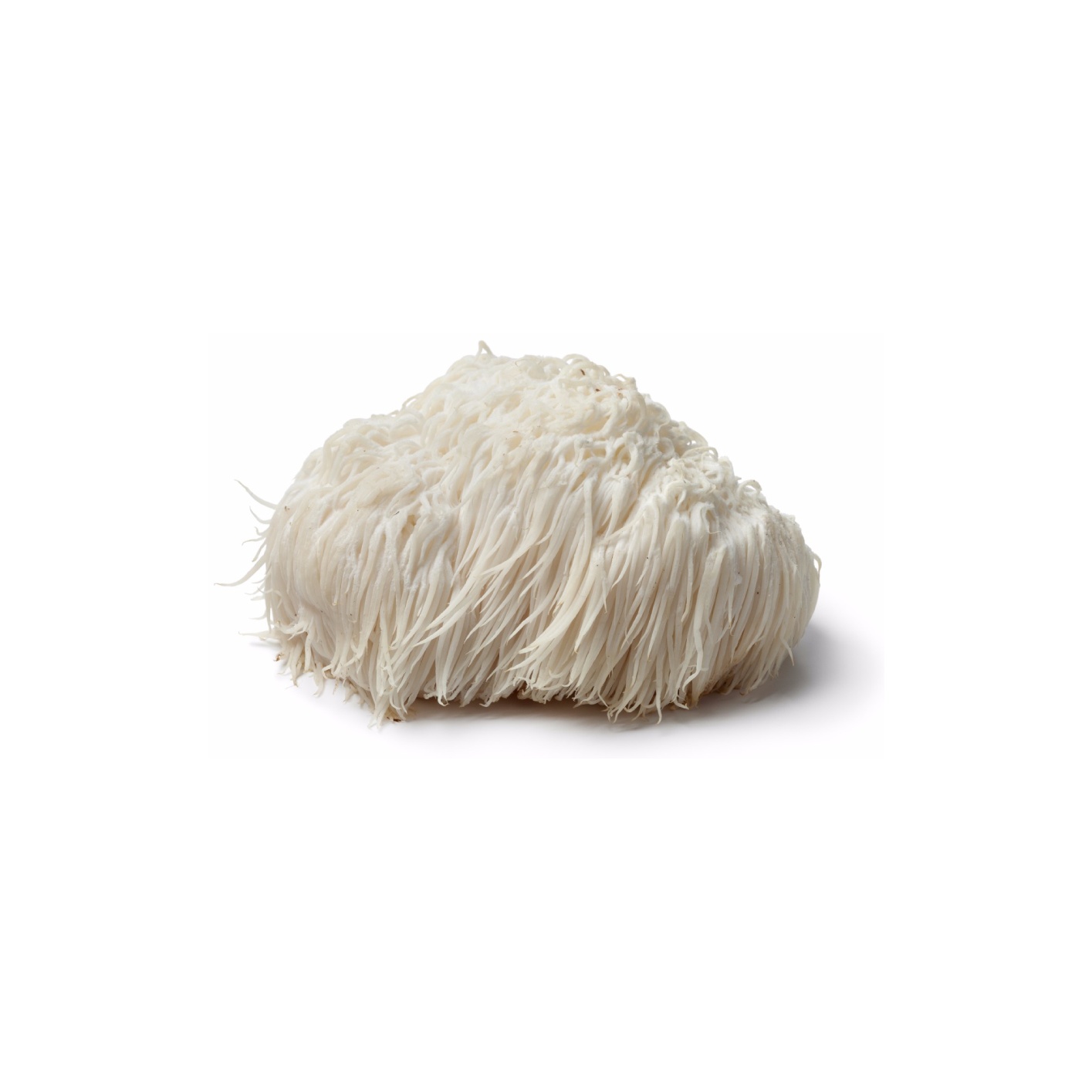 ModerateModerateLion’s ManeHericium erinaceusA traditional Chinese stomach remedy; in rats a polysaccharide from the fruiting body reduced ulcers and inflammation.Mechanismpolysaccharide (β-glucan) mucosal protection; IL-6 / TNF-α ↓; oxidative stress ↓Read the evidenceShow lessMonograph →
Lion’s mane has been used in Chinese medicine for centuries, mainly for the stomach and digestion 46Reference 46ReviewHericium erinaceus, a medicinal fungus: evidence in gastrointestinal diseases — reviewView study →.
In rats with acetic-acid gastric ulcers, a fruiting-body polysaccharide reduced the ulcers and lowered IL-6, TNF-α and oxidative markers in the stomach wall, and one active fraction was a (1→6)-β-D-glucan 47Reference 47AnimalGastroprotective activity of polysaccharide from Hericium erinaceus against acetic-acid-induced gastric ulcer — rat in vivo studyView study →.
Extracts also eased chemically induced colitis in rats 48Reference 48AnimalExtracts from Hericium erinaceus relieve inflammatory bowel disease by regulating immunity and microbiota — rat modelView study →. The evidence is for an isolated fruiting-body polysaccharide fraction rather than the whole mushroom, and there is no human trial.
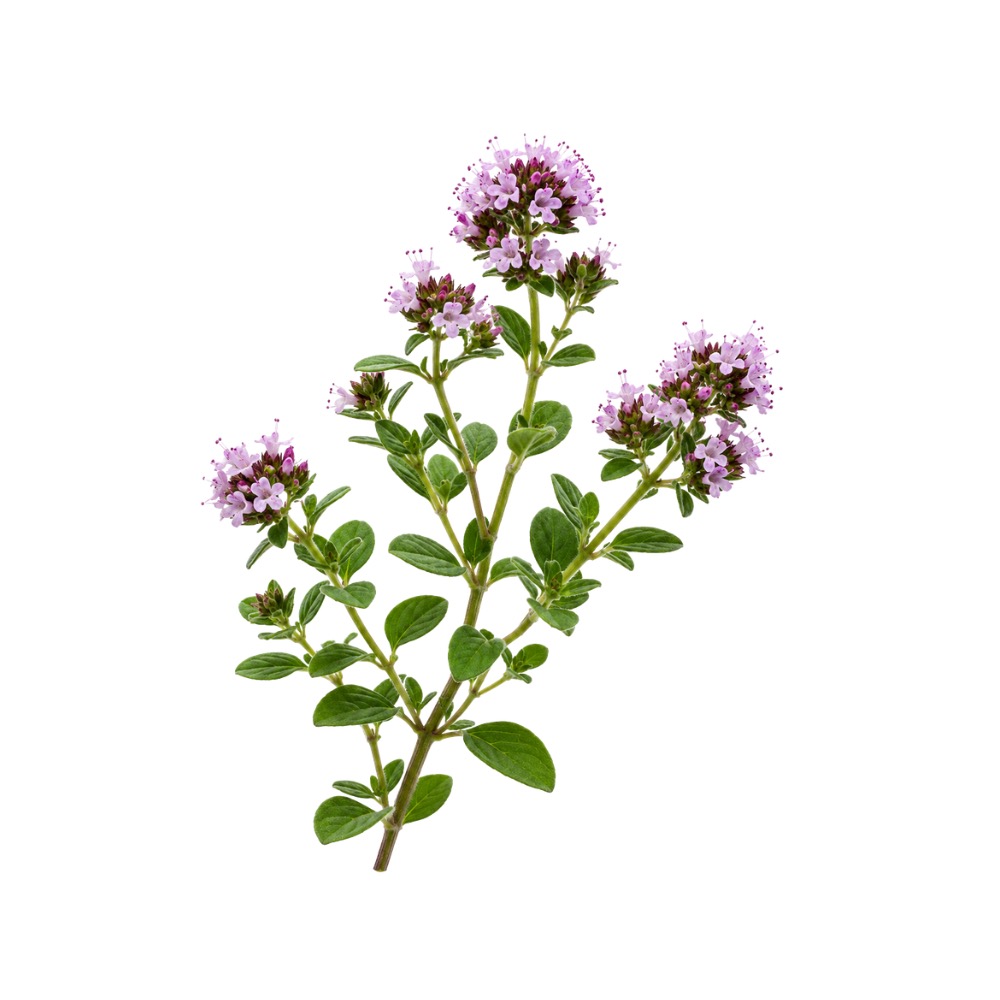 ModerateModerateMarjoramOriganum majoranaIn rats it protected the stomach across five ulcer models by restoring mucus and lowering acid.Mechanismbasal acid secretion ↓; gastric mucus and non-protein sulfhydryls ↑; lipid peroxidation ↓Read the evidenceShow lessMonograph →
In rats, an ethanol extract at 250 and 500 mg/kg reduced ulcers from five different injuries: cold-restraint stress, indomethacin, ethanol, concentrated salt and sodium hydroxide 49Reference 49AnimalProtective effect of Origanum majorana L. ‘Marjoram’ on various models of gastric mucosal injury in rats — animal modelView study →.
It lowered basal acid output, replenished protective gastric mucus and non-protein sulfhydryls, and lowered lipid peroxidation, with a wide safety margin in mice 49Reference 49AnimalProtective effect of Origanum majorana L. ‘Marjoram’ on various models of gastric mucosal injury in rats — animal modelView study →. The herb and its oil also inhibited Helicobacter pylori in vitro 50,
All of this is preclinical at doses far above tea strength.
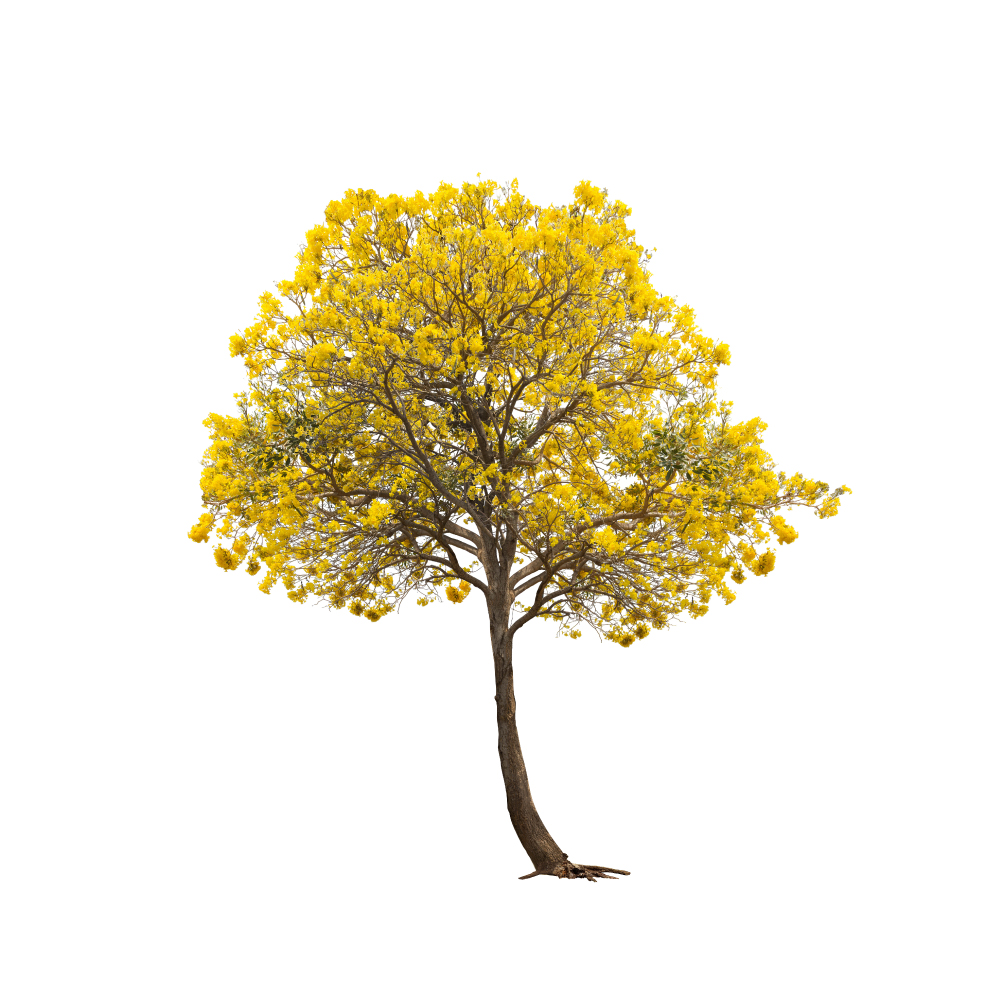 ModerateModeratePau D’ArcoTabebuia impetiginosaIn rats the bark both protected the lining and helped existing ulcers heal, by raising mucus and lowering acid.Mechanismgastric mucus ↑; acid secretion and H+/K+-ATPase ↓; mucosal cell proliferation during healingRead the evidenceShow lessMonograph →
An ethanolic bark extract of Tabebuia avellanedae protected rats against ethanol and ibuprofen gastric lesions, raised gastric mucus, and lowered acid secretion and proton-pump (H+/K+-ATPase) activity 59Reference 59AnimalAntiulcerogenic activity of bark extract of Tabebuia avellanedae — rat modelView study →.
A follow-up by the same group found that the extract also helped established acetic-acid ulcers heal, cutting them by 44% and 36% at 100 and 300 mg/kg, by increasing mucus and cell proliferation in the gastric lining 60Reference 60AnimalAntiulcer effect of bark extract of Tabebuia avellanedae: activation of cell proliferation in gastric mucosa during healing — rat modelView study →. This matches the Brazilian folk use of the bark for peptic ulcer 59,
Both studies come from one research group, and there is no human data. The bark’s lapachol is a vitamin K antagonist, so take care with blood thinners and before surgery, and avoid it in pregnancy.
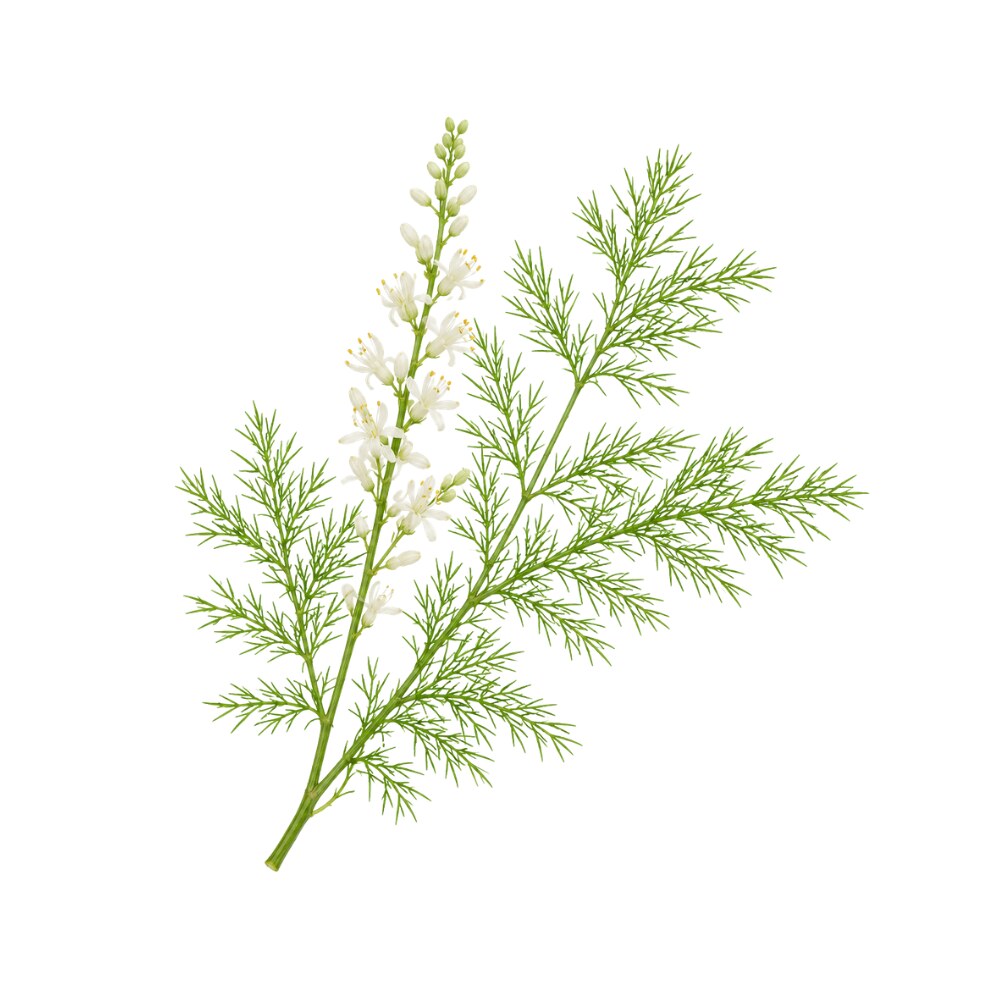 ModerateModerateShatavariAsparagus racemosusA cooling Ayurvedic root for hyperacidity; in rats it lowered acid about as well as ranitidine.Mechanismgastric acid secretion ↓; gastric mucopolysaccharides ↑; mucosal antioxidant enzymes ↑Read the evidenceShow lessMonograph →
Ayurveda uses the cooling, mucilaginous root for hyperacidity and stomach ulcer, and two rat studies support a protective effect.
A methanolic root extract at 100 mg/kg/day for 15 days reduced ulcer index, secretion volume and acidity after indomethacin plus pyloric ligation, comparable to ranitidine 61Reference 61AnimalAntisecretory and antiulcer activity of Asparagus racemosus against indomethacin plus pyloric ligation-induced gastric ulcer — animal model (rat)View study →.
A second study found it reduced indomethacin and stress ulcers and raised antioxidant enzymes, and it outperformed ashwagandha on the indomethacin ulcers 62Reference 62AnimalAntiulcer and antioxidant activity of Asparagus racemosus and Withania somnifera in rats — animal modelView study →. A rise in protective gastric mucopolysaccharides is also reported.
Both studies are in rats, and no human dyspepsia or ulcer trial exists.
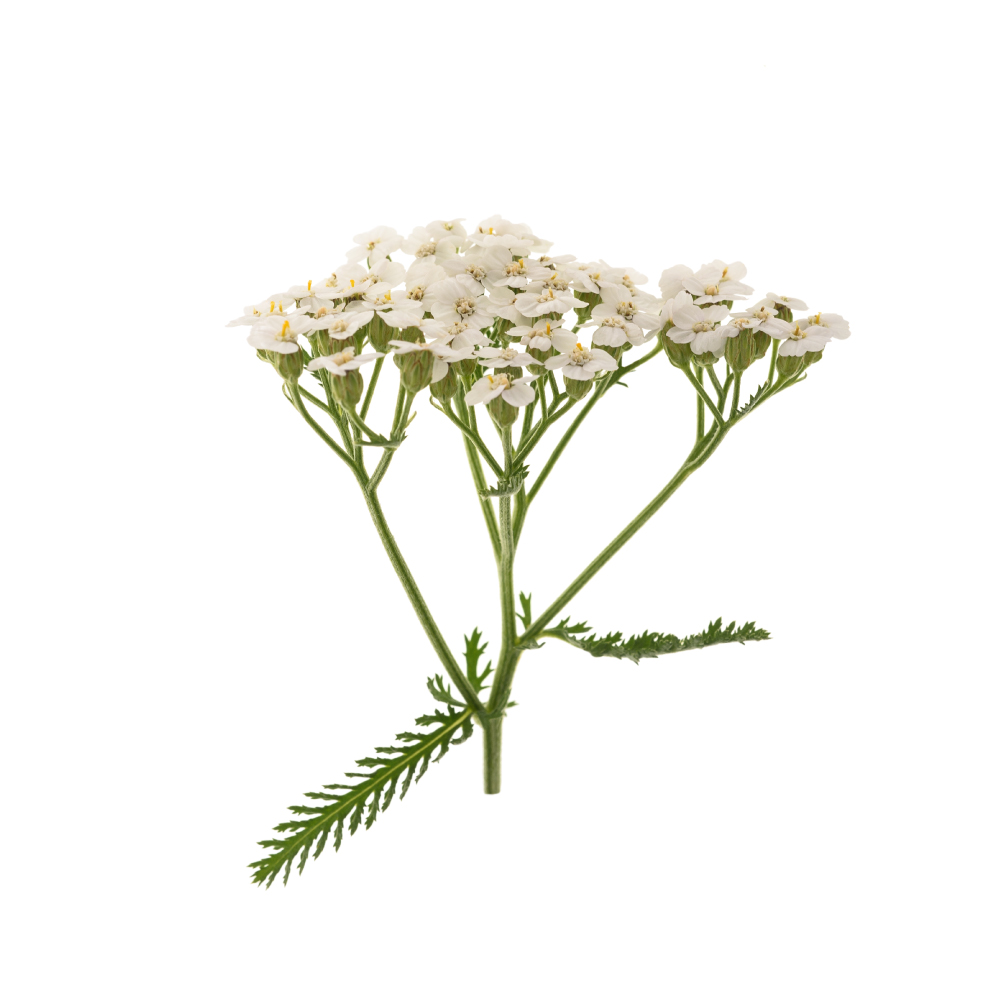 ModerateModerateYarrowAchillea millefoliumA Commission E herb for indigestion; in rats a water extract both protected the lining and healed ulcers.Mechanismprotection against ethanol and NSAID mucosal injury; healing of chronic ulcerRead the evidenceShow lessMonograph →
Commission E approves yarrow for dyspeptic complaints 72Reference 72ReviewBiological activities of yarrow species (Achillea spp.) — [review]View study →.
In one rat study the aqueous extract protected the gastric mucosa against ethanol and indomethacin lesions and also healed chronic acetic-acid ulcers, with an ED₅₀ of about 32 mg/kg 73Reference 73AnimalSafety and antiulcer efficacy studies of Achillea millefolium L. after chronic treatment in Wistar rats — [rat in vivo]View study →.
The water extract matches the tea the herb is taken as, and the potency was high for a crude extract. A 28–90 day safety arm found only slight changes in liver weight, cholesterol and glucose 73Reference 73AnimalSafety and antiulcer efficacy studies of Achillea millefolium L. after chronic treatment in Wistar rats — [rat in vivo]View study →.
This is a single animal study with no human gastric trial.
Show 9 more herbs with a mild gastroprotective action
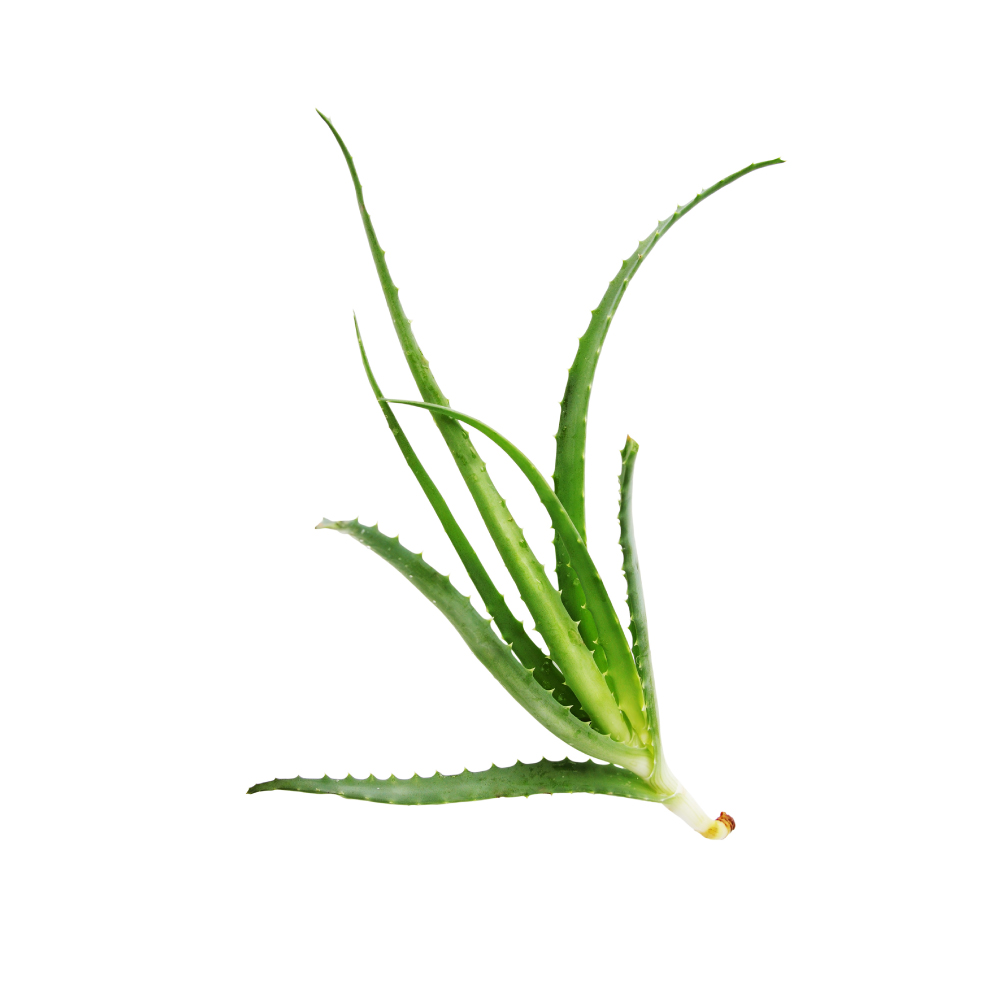 MildMildAloeAloe veraThe inner-leaf gel is a traditional soothing remedy for peptic ulcer; the stomach itself has not been studied.Mechanismacemannan gel coating; epithelial proliferation in mucosal healing (mechanism table)Read the evidenceShow lessMonograph →
Ayurvedic and Thai medicine use aloe for peptic ulcer 16Reference 16A Clinical Guide to Blending Liquid Herbs: Herbal Formulations for the Individual Patient. The gel is a soothing demulcent, and its main constituent, acemannan, is credited with stimulating epithelial repair in mucosal healing 17,
The only internal gut trial is in ulcerative colitis, where clinical response beat placebo but remission did not 19Reference 19RCTRandomized, double-blind, placebo-controlled trial of oral Aloe vera gel for active ulcerative colitisView study →. No study has tested the stomach.
The use applies to the decolorized inner-leaf gel only. The latex and whole-leaf extracts are laxative and a possible carcinogen.
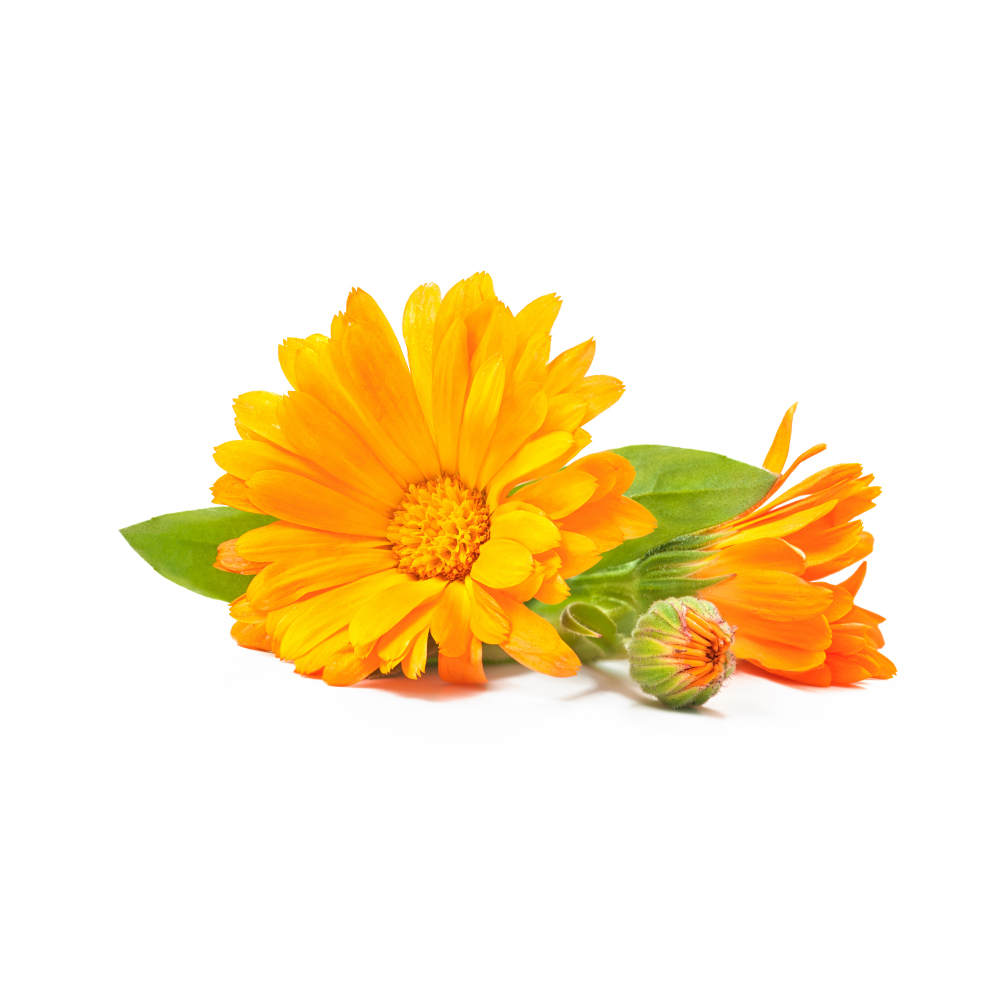 MildMildCalendulaCalendula officinalisA traditional flower tea for gastritis and ulcer, backed by one rat study of an isolated saponin fraction.Mechanismcalendasaponin (oleanane saponin) protection against ethanol and NSAID lesions; delayed gastric emptyingRead the evidenceShow lessMonograph →
Calendula flower tea and tincture are given in Western herbal medicine for gastritis and gastric and duodenal ulcer, as recorded by the EU herbal committee 26Reference 26ReviewAssessment report on Calendula officinalis L., flos (EMA/HMPC/603409/2017) — regulatory reviewView study →. One rodent study supports this.
The methanol extract and its saponin fraction protected rats against ethanol and indomethacin lesions and slowed gastric emptying, an effect attributed to the newly isolated calendasaponins A–D 27Reference 27AnimalMedicinal flowersView study →.
That was an isolated saponin fraction, not the infusion or tincture, and the result has not been replicated.
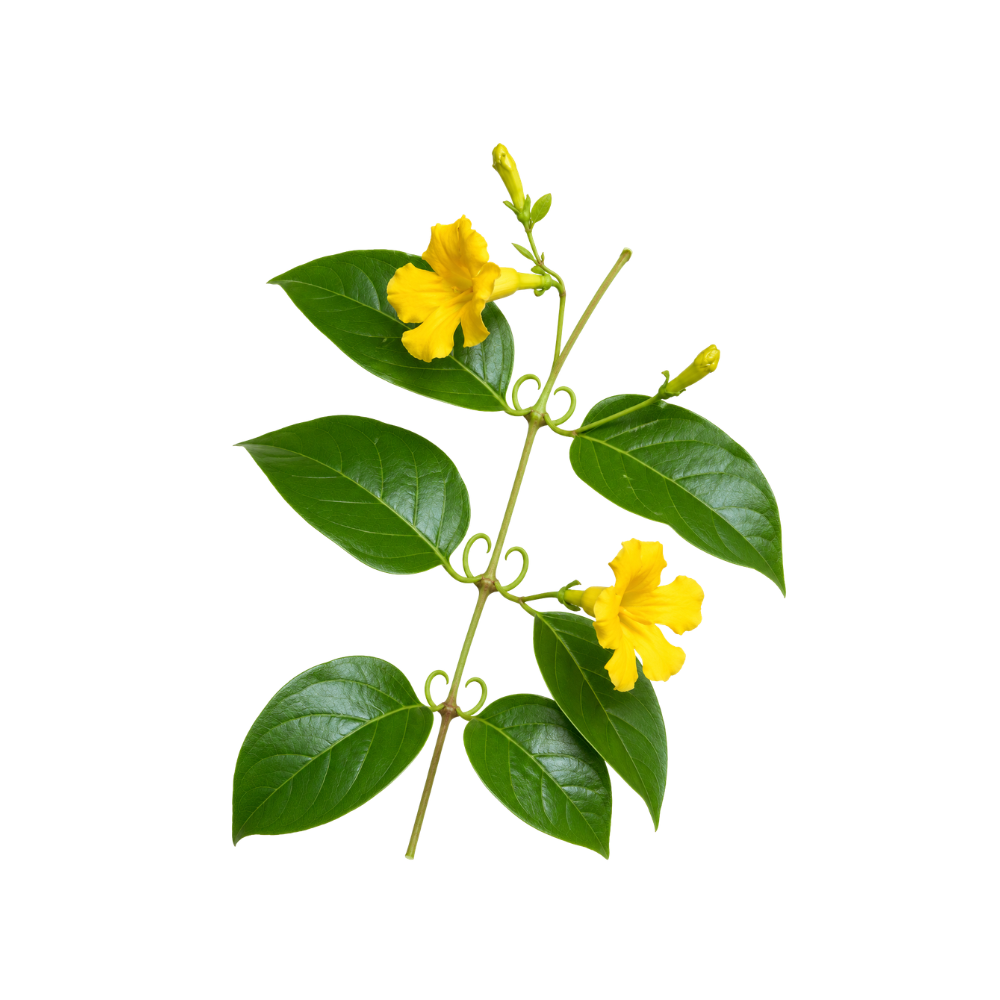 MildMildCat’s ClawUncaria tomentosaAn Amazonian bark remedy for gastric ulcer and gastritis; the stomach effect has not been studied.Mechanismtraditional Amazonian use for gastric ulcer; mechanism not studiedRead the evidenceShow lessMonograph →
The inner bark is used by the Asháninka of Peru for gastric ulcer and by other Peruvian traditions for gastritis 28,
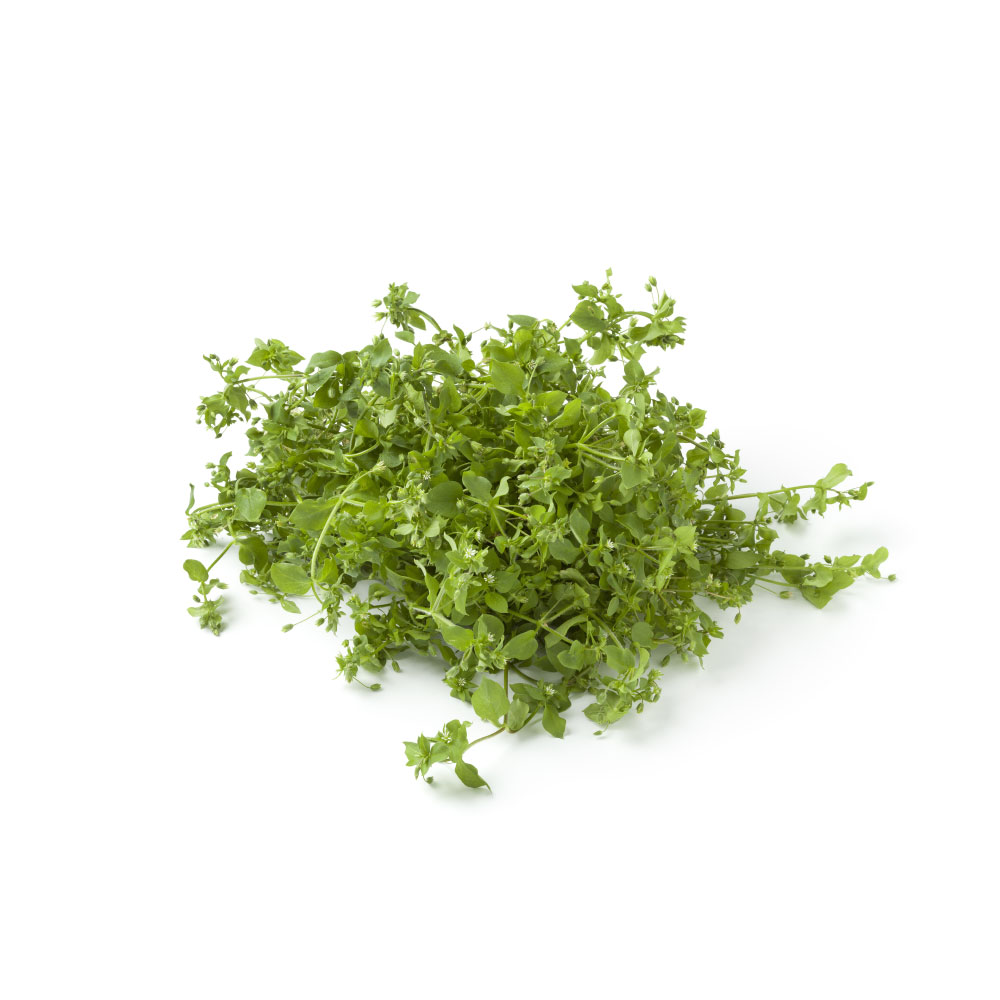 MildMildChickweedStellaria mediaIn one rat study the extract lowered stomach acid and reduced NSAID ulcers in step with the dose.Mechanismgastric acid volume and acidity ↓; gastric pH ↑; mucosal lipid peroxidation ↓Read the evidenceShow lessMonograph →
A leaf decoction is taken for acute stomach illness in parts of Asia and tropical Africa 33Reference 33ReviewStellaria media (L.) Vill.— A plant with immense therapeutic potentials: phytochemistry and pharmacology — reviewView study →.
With piroxicam ulcers, a methanol extract at 150, 300 and 450 mg/kg for 14 days raised gastric pH and lowered acid volume, acidity and ulcer formation in a dose-dependent way, and it restored antioxidant markers 34Reference 34AnimalPhytochemical analysis and gastroprotective effect of Stellaria media methanolic extract on piroxicam-induced gastric ulcer — rat/in vivoView study →.
This is a single study, at doses well above food use.
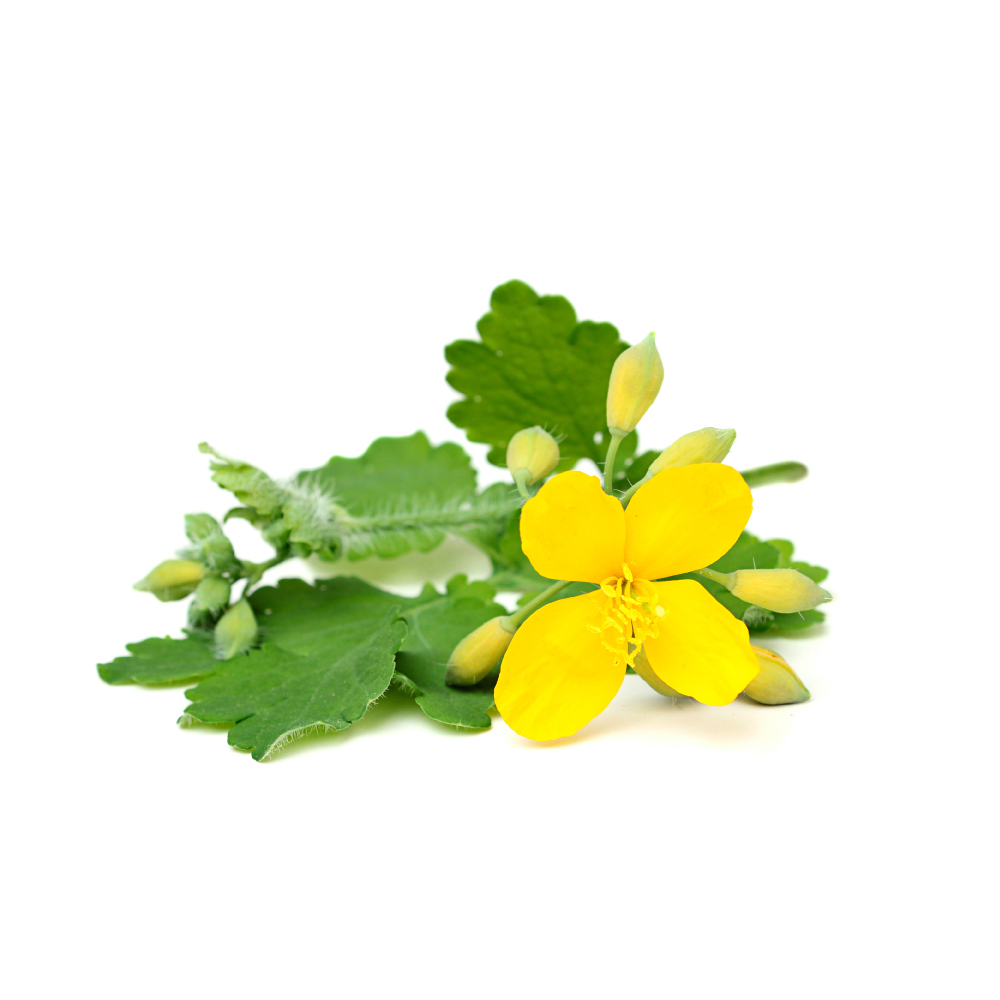 MildMildGreater CelandineChelidonium majusA European and Chinese remedy for gastritis and ulcer, with no gastric research and a real liver risk.Mechanismtraditional bitter / antispasmodic use for gastritis and ulcer; mechanism not studiedRead the evidenceShow lessMonograph →
Greater celandine is given for gastric ulcer and gastritis in Western herbal medicine and in Chinese practice, where it is also used for peptic ulcer and abdominal pain 30,
It has a documented liver-injury record and is ruled out in liver disease, pregnancy and breastfeeding.
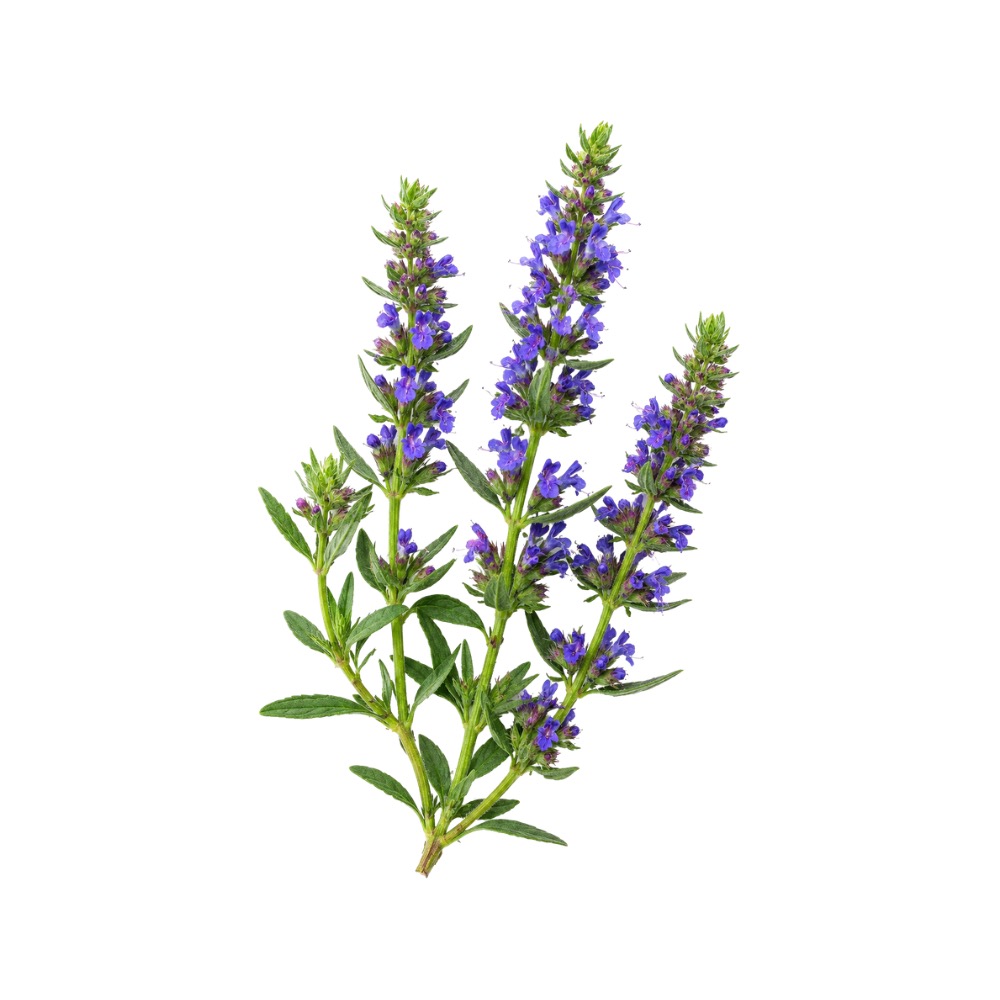 MildMildHyssopHyssopus officinalisA folk tea for chronic gastritis; in one rat study the leaf extract raised mucus and protected the lining.Mechanismgastric mucus ↑; antioxidant enzymes (SOD, GSH, catalase) ↑; lipid peroxidation ↓Read the evidenceShow lessMonograph →
Hyssop infusion is a folk remedy for chronic gastritis.
An ethanolic leaf extract at 250 and 500 mg/kg for 10 days reduced the indomethacin ulcer index, raised mucus and antioxidant enzymes, and lowered lipid peroxidation, comparable to ranitidine 43Reference 43AnimalGastroprotective effect of Hyssopus officinalis L. leaves via reduction of oxidative stress in indomethacin-induced gastric ulcer in experimental rats — [rat model — in vivo]View study →.
The essential oil was not active against Helicobacter pylori 44Reference 44In vitroA colorimetric broth microdilution method for assessment of Helicobacter pylori sensitivity to antimicrobial agents — [in vitro]View study →. This is a single report, and the activity tracks the leaf phenolics rather than the oil.
Hyssop oil can cause seizures and is not taken internally.
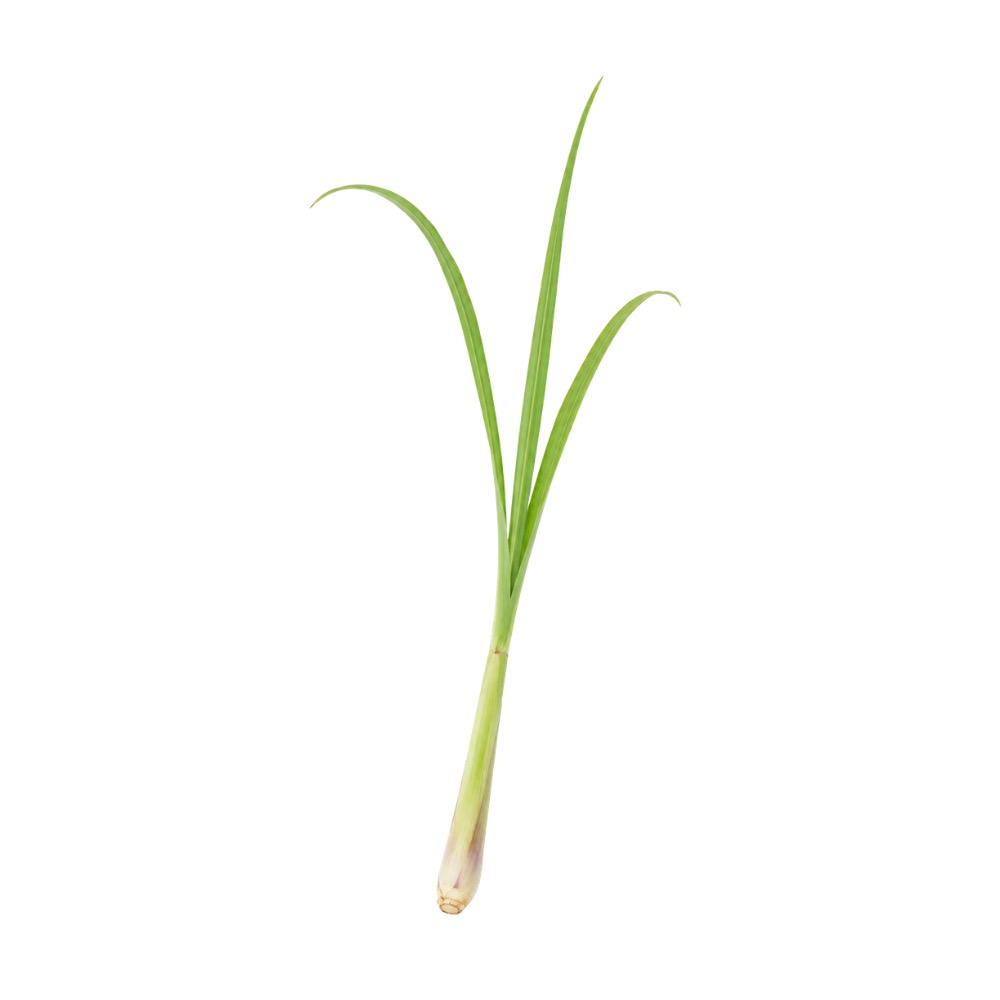 MildMildLemongrassCymbopogon citratusIn mice the essential oil and its geraniol helped ulcers heal; the tea carries little of either.Mechanismgeraniol-driven ulcer healing; protection against ethanol lesions (essential oil, citral)Read the evidenceShow lessMonograph →
Lemongrass leaf tea is a household remedy for stomach complaints 45Reference 45AnimalEssential oil of Cymbopogon citratus and geraniol, but not citral, promote gastric healing activity in mice — in vivo animal modelView study →, but the gastric research is on the essential oil. In mice the oil, citral and geraniol all protected against ethanol ulcers 45Reference 45AnimalEssential oil of Cymbopogon citratus and geraniol, but not citral, promote gastric healing activity in mice — in vivo animal modelView study →.
On established acetic-acid ulcers only the oil and geraniol sped healing, by about 35% and 81%, while citral did not 45Reference 45AnimalEssential oil of Cymbopogon citratus and geraniol, but not citral, promote gastric healing activity in mice — in vivo animal modelView study →. This is a single study in one species, and the tea carries little of the oil.
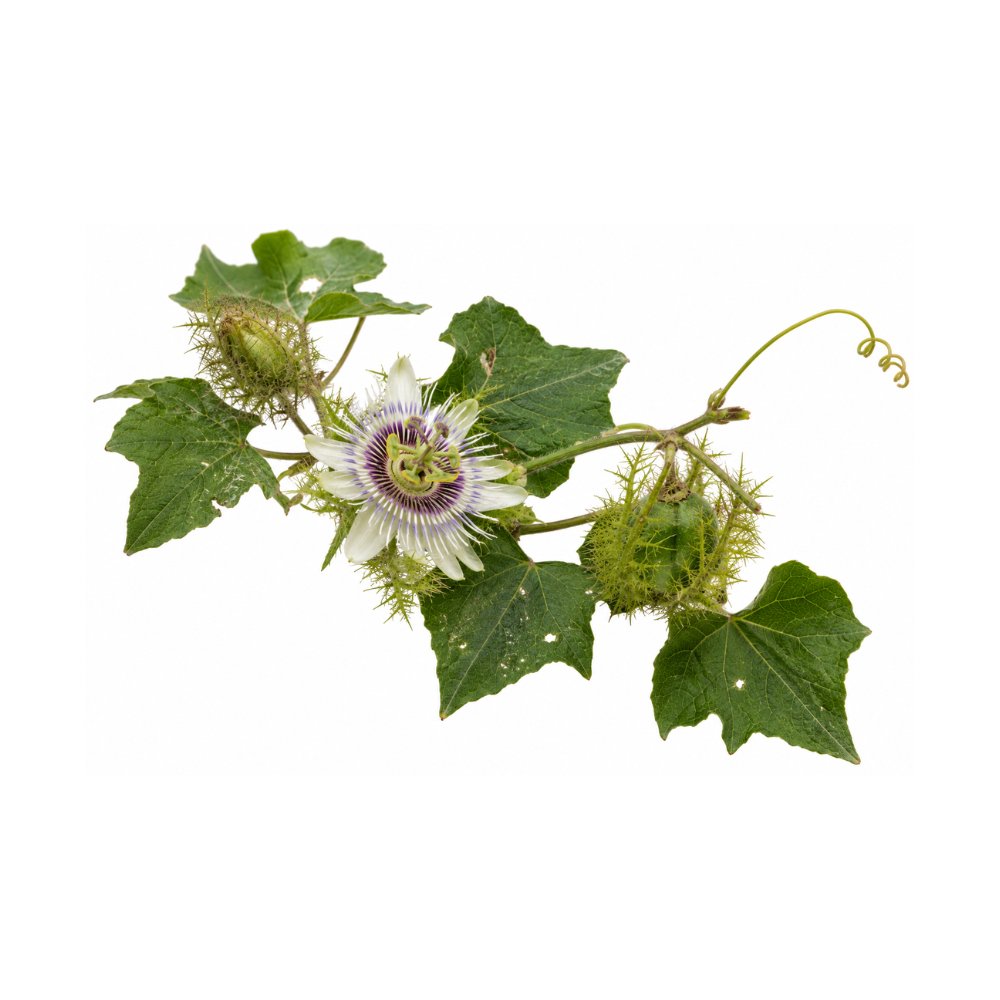 MildMildStinking PassionflowerPassiflora foetidaIn one rat study the whole-plant extract reduced ulcers and made the stomach less acidic.Mechanismgastric pH ↑; mucosal glutathione ↑; lipid peroxidation ↓Read the evidenceShow lessMonograph →
The plant has a folk history of use for ulcers 69,
A whole-plant ethanol extract at 100 and 200 mg/kg reduced the ulcer index and raised gastric pH in both ethanol and aspirin ulcer models, and it lowered lipid peroxidation and raised reduced glutathione in the stomach wall 69Reference 69AnimalAntiulcer and antioxidant activity of ethanolic extract of Passiflora foetida L. — animal modelView study →.
This is a single study, with no human data.
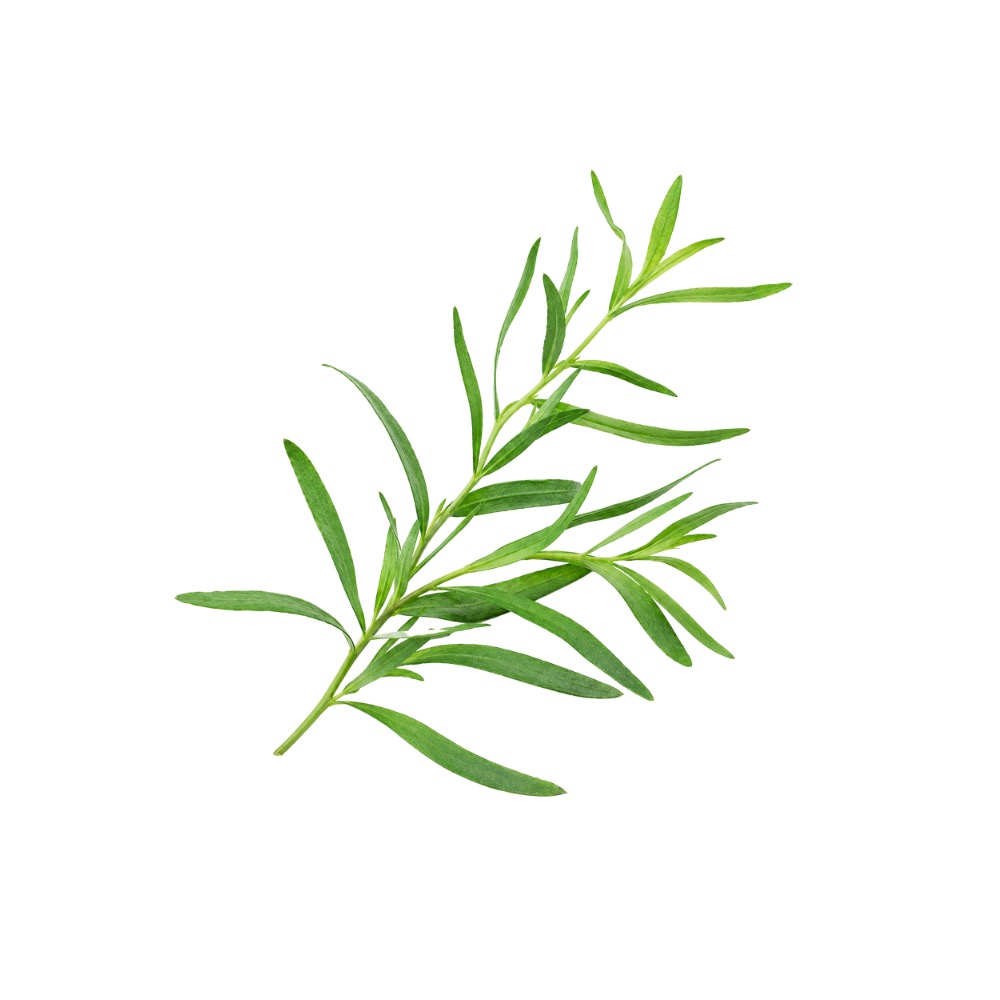 MildMildTarragonArtemisia dracunculusA traditional European and Central Asian remedy for gastritis and ulcer; the stomach effect is unstudied.Mechanismtraditional stomachic / digestive use; mechanism not studiedRead the evidenceShow lessMonograph →
European folk medicine used tarragon for intestinal cramps and ulcers, and in Central Asia, including Russia, it is taken for gastritis and indigestion 71Reference 71ReviewArtemisia dracunculus (tarragon): a review of its traditional uses, phytochemistry and pharmacology — reviewView study →.
No gastric study has been reported, so the strength of any protective effect is unknown.
No herbs match these filters.
Safety
- Coating herbs coat medicines too. Mucilage from herbs such as marshmallow and slippery elm slows the absorption of anything taken with it, so take other medicines one to two hours apart.
- The studied part is the safe part. The gastroprotective preparation is often one part of the plant, such as a gel or a bark extract; other parts of the same plant can be laxative or toxic.
- A soothing tradition does not rule out other hazards. Some stomach herbs carry liver, anticoagulant or pregnancy risks of their own.
- More is not always better. Some extracts protect at moderate doses and damage the lining at higher ones, and sour fruits can worsen hyperacidity.
- The essential oils are not the gastroprotective form. Hyssop oil can cause seizures and is not taken internally; lemongrass and marjoram oils are not swallowed neat.
- Get assessed rather than self-treat for vomiting blood, black stools, unexplained weight loss, difficulty swallowing or persistent upper abdominal pain.
References
- Fumagalli M, Sangiovanni E, Vrhovsek U, Piazza S, Colombo E, Gasperotti M, Mattivi F, De Fabiani E, Dell’Agli M (2016). Strawberry tannins inhibit IL-8 secretion in a cell model of gastric inflammation — in vitro. Pharmacological Research. https://pubmed.ncbi.nlm.nih.gov/27473819/
- Martinelli G, Piazza S, Fumagalli M, Maranta N, Pozzoli C, Sonzogni E, Moheb El Haddad S, Vrhovsek U, Mattivi F, Sangiovanni E, De Fabiani E, Dell’Agli M (2025). Investigating ellagitannins from strawberry (Fragaria × ananassa Duch.) as a new strategy to counteract H. pylori infection and inflammation — in vitro. Food & Function. https://pubmed.ncbi.nlm.nih.gov/40452546/
- Al-Sayed E, Michel HE, Khattab MA, El-Shazly M, Singab AN (2020). Protective role of casuarinin from Melaleuca leucadendra against ethanol-induced gastric ulcer in rats. Planta Medica, 86(1), 32-44. https://pubmed.ncbi.nlm.nih.gov/31689719/
- Araruna MEC, et al. (2024). (−)-Fenchone prevents cysteamine-induced duodenal ulcers and accelerates gastric-ulcer healing in rats via antioxidant and immunomodulatory mechanisms. Pharmaceuticals (Basel). https://pubmed.ncbi.nlm.nih.gov/38794211/
- Bonamin F, Moraes TM, Dos Santos RC, Kushima H, Faria FM, Silva MA, Junior IV, Nogueira L, Bauab TM, Souza Brito AR, da Rocha LR, Hiruma-Lima CA (2014). The effect of a minor constituent of essential oil from Citrus aurantium: the role of β-myrcene in preventing peptic ulcer disease — rat in vivo animal model. Chemico-Biological Interactions. https://pubmed.ncbi.nlm.nih.gov/24480520/
- Nitta Y, Kikuzaki H, Azuma T, Ye Y, Sakaue M, Higuchi Y, Komori H, Ueno H. (2013). Inhibitory activity of Filipendula ulmaria constituents on recombinant human histidine decarboxylase. Food Chemistry, 138(2–3), 1551–1556. https://pubmed.ncbi.nlm.nih.gov/23411280/
- Nitta Y, Yasukata F, Kitamoto N, Ito M, Sakaue M, Kikuzaki H, Ueno H. (2016). Inhibition of Morganella morganii histidine decarboxylase activity and histamine accumulation in mackerel muscle derived from Filipendula ulmaria extracts. Journal of Food Protection, 79(3), 463–467. https://pubmed.ncbi.nlm.nih.gov/26939657/
- Olennikov DN, Chemposov VV, Chirikova NK. (2021). Metabolites of prickly rose — chemodiversity and digestive-enzyme-inhibiting potential of Rosa acicularis and the main ellagitannin rugosin D. Plants (Basel), 10(11), 2525. https://pubmed.ncbi.nlm.nih.gov/34834888/
- Samardžić S, Arsenijević J, Božić D, Milenković M, Tešević V, Maksimović Z. (2018). Antioxidant, anti-inflammatory and gastroprotective activity of Filipendula ulmaria (L.) Maxim. and Filipendula vulgaris Moench. Journal of Ethnopharmacology, 213, 132–137. https://pubmed.ncbi.nlm.nih.gov/29132911/
- Barnaulov OD, Denisenko PP. (1980). Anti-ulcer action of a decoction of the flowers of the dropwort, Filipendula ulmaria. Farmakologiya i Toksikologiya, 43(6), 700–705. https://pubmed.ncbi.nlm.nih.gov/7450008/
- Virtanen V, Karonen M. (2020). Partition coefficients (logP) of hydrolysable tannins. Molecules, 25(16), 3691. https://pubmed.ncbi.nlm.nih.gov/32823639/
- Okuda T, Hatano T, Ogawa N. (1982). Rugosin D, E, F and G, dimeric and trimeric hydrolyzable tannins. Chemical and Pharmaceutical Bulletin, 30(11), 4234–4237. https://doi.org/10.1248/cpb.30.4234
- Sangiovanni E, et al. (2013). Ellagitannins from Rubus berries for the control of gastric inflammation — in vitro and in vivo rat studies. PLoS One. https://pubmed.ncbi.nlm.nih.gov/23940786/
- Wu SH, et al. (2002). [Anti-gastric ulcer sesquiterpene lactone glycosides from Crepis napifera]. Yao Xue Xue Bao. https://pubmed.ncbi.nlm.nih.gov/12579896/
- Esatbeyoglu T, et al. (2017). Sesquiterpene lactone composition and cellular Nrf2 induction of Taraxacum officinale leaves and roots and taraxinic acid β-D-glucopyranosyl ester. Journal of Medicinal Food. https://pubmed.ncbi.nlm.nih.gov/28026992/
- Bone, K. (2003). A Clinical Guide to Blending Liquid Herbs: Herbal Formulations for the Individual Patient. Edinburgh: Churchill Livingstone. (Pg. 39–41.)
- Liu, C., Cui, Y., Pi, F., Cheng, Y., Guo, Y., & Qian, H. (2019). Extraction, purification, structural characteristics, biological activities and pharmacological applications of acemannan, a polysaccharide from Aloe vera — a review. Molecules. https://pubmed.ncbi.nlm.nih.gov/31010204/
- Hamman, J. H. (2008). Composition and applications of Aloe vera leaf gel — review. Molecules, 13(8), 1599–1616. doi:10.3390/molecules13081599
- Langmead, L., Feakins, R. M., Goldthorpe, S., et al. (2004). Randomized, double-blind, placebo-controlled trial of oral Aloe vera gel for active ulcerative colitis. Aliment Pharmacol Ther. https://pubmed.ncbi.nlm.nih.gov/15043514/
- Karkon Varnosfaderani, S., et al. (2018). Efficacy and safety of Amla (Phyllanthus emblica L.) in non-erosive reflux disease: a double-blind, randomised, placebo-controlled clinical trial. Journal of Integrative Medicine. https://pubmed.ncbi.nlm.nih.gov/29526236/
- Al-Rehaily, A. J., et al. (2002). Gastroprotective effects of ‘Amla’ Emblica officinalis on in vivo test models in rats. Phytomedicine. https://pubmed.ncbi.nlm.nih.gov/12403160/
- Chatterjee, A., et al. (2012). Gallic-acid-enriched fraction of Phyllanthus emblica potentiates indomethacin-induced gastric ulcer healing via an e-NOS-dependent pathway. Evidence-Based Complementary and Alternative Medicine. https://pubmed.ncbi.nlm.nih.gov/22966242/
- Chatterjee, A., et al. (2011). Biphasic effect of Phyllanthus emblica L. extract on NSAID-induced ulcer. Evidence-Based Complementary and Alternative Medicine. https://pubmed.ncbi.nlm.nih.gov/21076542/
- Sabu MC, & Kuttan R (2004). Antidiabetic activity of Aegle marmelos and its relationship with its antioxidant properties — [animal]. Indian Journal of Physiology and Pharmacology, 48(1), 81-8. https://pubmed.ncbi.nlm.nih.gov/15270373/
- Dhuley JN (2003). Investigation on the gastroprotective and antidiarrhoeal properties of Aegle marmelos unripe fruit extract — [animal]. Hindustan Antibiotics Bulletin, 45-46(1-4), 41-6. https://pubmed.ncbi.nlm.nih.gov/16281828/
- Committee on Herbal Medicinal Products (HMPC) (2018). Assessment report on Calendula officinalis L., flos (EMA/HMPC/603409/2017) — regulatory review. European Medicines Agency. https://www.ema.europa.eu/en/documents/herbal-report/final-assessment-report-calendula-officinalis-l-flos-revision-1_en.pdf
- Yoshikawa M, et al. (2001). Medicinal flowers. III. Marigold. (1): hypoglycemic, gastric emptying inhibitory, and gastroprotective principles and new oleanane-type triterpene oligoglycosides, calendasaponins A, B, C, and D, from Egyptian Calendula officinalis — [animal model (rat/mouse)]. Chem Pharm Bull. https://pubmed.ncbi.nlm.nih.gov/11456093/
- Keplinger, K., Laus, G., Wurm, M., et al. (1999). Uncaria tomentosa — ethnomedicinal use and new pharmacological, toxicological and botanical results — review. Journal of Ethnopharmacology. https://pubmed.ncbi.nlm.nih.gov/10075119/
- Taylor, L. (2005). The healing power of rainforest herbs: A guide to understanding and using herbal medicinals. Garden City Park, NY: Square One Publishers.
- Gilca M, Gaman L, Panait E, et al. (2010). Chelidonium majus — an integrative review: traditional knowledge versus modern findings — review. Forsch Komplementmed. https://pubmed.ncbi.nlm.nih.gov/20980763/
- Bone K, Mills S. (2013). Principles and Practice of Phytotherapy. Elsevier Health. (Pg. 503–507). — traditional Western use, aerial-parts preference.
- Bone K. (2003). A Clinical Guide to Blending Liquid Herbs. Churchill Livingstone. (Pg. 261–264). — TCM indications.
- Oladeji, O. S., & Oyebamiji, A. K. (2020). Stellaria media (L.) Vill.— A plant with immense therapeutic potentials: phytochemistry and pharmacology — review. Heliyon, 6(6), e04150. https://pubmed.ncbi.nlm.nih.gov/32548330/
- Aleem, A., Aslam, B., et al. (2023). Phytochemical analysis and gastroprotective effect of Stellaria media methanolic extract on piroxicam-induced gastric ulcer — rat/in vivo. Pakistan Journal of Pharmaceutical Sciences. https://pubmed.ncbi.nlm.nih.gov/37869918/
- Hempen CH, Fischer T. A Materia Medica for Chinese Medicine: Plants, Minerals, and Animal Products. 2009:710–711. (Secondary source — TCM properties.)
- Wang ZT, Du Q, Xu GJ, et al. Investigations on the protective action of Codonopsis pilosula (Dangshen) extract on experimentally-induced gastric ulcer in rats. General Pharmacology. 1997;28(3):469–473. https://pubmed.ncbi.nlm.nih.gov/9068993/
- Chen Q, Sun Y, Hu X, et al. The effect and mechanism of Codonopsis Radix and its active components tangshenoside I and lobetyolin on preventing gastric ulcer based on spectrum-effect relationship. Journal of Ethnopharmacology. 2025. https://pubmed.ncbi.nlm.nih.gov/40653041/
- Hiruma-Lima CA, et al. (2009). Antiulcerogenic action of ethanolic extract of the resin from Virola surinamensis Warb. (Myristicaceae) — in vivo rodent study. J Ethnopharmacol. 122(2):406-9. https://pubmed.ncbi.nlm.nih.gov/19162155/
- Pereira AC, et al. (2017). Gastroprotective activity of the resin from Virola oleifera — in vivo mouse study. Pharm Biol. 55(1):472-480. https://pubmed.ncbi.nlm.nih.gov/27937036/
- Almeida GVB, et al. (2019). Chemical characterization and evaluation of gastric antiulcer properties of the hydroethanolic extract of the stem bark of Virola elongata (Benth.) Warb — in vivo rodent study. J Ethnopharmacol. 231:113-124. https://pubmed.ncbi.nlm.nih.gov/30415060/
- Bawish, B. M., et al. (2023). Promising effect of Geranium robertianum L. leaves and Aloe vera gel powder on aspirin-induced gastric ulcers — animal model (Wistar rat). Inflammopharmacology. https://pubmed.ncbi.nlm.nih.gov/37184667/
- Paun, G., et al. (2014). Evaluation of Geranium spp., Helleborus spp. and Hyssopus spp. polyphenolic extracts inhibitory activity against urease and α-chymotrypsin — in vitro. Journal of Enzyme Inhibition and Medicinal Chemistry. https://pubmed.ncbi.nlm.nih.gov/23317419/
- Tahir M, et al. (2022). Gastroprotective effect of Hyssopus officinalis L. leaves via reduction of oxidative stress in indomethacin-induced gastric ulcer in experimental rats — [rat model — in vivo]. Drug Chem Toxicol. https://pubmed.ncbi.nlm.nih.gov/31694395/
- Knezevic P, et al. (2018). A colorimetric broth microdilution method for assessment of Helicobacter pylori sensitivity to antimicrobial agents — [in vitro]. J Pharm Biomed Anal. https://pubmed.ncbi.nlm.nih.gov/29448222/
- Venzon, L., et al. (2018). Essential oil of Cymbopogon citratus and geraniol, but not citral, promote gastric healing activity in mice — in vivo animal model. Biomedicine & Pharmacotherapy. https://pubmed.ncbi.nlm.nih.gov/29248831/
- Gravina, A. G., et al. (2023). Hericium erinaceus, a medicinal fungus: evidence in gastrointestinal diseases — review. World J Gastroenterol. https://pubmed.ncbi.nlm.nih.gov/37346156/
- Wang, X. Y., et al. (2022). Gastroprotective activity of polysaccharide from Hericium erinaceus against acetic-acid-induced gastric ulcer — rat in vivo study. Int J Biol Macromol. https://pubmed.ncbi.nlm.nih.gov/35483513/
- Diling, C., et al. (2017). Extracts from Hericium erinaceus relieve inflammatory bowel disease by regulating immunity and microbiota — rat model. Oncotarget. https://pubmed.ncbi.nlm.nih.gov/29156761/
- Al-Howiriny, T., et al. (2009). Protective effect of Origanum majorana L. ‘Marjoram’ on various models of gastric mucosal injury in rats — animal model. American Journal of Chinese Medicine. https://pubmed.ncbi.nlm.nih.gov/19606513/
- Mahady, G. B., et al. (2005). In vitro susceptibility of Helicobacter pylori to botanical extracts used traditionally for the treatment of gastrointestinal disorders — in vitro. Phytotherapy Research. https://pubmed.ncbi.nlm.nih.gov/16317658/
- Elkousy, R. H., et al. (2022). GC/MS analysis and potential synergistic effect of mandarin and marjoram oils on Helicobacter pylori — in vitro. Journal of Enzyme Inhibition and Medicinal Chemistry. https://pubmed.ncbi.nlm.nih.gov/35642325/
- Deters, A., Zippel, J., Hellenbrand, N., Pappai, D., Possemeyer, C., & Hensel, A. (2010). Aqueous extracts and polysaccharides from marshmallow roots: cellular internalisation and stimulation of cell physiology of human epithelial cells — in vitro. Journal of Ethnopharmacology. https://pubmed.ncbi.nlm.nih.gov/19799989/
- Zaghlool, S. S., Abo-Seif, A. A., Rabeh, M. A., Abdelmohsen, U. R., & Messiha, B. A. S. (2019). Gastro-protective and anti-oxidant potential of Althaea officinalis and Solanum nigrum on pyloric ligation/indomethacin-induced ulceration in rats — animal (rat). Antioxidants (Basel). https://pubmed.ncbi.nlm.nih.gov/31731465/
- Committee on Herbal Medicinal Products (HMPC) (2016). European Union herbal monograph on Althaea officinalis L., radix (EMA/HMPC/436679/2015) — regulatory monograph. European Medicines Agency. https://www.ema.europa.eu/en/documents/herbal-monograph/final-european-union-herbal-monograph-althaea-officinalis-l-radix_en.pdf
- Hage-Sleiman, R., Mroueh, M., & Daher, C. F. (2011). Pharmacological evaluation of aqueous extract of Althaea officinalis flower grown in Lebanon — animal (rat). Pharmaceutical Biology. https://pubmed.ncbi.nlm.nih.gov/21281251/
- Bandyopadhyay, U., et al. (2004). Clinical studies on the effect of neem (Azadirachta indica) bark extract on gastric secretion and gastroduodenal ulcer — clinical study. Life Sciences. https://pubmed.ncbi.nlm.nih.gov/15454339/
- Raji, Y., et al. (2004). Effects of Azadirachta indica extract on gastric ulceration and acid secretion in rats — animal model. Journal of Ethnopharmacology. https://pubmed.ncbi.nlm.nih.gov/14698526/
- Maity, P., et al. (2009). The use of neem for controlling gastric hyperacidity and ulcer — review. Phytotherapy Research. https://pubmed.ncbi.nlm.nih.gov/19140119/
- Twardowschy, A., Freitas, C. S., Baggio, C. H., et al. (2008). Antiulcerogenic activity of bark extract of Tabebuia avellanedae — rat model. Journal of Ethnopharmacology, 118(3), 455-459. https://pubmed.ncbi.nlm.nih.gov/18579323/
- Pereira, I. T., Burci, L. M., da Silva, L. M., et al. (2013). Antiulcer effect of bark extract of Tabebuia avellanedae: activation of cell proliferation in gastric mucosa during healing — rat model. Phytotherapy Research, 27(7), 1067-1073. https://pubmed.ncbi.nlm.nih.gov/22969019/
- Bhatnagar, M., Sisodia, S.S. (2006). Antisecretory and antiulcer activity of Asparagus racemosus against indomethacin plus pyloric ligation-induced gastric ulcer — animal model (rat). Journal of Herbal Pharmacotherapy. https://pubmed.ncbi.nlm.nih.gov/17135157/
- Bhatnagar, M., et al. (2005). Antiulcer and antioxidant activity of Asparagus racemosus and Withania somnifera in rats — animal model. Annals of the New York Academy of Sciences. https://pubmed.ncbi.nlm.nih.gov/16387694/
- Watts, C. R., & Rousseau, B. (2012). Slippery elm, its biochemistry, and use as a complementary and alternative treatment for laryngeal irritation — review. Journal of Investigational Biochemistry. https://doi.org/10.5455/jib.20120417052415
- Barnes, J., Anderson, L. A., & Phillipson, J. D. (2007). Herbal Medicines (3rd ed.) — reference monograph (pp. 545–546). London: Pharmaceutical Press.
- Braun, L., & Cohen, M. (2010). Herbs & Natural Supplements: An Evidence-Based Guide (Vol. 2). Sydney: Elsevier Australia. (Pp. 916–919.)
- Grieve, M. (1931). A Modern Herbal — “Elm, Slippery” (historical source). https://www.botanical.com/botanical/mgmh/e/elmsli09.html
- Hoffmann, D. (2003). Medical Herbalism: The Science and Practice of Herbal Medicine. Rochester, VT: Healing Arts Press. (P. 591.)
- Ried, K., Travica, N., Dorairaj, R., & Sali, A. (2020). Herbal formula improves upper and lower gastrointestinal symptoms and gut health in Australian adults with digestive disorders — pre-post observational study. Nutr Res. https://pubmed.ncbi.nlm.nih.gov/32151878/
- Sathish, R., Sahu, A., Natarajan, K. (2011). Antiulcer and antioxidant activity of ethanolic extract of Passiflora foetida L. — animal model. Indian J Pharmacol. https://pubmed.ncbi.nlm.nih.gov/21713043/
- Fern, K. (2026). Passiflora foetida — habit, range, edible and medicinal uses, hazards and cultivation — species database. Useful Tropical Plants Database. https://tropical.theferns.info/viewtropical.php?id=Passiflora+foetida
- Ekiert H, Świątkowska J, Knut E, et al. (2021). Artemisia dracunculus (tarragon): a review of its traditional uses, phytochemistry and pharmacology — review. Frontiers in Pharmacology. https://pubmed.ncbi.nlm.nih.gov/33927629/
- Németh E, Bernáth J (2008). Biological activities of yarrow species (Achillea spp.) — [review]. Curr Pharm Des. https://pubmed.ncbi.nlm.nih.gov/19075697/
- Cavalcanti AM, et al. (2006). Safety and antiulcer efficacy studies of Achillea millefolium L. after chronic treatment in Wistar rats — [rat in vivo]. J Ethnopharmacol. https://pubmed.ncbi.nlm.nih.gov/16647233/
Keep Exploring