Overview
Adaptogen at a Glance
Adaptogens are herbs used to increase resilience to physical and psychological stress.
Unlike a simple stimulant or sedative, the idea is not to push the body strongly in one direction, but to improve how well it responds to repeated stress.
Some act most clearly through the HPA axis.
Ashwagandha and rhodiola have both shown effects on cortisol or its daily rhythm, suggesting changes in the hormonal stress response rather than simple symptomatic relief.
Others are better understood through work capacity and fatigue resistance.
Gynostemma, codonopsis, American ginseng, eleuthero, and related herbs have been studied for effects on endurance, glycogen use, mitochondrial function, hypoxia tolerance, or time to exhaustion.
Adaptogens may also influence immune signalling and cellular stress responses such as heat-shock proteins, although these mechanisms overlap heavily with their broader effects on stress physiology.
The category overlaps with the older idea of the tonic, but is narrower: an adaptogen specifically refers to improved resistance or recovery under stress.
These herbs are generally used for chronic stress, fatigue, reduced resilience, convalescence, and impaired performance under sustained load, with effects expected to develop over repeated use rather than immediately.
The word is younger than the herbs. Nikolai Lazarev coined it in 1947 and Israel Brekhman formalised the criteria in 1969, and the Soviet work behind both was looking for something soldiers, pilots and cosmonauts could take under load.
The traditions are older. Ashwagandha and shatavari are rasayana herbs in Ayurveda, and ginseng and codonopsis are qi tonics in Chinese practice.
Several herbs carrying the label have never been measured against it. Chaga, devil’s club, black ant, suma and rehmannia have no stress-axis or stress-resistance endpoint of any kind, and stand on the traditional record alone.
Caution
Little long-term safety data — these herbs are taken daily for months, and almost nothing in the group has been trialled past about twelve weeks.
Some are stimulating — several can disturb sleep, raise blood pressure or worsen agitation if taken late or at high dose.
Some act on thyroid and glucose — individual herbs may affect thyroid, glucose or blood pressure, and reported interactions include warfarin, phenytoin, antidepressants and glucose-lowering drugs.
Mechanisms
How It Works
Four routes account for almost every measured adaptogenic effect. Most herbs here reach more than one of them, and the routes are not independent — cortisol suppresses immunity, and both the endocrine and the immune effect eventually show up as work capacity.
01
HPA-Axis & Cortisol
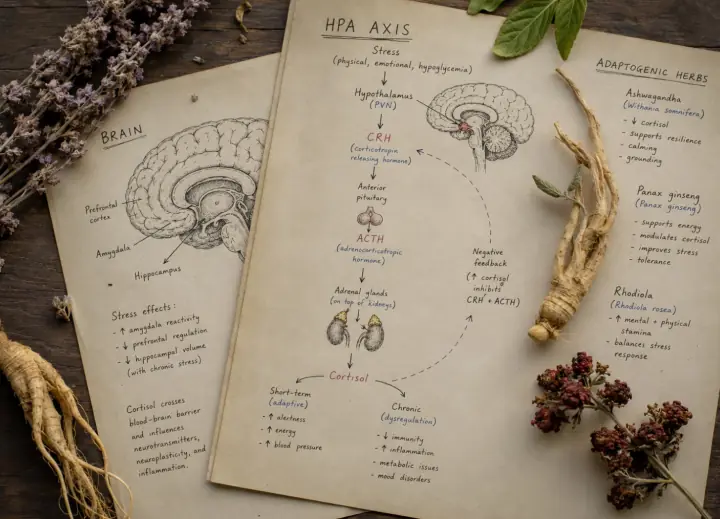
A stressor is registered by the hypothalamus, which releases CRH. CRH tells the pituitary to release ACTH, and ACTH tells the adrenal cortex to release cortisol.
Cortisol mobilises glucose, sharpens attention and suspends what can wait — digestion, reproduction, parts of the immune response — then feeds back on the hypothalamus and pituitary to close the loop behind it.
Under chronic stress that feedback loses sensitivity. Cortisol stays up, or its daily rhythm flattens, and the downstream costs are the familiar ones: broken sleep, visceral fat, suppressed immunity, fatigue.
Adaptogens act on the loop rather than on the hormone. Rhodiola blunts the cortisol awakening response — the surge in the first half-hour after waking — without suppressing cortisol across the rest of the day.
Ashwagandha is the most consistently replicated on straightforward serum cortisol, which fell around 28% against placebo over 60 days.
Cortisol is a biomarker rather than a symptom, and the two do not always move together.
Herbs: AshwagandhaAsian GinsengAstragalusBacopaCordycepsEleuthero RootGynostemmaHoly BasilKid GinsengMacaMuira PuamaRhodiolaSchisandraShatavari
Key compounds: WithanolidesRosavin
02
Heat-Shock Proteins
Heat, hypoxia, toxins and hard exercise all damage proteins in the same way — they unfold them. The cell’s response is to transcribe heat-shock proteins, of which Hsp70 is the best studied.
Hsp70 is a molecular chaperone. It binds a partly-unfolded protein, stops it clumping with others, and either refolds it or routes it for disposal.
Because misfolding is the common currency of many unrelated stressors, raising Hsp70 before a stressor arrives leaves the cell defended against all of them at once. That is non-specific resistance with a mechanism attached to it.
The pattern is hormesis — a small controlled stress provoking a larger adaptive response, the same principle behind exercise adaptation and the Nrf2 antioxidants.
It carries the same ceiling: the dose that provokes adaptation and the dose that causes damage sit on one continuum.
Herbs: Eleuthero RootSchisandra
Key compounds: Schisandrin ASchisandrin BEleutherosides
03
Immune Normalisation
The immune response runs on two broad arms. Th1 is cell-mediated — interferon-γ, the response to viruses and intracellular bacteria. Th2 is antibody-driven — IL-4, IL-5 and IL-13, the response to parasites, and the arm that runs hot in allergy.
Health sits in the balance between them, and illness can sit on either side of it.
Adaptogens are described as rebalancing rather than stimulating: moving Th1/Th2 back toward the middle from whichever side the imbalance is on.
That is the line between an adaptogen and an immunostimulant, which pushes in one direction regardless of where the immune system started.
The endocrine and immune routes are connected. Chronic cortisol elevation suppresses cell-mediated immunity, so an immune result may be downstream of an HPA result rather than a separate action.
04
Metabolic Capacity
Resistance to physical stress is partly a question of fuel. Glycogen is glucose stored as a branched chain — the body’s fast-access carbohydrate reserve.
Muscle stores glycogen for its own contraction and cannot share it. The liver stores it for everyone else, releasing glucose back into the blood to hold blood sugar steady between meals and under load.
Muscle glycogen is what runs out first in prolonged work, and running out of it is what exhaustion feels like.
Several adaptogens raise those stores: codonopsis increases both muscle and liver glycogen in rodent work-capacity models.
The related variables decide how efficiently the fuel is used. AMPK is the cell’s low-energy sensor — as ATP falls it switches on glucose uptake, fat oxidation and the building of new mitochondria, and switches off storage.
Mitochondria are where the fuel is actually turned into ATP, so their number and condition set how much sustained work is possible.
Hypoxia tolerance is how long a tissue keeps working on less oxygen than it wants.
Gynostemma activates skeletal-muscle AMPK.
Muira puama improves hypoxia tolerance and prevents the spike in blood sugar that follows acute stress.
The original Soviet interest in adaptogens like eleuthero and schisandra was in performance under load — soldiers, pilots, athletes, cosmonauts — and the endpoints were work capacity and time to exhaustion, not wellbeing.
More Specific Actions
Sub-Actions
Adaptogen is a parent action, and one narrower action sits beneath it.
Adrenal Tonic
1 herb · RehmanniaSupports the adrenal glands themselves — the cortex that produces cortisol, DHEA and aldosterone — rather than the stress response as a whole.
It names a target where the parent action names an outcome, and neither implies the other: most adaptogens act on hypothalamic and pituitary feedback rather than on the gland.
The Molecules
Pharmacology
What actually produces an adaptogenic effect at the molecular level. The herbs below carry these molecules in different combinations and amounts, which is most of why their potency differs. Roles describe how central a molecule is to the action across plants generally, not how strong any one herb is.
Chiefly Saponins1
Carries the action largely on its own — the effect is attributed to the molecule, not just the extract it came from.
Adds to a plant's effect and is often present in quantity, but rarely accounts for it alone.
Real but narrow — one pathway, one tissue, or evidence too thin to lean on.
Ginsenoside Rg1 Saponins Contributor Targets EGFR/AKT1/VEGFA; taurine and mannose-6-phosphate metabolism
Rg1 is the molecule ginseng’s stimulating reputation is usually pinned on — the PPT-type counterweight to the calming PPD-type Rb1 73Reference 73ReviewComparison of the pharmacological effects of Panax ginseng and Panax quinquefolium — reviewView study →.
In a chronic-fatigue rat model, isolated Rg1 reversed fatigue behaviour, with metabolomics and network pharmacology pointing at EGFR, AKT1 and VEGFA targets and at shifts in taurine and mannose-6-phosphate metabolism 72Reference 72AnimalGinsenoside Rg1 can reverse fatigue behavior in CFS rats by regulating EGFR and affecting taurine and mannose 6-phosphate metabolism — animal modelView study →.
Two things keep this thin. The human anti-fatigue evidence for ginseng is whole-extract rather than isolated Rg1, and the stimulating-versus-calming split between ginseng species is a chemotype generalisation rather than a property of the molecule.
What It's For
Indications
- Chronic stress, burnout and nervous exhaustion
- Fatigue and poor stamina
- Low resilience to physical or mental strain
- Convalescence and slow recovery
- Stress-related sleep and mood disturbance
Materia Medica
Adaptogenic Herbs by Potency
The adaptogen herbs, ordered by the relative strength of the effect rather than by how well studied it is. Each herb is described by the mechanism behind its effect and the evidence for it.
None of this is a substitute for professional care.
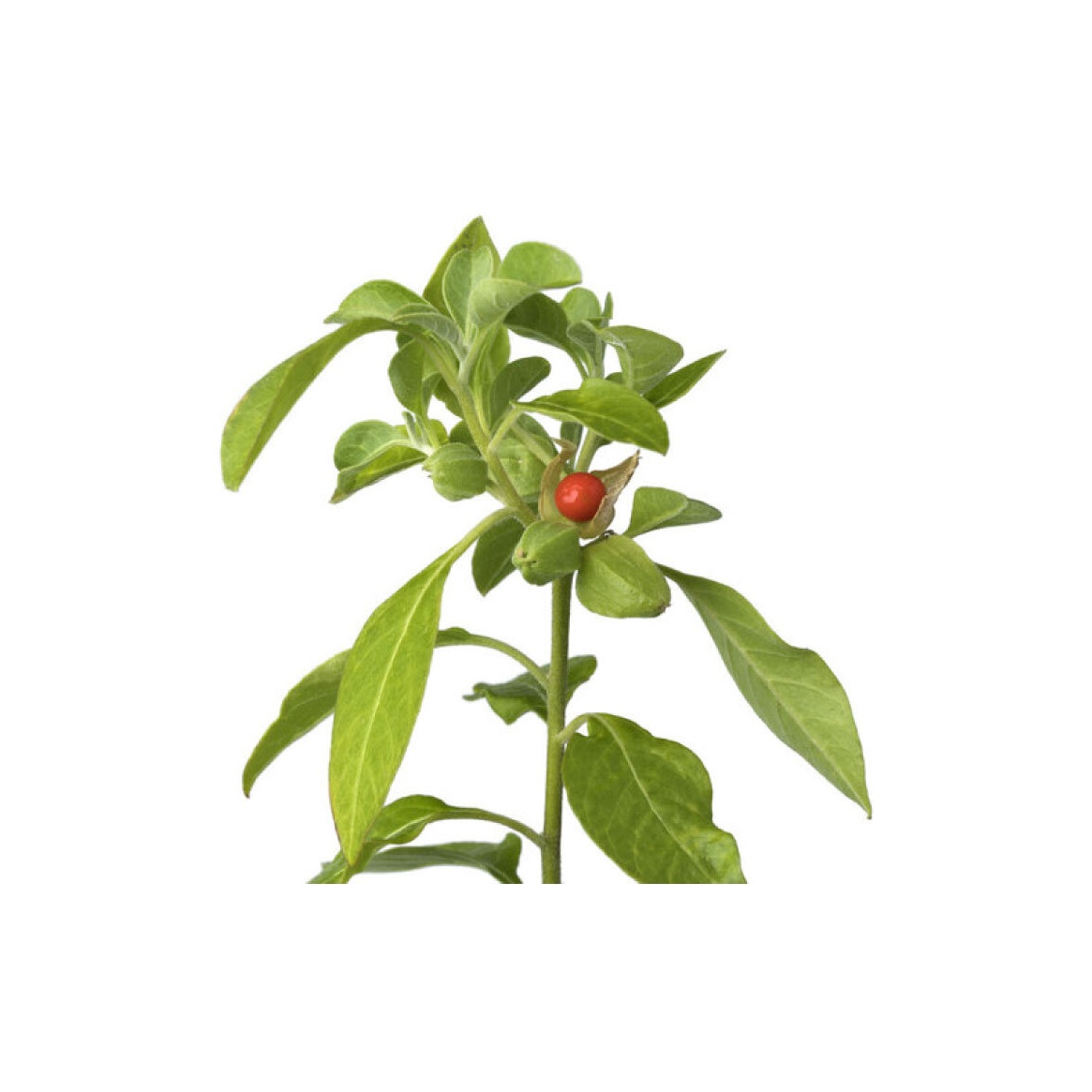 PotentPotentAshwagandhaWithania somniferaSerum cortisol fell about 28% against placebo over 60 days, in the most replicated stress-axis literature any herb has.MechanismHPA-axis down-regulation; serum cortisol ↓Read the evidenceShow lessMonograph →
A 60-day RCT of KSM-66 at 300 mg twice daily cut Perceived Stress Scale scores and serum cortisol by roughly 28% against placebo 1Reference 1RCTA prospective, randomised double-blind, placebo-controlled study of a high-concentration full-spectrum ashwagandha root extract in reducing stress and anxiety — RCTView study →. The concentrated Shoden extract, 240 mg once daily for 60 days, reproduced the cortisol fall alongside a significant HAM-A reduction 2Reference 2RCTStress-relieving and pharmacological actions of an ashwagandha extract — a randomised, double-blind, placebo-controlled studyView study →, and a dose-response RCT found benefit at both 250 mg and 600 mg/day, stronger at the higher dose 3Reference 3RCTAdaptogenic and anxiolytic effects of ashwagandha root extract in healthy adults — a double-blind, randomised, placebo-controlled clinical studyView study →.
Three independent meta-analyses agree on direction — 12 RCTs (n≈1,002) 4Reference 4Meta-analysisDoes Ashwagandha supplementation have a beneficial effect on the management of anxiety and stress? — systematic review and meta-analysis of randomised controlled trialsView study →, a 2024 synthesis of 9 RCTs pooling PSS, HAM-A and serum cortisol 5Reference 5Meta-analysisEffects of Ashwagandha (Withania somnifera) on stress and anxiety — systematic review and meta-analysisView study →, and a 2024 anxiety/insomnia review 6Reference 6Meta-analysisSafety and efficacy of Withania somnifera for anxiety and insomnia — systematic review and meta-analysisView study →.
The mechanism is measured rather than inferred. Cortisol is a hard biomarker, and it moves.
Heterogeneity is large, the trials are small and run 6 to 12 weeks, and several are industry-funded. Nothing runs past about twelve weeks, which is short for a herb taken continuously, and the supporting older RCT 7Reference 7RCTNaturopathic care for anxiety — a randomised controlled trial (ISRCTN78958974)View study → tested a multi-herb naturopathic protocol rather than ashwagandha alone.
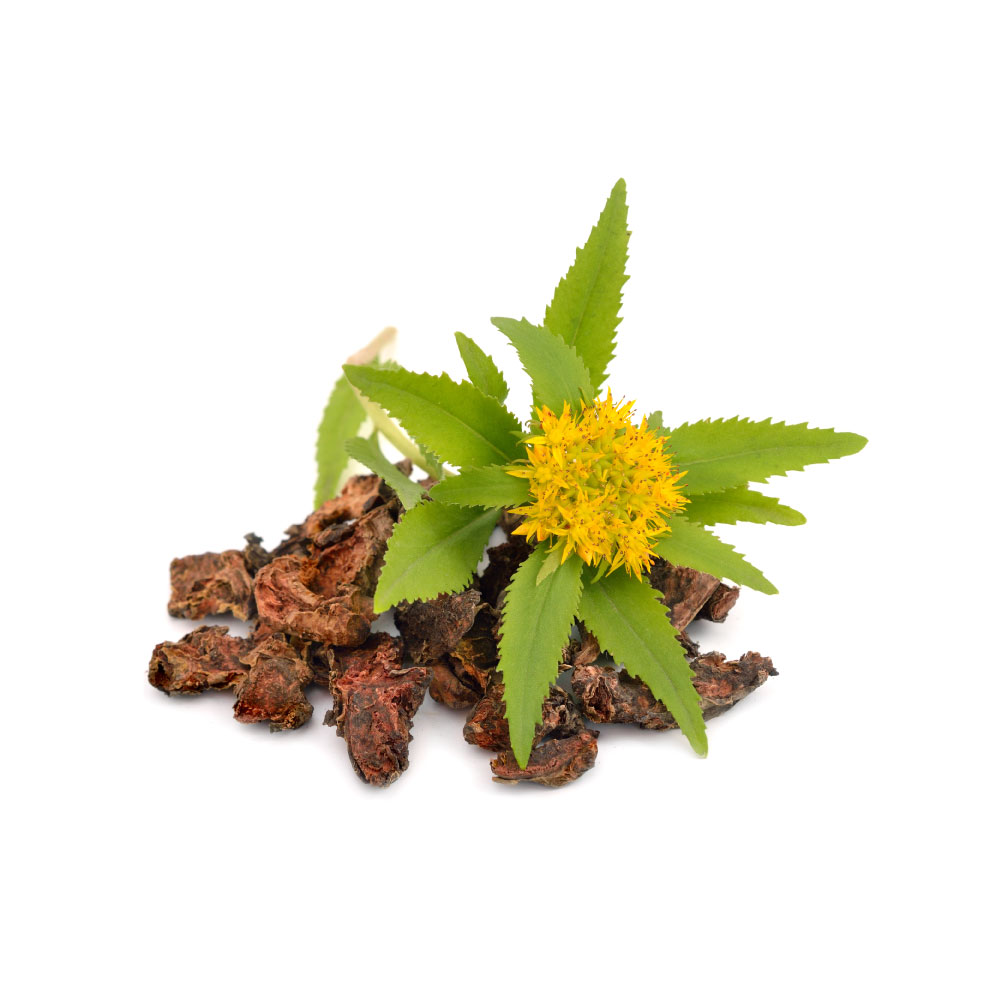 PotentPotentRhodiolaRhodiola roseaThe adaptogen for depletion and burnout rather than agitation; it blunts the cortisol response to waking without suppressing it all day.MechanismHPA-axis cortisol response ↓ (awakening response blunted); stress-system feedback modulationRead the evidenceShow lessMonograph →
A phase III RCT in 60 adults with clinically diagnosed stress-related fatigue — SHR-5 at 576 mg/day for 28 days — improved burnout scores and attention and blunted the salivary cortisol response to awakening against placebo 59Reference 59RCTA randomised, double-blind, placebo-controlled, parallel-group study of the standardised extract SHR-5 of Rhodiola rosea in stress-related fatigue — randomised controlled trialView study →.
The effect sizes are substantial. A parallel-group RCT in 161 military cadets reported a pronounced anti-fatigue effect 60Reference 60RCTA randomized trial of two different doses of a SHR-5 Rhodiola rosea extract versus placebo and control of capacity for mental work — randomised controlled trialView study →, a double-blind crossover in 56 night-duty physicians cut a composite mental-fatigue index 61Reference 61RCTRhodiola rosea in stress induced fatigue — a double blind cross-over study of a standardized extract SHR-5 — randomised controlled trialView study →, and a student exam-period pilot pointed the same way 62Reference 62RCTA double-blind, placebo-controlled pilot study of the stimulating and adaptogenic effect of Rhodiola rosea SHR-5 extract on the fatigue of students during an examination period — randomised controlled trialView study →.
The counter-evidence is substantial. A well-powered nursing-student RCT found rhodiola worse than placebo for fatigue 63Reference 63RCTRhodiola rosea for mental and physical fatigue in nursing students — randomised controlled trialView study →, and the positive trials share overlapping authorship and one extract.
Systematic reviews say only that it may help, flagging moderate-to-high risk of bias and absent independent replication 64,
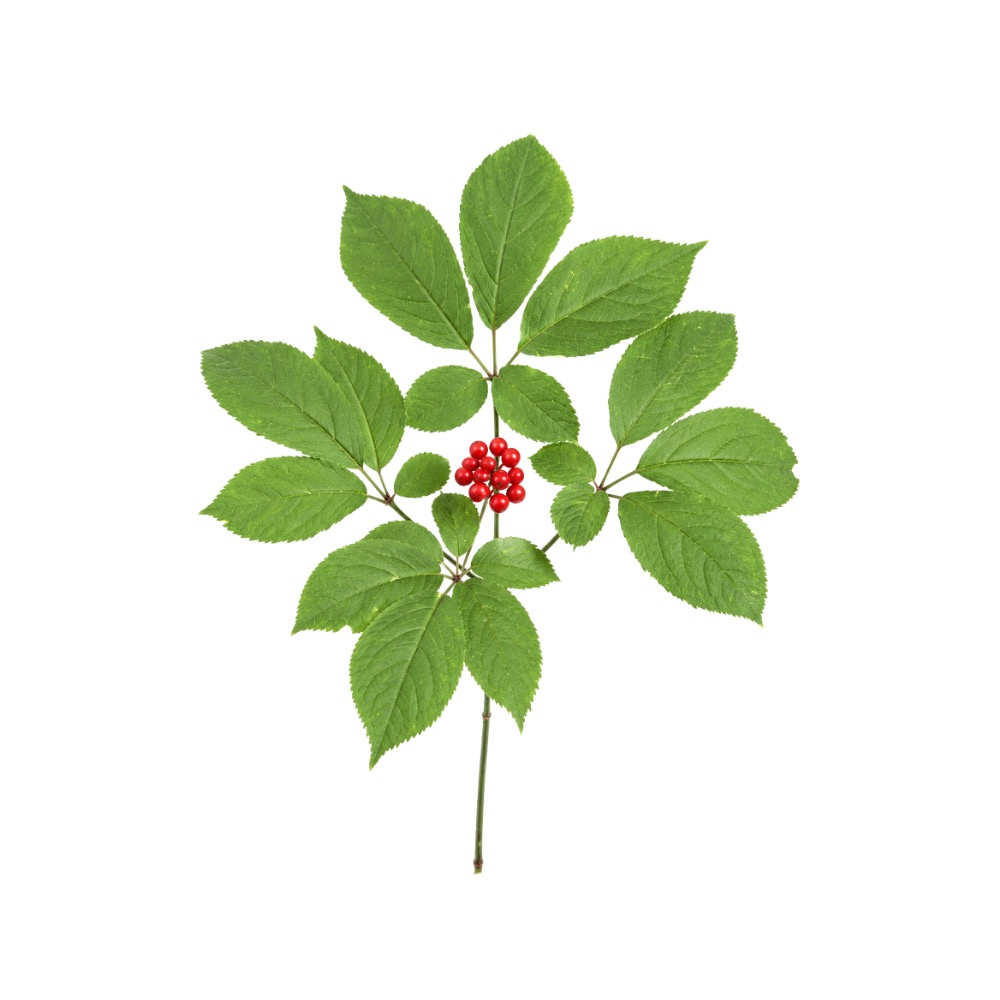 StrongStrongAmerican GinsengPanax quinquefoliusOne of the strongest anti-fatigue trials in the field, attached to no mechanism at all.Mechanismnot establishedRead the evidenceShow lessMonograph →
A multisite double-blind phase III RCT (N07C2, n=364) gave 2000 mg/day of pure ground Wisconsin root to fatigued cancer survivors for eight weeks. It found a significant gain on the general fatigue subscale, a change of 20 against 10.3 (P=.003), larger in patients still on active treatment and with no excess toxicity 27Reference 27RCTWisconsin Ginseng (Panax quinquefolius) to improve cancer-related fatigue: a randomized, double-blind trial, N07C2 — randomised controlled trial, phase IIIView study →.
The earlier dose-finding pilot (N03CA, n=290) trended the same way at 1000–2000 mg/day 28Reference 28RCTPilot study of Panax quinquefolius to improve cancer-related fatigue: a randomized, dose-finding evaluation, N03CA — randomised controlled trialView study →, and two systematic reviews endorse 2000 mg/day for cancer-related fatigue 29,
There is no HPA-axis, cortisol or stress-physiology data for P. quinquefolius. The adaptogen mechanism usually attached to it — ginsenoside Rb1/Rg1 corticosterone modulation — is imported from P. ginseng.
Fatigue in one clinical population is the entire human basis.
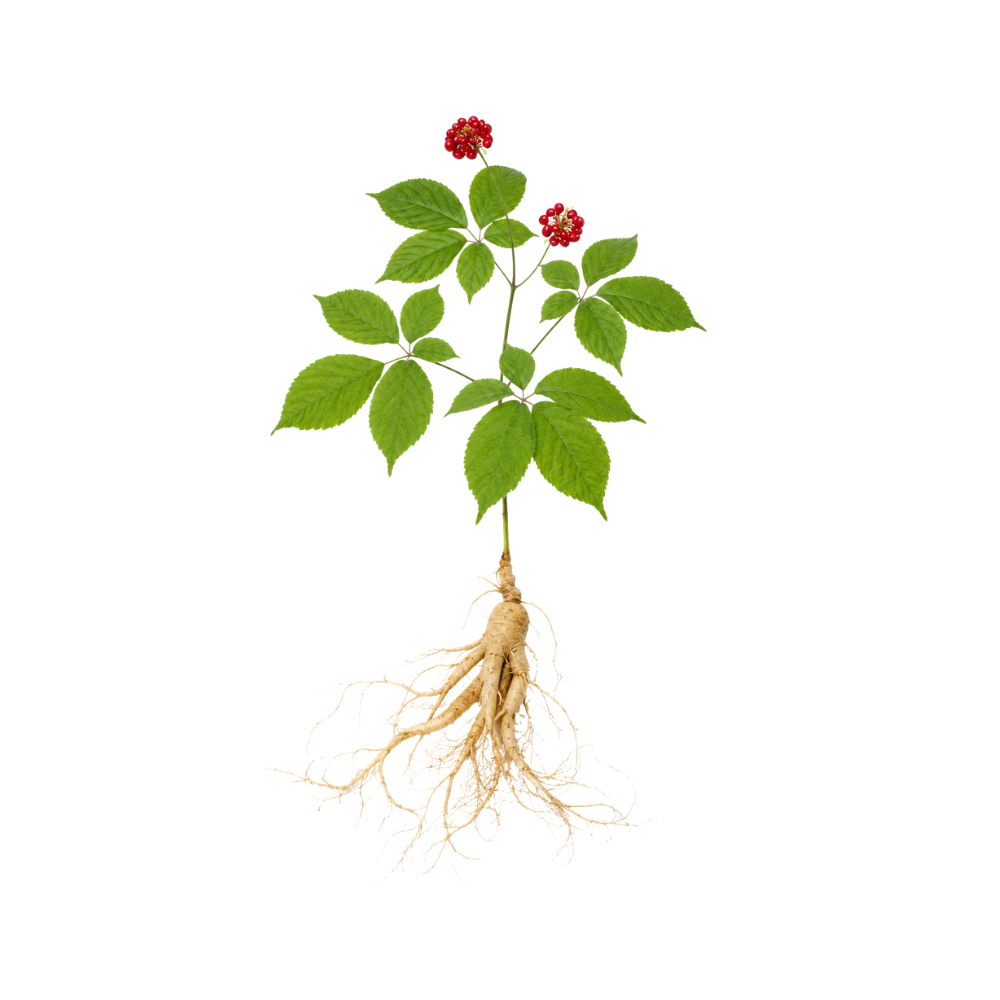 StrongStrongAsian GinsengPanax ginsengThe herb the category was built around; ginsenosides Rb1 and Rg1 modulate the HPA axis, almost entirely in animals.MechanismHPA-axis modulation; corticosterone regulation (ginsenoside Rb1, Rg1)Read the evidenceShow lessMonograph →
Ginsenosides Rb1 and Rg1 modulate the hypothalamic-pituitary-adrenal axis and the corticosterone response, which is a coherent mechanism resting largely on animal work. The direct experimental anchor is a comparative anti-stress study in rodents 31Reference 31AnimalAnti-stress effects of Ginkgo biloba and Panax ginseng — a comparative study (animal model)View study →, and there are no robust human trials with physiological stress endpoints.
The human evidence is a proxy, measuring fatigue rather than stress physiology. A meta-analysis of 12 RCTs and 630 participants found a significant reduction in fatigue (SMD 0.34) plus some physical-performance benefit 32Reference 32Meta-analysisEfficacy of ginseng supplements on fatigue and physical performance — meta-analysis of RCTsView study →.
A systematic review reached the same conclusion, particularly in chronic illness 29Reference 29Systematic reviewGinseng as a Treatment for Fatigue: A Systematic Review — systematic reviewView study →, and a 2023 meta-analysis of ginseng and ginseng formulas agreed for symptomatic fatigue 33Reference 33Meta-analysisGinseng and ginseng herbal formulas for symptomatic management of fatigue — systematic review and meta-analysisView study →.
The effect size is small to moderate on heterogeneous fatigue scales, and part of the positive signal — notably the cancer-related-fatigue literature — comes from American ginseng rather than P. ginseng 34Reference 34Systematic reviewGinseng and cancer-related fatigue — systematic review of clinical trialsView study →.
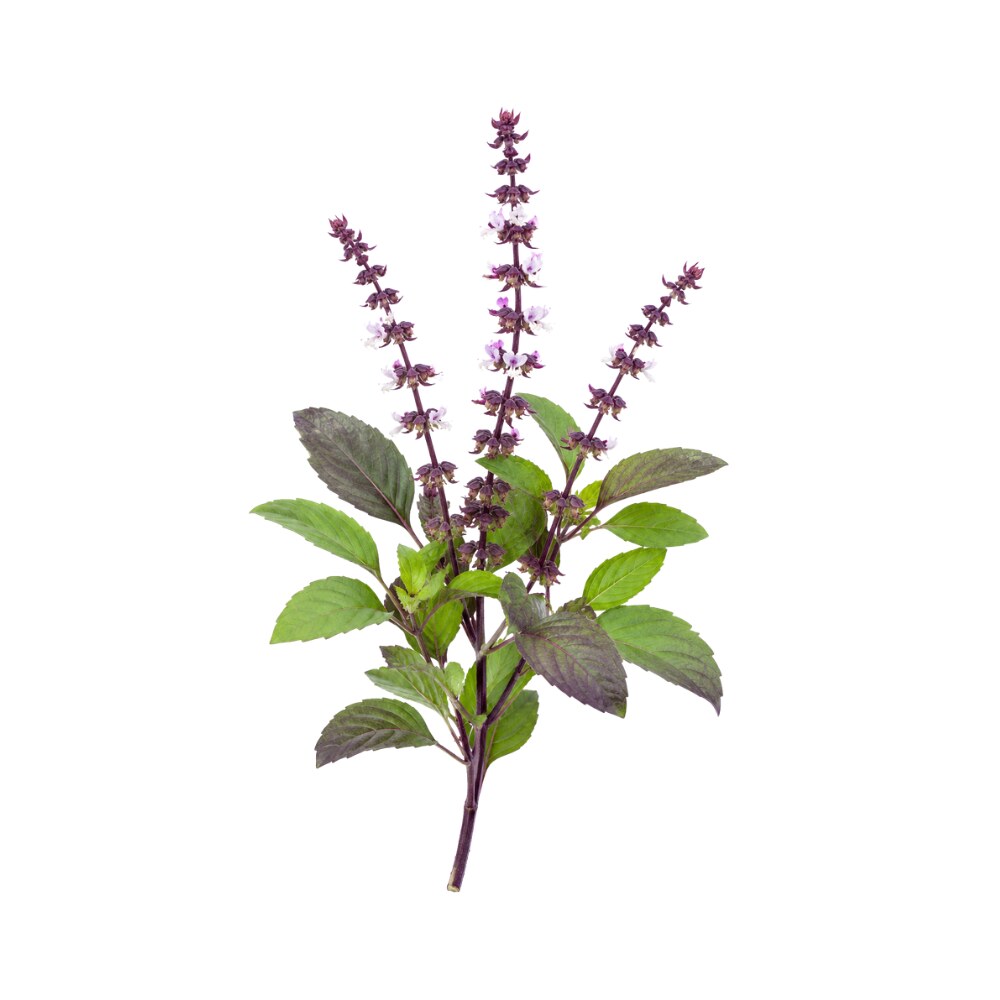 StrongStrongHoly BasilOcimum tenuiflorumThree human trials move self-rated stress symptoms, and not one of them measured cortisol or any physiological marker.MechanismHPA-axis modulation; whole-extract stress-axis bufferingRead the evidenceShow lessMonograph →
A six-week randomised, double-blind, placebo-controlled trial of the standardised extract OciBest at 1200 mg actives/day in 150 people cut self-rated stress symptoms — forgetfulness, exhaustion, sleep and sexual problems — against placebo 39Reference 39RCTEfficacy of an extract of Ocimum tenuiflorum (OciBest) in the management of general stress — randomised placebo-controlled trialView study →.
A 2022 eight-week RCT of a standardised Ocimum extract at a far smaller 125 mg/day in 100 people moved stress and sleep measures in the same direction 40Reference 40RCTA randomised, double-blind, placebo-controlled trial investigating the effects of a standardised Ocimum tenuiflorum extract — randomised controlled trialView study →, and a 2017 systematic review of 24 human studies found benefit reported consistently across stress endpoints with no serious adverse events 41Reference 41Systematic reviewThe clinical efficacy and safety of tulsi in humans: a systematic review of the literature — systematic reviewView study →.
Every endpoint is a subjective symptom scale. No trial measured cortisol or any physiological stress marker, so the HPA-axis mechanism is inferred rather than demonstrated.
The three trials use three different preparations at doses spanning a tenfold range, from 125 to 1200 mg, so there is no transferable dose.
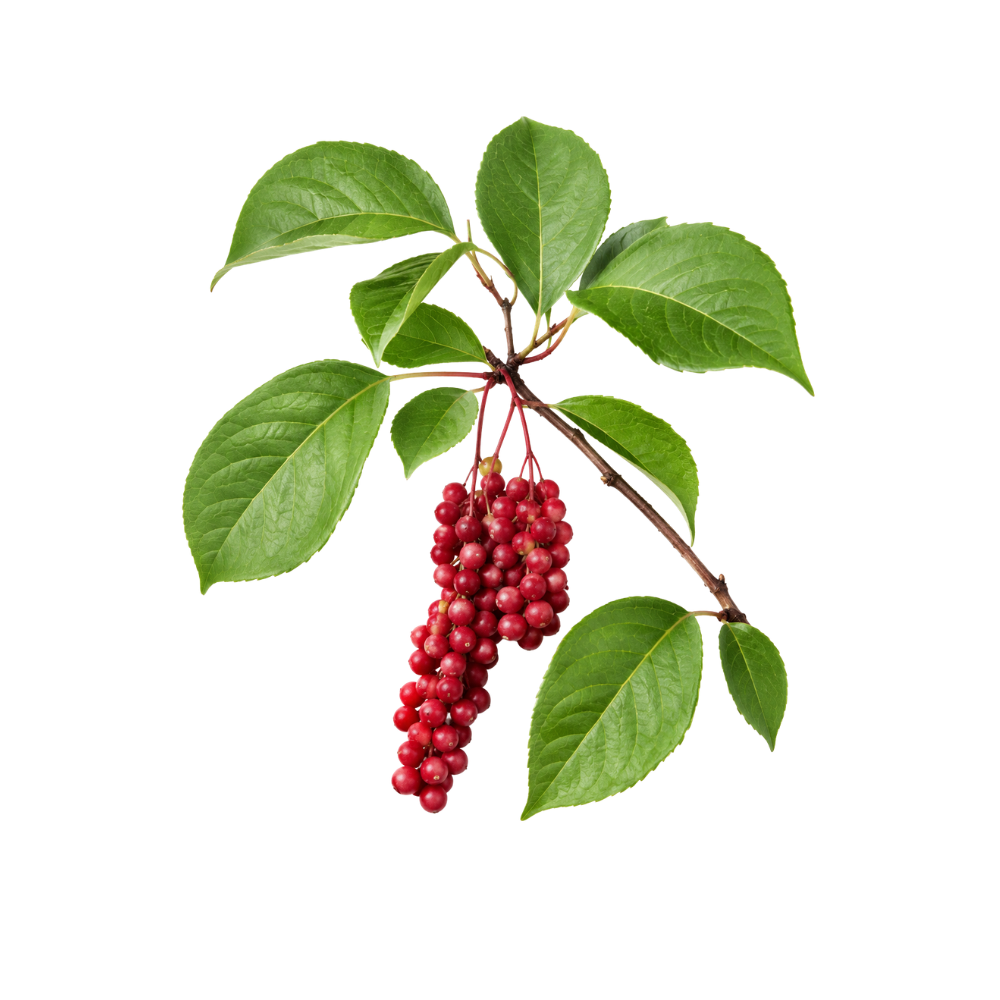 StrongStrongSchisandraSchisandra chinensisSchisandrin B induces the stress-response chaperone Hsp70, and reviews report cortisol falls of roughly 14 to 30%.MechanismHsp70 induction; HPA-axis modulation; SAPK/JNK–FOXO signalingRead the evidenceShow lessMonograph →
Schisandra is one of the three classic Soviet adaptogens alongside rhodiola and eleuthero. Reviews describe reduced fatigue, improved endurance and cortisol reductions of roughly 14–30% 23,
There is an attribution problem. That clinical literature is overwhelmingly about the fixed combination ADAPT-232, not schisandra alone, so the herb’s individual contribution is not isolated.
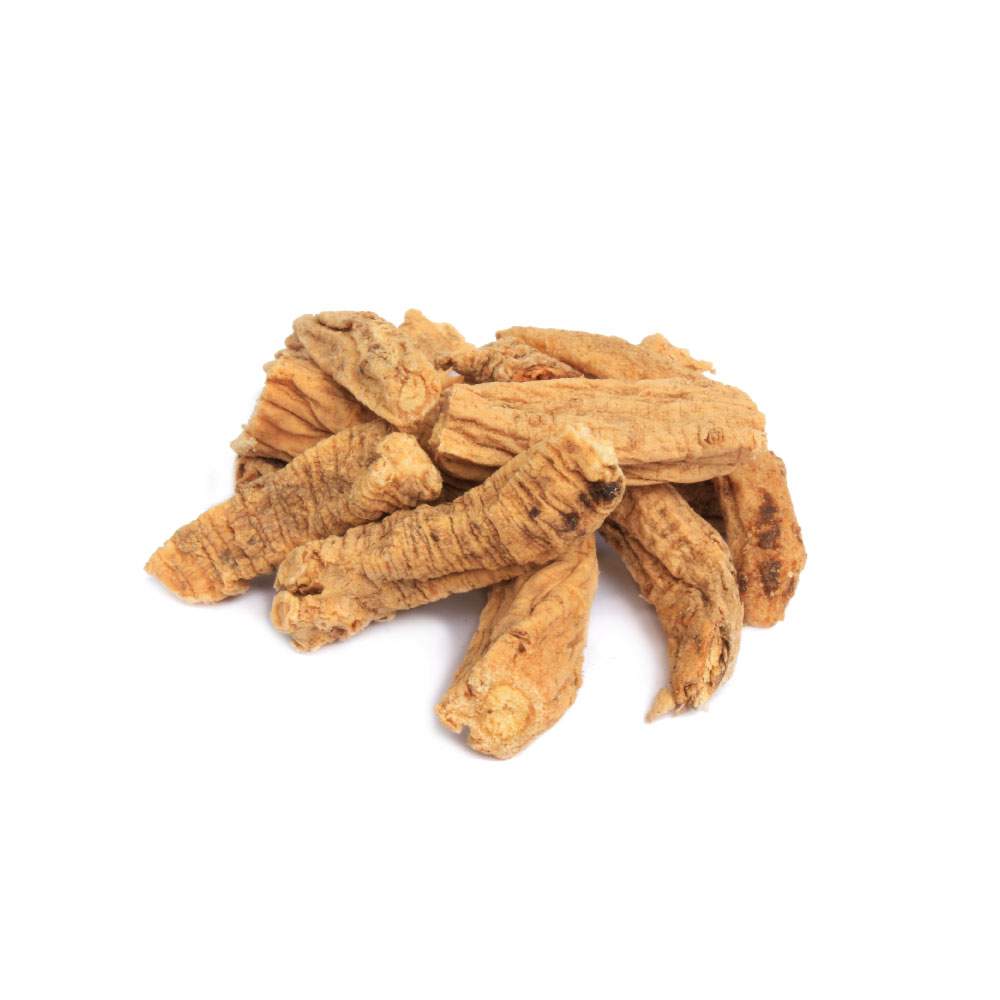 ModerateModerateCodonopsisCodonopsis pilosulaThe classical qi tonic; in the one dedicated study only its polysaccharide fraction raised swimming time and glycogen stores.Mechanisminulin-type fructan → macrophage activation (p65/MAPK, NF-κB); muscle + liver glycogen ↑; ↑SOD/GSH, ↓MDA; autophagy activationRead the evidenceShow lessMonograph →
Ethanol extract, water extract, polysaccharides, inulin and oligosaccharides were compared head-to-head in weight-loaded swimming and hypoxia tests. Only the polysaccharide fraction significantly prolonged swimming time and raised liver and muscle glycogen 11Reference 11AnimalAntifatigue and antihypoxia activities of oligosaccharides and polysaccharides from Codonopsis pilosula in miceView study →, and that fraction is the one dominating the root.
It is one mouse study, with no replication and no human anti-fatigue trial.
The supporting non-specific-resistance evidence is better. Inulin-type fructans restored immune-organ indices, immunoglobulins and cytokines in cyclophosphamide-immunosuppressed mice 12Reference 12AnimalAn inulin-type fructan from Codonopsis pilosula ameliorates cyclophosphamide-induced immunosuppression and intestinal barrier injury in miceView study →, purified inulin activated THP-1 macrophages through p65-dependent MAPK/NF-κB 13Reference 13Specific inulin in Codonopsis pilosula exerts immunological enhancement by promoting cellular uptake and regulating p65-dependent MAPK and NF-κB pathwaysView study →, and in D-galactose-aged mice the water extract and purified polysaccharides raised SOD and glutathione, lowered MDA and activated autophagy 14,
No HPA-axis or cortisol data exist for codonopsis, so the eleuthero and rhodiola stress-axis mechanism does not carry over to it. It is the gentle, inexpensive tonic of the group, and the evidence matches that reputation rather than exceeding it.
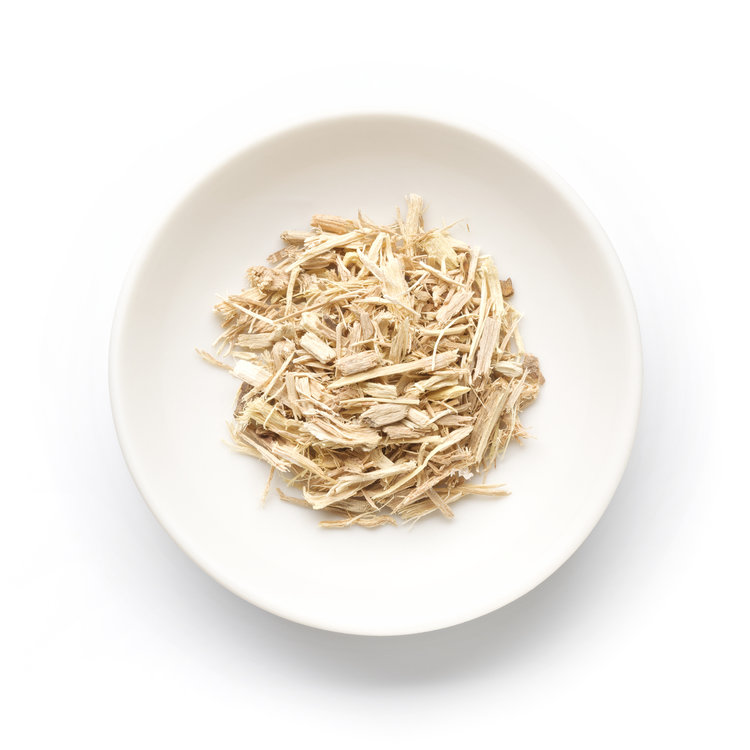 ModerateModerateEleuthero RootEleutherococcus senticosusThe chronic-fatigue trial found no overall benefit against placebo, which is the smallest measured effect of any herb with this reputation.MechanismHPA-axis regulation; Hsp70 up-regulation; cortisol/NO control (eleutheroside B / syringin)Read the evidenceShow lessMonograph →
The randomised trial in chronic fatigue (n=96) found no overall benefit against placebo, with improvement only in a pre-specified subgroup that had less severe, longer-duration fatigue 20Reference 20RCTRandomized controlled trial of Siberian ginseng for chronic fatigue — RCTView study →. In elderly hypertensive patients 300 mg/day of dry extract improved social-functioning and mental-health scores at four weeks, but the effect had attenuated by eight 21Reference 21RCTEffects of Siberian ginseng (Eleutherococcus senticosus) on elderly quality of life — randomised clinical trialView study →, and adding 120 mg/day to stress-management training produced negligible extra benefit 22Reference 22RCTNo benefit adding Eleutherococcus senticosus to stress management training in stress-related fatigue — randomised controlled studyView study →.
A review of adaptogen trials rates the human evidence in mild fatigue and weakness as good but not strong, tying it mechanistically to HPA-axis regulation and Hsp70 signalling 23Reference 23ReviewEvidence-based efficacy of adaptogens in fatigue, and molecular mechanisms related to their stress-protective activity — reviewView study →. The EMA accepts the root for symptoms of asthenia 24,
Combination-product trials with rhodiola and schisandra show faster attention gains under stress but cannot be credited to eleuthero alone 26Reference 26RCTDouble-blind, placebo-controlled, randomised study of single-dose effects of ADAPT-232 on cognitive functions — RCT of a fixed combinationView study →.
The effect is small, often transient, and demonstrated only in people who are already fatigued or elderly.
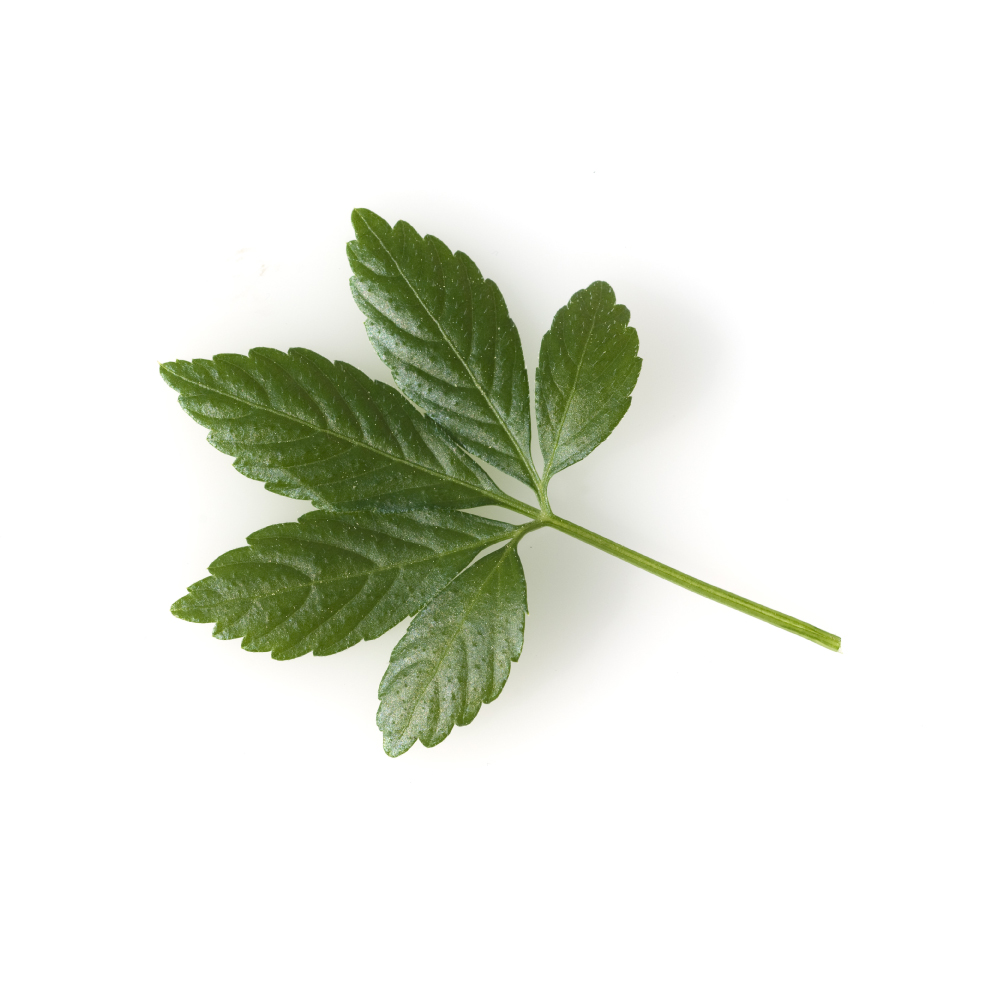 ModerateModerateGynostemmaGynostemma pentaphyllumA performance and stress-resilience effect running through AMPK and neuroinflammation, with the cortisol-axis half unproven.MechanismNLRP3 inflammasome ↓ (rodent); skeletal-muscle AMPK ↑; HPA-axis effect not establishedRead the evidenceShow lessMonograph →
In 72 healthy adults under chronic psychological stress, an ethanol leaf extract at 200 mg twice daily for eight weeks lowered trait-anxiety scores by about 17% against placebo. Secondary anxiety scales and stress-hormone measures did not separate 35Reference 35RCTSupplementation with Gynostemma pentaphyllum leaf extract reduces anxiety in healthy subjects with chronic psychological stress — randomised double-blind placebo-controlled trialView study →, so the HPA-axis half of the claim is precisely the part that failed to show.
The stamina half is firmer. A crossover RCT of 450 mg/day of leaf extract for four weeks improved 20-km time-trial performance, muscle oxygen flux and earlier exercise-induced AMPK activation 36Reference 36RCTGynostemma pentaphyllum increases exercise performance and alters mitochondrial respiration and AMPK in healthy males — randomised controlled trialView study →, and a 12-week gypenoside-L-standardised extract raised VO2 max and O2 pulse while lowering perceived exertion 37Reference 37RCTEffects of gypenoside-L-containing Gynostemma pentaphyllum extract on fatigue and physical performance — double-blind placebo-controlled randomised trialView study →.
Rodent work supplies the only mechanism on offer. Gypenosides dampened hippocampal and prefrontal neuroinflammation and suppressed the NLRP3 inflammasome in LPS-stressed mice 38Reference 38AnimalNeuroprotective effects of gypenosides on LPS-induced anxiety and depression-like behaviours — mouseView study →.
The effect runs through metabolic and neuroinflammatory pathways rather than through the cortisol axis.
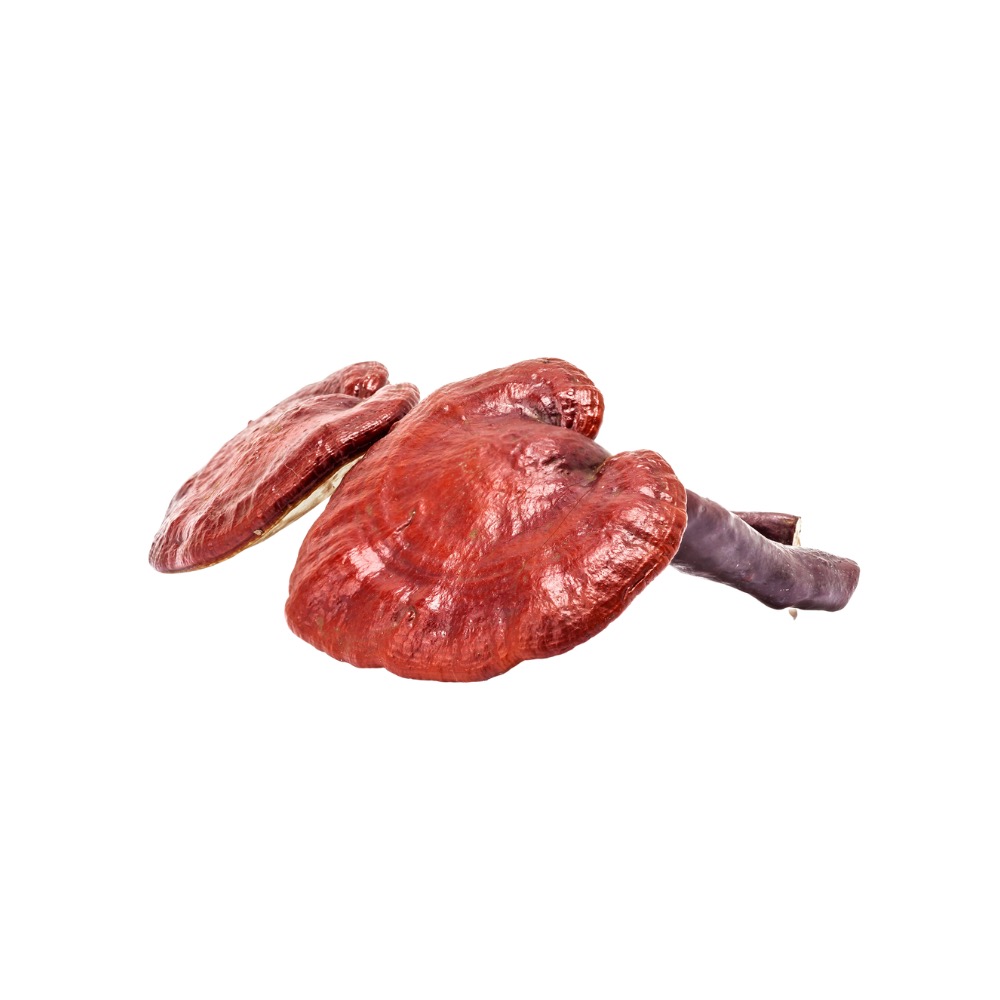 ModerateModerateReishiGanoderma lucidumTwo human trials report less fatigue and better wellbeing, with no stress-axis mechanism demonstrated for it.Mechanismfatigue/wellbeing modulation (mechanism not established)Read the evidenceShow lessMonograph →
A multicentre RCT in 132 patients with neurasthenia found Ganopoly (1,800 mg three times daily, 8 weeks) significantly reduced sense of fatigue and improved wellbeing versus placebo 57Reference 57RCTA randomised, double-blind and placebo-controlled study of a Ganoderma lucidum polysaccharide extract in neurasthenia — randomised controlled trialView study →, and a trial in fibromyalgia patients reported improved physical performance 58Reference 58RCTGanoderma lucidum improves physical fitness in women with fibromyalgia — randomised controlled trialView study →.
That is real human evidence. No stress-axis mechanism has been demonstrated for reishi, so how it produces the effect is unaccounted for.
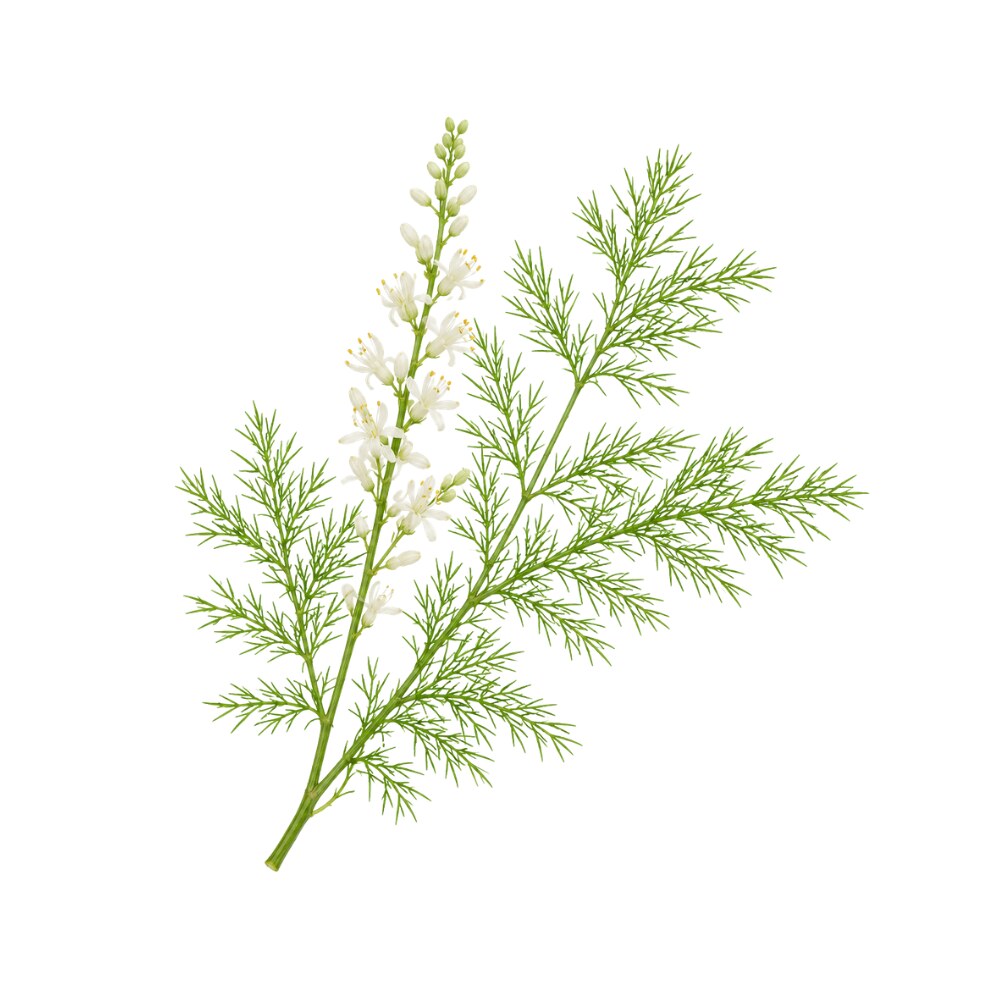 ModerateModerateShatavariAsparagus racemosusA rasayana adaptogen whose one human stress result came out of a PCOS trial as a secondary endpoint.MechanismHPA-axis modulation (proposed); monoaminergic/GABAergic signaling (proposed, not demonstrated)Read the evidenceShow lessMonograph →
Shatavari is classed as a rasayana adaptogen and nervine tonic in comparative reviews framed around HPA-axis modulation plus antioxidant and anti-inflammatory activity 69,
The one human datum is striking and secondary. In the PCOS RCT, perceived-stress scores fell markedly (PSS −6.64, p<0.0001) independently of any hormonal change 71Reference 71RCTEfficacy and safety of Shatavari root extract in women with polycystic ovarian syndrome — randomised, double-blind, placebo-controlled trialView study →.
That is a large effect for a stress endpoint, but it was measured inside a reproductive-health trial rather than a dedicated one, and the proposed monoaminergic and GABAergic route for the saponin-rich extract is unmeasured.
Shatavari is cooling and building in the Ayurvedic sense rather than stimulating, and it does not resemble the eleuthero and rhodiola performance profile.
Show 11 more herbs with a mild adaptogen action
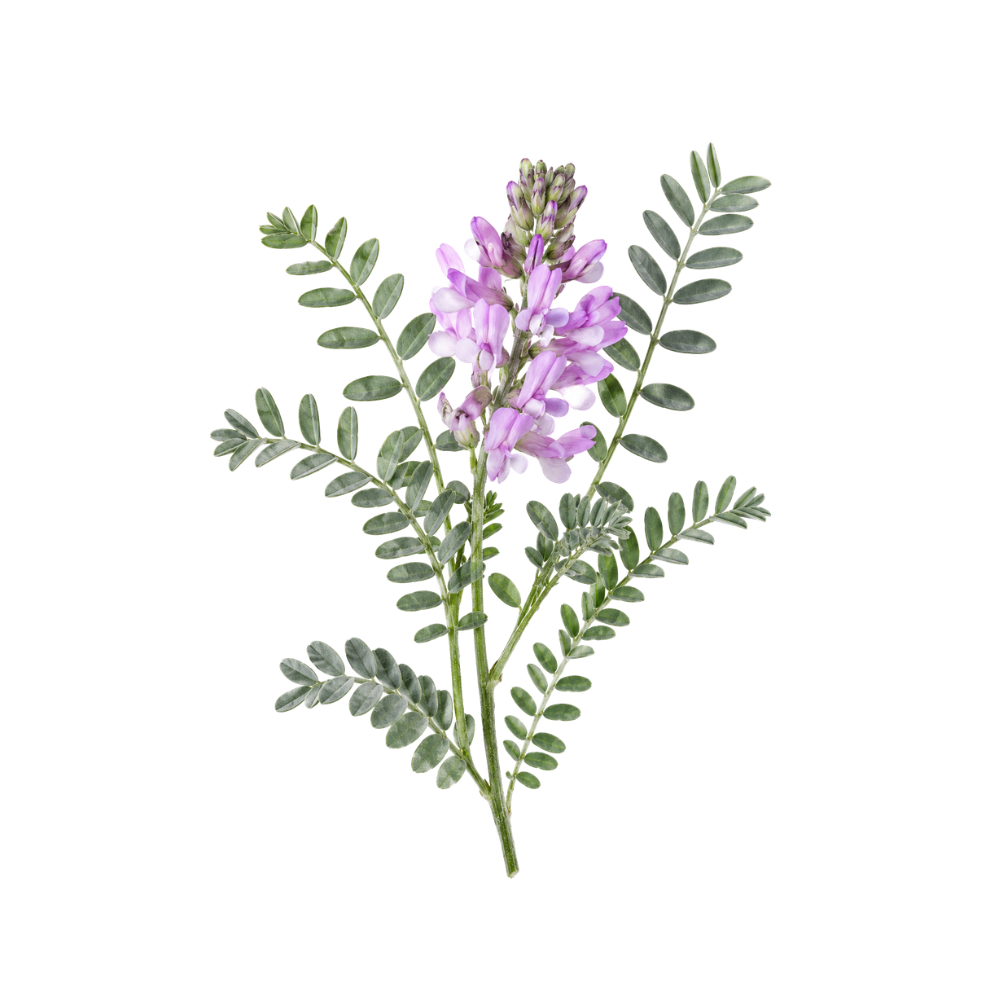 MildMildAstragalusAstragalus membranaceusOne tiny trial of a multi-herb decoction improved time to exhaustion; no stress-hormone endpoint, so the mechanism is unknown.Mechanismnot established (no HPA, corticosterone or stress-hormone endpoint reported)Read the evidenceShow lessMonograph →
A 2002 placebo-controlled RCT in 12 athletes over eight weeks reported increased time to exhaustion and an improved anaerobic threshold 8Reference 8RCTReducing fatigue of athletes following oral administration of Huangqi Jianzhong Tang — a randomized placebo-controlled trialView study →. An endurance model is a legitimate adaptogen read-out.
The product tested was Huangqi Jianzhong Tang, a multi-herb decoction in which astragalus is only the lead herb, in twelve people. The registry work on cancer-related fatigue uses PG2, an astragalus-polysaccharide injection rather than the oral herb.
No HPA-axis measure has ever been reported for astragalus — no cortisol, no corticosterone, no stress-hormone normalisation — so no adaptogenic mechanism is established. The tonic reputation is traditional and the trial support is one small formula study 8Reference 8RCTReducing fatigue of athletes following oral administration of Huangqi Jianzhong Tang — a randomized placebo-controlled trialView study →.
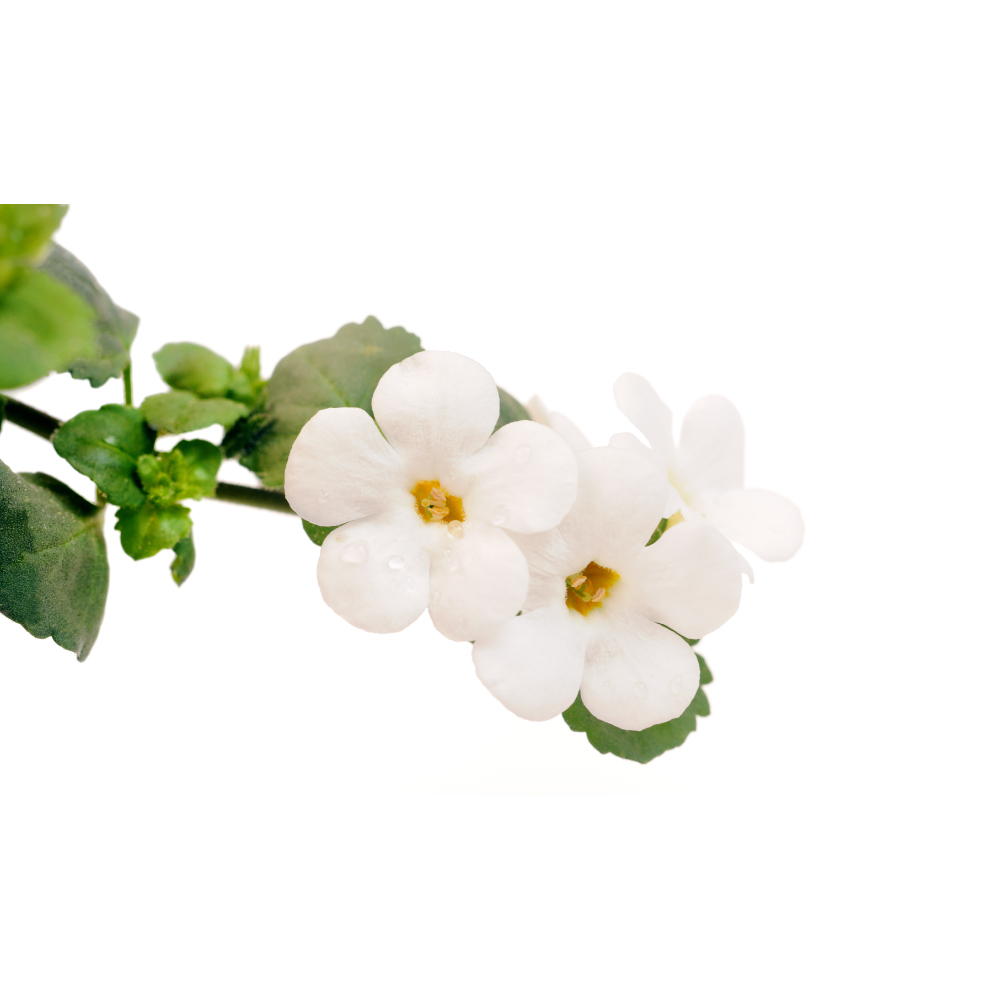 MildMildBacopaBacopa monnieriOne acute crossover showed lower salivary cortisol under a laboratory stressor, and nothing chronic has been done.MechanismHPA-axis normalization (cortisol ↓, ACTH ↓)Read the evidenceShow lessMonograph →
The whole human case is one acute crossover in 17 people showing reduced salivary cortisol under a laboratory multitasking stressor 9Reference 9RCTAn acute, double-blind, placebo-controlled cross-over study of 320 mg and 640 mg doses of Bacopa monnieri (CDRI 08) on multitasking stress reactivity and mood — randomised controlled trialView study →, supported by corticosterone and ACTH normalisation in prenatally stressed rats 10Reference 10AnimalStandardized Bacopa monnieri extract ameliorates learning and memory impairments through synaptic protein, neurogranin, BDNF signaling, and HPA axis in prenatally stressed rat offspring — animal modelView study →.
There is no chronic-stress trial, no fatigue or stamina endpoint, and no non-specific-resistance data of the kind the classical definition asks for.
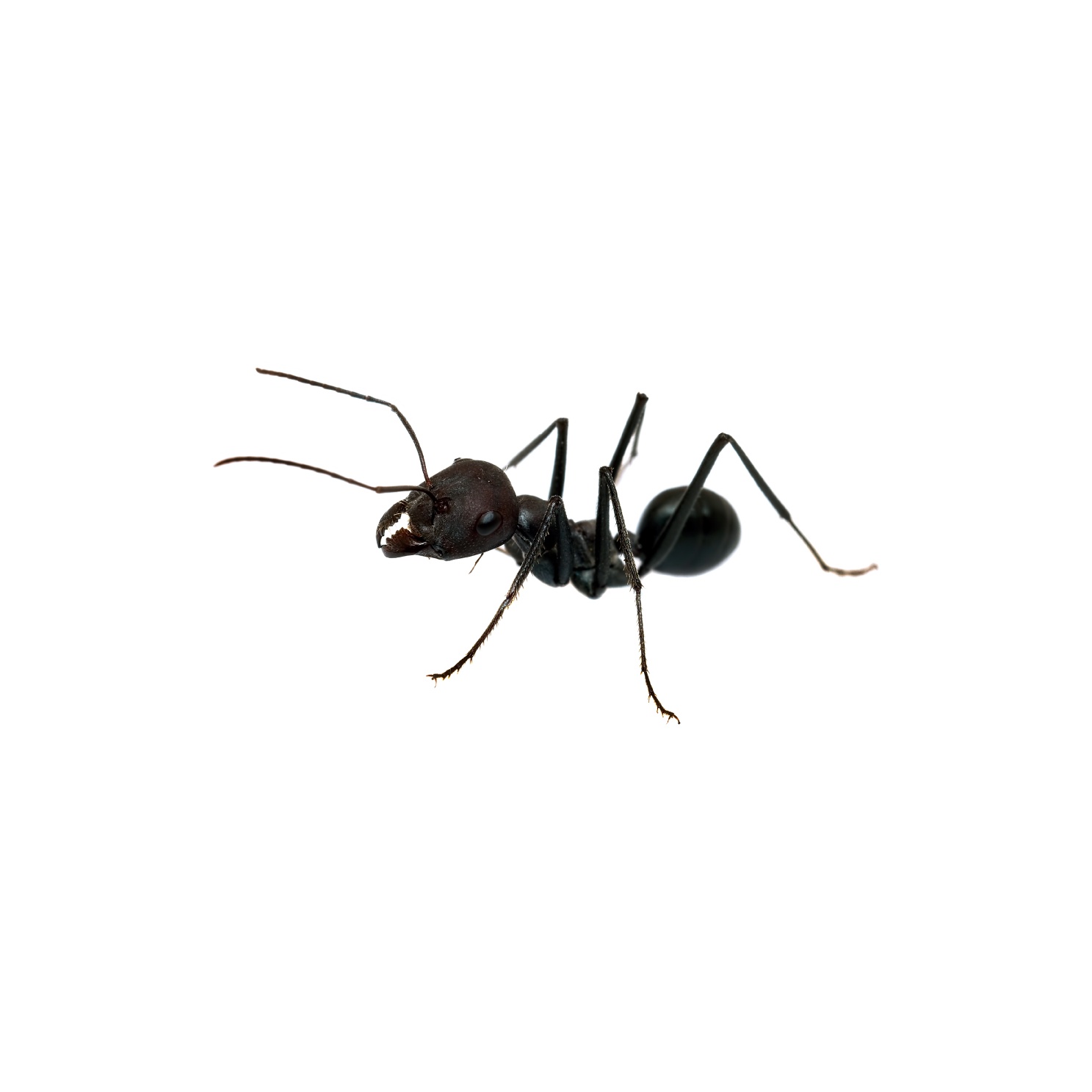 MildMildBlack AntPolyrhachis spp.Sold almost entirely on an adaptogen claim, inside a genuine Chinese tonic tradition and with no stress data of any kind.Read the evidenceShow lessMonograph →
Polyrhachis ant is a genuine Chinese tonic material with a long record of use. The adaptogen classification itself traces to a 1998 popular-TCM book, which places it alongside eleuthero, cordyceps, reishi and schisandra by assertion and appears nowhere in the peer-reviewed literature.
There is no stress-axis data of any kind: no corticosterone, no HPA endpoint, no stress-induced model. The standing is traditional.
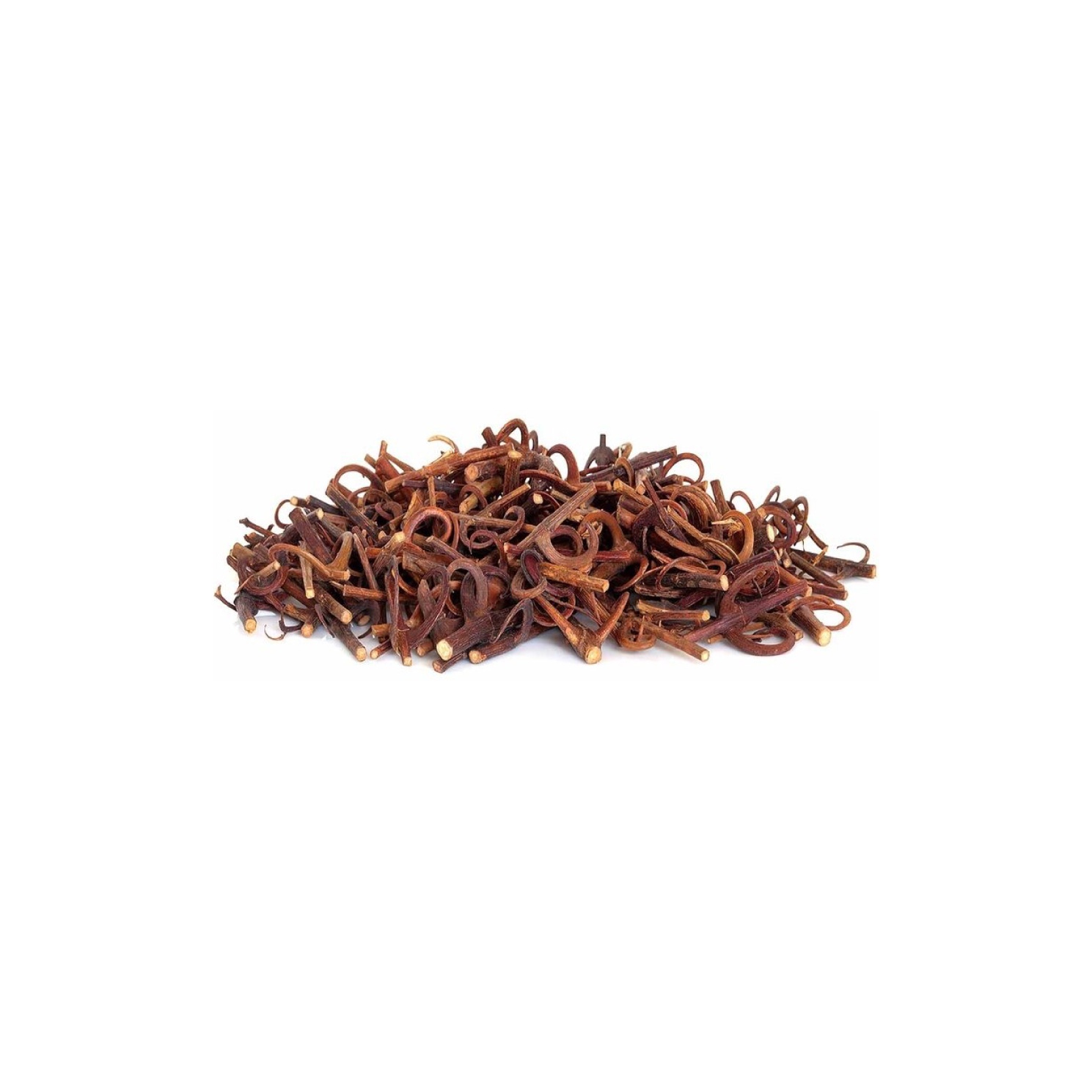 MildMildCat’s ClawUncaria tomentosaPeruvian traditions describe it as a normaliser of the body, running underneath a long list of specific indications.Mechanismnot established for stress resistance — no HPA-axis, cortisol or fatigue endpoint measuredRead the evidenceShow lessMonograph →
Amazonian peoples — among them the Aguaruna, Asháninka, Cashibo, Conibo and Shipibo — have used the inner bark and root of the vine for at least two thousand years. The Asháninka of Peru have the longest recorded history with it, giving it for asthma, urinary-tract inflammation, arthritis, rheumatism and bone pain, for recovery after childbirth, and for general inflammation.
Running underneath those specific indications, Peruvian traditions describe a general role as a normaliser of the body. That description is the origin of the adaptogen reading, and it predates the modern category by a long way.
The herb’s measured work is immune and anti-inflammatory, under immunomodulator and anti-inflammatory. No stress, cortisol or fatigue endpoint has been measured.
One traditional use sits far from how the herb is sold: several Peruvian peoples used it as a contraceptive, at doses nothing like a capsule — five to six kilos of root reduced to about 250 mL. It is the reason cat’s claw is kept away from pregnancy.
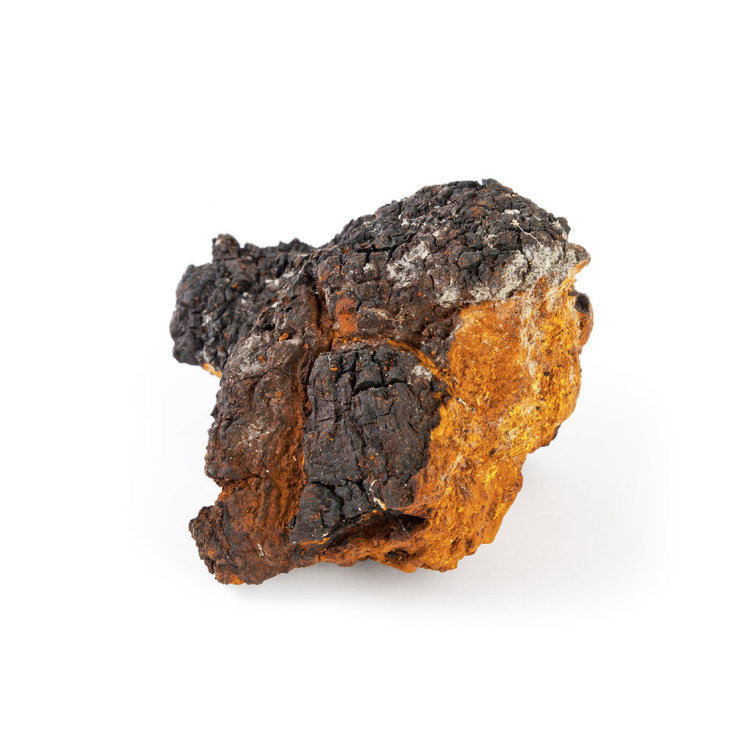 MildMildChagaInonotus obliquusA long-standing Siberian and Khanty vitality tea whose adaptogen label has never been given a stress endpoint.Read the evidenceShow lessMonograph →
Chaga is described as an adaptogen within the medicinal-mushroom tradition, and its use as a vitality tea across Siberia and among the Khanty is long-standing.
No HPA-axis, cortisol or stress-resistance endpoint has ever been measured in it, so the label is a category association rather than a finding.
Its metabolic activity — insulin sensitisation, reduced adiposity, PPARγ — is often read as adaptogenic. That is a metabolic effect rather than a stress-axis one.
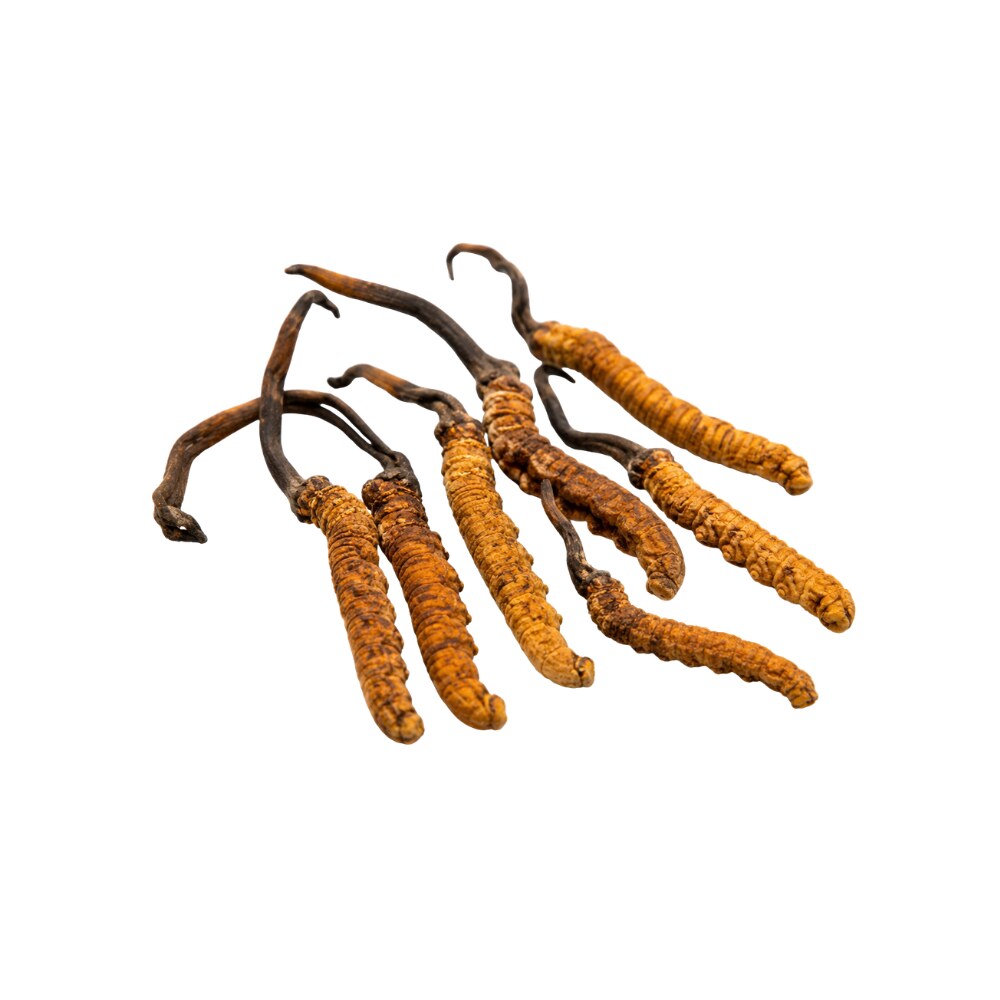 MildMildCordycepsCordyceps sinensisThe best-controlled trial is negative, and the positive results come from older adults or from multi-fungus blends.Mechanismnot established — no HPA-axis, cortisol or stress-model endpoint has been measuredRead the evidenceShow lessMonograph →
There is no cortisol measurement and no fatigue trial anywhere in the literature. The nearest measured endpoint is exercise capacity, and it is mixed.
The best-controlled trial is negative. Cs-4, cultured C. sinensis mycelium at 3 g/day for five weeks, did not improve VO₂peak or time-trial performance in trained cyclists 16Reference 16RCTCordyceps Sinensis (CordyMax Cs-4) supplementation does not improve endurance exercise performance — randomised, placebo-controlled trialView study →.
Positive results come from populations with room to move — gains of 8–11% in metabolic and ventilatory thresholds after 12 weeks of Cs-4 in healthy older adults 17Reference 17RCTEffect of Cs-4 (Cordyceps sinensis) on exercise performance in healthy older subjects: a double-blind, placebo-controlled trial — randomised, double-blind, placebo-controlled trialView study → — or from multi-fungus blends whose cordyceps contribution cannot be isolated 18Reference 18RCTCordyceps militaris Improves Tolerance to High-Intensity Exercise After Acute and Chronic Supplementation — randomised, double-blind, placebo-controlled trialView study →. A 2025 meta-analysis of fungal supplements in athletes found only modest, inconsistent endurance effects 19Reference 19Meta-analysisEffects of fungal supplementation on endurance, immune function, and hematological profiles in adult athletes: a systematic review and meta-analysis — systematic review and meta-analysisView study →.
What is left is a real but population-restricted performance effect, with stress-axis normalisation never tested.
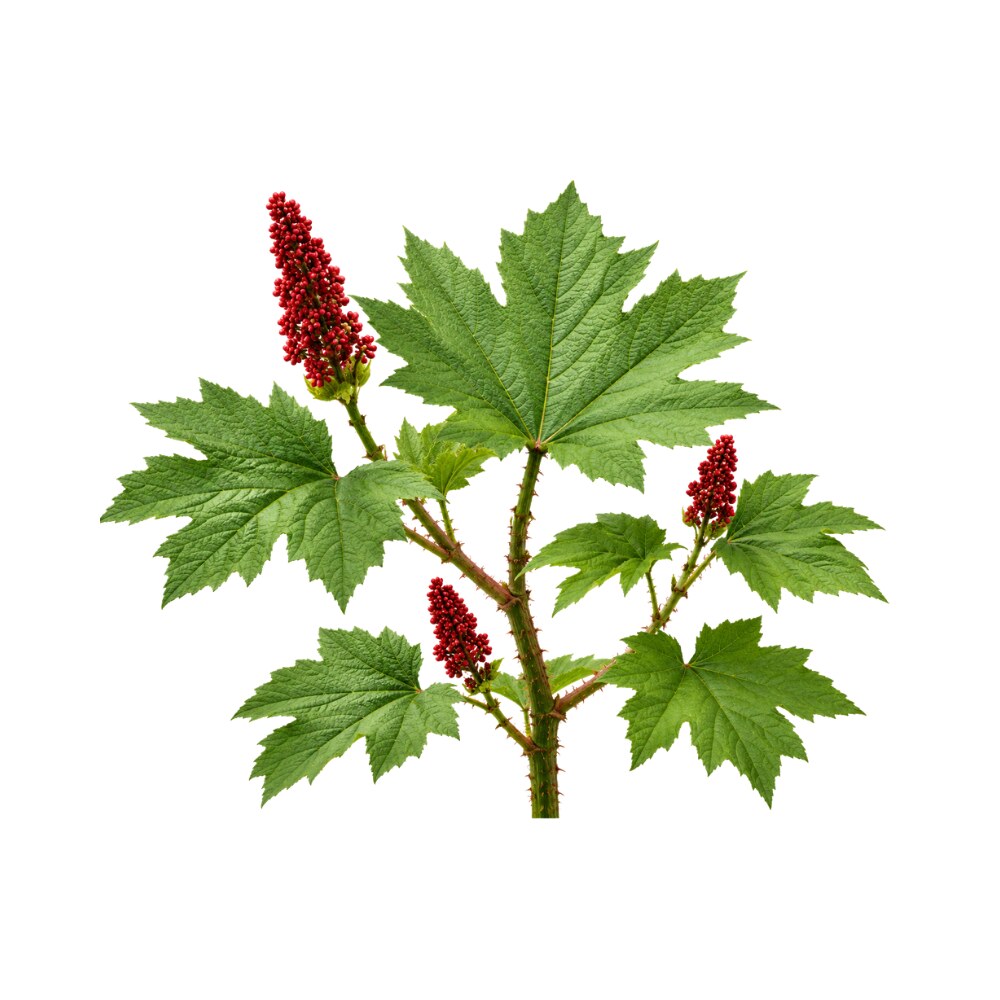 MildMildDevils clubOplopanax horridusAn Araliaceae relative of ginseng and eleuthero, carried by the family resemblance rather than by any measurement.Read the evidenceShow lessMonograph →
Oplopanax horridus sits in the Araliaceae alongside Panax ginseng and Eleutherococcus, and the “Alaskan ginseng” nickname plus its continued use as a Western tonic are the whole basis of the claim.
No HPA-axis, cortisol, stress-resistance or fatigue endpoint has ever been measured in the plant, and family membership is not evidence.
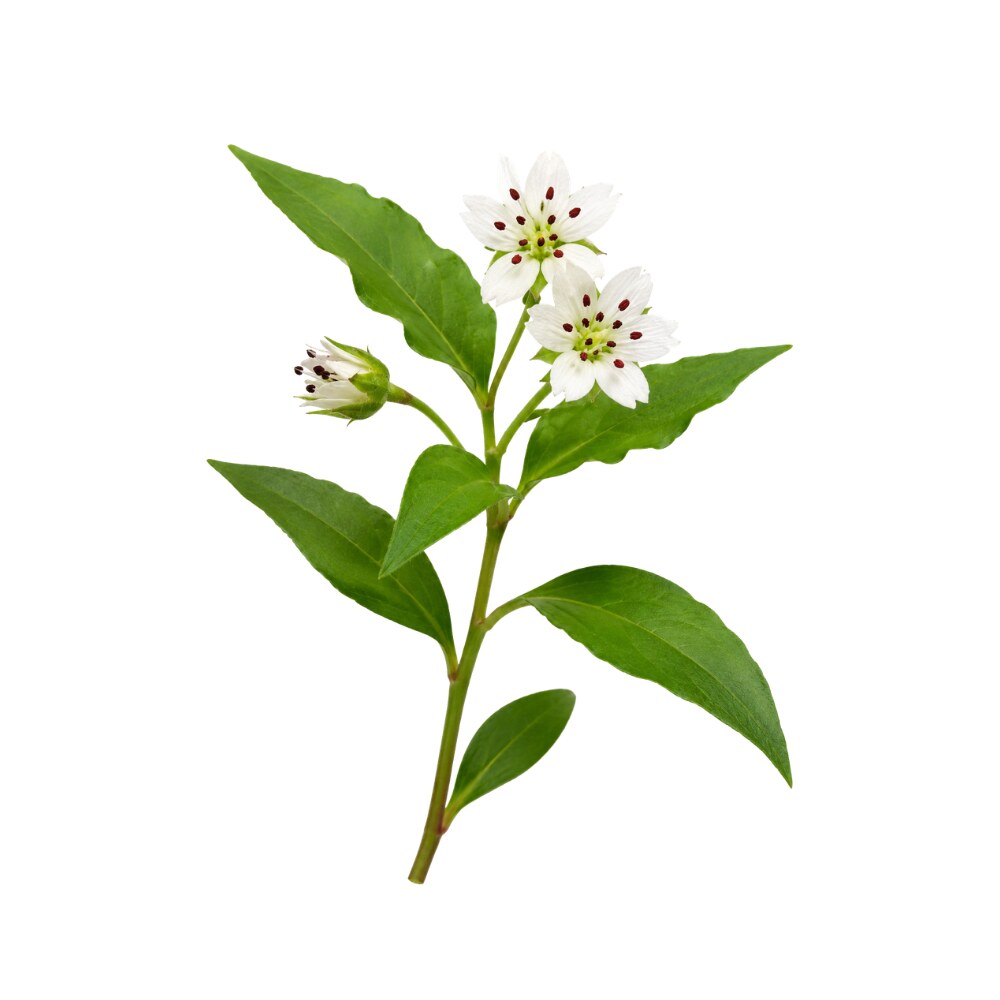 MildMildKid GinsengPseudostellaria heterophyllaThe stress-resistance claim rests on rodent work and a Chinese qi-tonic classification.Mechanismneuroendocrine–immune normalization; Th1/Th2 rebalancing; antioxidant enzyme inductionRead the evidenceShow lessMonograph →
The non-specific stress-resistance claim rests on three rodent papers plus the immune work. Those are anoxia and swim survival after reserpine depletion 42Reference 42AnimalThe effect of Radix Pseudostellariae from 8 habitats on spleen-deficiency and immunologic function — mice, in vivoView study →, normalisation of neuroendocrine-immune disturbance under a viral-mimetic stressor 43Reference 43AnimalPolysaccharide of Radix Pseudostellariae improves chronic fatigue syndrome induced by poly(I:C) in mice — mouse model, in vivoView study →, and Th1/Th2 rebalancing with raised antibody titres, IgG, IgA, IgM, CD3 and lymphocyte activation 44,
No stress-axis endpoint has ever been measured — no corticosterone, no HPA challenge, no human data — and the effective preparations are topical whole extract or dietary/high-dose polysaccharide, not the decocted root.
“Adaptogen” is a Western frame laid over a Chinese qi-tonic classification. It is directionally supported in rodents and nowhere near the substantiation behind Panax ginseng, eleuthero or rhodiola.
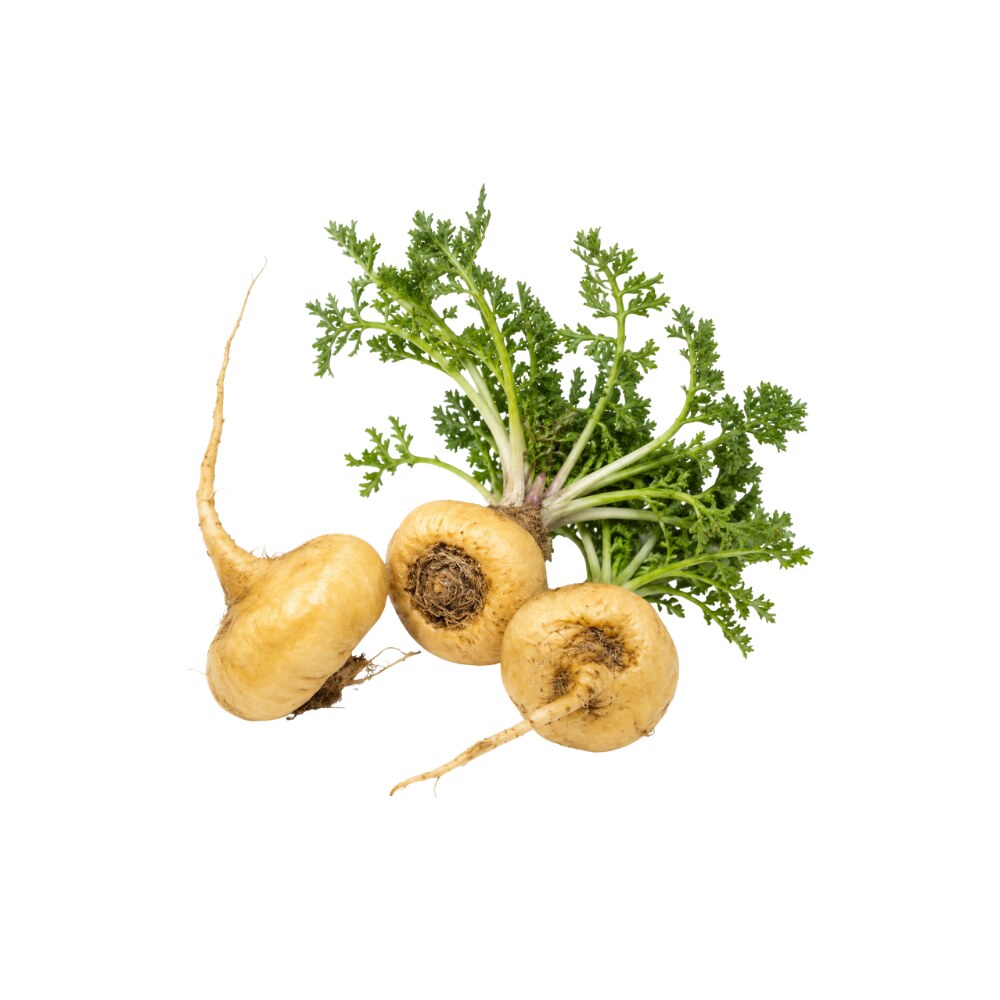 MildMildMacaLepidium meyeniiNon-hormonal support of the hypothalamic-pituitary axis in rats, with no human stress, cortisol or fatigue endpoint at all.MechanismHPA/HPG-axis modulation (non-hormonal)Read the evidenceShow lessMonograph →
The adaptogen billing is proposed rather than settled 48Reference 48Brazilian plants as possible adaptogens: an ethnopharmacological survey of books edited in Brazil, and it is weak beside the front rank of the field.
The rationale is preclinical. Maca appears to support the hypothalamic-pituitary axis without acting as a hormone: long-term dosing normalised endocrine balance in ovariectomised rats, lowering elevated FSH, which the authors attribute to axis support rather than to direct oestrogen activity 49,
There is no human stress, cortisol or fatigue endpoint. The classification rests on that non-hormonal mechanism plus centuries of Andean vitality use 51,
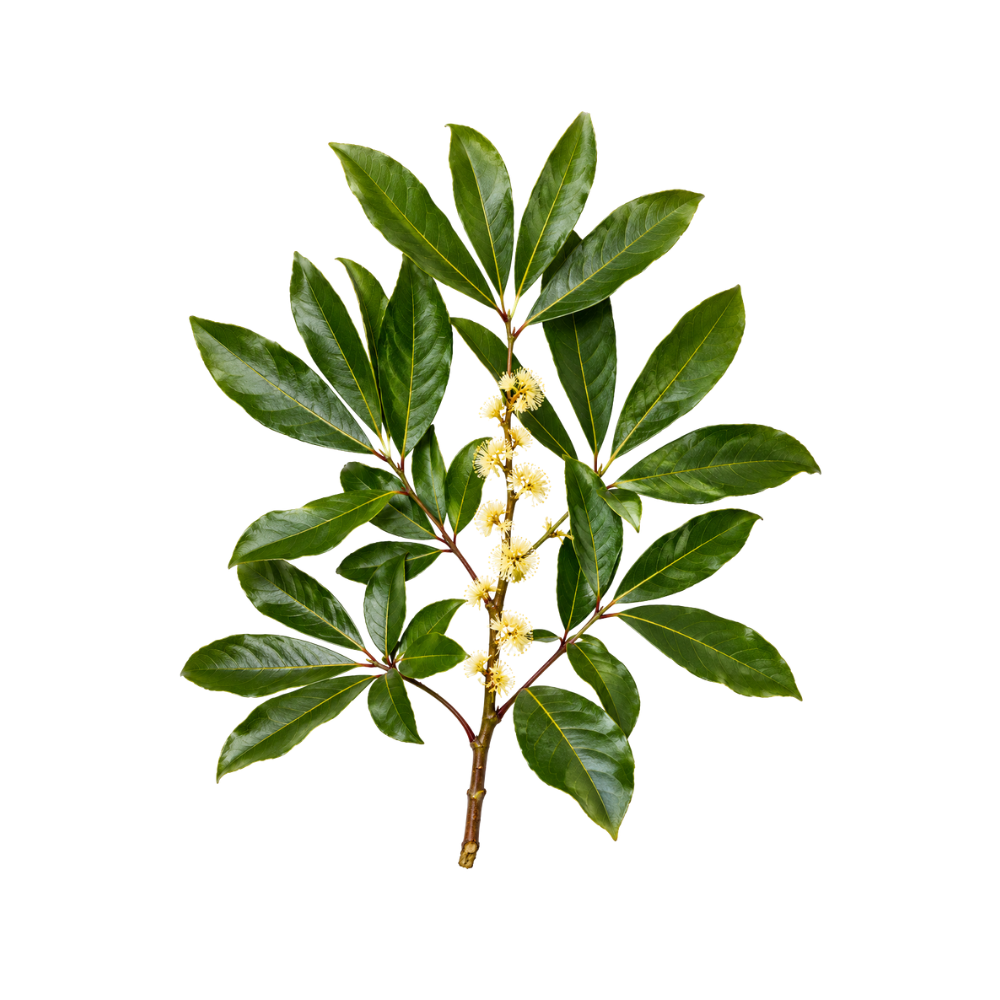 MildMildMuira PuamaPtychopetalum olacoidesThe adaptogen label is proposed-and-traditional, resting on rodent anti-stress data that overlaps almost entirely with the antidepressant line.MechanismHPA-axis / corticosterone ↓; stress-hyperglycemia prevention; hypoxia toleranceRead the evidenceShow lessMonograph →
POEE produced broad anti-stress effects — light/dark behavior, increased hypoxia endurance, prevention of stress-induced hyperglycemia — which the authors read as adaptogen-like 53Reference 53AnimalAnti-stress effects of the “tonic” Ptychopetalum olacoides (Marapuama) in mice — animal studyView study →, on top of the corticosterone-blunting HPA mechanism 54Reference 54Effects of Marapuama in the chronic mild stress model: further indication of antidepressant properties — animal studyView study →. An ethnobotanical survey listed P. olacoides among four Brazilian species with prior anti-stress/performance research 55Reference 55ReviewBrazilian plants as possible adaptogens: an ethnopharmacological survey of books edited in Brazil — review / surveyView study →, but that is a mapping exercise, not evidence.
The effect is rodent-only, it overlaps the antidepressant action, and the same biphasic anxiety signal 56Reference 56Anxiogenic properties of Ptychopetalum olacoides Benth. (Marapuama) — animal studyView study → undercuts a clean “increases stress resistance” reading.
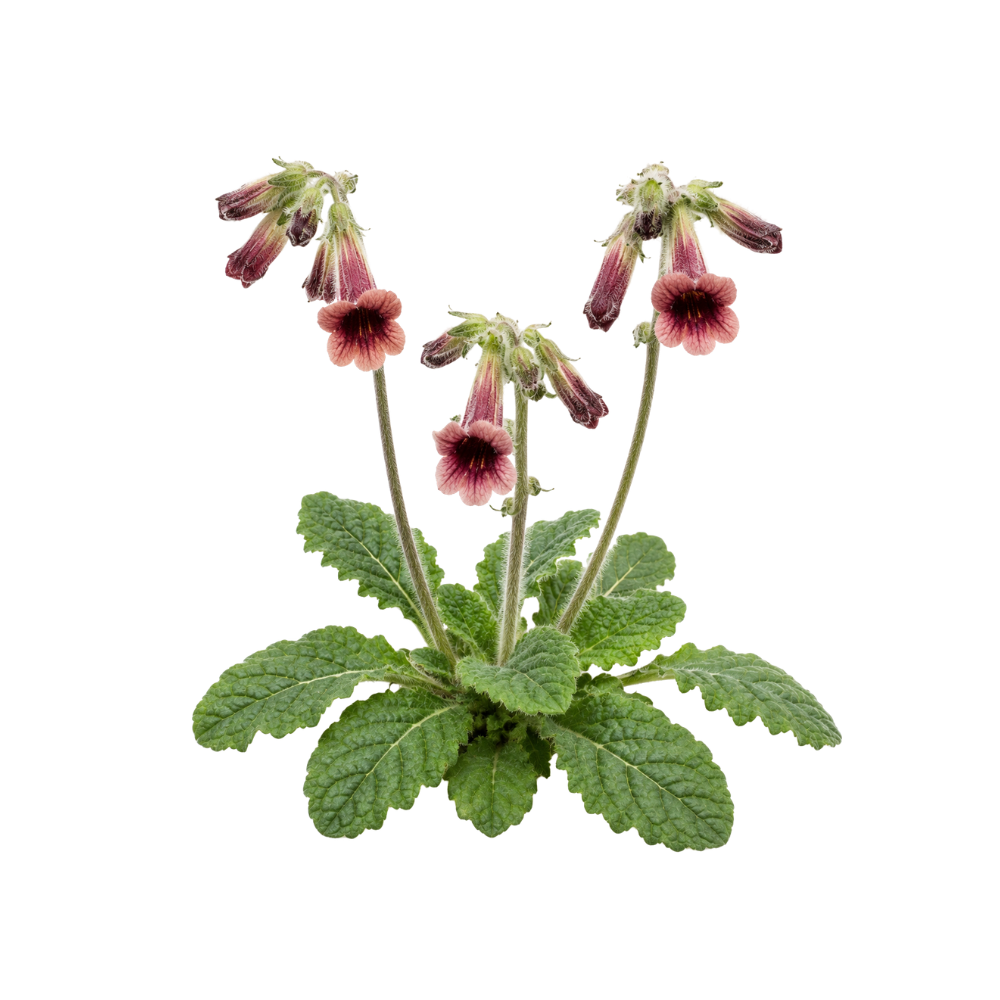 MildMildRehmanniaRehmannia glutinosaA classical Chinese kidney-yin tonic with a real adrenal reputation in Western practice and one shared rat study behind it.Read the evidenceShow lessMonograph →
The claim comes from the Chinese kidney-yin tonic classification and from a long adrenal reputation in Western herbal practice.
The evidence rests on a single rat study, shared with the adrenal-tonic action, plus a review describing adaptogen-like effects for iridoids as a compound class rather than for the herb.
No stress-model, fatigue, endurance or corticosterone study of rehmannia exists.
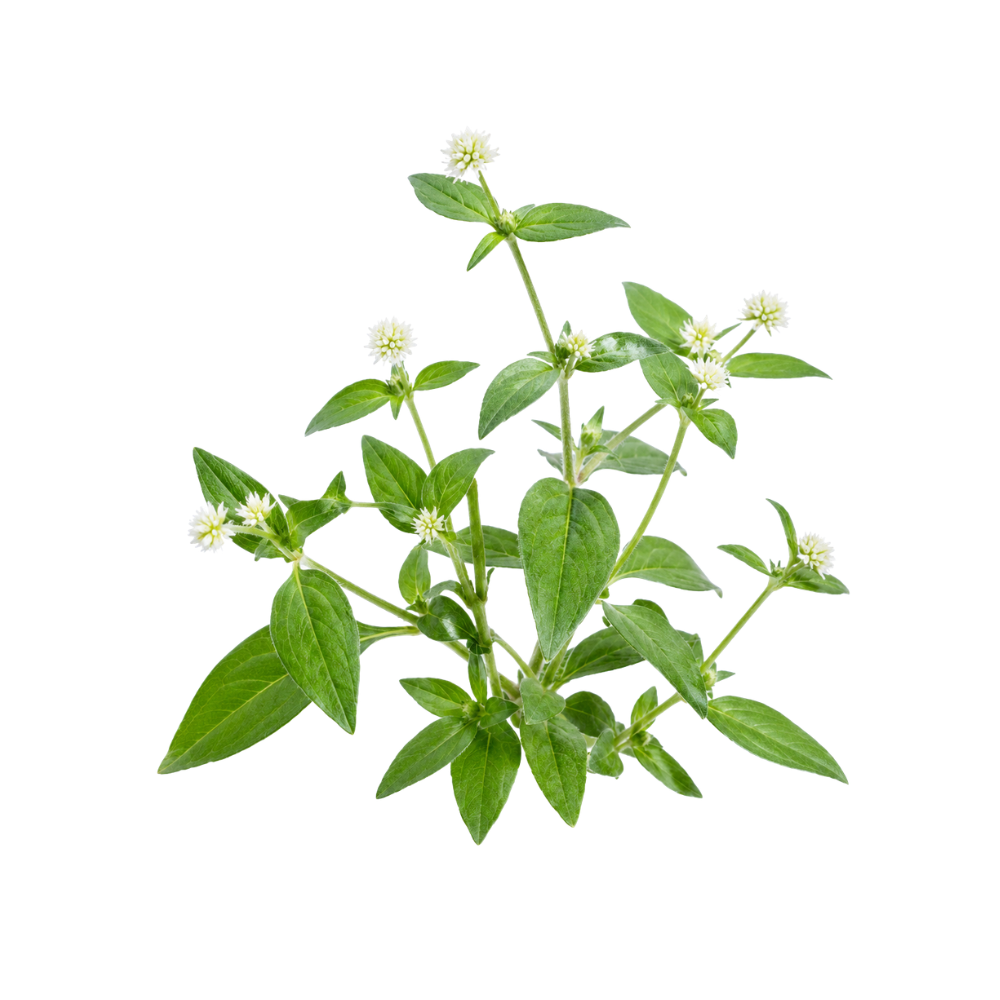 MildMildSumaPfaffia paniculataBrazilian ginseng, whose behavioural data belong to a sibling species rather than to the plant sold under the name.Read the evidenceShow lessMonograph →
Anti-stress use is suma’s headline traditional identity in Brazil. The concrete behavioural data belong to the sibling species Pfaffia glomerata, tested as a 20-hydroxyecdysone-enriched fraction, rather than to P. paniculata, which is the species sold under the name.
For P. paniculata itself the label rests on an ethnopharmacological survey, ecdysteroid content and read-across, and the sibling species’ evidence does not transfer.
No herbs match these filters.
Safety
- These herbs are taken daily and indefinitely by people who are not ill, which is the exposure pattern that turns a small safety signal into a real one.
- Almost nothing in the group has been trialled past about twelve weeks, so long-term daily use is unstudied rather than shown to be safe.
- “Adaptogen” does not mean calming, and several of these are stimulating enough to disturb sleep, raise blood pressure or worsen agitation if taken late or at high dose.
- Herb-induced liver injury is documented in this group, and jaundice, dark urine or unexplained fatigue is a reason to stop immediately and seek assessment.
- Some adaptogens are thyroid-active, which matters in hyperthyroidism and alongside thyroid medication.
- Several are simply unstudied in pregnancy, which is a meaningful gap rather than a formality for a herb taken daily for months.
- Reported interactions across the group include warfarin, phenytoin, antidepressants and glucose-lowering drugs.
- Product quality matters more here than elsewhere, precisely because the intake is continuous and unmonitored.
References
- Chandrasekhar K, et al. (2012). A prospective, randomised double-blind, placebo-controlled study of a high-concentration full-spectrum ashwagandha root extract in reducing stress and anxiety — RCT. Indian Journal of Psychological Medicine. https://pubmed.ncbi.nlm.nih.gov/23439798/
- Lopresti AL, et al. (2019). Stress-relieving and pharmacological actions of an ashwagandha extract — a randomised, double-blind, placebo-controlled study. Medicine (Baltimore). https://pubmed.ncbi.nlm.nih.gov/31517876/
- Salve J, et al. (2019). Adaptogenic and anxiolytic effects of ashwagandha root extract in healthy adults — a double-blind, randomised, placebo-controlled clinical study. Cureus. https://pubmed.ncbi.nlm.nih.gov/32021735/
- Akhgarjand C, et al. (2022). Does Ashwagandha supplementation have a beneficial effect on the management of anxiety and stress? — systematic review and meta-analysis of randomised controlled trials. Phytotherapy Research. https://pubmed.ncbi.nlm.nih.gov/36017529/
- Arumugam V, et al. (2024). Effects of Ashwagandha (Withania somnifera) on stress and anxiety — systematic review and meta-analysis. Explore (NY). https://pubmed.ncbi.nlm.nih.gov/39348746/
- Fatima K, et al. (2024). Safety and efficacy of Withania somnifera for anxiety and insomnia — systematic review and meta-analysis. Human Psychopharmacology. https://pubmed.ncbi.nlm.nih.gov/39083548/
- Cooley K, et al. (2009). Naturopathic care for anxiety — a randomised controlled trial (ISRCTN78958974). PLoS One. https://pubmed.ncbi.nlm.nih.gov/19718255/
- Chen, K.T., et al. (2002). Reducing fatigue of athletes following oral administration of Huangqi Jianzhong Tang — a randomized placebo-controlled trial. Acta Pharmacologica Sinica. https://pubmed.ncbi.nlm.nih.gov/12147200/
- Benson, S., Downey, L. A., Stough, C., Wetherell, M., Zangara, A., & Scholey, A. (2014). An acute, double-blind, placebo-controlled cross-over study of 320 mg and 640 mg doses of Bacopa monnieri (CDRI 08) on multitasking stress reactivity and mood — randomised controlled trial. Phytotherapy Research, 28(4), 551–559. https://pubmed.ncbi.nlm.nih.gov/23788517/
- Sivasangari, K., & Rajan, K. E. (2020). Standardized Bacopa monnieri extract ameliorates learning and memory impairments through synaptic protein, neurogranin, BDNF signaling, and HPA axis in prenatally stressed rat offspring — animal model. Antioxidants, 9(12), 1229. https://pubmed.ncbi.nlm.nih.gov/33291595/
- Xie Q, Sun Y, Cao L, et al. Antifatigue and antihypoxia activities of oligosaccharides and polysaccharides from Codonopsis pilosula in mice. Food & Function. 2020. https://pubmed.ncbi.nlm.nih.gov/32608442/
- Xie X, Gu Y, Liu Y, et al. An inulin-type fructan from Codonopsis pilosula ameliorates cyclophosphamide-induced immunosuppression and intestinal barrier injury in mice. International Journal of Biological Macromolecules. 2025. https://pubmed.ncbi.nlm.nih.gov/40250123/
- Gao Z, Ren J, Ke C, et al. Specific inulin in Codonopsis pilosula exerts immunological enhancement by promoting cellular uptake and regulating p65-dependent MAPK and NF-κB pathways. Journal of Agricultural and Food Chemistry. 2025. https://pubmed.ncbi.nlm.nih.gov/40758307/
- Wang X, Kang J, Li X, et al. Codonopsis pilosula water extract delays D-galactose-induced aging of the brain in mice by activating autophagy and regulating metabolism. Journal of Ethnopharmacology. 2024. https://pubmed.ncbi.nlm.nih.gov/38462027/
- Zhang B, Zhang C, Yu M, et al. Codonopsis pilosula polysaccharide (CPP) alleviates D-Gal-induced aging and gut microbiota dysbiosis. International Journal of Molecular Sciences. 2026. https://pubmed.ncbi.nlm.nih.gov/42123518/
- Parcell AC, Smith JM, Schulthies SS, et al. (2004). Cordyceps Sinensis (CordyMax Cs-4) supplementation does not improve endurance exercise performance — randomised, placebo-controlled trial. Int J Sport Nutr Exerc Metab 14(2):236-42. https://pubmed.ncbi.nlm.nih.gov/15118196/
- Chen S, Li Z, Krochmal R, et al. (2010). Effect of Cs-4 (Cordyceps sinensis) on exercise performance in healthy older subjects: a double-blind, placebo-controlled trial — randomised, double-blind, placebo-controlled trial. J Altern Complement Med 16(5):585-90. https://pubmed.ncbi.nlm.nih.gov/20804368/
- Hirsch KR, Smith-Ryan AE, Roelofs EJ, et al. (2017). Cordyceps militaris Improves Tolerance to High-Intensity Exercise After Acute and Chronic Supplementation — randomised, double-blind, placebo-controlled trial. J Diet Suppl 14(1):42-53. https://pubmed.ncbi.nlm.nih.gov/27408987/
- Shu MY, Zhang XC, Zuo L, et al. (2025). Effects of fungal supplementation on endurance, immune function, and hematological profiles in adult athletes: a systematic review and meta-analysis — systematic review and meta-analysis. Front Nutr 12:1670416. https://pubmed.ncbi.nlm.nih.gov/41280379/
- Hartz AJ, Bentler S, Noyes R, et al. (2004). Randomized controlled trial of Siberian ginseng for chronic fatigue — RCT. Psychological Medicine. https://pubmed.ncbi.nlm.nih.gov/14971626/
- Cicero AF, Derosa G, Brillante R, et al. (2004). Effects of Siberian ginseng (Eleutherococcus senticosus) on elderly quality of life — randomised clinical trial. Archives of Gerontology and Geriatrics Supplement. https://pubmed.ncbi.nlm.nih.gov/15207399/
- Schaffler K, Wolf OT, Burkart M. (2013). No benefit adding Eleutherococcus senticosus to stress management training in stress-related fatigue — randomised controlled study. Pharmacopsychiatry. https://pubmed.ncbi.nlm.nih.gov/23740477/
- Panossian A, Wikman G. (2009). Evidence-based efficacy of adaptogens in fatigue, and molecular mechanisms related to their stress-protective activity — review. Current Clinical Pharmacology. https://pubmed.ncbi.nlm.nih.gov/19500070/
- Patyra A, Kołtun-Jasion M, Kiss AK, et al. (2025). Eleutherococcus root: a comprehensive review of its phytochemistry and pharmacological potential in the context of its adaptogenic effect — review. Frontiers in Pharmacology. https://pubmed.ncbi.nlm.nih.gov/41235111/
- European Medicines Agency, Committee on Herbal Medicinal Products (HMPC). (2006/2014). Community herbal monograph on Eleutherococcus senticosus (Rupr. et Maxim.) Maxim., radix — Doc. EMEA/HMPC/244569/2006 (traditional use for asthenia). https://www.ema.europa.eu/en/medicines/herbal/eleutherococci-radix
- Aslanyan G, Amroyan E, Gabrielyan E, et al. (2010). Double-blind, placebo-controlled, randomised study of single-dose effects of ADAPT-232 on cognitive functions — RCT of a fixed combination. Phytomedicine. https://pubmed.ncbi.nlm.nih.gov/20374974/
- Barton, D. L., et al. (2013). Wisconsin Ginseng (Panax quinquefolius) to improve cancer-related fatigue: a randomized, double-blind trial, N07C2 — randomised controlled trial, phase III. Journal of the National Cancer Institute. https://pubmed.ncbi.nlm.nih.gov/23853057/
- Barton, D. L., et al. (2010). Pilot study of Panax quinquefolius to improve cancer-related fatigue: a randomized, dose-finding evaluation, N03CA — randomised controlled trial. Supportive Care in Cancer. https://pubmed.ncbi.nlm.nih.gov/19415341/
- Arring, N. M., et al. (2018). Ginseng as a Treatment for Fatigue: A Systematic Review — systematic review. Journal of Alternative and Complementary Medicine. https://pubmed.ncbi.nlm.nih.gov/29624410/
- Lemke, E. A. (2021). Ginseng for the Management of Cancer-Related Fatigue: An Integrative Review — review. Journal of the Advanced Practitioner in Oncology. https://pubmed.ncbi.nlm.nih.gov/34123477/
- Rai, D., Bhatia, G., Sen, T., & Palit, G. (2003). Anti-stress effects of Ginkgo biloba and Panax ginseng — a comparative study (animal model). J Pharmacol Sci. https://pubmed.ncbi.nlm.nih.gov/14737017/
- Bach, H. V., et al. (2016). Efficacy of ginseng supplements on fatigue and physical performance — meta-analysis of RCTs. J Korean Med Sci. https://pubmed.ncbi.nlm.nih.gov/27822924/
- Li, X., Yang, M., Zhang, Y. L., et al. (2023). Ginseng and ginseng herbal formulas for symptomatic management of fatigue — systematic review and meta-analysis. J Integr Complement Med. https://pubmed.ncbi.nlm.nih.gov/36730693/
- Sadeghian, M., Rahmani, S., Zendehdel, M., et al. (2021). Ginseng and cancer-related fatigue — systematic review of clinical trials. Nutr Cancer. https://pubmed.ncbi.nlm.nih.gov/32691627/
- Choi, E. K., et al. (2019). Supplementation with Gynostemma pentaphyllum leaf extract reduces anxiety in healthy subjects with chronic psychological stress — randomised double-blind placebo-controlled trial. Phytomedicine. https://pubmed.ncbi.nlm.nih.gov/30599899/
- Nayyar, D., et al. (2023). Gynostemma pentaphyllum increases exercise performance and alters mitochondrial respiration and AMPK in healthy males — randomised controlled trial. Nutrients. https://pubmed.ncbi.nlm.nih.gov/38004115/
- Ahn, Y., et al. (2023). Effects of gypenoside-L-containing Gynostemma pentaphyllum extract on fatigue and physical performance — double-blind placebo-controlled randomised trial. Phytotherapy Research. https://pubmed.ncbi.nlm.nih.gov/36877124/
- Guo, M., et al. (2024). Neuroprotective effects of gypenosides on LPS-induced anxiety and depression-like behaviours — mouse. International Immunopharmacology. https://pubmed.ncbi.nlm.nih.gov/39413644/
- Saxena, R. C., et al. (2012). Efficacy of an extract of Ocimum tenuiflorum (OciBest) in the management of general stress — randomised placebo-controlled trial. Evid Based Complement Alternat Med, 2012, 894509. https://pubmed.ncbi.nlm.nih.gov/21977056/
- Lopresti, A. L., et al. (2022). A randomised, double-blind, placebo-controlled trial investigating the effects of a standardised Ocimum tenuiflorum extract — randomised controlled trial. Front Nutr, 9, 965130. https://pubmed.ncbi.nlm.nih.gov/36185698/
- Jamshidi, N., & Cohen, M. M. (2017). The clinical efficacy and safety of tulsi in humans: a systematic review of the literature — systematic review. Evid Based Complement Alternat Med, 2017, 9217567. https://pubmed.ncbi.nlm.nih.gov/28400848/
- Gong, Z., et al. (2001). The effect of Radix Pseudostellariae from 8 habitats on spleen-deficiency and immunologic function — mice, in vivo. Zhong Yao Cai. https://pubmed.ncbi.nlm.nih.gov/12587162/
- Sheng, R., et al. (2011). Polysaccharide of Radix Pseudostellariae improves chronic fatigue syndrome induced by poly(I:C) in mice — mouse model, in vivo. Evidence-Based Complementary and Alternative Medicine. https://pubmed.ncbi.nlm.nih.gov/20008077/
- Choi, Y. Y., et al. (2017). Immunomodulatory effects of Pseudostellaria heterophylla on Th1/Th2 levels in mice with atopic dermatitis — mouse model, in vivo. Molecular Medicine Reports. https://pubmed.ncbi.nlm.nih.gov/28035398/
- Zhu, Z., et al. (2024). Dietary supplementation with Pseudostellaria heterophylla polysaccharide enhanced immunity and changed spleen mRNA expression in chicks — animal model, in vivo. Developmental & Comparative Immunology. https://pubmed.ncbi.nlm.nih.gov/37951325/
- Wang, B., et al. (2025). Effects of Pseudostellaria heterophylla polysaccharide on humoral immunity and splenic lymphocyte gene expression in chicks — animal model, in vivo. Developmental & Comparative Immunology. https://pubmed.ncbi.nlm.nih.gov/40902815/
- Chen, J., et al. (2026). Radix Pseudostellariae saponins promote immunocyte migration and chemotaxis via the CCL5/CCR4 axis — animal model, in vitro. Animals (Basel). https://pubmed.ncbi.nlm.nih.gov/42353538/
- Mendes, F. R., & Carlini, E. A. (2007). Brazilian plants as possible adaptogens: an ethnopharmacological survey of books edited in Brazil. Journal of Ethnopharmacology, 109(3), 493–500.
- Zhang, Y., et al. (2014). Effect of ethanolic extract of Lepidium meyenii Walp on serum hormone levels in ovariectomised rats — animal model. Indian J Pharmacol. https://pubmed.ncbi.nlm.nih.gov/25097281/
- Meissner, H. O., et al. (2006). Hormone-balancing effect of pre-gelatinised organic maca (Lepidium peruvianum Chacon): biochemical and pharmacodynamic study on ovariectomised rats — animal model. Int J Biomed Sci. https://pubmed.ncbi.nlm.nih.gov/23674989/
- Gonzales, G. F. (2012). Ethnobiology and ethnopharmacology of Lepidium meyenii (Maca), a plant from the Peruvian highlands — review. Evid Based Complement Alternat Med. https://pubmed.ncbi.nlm.nih.gov/21977053/
- Taylor, L. (2005). The Healing Power of Rainforest Herbs. Square One Publishers (maca, pp. 122–125).
- Piato, A. L., Detanico, B. C., Linck, V. M., et al. (2010). Anti-stress effects of the “tonic” Ptychopetalum olacoides (Marapuama) in mice — animal study. Phytomedicine. https://pubmed.ncbi.nlm.nih.gov/19682881/
- Piato, A. L., Detanico, B. C., Jesus, J. F., et al. (2008). Effects of Marapuama in the chronic mild stress model: further indication of antidepressant properties — animal study. Journal of Ethnopharmacology. https://pubmed.ncbi.nlm.nih.gov/18513902/
- Mendes, F. R., & Carlini, E. A. (2007). Brazilian plants as possible adaptogens: an ethnopharmacological survey of books edited in Brazil — review / survey. Journal of Ethnopharmacology. https://pubmed.ncbi.nlm.nih.gov/17030478/
- da Silva, A. L., Bardini, S., Nunes, D. S., & Elisabetsky, E. (2002). Anxiogenic properties of Ptychopetalum olacoides Benth. (Marapuama) — animal study. Phytotherapy Research. https://pubmed.ncbi.nlm.nih.gov/12164265/
- Tang W, Gao Y, Chen G, et al. (2005). A randomised, double-blind and placebo-controlled study of a Ganoderma lucidum polysaccharide extract in neurasthenia — randomised controlled trial. J Med Food. https://pubmed.ncbi.nlm.nih.gov/15857210/
- Collado-Mateo D, Pazzi F, Domínguez-Muñoz FJ, et al. (2015). Ganoderma lucidum improves physical fitness in women with fibromyalgia — randomised controlled trial. Nutr Hosp. https://pubmed.ncbi.nlm.nih.gov/26545669/
- Olsson, E. M., von Schéele, B., & Panossian, A. G. (2009). A randomised, double-blind, placebo-controlled, parallel-group study of the standardised extract SHR-5 of Rhodiola rosea in stress-related fatigue — randomised controlled trial. Planta Medica. https://pubmed.ncbi.nlm.nih.gov/19016404/
- Shevtsov, V. A., et al. (2003). A randomized trial of two different doses of a SHR-5 Rhodiola rosea extract versus placebo and control of capacity for mental work — randomised controlled trial. Phytomedicine. https://pubmed.ncbi.nlm.nih.gov/12725561/
- Darbinyan, V., Kteyan, A., Panossian, A., Gabrielian, E., Wikman, G., & Wagner, H. (2000). Rhodiola rosea in stress induced fatigue — a double blind cross-over study of a standardized extract SHR-5 — randomised controlled trial. Phytomedicine. https://pubmed.ncbi.nlm.nih.gov/11081987/
- Spasov, A. A., Wikman, G. K., Mandrikov, V. B., Mironova, I. A., & Neumoin, V. V. (2000). A double-blind, placebo-controlled pilot study of the stimulating and adaptogenic effect of Rhodiola rosea SHR-5 extract on the fatigue of students during an examination period — randomised controlled trial. Phytomedicine. https://pubmed.ncbi.nlm.nih.gov/10839209/
- Punja, S., Shamseer, L., Olson, K., & Vohra, S. (2014). Rhodiola rosea for mental and physical fatigue in nursing students — randomised controlled trial. PLoS One. https://pubmed.ncbi.nlm.nih.gov/25268730/
- Hung, S. K., Perry, R., & Ernst, E. (2011). The effectiveness and efficacy of Rhodiola rosea L.: a systematic review of randomized clinical trials. Phytomedicine. https://pubmed.ncbi.nlm.nih.gov/21036578/
- Ishaque, S., Shamseer, L., Bukutu, C., & Vohra, S. (2012). Rhodiola rosea for physical and mental fatigue: a systematic review. BMC Complementary and Alternative Medicine. https://pubmed.ncbi.nlm.nih.gov/22643043/
- Kasper, S., & Dienel, A. (2017). Multicenter, open-label, exploratory clinical trial with Rhodiola rosea extract in patients suffering from burnout symptoms — clinical trial. Neuropsychiatric Disease and Treatment. https://pubmed.ncbi.nlm.nih.gov/28367055/
- Edwards, D., Heufelder, A., & Zimmermann, A. (2012). Therapeutic effects and safety of Rhodiola rosea extract WS 1375 in subjects with life-stress symptoms — open-label clinical trial. Phytotherapy Research. https://pubmed.ncbi.nlm.nih.gov/22228617/
- Such, S., Puchalski, C., Kogut, Ł., et al. (2026). System-level, molecular and cellular mechanisms of selected plant adaptogens — review. Frontiers in Nutrition. https://pubmed.ncbi.nlm.nih.gov/41901106/
- Singh N, Garg M, Prajapati P, et al. (2023). Adaptogenic property of Asparagus racemosus — review. Heliyon. https://pubmed.ncbi.nlm.nih.gov/37095959/
- Majumdar S, Gupta S, Prajapati SK, et al. (2021). Neuro-nutraceutical potential of Asparagus racemosus — review. Neurochemistry International. https://pubmed.ncbi.nlm.nih.gov/33689806/
- Mhatre Y, Jadhav P, Malik A, et al. (2026). Efficacy and safety of Shatavari root extract in women with polycystic ovarian syndrome — randomised, double-blind, placebo-controlled trial. Frontiers in Endocrinology. https://pubmed.ncbi.nlm.nih.gov/41816216/
- Lei, C., Chen, J., Huang, Z., et al. (2023). Ginsenoside Rg1 can reverse fatigue behavior in CFS rats by regulating EGFR and affecting taurine and mannose 6-phosphate metabolism — animal model. Frontiers in Pharmacology, 14, 1163638. https://pubmed.ncbi.nlm.nih.gov/37101547/
- Chen, C. F., Chiou, W. F., & Zhang, J. T. (2008). Comparison of the pharmacological effects of Panax ginseng and Panax quinquefolium — review. Acta Pharmacologica Sinica. https://pubmed.ncbi.nlm.nih.gov/18718179/
Keep Exploring