

Overview
Antiatherosclerotic at a Glance
Antiatherosclerotic herbs help slow the development and progression of arterial plaque.
Some do this by lowering LDL cholesterol, reducing the amount available to enter and accumulate in the artery wall.
Red yeast rice is the clearest example. Its monacolin K inhibits HMG-CoA reductase, the same enzyme targeted by statin drugs.
Other herbs appear to act more directly on the vessel wall.
Garlic has slowed carotid wall thickening in clinical studies even where blood lipids changed little, suggesting effects on platelets, vascular signalling, or the plaque itself rather than cholesterol alone.
Tea and yerba maté sit further upstream.
Their effects on endothelial function and LDL oxidation may help create a less favourable environment for plaque formation, although this is less direct than actually measuring plaque progression.
This action overlaps with hypolipidemic, antiplatelet, and vasoprotective herbs, but the defining endpoint is what happens to the plaque over time.
Atherosclerosis develops slowly, so meaningful evidence here usually comes from long-term imaging or cardiovascular outcomes rather than short-term changes in biomarkers.
Caution
Red yeast rice is a statin — it carries the statin risks of myopathy and liver injury, is avoided in pregnancy, and is never combined with a prescribed statin.
Adds to blood thinners — the antiplatelet activity in several of these herbs raises bleeding risk alongside anticoagulants and before surgery.
An adjunct to medical care — established arterial disease is managed medically, and the evidence supports these herbs only alongside that care.
Mechanisms
How It Works
01
Lipid-Dependent Plaque Reduction
Lowering circulating LDL reduces the amount available to enter and inflame the artery wall, which slows the growth of a plaque.
Red yeast rice’s monacolin K inhibits HMG-CoA reductase, the enzyme statins target, and pooled trials report improvement in carotid plaque area, plaque score and intima-media thickness alongside the LDL reduction.
This is the statin mechanism, delivered by a fermented food at an unregulated dose. There is no plaque-specific target beyond the lipid effect.
Herbs: Red Yeast Rice
Key compounds: Monacolin K
02
Lipid-Independent Vessel-Wall Effects
Some herbs slow plaque with plasma lipids unchanged, which places the effect in the vessel wall rather than in the blood.
Garlic prevented progression of carotid intima-media thickness in coronary-artery patients while plasma lipids did not differ between groups, and a four-year trial reduced the increase in plaque volume by 5 to 18%.
Its thiosulfinates suppress thromboxane and reduce platelet aggregation, and hydrogen-sulphide signalling affects vascular tone.
The dissociation from cholesterol is what makes this an action in its own right. Garlic’s lipid evidence is the weakest part of its cardiovascular case and shrinks toward null in the best diet-controlled trials.
Both results are slowed progression rather than reversal, and both are imaging surrogates.
Herbs: Garlic
03
LDL Oxidation and Endothelial Function
Oxidised LDL is what the artery wall takes up, and a responsive endothelium resists the whole process, so both are upstream of plaque.
Tea’s catechins improved endothelial function in smokers and reversed endothelial dysfunction in coronary-artery patients, with EGCG improving nitric-oxide-mediated tone.
Yerba maté raises paraoxonase-2, the enzyme that limits LDL oxidation, and its saponins interfere with cholesterol absorption.
No imaging or plaque endpoint has been measured for either herb, so this route is inferred rather than demonstrated.
Herbs: TeaYerba Maté
Key compounds: EGCGCatechinsUrsolic Acid
Materia Medica
Antiatherosclerotic Herbs by Potency
The antiatherosclerotic herbs, ordered by the relative strength of the effect rather than by how well studied it is. Each herb is described by the mechanism behind its effect and the evidence for it.
None of this is a substitute for professional care.
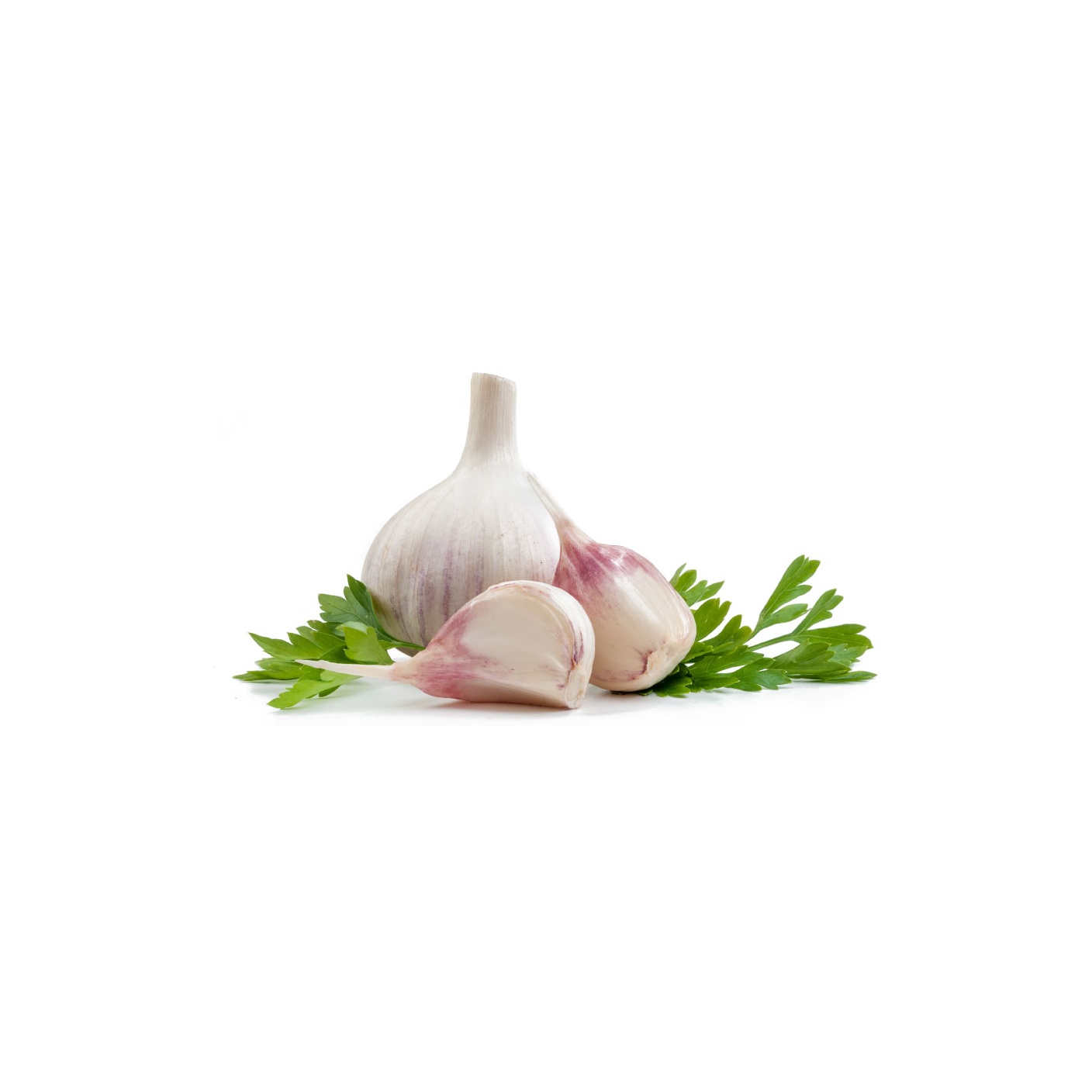 StrongStrongGarlicAllium sativumPrevented carotid wall thickening in coronary-artery patients with plasma lipids unchanged, and cut the increase in plaque volume by 5 to 18% over four years.Mechanismplaque-volume progression slowed; carotid intima-media thickness preserved — demonstrably lipid-independentRead the evidenceShow lessMonograph →
In a three-month randomised trial in 56 coronary-artery-disease patients, garlic powder tablets at 1,200 µg allicin twice daily prevented progression of carotid intima-media thickness against placebo, while plasma lipids did not differ between the groups 1Reference 1RCTEffect of garlic powder tablet on carotid intima-media thickness in patients with coronary artery disease: a preliminary randomized controlled trialView study →.
That dissociation implies a vascular effect that does not run through cholesterol, which matters because garlic’s lipid evidence is the weakest part of its cardiovascular case and shrinks toward null in the best diet-controlled trials 2,
A four-year double-blind trial of high-dose garlic powder in 152 participants reduced the increase in arteriosclerotic plaque volume by 5 to 18%, with slight regression in some arteries 4Reference 4RCTThe antiatherosclerotic effect of Allium sativum — randomized, double-blind, placebo-controlled trialView study →. That is slowed progression rather than reversal.
Two modest trials on surrogate imaging rather than clinical events, both using standardised dried powder as an adjunct to standard care.
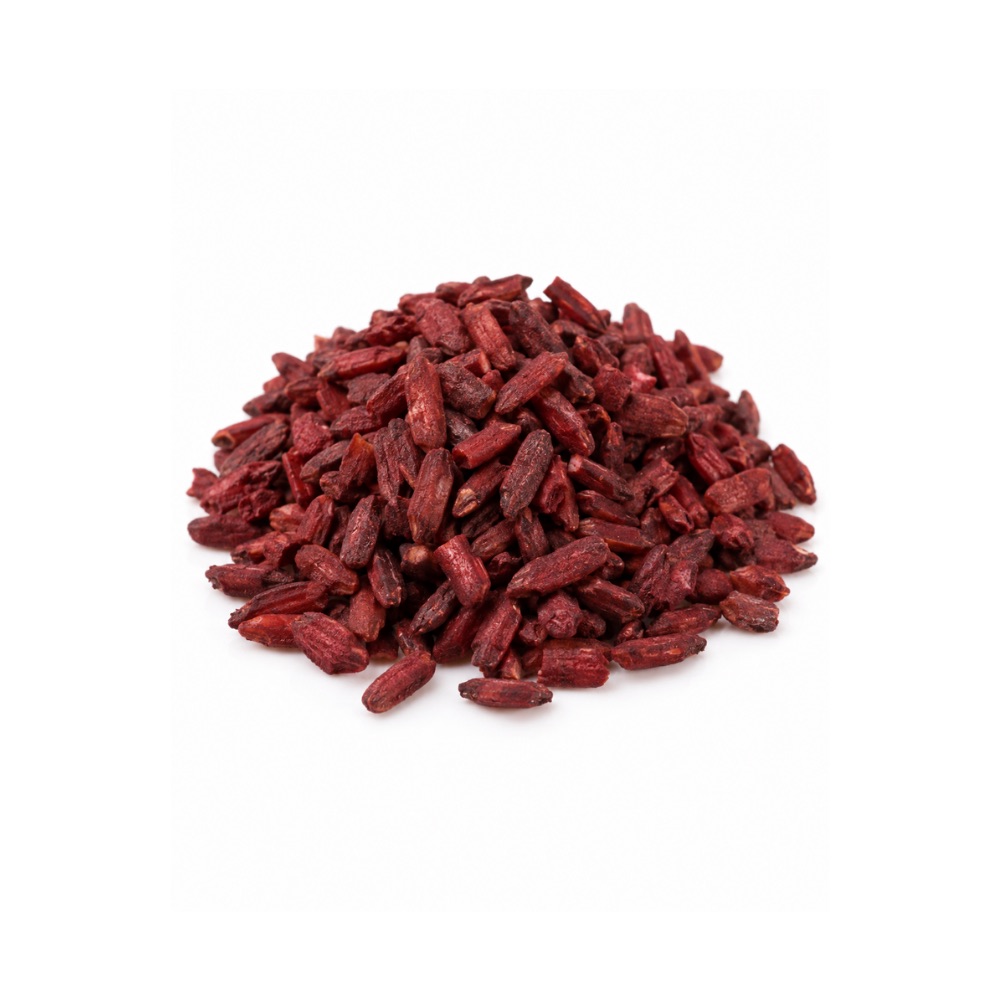 ModerateModerateRed Yeast RiceMonascus purpureusMonacolin K lowers LDL the way lovastatin does, and pooled trials show carotid plaque area and wall thickness improving alongside it.MechanismHMG-CoA reductase inhibition (monacolin K) → sustained LDL lowering; no plaque-specific target of its ownRead the evidenceShow lessMonograph →
A systematic review and meta-analysis pooled randomised trials reporting carotid plaque area, plaque score and intima-media thickness, and found red yeast rice associated with improvement in these imaging endpoints alongside LDL reduction, while flagging inconsistency and heterogeneity across the included trials 5Reference 5Meta-analysisEffectiveness of red yeast rice on carotid atherosclerosis: a systematic review and meta-analysisView study →.
The plaque effect follows from the lipid effect. Monacolin K is chemically lovastatin, and no vessel-specific target has been identified for the ferment.
That is the contrast with garlic, whose plaque effect appeared with no change in plasma lipids at all.
The endpoints are surrogate imaging measures, and the monacolin content of retail products is unregulated and highly variable.
Show 2 more herbs with a mild antiatherosclerotic action
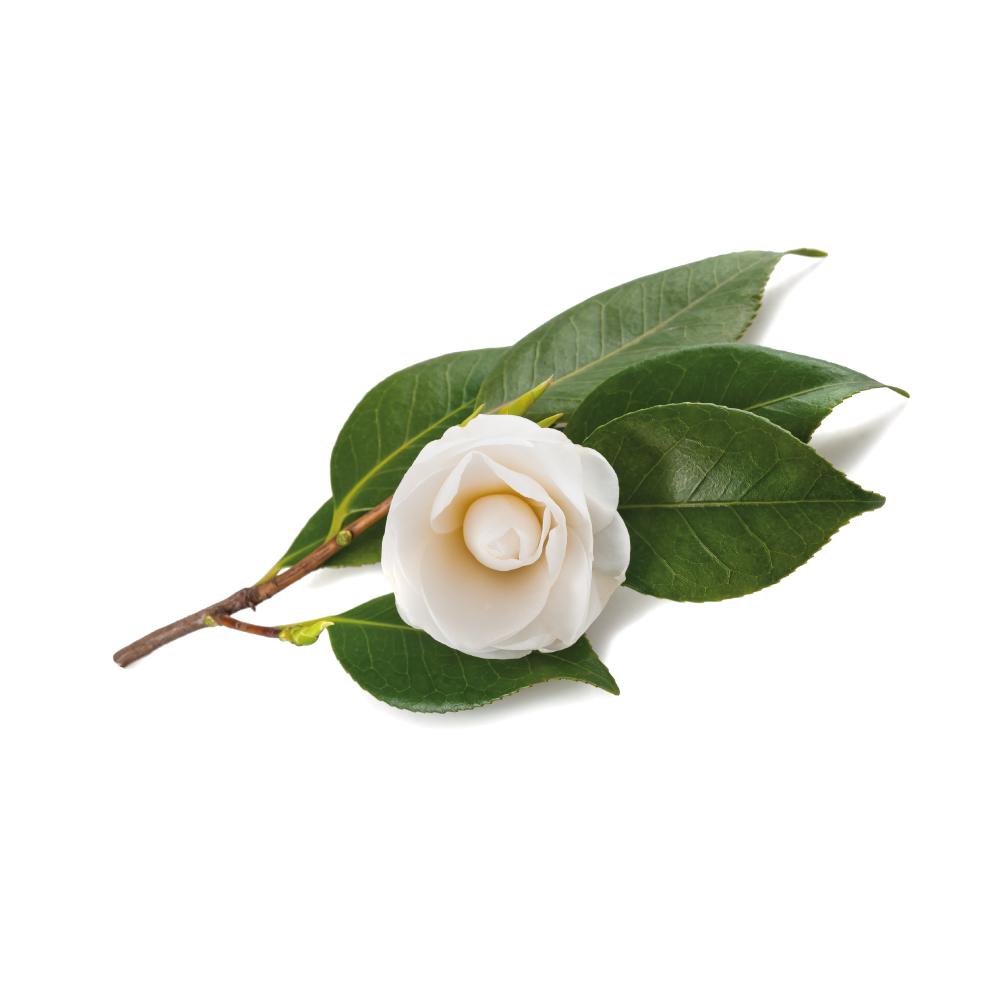 ModerateModerateTeaCamellia sinensisCatechins improve endothelial function and limit LDL oxidation, the two processes upstream of plaque, with large cohorts showing lower cardiovascular mortality.MechanismeNOS/nitric-oxide ↑; LDL-oxidation ↓Read the evidenceShow lessMonograph →
Green-tea catechins improved forearm endothelial function with effects the authors described as antiatherosclerotic in smokers 6Reference 6RCTGreen tea catechins improve human forearm endothelial dysfunction and have antiatherosclerotic effects in smokers — randomised controlled trialView study →, and black tea reversed endothelial dysfunction in patients with coronary artery disease 7Reference 7RCTShort- and long-term black tea consumption reverses endothelial dysfunction in patients with coronary artery disease — randomised controlled trialView study →. EGCG improves nitric-oxide-mediated vascular tone 8Reference 8ReviewGreen tea (Camellia sinensis) catechins and vascular function — reviewView study →.
Large cohorts add a cardiovascular-mortality association, with a hazard ratio around 0.86 for highest against lowest intake 9,
The human trials are short-term surrogate-marker studies and the outcome data are observational and confounded by everything else tea drinkers do. No imaging or plaque endpoint has been measured.
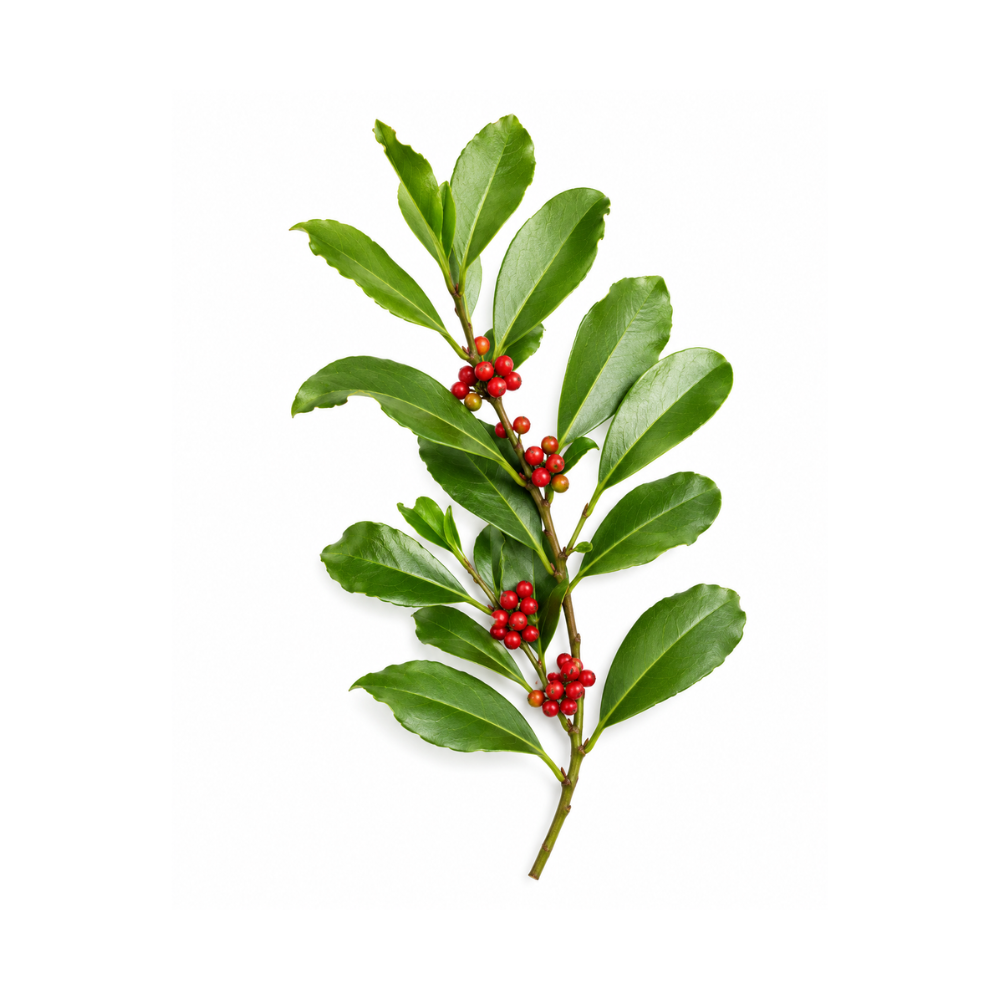 MildMildYerba MatéIlex paraguariensisRaises paraoxonase-2, the enzyme that limits LDL oxidation, and its saponins interfere with cholesterol absorption; no plaque endpoint has been measured.Mechanismparaoxonase-2 ↑; LDL-oxidation ↓; saponin cholesterol-absorption interferenceRead the evidenceShow lessMonograph →
Maté enhanced paraoxonase-2 gene modulation and activity in vitro and in vivo 11Reference 11In vitroYerba mate (Ilex paraguariensis) enhances the gene modulation and activity of paraoxonase-2: in vitro and in vivo studiesView study →, an anti-atherogenic route because the enzyme limits LDL oxidation. Its matesaponins interfere with cholesterol absorption.
LDL fell in dyslipidemic and statin-treated drinkers in a controlled trial 12Reference 12Clinical trialConsumption of yerba mate (Ilex paraguariensis) improves serum lipid parameters in healthy dyslipidemic subjects — controlled clinical trialView study →, and inflammatory cytokines fell over eight weeks in a crossover trial 13Reference 13RCTYerba Mate (Ilex paraguariensis) tea may have cardiometabolic beneficial effects — a randomized, controlled, blind, crossover trial in nonhabitual consumersView study →.
Every link in the chain is a surrogate. There is no imaging, plaque or event endpoint, and the pooled lipid evidence across randomised trials is null 14Reference 14Meta-analysisYerba Maté and its impact on glycemic control and metabolic health: a systematic review and meta-analysis of RCTsView study →.
No herbs match these filters.
Safety
- A herb that lowers LDL by inhibiting HMG-CoA reductase is a statin, and carries the statin profile: myopathy, rhabdomyolysis and liver injury, contraindicated in pregnancy, and never combined with a prescribed statin.
- Where the active is an unregulated fermentation product, the dose on the label is not reliably the dose in the capsule.
- Antiplatelet activity travels with the vascular benefit in several of these herbs, so bleeding risk rises alongside anticoagulants and before surgery.
- Established arterial disease is managed medically, and the evidence here supports these herbs only as an adjunct to that care.
- Imaging endpoints are surrogates: no herb here has been shown to prevent a heart attack or a stroke.
References
- Mahdavi-Roshan M, et al. (2013). Effect of garlic powder tablet on carotid intima-media thickness in patients with coronary artery disease: a preliminary randomized controlled trial. Nutrition and Health. https://pubmed.ncbi.nlm.nih.gov/25573347/
- Khoo YSK, et al. (2009). Garlic supplementation and serum cholesterol: a meta-analysis. Journal of Clinical Pharmacy and Therapeutics. https://pubmed.ncbi.nlm.nih.gov/19250134/
- Stevinson C, et al. (2000). Garlic for treating hypercholesterolemia. A meta-analysis of randomized clinical trials. Annals of Internal Medicine. https://pubmed.ncbi.nlm.nih.gov/10975959/
- Koscielny J, et al. (1999). The antiatherosclerotic effect of Allium sativum — randomized, double-blind, placebo-controlled trial. Atherosclerosis. https://pubmed.ncbi.nlm.nih.gov/10381297/
- Wang, S., et al. (2022). Effectiveness of red yeast rice on carotid atherosclerosis: a systematic review and meta-analysis. Frontiers in Pharmacology, 13, 937809. https://pubmed.ncbi.nlm.nih.gov/36120360/
- Oyama, J., Maeda, T., Kouzuma, K., et al. (2010). Green tea catechins improve human forearm endothelial dysfunction and have antiatherosclerotic effects in smokers — randomised controlled trial. Circ J, 74(3), 578-588. https://pubmed.ncbi.nlm.nih.gov/20134098/
- Duffy, S. J., Keaney, J. F. Jr, Holbrook, M., et al. (2001). Short- and long-term black tea consumption reverses endothelial dysfunction in patients with coronary artery disease — randomised controlled trial. Circulation, 104(2), 151-156. https://pubmed.ncbi.nlm.nih.gov/11447078/
- Moore, R. J., Jackson, K. G., & Minihane, A. M. (2009). Green tea (Camellia sinensis) catechins and vascular function — review. Br J Nutr, 102(12), 1790-1802. https://pubmed.ncbi.nlm.nih.gov/19751534/
- Kim, Y., Je, Y., et al. (2024). Tea consumption and risk of all-cause, cardiovascular disease, and cancer mortality: a meta-analysis of thirty-eight prospective cohort datasets. Epidemiol Health, 46, e2024051. https://pubmed.ncbi.nlm.nih.gov/38938012/
- Zhao, L. G., Li, H. L., Sun, J. W., et al. (2017). Green tea consumption and cause-specific mortality: results from two prospective cohort studies in China. J Epidemiol, 27(2), 71-78. https://pubmed.ncbi.nlm.nih.gov/28135196/
- Fernandes, E. S., et al. (2012). Yerba mate (Ilex paraguariensis) enhances the gene modulation and activity of paraoxonase-2: in vitro and in vivo studies. Nutrition. https://pubmed.ncbi.nlm.nih.gov/22964087/
- de Morais, E. C., et al. (2009). Consumption of yerba mate (Ilex paraguariensis) improves serum lipid parameters in healthy dyslipidemic subjects — controlled clinical trial. Journal of Agricultural and Food Chemistry. https://pubmed.ncbi.nlm.nih.gov/19694438/
- Bravo, L., et al. (2025). Yerba Mate (Ilex paraguariensis) tea may have cardiometabolic beneficial effects — a randomized, controlled, blind, crossover trial in nonhabitual consumers. Molecular Nutrition & Food Research. https://pubmed.ncbi.nlm.nih.gov/40263915/
- Li, D., et al. (2025). Yerba Maté and its impact on glycemic control and metabolic health: a systematic review and meta-analysis of RCTs. Frontiers in Endocrinology. https://pubmed.ncbi.nlm.nih.gov/41244043/
Keep Exploring