

Overview
Antiplatelet at a Glance
Antiplatelet herbs make platelets less likely to clump together and form a clot.
Platelets normally stick to damaged blood vessels and to each other, forming the first plug that stops bleeding. The same process can also contribute to the clot that blocks a coronary or cerebral artery.
Herbs can interfere with platelet activation through several routes.
Garlic, ginger, clove, and notoginseng reduce thromboxane signalling, one of the main pathways platelets use to recruit and activate each other.
Others work through cyclic AMP or related signalling. Coleus raises platelet cAMP through forskolin, while dan shen acts on several pathways involved in platelet activation, including phosphodiesterase and P2Y12 signalling.
This is different from an anticoagulant.
Antiplatelets mainly interfere with the platelet plug, while anticoagulants act more on the clotting proteins that stabilise it. Some herbs, especially dan shen, can influence both.
Herbs used to “move blood” have a long history in Chinese and Western herbal medicine, with dan shen, notoginseng, garlic, and ginger among the better-known examples.
The garden Chervil being eaten, doth moderately warm the stomach, and is a certain remedy (saith Tragus) to dissolve congealed or clotted blood in the body.
Nicholas Culpeper, The Complete Herbal, 1653, on chervil
Caution
Adds to blood thinners — antiplatelet herbs add to aspirin, clopidogrel, warfarin, DOACs, NSAIDs and other drugs that raise bleeding risk.
Stop before surgery — concentrated preparations are stopped one to two weeks before elective surgery or dental extraction, and the anaesthetist is told.
Not with a bleeding disorder — antiplatelet herbs are inappropriate where there is a bleeding disorder.
Mechanisms
How It Works
01
Thromboxane Synthesis
Thromboxane A₂ is the platelet’s own aggregation signal, made from arachidonic acid by cyclooxygenase, and blocking its synthesis is how aspirin works.
Garlic’s ajoene and allicin cut thromboxane B₂ production in rabbits, and garlic reduced ex-vivo aggregation across twelve randomised trials.
Ginger’s gingerols inhibit thromboxane synthetase, and 5 g of raw ginger a day lowered serum thromboxane in volunteers.
Clove’s eugenol inhibits collagen- and arachidonate-induced aggregation of human platelets at 2 µM.
Notoginseng’s ginsenosides Rg1 and Rb1 lower thromboxane B₂, and danshensu selectively inhibits COX-2 in the vessel wall.
Aspirin acetylates COX-1 irreversibly, for the life of the platelet, at a known dose. Herbal inhibition is reversible and dose-dependent: 2 g of dried ginger did nothing measurable in a controlled study, while 5 to 10 g did.
Garlic’s thiosulfinates are heat-sensitive, and cooking uncrushed cloves can abolish the effect. A culinary amount and a concentrated extract are not the same intervention.
Herbs: CloveDan ShenGarlicGingerNotoginseng
Key compounds: AjoeneAllicin6-GingerolEugenolGinsenoside Rg1Ginsenoside Rb1Danshensu
02
Cyclic AMP and the ADP Receptor
Raised cyclic AMP inside the platelet holds it in its resting state. Dipyridamole raises it by blocking phosphodiesterase, and clopidogrel blocks the P2Y12 ADP receptor that would otherwise lower it.
Forskolin activates adenylate cyclase directly and inhibits collagen- and adrenaline-induced aggregation of human platelets in a dose-dependent way.
Salvianolic acid B inhibits phosphodiesterase and antagonises P2Y12, and potentiated dual antiplatelet therapy in patients with acute coronary syndrome.
Salvianolic acid A raises platelet cAMP and inhibited activation in platelets from people with type 2 diabetes.
The drugs act at a titrated dose. The herbal effect belongs to specific fractions at specific concentrations, and the forskolin data come from isolated human platelets rather than from anyone taking coleus.
Key compounds: ForskolinSalvianolic Acid ASalvianolic Acid B
03
Thrombin and Warfarin Metabolism
A few molecules act beyond the platelet, on thrombin or on the liver enzymes that clear warfarin, which is where an antiplatelet action shades into an anticoagulant one.
Salvianolic acid B binds the thrombin catalytic site directly, the first herb-derived molecule shown to.
Dan shen’s tanshinones inhibit warfarin hydroxylation in rat liver microsomes, and the herb raised steady-state plasma warfarin by 23% in rats.
Warfarin is titrated to an INR, and anything that shifts its metabolism shifts the INR. Case reports of over-anticoagulation and bleeding in warfarin patients taking dan shen are the human record of this mechanism.
Herbs: Dan Shen
Key compounds: Salvianolic Acid BCryptotanshinoneTanshinone IIA
The Molecules
Pharmacology
What produces an antiplatelet effect at the molecular level. The herbs carry these molecules in different combinations and amounts, which is most of why their potency differs. Roles describe how central a molecule is to the action across plants generally, not how strong any one herb is.
Chiefly Phenolic Acids4Diterpenes3Sesquiterpene Lactones2Sesquiterpenes1Isoquinoline Alkaloids1
Carries the action largely on its own — the effect is attributed to the molecule, not just the extract it came from.
Adds to a plant's effect and is often present in quantity, but rarely accounts for it alone.
Real but narrow — one pathway, one tissue, or evidence too thin to lean on.
Danshensu Phenolic Acids Primary mover Targets Selective COX-2 inhibition normalizing TXA2/PGI2; SIRT1-dependent suppression of platelet ROS and mtDNA release
Danshensu’s mechanism is distinct from salvianolic acid B’s, which acts via P2Y12 antagonism, phosphodiesterase inhibition and direct thrombin-site binding, so the two are additive rather than redundant, and a danshen preparation delivers both.
In rats, danshensu reduced thrombus weight in two experimental thrombosis models, dose-dependently inhibited ADP- and arachidonic-acid-induced platelet aggregation in both normal and blood-stasis animals, and lowered blood viscosity, plasma viscosity and haematocrit.
The mechanism traced to selective inhibition of COX-2 but not COX-1 in the venous wall, with thromboxane B2 down, 6-keto-prostaglandin F1α up and the TXA2/PGI2 ratio normalised.
Unusually for a COX-active agent, it produced no gastric lesions and was protective against aspirin-induced ulceration at 60 mg/kg 4Reference 4AnimalEffects of danshensu on platelet aggregation and thrombosis — in vivo arteriovenous shunt and venous thrombosis models in ratsView study →.
A second, independent mechanism: danshensu induces SIRT1, lowers platelet ROS, prevents mitochondrial dysfunction and blocks release of platelet mitochondrial DNA, which otherwise activates platelets via DC-SIGN. It inhibited FeCl₃-induced carotid thrombosis in mice and did not prolong tail bleeding time 5Reference 5Danshensu prevents thrombosis by inhibiting platelet activation via SIRT1/ROS/mtDNA pathways without increasing bleeding riskView study →.
The line is old: anticoagulative action was reported in 1983 6Reference 6Experimental study on the anticoagulative action of danshensu [in Chinese]View study →, and the sodium salt’s effect on rabbit plasma prostacyclin and thromboxane A2 after coronary occlusion in 1986 7Reference 7Effects of sodium beta-3,4-dihydroxyphenyl lactate and beta-phenyl lactic acid on prostacyclin and thromboxane A2 contents in the plasma of rabbits after coronary artery occlusion [in Chinese]View study →.
Human relevance is anchored by a 14-subject crossover in which a danshen-containing product plus aspirin lowered systemic thromboxane B2, attributed partly to danshensu’s COX-2 inhibition 8Reference 8Clinical trialIs it safe to take Radix Salvia miltiorrhiza – Radix Pueraria lobata product with warfarin and aspirin? A pilot study in healthy human subjectsView study →.
The effect is additive with aspirin, clopidogrel, NSAIDs and anticoagulants, and relevant before surgery.
The “no increased bleeding” finding is one tail-bleeding assay in mice 5Reference 5Danshensu prevents thrombosis by inhibiting platelet activation via SIRT1/ROS/mtDNA pathways without increasing bleeding riskView study →, not a safety clearance.
Parthenolide Sesquiterpene Lactones Primary mover Targets Platelet granule secretion; serotonin release
Parthenolide inhibits granule secretion and serotonin release from blood platelets and polymorphonuclear leucocytes, with a pattern distinct from the NSAIDs 15Reference 15In vitroExtracts of feverfew inhibit granule secretion in blood platelets and polymorphonuclear leucocytes — in vitroView study →, and the effect tracks parthenolide content closely enough across authenticated and commercial feverfew that it was the bioassay used to justify parthenolide as the standardisation marker, “mainly responsible for the antisecretory effects of extracts of feverfew” 16Reference 16In vitroParthenolide content and bioactivity of feverfew (Tanacetum parthenium (L.) Schultz-Bip.): estimation of commercial and authenticated feverfew products — in vitroView study →.
Isolated parthenolide also irreversibly abolishes contractile responses in rabbit aorta, consistent with covalent modification of a vascular target 17Reference 17In vitroFeverfew extracts and parthenolide irreversibly inhibit vascular responses of the rabbit aorta — in vitroView study →.
All of it is in-vitro human platelet or ex-vivo tissue work, and no study connects the active concentration to any achievable plasma level, which is why the bleeding caution attached to feverfew is theoretical rather than measured.
Found in Chrysanthemum, Feverfew
Full Parthenolide profile →Salvianolic Acid A Phenolic Acids Primary mover Targets Platelet cAMP ↑ (PKA), coagulation cascade unaffected
Sal A’s best-evidenced activity, and the only one with data generated on human cells.
In rats, intravenous Sal A (2.5-10 mg/kg) inhibited ADP-induced platelet aggregation dose-dependently and reduced thrombus weight in an arteriovenous shunt model, with raised cAMP in plasma and in ADP-activated platelets as the mechanism; agonist-stimulated aggregation (ADP, thrombin, arachidonic acid) fell on both rat and washed human platelets in vitro 18Reference 18Antiplatelet and antithrombotic activities of salvianolic acid AView study →.
Five consecutive days of intravenous dosing left coagulation parameters unchanged 18Reference 18Antiplatelet and antithrombotic activities of salvianolic acid AView study →, so the action is platelet-directed rather than anticoagulant.
The human-tissue result is more direct: platelets drawn from 40 patients with type 2 diabetes, a hyperreactive and antiplatelet-resistant population, and pre-incubated with Sal A showed reduced PAC-1 fibrinogen binding, reduced CD62p/P-selectin expression under both ADP and thrombin, and reduced maximal aggregation, with no attenuation in patients who already had diabetic complications 19Reference 19Clinical trialSalvianolic acid A inhibits platelet activation and aggregation in patients with type 2 diabetes mellitusView study →.
A related but distinct thread: Sal A blunted PDGF-BB-driven human smooth-muscle proliferation by inducing p21 through cAMP/PKA/CREB, reproduced in the neointima of balloon-injured rat arteries 20Reference 20Prevention of vascular smooth muscle cell proliferation and injury-induced neointimal hyperplasia by CREB-mediated p21 induction — an insight from a plant polyphenolView study →, the same cAMP node in a different cell type, pointing at restenosis rather than thrombosis.
The cAMP mechanism is unexplained.
No PDE-inhibition data exist, and whether cAMP rises by PDE inhibition or adenylyl cyclase activation is unresolved.
Salvianolic Acid B Phenolic Acids Primary mover Targets P2Y12 antagonism + phosphodiesterase inhibition; direct thrombin catalytic-site binding
The best-attributed pharmacology this molecule has, and the reason it matters for safety before therapy.
Sal B inhibits human platelet activation induced by multiple agonists in vitro by two independently identified mechanisms, phosphodiesterase inhibition (dipyridamole’s mechanism) and P2Y12 receptor antagonism (clopidogrel’s target) 21Reference 21Salvianolic acid B inhibits platelets as a P2Y12 antagonist and PDE inhibitor — evidence from clinic to laboratoryView study →.
Separately, Sal B inhibits thrombin-induced platelet activation, reduces ADP- and collagen-induced aggregation, alters fibrin network structure and reduces thrombus formation in mouse cremaster arterioles, and binds the thrombin catalytic site directly, confirmed by enzymatic assay, intrinsic fluorescence spectrophotometry and isothermal titration calorimetry, with docking showing kinship to the trisubstituted benzimidazole inhibitors such as dabigatran.
The authors describe it as the first herb-derived direct thrombin catalytic-site inhibitor 22Reference 22Salvianolic acid B inhibits thrombosis and directly blocks the thrombin catalytic siteView study →.
In acute-coronary-syndrome patients already on clopidogrel plus aspirin, salvianolate (≈85% Sal B) significantly potentiated dual antiplatelet therapy on ADP-induced PAC-1 binding and P-selectin expression 21Reference 21Salvianolic acid B inhibits platelets as a P2Y12 antagonist and PDE inhibitor — evidence from clinic to laboratoryView study →, and a separate randomised PK/PD study in 18 CHD patients found salvianolate and aspirin interact pharmacokinetically, with Sal B elimination prolonged and its AUC reduced 23Reference 23RCTDrug–drug interactions between salvianolate injection and aspirin based on their metabolic enzymes — randomised clinical trialView study →.
These are preparation-level human results.
The effect is additive bleeding risk with aspirin, clopidogrel, DOACs and warfarin, and it is relevant before surgery.
Salvianolic Acids Phenolic Acids Primary mover Targets Shear-induced platelet aggregation ↓
Sal B inhibited shear-induced platelet aggregation dose-dependently in rat platelet-rich plasma under 15 Pa constant shear, additively with tetramethylpyrazine; aggregation fell from 48.6 ± 4.6% to 12.5 ± 2.1% for the combination 24Reference 24AnimalInhibition of shear-induced platelet aggregation in rat by tetramethylpyrazine and salvianolic acid BView study →.
Reviews add fibrinolysis promotion and antithrombin-III-like activity at fraction level 25,
This is the thread behind the warfarin warning.
Tussilagone Sesquiterpenes Primary mover Targets GPVI downstream signaling ↓; PAF receptor antagonism (Kᵢ 3.2–4.0 µM)
Two independent in-vitro mechanisms, 33 years apart, never tested against each other.
Tussilagone inhibits platelet activation by blocking GPVI downstream signalling 29Reference 29In vitroFrontiers in Medicine. https://pubmed.ncbi.nlm.nih.gov/32850895/View study →.
As L-652,469, the same molecule is a competitive PAF-receptor antagonist (Kᵢ 3.2–4.0 µM against [³H]PAF binding to rabbit platelet membranes, K_B 5.16 µM) that inhibited gel-filtered rabbit platelet aggregation with pA₂ 5.79 30Reference 30In vitroL-652,469 — a dual receptor antagonist of platelet activating factor and dihydropyridines from Tussilago farfara L. — in vitroView study →.
In vivo, it attenuated atherosclerotic lesion formation in ApoE-deficient mice by suppressing MAPK-mediated macrophage inflammation 31Reference 31Tussilagone attenuates atherosclerosis through inhibiting MAPKs-mediated inflammation in macrophagesView study →.
There is one in-vitro study per mechanism plus one mouse model, no human antiplatelet data, and the two proposed mechanisms have never been reconciled.
Found in Coltsfoot
Full Tussilagone profile →Dihydrotanshinone I Diterpenes Contributor Targets Intracellular Ca²⁺ mobilization; arachidonic-acid liberation; thromboxane B2
Direct molecule-level evidence exists, which matters because danshen’s antiplatelet reputation is normally credited to the water-soluble salvianolic acids.
Dihydrotanshinone I inhibited collagen-induced aggregation of rabbit washed platelets with IC50 8.7 ± 5.6 µM, about sevenfold more potent than EGCG assayed alongside, by suppressing intracellular Ca²⁺ mobilisation and arachidonic-acid liberation, with a modest reduction in thromboxane B2 at 50 µM 9Reference 9Park JW, Lee SH, Yang MK, et al. (2008). 15,16-dihydrotanshinone I, a major component from Salvia miltiorrhiza Bunge, inhibits rabbit platelet aggregation by suppressing intracellular calcium mobilization — ex vivo study. Archives of Pharmacal Research. https://pubmed.ncbi.nlm.nih.gov/18277607/View study →.
The exposure arithmetic is unfavourable: 8.7 µM is roughly 200–700× the measured plasma Cmax 10Reference 10ReviewTanshinones: sources, pharmacokinetics and anti-cancer activities — reviewView study →.
The molecule has intrinsic antiplatelet activity; it is not established that any danshen preparation delivers enough of it to matter clinically.
Tanshinone IIA Diterpenes Contributor
The cleanest molecule-level finding among the tanshinones, and the one that carries the safety weight.
Tanshinone IIA selectively inhibited rat platelet aggregation induced by reversible ADP stimulation (3 µM) in a concentration-dependent manner over 0.5–50 µM, while being markedly less active against irreversible ADP (10 µM) and collagen (10 µg/mL).
Mechanistically it modulated tubulin acetylation and inhibited Erk-2 phosphorylation.
Given intraperitoneally at 10 mg/kg it prolonged mouse bleeding time by 58% (2.06 ± 0.29 min vs 1.30 ± 0.07), with aspirin as the reference drug 28Reference 28In vitroTanshinone IIA, a major component of Salvia miltiorrhiza Bunge, inhibits platelet activation via Erk-2 signaling pathway — in vitro and mouse in vivo studyView study →.
The bleeding caution for dan shen is therefore molecular as well as herb-level.
Found in Dan Shen
Full Tanshinone IIA profile →Cryptotanshinone Diterpenes Minor role Targets Platelet aggregation inhibition; P2Y12 antagonism proposed (docking only)
A small evidence base with disproportionate safety relevance.
Cryptotanshinone inhibits rat platelet aggregation in a concentration-dependent manner; the assignment of that effect to Gi-coupled P2Y12 receptor antagonism was made by molecular docking, not by a binding or functional receptor assay 1Reference 1AnimalMolecular mechanism of tanshinone IIA and cryptotanshinone in platelet anti-aggregating effects: an integrated study of pharmacology and computational analysis — rat platelet and docking studyView study →.
A 2025 network-pharmacology and metabolomics paper revisits the mechanism without adding a functional assay 2Reference 2In vitroIntegrating network pharmacology and metabolomics to elucidate the mechanism of cryptotanshinone against platelet aggregation — computational and in vitro studyView study →.
Dan shen’s antiplatelet reputation belongs mainly to the salvianolic acids, not to this molecule.
The pharmacokinetic half of the danshen–warfarin interaction does trace to the tanshinones: in rat liver microsomes the ethyl acetate (tanshinone) extract and the individual tanshinones, tanshinone I, tanshinone IIA and cryptotanshinone, all inhibited warfarin 4′-, 6- and 7-hydroxylation via CYP1A1/2C6/2C11, while the aqueous extract had no effect at all; in vivo, danshen raised steady-state plasma warfarin by 23% 3Reference 3In vitroInhibition of warfarin hydroxylation by major tanshinones of danshen (Salvia miltiorrhiza) in the rat in vitro and in vivo — rat in vitro and in vivo studyView study →.
Found in Dan Shen
Full Cryptotanshinone profile →Helenalin Sesquiterpene Lactones Minor role Targets Collagen-induced aggregation; thromboxane synthesis; 5-HT secretion (thiol-dependent)
One of the few helenalin findings on human cells.
In venous blood from healthy volunteers off anti-inflammatories for two weeks, isolated helenalin and 11α,13-dihydrohelenalin inhibited collagen-induced platelet aggregation, thromboxane formation and 5-hydroxytryptamine secretion concentration-dependently at 3–300 µM, helenalin being the more potent, and the authors attributed the effect to thiol-dependent pathways 11Reference 11Clinical trialHelenalin and 11 alpha,13-dihydrohelenalin, two constituents from Arnica montana L., inhibit human platelet function via thiol-dependent pathways — in vitro, human volunteers’ plateletsView study →, the same electrophilic chemistry aimed at a different protein set.
The limit is exposure: 3–300 µM is far above anything topical application could plausibly produce systemically, there are no bleeding-outcome data, and no evidence exists that topical arnica affects platelet function in a person 11,
Found in Arnica
Full Helenalin profile →N-Methyllaurotetanine Isoquinoline Alkaloids Minor role Targets Arachidonic-acid-, collagen- and PAF-induced platelet aggregation
In an aporphinoid structure-activity screen it showed strong inhibition of platelet aggregation induced by arachidonic acid, collagen and PAF, but was not listed among the strong inhibitors of ADP-induced aggregation, nor among the vasorelaxants in rat aorta, a list that did include the N-desmethyl relative laurotetanine 13Reference 13Antiplatelet and vasorelaxing actions of some aporphinoidsView study →.
The screen gives no IC50 values, and a separate bioactivity-guided study of Annona purpurea leaves that isolated this alkaloid did not list it among the compounds with significant antiplatelet activity 14Reference 14Two new 7-dehydroaporphine alkaloids and antiplatelet action aporphines from the leaves of Annona purpureaView study →.
The two isolate studies contradict each other, and there are no in-vivo bleeding or thrombosis data.
Materia Medica
Antiplatelet Herbs by Potency
The antiplatelet herbs, ordered by the relative strength of the effect rather than by how well studied it is. Each herb is described by the mechanism behind its effect and the evidence for it.
None of this is a substitute for professional care.
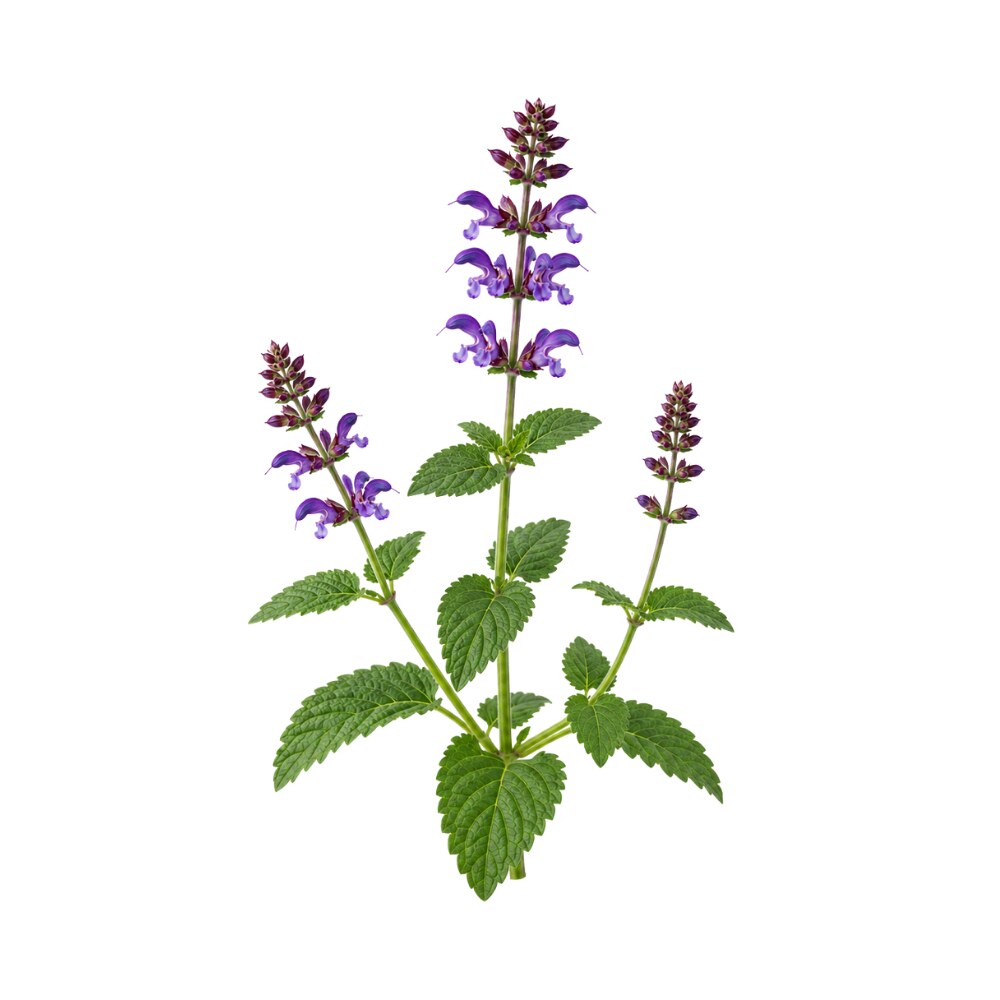 PotentPotentDan ShenSalvia miltiorrhizaSalvianolic acids inhibit platelet phosphodiesterase and the P2Y12 receptor and bind thrombin directly, and the root raises the INR of people on warfarin, the best-documented herb–drug interaction in the materia medica.Mechanismplatelet-aggregation inhibition; fibrinolysis ↑Read the evidenceShow lessMonograph →
The water-soluble salvianolic acid B and salvianolic acid A inhibit platelet aggregation and promote fibrinolysis, with the tanshinones adding further antithrombotic effect 34Reference 34ReviewPharmacological activity and mechanism of tanshinone IIA in related diseases — reviewView study →. Sal B works as a phosphodiesterase inhibitor and P2Y12 antagonist 21Reference 21Salvianolic acid B inhibits platelets as a P2Y12 antagonist and PDE inhibitor — evidence from clinic to laboratoryView study → and binds the thrombin catalytic site 22Reference 22Salvianolic acid B inhibits thrombosis and directly blocks the thrombin catalytic siteView study →.
Sal A raised platelet cAMP and inhibited activation in platelets taken from 40 people with type 2 diabetes 19Reference 19Clinical trialSalvianolic acid A inhibits platelet activation and aggregation in patients with type 2 diabetes mellitusView study →.
In people, salvianolate potentiated dual antiplatelet therapy in acute coronary syndrome 21Reference 21Salvianolic acid B inhibits platelets as a P2Y12 antagonist and PDE inhibitor — evidence from clinic to laboratoryView study →, and a danshen-containing product taken with aspirin lowered systemic thromboxane B₂ in a 14-subject crossover 8Reference 8Clinical trialIs it safe to take Radix Salvia miltiorrhiza – Radix Pueraria lobata product with warfarin and aspirin? A pilot study in healthy human subjectsView study →. Multiple case reports document dan shen raising the INR of patients on warfarin, with over-anticoagulation and bleeding 27Reference 27Interaction between warfarin and danshen (Salvia miltiorrhiza)View study →, and the tanshinones inhibit warfarin hydroxylation in rat liver microsomes 3Reference 3In vitroInhibition of warfarin hydroxylation by major tanshinones of danshen (Salvia miltiorrhiza) in the rat in vitro and in vivo — rat in vitro and in vivo studyView study →.
No trial has tested dan shen as an antiplatelet therapy against a comparator for a clinical outcome.
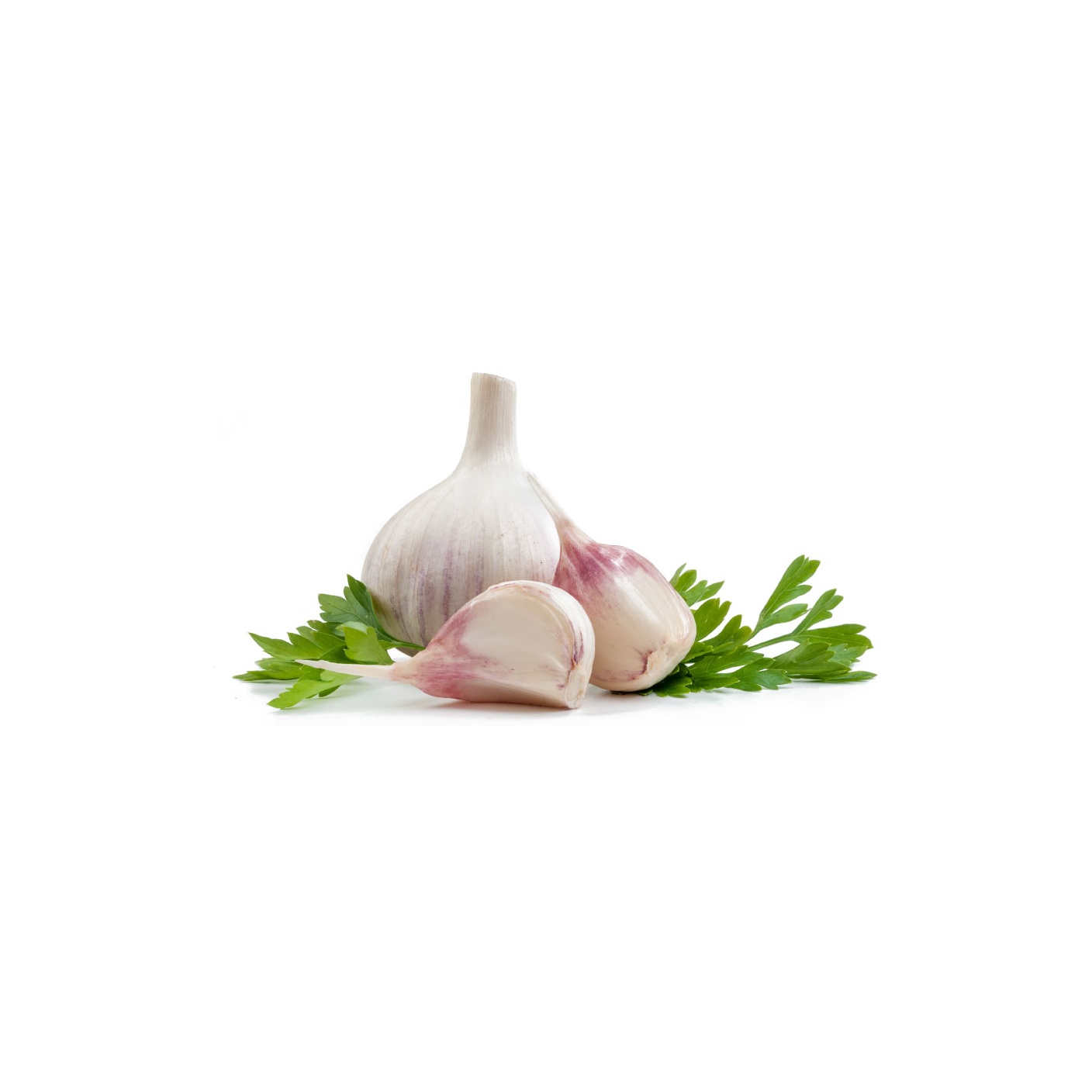 StrongStrongGarlicAllium sativumAjoene and allicin suppress thromboxane synthesis, and garlic reduced ex-vivo platelet aggregation across 12 randomised trials; cooking uncrushed cloves destroys the effect.Mechanismthromboxane-B₂ synthesis ↓; ex-vivo platelet-aggregation inhibition (ajoene, allicin)Read the evidenceShow lessMonograph →
A 2022 systematic review of 12 RCTs (595 participants) found garlic reduced ex-vivo platelet aggregation, with results varying by dose and preparation 36Reference 36Systematic reviewA systematic review of randomized controlled trials related to the effects of garlic supplementation on platelet aggregationView study →. In rabbits, aqueous garlic pretreatment cut thromboxane-B₂ production and protected against collagen- and arachidonate-induced aggregation 37Reference 37AnimalAntithrombotic activity of garlic: inhibition of thromboxane-B2 synthesis during infusion of arachidonic acid and collagen in rabbits — animal modelView study →.
The active thiosulfinates, ajoene and allicin, are heat-sensitive. Prolonged cooking of uncrushed cloves can abolish the antiplatelet activity, while crushing before heating preserves part of it 35Reference 35In vitroEffect of cooking on garlic (Allium sativum L.) antiplatelet activity and thiosulfinates content — in vitroView study →, which accounts for much of the inconsistency between studies.
The same action is a bleeding risk and the reason garlic supplements are stopped before surgery. No trial has tested garlic as an antiplatelet therapy against a comparator.
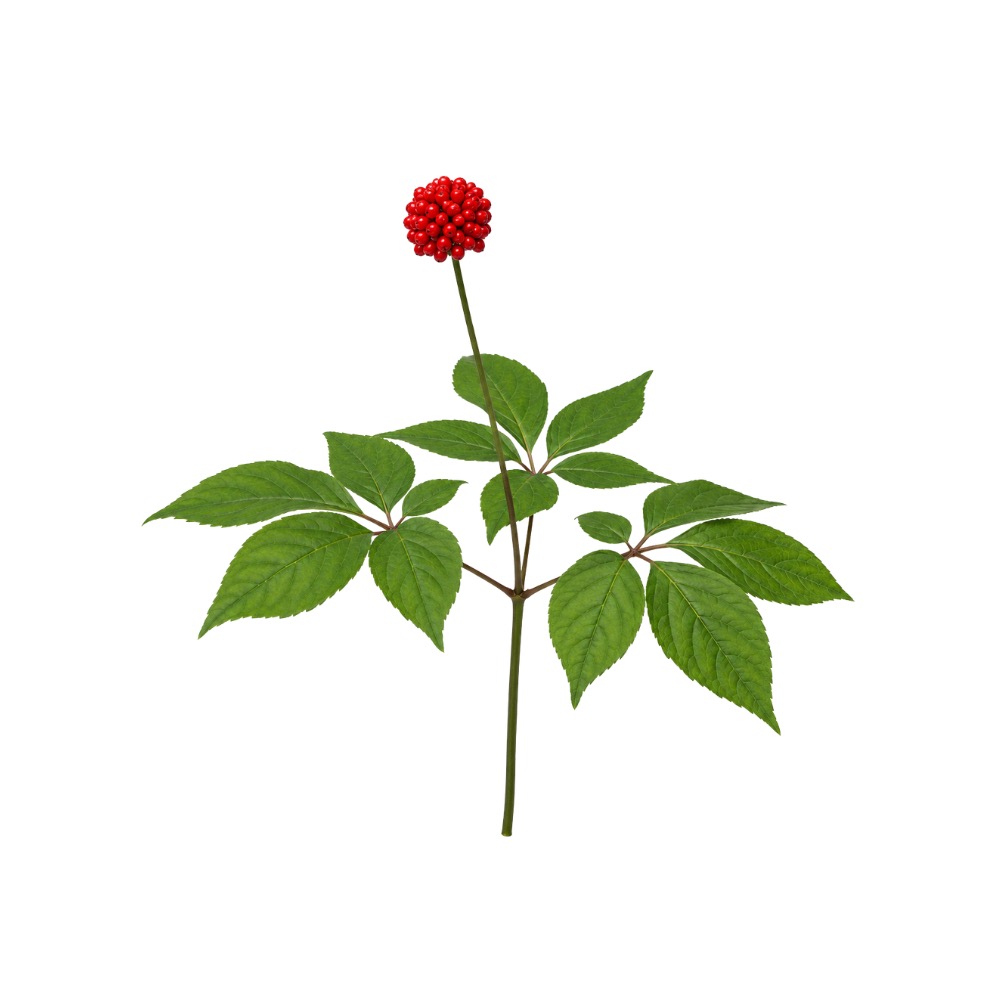 StrongStrongNotoginsengPanax notoginsengGinsenosides Rg1 and Rb1 lower thromboxane B₂ and reduce platelet aggregation, and saponin preparations reduced maximum aggregation across 36 randomised trials, while dencichine in the same root activates platelets and stops bleeding.Mechanismplatelet aggregation ↓; thromboxane B₂ ↓; arachidonic-acid pathway modulation (ginsenoside Rg1, Rb1)Read the evidenceShow lessMonograph →
A meta-analysis of 36 RCTs found Panax notoginseng saponin preparations lowered the maximum platelet-aggregation rate against placebo and non-antiplatelet comparators, and added to conventional antiplatelet drugs 41Reference 41Meta-analysisEffect of Panax notoginseng preparations on platelet function — a meta-analysis of 36 randomised controlled trials [in Chinese]View study →. A 2022 meta-analysis found the saponins plus aspirin reduced aggregation and coagulation markers further in coronary heart disease and ischaemic stroke 42Reference 42Meta-analysisPanax notoginseng preparation plus aspirin versus aspirin alone on platelet aggregation and coagulation in patients with coronary heart disease or ischemic stroke — a meta-analysisView study →.
The effect runs through the arachidonic-acid pathway, with thromboxane B₂ suppression carried chiefly by ginsenoside Rg1 and ginsenoside Rb1. Downstream, the saponins reduced lesion size, macrophage infiltration and ROS in apoE-null mice 39Reference 39AnimalPanax notoginseng saponins suppress RAGE/MAPK signalling and NF-κB activation in apolipoprotein-E-deficient atherosclerosis-prone mice — in vivoView study → and regulated lipids with an anti-inflammatory action in rats 40Reference 40AnimalPanax notoginseng saponins attenuate atherosclerosis in rats by regulating the blood-lipid profile and an anti-inflammatory action — in vivoView study →.
The same root is a styptic. Dencichine drives platelet activation, which is the classical description of san qi as stopping bleeding without stagnating blood, and which effect dominates depends on preparation and dose.
The endpoint is aggregation rate, a surrogate. No trial isolates a hard antithrombotic benefit, and the action is the herb’s main interaction risk.
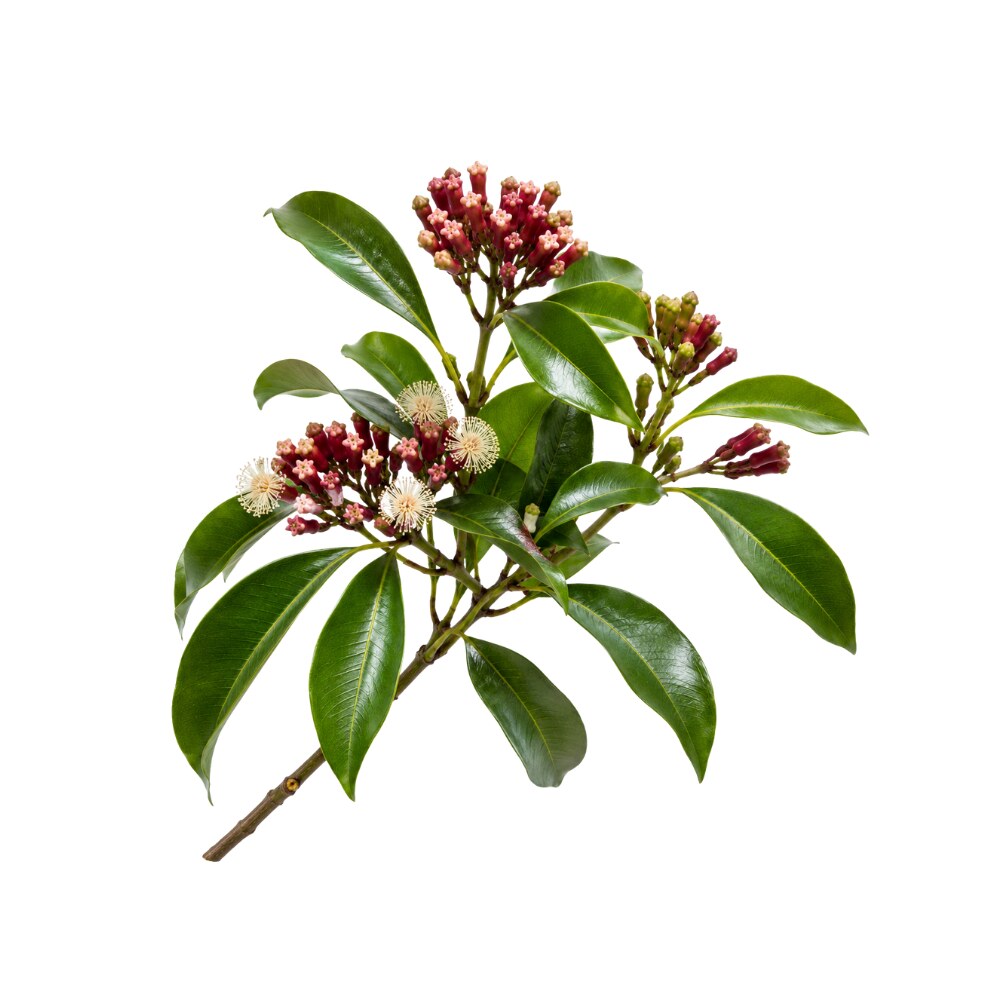 ModerateModerateCloveSyzygium aromaticumEugenol inhibits collagen- and arachidonate-induced aggregation of human platelets at micromolar concentration and reduced pulmonary thromboembolism in mice.Mechanismplatelet-activation suppressionRead the evidenceShow lessMonograph →
At 2 µM, eugenol inhibited collagen- and arachidonic-acid-induced aggregation of human platelets ex vivo and reduced pulmonary thromboembolism in mice 32Reference 32AnimalEugenol Suppresses Platelet Activation and Mitigates Pulmonary Thromboembolism in Humans and Murine Models — [human ex vivo and mouse model]View study →, and a 2025 review consolidates its cardiovascular-protective profile 33Reference 33ReviewCardiovascular protective properties of the natural product eugenol — [review]View study →.
Human tissue plus an in-vivo model is a firmer footing than most of the field has, but there is no outcome trial.
The hazard sits in clove oil and purified eugenol rather than in the culinary spice.
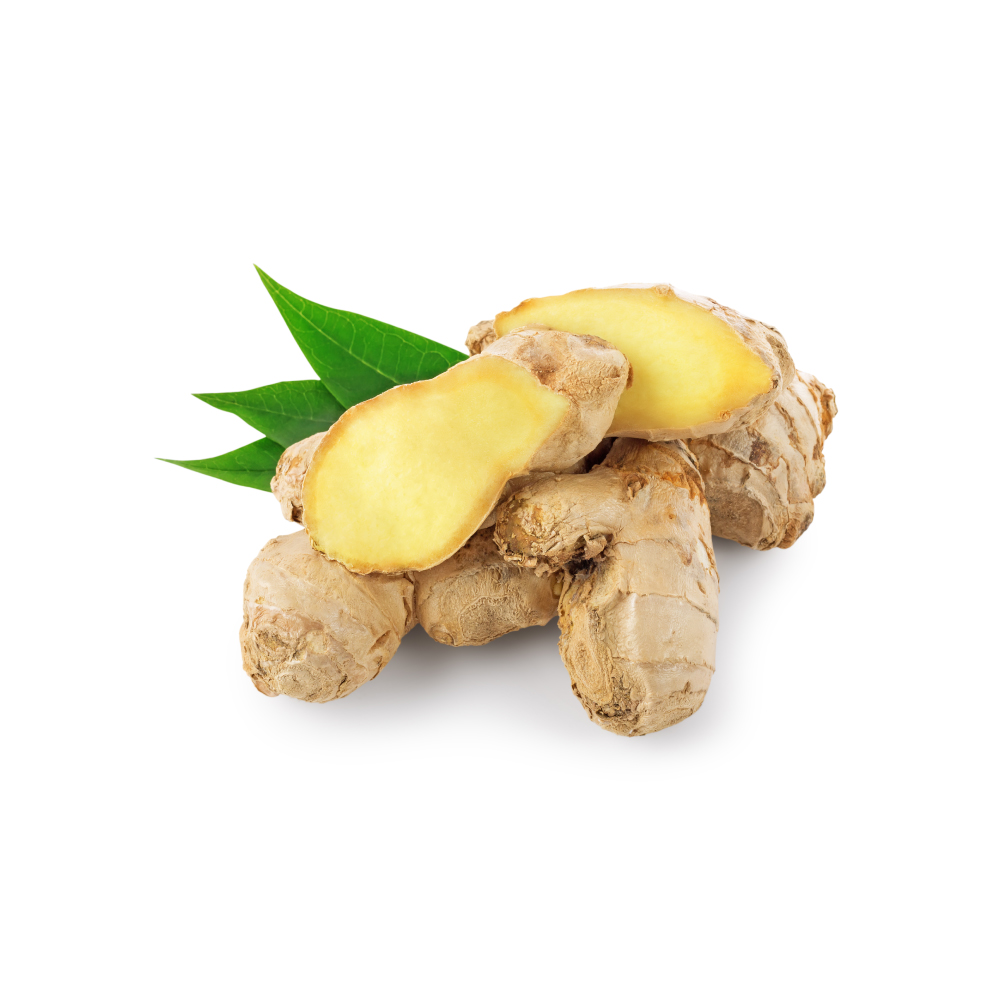 ModerateModerateGingerZingiber officinaleGingerols inhibit thromboxane synthesis; 5 g of ginger a day lowered thromboxane and platelet aggregation in volunteers, while 2 g of dried ginger and a week of a standard supplement changed nothing measurable.Mechanismthromboxane synthesis ↓ → platelet aggregation ↓ (gingerol)Read the evidenceShow lessMonograph →
Five grams of raw ginger a day for seven days lowered serum thromboxane B₂ from 782 to 498 pmol/ml in seven volunteers 43Reference 43Effect of onion and ginger consumption on platelet thromboxane production in humans — volunteer studyView study →, and 5 g of dry ginger taken with a fatty meal inhibited ADP- and adrenaline-induced aggregation in ten healthy men 44Reference 44Effect of ginger on platelet aggregation in man — controlled volunteer studyView study →. In patients with coronary artery disease a single 10 g dose reduced aggregation, while 4 g daily for three months did not 45Reference 45RCTEffect of ginger (Zingiber officinale Rosc.) and fenugreek (Trigonella foenumgraecum L.) on blood lipids, blood sugar and platelet aggregation in patients with coronary artery disease — placebo-controlled studyView study →.
At lower doses the effect disappears. Two grams of dried ginger changed neither bleeding time nor aggregometry in a double-blind study 46Reference 46RCTEffect of dried ginger on human platelet function — randomised double-blind studyView study →, and seven days of a standard ginger product altered neither INR nor platelet aggregation, and did not change warfarin’s clearance, in a crossover of 12 healthy men 47Reference 47RCTEffect of ginkgo and ginger on the pharmacokinetics and pharmacodynamics of warfarin in healthy subjects — randomised crossover studyView study →.
The mechanism is thromboxane-synthetase inhibition by 6-gingerol and its relatives 38Reference 38ReviewNatural products with antiplatelet action — reviewView study →. Reviews still list ginger among herbs to watch with warfarin, and concentrated preparations are stopped before elective surgery, but no controlled study has shown an INR effect.
Show 1 more herb with a mild antiplatelet action
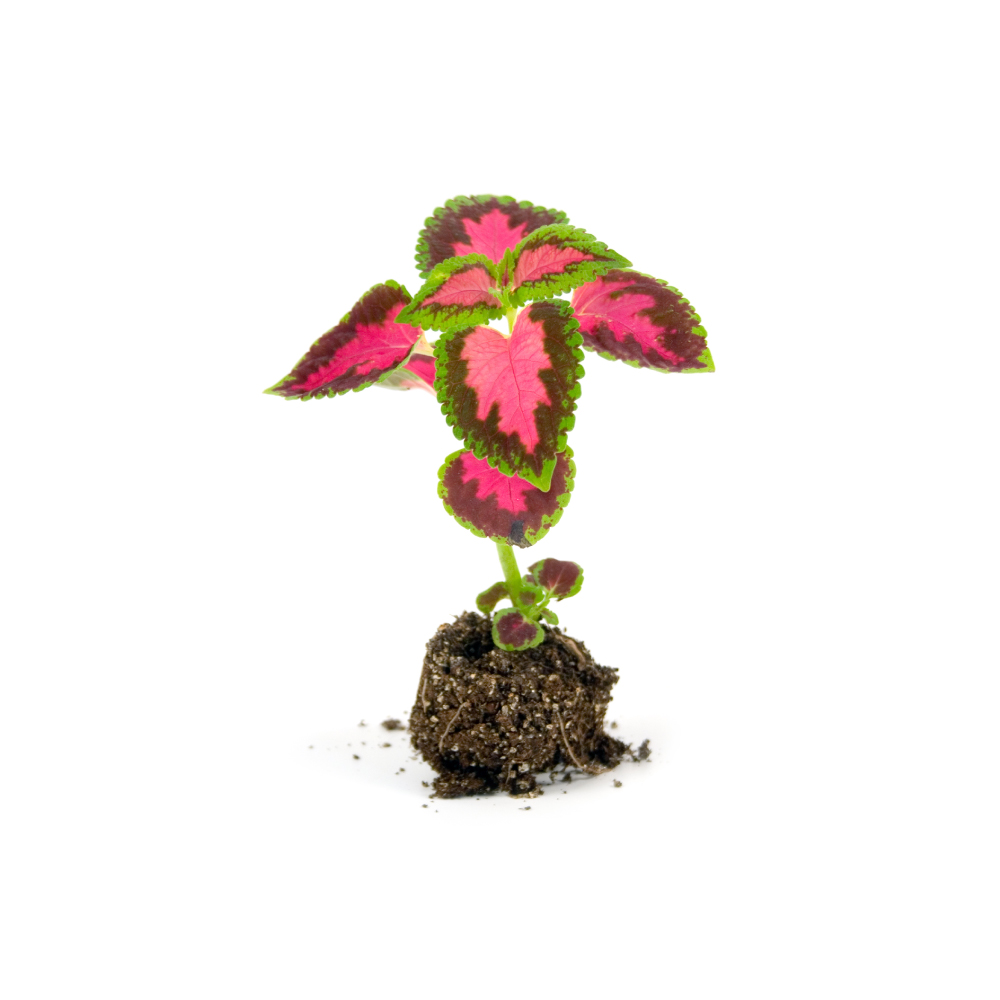 MildMildColeusColeus forskohliiForskolin activates adenylate cyclase directly, raising platelet cyclic AMP and inhibiting collagen- and adrenaline-induced aggregation of human platelets; the herb itself has never been tested.Read the evidenceShow lessMonograph →
Forskolin inhibited collagen- and adrenaline-induced aggregation of human platelets in platelet-rich plasma and whole blood in a dose-dependent way, with intraplatelet cAMP raised 48Reference 48In vitroEffects of forskolin and organic nitrate on aggregation and intracellular cyclic nucleotide content in human platelets — in vitroView study →, and suppressed the thrombin- and PAF-evoked calcium rise and aggregation in washed human platelets 49Reference 49In vitroInhibition by forskolin of cytosolic calcium rise, shape change and aggregation in quin2-loaded human platelets — in vitroView study →.
Raised platelet cAMP is the mechanism of dipyridamole, so the effect is close to a pharmacological certainty for the molecule.
No study has given coleus extract and measured platelet function, and the bleeding caution rests on the mechanism.
No herbs match these filters.
Safety
- Antiplatelet herbs add to warfarin, DOACs, aspirin, clopidogrel and NSAIDs.
- Concentrated preparations are stopped one to two weeks before elective surgery and dental extraction, and the anaesthetist is told.
- Extracts and essential oils carry the hazard; culinary amounts sit in a different dose range.
- Antiplatelet herbs are inappropriate in a bleeding disorder.
- No antiplatelet herb has been tested against a comparator for any clinical outcome, and none replaces prescribed antiplatelet therapy.
References
- Maione F, Cantone V, Chini MG, De Feo V, Mascolo N, Bifulco G (2015). Molecular mechanism of tanshinone IIA and cryptotanshinone in platelet anti-aggregating effects: an integrated study of pharmacology and computational analysis — rat platelet and docking study. Fitoterapia. https://pubmed.ncbi.nlm.nih.gov/25497578/
- Huang J, Liu Z, et al. (2025). Integrating network pharmacology and metabolomics to elucidate the mechanism of cryptotanshinone against platelet aggregation — computational and in vitro study. Current Issues in Molecular Biology. https://pubmed.ncbi.nlm.nih.gov/41296457/
- Wu WW, Yeung JH (2010). Inhibition of warfarin hydroxylation by major tanshinones of danshen (Salvia miltiorrhiza) in the rat in vitro and in vivo — rat in vitro and in vivo study. Phytomedicine. https://pubmed.ncbi.nlm.nih.gov/19577456/
- Yu C, Qi D, Lian W, et al. (2014). Effects of danshensu on platelet aggregation and thrombosis — in vivo arteriovenous shunt and venous thrombosis models in rats. PLoS One, 9(11), e110124. https://pubmed.ncbi.nlm.nih.gov/25375124/
- Xue Y, Zhang L, Zhang L, et al. (2022). Danshensu prevents thrombosis by inhibiting platelet activation via SIRT1/ROS/mtDNA pathways without increasing bleeding risk. Phytomedicine, 104, 154271. https://pubmed.ncbi.nlm.nih.gov/35777120/
- Li CZ. (1983). Experimental study on the anticoagulative action of danshensu [in Chinese]. Zhong Xi Yi Jie He Za Zhi, 3(5), 297–299. https://pubmed.ncbi.nlm.nih.gov/6227414/
- Zhu L, Shao YD, Dai HJ, et al. (1986). Effects of sodium beta-3,4-dihydroxyphenyl lactate and beta-phenyl lactic acid on prostacyclin and thromboxane A2 contents in the plasma of rabbits after coronary artery occlusion [in Chinese]. Zhongguo Yao Li Xue Bao (Acta Pharmacologica Sinica), 7(6), 533–536. https://pubmed.ncbi.nlm.nih.gov/2955643/
- Zhang Y, Yang M, Ho NJ, et al. (2020). Is it safe to take Radix Salvia miltiorrhiza – Radix Pueraria lobata product with warfarin and aspirin? A pilot study in healthy human subjects. Journal of Ethnopharmacology, 262, 113151. https://pubmed.ncbi.nlm.nih.gov/32736050/
- Park JW, Lee SH, Yang MK, et al. (2008). 15,16-dihydrotanshinone I, a major component from Salvia miltiorrhiza Bunge, inhibits rabbit platelet aggregation by suppressing intracellular calcium mobilization — ex vivo study. Archives of Pharmacal Research. https://pubmed.ncbi.nlm.nih.gov/18277607/
- Zhang Y, Jiang P, Ye M, Kim SH, Jiang C, Lü J (2012). Tanshinones: sources, pharmacokinetics and anti-cancer activities — review. International Journal of Molecular Sciences. https://pubmed.ncbi.nlm.nih.gov/23202971/
- Schröder H, Lösche W, Strobach H, et al. (1990). Helenalin and 11 alpha,13-dihydrohelenalin, two constituents from Arnica montana L., inhibit human platelet function via thiol-dependent pathways — in vitro, human volunteers’ platelets. Thrombosis Research. https://pubmed.ncbi.nlm.nih.gov/2116680/
- Committee on Herbal Medicinal Products (HMPC), European Medicines Agency. (2014). Assessment report on Arnica montana L., flos (EMA/HMPC/198794/2012) — regulatory monograph. https://www.ema.europa.eu/en/documents/herbal-report/final-assessment-report-arnica-montana-l-flos_en.pdf
- Chen KS, Ko FN, Teng CM, Wu YC (1996). Antiplatelet and vasorelaxing actions of some aporphinoids. Planta Medica. https://pubmed.ncbi.nlm.nih.gov/8657745/
- Chang FR, Wei JL, Teng CM, Wu YC (1998). Two new 7-dehydroaporphine alkaloids and antiplatelet action aporphines from the leaves of Annona purpurea. Phytochemistry. https://pubmed.ncbi.nlm.nih.gov/9883592/
- Heptinstall S, White A, Williamson L, Mitchell JR. (1985). Extracts of feverfew inhibit granule secretion in blood platelets and polymorphonuclear leucocytes — in vitro. Lancet. https://pubmed.ncbi.nlm.nih.gov/2860288/
- Heptinstall S, Awang DV, Dawson BA, Kindack D, Knight DW, May J. (1992). Parthenolide content and bioactivity of feverfew (Tanacetum parthenium (L.) Schultz-Bip.): estimation of commercial and authenticated feverfew products — in vitro. Journal of Pharmacy and Pharmacology. https://pubmed.ncbi.nlm.nih.gov/1359053/
- Barsby RW, Salan U, Knight DW, Hoult JR. (1992). Feverfew extracts and parthenolide irreversibly inhibit vascular responses of the rabbit aorta — in vitro. Journal of Pharmacy and Pharmacology. https://pubmed.ncbi.nlm.nih.gov/1360525/
- Fan HY, Fu FH, Yang MY, et al. (2010). Antiplatelet and antithrombotic activities of salvianolic acid A. Thrombosis Research, 126(1), e17–e22. https://pubmed.ncbi.nlm.nih.gov/20451955/
- Zhou AM, Xiang YJ, Liu EQ, et al. (2020). Salvianolic acid A inhibits platelet activation and aggregation in patients with type 2 diabetes mellitus. BMC Cardiovascular Disorders, 20(1), 15. https://pubmed.ncbi.nlm.nih.gov/31931718/
- Sun L, Zhao R, Zhang L, et al. (2016). Prevention of vascular smooth muscle cell proliferation and injury-induced neointimal hyperplasia by CREB-mediated p21 induction — an insight from a plant polyphenol. Biochemical Pharmacology, 103, 40–52. https://pubmed.ncbi.nlm.nih.gov/26807478/
- Liu L, Li J, Zhang Y, et al. (2014). Salvianolic acid B inhibits platelets as a P2Y12 antagonist and PDE inhibitor — evidence from clinic to laboratory. Thrombosis Research, 134(4), 866–876. https://pubmed.ncbi.nlm.nih.gov/25077998/
- Neves MAD, et al. (2024). Salvianolic acid B inhibits thrombosis and directly blocks the thrombin catalytic site. Research and Practice in Thrombosis and Haemostasis, 8(5), 102443. https://pubmed.ncbi.nlm.nih.gov/38993621/
- Cao W, Yang Q, Zhang W, et al. (2021). Drug–drug interactions between salvianolate injection and aspirin based on their metabolic enzymes — randomised clinical trial. Biomedicine & Pharmacotherapy, 135, 111203. https://pubmed.ncbi.nlm.nih.gov/33401223/
- Li M, Zhao C, Wong RN, Goto S, Wang Z, Liao F (2004). Inhibition of shear-induced platelet aggregation in rat by tetramethylpyrazine and salvianolic acid B. Clinical Hemorheology and Microcirculation, 31(2), 97–103. https://pubmed.ncbi.nlm.nih.gov/15310944/
- Ho JH, Hong CY (2011). Salvianolic acids — small compounds with multiple mechanisms for cardiovascular protection. Journal of Biomedical Science, 18(1), 30. https://pubmed.ncbi.nlm.nih.gov/21569331/
- Du G, Song J, Du L, Zhang L, Qiang G, Wang S, Yang X, Fang L (2020). Chemical and pharmacological research on the polyphenol acids isolated from Danshen — a review of salvianolic acids. Advances in Pharmacology, 87, 1–41. https://pubmed.ncbi.nlm.nih.gov/32089230/
- Chan TY (2001). Interaction between warfarin and danshen (Salvia miltiorrhiza). Annals of Pharmacotherapy, 35(4), 501–504. https://pubmed.ncbi.nlm.nih.gov/11302416/
- Maione F, De Feo V, Caiazzo E, De Martino L, Cicala C, Mascolo N (2014). Tanshinone IIA, a major component of Salvia miltiorrhiza Bunge, inhibits platelet activation via Erk-2 signaling pathway — in vitro and mouse in vivo study. Journal of Ethnopharmacology. https://pubmed.ncbi.nlm.nih.gov/25038434/
- Antiplatelet activity of tussilagone via inhibition of the GPVI downstream signaling pathway in platelets — in vitro. (2020). Frontiers in Medicine. https://pubmed.ncbi.nlm.nih.gov/32850895/
- Hwang SB, Chang MN, Garcia ML, et al. (1987). L-652,469 — a dual receptor antagonist of platelet activating factor and dihydropyridines from Tussilago farfara L. — in vitro. European Journal of Pharmacology. https://pubmed.ncbi.nlm.nih.gov/2824219/
- Shen S, Huang Z, Lin L, et al. (2023). Tussilagone attenuates atherosclerosis through inhibiting MAPKs-mediated inflammation in macrophages. Int Immunopharmacol. https://pubmed.ncbi.nlm.nih.gov/37058752/
- Huang WC, et al. (2024). Eugenol Suppresses Platelet Activation and Mitigates Pulmonary Thromboembolism in Humans and Murine Models — [human ex vivo and mouse model]. International Journal of Molecular Sciences. https://pubmed.ncbi.nlm.nih.gov/38396774/
- Liu XY, et al. (2025). Cardiovascular protective properties of the natural product eugenol — [review]. European Journal of Pharmacology. https://pubmed.ncbi.nlm.nih.gov/40623537/
- Guo, R., et al. (2020). Pharmacological activity and mechanism of tanshinone IIA in related diseases — review. Drug Design, Development and Therapy. https://pubmed.ncbi.nlm.nih.gov/33192051/
- Cavagnaro PF, et al. (2007). Effect of cooking on garlic (Allium sativum L.) antiplatelet activity and thiosulfinates content — in vitro. Journal of Agricultural and Food Chemistry. https://pubmed.ncbi.nlm.nih.gov/17256959/
- Mollahosseini M, et al. (2022). A systematic review of randomized controlled trials related to the effects of garlic supplementation on platelet aggregation. Phytotherapy Research. https://pubmed.ncbi.nlm.nih.gov/36222178/
- Ali M, et al. (1990). Antithrombotic activity of garlic: inhibition of thromboxane-B2 synthesis during infusion of arachidonic acid and collagen in rabbits — animal model. Prostaglandins, Leukotrienes and Essential Fatty Acids. https://pubmed.ncbi.nlm.nih.gov/2274570/
- Hirsch GE et al. (2017). Natural products with antiplatelet action — review. Current Pharmaceutical Design. https://pubmed.ncbi.nlm.nih.gov/27881059/
- Dou, L., et al. (2012). Panax notoginseng saponins suppress RAGE/MAPK signalling and NF-κB activation in apolipoprotein-E-deficient atherosclerosis-prone mice — in vivo. Cellular Physiology and Biochemistry. https://pubmed.ncbi.nlm.nih.gov/22613987/
- Zhang, Y. G., et al. (2008). Panax notoginseng saponins attenuate atherosclerosis in rats by regulating the blood-lipid profile and an anti-inflammatory action — in vivo. Clinical and Experimental Pharmacology & Physiology. https://pubmed.ncbi.nlm.nih.gov/18637019/
- Li, Y., Yang, F. W., et al. (2017). Effect of Panax notoginseng preparations on platelet function — a meta-analysis of 36 randomised controlled trials [in Chinese]. Zhongguo Zhong Yao Za Zhi (China Journal of Chinese Materia Medica). https://pubmed.ncbi.nlm.nih.gov/29271165/
- Dai, L., Zhang, Y., et al. (2022). Panax notoginseng preparation plus aspirin versus aspirin alone on platelet aggregation and coagulation in patients with coronary heart disease or ischemic stroke — a meta-analysis. Frontiers in Pharmacology. https://pubmed.ncbi.nlm.nih.gov/36569332/
- Srivastava, K. C. (1989). Effect of onion and ginger consumption on platelet thromboxane production in humans — volunteer study. Prostaglandins, Leukotrienes and Essential Fatty Acids, 35(3), 183–185. https://pubmed.ncbi.nlm.nih.gov/2710801/
- Verma, S. K., Singh, J., Khamesra, R., & Bordia, A. (1993). Effect of ginger on platelet aggregation in man — controlled volunteer study. Indian Journal of Medical Research, 98, 240–242. https://pubmed.ncbi.nlm.nih.gov/8119760/
- Bordia, A., Verma, S. K., & Srivastava, K. C. (1997). Effect of ginger (Zingiber officinale Rosc.) and fenugreek (Trigonella foenumgraecum L.) on blood lipids, blood sugar and platelet aggregation in patients with coronary artery disease — placebo-controlled study. Prostaglandins, Leukotrienes and Essential Fatty Acids, 56(5), 379–384. https://pubmed.ncbi.nlm.nih.gov/9175175/
- Lumb, A. B. (1994). Effect of dried ginger on human platelet function — randomised double-blind study. Thrombosis and Haemostasis, 71(1), 110–111. https://pubmed.ncbi.nlm.nih.gov/8165628/
- Jiang, X., Williams, K. M., Liauw, W. S., et al. (2005). Effect of ginkgo and ginger on the pharmacokinetics and pharmacodynamics of warfarin in healthy subjects — randomised crossover study. British Journal of Clinical Pharmacology, 59(4), 425–432. https://pubmed.ncbi.nlm.nih.gov/15801937/
- Anfossi, G., Massucco, P., Mularoni, E., et al. (1994). Effects of forskolin and organic nitrate on aggregation and intracellular cyclic nucleotide content in human platelets — in vitro. General Pharmacology, 25(6), 1093–1100. https://pubmed.ncbi.nlm.nih.gov/7875530/
- Sage, S. O., & Rink, T. J. (1985). Inhibition by forskolin of cytosolic calcium rise, shape change and aggregation in quin2-loaded human platelets — in vitro. FEBS Letters, 188(1), 135–140. https://pubmed.ncbi.nlm.nih.gov/2410292/
Keep Exploring