

Overview
Antimalarial at a Glance
Antimalarial herbs act against Plasmodium, the parasite that causes malaria.
No other herbal action has given conventional medicine as much, and that is exactly why the distinction that sorts these plants is whether the antimalarial is the plant or a drug taken out of it.
The drugs are isolated, standardised and dose-controlled. Quinine came from cinchona bark and artemisinin from sweet wormwood, and between them they have carried malaria treatment for three centuries.
The plants deliver a fraction of that dose, and how much varies with the leaf, the season and the preparation. A sub-therapeutic dose of an antimalarial is worse than none, because it selects for resistance in the surviving parasites.
Most of the herbs here are known from animal models and the traditional record only — graviola among them, with dose-dependent parasite clearance in infected mice and no human data.
The exception is cryptolepis, the “Ghana quinine” of West African practice, where a standardised root infusion — the preparation people actually drink — has been given to patients with acute uncomplicated falciparum malaria.
Cinchona bark reached Europe from Peru in the seventeenth century and became the first specific remedy Western medicine had for any disease.
Qinghao — sweet wormwood — appears in a fourth-century Chinese handbook for intermittent fevers, with the instruction to steep the herb in cold water rather than boil it.
That instruction turned out to preserve the endoperoxide bridge the whole activity depends on, which is how the drug was eventually found.
The traditional antimalarials of West Africa, the Amazon and India are mostly unmeasured. Abuta’s alkaloids have been run against the parasite in a dish and never in a person, and the same is true of the great majority of the fever plants those pharmacopoeias name.
Caution
No plant replaces treatment — malaria kills quickly and treatment failure is measured in days, so no plant replaces diagnosis and artemisinin-based combination therapy.
Under-dosing breeds resistance — an under-dosed antimalarial drives resistance to the drug the world depends on, which is why the WHO advises against herbal Artemisia preparations for malaria.
Artemisinin herbs not in pregnancy — the artemisinin-bearing herbs are avoided in pregnancy on the grounds of animal embryolethality.
Mechanisms
How It Works
01
Haem Detoxification Blockade
The parasite digests haemoglobin and has to crystallise the released haem into inert hemozoin, or be poisoned by what it has eaten.
Quinine, cinchonine and cinchonidine bind haem and block that step, which is also the mechanism of chloroquine and the rest of the quinoline drugs.
Cryptolepine inhibits the same polymerisation and intercalates parasite DNA on top of it, and it works against chloroquine-resistant strains as well as sensitive ones.
Cinchona is undeliverable as a bark at an antimalarial dose.
Cryptolepine is genotoxic in vitro, which is why the traditional five-day course is a short one.
Herbs: CinchonaCryptolepis
Key compounds: Cryptolepine
02
Endoperoxide Cleavage
Iron inside the parasite cleaves an endoperoxide bridge, generating carbon-centred radicals that alkylate parasite proteins.
This is artemisinin’s mechanism and the reason the artemisinins are the fastest-acting antimalarials known.
The bridge is heat-sensitive, which is why the fourth-century instruction to steep rather than boil matters, and why preparation changes the delivered dose more than quantity does.
A tea carries a small and variable share of a therapeutic dose. The trials of A. annua tea show fast parasite clearance followed by high recrudescence, which is the signature of an under-dosed antimalarial.
Herbs: Sweet Wormwood
Key compounds: Artemisinin
03
Unresolved Whole-Animal Activity
Some plants clear the parasite from an infected animal without anyone having identified what in them does it.
Graviola is the case here: aqueous and ethanolic leaf extracts reduce parasitaemia dose-dependently in Plasmodium berghei-infected mice, and the same extracts reduce parasite burden in Toxoplasma and Trichinella models.
Dose-dependence in a whole infected animal is a stronger result than an in-vitro IC₅₀.
An unidentified fraction is not a neutral uncertainty here. Graviola’s acetogenins inhibit mitochondrial complex I, and an antiparasitic effect achieved by general mitochondrial poisoning would not be a selective one.
Herbs: Graviola
The Molecules
Pharmacology
What actually produces an antimalarial effect at the molecular level. The herbs below carry these molecules in different combinations and amounts — which is most of why their potency differs. Roles describe how central a molecule is to the action across plants generally, not how strong any one herb is.
Chiefly Isoquinoline Alkaloids3Sesquiterpene Lactones1
Carries the action largely on its own — the effect is attributed to the molecule, not just the extract it came from.
Adds to a plant's effect and is often present in quantity, but rarely accounts for it alone.
Real but narrow — one pathway, one tissue, or evidence too thin to lean on.
Cycleanine Isoquinoline Alkaloids Primary mover Targets No molecular target identified; whole-parasite kill, blood-stage
Cycleanine is one of the few Menispermaceae bisbenzylisoquinolines with oral in-vivo antimalarial data of its own.
In Plasmodium berghei-infected mice it suppressed parasitaemia 44.7% at 25 mg/kg/day and 86.5% at 50 mg/kg/day, against chloroquine’s 94.0% at 5 mg/kg, extended mean survival from 12.5 to 28.2 days, and gave 59.0% prophylactic suppression against pyrimethamine’s 76.2% 3Reference 3In vitroIn vivo efficacy and metabolism of the antimalarial cycleanine and improved in vitro antiplasmodial activity of semisynthetic analoguesView study →.
In vitro it was among the most selective members of a 53-alkaloid bisBIQ antiplasmodial panel, with over 100-fold parasite-versus-mammalian-cell toxicity 4Reference 4Antiplasmodial and cytotoxic activity of natural bisbenzylisoquinoline alkaloidsView study →.
Found in Abuta
Full Cycleanine profile →Hayatinine Isoquinoline Alkaloids Contributor Targets GAP50 (glideosome-associated protein 50); Plasmodium DHFR; cGMP-dependent protein kinase
Hayatinine binds Plasmodium falciparum glideosome-associated protein 50, the membrane anchor of the actomyosin motor the parasite uses to glide and invade host cells, with measurable affinity (KD < 75 µM) alongside sub-micromolar parasite-growth inhibition and a selectivity index above 100-fold 6Reference 6In vitroIdentification of novel, potent, and selective compounds against malaria using glideosomal-associated protein 50 as a drug target — in vitro target binding and parasite growth assaysView study →.
Found in Abuta
Full Hayatinine profile →Curine Isoquinoline Alkaloids Minor role Targets Pf prolyl-tRNA synthetase / DHFR / PfPKG (in silico only)
(−)-Curine from Isolona ghesquiereina showed strong in-vitro antiplasmodial activity, with in-vivo activity also observed 1Reference 1In vitroSpectral characterisation and antiplasmodial activity of bisbenzylisoquinolines from Isolona ghesquiereina — in vitro and in vivoView study →, though the in-vivo claim is stated without dose or model detail in the available abstract.
Found in Abuta
Full Curine profile →Psilostachyin Sesquiterpene Lactones Minor role Targets Presumed shared electrophile/redox mechanism (not demonstrated for Plasmodium)
Against Plasmodium falciparum, psilostachyin gives IC50 2.1 µM (chloroquine-sensitive F32) and 6.4 µM (chloroquine-resistant W2), with a 48-h CC50 of 24.3 µM on lymphoid cells, giving selectivity indices of 11.6 and 3.8 9Reference 9In vitroIn vitro antiplasmodial activity of sesquiterpene lactones from Ambrosia tenuifoliaView study →.
Chloroquine in the same run scored 0.03 µM.
Found in Mugwort
Full Psilostachyin profile →No target has been identified, so this is a phenotypic kill rather than a mechanism. The IC₅₀ spans 0.07–17.7 µM across strains and laboratories 3,
It is the most potent single compound isolated from Cissampelos pareira, at IC50 0.41 µM against the chloroquine-resistant Pf INDO strain and 0.509 µM against chloroquine-sensitive Pf 3D7 7Reference 7In vitroChemical profiling and quantification of potential active constituents responsible for the antiplasmodial activity of Cissampelos pareira — in vitroView study →. Docking and molecular-dynamics work adds predicted engagement of parasite dihydrofolate reductase, cGMP-dependent protein kinase and prolyl-tRNA synthetase, pointing at translation, but that layer is in silico only 2Reference 2Bisbenzylisoquinolines from Cissampelos pareira L. as antimalarial agents: molecular docking, pharmacokinetics analysis, and molecular dynamic simulation studies — in silicoView study →. The finding is for the isolated molecule in vitro. There is no pharmacokinetic data for hayatinine, and the bisbenzylisoquinoline alkaloids as a class show poor oral absorption, high plasma-protein binding and P-glycoprotein interaction 8Reference 8ReviewThirteen bisbenzylisoquinoline alkaloids in five Chinese medicinal plants: botany, traditional uses, phytochemistry, pharmacokinetic and toxicity studies — reviewView study →, so whether a sub-micromolar plasma level is reachable is untested. No rodent malaria model has been run. Reported from abuta.
The named molecular targets come from docking and molecular-dynamics modelling only: Pf dihydrofolate reductase, PfcGMP-dependent protein kinase and Pf prolyl-tRNA synthetase, the last forming the most stable complex 2Reference 2Bisbenzylisoquinolines from Cissampelos pareira L. as antimalarial agents: molecular docking, pharmacokinetics analysis, and molecular dynamic simulation studies — in silicoView study →. No target has been confirmed by binding or enzyme assay, and abuta’s traditional antimalarial reputation is a whole-plant claim that cannot be assigned to this molecule. Reported from abuta.
No Plasmodium-specific mechanism has been demonstrated. The hemin interaction shown in T. cruzi 10Reference 10In vitroMode of action of the sesquiterpene lactones psilostachyin and psilostachyin C on Trypanosoma cruzi — in vitroView study → is suggestive given haem’s central role in the malaria parasite, but that experiment has never been repeated in Plasmodium.
The evidence is one study from one laboratory, in vitro only, with no rodent malaria model, and an SI of 3.8 against the resistant strain is below the threshold at which antiparasitic screens normally advance a hit. Artemisinin’s pharmacology does not carry over: that is an endoperoxide from a different plant working by a different mechanism.
Materia Medica
Antimalarial Herbs by Potency
The antimalarial herbs, ordered by the relative strength of the effect rather than by how well studied it is. Each herb is described by the mechanism behind its effect and the evidence for it.
None of this is a substitute for professional care.
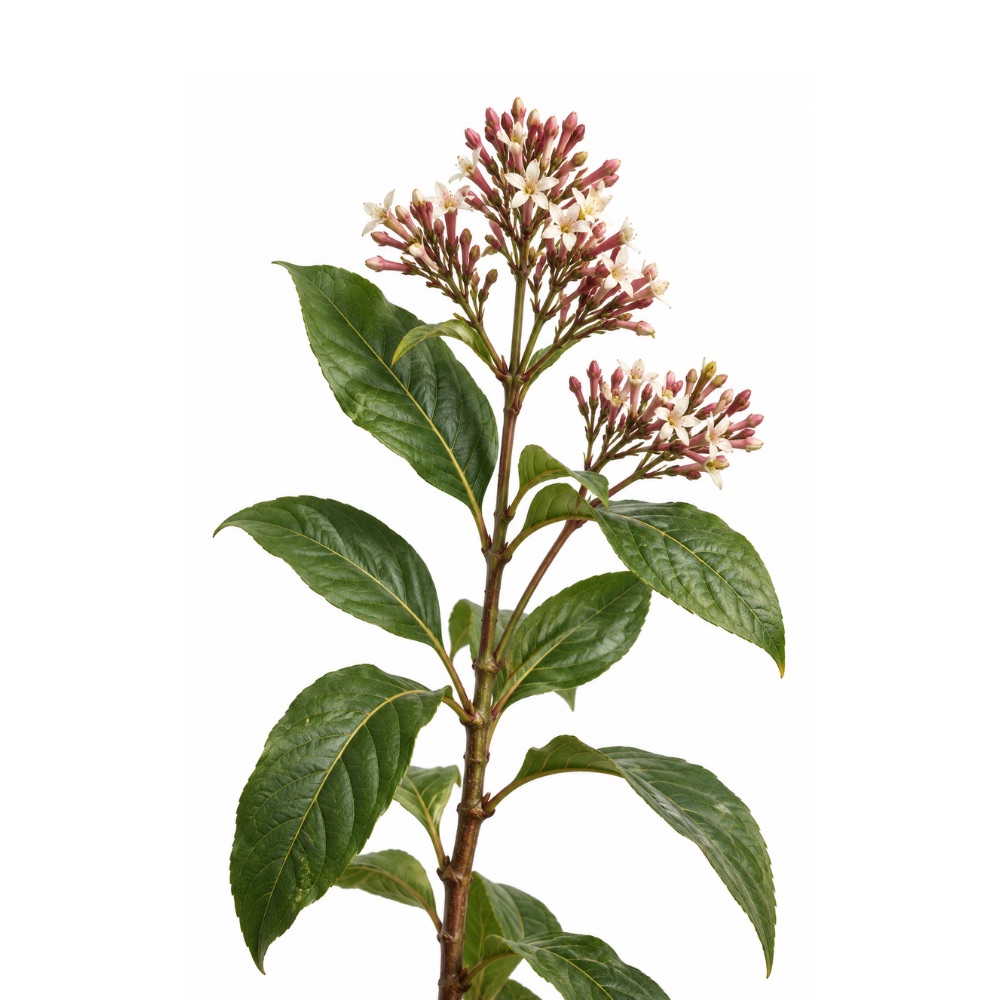 PotentPotentCinchonaCinchona officinalisThe bark that gave the world quinine, whose alkaloids bind haem and stop the parasite detoxifying what it eats.Mechanismheme binding → hemozoin (β-hematin) detoxification blocked in the parasite digestive vacuoleRead the evidenceShow less
Quinine was the world’s only effective antimalarial for over a century, and it remains in use for severe and resistant malaria, supported by Cochrane and pharmacokinetic systematic reviews 16,
The mechanism is well resolved. Quinine, cinchonine and cinchonidine bind haem and block its detoxification into hemozoin inside the parasite’s digestive vacuole 18Reference 18In vitroSolid-state electrochemical assay of heme-binding molecules for screening of drugs with antimalarial potential — in vitroView study →, which is the same route the synthetic quinolines take.
The antimalarial dose is a drug dose. The bark cannot deliver it, its alkaloid content varies by species and provenance, and quinine itself carries an FDA boxed warning.
Malaria is a medical emergency.
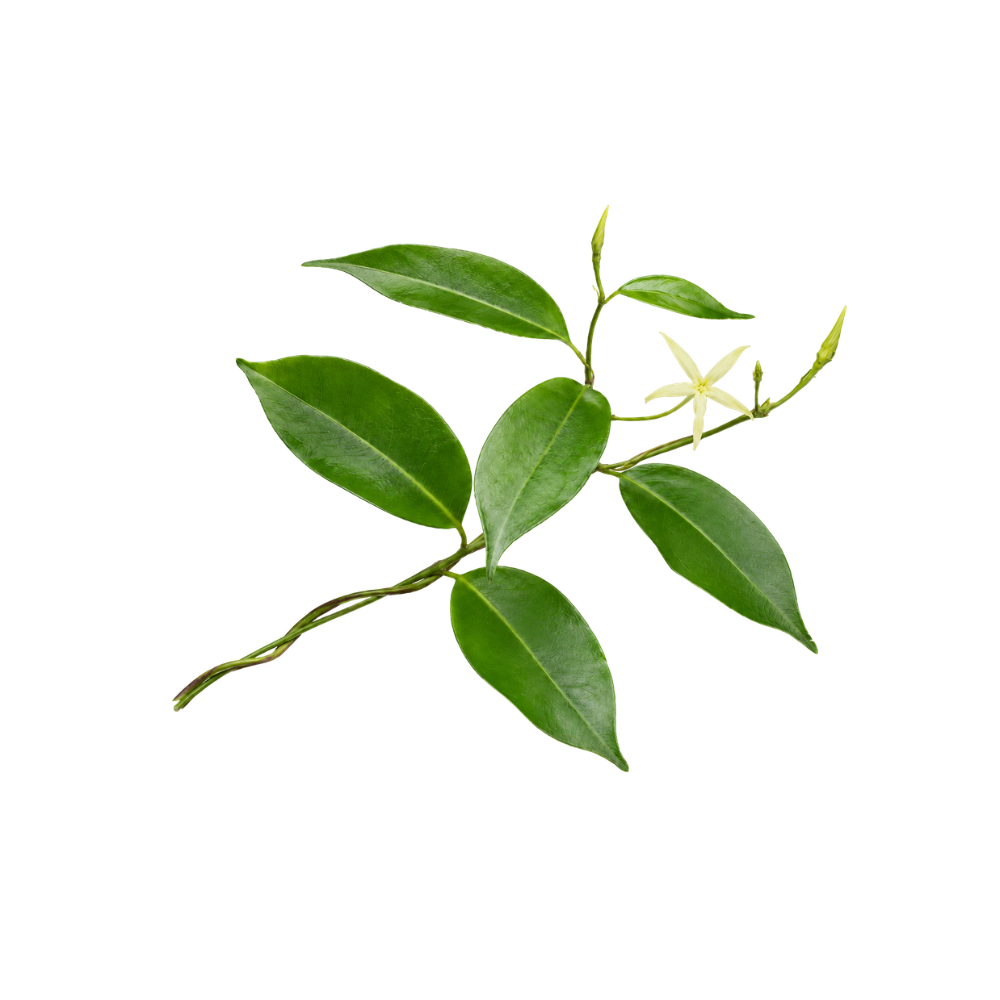 PotentPotentCryptolepisCryptolepis sanguinolentaThe 'Ghana quinine' of West African practice, and the one antimalarial herb whose human evidence used the root infusion people actually drink.Mechanismβ-hematin (hemozoin) polymerisation inhibition; DNA intercalation in the parasite; artemisinin-synergisticRead the evidenceShow lessMonograph →
A standardised root tea-bag infusion — 2.5 g root equivalent, three times a day for five days — cleared parasitaemia in half of patients by 72 hours and in all of them by day 7 in acute uncomplicated falciparum malaria, with fever, chills and vomiting resolved by day 3, a 93.5% cure rate and no laboratory toxicity 19Reference 19Clinical trialClinical efficacy of a tea-bag formulation of Cryptolepis sanguinolenta root in the treatment of acute uncomplicated falciparum malaria — clinical trialView study →.
Cryptolepine and its relatives inhibit both chloroquine-sensitive and chloroquine-resistant P. falciparum in vitro and suppress P. berghei in mice 20Reference 20In vitroIn vitro and in vivo antiplasmodial activity of cryptolepine and related alkaloids from Cryptolepis sanguinolenta — in vitro and animal in vivoView study →. Activity holds across leaf and root alkaloid fractions 21Reference 21In vitroAntiplasmodial activity of Cryptolepis sanguinolenta alkaloids from leaves and roots — in vitroView study →, and cryptolepine is synergistic with the artemisinins in vitro and in rodents 22Reference 22In vitroSynergistic anti-malarial action of cryptolepine and artemisinins — in vitro and animal modelView study →.
The human trial is a single small open-label study of 44 patients with no comparator, short follow-up and two late recrudescences at days 21 and 28. No randomised controlled trial exists, and severe and non-falciparum malaria are untested.
Cryptolepine is genotoxic in vitro 26Reference 26In vitroIn vitro genotoxicity of the West African antimalarial herbal Cryptolepis sanguinolenta and its major alkaloid cryptolepine — in vitroView study →, which is why the traditional course is a short one.
 PotentPotentSweet WormwoodArtemisia annuaThe plant behind artemisinin, the most potent antimalarial chemistry known — as a tea it delivers roughly a fifth of a daily dose.Mechanismendoperoxide cleavage → Fe-catalyzed carbon-centred radicals → parasite protein alkylationRead the evidenceShow lessMonograph →
Artemisinin and its derivatives are the WHO-recommended backbone of first-line falciparum treatment, and the discovery earned a Nobel Prize in 2015.
A litre of tea made from 9 g of leaves delivers about 94 mg of artemisinin, roughly 19% of a usual daily dose 11Reference 11Clinical trialPharmacokinetic study of artemisinin after oral intake of a traditional preparation of Artemisia annua L. (annual wormwood) — clinical trialView study →. Both small open randomised trials of the tea in uncomplicated malaria saw fast parasite clearance followed by high recrudescence 12,
The whole-plant synergy argument has been tested and largely failed. A York group using flavonoid-deficient mutant lines showed that whole-leaf antiplasmodial activity tracks artemisinin content, with the flavonoids contributing negligibly in vitro 14Reference 14In vitroFlavonoid versus artemisinin anti-malarial activity in Artemisia annua whole-leaf extracts — in vitroView study →.
Sub-therapeutic single-agent exposure selects for Kelch13-mediated resistance 15Reference 15ReviewPlasmodium falciparum resistance to artemisinin-based combination therapies — reviewView study →, and the WHO advises against herbal A. annua for malaria on that basis. The herb has no established antimalarial dose for that reason.
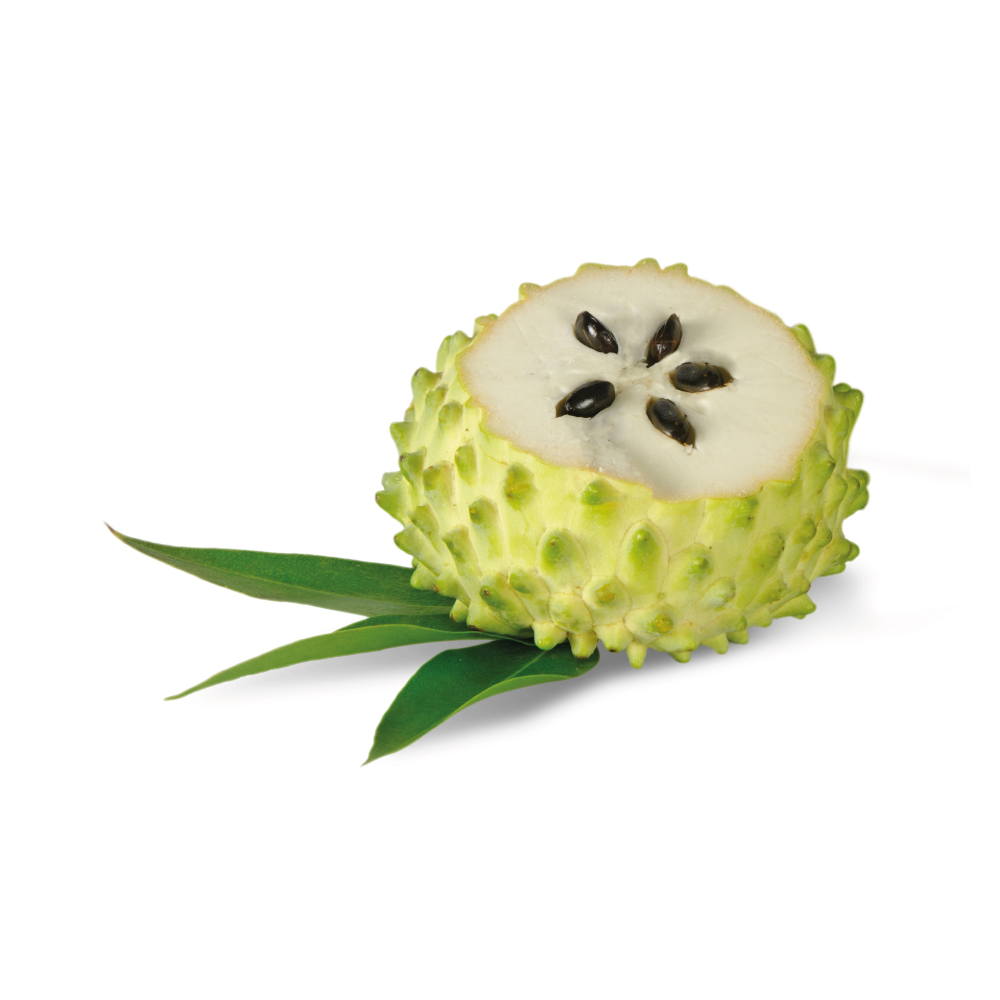 ModerateModerateGraviolaAnnona muricataDose-dependent parasite clearance in infected mice, extending to Toxoplasma and Trichinella, with the active fraction unidentified.Mechanismparasite-burden reduction in infected animals; acetogenins and alkaloids implicated but the active fraction is not identifiedRead the evidenceShow lessMonograph →
Aqueous and ethanolic leaf extracts produced dose-dependent antimalarial activity in Plasmodium berghei-infected mice 23Reference 23AnimalIn vivo antimalarial activity of Annona muricata leaf extract in mice infected with Plasmodium berghei — animal modelView study →, and leaf extracts reduced parasite burden in Toxoplasma gondii 24Reference 24In vitroAnti-parasitic activity of Annona muricata L. leaf ethanolic extract and its fractions against Toxoplasma gondii — in vitro and in vivoView study → and Trichinella spiralis 25Reference 25AnimalEvaluation of Annona muricata (Graviola) leaves activity against experimental trichinellosis — animal modelView study → models. Activity spanning protozoa and helminths matches the plant’s traditional antiparasitic reputation.
Dose-dependence in a whole infected animal is a stronger result than an in-vitro IC₅₀, and several studies report added benefit when graviola is combined with a standard antimalarial, which points at adjunctive rather than replacement use.
All the work is in infected animals or in vitro, with no human trial and no comparison against established antimalarial drugs.
The responsible fraction has not been pinned down. Acetogenins and alkaloids are the plausible actives, and the annonaceous acetogenins are mitochondrial complex I inhibitors — the same mechanism behind graviola’s anticancer activity and behind the atypical-parkinsonism concern that follows the plant.
No herbs match these filters.
Safety
- Malaria is a medical emergency and needs diagnosis and artemisinin-based combination therapy, not a herbal course.
- An under-dosed antimalarial selects for resistance to the drug the world depends on.
- The WHO advises specifically against herbal Artemisia preparations for malaria.
- Two headline trials of Artemisia annua tea have been retracted, so confident claims in this literature warrant checking.
- Antimalarial herbs are for short courses; several of the active alkaloids are genotoxic or narrowly selective.
- Several isolated antimalarial alkaloids in this group have selectivity indices of 2 to 5 against normal human cells.
- Mitochondrial poisons clear parasites without being selective, and the exposure of concern is a long or repeated course.
- The artemisinin-bearing herbs are avoided in pregnancy on the grounds of animal embryolethality.
References
- Mambu L, et al. (2000). Spectral characterisation and antiplasmodial activity of bisbenzylisoquinolines from Isolona ghesquiereina — in vitro and in vivo. Planta Medica. https://pubmed.ncbi.nlm.nih.gov/10985080/
- Suresh PS, et al. (2023). Bisbenzylisoquinolines from Cissampelos pareira L. as antimalarial agents: molecular docking, pharmacokinetics analysis, and molecular dynamic simulation studies — in silico. Computational Biology and Chemistry. https://pubmed.ncbi.nlm.nih.gov/36848855/
- Uche FI, Guo X, Okokon J, Ullah I, Horrocks P, Boateng J, Huang C, Li WW (2021). In vivo efficacy and metabolism of the antimalarial cycleanine and improved in vitro antiplasmodial activity of semisynthetic analogues. Antimicrobial Agents and Chemotherapy. https://pubmed.ncbi.nlm.nih.gov/33257443/
- Angerhofer CK, Guinaudeau H, Wongpanich V, Pezzuto JM, Cordell GA (1999). Antiplasmodial and cytotoxic activity of natural bisbenzylisoquinoline alkaloids. Journal of Natural Products. https://pubmed.ncbi.nlm.nih.gov/9917283/
- Fadaeinasab M, Taha H, Fauzi PN, Ali HM, Widyawaruyanti A (2015). Anti-malarial activity of isoquinoline alkaloids from the stem bark of Actinodaphne macrophylla. Natural Product Communications. https://pubmed.ncbi.nlm.nih.gov/26594753/
- Agrawal P, Kumari S, Mohmmed A, Malhotra P, Sharma U, Sahal D (2023). Identification of novel, potent, and selective compounds against malaria using glideosomal-associated protein 50 as a drug target — in vitro target binding and parasite growth assays. ACS Omega. https://pubmed.ncbi.nlm.nih.gov/37867646/
- Bhatt V, Kumari S, Upadhyay P, Agrawal P, Anmol, Sahal D, Sharma U (2020). Chemical profiling and quantification of potential active constituents responsible for the antiplasmodial activity of Cissampelos pareira — in vitro. Journal of Ethnopharmacology. https://pubmed.ncbi.nlm.nih.gov/32726676/
- Zhang H, Wang X, Guo Y, et al. (2021). Thirteen bisbenzylisoquinoline alkaloids in five Chinese medicinal plants: botany, traditional uses, phytochemistry, pharmacokinetic and toxicity studies — review. Journal of Ethnopharmacology. https://pubmed.ncbi.nlm.nih.gov/33166629/
- Sülsen V, Gutierrez Yappu D, Laurella L, Anesini C, Gimenez Turba A, Martino V, Muschietti L (2011). In vitro antiplasmodial activity of sesquiterpene lactones from Ambrosia tenuifolia. Evidence-Based Complementary and Alternative Medicine. https://pubmed.ncbi.nlm.nih.gov/21716685/
- Sülsen VP, Puente V, Papademetrio D, Batlle A, Martino VS, Frank FM, Lombardo ME (2016). Mode of action of the sesquiterpene lactones psilostachyin and psilostachyin C on Trypanosoma cruzi — in vitro. PLoS ONE. https://pubmed.ncbi.nlm.nih.gov/26939119/
- Räth, K., Taxis, K., Walz, G., et al. (2004). Pharmacokinetic study of artemisinin after oral intake of a traditional preparation of Artemisia annua L. (annual wormwood) — clinical trial. American Journal of Tropical Medicine and Hygiene. https://pubmed.ncbi.nlm.nih.gov/14993622/
- Mueller, M. S., Runyambo, N., Wagner, I., et al. (2004). Randomised controlled trial of a traditional preparation of Artemisia annua L. in the treatment of malaria — randomised controlled trial. Transactions of the Royal Society of Tropical Medicine and Hygiene. https://pubmed.ncbi.nlm.nih.gov/15109558/
- Blanke, C. H., Naisabha, G. B., Balema, M. B., et al. (2008). Herba Artemisiae annuae tea compared to sulfadoxine-pyrimethamine in uncomplicated falciparum malaria — randomised double-blind clinical trial. Tropical Doctor. https://pubmed.ncbi.nlm.nih.gov/18453510/
- Czechowski, T., Rinaldi, M. A., Famodimu, M. T., et al. (2019). Flavonoid versus artemisinin anti-malarial activity in Artemisia annua whole-leaf extracts — in vitro. Frontiers in Plant Science. https://pubmed.ncbi.nlm.nih.gov/31417596/
- Ward, K. E., Fidock, D. A., & Bridgford, J. L. (2022). Plasmodium falciparum resistance to artemisinin-based combination therapies — review. Current Opinion in Microbiology. https://pubmed.ncbi.nlm.nih.gov/36007459/
- Sinclair D, Donegan S, Isba R, Lalloo DG. (2012). Artesunate versus quinine for treating severe malaria — systematic review. Cochrane Database of Systematic Reviews. https://pubmed.ncbi.nlm.nih.gov/22696354/
- Saeheng T, Na-Bangchang K. (2022). Clinical pharmacokinetics of quinine and its relationship with treatment outcomes in children, pregnant women, and elderly patients — systematic review. Malaria Journal. https://pubmed.ncbi.nlm.nih.gov/35144612/
- Doménech-Carbó A, et al. (2013). Solid-state electrochemical assay of heme-binding molecules for screening of drugs with antimalarial potential — in vitro. Analytical Chemistry. https://pubmed.ncbi.nlm.nih.gov/23506072/
- Bugyei, K. A., Boye, G. L., & Addy, M. E. (2010). Clinical efficacy of a tea-bag formulation of Cryptolepis sanguinolenta root in the treatment of acute uncomplicated falciparum malaria — clinical trial. Ghana Medical Journal. https://pubmed.ncbi.nlm.nih.gov/21326984/
- Cimanga, K., De Bruyne, T., Pieters, L., Vlietinck, A. J., & Turger, C. A. (1997). In vitro and in vivo antiplasmodial activity of cryptolepine and related alkaloids from Cryptolepis sanguinolenta — in vitro and animal in vivo. Journal of Natural Products. https://pubmed.ncbi.nlm.nih.gov/9249972/
- Paulo, A., Gomes, E. T., Steele, J., Warhurst, D. C., & Houghton, P. J. (2000). Antiplasmodial activity of Cryptolepis sanguinolenta alkaloids from leaves and roots — in vitro. Planta Medica. https://pubmed.ncbi.nlm.nih.gov/10705730/
- Forkuo, A. D., Ansah, C., Boadu, K. M., et al. (2016). Synergistic anti-malarial action of cryptolepine and artemisinins — in vitro and animal model. Malaria Journal. https://pubmed.ncbi.nlm.nih.gov/26879905/
- Somsak, V., Polwiang, N., & Chachiyo, S. (2016). In vivo antimalarial activity of Annona muricata leaf extract in mice infected with Plasmodium berghei — animal model. Journal of Pathogens, 2016, 3264070. https://pubmed.ncbi.nlm.nih.gov/27092277/
- Miranda, N. C., et al. (2021). Anti-parasitic activity of Annona muricata L. leaf ethanolic extract and its fractions against Toxoplasma gondii — in vitro and in vivo. Journal of Ethnopharmacology, 273. https://pubmed.ncbi.nlm.nih.gov/33716084/
- El-Wakil, E. S., et al. (2021). Evaluation of Annona muricata (Graviola) leaves activity against experimental trichinellosis — animal model. Journal of Helminthology, 95. https://pubmed.ncbi.nlm.nih.gov/34515021/
- Ansah, C., Khan, A., & Gooderham, N. J. (2005). In vitro genotoxicity of the West African antimalarial herbal Cryptolepis sanguinolenta and its major alkaloid cryptolepine — in vitro. Toxicology. https://pubmed.ncbi.nlm.nih.gov/15664441/
- Munyangi, J., Cornet-Vernet, L., Idumbo, M., et al. (2020). Retraction notice to “Artemisia annua and Artemisia afra tea infusions vs. artesunate-amodiaquine (ASAQ) in treating Plasmodium falciparum malaria in a large scale, double blind, randomized clinical trial” [Phytomedicine 57 (2019) 49–56]. Phytomedicine, 78, 153304. https://pubmed.ncbi.nlm.nih.gov/32972797/
Keep Exploring