

Overview
Antipyretic at a Glance
Antipyretics lower body temperature during a fever. In pharmacology the term means a drug that lowers the hypothalamic set point, as aspirin and paracetamol do.
The herbal fever tradition worked differently. In Western practice a fever was broken rather than lowered: a hot infusion, blankets, and a herb that brought on a sweat. Yarrow, elderflower and peppermint as a hot tea is the classic formula.
That is a diaphoretic strategy, working with the fever rather than against it, and most of the herbs traditionally called fever herbs are examined there.
The one measured antipyretic mechanism in the materia medica is the salicylates. Willow bark and meadowsweet carry salicin and salicylic acid, which inhibit COX and lower the set point; it is the chemistry that became aspirin.
Andrographis reduces fever as part of its symptom relief in respiratory infection, most likely by damping the pyrogenic cytokines.
Several famous fever herbs cured the cause rather than lowering the temperature. Cinchona bark and qinghao (sweet wormwood) both ended fevers by clearing malaria, and both went on to become antimalarial drugs.
Treating the cause of a fever and lowering a fever are different actions.
The heat-clearing herbs of Chinese medicine, among them honeysuckle, isatis, chrysanthemum and uncured rehmannia, are used for feverish illness within a pattern diagnosis. Their standing is traditional, and no single-herb fever study exists for any of them.
Caution
A high fever needs a doctor — a high, persistent or unexplained fever, and any fever in an infant, an older person or someone immunocompromised, needs medical assessment.
No salicylates for sick children — willow and meadowsweet are not for children with viral illness or for anyone with aspirin sensitivity.
Sweating costs fluid — sweating adds to the fluid loss of a fever, so pair diaphoretics with rest and fluids.
Mechanisms
How It Works
01
Salicylates and the Hypothalamic Set Point
Salicylates inhibit COX, cutting prostaglandin E₂ synthesis in the hypothalamus and lowering the thermoregulatory set point.
This is the mechanism of aspirin, and willow bark and meadowsweet carry the chemistry directly: salicin, which is converted to salicylic acid in the body, and in meadowsweet salicylic acid and methyl salicylate as well.
Neither herb has been tested in a fever trial. The mechanism is secure and the endpoint unmeasured.
Salicylate cautions apply in full here: aspirin sensitivity, and the Reye’s-syndrome restriction in children with viral illness.
Herbs: MeadowsweetWillow
Key compounds: SalicinSalicylic Acid
02
Cytokine-Mediated Fever Reduction
Fever is driven by the pyrogenic cytokines IL-1β, IL-6 and TNF-α signalling the hypothalamus to raise the set point. Damping that signal lowers fever one step upstream of the prostaglandin route.
Andrographis suppresses TNF-α and IL-1β, and its respiratory-infection trials show symptom relief that includes fever.
Many heat-clearing herbs have documented anti-inflammatory cytokine effects without anyone having connected them to a fever endpoint.
Herbs: Andrographis
Key compounds: Andrographolide
03
Diaphoresis
Sweating removes heat by evaporation, and a hot infusion of a diaphoretic herb brings it on.
This is the working model of the Western fever tradition, and it does not lower the set point.
Boneset, yarrow, elderflower, peppermint and linden are the classic examples, and their evidence is examined among the diaphoretic herbs.
Sweating adds to the fluid loss of a fever, which is why the traditional protocols pair the hot infusion with rest and fluids.
Herbs: Boneset
04
Clearing the Cause
Some fever herbs lower temperature by curing the infection behind it.
Cinchona’s quinine and sweet wormwood’s artemisinin clear malaria parasites, and the fever falls because the infection does.
Simarouba’s traditional fever use most plausibly works the same way, through its antiprotozoal action.
None of this is antipyresis, and none of it transfers to fevers of other causes.
Herbs: CinchonaSimaroubaSweet Wormwood
More Specific Actions
Sub-Actions
Antipyretic has one narrower action beneath it, and it describes how most traditional fever herbs actually work.
Diaphoretic
13 herbsPromotes sweating, which removes heat by evaporation and is the traditional way of breaking a fever. Taken as a hot infusion at the first sign of a cold or flu, usually with rest and plenty of fluids.
Phytochemistry
Key Constituents
The compound classes most often behind an antipyretic action.
- Salicylates
- Sesquiterpene lactones
- Volatile oils
What It's For
Indications
- Fever with acute infection
- Feverish colds and flu
- Heat and restlessness in acute illness
Materia Medica
Antipyretic Herbs by Potency
The antipyretic herbs, ordered by the relative strength of the effect rather than by how well studied it is. Each herb is described by the mechanism behind its effect and the evidence for it.
None of this is a substitute for professional care.
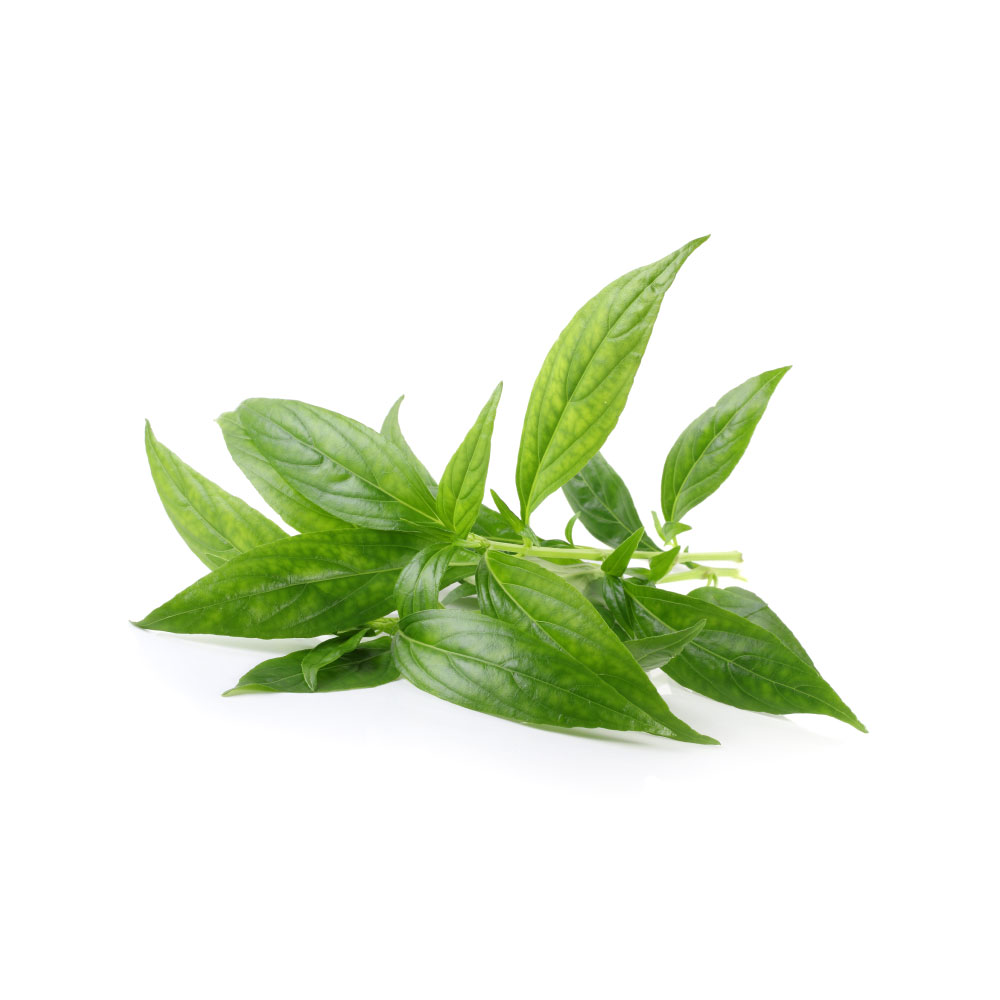 ModerateModerateAndrographisAndrographis paniculataReduces fever as part of the symptom relief shown in upper-respiratory-infection trials, consistent with its suppression of the pyrogenic cytokines TNF-α and IL-1β.Mechanismcytokine-mediated fever reductionRead the evidenceShow lessMonograph →
Systematic reviews of andrographis in acute upper respiratory infection show symptomatic improvement that includes the febrile component 1,
No trial has measured fever as its own endpoint. The effect is evidenced as part of a symptom complex rather than on its own.
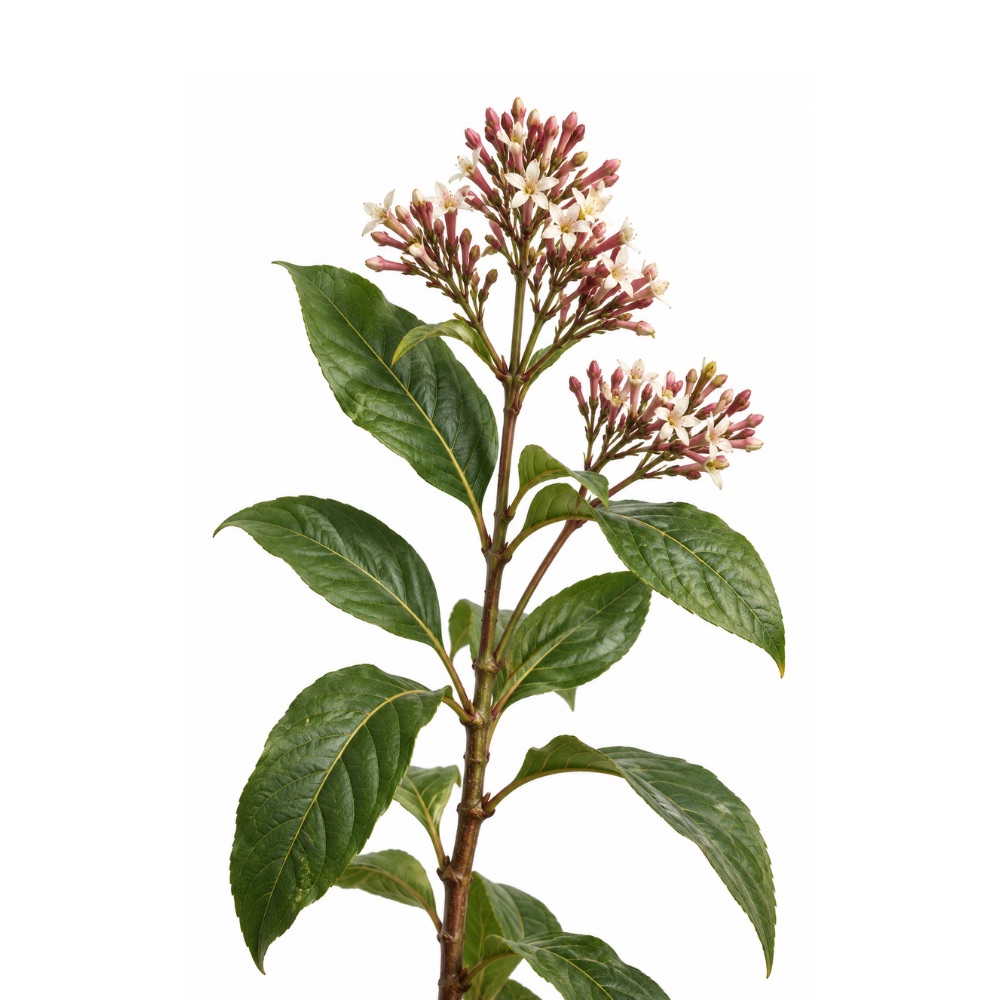 ModerateModerateCinchonaCinchona officinalisThe original 'fever bark'; the fevers it cured were malarial, so the reputation is an antimalarial action seen from the outside.Mechanismnot resolved; historical fever bark actionRead the evidenceShow less
Cinchona bark gave the world quinine and the name fever tree, and for three centuries it was the fever remedy of European medicine.
The fevers it cured were malarial: quinine clears the parasite, and the temperature falls because the infection does. Modern mechanistic support for a general antipyretic action is thin, and the antimalarial evidence does not transfer to fevers of other causes.
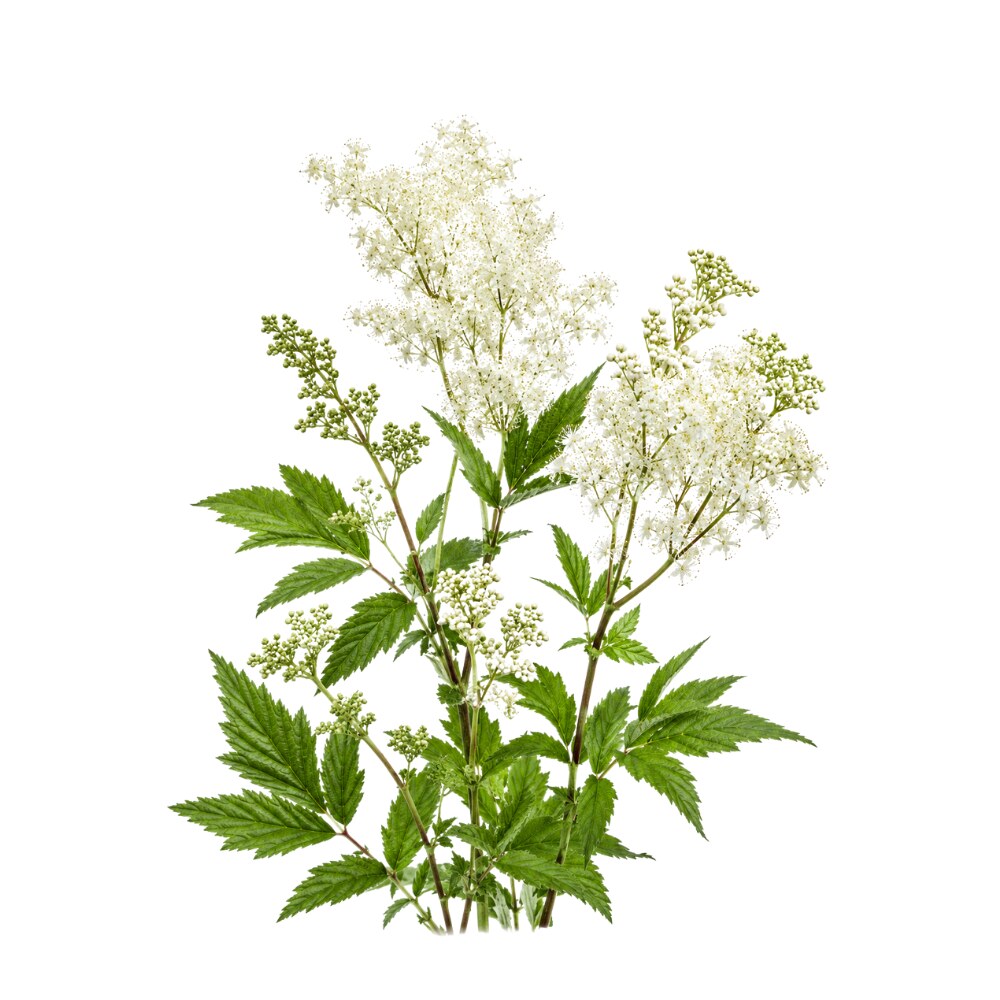 ModerateModerateMeadowsweetFilipendula ulmariaCarries salicin, salicylic acid and methyl salicylate outright, the chemistry that named aspirin; a classic hot-infusion fever herb never measured as one.Mechanismsalicylate-mediated COX inhibition (salicin, salicylic acid, methyl salicylate)Read the evidenceShow lessMonograph →
Meadowsweet was Spiraea ulmaria before it was Filipendula, and aspirin takes its name from the genus. Its constituents include salicin, salicylic acid and methyl salicylate, so the mechanistic case for lowering the set point is the same as willow’s.
The hot infusion is a traditional European fever remedy that works partly through sweating. No sweating, thermoregulatory or fever study exists.
Salicylate cautions apply, including the Reye’s-syndrome restriction in children with viral illness.
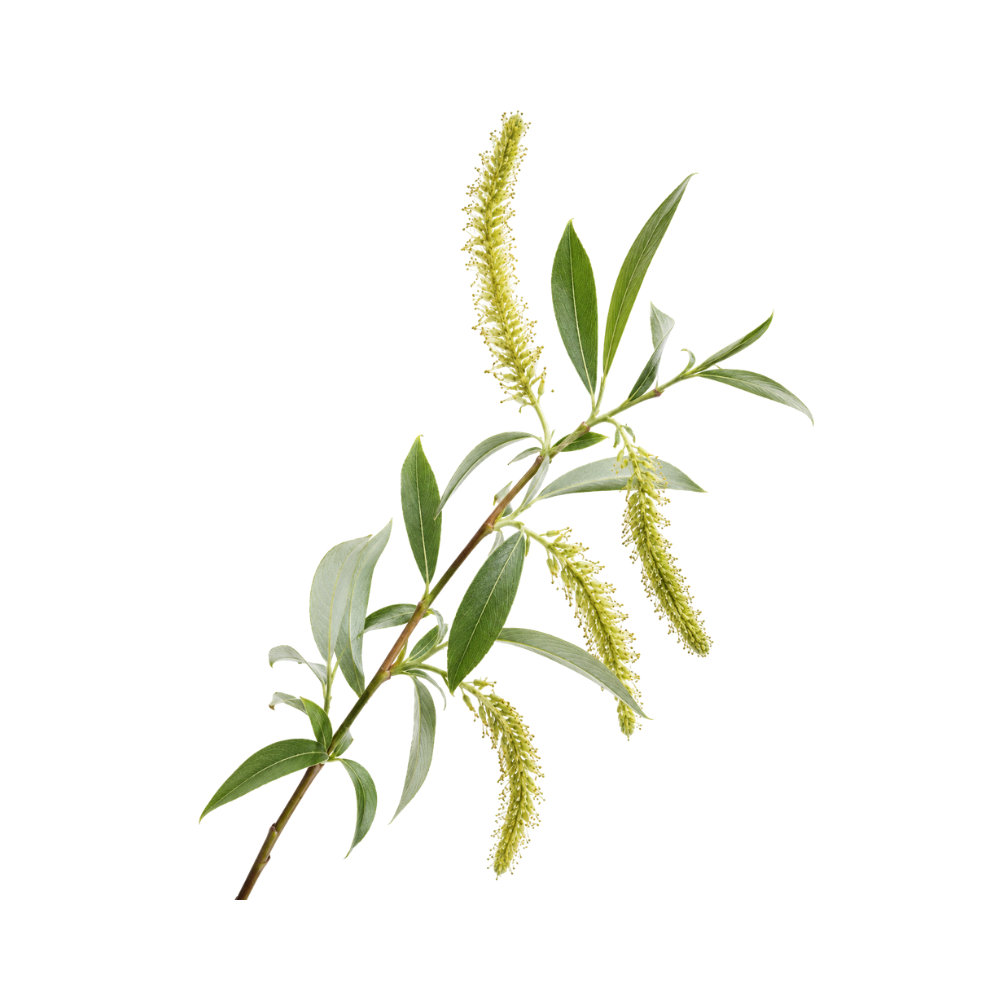 ModerateModerateWillowSalix albaSalicin is converted to salicylic acid, which inhibits COX and lowers the hypothalamic set point; fever is willow's oldest documented use, though no fever trial exists.Mechanismsalicylate-mediated COX inhibitionRead the evidenceShow lessMonograph →
Willow bark’s salicin is converted in the body to salicylic acid, which inhibits COX and cuts prostaglandin E₂ synthesis in the hypothalamus, lowering the thermoregulatory set point. The COX-2 data behind that come from anti-inflammatory work on standardised extract 5,
No fever trial of willow bark exists. The mechanism is secure and the clinical endpoint untested.
Salicylate cautions apply: aspirin sensitivity, and the Reye’s-syndrome restriction in children with viral illness.
Show 10 more herbs with a mild antipyretic action
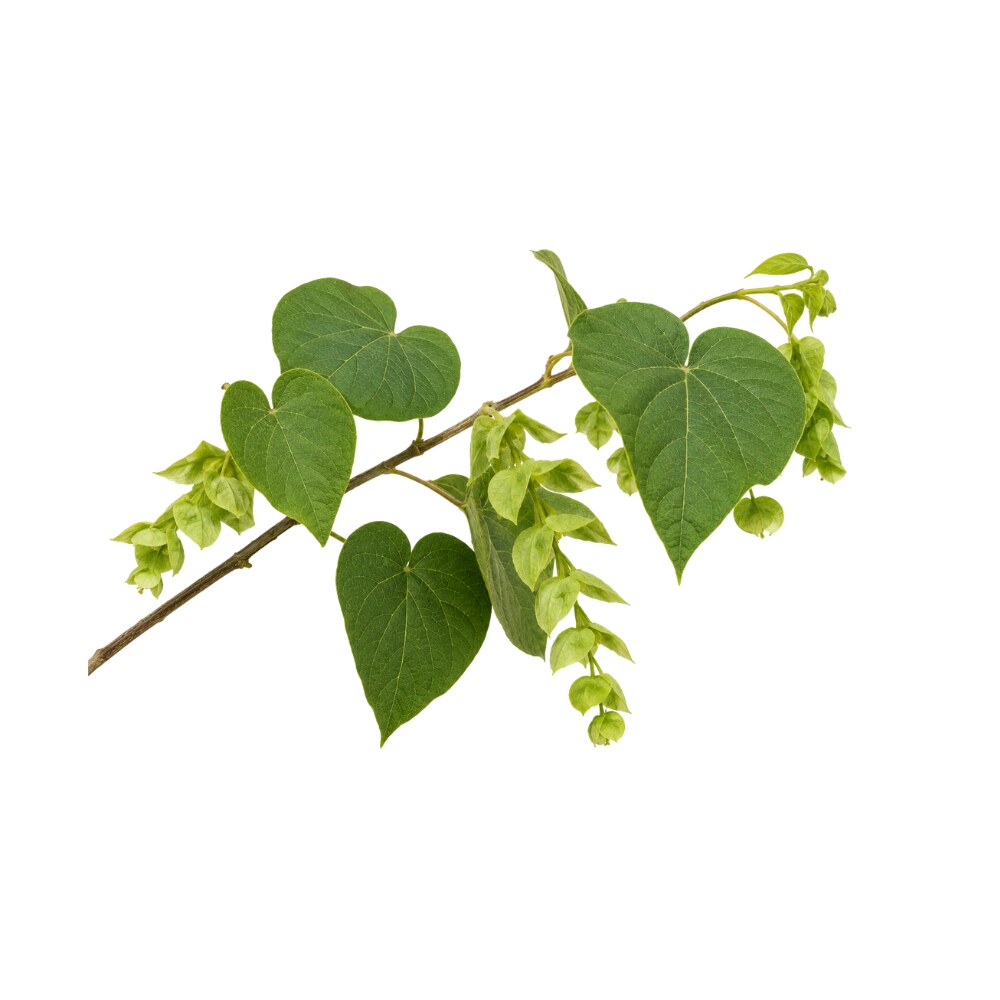 MildMildAbutaCissampelos pareiraOne of abuta's classical uses, and the fever reduction shows up consistently in rodent work — modestly, and only in rodents.Mechanismmoderate fever reduction in the Brewer\u2019s-yeast pyrexia model; intrinsic antipyretic action noted alongside the dengue workRead the evidenceShow lessMonograph →
Fever is one of abuta’s classical uses. Ayurvedic practice reaches for patha in weak digestion, diarrhoea and dysentery, fever and urinary complaints, and it appears in rheumatism, ulcer and fever formulations rather than being taken alone.
The preclinical work is consistent with that. Powdered C. pareira produced moderate fever reduction in the Brewer’s-yeast pyrexia model in rats 7Reference 7AnimalComparative antipyretic and analgesic activities of Cissampelos pareira Linn. and Cyclea peltata — animal model (rat)View study →, and the dengue antiviral programme independently noted intrinsic antipyretic action in Wistar rats, proposing synergy with paracetamol 8Reference 8In vitroCissampelos pareira Linn: Natural source of potent antiviral activity against all four dengue virus serotypes — in vitro and in vivo mouse modelView study →.
The effect sizes are modest and the work is rodent-only.
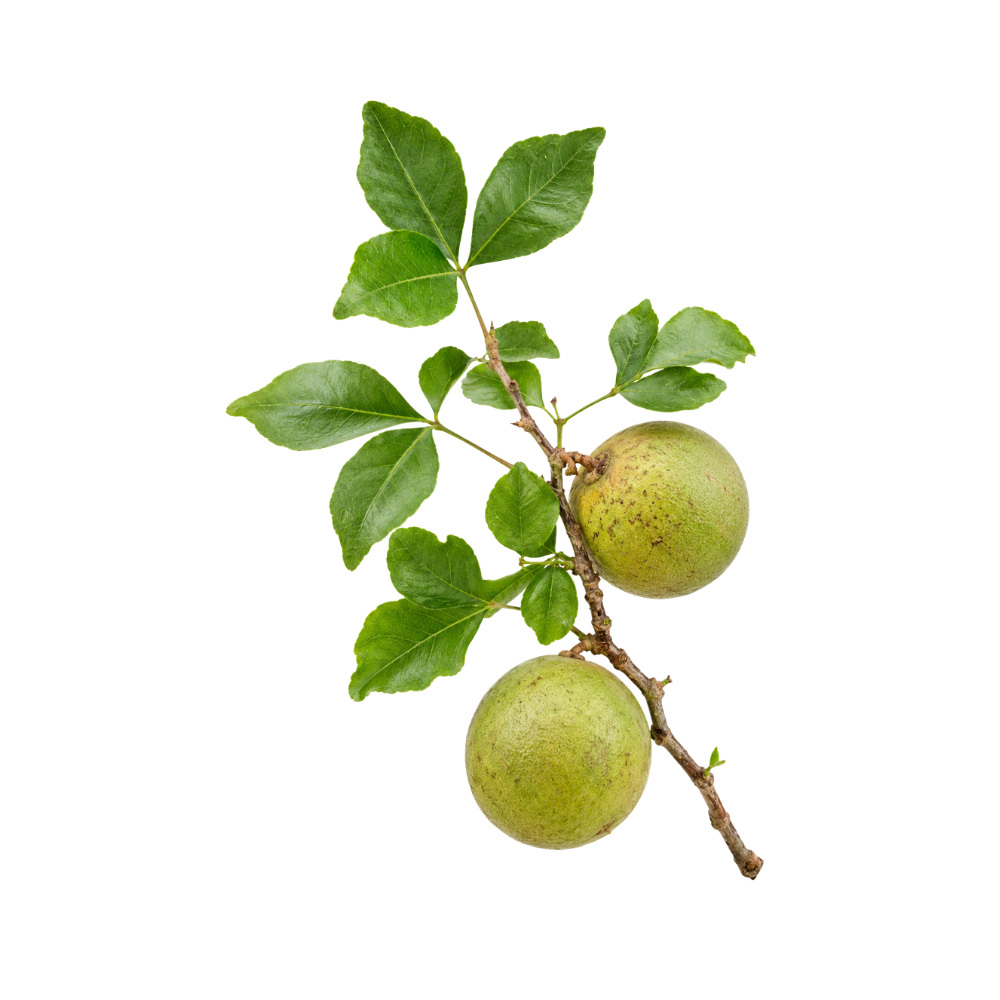 MildMildBaelAegle marmelosLeaf extract showed antipyretic activity in rats, consistent with the traditional use of leaf, root and bark for fever in Ayurveda.Mechanismnot establishedRead the evidenceShow lessMonograph →
Aqueous leaf extract reduced yeast-induced fever in rats alongside anti-inflammatory and analgesic activity 4Reference 4AnimalStudies on the anti-inflammatory, antipyretic and analgesic properties of the leaves of Aegle marmelos Corr. — animal model (rat)View study →. The leaf juice is given for fever in Ayurvedic practice, and the root enters Dashamula.
No mechanism has been identified and there is no human evidence.
 MildMildBonesetEupatorium perfoliatumThe Eclectic fever herb, given as a hot infusion for 'break-bone fever'; its antipyresis is the consequence of its diaphoresis, and no fever study exists.Read the evidenceShow less
Boneset was the standard fever remedy of Eclectic practice, taken hot to bring on a sweat in influenza and the “break-bone fever” that gave it its name.
In the Eclectic literature the fall in temperature is the consequence of the sweating rather than an independent action. No thermoregulatory, prostaglandin or animal fever data exist.
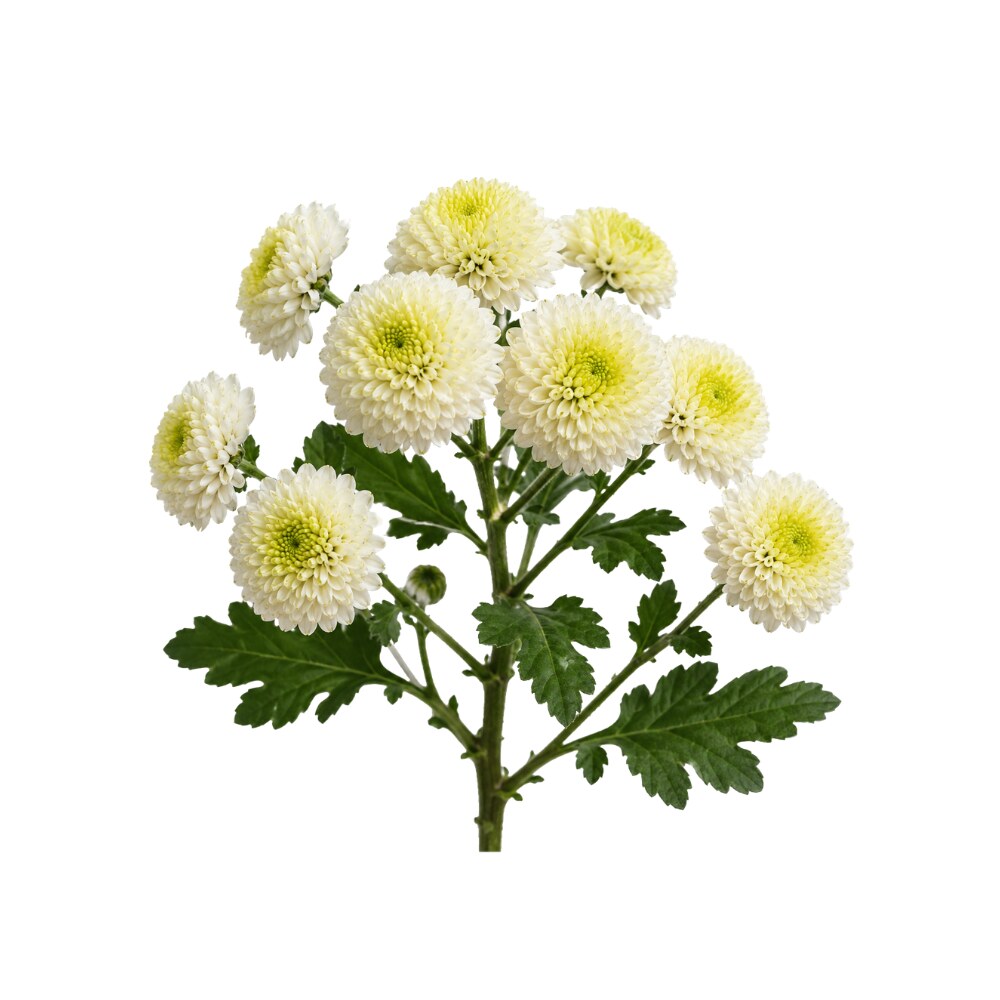 MildMildChrysanthemumChrysanthemum morifoliumA classical fever and wind-heat herb of Chinese practice, with general anti-inflammatory research and no fever-specific study.Mechanismnot establishedRead the evidenceShow lessMonograph →
Chrysanthemum flower (ju hua) is a classical herb for wind-heat patterns with fever and headache, and that standing is central to how it is used.
Its research is general anti-inflammatory activity, with no fever endpoint and no mechanism specified for antipyresis.
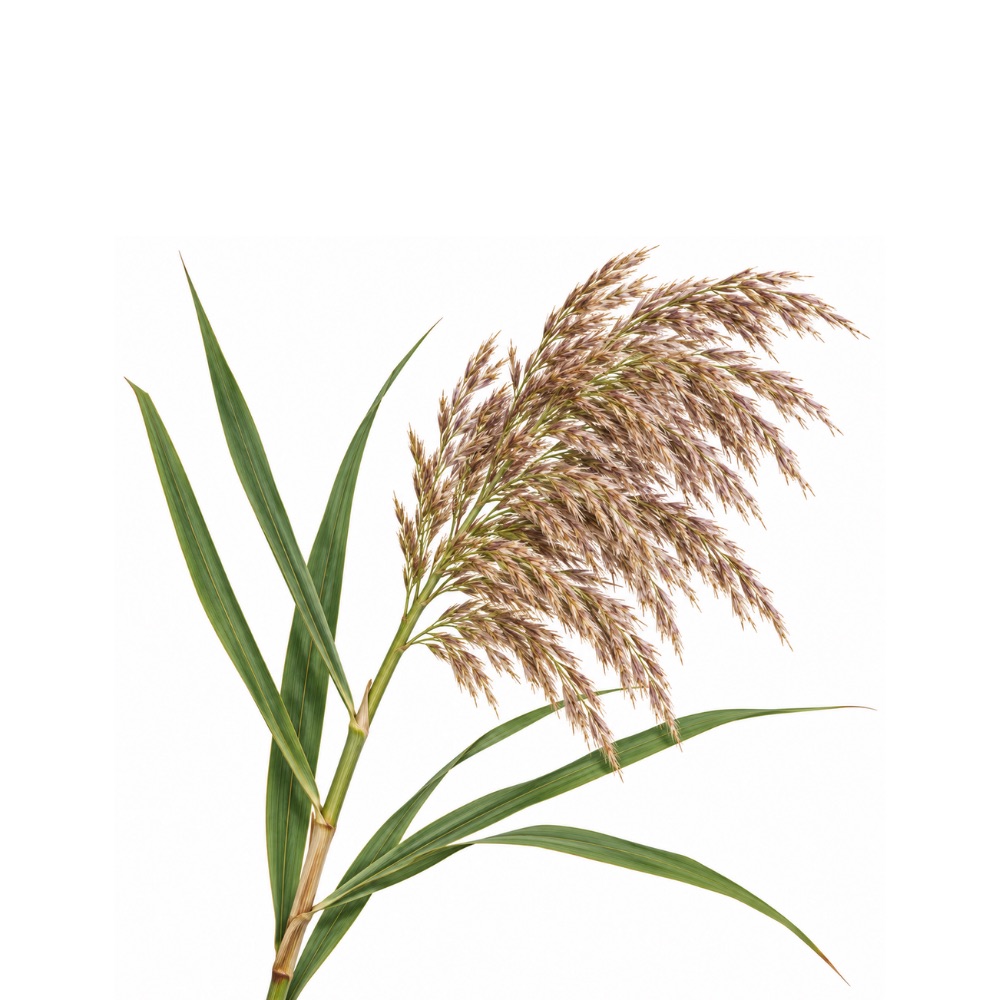 MildMildCommon ReedPhragmites australisLu gen, the reed rhizome, is a classical cooling herb given to clear heat and generate fluids in feverish illness; no research exists.Read the evidenceShow less
Reed rhizome is a cooling, heat-clearing herb of Chinese practice, given for the thirst and irritability of feverish illness.
There is no research behind the use; the entry records the traditional classification.
MildMildHoneysuckleLonicera japonicaJin yin hua, a central heat-clearing herb of Chinese medicine used in fever formulas; the anti-inflammatory chemistry is plausible for it, but no single-herb fever study exists.Read the evidenceShow lessMonograph →
Fever-clearing is central to honeysuckle’s traditional identity, and it anchors the classical wind-heat formulas.
The NF-κB anti-inflammatory chemistry makes an antipyretic effect plausible, but no dedicated single-herb fever study exists, and most of the fever data belong to the formulas the herb sits in.
MildMildIsatisIsatis indigoticaBan lan gen, a core heat-clearing herb of Chinese practice; the fever use is the tradition's, with no single-herb fever study behind it.Read the evidenceShow lessMonograph →
Isatis root is one of the most-used heat-clearing herbs in Chinese practice, given in feverish infections.
No dedicated single-herb fever study exists, so the action stands on the tradition rather than on pharmacology.
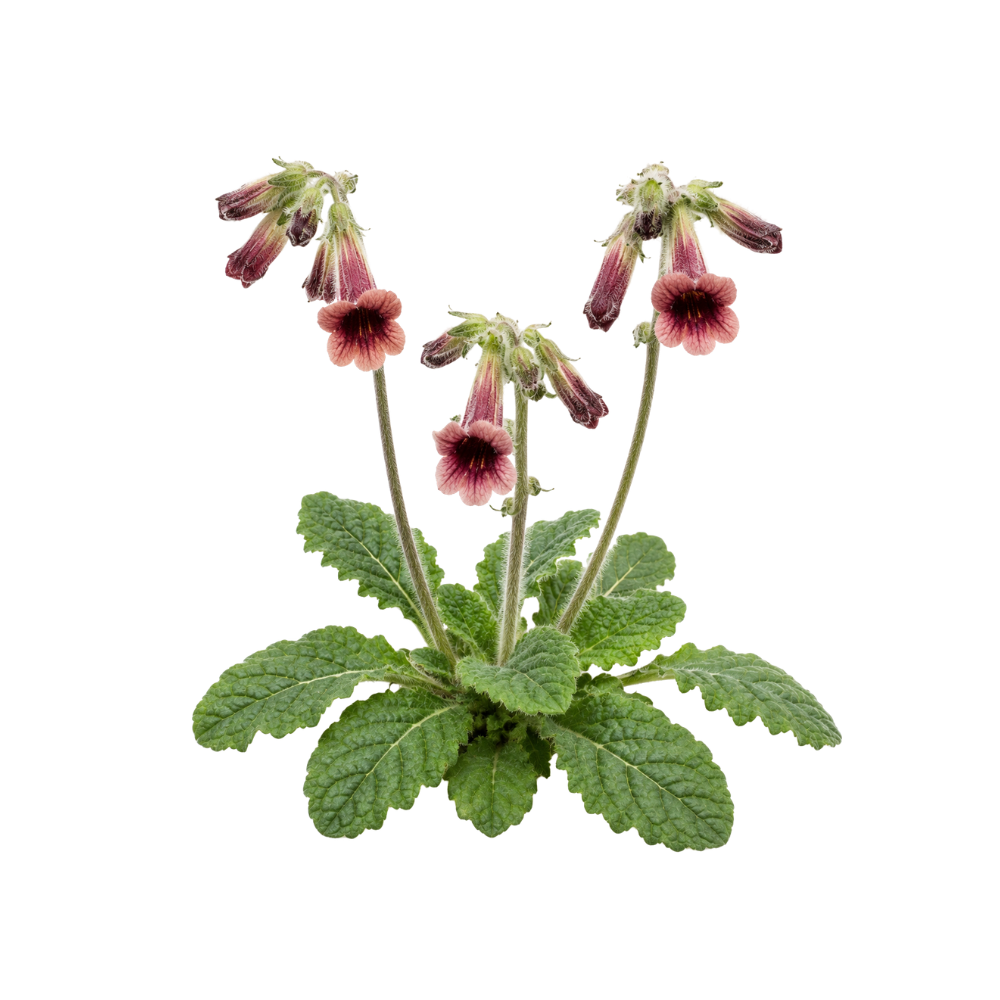 MildMildRehmanniaRehmannia glutinosaUncured sheng di huang is used to clear heat and reduce fever in Chinese practice; the prepared root is a different medicine, and no fever study exists.Read the evidenceShow lessMonograph →
The fresh or dried uncured root is the cooling form, given for heat patterns with fever, thirst and bleeding. The prepared root (shu di huang) is a warming tonic and does not carry this use.
No thermoregulatory, pyrogen or fever-model study exists.
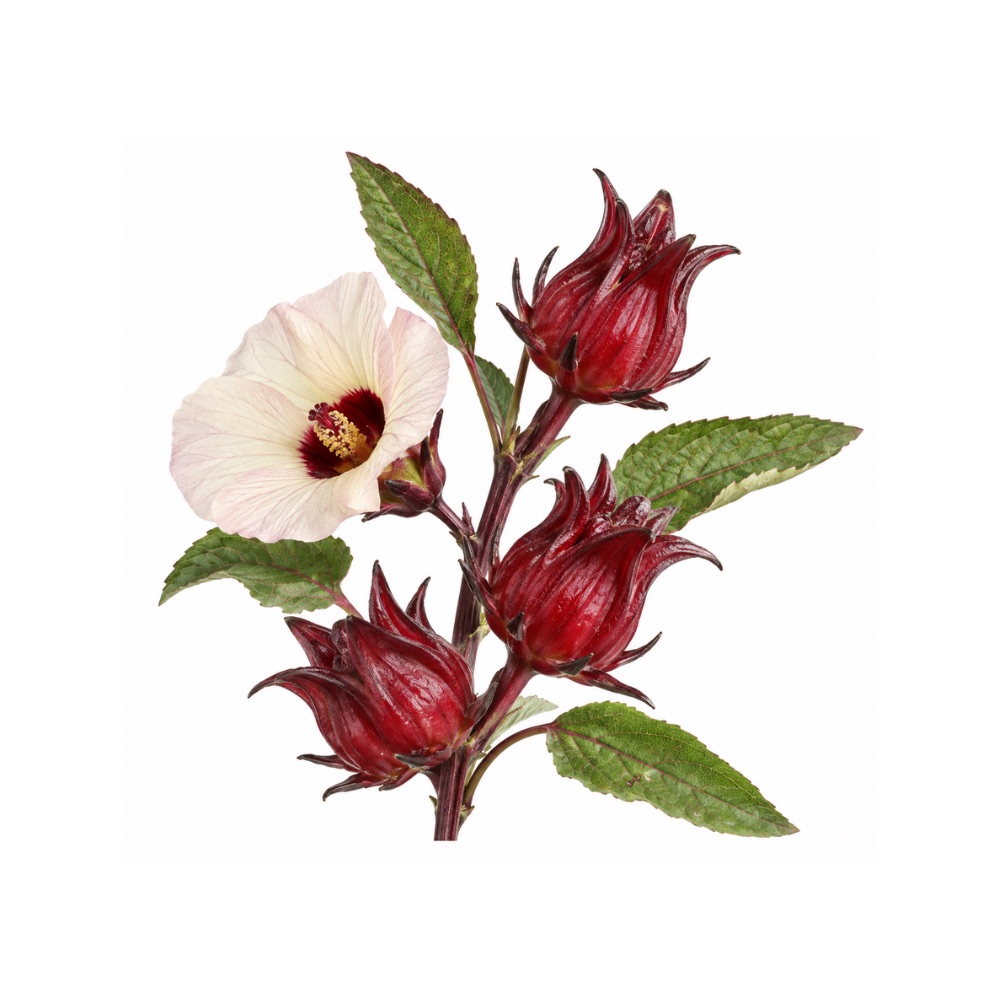 MildMildRoselleHibiscus sabdariffaTaken as a cooling sour infusion for fever alongside its uses for blood pressure and digestion; traditional only.Read the evidenceShow less
Roselle calyx is drunk cold across North and West Africa as a cooling drink in heat and fever.
Its evidenced work is antihypertensive; the fever use has not been studied.
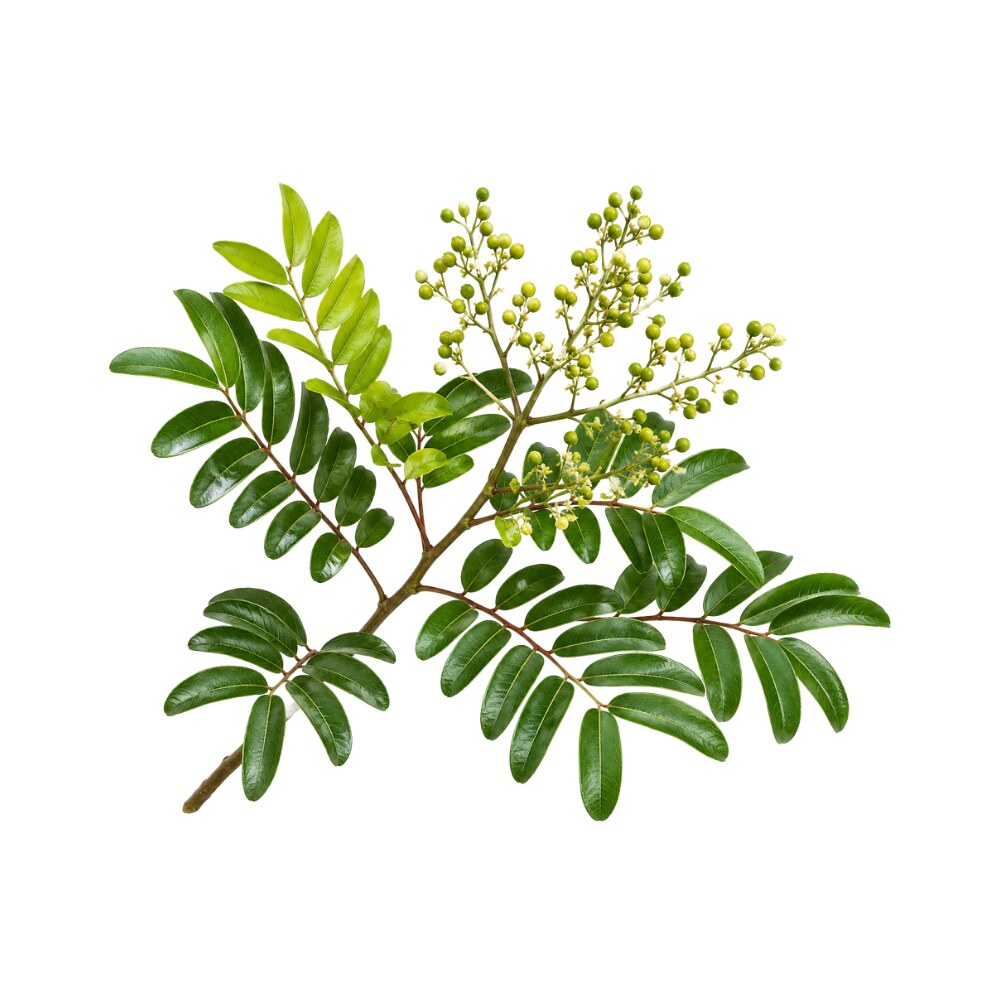 MildMildSimaroubaSimarouba amaraTraditional Amazonian fever and malaria bark; any fall in fever most plausibly follows from clearing the parasite rather than from antipyresis.Read the evidenceShow lessMonograph →
Simarouba bark is a traditional fever and malaria remedy across northern South America.
No thermoregulatory evidence exists. The only adjacent finding is reduced intestinal PGE₂ in a diarrhoea model, a gut effect rather than central antipyresis, and the fever benefit in the traditional record is most plausibly downstream of its antiprotozoal action.
MildMildSweet WormwoodArtemisia annuaQinghao has been used for fevers in China for well over a thousand years, and that record led to artemisinin; the fever falls because the malaria clears.Read the evidenceShow lessMonograph →
A 4th-century Chinese fever text pointed the way to artemisinin and a Nobel Prize.
Artemisinin clears parasitaemia, and the fever falls because the infection does. That is not antipyresis, and no study has tested the herb against fever of any other cause.
No herbs match these filters.
Safety
- Salicylate herbs are not for children with viral illness or for anyone with aspirin sensitivity.
- Sweating adds to the fluid loss of a fever; pair diaphoretics with rest and fluids.
- No fever herb has controlled single-herb human data for lowering temperature.
References
- Coon, J. T., & Ernst, E. (2004). Andrographis paniculata in the treatment of upper respiratory tract infections: a systematic review of safety and efficacy — systematic review. Planta Medica. https://pubmed.ncbi.nlm.nih.gov/15095142/
- Poolsup, N., et al. (2004). Andrographis paniculata in the symptomatic treatment of uncomplicated upper respiratory tract infection: systematic review of randomized controlled trials — meta-analysis. Journal of Clinical Pharmacy and Therapeutics. https://pubmed.ncbi.nlm.nih.gov/14748896/
- Dai, Y., et al. (2019). Overview of pharmacological activities of Andrographis paniculata and its major compound andrographolide — review. Critical Reviews in Food Science and Nutrition. https://pubmed.ncbi.nlm.nih.gov/30040451/
- Arul, V., Miyazaki, S., & Dhananjayan, R. (2005). Studies on the anti-inflammatory, antipyretic and analgesic properties of the leaves of Aegle marmelos Corr. — animal model (rat). Journal of Ethnopharmacology, 96(1–2), 159–163. https://pubmed.ncbi.nlm.nih.gov/15588665/
- Chrubasik, S., et al. (2000). Treatment of low back pain exacerbations with willow bark extract: a randomized double-blind study — RCT. The American Journal of Medicine. https://pubmed.ncbi.nlm.nih.gov/10936472/
- Khayyal, M. T., et al. (2005). Mechanisms involved in the anti-inflammatory effect of a standardized willow bark extract — animal model (rat). Arzneimittel-Forschung. https://pubmed.ncbi.nlm.nih.gov/16366042/
- Singh, S. G., Nishteswar, K., Patel, B. R., et al. (2016). Comparative antipyretic and analgesic activities of Cissampelos pareira Linn. and Cyclea peltata — animal model (rat). Ayu. https://pubmed.ncbi.nlm.nih.gov/28827957/
- Sood, R., et al. (2015). Cissampelos pareira Linn: Natural source of potent antiviral activity against all four dengue virus serotypes — in vitro and in vivo mouse model. PLoS Neglected Tropical Diseases. https://pubmed.ncbi.nlm.nih.gov/26709822/
Keep Exploring